Tech

walmart-buying-tv-brand-vizio-for-its-ad-fueling-customer-data

Walmart buying TV-brand Vizio for its ad-fueling customer data
About software, not hardware —

Deal expected to close as soon as this summer.

Close-up of Vizio logo on a TV

Walmart announced an agreement to buy Vizio today. Irvine, California-based Vizio is best known for lower-priced TVs, but its real value to Walmart is its advertising business and access to user data.

Walmart said it’s buying Vizio for approximately $2.3 billion, pending regulatory clearance and additional closing conditions. Vizio can also terminate the transaction over the next 45 days if it accepts a better offer, per the announcement.

Walmart will keep selling non-Vizio TVs should the merger close, Seth Dallaire, Walmart US’s EVP and CRO who would manage Vizio post-acquisition, told The Wall Street Journal (WSJ).

Walmart expects the acquisition to be finalized as soon as this summer, it told WSJ.

Ad-pportunity

Walmart, including Sam’s Club, is typically Vizio’s biggest customer by sales, per a WSJ report last week on the potential merger. But Walmart’s acquisition isn’t about getting a bigger piece of the budget-TV market (Walmart notably already sells its own “onn.” budget TVs). Instead, Walmart is looking to boost its Walmart Connect advertising business.

Vizio makes money by selling ads, including those shown on the Vizio SmartCast OS and on free content available on its TVs with ads. Walmart said buying Vizio will give it new ways to appeal to advertisers and that those ad efforts would be further fueled by Walmart’s high-volume sales of TVs.

Walmart said today that Vizio’s Platform+ ad business has “over 500 direct advertiser relationships, including many of the Fortune 500” and that SmartCast users have grown 400 percent since 2018 to 18 million active accounts.

Walmart Connect (which was rebranded from Walmart Media Group in 2021) sells various types of ads, including adverts that appear on Walmart’s website and app. Walmart Connect also sells ads that display on in-store screens, including display TVs and point-of-sale machines, in over 4,700 locations (Walmart has over 10,500 stores).

Walmart makes most of its US revenue from low-profit groceries, WSJ noted last week, but ads are higher profit. Walmart has said that it wants Walmart Connect to be a top-10 advertising business. Alphabet, Amazon, and Meta are among the world’s biggest advertising companies today. In the fiscal year ending January 2023, Walmart said that its global ads business represented under 1 percent ($2.7 billion) of its total annual revenue. In its fiscal year 2024 Q4 earnings report released today [PDF], Walmart said its global ad business grew 33 percent, including 22 percent in the US, compared to Q4 2023.

Hungry for customer data

Owning Platform+ would give Walmart new information about TV users. Data gathered from Vizio TVs will be combined with data on shoppers that Walmart already gets. Walmart plans to use this customer data to sell targeted ad space, such as banners above Walmart.com search results, and to help advertisers track ad results.

With people only able to buy so many new TVs, vendors have been pushing for ways to make money off of already-purchased TVs. That means putting ads on TV OSes and TVs that gather customer data, including what users watch and which ads they click on, when possible. TV makers like Vizio, Amazon, and LG are increasingly focusing on ads as revenue streams.

Meanwhile, retailers like Walmart are also turning to ads for revenue. Through Vizio, Walmart is looking to add a business with the vast majority of gross profit coming from ads. Data acquired through SmartCast can shed light on ad effectiveness and improve ad targeting, Vizio tells advertisers.

In an interview with WSJ, Dallaire noted that smart TVs and streaming have turned the TV business into a software, not hardware, business. According to a spokesperson for Parks Associate that Ars Technica spoke with, Vizio has 12 percent of connected TV OS market share. WSJ reported last week that Roku OS has more market share at 25 percent; although, a graph that Parks Associates’ rep sent to me suggests the percentage is smaller (Parks Associates’ spokesperson wouldn’t confirm Roku OS’ market share or the accuracy of WSJ’s report to Ars). Roku OS is on Walmart’s “onn.” TVs, but Walmart doesn’t own Roku.

Vizio TVs could get worse

From the perspective of a company seeking to grow its ad business, buying Vizio seems reasonable. But from a user perspective, Vizio TVs risk becoming too centered on selling and measuring ads.

There was already a large financial incentive for Vizio to focus on growing Platform+ and the profitability of SmartCast (in its most recent earnings report, Vizio said its average revenue per SmartCast user increased 14 percent year over year to $31.55). For years, Vizio’s business has been more about selling ads than selling TVs. An acquisition focused on ads can potentially detract from a focus on improving Vizio hardware.

Stuffing more ads into TVs could also ruin the experience for people seeking a quality TV at a lower cost. While some people may be willing to sacrifice features and image quality to save money, others aren’t willing to deal with more ads and incessant interest in viewer tracking for that experience. With Vizio expected to become part of a conglomerate eager to grow its ad business, it’s possible that the ads experience on Vizio TVs could worsen.

Editor’s note: This article was edited to include information from Parks Associates. 

Walmart buying TV-brand Vizio for its ad-fueling customer data Read More »
google-plans-“gemini-business”-ai-for-workspace-users

Google plans “Gemini Business” AI for Workspace users

We’ve got to pay for all those Nvidia cards somehow —

Google’s first swing at this idea, “Duet AI,” was an extra $30 per user per month.

The Google Gemini logo.

Enlarge / The Google Gemini logo.

Google

One of Google’s most lucrative businesses consists of packaging its free consumer apps with a few custom features and extra security and then selling them to companies. That’s usually called “Google Workspace,” and today it offers email, calendar, docs, storage, and video chat. Soon, it sounds like Google is gearing up to offer an AI chatbot for businesses. Google’s latest chatbot is called “Gemini” (it used to be “Bard”), and the latest early patch notes spotted by Dylan Roussei of 9to5Google and TestingCatalog.eth show descriptions for new “Gemini Business” and “Gemini Enterprise” products.

The patch notes say that Workspace customers will get “enterprise-grade data protections” and Gemini settings in the Google Workspace Admin console and that Workspace users can “use Gemini confidently at work” while “trusting that your conversations aren’t used to train Gemini models.”

These “early patch notes” for Bard/Gemini have been a thing for a while now. Apparently, some people have ways of making the site spit out early patch notes, and in this case, they were independently confirmed by two different people. I’m not sure the date (scheduled for February 21) is trustworthy, though.

Normally, you would expect a Google app to be included in the “Business Standard” version of Workspace, which is $12 per user per month, but it sounds like Gemini won’t be included. Google describes the products as “new Gemini Business and Gemini Enterprise plans” [emphasis ours] and implores existing paying Google Workspace users to “upgrade today to Gemini Business or Gemini Enterprise.” Roussei says the “upgrade today” link goes to the Duet AI Workspace page, Google’s first attempt at “AI for business,” which hasn’t been updated with any new plans just yet.

It’s unclear how much of the Duet AI business plan is surviving the Gemini rollout. Duet was announced in August 2023 as a few “help me write” buttons in Gmail, Docs, and other Workspace apps, which would all open chatbots that can control the various apps. Duet AI was supposed to have an “initial offering” price of an additional $30 per user per month, but it has been six months now, and Duet AI still isn’t generally available to businesses. The “try Duet AI” link goes to a “request a trial” contact form. Six months is an eternity in Google’s rapidly evolving AI plans; it’s a good bet Duet is replaced by all this Gemini stuff. Will it still be an extra $30, or did everyone scoff at that price?

If this $30-extra-for-AI plan ever ships, that would mean a typical AI-infused Workspace account would be a total of $45 per user per month. That sounds like a lot, but generative AI products currently take a huge amount of processing, which means they cost a lot. Right now, everyone is in land-grab mode, trying to get as many users as possible, but generally, the big players are all losing money. Nvidia’s market-leading AI cards can cost around $10,000 to $40,000 for a single card, and that’s not even counting the ongoing electricity costs.

Google plans “Gemini Business” AI for Workspace users Read More »
“so-violated”:-wyze-cameras-leak-footage-to-strangers-for-2nd-time-in-5-months

“So violated”: Wyze cameras leak footage to strangers for 2nd time in 5 months

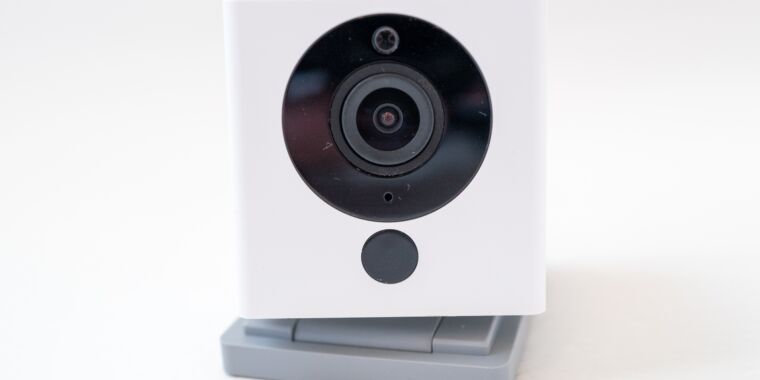
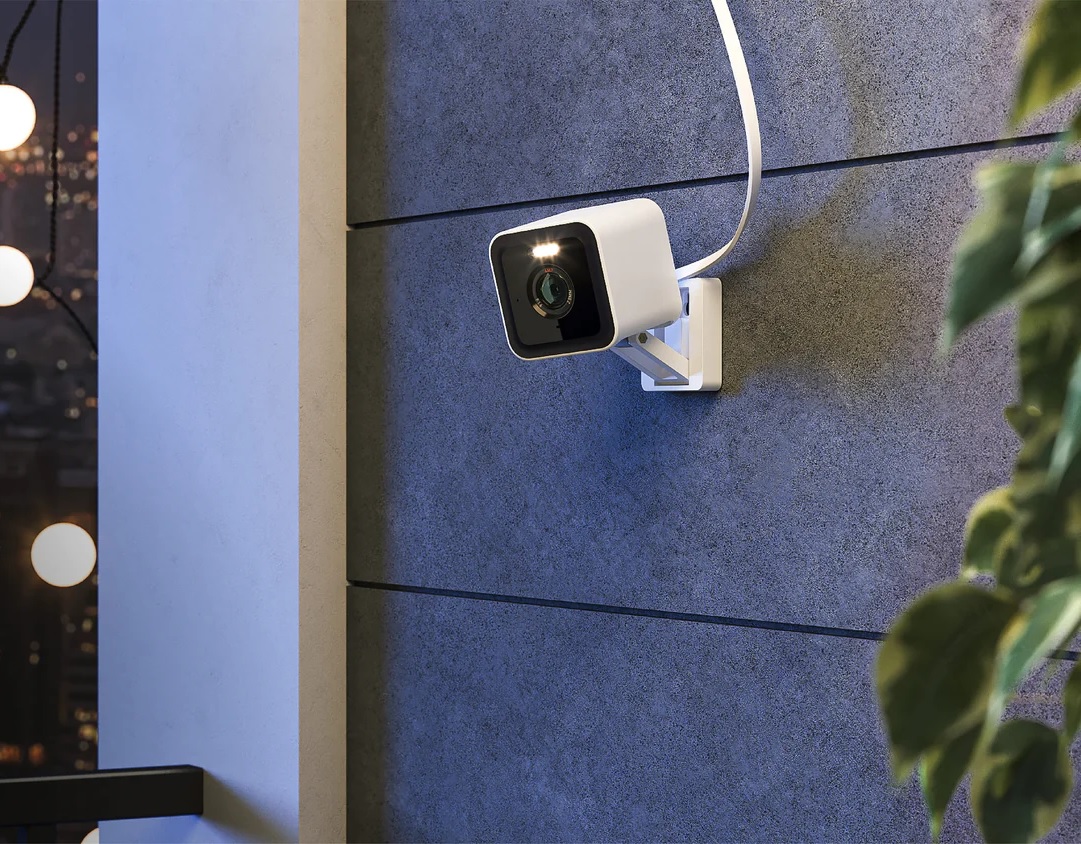
Wyze's Cam V3 Pro indoor/outdoor smart camera mounted outside

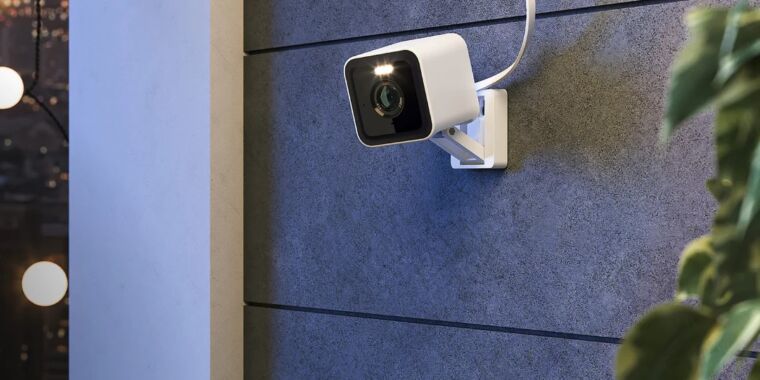
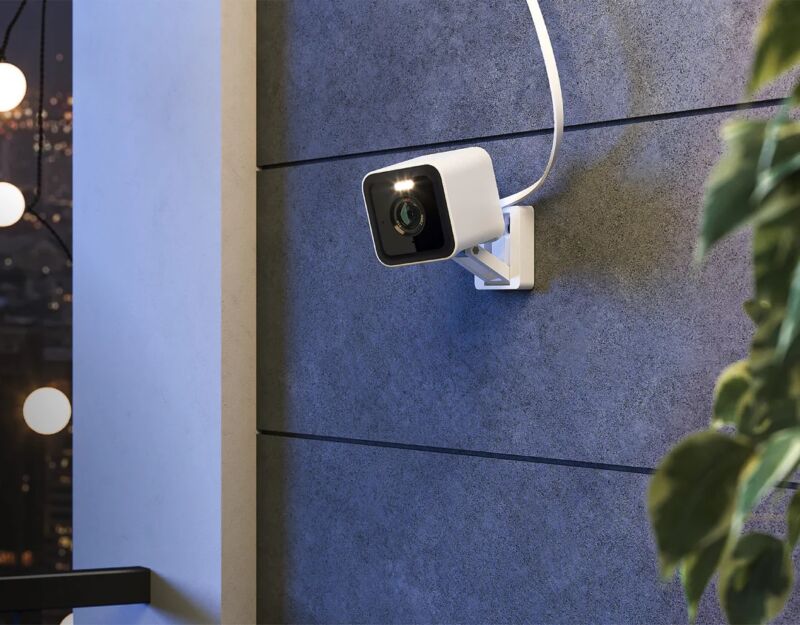
Enlarge / Wyze’s Cam V3 Pro indoor/outdoor smart camera.

Wyze cameras experienced a glitch on Friday that gave 13,000 customers access to images and, in some cases, video, from Wyze cameras that didn’t belong to them. The company claims 99.75 percent of accounts weren’t affected, but for some, that revelation doesn’t eradicate feelings of “disgust” and concern.

Wyze claims that an outage on Friday left customers unable to view camera footage for hours. Wyze has blamed the outage on a problem with an undisclosed Amazon Web Services (AWS) partner but hasn’t provided details.

Monday morning, Wyze sent emails to customers, including those Wyze says weren’t affected, informing them that the outage led to 13,000 people being able to access data from strangers’ cameras, as reported by The Verge.

Per Wyze’s email:

We can now confirm that as cameras were coming back online, about 13,000 Wyze users received thumbnails from cameras that were not their own and 1,504 users tapped on them. Most taps enlarged the thumbnail, but in some cases an Event Video was able to be viewed. …

According to Wyze, while it was trying to bring cameras back online from Friday’s outage, users reported seeing thumbnails and Event Videos that weren’t from their own cameras. Wyze’s emails added:

The incident was caused by a third-party caching client library that was recently integrated into our system. This client library received unprecedented load conditions caused by devices coming back online all at once. As a result of increased demand, it mixed up device ID and user ID mapping and connected some data to incorrect accounts.

In response to customers reporting that they were viewing images from strangers’ cameras, Wyze said it blocked customers from using the Events tab, then made an additional verification layer required to access the Wyze app’s Event Video section. Wyze co-founder and CMO David Crosby also said Wyze logged out people who had used the Wyze app on Friday in order to reset tokens.

Wyze’s emails also said the company modified its system “to bypass caching for checks on user-device relationships until [it identifies] new client libraries that are thoroughly stress tested for extreme events” like the one that occurred on Friday.

“So violated”: Wyze cameras leak footage to strangers for 2nd time in 5 months Read More »
international-nest-aware-subscriptions-jump-in-price,-as-much-as-100%

International Nest Aware subscriptions jump in price, as much as 100%

pricing pain —

Modern plans get a 25 percent increase, while older plans double in price.

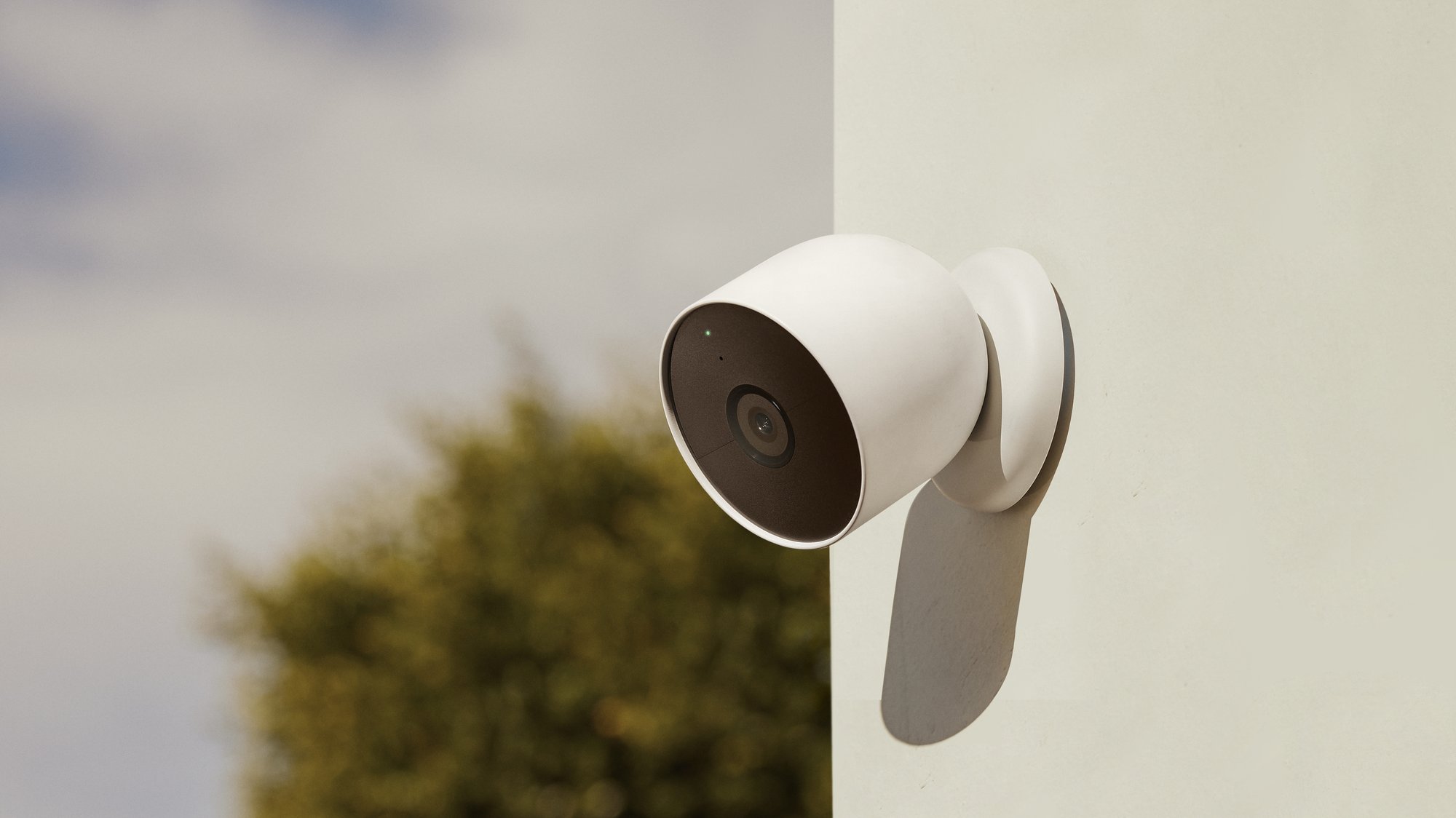
The indoor/outdoor, battery-powered (or wired) Google Nest Cam with battery.

Enlarge / The indoor/outdoor, battery-powered (or wired) Google Nest Cam with battery.

Google’s “Nest Aware” camera subscription is going through another round of price increases. This time it’s for international users. There’s no big announcement or anything, just a smattering of email screenshots from various countries on the Nest subreddit. 9to5Google was nice enough to hunt down a pile of the announcements.

Nest Aware is a monthly subscription fee for Google’s Nest cameras. Nest cameras exclusively store all their video in the cloud, and without the subscription, you aren’t allowed to record video 24/7. There are two sets of subscriptions to keep track of: the current generation subscription for modern cameras and the “first generation Nest Aware” subscription for older cameras. To give you an idea of what we’re dealing with, in the US, the current free tier only gets you three hours of “event” video—meaning video triggered by motion detection. Even the basic $8-a-month subscription doesn’t get you 24/7 recording—that’s still only 30 days of event video. The “Nest Aware Plus” subscription, at $15 a month in the US, gets you 10 days of 24/7 video recording.

The “first-generation” Nest Aware subscription, which is tied to earlier cameras and isn’t available for new customers anymore, is doubling in price in Canada. The basic tier of five days of 24/7 video is going from a yearly fee of CA$50 to CA$110 (the first-generation sub has 24/7 video on every tier). Ten days of video is jumping from CA$80 to CA$160, and 30 days is going from CA$110 to CA$220. These are the prices for a single camera; the first-generation subscription will have additional charges for additional cameras. The current Nest Aware subscription for modern cameras is getting jumps that look similar to the US, with Nest Aware Plus, the mid-tier, going from CA$16 to CA $20 per month, and presumably similar raises across the board.

Japan is seeing jumps, too, with annual Nest Aware for modern cameras going from 6,300 yen to 8,000 yen. Again, there’s no full list of price increases anywhere for every country; at the moment, we’re working from email screenshots, but it sounds like Google is rolling out similar price increases everywhere. The bill increases are happening in about a month, on March 25, 2024. The US already saw a 25–33 percent price increase in September, and it looks like, for the modern Nest Aware plan, the prices internationally are being brought in line with those increases. Users don’t seem too happy about the price increases, naturally.

Google’s austerity era, which CEO Sundar Pichai kicked off in the second half of 2022, has come with a wave of price increases across almost every Google subscription. YouTube Premium, YouTube Music, YouTube TV, Google Workspace, and Google Cloud storage all saw price increases. The one subscription that hasn’t seen a price jump is Google One, the consumer storage plan. Not that we’re trying to give Google any more ideas.

International Nest Aware subscriptions jump in price, as much as 100% Read More »

new-app-always-points-to-the-supermassive-black-hole-at-the-center-of-our-galaxy

New app always points to the supermassive black hole at the center of our galaxy

the final frontier —

iPhone compass app made with AI assistance locates the heart of the Milky Way.

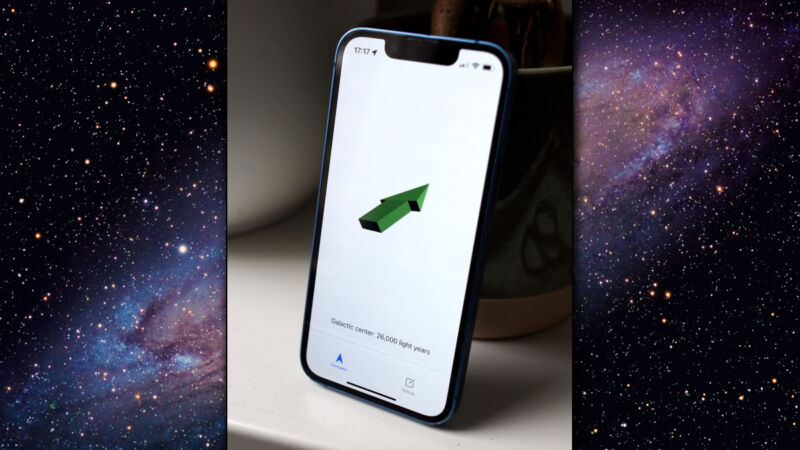
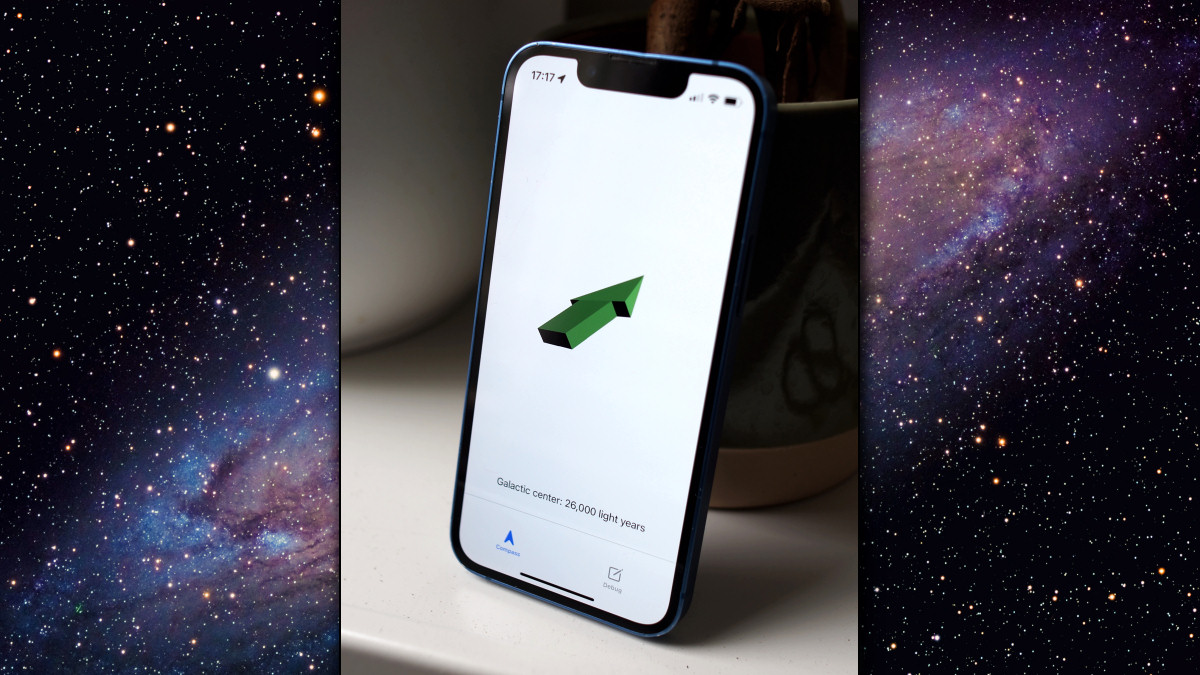
A photo of Galactic Compass running on an iPhone.

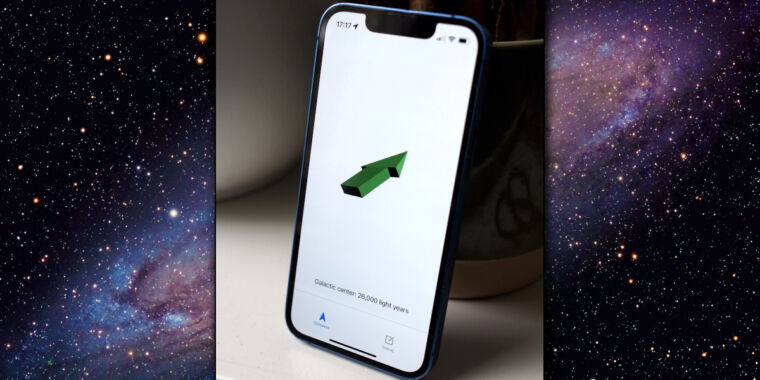
Enlarge / A photo of Galactic Compass running on an iPhone.

Matt Webb / Getty Images

On Thursday, designer Matt Webb unveiled a new iPhone app called Galactic Compass, which always points to the center of the Milky Way galaxy—no matter where Earth is positioned on our journey through the stars. The app is free and available now on the App Store.

While using Galactic Compass, you set your iPhone on a level surface, and a big green arrow on the screen points the way to the Galactic Center, which is the rotational core of the spiral galaxy all of us live in. In that center is a supermassive black hole known as Sagittarius A*, a celestial body from which no matter or light can escape. (So, in a way, the app is telling us what we should avoid.)

But truthfully, the location of the galactic core at any given time isn’t exactly useful, practical knowledge—at least for people who aren’t James Tiberius Kirk in Star Trek V. But it may inspire a sense of awe about our place in the cosmos.

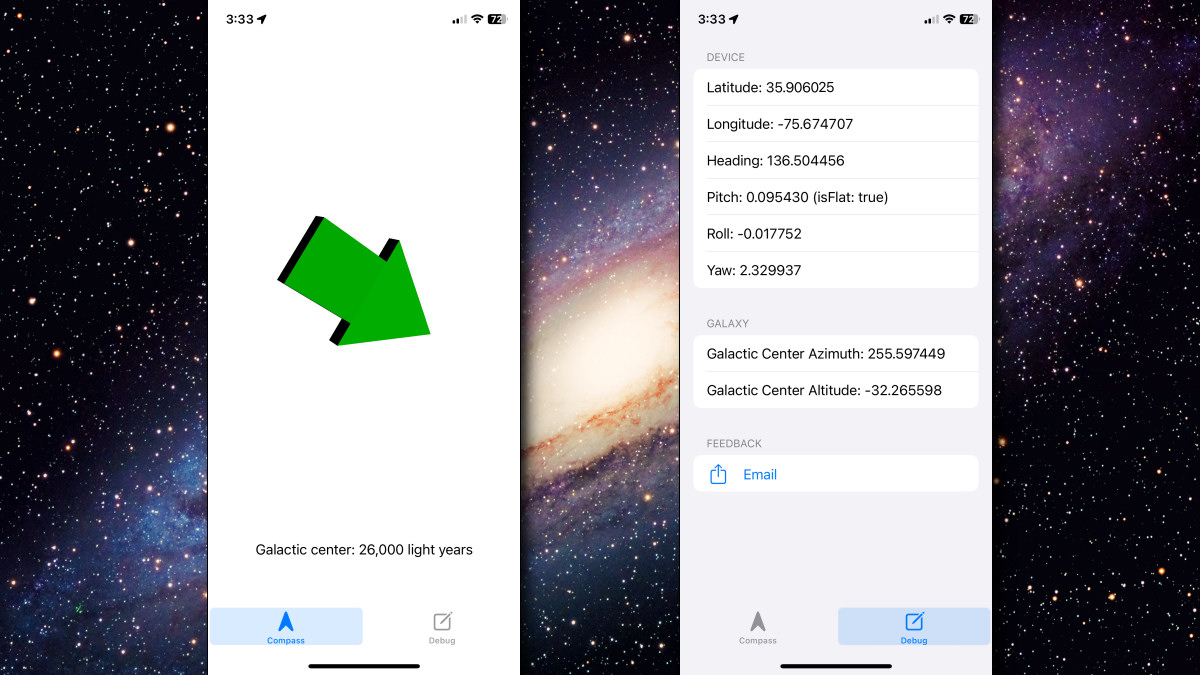
Screenshots of Galactic Compass in action, captured by Ars Technica in a secret location.

Enlarge / Screenshots of Galactic Compass in action, captured by Ars Technica in a secret location.

Benj Edwards / Getty Images

“It is astoundingly grounding to always have a feeling of the direction of the center of the galaxy,” Webb told Ars Technica. “Your perspective flips. To begin with, it feels arbitrary. The middle of the Milky Way seems to fly all over the sky, as the Earth turns and moves in its orbit.”

Webb’s journey to creating Galactic Compass began a decade ago as an offshoot of his love for casual astronomy. “About 10 years ago, I taught myself how to point to the center of the galaxy,” Webb said. “I lived in an apartment where I had a great view of the stars, so I was using augmented reality apps to identify them, and I gradually learned my way around the sky.”

While Webb initially used an astronomy app to help locate the Galactic Center, he eventually taught himself how to always find it. He described visualizing himself on the surface of the Earth as it spins and tilts, understanding the ecliptic as a line across the sky and recognizing the center of the galaxy as an invisible point moving predictably through the constellation Sagittarius, which lies on the ecliptic line. By visualizing Earth’s orbit over the year and determining his orientation in space, he was able to point in the right direction, refining his ability through daily practice and comparison with an augmented reality app.

With a little help from AI

Our galaxy, the Milky Way, is thought to look similar to Andromeda (seen here) if you could see it from a distance. But since we're inside the galaxy, all we can see is the edge of the galactic plane.

Enlarge / Our galaxy, the Milky Way, is thought to look similar to Andromeda (seen here) if you could see it from a distance. But since we’re inside the galaxy, all we can see is the edge of the galactic plane.

Getty Images

In 2021, Webb imagined turning his ability into an app that would help take everyone on the same journey, showing a compass that points toward the galactic center instead of Earth’s magnetic north. “But I can’t write apps,” he said. “I’m a decent enough engineer, and an amateur designer, but I’ve never figured out native apps.”

That’s where ChatGPT comes in, transforming Webb’s vision into reality. With the AI assistant as his coding partner, Webb progressed step by step, crafting a simple app interface and integrating complex calculations for locating the galactic center (which involves calculating the user’s azimuth and altitude).

Still, coding with ChatGPT has its limitations. “ChatGPT is super smart, but it’s not embodied like a human, so it falls down on doing the 3D calculations,” he says. “I had to learn a lot about quaternions, which are a technique for combining 3D rotations, and even then, it’s not perfect. The app needs to be held flat to work simply because my math breaks down when the phone is upright! I’ll fix this in future versions,” Webb said.

Webb is no stranger to ChatGPT-powered creations that are more fun than practical. Last month, he launched a Kickstarter for an AI-rhyming poetry clock called the Poem/1. With his design studio, Acts Not Facts, Webb says he uses “whimsy and play to discover the possibilities in new technology.”

Whimsical or not, Webb insists that Galactic Compass can help us ponder our place in the vast universe, and he’s proud that it recently peaked at #87 in the Travel chart for the US App Store. In this case, though, it’s spaceship Earth that is traveling the galaxy while every living human comes along for the ride.

“Once you can follow it, you start to see the galactic center as the true fixed point, and we’re the ones whizzing and spinning. There it remains, the supermassive black hole at the center of our galaxy, Sagittarius A*, steady as a rock, eternal. We go about our days; it’s always there.”

New app always points to the supermassive black hole at the center of our galaxy Read More »
microsoft-fixes-problem-that-let-edge-replicate-chrome-tabs-without-permission

Microsoft fixes problem that let Edge replicate Chrome tabs without permission

Tab thieving thwarted —

Edge update is first proof that this was definitely a glitch.

Microsoft fixes problem that let Edge replicate Chrome tabs without permission

Microsoft

Microsoft has fixed a problem that resulted in tabs from Google Chrome being imported to Microsoft Edge without user consent, as spotted by The Verge. Microsoft has kept mum on the situation, making the issued update the first time Microsoft has identified this as a problem, rather than typical behavior for the world’s third-most-popular browser.

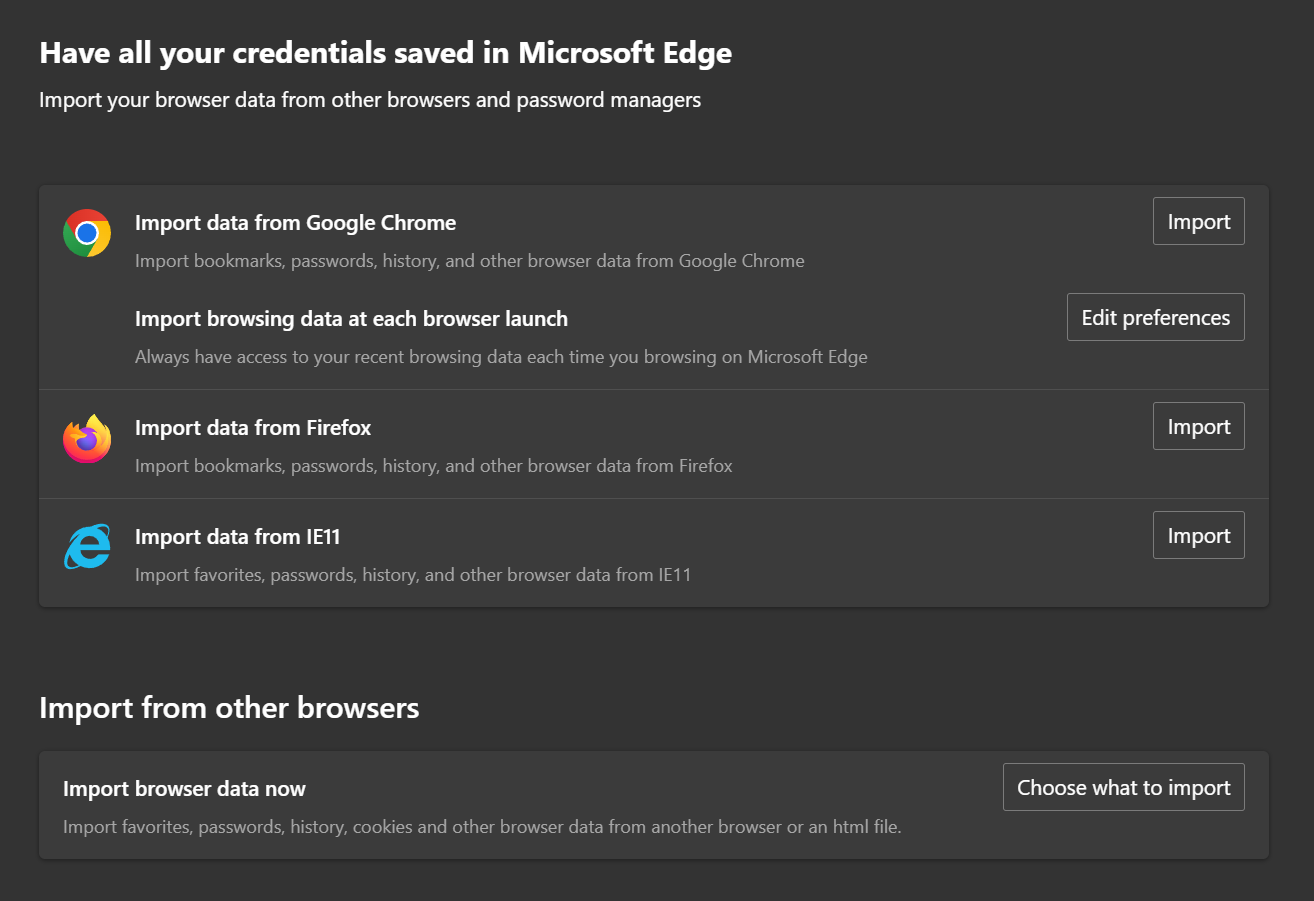
In late January, The Verge Senior Editor Tom Warren reported experiencing the puzzling Edge issue. After updating his computer, Edge launched with the tabs that Warren most recently used in Chrome. He eventually realized that Edge has a feature you can toggle, reading: “Always have access to your recent browsing data each time you browse on Microsoft Edge.” The setting is reachable in Edge by typing “edge://settings/profiles/importBrowsingData.” Interestingly, it allows Edge to import browsing data from Chrome every time you open Edge, but data from Firefox can only be imported manually. However, Edge was seizing Chrome tabs without this setting enabled. Others reported having this problem via Microsoft’s support forum and social media, as well.

The Edge setting as seen on a Windows 11 23H2 system running Edge 122. You can have data continuously imported from Chrome or on demand from Firefox, but other browsers don't appear.

Enlarge / The Edge setting as seen on a Windows 11 23H2 system running Edge 122. You can have data continuously imported from Chrome or on demand from Firefox, but other browsers don’t appear.

Andrew Cunningham

Microsoft didn’t respond to The Verge’s initial request for comment, but this week it released an Edge update that seems to address matters. Microsoft’s release notes from February 15 say:

Edge has a feature that provides an option to import browser data on each launch from other browsers with user consent. This feature’s state might not have been syncing and displaying correctly across multiple devices. This is fixed.

Microsoft seems to be saying that the status (enabled or disabled) of Edge’s importing data ability wasn’t syncing correctly across people’s Microsoft devices. However, this doesn’t explain the number of users who claimed they saw the problem without having the feature enabled. Microsoft declined Ars Technica’s request for comment.

With this fix, Microsoft is claiming that the behavior was, indeed, unintentional. But that wasn’t a given. Besides the fact that Microsoft hasn’t provided more details about the problem, the company also has a history of both sneakily and overtly trying to coerce people into using Edge. You’ll see Microsoft pester you with pop-up messages if you try to download Chrome or change your default browser, for example.

Edge and Chrome are both based on the Chromium browsing engine, but Chrome has long maintained a massive lead over Edge in terms of market share. Global Statcounter data points to Chrome having 64.41 percent market share last month, followed by Safari (18.82 percent), and then Edge (5.36 percent). The numbers inch slightly more in Microsoft’s favor when looking at the US market specifically (9.31 percent share in January), although Chrome still dominated (49.06 percent).

  • Browser market share for the past year globally.

  • Browser market share for the past year in the US.

Like many web browsers, Edge has a hard time competing with Chrome, which ties in with other popular Google services, like Gmail. Similarly, Edge promotes Microsoft offerings, including coupons, Microsoft accounts, and, as of recently, Copilot.

Edge pulling Chrome tabs seemed to fit in with pushy strategies Microsoft has employed to get people on its browser and other products, like Microsoft 365. Without more information, we don’t know when Microsoft first knew about Edge’s unwanted tab replication or how long it took to make it stop. Regardless, Microsoft doesn’t intend for tab swiping to be part of the Edge experience currently, so at least this particular nuisance should be over.

Microsoft fixes problem that let Edge replicate Chrome tabs without permission Read More »

wyze-outage-leaves-customers-without-camera-coverage-overnight

Wyze outage leaves customers without camera coverage overnight

Internet of ethereal things —

Company points to “AWS partner” for cameras disappearing from users’ apps.

Updated

Wyze v3 camera pointed at viewer

Getty Images

Wyze cameras have been unreliable for many users for more than nine hours today, with cameras disappearing from the Wyze app or simply reporting errors when owners try to view them.

Users started reporting issues on Down Detector just before 4 am Eastern time, and the company issued a service advisory at 9: 30 am. As of 1 pm, the company stated that its “metrics show that devices are starting to recover,” and later that there was “continued improvement,” but it was still investigating history viewing issues. At 1: 15 pm, an Ars writer was able to view his Wyze v3 camera feed and update its firmware.

A Wyze employee updated the service advisory at 2: 28 p.m. Eastern to note “continued improvement for device connection recovery.” They added that the Event tab in the Wyze app, where one can see prior recordings activated by motion or other detections, is disabled, “to investigate a possible security issue,” and it will be back soon.

Wyze attributed the issue to an “AWS partner” in an earlier update. Amazon Web Services’ dashboard showed no issues or outages as of 1: 30 pm Eastern. Ars reached out to Wyze for comment and will update this post with new information.

The Wyze subreddit was stuffed at the time of this writing with confirmations that the Wyze service was down, with many waking up to find that none of their Wyze cameras were working or even showing in their app at all. One redditor noted that they could see footage from a camera that was three time zones away. Many noted their strategy, or now intention, to diversify their security devices or implement solutions with local viewing options.

This post was updated at 4: 30 p.m. Eastern to note an update to Wyze’s service advisory.

Wyze outage leaves customers without camera coverage overnight Read More »

android-15-developer-preview-1-is-out-for-the-pixel-6-and-up

Android 15 Developer Preview 1 is out for the Pixel 6 and up

Here’s hoping for some user-facing features someday —

Low-level developer features include fs-verify support, more screen-sharing modes.

The Android 15 logo. This is

Enlarge / The Android 15 logo. This is “Android V,” if you can’t tell from the logo.

Google

It’s that time of year again. Android is going to start its ~8-month-long beta process with the release of a new major OS version. The Android 15 Developer Preview is out today for the Pixel 6, 7, and 8, Pixel Fold, and Pixel Tablet. This release should mark the end of major OS support for the Pixel 5 and 5a series.

So what’s new? It’s hard to know too much with only the simple text descriptions we’re getting, but we have a few bullet points. “Partial screen sharing” will let users share or record individual app windows instead of the entire screen. Phones don’t have much of a difference between an app window and a full screen, but it would be nice if this blocked incoming notifications from showing up on your screen share. It would also be nice for tablets.

Android is surfacing an API that supports the Linux kernel’s fs-verity feature. This will let you store a read-only file on a read-write file system and cryptographically sign it to ensure it hasn’t been maliciously tampered with. Google apparently wants app developers to use this, saying, “This leads to enhanced security, protecting against potential malware or unauthorized file modifications that could compromise your app’s functionality or data.

Google says there are improved camera controls for apps and more “dynamic performance” controls that detect if your phone is overheating and let apps respond accordingly.

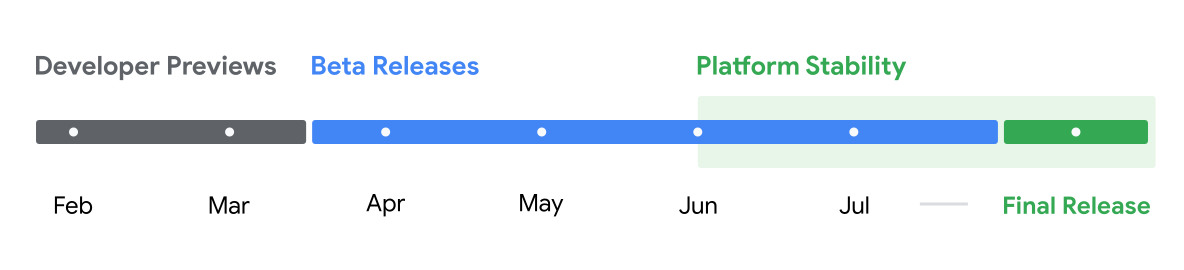
The release schedule.

Enlarge / The release schedule.

Google

There’s also a schedule that says we’re getting at least six developer releases. The first “beta” will be out in April; “platform stability,” when APIs are finalized and developers should get to work, is in June. The final release on the timeline is sometime after July, depending on how development goes.

We’ll know more about Android 15 when the actual documentation gets released and we can try some software. As always, these first Developer Preview releases are limited to low-level features for app developers, giving interested parties time to support new functionality before the OS releases in Q3. User-facing features will come later—hopefully. The Android 14 release was one of the smallest on record, so we’re hoping there are more meaningful improvements this year.

Android 15 Developer Preview 1 is out for the Pixel 6 and up Read More »

asahi-linux-project’s-opengl-support-on-apple-silicon-officially-surpasses-apple’s

Asahi Linux project’s OpenGL support on Apple Silicon officially surpasses Apple’s

who needs metal? —

Newest driver supports the latest versions of OpenGL and OpenGL ES.

Slowly but surely, the Asahi Linux team is getting Linux up and running on Apple Silicon Macs.

Enlarge / Slowly but surely, the Asahi Linux team is getting Linux up and running on Apple Silicon Macs.

Apple/Asahi Linux

For around three years now, the team of independent developers behind the Asahi Linux project has worked to support Linux on Apple Silicon Macs, despite Apple’s total lack of involvement. Over the years, the project has gone from a “highly unstable experiment” to a “surprisingly functional and usable desktop operating system.” Even Linus Torvalds has used it to run Linux on Apple’s hardware.

The team has been steadily improving its open source, standards-conformant GPU driver for the M1 and M2 since releasing them in December 2022, and today, the team crossed an important symbolic milestone: The Asahi driver’s support for the OpenGL and OpenGL ES graphics have officially passed what Apple offers in macOS. The team’s latest graphics driver fully conforms with OpenGL version 4.6 and OpenGL ES version 3.2, the most recent version of either API. Apple’s support in macOS tops out at OpenGL 4.1, announced in July 2010.

Developer Alyssa Rosenzweig wrote a detailed blog post that announced the new driver, which had to pass “over 100,000 tests” to be deemed officially conformant. The team achieved this milestone despite the fact that Apple’s GPUs don’t support some features that would have made implementing these APIs more straightforward.

“Regrettably, the M1 doesn’t map well to any graphics standard newer than OpenGL ES 3.1,” writes Rosenzweig. “While Vulkan makes some of these features optional, the missing features are required to layer DirectX and OpenGL on top. No existing solution on M1 gets past the OpenGL 4.1 feature set… Without hardware support, new features need new tricks. Geometry shaders, tessellation, and transform feedback become compute shaders. Cull distance becomes a transformed interpolated value. Clip control becomes a vertex shader epilogue. The list goes on.”

Now that the Asahi GPU driver supports the latest OpenGL and OpenGL ES standards—released in 2017 and 2015, respectively—the work turns to supporting the low-overhead Vulkan API on Apple’s hardware. Vulkan support in macOS is limited to translation layers like MoltenVK, which translates Vulkan API calls to Metal ones that the hardware and OS can understand.

Apple’s OpenGL support has been stuck at the 4.1 level since macOS 10.9 Mavericks was released in 2013. Since then, the company has shifted its focus to its proprietary Metal graphics API, which, like DirectX 12 and Vulkan, is a “low-overhead” API meant to reduce the performance overhead sometimes associated with older APIs like OpenGL. But despite declaring OpenGL officially deprecated in 2018, Apple has left its existing OpenGL implementation alone since then, never updating it but also maintaining support even as it has transitioned from Intel’s processors to its own CPUs and GPUs.

Rosenzweig’s blog post didn’t give any specific updates on Vulkan except to say that the team was “well on the road” to supporting it. In addition to supporting native Linux apps, supporting more graphics APIs in Asahi will allow the operating system to take better advantage of software like Valve’s Proton, which already has a few games written for x86-based Windows PCs running on Arm-based Apple hardware.

Though there are still things that don’t work, Fedora Asahi Remix is surprisingly polished and supports a lot of the hardware available in most M1 and M2 Macs—including the webcam, speakers, Wi-Fi and Bluetooth, and graphics acceleration. Other features, like Thunderbolt, running displays over USB-C, the system’s built-in microphone, and the Touch ID fingerprint sensors, remain non-functional. Asahi’s most recent update blog post, published in mid-January, highlighted HDMI support, support for DRM-protected websites via Google’s proprietary Widevine package, Touchbar support for the handful of Apple Silicon Macs that use one, and more.

As for the newest wave of M3 Macs, Asahi developer Hector Martin said in October 2023 that basic support for the newest chips would take “at least six months.” Among other things, the team will need time to support the M3 GPU in their drivers; the team also relies primarily on Mac mini models for development, and the M3 Mac mini doesn’t exist yet.

Asahi Linux project’s OpenGL support on Apple Silicon officially surpasses Apple’s Read More »

lawsuit-against-prime-video-ads-shows-perils-of-annual-streaming-subscriptions

Lawsuit against Prime Video ads shows perils of annual streaming subscriptions

Priyanka CHopra (left) and Richard Madden (right) in the AMazon Prime Video original series Citadel.

Enlarge / Priyanka Chopra (left) and Richard Madden (right) in the Prime Video original series Citadel.

Streaming services like Amazon Prime Video promote annual subscriptions as a way to save money. But long-term commitments to streaming companies that are in the throes of trying to determine how to maintain or achieve growth typically end up biting subscribers in the butt—and they’re getting fed up.

As first reported by The Hollywood Reporter, a lawsuit seeking class-action certification [PDF] hit Amazon on February 9. The complaint centers on Amazon showing ads with Prime Video streams, which it started doing for US subscribers in January unless customers paid an extra $2.99/month. This approach differed from how other streaming services previously introduced ads: by launching a new subscription plan with ads and lower prices and encouraging subscribers to switch.

A problem with this approach, though, as per the lawsuit, is that it meant that people who signed up for an annual subscription to Prime Video before Amazon’s September 2023 announcement about ads already paid for a service that’s different from what they expected.

And that’s not the only risk people face when opting-in to a yearlong relationship with streaming services these days.

Paying extra “for something they already paid for”

The lawsuit recently filed against Prime Video names California resident Wilbert Napoleon as a plaintiff and argues that Amazon’s advertisements for Prime Video made “reasonable consumers” think that they would get ad-free movie and TV-show streaming for the duration of their subscription.

The lawsuit reads:

Reasonable consumers expect that, if you purchase a subscription with ad-free streaming of movies and tv shows, that the ad-free streaming for movies and tv shows is available for the duration of the purchased subscription.

… however, Plaintiff and class members’ reasonable expectations were not met. Instead of receiving a subscription that included ad-free streaming of [TV] shows and movies, they received something worth less.

Napoleon bought an annual subscription to Prime Video in June 2023, per the court filings. The lawsuit accuses Amazon of falsely advertising Prime Video.

“Subscribers must now pay extra to get something that they already paid for,” the lawsuit says.

The idea of expectations not being met is common for streaming customers. That said, the lawsuit hasn’t gotten far enough yet where we should expect big changes to Prime Video or financial penalties for Amazon. Changing the user experience mid-deal is aggravating for customers, but Prime Video’s terms of use claim that Amazon maintains the right to diminish the value of Prime Video:

Offers and pricing for subscriptions (also referred to at times as memberships), the subscription services, the extent of available Subscription Digital Content, and the specific titles available through subscription services, may change over time and by location without notice (except as may be required by applicable law).

But there’s still a broader point to be made around streaming services trying to lure people into yearlong commitments knowing that the product they offer today might drastically change over the next 12 months.

Amazon, for example, announced that it would bring commercials to Prime Video in September and didn’t confirm when it would introduce ads until December, about a month ahead of the changes. Yet, Amazon reportedly had plans to bring ads to the service as early as June, per a report from The Wall Street Journal that cited anonymous “people familiar with the situation.” Despite these reported plans to alter the user experience significantly, Amazon continued to sell annual subscriptions to Prime Video. For months, people were committing to something that they expected would include commercial-free viewing, which used to be a popular draw of Prime Video compared to rival streaming services.

Prime Video also seemingly didn’t give a heads-up that it was removing Dolby Vision and Dolby Atmos support unless subscribers agreed to pay $2.99 more per month for an ad-free plan.

Amazon declined to comment on this story. Lawyers for the lawsuit filed against Amazon didn’t respond to a request for comment.

Lawsuit against Prime Video ads shows perils of annual streaming subscriptions Read More »

mozilla-lays-off-60-people,-wants-to-build-ai-into-firefox

Mozilla lays off 60 people, wants to build AI into Firefox

Please just make a browser —

Memo details layoffs, “strategic corrections,” and a desire for “trustworthy” AI.

Mozilla lays off 60 people, wants to build AI into Firefox

Mozilla got a new “interim” CEO just a few days ago, and the first order of business appears to be layoffs. Bloomberg was the first to report that the company is cutting about 60 jobs, or 5 percent of its workforce. A TechCrunch report has a company memo that followed these layoffs, detailing one product shutdown and a “scaling back” of a few others.

Mozilla started as the open source browser/email company that rose from the ashes of Netscape. Firefox and Thunderbird have kept on trucking since then, but the mozilla.org/products page is a great example of what the strategy has been lately: “Firefox is just the beginning!” reads the very top of the page; it then goes on to detail a lot of projects that aren’t in line with Mozilla’s core work of making a browser. There’s Mozilla Monitor (a data breach checker), Mozilla VPN, Pocket (a news reader app), Firefox Relay (for making burner email accounts), and Firefox Focus, a fork of Firefox with a privacy focus.

That’s not even a comprehensive list of recent Mozilla products. From 2017–2020, there was “Firefox Send,” an encrypted file transfer service, and a VR-focused “Firefox Reality” browser that lasted from 2018 to 2022. In 2022, Mozilla launched a $35 million venture capital fund called Mozilla Ventures. Not all Mozilla side-projects are losers—the memory-safe Rust programming language was spun out of Mozilla in 2020 and has seen rapid adoption in the Linux kernel and Android.

Mozilla is a tiny company that competes with some of the biggest tech companies in the world—Apple, Google, and Microsoft. It’s also very important to the web as a whole, as Firefox is the only browser that can’t trace its lineage back to Apple and WebKit (Chrome’s Blink engine is a WebKit fork. Microsoft Edge is a Chromium fork). So you would think focusing on Firefox would be a priority, but the company continually struggles with focus.

The Mozilla Corporation gets about 80 percent of its revenue from Google—also its primary browser competitor—via a search deal, so Mozilla isn’t exactly a healthy company. These non-browser projects could be seen as a search for a less vulnerable revenue stream, but none have put a huge dent in the bottom line.

TechCrunch managed to get an internal company memo that details a few “strategic corrections” for the myriad Mozilla products. Mozilla has a “mozilla.social” Mastodon instance that the memo says originally intended to “effectively shape the future of social media,” but the company now says the social group will get a “much smaller team.” Mozilla says it will also “reduce our investments” in Mozilla VPN, Firefox Relay, and something the memo calls “Online Footprint Scrubber” (that sounds like Mozilla Monitor?). It’s also shutting down “Mozilla Hubs,” which was a 3D virtual world it launched in 2018—that’s right, there was also a metaverse project! The memo says that “demand has moved away from 3D virtual worlds” and that “this is impacting all industry players.” The company is also cutting jobs at “MozProd,” its infrastructure team.

While chasing the trends of VR and metaverse didn’t work out, Mozilla now wants to chase another hot new trend: AI! The memo says: “In 2023, generative AI began rapidly shifting the industry landscape. Mozilla seized an opportunity to bring trustworthy AI into Firefox, largely driven by the Fakespot acquisition and the product integration work that followed. Additionally, finding great content is still a critical use case for the Internet. Therefore, as part of the changes today, we will be bringing together Pocket, Content, and the AI/ML teams supporting content with the Firefox Organization. More details on the specific organizational changes will follow shortly.” Mozilla paid an undisclosed sum in 2023 to buy a company called Fakespot, which uses AI to identify fake product reviews. Specifically citing “generative AI” leads us to believe the company wants to build a chatbot or webpage summarizer.

The TechCrunch report interprets the memo, saying, “It now looks like Mozilla may refocus on Firefox once more,” but the memo does not give an affirmative statement on “Firefox the browser” being important or seeing additional investments. In 2020, the company had another round of layoffs and said it wanted to “refocus the Firefox organization on core browser growth,” but nothing seems to have come of that. Firefox’s market share is about 3 percent of all browsers, and that number goes down every year.

Mozilla lays off 60 people, wants to build AI into Firefox Read More »

why-walking-around-in-public-with-vision-pro-makes-no-sense

Why walking around in public with Vision Pro makes no sense

  • A close-up look at the Vision Pro from the front.

    Samuel Axon

  • The Apple Vision Pro with AirPods Pro, Magic Keyboard, Magic Trackpad, and an Xbox Series X|S controller.

    Samuel Axon

  • You can see the front-facing cameras that handle passthrough video just above the downward-facing cameras that read your hand gestures here.

    Samuel Axon

  • There are two buttons for Vision Pro, both on the top.

    Samuel Axon

  • This is the infamous battery pack. It’s about the size of an iPhone (but a little thicker) and has a USB-C port for external power sources.

    Samuel Axon

  • There are two displays inside the Vision Pro, one for each eye. Each offers just under 4K resolution.

    Samuel Axon

  • Apple offers several variations of the light seal to fit different face shapes.

    Samuel Axon

If you’ve spent any time in the tech-enthusiast corners of Instagram of TikTok over the past few weeks, you’ve seen the videos: so-called tech bros strolling through public spaces with confidence, donning Apple’s $3,500 Vision Pro headset on their faces while gesturing into the air.

Dive into the comments on those videos and you’ll see a consistent ratio: about 20 percent of the commenters herald this as the future, and the other 80 mock it with vehement derision. “I’ve never had as much desire to disconnect from reality as this guy does,” one reads.

Over the next few weeks, I’m going all-in on trying the Vision Pro in all sorts of situations to see which ones it suits. Last week, I talked about replacing a home theater system with it—at least when traveling away from home. Today, I’m going over my experience trying to find a use for it out on the streets of Chicago.

I’m setting out to answer a few questions here: Does it feel weird wearing it in public spaces? Will people judge you or react negatively when you wear it—and if so, will that become less common over time? Does it truly disconnect you from reality, and has Apple succeeded in solving virtual reality’s isolationist tendencies? Does it provide enough value to be worth wearing?

As it turns out, all these questions are closely related.

The potential of AR in the wild

I was excited about the Vision Pro in the lead-up to its launch. I was impressed by the demo I saw at WWDC 2023, even though I was aware that it was offered in an ideal setting: a private, well-lit room with lots of space to move around.

Part of my excitement was about things I didn’t see in that demo but that I’ve seen augmented reality developers explore in smartphone augmented reality (AR) and niche platforms like HoloLens and Xreal. Some smart folks have already produced a wide variety of neat tech demos showing what you can do with a good consumer AR headset, and many of the most exciting ideas work outside the home or office.

I’ve seen demonstrations of real-time directions provided with markers along the street while you walk around town, virtual assistant avatars guiding you through the airport, menus and Yelp reviews overlaid on the doors of every restaurant on a city strip, public art projects pieced together by multiple participants who each get to add an element to a virtual statue, and much more.

Of course, all those ideas—and most others for AR—make a lot more sense for unintrusive glasses than they do for something that is essentially a VR headset with passthrough. Nonetheless, I was hoping to get a glimpse at that eventuality with the Vision Pro.

Why walking around in public with Vision Pro makes no sense Read More »