commercial crew

nasa-finds-more-issues-with-boeing’s-starliner,-but-crew-launch-set-for-june-1

NASA finds more issues with Boeing’s Starliner, but crew launch set for June 1
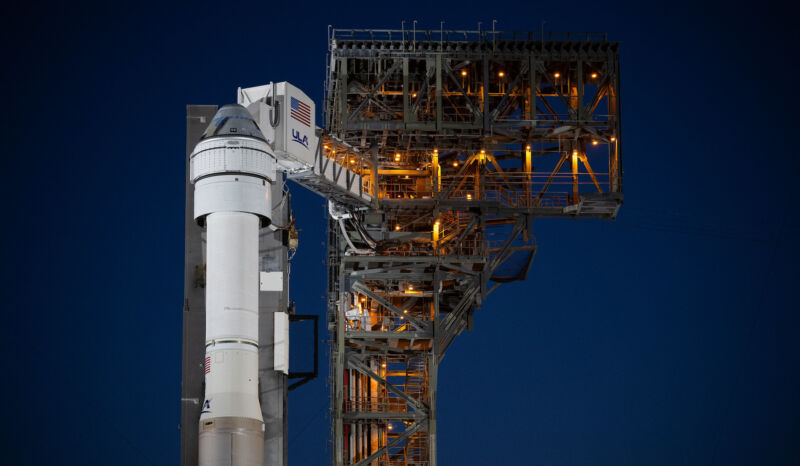
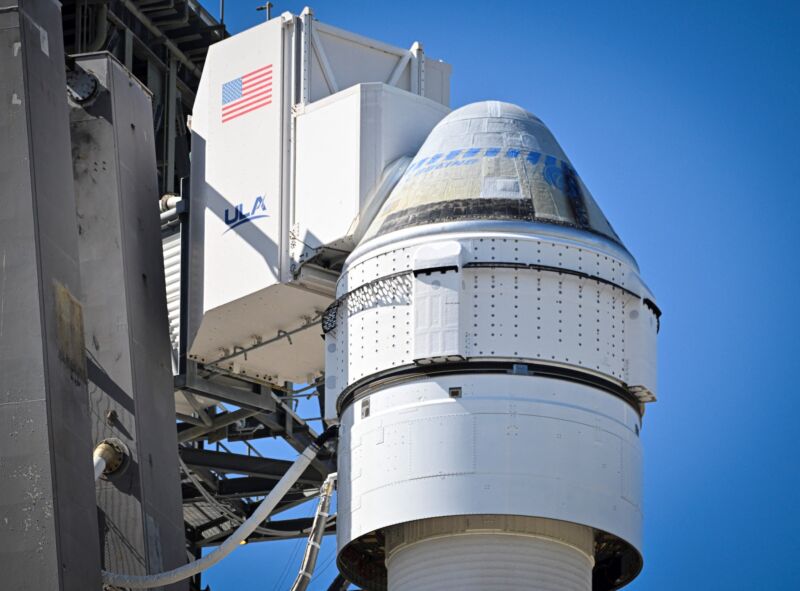
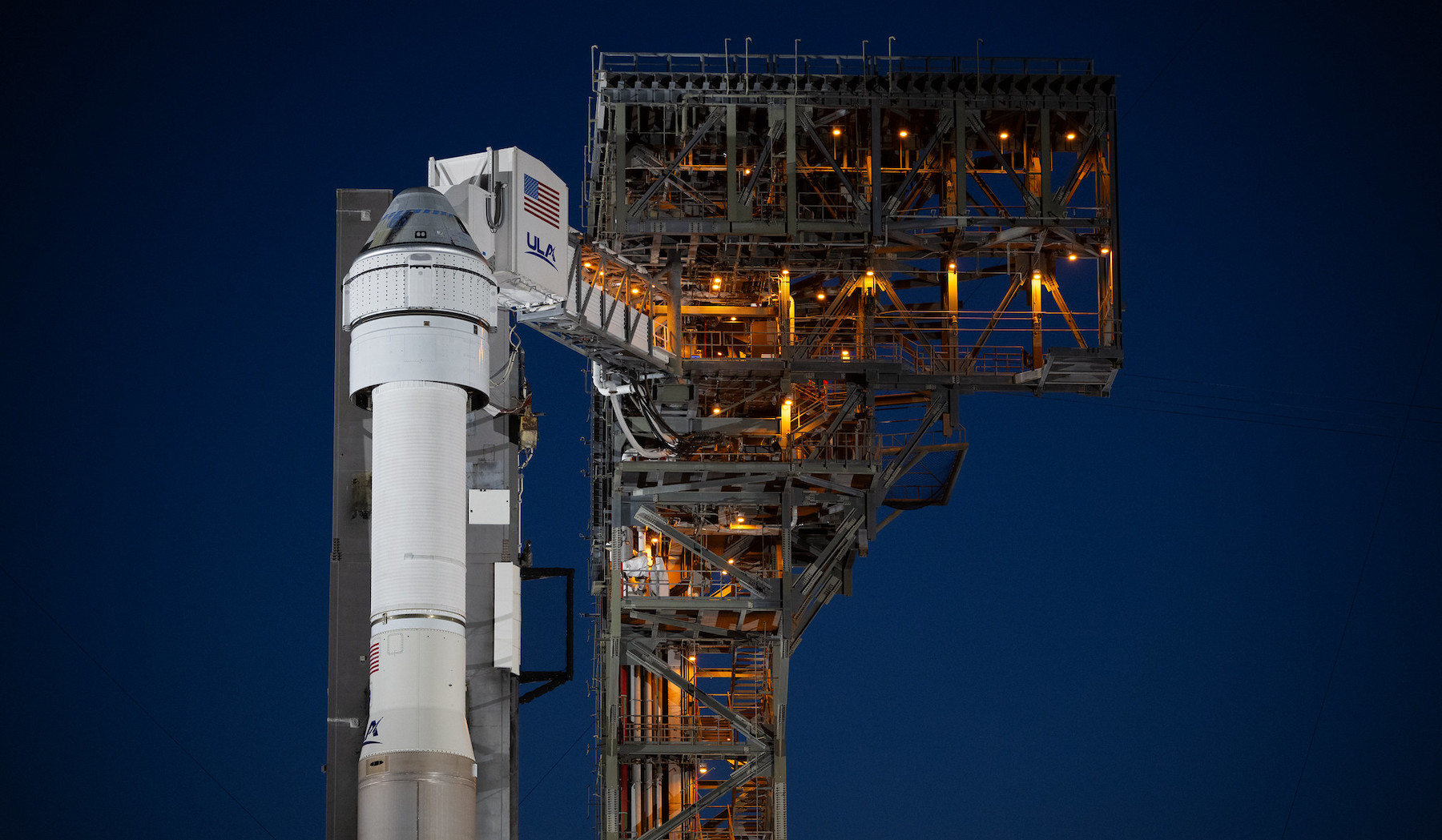
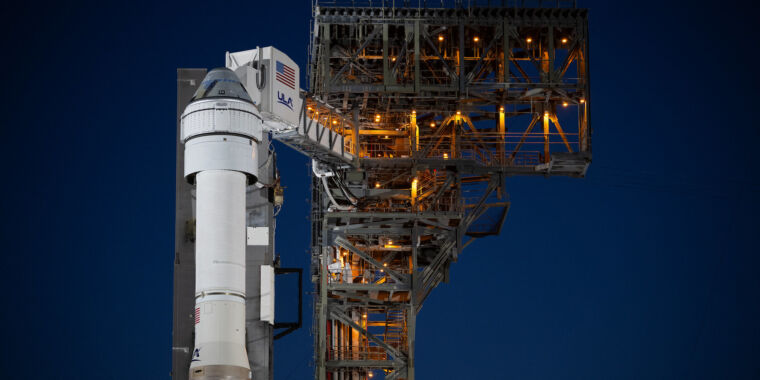
Boeing's Starliner spacecraft atop its Atlas V rocket on the launch pad earlier this month.

Enlarge / Boeing’s Starliner spacecraft atop its Atlas V rocket on the launch pad earlier this month.

Senior managers from NASA and Boeing told reporters on Friday that they plan to launch the first crew test flight of the Starliner spacecraft as soon as June 1, following several weeks of detailed analysis of a helium leak and a “design vulnerability” with the ship’s propulsion system.

Extensive data reviews over the last two-and-a-half weeks settled on a likely cause of the leak, which officials described as small and stable. During these reviews, engineers also built confidence that even if the leak worsened, it would not add any unacceptable risk for the Starliner test flight to the International Space Station, officials said.

But engineers also found that an unlikely mix of technical failures in Starliner’s propulsion system—representing 0.77 percent of all possible failure modes, according to Boeing’s program manager—could prevent the spacecraft from conducting a deorbit burn at the end of the mission.

“As we studied the helium leak, we also looked across the rest of the propulsion system, just to make sure we didn’t have any other things that we should be concerned about,” said Steve Stich, manager of NASA’s commercial crew program, which awarded a $4.2 billion contract to Boeing in 2014 for development of the Starliner spacecraft.

“We found a design vulnerability… in the prop [propulsion] system as we analyzed this particular helium leak, where for certain failure cases that are very remote, we didn’t have the capability to execute the deorbit burn with redundancy,” Stich said in a press conference Friday.

These two problems, uncovered one after the other, have kept the Starliner test flight grounded to allow time for engineers to find workarounds. This is the first time astronauts will fly into orbit on a Starliner spacecraft, following two unpiloted demonstration missions in 2019 and 2022.

The Starliner program is running years behind schedule, primarily due to problems with the spacecraft’s software, parachutes, and propulsion system, supplied by Aerojet Rocketdyne. Software woes cut short Starliner’s first test flight in 2019 before it could dock at the International Space Station, and they forced Boeing to fly an unplanned second test flight to gain confidence that the spacecraft is safe enough for astronauts. NASA and Boeing delayed the second unpiloted test flight nearly a year to overcome an issue with corroded valves in the ship’s propulsion system.

Last year, just a couple of months before it was supposed to launch on the crew test flight, officials discovered a design problem with Starliner’s parachutes and found that Boeing installed flammable tape inside the capsule’s cockpit. Boeing’s star-crossed Starliner finally appeared ready to fly on the long-delayed crew test flight from Cape Canaveral Space Force Station, Florida.

NASA commander Butch Wilmore and pilot Suni Williams were strapped into their seats inside Starliner on May 6 when officials halted the countdown due to a faulty valve on the spacecraft’s United Launch Alliance Atlas V rocket. ULA rolled the rocket back to its hangar to replace the valve, with an eye toward another launch attempt in mid-May.

But ground teams detected the helium leak in Starliner’s service module in the aftermath of the scrubbed countdown. After some initial troubleshooting, the leak rate grew to approximately 70 psi per minute. Since then, the leak rate has stabilized.

“That gave us pause as the leak rate grew, and we wanted to understand what was causing that leak,” Stich said.

NASA finds more issues with Boeing’s Starliner, but crew launch set for June 1 Read More »
the-first-crew-launch-of-boeing’s-starliner-capsule-is-on-hold-indefinitely

The first crew launch of Boeing’s Starliner capsule is on hold indefinitely

Pursuing rationale —

“NASA will share more details once we have a clearer path forward.”

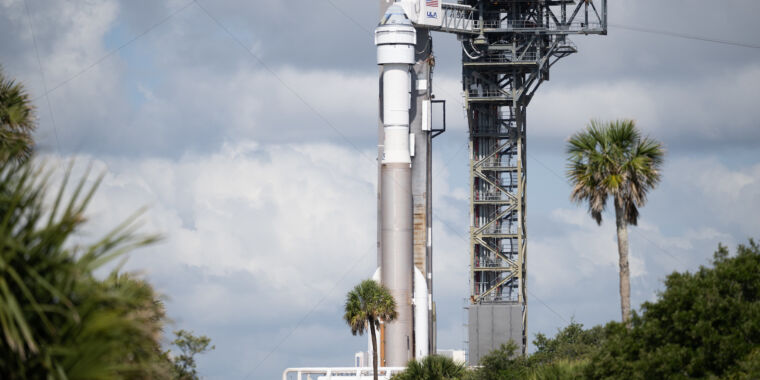
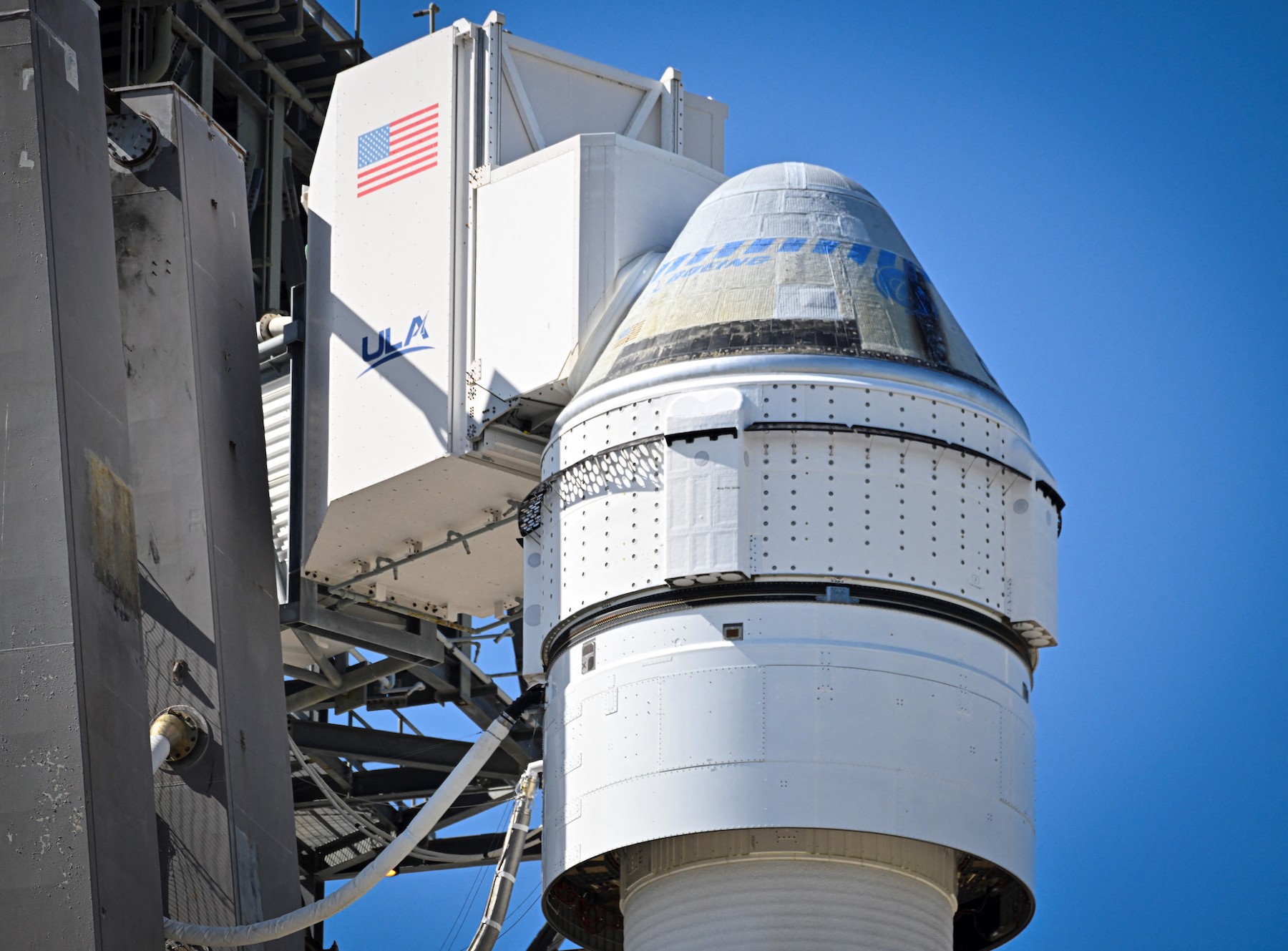
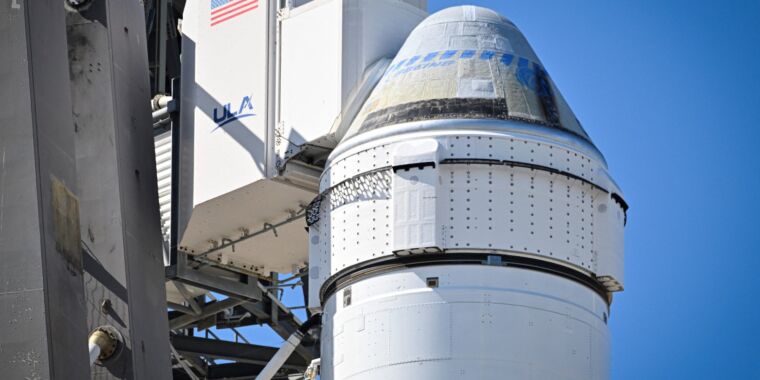
Boeing's Starliner spacecraft on the eve of the first crew launch attempt earlier this month.

Enlarge / Boeing’s Starliner spacecraft on the eve of the first crew launch attempt earlier this month.

Miguel J. Rodriguez Carrillo/AFP via Getty Images

The first crewed test flight of Boeing’s long-delayed Starliner spacecraft won’t take off as planned Saturday and could face a longer postponement as engineers evaluate a stubborn leak of helium from the capsule’s propulsion system.

NASA announced the latest delay of the Starliner test flight late Tuesday. Officials will take more time to consider their options for how to proceed with the mission after discovering the small helium leak on the spacecraft’s service module.

The space agency did not describe what options are on the table, but sources said they range from flying the spacecraft “as is” with a thorough understanding of the leak and confidence it won’t become more significant in flight, to removing the capsule from its Atlas V rocket and taking it back to a hangar for repairs.

Theoretically, the former option could permit a launch attempt as soon as next week. The latter alternative could delay the launch until at least late summer.

“The team has been in meetings for two consecutive days, assessing flight rationale, system performance, and redundancy,” NASA said in a statement Tuesday night. “There is still forward work in these areas, and the next possible launch opportunity is still being discussed. NASA will share more details once we have a clearer path forward.”

Delays are nothing new for the Starliner program, but it’s not yet clear how this delay will compare to the spacecraft’s previous setbacks.

Software problems cut short an unpiloted test flight in 2019, forcing Boeing to fly a second demonstration mission. Starliner was on the launch pad when pre-flight checkouts revealed stuck valves in the spacecraft’s propulsion system in 2021. Boeing finally flew Starliner on a round-trip mission to the space station in May 2022. Concerns about Starliner’s parachutes and flammable tape inside the spacecraft’s crew cabin delayed the crewed test flight from last summer until this year.

Boeing aims to become the second company to fly astronauts to the space station under contract with NASA’s commercial crew program, following the start of SpaceX’s crew transportation service in 2020. Assuming a smooth crewed test flight, NASA hopes to clear the Starliner spacecraft for six-month crew rotation flights to the space station beginning next year.

In the doghouse

Engineers first noticed the helium leak during the first launch attempt for Starliner’s crewed test flight May 6, but managers did not consider it significant enough to stop the launch. Ultimately, a separate problem with a pressure regulation valve on the spacecraft’s United Launch Alliance (ULA) Atlas V rocket prompted officials to scrub the launch attempt.

NASA astronauts Butch Wilmore and Suni Williams were already strapped into their seats inside the Starliner spacecraft on the launch pad at Cape Canaveral Space Force Station, Florida, when officials ordered a halt to the May 6 countdown. Wilmore and Williams returned to their homes in Houston to await the next Starliner launch opportunity.

ULA returned the Atlas V rocket to its hangar, where technicians swapped out the faulty valve in time for another launch attempt May 17. NASA and Boeing pushed the launch date back to May 21, then to May 25, as engineers assessed the helium leak. The Atlas V rocket and Starliner spacecraft remain inside ULA’s Vertical Integration Facility to wait for the next launch opportunity.

Boeing engineers traced the leak to a flange on a single reaction control system thruster in one of four doghouse-shaped propulsion pods on the Starliner service module.

There are 28 reaction control system thrusters—essentially small rocket engines—on the Starliner service module. In orbit, these thrusters are used for minor course corrections and pointing the spacecraft in the proper direction. The service module has two sets of more powerful engines for larger orbital adjustments and launch-abort maneuvers.

The spacecraft’s propulsion system is pressurized using helium, an inert gas. The thrusters burn a mixture of toxic hydrazine and nitrogen tetroxide propellants. Helium is not combustible, so a small leak is not likely to be a major safety issue on the ground. However, the system needs sufficient helium gas to force propellants from their internal storage tanks to Starliner’s thrusters.

In a statement last week, NASA described the helium leak as “stable” and said it would not pose a risk to the Starliner mission if it didn’t worsen. A Boeing spokesperson declined to provide Ars with any details about the helium leak rate.

If NASA and Boeing resolve their concerns about the helium leak without requiring lengthy repairs, the International Space Station could accommodate the docking of Starliner through part of July. After docking at the station, Wilmore and Williams will spend at least eight days at the complex before undocking to head for a parachute-assisted, airbag-cushioned landing in the Southwestern United States.

After July, the schedule gets messy.

The space station has a busy slate of multiple visiting crew and cargo vehicles in August, including the arrival of a fresh team of astronauts on a SpaceX Dragon spacecraft and the departure of an outgoing crew on another Dragon. There may be an additional window for Starliner to dock with the space station in late August or early September before the launch of SpaceX’s next cargo mission, which will occupy the docking port Starliner needs to use. The docking port opens up again in the fall.

ULA also has other high-priority missions it would like to launch from the same pad needed for the Starliner test flight. Later this summer, ULA plans to launch a US Space Force mission; it will be the last mission to use an Atlas V rocket. Then, ULA aims to launch the second demonstration flight of its new Vulcan Centaur rocket—the Atlas V’s replacement—as soon as September.

The first crew launch of Boeing’s Starliner capsule is on hold indefinitely Read More »

faulty-valve-scuttles-starliner’s-first-crew-launch

Faulty valve scuttles Starliner’s first crew launch

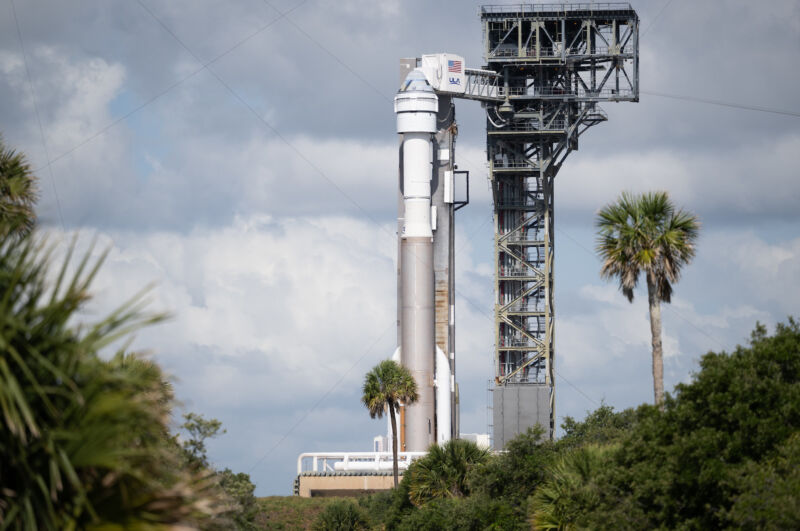
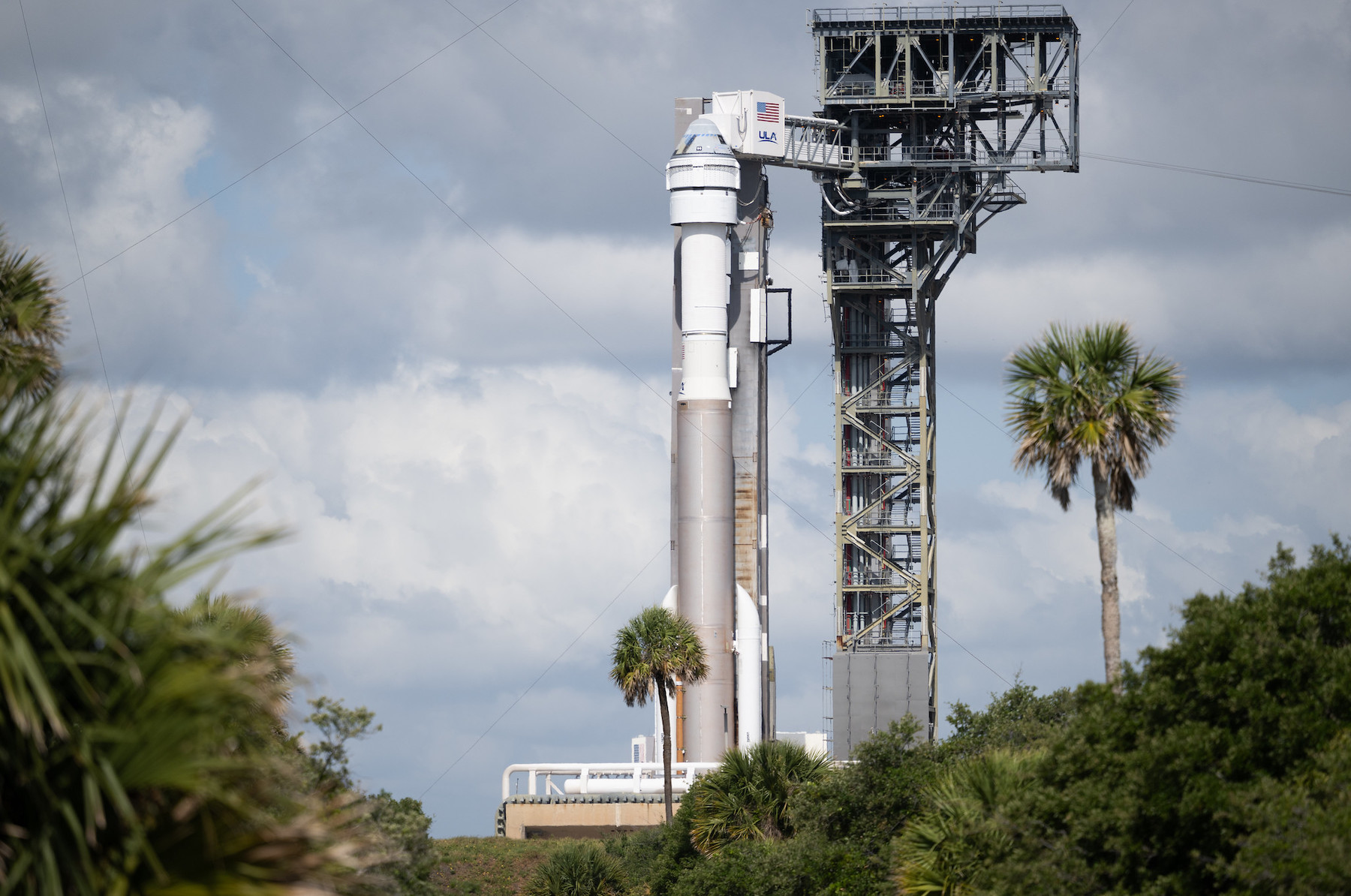
The Atlas V rocket and Starliner spacecraft on their launch pad Monday.

Enlarge / The Atlas V rocket and Starliner spacecraft on their launch pad Monday.

Astronauts Butch Wilmore and Suni Williams climbed into their seats inside Boeing’s Starliner spacecraft Monday night in Florida, but trouble with the capsule’s Atlas V rocket kept the commercial ship’s long-delayed crew test flight on the ground.

Around two hours before launch time, shortly after 8: 30 pm EDT (00: 30 UTC), United Launch Alliance’s launch team stopped the countdown. “The engineering team has evaluated, the vehicle is not in a configuration where we can proceed with flight today,” said Doug Lebo, ULA’s launch conductor.

The culprit was a misbehaving valve on the rocket’s Centaur upper stage, which has two RL10 engines fed by super-cold liquid hydrogen and liquid oxygen propellants.

“We saw a self-regulating valve on the LOX (liquid oxygen) side had a bit of a buzz; it was moving in a strange behavior,” said Steve Stich, NASA’s commercial crew program manager. “The flight rules had been laid out for this flight ahead of time. With the crew at the launch pad, the proper action was to scrub.”

The next opportunity to launch Starliner on its first crew test flight will be Friday night at 9 pm EDT (01: 00 UTC Saturday). NASA announced overnight that officials decided to skip a launch opportunity Tuesday night to allow engineers more time to study the valve problem and decide whether they need to replace it.

Work ahead

Everything else was going smoothly in the countdown Monday night. This mission will also be the first time astronauts have flown on ULA’s Atlas V rocket, which has logged 99 successful flights since 2002. It is the culmination of nearly a decade-and-a-half of development by Boeing, which has a $4.2 billion contract with NASA to ready Starliner for crew missions, then carry out six long-duration crew ferry flights to and from the International Space Station.

This crew test flight will last at least eight days, taking Wilmore and Williams to the space station to verify Starliner’s readiness for operational missions. Once Starliner flies, NASA will have two human-rated spacecraft on contract. SpaceX’s Crew Dragon has been in service since 2020.

When officials scrubbed Monday night’s launch attempt, Wilmore and Williams were already aboard the Starliner spacecraft on top of the Atlas V rocket at Cape Canaveral Space Force Station, Florida. The Boeing and ULA support team helped them out of the capsule and drove them back to crew quarters at the nearby Kennedy Space Center to wait for the next launch attempt.

“I promised Butch and Suni a boring evening,” said Tory Bruno, ULA’s CEO. “I didn’t mean for it to be quite this boring, but we’re going to follow our rules, and we’re going to make sure that the crew is safe.”

When the next launch attempt actually occurs depends on whether ULA engineers determine they can resolve the problem without rolling the Atlas V rocket back to its hangar for repairs.

The valve in question vents gas from the liquid oxygen tank on the Centaur upper stage to maintain the tank at proper pressures. This is important for two reasons. The tank needs to be at the correct pressure for the RL10 engines to receive propellant during the flight, and the Centaur upper stage itself has ultra-thin walls to reduce weight, and requires pressure to maintain structural integrity.

Faulty valve scuttles Starliner’s first crew launch Read More »

the-world’s-most-traveled-crew-transport-spacecraft-flies-again

The world’s most-traveled crew transport spacecraft flies again

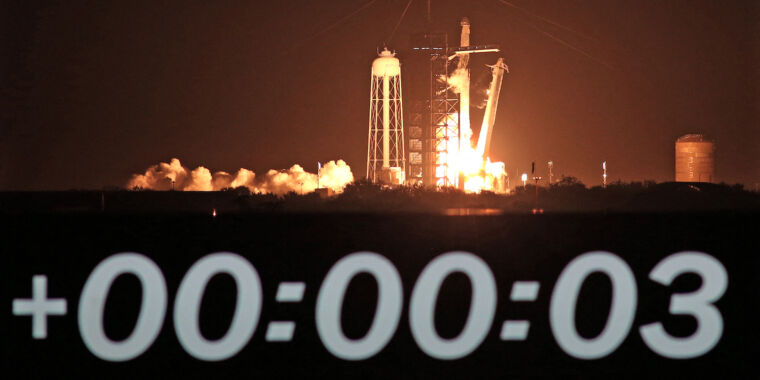
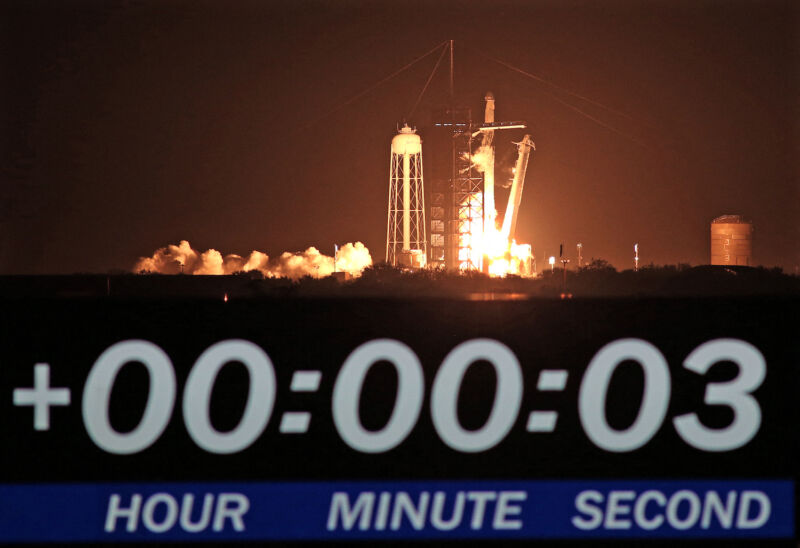
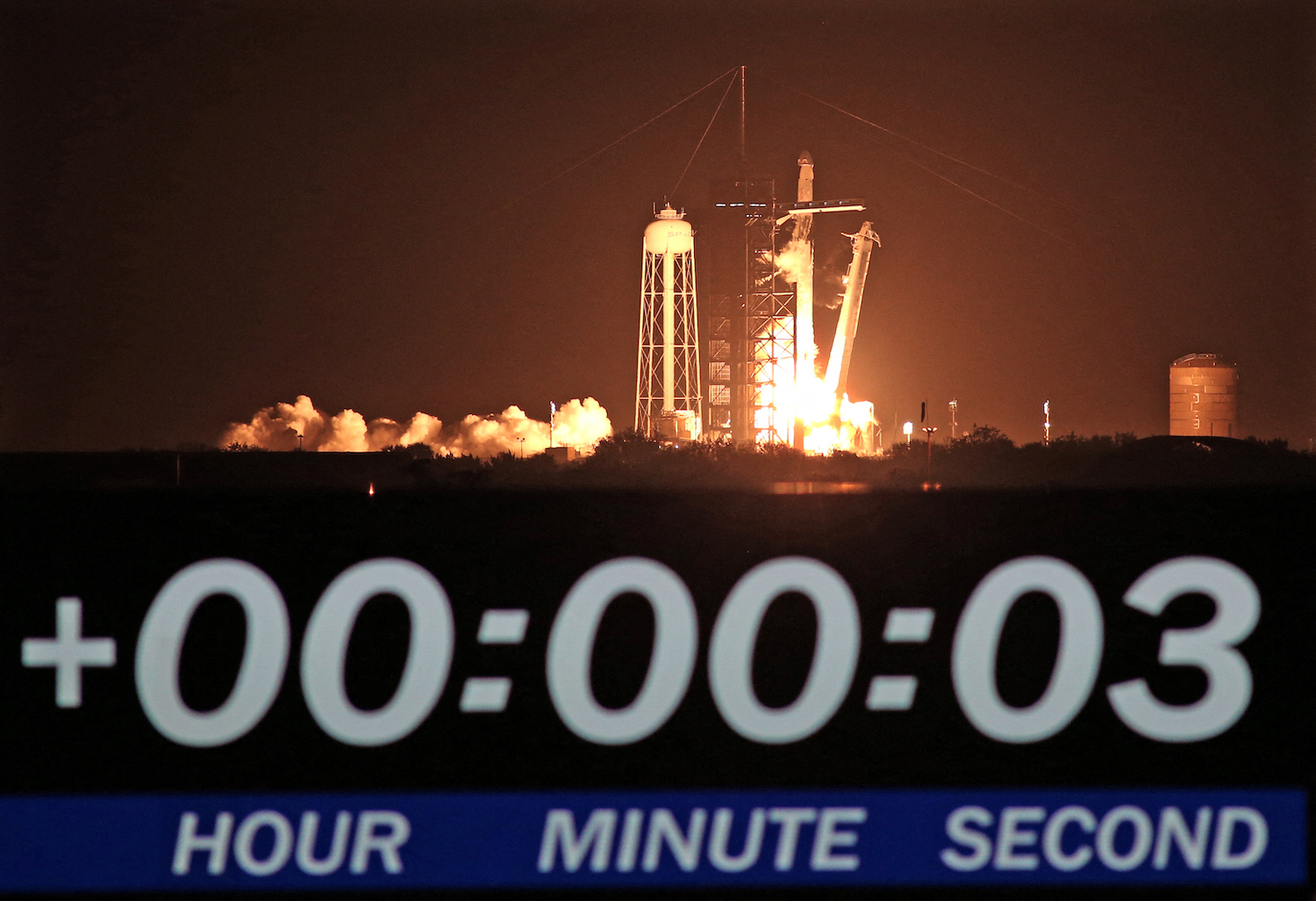
A SpaceX Falcon 9 rocket lifts off with the Crew-8 mission, sending three NASA astronauts and one Russian cosmonaut on a six-month expedition on the International Space Station.

Enlarge / A SpaceX Falcon 9 rocket lifts off with the Crew-8 mission, sending three NASA astronauts and one Russian cosmonaut on a six-month expedition on the International Space Station.

SpaceX’s oldest Crew Dragon spacecraft launched Sunday night on its fifth mission to the International Space Station, and engineers are crunching data to see if the fleet of Dragons can safely fly as many as 15 times.

It has been five years since SpaceX launched the first Crew Dragon spacecraft on an unpiloted test flight to the space station and nearly four years since SpaceX’s first astronaut mission took off in May 2020. Since then, SpaceX has put its clan of Dragons to use ferrying astronauts and cargo to and from low-Earth orbit.

Now, it’s already time to talk about extending the life of the Dragon spaceships. SpaceX and NASA, which shared the cost of developing the Crew Dragon, initially certified each capsule for five flights. Crew Dragon Endeavour, the first in the Dragon fleet to carry astronauts, is now flying for the fifth time.

This ship has spent 466 days in orbit, longer than any spacecraft designed to transport people to and from Earth. It will add roughly 180 days to its flight log with this mission.

Crew Dragon Endeavour lifted off from Florida aboard a Falcon 9 rocket at 10: 53 pm EST Sunday (03: 53 UTC Monday), following a three-day delay due to poor weather conditions across the Atlantic Ocean, where the capsule would ditch into the sea in the event of a rocket failure during the climb into orbit.

Commander Matthew Dominick, pilot Michael Barratt, mission specialist Jeanette Epps, and Russian cosmonaut Alexander Grebenkin put on their SpaceX pressure suits and strapped into their seats inside Crew Dragon Endeavour Sunday evening at NASA’s Kennedy Space Center. SpaceX loaded liquid propellants into the rocket, while ground teams spent the final hour of the countdown evaluating a small crack discovered on Dragon’s side hatch seal. Managers ultimately cleared the spacecraft for launch after considering whether the crack could pose a safety threat during reentry at the end of the mission.

“We are confident that we understand the issue and can still fly the whole mission safely,” a member of SpaceX’s mission control team told the crew inside Dragon.

This mission, known as Crew-8, launched on a brand-new Falcon 9 booster, which returned to landing a few minutes after liftoff at Cape Canaveral Space Force Station. The Falcon 9’s upper stage released the Dragon spacecraft into orbit about 12 minutes after liftoff. The four-person crew will dock at the space station around 3 am EST (0800 UTC) Tuesday.

Crew-8 will replace the four-person Crew-7 team that has been at the space station since last August. Crew-7 will return to Earth in about one week on SpaceX’s Crew Dragon Endurance spacecraft, which is flying in space for the third time.

The Crew-8 mission came home for a reentry and splashdown off the coast of Florida in late August of this year, wrapping up Crew Dragon Endeavour’s fifth trip to space. This is the current life limit for a Crew Dragon spacecraft, but don’t count out Endeavour just yet.

Fleet management

“Right now, we’re certified for five flights on Dragon, and we’re looking at extending that life out,” said Steve Stich, NASA’s commercial crew program manager. “I think the goal would be for SpaceX to say 15 flights of Dragon. We may not get there in every single system.”

One by one, engineers at SpaceX and NASA are looking at Dragon’s structural skeleton, composite shells, rocket engines, valves, and other components to see how much life is left in them. Some parts of the spacecraft slowly fatigue from the stresses of each launch, reentry, and splashdown, along with the extreme temperature swings the capsule sees thousands of times in orbit. Each Draco thruster on the spacecraft is certified for a certain number of firings.

Some components are already approved for 15 flights, Stich said in a recent press conference. “Some, we’re still in the middle of working on,” he said. “Some of those components have to go through some re-qualification to make sure that they can make it out to 15 flights.”

Re-qualifying a component on a spacecraft typically involves putting hardware through extensive testing on the ground. Because SpaceX reuses hardware, engineers can remove a part from a flown Dragon spacecraft and put it through qualification testing. NASA will get the final say in certifying the Dragon spacecraft for additional flights because the agency is SpaceX’s primary customer for crew missions.

The Dragon fleet is flying more often than SpaceX or NASA originally anticipated. The main reason for this is that Boeing, NASA’s other commercial crew contractor, is running about four years behind SpaceX in getting to its first astronaut launch on the Starliner spacecraft.

When NASA selected SpaceX and Boeing for multibillion-dollar commercial crew contracts in 2014, the agency envisioned alternating between Crew Dragon and Starliner flights every six months to rotate four-person crews at the International Space Station. With Boeing’s delays, SpaceX has picked up the slack.

The world’s most-traveled crew transport spacecraft flies again Read More »