syndication

warner-bros.-discovery-makes-still-more-changes,-will-split-streaming,-tv-business

Warner Bros. Discovery makes still more changes, will split streaming, TV business

Warner Bros. Discovery will split its business into two publicly traded companies, with one focused on its streaming and studios business and the other on its television network businesses, including CNN and Discovery.

The US media giant said the move would unlock value for shareholders as well as create opportunities for both businesses, breaking up a group created just three years ago from the merger of Warner Media and Discovery.

Warner Bros. Discovery last year revealed its intent to split its business in two, a plan first reported by the Financial Times in July last year. The company intends to complete the split by the middle of next year.

The move comes on the heels of a similar move by rival Comcast, which last year announced plans to spin off its television networks, including CNBC and MSNBC, into a separate company.

US media giants are seeking to split their faster growing streaming businesses from their legacy television networks, which are facing the prospect of long-term decline as viewers turn away from traditional television.

Warner Bros. Discovery shares were more than 10 percent higher pre-market.

David Zaslav, chief executive of Warner Bros. Discovery, will head the streaming and studios arm, while chief financial officer Gunnar Wiedenfels will serve as president and chief executive of global networks. Both will continue in their present roles until the separation.

Zaslav said on Monday the split would result in a “sharper focus” and enhanced “strategic flexibility,” that would leave each company better placed to compete in “today’s evolving media landscape.”

Warner Bros. Discovery Chair Samuel A. Di Piazza Jr. said the move would “enhance shareholder value.”

The streaming and studios arm will consist of Warner Bros. Television, Warner Bros. Motion Picture Group, DC Studios, HBO, and HBO Max, as well as their film and television libraries.

Global networks will include entertainment, sports, and news television brands around the world, including CNN, TNT Sports in the US, and Discovery.

© 2025 The Financial Times Ltd. All rights reserved. Not to be redistributed, copied, or modified in any way.

Warner Bros. Discovery makes still more changes, will split streaming, TV business Read More »

cybercriminals-turn-to-“residential-proxy”-services-to-hide-malicious-traffic

Cybercriminals turn to “residential proxy” services to hide malicious traffic

For years, gray market services known as “bulletproof” hosts have been a key tool for cybercriminals looking to anonymously maintain web infrastructure with no questions asked. But as global law enforcement scrambles to crack down on digital threats, they have developed strategies for getting customer information from these hosts and have increasingly targeted the people behind the services with indictments. At the cybercrime-focused conference Sleuthcon in in Arlington, Virginia on Friday, researcher Thibault Seret outlined how this shift has pushed both bulletproof hosting companies and criminal customers toward an alternative approach.

Rather than relying on web hosts to find ways of operating outside law enforcement’s reach, some service providers have turned to offering purpose-built VPNs and other proxy services as a way of rotating and masking customer IP addresses and offering infrastructure that either intentionally doesn’t log traffic or mixes traffic from many sources together. And while the technology isn’t new, Seret and other researchers emphasized to WIRED that the transition to using proxies among cybercrminals over the last couple of years is significant.

“The issue is, you cannot technically distinguish which traffic in a node is bad and which traffic is good,” Seret, a researcher at the threat intelligence firm Team Cymru, told WIRED ahead of his talk. “That’s the magic of a proxy service—you cannot tell who’s who. It’s good in terms of internet freedom, but it’s super, super tough to analyze what’s happening and identify bad activity.”

The core challenge of addressing cybercriminal activity hidden by proxies is that the services may also, even primarily, be facilitating legitimate, benign traffic. Criminals and companies that don’t want to lose them as clients have particularly been leaning on what are known as “residential proxies,” or an array of decentralized nodes that can run on consumer devices—even old Android phones or low end laptops—offering real, rotating IP addresses assigned to homes and offices. Such services offer anonymity and privacy, but can also shield malicious traffic.

Cybercriminals turn to “residential proxy” services to hide malicious traffic Read More »

estate-of-woman-who-died-in-2021-heat-dome-sues-big-oil-for-wrongful-death

Estate of woman who died in 2021 heat dome sues Big Oil for wrongful death


At least 100 heat-related deaths in Washington state came during the unprecedented heat wave.

Everett Clayton looks at a digital thermometer on a nearby building that reads 116 degrees while walking to his apartment on June 27, 2021 in Vancouver, Washington. Credit: Nathan Howard/Getty Images

This article originally appeared on Inside Climate News, a nonprofit, non-partisan news organization that covers climate, energy, and the environment. Sign up for their newsletter here.

The daughter of a woman who was killed by extreme heat during the 2021 Pacific Northwest heat dome has filed a first-of-its-kind lawsuit against major oil companies claiming they should be held responsible for her death.

The civil lawsuit, filed on May 29 in King County Superior Court in Seattle, is the first wrongful death case brought against Big Oil in the US in the context of climate change. It attempts to hold some of the world’s biggest fossil fuel companies liable for the death of Juliana Leon, who perished from overheating during the heat dome event, which scientists have determined would have been virtually impossible absent human-caused climate change.

“The extreme heat that killed Julie was directly linked to fossil fuel-driven alteration of the climate,” the lawsuit asserts. It argues that fossil fuel defendants concealed and misrepresented the climate change risks of their products and worked to delay a transition to cleaner energy alternatives. Furthermore, oil companies knew decades ago that their conduct would have dangerous and deadly consequences, the case alleges.

“Defendants have known for all of Julie’s life that their affirmative misrepresentations and omissions would claim lives,” the complaint claims. Leon’s daughter, Misti, filed the suit on behalf of her mother’s estate.

At 65, Juliana Leon was driving home from a medical appointment in Seattle on June 28, 2021, a day when the temperature peaked at 108° Fahrenheit (42.2° Celsius). She had the windows rolled down since the air conditioner in her car wasn’t working, but with the oven-like outdoor temperatures she quickly succumbed to the stifling heat. A passerby found her unresponsive in her car, which was pulled over on a residential street. Emergency responders were unable to revive her. The official cause of death was determined to be hyperthermia, or overheating.

There were at least 100 heat-related deaths in the state from June 26 to July 2, 2021, according to the Washington State Department of Health. That unprecedented stretch of scorching high temperatures was the deadliest weather-related event in Washington’s history. Climate change linked to the burning of fossil fuels intensified this extreme heat event, scientists say.

Misti Leon’s complaint argues that big oil companies “are responsible” for her mother’s climate change-related death. “Through their failure to warn, marketing, distribution, extraction, refinement, transport, and sale of fossil fuels, defendants each bear responsibility for the spike in atmospheric CO2 levels that have resulted in climate change, and thus the occurrence of a virtually impossible weather event and the extreme temperatures of the Heat Dome,” the suit alleges.

Defendants include ExxonMobil, BP, Chevron, Shell, ConocoPhillips, and Phillips 66. Phillips 66 declined to comment; the rest of the companies did not respond to requests for comment.

The plaintiff is represented by the Bechtold Law Firm, based in Missoula, Montana. The lawsuit brings state tort law claims of wrongful death, failure to warn, and public nuisance, and seeks relief in the form of damages as well as a public education campaign to “rectify defendants’ decades of misinformation.”

Major oil and gas companies are currently facing more than two dozen climate damages and deception cases brought by municipal, state, and tribal governments, including a case filed in 2023 by Multnomah County, Oregon, centered around the 2021 Pacific Northwest heat dome. The Leon case, however, is the first climate liability lawsuit filed by an individual against the fossil fuel industry.

“This is the first case that is directly making the connection between the misconduct and lies of big oil companies and a specific, personalized tragedy, the death of Julie Leon,” said Aaron Regunberg, accountability director for Public Citizen’s climate program.

“It puts a human face on it,” Pat Parenteau, emeritus professor of law at Vermont Law and Graduate School, told Inside Climate News.

Climate accountability advocates say the lawsuit could open up a new front for individuals suffering from climate change-related harms to pursue justice against corporate polluters who allegedly lied about the risks of their products.

“Big Oil companies have known for decades that their products would cause catastrophic climate disasters that would become more deadly and destructive if they didn’t change their business model. But instead of warning the public and taking steps to save lives, Big Oil lied and deliberately accelerated the problem,” Richard Wiles, president of the Center for Climate Integrity, said in a statement. “This latest case—the first filed on behalf of an individual climate victim—is another step toward accountability.”

“It’s a model for victims of climate disasters all across the country,” said Regunberg. “Anywhere there’s an extreme weather event with strong attribution science connecting it to climate change, families experiencing a tragedy can file a very similar case.”

Regunberg and several other legal experts have argued that Big Oil could face criminal prosecution for crimes such as homicide and reckless endangerment in the context of climate change, particularly given evidence of internal industry documents suggesting companies like Exxon knew that unabated fossil fuel use could result in “catastrophic” consequences and deaths. A 1996 presentation from an Exxon scientist, for example, outlines projected human health impacts stemming from climate change, including “suffering and death due to thermal extremes.”

The Leon case could “help lay the groundwork” for potential climate homicide cases, Regunberg said. “Wrongful death suits are important. They provide a private remedy to victims of wrongful conduct that causes a death. But we also think there’s a need for public justice, and that’s the role that criminal prosecution is supposed to have,” he told Inside Climate News.

The lawsuit is likely to face a long uphill battle in the courts. Other climate liability cases against these companies brought by government entities have been tied up in procedural skirmishes, some for years, and no case has yet made it to trial.

“In this case we have a grieving woman going up against some of the most powerful corporations in the world, and we’ve seen all the legal firepower they are bringing to bear on these cases,” Regunberg said.

But if the case does eventually make it to trial, it could be a game-changer. “That’s going to be a jury in King County, Washington, of people who probably experienced and remember the Pacific heat dome event, and maybe they know folks who were impacted. I think that’s going to be a compelling case that has a good chance of getting an outcome that provides some justice to this family,” Regunberg said.

Even if it doesn’t get that far, the lawsuit still “marks a significant development in climate liability,” according to Donald Braman, an associate professor of criminal law at Georgetown University and co-author of a paper explaining the case for prosecuting Big Oil for climate homicide.

“As climate attribution science advances, linking specific extreme weather events to anthropogenic climate change with greater confidence, the legal arguments for liability are strengthening. This lawsuit, being the first of its kind for wrongful death in this context, will be closely watched and could set important precedents, regardless of its ultimate outcome,” he said. “It reflects a growing societal demand for accountability for climate-related harms.”

Photo of Inside Climate News

Estate of woman who died in 2021 heat dome sues Big Oil for wrongful death Read More »

science-phds-face-a-challenging-and-uncertain-future

Science PhDs face a challenging and uncertain future


Smaller post-grad classes are likely due to research budget cuts.

Credit: Thomas Barwick/Stone via Getty Images

Since the National Science Foundation first started collecting postgraduation data nearly 70 years ago, the number of PhDs awarded in the United States has consistently risen. Last year, more than 45,000 students earned doctorates in science and engineering, about an eight-fold increase compared to 1958.

But this level of production of science and engineering PhD students is now in question. Facing significant cuts to federal science funding, some universities have reduced or paused their PhD admissions for the upcoming academic year. In response, experts are beginning to wonder about the short and long-term effects those shifts will have on the number of doctorates awarded and the consequent impact on science if PhD production does drop.

Such questions touch on longstanding debates about academic labor. PhD training is a crucial part of nurturing scientific expertise. At the same time, some analysts have worried about an oversupply of PhDs in some fields, while students have suggested that universities are exploiting them as low-cost labor.

Many budding scientists go into graduate school with the goal of staying in academia and ultimately establishing their own labs. For at least 30 years, there has been talk of a mismatch between the number of doctorates and the limited academic job openings. According to an analysis conducted in 2013, only 3,000 faculty positions in science and engineering are added each year—even though more than 35,000 PhDs are produced in these fields annually.

Decades of this asymmetrical dynamic has created a hypercompetitive and high-pressure environment in the academic world, said Siddhartha Roy, an environmental engineer at Rutgers University who co-authored a recent study on tenure-track positions in engineering. “If we look strictly at academic positions, we have a huge oversupply, and it’s not sustainable,” he said.

But while the academic job market remains challenging, experts point out that PhD training also prepares individuals for career paths in industry, government, and other science and technology fields. If fewer doctorates are awarded and funding continues to be cut, some argue, American science will weaken.

“The immediate impact is there’s going to be less science,” said Donna Ginther, a social researcher who studies scientific labor markets at the University of Kansas. In the long run, that could mean scientific innovations, such as new drugs or technological advances, will stall, she said: “We’re leaving that scientific discovery on the table.”

Historically, one of the main goals of training PhD students has been to retain those scientists as future researchers in their respective fields. “Academia has a tendency to want to produce itself, reproduce itself,” said Ginther. “Our training is geared towards creating lots of mini-mes.”

But it is no secret in the academic world that tenure-track faculty positions are scarce, and the road to obtaining tenure is difficult. Although it varies across different STEM fields, the number of doctorates granted each year consistently surpass the number of tenure-track positions available. A survey gathering data from the 2022-2023 academic year, conducted by the Computing Research Association, found that around 11 percent of PhD graduates in computational science (for which employment data was reported) moved on to tenure-track faculty positions.

Roy found a similar figure for engineering: Around one out of every eight individuals who obtain their doctorate—12.5 percent—will eventually land a tenure-track faculty position, a trend that remained stable between 2014 and 2021, the last year for which his team analyzed data. The bottleneck in faculty positions, according to one recent study, leads about 40 percent of postdoctoral researchers to leave academia.

However, in recent years, researchers who advise graduate students have begun to acknowledge careers beyond academia, including positions in industry, nonprofits, government, consulting, science communication, and policy. “We need, as academics, need to take a broader perspective on what and how we prepare our students,” said Ginther.

As opposed to faculty positions, some of these labor markets can be more robust and provide plenty of opportunities for those with a doctorate, said Daniel Larremore, a computer scientist at the University of Colorado Boulder who studies academic labor markets, among other topics. Whether there is a mismatch between the number of PhDs and employment opportunities will depend on the subject of study and which fields are growing or shrinking, he added. For example, he pointed out that there is currently a boom in machine learning and artificial intelligence, so there is a lot of demand from industry for computer science graduates. In fact, commitments to industry jobs after graduation seem to be at a 30-year high.

But not all newly minted PhDs immediately find work. According to the latest NSF data, students in biological and biomedical sciences experienced a decline in job offers in the past 20 years, with 68 percent having definite commitments after graduating in 2023, compared to 72 percent in 2003. “The dynamics in the labor market for PhDs depends very much on what subject the PhD is in,” said Larremore.

Still, employment rates reflect that postgraduates benefit from greater opportunities compared to the general population. In 2024, the unemployment rate for college graduates with a doctoral degree in the US was 1.2 percent, less than half the national average at the time, according to the Bureau of Labor Statistics. In NSF’s recent survey, 74 percent of science and engineering graduating doctorates had definite commitments for employment or postdoctoral study or training positions, three points higher than it was in 2003.

“Overproducing for the number of academic jobs available? Absolutely,” said Larremore. “But overproducing for the economy in general? I don’t think so.”

The experts who spoke with Undark described science PhDs as a benefit for society: Ultimately, scientists with PhDs contribute to the economy of a nation, be it through academia or alternative careers. Many are now concerned about the impact that cuts to scientific research may have on that contribution. Already, there are reports of universities scaling back graduate student admissions in light of funding uncertainties, worried that they might not be able to cover students’ education and training costs. Those changes could result in smaller graduating classes in future years.

Smaller classes of PhD students might not be a bad thing for academia, given the limited faculty positions, said Roy. And for most non-academic jobs, Roy said, a master’s degree is more than sufficient. However, people with doctorates do contribute to other sectors like industry, government labs, and entrepreneurship, he added.

In Ginther’s view, fewer scientists with doctoral training could deal a devastating blow for the broader scientific enterprise. “Science is a long game, and the discoveries now take a decade or two to really hit the market, so it’s going to impinge on future economic growth.”

These long-term impacts of reductions in funding might be hard to reverse and could lead to the withering of the scientific endeavor in the United States, Larremore said: “If you have a thriving ecosystem and you suddenly halve the sunlight coming into it, it simply cannot thrive in the way that it was.”

This article was originally published on Undark. Read the original article.

Science PhDs face a challenging and uncertain future Read More »

“godfather”-of-ai-calls-out-latest-models-for-lying-to-users

“Godfather” of AI calls out latest models for lying to users

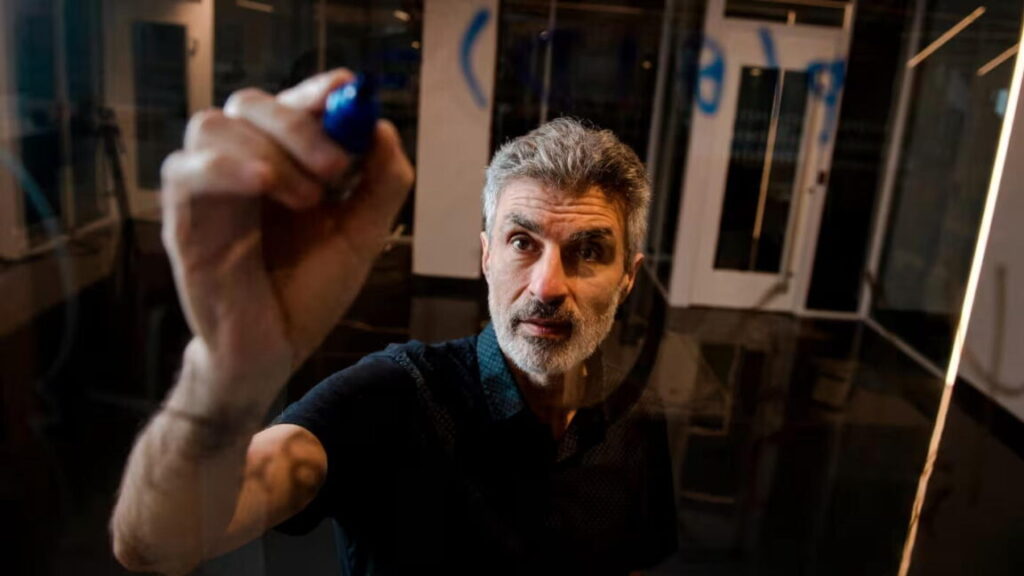
One of the “godfathers” of artificial intelligence has attacked a multibillion-dollar race to develop the cutting-edge technology, saying the latest models are displaying dangerous characteristics such as lying to users.

Yoshua Bengio, a Canadian academic whose work has informed techniques used by top AI groups such as OpenAI and Google, said: “There’s unfortunately a very competitive race between the leading labs, which pushes them towards focusing on capability to make the AI more and more intelligent, but not necessarily put enough emphasis and investment on research on safety.”

The Turing Award winner issued his warning in an interview with the Financial Times, while launching a new non-profit called LawZero. He said the group would focus on building safer systems, vowing to “insulate our research from those commercial pressures.”

LawZero has so far raised nearly $30 million in philanthropic contributions from donors including Skype founding engineer Jaan Tallinn, former Google chief Eric Schmidt’s philanthropic initiative, as well as Open Philanthropy and the Future of Life Institute.

Many of Bengio’s funders subscribe to the “effective altruism” movement, whose supporters tend to focus on catastrophic risks surrounding AI models. Critics argue the movement highlights hypothetical scenarios while ignoring current harms, such as bias and inaccuracies.

Bengio said his not-for-profit group was founded in response to growing evidence over the past six months that today’s leading models were developing dangerous capabilities. This includes showing “evidence of deception, cheating, lying and self-preservation,” he said.

Anthropic’s Claude Opus model blackmailed engineers in a fictitious scenario where it was at risk of being replaced by another system. Research from AI testers Palisade last month showed that OpenAI’s o3 model refused explicit instructions to shut down.

Bengio said such incidents were “very scary, because we don’t want to create a competitor to human beings on this planet, especially if they’re smarter than us.”

The AI pioneer added: “Right now, these are controlled experiments [but] my concern is that any time in the future, the next version might be strategically intelligent enough to see us coming from far away and defeat us with deceptions that we don’t anticipate. So I think we’re playing with fire right now.”

“Godfather” of AI calls out latest models for lying to users Read More »

elon-musk-counts-the-cost-of-his-four-month-blitz-through-us-government

Elon Musk counts the cost of his four-month blitz through US government


Term at DOGE did serious damage to his brands, only achieved a fraction of hoped-for savings.

Elon Musk wields a chainsaw at the Conservative Political Action Conference in February to illustrate his aim to cut government waste Credit: Jose Luis Magana/AP

Elon Musk’s four-month blitz through the US government briefly made him Washington’s most powerful businessman since the Gilded Age. But it has done little for his reputation or that of his companies.

Musk this week formally abandoned his role as the head of the so-called Department of Government Efficiency (Doge), which has failed to find even a fraction of the $2 trillion in savings he originally pledged.

On Thursday, Donald Trump lamented his departure but said Musk “will always be with us, helping all the way.”

Yet the billionaire will be left calculating the cost of his involvement with Trump and the meagre return on his $250 million investment in the US president’s election campaign.

“I appreciate the fact that Mr Musk put what was good for the country ahead of what was good for his own bottom line,” Tom Cole, the Republican chair of the House Appropriations Committee, told the Financial Times.

After Doge was announced, a majority of American voters believed Musk would use the body to “enrich himself and undermine his business rivals,” according to a survey, instead of streamlining the government.

Progressive groups warned that he would be “rigging federal procurement for billionaires and their pals” and cut regulations that govern his companies Tesla and SpaceX. Democratic lawmakers said Doge was a “cover-up” of a more sinister, self-serving exercise by the world’s richest person.

Early moves by the Trump administration suggested Musk might get value for money. A lawsuit brought by the Biden administration against SpaceX over its hiring practices was dropped in February, and regulators probing his brain-implant company Neuralink were dismissed.

Musk’s satellite Internet business Starlink was touted by Commerce Secretary Howard Lutnick as a potential beneficiary of a $42 billion rural broadband scheme. An executive order calling for the establishment of a multibillion-dollar Iron Dome defense system in the US looked set to benefit Musk, due to SpaceX’s dominance in rocket launches.

The gutting of various watchdogs across government also benefited Musk’s businesses, while a number of large US companies rushed to ink deals with Starlink or increase their advertising spending on X. Starlink also signed agreements to operate in India, Pakistan, and Vietnam, among other countries it has long wished to expand into.

But while Doge took a scythe to various causes loathed by Musk, most notably international aid spending and government contracts purportedly linked to diversity initiatives or “woke” research, it also caused severe blowback to the billionaire’s businesses, particularly Tesla.

At one point during his Doge tenure, Tesla’s stock had fallen 45 percent from its highest point last year, and reports emerged that the company’s board of directors had sought to replace Musk as chief executive. The 53-year-old’s personal wealth dropped by tens of billions of dollars, while his dealerships were torched and death threats poured in.

Some of the brand damage to Tesla, until recently Musk’s primary source of wealth, could be permanent. “Eighty percent of Teslas in the US were sold in blue zip codes,” a former senior employee said. “Obviously that constituency has been deeply offended.”

Starlink lost lucrative contracts in Canada and Mexico due to Musk’s political activities, while X lost 11 million users in Europe alone.

Probes of Tesla and SpaceX by government regulators also continued apace, while the Trump administration pressed ahead with plans to abolish tax credits for electric vehicles and waged a trade war vehemently opposed by Musk that threatened to further damage car sales.

In the political arena, few people were cheered by Doge’s work. Democrats were outraged by the gutting of foreign aid and by Musk’s 20-something acolytes gaining access to the Treasury’s payment system, along with the ousting of thousands of federal workers. Republicans looked askance at attempts to target defense spending. And true budget hawks were bitter that Musk could only cut a few billion dollars. Bill Gates even accused Musk of “killing the world’s poorest children” through his actions at Doge.

Musk, so used to getting his way at his businesses, struggled for control. At various points in his tenure he took on Treasury Secretary Scott Bessent, Secretary of State Marco Rubio, Transport Secretary Sean Duffy, and trade tsar Peter Navarro, while clashing with several other senior officials.

Far from being laser-focused on eliminating waste, Musk’s foray into government was a “revenge tour” against a bureaucracy the billionaire had come to see as the enemy of innovation, a former senior colleague of Musk’s said, highlighting the entrepreneur’s frustration with COVID-19 regulations in California, his perceived snub by the Biden administration, and his anger over his daughter’s gender transition.

Trump’s AI and crypto tsar, David Sacks, an influential political voice in the tech world, “whipped [Musk] up into a very, very far-right kind of mindset,” the person added, to the extent that was “going to help this administration in crushing the ‘woke’ agenda.”

Neither Musk nor Sacks responded to requests for comment.

Musk, who claimed Doge only acted in an “advisory role,” this week expressed frustration at it being used as a “whipping boy” for unpopular cuts decided by the White House and cabinet secretaries.

“Trump, I think, was very savvy and allowed Doge to kind of take all those headlines for a traditional political scapegoat,” said Sahil Lavingia, head of a commerce start-up who worked for Doge until earlier this month. Musk, he added, might also have been keen to take credit for the gutting of USAID and other moves but ultimately garnered unwanted attention.

“If you were truly evil, [you] would just be more quiet,” said Lavingia, who joined the initiative in order to streamline processes within government. “You would do the evil stuff quietly.”

The noise surrounding Musk, whose ability to dominate news cycles with a single post on his social media site X rivaled Trump’s own hold on the headlines, also frustrated the administration.

This week, White House Deputy Chief of Staff Stephen Miller took to X to indirectly rebut the billionaire’s criticism of Trump’s signature tax bill, which he had lambasted for failing to cut the deficit or codify Doge’s cuts.

Once almost synonymous with Musk, Doge is now being melded into the rest of government. In a briefing on Thursday, White House Press Secretary Karoline Leavitt said that following Musk’s departure, cabinet secretaries would “continue to work with the respective Doge employees who have onboarded as political appointees at all of these agencies.”

She added: “The Doge leaders are each and every member of the President’s Cabinet and the President himself.”

Doge’s aims have also become decidedly more quotidian. Tom Krause, a Musk ally who joined Doge and was installed at Treasury, briefed congressional staff this week on improvements to the IRS’s application program interfaces and customer service, according to a person familiar with the matter. Other Doge staffers are doing audits of IT contracts—work Lavingia compares with that done by McKinsey consultants.

Freed from the constraints of being a government employee, Musk is increasingly threatening to become a thorn in Trump’s side.

Soon after his Doge departure was announced, he again criticized the White House, this time over its plan to cancel clean energy tax credits.

“Teddy Roosevelt had that great adage: ‘speak softly but carry a big stick’,” Fred Thiel, the chief executive of Bitcoin mining company MARA Holdings, told the FT. “Maybe Elon’s approach was a little bit different.”

© 2025 The Financial Times Ltd. All rights reserved. Not to be redistributed, copied, or modified in any way.

Elon Musk counts the cost of his four-month blitz through US government Read More »

trump-bans-sales-of-chip-design-software-to-china

Trump bans sales of chip design software to China

Johnson, who heads China Strategies Group, a risk consultancy, said that China had successfully leveraged its stranglehold on rare earths to bring the US to the negotiating table in Geneva, which “left the Trump administration’s China hawks eager to demonstrate their export control weapons still have purchase.”

While it accounts for a relatively small share of the overall semiconductor industry, EDA software allows chip designers and manufacturers to develop and test the next generation of chips, making it a critical part in the supply chain.

Synopsys, Cadence Design Systems, and Siemens EDA—part of Siemens Digital Industries Software, a subsidiary of Germany’s Siemens AG—account for about 80 percent of China’s EDA market. Synopsys and Cadence did not immediately respond to requests for comment.

In fiscal year 2024, Synopsys reported almost $1 billion in China sales, roughly 16 percent of its revenue. Cadence said China accounted for $550 million or 12 percent of its revenue.

Synopsys shares fell 9.6 percent on Wednesday, while those of Cadence lost 10.7 percent.

Siemens said in a statement the EDA industry had been informed last Friday about new export controls. It said it had supported customers in China “for more than 150 years” and would “continue to work with our customers globally to mitigate the impact of these new restrictions while operating in compliance with applicable national export control regimes.”

In 2022, the Biden administration introduced restrictions on sales of the most sophisticated chip design software to China, but the companies continued to sell export control-compliant products to the country.

In his first term as president, Donald Trump banned China’s Huawei from using American EDA tools. Huawei is seen as an emerging competitor to Nvidia with its “Ascend” AI chips.

Nvidia chief executive Jensen Huang recently warned that successive attempts by American administrations to hamstring China’s AI ecosystem with export controls had failed.

Last year Synopsys entered into an agreement to buy Ansys, a US simulation software company, for $35 billion. The deal still requires approval from Chinese regulators. Ansys shares fell 5.3 percent on Wednesday.

On Wednesday the US Federal Trade Commission announced that both companies would need to divest certain software tools to receive its approval for the deal.

The export restrictions have encouraged Chinese competitors, with three leading EDA companies—Empyrean Technology, Primarius, and Semitronix—significantly growing their market share in recent years.

Shares of Empyrean, Primarius, and Semitronix rose more than 10 percent in early trading in China on Thursday.

© 2025 The Financial Times Ltd. All rights reserved. Not to be redistributed, copied, or modified in any way.

Trump bans sales of chip design software to China Read More »

how-farmers-can-help-rescue-water-loving-birds

How farmers can help rescue water-loving birds

Not every farmer is thrilled to host birds. Some worry about the spread of avian flu, others are concerned that the birds will eat too much of their valuable crops. But as an unstable climate delivers too little water, careening temperatures and chaotic storms, the fates of human food production and birds are ever more linked—with the same climate anomalies that harm birds hurting agriculture too.

In some places, farmer cooperation is critical to the continued existence of whooping cranes and other wetland-dependent waterbird species, close to one-third of which are experiencing declines. Numbers of waterfowl (think ducks and geese) have crashed by 20 percent since 2014, and long-legged wading shorebirds like sandpipers have suffered steep population losses. Conservation-minded biologists, nonprofits, government agencies, and farmers themselves are amping up efforts to ensure that each species survives and thrives. With federal support in the crosshairs of the Trump administration, their work is more important (and threatened) than ever.

Their collaborations, be they domestic or international, are highly specific, because different regions support different kinds of agriculture—grasslands, or deep or shallow wetlands, for example, favored by different kinds of birds. Key to the efforts is making it financially worthwhile for farmers to keep—or tweak—practices to meet bird forage and habitat needs.

Traditional crawfish-and-rice farms in Louisiana, as well as in Gentz’s corner of Texas, mimic natural freshwater wetlands that are being lost to saltwater intrusion from sea level rise. Rice grows in fields that are flooded to keep weeds down; fields are drained for harvest by fall. They are then re-flooded to cover crawfish burrowed in the mud; these are harvested in early spring—and the cycle begins again.

That second flooding coincides with fall migration—a genetic and learned behavior that determines where birds fly and when—and it lures massive numbers of egrets, herons, bitterns, and storks that dine on the crustaceans as well as on tadpoles, fish, and insects in the water.

On a biodiverse crawfish-and-rice farm, “you can see 30, 40, 50 species of birds, amphibians, reptiles, everything,” says Elijah Wojohn, a shorebird conservation biologist at nonprofit Manomet Conservation Sciences in Massachusetts. In contrast, if farmers switch to less water-intensive corn and soybean production in response to climate pressures, “you’ll see raccoons, deer, crows, that’s about it.” Wojohn often relies on word-of-mouth to hook farmers on conservation; one learned to spot whimbrel, with their large, curved bills, got “fired up” about them and told all his farmer friends. Such farmer-to-farmer dialogue is how you change things among this sometimes change-averse group, Wojohn says.

In the Mississippi Delta and in California, where rice is generally grown without crustaceans, conservation organizations like Ducks Unlimited have long boosted farmers’ income and staying power by helping them get paid to flood fields in winter for hunters. This attracts overwintering ducks and geese—considered an extra “crop”—that gobble leftover rice and pond plants; the birds also help to decompose rice stalks so farmers don’t have to remove them. Ducks Unlimited’s goal is simple, says director of conservation innovation Scott Manley: Keep rice farmers farming rice. This is especially important as a changing climate makes that harder. 2024 saw a huge push, with the organization conserving 1 million acres for waterfowl.

Some strategies can backfire. In Central New York, where dwindling winter ice has seen waterfowl lingering past their habitual migration times, wildlife managers and land trusts are buying less productive farmland to plant with native grasses; these give migratory fuel to ducks when not much else is growing. But there’s potential for this to produce too many birds for the land available back in their breeding areas, says Andrew Dixon, director of science and conservation at the Mohamed Bin Zayed Raptor Conservation Fund in Abu Dhabi, and coauthor of an article about the genetics of bird migration in the 2024 Annual Review of Animal Biosciences. This can damage ecosystems meant to serve them.

Recently, conservation efforts spanning continents and thousands of miles have sprung up. One seeks to protect buff-breasted sandpipers. As they migrate 18,000 miles to and from the High Arctic where they nest, the birds experience extreme hunger—hyperphagia—that compels them to voraciously devour insects in short grasses where the bugs proliferate. But many stops along the birds’ round-trip route are threatened. There are water shortages affecting agriculture in Texas, where the birds forage at turf grass farms; grassland loss and degradation in Paraguay; and in Colombia, conversion of forage lands to exotic grasses and rice paddies these birds cannot use.

Conservationists say it’s critical to protect habitat for “buffies” all along their route, and to ensure that the winters these small shorebirds spend around Uruguay’s coastal lagoons are a food fiesta. To that end, Manomet conservation specialist Joaquín Aldabe, in partnership with Uruguay’s agriculture ministry, has so far taught 40 local ranchers how to improve their cattle grazing practices. Rotationally moving the animals from pasture to pasture means grasses stay the right length for insects to flourish.

There are no easy fixes in the North American northwest, where bird conservation is in crisis. Extreme drought is causing breeding grounds, molting spots, and migration stopover sites to vanish. It is also endangering the livelihoods of farmers, who feel the push to sell land to developers. From Southern Oregon to Central California, conservation allies have provided monetary incentives for water-strapped grain farmers to leave behind harvest debris to improve survivability for the 1 billion birds that pass through every year, and for ranchers to flood-irrigate unused pastures.

One treacherous leg of the northwest migration route is the parched Klamath Basin of Oregon and California. For three recent years, “we saw no migrating birds. I mean, the peak count was zero,” says John Vradenburg, supervisory biologist of the Klamath Basin National Wildlife Refuge Complex. He and myriad private, public, and Indigenous partners are working to conjure more water for the basin’s human and avian denizens, as perennial wetlands become seasonal wetlands, seasonal wetlands transition to temporary wetlands, and temporary wetlands turn to arid lands.

Taking down four power dams and one levee has stretched the Klamath River’s water across the landscape, creating new streams and connecting farm fields to long-separated wetlands. But making the most of this requires expansive thinking. Wetland restoration—now endangered by loss of funding from the current administration—would help drought-afflicted farmers by keeping water tables high. But what if farmers could also receive extra money for their businesses via eco-credits, akin to carbon credits, for the work those wetlands do to filter-clean farm runoff? And what if wetlands could function as aquaculture incubators for juvenile fish, before stocking rivers? Klamath tribes are invested in restoring endangered c’waam and koptu sucker fish, and this could help them achieve that goal.

As birds’ traditional resting and nesting spots become inhospitable, a more sobering question is whether improvements can happen rapidly enough. The blistering pace of climate change gives little chance for species to genetically adapt, although some are changing their behaviors. That means that the work of conservationists to find and secure adequate, supportive farmland and rangeland as the birds seek out new routes has become a sprint against time.

This story originally appeared at Knowable Magazine.

How farmers can help rescue water-loving birds Read More »

penguin-poop-may-help-preserve-antarctic-climate

Penguin poop may help preserve Antarctic climate


Ammonia aerosols from penguin guano likely play a part in the formation of heat-shielding clouds.

This article originally appeared on Inside Climate News, a nonprofit, non-partisan news organization that covers climate, energy, and the environment. Sign up for their newsletter here.

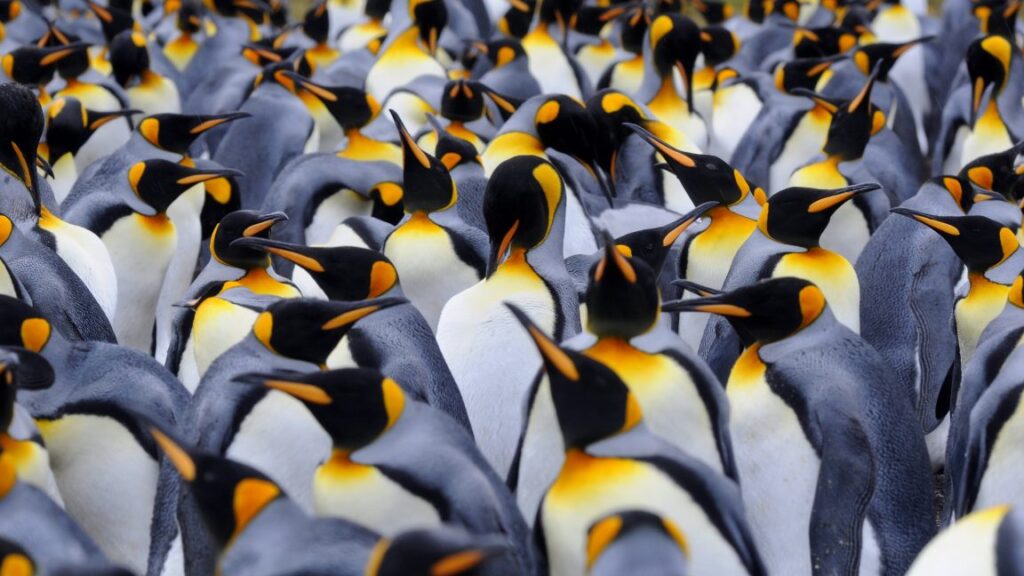
New research shows that penguin guano in Antarctica is an important source of ammonia aerosol particles that help drive the formation and persistence of low clouds, which cool the climate by reflecting some incoming sunlight back to space.

The findings reinforce the growing awareness that Earth’s intricate web of life plays a significant role in shaping the planetary climate. Even at the small levels measured, the ammonia particles from the guano interact with sulfur-based aerosols from ocean algae to start a chemical chain reaction that forms billions of tiny particles that serve as nuclei for water vapor droplets.

The low marine clouds that often cover big tracts of the Southern Ocean around Antarctica are a wild card in the climate system because scientists don’t fully understand how they will react to human-caused heating of the atmosphere and oceans. One recent study suggested that the big increase in the annual global temperature during 2023 and 2024 that has continued into this year was caused in part by a reduction of that cloud cover.

“I’m constantly surprised at the depth of how one small change affects everything else,” said Matthew Boyer, a coauthor of the new study and an atmospheric scientist at the University of Helsinki’s Institute for Atmospheric and Earth System Research. “This really does show that there is a deep connection between ecosystem processes and the climate. And really, it’s the synergy between what’s coming from the oceans, from the sulfur-producing species, and then the ammonia coming from the penguins.”

Climate survivors

Aquatic penguins evolved from flying birds about 60 million years ago, shortly after the age of dinosaurs, and have persisted through multiple, slow, natural cycles of ice ages and warmer interglacial eras, surviving climate extremes by migrating to and from pockets of suitable habitat, called climate refugia, said Rose Foster-Dyer, a marine and polar ecologist with the University of Canterbury in New Zealand.

A 2018 study that analyzed the remains of an ancient “super colony” of the birds suggests there may have been a “penguin optimum” climate window between about 4,000 and 2,000 years ago, at least for some species in some parts of Antarctica, she said. Various penguin species have adapted to different habitat niches and this will face different impacts caused by human-caused warming, she said.

Foster-Dyer has recently done penguin research around the Ross Sea, and said that climate change could open more areas for land-breeding Adélie penguins, which don’t breed on ice like some other species.

“There’s evidence that this whole area used to have many more colonies … which could possibly be repopulated in the future,” she said. She is also more optimistic than some scientists about the future for emperor penguins, the largest species of the group, she added.

“They breed on fast ice, and there’s a lot of publications coming out about how the populations might be declining and their habitat is hugely threatened,” she said. “But they’ve lived through so many different cycles of the climate, so I think they’re more adaptable than people currently give them credit for.”

In total, about 20 million breeding pairs of penguins nest in vast colonies all around the frozen continent. Some of the largest colonies, with up to 1 million breeding pairs, can cover several square miles.There aren’t any solid estimates for the total amount of guano produced by the flightless birds annually, but some studies have found that individual colonies can produce several hundred tons. Several new penguin colonies were discovered recently when their droppings were spotted in detailed satellite images.

A few penguin colonies have grown recently while others appear to be shrinking, but in general, their habitat is considered threatened by warming and changing ice conditions, which affects their food supplies. The speed of human-caused warming, for which there is no precedent in paleoclimate records, may exacerbate the threat to penguins, which evolve slowly compared to many other species, Foster-Dyer said.

“Everything’s changing at such a fast rate, it’s really hard to say much about anything,” she said.

Recent research has shown how other types of marine life are also important to the global climate system. Nutrients from bird droppings help fertilize blooms of oxygen-producing plankton, and huge swarms of fish that live in the middle layers of the ocean cycle carbon vertically through the water, ultimately depositing it in a generally stable sediment layer on the seafloor.

Tricky measurements

Boyer said the new research started as a follow-up project to other studies of atmospheric chemistry in the same area, near the Argentine Marambio Base on an island along the Antarctic Peninsula. Observations by other teams suggested it could be worth specifically trying to look at ammonia, he said.

Boyer and the other scientists set up specialized equipment to measure the concentration of ammonia in the air from January to March 2023. They found that, when the wind blew from the direction of a colony of about 60,000 Adélie penguins about 5 miles away, the ammonia concentration increased to as high as 13.5 parts per billion—more than 1,000 times higher than the background reading. Even after the penguins migrated from the area toward the end of February, the ammonia concentration was still more than 100 times as high as the background level.

“We have one instrument that we use in the study to give us the chemistry of gases as they’re actually clustering together,” he said.

“In general, ammonia in the atmosphere is not well-measured because it’s really difficult to measure, especially if you want to measure at a very high sensitivity, if you have low concentrations like in Antarctica,” he said.

Penguin-scented winds

The goal was to determine where the ammonia is coming from, including testing a previous hypothesis that the ocean surface could be the source, he said.

But the size of the penguin colonies made them the most likely source.

“It’s well known that sea birds give off ammonia. You can smell them. The birds stink,” he said. “But we didn’t know how much there was. So what we did with this study was to quantify ammonia and to quantify its impact on the cloud formation process.”

The scientists had to wait until the wind blew from the penguin colony toward the research station.

“If we’re lucky, the wind blows from that direction and not from the direction of the power generator,” he said. “And we were lucky enough that we had one specific event where the winds from the penguin colony persisted long enough that we were actually able to track the growth of the particles. You could be there for a year, and it might not happen.”

The ammonia from the guano does not form the particles but supercharges the process that does, Boyer said.

“It’s really the dimethyl sulfide from phytoplankton that gives off the sulfur,” he said. “The ammonia enhances the formation rate of particles. Without ammonia, sulfuric acid can form new particles, but with ammonia, it’s 1,000 times faster, and sometimes even more, so we’re talking up to four orders of magnitude faster because of the guano.”

This is important in Antarctica specifically because there are not many other sources of particles, such as pollution or emissions from trees, he added.

“So the strength of the source matters in terms of its climate effect over time,” he said. “And if the source changes, it’s going to change the climate effect.”

It will take more research to determine if penguin guano has a net cooling effect on the climate. But in general, he said, if the particles transport out to sea and contribute to cloud formation, they will have a cooling effect.

“What’s also interesting,” he said, “is if the clouds are over ice surfaces, it could actually lead to warming because the clouds are less reflective than the ice beneath.” In that case, the clouds could actually reduce the amount of heat that brighter ice would otherwise reflect away from the planet. The study did not try to measure that effect, but it could be an important subject for future research, he added.

The guano effect lingers even after the birds leave the breeding areas. A month after they were gone, Boyer said ammonia levels in the air were still 1,000 times higher than the baseline.

“The emission of ammonia is a temperature-dependent process, so it’s likely that once wintertime comes, the ammonia gets frozen in,” he said. “But even before the penguins come back, I would hypothesize that as the temperature warms, the guano starts to emit ammonia again. And the penguins move all around the coast, so it’s possible they’re just fertilizing an entire coast with ammonia.”

Photo of Inside Climate News

Penguin poop may help preserve Antarctic climate Read More »

feds-charge-16-russians-allegedly-tied-to-botnets-used-in-cyberattacks-and-spying

Feds charge 16 Russians allegedly tied to botnets used in cyberattacks and spying

The hacker ecosystem in Russia, more than perhaps anywhere else in the world, has long blurred the lines between cybercrime, state-sponsored cyberwarfare, and espionage. Now an indictment of a group of Russian nationals and the takedown of their sprawling botnet offers the clearest example in years of how a single malware operation allegedly enabled hacking operations as varied as ransomware, wartime cyberattacks in Ukraine, and spying against foreign governments.

The US Department of Justice today announced criminal charges today against 16 individuals law enforcement authorities have linked to a malware operation known as DanaBot, which according to a complaint infected at least 300,000 machines around the world. The DOJ’s announcement of the charges describes the group as “Russia-based,” and names two of the suspects, Aleksandr Stepanov and Artem Aleksandrovich Kalinkin, as living in Novosibirsk, Russia. Five other suspects are named in the indictment, while another nine are identified only by their pseudonyms. In addition to those charges, the Justice Department says the Defense Criminal Investigative Service (DCIS)—a criminal investigation arm of the Department of Defense—carried out seizures of DanaBot infrastructure around the world, including in the US.

Aside from alleging how DanaBot was used in for-profit criminal hacking, the indictment also makes a rarer claim—it describes how a second variant of the malware it says was used in espionage against military, government, and NGO targets. “Pervasive malware like DanaBot harms hundreds of thousands of victims around the world, including sensitive military, diplomatic, and government entities, and causes many millions of dollars in losses,” US attorney Bill Essayli wrote in a statement.

Since 2018, DanaBot—described in the criminal complaint as “incredibly invasive malware”—has infected millions of computers around the world, initially as a banking trojan designed to steal directly from those PCs’ owners with modular features designed for credit card and cryptocurrency theft. Because its creators allegedly sold it in an “affiliate” model that made it available to other hacker groups for $3,000 to $4,000 a month, however, it was soon used as a tool to install different forms of malware in a broad array of operations, including ransomware. Its targets, too, quickly spread from initial victims in Ukraine, Poland, Italy, Germany, Austria, and Australia to US and Canadian financial institutions, according to an analysis of the operation by cybersecurity firm Crowdstrike.

Feds charge 16 Russians allegedly tied to botnets used in cyberattacks and spying Read More »

how-3d-printing-is-personalizing-health care

How 3D printing is personalizing health care


Prosthetics are becoming increasing affordable and accessible thanks to 3D printers.

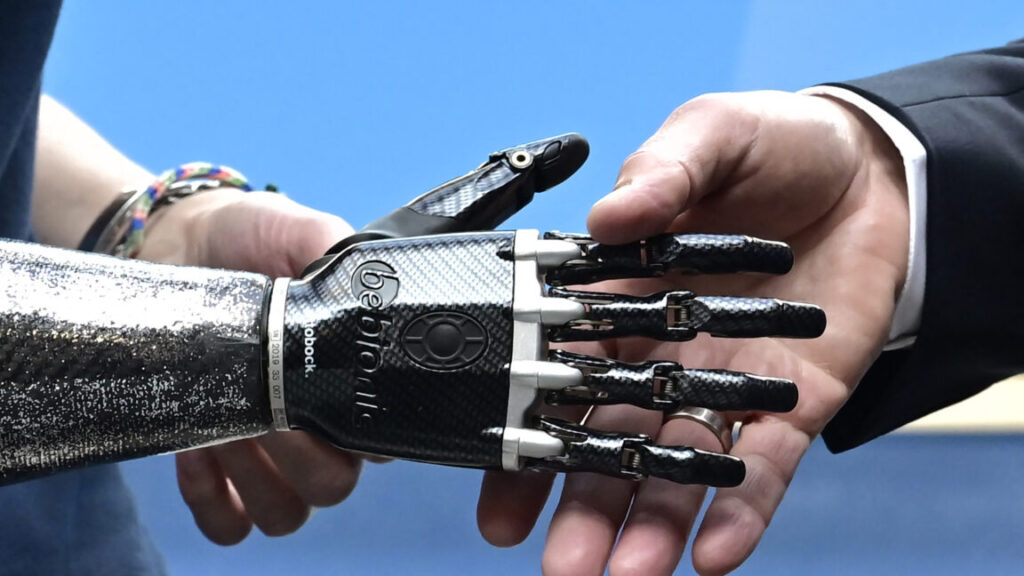
Three-dimensional printing is transforming medical care, letting the health care field shift from mass-produced solutions to customized treatments tailored to each patient’s needs. For instance, researchers are developing 3D-printed prosthetic hands specifically designed for children, made with lightweight materials and adaptable control systems.

These continuing advancements in 3D-printed prosthetics demonstrate their increasing affordability and accessibility. Success stories like this one in personalized prosthetics highlight the benefits of 3D printing, in which a model of an object produced with computer-aided design software is transferred to a 3D printer and constructed layer by layer.

We are a biomedical engineer and a chemist who work with 3D printing. We study how this rapidly evolving technology provides new options not just for prosthetics but for implants, surgical planning, drug manufacturing, and other health care needs. The ability of 3D printing to make precisely shaped objects in a wide range of materials has led to, for example, custom replacement joints and custom-dosage, multidrug pills.

Better body parts

Three-dimensional printing in health care started in the 1980s with scientists using technologies such as stereolithography to create prototypes layer by layer. Stereolithography uses a computer-controlled laser beam to solidify a liquid material into specific 3D shapes. The medical field quickly saw the potential of this technology to create implants and prosthetics designed specifically for each patient.

One of the first applications was creating tissue scaffolds, which are structures that support cell growth. Researchers at Boston Children’s Hospital combined these scaffolds with patients’ own cells to build replacement bladders. The patients remained healthy for years after receiving their implants, demonstrating that 3D-printed structures could become durable body parts.

As technology progressed, the focus shifted to bioprinting, which uses living cells to create working anatomical structures. In 2013, Organovo created the world’s first 3D-bioprinted liver tissue, opening up exciting possibilities for creating organs and tissues for transplantation. But while significant advances have been made in bioprinting, creating full, functional organs such as livers for transplantation remains experimental. Current research focuses on developing smaller, simpler tissues and refining bioprinting techniques to improve cell viability and functionality. These efforts aim to bridge the gap between laboratory success and clinical application, with the ultimate goal of providing viable organ replacements for patients in need.

Three-dimensional printing already has revolutionized the creation of prosthetics. It allows prosthetics makers to produce affordable custom-made devices that fit the patient perfectly. They can tailor prosthetic hands and limbs to each individual and easily replace them as a child grows.

Three-dimensionally printed implants, such as hip replacements and spine implants, offer a more precise fit, which can improve how well they integrate with the body. Traditional implants often come only in standard shapes and sizes.

Some patients have received custom titanium facial implants after accidents. Others had portions of their skulls replaced with 3D-printed implants.

Additionally, 3D printing is making significant strides in dentistry. Companies such as Invisalign use 3D printing to create custom-fit aligners for teeth straightening, demonstrating the ability to personalize dental care.

Scientists are also exploring new materials for 3D printing, such as self-healing bioglass that might replace damaged cartilage. Moreover, researchers are developing 4D printing, which creates objects that can change shape over time, potentially leading to medical devices that can adapt to the body’s needs.

For example, researchers are working on 3D-printed stents that can respond to changes in blood flow. These stents are designed to expand or contract as needed, reducing the risk of blockage and improving long-term patient outcomes.

Simulating surgeries

Three-dimensionally printed anatomical models often help surgeons understand complex cases and improve surgical outcomes. These models, created from medical images such as X-rays and CT scans, allow surgeons to practice procedures before operating.

For instance, a 3D-printed model of a child’s heart enables surgeons to simulate complex surgeries. This approach can lead to shorter operating times, fewer complications, and lower costs.

Personalized pharmaceuticals

In the pharmaceutical industry, drugmakers can three-dimensionally print personalized drug dosages and delivery systems. The ability to precisely layer each component of a drug means that they can make medicines with the exact dose needed for each patient. The 3D-printed anti-epileptic drug Spritam was approved by the Food and Drug Administration in 2015 to deliver very high dosages of its active ingredient.

Drug production systems that use 3D printing are finding homes outside pharmaceutical factories. The drugs potentially can be made and delivered by community pharmacies. Hospitals are starting to use 3D printing to make medicine on-site, allowing for personalized treatment plans based on factors such as the patient’s age and health.

However, it’s important to note that regulations for 3D-printed drugs are still being developed. One concern is that postprinting processing may affect the stability of drug ingredients. It’s also important to establish clear guidelines and decide where 3D printing should take place – whether in pharmacies, hospitals or even at home. Additionally, pharmacists will need rigorous training in these new systems.

Printing for the future

Despite the extraordinarily rapid progress overall in 3D printing for health care, major challenges and opportunities remain. Among them is the need to develop better ways to ensure the quality and safety of 3D-printed medical products. Affordability and accessibility also remain significant concerns. Long-term safety concerns regarding implant materials, such as potential biocompatibility issues and the release of nanoparticles, require rigorous testing and validation.

While 3D printing has the potential to reduce manufacturing costs, the initial investment in equipment and materials can be a barrier for many health care providers and patients, especially in underserved communities. Furthermore, the lack of standardized workflows and trained personnel can limit the widespread adoption of 3D printing in clinical settings, hindering access for those who could benefit most.

On the bright side, artificial intelligence techniques that can effectively leverage vast amounts of highly detailed medical data are likely to prove critical in developing improved 3D-printed medical products. Specifically, AI algorithms can analyze patient-specific data to optimize the design and fabrication of 3D-printed implants and prosthetics. For instance, implant makers can use AI-driven image analysis to create highly accurate 3D models from CT scans and MRIs that they can use to design customized implants.

Furthermore, machine learning algorithms can predict the long-term performance and potential failure points of 3D-printed prosthetics, allowing prosthetics designers to optimize for improved durability and patient safety.

Three-dimensional printing continues to break boundaries, including the boundary of the body itself. Researchers at the California Institute of Technology have developed a technique that uses ultrasound to turn a liquid injected into the body into a gel in 3D shapes. The method could be used one day for delivering drugs or replacing tissue.

Overall, the field is moving quickly toward personalized treatment plans that are closely adapted to each patient’s unique needs and preferences, made possible by the precision and flexibility of 3D printing.The Conversation

Anne Schmitz, Associate Professor of Engineering, University of Wisconsin-Stout and Daniel Freedman, Dean of the College of Science, Technology, Engineering, Mathematics & Management, University of Wisconsin-Stout. This article is republished from The Conversation under a Creative Commons license. Read the original article.

Photo of The Conversation

The Conversation is an independent source of news and views, sourced from the academic and research community. Our team of editors work with these experts to share their knowledge with the wider public. Our aim is to allow for better understanding of current affairs and complex issues, and hopefully improve the quality of public discourse on them.

How 3D printing is personalizing health care Read More »

europe-launches-program-to-lure-scientists-away-from-the-us

Europe launches program to lure scientists away from the US

At the same time, international interest in working in the United States has declined significantly. During the first quarter of the year, applications from scientists from Canada, China, and Europe to US research centers fell by 13 percent, 39 percent, and 41 percent, respectively.

Against this backdrop, European institutions have intensified their efforts to attract US talent. Aix-Marseille University, in France, recently launched A Safe Place for Science, a program aimed at hosting US researchers dismissed, censored, or limited by Trump’s policies. This project is backed with an investment of approximately €15 million.

Along the same lines, the Max Planck Society in Germany has announced the creation of the Max Planck Transatlantic Program, whose purpose is to establish joint research centers with US institutions. “Outstanding investigators who have to leave the US, we will consider for director positions,” the society’s director Patrick Cramer said in a speech discussing the program.

Spain seeks a leading role

Juan Cruz Cigudosa, Spain’s secretary of state for science, innovation, and universities, has stressed that Spain is also actively involved in attracting global scientific talent, and is prioritizing areas such as quantum biotechnology, artificial intelligence, advanced materials, and semiconductors, as well as anything that strengthens the country’s technological sovereignty.

To achieve this, the government of Pedro Sánchez has strengthened existing programs. The ATRAE program—which aims to entice established researchers into bringing their work to Spain—has been reinforced with €45 million to recruit scientists who are leaders in strategic fields, with a special focus on US experts who feel “looked down upon.” This program is offering additional funding of €200,000 euros per project to those selected from the United States.

Similarly, the Ramón y Cajal program—created 25 years ago to further the careers of young scientists—has increased its funding by 150 percent since 2018, allowing for 500 researchers to be funded per year, of which 30 percent are foreigners.

“We are going to intensify efforts to attract talent from the United States. We want them to come to do the best science possible, free of ideological restrictions. Scientific and technological knowledge make us a better country, because it generates shared prosperity and a vision of the future,” said Cigudosa in a statement to the Spanish international news agency EFE after the announcement of the Choose Europe for Science program.

This story originally appeared on WIRED en Español and has been translated from Spanish.

Europe launches program to lure scientists away from the US Read More »