Science

scientists-figure-out-how-the-brain-forms-emotional-connections

Scientists figure out how the brain forms emotional connections

Whenever something bad happens to us, brain systems responsible for mediating emotions kick in to prevent it from happening again. When we get stung by a wasp, the association between pain and wasps is encoded in the region of the brain called the amygdala, which connects simple stimuli with basic emotions.

But the brain does more than simple associations; it also encodes lots of other stimuli that are less directly connected with the harmful event—things like the place where we got stung or the wasps’ nest in a nearby tree. These are combined into complex emotional models of potentially threatening circumstances.

Till now, we didn’t know exactly how these models are built. But we’re beginning to understand how it’s done.

Emotional complexity

“Decades of work has revealed how simple forms of emotional learning occurs—how sensory stimuli are paired with aversive events,” says Joshua Johansen, a team director at the Neural Circuitry of Learning and Memory at RIKEN Center for Brain Science in Tokyo. But Johansen says that these decades didn’t bring much progress in treating psychiatric conditions like anxiety and trauma-related disorders. “We thought if we could get a handle of more complex emotional processes and understand their mechanisms, we may be able to provide relief for patients with conditions like that,” Johansen claims.

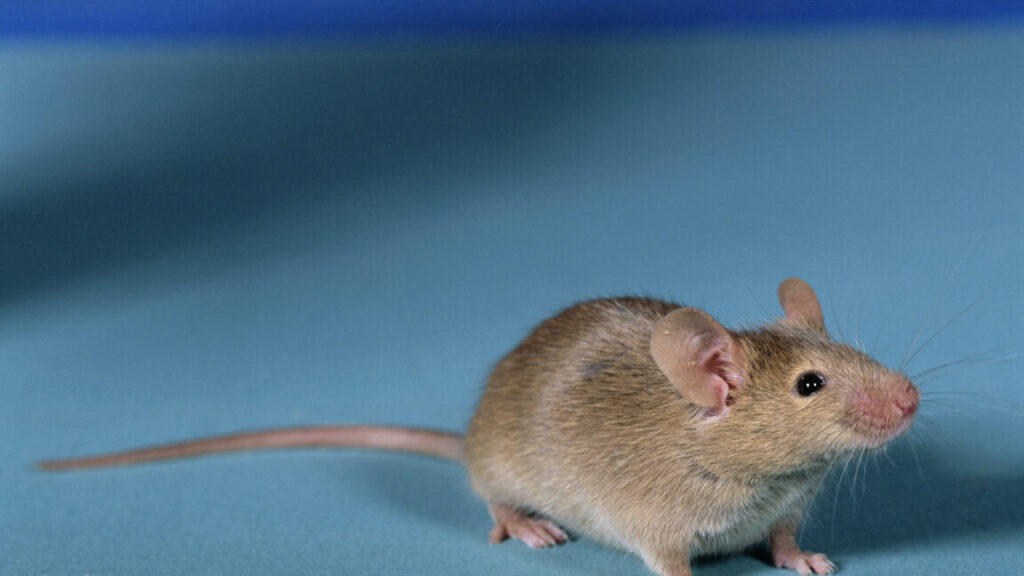
To make it happen, his team performed experiments designed to trigger complex emotional processes in rats while closely monitoring their brains.

Johansen and Xiaowei Gu, his co-author and colleague at RIKEN, started by dividing the rats into two groups. The first “paired” group of rats was conditioned to associate an image with a sound. The second “unpaired” group watched the same image and listened to the same sound, but not at the same time. This prevented the rats from making an association.

Scientists figure out how the brain forms emotional connections Read More »

the-physics-of-frilly-swiss-cheese-“flowers”

The physics of frilly Swiss cheese “flowers”

For their experiments, the authors of the PRL paper selected samples of Monk’s head cheese wheels from the Fromagerie de Bellelay brand that had been aged between three and six months. They cut each cheese wheel in half and mounted each half on a Girolle, motorizing the base to ensure a constant speed of rotation and making sure the blade was in a fixed position. Their measurements of how the cheese deformed during scraping enabled them to build a model based on metal dynamics on a two-dimensional surface that had “cheese-like properties.”

The results showed that there was a variable friction between the core and the edge of the cheese wheel, because the core stayed fresher during the ripening process. Because the harder outer edge had lower friction with the blade, the edges of the cheese shavings were uneven in thickness—hence the resemblance to frilly rosettes.

This essentially amounts to a new shaping mechanism with the possibility of being able to one day program complex shaping from “a simple scraping process,” per the authors. “Our analysis provides the tools for a better control of flower chip morphogenesis through plasticity in the shaping of other delicacies, but also in metal cutting,” they concluded. Granted, “flower-shaped chips have never been reported in metal cutting. But even in such uniform materials, the fact that friction properties control the metric change is particularly interesting for material shaping.”

Physical Review Letters, 2025. DOI: 10.1103/PhysRevLett.134.208201  (About DOIs).

The physics of frilly Swiss cheese “flowers” Read More »

incredible-shrinking-clownfish-beats-the-heat

Incredible shrinking clownfish beats the heat

Let’s get small

The team observed 67 breeding pairs of wild clownfish—briefly caught and photographed for distinctive markings and measured before being returned to the water—living on single anemones in Kimbe Bay, Papua New Guinea, between February and August 2023. This happened to coincide with the world’s fourth global bleaching event. They measured the body size of the fish once a month and measured the temperature around the individual anemones every four to six days. Then the team analyzed the collected data.

two clownfish swimming around a white anemone against a black background

“Individual fish can shrink in response to heat stress.” Credit: Morgan Bennett-Smith

The results: Over the course of those months, 101 of the 134 clownfish shrank at least once in response to heat stress, and doing so boosted their likelihood of survival up to 78 percent compared to the 33 fish that did not shrink. And between breeding pairs, there were distinctive growth ratios between the dominant and subordinate fish; those pairs that shrank together were also more likely to survive the heat waves.

“We were so surprised to see shrinking in these fish that, to be sure, we measured each fish individual repeatedly over a period of five months,” said Versteeg. “In the end, we discovered it was very common in this population. It was a surprise to see how rapidly clownfish can adapt to a changing environment, and we witnessed how flexibly they regulated their size, as individuals and as breeding pairs, in response to heat stress as a successful technique to help them survive.”

Versteeg et al. have not yet identified a possible mechanism for the shrinkage, but suggest the triggering of neuroendocrine pathways via thyroid hormones might play a role, since those hormones regulate growth. The adaptive strategy could also be a means of adjusting to changing metabolic needs. But there are trade-offs: While shrinking in response to heat waves ensures greater survivability, there can also be a corresponding decrease in birth rates.

“Our findings show that individual fish can shrink in response to heat stress, which is further impacted by social conflict, and that shrinking can lead to improving their chances of survival,” said senior author Theresa Rueger, also of Newcastle University. “If individual shrinking were widespread and happening among different species of fish, it could provide a plausible alternative hypothesis for why the size of many fish species is declining, and further studies are needed in this area.”

Science Advances, 2025. DOI: 10.1126/sciadv.adt7079  (About DOIs).

Incredible shrinking clownfish beats the heat Read More »

how-3d-printing-is-personalizing-health care

How 3D printing is personalizing health care


Prosthetics are becoming increasing affordable and accessible thanks to 3D printers.

Three-dimensional printing is transforming medical care, letting the health care field shift from mass-produced solutions to customized treatments tailored to each patient’s needs. For instance, researchers are developing 3D-printed prosthetic hands specifically designed for children, made with lightweight materials and adaptable control systems.

These continuing advancements in 3D-printed prosthetics demonstrate their increasing affordability and accessibility. Success stories like this one in personalized prosthetics highlight the benefits of 3D printing, in which a model of an object produced with computer-aided design software is transferred to a 3D printer and constructed layer by layer.

We are a biomedical engineer and a chemist who work with 3D printing. We study how this rapidly evolving technology provides new options not just for prosthetics but for implants, surgical planning, drug manufacturing, and other health care needs. The ability of 3D printing to make precisely shaped objects in a wide range of materials has led to, for example, custom replacement joints and custom-dosage, multidrug pills.

Better body parts

Three-dimensional printing in health care started in the 1980s with scientists using technologies such as stereolithography to create prototypes layer by layer. Stereolithography uses a computer-controlled laser beam to solidify a liquid material into specific 3D shapes. The medical field quickly saw the potential of this technology to create implants and prosthetics designed specifically for each patient.

One of the first applications was creating tissue scaffolds, which are structures that support cell growth. Researchers at Boston Children’s Hospital combined these scaffolds with patients’ own cells to build replacement bladders. The patients remained healthy for years after receiving their implants, demonstrating that 3D-printed structures could become durable body parts.

As technology progressed, the focus shifted to bioprinting, which uses living cells to create working anatomical structures. In 2013, Organovo created the world’s first 3D-bioprinted liver tissue, opening up exciting possibilities for creating organs and tissues for transplantation. But while significant advances have been made in bioprinting, creating full, functional organs such as livers for transplantation remains experimental. Current research focuses on developing smaller, simpler tissues and refining bioprinting techniques to improve cell viability and functionality. These efforts aim to bridge the gap between laboratory success and clinical application, with the ultimate goal of providing viable organ replacements for patients in need.

Three-dimensional printing already has revolutionized the creation of prosthetics. It allows prosthetics makers to produce affordable custom-made devices that fit the patient perfectly. They can tailor prosthetic hands and limbs to each individual and easily replace them as a child grows.

Three-dimensionally printed implants, such as hip replacements and spine implants, offer a more precise fit, which can improve how well they integrate with the body. Traditional implants often come only in standard shapes and sizes.

Some patients have received custom titanium facial implants after accidents. Others had portions of their skulls replaced with 3D-printed implants.

Additionally, 3D printing is making significant strides in dentistry. Companies such as Invisalign use 3D printing to create custom-fit aligners for teeth straightening, demonstrating the ability to personalize dental care.

Scientists are also exploring new materials for 3D printing, such as self-healing bioglass that might replace damaged cartilage. Moreover, researchers are developing 4D printing, which creates objects that can change shape over time, potentially leading to medical devices that can adapt to the body’s needs.

For example, researchers are working on 3D-printed stents that can respond to changes in blood flow. These stents are designed to expand or contract as needed, reducing the risk of blockage and improving long-term patient outcomes.

Simulating surgeries

Three-dimensionally printed anatomical models often help surgeons understand complex cases and improve surgical outcomes. These models, created from medical images such as X-rays and CT scans, allow surgeons to practice procedures before operating.

For instance, a 3D-printed model of a child’s heart enables surgeons to simulate complex surgeries. This approach can lead to shorter operating times, fewer complications, and lower costs.

Personalized pharmaceuticals

In the pharmaceutical industry, drugmakers can three-dimensionally print personalized drug dosages and delivery systems. The ability to precisely layer each component of a drug means that they can make medicines with the exact dose needed for each patient. The 3D-printed anti-epileptic drug Spritam was approved by the Food and Drug Administration in 2015 to deliver very high dosages of its active ingredient.

Drug production systems that use 3D printing are finding homes outside pharmaceutical factories. The drugs potentially can be made and delivered by community pharmacies. Hospitals are starting to use 3D printing to make medicine on-site, allowing for personalized treatment plans based on factors such as the patient’s age and health.

However, it’s important to note that regulations for 3D-printed drugs are still being developed. One concern is that postprinting processing may affect the stability of drug ingredients. It’s also important to establish clear guidelines and decide where 3D printing should take place – whether in pharmacies, hospitals or even at home. Additionally, pharmacists will need rigorous training in these new systems.

Printing for the future

Despite the extraordinarily rapid progress overall in 3D printing for health care, major challenges and opportunities remain. Among them is the need to develop better ways to ensure the quality and safety of 3D-printed medical products. Affordability and accessibility also remain significant concerns. Long-term safety concerns regarding implant materials, such as potential biocompatibility issues and the release of nanoparticles, require rigorous testing and validation.

While 3D printing has the potential to reduce manufacturing costs, the initial investment in equipment and materials can be a barrier for many health care providers and patients, especially in underserved communities. Furthermore, the lack of standardized workflows and trained personnel can limit the widespread adoption of 3D printing in clinical settings, hindering access for those who could benefit most.

On the bright side, artificial intelligence techniques that can effectively leverage vast amounts of highly detailed medical data are likely to prove critical in developing improved 3D-printed medical products. Specifically, AI algorithms can analyze patient-specific data to optimize the design and fabrication of 3D-printed implants and prosthetics. For instance, implant makers can use AI-driven image analysis to create highly accurate 3D models from CT scans and MRIs that they can use to design customized implants.

Furthermore, machine learning algorithms can predict the long-term performance and potential failure points of 3D-printed prosthetics, allowing prosthetics designers to optimize for improved durability and patient safety.

Three-dimensional printing continues to break boundaries, including the boundary of the body itself. Researchers at the California Institute of Technology have developed a technique that uses ultrasound to turn a liquid injected into the body into a gel in 3D shapes. The method could be used one day for delivering drugs or replacing tissue.

Overall, the field is moving quickly toward personalized treatment plans that are closely adapted to each patient’s unique needs and preferences, made possible by the precision and flexibility of 3D printing.The Conversation

Anne Schmitz, Associate Professor of Engineering, University of Wisconsin-Stout and Daniel Freedman, Dean of the College of Science, Technology, Engineering, Mathematics & Management, University of Wisconsin-Stout. This article is republished from The Conversation under a Creative Commons license. Read the original article.

Photo of The Conversation

The Conversation is an independent source of news and views, sourced from the academic and research community. Our team of editors work with these experts to share their knowledge with the wider public. Our aim is to allow for better understanding of current affairs and complex issues, and hopefully improve the quality of public discourse on them.

How 3D printing is personalizing health care Read More »

trump-admin-lifts-hold-on-offshore-wind-farm,-doesn’t-explain-why

Trump admin lifts hold on offshore wind farm, doesn’t explain why

On Monday, however, the company announced that the hold had been lifted and construction would resume. But as with the hold itself, the reasons for its end remain mysterious. The Bureau of Ocean Energy Management page for the project was only updated with a new letter on Tuesday. That letter indicates a review of its approval is ongoing, but construction can resume during the review.

The Department of the Interior has not addressed the change and has not responded to a request for comment. A post by Interior Secretary Burgum doesn’t mention Empire Wind but does suggest the governor of New York will approve a pipeline: “I am encouraged by Governor Hochul’s comments about her willingness to move forward on critical pipeline capacity.”

That suggests there was a deal that allowed Empire Wind to resume construction in return for a pipeline for fossil fuels. The New York Times suggests that this is a reference to the proposed Constitution Pipeline, which was planned to move natural gas from Pennsylvania to eastern New York but was cancelled in 2020 due to state opposition.

However, Governor Kathy Hochul has not commented about a willingness to move forward with any pipelines. Instead, Hochul’s statement on Empire Wind is very vague, saying that she “reaffirmed that New York will work with the Administration and private entities on new energy projects that meet the legal requirements under New York law.”

So while it’s good news that construction on Empire Wind has restarted, the whole process has been problematic, driven by apparently arbitrary decisions that the government has refused to justify.

Trump admin lifts hold on offshore wind farm, doesn’t explain why Read More »

biotech-company-regeneron-to-buy-bankrupt-23andme-for-$256m

Biotech company Regeneron to buy bankrupt 23andMe for $256M

Biotechnology company Regeneron will acquire 23andMe out of bankruptcy for $256 million, with a plan to keep the DNA-testing company running without interruption and uphold its privacy-protection promises.

In its announcement of the acquisition, Regeneron assured 23andMe’s 15 million customers that their data—including genetic and health information, genealogy, and other sensitive personal information—would be safe and in good hands. Regeneron aims to use the large trove of genetic data to further its own work using genetics to develop medical advances—something 23andMe tried and failed to do.

“As a world leader in human genetics, Regeneron Genetics Center is committed to and has a proven track record of safeguarding the genetic data of people across the globe, and, with their consent, using this data to pursue discoveries that benefit science and society,” Aris Baras, senior vice president and head of the Regeneron Genetics Center, said in a statement. “We assure 23andMe customers that we are committed to protecting the 23andMe dataset with our high standards of data privacy, security, and ethical oversight and will advance its full potential to improve human health.”

Baras said that Regeneron’s Genetic Center already has its own genetic dataset from nearly 3 million people.

The safety of 23andMe’s dataset has drawn considerable concern among consumers, lawmakers, and regulators amid the company’s downfall. For instance, in March, California Attorney General Rob Bonta made the unusual move to urge Californians to delete their genetic data amid 23andMe’s financial distress. Federal Trade Commission Chairman Andrew Ferguson also weighed in, making clear in a March letter that “any purchaser should expressly agree to be bound by and adhere to the terms of 23andMe’s privacy policies and applicable law.”

Biotech company Regeneron to buy bankrupt 23andMe for $256M Read More »

space-force-official:-commercial-satellites-can-do-a-lot-more-than-we-thought

Space Force official: Commercial satellites can do a lot more than we thought

“So, we’re off working now with that program office to go start off a more commercial line,” Purdy said. “And when I say commercial in this particular aspect, just to clarify, this is accomplishing the same GSSAP mission. Our operators will fly the GSSAP system using the same ground systems and data they do now, but these would be using faster, commercial build times… and cheaper, less expensive parts in order to bring that together in a faster sense.”

An artist’s illustration of two of the Space Force’s GSSAP surveillance satellites, built by Northrop Grumman. Credit: US Space Force

The next-gen GSSAP spacecraft may not meet the same standards as the Space Force’s existing inspector satellites, but the change comes with benefits beyond lower costs and faster timelines. It will be unclassified and will be open to multiple vendors to build and launch space surveillance satellites, injecting some level of competition into the program. It will also be eligible for sales to other countries.

More for less with GPS

There’s another area where Purdy said the Space Force was surprised by what commercial satellite builders were offering. Last year, the Pentagon used a new “Quick Start” procurement model authorized by Congress to establish a program to bolster the GPS navigation network, which is run by the Space Force but relied upon by commercial users and private citizens around the world.

The Space Force has more than 30 GPS satellites in medium-Earth orbit (MEO) at an altitude of roughly 12,550 miles (20,200 kilometers). Purdy said the network is “vulnerable” because the constellation has a relatively small number of satellites, at least relative to the Space Force’s newest programs. In MEO, the satellites are within range of direct-ascent anti-satellite weapons. Many of the GPS satellites are aging, and the newer ones, built by Lockheed Martin, cost about $250 million apiece. With the Resilient GPS program, the Space Force aims to reduce the cost to $50 million to $80 million per satellite.

The satellites will be smaller than the GPS satellites flying today and will transmit a core set of signals. “We’re looking to add more resiliency and more numbers,” Purdy said.

“We actually didn’t think that we were going to get much, to be honest with you, and it was a surprise to us, and a major learning [opportunity] for us, learning last year that satellite prices had—they were low in LEO already, but they were lowering in MEO,” Purdy said. “So, that convinced us that we should proceed with it. The results have actually been more surprising and encouraging than we thought.

“The [satellite] buses actually bring a higher power level than our current program of record does, which allows us to punch through jamming in a better sense. We can achieve better results, we think, over time, going after these commercial buses,” Purdy said. “So that’s caused me to think, for our mainline GPS system, we’re actually looking at that for alternative ways to get after that.”

Maj. Gen. Stephen Purdy oversees the Space Force’s acquisition programs at the Pentagon. Credit: Jonathan Newton/The Washington Post via Getty Images

In September, the Space Force awarded four agreements to Astranis, Axient, L3Harris, and Sierra Space to produce design concepts for new Resilient GPS satellites. Astranis and Axient are relatively new to satellite manufacturing. Astranis is a pioneer in low-mass Internet satellites in geosynchronous orbit and a non-traditional defense contractor. Axient, acquired by a company named Astrion last year, has focused on producing small CubeSats.

The military will later select one or more of these companies to move forward with producing up to eight Resilient GPS satellites for launch as soon as 2028. Early planning is already underway for a follow-on set of Resilient GPS satellites with additional capabilities, according to the Space Force.

The experience with the R-GPS program inspired the Space Force to look at other mission areas that might be well-served with a similar procurement approach. They settled on GSSAP as the next frontier.

Scolese, director of the NRO, said his agency is examining how to use commercial satellite constellations for other purposes beyond Earth imaging. This might include a program to employ commercially procured satellites for signals intelligence (SIGINT) missions, he said.

“It’s not just the commercial imagery,” Scolese said. “It’s also commercial RF (Radio Frequency, or SIGINT) and newer phenomenologies as where we’re working with that industry to go off and help advance those.”

Space Force official: Commercial satellites can do a lot more than we thought Read More »

do-these-buddhist-gods-hint-at-the-purpose-of-china’s-super-secret-satellites?

Do these Buddhist gods hint at the purpose of China’s super-secret satellites?

Mission patches are a decades-old tradition in spaceflight. They can range from the figurative to the abstract, prompting valuable insights or feeding confusion. Some are just plain weird.

Ars published a story a few months ago on spaceflight patches from NASA, SpaceX, Russia, and the NRO, the US government’s spy satellite agency, which is responsible for some of the most head-scratching mission logos.

Until recently, China’s entries in the realm of spaceflight patches often lacked the originality found in patches from the West. For example, a series of patches for China’s human spaceflight missions used a formulaic design with a circular shape and a mix of red and blue. The patch for China’s most recent Shenzhou crew to the country’s Tiangong space station last month finally broke the mold with a triangular shape after China’s human spaceflight agency put the patch up for a public vote.

But there’s a fascinating set of new patches Chinese officials released for a series of launches with top secret satellites over the last two months. These four patches depict Buddhist gods with a sense of artistry and sharp colors that stand apart from China’s previous spaceflight emblems, and perhaps—or perhaps not—they can tell us something about the nature of the missions they represent.

Guardians of the Dharma

The four patches show the Four Heavenly Kings, protector deities in Buddhism who guard against evil forces in the four cardinal directions, according to the Kyoto National Museum. The gods also shield the Dharma, the teachings of the Buddha, from external threats.

These gods have different names, but in China, they are known as Duōwén, Zēngzhǎng, Chíguó, and Guăngmù. Duōwén is the commander and the guardian of the north, the “one who listens to many teachings,” who is often depicted with an umbrella. Zēngzhǎng, guardian of the south, is a god of growth shown carrying a sword. The protector of the east is Chíguó, defender of the nation, who holds a stringed musical instrument. And guarding the west is Guăngmù, an all-seeing god usually depicted with a serpent.

Do these Buddhist gods hint at the purpose of China’s super-secret satellites? Read More »

from-birth-to-gene-edited-in-6-months:-custom-therapy-breaks-speed-limits

From birth to gene-edited in 6 months: Custom therapy breaks speed limits

In the boy’s fourth month, researchers were meeting with the Food and Drug Administration to discuss regulatory approval for a clinical trial—a trial where KJ would be the only participant. They were also working with the institutional review board (IRB) at Children’s Hospital of Philadelphia to go over the clinical protocol, safety, and ethical aspects of the treatment. The researchers described the unprecedented speed of the oversight steps as being “through alternative procedures.”

In month five, they started toxicology testing in mice. In the mice, the experimental therapy corrected KJ’s mutation, replacing the errant A-T base pair with the correct G-C pair in the animals’ cells. The first dose provided a 42 percent whole-liver corrective rate in the animals. At the start of KJ’s sixth month, the researchers had results from safety testing in monkeys: Their customized base-editing therapy, delivered as mRNA via a lipid nanoparticle, did not produce any toxic effects in the monkeys.

A clinical-grade batch of the treatment was readied. In month seven, further testing of the treatment found acceptably low-levels of off-target genetic changes. The researchers submitted the FDA paperwork for approval of an “investigational new drug,” or IND, for KJ. The FDA approved it in a week. The researchers then started KJ on an immune-suppressing treatment to make sure his immune system wouldn’t react to the gene-editing therapy. Then, when KJ was still just 6 months old, he got a first low dose of his custom gene-editing therapy.

“Transformational”

After the treatment, he was able to start eating more protein, which would have otherwise caused his ammonia levels to skyrocket. But he couldn’t be weaned off of the drug treatment used to keep his ammonia levels down (nitrogen scavenging medication). With no safety concerns seen after the first dose, KJ has since gotten two more doses of the gene therapy and is now on reduced nitrogen scavenging medication. With more protein in his diet, he has moved from the 9th percentile in weight to 35th or 40th percentile. He’s now about 9 and a half months old, and his doctors are preparing to allow him to go home from the hospital for the first time. Though he will have to be closely monitored and may still at some point need a liver transplant, his family and doctors are celebrating the improvements so far.

From birth to gene-edited in 6 months: Custom therapy breaks speed limits Read More »

carnivorous-crocodile-like-monsters-used-to-terrorize-the-caribbean

Carnivorous crocodile-like monsters used to terrorize the Caribbean

How did reptilian things that looked something like crocodiles get to the Caribbean islands from South America millions of years ago? They probably walked.

The existence of any prehistoric apex predators in the islands of the Caribbean used to be doubted. While their absence would have probably made it even more of a paradise for prey animals, fossils unearthed in Cuba, Puerto Rico, and the Dominican Republic have revealed that these islands were crawling with monster crocodyliform species called sebecids, ancient relatives of crocodiles.

While sebecids first emerged during the Cretaceous, this is the first evidence of them lurking outside South America during the Cenozoic epoch, which began 66 million years ago. An international team of researchers has found that these creatures would stalk and hunt in the Caribbean islands millions of years after similar predators went extinct on the South American mainland. Lower sea levels back then could have exposed enough land to walk across.

“Adaptations to a terrestrial lifestyle documented for sebecids and the chronology of West Indian fossils strongly suggest that they reached the islands in the Eocene-Oligocene through transient land connections with South America or island hopping,” researchers said in a study recently published in Proceedings of the Royal Society B.

Origin story

During the late Eocene to early Oligocene periods of the mid-Cenozoic, about 34 million years ago, many terrestrial carnivores already roamed South America. Along with crocodyliform sebecids, these included enormous snakes, terror birds, and metatherians, which were monster marsupials. At this time, the sea levels were low, and the islands of the Eastern Caribbean are thought to have been connected to South America via a land bridge called GAARlandia (Greater Antilles and Aves Ridge). This is not the first land bridge to potentially provide a migration opportunity.

Fragments of a single tooth unearthed in Seven Rivers, Jamaica, in 1999 are the oldest fossil evidence of a ziphodont crocodyliform (a group that includes sebecids) in the Caribbean. It was dated to about 47 million years ago, when Jamaica was connected to an extension of the North American continent known as the Nicaragua Rise. While the tooth from Seven Rivers is thought to have belonged to a ziphodont other than a sebacid, that and other vertebrate fossils found in Jamaica suggest parallels with ecosystems excavated from sites in the American South.

The fossils found in areas like the US South that the ocean would otherwise separate suggest more than just related life forms. It’s possible that the Nicaragua Rise provided a pathway for migration similar to the one sebecids probably used when they arrived in the Caribbean islands.

Carnivorous crocodile-like monsters used to terrorize the Caribbean Read More »

the-top-fell-off-australia’s-first-orbital-class-rocket,-delaying-its-launch

The top fell off Australia’s first orbital-class rocket, delaying its launch

This was unusual

Payload fairing problems have caused a number of rocket failures, usually because they don’t jettison during launch, or only partially deploy, leaving too much extra weight on the launch vehicle for it to reach orbit.

Gilmour said it is postponing the Eris launch campaign “to fully understand what happened and make any necessary updates.” The company was founded by two brothers—Adam and James Gilmourin 2012, and has raised approximately $90 million from venture capital firms and government funds to get the first Eris rocket to the launch pad.

The astronauts on NASA’s Gemini 9A mission snapped this photo of a target vehicle they were supposed to dock with in orbit. But the rocket’s nose shroud only partially opened, inadvertently illustrating the method in which payload fairings are designed to jettison from their rockets in flight. Credit: NASA

The Eris rocket was aiming to become the first all-Australian launcher to reach orbit. Australia hosted a handful of satellite launches by US and British rockets more than 50 years ago.

Gilmour is headquartered in Gold Coast, Australia, about 600 miles south of the Eris launch pad near the coastal town of Bowen. In a statement, Gilmour said it has a replacement payload fairing in its factory in Gold Coast. The company will send it to the launch site and install it on the Eris rocket after a “full investigation” into the cause of the premature fairing deployment.

“While we’re disappointed by the delay, our team is already working on a solution and we expect to be back at the pad soon,” Gilmour said.

Officials did not say how long it might take to investigate the problem, correct it, and fit a new nose cone on the Eris rocket.

This setback follows more than a year of delays Gilmour blamed primarily on holdups in receiving regulatory approval for the launch from the Australian government.

Like many rocket companies have done before, Gilmour set modest expectations for the first test flight of Eris. While the rocket has everything needed to fly to low-Earth orbit, officials said they were looking for just 10 to 20 seconds of stable flight on the first launch, enough to gather data about the performance of the rocket and its unconventional hybrid propulsion system.

The top fell off Australia’s first orbital-class rocket, delaying its launch Read More »

a-dangerous-e.-coli-strain-has-emerged;-a-small-mutation-may-explain-its-rise

A dangerous E. coli strain has emerged; a small mutation may explain its rise

Small change

The CDC researchers identified the EspW mutation by comparing the genetic sequences of 729 isolates of the new E. coli strain—dubbed REPEXH01—to genetic sequences of 2,027 other E. coli O157:H7 isolates. Of the 729 REPEXH01 strains, all but two had a single nucleotide deletion in EspW (the remaining two had ambiguous sequences), while the deletion was present in less than 4 percent of the non-REPEXH01 E. coli strains. The finding suggests the tiny change could be a genetic signature of the strain, and its persistence in a key disease protein may offer the strain an advantage.

For now, it’s unclear what that advantage might be. The deletion of a single DNA base (an adenine) shifts the frame of the three-sequence protein code for the rest of EspW. This could result in a shorter protein. It could also cause the molecular machinery that translates the genetic code to slip, leading to proteins of various lengths. In any case, the deletion is likely to result in a less fully functional EspW protein.

The CDC researchers suggest this could help E. coli when it’s on lettuce and other produce. For example, EspW might spur an immune response from an infected plant that causes stomata—pores on the surfaces of leaves—to close, blocking the bacteria’s ability to invade. Thus, cutting back EspW may help E. coli sneak in—an adaptation in the ongoing arms race between the bacteria and its host. Another possibility is that EspW could function like HopW1, leading to more severe infection in plant tissues, which could lower the chances that those infected leaves are harvested and make it to grocery stores and atop burgers. Thus, cutting back on EspW could help E. coli move to its human victims.

Ultimately, additional research will be needed to understand what’s going on. As the CDC researchers conclude: “the role of the single base pair mutation in this strain’s colonization and survival on leafy vegetables could yield valuable insights.”

A dangerous E. coli strain has emerged; a small mutation may explain its rise Read More »