rocket report

rocket-report:-a-chinese-launch-you-must-see;-vulcan’s-stunning-debut

Rocket Report: A Chinese launch you must see; Vulcan’s stunning debut

A great start —

“I am so proud of this team. Oh my gosh, this has been years of hard work.”

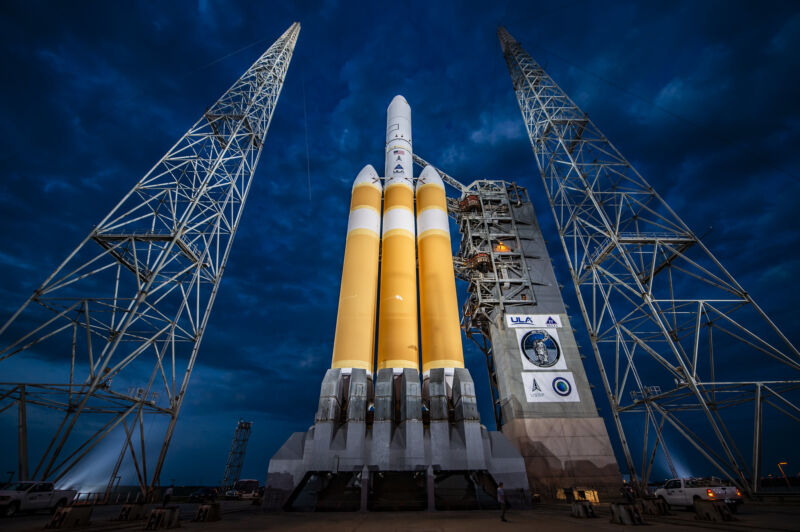
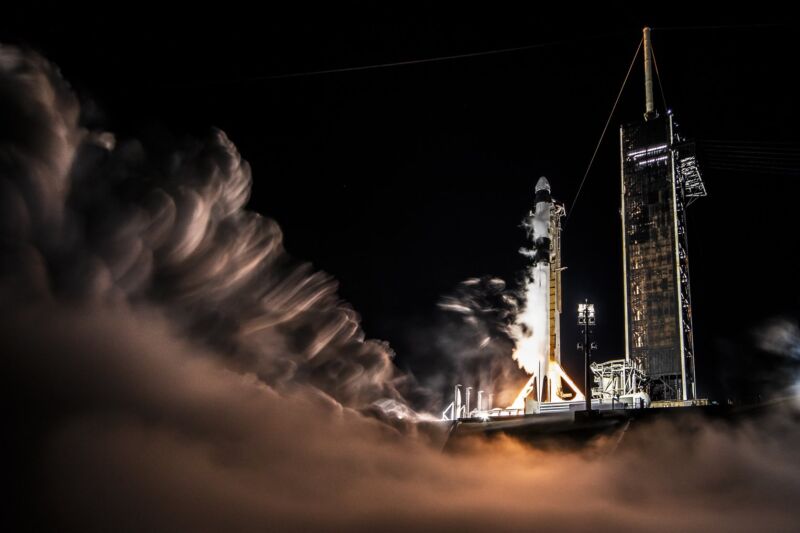
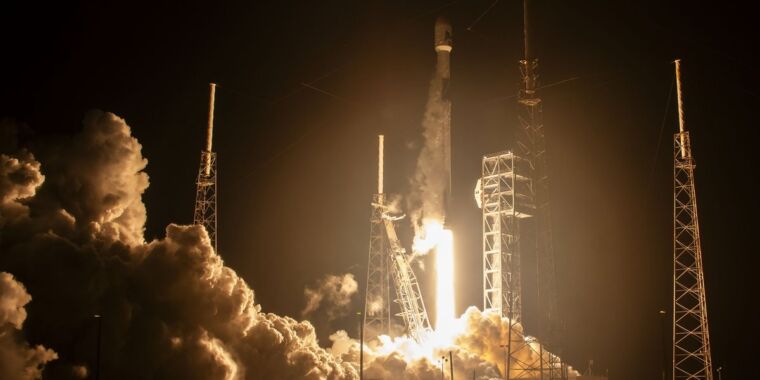
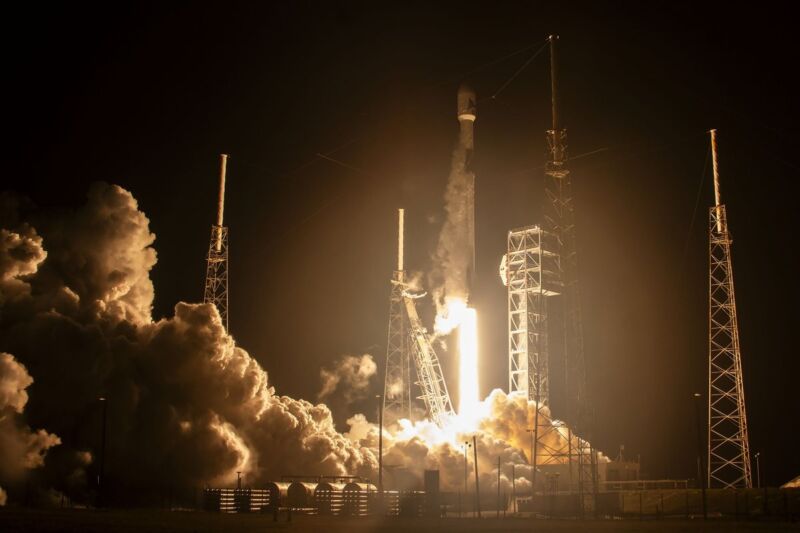
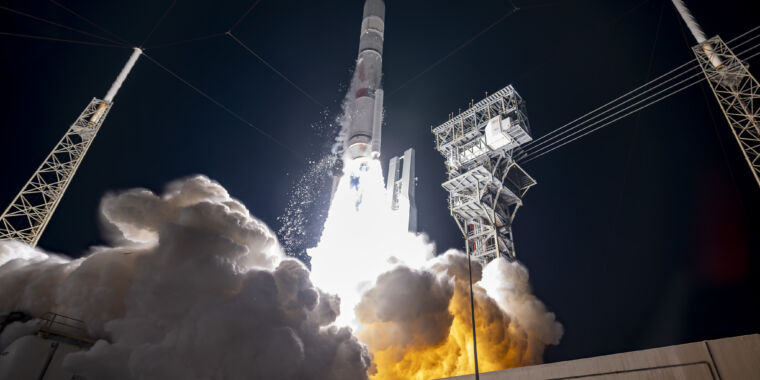
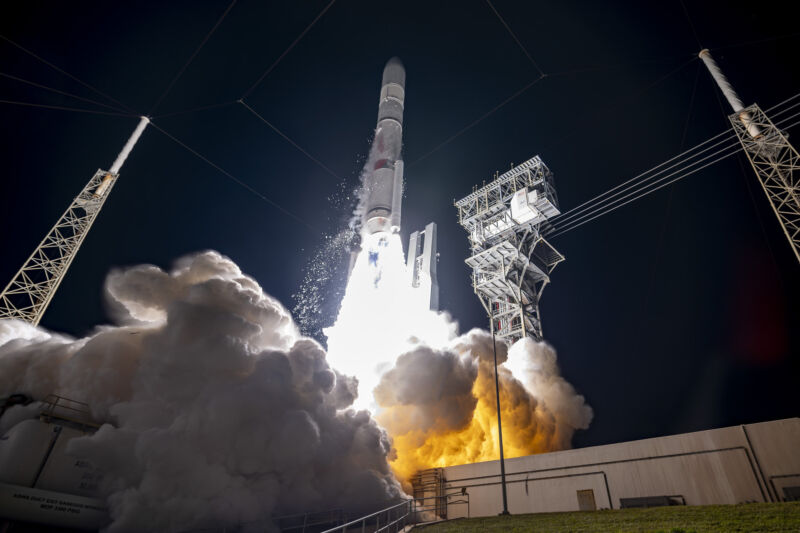
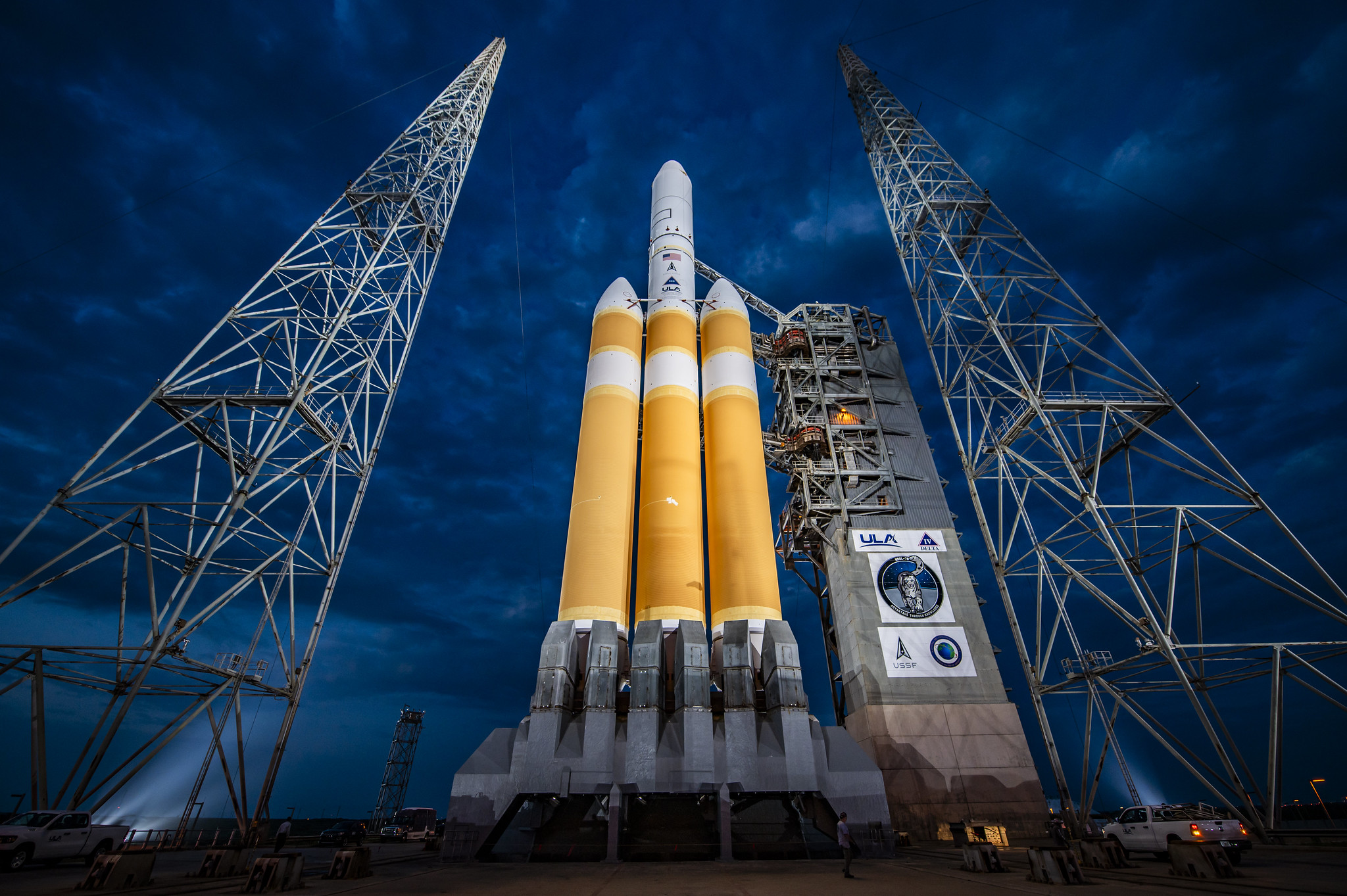
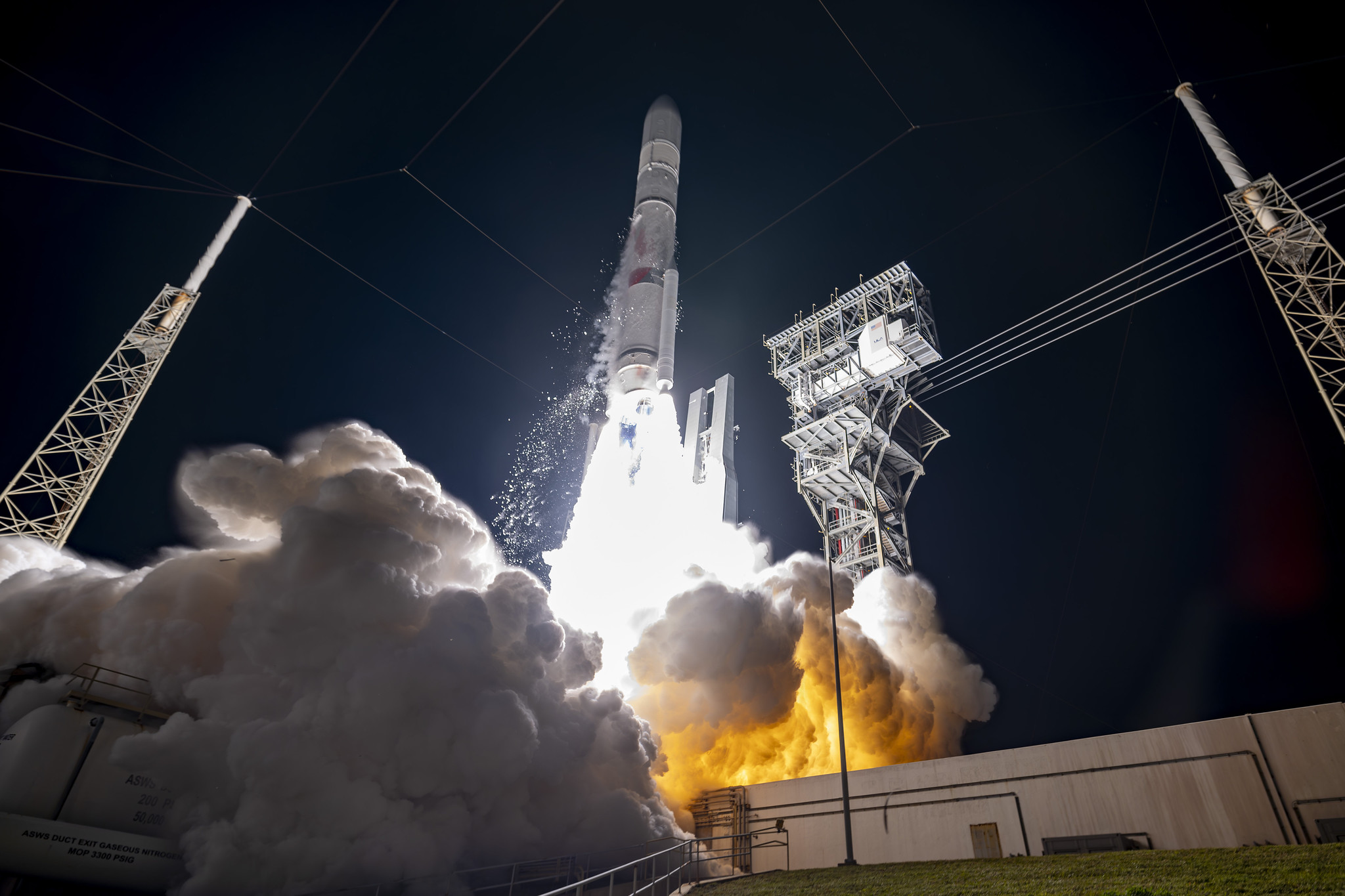
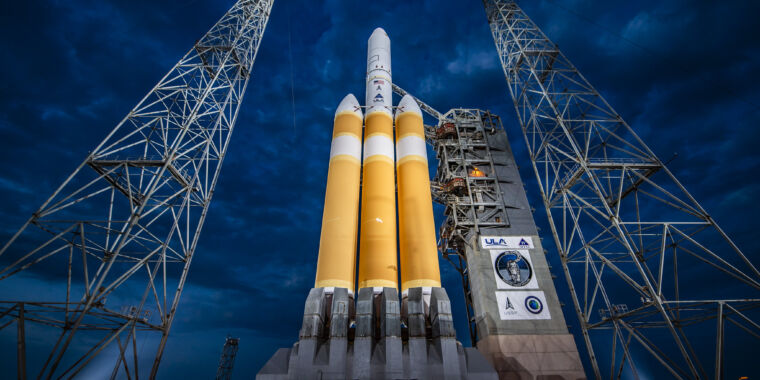
Vulcan launches from Cape Canaveral Space Force Station on Monday.

Enlarge / Vulcan launches from Cape Canaveral Space Force Station on Monday.

United Launch Alliance

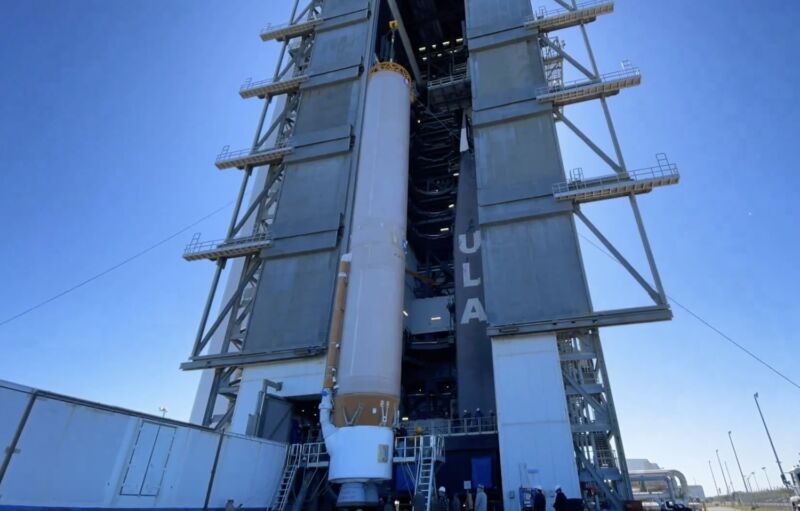
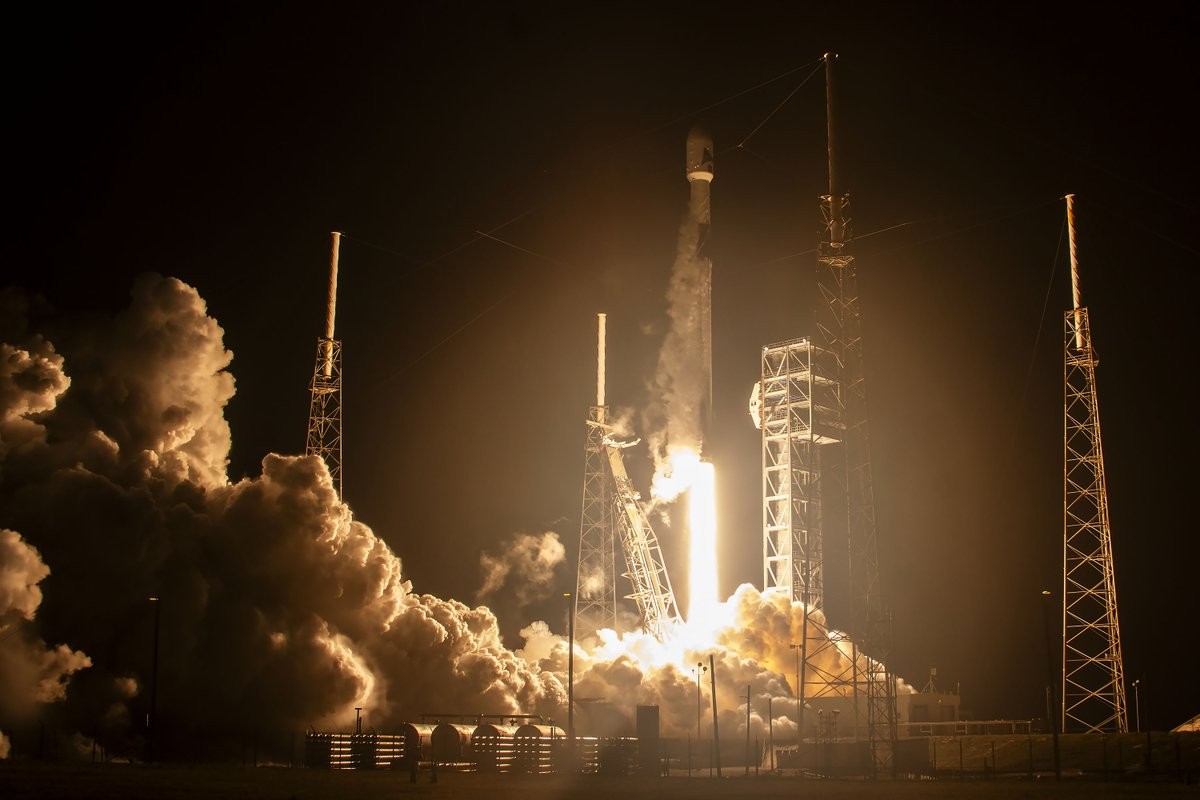
Welcome to Edition 6.26 of the Rocket Report! We’re just 11 days into the new year, and we’ve already had two stunning rocket debuts. Vulcan soared into space on Monday morning, and then a medium-lift rocket from China, Gravity-1, made a picture-perfect launch from a mobile pad in the Yellow Sea. It feels like this could be a great year for lift.

As always, we welcome reader submissions, and if you don’t want to miss an issue, please subscribe using the box below (the form will not appear on AMP-enabled versions of the site). Each report will include information on small-, medium-, and heavy-lift rockets as well as a quick look ahead at the next three launches on the calendar.

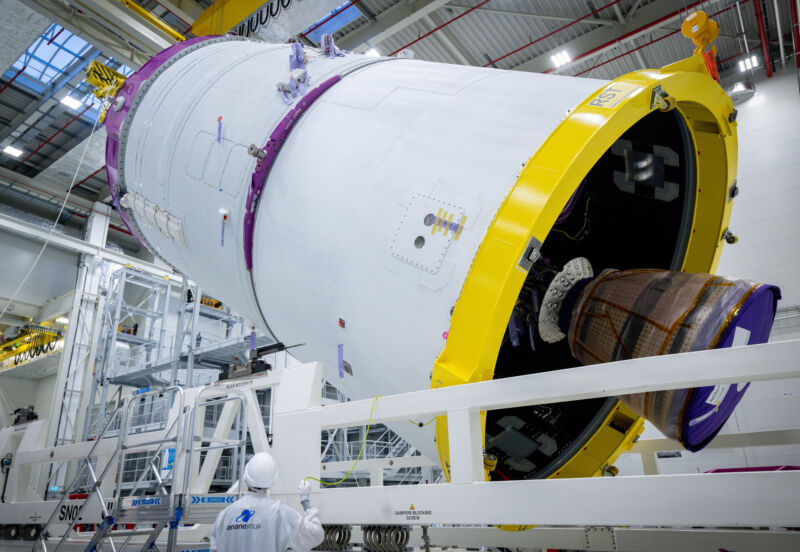
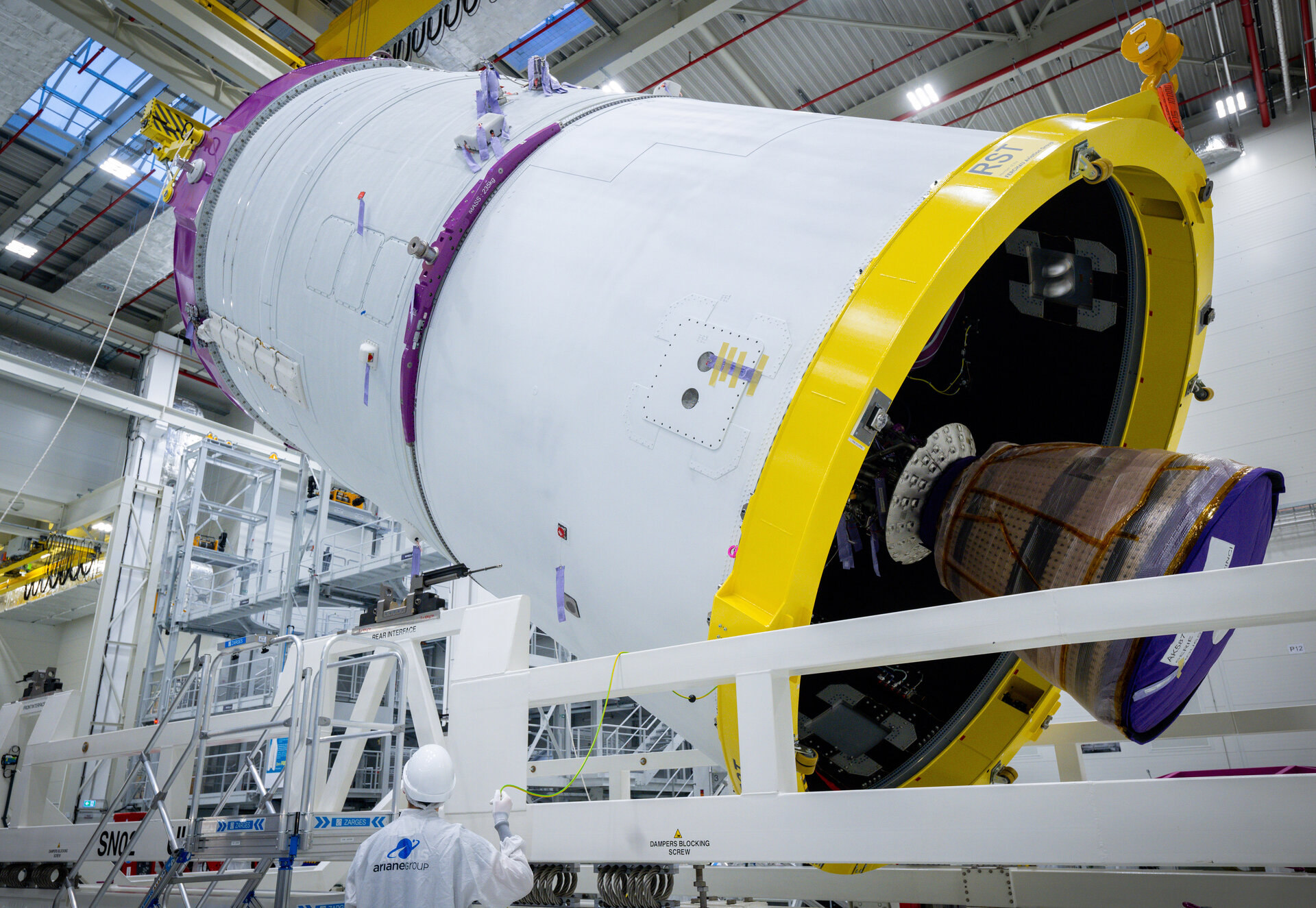
Vega C return-to-flight mission gets a date. The European Space Agency said it is targeting November 15 for the return to flight of the grounded Avio-built Vega C launch vehicle, European Spaceflight reports. I’ll be honest. I had to double-check the calendar to make sure that it is in fact January, because that’s an oddly specific date for a launch 10 months from now. But it appears there is some, ahem, flexibility in that date. ESA director of space transportation Toni Tolker-Nielsen says: “The nominal date is 15 November. There is a very detailed plan that is leading to this.”

But then there are the caveats … The director of space transportation did, however, add that there was a month of schedule risks that may affect the launch date, summarizing that the launch “should be at least before the end of the year.” Tolker-Nielsen’s final word on the matter was not all that convincing. “We’re pretty sure of that,” he concluded. Vega C was grounded following a failed flight in late 2022. The flight is expected to carry the Sentinel 1C Earth observation satellite to orbit, which will replace the failed Sentinel 1B satellite, plugging a significant data gap. (submitted by Ken the Bin)

China completes commercial launch pad.  A newly completed launch pad on China’s Hainan Island could increase China’s access to space, boosting national constellation projects and commercial launch plans, Space News reports. The first launch pad at Hainan Commercial Launch Site was finished in late December. It is the first of two pads that will host liquid propellant launch vehicles.

Fewer rockets falling into villages … The development is intended to ease a bottleneck of access to launch facilities for both national and commercial launch service providers and allow Chinese entities to speed up plans to launch a range of constellations. It should also increase China’s ability to deploy and maintain space assets, including remote sensing, communications, and other systems for civil and military purposes. Finally, it may help reduce incidents of booster debris falling around inhabited areas following launches from the country’s inland spaceports of Jiuquan, Taiyuan, and Xichang. (submitted by Ken the Bin)

The easiest way to keep up with Eric Berger’s space reporting is to sign up for his newsletter, we’ll collect his stories in your inbox.

Will spaceport make Australia a military target? Space company Equatorial Launch Australia has proposed a massive expansion of its space center near Nhulunbuy, around 1,000 km east of Darwin, which saw the launch of three NASA suborbital rockets in mid-2022. If approved, the plans would see the Arnhem Space Centre grow from one launchpad to 14, with the goal of launching dozens of rockets a year, the Australian Broadcast Corporation reports. The goal is to launch its first orbital rocket by 2025, said the launch site chief executive, Michael Jones.

But there’s a catch … While the plans have been welcomed by the local government and local businesses, they have drawn concerns from some, including a politician and Yolŋu traditional owner Yiŋiya Guyula. The Yolŋu are Aboriginal people who live in the Northern Territory of Australia. Guyula voiced fears that the Arnhem Space Centre could lead to missile testing and development on Yolŋu land. Other local officials have said the spaceport could result in the area becoming a potential military target. (submitted by ZygP)

Rocket Report: A Chinese launch you must see; Vulcan’s stunning debut Read More »
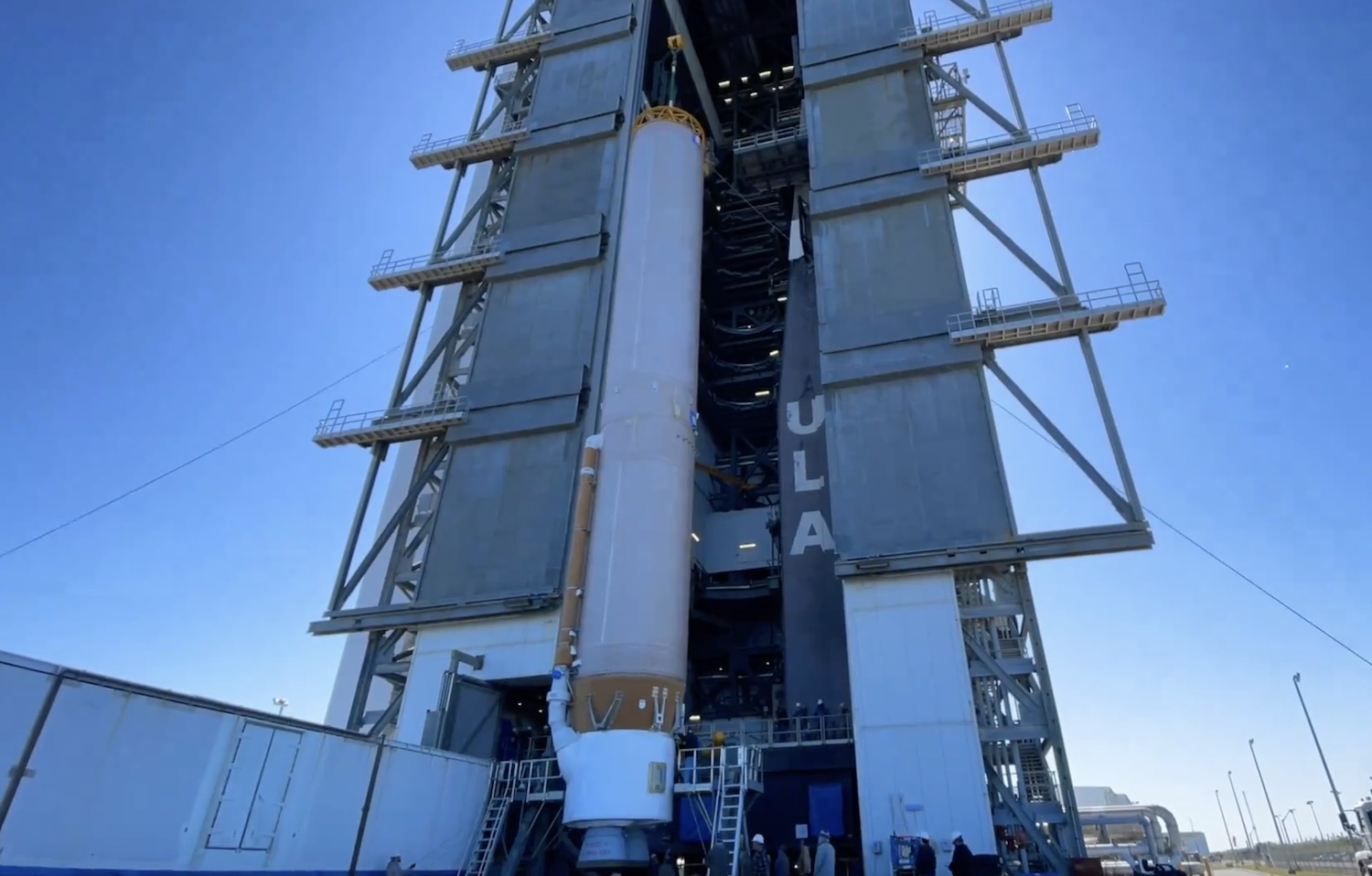
rocket-report:-vulcan-stacked-for-launch;-starship-aces-test-ahead-of-third-flight

Rocket Report: Vulcan stacked for launch; Starship aces test ahead of third flight

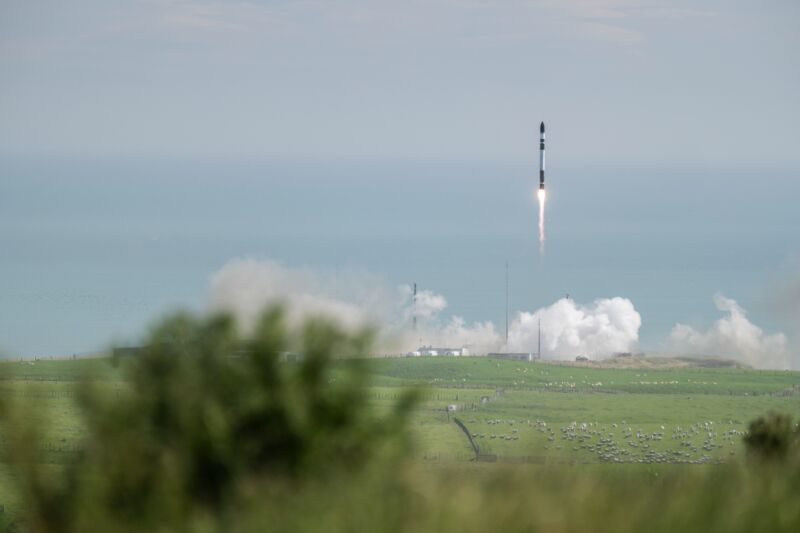
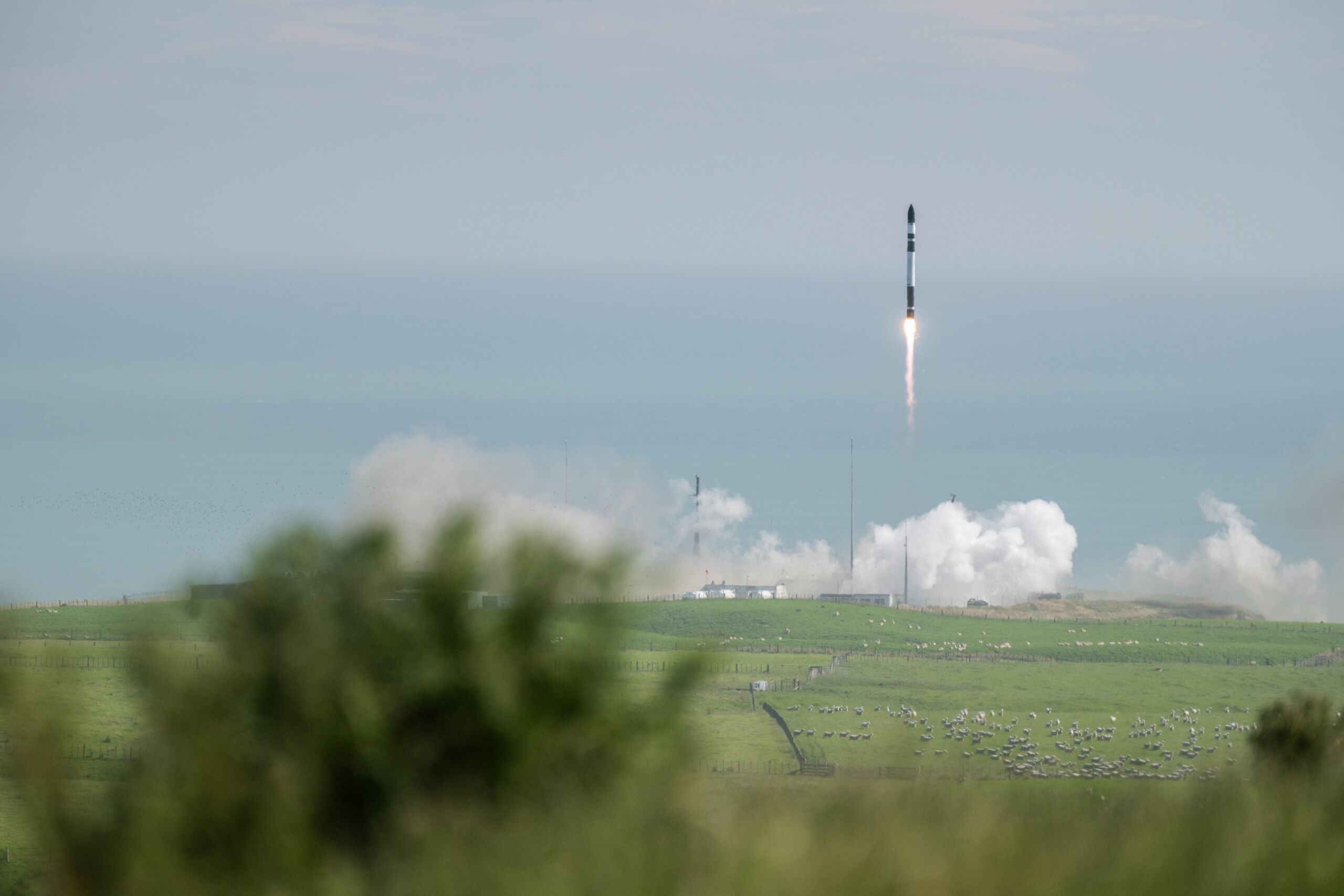
Electron returned to flight successfully this week.

Enlarge / Electron returned to flight successfully this week.

Rocket Lab

Welcome to Edition 6.24 of the Rocket Report! This will be the final edition of this newsletter until January 4—hey, space enthusiasts need a holiday break too! And given all that’s expected to happen in 2024 in the world of launch, a bit of a recharge seems like a smart move. Stephen and I wish everyone happy holidays and a healthy and prosperous new year. Until then!

As always, we welcome reader submissions, and if you don’t want to miss an issue, please subscribe using the box below (the form will not appear on AMP-enabled versions of the site). Each report will include information on small-, medium-, and heavy-lift rockets as well as a quick look ahead at the next three launches on the calendar.

Ranking the top 10 US launch companies of 2023. Oops, we did it again and published a list of the most accomplished US commercial launch companies. It’s no surprise that SpaceX is atop the list, but what comes after is more intriguing, including a new company in second position. I hope the list sparks debate, discussion, and appreciation for the challenge of operating a successful rocket company.

This is a really hard business … The article closes with this message, which I think is a fitting way to end the calendar year and kick off the holiday season: “As ever, I remain in awe of all the talented engineers and business people out there trying to make a go of it in the launch industry. This is a difficult and demanding business, replete with problems. I salute your hard work and hope for your success.”

New Shepard finally flies again. With redesigned engine components, Blue Origin’s New Shepard rocket took off from West Texas and flew to the edge of space on Tuesday with a package of scientific research and technology demonstration experiments, Ars reports. This was the first flight of Blue Origin’s New Shepard rocket since September 12, 2022, when an engine failure destroyed the booster and triggered an in-flight abort for the vehicle’s pressurized capsule during an uncrewed flight.

Does “soon'” really mean soon? … It took 15 months for Blue Origin to return to flight with New Shepard, but Tuesday’s successful launch puts the company on a path to resuming human missions. So when will Blue Origin start flying people again? “Following a thorough review of today’s mission, we look forward to flying our next crewed flight soon,” said Erika Wagner, a longtime Blue Origin manager who co-hosted the company’s webcast of Tuesday’s flight. (submitted by EllPeaTea and Ken the Bin)

The easiest way to keep up with Eric Berger’s space reporting is to sign up for his newsletter, we’ll collect his stories in your inbox.

Electron successfully returns to flight. Rocket Lab successfully launched a Japanese radar imaging satellite on the first flight of its Electron rocket since a failure nearly three months ago, Space News reports. The Electron lifted off from the company’s Launch Complex 1 in New Zealand at 11: 05 pm ET on December 14. The vehicle deployed its payload, the QPS-SAR-5 or Tsukuyomi-1 satellite, for Japanese company iQPS, afterward.

A record number of launches this year … The launch was the first for Electron since a September 19 failure during a launch of another radar-imaging satellite for Capella Space. On that mission, the first stage performed as expected, but the second stage’s engine appeared to shut down immediately after ignition, preventing it from reaching orbit. The launch was the 10th flight of the Electron this year, including one launch of a suborbital version of Electron called HASTE. (submitted by Ken the Bin)

Shetland approved for UK launches. SaxaVord Spaceport on the small island of Unst has been given approval from the Civil Aviation Authority to begin orbital launches in 2024, the BBC reports. It will be the first fully licensed spaceport in Western Europe able to launch vertically into orbit. It permits up to 30 launches a year that will be used to take satellites and other payloads into space.

Launches this summer? … The site, which is the first spaceport in Scotland, has several launch operators around the world currently developing rockets. It is anticipated that German rocket firm HyImpulse will attempt sub-orbital launches as early as this August. Full orbital launches are expected to take place at SaxaVord from 2025. Cornwall Spaceport was the UK’s first licensed spaceport; however, its rockets are launched horizontally and carried by an aircraft. (submitted by gizmo23 and Ken the Bin)

Rocket Report: Vulcan stacked for launch; Starship aces test ahead of third flight Read More »