Policy

apple’s-imessage-is-not-a-“core-platform”-in-eu,-so-it-can-stay-walled-off

Apple’s iMessage is not a “core platform” in EU, so it can stay walled off

Too core to fail —

Microsoft’s Edge browser, Bing search, and ad business also avoid regulations.

Apple Messages in a Mac dock

Getty Images

Apple’s iMessage service is not a “gatekeeper” prone to unfair business practices and will thus not be required under the Fair Markets Act to open up to messages, files, and video calls from other services, the European Commission announced earlier today.

Apple was one of many companies, including Google, Amazon, Alphabet (Google’s parent company), Meta, and Microsoft to have its “gatekeeper” status investigated by the European Union. The iMessage service did meet the definition of a “core platform,” serving at least 45 million EU users monthly and being controlled by a firm with at least 75 billion euros in market capitalization. But after “a thorough assessment of all arguments” during a five-month investigation, the Commission found that iMessage and Microsoft’s Bing search, Edge browser, and ad platform “do not qualify as gatekeeper services.” The unlikelihood of EU demands on iMessage was apparent in early December when Bloomberg reported that the service didn’t have enough sway with business users to demand more regulation.

Had the Commission ruled otherwise, Apple would have had until August to open its service. It would have been interesting to see how the company would have complied, given that it provides end-to-end encryption and registers senders based on information from their registered Apple devices.

Google had pushed the Commission to force Apple into “gatekeeper status,” part of Google’s larger campaign to make Apple treat Android users better when they trade SMS messages with iPhone users. While Apple has agreed to take up RCS, an upgraded form of carrier messaging with typing indicators and better image and video quality, it will not provide encryption for Android-to-iPhone SMS, nor remove the harsh green coloring that particularly resonates with younger users.

Apple is still obligated to comply with the Digital Markets Act’s other implications on its iOS operating system, its App Store, and its Safari browser. The European Union version of iOS 17.4, due in March, will offer “alternative app marketplaces,” or sideloading, along with the tools so that those other app stores can provide updates and other services. Browsers on iOS will also be able to use their own rendering engines rather than providing features only on top of mobile Safari rendering. Microsoft, among other firms, will make similar concessions in certain areas of Europe with Windows 11 and other products.

While it’s unlikely to result in the same kind of action, Brendan Carr, a commissioner at the Federal Communications Commission, said at a conference yesterday that the FCC “has a role to play” in investigating whether Apple’s blocking of the Beeper Mini app violated Part 14 rules regarding accessibility and usability. “I think the FCC should launch an investigation to look at whether Apple’s decision to degrade the Beeper Mini functionality… was a step that violated the FCC’s rules in Part 14,” Carr said at the State of the Net policy conference in Washington, DC.

Beeper Mini launched with the ability for Android users to send fully encrypted iMessage messages to Apple users, based on reverse-engineering of its protocol and registration. Days after its launch, Apple blocked its users and issued a statement saying that it was working to stop exploits and spam. The blocking and workarounds continued until Beeper announced that it was shifting its focus away from iMessage and back to being a multi-service chat app, minus one particular service. Beeper’s experience had previously garnered recognition from Senators Elizabeth Warren (D-Mass.) and Amy Klobuchar (D-Minn.).

Ars has reached out to Apple, Microsoft, and Google for comment and will update this post if we receive responses.

Apple’s iMessage is not a “core platform” in EU, so it can stay walled off Read More »

amazon-hides-cheaper-items-with-faster-delivery,-lawsuit-alleges

Amazon hides cheaper items with faster delivery, lawsuit alleges

A game of hide-and-seek —

Hundreds of millions of Amazon’s US customers have overpaid, class action says.

Amazon hides cheaper items with faster delivery, lawsuit alleges

Amazon rigged its platform to “routinely” push an overwhelming majority of customers to pay more for items that could’ve been purchased at lower costs with equal or faster delivery times, a class-action lawsuit has alleged.

The lawsuit claims that a biased algorithm drives Amazon’s “Buy Box,” which appears on an item’s page and prompts shoppers to “Buy Now” or “Add to Cart.” According to customers suing, nearly 98 percent of Amazon sales are of items featured in the Buy Box, because customers allegedly “reasonably” believe that featured items offer the best deal on the platform.

“But they are often wrong,” the complaint said, claiming that instead, Amazon features items from its own retailers and sellers that participate in Fulfillment By Amazon (FBA), both of which pay Amazon higher fees and gain secret perks like appearing in the Buy Box.

“The result is that consumers routinely overpay for items that are available at lower prices from other sellers on Amazon—not because consumers don’t care about price, or because they’re making informed purchasing decisions, but because Amazon has chosen to display the offers for which it will earn the highest fees,” the complaint said.

Authorities in the US and the European Union have investigated Amazon’s allegedly anticompetitive Buy Box algorithm, confirming that it’s “favored FBA sellers since at least 2016,” the complaint said. In 2021, Amazon was fined more than $1 billion by the Italian Competition Authority over these unfair practices, and in 2022, the European Commission ordered Amazon to “apply equal treatment to all sellers when deciding what to feature in the Buy Box.”

These investigations served as the first public notice that Amazon’s Buy Box couldn’t be trusted, customers suing said. Amazon claimed that the algorithm was fixed in 2020, but so far, Amazon does not appear to have addressed all concerns over its Buy Box algorithm. As of 2023, European regulators have continued pushing Amazon “to take further action to remedy its Buy Box bias in their respective jurisdictions,” the customers’ complaint said.

The class action was filed by two California-based long-time Amazon customers, Jeffrey Taylor and Robert Selway. Both feel that Amazon “willfully” and “deceptively” tricked them and hundreds of millions of US customers into purchasing the featured item in the Buy Box when better deals existed.

Taylor and Selway’s lawyer, Steve Berman, told Reuters that Amazon has placed “a great burden” on its customers, who must invest more time on the platform to identify the best deals. Unlike other lawsuits over Amazon’s Buy Box, this is the first lawsuit to seek compensation over harms to consumers, not over antitrust concerns or harms to sellers, Reuters noted.

The lawsuit has been filed on behalf of “all persons who made a purchase using the Buy Box from 2016 to the present.” Because Amazon supposedly “frequently” features more expensive items in the Buy Box and most sales result from Buy Box placements, they’ve alleged that “the chances that any Class member was unharmed by one or more purchases is virtually non-existent.”

“Our team expects the class to include hundreds of millions of Amazon consumers because virtually all purchases are made from the Buy Box,” a spokesperson for plaintiffs’ lawyers told Ars.

Customers suing are hoping that a jury will decide that Amazon continues to “deliberately steer” customers to purchase higher-priced items in the Buy Box to spike its own profits. They’ve asked a US district court in Washington, where Amazon is based, to permanently stop Amazon from using allegedly biased algorithms to drive sales through its Buy Box.

The extent of damages that Amazon could owe are currently unknown but appear significant. It’s estimated that 80 percent of Amazon’s 300 million userbase is comprised of US subscribers, each allegedly overpaying on most of their purchases over the past seven years. Last year, Amazon’s US sales exceeded $574 billion.

“Amazon claims to be a ‘customer-centric’ company that works to offer the lowest prices to its customers, but in violation of the Washington Consumer Protection Act, Amazon employs a deceptive scheme to keep its profits—and consumer prices—high,” customer’s lawsuit alleged.

Amazon hides cheaper items with faster delivery, lawsuit alleges Read More »
us-funds-$5b-chip-effort-after-lagging-on-semiconductor-innovation

US funds $5B chip effort after lagging on semiconductor innovation

Now hiring? —

US had failed to fund the “science half” of CHIPS and Science Act, critic said.

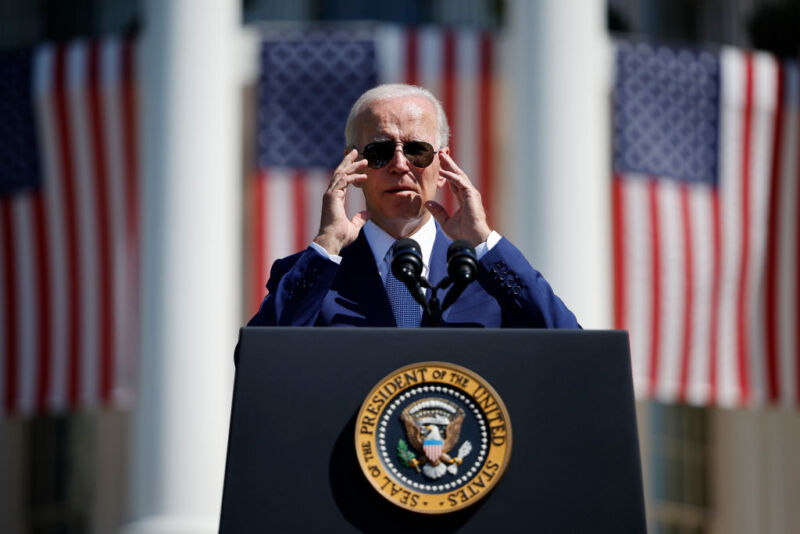
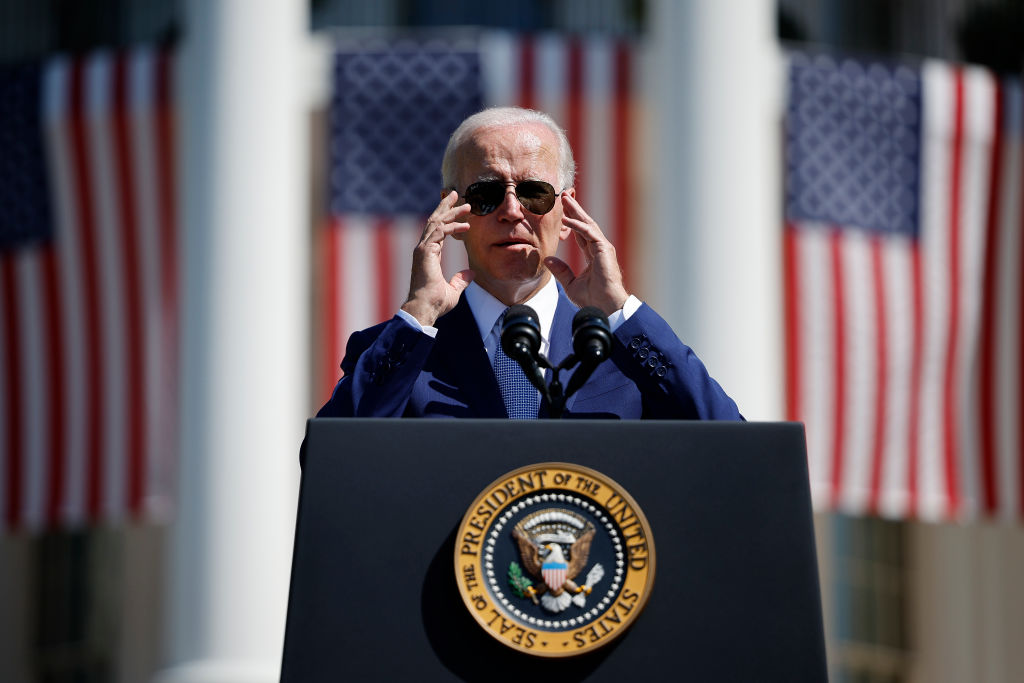
US President Joe Biden speaks before signing the CHIPS and Science Act of 2022.

Enlarge / US President Joe Biden speaks before signing the CHIPS and Science Act of 2022.

The Biden administration announced investments Friday totaling more than $5 billion in semiconductor research and development intended to re-establish the US as a global leader manufacturing the “next generation of semiconductor technologies.”

Through sizeable investments, the US will “advance US leadership in semiconductor R&D, cut down on the time and cost of commercializing new technologies, bolster US national security, and connect and support workers in securing good semiconductor jobs,” a White House press release said.

Currently, the US produces “less than 10 percent” of the global chips supply and “none of the most advanced chips,” the White House said. But investing in programs like the National Semiconductor Technology Center (NSTC)—considered the “centerpiece” of the CHIPS and Science Act’s four R&D programs—and training a talented workforce could significantly increase US production of semiconductors that the Biden administration described as the “backbone of the modern economy.”

The White House projected that the NSTC’s workforce activities would launch in the summer of 2024. The Center’s prime directive will be developing new semiconductor technologies by “supporting design, prototyping, and piloting and through ensuring innovators have access to critical capabilities.”

Moving forward, the NSTC will operate as a public-private consortium, involving both government and private sector institutions, the White House confirmed. It will be run by a recently established nonprofit called the National Center for the Advancement of Semiconductor Technology (Natcast), which will coordinate with the secretaries of Commerce, Defense, and Energy, as well as the National Science Foundation’s director. Any additional stakeholders can provide input on the NSTC’s goals by joining the NSTC Community of Interest at no cost.

The National Institute of Standards and Technology (NIST) has explained why achieving the NSTC’s mission to develop cutting-edge semiconductor technology in the US will not be easy:

The smallest dimensions of leading-edge semiconductor devices have reached the atomic scale and the complexity of the circuit architecture is increasing exponentially with the use of three-dimensional structures, the incorporation of new materials, and improvements in the thousands of process steps needed to make advanced chips. Into the future, as new applications demand higher-performance semiconductors, their design and production will become even more complex. This complexity makes it increasingly difficult and costly to implement innovations because of the dependencies between design and manufacturing, between manufacturing steps, and between front-end and back-end processes.

The complexity of keeping up with semiconductor tech is why it’s critical for the US to create clear pathways for skilled workers to break into this burgeoning industry. The Biden administration said it plans to invest “at least hundreds of millions of dollars in the NSTC’s workforce efforts,” creating a Workforce Center of Excellence with locations throughout the US and piloting new training programs, including initiatives engaging underserved communities. The Workforce Center will start by surveying best practices in semiconductor education programs, then establish a baseline program to attract workers seeking dependable paths to break into the industry.

Last year, the Semiconductor Industry Association (SIA) released a study showing that the US was not adequately preparing a highly skilled workforce. Between “67,000, or 58 percent, of projected new jobs, may remain unfulfilled at the current trajectory,” SIA estimated.

A skilled workforce is just part of the equation, though. The US also needs facilities where workers can experiment with new technologies without breaking the bank. To that end, the Department of Commerce announced it would be investing “at least $200 million” in a first-of-its-kind CHIPS Manufacturing USA Institute. That institute will “allow innovators to replicate and experiment with physical manufacturing processes at low cost.”

Other Commerce Department investments announced include “up to $300 million” for advanced packaging R&D necessary for discovering new applications for semiconductor technologies and over $100 million in funding for dozens of projects to help inventors “more easily scale innovations into commercial products.”

A Commerce Department spokesperson told Ars that “the location of the NSTC headquarters has not yet been determined” but will “directly support the NSTC research strategy and give engineers, academics, researchers, engineers at startups, small and large companies, and workforce developers the capabilities they need to innovate.” In 2024, NSTC’s efforts to kick off research appear modest, with the center expecting to prioritize engaging community members and stakeholders, launching workforce programs, and identifying early start research programs.

So far, Biden’s efforts to ramp up semiconductor manufacturing in the US have not gone smoothly. Earlier this year, TSMC predicted further delays at chips plants under construction in Arizona and confirmed that the second plant would not be able to manufacture the most advanced chips, as previously expected.

That news followed criticism from private entities last year. In November, Nvidia CEO Jensen Huang predicted that the US was “somewhere between a decade and two decades away” from semiconductor supply chain independence. The US Chamber of Commerce said last August that the reason why the US remained so far behind was because the US had so far failed to prioritize funding in the “science half” of the CHIPS and Science Act.

In 2024, the Biden administration appears to be attempting to finally start funding a promised $11 billion total in research and development efforts. Once NSTC kicks off research, the pressure will be on to chase the Center’s highest ambition of turning the US into a consistent birthplace of life-changing semiconductor technologies once again.

US funds $5B chip effort after lagging on semiconductor innovation Read More »

canada-declares-flipper-zero-public-enemy-no.-1-in-car-theft-crackdown

Canada declares Flipper Zero public enemy No. 1 in car-theft crackdown

FLIPPING YOUR LID —

How do you ban a device built with open source hardware and software anyway?

A Flipper Zero device

Enlarge / A Flipper Zero device

https://flipperzero.one/

Canadian Prime Minister Justin Trudeau has identified an unlikely public enemy No. 1 in his new crackdown on car theft: the Flipper Zero, a $200 piece of open source hardware used to capture, analyze and interact with simple radio communications.

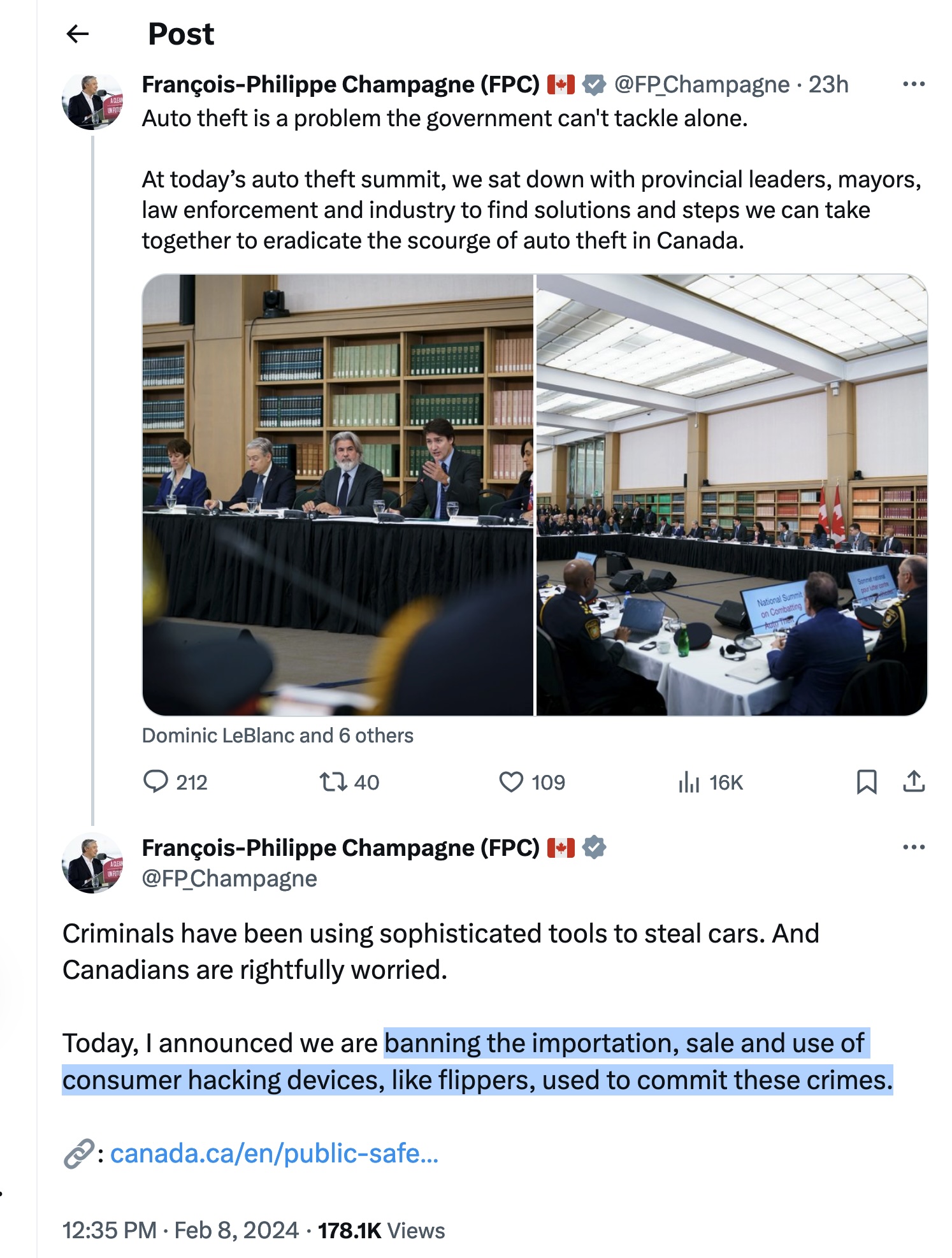
On Thursday, the Innovation, Science and Economic Development Canada agency said it will “pursue all avenues to ban devices used to steal vehicles by copying the wireless signals for remote keyless entry, such as the Flipper Zero, which would allow for the removal of those devices from the Canadian marketplace through collaboration with law enforcement agencies.” A social media post by François-Philippe Champagne, the minister of that agency, said that as part of the push “we are banning the importation, sale and use of consumer hacking devices, like flippers, used to commit these crimes.”

In remarks made the same day, Trudeau said the push will target similar tools that he said can be used to defeat anti-theft protections built into virtually all new cars.

“In reality, it has become too easy for criminals to obtain sophisticated electronic devices that make their jobs easier,” he said. “For example, to copy car keys. It is unacceptable that it is possible to buy tools that help car theft on major online shopping platforms.”

Presumably, such tools subject to the ban would include HackRF One and LimeSDR, which have become crucial for analyzing and testing the security of all kinds of electronic devices to find vulnerabilities before they’re exploited. None of the government officials identified any of these tools, but in an email, a representative of the Canadian government reiterated the use of the phrase “pursuing all avenues to ban devices used to steal vehicles by copying the wireless signals for remote keyless entry.”

A humble hobbyist device

The push to ban any of these tools has been met with fierce criticism from hobbyists and security professionals. Their case has only been strengthened by Trudeau’s focus on Flipper Zero. This slim, lightweight device bearing the logo of an adorable dolphin acts as a Swiss Army knife for sending, receiving, and analyzing all kinds of wireless communications. It can interact with radio signals, including RFID, NFC, Bluetooth, Wi-Fi, or standard radio. People can use them to change the channels of a TV at a bar covertly, clone simple hotel key cards, read the RFID chip implanted in pets, open and close some garage doors, and, until Apple issued a patch, send iPhones into a never-ending DoS loop.

The price and ease of use make Flipper Zero ideal for beginners and hobbyists who want to understand how increasingly ubiquitous communications protocols such as NFC and Wi-Fi work. It bundles various open source hardware and software into a portable form factor that sells for an affordable price. Lost on the Canadian government, the device isn’t especially useful in stealing cars because it lacks the more advanced capabilities required to bypass anti-theft protections introduced in more than two decades.

One thing the Flipper Zero is exceedingly ill-equipped for is defeating modern antihack protections built into cars, smartcards, phones, and other electronic devices.

The most prevalent form of electronics-assisted car theft these days, for instance, uses what are known as signal amplification relay devices against keyless ignition and entry systems. This form of hack works by holding one device near a key fob and a second device near the vehicle the fob works with. In the most typical scenario, the fob is located on a shelf near a locked front door, and the car is several dozen feet away in a driveway. By placing one device near the front door and another one next to the car, the hack beams the radio signals necessary to unlock and start the device.

Canada declares Flipper Zero public enemy No. 1 in car-theft crackdown Read More »

female-ex-exec-told-she-lacked-“docility-and-meekness”-sues-tiktok

Female ex-exec told she lacked “docility and meekness” sues TikTok

Female ex-exec told she lacked “docility and meekness” sues TikTok

One of TikTok’s senior-most female executives, Katie Ellen Puris, is suing TikTok and its owner ByteDance, alleging wrongful termination based on age and sex discrimination.

In her complaint filed Thursday, Puris accused ByteDance chairman Lidong Zhang of aggressively forcing her out of the company because she “lacked the docility and meekness specifically required of female employees.” She also alleged experiencing retaliation after reporting sexual harassment to the company.

Puris joined TikTok in December 2019 as managing director and US head of business marketing. Previously, she’d led global marketing initiatives for Google and Facebook. TikTok appeared to value this experience and promoted her within two months to lead its global business marketing team. In this role, she launched TikTok for Business and meaningfully shaped how businesses interact with the platform.

Amid this success, Puris allegedly discovered that she had a target on her back.

According to her complaint, by early 2021, Beijing-based ByteDance executives, including Zhang, “began reasserting more control over TikTok’s day-to-day operations.” These executives, Puris said, required bi-monthly meetings with senior executives to report on their teams’ progress in hitting company targets.

“Despite its attempts to appear independent, TikTok’s day-to-day management and business decisions came directly from ByteDance’s top-level management in China,” Puris’ complaint alleged.

During one of these bi-monthly meetings, Puris met Zhang for the first time during a presentation where she “celebrated her team’s successes and achievements.” Allegedly, Zhang was put off by Puris’ presentation because “women should always remain humble and express modesty.”

“Essentially, Lidong Zhang believes women should be quiet,” Puris’ complaint alleged.

Puris believes that because she “did not fit that stereotypical gender mold,” Zhang refused to ever meet with her again and placed her on a “kill list” of employees who he wanted terminated.

According to Puris, Zhang began pressuring her supervisors to review her performance negatively. He allegedly cast a wide net and sought negative comments from employees whom Puris rarely worked with. His alleged “animosity” was so evident that one of Puris’ supervisors allegedly sought to protect her by removing her from Zhang’s oversight.

At the same time, Puris, who was approaching 50, alleged that other executives “made it clear” that they would prefer to hire “hungry” younger, less experienced workers “believed to be more innovative and pliable” and “desperate for approval” than older workers like Puris. She claimed that a supervisor regularly referenced her age during performance reviews that became increasingly negative and without clear feedback or comments substantiating her poor reviews. Requests for feedback were repeatedly rejected.

Puris’ efforts to report alleged age and sex discrimination did not result in corrective action, her complaint said. Even when a TikTok advertising partner allegedly drunkenly sexually harassed her at an off-site event, Puris alleged that her complaints were not taken seriously. Puris said that TikTok continued inviting the advertising partner to events, causing her to withdraw from attending.

Rather than sincerely investigate her complaints, Puris’ complaint said that “after Ms. Puris made protected complaints, her team was substantially reduced, she received a devastatingly low-performance review, she was denied her annual bonus, she was moved out of her position, and she was ultimately unlawfully terminated.”

Female ex-exec told she lacked “docility and meekness” sues TikTok Read More »

over-a-decade-later,-climate-scientist-prevails-in-libel-case

Over a decade later, climate scientist prevails in libel case

What a long, strange trip it’s been —

But the case is not entirely over, as he plans to go after the publishers again.

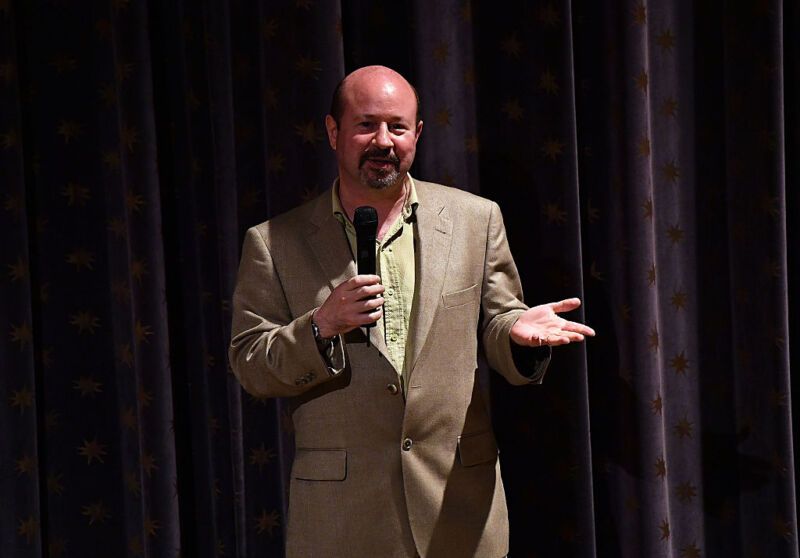
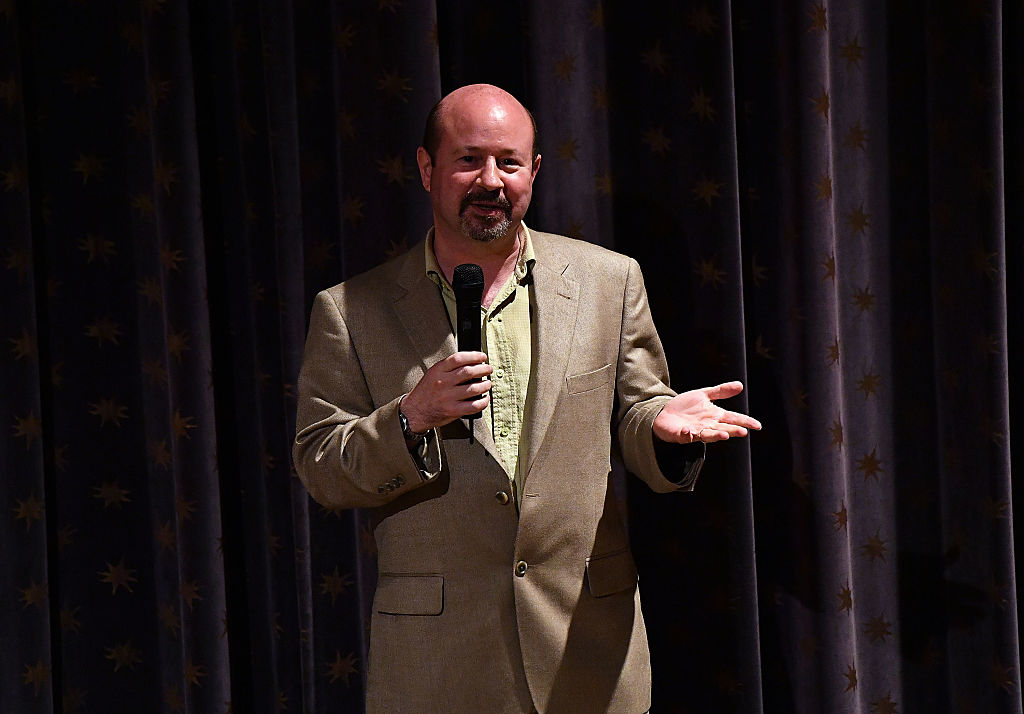
Image of a middle-aged male speaking into a microphone against a dark backdrop.

Enlarge / Climate scientist Michael Mann.

This is a story I had sporadically wondered whether I’d ever have the chance to write. Over a decade ago, I covered a lawsuit filed by climate scientist Michael Mann, who finally had enough of being dragged through the mud online. When two authors accused him of fraud and compared his academic position to that of a convicted child molester, he sued for defamation.

Mann was considered a public figure, which makes winning defamation cases extremely challenging. But his case was based on the fact that multiple institutions on two different continents had scrutinized his work and found no hint of scientific malpractice—thus, he argued, that anyone who accused him of fraud was acting with reckless disregard for the truth.

Over the ensuing decade, the case was narrowed, decisions were appealed, and long periods went by without any apparent movement. But recently, amazingly, the case finally went to trial, and a jury rendered a verdict yesterday: Mann is entitled to damages from the writers. Even if you don’t care about the case, it’s worth reflecting on how much has changed since it was first filed.

The suit

The piece that started the whole mess was posted on the blog of a free market think tank called the Competitive Enterprise Institute. In it, Rand Simberg accused Mann of manipulating data and compared the investigations at Penn State (where he was faculty at the time) to the university’s lack of interest in pursuing investigations of one of its football coaches who was convicted of molesting children. A few days later, a second author, Mark Steyn, echoed those accusations at the publication National Review.

Mann’s case was based on the accusations of fraud in those pieces. He had been a target for years after he published work showing that the recent warming was unprecedented in the last few thousand years. This graph, known as the “hockey stick” due to its sudden swerve upwards, later graced the cover of an IPCC climate report. The pieces were also published just a few years after a large trove of emails from climate scientists were obtained illicitly from the servers of a research institution, leading to widespread accusations of misconduct against climate scientists.

Out of the public eye were a large number of investigations, both by the schools involved and the governments that funded the researchers, all of which cleared those involved, including Mann. But Simberg and Steyn were part of a large collection of writers and bloggers who were convinced that Mann (and by extension, all of modern climate science) had to be wrong. So they assumed—and in Simberg and Steyn’s case, wrote—that the investigations were simply whitewashes.

Mann’s suit alleged the exact opposite: that, by accusing him of fraud despite these investigations, the two authors showed a reckless disregard for truth. That would be enough to hold them responsible for defamation despite the fact that Mann was a public figure. The authors’ defense was largely focused on the fact that they genuinely believed their own opinions and so should be free to express them under the First Amendment.

In essence, the case came down to whether people who appear to be incapable of incorporating evidence into their opinions should still be able to voice those opinions without consequences, even if doing so has consequences for others.

Victory at last-ish

In the end, the jury decided they did not. And their damage awards suggest that they understood the present circumstances quite well. For starters, the compensatory damages awarded to Mann for the defamation itself were minimal: one dollar each from Simberg and Steyn. While Mann alleged he lost grants and suffered public scorn due to the columns, he’s since become a successful book author and received a tenured chair at the University of Pennsylvania, where he now heads its Center for Science, Sustainability, and the Media.

But the suit also sought punitive damages to discourage future behavior of the sort. Here, there was a dramatic split. Simberg, who now tends to write about politics rather than science and presents himself as a space policy expert, was placed on the hook for just $1,000. Steyn, who is still actively fighting the climate wars and hosts a continued attack on Mann on his website, was told to pay Mann $1 million.

That said, the suit’s not over yet. Steyn has suggested that there are grounds to appeal the monetary award, while Mann has indicated that he will appeal the decision that had terminated his case against the Competitive Enterprise Institute and National Review. So, check back in another decade and we may have another decision.

Over a decade later, climate scientist prevails in libel case Read More »

reddit-beats-film-industry-again,-won’t-have-to-reveal-pirates’-ip-addresses

Reddit beats film industry again, won’t have to reveal pirates’ IP addresses

The Reddit logo displayed on a smartphone; a laptop is seen in the photo's background.

Getty Images | NurPhoto

Movie companies have lost a third attempt to unmask Reddit users who posted comments discussing piracy. In an order on Wednesday, the US District Court for the Northern District of California rejected movie copyright holders’ demand for seven years’ worth of “IP address log information” on six Reddit users.

In a motion to compel that was filed last month, movie companies Voltage Holdings and Screen Media Ventures argued that “Reddit users do not have a recognized privacy interest in their IP addresses.” But in Wednesday’s ruling, US Magistrate Judge Thomas Hixson said, “The Court finds no reason to believe provision of an IP address is not unmasking subject to First Amendment scrutiny.”

Voltage Holdings and Screen Media Ventures previously sued the Internet service provider Frontier Communications, alleging that it is liable for its users’ copyright infringement. Seeking evidence for that case, the movie companies subpoenaed Reddit in an attempt to prove that Frontier has no meaningful policy for terminating repeat copyright infringers and that this lack of enforcement drew customers to Frontier’s service.

“Reddit argues the Court should deny the motion because it is an unmasking subpoena, targeting a potential witness rather than a potential defendant, and is therefore subjected to First Amendment scrutiny,” Hixson’s order noted. Reddit also argued that the evidence sought by movie companies can be obtained instead from Frontier and from Frontier subscribers.

Hixson’s order, which was previously reported by Torrent Freak, said that courts use a “higher standard for unmasking a non-party witness” than for potential defendants because “litigation can often continue without interfering with a non-party witness’s First Amendment right to anonymity.”

Reddit can protect First Amendment rights of users

The ruling is similar to previous ones in which the same court denied movie-industry attempts to unmask Reddit users. The fact that movie companies only sought IP addresses instead of names this time around wasn’t enough to sway the court.

The previous cases are being called Reddit I and Reddit II. Voltage Holdings was one of the copyright holders involved in Reddit I, while both Voltage Holdings and Screen Media Ventures were involved in Reddit II.

Hixson referred to the prior cases in this week’s ruling, saying the third is similar in part because the “court adjudicating the copyright litigation has already ruled [the movie companies] can obtain identifying information from Frontier for IP addresses known to have pirated using Frontier’s network.” As in the previous cases, the movie companies “cannot show that the information they seek here is unavailable from other sources,” Hixson wrote.

Voltage Holdings and Screen Media Ventures cited Reddit posts in which users say that Frontier didn’t terminate their Internet service despite sending many copyright infringement notices about torrent downloads. One of the users wrote, “I got a total of 44 emails from frontier about downloading torrents and that it could terminate service. They haven’t yet. And I kinda feel like if they didn’t do it after 44 emails. That they won’t… .”

The movie companies argued that getting these Reddit users’ IP addresses is relevant and proportional to the needs of the case because the comments support the allegation “that the ability to pirate content efficiently without any consequences is a draw for becoming a Frontier subscriber… and that Frontier does not have an effective policy for terminating repeat infringers.”

But Reddit has the right to refuse to provide that information, Hixson decided. “The Ninth Circuit has recognized that Internet platforms can assert the First Amendment rights of their users, based on the close relationship between the platform and its users and the ‘genuine obstacles’ users face in asserting their rights to anonymity,” Hixson wrote.

Reddit beats film industry again, won’t have to reveal pirates’ IP addresses Read More »

these-states-are-basically-begging-you-to-get-a-heat-pump

These states are basically begging you to get a heat pump

feel the heat —

Nine states are teaming up to accelerate adoption of this climate-friendly device.

Thermal imaging of two heat pumps and fan units, showing red and orange areas with elevated temperatures.

Death is coming for the old-school gas furnace—and its killer is the humble heat pump. They’re already outselling gas furnaces in the US, and now a coalition of states has signed an agreement to supercharge the gas-to-electric transition by making it as cheap and easy as possible for their residents to switch.

Nine states have signed a memorandum of understanding that says that heat pumps should make up at least 65 percent of residential heating, air conditioning, and water-heating shipments by 2030. (“Shipments” here means systems manufactured, a proxy for how many are actually sold.) By 2040, these states—California, Colorado, Maine, Maryland, Massachusetts, New Jersey, New York, Oregon, and Rhode Island—are aiming for 90 percent of those shipments to be heat pumps.

“It’s a really strong signal from states that they’re committed to accelerating this transition to zero-emissions residential buildings,” says Emily Levin, senior policy adviser at the Northeast States for Coordinated Air Use Management (NESCAUM), an association of air-quality agencies, which facilitated the agreement. The states will collaborate, for instance, in pursuing federal funding, developing standards for the rollout of heat pumps, and laying out an overarching plan “with priority actions to support widespread electrification of residential buildings.”

Instead of burning planet-warming natural gas, a heat pump warms a building by transferring heat from the outdoor air into the interior space. Run it in the opposite direction, and it can cool the inside of a building—a heat pump is both a heater and AC unit. Because the system is electric, it can run off a grid increasingly powered by renewables like wind and solar. Even if you have to run a heat pump with electricity from fossil-fuel power plants, it’s much more efficient than a furnace, because it’s moving heat instead of creating it.

A heat pump can save an average American household over $550 a year, according to one estimate. They’ve gotten so efficient that even when it’s freezing out, they can still extract warmth from the air to heat a home. You can even install a heat pump system that also warms your water. “We really need consumers to move away from dirty to clean heat, and we really want to get the message out that heat pumps are really the way to go,” says Serena McIlwain, Maryland’s secretary of the environment. “We have homeowners who are getting ready to replace their furnaces, and if they’re not aware, they are not going to replace it with a heat pump.”

The coalition’s announcement comes just months after the federal government doubled down on its own commitment to heat pumps, announcing $169 million in funding for the domestic production of the systems. That money comes from 2022’s Inflation Reduction Act, which also provides an American household with thousands of dollars in rebates or tax credits to switch to a heat pump.

These states are aiming to further collaborate with those heat pump manufacturers by tracking sales and overall progress, sending a signal to the industry to ramp up production to meet the ensuing demand. They’ll also collaborate with each other on research and generally share information, working toward the best strategies for realizing the transition from gas to electric. Basically, they’re pursuing a sort of standardization of the policies and regulations for getting more heat pumps built, bought, and installed, which other states outside of the coalition might eventually tap into.

“A consistent approach between states helps to ease the market transition,” says Matt Casale, senior manager of appliance standards at the Building Decarbonization Coalition, which is collaborating with the Northeast States for Coordinated Air Use Management. “There are all of these manufacturers, and all of these contractors, all along the supply chain, trying to plan out their next several years. They want to know: What is it going to look like?”

There’s also the less-talked-about challenge of the green energy revolution: training enough technicians to actually install the heat pumps. To that end, the memorandum calls for workforce development and contractor training. “If we’re pushing heat pumps and more installations, and we don’t have enough electricians to do the job, we’re not going to meet the goal—period,” says McIlwain. “We do need to put a lot of money and energy and resources into making sure that we have the workforce available to do it.”

In addition to the technicians working with the systems, the country needs way more electricians to retrofit homes to go fully electric beyond heat pumps, with solar panels and induction stoves and home batteries. To help there, last year the White House announced the formation of the American Climate Corps, which aims to put more than 20,000 people to work in clean energy and overall climate resilience.

With states collaborating like this on heat pumps, the idea is to lift the device from an obscure technology cherished by climate nerds into ubiquity, for the good of consumers and the planet. “We need to be sending these unmistakable signals to the marketplace that heat pumps and zero-emission homes are the future,” says Casale. “This agreement between this many states really sets the stage for doing that.”

This story originally appeared on wired.com.

These states are basically begging you to get a heat pump Read More »

some-calif.-cops-still-sharing-license-plate-info-with-anti-abortion-states

Some Calif. cops still sharing license plate info with anti-abortion states

Some Calif. cops still sharing license plate info with anti-abortion states

Dozens of California police agencies are still sharing automated license plate reader (ALPR) data with out-of-state authorities without a warrant, the Electronic Frontier Foundation has revealed. This is occurring despite guidance issued by State Attorney General Rob Bonta last year.

Clarifying a state law that limits state public agencies to sharing ALPR data only with other public agencies, Bonta’s guidance pointed out that “importantly,” the law’s definition of “public agency” “does not include out-of-state or federal law enforcement agencies.”

Bonta’s guidance came after EFF uncovered more than 70 California law enforcement agencies sharing ALPR data with cops in other states, including anti-abortion states. After Bonta clarified the statute, approximately half of these agencies told EFF that they updated their practices to fall in line with Bonta’s reading of the law. Some states could not verify that the practice had ended yet, though.

In a letter to Bonta, EFF praised the guidance as protecting Californians’ privacy but also flagged more than 30 police agencies that either expressly rejected Bonta’s guidance or else refused to confirm that they’ve stopped sharing data with out-of-state authorities. EFF staff attorney Jennifer Pinsof told Ars that it’s likely that additional agencies are also failing to comply, such as agencies that EFF never contacted or that recently acquired ALPR technology.

“We think it is very likely other agencies in the state remain out of compliance with the law,” EFF’s letter said.

EFF is hoping that making Bonta aware of the ongoing non-compliance will end sharing of highly sensitive location data with police agencies in states that do not provide as many privacy protections as California does. If Bonta “takes initiative” to enforce compliance, Pinsof said that police may be more willing to consider the privacy risks involved, since Bonta can “communicate more easily with the law enforcement community” than privacy advocates can.

However, even Bonta may struggle, as some agencies “have dug their heels in,” Pinsof said.

Many state police agencies simply do not agree with Bonta’s interpretation of the law, which they claim does allow sharing ALPR data with cops in other states. In a November letter, a lawyer representing the California State Sheriffs’ Association, California Police Chiefs Association, and California Peace Officers’ Association urged Bonta to “revisit” his position that the law “precludes sharing ALPR data with out-of-state governmental entities for legitimate law enforcement purposes.”

The cops argued that sharing ALPR data with cops in other states assists “in the apprehension and prosecution of child abductors, narcotics traffickers, human traffickers, extremist hate groups, and other cross-state criminal enterprises.”

They told Bonta that the law “was not designed to block law enforcement from sharing ALPR data outside California where the information could be used to intercede with criminal offenders moving from state to state.” As they see it, cooperation between state authorities is “absolutely imperative to effective policing.”

Here’s where cops say the ambiguity lies. The law defines public agency as “the state, any city, county, or city and county, or any agency or political subdivision of the state or a city, county, or city and county, including, but not limited to, a law enforcement agency.” According to cops, because the law does not “specifically refer to the State of California” or “this state,” it could be referring to agencies in any state.

“Had the legislation referred to ‘a State’ rather than ‘the State,’ there would be no debate about whether sharing was prohibited,” the police associations’ letter said. “We see no basis to read such a limitation into the legislation based on the word ‘the’ rather than ‘a.'”

The police associations also reminded Bonta that the California Legislature considered passing a bill that would have explicitly “prohibited the out-of-state sharing of ALPR information” with states interfering with “the right to seek abortion services” but “rejected it.” They told Bonta that “the Legislature’s refusal to adopt a position consistent with the position” he is “advancing is troubling.”

EFF said that California police can still share ALPR data with out-of-state police in situations permitted by law, like when out-of-state cops have a “warrant for ALPR information based on probable cause and particularity.” Instead, EFF alleged that cops are “dragnet sharing through commercial cloud storage systems” without warrants, which could be violating Californians’ right to privacy, as well as First and Fourth Amendment rights.

EFF urged Bonta to reject the police associations’ “crabbed interpretation” of the statute, but it’s unclear if Bonta will ever respond. Pinsof told Ars that Bonta did not directly respond to EFF’s initial investigation, but the guidance he later issued seemed to suggest that he got EFF’s message.

Police associations and Bonta’s office did not respond to Ars’ request to comment.

Some Calif. cops still sharing license plate info with anti-abortion states Read More »

texas-firm-allegedly-behind-fake-biden-robocall-that-told-people-not-to-vote

Texas firm allegedly behind fake Biden robocall that told people not to vote

AI malarkey —

Tech and telecom firms helped New Hampshire AG trace call to “Life Corporation.”

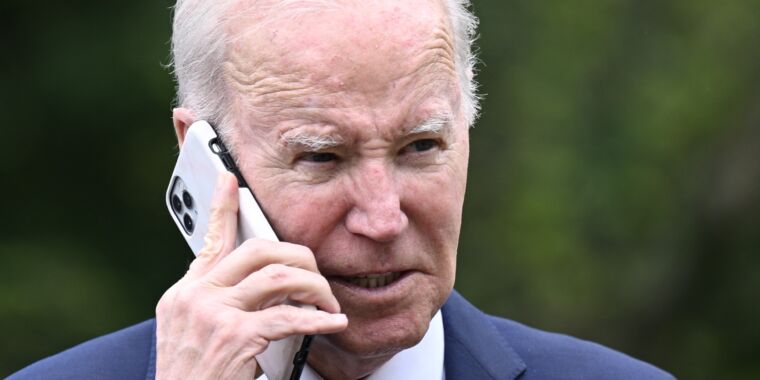
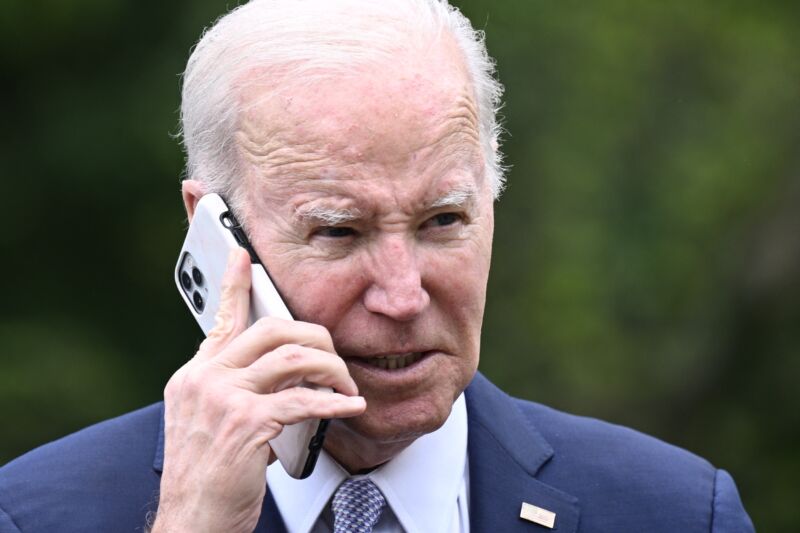
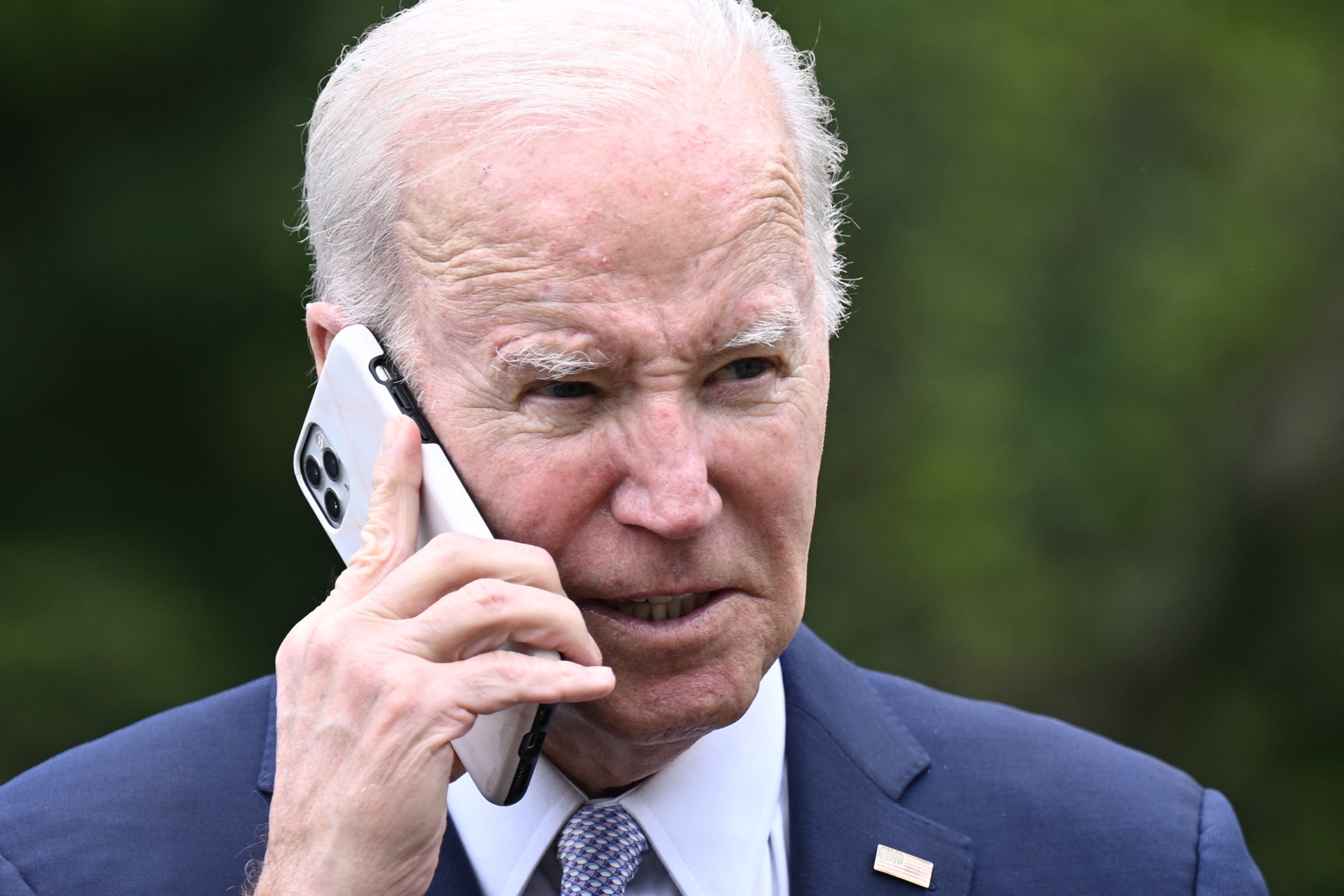
President Joe Biden holding a cell phone to his ear while he talks.

Enlarge / US President Joe Biden speaks on the phone in the Rose Garden of the White House in Washington, DC, on May 1, 2023.

Getty Images | Brendan Smialowski

An anti-voting robocall that used an artificially generated clone of President Biden’s voice has been traced to a Texas company called Life Corporation “and an individual named Walter Monk,” according to an announcement by New Hampshire Attorney General John Formella yesterday.

The AG office’s Election Law Unit issued a cease-and-desist order to Life Corporation for violating a New Hampshire law that prohibits deterring people from voting “based on fraudulent, deceptive, misleading, or spurious grounds or information,” the announcement said.

As previously reported, the fake Biden robocall was placed before the New Hampshire Presidential Primary Election on January 23. The AG’s office said it is investigating “whether Life Corporation worked with or at the direction of any other persons or entities.”

“What a bunch of malarkey,” the fake Biden voice said. “You know the value of voting Democratic when our votes count. It’s important that you save your vote for the November election. We’ll need your help in electing Democrats up and down the ticket. Voting this Tuesday only enables the Republicans in their quest to elect Donald Trump again. Your vote makes a difference in November, not this Tuesday.”

The artificial Biden voice seems to have been created using a text-to-speech engine offered by ElevenLabs, which reportedly responded to the news by suspending the account of the user who created the deepfake.

The robocalls “illegally spoofed their caller ID information to appear to come from a number belonging to a former New Hampshire Democratic Party Chair,” the AG’s office said. Formella, a Republican, said that “AI-generated recordings used to deceive voters have the potential to have devastating effects on the democratic election process.”

Tech firms helped investigation

Formella’s announcement said that YouMail and Nomorobo helped identify the robocalls and that the calls were traced to Life Corporation and Walter Monk with the help of the Industry Traceback Group run by the telecom industry. Nomorobo estimated the number of calls to be between 5,000 and 25,000.

“The tracebacks further identified the originating voice service provider for many of these calls to be Texas-based Lingo Telecom. After Lingo Telecom was informed that these calls were being investigated, Lingo Telecom suspended services to Life Corporation,” the AG’s office said.

The Election Law Unit issued document preservation notices and subpoenas for records to Life Corporation, Lingo Telecom, and other entities “that may possess records relevant to the Attorney General’s ongoing investigation,” the announcement said.

Media outlets haven’t had much luck in trying to get a comment from Monk. “At his Arlington office, the door was locked when NBC 5 knocked,” an NBC 5 Dallas-Fort Worth article said. “A man inside peeked around the corner to see who was ringing the doorbell but did not answer the door.”

The New York Times reports that “a subsidiary of Life Corporation called Voice Broadcasting Corp., which identifies Mr. Monk as its founder on its website, has received numerous payments from the Republican Party’s state committee in Delaware, most recently in 2022, as well as payments from congressional candidates in both parties.”

A different company, also called Life Corporation, posted a message on its home page that said, “We are a medical device manufacturer located in Florida and are not affiliated with the Texas company named in current news stories.”

FCC warns carrier

The Federal Communications Commission said yesterday that it is taking action against Lingo Telecom. The FCC said it sent a letter demanding that Lingo “immediately stop supporting unlawful robocall traffic on its networks,” and a K4 Order that “strongly encourages other providers to refrain from carrying suspicious traffic from Lingo.”

“The FCC may proceed to require other network providers affiliated with Lingo to block its traffic should the company continue this behavior,” the agency said.

The FCC is separately planning a vote to declare that the use of AI-generated voices in robocalls is illegal under the Telephone Consumer Protection Act.

Texas firm allegedly behind fake Biden robocall that told people not to vote Read More »

cable-tv-companies-tell-fcc:-early-termination-fees-are-good,-actually

Cable TV companies tell FCC: Early termination fees are good, actually

A stack of $1 bills getting blown off a person's hand.

Getty Images | Jeffrey Coolidge

Cable and satellite TV companies are defending their early termination fees (ETFs) in hopes of avoiding a ban proposed by the Federal Communications Commission.

The FCC voted to propose the ban in December, kicking off a public comment period that has drawn responses from those for and against the rules. The FCC plan would prohibit early termination fees charged by cable and satellite TV providers and require the TV companies to give prorated credits or rebates to customers who cancel before a billing period ends.

NCTA-The Internet & Television Association, the main lobby group representing cable companies like Comcast and Charter, opposed the rules in a filing submitted Monday and posted on the FCC website yesterday. DirecTV and Dish opposed the proposal, too.

The NCTA claimed that banning early termination fees would hurt consumers. “Discounted plans with ETFs are an advantageous choice for some consumers,” the lobby group said. The NCTA said the video industry is “hyper-competitive,” and that it is easy for customers to switch providers.

“In response to these marketplace realities, some cable operators offer discounts for consumers who choose to agree to remain customers for a longer term,” the NCTA said. “Longer subscriber commitments decrease a cable operator’s subscriber acquisition costs and provide a more predictable revenue stream, which in turn enables a cable operator to offer discounted monthly rates.”

Cable companies also recently urged the US to scrap a “click-to-cancel” regulation that aims to make it easier for consumers to cancel services.

NCTA opposes partial-month credits, too

TV providers will be less likely to offer discounts to long-term customers if they are unable to impose early termination fees on those who want to cancel before a contract expires, the NCTA said. Customers who don’t want the possibility of an ETF can just choose a month-to-month plan, the NCTA argued.

The NCTA also defended whole-month billing in cases where customers cancel partway through a month. Whole-month billing “is the norm for many other common services, including gym memberships, gaming subscriptions, and online publications,” the NCTA said.

Taken together, “prohibiting ETFs and whole-month billing would increase prices and impair competition, to consumers’ detriment,” the NCTA claimed. The NCTA also claims the proposal amounts to rate regulation and is not allowed under the FCC’s legal authority to “establish standards by which cable operators may fulfill their customer service requirements.”

The proposed “ban on ETFs and a proration requirement are not ‘customer service requirements’ by any common understanding of the term,” the NCTA said.

The FCC proposal said that “customer service” isn’t defined in the 1984 Cable Act, but that the legislative history suggests the term includes rebates, credits, and other aspects of the relationship between providers and customers.

“Although section 632 specifies certain topics that must be addressed in the Commission’s cable customer service rules, such as ‘communications between the cable operator and the subscriber (including standards governing bills and refunds),’ the list is not exhaustive,” the FCC said. “Because section 632(b) states that the standards must address these topics ‘at a minimum,’ the Commission has broad authority to adopt customer service requirements beyond those enumerated in the statute.”

Cable TV companies tell FCC: Early termination fees are good, actually Read More »

four-bolts-were-missing-from-boeing-737-before-door-plug-blew-off,-ntsb-says

Four bolts were missing from Boeing 737 before door plug blew off, NTSB says

Four important bolts —

Signs indicate that key bolts were missing when 737 Max 9 left Boeing factory.

A large opening where a door plug should be is viewed from the inside of a passenger airplane.

Enlarge / Rows 25 and 26 in the Boeing plane that lost a door plug during flight.

NTSB

Four important bolts were missing from a Boeing 737 Max 9 that lost a passenger door plug during flight, the National Transportation Safety Board concluded in its investigation.

The NTSB’s preliminary report issued today is consistent with earlier news reports stating that investigators believed the bolts were missing when the plane left Boeing’s factory. The plane used by Alaska Airlines was forced to make an emergency landing on January 5 when the door plug—which is used instead of an emergency exit door—blew off the aircraft in mid-flight.

An absence of markings around the holes where bolts should have been installed was a key piece of evidence cited in the NTSB report:

Overall, the observed damage patterns and absence of contact damage or deformation around holes associated with the vertical movement arrestor bolts and upper guide track bolts in the upper guide fittings, hinge fittings, and recovered aft lower hinge guide fitting indicate that the four bolts that prevent upward movement of the MED [mid exit door] plug were missing before the MED plug moved upward off the stop pads.

The NTSB explained that a door plug is supposed to be “secured from moving vertically by a total of four bolts.”

“Once these bolts are installed, they are secured using castle nuts and cotter pins. Outboard motion of the plug is prevented by 12 stop fittings (6 along each forward and aft edge) installed on the fuselage door frame structure,” the NTSB said.

Obviously, the bolts were never found. “The two vertical movement arrestor bolts, two upper guide track bolts, forward lower hinge guide fitting, and forward lift assist spring were missing and have not been recovered,” the report also said.

Door plug is supposed to be simpler

The door plug covers a hole where an emergency exit door would otherwise be. Benefits of door plugs include more space for passengers, reduced weight, and a full-sized passenger window, the NTSB report said. The door plug is also supposed to simplify the configuration because it “does not have the complexity of a door with its associated parts, operations, and maintenance concerns.”

A “door plug is only intended to be opened for maintenance and inspection, which requires removing the vertical movement arrestor bolts and upper guide track bolts,” the NTSB said today. A recent Wall Street Journal report said that “Boeing and other industry officials increasingly believe the plane maker’s employees failed to put back the bolts when they reinstalled a 737 Max 9 plug door after opening or removing it during production.”

The preliminary report described the precarious moments after the door plug blew off. The captain reported hearing “a loud bang” when the plane reached an altitude of about 16,000 feet.

“The flight crew said their ears popped, and the captain said his head was pushed into the heads-up display (HUD) and his headset was pushed up, nearly falling off his head,” the NTSB report said. “The FO [first officer] said her headset was completely removed due to the rapid outflow of air from the flight deck.”

Flight crew reported “that the flight deck door was blown open and that it was very noisy and difficult to communicate.” They “immediately contacted air traffic control (ATC), declared an emergency, and requested a lower altitude.”

The plane returned to Portland International Airport in Oregon and landed on a runway “without further incident and taxied to the gate.” While everyone was safe, seven passengers and one flight attendant suffered minor injuries.

Four bolts were missing from Boeing 737 before door plug blew off, NTSB says Read More »