npm

npm-flooded-with-malicious-packages-downloaded-more-than-86,000-times

NPM flooded with malicious packages downloaded more than 86,000 times

Attackers are exploiting a major weakness that has allowed them access to the NPM code repository with more than 100 credential-stealing packages since August, mostly without detection.

The finding, laid out Wednesday by security firm Koi, brings attention to an NPM practice that allows installed packages to automatically pull down and run unvetted packages from untrusted domains. Koi said a campaign it tracks as PhantomRaven has exploited NPM’s use of “Remote Dynamic Dependences” to flood NPM with 126 malicious packages that have been downloaded more than 86,000 times. Some 80 of those packages remained available as of Wednesday morning, Koi said.

A blind spot

“PhantomRaven demonstrates how sophisticated attackers are getting [better] at exploiting blind spots in traditional security tooling,” Koi’s Oren Yomtov wrote. “Remote Dynamic Dependencies aren’t visible to static analysis.”

Remote Dynamic Dependencies provide greater flexibility in accessing dependencies—the code libraries that are mandatory for many other packages to work. Normally, dependencies are visible to the developer installing the package. They’re usually downloaded from NPM’s trusted infrastructure.

RDD works differently. It allows a package to download dependencies from untrusted websites, even those that connect over HTTP, which is unencrypted. The PhantomRaven attackers exploited this leniency by including code in the 126 packages uploaded to NPM. The code downloads malicious dependencies from URLs, including http://packages.storeartifact.com/npm/unused-imports. Koi said these dependencies are “invisible” to developers and many security scanners. Instead, they show the package contains “0 Dependencies.” An NPM feature causes these invisible downloads to be automatically installed.

Compounding the weakness, the dependencies are downloaded “fresh” from the attacker server each time a package is installed, rather than being cached, versioned, or otherwise static, as Koi explained:

NPM flooded with malicious packages downloaded more than 86,000 times Read More »

software-packages-with-more-than-2-billion-weekly-downloads-hit-in-supply-chain-attack

Software packages with more than 2 billion weekly downloads hit in supply-chain attack

Hackers planted malicious code in open source software packages with more than 2 billion weekly updates in what is likely to be the world’s biggest supply-chain attack ever.

The attack, which compromised nearly two dozen packages hosted on the npm repository, came to public notice on Monday in social media posts. Around the same time, Josh Junon, a maintainer or co-maintainer of the affected packages, said he had been “pwned” after falling for an email that claimed his account on the platform would be closed unless he logged in to a site and updated his two-factor authentication credentials.

Defeating 2FA the easy way

“Sorry everyone, I should have paid more attention,” Junon, who uses the moniker Qix, wrote. “Not like me; have had a stressful week. Will work to get this cleaned up.”

The unknown attackers behind the account compromise wasted no time capitalizing on it. Within an hour’s time, dozens of open source packages Junon oversees had received updates that added malicious code for transferring cryptocurrency payments to attacker-controlled wallets. With more than 280 lines of code, the addition worked by monitoring infected systems for cryptocurrency transactions and changing the addresses of wallets receiving payments to those controlled by the attacker.

The packages that were compromised, which at last count numbered 20, included some of the most foundational code driving the JavaScript ecosystem. They are used outright and also have thousands of dependents, meaning other npm packages that don’t work unless they are also installed. (npm is the official code repository for JavaScript files.)

“The overlap with such high-profile projects significantly increases the blast radius of this incident,” researchers from security firm Socket said. “By compromising Qix, the attackers gained the ability to push malicious versions of packages that are indirectly depended on by countless applications, libraries, and frameworks.”

The researchers added: “Given the scope and the selection of packages impacted, this appears to be a targeted attack designed to maximize reach across the ecosystem.”

The email message Junon fell for came from an email address at support.npmjs.help, a domain created three days ago to mimic the official npmjs.com used by npm. It said Junon’s account would be closed unless he updated information related to his 2FA—which requires users to present a physical security key or supply a one-time passcode provided by an authenticator app in addition to a password when logging in.

Software packages with more than 2 billion weekly downloads hit in supply-chain attack Read More »

destructive-malware-available-in-npm-repo-went-unnoticed-for-2-years

Destructive malware available in NPM repo went unnoticed for 2 years

Some of the payloads were limited to detonate only on specific dates in 2023, but in some cases a phase that was scheduled to begin in July of that year was given no termination date. Pandya said that means the threat remains persistent, although in an email he also wrote: “Since all activation dates have passed (June 2023–August 2024), any developer following normal package usage today would immediately trigger destructive payloads including system shutdowns, file deletion, and JavaScript prototype corruption.”

Interestingly, the NPM user who submitted the malicious packages, using the registration email address 1634389031@qq[.]com, also uploaded working packages with no malicious functions found in them. The approach of submitting both harmful and useful packages helped create a “facade of legitimacy” that increased the chances the malicious packages would go unnoticed, Pandya said. Questions emailed to that address received no response.

The malicious packages targeted users of some of the largest ecosystems for JavaScript developers, including React, Vue, and Vite. The specific packages were:

Anyone who installed any of these packages should carefully inspect their systems to make sure they’re no longer running. These packages perfectly mimic legitimate development tools, so it may be easy for them to have remained undetected.

Destructive malware available in NPM repo went unnoticed for 2 years Read More »

yearlong-supply-chain-attack-targeting-security-pros-steals-390k-credentials

Yearlong supply-chain attack targeting security pros steals 390K credentials

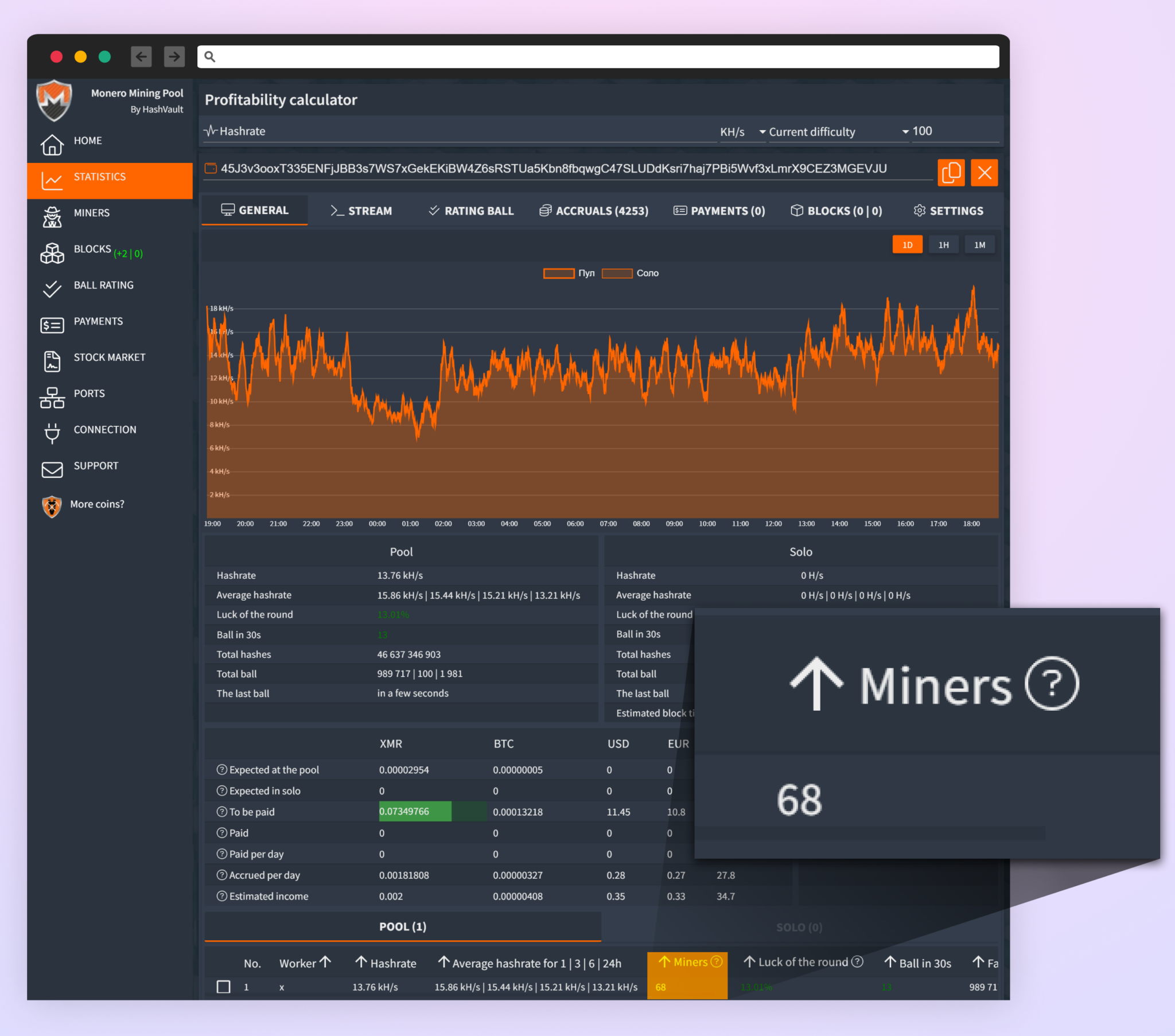
Screenshot showing a graph tracking mining activity. Credit: Checkmarx

But wait, there’s more

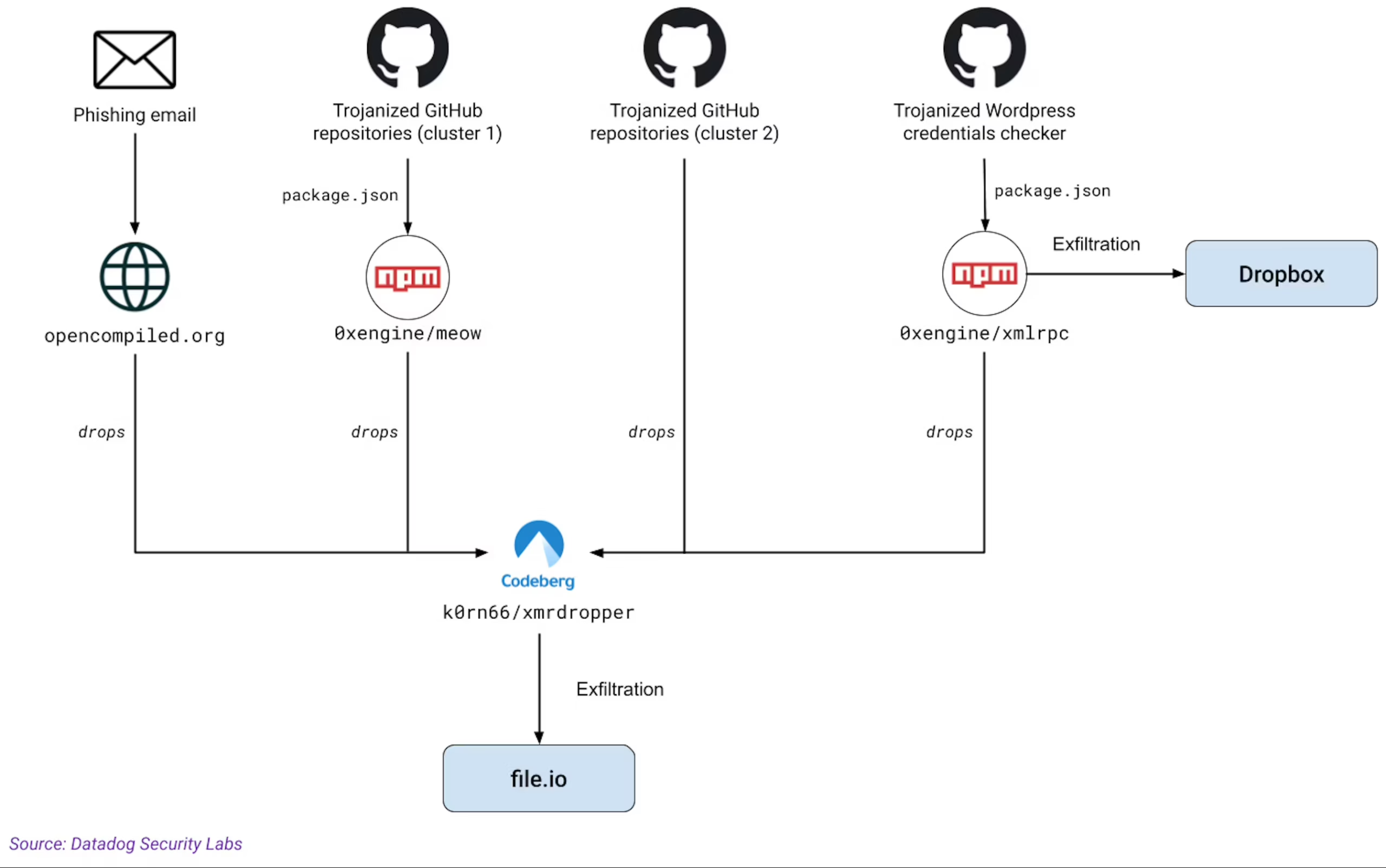
On Friday, Datadog revealed that MUT-1244 employed additional means for installing its second-stage malware. One was through a collection of at least 49 malicious entries posted to GitHub that contained Trojanized proof-of-concept exploits for security vulnerabilities. These packages help malicious and benevolent security personnel better understand the extent of vulnerabilities, including how they can be exploited or patched in real-life environments.

A second major vector for spreading @0xengine/xmlrpc was through phishing emails. Datadog discovered MUT-1244 had left a phishing template, accompanied by 2,758 email addresses scraped from arXiv, a site frequented by professional and academic researchers.

A phishing email used in the campaign. Credit: Datadog

The email, directed to people who develop or research software for high-performance computing, encouraged them to install a CPU microcode update available that would significantly improve performance. Datadog later determined that the emails had been sent from October 5 through October 21.

Additional vectors discovered by Datadog. Credit: Datadog

Further adding to the impression of legitimacy, several of the malicious packages are automatically included in legitimate sources, such as Feedly Threat Intelligence and Vulnmon. These sites included the malicious packages in proof-of-concept repositories for the vulnerabilities the packages claimed to exploit.

“This increases their look of legitimacy and the likelihood that someone will run them,” Datadog said.

The attackers’ use of @0xengine/xmlrpc allowed them to steal some 390,000 credentials from infected machines. Datadog has determined the credentials were for use in logging into administrative accounts for websites that run the WordPress content management system.

Taken together, the many facets of the campaign—its longevity, its precision, the professional quality of the backdoor, and its multiple infection vectors—indicate that MUT-1244 was a skilled and determined threat actor. The group did, however, err by leaving the phishing email template and addresses in a publicly available account.

The ultimate motives of the attackers remain unclear. If the goal were to mine cryptocurrency, there would likely be better populations than security personnel to target. And if the objective was targeting researchers—as other recently discovered campaigns have done—it’s unclear why MUT-1244 would also employ cryptocurrency mining, an activity that’s often easy to detect.

Reports from both Checkmarx and Datadog include indicators people can use to check if they’ve been targeted.

Yearlong supply-chain attack targeting security pros steals 390K credentials Read More »