health

top-cdc-covid-vaccine-expert-resigns-after-rfk-jr.-unilaterally-restricts-access

Top CDC COVID vaccine expert resigns after RFK Jr. unilaterally restricts access

A top expert at the Centers for Disease Control and Prevention who was overseeing the process to update COVID-19 vaccine recommendations resigned on Tuesday.

The resignation, first reported by The Associated Press and confirmed by CBS News, comes just a week after health secretary and anti-vaccine advocate Robert F. Kennedy Jr. unilaterally revoked and altered some of the CDC’s recommendations for COVID-19 vaccines, restricting access to children and pregnant people. The resignation also comes three weeks before CDC’s experts and advisors are scheduled to meet to publicly evaluate data and discuss the recommendations for this season—a long-established process that was disrupted by Kennedy’s announcement.

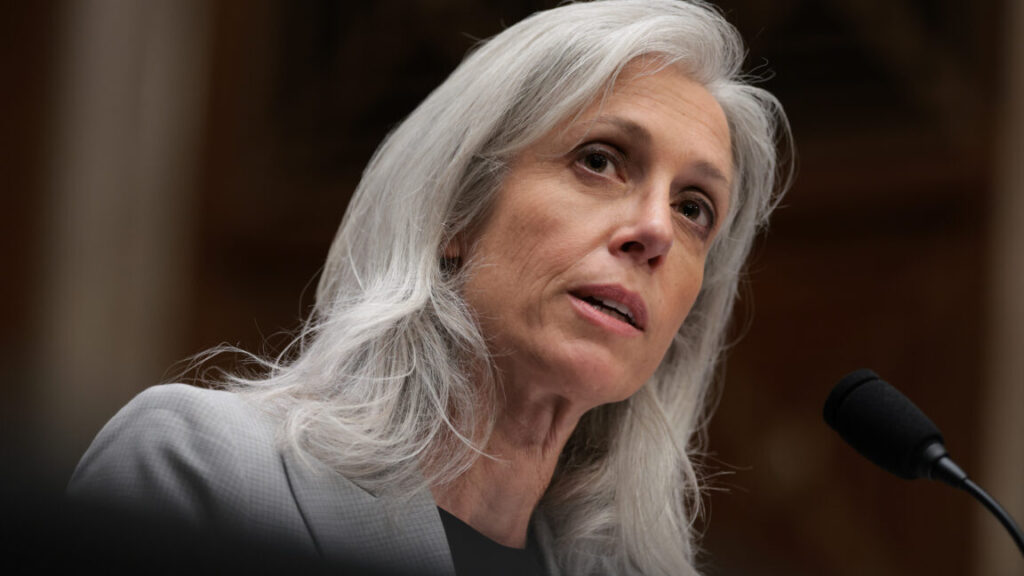
The departing CDC official, Lakshmi Panagiotakopoulos, a pediatric infectious disease expert, was a co-leader of a working group on COVID-19 vaccines who advised experts on the CDC’s Advisory Committee on Immunization Practices (ACIP). She informed her ACIP colleagues of her resignation in an email on Tuesday.

“My career in public health and vaccinology started with a deep-seated desire to help the most vulnerable members of our population, and that is not something I am able to continue doing in this role,” Panagiotakopoulos wrote.

Unilateral changes

Previously, the CDC and ACIP recommended COVID-19 vaccines for everyone ages 6 months and up. Experts have emphasized that pregnant people in particular should get vaccinated, as pregnancy suppresses the immune system and puts pregnant people at high risk of severe COVID-19 and death. The American College of Obstetricians and Gynecologists states that “COVID-19 infection during pregnancy can be catastrophic.” Further, dozens of studies have found that the vaccines are safe and effective at protecting the pregnant person, the pregnancy, and newborns.

Top CDC COVID vaccine expert resigns after RFK Jr. unilaterally restricts access Read More »

colon-cancer-recurrence-and-deaths-cut-28%-by-simple-exercise,-trial-finds

Colon cancer recurrence and deaths cut 28% by simple exercise, trial finds

“Quite impressive”

The exercise group, which had supervised exercise for the first six months of the three-year intervention, reported more exercise over the study. At the end, the exercise group was averaging over 20 MET hours per week, while the education group’s average was around 15 MET hours per week. The exercise group also scored better at cardiorespiratory fitness and physical functioning.

Still, with the health education, the control group also saw a boost to their exercise during the trial, with their average starting around 10 MET hours per week. These findings “raise the possibility of an even more powerful effect of exercise on cancer outcomes as compared with a completely sedentary control group,” the researchers note.

For now, it’s not entirely clear how exercise keeps cancers at bay, but it squares with numerous other observational studies that have linked exercise to better outcomes in cancer patients. Researchers have several hypotheses, including that exercise might cause “increased fluid shear stress, enhanced immune surveillance, reduced inflammation, improved insulin sensitivity, and altered microenvironment of major sites of metastases,” the authors note.

In the study, exercise seemed to keep local and distant colon cancer from recurring, as well as prevent new cancers, including breast, prostate, and colorectal cancers.

Outside experts hailed the study’s findings. “This indicates that exercise has a similarly strong effect as previously shown for chemotherapy, which is really quite impressive,” Marco Gerlinger, a gastrointestinal cancer expert at Queen Mary University of London, said in a statement. “One of the commonest questions from patients is what they can do to reduce the risk that their cancer comes back. Oncologists can now make a very clear evidence-based recommendation.”

“Having worked in bowel cancer research for 30 years, this is an exciting breakthrough in the step-wise improvement in cure rates,” David Sebag-Montefiore, a clinical oncologist at the University of Leeds, said. “The great appeal of a structured moderate intensity exercise is that it offers the benefits without the downside of the well-known side effects of our other treatments.”

Colon cancer recurrence and deaths cut 28% by simple exercise, trial finds Read More »

rfk-jr’s-fluoride-ban-would-ruin-25-million-kids’-teeth,-cost-$9.8-billion

RFK Jr.’s fluoride ban would ruin 25 million kids’ teeth, cost $9.8 billion

In all, the increased decay and boosted dental costs would disproportionately affect children who are in low-income families, in rural areas, and/or on public health insurance.

The study’s findings are likely unsurprising to those in the public health community, who have consistently supported fluoridation. The practice, however beneficial, has a long history of being under attack. After its introduction in the US in 1945, conspiracy theorists claimed fluoridation was a communist plot and a form of government mind control. More recently, critics have claimed that fluoridation lowers IQ.

The data linking water fluoridation to low IQ is controversial. Many of the studies on the topic are of poor quality and have numerous confounding factors and flawed methods. Many compare IQ levels in communities in China and other countries, where there are areas with water that is naturally high in fluoride—much, much higher than what is intentionally added to US water. Further, a federal meta-analysis—a type of study that aggregates and reanalyzes data from independent studies—has been plagued by criticism for bias, poor statistical methods, and a lack of data transparency.

But despite the controversy, one thing is clear in all the data and debate: Any possible association with low IQ and fluoridation only occurs at excessive levels—levels more than twice the amount used in the US and recommended by the US Centers for Disease Control and Prevention. The CDC recommendation for water fluoridation levels is 0.7 mg/L, while potential harms are not observed until water levels exceed 1.5 mg/L. Some areas in China have natural levels as high as 11.8 mg/L.

The authors of the new study conclude that, at current US levels, the benefits are clear.

“These findings suggest that, despite the potential harms of excessive fluoride exposure, fluoridation at safe levels offers both individual and societal benefits that would be at risk.”

RFK Jr.’s fluoride ban would ruin 25 million kids’ teeth, cost $9.8 billion Read More »

cdc-updates-covid-vaccine-recommendations,-but-not-how-rfk-jr.-wanted

CDC updates COVID vaccine recommendations, but not how RFK Jr. wanted

In practice, it is unclear how this change will affect access to the vaccines. Health insurers are required to cover vaccines on the CDC schedules. But, it’s yet to be seen if children will only be able to get vaccinated at their doctor’s office (rather than a pharmacy or vaccine clinic) or if additional consent forms would be required, etc. Uncertainty about the changes and requirements alone may lead to fewer children getting vaccinated.

In the adult immunization schedule, when viewed “by medical condition or other indication” (table 2), the COVID-19 vaccination recommendation for pregnancy is now shaded gray, meaning “no guidance/not applicable.” Hovering a cursor over the box brings up the recommendation to “Delay vaccination until after pregnancy if vaccine is indicated.” Previously, COVID-19 vaccines were recommended during pregnancy. The change makes it less likely that health insurers will cover the cost of vaccination during pregnancy.

The change is at odds with Trump’s Food and Drug Administration, which just last week confirmed that pregnancy puts people at increased risk of severe COVID-19 and, therefore, vaccination is recommended. Medical experts have decried the loss of the recommendation, which is also at odds with clear data showing the risks of COVID-19 during pregnancy and the benefits of vaccination.

The President of the American College of Obstetricians and Gynecologists (ACOG) put out a statement shortly after the Tuesday video, saying that the organization was “extremely disappointed” with Kennedy’s announcement.

“It is very clear that COVID-19 infection during pregnancy can be catastrophic and lead to major disability, and it can cause devastating consequences for families,” ACOG President Steven Fleischman said.

CDC updates COVID vaccine recommendations, but not how RFK Jr. wanted Read More »

healthy-man-goes-camping—lands-in-icu-for-40-days-with-respiratory-failure

Healthy man goes camping—lands in ICU for 40 days with respiratory failure

It was a diagnostic challenge, and doctors began reviewing the list of possibilities that could match his condition. The first guess of pneumonia could explain some of his respiratory findings, but he didn’t have a cough, had tested negative for common respiratory pathogens, and the lung imaging didn’t quite fit, making it seem unlikely. Blood cancers, such as polycythemia vera, might be able to explain the high concentrations of blood cells. And it might also make him more vulnerable to opportunistic lung infections, like a fungal infection that could explain the halo sign. But blood cancers were also deemed unlikely given that he didn’t have enlarged organs, which is often seen with such conditions. Another possibility was pulmonary–renal syndrome, but that also didn’t line up with the man’s case.

Diagnosis

There was one other possibility that seemed to tick all the boxes: fever, gastrointestinal symptoms, low oxygen saturation, pulmonary edema, and shock—a hantavirus infection.

Hantaviruses are RNA viruses that infect rodents worldwide. They typically cause asymptomatic, chronic infections in the animals, which spread the virus widely into their environments through their urine, feces, and saliva. Humans get infected when virus particles from rodent-contaminated areas are stirred up into the air and inhaled or through direct contact with the virus via the eyes, nose, mouth, or cuts.

In humans, the viral infection is anything but asymptomatic. While the disease mechanism isn’t entirely understood, the virus appears to be able to modulate immune responses in humans, causing blood vessels and capillaries in various places in the body to start leaking plasma. This leads to fluid building up in the lungs (the pulmonary edema) and systemic circulatory collapse.

A cardiopulmonary hantavirus infection typically has four stages: the incubation period, which can last up to 45 days after virus exposure; a prodromal phase of up to 12 days, which is marked by fever, fatigue, and pains; the cardiopulmonary phase, where breathing trouble, low oxygen saturation, and shock can develop; then, if you make it, the fourth stage, in which respiratory symptoms improve, but there’s lingering fatigue and the kidneys make abnormally large amounts of urine.

Healthy man goes camping—lands in ICU for 40 days with respiratory failure Read More »

uncertainty-loomed-as-fda-advisors-met-to-discuss-this-year’s-covid-shot

Uncertainty loomed as FDA advisors met to discuss this year’s COVID shot

Calling it a “practical question,” he asked, “If we were to change strains, can we assume that age-specific licensure won’t change for any of these [vaccine] products?” Currently, COVID-19 boosters are accessible to those aged 6 months and up.

Weir reiterated that there was no answer. Another FDA official, David Kaslow, chimed in to say only, “Rest assured that we’re engaging with the manufacturers on this topic.”

As a follow-up to that exchange, VRBPAC member and infectious disease expert Eric Rubin of Harvard University shot down the FDA’s plan to use randomized placebo-controlled trials for licensure for healthy children and adults. The plethora of observational data—aka real-world data—on the boosters shows clear efficacy, Rubin pointed out. That suggests that requiring people in a trial to take placebos despite the availability of a clearly effective treatment could be unethical.

It suggests “that a randomized controlled trial (RCT) has no equipoise right now, and that you cannot do one,” Rubin said. “I don’t think the RCT is feasible,” he added.

The selection

While the pushback and the questions lingered, the committee still had to select a strain. For now, omicron still reigns, and variants in the JN.1 lineage are still dominant. That is largely unchanged from last year, when vaccine makers were advised to target their seasonal shots against the JN.1 lineage generally, or KP.2, the leading variant in the JN.1 lineage at the time, specifically.

This year, advisors unanimously voted to stick with vaccines that target the JN.1 lineage, in line with recommendations from the World Health Organization. The question of targeting the JN.1 lineage was the only voting question the FDA tasked them with. But there was open discussion on a more specific recommendation. Given the regulatory uncertainty, advisors were divided on whether to stick with the JN.1 and KP.2 formulations from last year or recommend switching to the latest leading variant in the JN.1 family, LP.8.1.

Shortly after the meeting, the FDA announced that it would essentially leave it up to manufacturers; they could stick with JN.1 or KP.2 but, if feasible, switch to LP.8.1.

“The COVID-19 vaccines for use in the United States beginning in fall 2025 should be monovalent JN.1-lineage-based COVID-19 vaccines (2025–2026 Formula), preferentially using the LP.8.1 strain,” it said.

Uncertainty loomed as FDA advisors met to discuss this year’s COVID shot Read More »

cdc-can-no-longer-help-prevent-lead-poisoning-in-children,-state-officials-say

CDC can no longer help prevent lead poisoning in children, state officials say

Amid the brutal cuts across the federal government under the Trump administration, perhaps one of the most gutting is the loss of experts at the Centers for Disease Control and Prevention who respond to lead poisoning in children.

On April 1, the staff of the CDC’s Childhood Lead Poisoning Prevention Program was terminated as part of the agency’s reduction in force, according to NPR. The staff included epidemiologists, statisticians, and advisors who specialized in lead exposures and responses.

The cuts were immediately consequential to health officials in Milwaukee, who are currently dealing with a lead exposure crisis in public schools. Six schools have had to close, displacing 1,800 students. In April, the city requested help from the CDC’s lead experts, but the request was denied—there was no one left to help.

In a Congressional hearing this week, US health secretary and anti-vaccine advocate Robert F. Kennedy Jr. told lawmakers, “We have a team in Milwaukee.”

But Milwaukee Health Commissioner Mike Totoraitis told NPR that this is false. “There is no team in Milwaukee,” he said. “We had a single [federal] staff person come to Milwaukee for a brief period to help validate a machine, but that was separate from the formal request that we had for a small team to actually come to Milwaukee for our Milwaukee Public Schools investigation and ongoing support there.”

Kennedy has also previously told lawmakers that lead experts at the CDC who were terminated would be rehired. But that statement was also false. The health department’s own communications team told ABC that the lead experts would not be reinstated.

CDC can no longer help prevent lead poisoning in children, state officials say Read More »

rfk-jr.-calls-who-“moribund”-amid-us-withdrawal;-china-pledges-to-give-$500m

RFK Jr. calls WHO “moribund” amid US withdrawal; China pledges to give $500M

“WHO’s priorities have increasingly reflected the biases and interests of corporate medicine,” Kennedy said, alluding to his anti-vaccine and germ-theory denialist views. He chastised the health organization for allegedly capitulating to China and working with the country to “promote the fiction that COVID originated in bats.”

Kennedy ended the short speech by touting his Make America Healthy Again agenda. He also urged the WHO to undergo a radical overhaul similar to what the Trump administration is currently doing to the US government—presumably including dismantling and withholding funding from critical health agencies and programs. Last, he pitched other countries to join the US in abandoning the WHO.

“I would like to take this opportunity to invite my fellow health ministers around the world into a new era of cooperation…. we’re ready to work with you,” Kennedy said.

Meanwhile, the WHA embraced collaboration. During the assembly this week, WHO overwhelmingly voted to adopt the world’s first pandemic treaty, aimed at collectively preventing, preparing for, and responding to any future pandemics. The treaty took over three years to negotiate, but in the end, no country voted against it—124 votes in favor, 11 abstentions, and no objections. (The US, no longer being a member of WHO, did not have a vote.)

“The world is safer today thanks to the leadership, collaboration and commitment of our Member States to adopt the historic WHO Pandemic Agreement,” WHO Director-General Tedros Adhanom Ghebreyesus said. “The Agreement is a victory for public health, science and multilateral action. It will ensure we, collectively, can better protect the world from future pandemic threats. It is also a recognition by the international community that our citizens, societies and economies must not be left vulnerable to again suffer losses like those endured during COVID-19.”

RFK Jr. calls WHO “moribund” amid US withdrawal; China pledges to give $500M Read More »

under-rfk-jr.,-covid-shots-will-only-be-available-to-people-65+,-high-risk-groups

Under RFK Jr., COVID shots will only be available to people 65+, high-risk groups


FDA will require big, pricy trials for approvals for healthy kids and adults

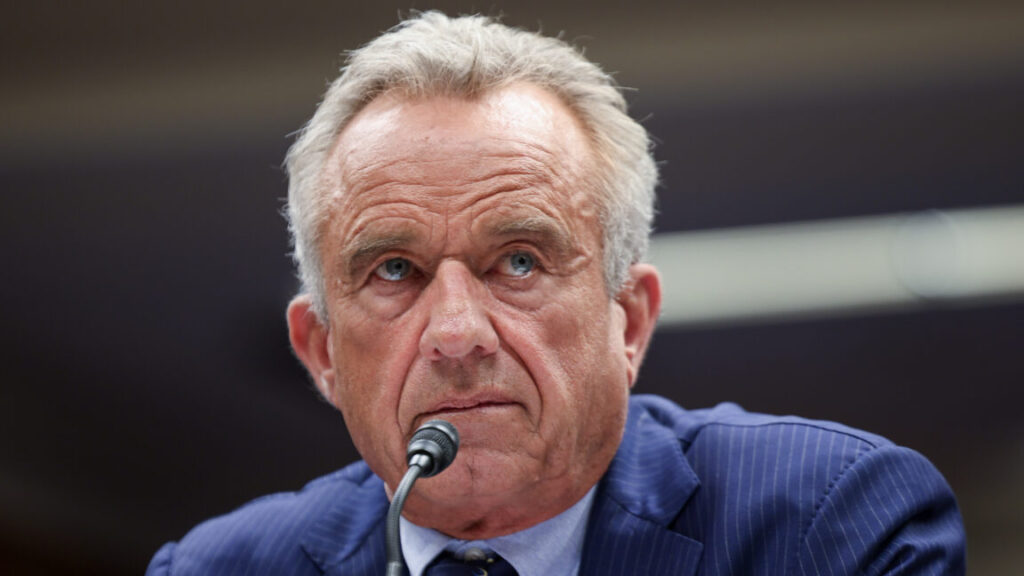
U.S. Secretary of Health and Human Services Robert F. Kennedy Jr. testifies before the Senate Committee on Health, Education, Labor, and Pensions on Capitol Hill on May 20, 2025 in Washington, DC. Credit: Getty | Tasos Katopodis

Under the control of anti-vaccine advocate Robert F. Kennedy Jr., the Food and Drug Administration is unilaterally terminating universal access to seasonal COVID-19 vaccines; instead, only people who are age 65 years and older and people with underlying conditions that put them at risk of severe COVID-19 will have access to seasonal boosters moving forward.

The move was laid out in a commentary article published today in the New England Journal of Medicine, written by Trump administration FDA Commissioner Martin Makary and the agency’s new top vaccine regulator, Vinay Prasad.

The article lays out a new framework for approving seasonal COVID-19 vaccines, as well as a rationale for the change—which was made without input from independent advisory committees for the Food and Drug Administration and the Centers for Disease Control and Prevention.

Normally, the FDA’s VRBPAC (Vaccines and Related Biological Products Advisory Committee) and the CDC’s ACIP (Advisory Committee on Immunization Practices) would publicly review, evaluate, and discuss vaccine approvals and recommendations. Typically, the FDA’s scope focuses on licensure decisions, made with strong influence from VRBPAC, while the CDC’s ACIP is principally responsible for influencing the CDC’s more nuanced recommendations on usage, such as for specific age or risk groups. These recommendations shape clinical practice and, importantly, health insurance coverage.

Makary and Prasad appear to have foregone those norms, even though VRBPAC is set to meet this Thursday to discuss COVID-19 vaccines for the upcoming season.

Restrictions

In the commentary, Markary and Prasad puzzlingly argue that the previous universal access to COVID-19 vaccines was patronizing to Americans. They describe the country’s approach to COVID boosters as a “one-size-fits-all” and write that “the US policy has sometimes been justified by arguing that the American people are not sophisticated enough to understand age- and risk-based recommendations. We reject this view.”

Previously, the seasonally updated vaccines were available to anyone age 6 months and up. Further, people age 65 and older and those at high risk were able to get two or more shots, based on their risk. So, while Makary and Prasad ostensibly reject the view of Americans as being too unsophisticated to understand risk-based usage, the pair are installing restrictions to force their own idea of risk-based usage.

Even more puzzlingly, in an April meeting of ACIP, the expert advisors expressed clear support for shifting from universal recommendations for COVID-19 boosters to recommendations based on risk. Specifically, advisors were supportive of urging boosters for people age 65 and older and people who are at risk of severe COVID-19—the same restrictions that Makary and Prasad are forcing. The two regulators do not mention this in their NEJM commentary. ACIP would also likely recommend a primary series of seasonally matched COVID-19 vaccines for very young children who have not been previously exposed to the virus or vaccinated.

ACIP will meet again in June, but without a permissive license from the FDA, ACIP’s recommendations for risk-based usage of this season’s COVID-19 shots are virtually irrelevant. And they cannot recommend usage in groups that the FDA licensure does not cover. It’s unclear if a primary series for young children will be available and, if so, how that will be handled moving forward.

New vaccine framework

Under Makary and Prasad’s new framework, seasonally updated COVID-19 vaccines can continue to be approved annually using only immunology studies—but the approvals will only be for people age 65 and over and people who are at high risk. These immunology studies look at antibody responses to boosters, which offer a shorthand for efficacy in updated vaccines that have already been through rigorous safety and efficacy trials. This is how seasonal flu shots are approved each year and how COVID boosters have been approved for all people age 6 months and up—until now.

Moving forward, if a vaccine maker wants to have their COVID-19 vaccine also approved for use in healthy children and healthy adults under age 65, they will have to conduct large, randomized, placebo-controlled studies. These may need to include tens of thousands of participants, especially with high levels of immunity in the population now. These trials can easily cost hundreds of millions of dollars, and they can take many months to complete. The requirement for such trials will make it difficult, if not impossible, for drug makers to conduct them each year and within a timeframe that will allow for seasonal shots to complete the trial, get regulatory approval, and be produced at scale in time for the start of the respiratory virus season.

Makary and Prasad did not provide any data analysis or evidence-based reasoning for why additional trials would be needed to continue seasonal approvals. In fact, the commentary had a total of only eight references, including an opinion piece Makary published in Newsweek and a New York Times article.

“We simply don’t know whether a healthy 52-year-old woman with a normal BMI who has had COVID-19 three times and has received six previous doses of a COVID-19 vaccine will benefit from the seventh dose,” they argue in their commentary.

Their new framework does not make any mention of what will happen if a more dangerous SARS-CoV-2 variant emerges. It also made no mention of vaccine usage in people who are in close contact with high-risk groups, such as ICU nurses or family members of immunocompromised people.

Context

Another lingering question from the framework is how easy it will be for people deemed at high risk to get access to seasonal shots. Makary and Prasad lay out a long list of conditions that would put people at risk of severe COVID-19 and therefore make them eligible for a seasonal booster. The list includes: obesity; asthma; lung diseases; HIV; diabetes; pregnancy; gestational diabetes; heart conditions; use of corticosteroids; dementia; physical inactivity; mental health conditions, including depression; and smoking, current or former. The FDA leaders estimate that between 100 million and 200 million Americans will fit into the category of being at high risk. It’s unclear what such a large group of Americans will need to do to establish eligibility every year.

In all, the FDA’s move to restrict and hinder access to seasonal COVID-19 vaccines is in line with Kennedy’s influential anti-vaccine advocacy work. In 2021, prior to taking the role of the country’s top health official, Kennedy and the anti-vaccine organization he founded, Children’s Health Defense, petitioned the FDA to revoke authorizations for COVID-19 vaccines and refrain from issuing any approvals.

Ironically, Makary and Prasad blame the country’s COVID-19 policies for helping to erode Americans’ trust in vaccines broadly.

“There may even be a ripple effect: public trust in vaccination in general has declined, resulting in a reluctance to vaccinate that is affecting even vital immunization programs such as that for measles–mumps–rubella (MMR) vaccination, which has been clearly established as safe and highly effective,” the two write, including the most full-throated endorsement of the MMR vaccine the Trump administration has issued yet. Kennedy continues to spread misinformation about the vaccine, including the false and debunked idea that it causes autism.

“Against this context, the Food and Drug Administration seeks to provide guidance and foster evidence generation,” Makary and Prasad write.

Photo of Beth Mole

Beth is Ars Technica’s Senior Health Reporter. Beth has a Ph.D. in microbiology from the University of North Carolina at Chapel Hill and attended the Science Communication program at the University of California, Santa Cruz. She specializes in covering infectious diseases, public health, and microbes.

Under RFK Jr., COVID shots will only be available to people 65+, high-risk groups Read More »

biotech-company-regeneron-to-buy-bankrupt-23andme-for-$256m

Biotech company Regeneron to buy bankrupt 23andMe for $256M

Biotechnology company Regeneron will acquire 23andMe out of bankruptcy for $256 million, with a plan to keep the DNA-testing company running without interruption and uphold its privacy-protection promises.

In its announcement of the acquisition, Regeneron assured 23andMe’s 15 million customers that their data—including genetic and health information, genealogy, and other sensitive personal information—would be safe and in good hands. Regeneron aims to use the large trove of genetic data to further its own work using genetics to develop medical advances—something 23andMe tried and failed to do.

“As a world leader in human genetics, Regeneron Genetics Center is committed to and has a proven track record of safeguarding the genetic data of people across the globe, and, with their consent, using this data to pursue discoveries that benefit science and society,” Aris Baras, senior vice president and head of the Regeneron Genetics Center, said in a statement. “We assure 23andMe customers that we are committed to protecting the 23andMe dataset with our high standards of data privacy, security, and ethical oversight and will advance its full potential to improve human health.”

Baras said that Regeneron’s Genetic Center already has its own genetic dataset from nearly 3 million people.

The safety of 23andMe’s dataset has drawn considerable concern among consumers, lawmakers, and regulators amid the company’s downfall. For instance, in March, California Attorney General Rob Bonta made the unusual move to urge Californians to delete their genetic data amid 23andMe’s financial distress. Federal Trade Commission Chairman Andrew Ferguson also weighed in, making clear in a March letter that “any purchaser should expressly agree to be bound by and adhere to the terms of 23andMe’s privacy policies and applicable law.”

Biotech company Regeneron to buy bankrupt 23andMe for $256M Read More »

rfk-jr’s-plan-to-ban-fluoride-supplements-will-“hurt-rural-america,”-dentists-say

RFK Jr’s plan to ban fluoride supplements will “hurt rural America,” dentists say

“Harmful”

While fluoride can kill bacteria, particularly at high levels, it’s used in oral health to inhibit the demineralization of tooth enamel while enhancing the remineralization of tooth surfaces, the ADA clarifies.

The best way to get fluoride is through drinking water, the ADA says. But supplements are a safe alternative if a child lives in an area without fluoridated water or if they mostly drink bottled water. Given rampant false and controversial claims about fluoride, more communities are now abandoning it. This week, Florida became the second state after Utah to ban fluoridation state-wide.

“Yes, use fluoride for your teeth, that’s fine,” Florida Gov. Ron DeSantis said at a news conference after signing the ban into law. “But forcing it in the water supply is basically forced medication on people. They don’t have a choice.”

ADA President Brett Kessler worries what children in places such as Utah and Florida will do to get adequate fluoride if the ban on supplements goes through. “In non-fluoridated communities, especially rural areas, fluoride supplements are the only chance for individuals to get the appropriate amount of fluoride to prevent tooth decay,” Kessler said in the statement. The move will be “particularly harmful to the most vulnerable and those who lack access to care,” he added.

While Makary said that the FDA will conduct a safety review of  fluoride supplements, the conclusion seems to be foregone, with the HHS writing that it is already “initiating action to remove” the products.

The ADA noted that places that have removed fluoride from drinking water, such as Calgary, Canada, and Juneau, Alaska, have seen increases in dental decay, particularly among children and low-income populations.

“Proposals like this stand to hurt rural America, not make them healthier,” Kessler said.

RFK Jr’s plan to ban fluoride supplements will “hurt rural America,” dentists say Read More »

from-birth-to-gene-edited-in-6-months:-custom-therapy-breaks-speed-limits

From birth to gene-edited in 6 months: Custom therapy breaks speed limits

In the boy’s fourth month, researchers were meeting with the Food and Drug Administration to discuss regulatory approval for a clinical trial—a trial where KJ would be the only participant. They were also working with the institutional review board (IRB) at Children’s Hospital of Philadelphia to go over the clinical protocol, safety, and ethical aspects of the treatment. The researchers described the unprecedented speed of the oversight steps as being “through alternative procedures.”

In month five, they started toxicology testing in mice. In the mice, the experimental therapy corrected KJ’s mutation, replacing the errant A-T base pair with the correct G-C pair in the animals’ cells. The first dose provided a 42 percent whole-liver corrective rate in the animals. At the start of KJ’s sixth month, the researchers had results from safety testing in monkeys: Their customized base-editing therapy, delivered as mRNA via a lipid nanoparticle, did not produce any toxic effects in the monkeys.

A clinical-grade batch of the treatment was readied. In month seven, further testing of the treatment found acceptably low-levels of off-target genetic changes. The researchers submitted the FDA paperwork for approval of an “investigational new drug,” or IND, for KJ. The FDA approved it in a week. The researchers then started KJ on an immune-suppressing treatment to make sure his immune system wouldn’t react to the gene-editing therapy. Then, when KJ was still just 6 months old, he got a first low dose of his custom gene-editing therapy.

“Transformational”

After the treatment, he was able to start eating more protein, which would have otherwise caused his ammonia levels to skyrocket. But he couldn’t be weaned off of the drug treatment used to keep his ammonia levels down (nitrogen scavenging medication). With no safety concerns seen after the first dose, KJ has since gotten two more doses of the gene therapy and is now on reduced nitrogen scavenging medication. With more protein in his diet, he has moved from the 9th percentile in weight to 35th or 40th percentile. He’s now about 9 and a half months old, and his doctors are preparing to allow him to go home from the hospital for the first time. Though he will have to be closely monitored and may still at some point need a liver transplant, his family and doctors are celebrating the improvements so far.

From birth to gene-edited in 6 months: Custom therapy breaks speed limits Read More »