HBO Max

lanterns-teaser-swaps-superhero-hijinks-for-gritty-realism

Lanterns teaser swaps superhero hijinks for gritty realism

James Gunn and Peter Safran injected a much-needed shot of levity into the DC Universe when they took over the franchise and launched their “Gods and Monsters” chapter. But they’re getting a bit more serious with the latest installment: Lanterns, an eight-episode series that reimagines the Green Lantern mythology as a gritty prestige crime drama/spy thriller in the vein of True Detective and Slow Horses.

The logline says the show will focus on two versions of the Green Lantern who find themselves “drawn into a dark, Earth-based mystery as they investigate a murder in the American Heartland” (i.e., Nebraska). Will it work? We’ll see. This series was barely on my radar before, but the extended teaser that dropped last night is tonally unique for the DCU and so well done that the show now has a place on my must-watch TV list for 2026.

Kyle Chandler plays Hal Jordan, a former test pilot who is nearing his retirement from the Green Lantern Corps. He’s training a new recruit, John Stewart Jr. (Aaron Pierre), to replace him. Nathan Fillion reprises his Superman role as the obnoxious Guy Gardner. The cast also includes Kelly MacDonald as Kerry, a small-town family-oriented sheriff; Jason Ritter as Billy Macon, Kerry’s husband; Garret Dillahunt as William Macon, Kerry’s cowboy father-in-law; Poorna Jagannathan as a woman named Zoe; Ulrich Thomsen as Sinestro, a former Corps member who’s gone rogue; and Paul Ben-Victor as an extraterrestrial called Antaan.

Sherman Augustus plays John Stewart Sr., with J. Alphonse Nicholson playing the younger version; Nicole Ari Parker plays Bernadette Stewart (mother to John Jr.), with Jasmine Cephas Jones playing the young version of the character. In addition, Chris Coy plays a suspiciously nervous truck driver, Waylon Sanders; Cary Christopher plays a gifted child named Noah; and Laura Linney and Paula Patton will appear in as-yet-undisclosed guest roles.

Lanterns teaser swaps superhero hijinks for gritty realism Read More »

under-a-paramount-wbd-merger,-two-struggling-media-giants-would-unite

Under a Paramount-WBD merger, two struggling media giants would unite

A successful Paramount-WBD merger would be the largest streaming merger ever and would lead to further consolidation in the industry.

“What started as a fragmented but flexible streaming ecosystem is increasingly trending toward rebundling—fewer, larger super-platforms offering broader catalogues at higher price points,” Mathur said.

Paramount holds on to cable

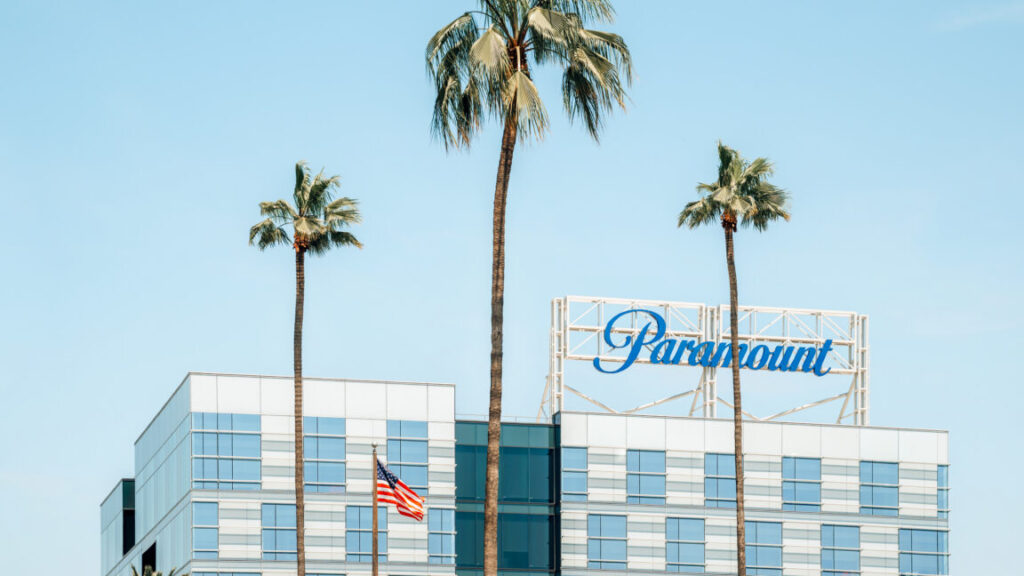
Paramount’s WBD bid is unique in its aggressive push for cable channels, which are struggling with viewership and advertising revenue. Under a WBD merger, Paramount would add networks like HGTV, Cartoon Network, TLC, and CNN to its linear TV lineup, which currently includes Comedy Central, Nickelodeon, and CBS.

Although Paramount and WBD’s cable businesses are both in decline, they are both profitable. Paramount’s TV/media business, which includes its cable channels and production studios, reported $1.1 billion in adjusted OIBDA in Q4 2025. WBD’s cable business posted adjusted EBITDA of $1.41 billion that quarter.

Ultimately, a Paramount-WBD merger would put diversity of viewpoints at risk. Under Ellison’s ownership, CBS News has adjusted its approach with new editor-in-chief Bari Weiss. There have also been concerns about censoring CBS under Ellison’s Paramount, including from Stephen Colbert, who said this month that CBS forbade him from interviewing Texas Democratic Senate candidate James Talarico; CBS denied Colbert’s claim. Further, Paramount could have a lasting impact on CNN, including costs, layoffs, and coverage.

More to come

Regulatory scrutiny will be at the center of Paramount and WBD’s merger over the upcoming months. Federal approval is likely, but the merger also faces European regulation and potential state lawsuits. The theater industry is also lobbying against Paramount’s WBD merger.

Should a Paramount-WBD merger ultimately be greenlit, two declining businesses will be challenged to form a profitable one. Even with regulatory approval, Paramount-Skydance-Warner-Bros.-Discovery faces an uphill climb.

Although the bidding war may be settled, the fight for WBD is only beginning.

Under a Paramount-WBD merger, two struggling media giants would unite Read More »

netflix-cedes-warner-bros.-discovery-to-paramount:-“no-longer-financially-attractive”

Netflix cedes Warner Bros. Discovery to Paramount: “No longer financially attractive”

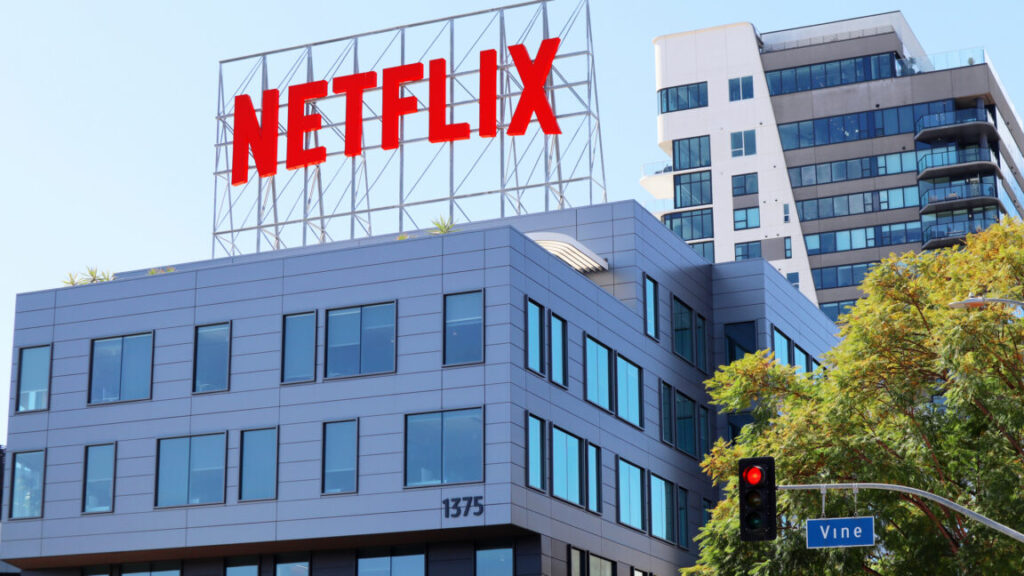
On Thursday, WBD’s board deemed Paramount’s revamped offer “superior,” giving Netflix four business days to match it. But that same day, Netflix, which had recently emphasized its willingness to walk away from mergers it deems overly expensive, said it would no longer pursue the acquisition.

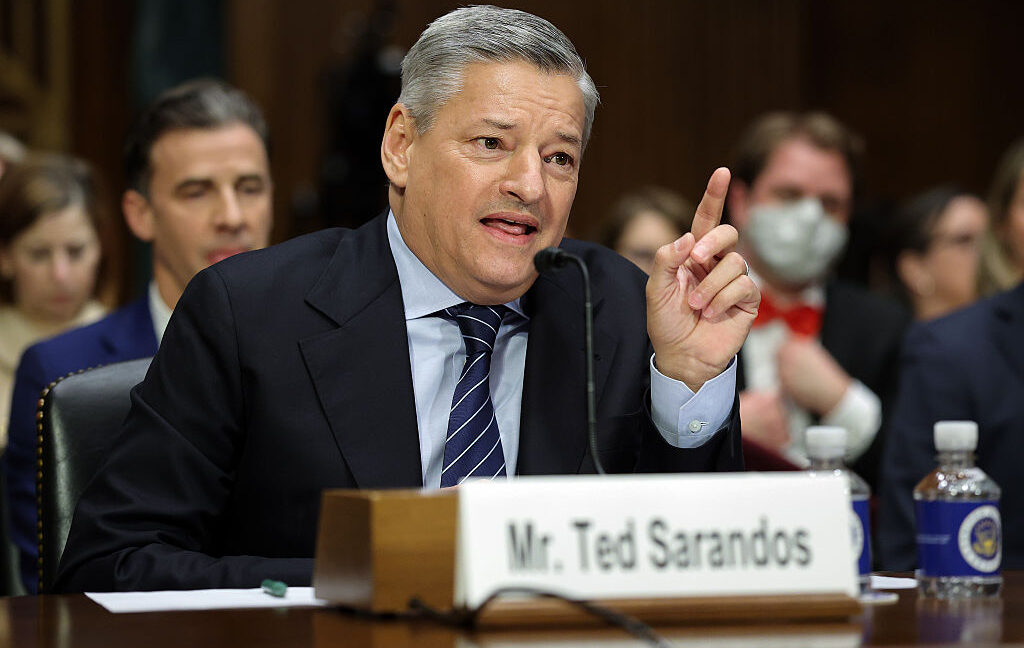
A statement from Netflix co-CEOs Ted Sarandos and Greg Peters issued last night said:

The transaction we negotiated would have created shareholder value with a clear path to regulatory approval. However, we’ve always been disciplined, and at the price required to match Paramount Skydance’s latest offer, the deal is no longer financially attractive, so we are declining to match the Paramount Skydance bid.

The CEOs added that the WBD merger “was always a ‘nice to have’ at the right price, not a ‘must have’ at any price.”

Netflix and Paramount’s stock have continuously declined since Netflix announced its planned merger. Following yesterday’s announcement, Netflix shares rose by more than 10 percent in after-hours trading, and Paramount shares increased by 5 percent.

In a statement quoted by The Hollywood Reporter yesterday, WBD President and CEO David Zaslav said, “Once our board votes to adopt the Paramount merger agreement, it will create tremendous value for our shareholders. We are excited about the potential of a combined Paramount Skydance and Warner Bros. Discovery and can’t wait to get started working together telling the stories that move the world.”

The article was edited to correct ticking fee information. 

Netflix cedes Warner Bros. Discovery to Paramount: “No longer financially attractive” Read More »

wbd-says-paramount’s-new,-higher-offer-could-be-“superior”-to-netflix’s

WBD says Paramount’s new, higher offer could be “superior” to Netflix’s

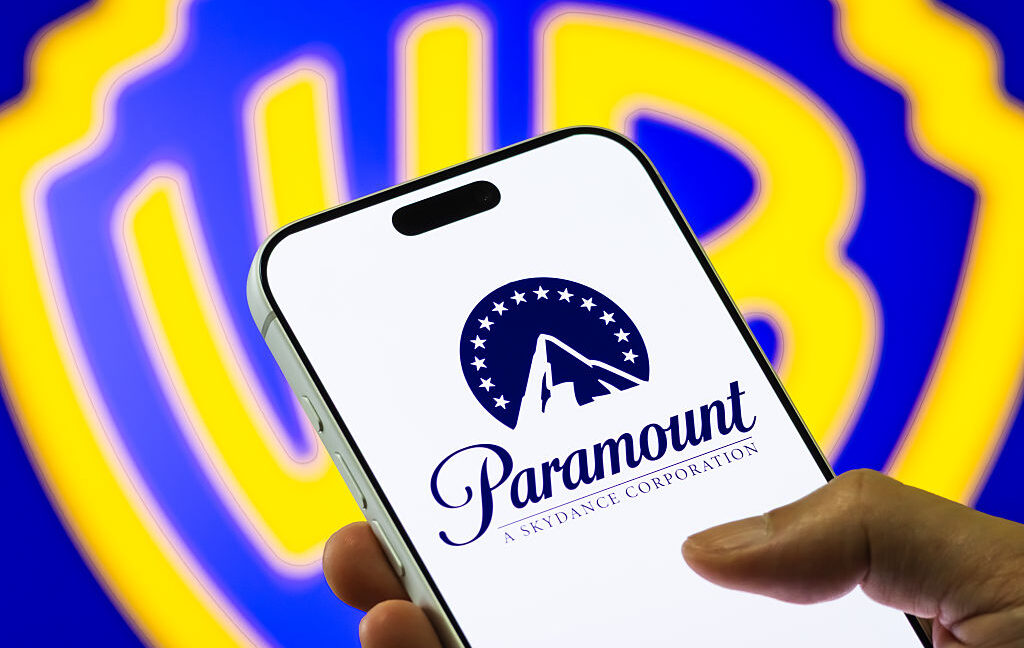
Paramount Skydance increased its bid for Warner Bros. Discovery (WBD) from $30 per share to $31 per share, WBD said today. Amid a competing offer from Netflix for WBD’s movie studios and streaming businesses, WBD said that Paramount’s new bid “could reasonably be expected to lead to a ‘Company Superior Proposal.’”

Under its revamped offer, Paramount would also pay the $7 billion regulatory termination fee that would arise should a Paramount-WBD merger fail to close due to antitrust regulation.

The company owned by David Ellison also said it would pay $0.25 per share for every day the deal doesn’t close, starting on September 30, rather than the previous start date of December 31.

Paramount previously agreed to pay the $2.8 billion termination fee that WBD would be subject to if it canceled its merger deal with Netflix.

Netflix has offered $27.75 per share for a smaller part of WBD’s overall business. Netflix is looking to pay all-cash for WBD’s film studios, intellectual property, HBO, and streaming services, including HBO Max, but not any of WBD’s other cable channels.

WBD’s board has not decided if Paramount’s revamped offer is better than what Netflix has offered. If the board makes that determination, Netflix will have four days to present a better offer.

It’s unclear if Netflix would be willing to pay more for WBD’s streaming and movie businesses than what it’s already offered. The streaming giant hasn’t commented on Paramount’s new offer yet, but on Friday, co-CEO Ted Sarandos told Variety that the people in charge of Netflix are “super-disciplined buyers.”

“We have a reputation for such so that I’m willing to walk away and let someone else overpay for things. We have a rich history of that,” he added.

Regardless of the ultimate buyer, any WBD merger is expected to face intense regulatory scrutiny, lead to higher subscription prices, and have a lasting impact on Hollywood.

WBD says Paramount’s new, higher offer could be “superior” to Netflix’s Read More »

netflix-says-users-can-cancel-service-if-hbo-max-merger-makes-it-too-expensive 

Netflix says users can cancel service if HBO Max merger makes it too expensive 

There is concern that subscribers might be negatively affected if Netflix acquires Warner Bros. Discovery’s (WBD’s) streaming and movie studios businesses. One of the biggest fears is that the merger would lead to higher prices due to Netflix having less competition. During a Senate hearing today, Netflix co-CEO Ted Sarandos suggested that the merger would have an opposite effect.

Sarandos was speaking at a hearing held by the US Senate Judiciary Committee’s Subcommittee on Antitrust, Competition Policy, and Consumer Rights, “Examining the Competitive Impact of the Proposed Netflix-Warner Brothers Transaction.”

Sarandos aimed to convince the subcommittee that Netflix wouldn’t become a monopoly in streaming or in movie and TV production if regulators allowed its acquisition to close. Netflix is the largest subscription video-on-demand (SVOD) provider by subscribers (301.63 million as of January 2025), and WBD is the third (128 million streaming subscribers, including users of HBO Max and, to a smaller degree, Discovery+).

Speaking at today’s hearing, Sarandos said:

Netflix and Warner Bros. both have streaming services, but they are very complementary. In fact, 80 percent of HBO Max subscribers also subscribe to Netflix. We will give consumers more content for less.

During the hearing, Sen. Amy Klobuchar (D-Minnesota) asked Sarandos how Netflix can ensure that streaming remains “affordable” after a merger, especially after Netflix issued a price hike in January 2025 despite it adding more subscribers.

Sarandos said the streaming industry is still competitive. The executive claimed that previous Netflix price hikes have come with “a lot more value” for subscribers.

“We are a one-click cancel, so if the consumer says, ‘That’s too much for what I’m getting,’ they can cancel with one click,” Sarandos said.

When pressed further on pricing, the executive argued that the merger doesn’t pose “any concentration risk” and that Netflix is working with the US Department of Justice on potential guardrails against more price hikes.

Netflix says users can cancel service if HBO Max merger makes it too expensive  Read More »

“streaming-stops-feeling-infinite”:-what-subscribers-can-expect-in-2026

“Streaming stops feeling infinite”: What subscribers can expect in 2026


Spoiler: expect higher prices

Streaming may get a little worse before it gets better.

We’re far from streaming’s original promise: instant access to beloved and undiscovered titles without the burden of ads, bundled services, or price gouging that have long been associated with cable.

Still, every year we get more dependent on streaming for entertainment. Despite streaming services’ flaws, many of us are bound to keep subscribing to at least one service next year. Here’s what we can expect in 2026 and beyond.

Subscription prices keep rising, but perhaps not as expected

There’s virtually no hope of streaming subscription prices plateauing in 2026. Streaming companies continue to face challenges as content production and licensing costs rise, and it’s often easier to get current customers to pay slightly more than to acquire new subscribers. Meanwhile, many streaming companies are still struggling with profitability and revenue after spending years focusing on winning subscribers with content.

“We see many services are only now aligning content spend with realistic lifetime value per subscriber,” Christofer Hamilton, industry insights manager at streaming analyst Parrot Analytics, told Ars.

Companies may get more creative with how they frame higher costs to subscribers, however. People who pay extra to stream without ads are the most likely to see price bumps as streaming companies continue pushing customers toward ad-based tiers.

Charging more for “premium” features—such as 4K streaming, simultaneous streams, or offline downloads—offers another way for streaming companies to boost revenue without implementing broad price hikes that risk provoking customer outrage. Subscribers can expect streaming prices to get “more menu-like next year,” said Michael Goodman, director of entertainment research at Parks Associates, a research firm focusing on IoT, consumer electronics, and entertainment.

When will the price hikes stop?

If streaming prices won’t stop rising next year, when will they?

Ultimately, it may be up to subscribers to vote with their dollars by canceling subscriptions or opting for cheaper or free alternatives, such as FAST (free ad-supported streaming television) channels with linear programming.

As Goodman put it, “Until we see net adds stall or decline as a result of price hikes, services have no incentive to stop raising prices.”

Some experts doubt that streaming services will ever willingly stop increasing prices. Bill Yousman, professor and director of the Media Literacy and Digital Culture graduate program at Sacred Heart University, sees precedent for this in cable companies.

“If the big streaming companies had their way, there would be no limit to their price hikes. We have already seen this with the cable monopolies and their disregard for consumer dissatisfaction,” he said.

Yousman believes that prices will only “be brought under control if there is some type of government regulation,” but he noted that’s unlikely under the Trump administration.

To date, US lawmakers haven’t shown interest in halting the steady rise of streaming prices. Most lawmakers who have sought to regulate the industry have focused on industry consolidation. There has been some effort from lawmakers to rein in streaming price hikes, though, especially through proposed federal legislation dubbed the Price Gouging Prevention Act.

Streaming services lean deeper into cable-like bundles

Companies will look to leverage subscribers’ frustration with pricing by being more aggressive about bundling third-party services like traditional pay TV, Internet, and cell phone service with streaming subscriptions. The idea is that people are less likely to cancel a streaming subscription if it’s tied to a different subscription (including another streaming subscription). The strategy echoes the days of cable, when some people kept unused landlines just to save money on cable channels or Internet service.

“For subscribers, 2026 is the year streaming stops feeling infinite and starts feeling more like premium cable used to: fewer apps, clearer bundles, and higher expectations for each service they pay for,” Parrot’s Hamilton said.

Thanks to traditional pay TV providers, bundles have a bad connotation among people looking to save money and simplify their subscriptions. But bundling doesn’t always have to be a bad thing, as Yousman explains:

If the companies wanted to really be responsive to consumers, they would let them design their own packages rather than having to choose options that may or may not include all the services they want. What works against this, of course, is the demand for ever-increasing profits at all times.

Should a sale of Warner Bros. Discovery’s (WBD’s) HBO Max be completed (late) next year, subscribers will face more pressure to bundle their streaming subscriptions.

“When dominant platforms like Netflix or Paramount absorb major content players, it accelerates the erosion of streaming’s original promise: freedom from monopolistic bundles,” Vikrant Mathur, co-founder of streaming technology provider Future Today, said.

Netflix and Paramount duke it out over Warner Bros.

WBD announced plans this month to sell its streaming and movie studios business to Netflix for an equity value of $72 billion, or an approximate total enterprise value of $82.7 billion. Paramount Skydance, however, quickly swooped in with a hostile takeover bid for all of WBD, including its cable channels, for $108.4 billion. A WBD shareholder vote will occur in spring or early summer, chairman Samuel Di Piazza told CNBC. By the end of 2026, we should have a clearer understanding of the future of HBO Max, as well as Netflix and Paramount+.

Any acquisition will be subject to regulatory scrutiny, causing more uncertainty for subscribers. If Netflix buys HBO Max, users of both services can expect higher prices due to reduced competition and the extensive amount of content and number of big-budget franchises (including Harry Potter and DC Comics) expected to unite under one platform.

“If Netflix gets [HBO Max] and the WB studios, HBO Max subscribers are more likely to see a smoother transition, strong ongoing investment in premium content, and simpler app/billing integration,” Parks Associates’ Goodman said.

But while the potential merger is worth watching, subscribers are unlikely to truly feel the impact of HBO Max potentially changing ownership until after 2026.

“Producing a show is a yearslong process, so the content that was already slated to air isn’t going to disappear, and the new content acquired through the WB library won’t be available until the merger is approved and closes,” Tre Lovell, attorney and owner of Los Angeles entertainment law firm The Lovell Firm, explained.

Content starts getting less bold

Looking beyond 2026, a sale of part or all of WBD would likely open the door for more streaming acquisitions. That could eventually benefit customers by making it easier to find content to watch with fewer subscriptions. But merged companies are also less likely to take risks on unique and diverse content.

Analysts I spoke with pointed to fewer niche and mid-tier original shows and movies and more show cancellations if either Netflix or Paramount buys HBO Max. Either buyer would probably focus more on the already-successful franchises that WB owns, such as Game of Thrones, Batman, and Superman.

“Big combined libraries push companies to double down on proven IP because it travels, merchandises, and reduces marketing risk,” said Robert Rosenberg, a partner at the New York law firm Moses Singer focusing on intellectual property, entertainment, technology, and data law.

Rosenberg also expects to see a “tilt toward” live events, sports, and unscripted content “for retention” if HBO Max sells.

In the shorter term, Rory Gooderick, research manager at analyst firm Ampere Analysis, predicted that WBD will be “cautious when greenlighting new large-scale projects until” the acquisition is finalized.

Beyond the potential HBO Max sale, more merger activity could lead to streaming services straying from their original selling point of offering bolder, quirkier content.

As the industry consolidates, “sticky content,” like procedurals, reality shows, and “comfort TV that drives long viewing sessions,” will take priority among mainstream, subscription-based streaming services, especially as they put more emphasis on ad-tier subscriptions, Goodman predicted.

A more stable future?

The new year will be formative for streaming and yield lasting impacts for subscribers. We’ve discussed numerous negative implications, but there could be a silver lining. While we may see more turbulence, hopefully, we’ll also start to see a road toward more stable streaming options.

Streaming subscribers can’t directly stop mergers or price hikes or control streaming libraries. But with services like Netflix and Disney+ focusing on becoming one-stop shops with massive libraries, there’s an opportunity for other services to hone their specialties and stand out by providing offbeat, unexpected, and rare content at more affordable prices.

As the landscape settles, streamers should be mindful of the importance of variety to subscribers. According to Bill Michels, chief product officer at Gracenote, Nielsen’s content data business unit:

There will be some consolidation. But the [connected TV] landscape, inclusive of FAST and [direct-to-consumer] channels, provides more than ample video variety for viewers, so the biggest challenge will be connecting content with the right audience. Audience engagement depends on good content. Audience retention depends on making sure audiences are never without something to watch.

Photo of Scharon Harding

Scharon is a Senior Technology Reporter at Ars Technica writing news, reviews, and analysis on consumer gadgets and services. She’s been reporting on technology for over 10 years, with bylines at Tom’s Hardware, Channelnomics, and CRN UK.

“Streaming stops feeling infinite”: What subscribers can expect in 2026 Read More »

paramount-tries-to-swipe-warner-bros.-from-netflix-with-a-hostile-takeover

Paramount tries to swipe Warner Bros. from Netflix with a hostile takeover

Although the US Department of Justice (DOJ) holds the power to block mergers that it deems to go against antitrust laws, Trump’s influence over the DOJ can’t be overlooked. While Paramount previously seemed to establish a good relationship with the president, Netflix co-CEO Ted Sarandos may have done the same recently.

Sarandos “spoke with the president in the last couple of weeks in a confab that lasted about two hours,” The Hollywood Reporter reported on Sunday, citing “multiple” anonymous sources. A White House official told the publication that they can’t comment on “private meetings that may or may not have occurred,” and Netflix didn’t respond to the publication’s requests for comment.

Meanwhile, Trump’s relationship with the Ellisons and Paramount may have taken a turn recently. Today, the president lashed out at Paramount over an interview with Rep. Marjorie Taylor Greene (R-Ga.) that aired on the news program 60 Minutes. As he said on Truth Social, per The Hollywood Reporter: “My real problem with the show, however, wasn’t the low IQ traitor, it was that the new ownership of 60 Minutes, Paramount, would allow a show like this to air. THEY ARE NO BETTER THAN THE OLD OWNERSHIP, who just paid me millions of Dollars for FAKE REPORTING about your favorite President, ME! Since they bought it, 60 Minutes has actually gotten WORSE.”

Appealing to the movie theater industry

The movie theater industry is one of the biggest critics of Netflix’s WB acquisition due to fear that the streaming leader won’t release as many movies to theaters for as long and may drive down licensing fees. Paramount is leaning into this trepidation.

As one of the oldest film studios (Paramount was founded as Famous Players Film Company in 1912), Paramount has much deeper ties to the theater business. Ellison claimed that if Paramount and WBD merge, there will be “a greater number of movies in theaters.”

Sarandos said last week that Netflix plans to maintain WBD’s current theater release schedule, which reportedly goes through 2029.

In terms of streaming, Paramount’s announcement pointed to a “combination of Paramount+ and HBO Max,” lending credence to a November report that Paramount would fold HBO Max into its own flagship streaming service if it buys WBD.

With numerous industries, big names, billions of dollars, and politics all at play, the saga of the WBD split and/or merger is only just beginning.

This article was updated on December 8 at 2: 31 p.m. ET with comment from Sarandos. 

Paramount tries to swipe Warner Bros. from Netflix with a hostile takeover Read More »

netflix’s-$72b-wb-acquisition-confounds-the-future-of-movie-theaters,-streaming

Netflix’s $72B WB acquisition confounds the future of movie theaters, streaming


Netflix’s plans to own HBO Max, DC Comics, Harry Potter to face regulatory scrutiny.

The bidding war is over, and Netflix has been declared the winner.

After flirting with Paramount Skydance and Comcast, Warner Bros. Discovery (WBD) has decided to sell its streaming and movie studios business to Netflix. If approved, the deal is set to overturn the media landscape and create ripples that will affect Hollywood for years.

$72 billion acquisition

Netflix will pay an equity value of $72 billion, or an approximate total enterprise value of $82.7 billion, for Warner Bros. All of WBD has a $60 billion market value, NBC News notes.

The acquisition will take place after WBD completes the split of its streaming and studios businesses, which includes its film and TV libraries and the HBO channel, and its other TV networks, including CNN and TBS, into separate companies (Warner Bros. and Discovery Global, respectively). WBD’s split is expected to finish in Q3 2026.

Additionally, Netflix’s acquisition is subject to regulatory approvals, WBD shareholder approval, and other “customary closing conditions.”

Netflix expects the purchase to net it more subscribers, higher engagement, and “at least $2–3 billion of cost savings per year by the third year,” its announcement said.

Netflix co-CEO Greg Peters said in a statement that Netflix will use its global reach and business model to bring WB content to “a broader audience.”

The announcement didn’t specify what this means for current WBD staff, including WBD’s current president and CEO, David Zaslav. Gunnar Wiedenfels, who is currently CFO of WBD, is expected to be the CEO of Discovery Global after WBD split.

Netflix to own HBO Max

Netflix will have to overcome regulatory hurdles to complete this deal, which would evolve it from a streaming king to an entertainment juggernaut. If completed, the world’s largest streaming service by subscribers (301.63 million as of January) will own its third biggest rival (WBD has 128 million streaming subscribers, most of which are HBO Max users).

The acquisition would also give Netflix power over a mountain of current and incoming titles, including massive global franchises DC Comics, Game of Thrones, and Harry Potter.

If the deal goes through, Netflix said it will incorporate content from WB Studios, HBO Max, and HBO into Netflix. Netflix is expected to keep HBO Max available as a separate service, at least for the near term, Variety reported today. However, it’s easy to see a future where Netflix tries to push subscriptions bundling Netflix and HBO Max before consolidating the services into one product that would likely be more expensive than Netflix is today. Disney is setting the precedent with its bundles of Disney+ and the recently acquired Hulu, and by featuring a Hulu section within the Disney+ app.

Before today’s announcement, industry folks were concerned about Netflix potentially owning that much content while dominating streaming. However, Netflix said today that buying WB would enable it to “significantly expand US production capacity and continue to grow investment in original content over the long term, which will create jobs and strengthen the entertainment industry.”

Uniting Netflix and HBO Max’s libraries could make it easier for streaming subscribers to find content with fewer apps and fewer subscriptions. However, subscribers could also be negatively impacted (especially around pricing) if Netflix gains too much power, both as a streaming company and media rights holder.

In WBD’s most recent earnings report, its streaming business reported $45 million in quarterly earnings before interest, taxes, depreciation, and amortization. Netflix reported a quarterly net income of $2.55 billion in its most recent earnings report.

Netflix hasn’t detailed plans for the HBO cable channel. But given Netflix’s streaming ethos, the linear network may not endure in the long term. But since the HBO brand is valuable, we expect the name to persist, even if it’s just as a section of prestige titles within Netflix.

“A noose around the theatrical marketplace”

Among the stakeholders most in arms about the planned acquisition is the movie theater industry. Netflix’s co-CEO Ted Sarandos has historically seen minimal value in theaters as a distribution method. In April, he said that making movies “for movie theaters, for the communal experience” is “an outmoded idea.”

Today, Sarandos said that under Netflix, all WB movies will still hit theaters as planned, which brings us through 2029, per Variety.

During a conference call today, Sarandos said he has no “opposition to movies in theaters,” adding, per Variety:

My pushback has been mostly in the fact of the long exclusive windows, which we don’t really think are that consumer-friendly. But when we talk about keeping HBO operating, largely as it is, that also includes their output movie deal with Warner Bros., which includes a life cycle that starts in the movie theater, which we’re going to continue to support.

Notably, the executive said that “Netflix movies will take the same strides they have, which is, some of them do have a short run in the theater beforehand.”

Anticipating today’s announcement, the movie theater industry has been pushing for regulatory scrutiny over the sale of WB.

Michael O’Leary, CEO and president of Cinema United, the biggest exhibition trade organization, said in a statement today about the Netflix acquisition:

Regulators must look closely at the specifics of this proposed transaction and understand the negative impact it will have on consumers, exhibition, and the entertainment industry.

In a letter sent to Congress members this month, an anonymous group that described itself as “concerned feature film producers” wrote that Netflix’s purchase of WB would “effectively hold a noose around the theatrical marketplace” by reducing the number of theatrical releases and driving down the price of licensing fees for films after their theatrical release, as reported by Variety.

Up next: Regulatory hurdles

In the coming weeks, we’ll get a clearer idea of how antitrust concerns and politics may affect Netflix’s acquisition plans.

Recently, other media companies, such as Paramount, have been accused of trying to curry favor with US President Donald Trump in order to get deals approved. The US Department of Justice (DOJ) could try to block Netflix’s acquisition of WB. But there’s reason for Netflix and WB to remain optimistic if that happens. In 2017, Time Warner and AT&T successfully defeated the DOJ’s attempted merger block.

Still, Netflix and WB have their work cut out for them, as skepticism around the deal grows. Last month, US Senators Elizabeth Warren (D-Mass.), Richard Blumenthal (D-Conn.), and Bernie Sanders (I-Vt.) wrote to the DOJ’s antitrust division urging that any WB deal “is grounded in the law, not President Trump’s political favoritism.”

In a letter to Attorney General Pam Bondi last month, Rep. Darrel Issa (R-Calif.) said that buying WB would “enhance” Netflix’s “unequaled market power” and be “presumptively problematic under antitrust law.”

In a statement about Netflix’s announcement shared by NBC News today, a spokesperson for the California attorney general’s office said:

“The Department of Justice believes further consolidation in markets that are central to American economic life—whether in the financial, airline, grocery, or broadcasting and entertainment markets—does not serve the American economy, consumers, or competition well.”

Netflix’s rivals may also seek to challenge the deal. Attorneys for Paramount questioned the “fairness and adequacy” of WBD’s sales process ahead of today’s announcement.

Photo of Scharon Harding

Scharon is a Senior Technology Reporter at Ars Technica writing news, reviews, and analysis on consumer gadgets and services. She’s been reporting on technology for over 10 years, with bylines at Tom’s Hardware, Channelnomics, and CRN UK.

Netflix’s $72B WB acquisition confounds the future of movie theaters, streaming Read More »

mad-men’s-4k-debut-botched-by-hbo-max-streaming episode-with-visible-crewmembers

Mad Men’s 4K debut botched by HBO Max streaming episode with visible crewmembers

Streaming services have a way of reviving love for old shows, and HBO Max is looking to entice old and new fans with this month’s addition of Mad Men. Instead, viewers have been laughing at the problems with the show’s 4K premiere.

Mad Men ran on the AMC channel for seven seasons from 2007 to 2015. The show had a vintage aesthetic, depicting the 1960s advertising industry in New York City.

Last month, HBO Max announced it would modernize the show by debuting a 4K version. The show originally aired in SD and HD resolutions and had not been previously made available in 4K through other means, such as Blu-ray.

However, viewers were quick to spot problems with HBO Max’s 4K Mad Men stream, the most egregious being visible crew members in the background of a scene.

The episode was “Red in the Face” (Season 1, Episode 7), which was reportedly mislabeled. In it, Roger Sterling (John Slattery) throws up oysters. In the 4K version that was streaming on HBO Max, viewers could see someone pumping a vomit hose to make the fake puke flow.

Mad Men’s 4K debut botched by HBO Max streaming episode with visible crewmembers Read More »

higher-prices,-simpler-streaming-expected-if-hbo-max-folds-into-paramount+

Higher prices, simpler streaming expected if HBO Max folds into Paramount+

If a company acquires any form of HBO, one of its top challenges is expected to be streamlining operations while maintaining HBO’s premium brand. This could be especially difficult under a “more mainstream umbrella like Paramount+,” Alderman noted.

Streaming has already diluted the HBO brand somewhat. Through streaming, HBO is now associated with stuff from DC Comics and Cartoon Network, as well as reality shows, like 90 Day Fiancé and Naked and Afraid. Merging with Paramount+ or even Netflix could expand the HBO umbrella further.

That expanded umbrella could allow a company like Paramount to better compete against Netflix, something WBD executives have shied away from. HBO Max is “not everything for everyone in a household,” JB Perrette, WBD’s streaming president and CEO, said this spring.

“What people want from us in a world where they’ve got Netflix and Amazon [Prime Video] are those things that differentiate us,” Casey Bloys, chairman and CEO of HBO and Max content, told The Wall Street Journal in May.

A “stress test” for more streaming mergers

Aside from the impact on HBO Max subscribers, WBD’s merger talks have broad implications. A deal would open the door for much more consolidation in the streaming space, something that experts have been anticipating for some years and that addresses the boom of streaming services. Per Clark, discussions of a Paramount-WBD merger are “less about two studios joining forces and more about a stress test for future M&A.”

If WBD accepts a Paramount bid and that bid clears regulatory hurdles, it would signal that “premium content under fewer umbrellas is back in play,” Clark said.

A Paramount-WBD merger is likely to speed up consolidation among mid-tier players, like NBCUniversal, Lionsgate, and AMC, Alderman said, pointing to these companies’ interest in scaling their streaming businesses and in building differentiated portfolios to counter Netflix and Disney+’s expansive libraries.

If Paramount and WBD don’t merge, Clark expects to see more “piecemeal” strategies, such as rights-sharing, joint venture bundles, and streaming-as-a-service models.

Higher prices, simpler streaming expected if HBO Max folds into Paramount+ Read More »

hbo-max-subscribers-lose-access-to-cnn-livestream-on-november-17

HBO Max subscribers lose access to CNN livestream on November 17

HBO Max subscribers will no longer be able to watch CNN from the streaming platform as of November 17, Warner Bros. Discovery (WBD) informed customers today.

After this date, HBO Max subscribers will still be able to watch some CNN content, including shows and documentaries, on demand.

The CNN Max livestream for HBO Max launched as an open beta in September 2023. Since then, it has featured live programming from CNN’s US arm and CNN International, as well as content made specifically for HBO Max.

WBD is pulling HBO Max’s CNN channel as it prepares to launch a standalone CNN streaming service, inevitably introducing more fragmentation to the burgeoning streaming industry. The streaming service is supposed to launch this fall and provide access to original CNN programing and journalism, including “a selection of live channels, catch-up features, and video-on-demand programming,” a May announcement said.

In a statement today, Alex MacCallum, EVP of digital products and services for CNN, said:

CNN has benefitted tremendously from its two years of offering a live 24/7 feed of news to HBO Max customers. We learned from HBO Max’s large base of subscribers what people want and enjoy the most from CNN, and with the launch of our own new streaming subscription offering coming later this fall, we look forward to building off that and growing our audience with this unique, new offering.

WBD will sell subscriptions to CNN’s new streaming service as part of an “All Access” subscription that will include the ability to read paywalled articles on CNN’s website.

HBO Max subscribers lose access to CNN livestream on November 17 Read More »

hbo-max-is-“way-underpriced,”-warner-bros.-discovery-ceo-says

HBO Max is “way underpriced,” Warner Bros. Discovery CEO says

Consumers in America would pay twice as much 10 years ago for content. People were spending, on average, $55 for content 10 years ago, and the quality of the content, the amount of content that we’re getting, the spend is 10 or 12 fold and they’re paying dramatically less. I think we want a good deal for consumers, but I think over time, there’s real opportunity, particularly for us, in that quality area, to raise price.

A question of quality

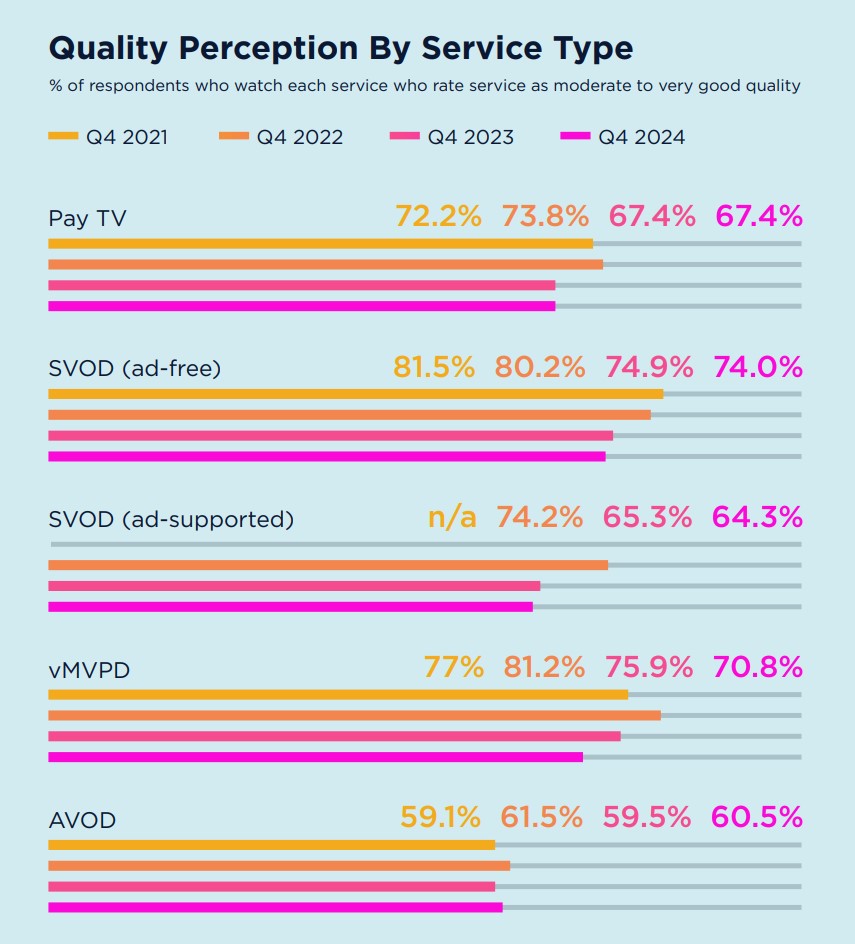
Zaslav is arguing that the quality of the shows and movies on HBO Max warrants an eventual price bump. But, in general, viewers find streaming services are getting less impressive. A Q4 2024 report from TiVo found that the percentage of people who think the streaming services that they use have “moderate to very good quality” has been declining since Q4 2021.

Bar graph From TiVO's Q4 2024 Video Trends report.

From TiVO’s Q4 2024 Video Trends report.

Credit: TiVo

From TiVO’s Q4 2024 Video Trends report. Credit: TiVo

Research also points to people being at their limit when it comes to TV spending. Hub Entertainment Research’s latest “Monetizing Video” study, released last month, found that for consumers, low prices “by far still matters most to the value of a TV service.”

Meanwhile, niche streaming services have been gaining in popularity as streaming subscribers grow bored with the libraries of mainstream streaming platforms and/or feel like they’ve already seen the best of what those services have to offer. Antenna, a research firm focused on consumer subscription services, reported this month that specialty streaming service subscriptions increased 12 percent year over year in 2025 thus far and grew 22 percent in the first half of 2024.

Zaslav would likely claim that HBO Max is an outlier when it comes to streaming library dissatisfaction. Although WBD’s streaming business (which includes Discovery+) turned a $293 million profit and grew subscriber-related revenue (which includes ad revenues) in its most recent earnings report, investors would likely be unhappy if the company rested on its financial laurels. WBD has one of the most profitable streaming businesses, but it still trails far behind Netflix, which posted an operating income of $3.8 billion in its most recent earnings.

Still, increasing prices is rarely welcomed by customers. With many other options for streaming these days (including free ones), HBO Max will have to do more to convince people that it is worth the extra money than merely making the claim.

HBO Max is “way underpriced,” Warner Bros. Discovery CEO says Read More »