CDC

more-seizures,-intubation-from-microdose-candies:-12-sickened,-10-hospitalized

More seizures, intubation from microdose candies: 12 sickened, 10 hospitalized

Potent microdoses —

FDA updates alert after the latest case fell ill on June 9.

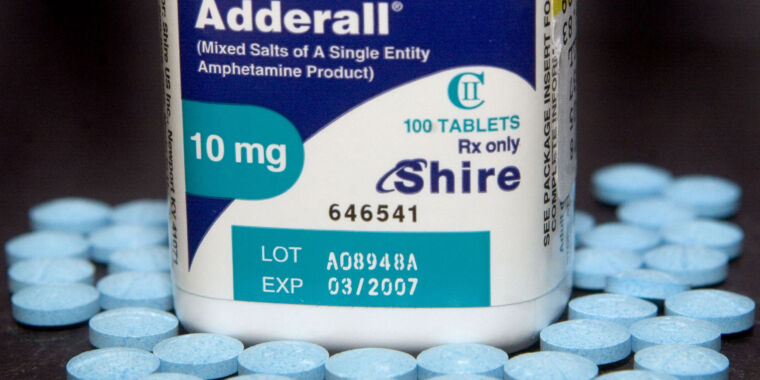
Diamond Shruumz's

Enlarge / Diamond Shruumz’s “extremely potent” infused cones in “sprinkles” flavor.

More people have reported severe poisonings in an ongoing outbreak marked by people seizing and needing to be intubated after consuming microdose candies made by Diamond Shruumz, the Food and Drug Administration reported Tuesday.

There are now at least 12 reported cases across eight states. All 12 people were ill enough to seek medical care, and 10 needed to be hospitalized. The symptoms reported so far include seizures, central nervous system depression (loss of consciousness, confusion, sleepiness), agitation, abnormal heart rates, hyper/hypotension, nausea, and vomiting, the FDA reported.

In Tuesday’s update, the FDA also expanded the products linked to the illnesses. In addition to all flavors of Diamond Shruumz’s Microdosing Chocolate Bars, the agency’s warning now covers all flavors of the brand’s Infused Cones and Micro Dose and Macro Dose Gummies.

According to the FDA, the most recent case fell ill on June 9. On June 7, the FDA issued its initial warning on Diamond Shruumz’s chocolates, reporting that eight people had been sickened in four states, with six people hospitalized. The agency advised the public not to sell, serve, buy, or consume the chocolates and instead discard them.

The candies are available nationwide. They are sold online—where they remain available for purchase as of Tuesday evening—and can also be found in various retail locations throughout the US, including smoke/vape shops and retailers that sell hemp-derived products.

The current tally of cases includes one from Alabama, four from Arizona, two from Indiana, one from Kentucky, one from Missouri, one from Nevada, one from Pennsylvania, and one from South Carolina.

Diamond Schruumz has not responded to multiple requests for comment from Ars. The New York Times also reported that the company was unresponsive.

It remains unclear what exactly is in the candies and what could cause such severe toxicity. The company does not provide ingredient lists for its products on its website. The term “microdosing” typically suggests a small amount of psychedelic compound is present, and Diamond Shruumz markets its products as “trippy,” “psychedelic,” and “hallucinogenic.” But lab reports posted on Diamond Shruumz’s website indicate that its candies do not contain the notable mushroom-derived psychedelic compound, psilocybin.

The company only says that its candies contain a “primo proprietary blend of nootropic and functional mushrooms.” Nootropics are compounds said to affect cognition, though supplement makers have used the term dubiously in marketing.

In an April 2023 blog, Diamond Shruumz said its chocolate bars contain a blend of Lion’s mane, Reishi, and Chaga mushrooms, which are all non-hallucinogenic mushrooms used in herbal and traditional medicines and supplements. “Lion’s mane is a natural nootropic that can enhance cognitive function, while Reishi is an adaptogen that helps the body adapt to stress and boosts the immune system,” the company claimed. “Finally, Chaga is rich in antioxidants and can help reduce inflammation in the body.”

The FDA, along with America’s Poison Centers and the Centers for Disease Control and Prevention, is still investigating the cases and working to determine the cause. In a response to an inquiry from Ars, the FDA declined to comment on whether it is in contact with the company and if it is recommending a voluntary recall.

6/12/2024 3: 50pm ET: This story was updated to include the response from the FDA. 

More seizures, intubation from microdose candies: 12 sickened, 10 hospitalized Read More »

bird-flu-virus-from-texas-human-case-kills-100%-of-ferrets-in-cdc-study

Bird flu virus from Texas human case kills 100% of ferrets in CDC study

Animal study —

H5N1 bird flu viruses have shown to be lethal in ferret model before.

Bird flu virus from Texas human case kills 100% of ferrets in CDC study

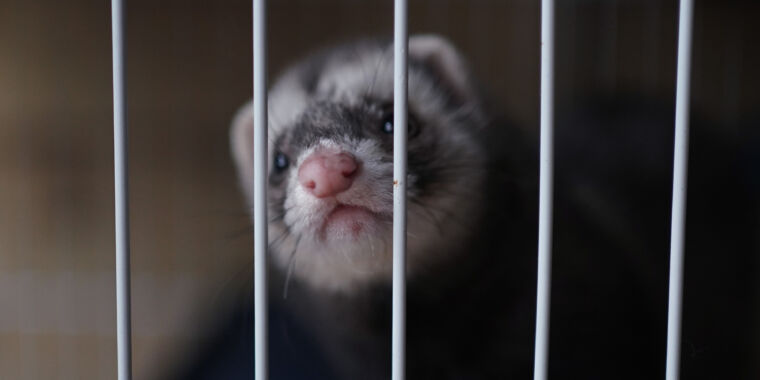
The strain of H5N1 bird flu isolated from a dairy worker in Texas was 100 percent fatal in ferrets used to model influenza illnesses in humans. However, the virus appeared inefficient at spreading via respiratory droplets, according to newly released study results from the Centers for Disease Control and Prevention.

The data confirms that H5N1 infections are significantly different from seasonal influenza viruses that circulate in humans. Those annual viruses make ferrets sick but are not deadly. They have also shown to be highly efficient at spreading via respiratory droplets, with 100 percent transmission rates in laboratory settings. In contrast, the strain from the Texas man (A/Texas/37/2024) appeared to have only a 33 percent transmission rate via respiratory droplets among ferrets.

“This suggests that A/Texas/37/2024-like viruses would need to undergo changes to spread efficiently by droplets through the air, such as from coughs and sneezes,” the CDC said in its data summary. The agency went on to note that “efficient respiratory droplet spread, like what is seen with seasonal influenza viruses, is needed for sustained person-to-person spread to happen.”

In the CDC’s study, researchers infected six ferrets with A/Texas/37/2024. The CDC’s data summary did not specify how the ferrets were infected in this study, but in other recent ferret H5N1 studies, the animals were infected by putting the virus in their noses. Ars has reached out to the agency for clarity on the inoculation route in the latest study and will update the story with any additional information provided.

All six of the infected ferrets developed severe disease and died. To test how well the virus could spread among the ferrets, the CDC scientists set up experiments to test transmission through direct contact and respiratory droplets. For the direct transmission test, three healthy ferrets were placed in the same enclosures with three experimentally infected ferrets. All three healthy ferrets became infected.

For the respiratory transmission test, three healthy ferrets were placed in enclosures next to enclosures containing the experimentally infected animals. The infected and uninfected ferrets shared air, but did not have direct contact with each other. Of the three healthy ferrets, only one contracted the H5N1 virus (33 percent). Additionally, that one respiratory transmission event seemed to have a one- to two-day delay compared with what’s seen in the same test with seasonal influenza viruses. This suggests further that the virus is inefficient at respiratory transmission.

The CDC called the overall results “not surprising.” Previous ferret experiments with H5N1 isolates—collected prior to the current bird flu outbreak among US dairy cows—have also found that H5N1 is often lethal to ferrets. Likewise, H5N1 isolates collected from Spain and Chile during the current global outbreak also found that the virus was inefficient at spreading via respiratory droplets among ferrets—with rates ranging from 0 percent to 37.5 percent.

For now, the findings don’t affect the CDC’s overall risk assessment for the general public, which is low. However, it does reinforce the risk to those who have contact with infected animals, particularly dairy and poultry farm workers.

To date, there have been four human cases of H5N1 in the US since the current global bird flu outbreak began in 2022—one in a poultry farm worker in 2022 and three in dairy farm workers, all reported between the beginning of April and the end of May this year. So far, the cases have been mild, the CDC noted, but given the results in ferrets, “it is possible that there will be serious illnesses among people,” the agency concluded.

As of June 9, the US Department of Agriculture has confirmed H5N1 in 85 dairy herds and one alpaca farm across 10 states.

Bird flu virus from Texas human case kills 100% of ferrets in CDC study Read More »

people-are-seizing,-being-intubated-after-eating-microdose-chocolates

People are seizing, being intubated after eating microdose chocolates

Yikes —

“Extreme caution” urged as at least 8 people in 4 states sickened, 6 hospitalized.

A Diamond Shruumz chocolate bar, which come in a variety of flavors.

Enlarge / A Diamond Shruumz chocolate bar, which come in a variety of flavors.

Various federal and state health officials are sounding the alarm on Diamond Shruumz-brand Microdosing Chocolate Bars. The candy, said to be infused with mushrooms, has been linked to severe illnesses, including seizures, loss of consciousness, confusion, sleepiness, agitation, abnormal heart rates, hyper/hypotension, nausea, and vomiting, according to an outbreak alert released by the Food and Drug Administration on Friday.

So far, eight people across four states have been sickened—four in Arizona, two in Indiana, one in Nevada, and one in Pennsylvania, the FDA reported. Of the eight, six have been hospitalized.

“We are urging the public to use extreme caution due to the very serious effects of these products,” Maureen Roland, director of the Banner Poison and Drug Information Center in Phoenix, said in a press release earlier this week.

Steve Dudley, director of the Arizona Poison and Drug Information Center, added that there’s “clearly something toxic occurring” with the chocolates. “We’ve seen the same phenomenon of people eating the chocolate bar then seizing, losing consciousness, and having to be intubated.” Dudley noted that the state is aware of additional cases beyond the eight reported Friday by the FDA. Those cases were reported from Nebraska and Utah.

It’s not entirely clear what is in the chocolates or what could be causing the illnesses. The FDA said it was working with the Centers for Disease Control and Prevention as well as America’s Poison Centers to “determine the cause of these illnesses and is considering the appropriate next steps.”

On its website, Diamond Shruumz says that its chocolate bars contain a “primo proprietary blend of nootropic and functional mushrooms.” The website also contains reports of laboratory analyses on their products, some of which indicate the absence of select known fungal toxins and compounds such as the hallucinogen psilocybin and cannabinoids.

Diamond Shruumz did not immediately respond to Ars’ request for comment.

The chocolate bars are still available for sale online but the FDA said that consumers should not eat, sell, or serve them. Any bars already purchased should be discarded. Likewise, retailers should not sell or distribute them. The FDA noted that, in addition to being available online, the bars are also sold in various retail locations nationwide, including smoke/vape shops and retailers that sell hemp-derived products.

People are seizing, being intubated after eating microdose chocolates Read More »

after-mice-drink-raw-h5n1-milk,-bird-flu-virus-riddles-their-organs

After mice drink raw H5N1 milk, bird flu virus riddles their organs

Deadly dairy —

No, really, drinking raw milk during the H5N1 outbreak is a bad idea.

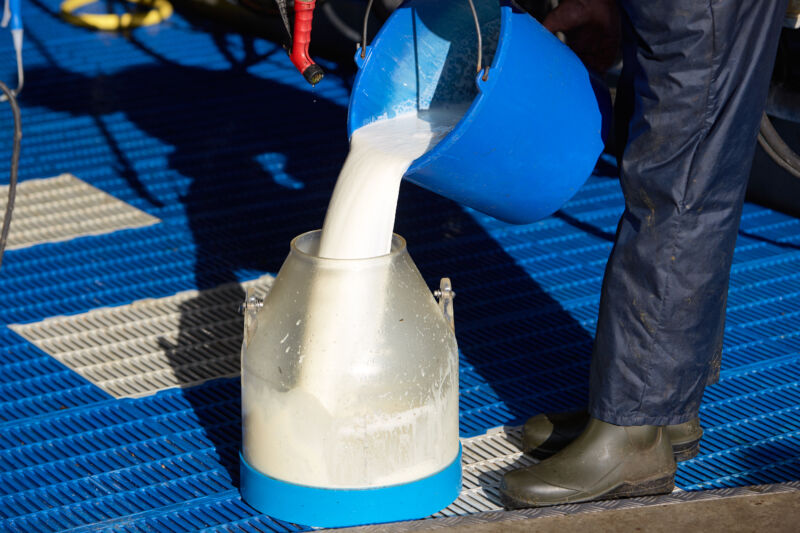
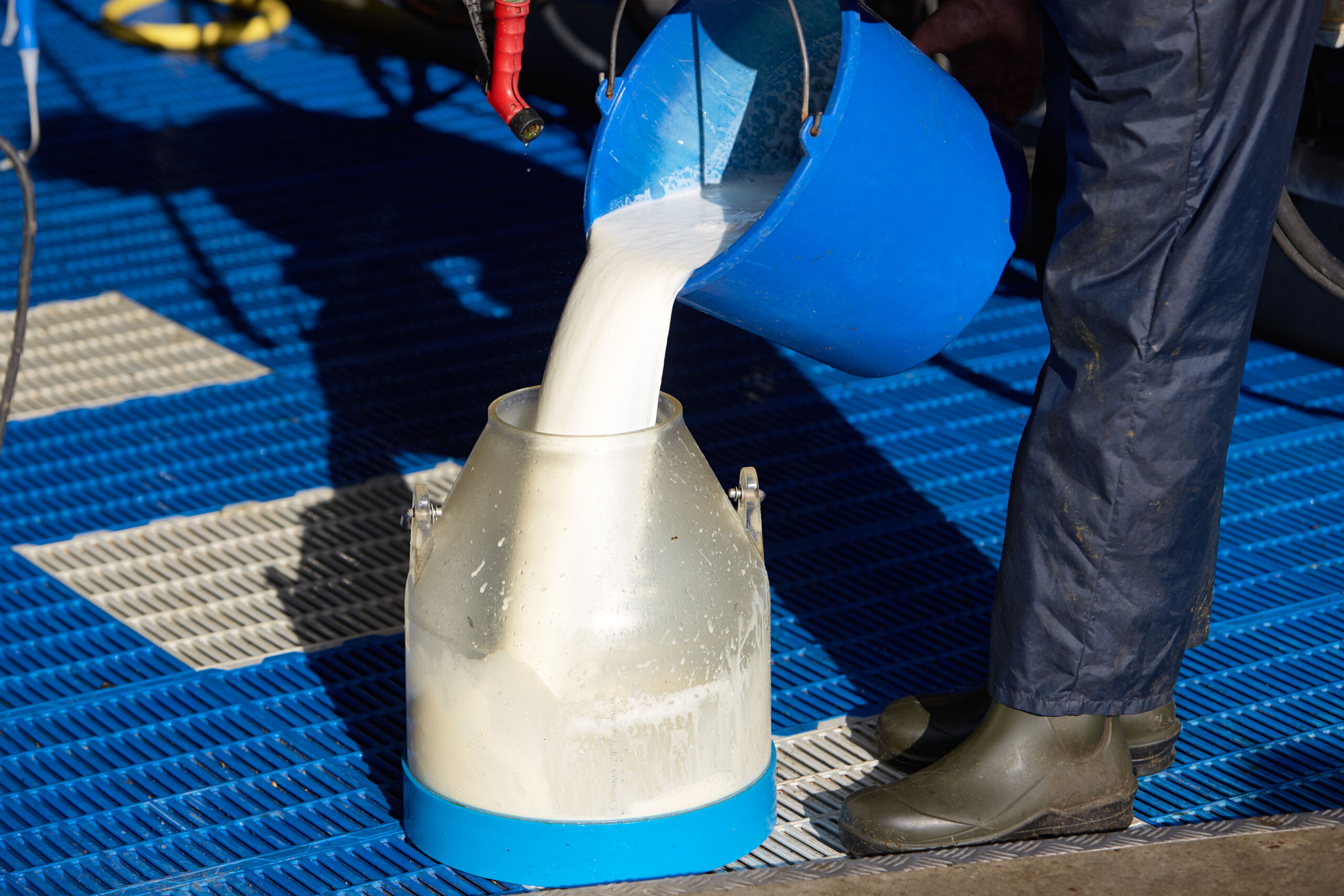
Fresh raw milk being poured into a container on a dairy farm on July 29, 2023, in De Lutte, Netherlands.

Enlarge / Fresh raw milk being poured into a container on a dairy farm on July 29, 2023, in De Lutte, Netherlands.

Despite the delusions of the raw milk crowd, drinking unpasteurized milk brimming with infectious avian H5N1 influenza virus is a very bad idea, according to freshly squeezed data published Friday in the New England Journal of Medicine.

Researchers at the University of Wisconsin-Madison squirted raw H5N1-containing milk from infected cows into the throats of anesthetized laboratory mice, finding that the virus caused systemic infections after the mice were observed swallowing the dose. The illnesses began quickly, with symptoms of lethargy and ruffled fur starting on day 1. On day 4, the animals were euthanized to prevent extended suffering. Subsequent analysis found that the mice had high levels of H5N1 bird flu virus in their respiratory tracts, as well their hearts, kidneys, spleens, livers, mammary glands, and brains.

“Collectively, our data indicate that HPAI [Highly Pathogenic Avian Influenza] A(H5N1) virus in untreated milk can infect susceptible animals that consume it,” the researchers concluded. The researchers also found that raw milk containing H5N1 can remain infectious for weeks when stored at refrigerator temperatures.

Bird flu has not historically been considered a foodborne pathogen, but prior to the unexpected outbreak of H5N1 in US dairy cows discovered in March, it had never been found at high levels in a food product like milk before. While experts have stepped up warnings against drinking raw milk amid the outbreak, the mouse experiment offers some of the first data on the risks of H5N1 from drinking unpasteurized dairy.

Before the mouse data, numerous reports have noted carnivores falling ill with H5N1 after eating infected wild birds. And a study from March in the journal Emerging Infectious Diseases reported that over half of the 24 or so cats on an H5N1-infected dairy farm in Texas died after drinking raw milk from the sick cows. Before their deaths, the cats displayed distressing neurological symptoms, and studies found the virus had invaded their lungs, brains, hearts, and eyes.

While the data cannot definitely determine if humans who drink H5N1-contaminated raw milk will suffer the same fate as the mice and cats, it highlights the very real risk. Still, raw milk enthusiasts have disregarded the concerns. PBS NewsHour reported last week that since March 25, when the H5N1 outbreak in US dairy cows was announced, weekly sales of raw cow’s milk have ticked up 21 percent, to as much as 65 percent compared with the same periods a year ago, according to data shared by market research firm NielsenIQ. Moreover, the founder of California-based Raw Milk Institute, Mark McAfee, told the Los Angeles Times this month that his customers baselessly believe drinking H5N1 will give them immunity to the deadly pathogen.

In normal times, the Centers for Disease Control and Prevention and the Food and Drug Administration strongly discourage drinking raw milk. Without pasteurization, it can easily be contaminated with a wide variety of pathogens, including Campylobacter, Cryptosporidium, E. coli, Listeria, Brucella, and Salmonella.

Fortunately, for the bulk of Americans who heed germ theory, pasteurization appears completely effective at deactivating the virus in milk, according to thorough testing by the FDA. Pasteurized milk is considered safe during the outbreak. The US Department of Agriculture, meanwhile, reports finding no H5N1 in retail beef so far and, in laboratory experiments, beef patties purposefully inoculated with H5N1 had no viable virus in them after the patties were cooked to 145°F (medium) or 160°F (well done).

To date, the USDA has reported that H5N1 has infected at least 58 dairy herds in nine states.

After mice drink raw H5N1 milk, bird flu virus riddles their organs Read More »

family-stricken-with-rare-brain-worms-after-eating-undercooked-bear

Family stricken with rare brain worms after eating undercooked bear

Unbearably gross —

In the parasite vs. bear vs. human battle, the grizzly parasite comes out on top.

American black bear seen along the Red Rock Parkway inside Waterton Lakes National Park in Alberta, Canada.

Enlarge / American black bear seen along the Red Rock Parkway inside Waterton Lakes National Park in Alberta, Canada.

In the summer of 2022, a family gathered in South Dakota for a reunion that included a special meal—kabobs made with the meat of a black bear that one of the family members had “harvested” from northern Saskatchewan, Canada, that May. Lacking a meat thermometer, the family assessed the doneness of the dark-colored meat by eye. At first, they accidentally served it rare, which a few family members noticed before a decision was made to recook it. The rest of the reunion was unremarkable, and the family members departed to their homes in Arizona, Minnesota, and South Dakota.

But just days later, family members began falling ill. One, a 29-year-old male in Minnesota, sought care for a mysterious illness marked by fever, severe muscle pains, swelling around his eyes (periorbital edema), high levels of infection-fighting white blood cells (eosinophilia, a common response to parasites), and other laboratory anomalies. The man sought care four times and was hospitalized twice in a 17-day span in July. It wasn’t until his second hospitalization that doctors learned about the bear meat—and then it all made sense.

The doctors suspected the man had a condition called trichinellosis and infection of Trichinella nematodes (roundworms). These dangerous parasites can be found worldwide, embedded into the muscle fibers of various carnivores and omnivores, according to the Centers for Disease Control and Prevention. But, it’s quite rare to find them in humans in North America. Between 2016 and 2022, there were seven outbreaks of trichinellosis in the US, involving just 35 cases. The majority were linked to eating bear meat, but moose and wild boar meat are also common sources.

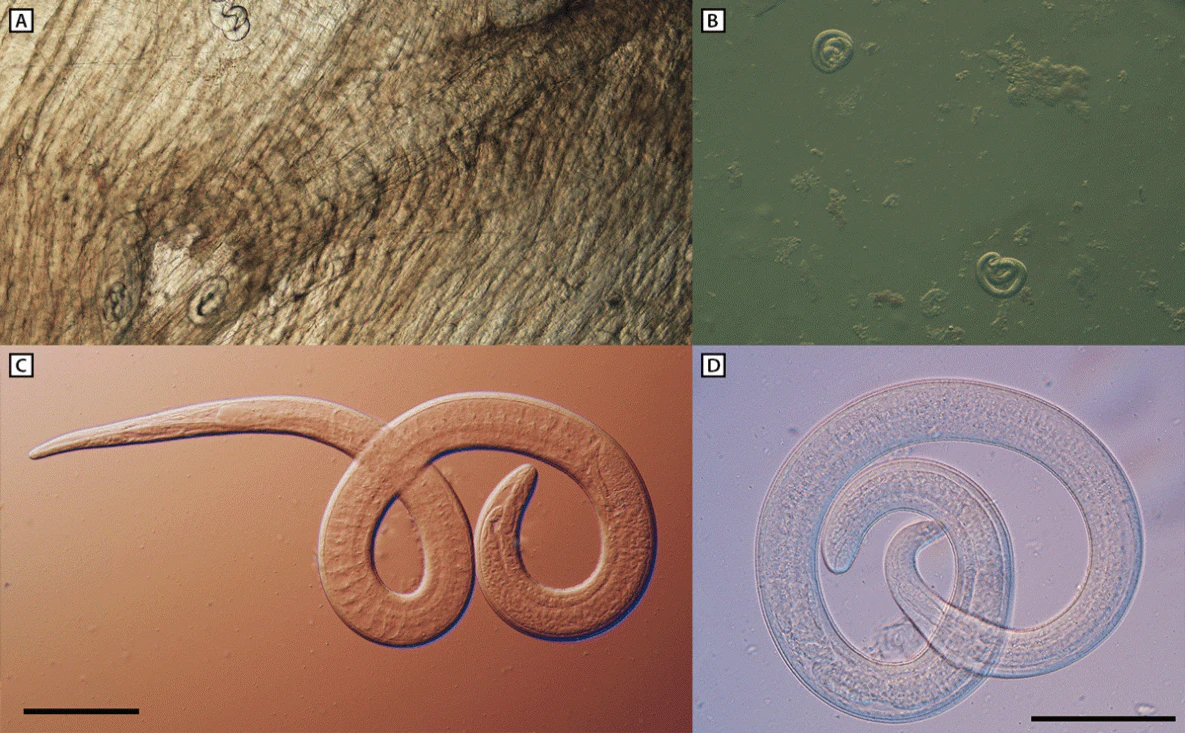
Trichinella nativa infections—Arizona, Minnesota, and South Dakota, 2022.” height=”396″ src=”https://cdn.arstechnica.net/wp-content/uploads/2024/05/mm7320a2-F-large-640×396.webp” width=”640″>

Enlarge / Microscopic examination of encapsulated larvae in a direct black bear meat muscle squash prep (A), larvae liberated from artificially digested bear meat (B), and motile larvae viewed with differential interference contrast microscopy (C and D)from black bear meat suspected as the source of an outbreak of human Trichinella nativa infections—Arizona, Minnesota, and South Dakota, 2022.

Once eaten, larvae encased in the meat are released and begin to invade the small intestines (the gastrointestinal phase), causing pain, diarrhea, nausea, and vomiting. Then, the larvae develop into adults in the gut, mate, and produce more larvae there. The second generation of worms then go wandering through the lymphatic system, into the blood, and then throughout the body (systemic phase). The larvae can end up all over, reaching skeletal muscles, the heart, and the brain, which is rich in oxygen. The systemic phase is marked by fever, periorbital edema, muscle pain, heart inflammation, and brain inflammation. The larvae can also provoke severe eosinophilia, particularly when they move into the heart and central nervous system.

The man’s symptoms fit the case, and several tests confirmed the parasitic infection. Of eight interviewed family members present for the bear-meat meal, six people had illnesses matching trichinellosis (ranging in age from 12 to 62), and three of them were hospitalized, including the 12-year-old. Four of the six sickened people had eaten the bear meat, while two only ate vegetables that were cooked alongside the meat and cross-contaminated. Experts at the CDC obtained leftover frozen samples of the bear meat, which revealed moving larvae. Testing identified the worm as Trichinella nativa, a species that is resistant to freezing.

In an outbreak study published Thursday in the CDC’s Morbidity and Mortality Weekly Report, health officials from Minnesota and the CDC reported that the three hospitalized patients were treated with the anti-parasitic drug albendazole and recovered. The remaining three cases fortunately recovered without treatment. The health experts noted how tricky it can be to identify and diagnose these rare cases but flagged periorbital edema and the eosinophilia as being key clinical clues to the grizzly infections. And, above all, people who are going to eat wild game meat should invest in a meat thermometer and make sure the meat is cooked to at least ≥165° F (≥74° C) to avoid risking brain worms.

Family stricken with rare brain worms after eating undercooked bear Read More »

mixup-of-drinking-and-irrigation-water-sparks-dangerous-outbreak-in-children

Mixup of drinking and irrigation water sparks dangerous outbreak in children

fearsome faucets —

Of 13 children sickened, 7 hospitalized and 2 had life-threatening complications.

 A child cools off under a water sprinkler.

Enlarge / A child cools off under a water sprinkler.

In 1989, a city in Utah upgraded its drinking water system, putting in a whole new system and repurposing the old one to supply cheap untreated water for irrigating lawns and putting out fires. That meant that the treated water suitable for drinking flowed from new spigots, while untreated water gushed from the old ones. Decades went by with no apparent confusion; residents seemed clear on the two different water sources. But, according to an investigation report published recently by state and county health officials, that local knowledge got diluted as new residents moved into the area. And last summer, the confusion over the conduits led to an outbreak of life-threatening illnesses among children.

In July and August of 2023, state and local health officials identified 13 children infected with Shiga toxin-producing Escherichia coli (STEC) O157:H7. The children ranged in age from 1 to 15, with a median age of 4. Children are generally at high risk of severe infections with this pathogen, along with older people and those with compromised immune systems. Of the 13 infected children, seven were hospitalized and two developed hemolytic uremic syndrome, a life-threatening complication that can lead to kidney failure.

Preliminary genetic analyses of STEC O157:H7 from two of the children suggested that the children’s infections were linked to a common source. So, health officials quickly developed a questionnaire to narrow down the potential source. It soon became clear that the irrigation water—aka untreated, pressurized, municipal irrigation water (UPMIW)—was a commonality among the children. Twelve of 13 infected children reported exposure to it in some form: Two said they drank it; five played with UPMIW hoses; three used the water for inflatable water toys; two used it for a water table; and one ran through sprinklers. None reported eating fruits or vegetables from home (noncommercial) gardens irrigated with the UPMIW.

The report on the investigation, published in the Centers for Disease Control and Prevention’s Morbidity and Mortality Weekly Report, did not name the city in Utah. But press releases from a county health department identified the affected city as Lehi, about 30 minutes south of Salt Lake City.

Further genetic testing of STEC O157:H7 isolates linked all of the children’s infections together, as well as to water from five of nine UPMIW exposure sites and samples from the reservoir where the irrigation water is sourced. Microbial source tracking indicated that the contamination could have come from the feces of birds or ruminants.

The county health department and the city put out press releases and informational mailers. They warned residents about the risks of UPMIW, telling them not to drink it or let children play in it. “Do not use irrigation water for bounce houses, pools, slip-n-slides, or any other recreational activities. It is common for children to swallow or get water in their mouths while playing.”

The notices also said that the CDC recommended against watering lawns with the water, though the county advised residents to merely “use caution” when allowing children to play on grass irrigated with UPMIW. “Keep an eye on them,” the advisers warned, and try to prevent them from putting their hands or anything from the lawn in their mouths. “E. coli is hardy and can stick.”

This is not the first time that irrigation water has been linked to outbreaks. In 2010 and 2015, two other Utah cities reported campylobacteriosis outbreaks linked to cross-connections between UPMIW and drinking water lines.

The researchers say such outbreaks can be avoided by efforts to prevent contamination in irrigation water, such as treating water, cleaning reservoirs, and covering them. And, of course, clearly labeling irrigation water and keeping residents informed about its dangers are key to preventing infections.

Mixup of drinking and irrigation water sparks dangerous outbreak in children Read More »
raw-milk-fans-plan-to-drink-up-as-experts-warn-of-high-levels-of-h5n1-virus

Raw-milk fans plan to drink up as experts warn of high levels of H5N1 virus

facepalm —

Raw milk fans called warnings “fear mongering,” despite 52% fatality rate in humans.

A glass of fresh raw milk in the hand of a farmer.

Enlarge / A glass of fresh raw milk in the hand of a farmer.

To drink raw milk at any time is to flirt with dangerous germs. But, amid an unprecedented outbreak of H5N1 bird flu in US dairy cows, the risks have ratcheted up considerably. Health experts have stepped up warnings against drinking raw milk during the outbreak, the scope of which is still unknown.

Yet, raw milk enthusiasts are undaunted by the heightened risk. The California-based Raw Milk Institute called the warnings “clearly fearmongering.” The institute’s founder, Mark McAfee, told the Los Angeles Times this weekend that his customers are, in fact, specifically requesting raw milk from H5N1-infected cows. According to McAfee, his customers believe, without evidence, that directly drinking high levels of the avian influenza virus will give them immunity to the deadly pathogen.

Expert Michael Payne told the LA Times that the idea amounts to “playing Russian roulette with your health.” Payne, a researcher and dairy outreach coordinator at the Western Institute for Food Safety and Security at UC Davis, added, “Deliberately trying to infect yourself with a known pathogen flies in the face of all medical knowledge and common sense.”

Much remains unknown about the biology of avian influenza in cattle. Until March 25, when the US Department of Agriculture confirmed the virus in a dairy herd in Texas, cattle were generally considered virtually resistant to H5N1. But since then, the USDA has tallied 42 herds in nine states that have contracted the virus. Epidemiological data so far suggests that there has been cow-to-cow transmission following a single spillover event and that the 42 outbreak herds are connected by the movement of cattle between farms.

The limited data on the cows so far suggests that the animals largely develop mild illness from the infection and recover in a few weeks. Their mammary glands are the primary target of the virus. A preprint published earlier this month found that cows’ udders are rife with the molecular receptors that bird flu viruses latch onto to spark an infection. Moreover, the glands contain multiple types receptors, including ones targeted by human flu viruses as well as those targeted by bird flu viruses. Thus, dairy cows could potentially act as a mixing vessel for the different types of flu viruses to reassemble into new, outbreak-sparking variants.

With the virus apparently having a field day in cows’ udders, researchers have found raw milk to be brimming with high levels of H5N1 viral particles—and those particles appear readily capable of spilling over to other mammals. In a case study last month, researchers reported that a group of about two dozen farm cats developed severe illness after drinking milk from H5N1-infected cows. Some developed severe neurological symptoms. More than half the cats died in a matter of days.

Deadly virus

Data on flu receptors in the two animals may explain the difference between cows and cats. While the cow’s mammary gland had loads of multiple types of flu receptors, those receptors were less common in other parts of the cow, including the respiratory tract and brain. This may explain why they tend to have a mild infection. Cats, on the other hand, appear to have receptors more widely distributed, with infected cats showing viral invasion of the lungs, hearts, eyes, and brains.

Raw milk devotees—who claim without evidence that drinking raw milk provides health benefits over drinking pasteurized milk—dismiss the risk of exposure to H5N1. They confidently argue—also without evidence—that the human digestive system will destroy the virus. And they highlight that there is no documented evidence of a human ever becoming infected with H5N1 from drinking tainted milk.

The latter point on the lack of evidence of milkborne H5N1 transmission is true. However, the current outbreak is the first known spillover of highly pathogenic avian influenza (HPAI) to dairy cow mammary glands. As such, it presents the first known opportunity for such milk-based transmission to occur.

Before pasteurization became routine for commercial milk production, raw milk was a common source of infections, serving up a cornucopia of germs. According to the FDA, in 1938, milkborne outbreaks accounted for 25 percent of all foodborne disease outbreaks. In more recent times, milk has been linked to less than 1 percent of such outbreaks. The Centers for Disease Control and Prevention notes that areas where raw milk was sold legally between 1998 and 2018 had 3.2 times more outbreaks than areas where the sale of raw milk was illegal.

In a Q&A document, the Food and Drug Administration notes that it does “not know at this time if HPAI A (H5N1) viruses can be transmitted through consumption of unpasteurized (raw) milk and products (such as cheese) made from raw milk from infected cows.” However, the agency goes on, because of that lack of data and the potential for infection, the FDA recommends halting all sales of raw milk and raw milk products from H5N1 infected or exposed cattle. In general, the agency recommends against consuming raw milk.

Globally, as of March 28, there have been 888 cases of H5N1 reported in humans in 23 countries. Of those 888 cases, 463 were fatal. That represents a 52 percent fatality rate; however, it’s possible that there are asymptomatic or undiagnosed cases that could alter that rate. In the US, only one human so far is known to have been infected with H5N1 in connection with the dairy cow outbreak—a farm worker who developed pink eye. The man had no respiratory symptoms and recovered. He did not consent to further follow-up, and researchers did not get consent to test the man’s household contacts to see if they, too, were infected.

Raw-milk fans plan to drink up as experts warn of high levels of H5N1 virus Read More »

we-still-don’t-understand-how-one-human-apparently-got-bird-flu-from-a-cow

We still don’t understand how one human apparently got bird flu from a cow

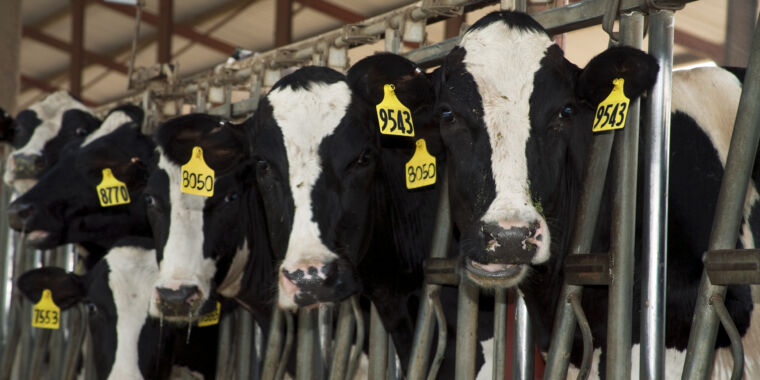
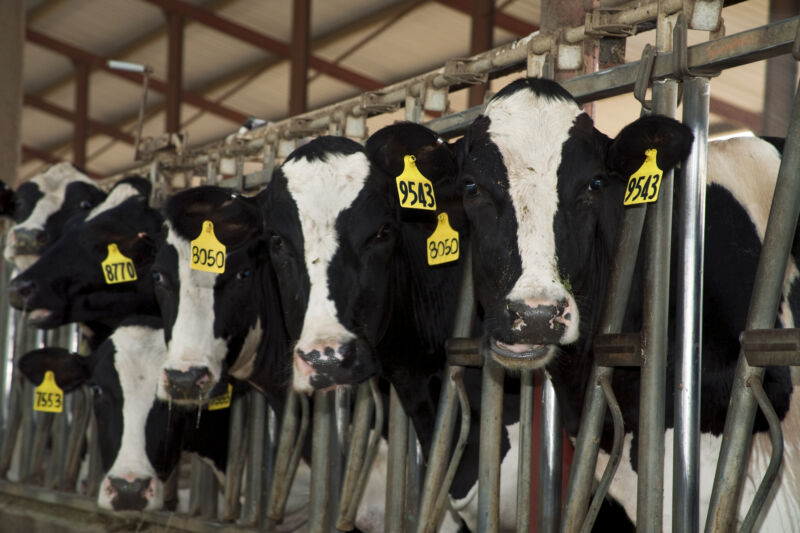
Holstein dairy cows in a freestall barn.

Enlarge / Holstein dairy cows in a freestall barn.

The US Department of Agriculture this week posted an unpublished version of its genetic analysis into the spillover and spread of bird flu into US dairy cattle, offering the most complete look yet at the data state and federal investigators have amassed in the unexpected and worrisome outbreak—and what it might mean.

The preprint analysis provides several significant insights into the outbreak—from when it may have actually started, just how much transmission we’re missing, stunning unknowns about the only human infection linked to the outbreak, and how much the virus continues to evolve in cows. The information is critical as flu experts fear the outbreak is heightening the ever-present risk that this wily flu virus will evolve to spread among humans and spark a pandemic.

But, the information hasn’t been easy to come by. Since March 25—when the USDA confirmed for the first time that a herd of US dairy cows had contracted the highly pathogenic avian influenza H5N1 virus—the agency has garnered international criticism for not sharing data quickly or completely. On April 21, the agency dumped over 200 genetic sequences into public databases amid pressure from outside experts. However, many of those sequences lack descriptive metadata, which normally contains basic and key bits of information, like when and where the viral sample was taken. Outside experts don’t have that crucial information, making independent analyses frustratingly limited. Thus, the new USDA analysis—which presumably includes that data—offers the best yet glimpse of the complete information on the outbreak.

Undetected spread

One of the big takeaways is that USDA researchers think the spillover of bird flu from wild birds to cattle began late last year, likely in December. Thus, the virus likely circulated undetected in dairy cows for around four months before the USDA’s March 25 confirmation of an infection in a Texas herd.

This timeline conclusion largely aligns with what outside experts previously gleaned from the limited publicly available data. So, it may not surprise those following the outbreak, but it is worrisome. Months of undetected spread raise significant concerns about the country’s ability to identify and swiftly respond to emerging infectious disease outbreaks—and whether public health responses have moved past the missteps seen in the early stages of the COVID-19 pandemic.

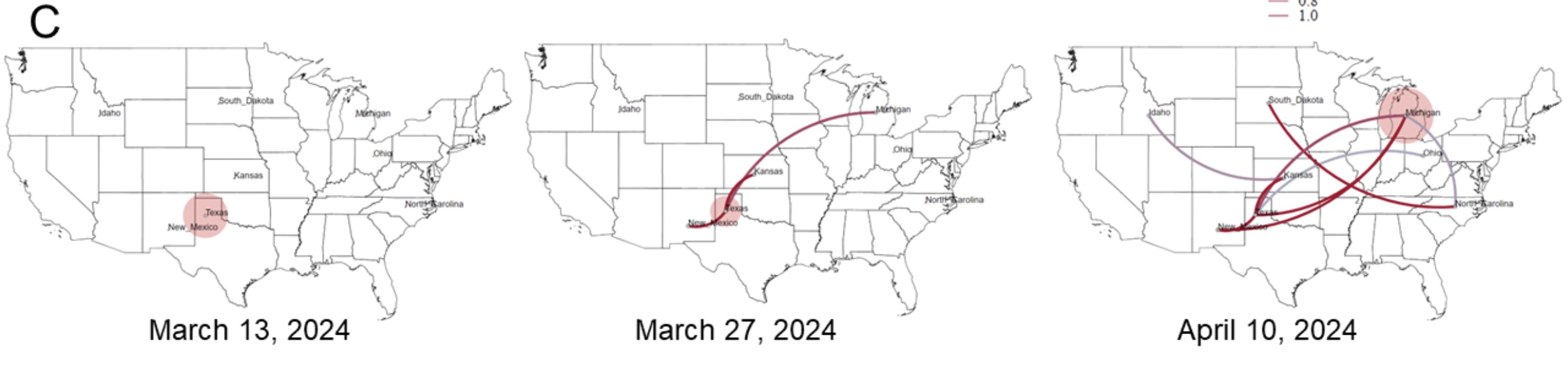
But another big finding from the preprint is how many gaps still exist in our current understanding of the outbreak. To date, the USDA has identified 36 herds in nine states that have been infected with H5N1. The good news from the genetic analysis is that the USDA can draw lines connecting most of them. USDA researchers reported that “direct movement of cattle based upon production practices” seems to explain how H5N1 hopped from the Texas panhandle region—where the initial spillover is thought to have occurred—to nine other states, some as far-flung as North Carolina, Michigan, and Idaho.

Bayes factors for inferred movement between different discrete traits of H5N1 clade 2.3.4.4b viruses demonstrating the frequency of movement.

Enlarge / Bayes factors for inferred movement between different discrete traits of H5N1 clade 2.3.4.4b viruses demonstrating the frequency of movement.

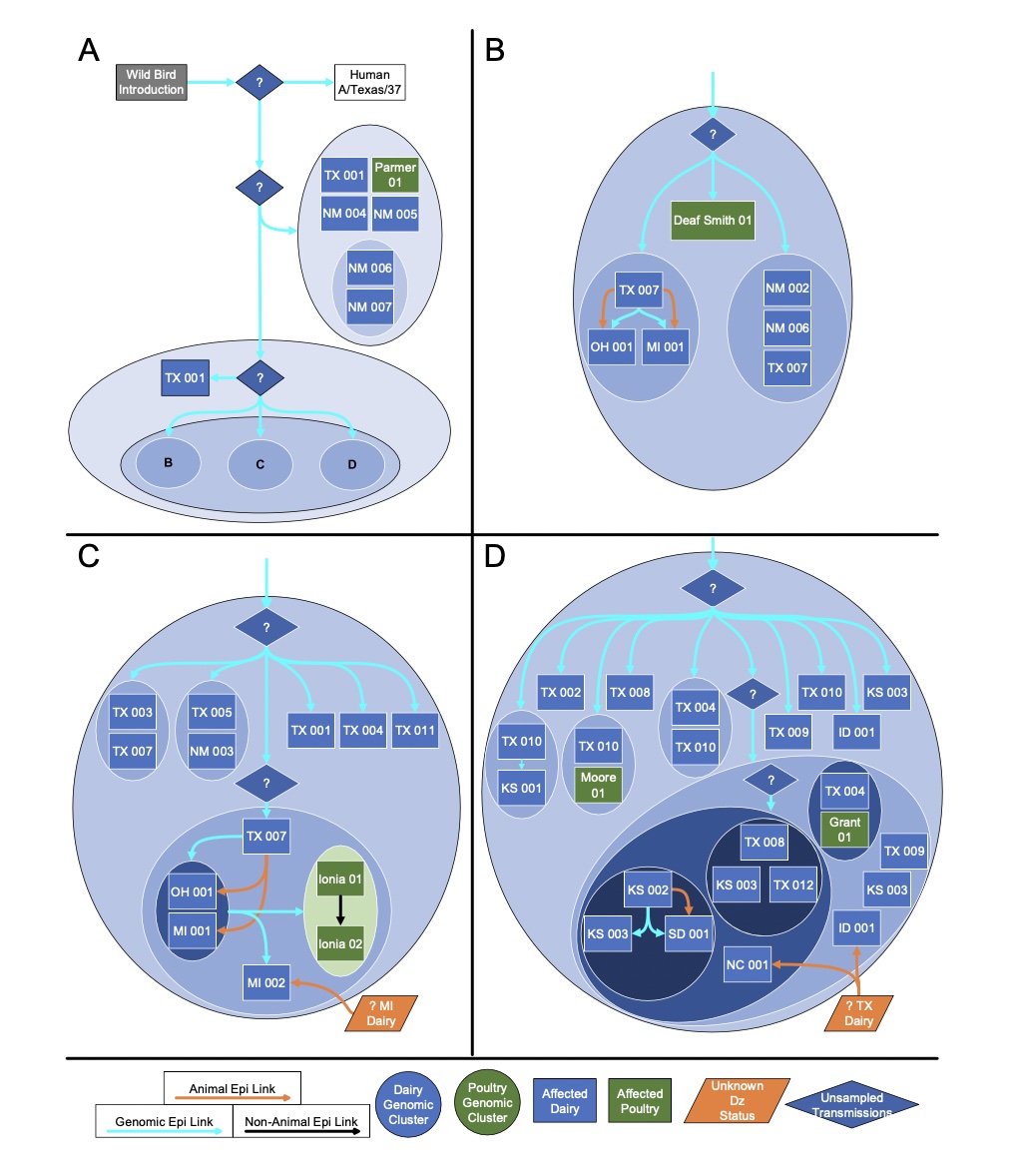
Putative transmission pathways of HPAI H5N1 clade 2.3.4.4b genotype B3.13 supported by epidemiological links, animal movements, and genomic analysis.

Enlarge / Putative transmission pathways of HPAI H5N1 clade 2.3.4.4b genotype B3.13 supported by epidemiological links, animal movements, and genomic analysis.

Putative transmission pathways of HPAI H5N1 clade 2.3.4.4b genotype B3.13 supported by epidemiological links, animal movements, and genomic analysis. [/ars_img]The bad news is that those lines connecting the herds aren’t solid. There are gaps in which the genetic data suggests unidentified transmission occurred, maybe in unsampled cows, maybe in other animals entirely. The genetic data is clear that once this strain of bird flu—H5N1 clade 2.3.4.4 genotype B3.13 —hopped into cattle, it could readily spread to other mammals. The genetic data links viruses from cattle moving many times into other animals: There were five cattle-to-poultry jumps, one cattle-to-raccoon transmission, two events where the virus moved from cattle to domestic cats, and three times when the virus from cattle spilled back into wild birds.

“We cannot exclude the possibility that this genotype is circulating in unsampled locations and hosts as the existing analysis suggests that data are missing and undersurveillance may obscure transmission inferred using phylogenetic methods,” the USDA researchers wrote in their preprint.

We still don’t understand how one human apparently got bird flu from a cow Read More »
alarming-superbug-from-deadly-eyedrop-outbreak-has-spread-to-dogs

Alarming superbug from deadly eyedrop outbreak has spread to dogs

gone to the dogs —

It’s unclear how the dogs became infected with the same strain in the eyedrops.

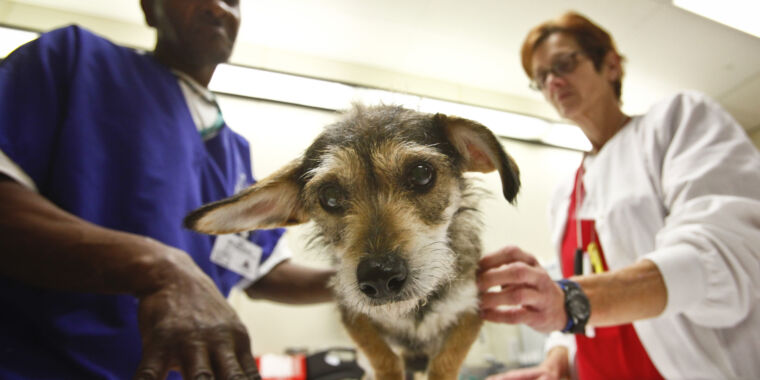
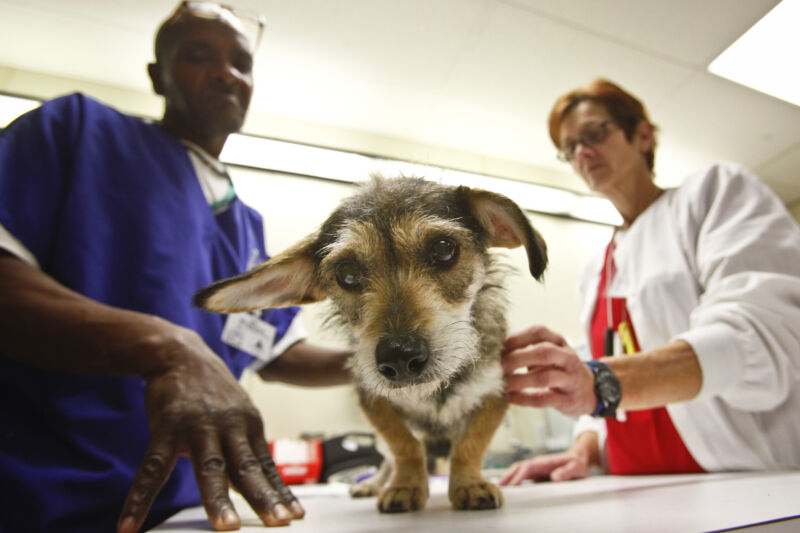
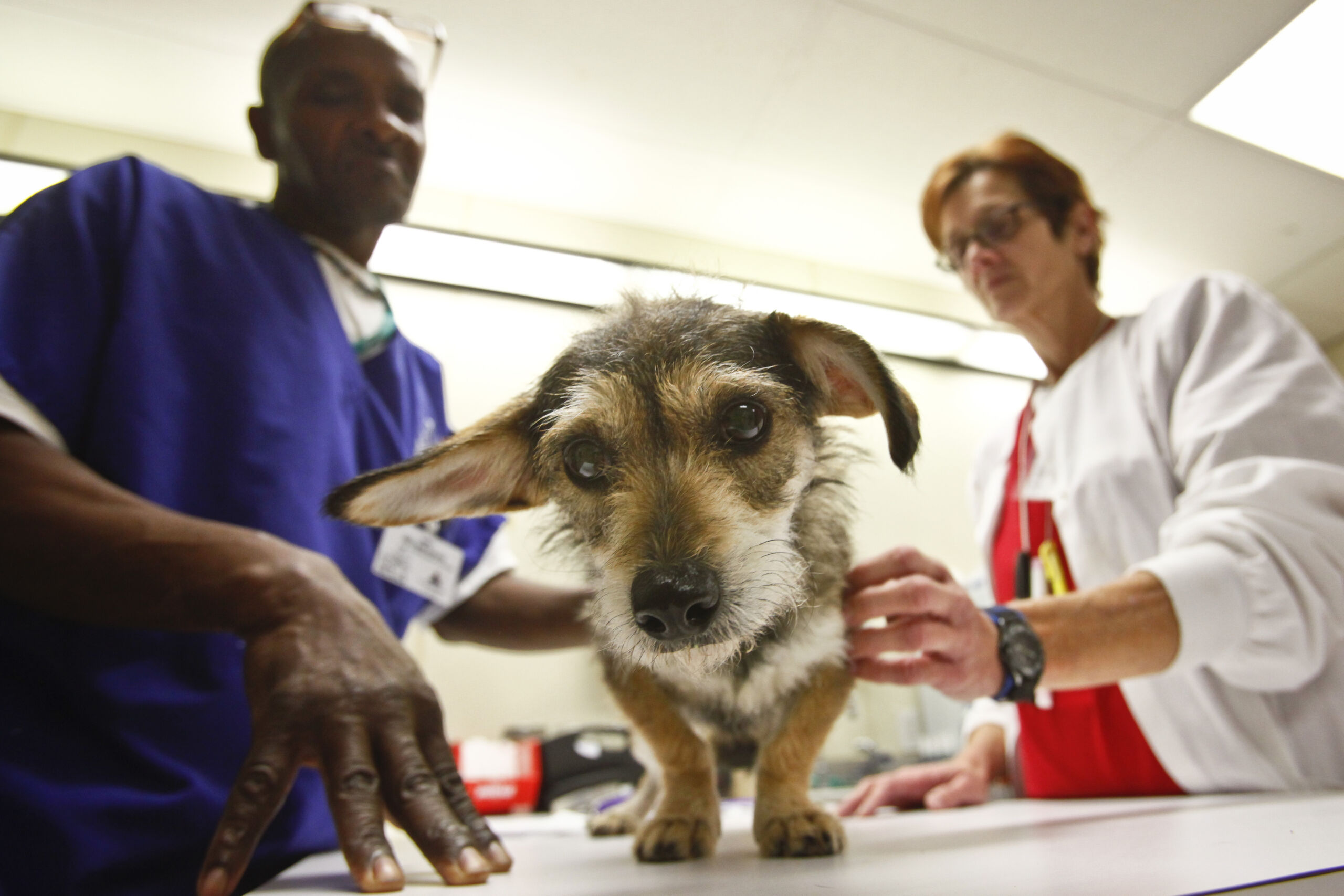
A dog gets examined by veterinary technicians in Texas.

Enlarge / A dog gets examined by veterinary technicians in Texas.

Two separately owned dogs in New Jersey tested positive last year for a dreaded, extensively drug resistant bacterial strain spread in the US by contaminated artificial eye drops manufactured in India. Those drops caused a deadly multi-state outbreak in humans over many months last year, with at least 81 people ultimately infected across 18 states. Fourteen people lost their vision, an additional four had eyeballs surgically removed, and four people died.

The preliminary data on the dogs—presented recently at a conference of disease detectives hosted by the Centers for Disease Control and Prevention—highlights that now that the deadly outbreak strain has been introduced around the US, it has the potential to lurk in unexpected places, spread its drug resistance to fellow bacteria, and cause new infections in people and animals who may have never used the drops.

The two dogs in New Jersey were not known to have received the drops linked to the outbreak: EzriCare Artificial Tears and two additional products made by the same manufacturer, which were recalled in February 2023. Such over-the-counter products are sometimes used in animals as well as people. But the dogs’ separate owners said they didn’t recall using the drops either. They also didn’t report any exposures in health care settings or recent international travel that could explain the infections. One of the dogs did, at one point, receive eye drops, but they were not an outbreak-associated brand. The only connection between the two dogs was that they were both treated at the same veterinary hospital, which didn’t stock the outbreak-associated eyedrops.

The dogs’ infections were caught between March and June 2023 when clinicians at the veterinary hospital were working to address a chronic cough in one of the dogs and a stubborn ear infection in the other, according to CBS News, which was present for the CDC’s conference of its Epidemic Intelligence Service in Atlanta. The ear and lung swabs were sent to an academic veterinary laboratory in Pennsylvania, where a microbiologist noticed that bacteria from both swabs had uncommon drug-resistance features. The microbiologist then uploaded genetic sequences of the bacterial strains to a national database, where they caught the attention of the CDC and state health authorities.

The genetic sequences uploaded were of the carbapenemase-producing carbapenem-resistant Pseudomonas aeruginosa (CP-CRPA) strain—and they were highly similar to the bacterial strain identified in the deadly eyedrop outbreak. These bacteria are extensively resistant to antibiotics, resisting even last-line drugs, and can silently colonize animals and humans for months or years. An investigation ensued.

Infection gaps

Emma Price, the CDC epidemic intelligence service officer who presented the investigation’s findings at the conference, suggested it was fortunate they were able to make the connection. “Because [the academic veterinary laboratory] had a grant and a veterinary microbiologist works there, he did his great due diligence and uploaded the results. That’s how we got the notification, because the strain matched the outbreak strain,” Price told CBS News.

However, the disease detectives were ultimately unable to identify exactly how the two dogs became infected. “Shared exposures included treatment in the veterinary hospital’s surgical preparation and recovery areas for both canines and ophthalmology department visits by either the affected canine or another animal in the same household,” Price and colleagues wrote in their findings. But all of the sampling done of the veterinary hospital where the dogs were treated turned up negative for the eyedrop outbreak strain.

In the process of the investigation, the epidemiologists also conducted an infection control assessment of the veterinary hospital, finding a variety of “gaps.” These included problems with hand hygiene practices, personal protective equipment use—including use of gloves—and equipment and environmental cleaning and disinfection at the hospital. Price noted that these problems are not uncommon and that there is a general lack of emphasis on infection control in veterinary settings.

Though Price and her colleagues were unable to identify the direct route of infection, they suspect the dogs were likely infected either by exposure to a contaminated product or secondary transmission at the veterinary hospital.

Both dogs have since made full recoveries, but because CRPA strains can silently colonize many body sites on both humans and animals, it’s possible that the bacteria still linger on the dogs or on the other pets and people in their households. Price warned the owners of possible future transmission and recommended they flag this risk to their health care providers. She also noted the potential for the bacteria to spread from dog to dog. It would be ideal to “keep the dogs away from other dogs in the future, which we understand is a difficult thing to do,” she said.

Alarming superbug from deadly eyedrop outbreak has spread to dogs Read More »

20%-of-grocery-store-milk-has-traces-of-bird-flu,-suggesting-wider-outbreak

20% of grocery store milk has traces of bird flu, suggesting wider outbreak

widespread —

The milk is still considered safe, but disease experts are alarmed by the prevalence.

20% of grocery store milk has traces of bird flu, suggesting wider outbreak

The Food and Drug Administration reported late Thursday that about 20 percent of retail milk samples from around the country tested positive for genetic fragments of the bird flu, aka highly pathogenic avian influenza (HPAI) virus H5N1. While retail milk is still considered to be safe, the finding suggests that the spread of the virus in cows is more extensive than is currently known.

The FDA used a test called quantitative polymerase chain reaction (qPCR), which can only detect the presence of genetic fragments. In pasteurized retail milk, it is highly likely that those genetic snippets are merely remnants of virus particles destroyed during pasteurization. The FDA is currently conducting additional testing using egg inoculation tests, a gold standard for detecting a live virus, to confirm the effectiveness of pasteurization. Meanwhile, the director of the National Institute of Allergy and Infectious Diseases, Jeanne Marrazzo, told reporters Wednesday that tests at the agency’s federal labs so far did not identify live virus from any of its sampling. Additionally, several previous studies have found that pasteurization of eggs—which is done at a lower temperature than it is for milk—was effective at destroying H5N1.

While experts are largely unconcerned with the safety of commercial milk, the potential for wide, unrecognized spread of bird flu in dairy herds is alarming. To date, the US Department of Agriculture has only confirmed infections in 33 herds in eight states. The FDA acknowledged that of its positive samples, “a greater proportion of positive results [are] coming from milk in areas with infected herds.” But with tens of thousands of dairy herds in the US, the finding suggests that infections are being missed. It does not necessarily suggest that 20 percent of all cows are affected, since milk is pooled for commercial distribution. But 33 herds alone are unlikely to explain the high prevalence.

Last week, The New York Times reported that the one dairy herd that tested positive for bird flu in North Carolina did not show any symptoms of the infection. The possibility of asymptomatic spread of the virus among cows will make containment and monitoring far more difficult—and could explain why infections may be easily missed. On Wednesday, the USDA issued a federal order requiring dairy cattle to have a negative H5N1 test before being moved across state lines.

For now, the risk to the public is still considered low by the Centers for Disease Control and Prevention. But the more the bird flu virus spreads among mammals—and mammals with close contact with humans—the more opportunities it has to evolve to jump to and among people, experts warn.

20% of grocery store milk has traces of bird flu, suggesting wider outbreak Read More »

three-women-contract-hiv-from-dirty-“vampire-facials”-at-unlicensed-spa

Three women contract HIV from dirty “vampire facials” at unlicensed spa

Yikes —

Five patients with links to the spa had viral genetic sequences that closely matched.

Drops of the blood going onto an HIV quick test.

Enlarge / Drops of the blood going onto an HIV quick test.

Trendy, unproven “vampire facials” performed at an unlicensed spa in New Mexico left at least three women with HIV infections. This marks the first time that cosmetic procedures have been associated with an HIV outbreak, according to a detailed report of the outbreak investigation published today.

Ars reported on the cluster last year when state health officials announced they were still identifying cases linked to the spa despite it being shut down in September 2018. But today’s investigation report offers more insight into the unprecedented outbreak, which linked five people with HIV infections to the spa and spurred investigators to contact and test nearly 200 other spa clients. The report appears in the Centers for Disease Control and Prevention’s Morbidity and Mortality Weekly Report.

The investigation began when a woman between the ages of 40 and 50 turned up positive on a rapid HIV test taken while she was traveling abroad in the summer of 2018. She had a stage 1 acute infection. It was a result that was as dumbfounding as it was likely distressing. The woman had no clear risk factors for acquiring the infection: no injection drug use, no blood transfusions, and her current and only recent sexual partner tested negative. But, she did report getting a vampire facial in the spring of 2018 at a spa in Albuquerque called VIP Spa.

“Vampire facial” is the common name for a platelet-rich plasma microneedling procedure. In this treatment, a patient’s blood is drawn, spun down to separate out plasma from blood cells, and the platelet-rich plasma is then injected into the face with microneedles. It’s claimed—with little evidence—that it can rejuvenate and improve the look of skin, and got notable promotions from celebrities, including Gwyneth Paltrow and Kim Kardashian.

The woman’s case led investigators to VIP Spa, which was unlicensed, had no appointment scheduling system, and did not store client contact information. In an inspection in the fall of 2018, health investigators found shocking conditions: unwrapped syringes in drawers and counters, unlabeled tubes of blood sitting out on a kitchen counter, more unlabeled blood and medical injectables alongside food in a kitchen fridge, and disposable equipment—electric desiccator tips—that were reused. The facility also did not have an autoclave—a pressurized oven—for sterilizing equipment.

A novel and challenging investigation

The spa was quickly shut down, and the owner Maria de Lourdes Ramos De Ruiz, 62, was charged with practicing medicine without a license. In 2022, she pleaded guilty to five counts and is serving a three-and-a-half-year prison sentence.

A second spa client, another woman between the ages of 40 and 50, tested positive for HIV in a screen in the fall of 2018 and received a diagnosis in early 2019. She has received a vampire facial in the summer of 2018. Her HIV infection was also at stage 1. Investigators scrambled to track down dozens of other clients, who mostly spoke Spanish as their first language. The next two identified cases weren’t diagnosed until the fall of 2021.

The two cases diagnosed in 2021 were sexual partners: a woman who received three vampire facials in the spring and summer of 2018 from the spa and her male partner. Both had a stage 3 HIV infection, which is when the infection has developed into Acquired Immunodeficiency Syndrome (AIDS). The severity of the infections suggested the two had been infected prior to the woman’s 2018 spa treatments. Health officials uncovered that the woman had tested positive in an HIV screen in 2016, though she did not report being notified of the result.

The health officials reopened their outbreak investigation in 2023 and found a fifth case that was diagnosed in the spring of 2023, which was also in a woman aged 40 to 50 who had received a vampire facial in the summer of 2018. She had a stage 3 infection and was hospitalized with an AIDS-defining illness.

Viral genetic sequencing from the five cases shows that the infections are all closely related. But, given the extent of the unsanitary and contaminated conditions at the facility, investigators were unable to determine precisely how the infections spread in the spa. In all, 198 spa clients were tested for HIV between 2018 and 2023, the investigators report.

“Incomplete spa client records posed a substantial challenge during this investigation, necessitating a large-scale outreach approach to identify potential cases,” the authors acknowledge. However, the investigation’s finding “underscores the importance of determining possible novel sources of HIV transmission among persons with no known HIV risk factors.”

Three women contract HIV from dirty “vampire facials” at unlicensed spa Read More »
fragments-of-bird-flu-virus-genome-found-in-pasteurized-milk,-fda-says

Fragments of bird flu virus genome found in pasteurized milk, FDA says

Milk testing —

The test cannot tell if the virus is live. The FDA still assess milk supply as safe.

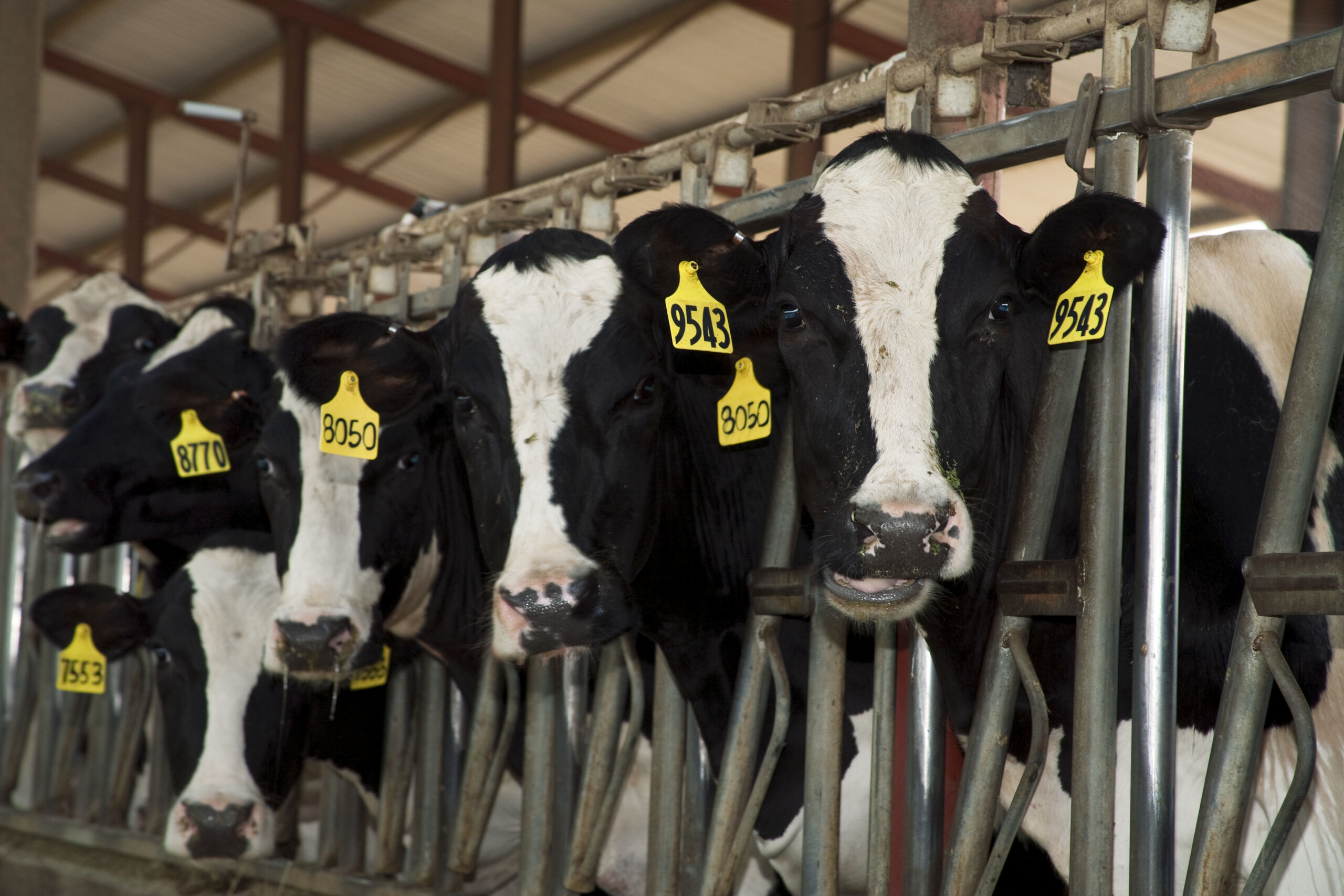
Cows being milked

Enlarge / Cows being milked

The Food and Drug Administration on Tuesday announced that genetic fragments from the highly-pathogenic avian influenza virus H5N1 have been detected in the pasteurized, commercial milk supply. However, the testing completed so far—using quantitative polymerase chain reaction (qPCR)—only detects the presence of viral genetic material and cannot tell whether the genetic material is from live and infectious viral particles or merely remnants of dead ones killed by the pasteurization process.

Testing is now ongoing to see if viable, infectious H5N1 can be identified in milk samples.

So far, the FDA still believes that the milk supply is safe. “To date, we have seen nothing that would change our assessment that the commercial milk supply is safe,” the agency said in a lengthy explanation of the finding and ongoing testing.

H5N1 made its startling jump to US dairy cows recently, with the first ever documented cases in a Texas herd confirmed on March 25. It has spread widely since then with at least 32 herds in eight states now known to be infected. The unexpected spread to bovines has raised fears that the virus is evolving to infect mammals more efficiently, and so poses a heightened risk of spread to and among humans.

But amid the alarming outbreak among the country’s dairy herds, federal agencies have appeared confident that the virus poses little risk to no risk to the safety of the milk supply.

“At this time, there continues to be no concern that this circumstance poses a risk to consumer health, or that it affects the safety of the interstate commercial milk supply because products are pasteurized before entering the market” the FDA wrote in an FAQ published Friday. “Pasteurization has continually proven to inactivate bacteria and viruses, like influenza, in milk.”

In the announcement Tuesday, the FDA also highlighted that multiple studies have shown that the pasteurization process for eggs, which uses lower temperatures than what is used for milk, is effective at inactivating H5N1.

Nevertheless, the FDA, along with the Centers for Disease Control and Prevention and the US Department of Agriculture, have continued to investigate potential risks, including establishing whether pasteurization can inactivate this specific virus. The FDA noted in its announcement Tuesday that, while pasteurization is expected to kill the virus, pasteurization is “different than complete sterilization.”

As such, it carried out the qPCR tests, expecting it might find some genetic fragments in the pasteurized milk because virus has been detected in raw milk. “Based on available information, pasteurization is likely to inactivate the virus, however the process is not expected to remove the presence of viral particles,” the FDA explained. “Therefore, some of the samples collected have indicated the presence of HPAI [Highly Pathogenic Avian Influenza] using quantitative polymerase chain reaction (qPCR) testing.”

The FDA did not indicate how many samples it has tested, where the samples were collected from, or the level of viral genetic material the samples contained.

The agency is now working on assessing whether it can identify if any virus particles are infectious using egg inoculation tests, which are considered a gold-standard for determining viral viability. It added that it will release results from those tests and others in “the next few days to weeks.”

“[W]e take this current situation and the safety of the milk supply very seriously. We recognize the importance of releasing further, actionable information,” the FDA said.

Meanwhile, the agency reported that the CDC’s food safety group has been closely monitoring emergency department data and flu testing data for any unusual trends in flu-like illness, flu, or conjunctivitis, which could indicate spread of H5N1 to people. “To date, surveillance systems do not show any unusual trends or activity,” the FDA said.

Fragments of bird flu virus genome found in pasteurized milk, FDA says Read More »