Apple

after-market-tumult,-trump-exempts-smartphones-from-massive-new-tariffs

After market tumult, Trump exempts smartphones from massive new tariffs

Shares in the US tech giant were one of Wall Street’s biggest casualties in the days immediately after Trump announced his reciprocal tariffs. About $700 billion was wiped off Apple’s market value in the space of a few days.

Earlier this week, Trump said he would consider excluding US companies from his tariffs, but added that such decisions would be made “instinctively.”

Chad Bown, a senior fellow at the Peterson Institute for International Economics, said the exemptions mirrored exceptions for smartphones and consumer electronics issued by Trump during his trade wars in 2018 and 2019.

“We’ll have to wait and see if the exemptions this time around also stick, or if the president once again reverses course sometime in the not-too-distant future,” said Bown.

US Customs and Border Protection referred inquiries about the order to the US International Trade Commission, which did not immediately reply to a request for comment.

The White House confirmed that the new exemptions would not apply to the 20 percent tariffs on all Chinese imports applied by Trump to respond to China’s role in fentanyl manufacturing.

White House spokesperson Karoline Leavitt said on Saturday that companies including Apple, TSMC, and Nvidia were “hustling to onshore their manufacturing in the United States as soon as possible” at “the direction of the President.”

“President Trump has made it clear America cannot rely on China to manufacture critical technologies such as semiconductors, chips, smartphones, and laptops,” said Leavitt.

Apple declined to comment.

Economists have warned that the sweeping nature of Trump’s tariffs—which apply to a broad range of common US consumer goods—threaten to fuel US inflation and hit economic growth.

New York Fed chief John Williams said US inflation could reach as high as 4 percent as a result of Trump’s tariffs.

Additional reporting by Michael Acton in San Francisco

© 2025 The Financial Times Ltd. All rights reserved. Not to be redistributed, copied, or modified in any way.

After market tumult, Trump exempts smartphones from massive new tariffs Read More »

apple-silent-as-trump-promises-“impossible”-us-made-iphones

Apple silent as Trump promises “impossible” US-made iPhones


How does Apple solve a problem like Trump’s trade war?

Despite a recent pause on some tariffs, Apple remains in a particularly thorny spot as Donald Trump’s trade war spikes costs in the tech company’s iPhone manufacturing hub, China.

Analysts predict that Apple has no clear short-term options to shake up its supply chain to avoid tariffs entirely, and even if Trump grants Apple an exemption, iPhone prices may increase not just in the US but globally.

The US Trade Representative, which has previously granted Apple an exemption on a particular product, did not respond to Ars’ request to comment on whether any requests for exemptions have been submitted in 2025.

Currently, the US imposes a 145 percent tariff on Chinese imports, while China has raised tariffs on US imports to 125 percent.

Neither side seems ready to back down, and Trump’s TikTok deal—which must be approved by the Chinese government—risks further delays the longer negotiations and retaliations drag on. Trump has faced criticism for delaying the TikTok deal, with Senate Intelligence Committee Vice Chair Mark Warner (D-Va.) telling The Verge last week that the delay was “against the law” and threatened US national security. Meanwhile, China seems to expect more business to flow into China rather than into the US as a result of Trump’s tough stance on global trade.

With the economy and national security at risk, Trump is claiming that tariffs will drive manufacturing into the US, create jobs, and benefit the economy. Getting the world’s most valuable company, Apple, to manufacture its most popular product, the iPhone, in the US, is clearly part of Trump’s vision. White House Press Secretary Karoline Leavitt told reporters this week that Apple’s commitment to invest $500 billion in the US over the next four years was supposedly a clear indicator that Apple believed it was feasible to build iPhones here, Bloomberg reported.

“If Apple didn’t think the United States could do it, they probably wouldn’t have put up that big chunk of change,” Leavitt said.

Apple did not respond to Ars’ request to comment, and so far, it has been silent on how tariffs are impacting its business.

iPhone price increases expected globally

For Apple, even if it can build products for the US market in India, where tariffs remain lower, Trump’s negotiations with China “remain the most important variable for Apple” to retain its global dominance.

Dan Ives, global head of technology research at Wedbush Securities, told CNBC that “Apple could be set back many years by these tariffs.” Although Apple reportedly stockpiled phones to sell in the US market, that supply will likely dwindle fast as customers move to purchase phones before prices spike. In the medium-term, consultancy firm Omdia forecasted, Apple will likely “focus on increasing iPhone production and exports from India” rather than pushing its business into the US, as Trump desires.

But Apple will still incur additional costs from tariffs on India until that country tries to negotiate a more favorable trade deal. And any exemption that Apple may secure due to its investment promise in the US or moderation of China tariffs that could spare Apple some pain “may not be enough for Apple to avoid adverse business effects,” co-founder and senior analyst at equity research publisher MoffettNathanson, Craig Moffett, suggested to CNBC.

And if Apple is forced to increase prices, it likely won’t be limited to just the US, Bank of America Securities analyst Wamsi Mohan suggested, as reported by The Guardian. To ensure that Apple’s largest market isn’t the hardest hit, Apple may increase prices “across the board geographically,” he forecasted.

“While Apple has not commented on this, we expect prices will be changed globally to prevent arbitrage,” Mohan said.

Apple may even choose to increase prices everywhere but the US, vice president at Forrester Research, Dipanjan Chatterjee, explained in The Guardian’s report.

“If there is a cost impact in the US for certain products,” Chatterjee said, Apple may not increase US prices because “the market is far more competitive there.” Instead, “the company may choose to keep prices flat in the US while recovering the lost margin elsewhere in its global portfolio,” Chatterjee said.

Trump’s US-made iPhone may be an impossible dream

Analysts have said that Trump’s dream that a “made-in-the-USA” iPhone could be coming soon is divorced from reality. Not only do analysts estimate that more than 80 percent of Apple products are currently made in China, but so are many individual parts. So even if Apple built an iPhone factory in the US, it would still have to pay tariffs on individual parts, unless Trump agreed to a seemingly wide range of exemptions. Mohan estimated it would “likely take many years” to move the “entire iPhone supply chain,” if that’s “even possible.”

Further, Apple’s $500 billion commitment covered “building servers for its artificial intelligence products, Apple TV productions and 20,000 new jobs in research and development—not a promise to make the iPhone stateside,” The Guardian noted.

For Apple, it would likely take years to build a US factory and attract talent, all without knowing how tariffs might change. A former Apple manufacturing engineer, Matthew Moore, told Bloomberg that “there are millions of people employed by the Apple supply chain in China,” and Apple has long insisted that the US talent pool is too small to easily replace them.

“What city in America is going to put everything down and build only iPhones?” Moore said. “Boston is over 500,000 people. The whole city would need to stop everything and start assembling iPhones.”

In a CBS interview, Commerce Secretary Howard Lutnick suggested that the “army of millions and millions of human beings” could be automated, Bloomberg reported. But China has never been able to make low-cost automation work, so it’s unclear how the US could achieve that goal without serious investment.

“That’s not yet realistic,” people who have worked on Apple’s product manufacturing told Bloomberg, especially since each new iPhone model requires retooling of assembly, which typically requires manual labor. Other analysts agreed, CNBC reported, concluding that “the idea of an American-made iPhone is impossible at worst and highly expensive at best.”

For consumers, CNBC noted, a US-made iPhone would cost anywhere from 25 percent more than the $1,199 price point today, increasing to about $1,500 at least, to potentially $3,500 at most, Wall Street analysts have forecasted.

It took Apple a decade to build its factory in India, which Apple reportedly intends to use to avoid tariffs where possible. That factory “only began producing Apple’s top-of-the-line Pro and Pro Max iPhone models for the first time last year,” CNBC reported.

Analysts told CNBC that it would take years to launch a similar manufacturing process in the US, while “there’s no guarantee that US trade policy might not change yet again in a way to make the factory less useful.”

Apple CEO’s potential game plan to navigate tariffs

It appears that there’s not much Apple can do to avoid maximum pain through US-China negotiations. But Apple’s CEO Tim Cook—who is considered “a supply chain whisperer”—may be “uniquely suited” to navigate Trump’s trade war, Fortune reported.

After Cook arrived at Apple in 1998, he “redesigned Apple’s sprawling supply chain” and perhaps is game to do that again, Fortune reported. Jeremy Friedman, associate professor of business and geopolitics at Harvard Business School, told Fortune that rather than being stuck in the middle, Cook may turn out to be a key intermediary, helping the US and China iron out a deal.

During Trump’s last term, Cook raised a successful “charm offensive” that secured tariff exemptions without caving to Trump’s demand to build iPhones in the US, CNBC reported, and he’s likely betting that Apple’s recent $500 billion commitment will lead to similar outcomes, even if Apple never delivers a US-made iPhone.

Back in 2017, Trump announced that Apple partner Foxconn would be building three “big beautiful plants” in the US and claimed that they would be Apple plants, CNBC reported. But the pandemic disrupted construction, and most of those plans were abandoned, with one facility only briefly serving to make face masks, not Apple products. In 2019, Apple committed to building a Texas factory that Trump toured. While Trump insisted that a US-made iPhone was on the horizon due to Apple moving some business into the US, that factory only committed to assembling the MacBook Pro, CNBC noted.

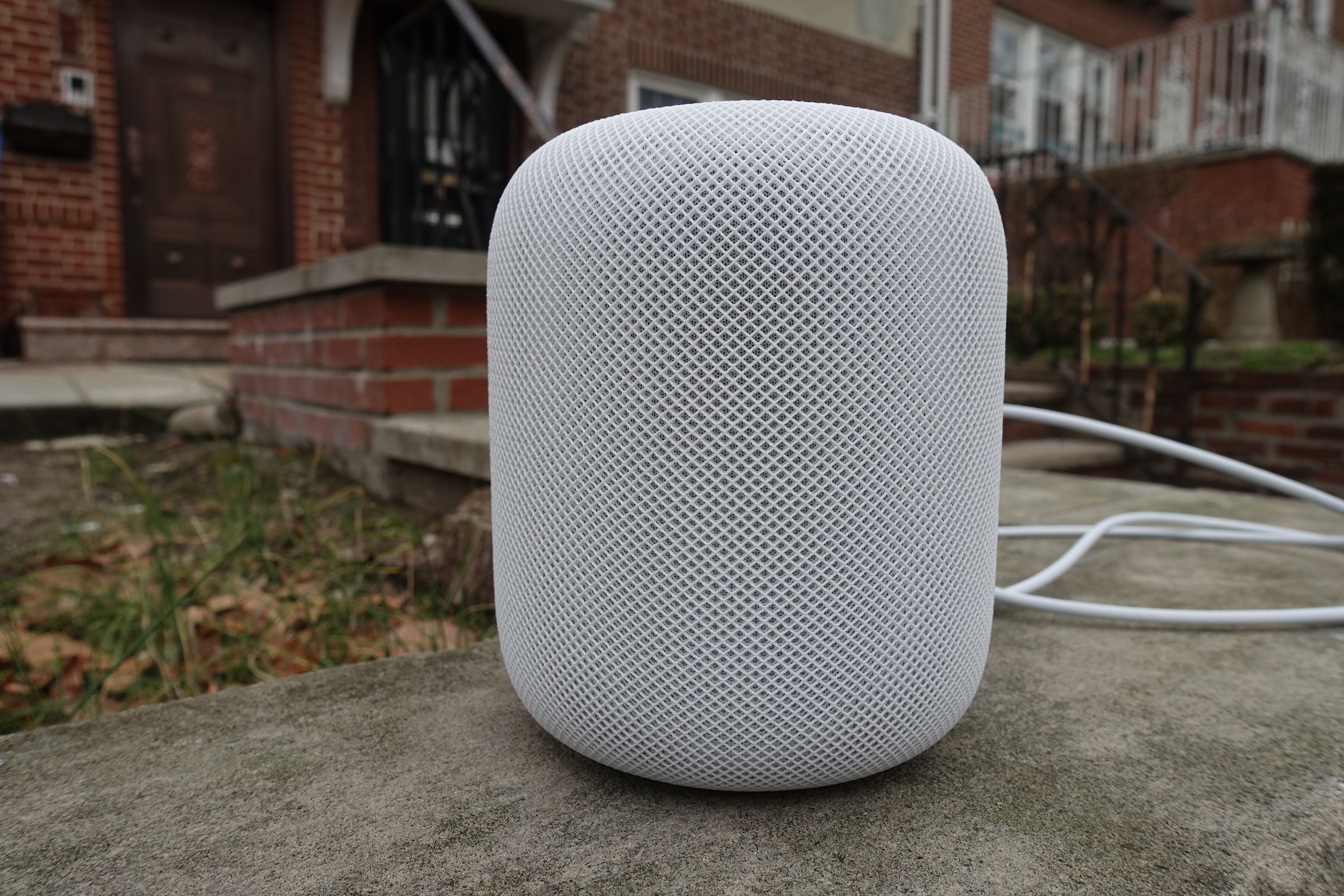
Morgan Stanley analyst Erik Woodring suggested that Apple may “commit to some small-volume production in the US (HomePod? AirTags?)” to secure an exemption in 2025, rather than committing to building iPhones, CNBC reported.

Although this perhaps sounds like a tried-and-true game plan, for Cook, Apple’s logistics have likely never been so complicated. However, analysts told Fortune that experienced logistics masterminds understand that flexibility is the priority, and Cook has already shown that he can anticipate Trump’s moves by stockpiling iPhones and redirecting US-bound iPhones through its factory in India.

While Trump negotiates with China, Apple hopes that an estimated 35 million iPhones it makes annually in India can “cover a large portion of its needs in the US,” Bloomberg reported. These moves, analysts said, prove that Cook may be the man for the job when it comes to steering Apple through the trade war chaos.

But to keep up with global demand—selling more than 220 million iPhones annually—Apple will struggle to quickly distance itself from China, where there’s abundant talent to scale production that Apple says just doesn’t exist in the US. For example, CNBC noted that Foxconn hired 50,000 additional workers last fall at its largest China plant just to build enough iPhones to meet demand during the latest September launches.

As Apple remains dependent on China, Cook will likely need to remain at the table, seeking friendlier terms on both sides to ensure its business isn’t upended for years.

“One can imagine, if there is some sort of grand bargain between US and China coming in the next year or two,” Friedman said, “Tim Cook might as soon as anybody play an intermediary role.”

Photo of Ashley Belanger

Ashley is a senior policy reporter for Ars Technica, dedicated to tracking social impacts of emerging policies and new technologies. She is a Chicago-based journalist with 20 years of experience.

Apple silent as Trump promises “impossible” US-made iPhones Read More »

apple-enables-rcs-messaging-for-google-fi-subscribers-at-last

Apple enables RCS messaging for Google Fi subscribers at last

With RCS, iPhone users can converse with non-Apple users without losing the enhanced features to which they’ve become accustomed in iMessage. That includes longer messages, HD media, typing indicators, and much more. Google Fi has several different options for data plans, and the company notes that RCS does use mobile data when away from Wi-Fi. Those on the “Flexible” Fi plan pay for blocks of data as they go, and using RCS messaging could inadvertently increase their bill.

If that’s not a concern, it’s a snap for Fi users to enable RCS on the new iOS update. Head to Apps > Messages, and then find the Text Messaging section to toggle on RCS. It may, however, take a few minutes for your phone number to be registered with the Fi RCS server.

In hindsight, the way Apple implemented iMessage was clever. By intercepting messages being sent to other iPhone phone numbers, Apple was able to add enhanced features to its phones instantly. It had the possibly intended side effect of reinforcing the perception that Android phones were less capable. This turned Android users into dreaded green bubbles that limited chat features. Users complained, and Google ran ads calling on Apple to support RCS. That, along with some pointed questions from reporters may have prompted Apple to announce the change in late 2023. It took some time, but you almost don’t have to worry about missing messaging features in 2025.

Apple enables RCS messaging for Google Fi subscribers at last Read More »

apple-updates-all-its-operating-systems,-brings-apple-intelligence-to-vision-pro

Apple updates all its operating systems, brings Apple Intelligence to Vision Pro

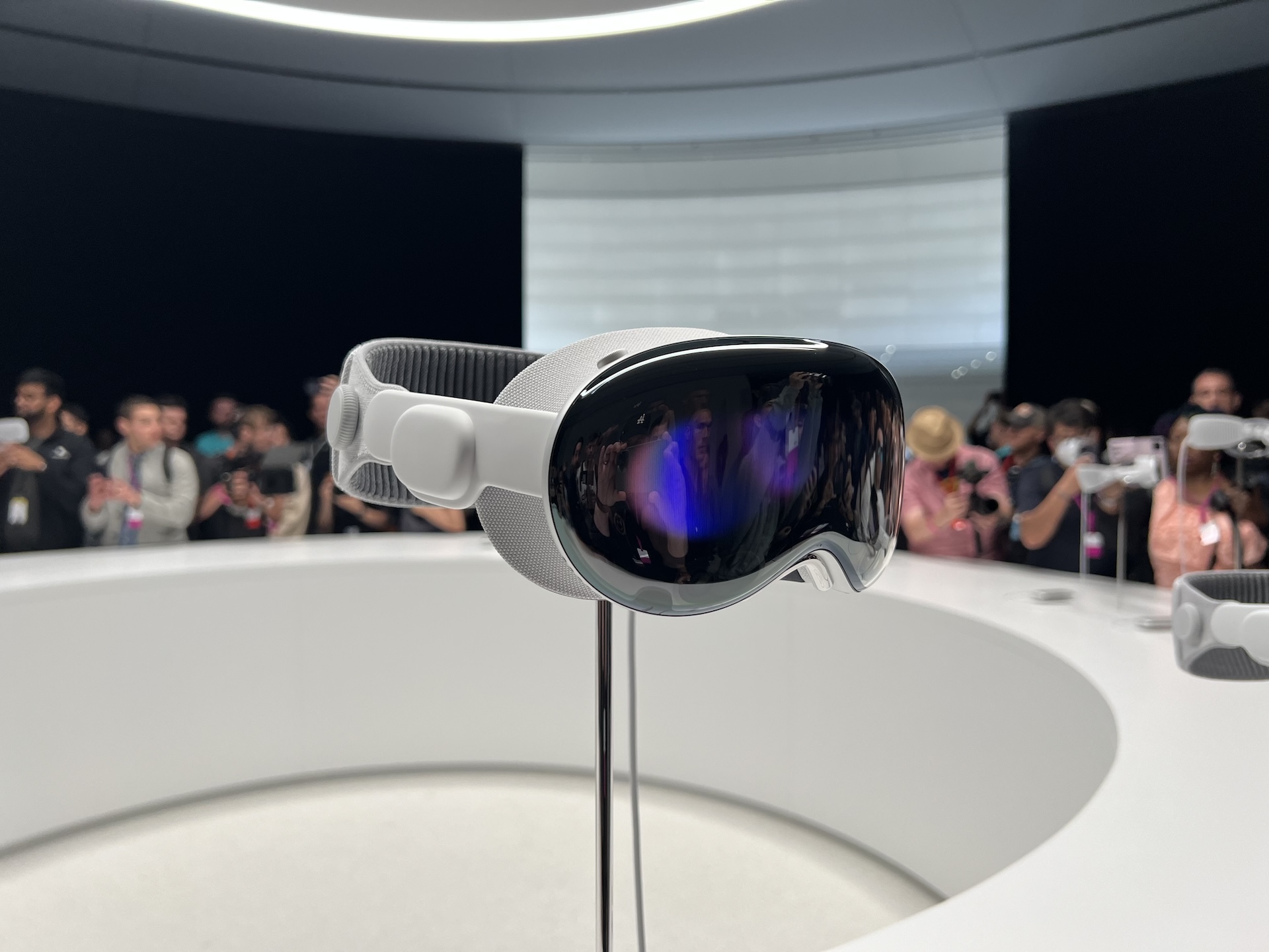
Apple dropped a big batch of medium-size software updates for nearly all of its products this afternoon. The iOS 18.4, iPadOS 18.4, macOS 15.4, tvOS 18.4, and visionOS 2.4 updates are all currently available to download, and each adds a small handful of new features for their respective platforms.

A watchOS 11.4 update was also published briefly, but it’s currently unavailable.

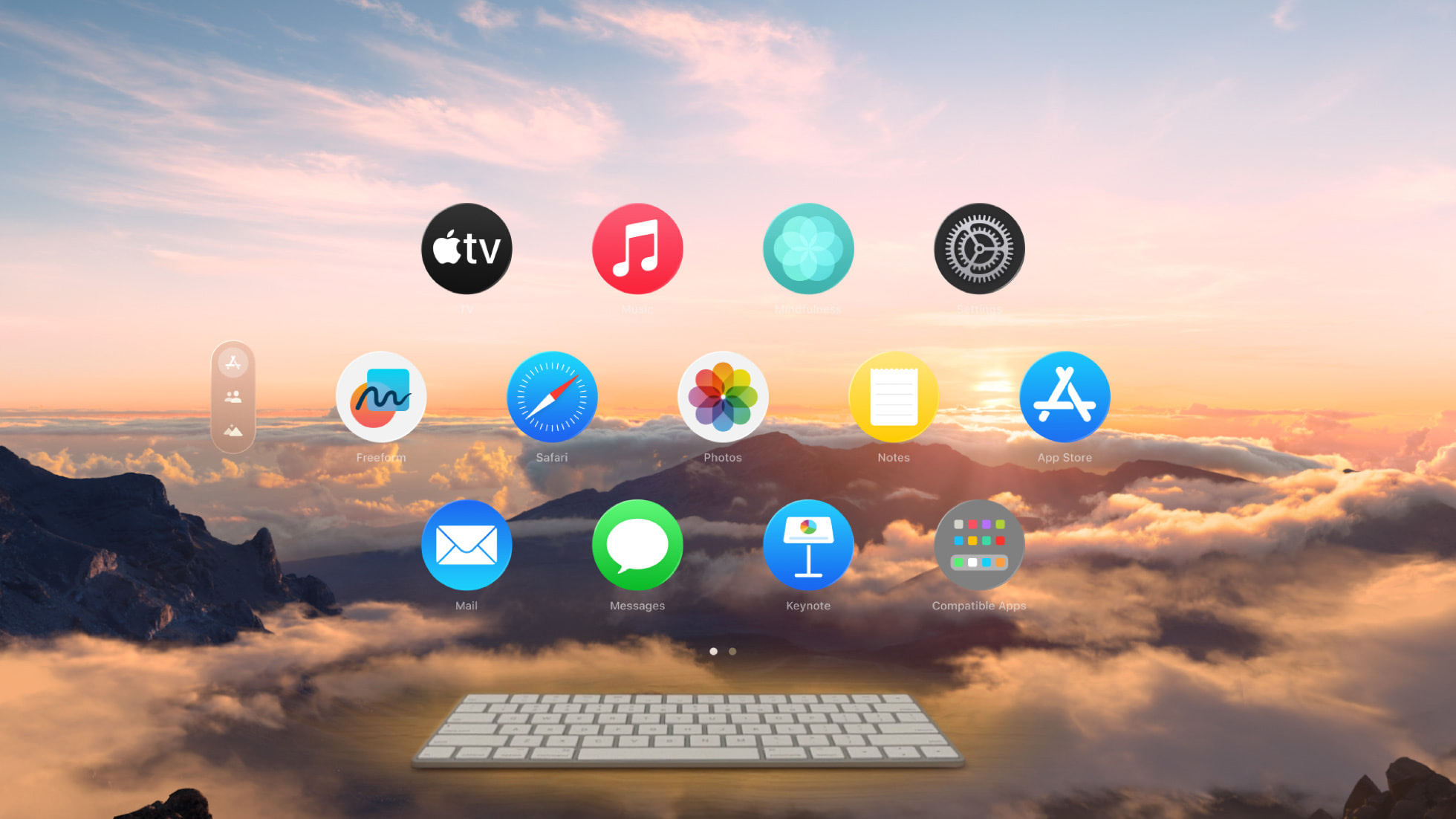
For iPhones and iPads that support Apple Intelligence, the flagship feature in 18.4 is Priority Notifications, which attempts to separate time-sensitive or potentially important notifications from the rest of them so you can see them more easily. The update also brings along the handful of new Unicode 16.0 emoji, a separate app for managing a Vision Pro headset (similar to the companion app for the Apple Watch), and a grab bag of other fixes and minor enhancements.

The Mac picks up two major features in the Sequoia 15.4 update. Users of the Mail app now get the same (optional) automated inbox sorting that Apple introduced for iPhones and iPads in an earlier update, attempting to tame overgrown inboxes using Apple Intelligence language models.

The Mac is also getting a long-standing Quick Start setup feature from the Apple Watch, Apple TV, iPhone, and iPad. On those devices, you can activate them and sign in to your Apple ID by holding another compatible Apple phone or tablet in close proximity. Macs running the 15.4 update finally support the same feature (though it won’t work Mac-to-Mac, since a rear-facing camera is a requirement).

Apple updates all its operating systems, brings Apple Intelligence to Vision Pro Read More »

france-fines-apple-e150m-for-“excessive”-pop-ups-that-let-users-reject-tracking

France fines Apple €150M for “excessive” pop-ups that let users reject tracking

A typical ATT  pop-up asks a user whether to allow an app “to track your activity across other companies’ apps and websites,” and says that “your data will be used to deliver personalized ads to you.”

Agency: “Double consent” too cumbersome

The agency said there is an “asymmetry” in which user consent for Apple’s own data collection is obtained with a single pop-up, but other publishers are “required to obtain double consent from users for tracking on third-party sites and applications.” The press release notes that “while advertising tracking only needs to be refused once, the user must always confirm their consent a second time.”

The system was said to be less harmful for big companies like Meta and Google and “particularly harmful for smaller publishers that do not enjoy alternative targeting possibilities, in particular in the absence of sufficient proprietary data.” Although France’s focus is on how ATT affects smaller companies, Apple’s privacy system has also been criticized by Facebook.

The €150 million fine won’t make much of a dent in Apple’s revenue, but Apple will apparently have to make some changes to comply with the French order. The agency’s press release said the problem “could be avoided by marginal modifications to the ATT framework.”

Benoit Coeure, the head of France’s competition authority, “told reporters the regulator had not spelled out how Apple should change its app, but that it was up to the company to make sure it now complied with the ruling,” according to Reuters. “The compliance process could take some time, he added, because Apple was waiting for rulings on regulators in Germany, Italy, Poland and Romania who are also investigating the ATT tool.”

Apple said in a statement that the ATT “prompt is consistent for all developers, including Apple, and we have received strong support for this feature from consumers, privacy advocates, and data protection authorities around the world. While we are disappointed with today’s decision, the French Competition Authority (FCA) has not required any specific changes to ATT.”

France fines Apple €150M for “excessive” pop-ups that let users reject tracking Read More »

eu-will-go-easy-with-apple,-facebook-punishment-to-avoid-trump’s-wrath

EU will go easy with Apple, Facebook punishment to avoid Trump’s wrath

Brussels regulators are set to drop a case about whether Apple’s operating system discourages users from switching browsers or search engines, after Apple made a series of changes in an effort to comply with the bloc’s rules.

Levying any form of fines on American tech companies risks a backlash, however, as Trump has directly attacked EU penalties on American companies, calling them a “form of taxation,” while comparing fines on tech companies with “overseas extortion.”

“This is a crucial test for the commission,” a person from one of the affected companies said. “Further targeting US tech firms will heighten transatlantic tensions and provoke retaliatory actions and, ultimately, it’s member states and European businesses that will bear the cost.”

The US president has warned of imposing tariffs on countries that levy digital services taxes against American companies.

According to a memo released last month, Trump said he would look into taxes and regulations or policies that “inhibit the growth” of American corporations operating abroad.

Meta has previously said that its changes “meet EU regulator demands and go beyond what’s required by EU law.”

The planned decisions, which the officials said could still change before they are made public, are set to be presented to representatives of the EU’s 27 member states on Friday. An announcement on the fines is set for next week, although that timing could also still change.

The commission declined to comment.

© 2025 The Financial Times Ltd. All rights reserved. Not to be redistributed, copied, or modified in any way.

EU will go easy with Apple, Facebook punishment to avoid Trump’s wrath Read More »

apple-barred-from-google-antitrust-trial,-putting-$20-billion-search-deal-on-the-line

Apple barred from Google antitrust trial, putting $20 billion search deal on the line

Apple has suffered a blow in its efforts to salvage its lucrative search placement deal with Google. A new ruling from the DC Circuit Court of Appeals affirms that Apple cannot participate in Google’s upcoming antitrust hearing, which could leave a multibillion-dollar hole in Apple’s balance sheet. The judges in the case say Apple simply waited too long to get involved.

Just a few years ago, a high-stakes court case involving Apple and Google would have found the companies on opposing sides, but not today. Apple’s and Google’s interests are strongly aligned here, to the tune of $20 billion. Google forks over that cash every year, and it’s happy to do so to secure placement as the default search provider in the Safari desktop and mobile browser.

The antitrust penalties pending against Google would make that deal impermissible. Throughout the case, the government made the value of defaults clear—most people never change them. That effectively delivers Google a captive audience on Apple devices.

Google’s ongoing legal battle with the DOJ’s antitrust division is shaping up to be the most significant action the government has taken against a tech company since Microsoft in the late ’90s. Perhaps this period of stability tricked Google’s partners into thinking nothing would change, but the seriousness of the government’s proposed remedies seems to have convinced them otherwise.

Google lost the case in August 2024, and the government proposed remedies in October. According to MediaPost, the appeals court took issue with Apple’s sluggishness in choosing sides. It didn’t even make its filing to participate in the remedy phase until November, some 33 days after the initial proposal. The judges ruled this delay “seems difficult to justify.”

When Google returns to court in the coming weeks, the company’s attorneys will not be flanked by Apple’s legal team. While Apple will be allowed to submit written testimony and file friend-of-the-court briefs, it will not be able to present evidence to the court or cross-examine witnesses, as it sought. Apple argued that it was entitled to do so because it had a direct stake in the outcome.

Apple barred from Google antitrust trial, putting $20 billion search deal on the line Read More »

apple-loses-$1b-a-year-on-prestigious,-minimally-viewed-apple-tv+:-report

Apple loses $1B a year on prestigious, minimally viewed Apple TV+: report

The Apple TV+ streaming service “is losing more than $1 billion annually,” according to The Information today.

The report also claimed that Apple TV+’s subscriber count reached “around 45 million” in 2024, citing the two anonymous sources.

Ars reached out to Apple for comment on the accuracy of The Information’s report and will update you if we hear back.

Per one of the sources, Apple TV+ has typically spent over $5 billion annually on content since 2019, when Apple TV+ debuted. Last year, though, Apple CEO Tim Cook reportedly cut the budget by about $500 million. The reported numbers are similar to a July report from Bloomberg that claimed that Apple had spent over $20 billion on Apple TV+’s library. For comparison, Netflix has 301.63 million subscribers and expects to spend $18 billion on content in 2025.

In the year preceding Apple TV+’s debut, Apple services chief Eddy Cue reportedly pushed back on executive requests to be stingier with content spending, “a person with direct knowledge of the matter” told The Information.

But Cook started paying closer attention to Apple TV+’s spending after the 2022 Oscars, where the Apple TV+ original CODA won Best Picture. The award signaled the significance of Apple TV+ as a business.

Per The Information, spending related to Apple TV+ previously included lavish perks for actors and producers. Apple paid “hundreds of thousands of dollars per flight” to transport Apple TV+ actors and producers to promotional events, The Information said, noting that such spending “is common in Hollywood” but “more unusual at Apple.” Apple’s finance department reportedly pushed Apple TV+ executives to find better flight deals sometime around 2023.

In 2024, Cook questioned big-budget Apple TV+ films, like the $200 million Argylle, which he said failed to generate impressive subscriber boosts or viewership, per an anonymous “former Apple TV+ employee.” Cook reportedly cut about $500 million from the Apple TV+ content budget in 2024.

Apple loses $1B a year on prestigious, minimally viewed Apple TV+: report Read More »

apple-reportedly-planning-executive-shake-up-to-address-siri-delays

Apple reportedly planning executive shake-up to address Siri delays

The Vision Pro was not exactly a smash hit for Apple, but no one expected a $3,500 VR headset to have the same impact as the iPhone. However, the Vision Pro did what it was supposed to do, and there is apparently a feeling inside the company that Rockwell knows how to leverage his technical expertise to get products out the door. The effort to release the Vision Pro involved years of work with a large team of engineers and designers, and several of the key advances required for its completion involved artificial intelligence.

Apple Siri AI

Credit: Apple

Apple’s work on Siri will remain under the ultimate purview of Craig Federighi, the senior vice president of software engineering. He’s responsible for all development work on iOS, iPadOS, and macOS. He was also deeply involved with the launch of Apple Intelligence alongside Giannandrea.

While one of his primary projects is being reassigned, Giannandrea will reportedly remain at the company for now. However, Apple may simply want him around for the optics. The abrupt departure of a senior AI figure during the troubled rollout of Apple Intelligence, which is now enabled by default, could further affect confidence in the company’s AI efforts.

For good or ill, generative AI features are key to the strategy at most large technology firms. Apple aggressively advertised Apple Intelligence during the iPhone 16 launch. It also cited the AI-enhanced Siri as a selling point, making the recent delay all the more awkward. Even if this shake-up gets Siri back on track, the late-to-arrive feature will be under intense scrutiny when it does finally show up.

Apple reportedly planning executive shake-up to address Siri delays Read More »

apple-and-google-in-the-hot-seat-as-european-regulators-ignore-trump-warnings

Apple and Google in the hot seat as European regulators ignore Trump warnings

The European Commission is not backing down from efforts to rein in Big Tech. In a series of press releases today, the European Union’s executive arm has announced actions against both Apple and Google. Regulators have announced that Apple will be required to open up support for non-Apple accessories on the iPhone, but it may be too late for Google to make changes. The commission says the search giant has violated the Digital Markets Act, which could lead to a hefty fine.

Since returning to power, Donald Trump has railed against European regulations that target US tech firms. In spite of rising tensions and tough talk, the European Commission seems unfazed and is continuing to follow its more stringent laws, like the Digital Markets Act (DMA). This landmark piece of EU legislation aims to make the digital economy more fair. Upon coming into force last year, the act labeled certain large tech companies, including Apple and Google, as “gatekeepers” that are subject to additional scrutiny.

Europe’s more aggressive regulation of Big Tech is why iPhone users on the continent can install apps from third-party app markets while the rest of us are stuck with the Apple App Store. As for Google, the European Commission has paid special attention to search, Android, and Chrome, all of which dominate their respective markets.

Apple’s mobile platform plays second fiddle to Android in Europe, but it’s large enough to make the company subject to the DMA. The EU has now decreed that Apple is not doing enough to support interoperability on its platform. As a result, it will be required to make several notable changes. Apple will have to provide other companies and developers with improved access to iOS for devices like smartwatches, headphones, and TVs. This could include integration with notifications, faster data transfers, and streamlined setup.

The commission is also forcing Apple to release additional technical documentation, communication, and notifications for upcoming features for third parties. The EU believes this change will encourage more companies to build products that integrate with the iPhone, giving everyone more options aside from Apple’s.

Regulators say both sets of measures are the result of a public comment period that began late last year. We’ve asked Apple for comment on this development but have not heard back as of publication time. Apple is required to make these changes, and failing to do so could lead to fines. However, Google is already there.

Apple and Google in the hot seat as European regulators ignore Trump warnings Read More »

2025-ipad-air-hands-on:-why-mess-with-a-good-thing?

2025 iPad Air hands-on: Why mess with a good thing?

There’s not much new in Apple’s latest refresh of the iPad Air, so there’s not much to say about it, but it’s worth taking a brief look regardless.

In almost every way, this is identical to the previous generation. There are only two differences to go over: the bump from the M2 chip to the slightly faster M3, and a redesign of the Magic Keyboard peripheral.

If you want more details about this tablet, refer to our M2 iPad Air review from last year. Everything we said then applies now.

From M2 to M3

The M3 chip has an 8-core CPU with four performance cores and four efficiency cores. On the GPU side, there are nine cores. There’s also a 16-core Neural Engine, which is what Apple calls its NPU.

We’ve seen the M3 in other devices before, and it performs comparably here in the iPad Air in Geekbench benchmarks. Those coming from the M1 or older A-series chips will see some big gains, but it’s a subtle step up over the M2 in last year’s iPad Air.

That will be a noticeable boost primarily for a handful of particularly demanding 3D games (the likes of Assassin’s Creed Mirage, Resident Evil Village, Infinity Nikki, and Genshin Impact) and some heavy-duty applications only a few people use, like CAD or video editing programs.

Most of the iPad Air’s target audience would never know the difference, though, and the main benefit here isn’t necessarily real-world performance. Rather, the upside of this upgrade is the addition of a few specific features, namely hardware-accelerated ray tracing and hardware-accelerated AV1 video codec support.

This isn’t new, but this chip supports Apple Intelligence, the much-ballyhooed suite of generative AI features Apple recently introduced. At this point there aren’t many devices left in Apple’s lineup that don’t support Apple Intelligence (it’s basically just the cheapest, entry-level iPad that doesn’t have it) and that’s good news for Apple, as it helps the company simplify its marketing messaging around the features.

2025 iPad Air hands-on: Why mess with a good thing? Read More »

rcs-texting-updates-will-bring-end-to-end-encryption-to-green-bubble-chats

RCS texting updates will bring end-to-end encryption to green bubble chats

One of the best mostly invisible updates in iOS 18 was Apple’s decision to finally implement the Rich Communications Services (RCS) communication protocol, something that is slowly helping to fix the generally miserable experience of texting non-iPhone users with an iPhone. The initial iOS 18 update brought RCS support to most major carriers in the US, and the upcoming iOS 18.4 update is turning it on for a bunch of smaller prepaid carriers like Google Fi and Mint Mobile.

Now that Apple is on board, iPhones and their users can also benefit from continued improvements to the RCS standard. And one major update was announced today: RCS will now support end-to-end encryption using the Messaging Layer Security (MLS) protocol, a standard finalized by the Internet Engineering Task Force in 2023.

“RCS will be the first large-scale messaging service to support interoperable E2EE between client implementations from different providers,” writes GSMA Technical Director Tom Van Pelt in the post announcing the updates. “Together with other unique security features such as SIM-based authentication, E2EE will provide RCS users with the highest level of privacy and security for stronger protection from scams, fraud and other security and privacy threats. ”

RCS texting updates will bring end-to-end encryption to green bubble chats Read More »