For the second time in two years, AMD blows up its laptop CPU numbering system
this again —
AMD reverses course on “decoder ring” numbering system for laptop CPUs.
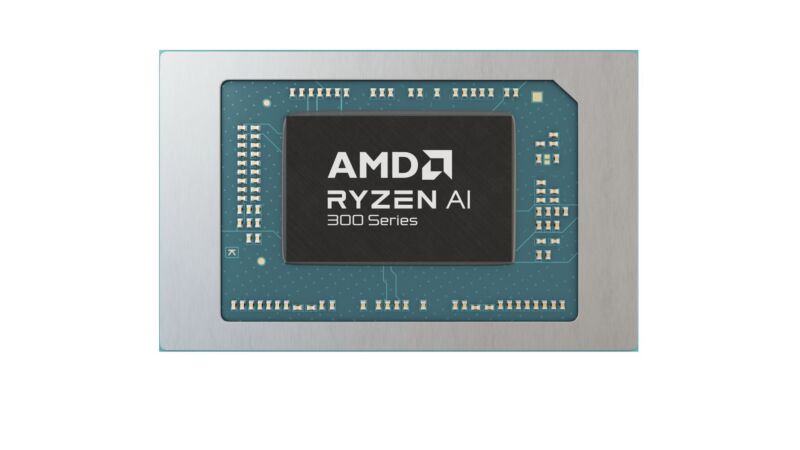
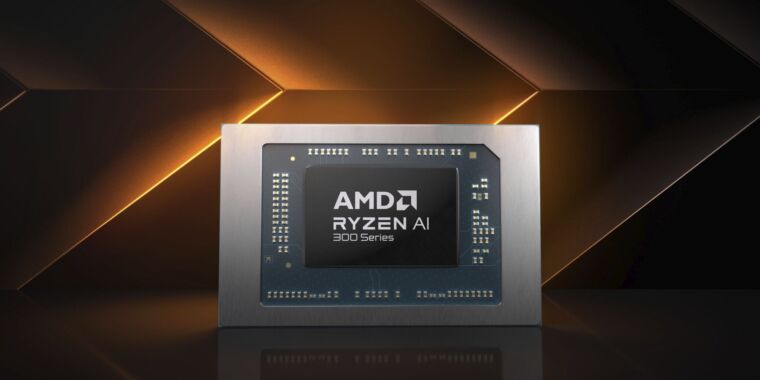
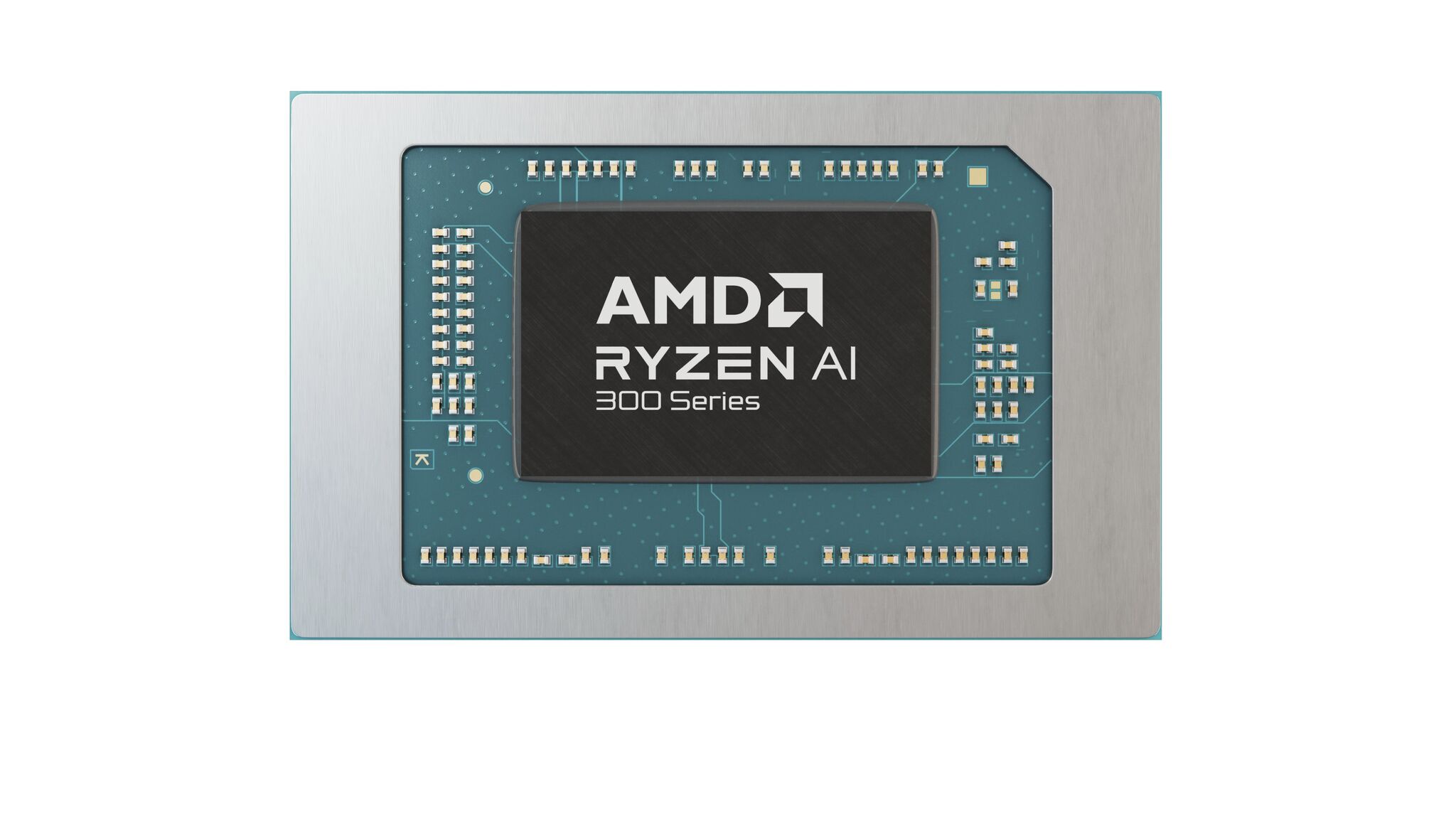
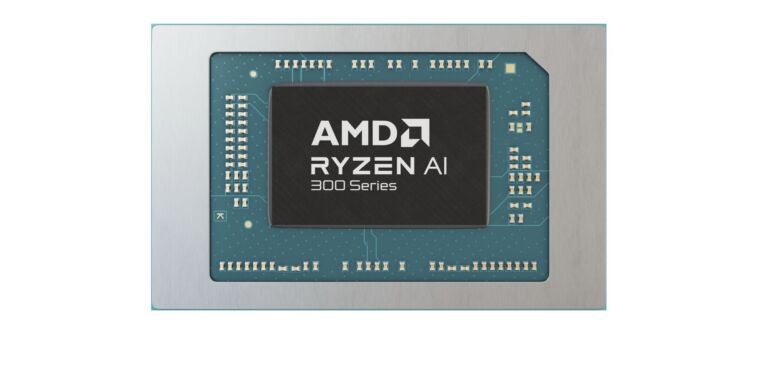
Enlarge / AMD’s Ryzen 9 AI 300 series is a new chip and a new naming scheme.
AMD
Less than two years ago, AMD announced that it was overhauling its numbering scheme for laptop processors. Each digit in its four-digit CPU model numbers picked up a new meaning, which, with the help of a detailed reference sheet, promised to inform buyers of exactly what it was they were buying.
One potential issue with this, as we pointed out at the time, was that this allowed AMD to change over the first and most important of those four digits every single year that it decided to re-release a processor, regardless of whether that chip actually included substantive improvements or not. Thus a “Ryzen 7730U” from 2023 would look two generations newer than a Ryzen 5800U from 2021, despite being essentially identical.
AMD is partially correcting this today by abandoning the self-described “decoder ring” naming system and resetting it to something more conventional.
For its new Ryzen AI laptop processors, codenamed “Strix Point,” AMD is still using the same broad Ryzen 3/5/7/9 number to communicate general performance level plus a one- or two-letter suffix to denote general performance and power level (U for ultraportables, HX for higher-performance chips, and so on). A new three-digit processor number will inform buyers of the chip’s generation in the first digit and denote the specific SKU using the last two digits.

Enlarge / AMD is changing how it numbers its laptop CPUs again.
AMD
In other words, the company is essentially hitting the undo button.
Like Intel, AMD is shifting from four-digit numbers to three digits. The Strix Point processor numbers will start with the 300 series, which AMD says is because this is the third generation of Ryzen laptop processors with a neural processing unit (NPU) included. Current 7040-series and 8040-series processors with NPUs are not being renamed retroactively, and AMD plans to stop using the 7000- and 8000-series numbering for processor introductions going forward.
AMD wouldn’t describe exactly how it would approach CPU model numbers for new products that used older architectures but did say that new processors that didn’t meet the 40+ TOPS requirement for Microsoft’s Copilot+ program would simply use the “Ryzen” name instead of the new “Ryzen AI” branding. That would include older architectures with slower NPUs, like the current 7040 and 8040-series chips.
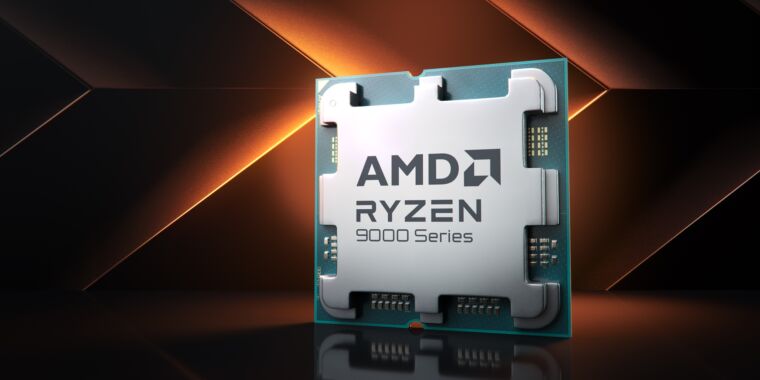
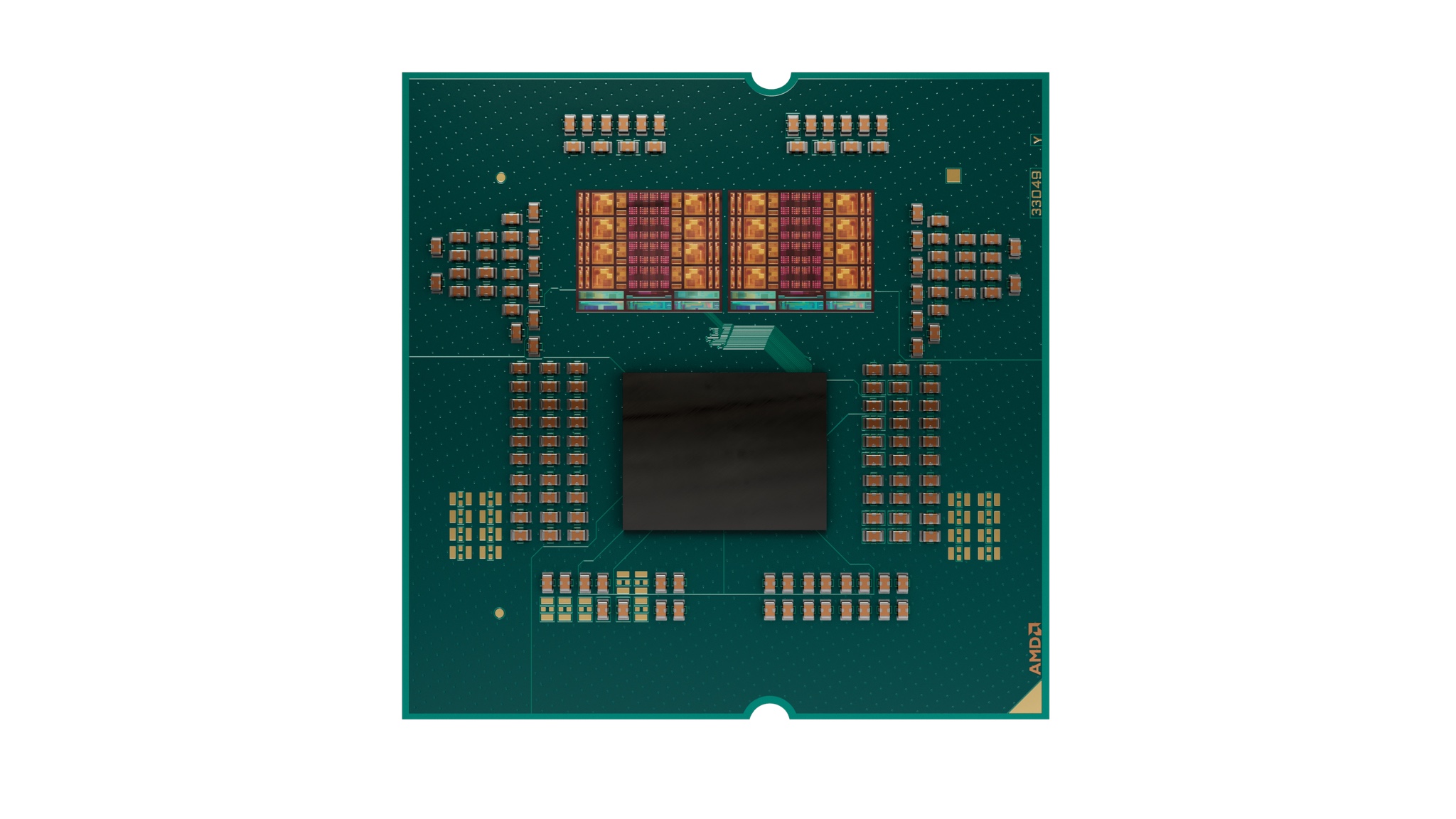
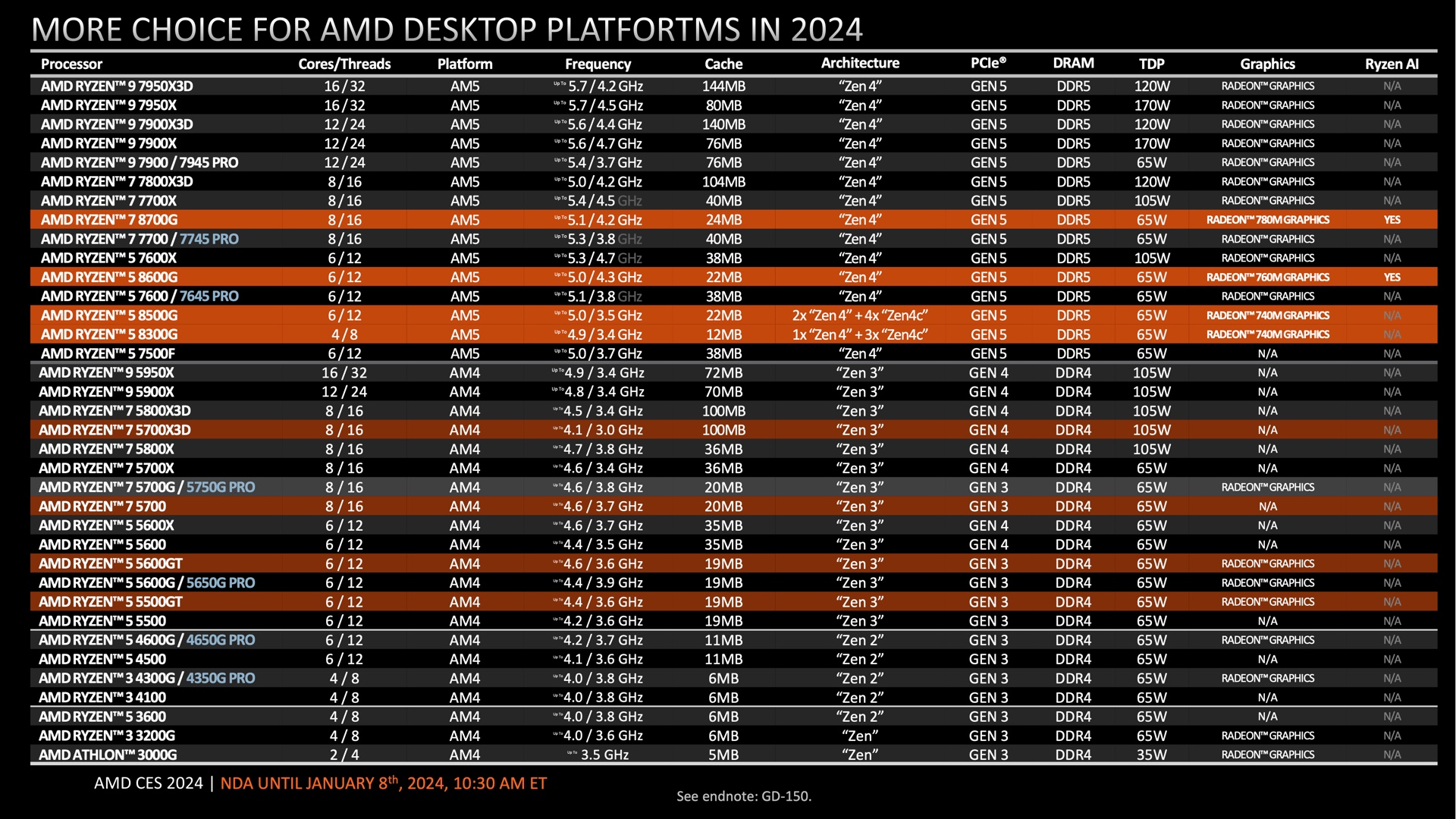
Desktop CPUs are, once again, totally unaffected by this change. Desktop processors’ four-digit model numbers and alphabetic suffixes generally tell you all you need to know about their underlying architecture; the new Ryzen 9000 desktop CPUs and the Zen 5 architecture were also announced today.
It seems like a lot of work to do to end up basically where we started, especially when the people at AMD who make and market the desktop chips have been getting by just fine with older model numbers for newly released products when appropriate. But to be fair to AMD, there just isn’t a great way to do processor model numbers in a simple and consistent way, at least not given current market realities:
- PC OEMs that seem to demand or expect “new” product from chipmakers every year, even though chip companies tend to take somewhere between one and three years to release significantly updated designs.
- The fact that casual and low-end users don’t actually benefit a ton from performance enhancements, keeping older chips viable for longer.
- Different subsections of the market that must be filled with slightly different chips (consider chips with vPro versus similar chips without it).
- The need to “bin” chips—that is, disable small parts of a given silicon CPU or GPU die and then sell the results as a lower-end product—to recoup manufacturing costs and minimize waste.
Apple may come the closest to what the “ideal” would probably be—one number for the overarching chip generation (M1, M3, etc.), one word like “Pro” or “Max” to communicate the general performance level, and a straightforward description of the number of CPU and GPU cores included, to leave flexibility for binning chips. But as usual, Apple occupies a unique position: it’s the only company putting its own processors into its own systems, and the company usually only updates a product when there’s something new to put in it, rather than reflexively announcing new models every time another CES or back-to-school season or Windows version rolls around.
In reverting to more traditional model numbers, AMD has at least returned to a system that people who follow CPUs will be broadly familiar with. It’s not perfect, and it leaves plenty of room for ambiguity as the product lineup gets more complicated. But it’s in the same vein as Intel’s rebranding of 13th-gen Core chips, the whole “Intel Processor” thing, or Qualcomm’s unfriendly eight-digit model numbers for its Snapdragon X Plus and Elite chips. AMD’s new nomenclature is a devil, but at least it’s one we know.
For the second time in two years, AMD blows up its laptop CPU numbering system Read More »