Author name: Mike M.

meta’s-xr-revenue-down-39%-“due-to-lower-quest-2-sales,”-as-quest-3-&-vision-pro-loom

Meta’s XR Revenue Down 39% “due to lower Quest 2 sales,” as Quest 3 & Vision Pro Loom

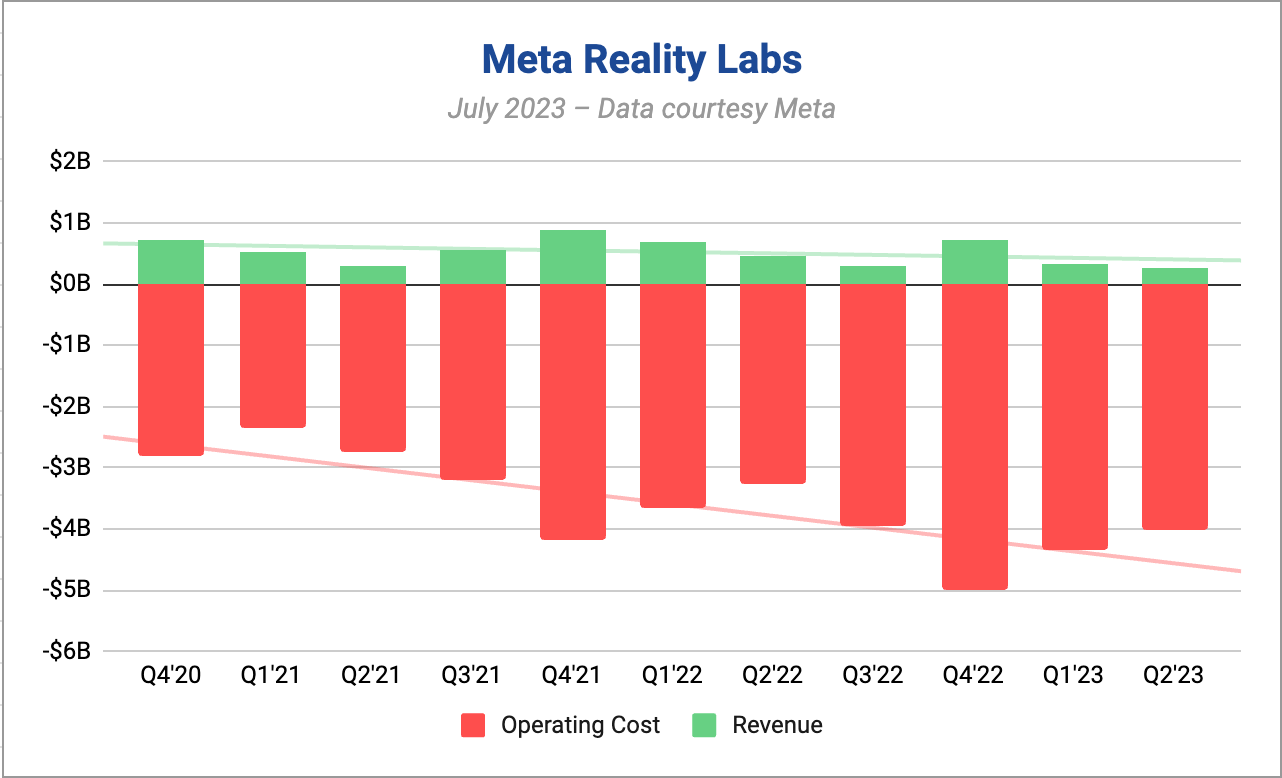
Meta’s latest quarterly results show its Reality Labs XR division is again reporting an operating loss just south of $4 billion. Now, for its Q2 2023 results, the company says Reality Labs’ revenue was down by 39% due to lower Quest 2 sales, making for the worst quarterly performance in the past two years.

Meta has been clear about its plan to spend aggressively on XR over the next several years, so it’s again no surprise we’re seeing operating budgets in the billions with only a fraction of that coming back in via Quest 2 hardware and software sales.

In fact, Quest 2 sales play such an important role in Reality Labs’ quarterly performance that Meta has reported $276 million in revenue in Q2 2023, or 39% lower than last quarter.

Image created using data courtesy Meta

Meta reported that Reality Labs expenses were $4 billion, which was up 23% since the same period last year. The company says this was due to lapping a reduction in Reality Labs loss reserves and growth in employee-related costs, bringing the XR division’s operating loss to $3.7 billion for Q2 2023.

Meta says it expects continued operating losses in the future, saying losses will likely “increase meaningfully year-over-year due to our ongoing product development efforts in AR/VR and our investments to further scale our ecosystem.”

Meanwhile, the company is preparing to launch Quest 3 in late 2023, the $500 follow-up headset that integrates many of Quest Pro’s mixed reality capabilities. Meta’s $1,000 Quest Pro has also reportedly been discontinued, however (without substantiating that particular claim) Meta CTO Andrew Bosworth implied earlier this month that a Quest Pro 2 isn’t off the table.

Apple’s Vision Pro is also looming, set to launch sometime next year. As rising tides lift all boats, hype around Vision Pro could actually benefit Meta in the short term. Apple’s $3,500 XR headset has attracted new attention to the space, however Meta’s consumer-friendly pricing and extensive game catalogue for Quest 3 may be well positioned this holiday to capitalize on that Apple-adjacent cachet.

Meta’s XR Revenue Down 39% “due to lower Quest 2 sales,” as Quest 3 & Vision Pro Loom Read More »

vr-education-app-‘human-anatomy’-now-available-on-psvr-2

VR Education App ‘Human Anatomy’ Now Available on PSVR 2

The PlayStation Store has a growing number of games built specifically (or optimized) for PSVR 2, although there aren’t a ton of educational apps yet that you might use to get a better understanding of complex subjects like the human body. Now the creators of Human Anatomy VR have released their medical educational tool on PSVR 2.

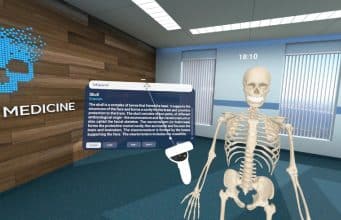
Initially released on the original PSVR and Quest 2, the PSVR 2 app includes both high school and University-level content. High school content is simplified for “anybody who is curious about the human body,” while University-level content includes detailed 3D models and info that developers Virtual Medicine say “matches the needs of a medical doctor or a medical student who needs to prepare for their anatomical exams.”

Human Anatomy VR includes 15 body systems with more than 13,000 realistic anatomical structures designed by medical professionals, the studio says. This includes bone mapping with 5,000 bone features organized into parts, surfaces, borders, and landmarks. You’ll also be able to handle 21 microanatomy models, and see over 500 movement animations in action.

“It is perfect for sport, fitness & workout enthusiasts, science enthusiasts, high school students, medical and nursing students, universities, libraries and health practitioners,” Virtual Medicine says in the app’s description. “Feature rich content is delivered in a deeply engaging experience with excellent graphics, innovative presentation, and visual delivery.”

You can find Human Anatomy VR on PSVR 2 today, priced at $30. You can also find it on Quest 2 via App Lab as a free trial, and on the original PSVR for $10.

VR Education App ‘Human Anatomy’ Now Available on PSVR 2 Read More »

looking-forward-to-awe-asia-2023

Looking Forward to AWE Asia 2023

If you get all of your AWE coverage from ARPost, you might be under the impression that the event is only in California – but it wouldn’t be much of a “World Expo” then, would it? In addition to frequent all-online events, AWE consists of three in-person events each year: AWE USA, AWE Europe, and AWE Asia.

AWE Asia, this year taking place in Singapore, is fast approaching, with the agenda now finalized. Attendees can look forward to hearing from over 60 speakers in over 60 sessions including keynotes, talks, and panels over the course of the two-day conference. Let’s take a look at some of the most exciting sessions.

AWE Asia Keynotes and Addresses

Day One starts off with an opening ceremony by AWE co-founder Ori Inbar, joined on-stage by AWE Asia President and Vice President, Gavin Newton-Tanzer and Ryan Hu. This session is followed by back-to-back keynotes by HTC Global Vice President of Corporate Development Alvin Graylin and University of South Australia professor Dr. Mark Billinghurst.

Day Two also starts off with keynotes. First, “Metaverse as the Next Biggest Thing: Challenges, Roadmaps, and Standardization” by IEEE president Dr. Yu Yuan. This is followed by “ifland: A Case Study on Telco Collaboration in Building a Global Metaverse Platform” presented by SK Telecom Vice President Ikhwan Cho and Deutsche Telekom Senior Director of XR and the Metaverse Terry Schussler.

Day Two then closes with remarks and awards from Inbar, Newton-Tanzer, and AWE Asia COO and Content Director David Weeks.

The keynotes and addresses are great because they often feature some of a conference’s biggest announcements and most anticipated speakers. They’re also great because nothing is scheduled at the same time as a keynote. From here, we’ll have to start making some tough calls.

Day One Sessions

Following the AWE Asia welcome address and keynotes on Day One, the crowd is sure to split. Remain near the main stage to hear NVIDIA’s Vanessa Ching discuss “Developers, Platforms, and AI.” Venture off to a substage to hear Joe Millward and Kyle Jackson of Talespin talk about “Scaling XR Content for the Enterprise With Generative AI.”

Next up. Niantic Senior VP of Engineering, Brian McClendon, explains how “Niantic is Powering AR, Everywhere, All at Once.” Having seen this talk at AWE USA, I can tell you it’s worth seeing, but I can also point out that you could watch the recording online and stretch your day a little further.

Another tough decision follows. Will it be “How AI Will Enhance the Metaverse and Education” with Meta Head of Global Education Partnerships Leticia Jauregui and Zoe Immersive CEO and co-founder Emilie Joly? Or will it be “Beyond Loudness: Spatial Chat and the Future of Virtual World Communication” with Dolby Laboratories Developer Advocate Angelik Laboy?

Day One’s Marathon on the Main Stage

The afternoon of Day One has a lineup of promising presentations on the main stage. Starting, Immersal Chief Marketing Officer Päivi Laakso-Kuivalainen and Graviton Interactive co-founder and Managing Director Declan Dwyer talk “Revolutionizing Fan Engagement: Augmented Reality in Stadiums Powered by Visual Positioning Systems and Spatial Computing.”

This is followed by Linux Foundation General Manager Royal O’Brien talking about “Inspiring Game Development Through Open Source.” Then, keep your seat to hear Trigger XR founder and CEO Jason Yim talk about retail, advertising, and e-commerce. A little later on the same stage, Mindverse.AI co-founder and COO Kisson Lin talks about the Web3 creator economy.

Day Two Sessions Main Stage Sessions

One can’t-miss session on Day Two comes from Dispelix APAC VP of Sales and Partnerships Andy Lin, presenting “PERFECTING COMFORT – Vision Behind Dispelix Waveguide Combiners for Near-to-Eye XR Displays.”

Some of the last regular sessions on the main stage before the AWE Asia closing address look promising as well.

First, Infocomm Assistant Director of Innovation Joanne Teh, Deloitte Center for the Edge Southeast Asia Leader Michelle Khoo, Serl.io co-founder and CEO Terence Loo, and SMRT Corporation Learning Technologies Lead Benjamin Chen have a panel discussion about “The Future of Immersive Experiences: Navigating the World of XR.”

Immediately following the panel discussion, Google’s Toshihiro Ohnuma takes the stage to discuss “Connecting Both Worlds – Google Maps and AR Core.”

In between those sessions, the substages look pretty promising.

Major Side-Stage Attractions

After Lin’s talk, head over to Substage 1 for a series of promising talks. These start with Maxar Technologies Business Development Manager Andrew Steele presenting “Experience the Digital Twin Built for Connecting Your XR Content With the Real World. “ The world-scale digital twin won the Auggie for Best Use of AI at the awards ceremony in Santa Clara this spring.

Up next on the same stage, Anything World co-founder and Creative Director Sebastian Hofer explains “How AI Is Powering a Golden Age in Games Development.”

A quick break between sessions and then back to learn about “ThinkReality Solutions Powering the Enterprise Metaverse” with Lenovo Emerging Technologies Lead Martand Srivastava and Qualcomm’s Kai Ping Tee.

Lots to Take In

AWE Asia being two days instead of three certainly doesn’t solve the classic AWE problem of there being just too much amazing content to take in everything. At least, not live anyway.

To attend AWE Asia yourself, get tickets here, and use our code AW323SEB25 for 30% off the standard ticket and PAR23VSEB for 35% off the VIP ticket.

Looking Forward to AWE Asia 2023 Read More »

official-amazevr-concerts-app-launches-with-an-exclusive-zara-larsson-concert

Official AmazeVR Concerts App Launches With an Exclusive Zara Larsson Concert

Do you remember missing an amazing concert by your favorite artist because you could not travel to another country or continent to attend it? This is no longer a problem. Thanks to AmazeVR, anyone can experience live shows using their newly-launched VR Concerts app.

Drawing on their previous experience working with artists like Megan Thee Stallion and Ceraadi, the company is celebrating the launch of their AmazeVR Concerts app with “Zara Larsson VR Concert”, the one-of-a-kind show by Swedish pop star Zara Larsson. Now, anyone can install the AmazeVR Concerts app and attend any concert available on the platform from the comfort of their home.

Virtual Events – the Future of Entertainment

The global health crisis we experienced made us rethink all types of interactions, from healthcare appointments and business meetings to concerts and theater shows. The VR concerts app developed by AmazeVR is one of the latest additions to immersive and interactive tools for entertainment.

This is a huge step forward both for artists and audiences. For artists, VR shows allow them to interact with more fans and monetize their work in new ways. For music fans, the barriers represented by long distances and finances for traveling suddenly disappear.

Zara Larsson Excited to Collaborate with AmazeVR

Known for hits such as “Lush Life”, “Ain’t My Fault”, and “End of Time”, Swedish pop star Zara Larsson exuded enthusiasm for collaborating with AmazeVR for the launch of  AmazeVR Concerts app.

“I’ve always believed that live music has the power to unite and transcend boundaries. As an artist, finding new ways to connect with my fans and deliver a truly immersive and unforgettable experience is super important to me,” she said in a press release shared with ARPost. “I’m thrilled to be working with AmazeVR to break through the fourth wall, and directly into the homes of fans around the world.”

Bringing Artists and Fans Together in the Virtual World

For AmazeVR, their VR Concerts app, available on Meta Quest 2 (App Lab) and SteamVR, is the crowning of years of developing and improving immersive solutions for the entertainment industry. Creating the first VR concerts and measuring the public response to them showed them that they were on the right path.

At AmazeVR we are ushering a new wave of innovation for music experiences, by providing artists with extraordinary and unparalleled avenues to be up close and personal with their fans,” said AmazeVR co-CEO and co-founder Steve Lee. “It is an honor to be launching the AmazeVR app alongside such an incredible artist like Zara. Her creativity has come together to create a showstopping performance and we can’t wait for her fans to enjoy the experience.”

A Busy Schedule for the Newly Launched AmazeVR Concerts App

The virtual reality concert experience app is set to attract fans of all types of music, including pop-rock, hip-hop, K-pop, rap, and more. Right now, the app is downloadable for free and offers one free song per artist. For the exclusive Zara Larsson VR concert, fans can purchase access for one year at an exclusive launch price of $6.99.

Official AmazeVR Concerts App Launches With an Exclusive Zara Larsson Concert Read More »

critical-infrastructure-radio-tech-‘easily-hacked’-through-deliberate-backdoor

Critical infrastructure radio tech ‘easily hacked’ through deliberate backdoor

Dutch researchers have found vulnerabilities in TETRA — a radio technology used across the world to control critical infrastructure such as power grids, gas pipelines, and trains. 

The researchers, Job Wetzels, Carlo Meijer, and Wouter Bokslag of cybersecurity firm Midnight Blue, found a deliberate backdoor in the encryption algorithm of these radios — made by Motorola, Damm, Hytera, and others — that was “easy” to hack. 

“The results of this research are serious,” said Jacobs, who is also a professor of computer security at Radboud University Nijmegen. “It is serious for the government, but also for business. It concerns vital infrastructure whose functioning can be affected by serious attacks.”

According to researchers, attackers could hack the network to send malicious commands that would disrupt critical infrastructure. They could also listen in on emergency services. “These are all realistic scenarios,” said Wetzels. 

Worryingly, critical infrastructure from all over the world is controlled using TETRA.  

In the Netherlands, the port of Rotterdam, several public transport companies, and most airports use the system. C2000, the communication system of the police, fire brigade, ambulance services, and parts of the Ministry of Defence, is also based on TETRA. 

Many critical infrastructure authorities in Germany, France, Spain, and other European countries rely on the network, and so do several equivalent entities in the USA, according to a WIRED investigation. TETRA is estimated to be in use in 120 countries.

And you don’t even have to be an expert hacker to tap the network. According to Midnight Blue, you could crack the system in a minute using simple hardware such as a radio and dongle. Once cracked, hackers could send malicious commands to critical infrastructure undetected.  

The researchers first uncovered the vulnerabilities in 2021 and immediately reported them to the Dutch National Cyber Security Centre. Over the last two years, the NCSC has been hard at work informing the governments of various countries about the dangerous loopholes.

The Midnight Blue team also took it upon themselves to notify as many manufacturers and users of the technology as possible. Assumably, the researchers and the authorities only now deemed it safe enough to make the information public. 

Going forward, Midnight Blue warns that anyone using radio technologies should check with their manufacturer to determine if their devices are using TETRA and what fixes or mitigations are available. 

Aside from their day jobs, Wetzels, Meijer, and Bokslag are so-called ethical hackers. Meijer previously cracked the technology behind the OV-chipcard, the Dutch transport card, and Bokslag hacked the wireless car keys of Peugeot, Opel, and Fiat. Both did so to make the technology more secure.

Despite their best efforts to raise awareness of the TETRA backdoor vulnerabilities, the researchers say that many critical infrastructure companies are nonresponsive, and for all we know, could still be at risk. 

Critical infrastructure radio tech ‘easily hacked’ through deliberate backdoor Read More »

greek-ai-shipping-startup-acquired-by-japanese-automation-giant

Greek AI shipping startup acquired by Japanese automation giant

Greek shipping software startup DeepSea Technologies has sold a majority share to Japan’s automation giant Nabtesco for an undisclosed amount. 

DeepSea will continue to develop the company’s fuel optimisation platforms that reduce emissions (and cut costs) of fossil-based maritime fleets, while also becoming a “centre of excellence for AI research and product development.” Furthermore, the Athens-based startup will support Nabtesco Marine Control Systems in its quest for scalable semi-autonomous shipping. 

The company will continue to function (fittingly enough) autonomously, and carry on work on its two platforms — Cassandra and Pythia — and on “the broader digital transformation of the maritime industry.” 

Cassandra is a vessel monitoring and optimisation platform that allows customers to see emissions for a specific vessel and across an entire fleet, while also understanding how each component of the ship contributes to its performance. In addition, the tool offers notifications in real-time when something requires attention, such as fuel waste and maintenance requirements. 

Meanwhile, Pythia is a world-first weather routing platform, tailored to the exact performance of a specific ship. It comes up with tailor-made routes, speed and trim policies, assessing overall cost and CO2 emissions, while providing minute-by-minute updates on conditions. 

The company claims that it is possible to unlock energy efficiency improvements of up to 10% across almost any fleet in 12 months, using its optimisation technologies. 

Best of both worlds

DeepSea was founded in 2017 and has previously raised €8mn, five of which came from Nabtesco Technology Ventures in 2021. The company has offices in Athens, London, and Rotterdam, and employs over 70 specialised engineers, most in AI and software development. The two co-founders of DeepSea, Dr. Konstantinos Kyriakopoulos and Roberto Coustas, will continue on in their roles of CEO and President, respectively. 

“The deepening of our existing partnership with Nabtesco unlocks even greater potential for our technology and approach, and will be key to unlocking the next wave of innovation for our customers,” Kyriakopoulous stated when announcing the news last week.


“It’s truly the best of both worlds: DeepSea will maintain its startup culture and focus on disruptive technology, whilst harnessing all the expertise and support of a global powerhouse.”

Staying on top of CO2  emissions will become increasingly important for shipping companies worldwide. Not only from a “the world is burning, let’s get our act together” kind of perspective, but also from a business and regulatory point of view. 

Maritime carbon emissions regulations

According to the International Energy Agency (IEA), in 2022, maritime shipping accounted for about 2% of energy-related global CO2 emissions. While there is no legally binding agreement holding the industry to emission reduction targets, the International Maritime Organisation (IMO), a specialised agency of the UN, has adopted measures to reduce emissions of greenhouse gases from international shipping. 

As stated in the latest version of the IMO’s GHG strategy from July 2023, it is now targeting net-zero carbon emissions by 2050. Member states have agreed to “indicative checkpoints.” These include reducing total emissions by 20% and striving for 30% by 2030, with targets increased to 70% and 80% by 2040.

From 2024, shipping will also be included in the EU emissions trading scheme (ETS), which means that every kilogram of CO2 will be of financial — not to mention planetary — importance.

Greek AI shipping startup acquired by Japanese automation giant Read More »

ai-in-healthcare-could-exacerbate-ethnic-and-income-inequalities,-scientists-warn

AI in healthcare could exacerbate ethnic and income inequalities, scientists warn

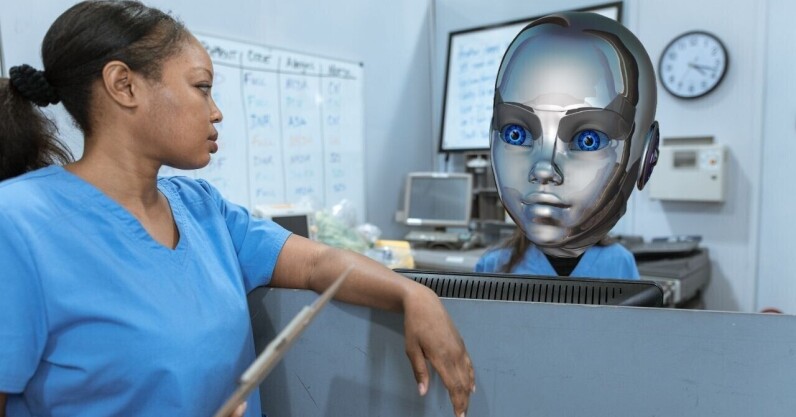
Scientists fear using AI models such as ChatGPT in healthcare will exacerbate inequalities.

The epidemiologists, from the universities of Cambridge and Leicester, warn that large language models (LLMs) could entrench inequities for ethnic minorities and lower-income countries.

Their concern stems from systemic data biases. AI models used in healthcare are trained on information from websites and scientific literature. But evidence shows that ethnicity data is often missing from these sources. 

As a result, AI tools can be less accurate for underrepresented groups. This can lead to ineffective drug recommendations or racist medical advice.

The <3 of EU tech

The latest rumblings from the EU tech scene, a story from our wise ol’ founder Boris, and some questionable AI art. It’s free, every week, in your inbox. Sign up now!

“It is widely accepted that a differential risk is associated with being from an ethnic minority background across many disease groups,” the researchers said in their study paper.

“If the published literature already contains biases and less precision, it is logical that future AI models will maintain and further exacerbate them.”

The scientists are also concerned about the threat to low- and middle-income countries (LMICs). AI models are primarily developed in wealthier nations, which also dominate funding for medical research.

Consequently, LMICs are “vastly underrepresented” in healthcare training data. This can lead AI tools to provide bad advice to people in these countries. 

Despite these qualms, the researchers recognise the benefits that AI can bring to medicine. To mitigate the risks, they suggest several measures.

First, they want the models to clearly describe the data used in their development. They also call for further work to address health inequalities in research, including better recruitment and recording of ethnicity information.

Training data should be adequately representative, while more research is needed on the use of AI for marginalised groups. These interventions, say the researchers, will promote fair and inclusive healthcare. 

“We must exercise caution, acknowledging we cannot and should not stem the flow of progress,” said Dr Mohammad Ali from Leicester University.

AI in healthcare could exacerbate ethnic and income inequalities, scientists warn Read More »

room-scale-vr-adventure-‘tea-for-god’-comes-to-quest-&-pc-vr,-launch-trailer-here

Room-scale VR Adventure ‘Tea for God’ Comes to Quest & PC VR, Launch Trailer Here

You might have seen the demo floating around for Tea for God for a few years now, however indie studio Void Room has finally released the full version of its VR roguelike adventure for Quest and SteamVR headsets.

Tea For God is a unique VR adventure that uses “impossible spaces”, allowing players infinite movement within their own room. While there is optional stick movement, the game’s true claim to fame is its ability to smartly guide you around your own room with your own two feet, which it does thanks to procedural generation.

Since the game dynamically scales to each user’s room, there are a few minimum space requirements. Void Room says users should have at least 1.8m x 1.2m (6ft x 4ft), although if you have less, the game will use horizontal scaling to make the world appear larger, bringing the minimum space down to 90cm x 60cm (3ft x 2ft).

You can choose to play three modes: a relaxing no-story mode, an intense arcade shooter with story, and a roguelite shooter-explorer.

There’s also an interesting narrative behind it all. Here’s how the studio describes it:

In the distant future, humankind has been united, ruled by God Emperor. Endowed with advanced technology we reached stars, colonised new worlds, went onto endless crusades against myriads of civilisations.

Personal tragedies tend to be meaningless against the time. But once in a while, one person may start a fire that can change the fate of the whole universe. A man who lost his family, who holds God Emperor accountable for their death, seeking answers and vengeance, embarks onto his last journey to the place no human has ever left alive, where God Emperor is believed to reside.

You’ll find the full version available on Quest App Lab, Oculus PC and Steam, priced at $20.

Room-scale VR Adventure ‘Tea for God’ Comes to Quest & PC VR, Launch Trailer Here Read More »

unveiling-the-future-of-driving:-mercedes-benz-vision-one-eleven-concept-car-uses-magic-leap-2

Unveiling the Future of Driving: Mercedes-Benz Vision One-Eleven Concept Car Uses Magic Leap 2

The German luxury automaker Mercedes-Benz recently introduced its Vision One-Eleven concept car the Vision One-Eleven. On top of incorporating sustainability with its electric motor engine alongside a dynamic redesign, Vision-One Eleven uses Magic Leap 2 AR glasses for a more immersive car experience.

This approach reflects Mercedes-Benz’s commitment to creating better cars that provide the best possible driving experience to consumers while accommodating concerns about sustainable driving and introducing new tech. By partnering with Mercedes-Benz, Magic Leap also takes another step towards making AR experiences a part of everyday life.

Vision One-Eleven: A New Twist on an Old Classic

The Vision One-Eleven is a revisited concept car built on another beloved Mercedes-Benz classic, the C 111. The C 111 concept car incorporated iconic gullwing doors for a truly one-of-a-kind design in its day. Combined with its modern interiors, it proved to be an appealing concept car that influenced modern luxury vehicles.

Vision One-Eleven concept car

With the Vision One-Eleven, Mercedes-Benz further improves on the characteristics that set the C 111 apart, blending luxury interiors with intelligent design for a truly futuristic car. A sports vehicle with a lounge interior and a sleek body, the Vision One-Eleven is an exciting peek as to what the cars of the future may look like—from looks all the way to its electric motor.

The Capabilities of AR Glasses on the Road

Aside from visual and engineering overhauls, Vision One-Eleven also incorporates another rapidly growing technology: augmented reality. Since the adoption of full AR experiences has been slow in the larger market, XR companies like Magic Leap pivoted to a slower but steadier approach by bringing tech like the Magic Leap 2 into specific industries.

Drivers often have to manage a large amount of information to navigate and keep safe on the road. With the integration of technology such as built-in navigation or car sensors, drivers can rely on various tools that can help improve their driving efficiency.

This isn’t just progress for the sake of progress either: the introduction of AR technologies to drivers has plenty of benefits, from reducing the cognitive load to helping them navigate hazardous driving conditions.

While these applications have yet to be fully adopted by the market, the partnership between Mercedes-Benz and Magic Leap shows that this is an avenue both AR companies and car manufacturers can benefit from.

An Augmented and Seamless Driving Experience

Specific details about how Magic Leap 2 will integrate with Vision One-Eleven’s driving systems have yet to be released. Still, the goal is to create a configurable, immersive AR interface between the driver and their vehicle. This interface can display information about driving conditions on-demand, from the selected drive mode to information about the driver’s destination and current location.

Vision One-Eleven concept car and Magic Leap AR glasses

With Magic Leap 2, this system transforms the conventional dashboards of cars into a dynamic cockpit where drivers can fully use their field of vision to navigate the roads better. This drastically helps improve both the driving experience and car safety for car owners, passengers, and passersby—while also implementing an intelligent driving model that may potentially reinvent the way people drive.

A Partnership Built On Innovation

The Vision One-Eleven isn’t the first collaboration between Magic Leap and Mercedes-Benz: the two companies worked together in 2019 for the Mercedes Immersive Roadshow. While Magic Leap’s role in that collaboration was to enrich the viewing experience by augmenting the visual aesthetic of the exhibit, their new partnership with Vision One-Eleven shows Mercedes-Benz’s confidence in the potential of AR experiences.

Given the increasing entry rate of other competitors into the AR market, Mercedes-Benz and Magic Leap have secured themselves a lead over the competition when introducing AR into the driving experience. Whether they can hold on to this head start is something else altogether—but for now, the Vision One-Eleven holds the spotlight as a blend of technology and good car design.

What’s Next?

The Mercedes-Benz Vision One-Eleven, like most concept cars, is unlikely to be produced in its current form. However, its design, technology, and engineering innovations will undoubtedly be integrated into future Mercedes-Benz production vehicles. And it’s pretty certain that XR technology will find its place in those vehicles.

According to Mercedes-Benz, “The spatial user interface is a beacon for a Mercedes-Benz user experience that is unencumbered by technology. It is part of a wider vision that looks towards extended reality, whereby technology and hardware cease to be the focal point; instead becoming fully integrated and seamless facilitators of user needs and wishes.”

As for Magic Leap 2, the company shows no signs of slowing down with potential partnerships with established brands. Some of its latest potential forays include a partnership with Audi, as well as early talks with tech giant Meta, perhaps looking to expand towards more consumers in the AR space.

As for the future of AR driving? It’s difficult to tell, but one thing’s certain: everyone will be in for an interesting ride.

Unveiling the Future of Driving: Mercedes-Benz Vision One-Eleven Concept Car Uses Magic Leap 2 Read More »

digital-ids-—-the-need-for-a-global-passport

Digital IDs — the need for a global passport

We live in a world characterised by mobility. More and more people are choosing to work remotely and live wherever they want without damaging their careers.

While this trend had been on the rise in recent years, since the pandemic, the number of digital nomads worldwide is now up to 35 million. About 17 million of them are Americans, mostly setting up shop in European nations.

Technology has improved in tandem with the willingness to explore working from anywhere. Now it sets the stage for the creation of a new, larger generation of digital nomads.  The question, however, remains will the necessary conditions for a global world of work be ready to meet them?

Complicated forms and bureaucracy

International mobility has a high barrier to entry, namely because of the complex and exaggerated bureaucracy involved in migration processes in many countries.

The <3 of EU tech

The latest rumblings from the EU tech scene, a story from our wise ol’ founder Boris, and some questionable AI art. It’s free, every week, in your inbox. Sign up now!

These issues hinder people who want to resettle in another country, as filling out all the necessary documentation for visa applications is already a lengthy process and waiting to receive the final documents is even worse.

Although many countries in Europe make it easier for new residents to get an EU work permit through the Blue Card Network, it can still take anywhere from several weeks up to several months until a work visa is issued.

Moreover, this system heavily favours talent coming from other EU nations, it doesn’t include key nations like the UK and Ireland and was designed for folks relocating to work at companies based in their new nations and to live there more permanently. It was not designed for digital nomads.

It starts with the passport

Nations across the world look at the passport as the crossing ticket between borders the essential document that allows citizens to leave and enter different countries.

The modern-day passport has its origins in the post-World War I era and was created with the aim of helping citizens from Western countries move around the world. More than a century later, the same document remains standard practice. But the world is a very different place than it was, as travel is available to more people and due to transportation advances, much more frequent.

An example of how this mechanism fails to meet the needs of today’s modern workforce can be seen in countries such as China, the Philippines, and India. These countries are attractive for recruiting their highly skilled talent, particularly for technology companies in both Europe and the United States. Conversely, as per the 2023 Henley Passport Index, the three countries possess some of the “least powerful” passports globally.

EU nomad visas = progress!

In the past couple of years, several nations across Europe have taken new steps to address the needs of nomadic talent by implementing nomad visas. These visas are mutually beneficial, as they simplify the processes required for non-residents to work in a foreign country (usually not requiring them to pay local taxes), while making these countries more attractive to international workers. In turn, this attracts more skilled talent that spends more money in the countries.

The trend is rising amongst EU nations, with countries such as Croatia, Greece, Estonia (the first one to do so), Hungary, Portugal, and Spain now offering some variation of this kind of visa, with likely more to follow suit in the future. In fact, Spain is already the second most popular country for digital nomads with over 125,000 of them.

Though these visas are a very good first step toward modernising global passport systems to meet new migration and global mobility trends, it is more of a band-aid for a wound, and not a disease-stopping antibiotic. To redefine the passport system, the world needs to think bigger by deploying one that can be utilised everywhere.

Digital IDs… Please

The answer to modernising the passport system globally is to create a secure digital identity for everyone. Creating a secure digital platform where everyone’s documents are shared with governments worldwide would enable the development of a digital passport that is accepted and recognised by all countries.

While some may have concerns about sharing personal information on globally shared databases (or fear conspiracy theories about a new world order), creating a secure digital platform with proper protections would provide global citizens with a safer and more secure method than the existing systems.

This system would drastically reduce the time required for approval of entry into the country, while at the same time contributing to a more sustainable future where it would not be necessary to produce paper for passports.

The use of automation technologies in the resettlement and immigration processes helps both those who want to relocate as well as companies looking for international talent. Using technology in relocation processes saves time, reduces the workload for companies and professionals, and boosts control and effectiveness.

Estonia and X-Road

In a short period of time, I have seen Estonia transform from one of the poorest countries in the world to an open and democratic society that not only functions but thrives as a poster child for technology-driven governance and innovation. This is because more than 20 years ago, the country decided to build a platform called the X-Road, the backbone of digital Estonia.

The key to it is a digital identity for every citizen that allows public and private databases to link up and operate in harmony. Estonians can do everything online (except for getting married or divorced). From doing taxes to voting in elections, everything is securely done online and takes about the same time as checking an Instagram account.

The digitalisation saves Estonia a stack of paper as high as the Eiffel Tower every month and according to Siim Sikkut, the CIO of Estonia, the digital signature alone enables Estonia to save two percent of its GDP every year.

Now imagine a similar system on a global scale that lets people upload their data and documents (e.g., passport, marriage and education certificates) into a smart system that converts the data into pieces that can be matched to relevant government forms in different government systems worldwide.

These digital IDs shared on this interlocking system could act as a digital passport and with the click of a button, immigration applications are created, submitted and digitally tracked. Imagine if digital nomads never have to fill in any immigration forms ever again, regardless of the country they are moving to. Add to that all the processes, paperwork, and red tape employers would never have to waste time on ever again.

Building a richer world

Though the passport defines our specific residence and home country, I truly believe that these days we are all citizens of the world. We want to be workers based anywhere, for any company, and a universal digital passport could truly make this scalable without wasting time and resources. Digital passports could expand opportunities beyond borders and help us build a richer world for all.

Karoli Hindriks is the CEO and founder of Jobbatical and has been an entrepreneur since the age of 16 when she founded her first company – making her the youngest inventor in Estonia. She has been named one of the 50 most influential women in the European startup and VC space by EU-Startups and in 2020, the EU Council named her one of the eight most inspiring women in Europe. Karoli was nominated to speak at the Fortune Magazine Most Powerful Women International Summit in 2017 and in 2021 she was a speaker at the TED conference in Monterey, California, as her talk has been already translated into fourteen languages.

Digital IDs — the need for a global passport Read More »

a-world-first-spacecraft-reentry-to-earth-is-approaching

A world-first spacecraft reentry to Earth is approaching

A car-sized spacecraft is falling down to Earth — but there’s a plan to catch it.

Aeolus, the first satellite to directly observe wind profiles from space, is almost out of fuel. Earth’s atmosphere and gravity are now dragging the 1360-kg craft down to our planet at increasing speed.

In the original plan, Aelous was expected to fall naturally back to Earth. But the European Space Agency (ESA) has proposed another idea: an assisted re-entry — the first of its kind.

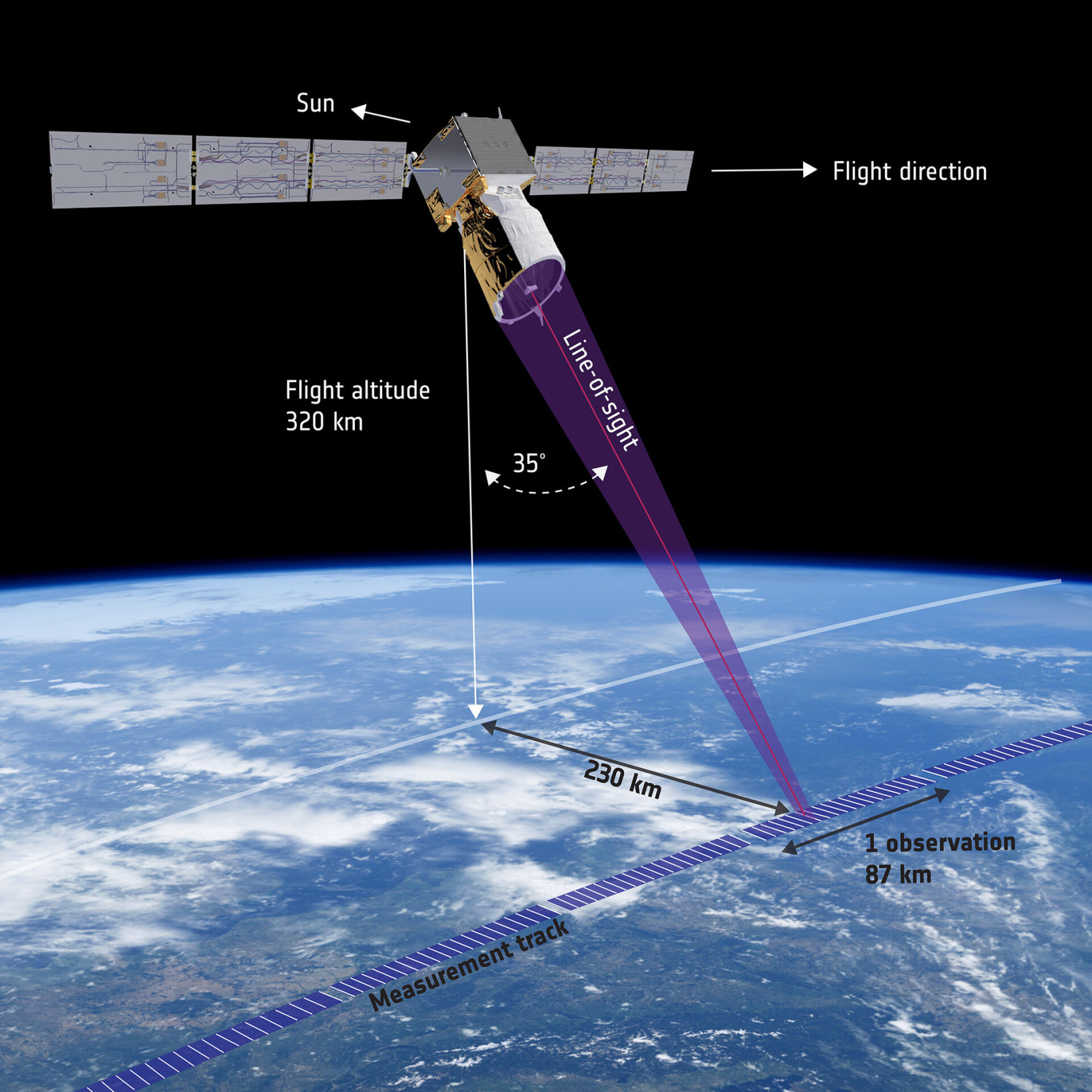
Aeolus measurement geometry
Data from Aeolus was used by meteorology centres to improve weather forecasts. Credit: ESA

To reduce the threat of space junk, rockets and satellites are designed to safely reenter Earth’s atmosphere once their missions end.

The <3 of EU tech

The latest rumblings from the EU tech scene, a story from our wise ol’ founder Boris, and some questionable AI art. It’s free, every week, in your inbox. Sign up now!

The rapid descent generates so much heat and friction that smaller objects often disintegrate in the sky — but larger bodies can stay intact. To reduce the risks to human life, these entities need to safely land in uninhabited regions.

Under current regulations, spacecraft must either burn up entirely or undergo a controlled reentry. But Aeolus was designed before these rules were made. 

How ESA plans to guide a falling satellite safely back to Earth
Credit: ESA
Aeolus is currently falling at around 1km a day, but it will rapidly accelerate. Credit: ESA

The Aeolus mission was planned in the late 1990s, when there were no guidelines about reentries. At the time, Aeolus was designed to fall on an area of Earth that would be quite random.

To comply with today’s requirements, ESA changed the plan. Mission control will now use the satellite’s last drops of fuel to bring the satellite back to Earth.

“This assisted reentry attempt goes above and beyond safety regulations for the mission, which was planned and designed in the late 1990s,” said Tim Flohrer, head of ESA’s Space Debris Office, in a blog post.

“Once ESA and industrial partners found that it might be possible to further reduce the already minimal risk to life or infrastructure even further, the wheels were set in motion. Should all go to plan, Aeolus would be in line with current safety regulations for missions being designed today.”

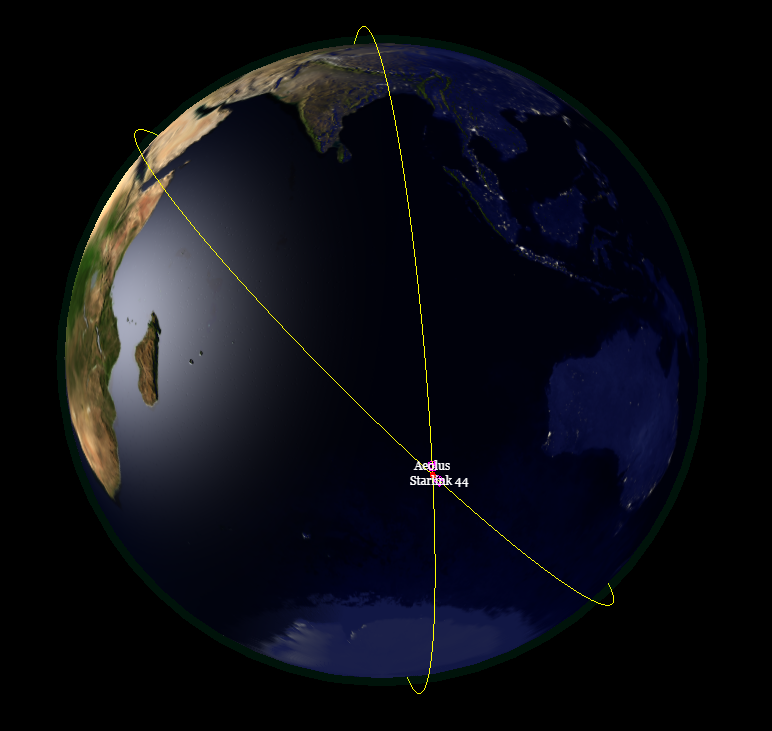
In 2019, ESA performed a 'collision avoidance manoeuvre' to protect Aeolus from colliding with a satellite in SpaceX's Starlink constellation
In 2019, ESA performed a ‘collision avoidance manoeuvre’ to protect Aeolus from colliding with a satellite in SpaceX’s Starlink constellation. Credit: ESA

Aeolus will first naturally descend from its operational altitude of 320km to a lower orbit. When it reaches an altitude of 280km — a process that can take weeks — ESA will attempt the first re-entry manoeuvres.

A sequence of moves will then bring the satellite down to 150km above Earth. The final, critical commands will guide the satellite to an altitude of 80km, where most of the satellite will burn up in the atmosphere. Some debris, however, may still make it to our planet’s surface.

To avert the extremely remote risk that debris poses to life, ESA is targeting the reentry at a vast expanse of ocean far away from land.

If the manoeuvres are successful, ESA expects to complete the journey in late July or early August. However, as a first-ever attempt at an assisted reentry, it’s not guaranteed to work. If the plan has to be aborted, Aeolus’ natural descent will continue.

But if the mission is accomplished, it will set a new standard for satellite reentry and space junk mitigation.

A world-first spacecraft reentry to Earth is approaching Read More »

cowboy-releases-digital-ebike-key-to-keep-vanmoof-riders-on-the-road

Cowboy releases digital ebike key to keep VanMoof riders on the road

Cowboy releases digital ebike key to keep VanMoof riders on the road

Unless you’ve been living under a rock, you’ll probably know that ebike darling VanMoof is facing bankruptcy.  

Obviously, this isn’t good news for VanMoof riders, who could be locked out of their own bikes which largely rely on a unique software app created by the Dutch company.

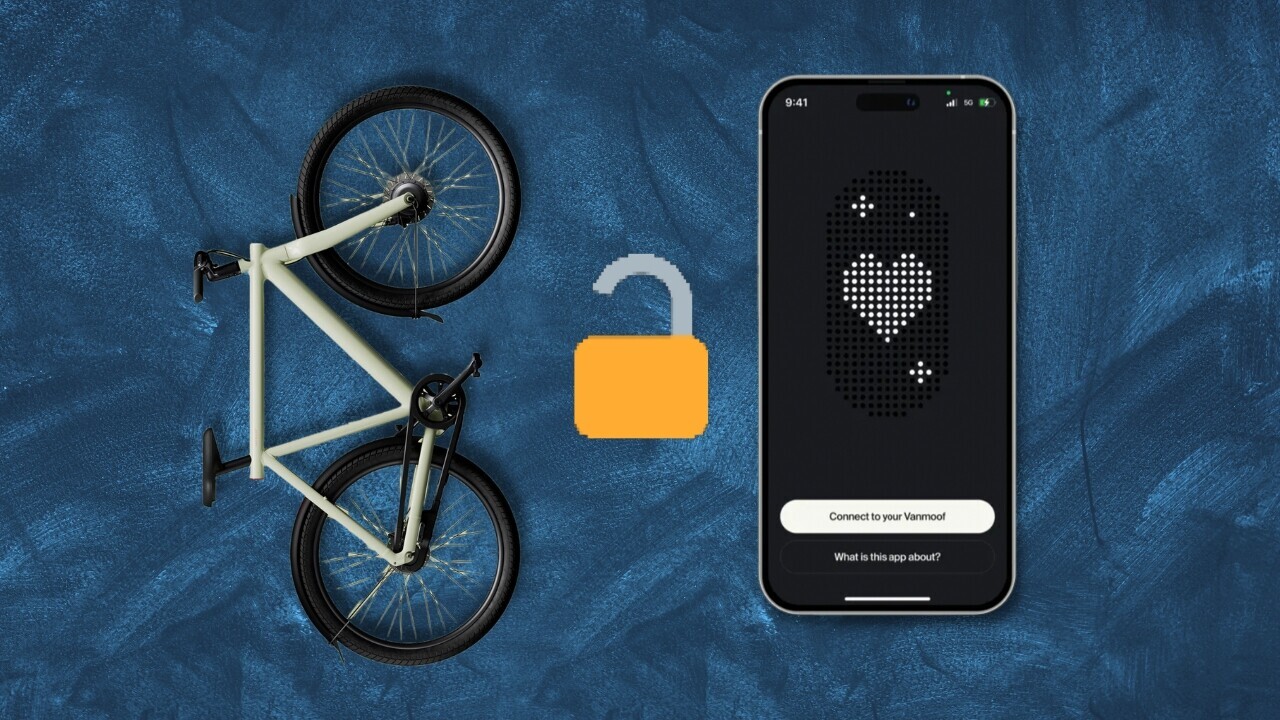
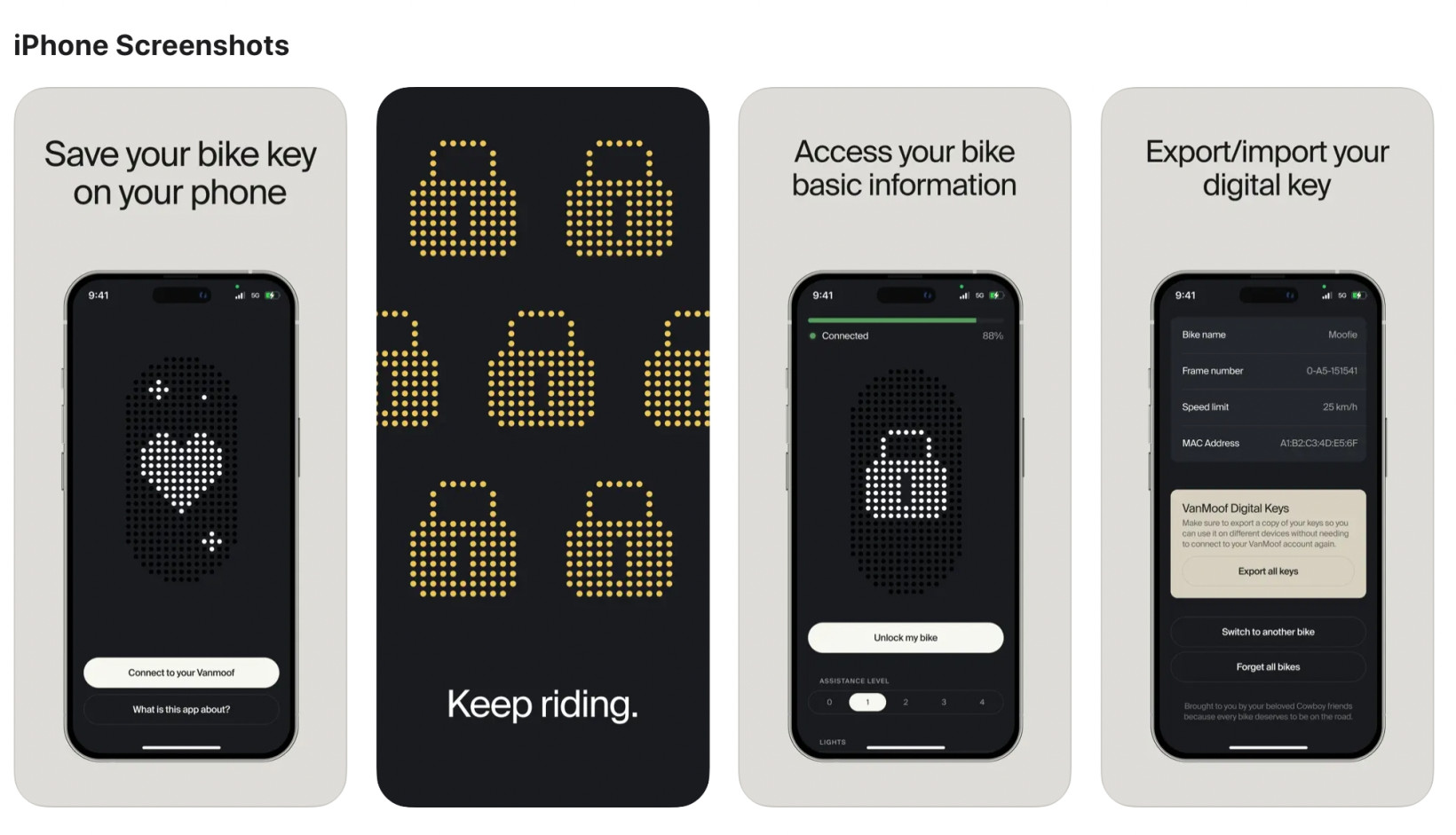
But fear not VanMoofers, Belgian ebike rival Cowboy has released an app to keep you on the road. ‘Bikey’ enables VanMoof riders to generate and save their own unique digital key in case VanMoof’s servers go offline.

The app is now live on the Apple app store in beta, but will be available for Android soon, said the company. The app currently works with the popular S3 and X3 ebike models, with plans to extend support for new S5 and A5 ebikes. 

The <3 of EU tech

The latest rumblings from the EU tech scene, a story from our wise ol’ founder Boris, and some questionable AI art. It’s free, every week, in your inbox. Sign up now!

cowboy-app-vanmoof

“Our software team worked through the night on this and we must stress that it’s a beta so bugs may be experienced… but we wanted to get this shipped ASAP because it will only work while the VanMoof servers are still live,” a spokesperson from Cowboy told TNW. 

Without the key, VanMoof owners would essentially lose total access to most of the functionalities of their ebikes, which can cost in the region of €‎3000. 

While the move is a touch audacious, Cowboy’s spokesperson insists that “this is about keeping bikes on the road, which is our no.1 mission as a company, regardless of whether the bikes are made by a competitor or not.” 

“People rely on their ebikes for their livelihoods,” the spokesperson added. 

Get the TNW newsletter

Get the most important tech news in your inbox each week.

Also tagged with


Cowboy releases digital ebike key to keep VanMoof riders on the road Read More »