
unreal engine

after-a-witcher-free-decade,-cdpr-still-promises-three-sequels-in-six-years

After a Witcher-free decade, CDPR still promises three sequels in six years

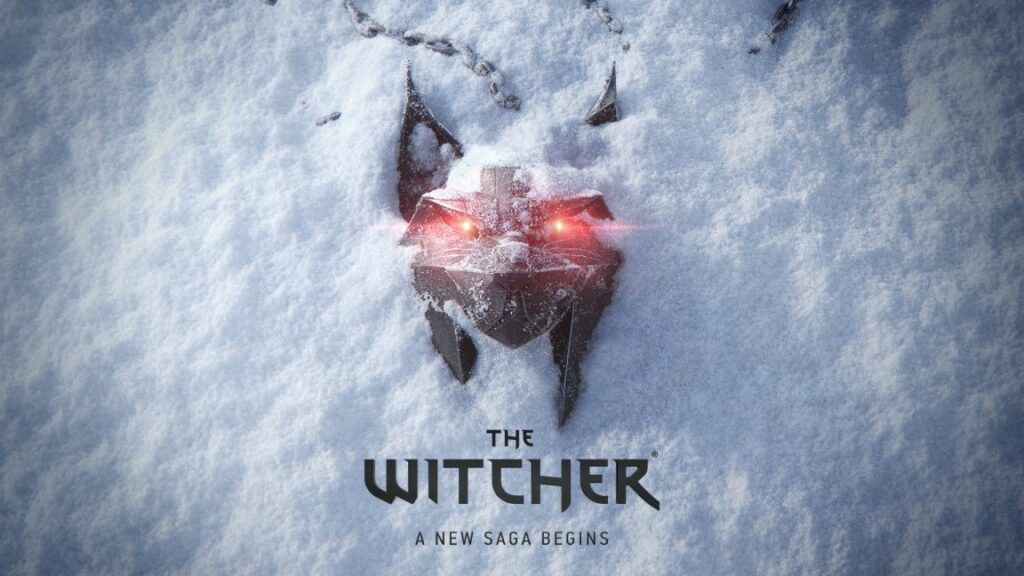
It’s been over 10 years since the launch of the excellent The Witcher 3: Wild Hunt, and nearly four years since the announcement of “the next installment in The Witcher series of video games.” Despite those long waits, developer CD Projekt Red is still insisting it will deliver the next three complete Witcher games in a short six-year window.

In a recent earnings call, CDPR VP of Business Development Michał Nowakowski suggested that a rapid release schedule would be enabled in no small part by the team’s transition away from its proprietary REDEngine to the popular Unreal Engine in 2022. At the time, CDPR said the transition to Unreal Engine would “elevate development predictability and efficiency, while simultaneously granting us access to cutting-edge game development tools.” Those considerations seemed especially important in the wake of widespread technical issues with the console versions of Cyberpunk 2077, which CDPR later blamed on REDEngine’s “in-game streaming system.”

“We’re happy with how [Unreal Engine] is evolving through the Epic team’s efforts, and how we are learning how to make it work within a huge open-world game, as [The Witcher 4] is meant to be,” Nowakowski said in the recent earnings call. “In a way, yes, I do believe that further games should be delivered in a shorter period of time—as we had stated before, our plan still is to launch the whole trilogy within a six-year period, so yes, that would mean we would plan to have a shorter development time between TW4 and TW5, between TW5 and TW6 and so on.”

Don’t start the clock just yet

To be clear, the “six-year period” Nowakowski is talking about here starts with the eventual release of The Witcher 4, meaning the developer plans to release two additional sequels within six years of that launch. And CDPR confirmed earlier this year that The Witcher 4 would not launch in 2026, extending the window for when we can expect all these promised new games.

After a Witcher-free decade, CDPR still promises three sequels in six years Read More »

epic-games-is-“exploring-native-unreal-engine-support”-for-apple-vision-pro

Epic Games is “exploring native Unreal Engine support” for Apple Vision Pro

Unity, makers of the popular game engine, announced earlier this week it’s getting ready to levy some pretty significant fees on developers, causing many to rethink whether it makes more sense to actually go with the main competition, Unreal Engine from Epic Games. It seems Epic isn’t wasting any time to help transition those creating projects for Apple Vision Pro.

According to Victor Lerp, Unreal Engine XR Product Specialist at Epic Games, the company is now “exploring native Unreal Engine support for Apple Vision Pro,” the upcoming mixed reality headset due to launch in early 2024.

Lerp says it’s still early days though, noting that it’s “too early for us to share details on the extent of support or timelines.”

Lerp posted the statement on Unreal Engine’s XR development forum. You can read it in full below, courtesy of Alex Coulombe, CEO of the XR creative studio Agile Lens:

During Vision Pro’s unveiling at WWDC in June, Apple prominently showcased native Unity support in its upcoming XR operating system, visionOS. Unity began offering beta access to its visionOS-supported engine shortly afterwards, making it feel like something of a ‘bait and switch’ for developers already creating new games, or porting existing titles to Vision Pro.

As explained by Axios, Unity’s new plan will require users of its free tier of development services to pay the company $0.20 per installation once their game hits thresholds of both 200,000 downloads and earns $200,000 in revenue. Subscribers to Unity Pro, which costs $2,000 a year, have a different fee structure that scales downwards in proportion to the number of installs. What constitutes an ‘install’ is still fairly nebulous at this point despite follow-up clarifications from Unity. Whatever the case, the change is set to go into effect starting on January 1st, 2024.

In the meantime, the proposed Unity price increase has caused many small to medium-size teams to reflect on whether to make the switch to the admittedly more complicated Unreal Engine, or pursue other game engines entirely. A majority of XR game studios fit into that category, which (among many other scenarios) could hobble teams as they look to replicate free-to-play success stories like Gorilla Tag, which generated over $26 million in revenue when it hit the Quest Store late last year.

Epic Games is “exploring native Unreal Engine support” for Apple Vision Pro Read More »