SSD

high-ram-prices-mean-record-setting-profits-for-samsung-and-other-memory-makers

High RAM prices mean record-setting profits for Samsung and other memory makers

Supply shortages and big price increases for RAM and storage have been a major drag for enthusiasts and PC builders in recent months. And while we haven’t yet seen large, widespread price increases for memory-dependent products like pre-built laptop PCs, smartphones, and graphics cards, most companies expect that to change this year if shortages continue.

In the meantime, memory manufacturers are riding high demand and high prices to record profits.

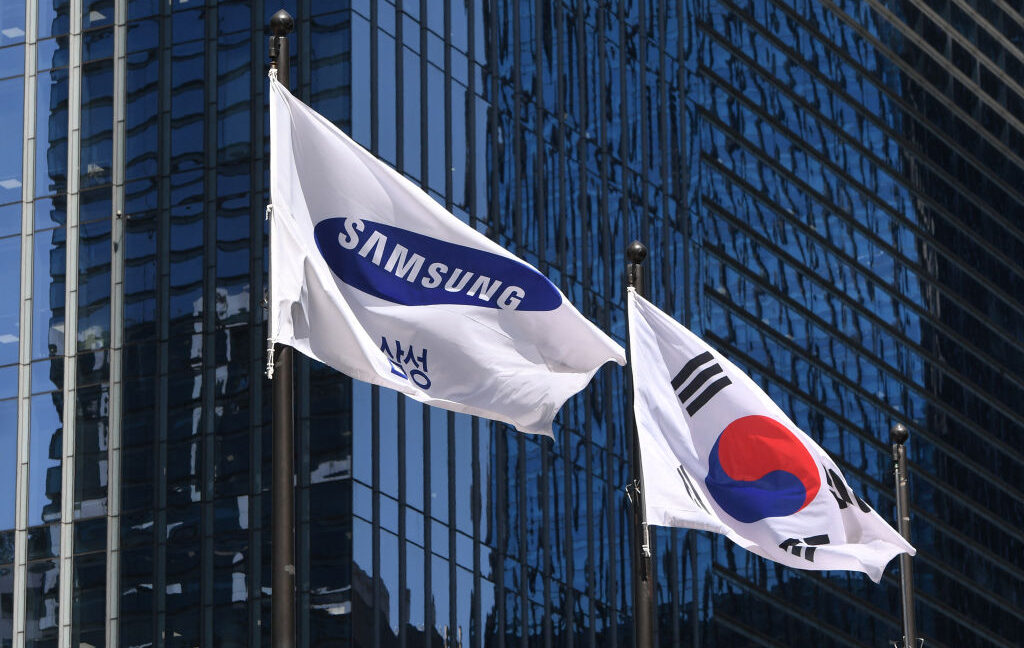
In revenue guidance released this week, Samsung Electronics predicts it will make between 19.9 and 20.1 trillion Korean won in operating profit (roughly $13.8 billion USD) in Q4 2025, compared to just 6.49 trillion won in Q4 of 2024.

Samsung is way more than just a memory business, of course, but its fortunes often rise and fall along with its memory division; Samsung’s profits were dropping dramatically in 2023 partly because of an oversupply of memory that made its memory division lose billions of dollars.

Less-diversified companies that primarily make memory are also raking in money lately. SK Hynix posted its “highest-ever quarterly performance” in Q3 of 2025 with 11.38 trillion Korean won (about $7.8 billion) in operating profit, up from 7.03 trillion in Q3 of 2024, and an operating margin that increased from 40 percent to 47 percent. SK Hynix credits “expanding investments in AI infrastructure” and “surging demand for AI servers” for its performance.

Micron—which recently decided to exit the consumer RAM and storage markets but is still selling its products to other businesses—also reported a big boost to net income year over year, from $1.87 billion in Q1 2025 to $5.24 billion in Q1 2026. This has generated the company’s “highest ever free cash flow.”

“Total company revenue, DRAM and NAND revenue, as well as HBM and data center revenue and revenue in each of our business units, also reached new records [in fiscal Q1],” wrote Micron CEO Sanjay Mehrotra.

Why is RAM so expensive right now?

Reading these upbeat earnings reports and forecasts will be cold comfort to people trying to build or upgrade a PC, who have seen the price of a 32GB kit of DDR5-6000 increase from $80 in August 2025 to $340 today. And if the current AI boom continues, it’s unlikely to improve in the near term.

High RAM prices mean record-setting profits for Samsung and other memory makers Read More »
after-nearly-30-years,-crucial-will-stop-selling-ram-to-consumers

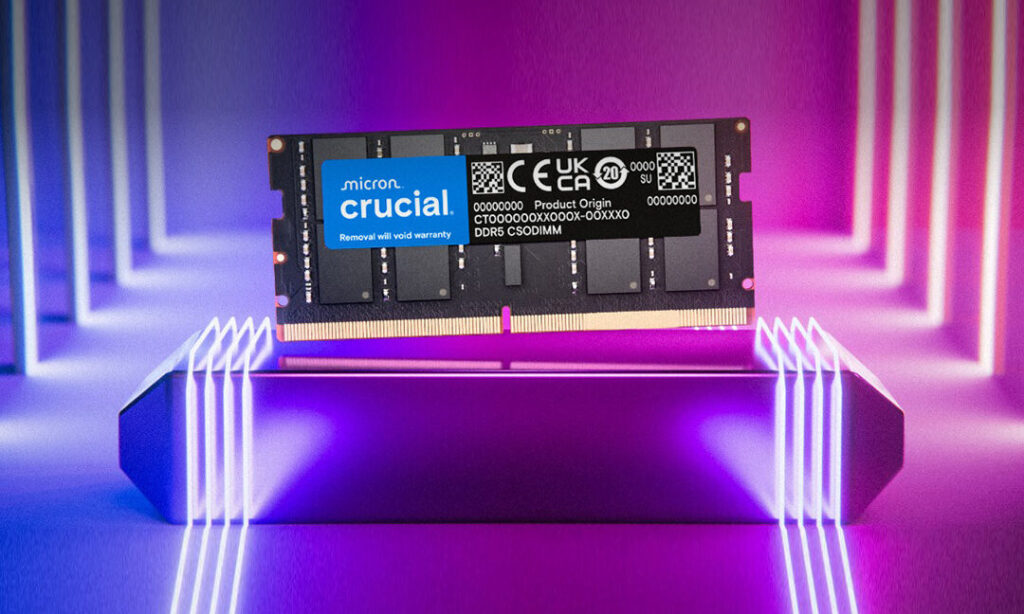
After nearly 30 years, Crucial will stop selling RAM to consumers

DRAM contract prices have increased 171 percent year over year, according to industry data. Gerry Chen, general manager of memory manufacturer TeamGroup, warned that the situation will worsen in the first half of 2026 once distributors exhaust their remaining inventory. He expects supply constraints to persist through late 2027 or beyond.

The fault lies squarely at the feet of AI mania in the tech industry. The construction of new AI infrastructure has created unprecedented demand for high-bandwidth memory (HBM), the specialized DRAM used in AI accelerators from Nvidia and AMD. Memory manufacturers have been reallocating production capacity away from consumer products toward these more profitable enterprise components, and Micron has presold its entire HBM output through 2026.

A photo of the

A photo of the “Stargate I” site in Abilene, Texas. AI data center sites like this are eating up the RAM supply. Credit: OpenAI

At the moment, the structural imbalance between AI demand and consumer supply shows no signs of easing. OpenAI’s Stargate project has reportedly signed agreements for up to 900,000 wafers of DRAM per month, which could account for nearly 40 percent of global production.

The shortage has already forced companies to adapt. As Ars’ Andrew Cunningham reported, laptop maker Framework stopped selling standalone RAM kits in late November to prevent scalping and said it will likely be forced to raise prices soon.

For Micron, the calculus is clear: Enterprise customers pay more and buy in bulk. But for the DIY PC community, the decision will leave PC builders with one fewer option when reaching for the RAM sticks. In his statement, Sadana reflected on the brand’s 29-year run.

“Thanks to a passionate community of consumers, the Crucial brand has become synonymous with technical leadership, quality and reliability of leading-edge memory and storage products,” Sadana said. “We would like to thank our millions of customers, hundreds of partners and all of the Micron team members who have supported the Crucial journey for the last 29 years.”

After nearly 30 years, Crucial will stop selling RAM to consumers Read More »

tiny,-removable-“mini-ssd”-could-eventually-be-a-big-deal-for-gaming-handhelds

Tiny, removable “mini SSD” could eventually be a big deal for gaming handhelds

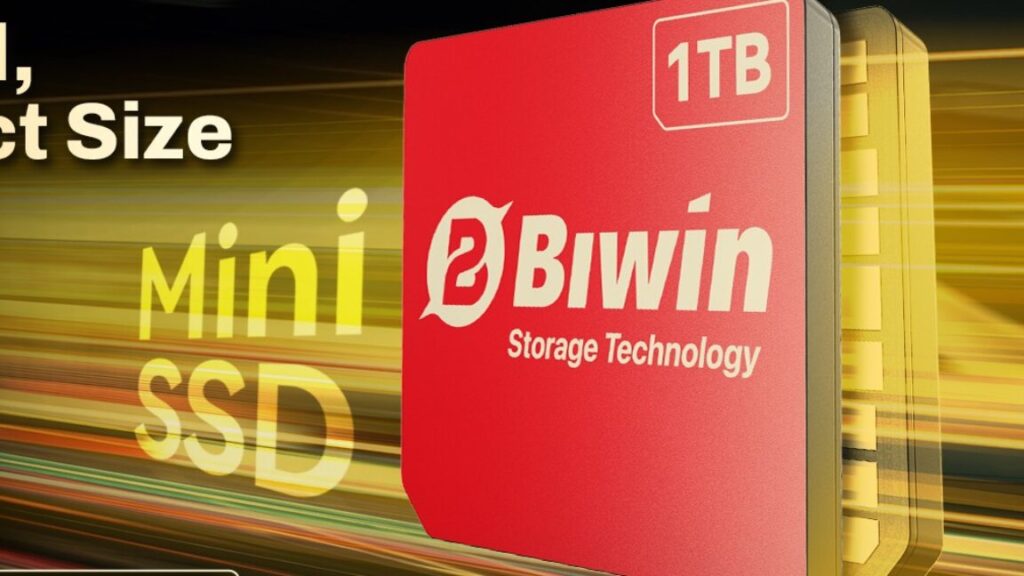
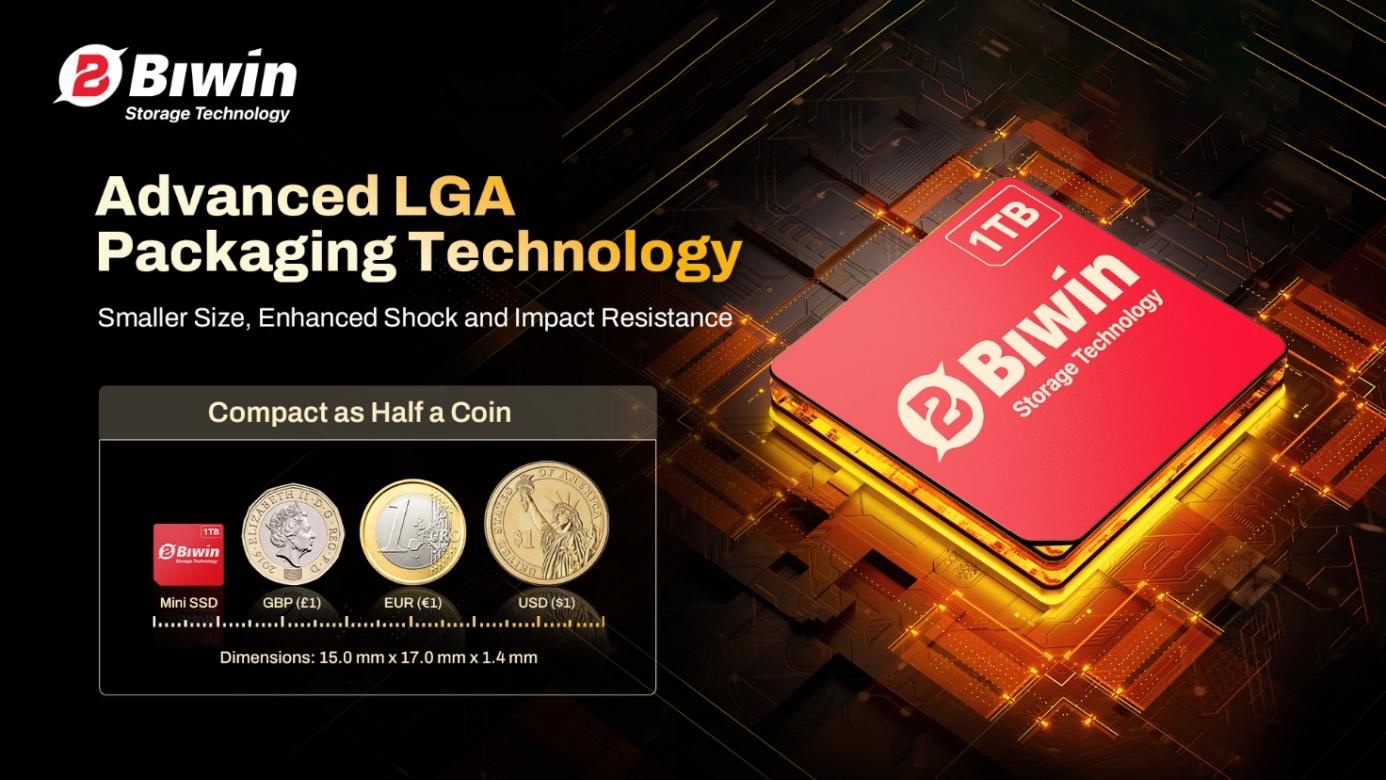
The Mini SSD card isn’t and may never be a formally ratified standard, but it does aim to solve a real problem for portable gaming systems—the need for fast storage that can load games at speeds approaching those of an internal SSD, without requiring users to take their own systems apart to perform upgrades.

Why are games getting so dang big, anyway?

Big storage, small size. Credit: Biwin

A 2023 analysis from TechSpot suggested that game size had increased at an average rate of roughly 6.3GB per year between 2012 and 2023—games that come in over 100GB aren’t the norm, but they aren’t hard to find. Some of that increase comes from improved graphics and the higher-resolution textures needed to make games look good on 4K monitors and TVs. But TechSpot also noted that the storage requirements for narrative-heavy, cinematic-heavy games like The Last of Us Part 1 were being driven just as much by audio files and support for multiple languages.

“In total, nearly 17 GB of storage is needed for [The Last of Us] data unrelated to graphics,” wrote author Nick Evanson. “That’s larger than any entire game from our 2010 sample! This pattern was consistent across nearly all the ‘Godzilla-sized’ games we examined—those featuring numerous cinematics, extensive speech, and considerable localization were typically much larger than the rest of the sample in a given year.”

For another prominent recent example, consider the install sizes for the Mac version of Cyberpunk 2077. The version of the game on Steam, the Epic Games Store, and GOG runs about 92GB. However, the version available for download from Apple’s App Store is a whopping 159GB, solely because it includes all of the game’s voiceovers in all of the languages it supports. (This is because of App Store rules that require apps to have all possible files included when they’re submitted for review.)

It’s clear that there’s a need for fast storage upgrades that don’t require you to disassemble your console or PC completely. Whether it’s this new “mini SSD,” a faster iteration of microSD Express, or some other as-yet-unknown storage format remains to be seen.

Tiny, removable “mini SSD” could eventually be a big deal for gaming handhelds Read More »

data-recovery-firm-tests-$28,-500gb-hdd-from-amazon-and-gets-surprising-results

Data-recovery firm tests $28, 500GB HDD from Amazon and gets surprising results

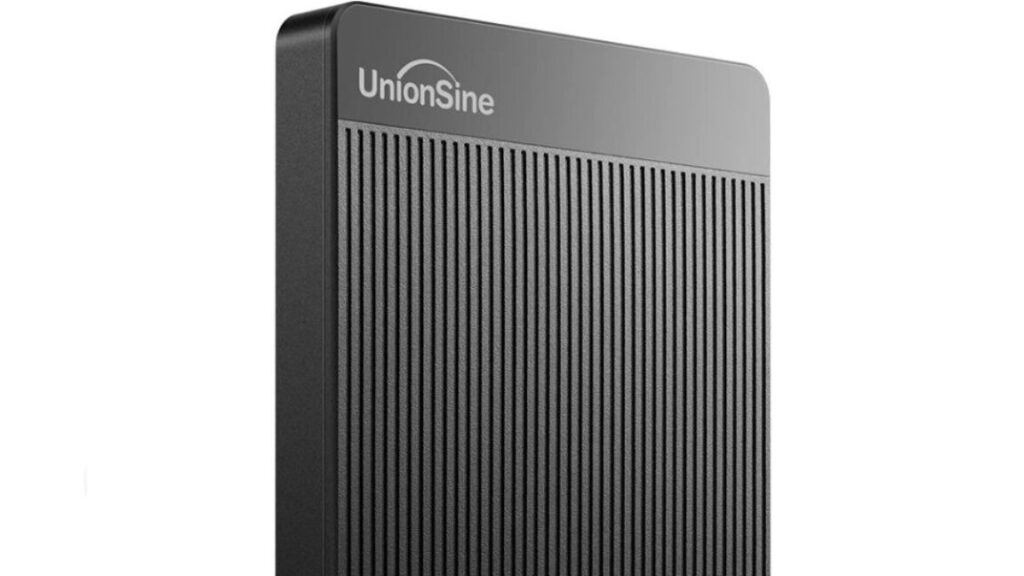
Ars was unable to confirm if UnionSine and Toshiba have any formal business relationship. UnionSine’s website says that its full company name is Shenzhen Union Integrity Technology Co., Ltd., a Shenzhen-based company launched in 2014 with “more than 50 employees.” It doesn’t list Toshiba as a partner. Toshiba also doesn’t mention any collaboration with UnionSine on its website. Neither company responded to requests for comment ahead of publication. Interestingly, there’s at least one account of someone finding a Western Digital drive inside their UnionSine HDD’s enclosure.

Rymko said that Secure Data Recovery couldn’t confirm if the Toshiba drive was refurbished but also emphasized the drive’s nearly 10 years of age:

Our internal data indicates that the average lifespan of a drive is approximately three-to-five years, depending on the brand, capacity, and other factors. Our data found that the average ‘power-on’ hours of failed drives was about two years and 10 months. With the right tools, the ‘power-on hours’ data can be reset. This could mean the drive may last a few years; I can’t say for sure.

There are better storage options

Rymko told me that UnionSine “seem[s] like a legitimate company” and noted that Secure Data Recovery has recovered data from UnionSine drives before. He also said that for $28, “the drive performs well and provides good value;” it also “meets expectations for speed and reliability.” Still, he has some concerns about long-term use:

We haven’t identified any major issues with this device, but as with any budget drive, long-term durability and sustained performance under heavy use are potential concerns to watch for. It’s always a good idea to back up important data regularly.

But there are still reasons to look elsewhere for storage.

For one, UnionSine doesn’t have a clearly posted warranty policy for its HDDs. As Rymko mentioned, the long-term durability of its drive is dubious, making the lack of a clear warranty concerning.

Further, there are bigger and roomier storage options than a 500GB HDD. If you’re opting for an HDD over an SSD to save money, it can be prudent to put at least some of those savings toward more storage space. A roomier HDD will cost more, but the price-per-GB may not differ much, depending on the drive.

When storing valued files, you can rest easier by following the 3-2-1 backup rule and by buying from a reputable brand with a solid warranty. Losing important data is frustrating enough, and that frustration is exacerbated when a company doesn’t take accountability for a potentially faulty device.

Data-recovery firm tests $28, 500GB HDD from Amazon and gets surprising results Read More »