space policy

there’s-a-lot-of-big-talk-about-sovereign-launch—who-is-doing-something-about-it?

There’s a lot of big talk about sovereign launch—who is doing something about it?


As alliances fray, these are the nations investing in sovereign access to space.

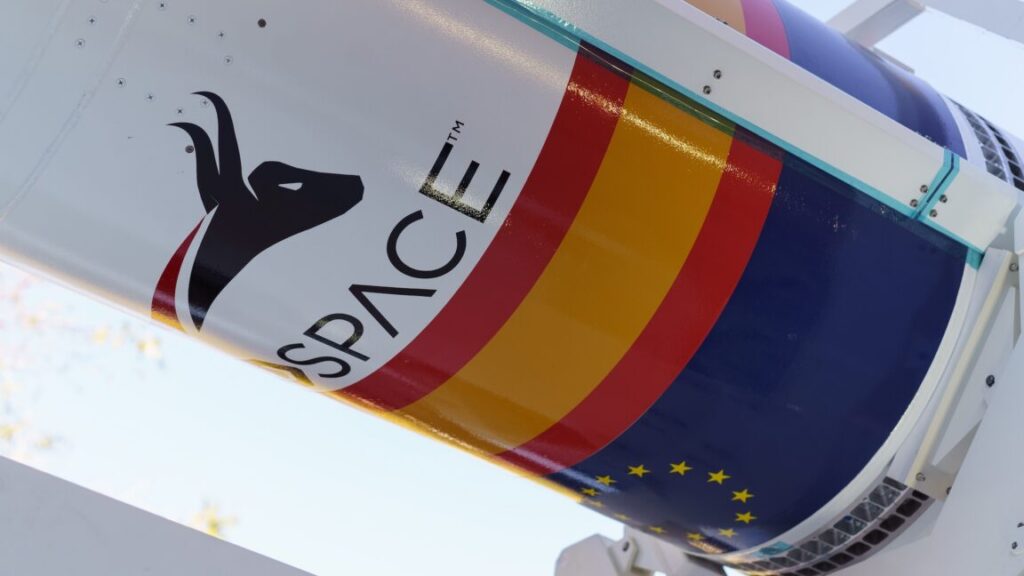
PLD Space shows off a model of its Miura 1 suborbital rocket during a 2021 presentation on the esplanade of the National Museum of Natural Sciences in Madrid. Credit: Oscar Gonzalez/NurPhoto via Getty Images

No one will supplant American and Chinese dominance in the space launch arena anytime soon, but several longtime US allies now see sovereign access to space as a national security imperative.

Taking advantage of private launch initiatives already underway within their own borders, several middle and regional powers have approved substantial government funding for commercial startups to help them reach the launch pad. Australia, Canada, Germany, and Spain are among the nations that currently lack the ability to independently put their own satellites into orbit but which are now spending money to establish a domestic launch industry. Others talk a big game but haven’t committed the cash to back up their ambitions.

The moves are part of a wider trend among US allies to increase defense spending amid strained relations with the Trump administration. Tariffs, trade wars, and threats to invade the territory of a NATO ally have changed the tune of many foreign leaders. In Europe, there’s even talk of fielding a nuclear deterrent independent of the nuclear umbrella provided by the US military.

Trump’s relationship with Elon Musk, the head of the world’s leading space launch company, has further soured foreign appetite for using the United States for launch services. Today, that usually means choosing to pay Musk’s SpaceX.

Commercial satellite companies will still choose the cheapest, most reliable path to space, of course. This means SpaceX will win the overwhelming majority of commercial launch contracts put up for global competition. But there’s a captive market for many satellite projects, especially those with government backing. US government satellites typically launch on US rockets, just as Chinese satellites fly on Chinese rockets.

The picture is more opaque in Europe. The European Space Agency and the European Union prefer to launch their satellites on European rockets, but that’s not always possible. ESA and the EU launched several key satellite missions on SpaceX rockets while waiting on the debut of Europe’s long-delayed Ariane 6 rocket. The Ariane 6 is now launching reliably, ending Europe’s reliance on SpaceX.

Many European nations have their own satellite projects. Historically, their preference for launching on European rockets has not been as strong as it is for pan-European programs managed by ESA and the EU. So it has never been unusual to see a British, German, Spanish, or Italian satellite launching on a foreign rocket.

This posture is starting to change. All four of these nations have invested in homegrown rockets in recent years. Germany made the biggest splash last year when the government announced $41 billion (35 billion euros) in space spending over the next five years. “Satellite networks today are an Achilles’ heel of modern societies. Whoever attacks them paralyzes entire nations,” said Boris Pistorius, Germany’s defense minister, during the announcement.

Every satellite network needs a launch pad and a rocket. In late 2024, the German federal government made more than $110 million (95 million euros) available to three German launch startups: Isar Aerospace, Rocket Factory Augsburg, and HyImpulse. All three are also backed by private funding, with Isar leading the pack with approximately $650 million (550 million euros) from investors. None have reached orbit yet. For comparison, Rocket Lab, the world’s most successful launch startup not founded by a billionaire, raised $148 million (approximately $200 million adjusted for inflation) before reaching orbit in 2018. Nearly all of it came from private sources.
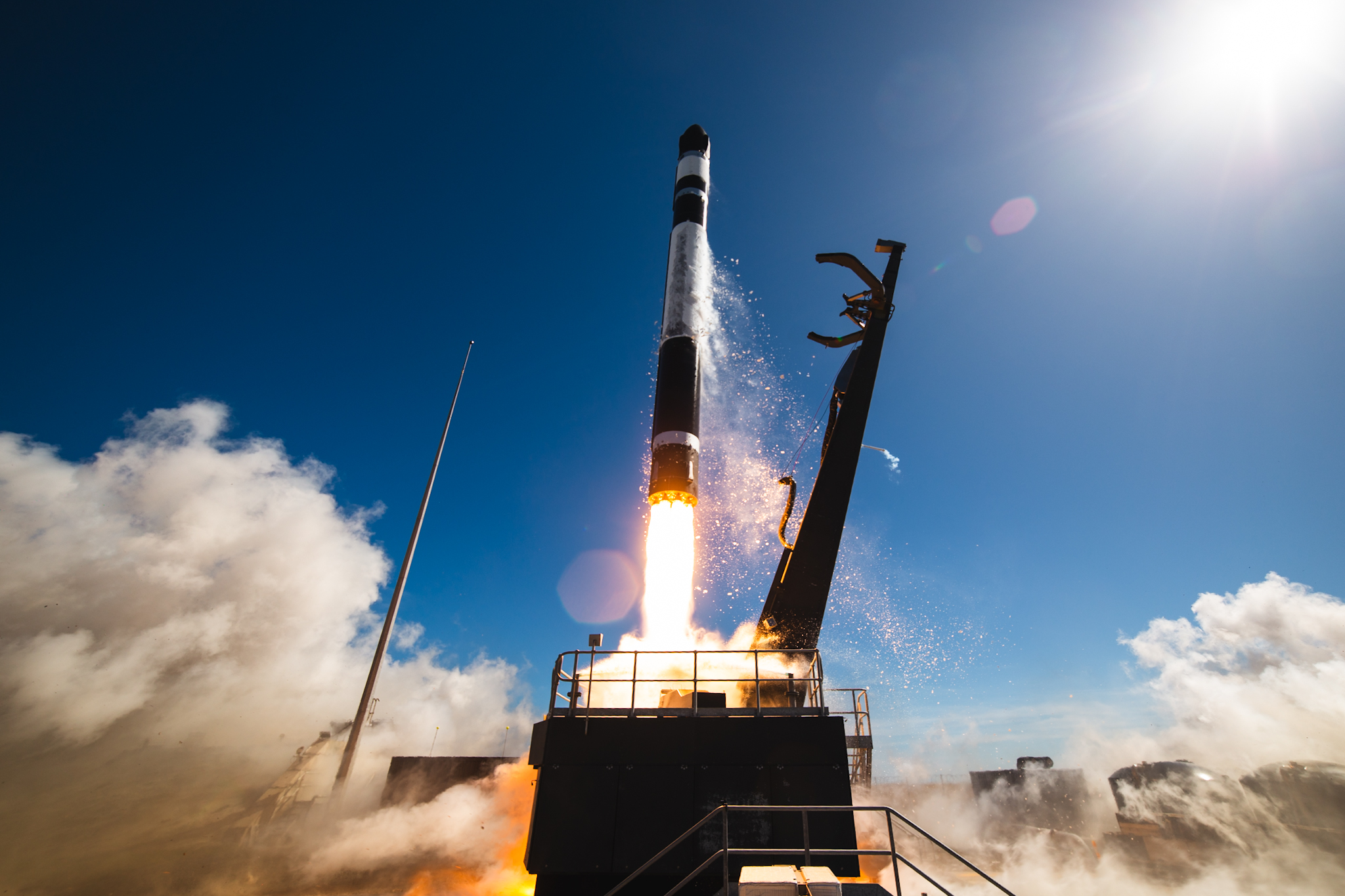
Rocket Lab, which operates the Electron small satellite launcher seen in this image, is the most successful modern commercial launch startup not founded by a billionaire. Rocket Lab went public in 2021, three years after its first successful orbital launch.

Credit: Rocket Lab

Rocket Lab, which operates the Electron small satellite launcher seen in this image, is the most successful modern commercial launch startup not founded by a billionaire. Rocket Lab went public in 2021, three years after its first successful orbital launch. Credit: Rocket Lab

In 2023, the Italian government committed more than $300 million in support of Avio, the company that already builds and operates the Vega satellite launcher. Avio is based in Italy and is using the funds to develop methane propulsion, among other things.

With help from other ESA member states, Italy is one of the countries that already has a rocket made largely of domestic or European components. The United States, Russia, China, France, Japan, the United Kingdom, India, Israel, Iran, North Korea, South Korea, and New Zealand have also successfully launched satellites using their own rockets.

The UK no longer possesses such a capability, and France’s access to space is currently tied to the Ariane rocket, a pan-European program. France, like Italy, is pouring money into domestic launch startups to buttress the Ariane program.

Let’s look at the countries not among the list of active launching states that have committed substantial public funds to join (or rejoin) the club. To the best of our ability, we list these nations in the order of how much they are currently investing in sovereign launch programs.

Germany

Germany is probably closest to bringing a new commercial rocket into service. Isar Aerospace, Europe’s most well-funded launch startup, made its first orbital launch attempt last year from a spaceport in Norway. The company’s Spectrum rocket failed moments after liftoff, but Isar is readying a second rocket for another test flight as soon as next month. Rocket Factory Augsburg and HyImpulse, Germany’s other two launch startups with significant funding, currently trail Isar in the race to orbit.

In a space safety and security strategy released last year, Germany’s defense ministry included access to space among its lines of effort. The ministry said it aims to develop “sufficient responsive launch transport capacity to ensure national and European strategic independence in all payload classes and transport scenarios.”

In addition to the German government’s $110 million commitment to Isar, RFA, and HyImpulse, Germany is the leading contributor to ESA’s European Launcher Challenge program, which is designed to funnel money into multiple European rocket startups. Germany is the only European country with two companies—Isar and RFA—participating in the challenge. ESA member states approved nearly $1.1 billion (902 million euros) for the challenge last year. Germany is providing about 40 percent of the money and directing most of it to Isar and RFA.
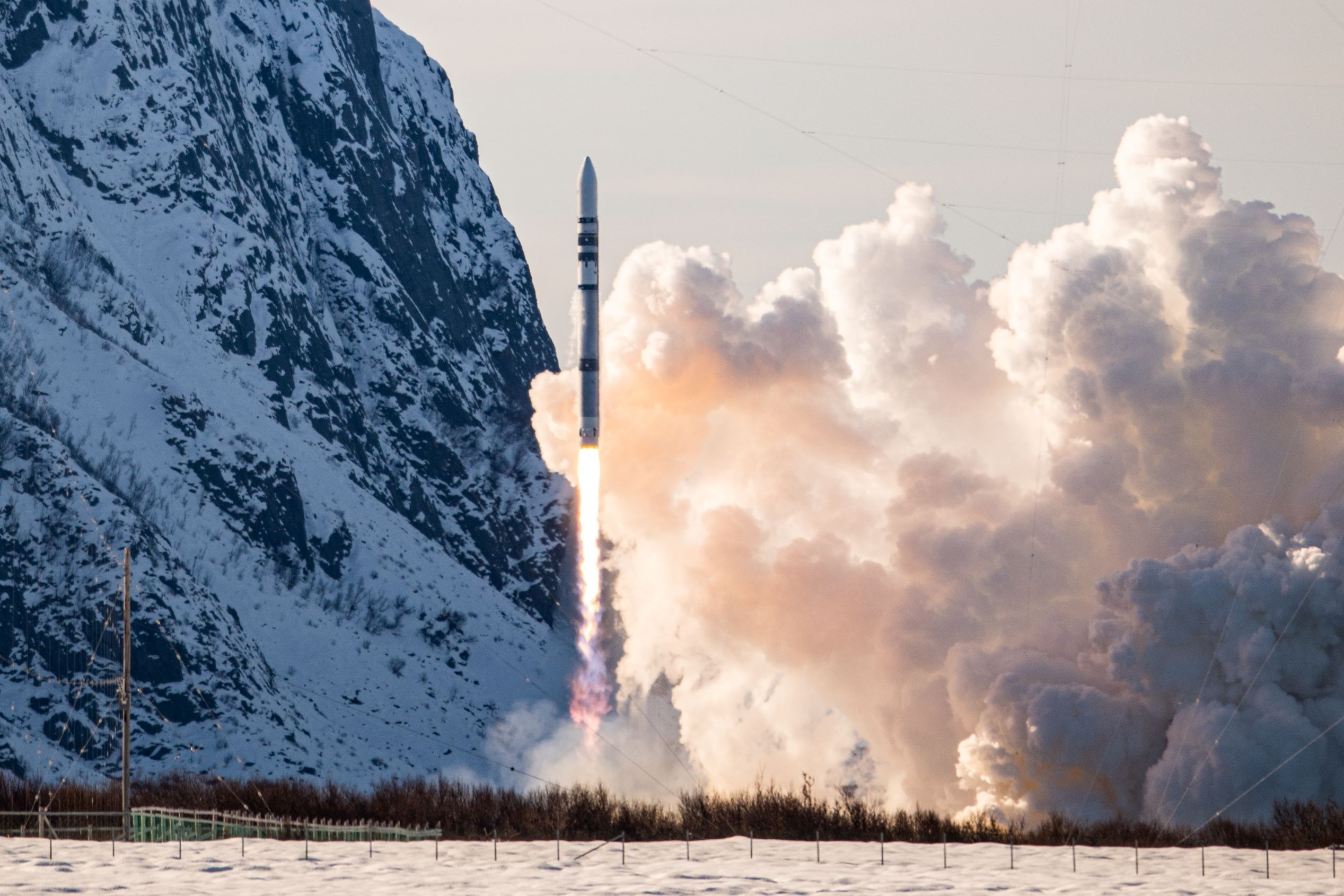
Isar Aerospace’s Spectrum rocket lifts off from Andøya Spaceport, Norway, on March 30, 2025.

Credit: Isar Aerospace/Brady Kenniston/NASASpaceflight.com

Isar Aerospace’s Spectrum rocket lifts off from Andøya Spaceport, Norway, on March 30, 2025. Credit: Isar Aerospace/Brady Kenniston/NASASpaceflight.com

Spain

The government of Spain is the second-largest contributor to ESA’s European Launcher Challenge, with $200 million (169 million euros) unlocked to support PLD Space, the country’s leading launch startup. PLD Space is developing a small satellite launcher named Miura 5, which the company says will begin demonstration flights later this year. PLD Space’s most recent private fundraising round was in 2024, when the company reported raising more than $140 million (120 million euros) in total investment. ESA’s European Launcher Challenge will more than double this figure. Apart from the ESA challenge, Spain’s government provided more than $47 million (40.5 million euros) to PLD Space in 2024 through the PERTE Aerospace initiative, established to support independent Spanish access to space.

The Spanish government called access to space “one of Spain’s key areas of focus.” In a statement from November, Spain’s science ministry wrote, “PLD Space has been supported by the Spanish government from the beginning with Miura 1, the first suborbital rocket.”

“We have supported PLD Space at the national level until now,” said Diana Morant, Spain’s science minister. “We will now also do so through ESA so that our launcher, a European and Spanish brand, is part of that family of launchers planned for the future.”

United Kingdom

The UK’s position on this list should carry an asterisk following the collapse of the Scottish launch company Orbex. More than a decade into its run, Orbex entered insolvency proceedings last week after “fundraising, merger and acquisition opportunities had all concluded unsuccessfully.” Orbex never made it far on the road to space, despite raising $175 million (£129 million) from private and public investors. Despite its failure, Orbex was by far the most well-capitalized UK launch company. Skyrora, another Scottish launch startup, has expressed interest in buying Orbex’s assets, including land for a privately developed spaceport.

Early last year, the UK government announced a direct investment of more than $27 million (£20 million) to support the development of Orbex’s small satellite launcher. That was followed in November with the UK government’s $170 million (144 million euro) contribution to ESA’s European Launcher Challenge program. UK officials likely saw Orbex’s pending collapse and left nearly 80 percent of the challenge funding unallocated. It remains to be seen how the UK will divide its remaining budget for the launcher challenge.
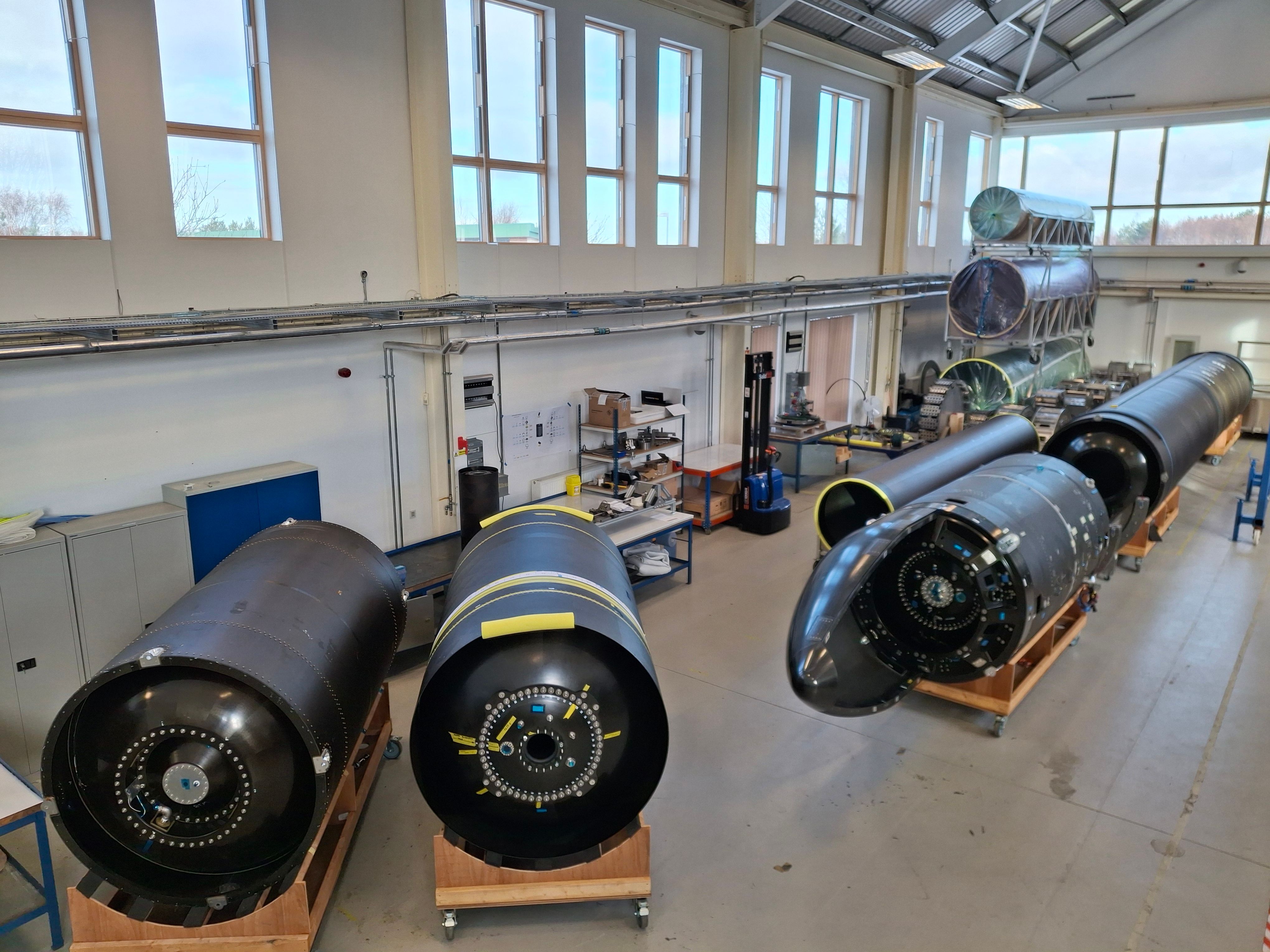
Orbex released images showing structural elements of its Prime small satellite launcher in “near-flight configuration” after entering insolvency proceedings earlier this month.

Credit: Orbex

Orbex released images showing structural elements of its Prime small satellite launcher in “near-flight configuration” after entering insolvency proceedings earlier this month. Credit: Orbex

Canada

In November, Canada’s government announced an investment of approximately $130 million (182.6 million Canadian dollars) for sovereign launch capability. The initiative “seeks to accelerate the advancement of Canadian-designed space launch vehicles and supporting technologies,” the government said in the announcement. The goal is to develop the capability to launch Canadian payloads from Canadian soil with “light lift” rockets by 2028. More than half the funding will support a launch challenge in which the government will offer grants over three years to selected participants who must meet predetermined milestones to win prizes.

Several Canadian startups, such as Maritime Launch Services, Reaction Dynamics, and NordSpace, are working on commercial satellite launchers, but none appear close to making an orbital launch attempt. The Canadian government’s announcement last year came days after MDA Space, the largest established space company in Canada, announced its own multimillion-dollar investment in Maritime Launch Services. Eventually, Canada plans to launch a second challenge to foster the development of a larger medium-lift rocket.

Australia

There’s just one launch startup in Australia with any chance of putting a satellite into orbit anytime soon. This company, named Gilmour Space, launched its first test flight last July, but the rocket stalled moments after clearing the launch pad. Gilmour raised approximately $90 million, primarily from venture capital firms, before the first flight of its Eris rocket. The firm more than tripled this figure with a bountiful fundraising round amounting to more than $300 million last month, led by the National Reconstruction Fund Corporation, a public financing firm established by the Australian government.

The NRFC said it is investing more than $50 million (75 million Australian dollars) into Gilmour to further develop the company’s Eris rocket, scale its satellite and rocket manufacturing, and expand its spaceport in Queensland. “By building sovereign space capability that underpins our everyday life—from Earth observation and communications to national security—Gilmour’s efforts will secure Australia’s access to essential space services, strengthen the country’s advanced manufacturing base, and create highly-skilled jobs and opportunities in the region,” said David Gall, NRFC’s CEO.

Brazil

The most populous nation in Latin America has tried longer than any other to cultivate an independent space launch capability. The efforts date back to the 1980s, but they have repeatedly misfired, and in one case, the results were fatal. The country’s VLS-1 rocket exploded on the ground in 2003, killing 21 Brazilian technicians working at a launch pad on the country’s northern Atlantic coast. The tragedy led the Brazilian government to eventually cancel the VLS satellite launcher and set a new course with a less powerful rocket sized for launching microsatellites.

The new rocket, named VLM, is under development by the Brazilian Space Agency and the Brazilian Air Force in partnership with Germany, but there have been few signs of tangible progress since a test-firing of a solid-fueled rocket motor in 2021. The Brazilian aerospace company working with the government on the VLM rocket filed for bankruptcy in 2022, and its future remains uncertain amid court-ordered restructuring. At that time, Brazil’s government had reportedly committed between $30 million and $40 million to the VLM rocket project.

Given that situation, Brazil’s best bet to field a new orbital-class rocket appears to be through a public-private partnership. Through a public financing agency, the Brazilian government also agreed to provide $30 million to $40 million to a domestic industrial consortium for an indigenous microlauncher known as MLBR, according to the Brazilian financial newspaper Valor Econômico. The team leading the MLBR project has released regular updates on LinkedIn, unlike the VLM project, but progress on early-stage ground tests remains slow.
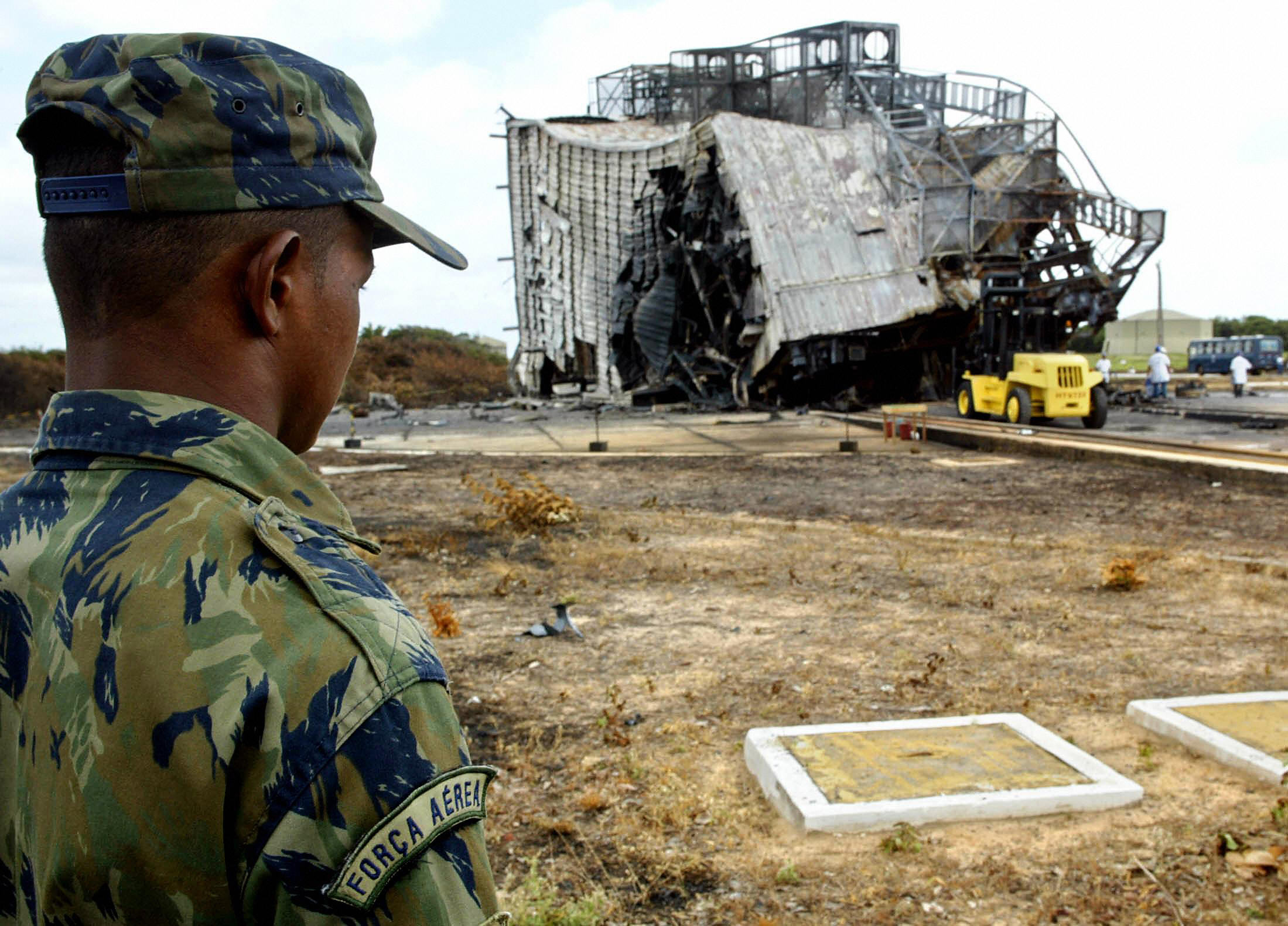
Brazil’s long-running effort to develop a domestic launch capability has been colored by tragedy. Here, a member of the Brazilian Air Force overlooks the rubble from the deadly explosion of the VLS-1 rocket on its launch pad in August 2003.

Credit: Evaristo Sa/AFP via Getty Images

Brazil’s long-running effort to develop a domestic launch capability has been colored by tragedy. Here, a member of the Brazilian Air Force overlooks the rubble from the deadly explosion of the VLS-1 rocket on its launch pad in August 2003. Credit: Evaristo Sa/AFP via Getty Images

Taiwan

Taiwan’s government is increasing funding for the country’s space program, but the Taiwan Space Agency’s annual budget remains modest at approximately $200 million per year. The nation’s efforts in the space sector have primarily focused on building satellites and instruments for Earth observation, weather monitoring, and scientific research. Last year, the Taiwan Space Agency announced a goal of launching a homegrown rocket into orbit by 2034, with more than $25 million in the agency’s 2026 budget to kick-start the program. The space agency says flight testing of the new rocket, designed to haul up to 440 pounds (200 kilograms) to low-Earth orbit, could begin by 2029.

Argentina

Argentina also has a long-running project aiming to onshore access to space. The centerpiece of this project is the Tronador II rocket, a two-stage, liquid-fueled vehicle designed to deliver small payloads to low-Earth orbit. Argentina’s economic woes have blocked any serious progress on the Tronador II. In a pair of announcements in late 2021 and late 2022, the government of Argentina pledged more than 14 billion pesos to develop a new orbital-class launch vehicle. At the time, this was equivalent to more than $100 million, but the subsequent devaluation of Argentine currency means the investment would be worth just $10 million today. The government of Argentine President Javier Milei has cut spending on research and technology programs, so Tronador is going nowhere fast.

Others

The United Arab Emirates is another up-and-coming space power with the resources to support the development of a commercial launch provider, though the government hasn’t yet revealed a budget to support such an effort. Several other countries, such as Indonesia, South Africa, and Turkey, have said they aspire to develop an indigenous orbital launch capability, but with little in the way of firm, significant financial commitments or substantive progress.

Photo of Stephen Clark

Stephen Clark is a space reporter at Ars Technica, covering private space companies and the world’s space agencies. Stephen writes about the nexus of technology, science, policy, and business on and off the planet.

There’s a lot of big talk about sovereign launch—who is doing something about it? Read More »
lawmakers-ask-what-it-would-take-to-“store”-the-international-space-station

Lawmakers ask what it would take to “store” the International Space Station


NASA shall evaluate the “viability of transferring the ISS to a safe orbital harbor” after retirement.

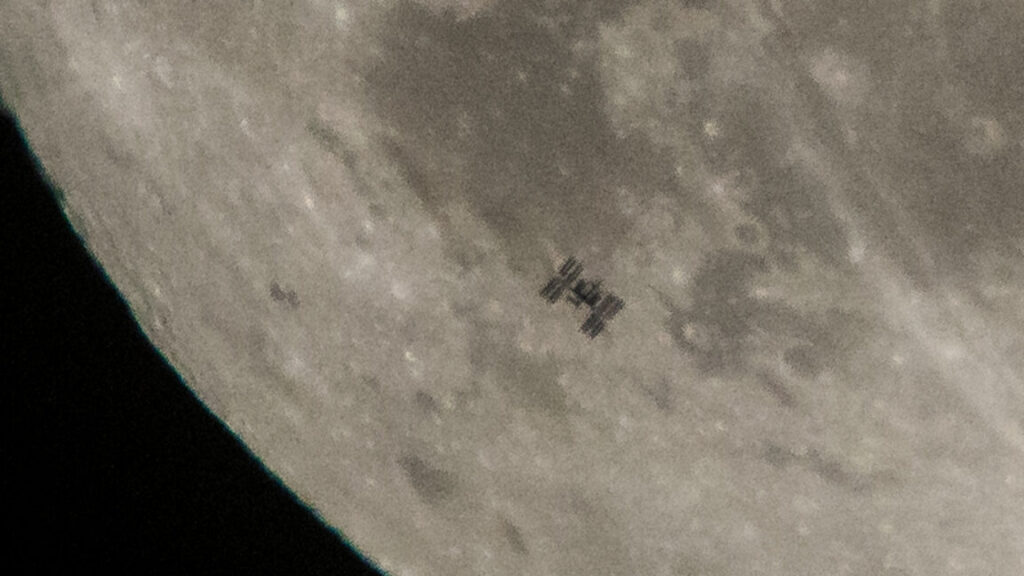
The International Space Station, with a crew of six onboard, is seen in silhouette as it transits the Moon at roughly five miles per second on Saturday, December 2, 2017, in Manchester Township, York County, Pennsylvania. Credit: NASA/Joel Kowsky

Members of the House Science, Space, and Technology Committee voted to approve a NASA authorization bill this week, advancing legislation chock full of policy guidelines meant to give lawmakers a voice in the space agency’s strategic direction.

The committee met to “mark up” the NASA Reauthorization Act of 2026, adding more than 40 amendments to the bill before a unanimous vote to refer the legislation to the full House of Representatives. Wednesday’s committee vote was just one of several steps needed for the bill to become law. It must pass a vote on the House floor, win approval from the Senate, and then go to the White House for President Donald Trump’s signature.

Ars has reported on one of the amendments, which would authorize NASA to take steps toward a “commercial” deep space program using privately owned rockets and spacecraft rather than vehicles owned by the government.

Another add-on to the authorization bill would require NASA to reassess whether to guide the International Space Station (ISS) toward a destructive atmospheric reentry after it is decommissioned in 2030. The space agency’s current plan is to deorbit the space station in 2031 over the Pacific Ocean, where debris that survives the scorching reentry will fall into a remote, unpopulated part of the sea.

No policy change—yet

The most recent NASA authorization act, passed in 2022, extended the US government’s support for the ISS program until 2030. The amendment tacked onto this year’s bill would not change the timeline for ending operations on the ISS, but it asks NASA to reconsider its decision about what to do with the complex after retirement.

The amendment would direct NASA to “carry out an engineering analysis to evaluate the technical, operational, and logistical viability of transferring the ISS to a safe orbital harbor and storing the ISS in such harbor after the end of the operational low-Earth orbit lifetime of the ISS to preserve the ISS for potential reuse and satisfy the objectives of NASA.”

Rep. George Whitesides (D-Calif.) submitted the amendment with cosponsorship from Rep. Nick Begich (R-Alaska). The proposal passed the committee through a voice vote with bipartisan support. Whitesides was a NASA chief of staff and longtime executive in the space industry before his election to the House last year.

“The International Space Station is one of the most complex engineering achievements in human history,” Whitesides said. “It represents more than three decades of international collaboration and investment by US taxpayers estimated at well over $100 billion. Current plans call for the station to be deorbited at the end of its service life in 2030. This amendment does not seek to change that policy. Instead, it asks a straightforward question: Before we permanently dispose of an asset of this magnitude, should we fully understand whether it’s viable to preserve it in orbit for potential use by future generations?”

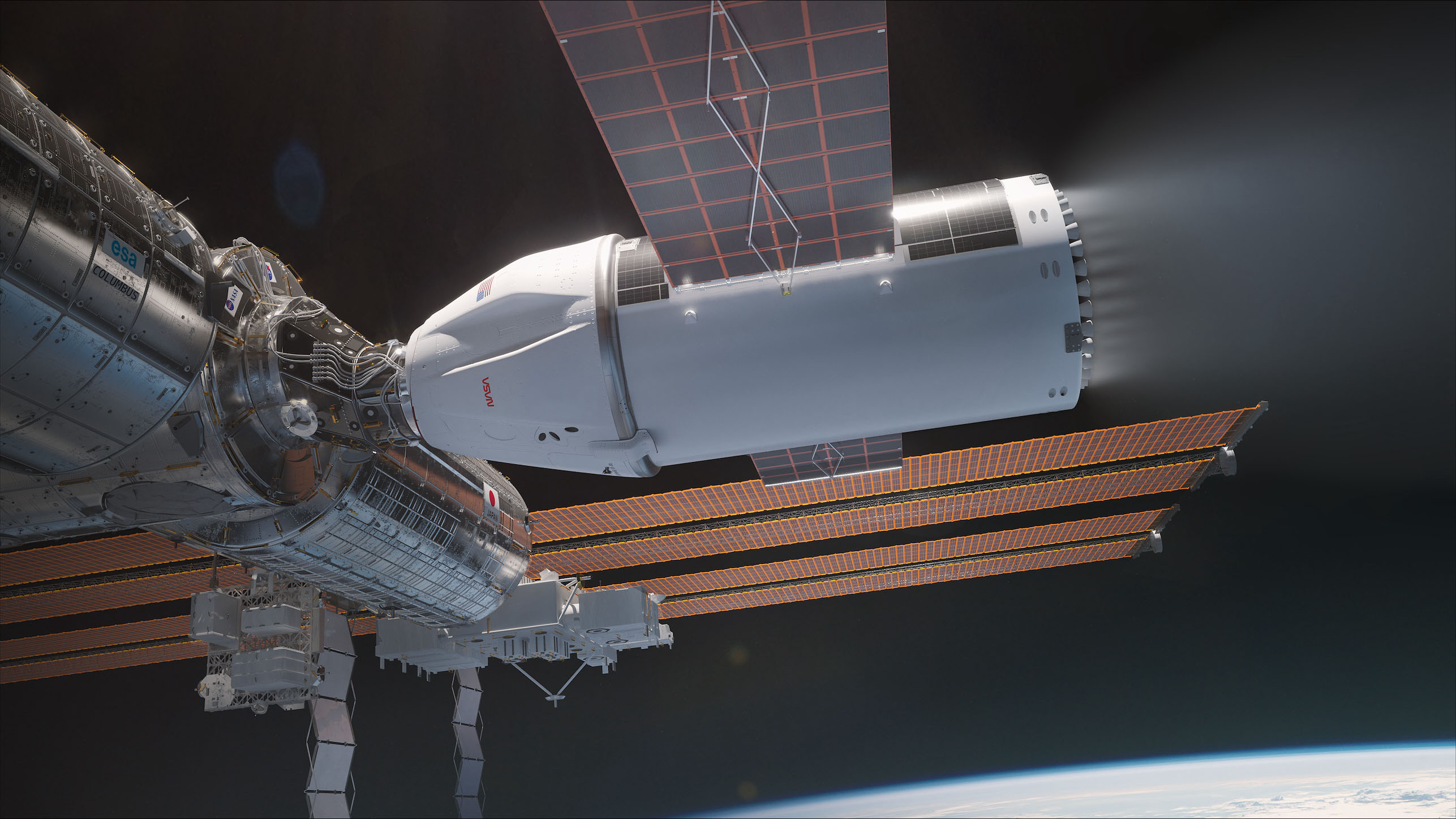
In 2024, NASA awarded SpaceX a nearly $1 billion contract to develop a souped-up version of its Dragon spacecraft, which would be equipped with additional thrusters and propellant tanks to provide the impulse required to steer the space station toward a targeted reentry. The deorbit maneuvers will slow the station’s velocity enough for Earth’s gravity to pull it back into the atmosphere.

Artist’s illustration of SpaceX’s deorbit vehicle, based on the design of the company’s Dragon spacecraft. The modified spacecraft will have 46 Draco thrusters—30 for the deorbit maneuvers and 16 for attitude control.

Credit: SpaceX

Artist’s illustration of SpaceX’s deorbit vehicle, based on the design of the company’s Dragon spacecraft. The modified spacecraft will have 46 Draco thrusters—30 for the deorbit maneuvers and 16 for attitude control. Credit: SpaceX

The deorbit vehicle needs to slow the station’s speed by about 127 mph (57 meters per second), a tiny fraction of the spacecraft’s orbital velocity of more than 17,000 mph (7.7 kilometers per second). But the station mass is around 450 tons (400 metric tons), equivalent to two freight train locomotives, and measures about the length of a football field. Changing its speed by just 127 mph will consume about 10 tons (9 metric tons) of propellant, according to a NASA analysis released in 2024.

The analysis document shows that NASA considered alternatives to discarding the space station through reentry. One option NASA studied involved moving the station into a higher orbit. At its current altitude, roughly 260 miles (420 kilometers) above the Earth, the ISS would take one to two years to reenter the atmosphere due to aerodynamic drag if reboosts weren’t performed. NASA does not want the space station to make an uncontrolled reentry because of the risk of fatalities, injuries, and property damage from debris reaching the ground.

Boosting the space station’s orbit to somewhere between 400 and 420 miles (640 to 680 kilometers) would require a little more than twice the propellant (18.9 to 22.3 metric tons) needed for deorbit maneuvers, according to NASA’s analysis. At that altitude, without any additional boosts, NASA says the space station would likely remain in orbit for 100 years before succumbing to atmospheric drag and burning up. Going higher still, the space station could be placed in a 1,200-mile-high (2,000-kilometer) orbit, stable for more than 10,000 years, with about 146 tons (133 metric tons) of propellant.

There are two problems with sending the ISS to higher altitudes. One is that it would require the development of new propulsive and tanker vehicles that do not currently exist, according to NASA.

“While still currently in development, vehicles such as the SpaceX Starship are being designed to deliver significant amounts of cargo to these orbits,” NASA officials wrote in their analysis. “However, there are prohibitive engineering challenges with docking such a large vehicle to the space station and being able to use its thrusters while remaining within space station structural margins. Other vehicles would require both new certifications to fly at higher altitudes and multiple flights to deliver propellant.”

Going higher would also expose the space station to an increased risk of collision with space junk. The hazards from space debris are most severe at about 500 miles (800 kilometers), according to the engineers who conducted the analysis. “This means that the likelihood of an impact leaving station unable to maneuver or react to future threats, or even a significant impact resulting in complete fragmentation, is unacceptably high.”

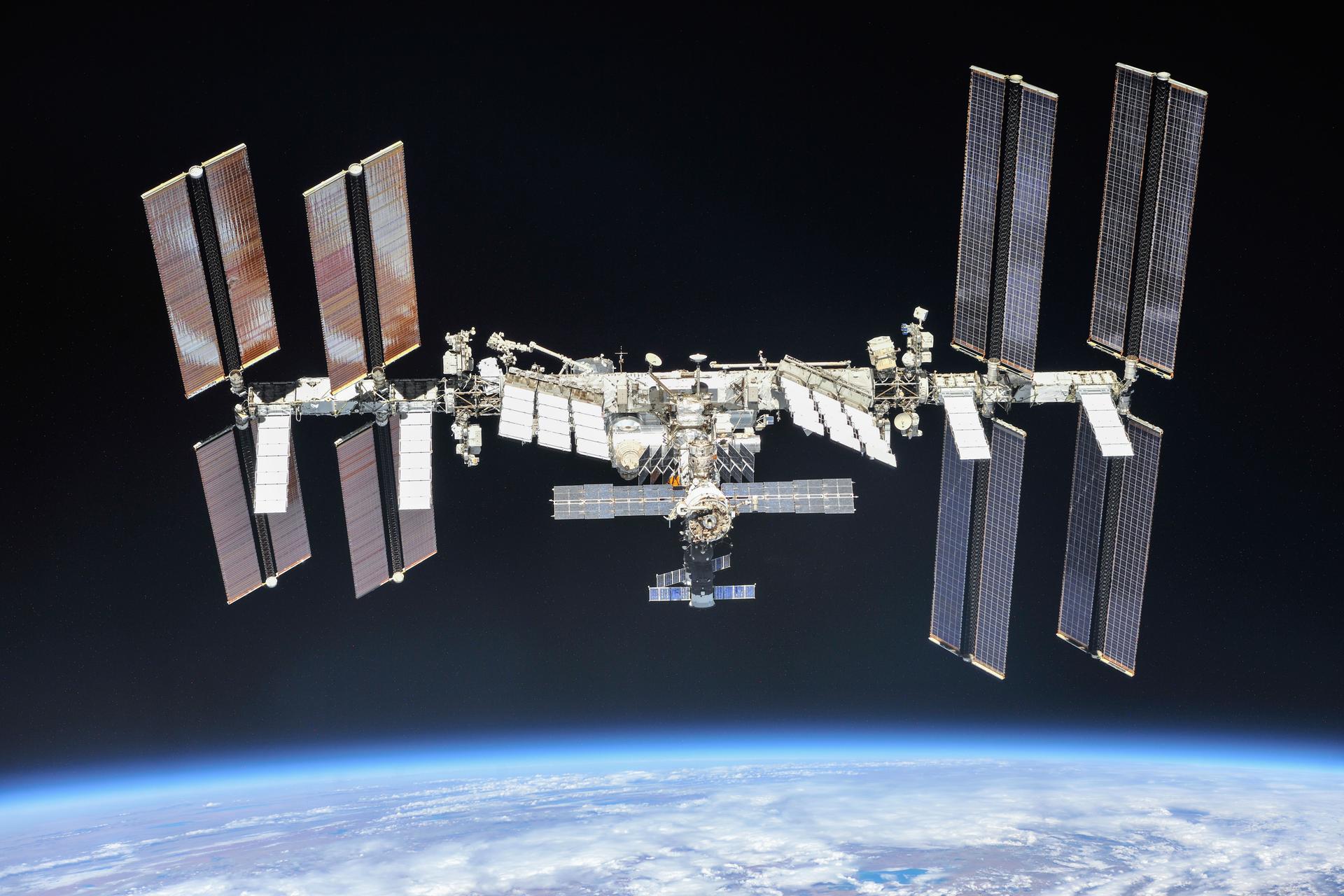
This photo of the International Space Station was captured by a crew member on a Soyuz spacecraft.

Credit: NASA/Roscosmos

This photo of the International Space Station was captured by a crew member on a Soyuz spacecraft. Credit: NASA/Roscosmos

Whitesides’ office did not respond to Ars’ questions, but he said in Wednesday’s hearing that his amendment would direct NASA to further examine the costs and risks of putting the ISS in a higher orbit. The legislation “simply ensures that Congress receives a rigorous fact-based analysis so that future decisions involving the ISS are informed by scientific reality,” he said.

“At a time when we’re thinking seriously about sustainability in space, this amendment protects taxpayer investments and ensures that we fully understand our options before an irreplaceable asset is permanently retired.”

Rep. Brian Babin (R-Texas) said he “wholeheartedly” supports Whitesides’ amendment. Rep. Don Beyer (D-Va.) also endorsed it in brief remarks during Wednesday’s markup hearing.

“I just hate the thought that we would take something not just that we spent all the money on, but such an important part of human history, and dump it in the Pacific Ocean, never to be seen again, rather than preserving it,” Beyer said. “We don’t know whether we can do it in orbit, but if we can, we should really explore that hard.”

It’s not too late

Although NASA’s official policy is still to decommission the ISS in 2030, the door hasn’t closed on extending the lab’s operations into the next decade. There are some concerns about aging hardware, but NASA said in 2024 that engineers have “high confidence” that the primary structure of the station could support operations beyond 2030.

The oldest segments of the station have been in orbit since 1998, undergoing day-night thermal cycles every 45 minutes as they orbit the planet. The structural stability of the Russian section of the outpost is also in question. Russian engineers traced a small but persistent air leak to microscopic structural cracks in one Russian module, but cosmonauts were able to seal the cracks, and air pressure in the area is “holding steady,” a NASA spokesperson said last month.

One of the lab’s most critical elements, its power-generation system, is in good shape after NASA recently installed upgraded solar arrays outside the station. Another set of upgraded solar panels is scheduled to arrive at the station later this year, just a few years before the complex is to be retired.

NASA’s strategy is to decommission the ISS and turn to the commercial sector for new, cheaper, smaller space stations to continue conducting research in low-Earth orbit. This would allow NASA to buy time on a commercial space station for its astronauts and experiments, while the agency’s human spaceflight program focuses on missions to the Moon.

That’s a fine plan, but NASA’s program to support commercial space stations, known as Commercial LEO Destinations (CLDs), is going nowhere fast. Supporters of the CLD program say it has been underfunded from the start, and the strategy became more muddled last year when Sean Duffy, then NASA’s acting administrator, changed the agency’s rules for private space stations. NASA Administrator Jared Isaacman is reviewing the changes, and the requirements for stations may shift again.

NASA spends more than $3 billion per year for ISS operations, including crew and cargo transportation services to staff and support the outpost. NASA’s budget for deep space exploration in fiscal year 2026 is nearly $7.8 billion. NASA is receiving $273 million for the Commercial LEO Destinations program this year, with the money to be divided among multiple companies.

Any private space station will need to sustain itself, at least partially, on commercial business to be profitable. Developers have raised concerns that they will be unable to attract sufficient commercial business—in areas like pharmaceutical research, tech demos, or space tourism—as long as the government-funded ISS is still operating.

One of the companies vying for NASA funding is Vast, which plans to launch its first single-module private outpost to orbit in early 2027. This first station, named Haven-1, will accommodate crews for short-duration temporary stays. Vast plans to follow Haven-1 with a much larger multi-module station capable of supporting a permanent crew.

Max Haot, Vast’s CEO, does not seem bothered by lawmakers’ efforts to revisit the question of deorbiting the International Space Station.

“The amendment directs NASA to study the feasibility of something other than deorbit and disposal after ISS end of life, which is separate from the issue of retiring the space station and transitioning to commercial partners,” Haot said in a statement to Ars. “We support President Trump’s directive in national space policy to replace the ISS by 2030, with commercial partners who can ensure there is no gap in America’s continuous human presence in space.”

The other top contenders in the commercial space station arena are Starlab, a joint venture between Voyager Space and Airbus, the Blue Origin-led Orbital Reef project, and Axiom Space. Voyager and Blue Origin did not respond to requests for comment from Ars, and an Axiom spokesperson was unable to provide a statement by publication time.

Photo of Stephen Clark

Stephen Clark is a space reporter at Ars Technica, covering private space companies and the world’s space agencies. Stephen writes about the nexus of technology, science, policy, and business on and off the planet.

Lawmakers ask what it would take to “store” the International Space Station Read More »

trump-commits-to-moon-landing-by-2028,-followed-by-a-lunar-outpost-two-years-later

Trump commits to Moon landing by 2028, followed by a lunar outpost two years later

Strikingly, there is no mention of a concrete plan to send humans to Mars in this document. There are just two references to the red planet, both of which talk about sending humans there as a far-off goal. One source recently told Ars that as soon as Trump learned there was no way humans could land on Mars during his second term, he was no longer interested in that initiative.

OMB in the picture

Also absent from this document is much reference to space science, with only a mention of “optimizing space research-and-development investments to achieve my Administration’s near-term space objectives.”

The architect of the Trump Administration’s proposed deep cuts in space science (which Congress has largely forestalled) was Russ Vought, head of the Office of Management and Budget. It’s probably not a great indicator for science missions that Isaacman is directed to coordinate with Vought’s office to achieve policy objectives in the executive order.

All told, the policies Trump signed are generally forward-looking, seeking to modernize NASA’s exploration efforts. Isaacman will face many challenges, including landing humans on the Moon by 2028 and working with industry to develop an on-time successor to the International Space Station. Whether and how he meets these challenges will be an intriguing storyline in the coming months and years.

Trump commits to Moon landing by 2028, followed by a lunar outpost two years later Read More »

scientists:-it’s-do-or-die-time-for-america’s-primacy-exploring-the-solar-system

Scientists: It’s do or die time for America’s primacy exploring the Solar System


“When you turn off those spacecraft’s radio receivers, there’s no way to turn them back on.”

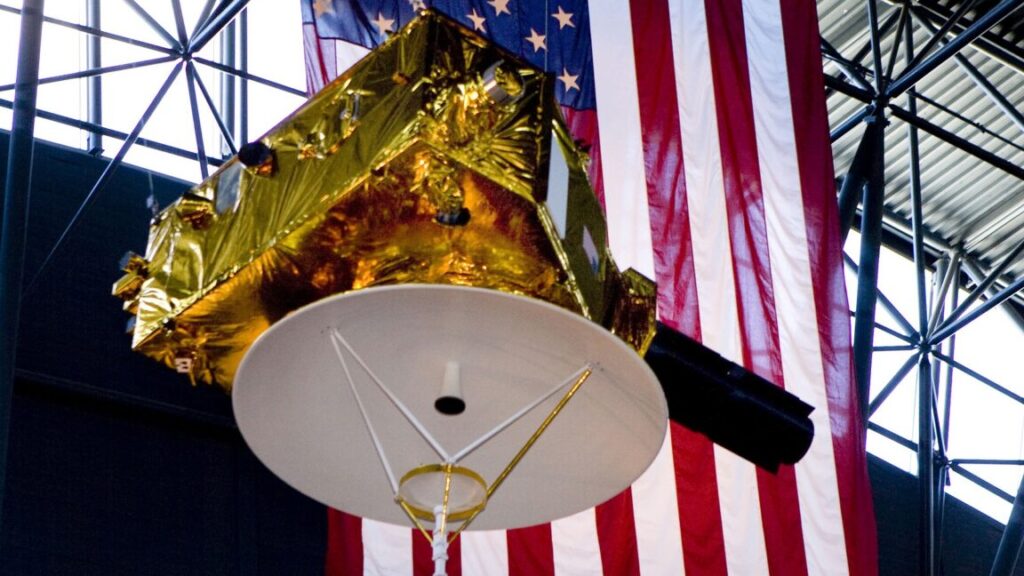
A life-size replica of the New Horizons spacecraft on display at the Smithsonian National Air and Space Museum’s Steven F. Udvar-Hazy Center near Washington Dulles International Airport in Northern Virginia. Credit: Johns Hopkins University Applied Physics Laboratory

Federal funding is about to run out for 19 active space missions studying Earth’s climate, exploring the Solar System, and probing mysteries of the Universe.

This year’s budget expires at the end of this month, and Congress must act before October 1 to avert a government shutdown. If Congress passes a budget before then, it will most likely be in the form of a continuing resolution, an extension of this year’s funding levels into the first few weeks or months of fiscal year 2026.

The White House’s budget request for fiscal year 2026 calls for a 25 percent cut to NASA’s overall budget, and a nearly 50 percent reduction in funding for the agency’s Science Mission Directorate. These cuts would cut off money for at least 41 missions, including 19 already in space and many more far along in development.

Normally, a president’s budget request isn’t the final say on matters. Lawmakers in the House and Senate have written their own budget bills in the last several months. There are differences between each appropriations bill, but they broadly reject most of the Trump administration’s proposed cuts.

Still, this hasn’t quelled the anxieties of anyone with a professional or layman’s interest in space science. The 19 active robotic missions chosen for cancellation are operating beyond their original design lifetime. However, in many cases, they are in pursuit of scientific data that no other mission has a chance of collecting for decades or longer.

A “tragic capitulation”

Some of the mission names are recognizable to anyone with a passing interest in NASA’s work. They include the agency’s two Orbiting Carbon Observatory missions monitoring data signatures related to climate change, the Chandra X-ray Observatory, which survived a budget scare last year, and two of NASA’s three active satellites orbiting Mars.

And there’s New Horizons, a spacecraft that made front-page headlines in 2015 when it beamed home the first up-close pictures of Pluto. Another mission on the chopping block is Juno, the world’s only spacecraft currently at Jupiter.

Both spacecraft have more to offer, according to the scientists leading the missions.

“New Horizons is perfectly healthy,” said Alan Stern, the mission’s principal investigator at Southwest Research Institute (SWRI). “Everything on the spacecraft is working. All the spacecraft subsystems are performing perfectly, as close to perfectly as one could ever hope. And all the instruments are, too. The spacecraft has the fuel and power to run into the late 2040s or maybe 2050.”

New Horizons is a decade and more than 2.5 billion miles (4.1 billion kilometers) beyond Pluto. The probe flew by a frozen object named Arrokoth on New Year’s Day 2019, returning images of the most distant world ever explored by a spacecraft. Since then, the mission has continued its speedy departure from the Solar System and could become the third spacecraft to return data from interstellar space.

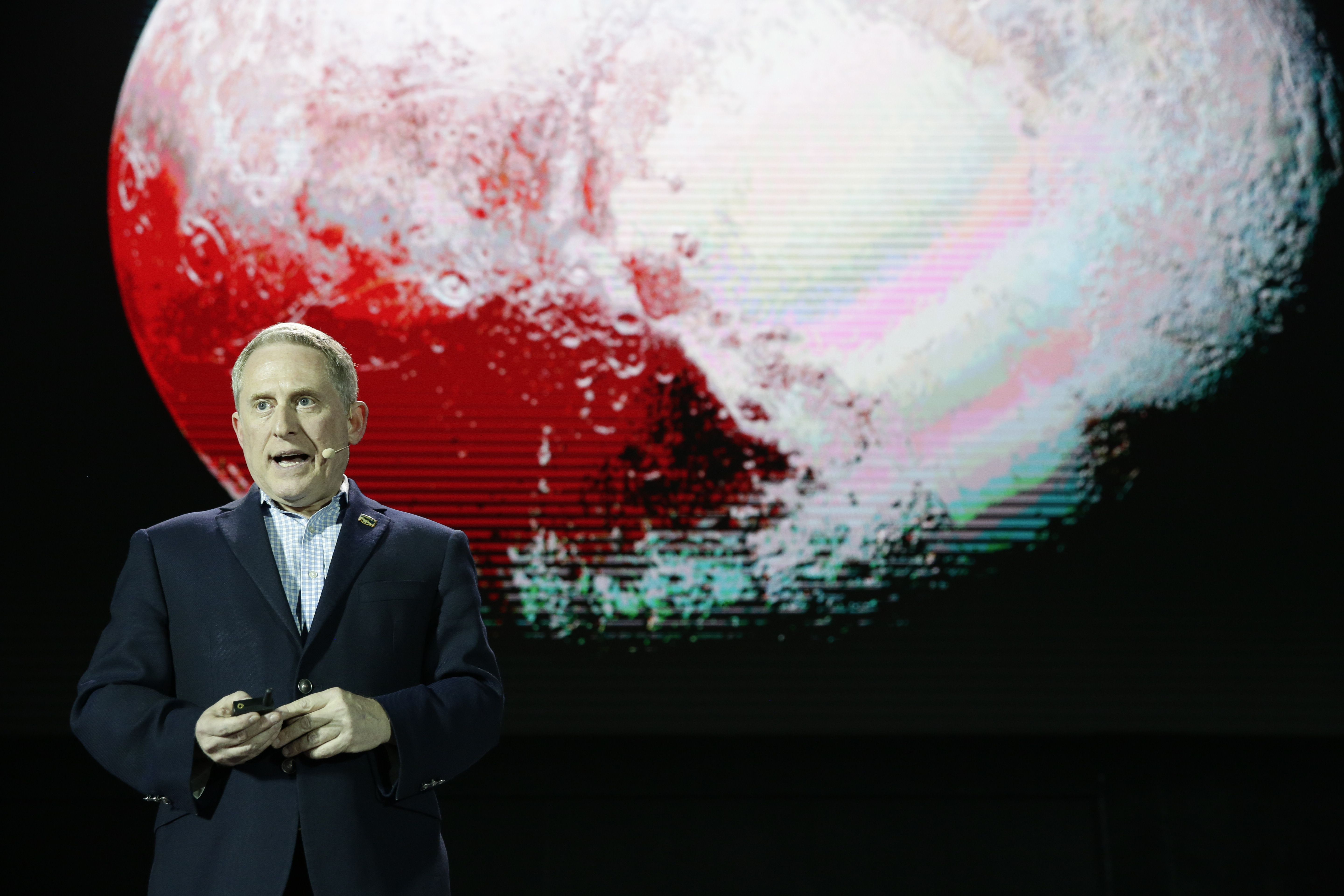
Alan Stern, leader of NASA’s New Horizons mission, speaks during the Tencent WE Summit at Beijing Exhibition Theater on November 6, 2016, in China. Credit: Visual China Group via Getty Images

New Horizons cost taxpayers $780 million from the start of development through the end of its primary mission after exploring Pluto. The project received $9.7 million from NASA to cover operations costs in 2024, the most recent year with full budget data.

It’s unlikely New Horizons will be able to make another close flyby of an object like it did with Pluto and Arrokoth. But the science results keep rolling in. Just last year, scientists announced the news that New Horizons found the Kuiper Belt—a vast outer zone of hundreds of thousands of small, icy worlds beyond the orbit of Neptune—might extend much farther out than previously thought.

“We’re waiting for government, in the form of Congress, the administration, to come up with a funding bill for FY26, which will tell us if our mission is on the chopping block or not,” Stern said. “The administration’s proposal is to cancel essentially every extended mission … So, we’re not being singled out, but we would get caught in that.”

Stern, who served as head of NASA’s science division in 2007 and 2008, said the surest way to prevent the White House’s cuts is for Congress to pass a budget with specific instructions for the Trump administration.

“The administration ultimately will make some decision based on what Congress does,” Stern said. “If Congress passes a continuing resolution, then that opens a whole lot of other possibilities where the administration could do something without express direction from Congress. We’re just going to have to see where we end up at the end of September and then in the fall.”

Stern said shutting down so many of NASA’s science missions would be a “tragic capitulation of US leadership” and “fiscally irresponsible.”

“We’re pretty undeniably the frontrunner, and have been for decades, in space sciences,” Stern said. “There’s much more money in overruns than there is in what it costs to run these missions—I mean, dramatically. And yet, by cutting overruns, you don’t affect our leadership position. Turning off spacecraft would put us in third or fourth place, depending on who you talk to, behind the Chinese and the Europeans at least, and maybe behind others.”

Stern resigned his job as NASA’s science chief in 2008 after taking a similar stance arguing against cuts to healthy projects and research grants to cover overruns in other programs, according to a report in Science Magazine.

An unforeseen contribution from Juno

Juno, meanwhile, has been orbiting Jupiter since 2016, collecting information on the giant planet’s internal structure, magnetic field, and atmosphere.

“Everything is functional,” said Scott Bolton, the lead scientist on Juno, also from SWRI. “There’s been some degradation, things that we saw many years ago, but those haven’t changed. Actually, some of them improved, to be honest.”

The only caveat with Juno is some radiation damage to its camera, called JunoCam. Juno orbits Jupiter once every 33 days, and the trajectory brings the spacecraft through intense radiation belts trapped by the planet’s powerful magnetic field. Juno’s primary mission ended in 2021, and it’s now operating in an extended mission approved through the end of this month. The additional time exposed to harsh radiation is, not surprisingly, corrupting JunoCam’s images.

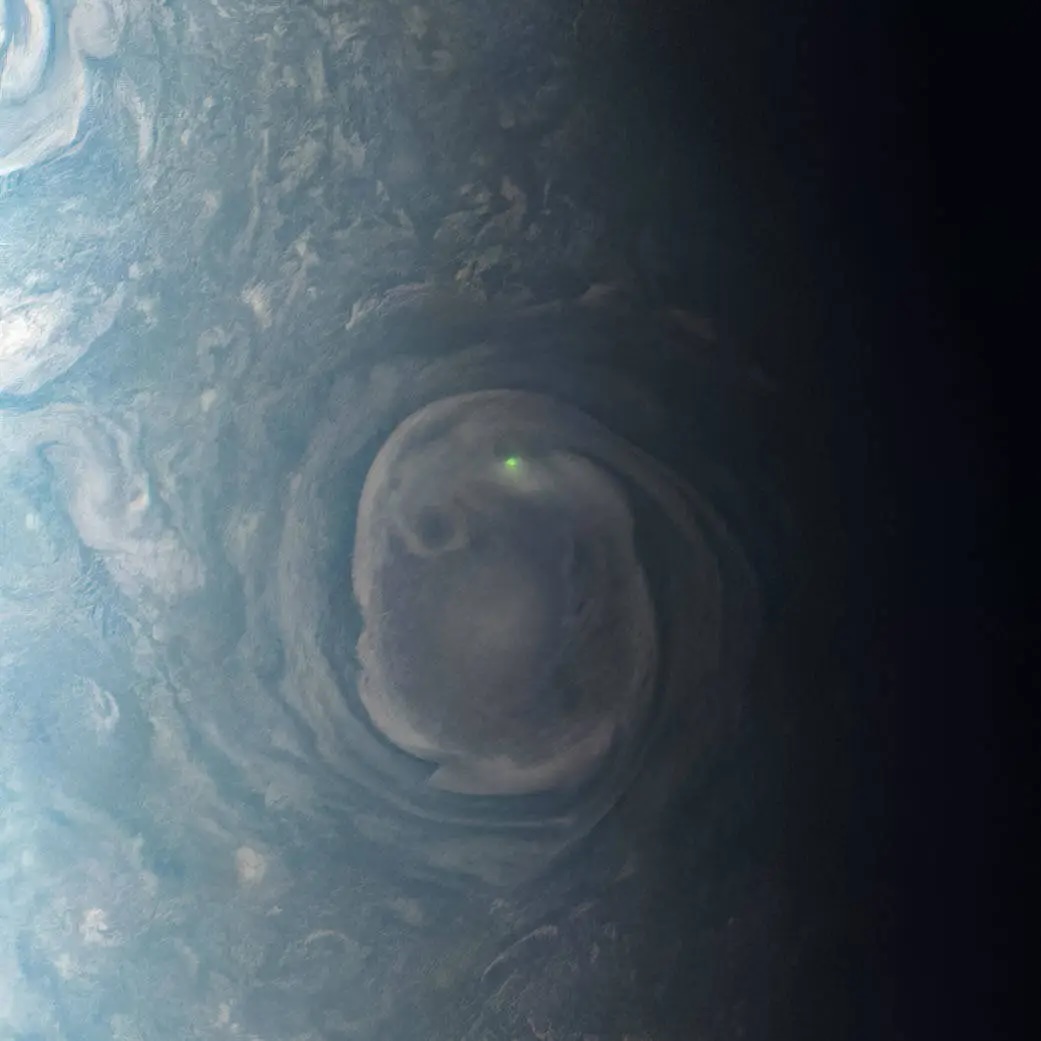
NASA’s Juno mission observed the glow from a bolt of lightning in this view from December 30, 2020, of a vortex near Jupiter’s north pole. Citizen scientist Kevin M. Gill processed the image from raw data from the JunoCam instrument aboard the spacecraft. Credit: NASA/JPL-Caltech/SwRI/MSSS Image processing by Kevin M. Gill © CC BY

In an interview with Ars, Bolton suggested the radiation issue creates another opportunity for NASA to learn from the Juno mission. Ground teams are attempting to repair the JunoCam imager through annealing, a self-healing process that involves heating the instrument’s electronics and then allowing them to cool. Engineers sparingly tried annealing hardware space, so Juno’s experience could be instructive for future missions.

“Even satellites at Earth experience this [radiation damage], but there’s very little done or known about it,” Bolton said. “In fact, what we’re learning with Juno has benefits for Earth satellites, both commercial and national security.”

Juno’s passages through Jupiter’s harsh radiation belts provide a real-world laboratory to experiment with annealing in space. “We can’t really produce the natural radiation environment at Earth or Jupiter in a lab,” Bolton said.

Lessons learned from Juno could soon be applied to NASA’s next probe traveling to Jupiter. Europa Clipper launched last year and is on course to enter orbit around Jupiter in 2030, when it will begin regular low-altitude flybys of the planet’s icy moon Europa. Before Clipper’s launch, engineers discovered a flaw that could make the spacecraft’s transistors more susceptible to radiation damage. NASA managers decided to proceed with the mission because they determined the damage could be repaired at Jupiter with annealing.

“So, we have rationale to hopefully continue Juno because of science, national security, and it sort of fits in the goals of exploration as well, because you have high radiation even in these translunar orbits [heading to the Moon],” Bolton said. “Learning about how to deal with that and how to build spacecraft better to survive that, and how to repair them, is really an interesting twist that we came by on accident, but nevertheless, turns out to be really important.”

It cost $28.4 million to operate Juno in 2024, compared to NASA’s $1.13 billion investment to build, launch, and fly the spacecraft to Jupiter.

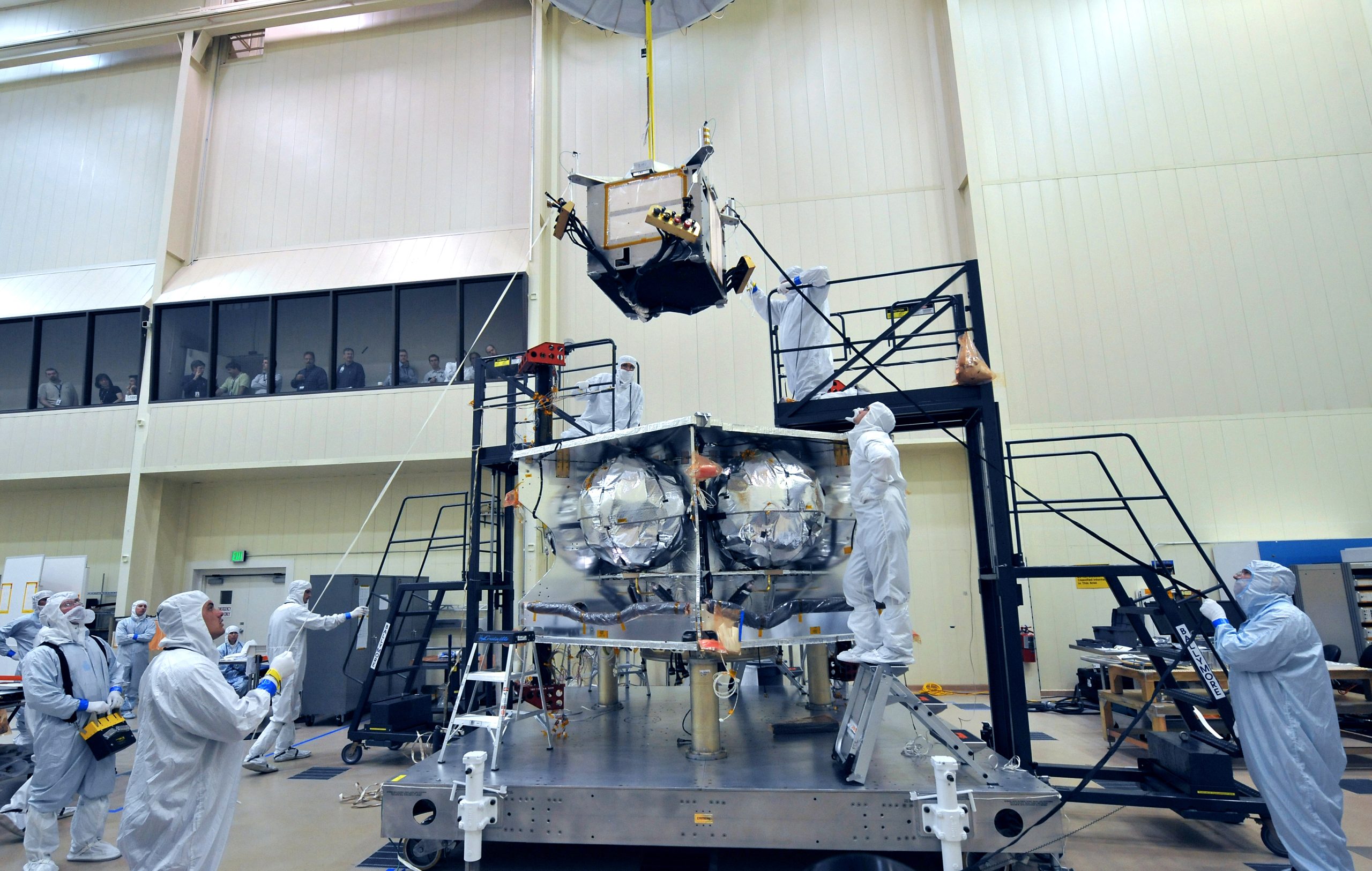
On May 19, 2010, technicians oversee the installation of the large radiation vault onto NASA’s Juno spacecraft propulsion module. This protects the spacecraft’s vital flight and science computers from the harsh radiation at Jupiter. Credit: Lockheed Martin

“We’re hoping everything’s going to keep going,” Bolton said. “We put in a proposal for three years. The science is potentially very good. … But it’s sort of unknown. We just are waiting to hear and waiting for direction from NASA, and we’re watching all of the budget scenarios, just like everybody else, in the news.”

NASA headquarters earlier this year asked Stern and Bolton, along with teams leading other science missions coming under the ax, for an outline of what it would take and what it would cost to “close out” their projects. “We sent something that was that was a sketch of what it might look like,” Bolton said.

A “closeout” would be irreversible for at least some of the 19 missions at risk of termination.

“Termination doesn’t just mean shutting down the contract and sending everybody away, but it’s also turning the spacecraft off,” Stern said. “And when you turn off those spacecraft’s radio receivers, there’s no way to turn them back on because they’re off. They can never get a command in.

“So, if we change our mind, we’ve had another election, or had some congressional action, anything like that, it’s really terminating the spacecraft, and there’s no going back.”

Photo of Stephen Clark

Stephen Clark is a space reporter at Ars Technica, covering private space companies and the world’s space agencies. Stephen writes about the nexus of technology, science, policy, and business on and off the planet.

Scientists: It’s do or die time for America’s primacy exploring the Solar System Read More »

gop-may-finally-succeed-in-unrelenting-quest-to-kill-two-nasa-climate-satellites

GOP may finally succeed in unrelenting quest to kill two NASA climate satellites

Before satellite measurements, researchers relied on estimates and data from a smattering of air and ground-based sensors. An instrument on Mauna Loa, Hawaii, with the longest record of direct carbon dioxide measurements, is also slated for shutdown under Trump’s budget.

It requires a sustained, consistent dataset to recognize trends. That’s why, for example, the US government has funded a series of Landsat satellites since 1972 to create an uninterrupted data catalog illustrating changes in global land use.

But NASA is now poised to shut off OCO-2 and OCO-3 instead of thinking about how to replace them when they inevitably cease working. The missions are now operating beyond their original design lives, but scientists say both instruments are in good health.

Can anyone replace NASA?

Research institutes in Japan, China, and Europe have launched their own greenhouse gas-monitoring satellites. So far, all of them lack the spatial resolution of the OCO instruments, meaning they can’t identify emission sources with the same precision as the US missions. A new European mission called CO2M will come closest to replicating OCO-2 and OCO-3, but it won’t launch until 2027.

Several private groups have launched their own satellites to measure atmospheric chemicals, but these have primarily focused on detecting localized methane emissions for regulatory purposes, and not on global trends.

One of the newer groups in this sector, known as the Carbon Mapper Coalition, launched its first small satellite last year. This nonprofit consortium includes contributors from JPL, the same lab that spawned the OCO instruments, as well as Planet Labs, the California Air Resources Board, universities, and private investment funds.

Government leaders in Montgomery County, Maryland, have set a goal of reducing greenhouse gas emissions by 80 percent by 2027, and 100 percent by 2035. Mark Elrich, the Democratic county executive, said the pending termination of NASA’s carbon-monitoring missions “weakens our ability to hold polluters accountable.”

“This decision would … wipe out years of research that helps us understand greenhouse gas emissions, plant health, and the forces that are driving climate change,” Elrich said in a press conference last month.

GOP may finally succeed in unrelenting quest to kill two NASA climate satellites Read More »

trump-orders-cull-of-regulations-governing-commercial-rocket-launches

Trump orders cull of regulations governing commercial rocket launches


The head of the FAA’s commercial spaceflight division will become a political appointee.

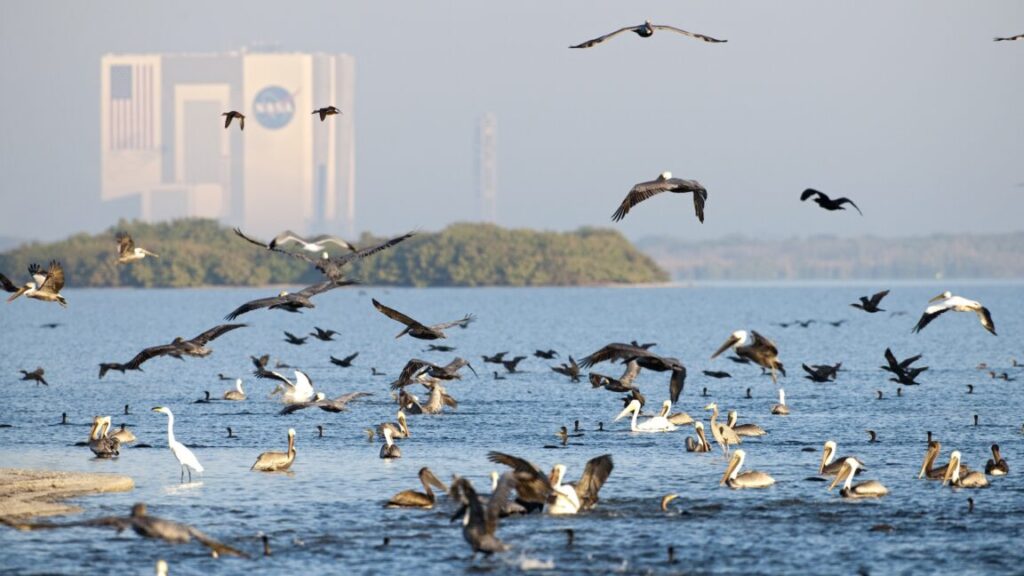
Birds take flight at NASA’s Kennedy Space Center in Florida in this 2010 photo. Credit: NASA

President Donald Trump signed an executive order Wednesday directing government agencies to “eliminate or expedite” environmental reviews for commercial launch and reentry licenses.

The Federal Aviation Administration (FAA), part of the Department of Transportation (DOT), grants licenses for commercial launch and reentry operations. The FAA is charged with ensuring launch and reentries comply with environmental laws, comport with US national interests, and don’t endanger the public.

The drive toward deregulation will be welcome news for companies like SpaceX, led by onetime Trump ally Elon Musk; SpaceX conducts nearly all of the commercial launches and reentries licensed by the FAA.

Deregulation time

Trump ordered Transportation Secretary Sean Duffy, who also serves as the acting administrator of NASA, to “use all available authorities to eliminate or expedite… environmental reviews for… launch and reentry licenses and permits.” In the order signed by Trump, White House officials wrote that Duffy should consult with the chair of the Council on Environmental Quality and follow “applicable law” in the regulatory cull.

The executive order also includes a clause directing Duffy to reevaluate, amend, or rescind a slate of launch-safety regulations written during the first Trump administration. The FAA published the new regulations, known as Part 450, in 2020, and they went into effect in 2021, but space companies have complained they are too cumbersome and have slowed down the license approval process.

And there’s more. Trump ordered NASA, the military, and DOT to eliminate duplicative reviews for spaceport development. This is particularly pertinent at federally owned launch ranges like those at Cape Canaveral, Florida; Vandenberg Space Force Base, California; and Wallops Island, Virginia.

The Trump administration also plans to make the head of the FAA’s Office of Commercial Space Transportation a political appointee. This office oversees commercial launch and reentry licensing and was previously led by a career civil servant. Duffy will also hire an advisor on deregulation in the commercial spaceflight industry to join DOT, and the Office of Space Commerce will be elevated to a more prominent position within the Commerce Department.

“It is the policy of the United States to enhance American greatness in space by enabling a competitive launch marketplace and substantially increasing commercial space launch cadence and novel space activities by 2030,” Trump’s executive order reads. “To accomplish this, the federal government will streamline commercial license and permit approvals for United States-based operators.”

News of the executive order was reported last month by ProPublica, which wrote that the Trump administration was circulating draft language among federal agencies to slash rules to protect the environment and the public from the dangers of rocket launches. The executive order signed by Trump and released by the White House on Wednesday confirms ProPublica’s reporting.

Jared Margolis, a senior attorney for the Center for Biological Diversity, criticized the Trump administration’s move.

“This reckless order puts people and wildlife at risk from private companies launching giant rockets that often explode and wreak devastation on surrounding areas,” Margolis said in a statement. “Bending the knee to powerful corporations by allowing federal agencies to ignore bedrock environmental laws is incredibly dangerous and puts all of us in harm’s way. This is clearly not in the public interest.”

Duffy, the first person to lead NASA and another federal department at the same time, argued the order is important to sustain economic growth in the space industry.

“By slashing red tape tying up spaceport construction, streamlining launch licenses so they can occur at scale, and creating high-level space positions in government, we can unleash the next wave of innovation,” Duffy said in a statement. “At NASA, this means continuing to work with commercial space companies and improving our spaceports’ ability to launch.”

Nipping NEPA

The executive order is emblematic of the Trump administration’s broader push to curtail environmental reviews for large infrastructure projects.

The White House has already directed federal agencies to repeal regulations enforcing the National Environmental Policy Act (NEPA), a 1969 law that requires the feds prepare environmental assessments and environmental impact statements to evaluate the effects of government actions—such as licensing approvals—on the environment.

Regarding commercial spaceflight, the White House ordered the Transportation Department to create a list of activities officials there believe are not subject to NEPA and establish exclusions under NEPA for launch and reentry licenses.

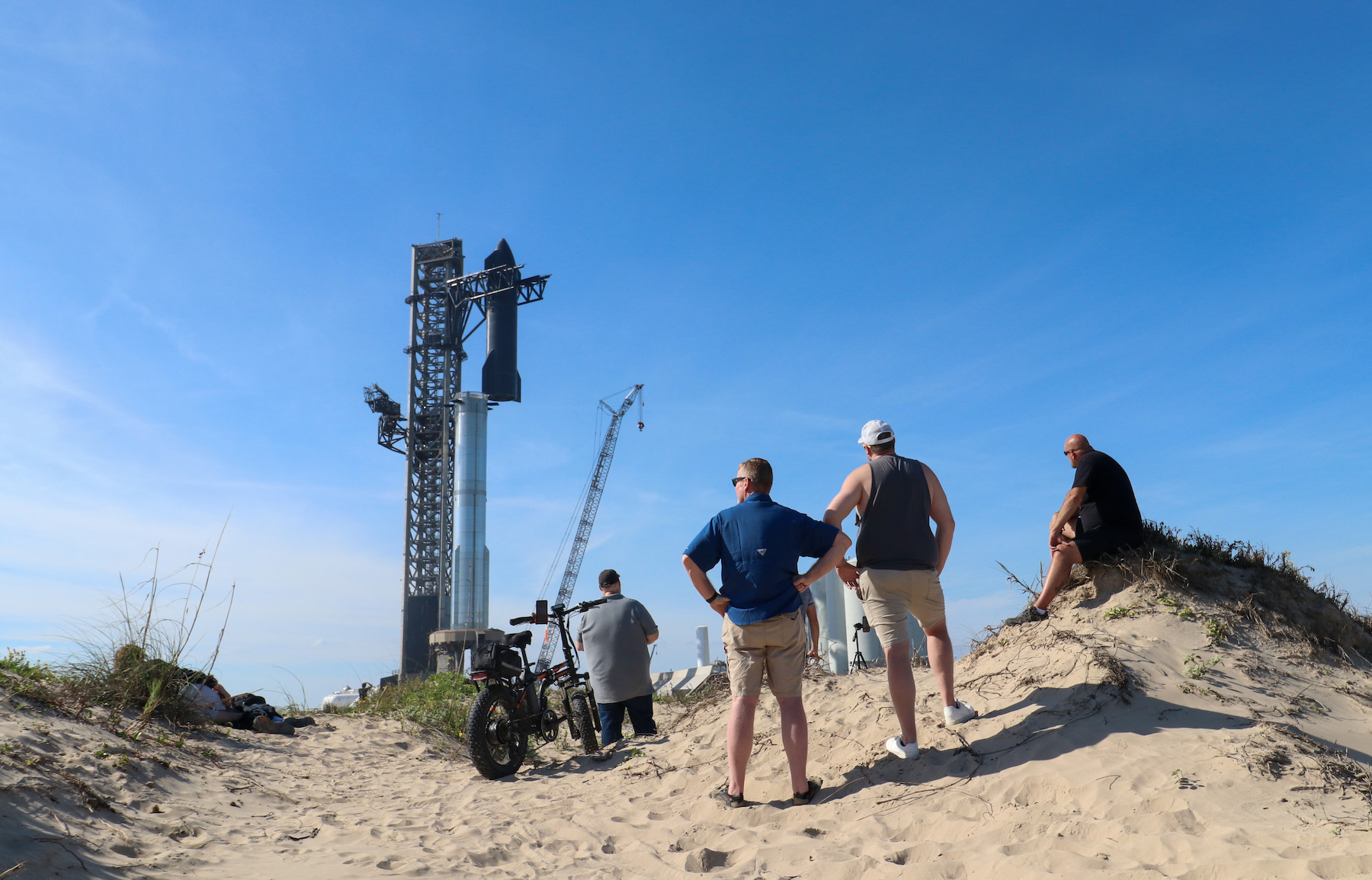
Onlookers watch from nearby sand dunes as SpaceX prepares a Starship rocket for launch from Starbase, Texas. Credit: Stephen Clark/Ars Technica

The changes to the environmental review process might be the most controversial part of Trump’s new executive order. Another section of the order—the attempt to reform or rescind the so-called Part 450 launch and reentry regulations—appears to have bipartisan support in Congress.

The FAA started implementing its new Part 450 commercial launch and reentry regulations less than five years ago after writing the rules in response to another Trump executive order signed in 2018. Part 450 was intended to streamline the launch approval process by allowing companies to submit applications for a series of launches or reentries, rather than requiring a new license for each mission.

But industry officials quickly criticized the new regulations, which they said didn’t account for rapid iteration of rockets and spacecraft like SpaceX’s enormous Starship/Super Heavy launch vehicle. The FAA approved a SpaceX request in May to increase the number of approved Starship launches from five to 25 per year from the company’s base in Starship, Texas, near the US-Mexico border.

Last year, the FAA’s leadership under the Biden administration established a committee to examine the shortcomings of Part 450. The Republican and Democratic leaders of the House Science, Space, and Technology Committee submitted a joint request in February for the Government Accountability Office to conduct an independent review of the FAA’s Part 450 regulations.

“Reforming and streamlining commercial launch regulations and licensing is an area the Biden administration knew needed reform,” wrote Laura Forczyk, founder and executive director of the space consulting firm Astralytical, in a post on X. “However, little was done. Will more be done with this executive order? I hope so. This was needed years ago.”

Dave Cavossa, president of the Commercial Spaceflight Federation, applauded the Trump administration’s regulatory policy.

“This executive order will strengthen and grow the US commercial space industry by cutting red tape while maintaining a commitment to public safety, benefitting the American people and the US government that are increasingly reliant on space for our national and economic security,” Cavossa said in a statement.

Specific language in the new Trump executive order calls for the FAA to evaluate which regulations should be waived for hybrid launch or reentry vehicles that hold FAA airworthiness certificates, and which requirements should be remitted for rockets with a flight termination system, an explosive charge designed to destroy a launch vehicle if it veers off its pre-approved course after liftoff. These are similar to the topics the Biden-era FAA was looking at last year.

The new Trump administration policy also seeks to limit the authority of state officials in enforcing their own environmental rules related to the construction or operation of spaceports.

This is especially relevant after the California Coastal Commission rejected a proposal by SpaceX to double its launch cadence at Vandenberg Space Force Base, a spaceport located roughly 140 miles (225 kilometers) northwest of Los Angeles. The Space Force, which owns Vandenberg and is one of SpaceX’s primary customers, backs SpaceX’s push for more launches.

Finally, the order gives the Department of Commerce responsibility for authorizing “novel space activities” such as in-space assembly and manufacturing, asteroid and planetary mining, and missions to remove space debris from orbit.

This story was updated at 12: 30 am EDT on August 14 with statements from the Center for Biological Diversity and the Commercial Spaceflight Federation.

Photo of Stephen Clark

Stephen Clark is a space reporter at Ars Technica, covering private space companies and the world’s space agencies. Stephen writes about the nexus of technology, science, policy, and business on and off the planet.

Trump orders cull of regulations governing commercial rocket launches Read More »

nearly-3,000-people-are-leaving-nasa,-and-this-director-is-one-of-them

Nearly 3,000 people are leaving NASA, and this director is one of them

You can add another name to the thousands of employees leaving NASA as the Trump administration primes the space agency for a 25 percent budget cut.

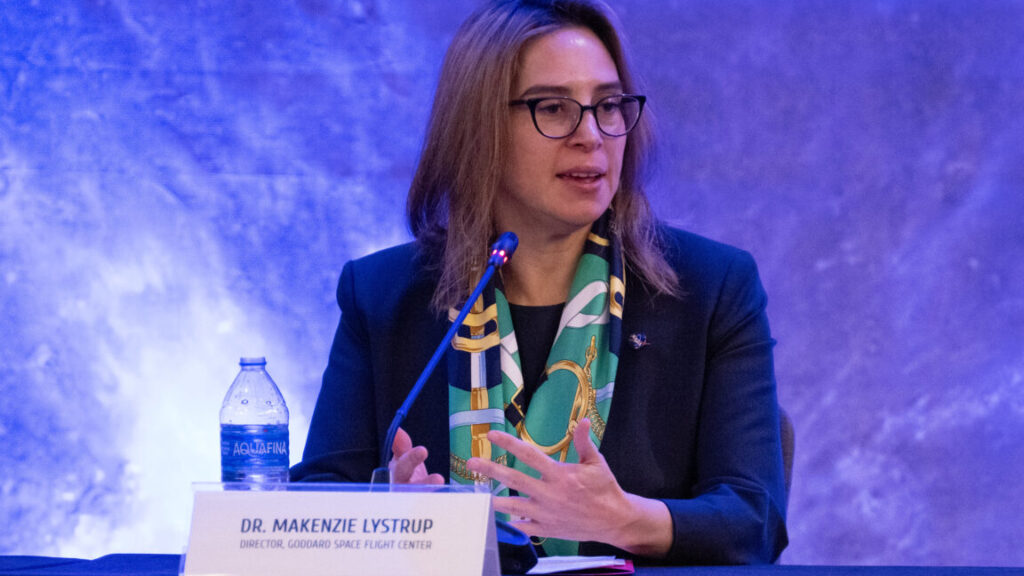
On Monday, NASA announced that Makenzie Lystrup will leave her post as director of the Goddard Space Flight Center on Friday, August 1. Lystrup has held the top job at Goddard since April 2023, overseeing a staff of more than 8,000 civil servants and contractor employees and a budget last year of about $4.7 billion.

These figures make Goddard the largest of NASA’s 10 field centers primarily devoted to scientific research and development of robotic space missions, with a budget and workforce comparable to NASA’s human spaceflight centers in Texas, Florida, and Alabama. Officials at Goddard manage the James Webb and Hubble telescopes in space, and Goddard engineers are assembling the Nancy Grace Roman Space Telescope, another flagship observatory scheduled for launch late next year.

“We’re grateful to Makenzie for her leadership at NASA Goddard for more than two years, including her work to inspire a Golden Age of explorers, scientists, and engineers,” Vanessa Wyche, NASA’s acting associate administrator, said in a statement.

Cynthia Simmons, Goddard’s deputy director, will take over as acting chief at the space center. Simmons started work at Goddard as a contract engineer 25 years ago.

Lystrup came to NASA from Ball Aerospace, now part of BAE Systems, where she managed the company’s work on civilian space projects for NASA and other federal agencies. Before joining Ball Aerospace, Lystrup earned a doctorate in astrophysics from University College London and conducted research as a planetary astronomer.

Formal dissent

The announcement of Lystrup’s departure from Goddard came hours after the release of an open letter to NASA’s interim administrator, Transportation Secretary Sean Duffy, signed by hundreds of current and former agency employees. The letter, titled the “The Voyager Declaration,” identifies what the signatories call “recent policies that have or threaten to waste public resources, compromise human safety, weaken national security, and undermine the core NASA mission.”

Nearly 3,000 people are leaving NASA, and this director is one of them Read More »

congress-moves-to-reject-bulk-of-white-house’s-proposed-nasa-cuts

Congress moves to reject bulk of White House’s proposed NASA cuts

Fewer robots, more humans

The House version of NASA’s fiscal year 2026 budget includes $9.7 billion for exploration programs, a roughly 25 percent boost over NASA’s exploration budget for 2025, and 17 percent more than the Trump administration’s request in May. The text of the House bill released publicly doesn’t include any language explicitly rejecting the White House’s plan to terminate the SLS and Orion programs after two more missions.

Instead, it directs NASA to submit a five-year budget profile for SLS, Orion, and associated ground systems to “ensure a crewed launch as early as possible.” A five-year planning budget seems to imply that the House committee wants SLS and Orion to stick around. The White House budget forecast zeros out funding for both programs after 2028.

The House also seeks to provide more than $4.1 billion for NASA’s space operations account, a slight cut from 2025 but well above the White House’s number. Space operations covers programs like the International Space Station, NASA’s Commercial Crew Program, and funding for new privately owned space stations to replace the ISS.

Many of NASA’s space technology programs would also be salvaged in the House budget, which allocates $913 million for tech development, a reduction from the 2025 budget but still an increase over the Trump administration’s request.

The House bill’s cuts to science and space technology, though more modest than those proposed by the White House, would still likely result in cancellations and delays for some of NASA’s robotic space missions.

Rep. Grace Meng (D-NY), the senior Democrat on the House subcommittee responsible for writing NASA’s budget, called out the bill’s cut to the agency’s science portfolio.

“As other countries are racing forward in space exploration and climate science, this bill would cause the US to fall behind by cutting NASA’s account by over $1.3 billion,” she said Tuesday.

Lawmakers reported the Senate spending bill to the full Senate Appropriations Committee last week by voice vote. Members of the House subcommittee advanced their bill to the full committee Tuesday afternoon by a vote of 9-6.

The budget bills will next be sent to the full appropriations committees of each chamber for a vote and an opportunity for amendments, before moving on to the floor for a vote by all members.

It’s still early in the annual appropriations process, and a final budget bill is likely months away from passing both houses of Congress and heading to President Donald Trump’s desk for signature. There’s no guarantee Trump will sign any congressional budget bill, or that Congress will finish the appropriations process before this year’s budget runs out on September 30.

Congress moves to reject bulk of White House’s proposed NASA cuts Read More »

nearly-everyone-opposes-trump’s-plan-to-kill-space-traffic-control-program

Nearly everyone opposes Trump’s plan to kill space traffic control program

The trade organizations count the largest Western commercial satellite operators among their members: SpaceX, Amazon, Eutelsat OneWeb, Planet Labs, Iridium, SES, Intelsat, and Spire. These are the companies with the most at stake in the debate over the future of space traffic coordination. Industry sources told Ars that some companies are concerned a catastrophic collision in low-Earth orbit might trigger a wave of burdensome regulations, an outcome they would like to avoid.

“Without funding for space traffic coordination, US commercial and government satellite operators would face greater risksputting critical missions in harm’s way, raising the cost of doing business, and potentially driving US industry to relocate overseas,” the industry groups warned.

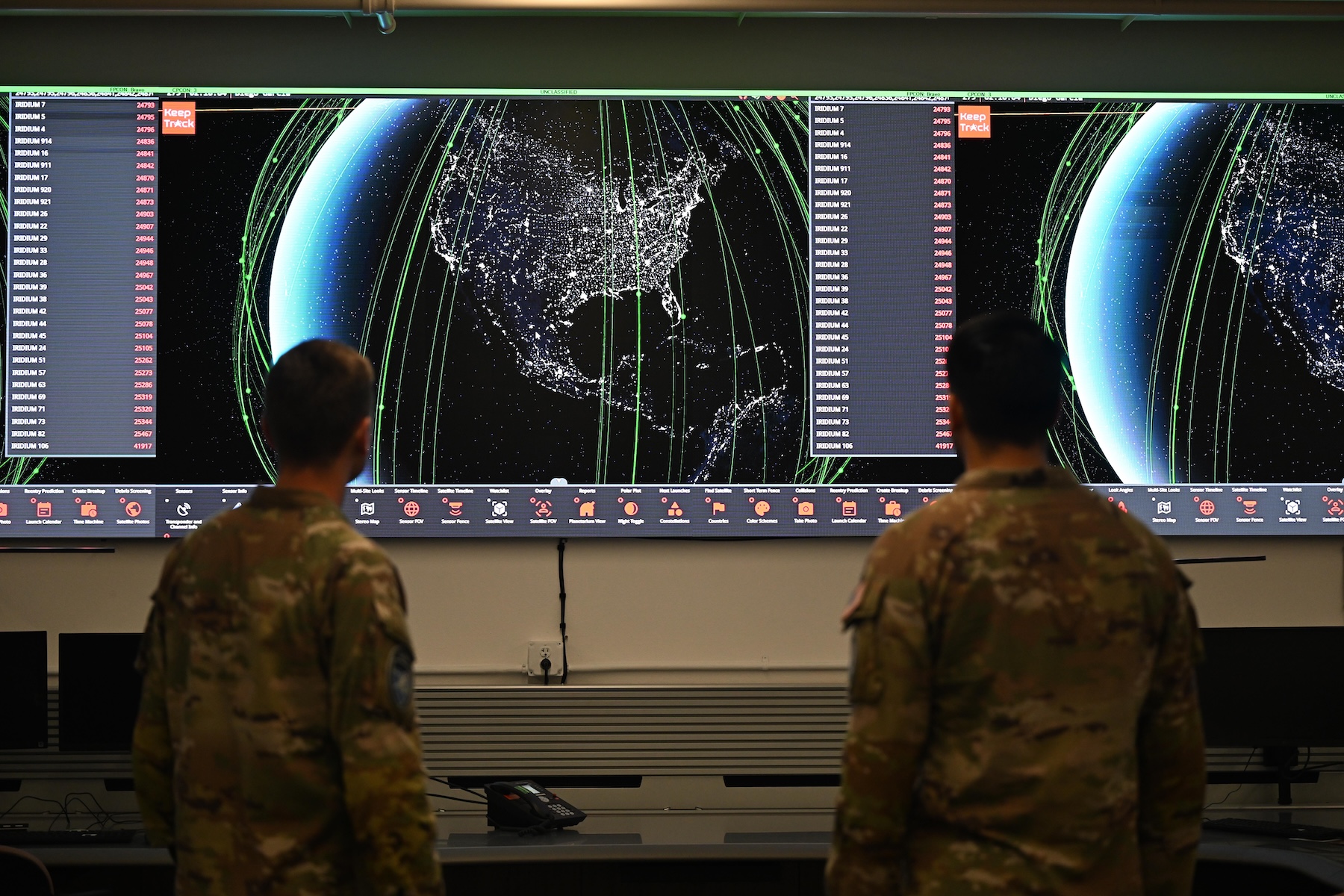
Members of the 18th Space Defense Combat Squadron observe orbital data at Vandenberg Space Force Base, California, on October 4, 2024. Credit: US Space Force/David Dozoretz

The military currently performs the spaceflight safety mission, providing up to a million collision warnings per day to give satellite operators a heads-up that their spacecraft will encounter another object as they speed around the Earth at nearly 5 miles per second. A collision at those velocities would endanger numerous other satellites, including the International Space Station. This happened in 2009 with the accidental collision of a functional commercial communications satellite and a defunct Russian spacecraft, adding more than 2,000 pieces of debris to busy orbital traffic lanes.

Ideally, the Space Force issues its warnings in time for a satellite operator to maneuver their spacecraft out of the path of a potential collision. Satellite operators might also have more precise information on the location of their spacecraft and determine that they don’t need to perform any collision avoidance maneuver.

The military’s Space Surveillance Network (SSN) tracks more than 47,000 objects in orbit. Most of these objects are orbital debris, but there’s a growing number of active spacecraft as many operators—mainly SpaceX, Amazon, the Space Force, and Chinadeploy megaconstellations with hundreds to thousands of satellites.

The Satellite Industry Association reports that nearly 2,700 satellites were launched into Earth orbit last year, bringing the total number of active satellites to 11,539, a threefold increase over the number of operating spacecraft in 2020.

Under strain

Space Force officials are eager to exit the business of warning third-party satellite operators, including rivals such as Russia and China, of possible collisions in orbit. The military would prefer to focus on managing ever-growing threats from satellites, an intensive effort that requires continual monitoring as other nations’ increasingly sophisticated spacecraft maneuver from one orbit to another.

Nearly everyone opposes Trump’s plan to kill space traffic control program Read More »

during-a-town-hall-wednesday,-nasa-officials-on-stage-looked-like-hostages

During a town hall Wednesday, NASA officials on stage looked like hostages


A Trump appointee suggests NASA may not have a new administrator until next year.

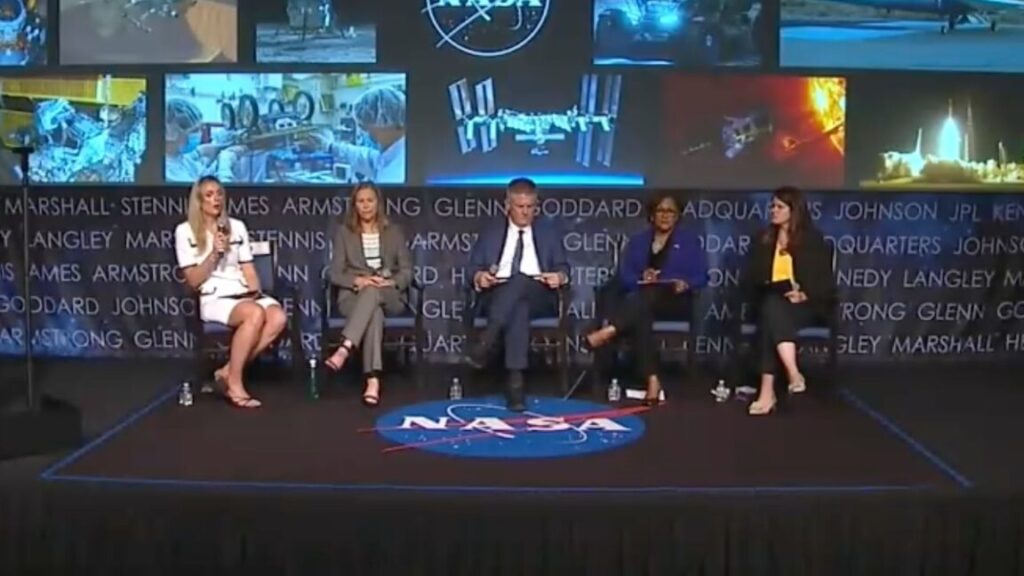
NASA press secretary Bethany Stevens, acting administrator Janet Petro, chief of staff Brian Hughes, associate administrator Vanessa Wyche, and deputy associate administrator Casey Swails held a town hall with NASA employees Wednesday. Credit: NASA

The four people at the helm of America’s space agency held a town hall meeting with employees Wednesday, fielding questions about downsizing, layoffs, and proposed budget cuts that threaten to undermine NASA’s mission and prestige.

Janet Petro, NASA’s acting administrator, addressed questions from an auditorium at NASA Headquarters in Washington. She was joined by Brian Hughes, the agency’s chief of staff, a political appointee who was formerly a Florida-based consultant active in city politics and in Donald Trump’s 2024 presidential campaign. Two other senior career managers, Vanessa Wyche and Casey Swails, were also on the stage.

They tried to put a positive spin on the situation at NASA. Petro, Wyche, and Swails are civil servants, not Trump loyalists. None of them looked like they wanted to be there. The town hall was not publicized outside of NASA ahead of time, but live video of the event was available—unadvertised—on an obscure NASA streaming website. The video has since been removed.

8 percent down

NASA’s employees are feeling the pain after the White House proposed a budget cut of nearly 25 percent in fiscal year 2026, which begins October 1. The budget request would slash NASA’s topline budget by nearly 25 percent, from $24.8 billion to $18.8 billion. Adjusted for inflation, this would be the smallest NASA budget since 1961, when the first American launched into space.

“The NASA brand is really strong still, and we have a lot of exciting missions ahead of us,” Petro said. “So, I know it’s a hard time that we’re going to be navigating, but again, you have my commitment that I’m here and I will share all of the information that I have when I get it.”

It’s true that NASA employees, along with industry officials and scientists who regularly work with the agency, are navigating through what would most generously be described as a period of great uncertainty. The perception among NASA’s workforce is far darker. “NASA is f—ed,” one current leader in the agency told Ars a few weeks ago, soon after President Trump rescinded his nomination of billionaire businessman and commercial astronaut Jared Isaacman to be the agency’s next administrator.

Janet Petro, NASA’s acting administrator, is seen in 2020 at Kennedy Space Center in Florida. Credit: NASA/Kim Shiflett

Before the White House released its detailed budget proposal in May, NASA and other federal agencies were already scrambling to respond to the Trump administration’s directives to shrink the size of the government. While NASA escaped the mass layoffs of probationary employees that affected other departments, the space agency offered buyouts and incentives for civil servants to retire early or voluntarily leave their posts.

About 900 NASA employees signed up for the first round of the government’s “deferred resignation” program. Casey Swails, NASA’s deputy associate administrator, said Wednesday that number is now up to 1,500 after NASA announced another chance for employees to take the government’s deferred resignation offer. This represents about 8 percent of NASA’s workforce, and the window for employees to apply runs until July 25.

One takeaway from Wednesday’s town hall is that at least some NASA leaders want to motivate more employees to resign voluntarily. Hughes said a “major reason” for luring workers to leave the agency is to avoid “being in a spot where we have to do the involuntary options.”

Rumors of these more significant layoffs, or reductions in force, have hung over NASA for several months. If that happens, workers may not get the incentives the government is offering today to those who leave the agency on their own. Swails said NASA isn’t currently planning any such layoff, although she left the door open for the situation to change: “We’re doing everything we can to avoid going down that path.”

Ultimately, it will depend on how many employees NASA can get to resign on their own. If it’s not enough, layoffs may still be an option.

Many questions, few answers

Nearly all of the questions employees addressed to NASA leadership Wednesday were submitted anonymously, and in writing: When might Trump nominate someone for NASA administrator to take Isaacman’s place? Will any of NASA’s 10 field centers be closed? What is NASA going to do about Trump’s budget proposal, particularly its impact on science missions?

Their responses to these questions, in order: Probably not any time soon, maybe, and nothing.

The Trump administration selected Petro, an engineer and former Army helicopter pilot, to become acting head of NASA on Inauguration Day in January. Bill Nelson, who served as a Florida senator until 2019, resigned the NASA administrator job when former President Biden left the White House.

Petro was previously director of NASA’s Kennedy Space Center since 2021, and before that, she was deputy director of the Florida spaceport for 14 years. She leapfrogged NASA’s top civil servant, associate administrator Jim Free, to become acting administrator in January. Free retired from the agency in February. Before the presidential election last year, Free advocated for the next administration to stay the course with NASA’s Artemis program.

But that’s not what the Trump administration wants to do. The White House seeks to cancel the Space Launch System rocket and Orion spacecraft, both core elements of the Artemis program to return astronauts to the Moon after two more flights. Under the new plan, NASA would procure commercial transportation to ferry crews to the Moon and Mars in a similar way to how the agency buys rides for its astronauts to the International Space Station in low-Earth orbit.

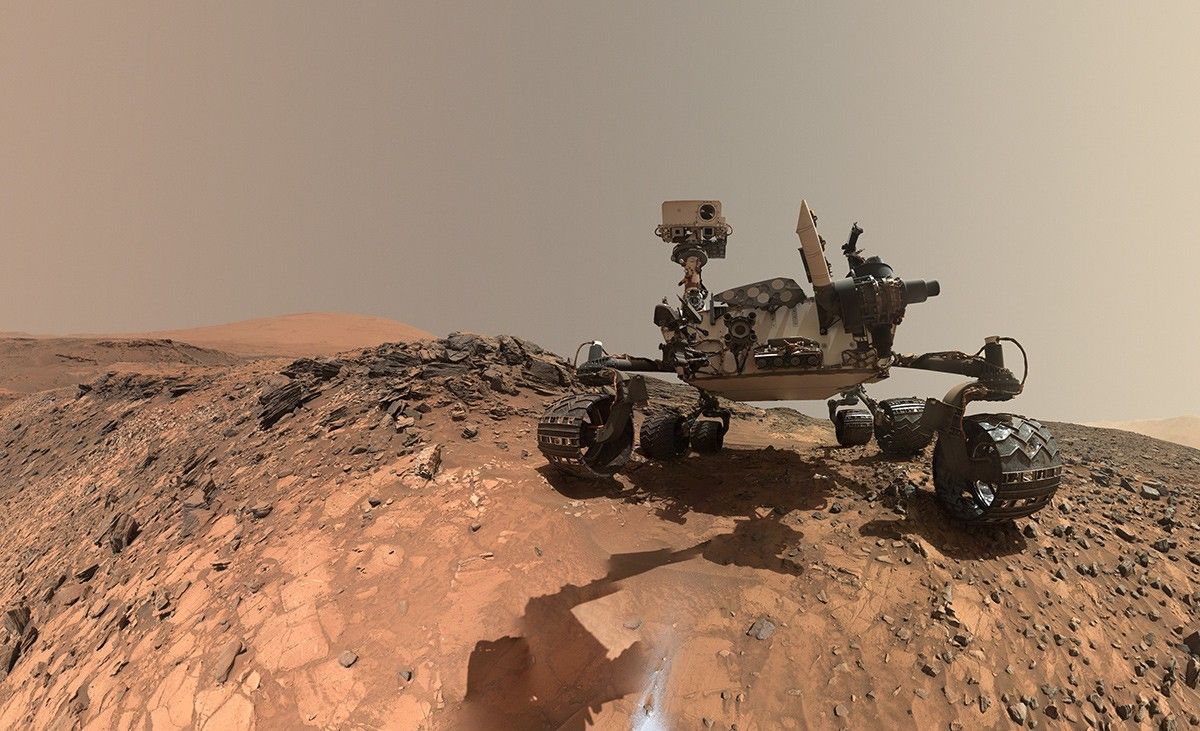
NASA’s Curiosity rover captured images to create this selfie mosaic on the surface of Mars in 2015. If implemented as written, the Trump budget proposal would mark the first time in 30 years that NASA does not have a Mars lander in development. The agency would instead turn to commercial companies to demonstrate they can deliver payloads, and eventually humans, to the red planet.

The Trump administration’s statements on space policy have emphasized the longer-term goal of human missions to Mars. The White House’s plans for what NASA will do at the Moon after the Artemis program’s first landing are still undefined.

Petro has kept a low profile since becoming NASA’s temporary chief executive five months ago. If Trump moved forward with Isaacman’s nomination, he would likely be NASA administrator today. The Senate was a few days away from confirming Isaacman when Trump pulled his nomination, apparently for political reasons. The White House withdrew the nomination the day after Elon Musk, who backed Isaacman to take the top job at NASA, left the Trump administration.

Who’s running NASA?

Now, Petro could serve out the year as NASA’s acting administrator. Petro is well-regarded at Kennedy Space Center, where she was a fixture in the center’s headquarters building for nearly 20 years. But she lacks a political constituency in the Trump administration and isn’t empowered to make major policy decisions. The budget cuts proposed for NASA came from the White House’s Office of Management and Budget, not from within the agency itself.

President Trump has the reins on the process to select the next NASA administrator. Trump named Isaacman for the office in December, more than a month before his inauguration, and the earliest any incoming president has nominated a NASA administrator. Musk had close ties to Trump then, and a human mission to Mars got a mention in Trump’s inauguration speech.

But space issues seem to have fallen far down Trump’s list of priorities. Hughes, who got his job at NASA in part due to his political connections, suggested it might be a while before Trump gets around to selecting another NASA administrator nominee.

“I think the best guess would tell you that it’s hard to imagine it happening before the next six months, and could perhaps go longer than that into the eight- or nine-month range, but that’s purely speculation,” Hughes said, foreseeing impediments such as the large number of other pending nominations for posts across the federal government and high-priority negotiations with Congress over the federal budget.

Congress is also expected to go on recess in August, so the earliest a NASA nominee might get a confirmation hearing is this fall. Then, the Senate must vote to confirm the nominee before they can take office.

The timeline of Isaacman’s nomination for NASA administrator is instructive. Trump nominated Isaacman in December, and his confirmation hearing was in April. He was on the cusp of a confirmation vote in early June when Trump withdrew his nomination May 31.

As NASA awaits a leader with political backing, Petro said the agency is undergoing an overhaul to make it “leaner and more agile.” This is likely to result in office closures, and Hughes indicated NASA might end up shuttering entire field centers.

“To the specific question, will they be closed or consolidated? I don’t think we’re there yet to answer that question, but it is actively a part of the conversation we’re having as we go step-by-step through this,” Hughes said.

What can $4 billion buy you?

While Trump’s budget proposal includes robust funding for human space exploration, it’s a different story for most of the rest of NASA. The agency’s science budget would be cut in half to approximately $3.9 billion. NASA’s technology development division would also be reduced by 50 percent.

If the White House gets its way, NASA would scale back research on the International Space Station and cancel numerous robotic missions in development or already in space. The agency would terminate missions currently exploring Jupiter, on the way to study an asteroid, and approaching interstellar space. It would shut down the largest X-ray space telescope ever built and the only one in its class likely to be operating for the next 10 years.

“There’s a lot of science that can still be done with $4 billion,” Petro said. “How we do science, and how we do partnerships, may change in the future to sort of multiply what we’re doing.”

These partnerships might include asking academic institutions or wealthy benefactors to pitch in money to fund science projects at NASA. The agency might also invite commercial companies to play bigger roles in NASA robotic missions, which are typically owned by the government.

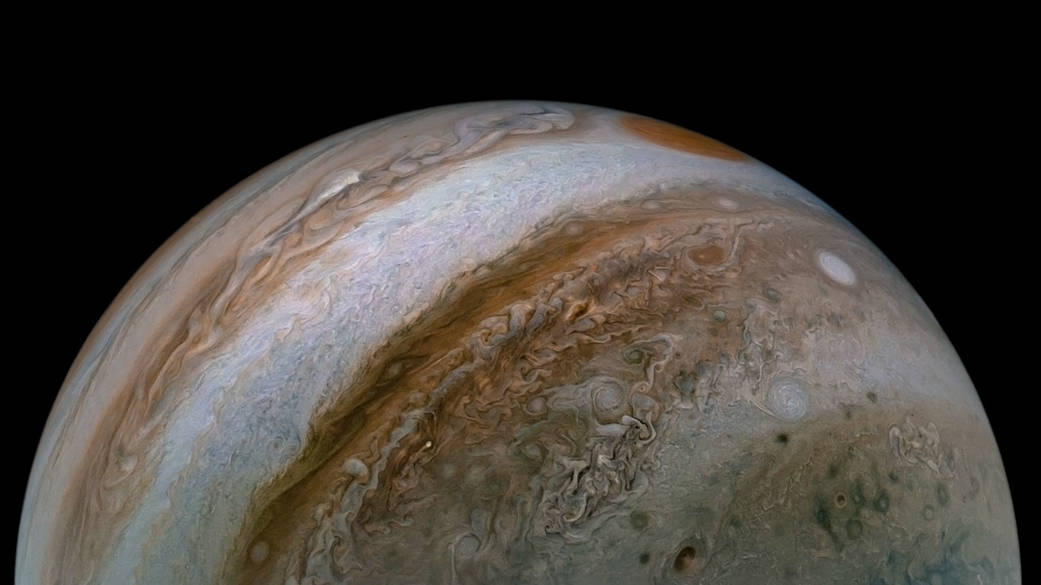
This view of Jupiter’s turbulent atmosphere from NASA’s Juno spacecraft includes several of the planet’s southern jet streams. Juno is one of the missions currently in space that NASA would shut down under Trump’s budget request. Credit: NASA

One employee asked what NASA could do to secure more funding in the president’s budget request. But that ship has sailed. The options now available to NASA’s leadership are to support the budget proposal, stay silent, or leave. NASA is an executive agency and part of the Trump administration, and the White House’s budget request is NASA’s, too.

“It’s not our job to advocate, but let’s try to look at this in a positive way,” Petro said. “We’ve still got a lot of money. Let’s see how much mission we can do.”

Ultimately, it’s up to Congress to appropriate funding for NASA and other parts of the government. Lawmakers haven’t signaled where they might land on NASA’s budget, but Sen. Ted Cruz (R-Texas), who is influential on space-related matters, released the text of a proposed bill a few weeks ago that would restore funding for the International Space Station and forego cancellation of the Space Launch System rocket, among other things. But Cruz did not have much to say about adding more money for NASA’s science programs.

NASA’s senior leaders did acknowledge Wednesday that the pain of the agency’s downsizing will extend far outside of the agency’s walls.

“Eighty-five percent of our budget goes out the door to contractors,” Petro said. “So, with a reduced budget, absolutely, our contractors will also be impacted. In fact, they’re probably the bigger driver that will be impacted.”

It’s clearly a turbulent time for America’s space agency, and NASA employees have another month to decide if they want to be part of it.

“I know there’s a lot to consider,” Swails said. “There’s a lot that people are thinking about. I would encourage you to talk it out. Tap into your support systems. Talk to your spouse, your partner, your friend, your financial advisor, whomever you consider those trusted advisors for you.”

This sounds like hollow advice, but it seems like it’s all NASA’s workers can do. The Trump administration isn’t waiting for Congress to finalize the budget for 2026. The downsizing is here.

Photo of Stephen Clark

Stephen Clark is a space reporter at Ars Technica, covering private space companies and the world’s space agencies. Stephen writes about the nexus of technology, science, policy, and business on and off the planet.

During a town hall Wednesday, NASA officials on stage looked like hostages Read More »

5-things-in-trump’s-budget-that-won’t-make-nasa-great-again

5 things in Trump’s budget that won’t make NASA great again

If signed into law as written, the White House’s proposal to slash nearly 25 percent from NASA’s budget would have some dire consequences.

It would cut the agency’s budget from $24.8 billion to $18.8 billion. Adjusted for inflation, this would be the smallest NASA budget since 1961, when the first American launched into space.

The proposed funding plan would halve NASA’s funding for robotic science missions and technology development next year, scale back research on the International Space Station, turn off spacecraft already exploring the Solar System, and cancel NASA’s Space Launch System rocket and Orion spacecraft after two more missions in favor of procuring lower-cost commercial transportation to the Moon and Mars.

The SLS rocket and Orion spacecraft have been targets for proponents of commercial spaceflight for several years. They are single-use, and their costs are exorbitant, with Moon missions on SLS and Orion projected to cost more than $4 billion per flight. That price raises questions about whether these vehicles will ever be able to support a lunar space station or Moon base where astronauts can routinely rotate in and out on long-term expeditions, like researchers do in Antarctica today.

Reusable rockets and spaceships offer a better long-term solution, but they won’t be ready to ferry people to the Moon for a while longer. The Trump administration proposes flying SLS and Orion two more times on NASA’s Artemis II and Artemis III missions, then retiring the vehicles. Artemis II’s rocket is currently being assembled at Kennedy Space Center in Florida for liftoff next year, carrying a crew of four around the far side of the Moon. Artemis III would follow with the first attempt to land humans on the Moon since 1972.

The cuts are far from law

Every part of Trump’s budget proposal for fiscal year 2026 remains tentative. Lawmakers in each house of Congress will write their own budget bills, which must go to the White House for Trump’s signature. A Senate bill released last week includes language that would claw back funding for SLS and Orion to support the Artemis IV and Artemis V missions.

5 things in Trump’s budget that won’t make NASA great again Read More »

trump-executive-order-calls-for-a-next-generation-missile-defense-shield

Trump executive order calls for a next-generation missile defense shield

One of the new Trump administration’s first national security directives aims to defend against missile and drone attacks targeting the United States, and several elements of the plan require an expansion of the US military’s presence in space, the White House announced Monday.

For more than 60 years, the military has launched reconnaissance, communications, and missile warning satellites into orbit. Trump’s executive order calls for the Pentagon to come up with a design architecture, requirements, and an implementation plan for the next-generation missile defense shield within 60 days.

A key tenet of Trump’s order is to develop and deploy space-based interceptors capable of destroying enemy missiles during their initial boost phase shortly after launch.

“The United States will provide for the common defense of its citizens and the nation by deploying and maintaining a next-generation missile defense shield,” the order reads. “The United States will deter—and defend its citizens and critical infrastructure against—any foreign aerial attack on the homeland.”

The White House described the missile defense shield as an “Iron Dome for America,” referring to the name of Israel’s regional missile defense system. While Israel’s Iron Dome is tailored for short-range missiles, the White House said the US version will guard against all kinds of airborne attacks.

What does the order actually say?

Trump’s order is prescriptive in what to do, but it leaves the implementation up to the Pentagon. The White House said the military’s plan must defend against many types of aerial threats, including ballistic, hypersonic, and advanced cruise missiles, plus “other next-generation aerial attacks,” a category that appears to include drones and shorter-range unguided missiles.

Trump executive order calls for a next-generation missile defense shield Read More »