Software

buying-a-tv-in-2025?-expect-lower-prices,-more-ads,-and-an-os-war.

Buying a TV in 2025? Expect lower prices, more ads, and an OS war.


“I do fear that the pressure to make better TVs will be lost…”
If you’re looking to buy a TV in 2025, you may be disappointed by the types of advancements TV brands will be prioritizing in the new year. While there’s an audience of enthusiasts interested in developments in tech like OLED, QDEL, and Micro LED, plus other features like transparency and improved audio, that doesn’t appear to be what the industry is focused on.

Today’s TV selection has a serious dependency on advertisements and user tracking. In 2025, we expect competition in the TV industry to center around TV operating systems (OSes) and TVs’ ability to deliver more relevant advertisements to viewers.

That yields a complicated question for shoppers: Are you willing to share your data with retail conglomerates and ad giants to save money on a TV?

Vizio is a Walmart brand now

One of the most impactful changes to the TV market next year will be Walmart owning Vizio. For Walmart, the deal, which closed on December 3 for approximately $2.3 billion, is about owning the data collection capabilities of Vizio’s SmartCast OS. For years, Vizio has been shifting its business from hardware sales to Platform+, “which consists largely of its advertising business” and “now accounts for all the company’s gross profit,” as Walmart noted when announcing the acquisition.

Walmart will use data collected from Vizio TVs to fuel its ad business, which sells ads on the OSes of its TVs (including Vizio and Onn brand TVs) and point-of-sale machines in Walmart stores. In a December 3 statement, Walmart confirmed its intentions with Vizio:

The acquisition… allows Walmart to serve its customers in new ways to enhance their shopping journeys. It will also bring to market new and differentiated ways for advertisers to meaningfully connect with customers at scale and boost product discovery, helping brands achieve greater impact from their advertising investments with Walmart Connect—the company’s retail media business in the US.

In 2025, buying a Vizio TV won’t just mean buying a TV from a company that’s essentially an ad business. It will mean fueling Walmart’s ad business. With Walmart also owning Onn and Amazon owning Fire TVs, that means there’s one less TV brand that isn’t a cog in a retail giant’s ever-expanding ad machine. With a history that includes complaints around working conditions and questionable products, including some that are straight scams, some people (including numerous Ars commenters) try to avoid commerce giants like Walmart and Amazon. In 2025, that will be harder for people looking for a new TV, especially an inexpensive one.

“Roku is at grave risk”

Further, Walmart has expressed a goal of becoming one of the 10 biggest ad companies, with the ad business notably having higher margins than groceries. It could use Vizio, via more plentiful and/or intrusive ads, to fuel those goals.

And Walmart’s TV market share is set to grow in the new year. Paul Gray, research director of consumer electronics and devices at Omdia, told Ars Technica he expects that “the new combined sales (Vizio plus Walmart’s white label) will be bigger than the current market leader Samsung.”

There are also potential implications related to how Walmart decides to distribute TVs post-acquisition. As Patrick Horner, practice leader of consumer electronics at Omdia, told Ars:

One of the possibilities is that Walmart could make use of the Vizio operating system a condition for placement in stores. This could change not only the Onn/Vizio TVs but may also include the Chinese brands. The [Korean] and Japanese brands may resist, as they have premium brand positioning, but the Chinese brands would be vulnerable. Roku is at grave risk.

Roku acquisition?

With Walmart set to challenge Roku, some analysts anticipate that Roku will be acquired in 2025. In December, Guggenheim analysts predicted that ad tech firm The Trade Desk, which is launching its own TV OS, will look to buy Roku to scale its OS business.

Needham & Company’s Laura Martin also thinks an acquisition—by The Trade Desk or possibly one of Walmart’s retail competitors—could be on the horizon.

‘’Walmart has told you by buying Vizio that these large retailers need a connected television advertising platform to tie purchases to,” Martin told Bloomberg. “That means Target and other large retailers have that reason to buy Roku to tie Roku’s connected television ad units to their sales in their retail stores. And by the way, Roku has much higher margins than any retailer.’”

She also pointed to Amazon as a potential buyer, noting that it might be able to use Roku’s user data to feed large language models.

Roku was already emboldened enough in 2024 to introduce home screen video ads to its TVs and streaming devices and has even explored technology for showing ads over anything plugged into a Roku set. Imagine how using Roku devices might further evolve if owned by a company like The Trade Desk or Amazon with deep interests in ads and tracking.

TV owners accustomed to being tracked

TV brands have become so dependent on ads that some are selling TVs at a loss to push ads. How did we get to the point where TV brands view their hardware as a way to track and sell to viewers? Part of the reason TV OSes are pushing the limits on ads is that many viewers seem willing to accept them, especially in the name of saving money.

Per the North American Q2 2024 TiVo Video Trends Report, 64.3 percent of subscription video-on-demand users subscribe to an ad-supported tier (compared to 48 percent in Q2 2023). And users are showing more tolerance to ads, with 77.8 percent saying they are “tolerant” or “in favor of” ads, up from 74 percent in Q2 2023. This is compared to 22.2 percent of respondents saying they’re “averse” to ads. TiVo surveyed 4,490 people in the US and Canada ages 18 and up for the report.

“Based on streaming services, many consumers see advertising as a small price to pay for lower cash costs,” Horner said.

The analyst added:

While some consumers will be sensitive to privacy issues or intrusive advertising, at the same time, most people have shown themselves entirely comfortable with being tracked by (for example) social media.

Alan Wolk, co-founder and lead analyst at the TVREV TV and streaming analyst group, agreed that platforms like Instagram have proven people’s willingness to accept ads and tracking, particularly if it leads to them seeing more relevant advertisements or giving shows or movies better ratings. According to the analyst, customers seem to think, “Google is tracking my finances, my porn habits, my everything. Why do I care if NBC knows that I watch football and The Tonight Show?”

While Ars readers may be more guarded about Google having an insider look at their data, many web users have a more accepting attitude. This has opened the door for TVs to test users’ max tolerance for ads and tracking to deliver more relevant ads.

That said, there’s a fine line.

“Companies have to be careful of… finding that line between taking in advertising, especially display ads on the home screen or whatnot, and it becoming overwhelming [for viewers],” Wolk said.

One of the fastest-growing ad vehicles for TVs currently and into 2025 is free, ad-supported streaming television (FAST) channels that come preloaded and make money from targeted ads. TCL is already experimenting with what viewers will accept here. It recently premiered movies made with generative AI that it hopes will fuel its FAST business while saving money. TCL believes that passive viewers will accept a lot of free content, even AI-generated movies and shows. But some viewers are extremely put off by such media, and there’s a risk of souring the reputation of some FAST services.

OS wars

We can expect more competition from TV OS operators in 2025, including from companies that traditionally have had no place in consumer hardware, like ad tech giant The Trade Desk. These firms face steep competition, though. Ultimately, the battle of TV OSes could end up driving improvements around usability, content recommendations, and, for better or worse, ad targeting.

Following heightened competition among TV OSes, Omdia’s Gray expects winners to start emerging, followed by consolidation.

“I expect that the final state will be a big winner, a couple of sizeable players, and some niche offerings,” he said.

Companies without backgrounds in consumer tech will have difficulty getting a foot into an already crowded market, which means we may not have to worry much about companies like The Trade Desk taking over our TVs.

“I have yet to meet a single person who hasn’t looked at me quizzically and said, ‘Wait, what are they thinking?’ Because the US market for the operating system is very tight,” Wolk said. “… So for American consumers, I don’t think we’ll see too many new entrants.”

You can also expect Comcast and Charter to push deeper into TV software as they deal with plummeting cable businesses. In November, they made a deal to put their joint venture’s TV OS, Xumo OS, in Hisense TVs that will be sold in Target. Xumo TVs are already available in almost 8,000 locations, Comcast and Charter said in November. The companies claimed that the retailers selling Xumo TVs “represent nearly 75 percent of all smart TV sales in the US.”

Meanwhile, Xperi Corp. said in November that it expected its TiVo OS to be in 2 million TVs by the end of 2024 and 7 million TVs by the end of 2025. At the heart of Tivo OS is TiVo One, which TiVo describes as a “cross-screen ad platform for new inventory combined with audience targeting and monetization” that is available in TVs and car displays. Announcing TiVo One in May, Xperi declared that the “advertising market is projected to reach [$36] billion” by 2026, meaning that “advertising on smart TVs has never been more imperative.”

But as competition intensifies and pushes the market into selecting a few “sizeable players,” as Gray put it, there’s more pressure for companies to make their OSes stand out to TV owners. This is due to advertising interests, but it also means more focus on making TVs easier to use and better able to help people find something to watch.

Not a lot of options

At the start of this article, we asked if you’d be willing to share your data with retail conglomerates and ad giants to save money on a TV. But the truth is there aren’t many alternative options beyond disconnecting your TV from the Internet or paying for an Apple TV streaming device in addition to your TV. Indeed, amid a war among OSes, many Ars readers will opt not to leverage ad-filled software at all. This shows a disconnect between TV makers and a core audience while suggesting limits in terms of new TV experiences next year.

Still, analysts agree that even among more expensive TV brands, there has been a shift toward building out ad businesses and OSes over improving hardware features like audio.

“This is a low-margin business, and even in the premium segment, the revenues from ads and data are significant. Also, the sort of consumer who buys a premium TV is likely to be especially interesting to advertisers,” Gray said.

Some worry about what this means for TV innovation. With software being at the center of TV businesses, there seems to be less incentive to drive hardware-related advancements. Gray echoed this sentiment while acknowledging that the current state of TVs is at least driving down TV prices.

“I do fear that the pressure to make better TVs will be lost and that matters such as… durability and performance risk being de-prioritized,” he said.

Vendors are largely leaving shoppers to drive improvements themselves, such as by buying additional gadgets like soundbars, Wolk noted.

In 2025, TVs will continue focusing innovation around software, which has immediate returns via ad sales compared to new hardware, which can take years to develop and catch on with shoppers. For some, this is creating a strong demand for dumb TVs, but unfortunately, there are no immediate signs of that becoming a trend.

As Horner put it, “This is an advertising/e-commerce-driven market, not a consumer-driven market. TV content is just the bait in the trap.”

Photo of Scharon Harding

Scharon is Ars Technica’s Senior Product Reviewer writing news, reviews, and analysis on consumer technology, including laptops, mechanical keyboards, and monitors. She’s based in Brooklyn.

Buying a TV in 2025? Expect lower prices, more ads, and an OS war. Read More »
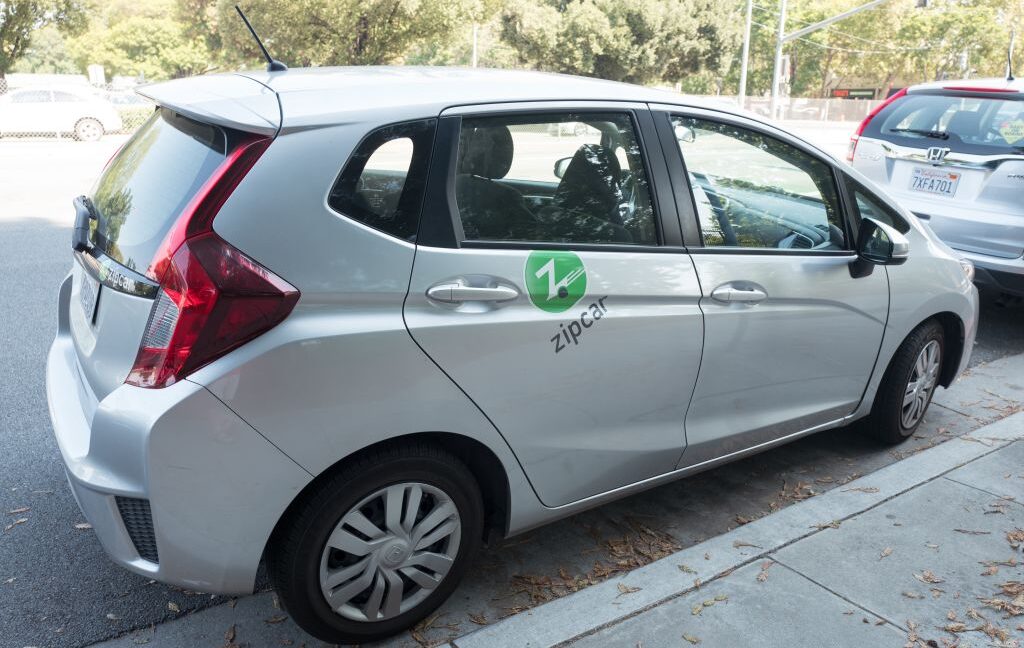
“nightmare”-zipcar-outage-is-a-warning-against-complete-app-dependency

“Nightmare” Zipcar outage is a warning against complete app dependency

Zipcar’s rep declined to specify how many people were affected by the outage.

A warning against total app reliance

Zipcar’s app problems have not only cost it money but also traumatized some users who may think twice before using Zipcar again. The convenience of using apps to control physical products only exists if said apps are functioning and prepared for high-volume time periods, such as Thanksgiving weekend.

Despite Zipcar’s claims of a “small percentage” of users being affected, the company’s customer support system seemed overwhelmed. Long wait times coupled with misinformation regarding things like fees make already perturbed customers feel more deserted.

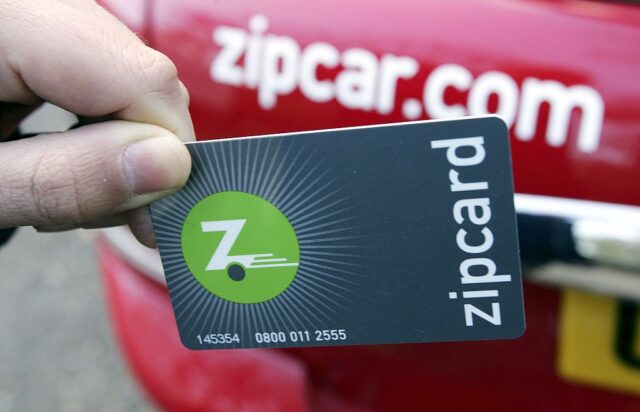
Those are the pitfalls of completely relying on apps for basic functionality. There was a time when Zipcar members automatically received physical “Zipcards” for opening doors. Now, they’re not really advertised, and users have to request one.

A Zipcard.

A Zipcard. Credit: Getty

Zipcars also used to include keys inside of locked cars more frequently. Reducing these physical aspects may have saved the company money but effectively put all of Zipcar’s eggs in one basket.

Nightmarish app problems like the one Zipcar experienced can be a deal-breaker. Just look at Sonos, whose botched app update is costing it millions. Further, turning something like car rentals into a virtually app-only service is a risky endeavor that can quickly overcomplicate simple tasks. Some New Zealand gas stations were out of luck earlier this year, for example, when a Leap Day glitch caused payment processing software to stop working. Gas stations that needed apps for payments weren’t able to make sales, and drivers were inconvenienced.

Apps can simplify and streamline while delivering ingenuity. But that doesn’t mean traditional, app-free measures should be eliminated as backups.

“Nightmare” Zipcar outage is a warning against complete app dependency Read More »

an-ad-giant-wants-to-run-your-next-tv’s-operating-system

An ad giant wants to run your next TV’s operating system

Per The Trade Desk, Ventura’s other top “benefits” will include a “cleaner supply chain for streaming TV advertising, minimizing supply chain hops and costs—ensuring maximum ROI for every advertising dollar and optimized yield for publishers” and improved ad targeting.

TVs sold at a loss in order to bolster ad businesses

The Trade Desk plans to sell Ventura to TV manufacturers and distributors, plus other types of companies, like airlines, hotel chains, and “gaming companies,” Axios reported.

The ad tech firm says it isn’t looking to make money off of the OS directly and doesn’t plan to make hardware.

Instead, Ventura is supposed to benefit The Trade Desk by helping its advertiser customers reach more people. Differing from how TV owners traditionally view TV software’s purpose, Ventura will prioritize the ability to show TV owners the most appealing type of ads. Green will consider Ventura a success “if it drives more pricing transparency and stronger measurement for the CTV advertising ecosystem writ large,” per Axios.

Ventura has reportedly garnered interest from Sonos already, CEO Patrick Spence told Axios. Sonos is rumored to be developing a streaming set-top box. The audio company’s serious and public consideration of something like Ventura hints at the type of business approach it may take with streaming hardware.

The Trade Desk’s interest in creating a TV OS centered on being helpful to advertisers indicates how important ads have become to TVs and/or TV software companies. Some, like Vizio and Roku, have embraced this shift so much that they’re selling TVs “at somewhere between -3 and -7 percent margin” in a scramble to attract users, Paul Gray, Omdia’s research director of consumer electronics and devices, said at a CTV industry conference earlier this month, per Broadband TV News. Then there’s Telly, a startup that has given TVs away for free so it can sell and track ads. (Telly TVs also have a secondary screen that can show ads when the TV is off.)

As companies continue to leverage TV software to sell ads and gather user data, TV owners will likely continue seeing fewer options for an ad-free TV viewing experience.

An ad giant wants to run your next TV’s operating system Read More »

samsung-quits-updating-galaxy-z-fold-2-that-came-out-in-2020-for-$2,000

Samsung quits updating Galaxy Z Fold 2 that came out in 2020 for $2,000

In February 2022, Samsung started promising up to four generations of Android OS and One UI upgrades to “select” Galaxy devices, as well as “up to five years of security updates.” And in January, it announced moving to seven years of security and OS updates, matching a move from Google. However, the Fold 2 wasn’t included in Samsung’s list of “select” Galaxy devices.

Thus, one could have estimated that the Fold 2 might stop receiving OS and security updates by 2024, four years after its debut. But it’s still hard to reconcile with paying four figures for a phone that became a security risk after four years, despite functioning properly otherwise. Apple, by comparison, now promises at least five years of security updates. Apple only started making that promise in 2023 with the iPhone 15 series. However, the current-generation iOS 18 is supported by iPhones released in 2020, like the second-generation iPhone SE, and even older ones, like the iPhone XR that came out in 2018. Arguably short-lived expensive devices like the Fold 2 are part of the reason some activists are pushing for the FTC to require that smart devices state on their packaging how long they’ll receive updates.

However, unlike iPhones, Samsung phones aren’t all powered by a proprietary chip, making promises of upgrades require commitments from third-party vendors, like Qualcomm. With Qualcomm known for being resistant to longer chip life cycles in the past, seven years of updates is progress for Samsung users—just not those who invested in the Z Fold 2.

Samsung quits updating Galaxy Z Fold 2 that came out in 2020 for $2,000 Read More »

faulty-samsung-update-leaves-owners-of-bricked-galaxy-phones-with-few-options

Faulty Samsung update leaves owners of bricked Galaxy phones with few options

Samsung issued a software update on October 2 that bricked some older Galaxy smartphones. While Samsung has stopped the update from rolling out further, those with broken phones have received a harsh reminder of the importance of data backups.

On Wednesday, numerous people online started complaining about their Samsung phones being stuck in a bootloop (you can see examples here, here, and in newer comments here).

A Samsung spokesperson confirmed to Ars Technica that an update to Samsung’s SmartThings Framework app for managing smart devices caused the problems:

We are aware that a limited number of Galaxy smartphones running on Android 12 are rebooting continuously during an update to the latest version of the SmartThings app.

Samsung “immediately suspended the update” after learning of the problem and is “working to resolve the issues,” the company’s spokesperson said. According to user reports online, Samsung has issued a new update that people can download without their phones breaking.

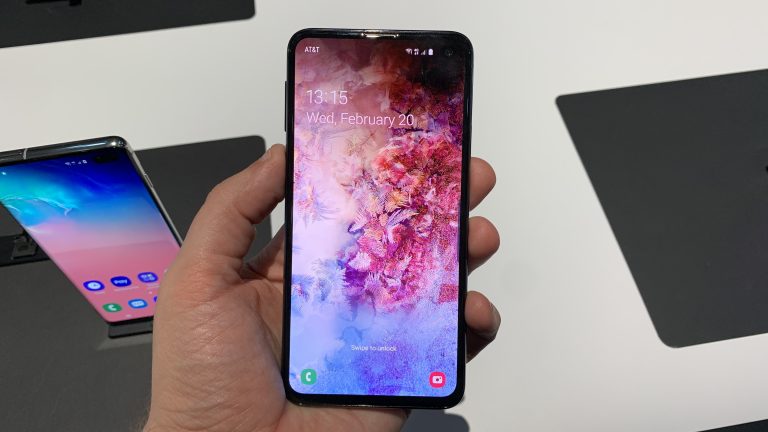
However, owners of older affected phones, namely the Galaxy S10 series, Galaxy Note 10 series, Galaxy M51, and Galaxy A90, have been unable to power their devices on to roll back the update. Many users who already manually or automatically installed the update are still dealing with bricked devices.

A harsh reminder

Users with bricked Galaxy phones were initially met with a difficult choice: Go without their phone or perform a data-erasing factory reset.

Samsung’s statement to Ars advised customers to “contact the Samsung Contact Center” for support, but it’s unclear if a fix can be employed that doesn’t wipe the phone.

Faulty Samsung update leaves owners of bricked Galaxy phones with few options Read More »

“obviously-a-failure”:-sonos-execs-not-getting-bonuses-due-to-app-fiasco

“Obviously a failure”: Sonos execs not getting bonuses due to app fiasco

Sonos’ controversial app update in May was “obviously a failure,” Sonos CEO Patrick Spence told Reuters today.

When the update launched in May, customers revolted over missing features, like the ability to search music libraries, edit song and playlist queues, and set sleep timers. In addition, some already purchased hardware, especially older models, began having problems.

In a note to investors on Tuesday, Sonos said that “more than 80 percent of the app’s missing features have been reintroduced.” The app should be “almost 100 percent restored in the coming weeks.” Sonos has been updating the app every two weeks in an effort to bring it to parity with the old one.

Speaking to Reuters, Spence took the blame for an app said to be rushed out prematurely ahead of Sonos’ first headphones, Ace. 

“This is obviously a failure of Sonos, but it starts with me in terms of where it started,” he said.

The CEO reportedly admitted to the botched rollout stemming from a lack of proper testing and a desire to push out a lot of features simultaneously:

We underestimated the complexity of the system, and so our testing didn’t capture all of the things that it should. We released it too soon.

Sonos was reportedly eager to get the app out to accommodate Ace, resulting in an overhaul of the app, its player side, and Sonos’ cloud infrastructure. Last month, purported former and current Sonos employees spoke about the app accumulating technical debt before being forced into an update that wasn’t ready and overlooked some workers’ concerns.

No executive bonuses for now

Reuters reported today that Spence and seven other execs “would forgo their bonus in the most recent fiscal year,” which ended on September 30. The publication noted that Spence got a bonus of approximately $72,000 for fiscal year 2023. Reuters reported that the company heads have “certain benchmarks” to meet to receive bonuses for the October 2024 to September 2025 fiscal year.

It’s not hard to understand why the executives aren’t getting their bonuses. In addition to the damage that the botched app redesign has wrought on Sonos’ reputation—aggravating long-time customers and deterring prospective ones—the app has had tangible financial consequences. The Santa Barbara, California company is expecting to pay up to $30 million in the short term to fix the app and try to restore customer and partner trust. The company also delayed two hardware releases, which led it to reduce its fiscal 2024 guidance. Sonos shares have fallen more than 30 percent since before the app update, Reuters noted.

“Obviously a failure”: Sonos execs not getting bonuses due to app fiasco Read More »

ibm-opens-its-quantum-computing-stack-to-third-parties

IBM opens its quantum-computing stack to third parties

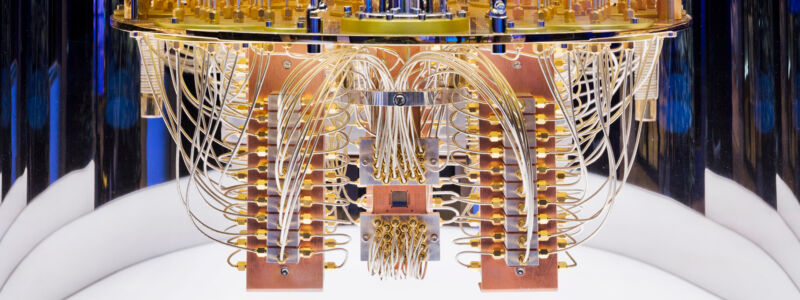
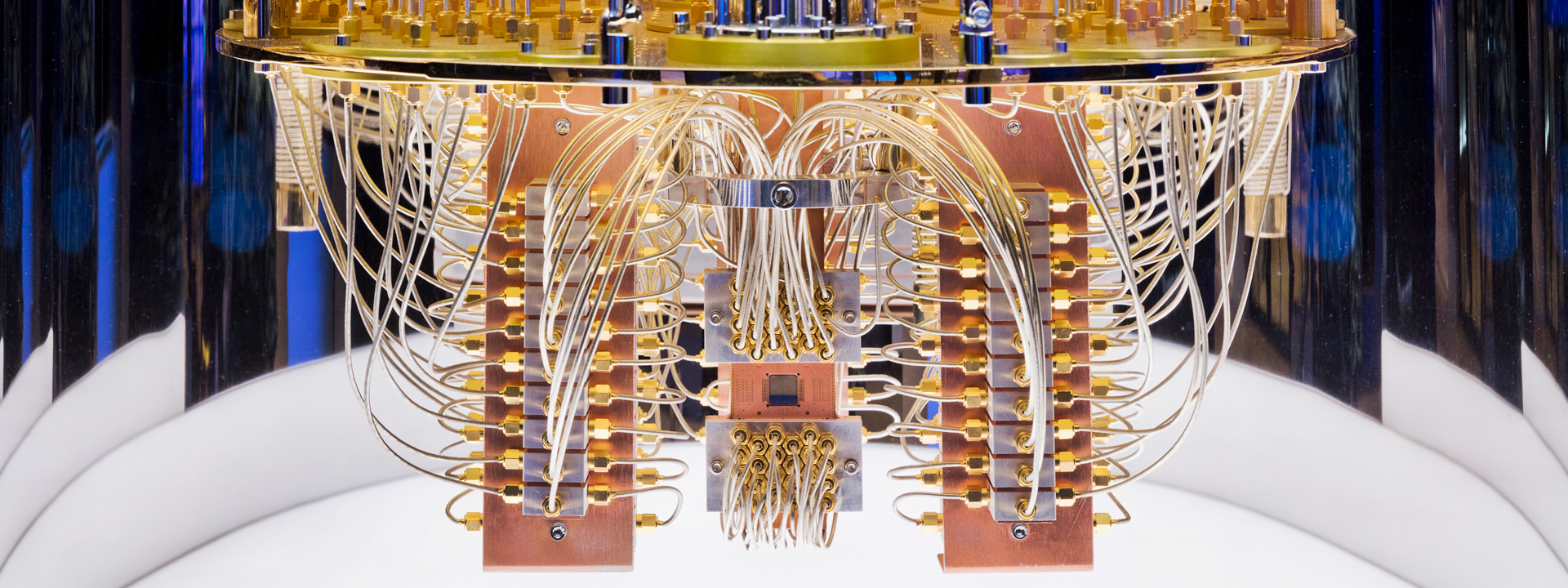
Image of a large collection of copper-colored metal plates and wires, all surrounding a small, black piece of silicon.

Enlarge / The small quantum processor (center) surrounded by cables that carry microwave signals to it, and the refrigeration hardware.

As we described earlier this year, operating a quantum computer will require a significant investment in classical computing resources, given the amount of measurements and control operations that need to be executed and interpreted. That means that operating a quantum computer will also require a software stack to control and interpret the flow of information from the quantum side.

But software also gets involved well before anything gets executed. While it’s possible to execute algorithms on quantum hardware by defining the full set of commands sent to the hardware, most users are going to want to focus on algorithm development, rather than the details of controlling any single piece of quantum hardware. “If everyone’s got to get down and know what the noise is, [use] performance management tools, they’ve got to know how to compile a quantum circuit through hardware, you’ve got to become an expert in too much to be able to do the algorithm discovery,” said IBM’s Jay Gambetta. So, part of the software stack that companies are developing to control their quantum hardware includes software that converts abstract representations of quantum algorithms into the series of commands needed to execute them.

IBM’s version of this software is called Qiskit (although it was made open source and has since been adopted by other companies). Recently, IBM made a couple of announcements regarding Qiskit, both benchmarking it in comparison to other software stacks and opening it up to third-party modules. We’ll take a look at what software stacks do before getting into the details of what’s new.

What’s the software stack do?

It’s tempting to view IBM’s Qiskit as the equivalent of a compiler. And at the most basic level, that’s a reasonable analogy, in that it takes algorithms defined by humans and converts them to things that can be executed by hardware. But there are significant differences in the details. A compiler for a classical computer produces code that the computer’s processor converts to internal instructions that are used to configure the processor hardware and execute operations.

Even when using what’s termed “machine language,” programmers don’t directly control the hardware; programmers have no control over where on the hardware things are executed (ie, which processor or execution unit within that processor), or even the order instructions are executed in.

Things are very different for quantum computers, at least at present. For starters, everything that happens on the processor is controlled by external hardware, which typically act by generating a series of laser or microwave pulses. So, software like IBM’s Qiskit or Microsoft’s Q# act by converting the code they’re given into commands that are sent to hardware that’s external to the processor.

These “compilers” must also keep track of exactly which part of the processor things are happening on. Quantum computers act by performing specific operations (called gates) on individual or pairs of qubits; to do that, you have to know exactly which qubit you’re addressing. And, for things like superconducting qubits, where there can be device-to-device variations, which hardware qubits you end up using can have a significant effect on the outcome of the calculations.

As a result, most things like Qiskit provide the option of directly addressing the hardware. If a programmer chooses not to, however, the software can transform generic instructions into a precise series of actions that will execute whatever algorithm has been encoded. That involves the software stack making choices about which physical qubits to use, what gates and measurements to execute, and what order to execute them in.

The role of the software stack, however, is likely to expand considerably over the next few years. A number of companies are experimenting with hardware qubit designs that can flag when one type of common error occurs, and there has been progress with developing logical qubits that enable error correction. Ultimately, any company providing access to quantum computers will want to modify its software stack so that these features are enabled without requiring effort on the part of the people designing the algorithms.

IBM opens its quantum-computing stack to third parties Read More »

sonos-workers-shed-light-on-why-the-app-update-went-so-horribly

Sonos workers shed light on why the app update went so horribly

sonos-redesigned-app

Sonos

In May, Sonos updated its mobile app—to the dismay of many users. With missing features and bugs, customers complained about a loss of functionality and hardware not working the way it should. As Sonos deals with the expensive repercussions, a report from Bloomberg today highlights how Sonos allowed the release of an update so buggy and incomplete as to overturn its goodwill with long-standing customers.

Illustrating how poorly this app update has gone, last month, Sonos CEO Patrick Spence said the company would spend $20 million to $30 million in the short term to get the app where it needs to be (which is, basically, functioning as well as the predecessor) and rebuild customer and partner trust. Sonos also expects to miss its annual revenue target by $200 million. This is partially due to its delay of two hardware releases to focus on the app. Bloomberg noted that “Sonos shares are down 25% this year.” Annual bonuses and merit-based raises have also reportedly been canceled.

Outdated code

One reason for the app’s failure is the outdated code and infrastructure that the prior app was running on. Anonymous employees Bloomberg spoke with claimed that the Sonos app’s technical debt had been building up for 20 years before the update.

By the time Sonos decided to update the app in mid-2022, it was dealing with software based on virtually obsolete infrastructure and code languages. As such, the app update “was less about introducing new functionality than sorting out the existing mess,” Bloomberg reported.

After decades of the app’s inner workings growing stale, the impending release of Sonos’ long anticipated Ace wireless headphones, which came out in June, made the need for a new app both urgent and necessary. This is because the headphones were made to be on-the-go, differing from Sonos’ other products, mainly speakers and soundbars relying on home Wi-Fi. This seems to align with comments that Spence made to investors in August. He said that the app update was “a redesign of the entire system—not only the app but also the player side of our system, as well as our cloud infrastructure—and this was a complex undertaking.”

The Ace headphones.

Enlarge / The Ace headphones.

Sonos

In May, Bloomberg reported that Sonos aimed to release the new app “at least a few weeks” before Ace. At the time, Bloomberg said that the update was originally supposed to release in March but was delayed due to “software-engineering challenges.”

Although it makes sense that Sonos’ most mobile offering yet would need a more advanced, revamped app, it seems that the app’s redesign could have been initiated earlier than the mid-2022 timeframe that Bloomberg reported. In addition to the years of technical debt that has been said to be built up, Sonos’ headphones have been reported to be in development since at least 2019.

Sonos workers shed light on why the app update went so horribly Read More »

“a-total-lump-of…-”:-customer-frustration-as-isp’s-smart-tvs-won’t-turn-on

“A total lump of… ”: Customer frustration as ISP’s smart TVs won’t turn on

Glass TVs —

Problems with UK Sky hardware started Thursday, seem partially fixed.

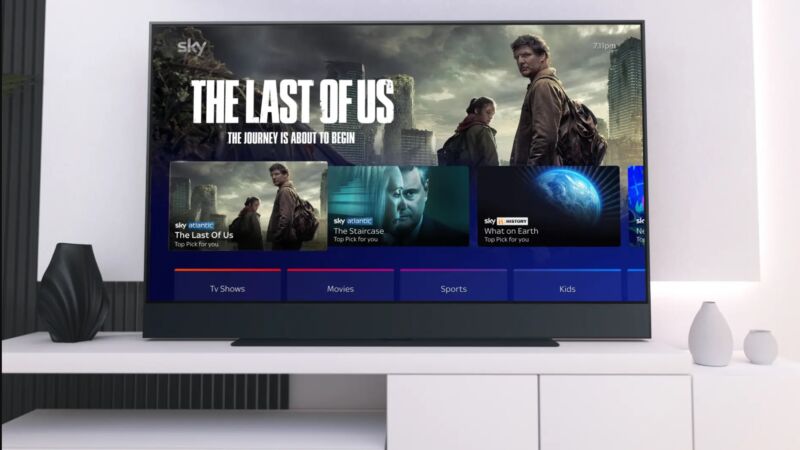
Sky Glass TV

Sky

Hundreds of owners of smart TVs and streaming devices from United Kingdom telecom Sky reported that their hardware stopped powering on Thursday. Sky hasn’t confirmed the cause of the problem, but a botched update is largely suspected.

Sky, a Comcast company that sells Internet, mobile, and satellite TV service in the UK, got into the streaming hardware business in 2021. Its proprietary Glass TVs and Stream pucks let people access TV channels offered through Sky via the Internet instead of a dish. As of this writing, Glass TVs range from 600 pounds (about $800) for a 43-inch set to 1,199 pounds (about $1,600) for 65 inches and include quantum dots and Dolby Vision, HDR10, and HLG HDR support. To order a Glass TV, people have to sign up for a Sky Entertainment subscription that includes the same type of channels offered through Sky’s satellite TV services but via streaming, plus Netflix (with or without ads). If you don’t buy/renew your Sky Entertainment subscription, “access to TV apps like Netflix won’t be available,” Sky says. The Stream puck, meanwhile, supports various streaming apps but doesn’t work without a Sky subscription.

As of yesterday, paying subscribers and owners of Glass and Stream devices reported that their devices were unable to power on. Users reported only being able to see a blank screen, with some saying the problems lasted for hours.

As noted by the BBC, problems started on Thursday night. Per Downdetector, the situation seemed to peak at around 3: 10 pm UTC with 377 incidents reported, but the overall number of affected devices could vary. A thread on Sky’s community forum about the problem is currently 141 pages long.

This morning, some people were still complaining about broken devices online; although, some reported that their devices were functioning again. As of this writing, DownDetector is showing 142 reported incidents.

With no TV to watch, Glass and Stream users had plenty of time to go online to try to troubleshoot with each other and share their disappointment in Sky. Some have called for Sky to pay for the cost of a new TV, while others are wondering if they will get financial compensation for their troubles. Sky hasn’t made any public mention of refunds or credits, though.

A user going by larky+marky on Sky’s community forum wrote:

What a total lump of st.

I have been thinking of cancelling my subscription altogether, so now this has made my mind up.

Yesterday, a Twitter user claimed that their TV was bricked “for the best part of 11 hours.” The user, going by MattHudson81, wrote, “We pay a lot of money each month for the use of your services and understand at times faults happen, but 11 hours so far with no end in sight, it’s not good.”

On Sky’s support forum, an employee said that Sky was working on the problem throughout Thursday night. “We continue to work on the problem in the background,” the employee going by KevNewMedia wrote today.

Sky also acknowledged the problems on Thursday via its Twitter account, saying:

Some Sky Glass/Stream customers are currently experiencing technical issues when trying to switch on their devices. Our technical teams are working hard to fix this. We’re sorry for any inconvenience caused.

Today, the Twitter account posted another apology along with a link to a support page with steps for getting the hardware to work (basically by resetting it). However, at least some people on Sky’s support forum have said that the fix hasn’t worked for them.

“Yet this isn’t working for everyone though. You’re essentially just tell[ing] people to turn it on and off again,” PaulRC1963 wrote. “Sky is acting very incompetent.”

Sky hasn’t confirmed the cause

Sky declined to answer questions from the BBC about the cause of the problems or when they’d be totally resolved. Without further explanation, a poorly executed software update issued via the Internet seems to be the most obvious reason for hundreds of people concurrently reporting broken devices.

The situation, which led to missed sporting events and hours of boredom, is a reminder of the risks of buying hardware from companies, like ISPs, that aren’t traditionally in the technology game. Sky first unveiled its Glass TVs in 2021, ostensibly as an attempt to save its business amid a massive shift to streaming over satellite dishes and cable and to drive subscription revenue. It’s possible that in its haste to jump on the streaming bandwagon, it has overlooked some of the intricacies and complexities in mass, web-issued updates. Notably, Sky’s set-top boxes have reportedly been unaffected.

If a botched update didn’t break the smart TVs and streaming sticks, it would be prudent of Sky to inform customers of the root of the problem. Otherwise, it can be hard for customers to have confidence that the problems won’t repeat and that their subscriptions and Sky hardware are worthwhile.

“A total lump of… ”: Customer frustration as ISP’s smart TVs won’t turn on Read More »

fitbit-users-struggle-with-“very-frustrating”-app-bugs-for-months

Fitbit users struggle with “very frustrating” app bugs for months

iOS and Android —

People have been complaining about some of the issues since at least April.

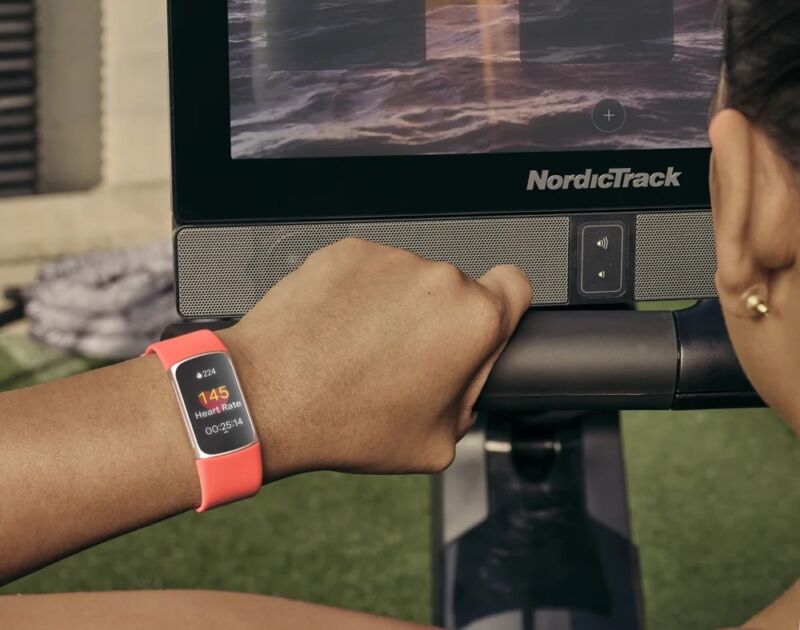
Fitbit's Charge 6.

Enlarge / Fitbit’s Charge 6.

Google

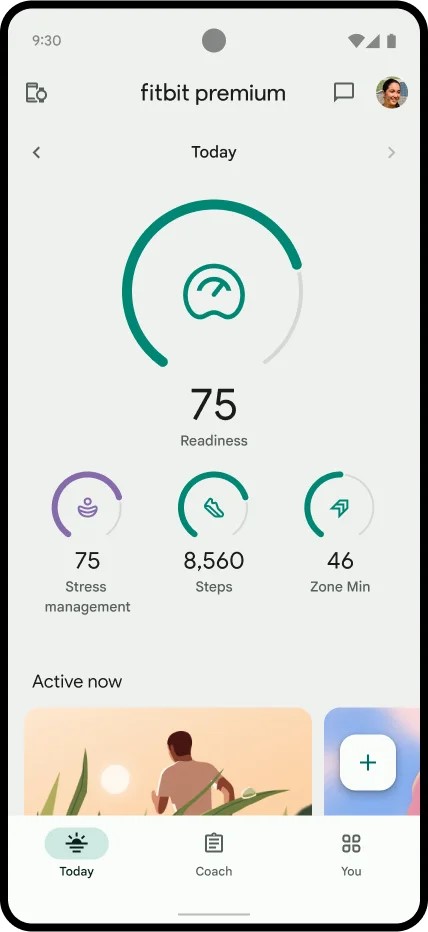
Users of Fitbit’s iOS and Android apps have been reporting problems with the apps’ ability to sync and collect and display accurate data. Some have been complaining of such problems since at least April, and Fitbit has been working on addressing syncing issues since at least September 3. However, Google’s Fitbit hasn’t said when it expects the bugs to be totally resolved.

On September 3, Fitbit’s Status Dashboard updated to show a service disruption, pointing to an incident affecting the web API.

“Some users may notice data discrepancies or syncing issues between [third-party] apps and Fitbit. Our team is currently investigating the root cause of the issue,” the dashboard reads.

On September 3, Fitbit also released version 4.24 of its mobile apps. It’s unclear if the update is related to the problems. At least some of the complaints in this story started coming to light before September.

Owners of older and newer Fitbit devices have taken to the company’s online support forum to discuss software problems they’re reportedly having. There are several threads with dozens of pages’ worth of responses pointing to issues, like the app’s dashboard “deleting steps and not syncing properly,” the app recording steps but not distance traveled, the app seemingly showing inaccurate data, and other bugs.

When reached for comment about the complaints, a Google spokesperson told Ars Technica: “We’re aware of the issue and are working hard to get it resolved.”

Monthslong problems

Some of the complaints about the apps have seemingly gone on for months. Fitbit representatives have said online that the issues are being worked on.

For example, in an 11-page thread on Fitbit’s community forum, users say the app inaccurately claims that they’ve taken about the same number of steps per day for several days in a row. The thread began on April 10. On September 8, a Fitbit moderator said that Fitbit “is aware of the situation and is working on a solution to it.”

“We haven’t received any time frame yet, how long our team still needs to solve this. Hopefully it will be fixed soon,” the Fitbit moderator going by JuanFitbit said.

The Fitbit app.

The Fitbit app.

Google

In another thread, started on July 3, a Charge 5 user claimed that their iOS is tracking steps but not kilometers traveled. On September 18, JuanFitbit posted in the thread: “We still haven’t received an update on how long this will take. But our team has this problem as one of their priorities to solve.”

“Insanely annoying”

As expected, the ongoing bugs and broken features have left users frustrated and hungry for a solution.

“This is insanely annoying,” a forum user going by MonkeyPants wrote on September 11. “The app has constant syncing issues especially with the One.”

Since acquiring Fitbit in 2021, Google has ushered sweeping changes to the platform, including removing the online dashboard, social features, and the ability to sync Fitbits with computers. Some long-time Fitbit owners have accused Google of reducing Fitbit support and quality in favor of Google Pixel Watches. For its part, Google has denied that it will stop making Fitbit products.

On Fitbit’s forum, a user called DustyStone claimed they are having problems with the app’s dashboard losing steps and not syncing properly. They said this happened with both an old Fitbit One and newly purchased Inspire 3:

It looks that Google just somehow screwed up the app. Worse yet, nothing has changed in weeks. Google is a tier 1 tech company. But their response to this issue and the deletion of the web based Fitbit platform shows that may no longer be the case.

Similarly, MBWaldo said they are “not sure how serious the fitbit team is about resolving” the app problems while lamenting the lack of an online dashboard, like countless other users we’ve seen.

“Very frustrating!!!!,” MBWaldo wrote. “I have been experiencing this for several days now. I have deleted app and reinstalled it, I have unpaired and re-paired the ONE and looked for app updates in the app store – NADA. And of course the dashboard is no longer available at fitbit.com.”

Some app problems fixed

Based on Fitbit’s forums, it seems that at least some recently reported software problems have been fixed.

For example, some customers recently pointed to a problem with the apps’ “Exercise days” tiles not loading properly being fixed. Some people have also said that they’re no longer experiencing a problem where the app was listing calorie counts for days in the future.

One only needs to go back to the recent Sonos app debacle for a reminder of the importance of ensuring that software changes won’t hurt the experience of already-purchased hardware. A company’s bad app and slow response to issues can ruin otherwise functioning hardware and discourage future purchases.

Although this is different from the Charge 5’s battery problems that were suspected to be caused by a firmware update—Google denied this was the case but didn’t provide an alternate answer—it’s an improvement to see Google at least acknowledge the app problems. But killing features combined with a broken app experience won’t help the wearables brand’s errant reputation. Fixes are reportedly in the works, but for some it may be too little too late.

Fitbit users struggle with “very frustrating” app bugs for months Read More »

samsung-tvs-will-get-7-years-of-updates,-starting-with-2023-models

Samsung TVs will get 7 years of updates, starting with 2023 models

Tizen OS —

Some Rokus and Apple TVs receive longer update windows, though.

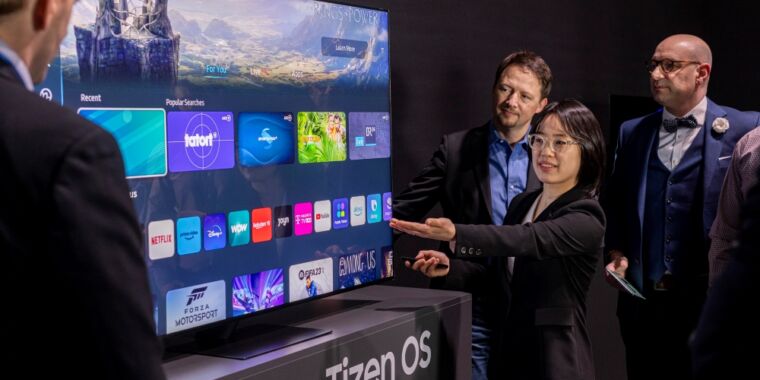
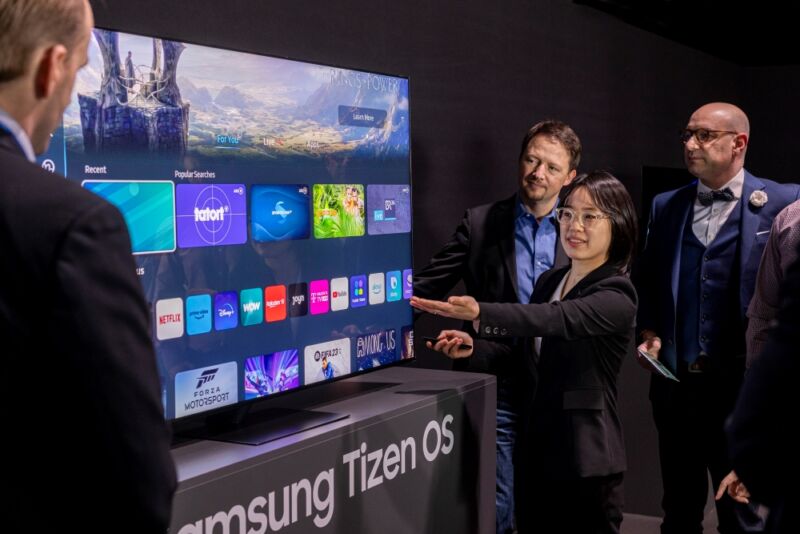
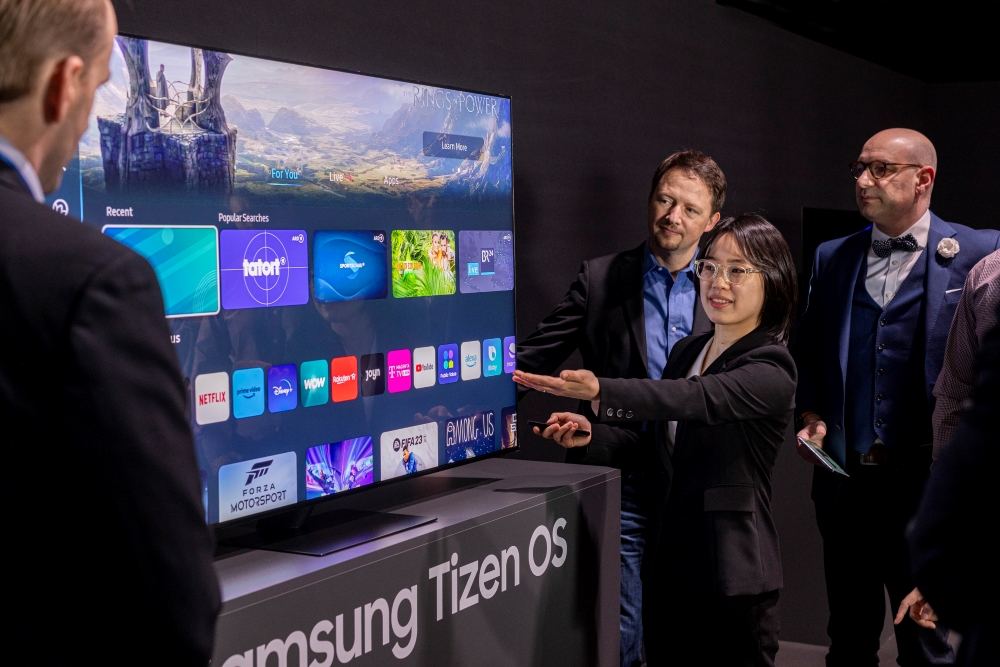
A Samsung representative demonstrating Tizen OS in February.

Enlarge / A Samsung representative demonstrating Tizen OS in February.

Samsung

Samsung will provide operating system updates for its newer TVs for at least seven years, the company announced last week. The updates will first apply to some TVs released in 2023 and TVs released in March 2024.

According to Business Korea, Samsung made the announcement regarding the Tizen OS at the Digital Research Lab of Samsung Electronics’ Suwon Campus in Gyeonggi Province. As spotted by FlatPanelsHD, the announcement follows previously announced plans from Samsung to provide seven years of software updates for the Galaxy S24 smartphone series.

Per Korea Economic Daily, speaking at last week’s event, Samsung Electronics’ president of the Visual Display Business Division, Yoon Seok-Yoon, said: “With the seven-year free upgrade of Tizen applied to AI TVs, we will widen the gap in market share with Chinese companies.”

Samsung is the biggest smart TV seller in the world, but rival companies from China are close behind. According to numbers from Omdia, Samsung’s TV market share (based on units shipped) declined from 20.3 percent in Q1 2023 to 18.8 percent in Q1 2024. Market share for Chinese brand TCL, meanwhile, increased from 9.8 percent to 11.6 percent (LG’s market share was about flat at 11.8 percent in Q1 2024).

Market competition has gotten so fierce that the South Korean government reportedly pushed rivals Samsung and LG to cooperate so that they could stay competitive. This has resulted in Samsung selling TVs that use OLED panels made by LG Display.

Samsung hasn’t provided a specific list of each model guaranteed to receive seven years of updates. However, the company’s announcement suggests the news will apply to TVs with AI-based features that came out in the aforementioned release window. (Samsung has been pushing the term “AI TVs” lately and also says building AI features is also a way for it to compete against Chinese brands.)

A step in the right direction

Samsung’s upgrades commitment comes amid growing concern about e-waste and expensive products suddenly no longer getting software updates, resulting in bricked, slowly operating, or buggy experiences.

Research suggests that the average TV lasts about seven years. However, as UK consumer advocacy group Which? has found, the average TV brand offers software updates for less than seven years. With Samsung being the world’s biggest TV brand, offering longer-term software support could encourage more in the industry to do the same. It could also help users keep their devices for longer. Samsung’s seven-year commitment is longer than what LG recently announced it would offer, which is four OS updates over five years (you can see LG’s webOS update plan here).

However, other TV hardware companies are doing better. Apple has provided updates for its first Apple TV since 2015, FlatPanelsHD pointed out, while Roku’s still providing OS updates to Roku OS-based TVs released in 2014. However, in general, TV OEMs and streaming device makers could make it easier for prospective buyers to know how long a device will continue getting software updates before they buy it.

Samsung TVs will get 7 years of updates, starting with 2023 models Read More »

“immensely-disappointing”:-nike-killing-app-for-$350-self-tying-sneakers 

“Immensely disappointing”: Nike killing app for $350 self-tying sneakers 

Retired app means owners will have to “just do it” themselves —

Without updates or ability to download after August, app will become useless.

Nike Adapt BB sneaker

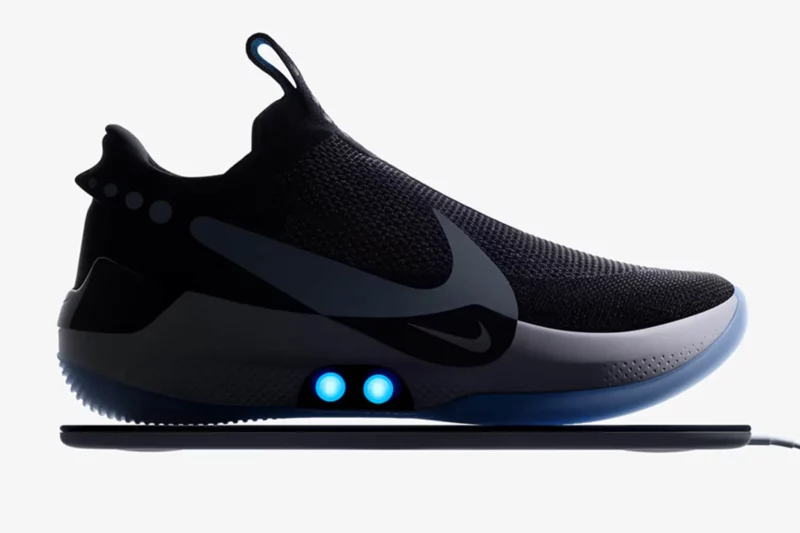
Enlarge / Nike announced the Adapt BB as “a Self-Lacing Basketball Shoe” with app-controllable LEDs.

Nike

In 2019, Nike got closer than ever to its dreams of popularizing self-tying sneakers by releasing the Adapt BB. Using Bluetooth, the sneakers paired to the Adapt app that let users do things like tighten or loosen the shoes’ laces and control its LED lights. However, Nike has announced that it’s “retiring” the app on August 6, when it will no longer be downloadable from Apple’s App Store or the Google Play Store; nor will it be updated.

In an announcement recently spotted by The Verge, Nike’s brief explanation for discontinuing the app is that Nike “is no longer creating new versions of Adapt shoes.” The company started informing owners about the app’s retirement about four months ago.

Those who already bought the shoes can still use the app after August 6, but it’s expected that iOS or Android updates will eventually make the app unusable. Also, those who get a new device won’t be able to download Adapt after August 6.

Without the app, wearers are unable to change the color of the sneaker’s LED lights. The lights will either maintain the last color scheme selected via the app or, per Nike, “if you didn’t install the app, light will be the default color.” While owners will still be able to use on-shoe buttons to turn the shoes on or off, check its battery, adjust the lace’s tightness, and save fit settings, the ability to change lighting and control the shoes via mobile phone were big selling points of the $350 kicks.

Despite the Adapt BB being Nike’s third version of self-tying sneakers and its most widely available one yet, the sneakers look doomed to have some its most marketed features bricked. Nike still maintains other mobile apps that are directly tied to shoe functionality, like its shopping app and Run Club app for tracking running.

Disappointed sneakerheads

Adapt BB owners have shared disappointment after learning the news. One Reddit user who claimed to own multiple pairs of the shoes called the news “hyper bullshit,” while another described it as “immensely disappointing.”

Some hope that Nike will open-source the app so that customers can maintain their shoes’ original and full functionality. But Nike hasn’t shared any plans to do so. Ars Technica asked the company about this but didn’t hear back ahead of press time.

One person going by Maverick-1776 on Reddit wrote:

These shoes were so expensive when they came out. I don’t see why it’s such a big deal to keep supporting the app. It doesn’t mean they need to dedicate a dev team. …

Hopefully the app doesn’t disappear if you already have it installed. I like using the app to see how much battery is left, or just messing around with the LEDs.”

Reddit’s Taizan said companies like Nike should “offer alternatives or put out stuff to the public domain when they do these things,” adding: “Sustainability also involves maintenance of past products, digital or not.”

“I’m out. Fuck ’em.”

Some may be unsurprised that Nike’s attempt at commercializing the shoes from Back to the Future Part II has run into a wall. Nike, for instance, also discontinued NikeConnect, its app for $200 NBA jerseys announced in 2017 that turned wearers into marketing gold.

Casual sneaker wearers would overlook the Adapt BB’s flashy features, but the shoe had inherent flaws that could frustrate sneaker fanatics, too. It didn’t take long, for example, for a recommended software update to break the shoes, including making them unwearable to anyone who wanted to tighten the laces (at the time, Nike said the problem affected a small number of owners). Nike’s tech inexperience played a role, as the company’s testing reportedly didn’t fully consider all the different phone models in use and their varying Bluetooth capabilities.

Nike’s borked shoe update was early warning of what happens when expensive products are tied to technology run by companies with limited tech chops.

Reddit user rtuite81 called Adapt’s sunsetting “entirely expected, but frustrating.” They added:

I knew this day would come … I just didn’t think it would be so soon LOL. I’ve only had these for a little over a year and worn them about 15 times. Hopefully my current phone outlasts the shoes.

This year, we’ve reported on customers of numerous companies—including Amazon, Oral-B, and Spotify—that have disappointed early adopters of their ambitious tech-tied projects.

As we’re currently seeing with AI, corporations are eager to force technology into products that don’t necessarily need it in order to set themselves apart and make money. But this makes customers inadvertent test subjects for products that are inevitably dropped. And as customers like Reddit’s henkmanz get let down, they lose faith in such trendy products:

I’m done with products supported by apps, now. If you can’t trust a multi-billion dollar company like Nike to continue support for a sneaker, how can you trust a toaster maker [or] an automaker? I’m out. Fuck ‘em.

“Immensely disappointing”: Nike killing app for $350 self-tying sneakers  Read More »