smartphones

samsung’s-android-15-update-has-been-halted

Samsung’s Android 15 update has been halted

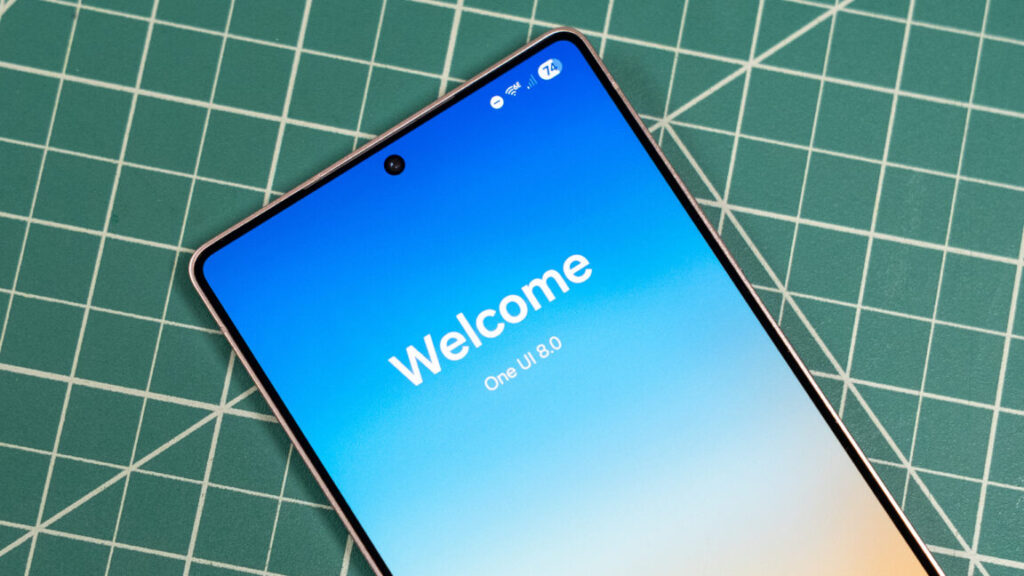
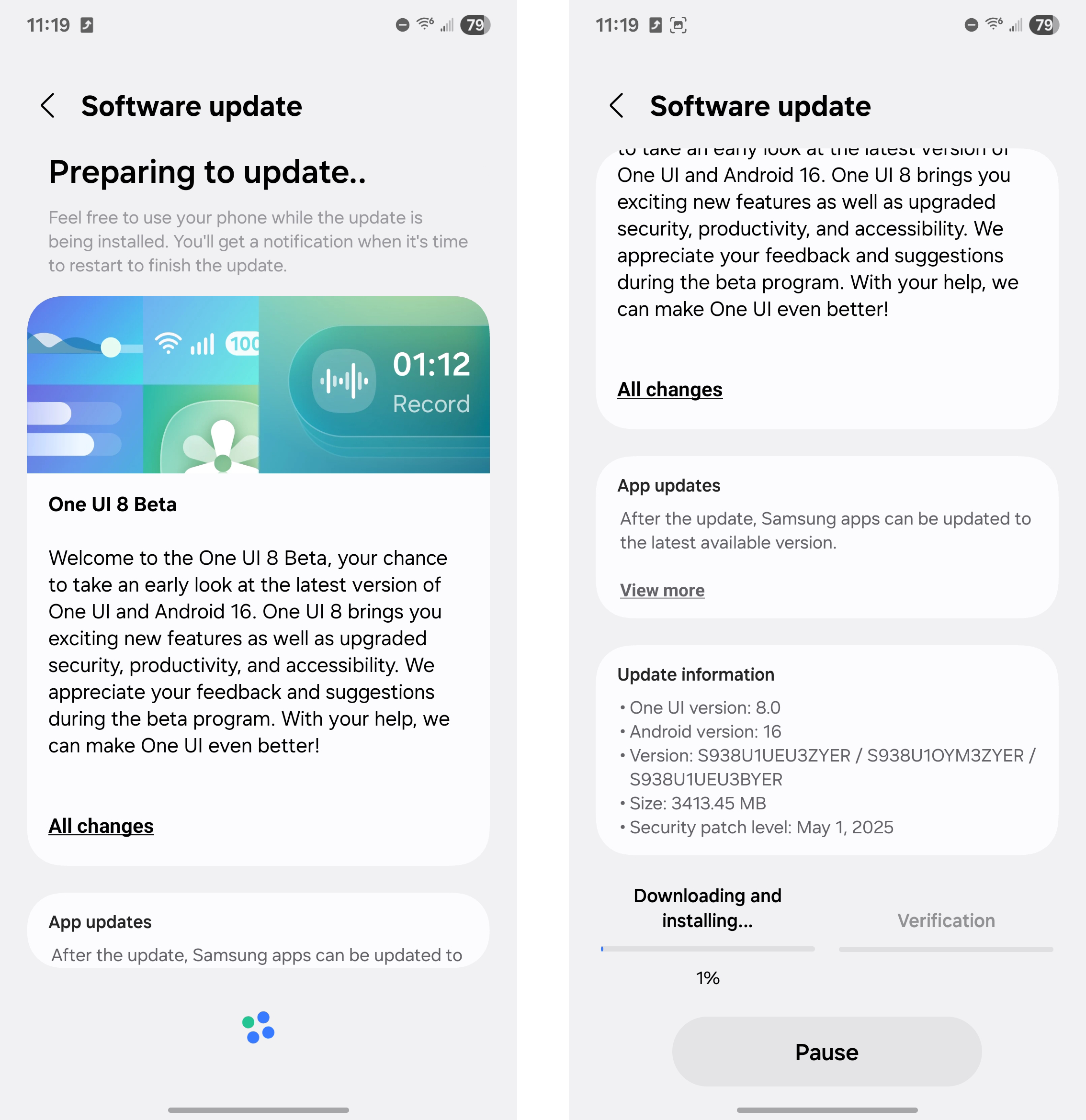
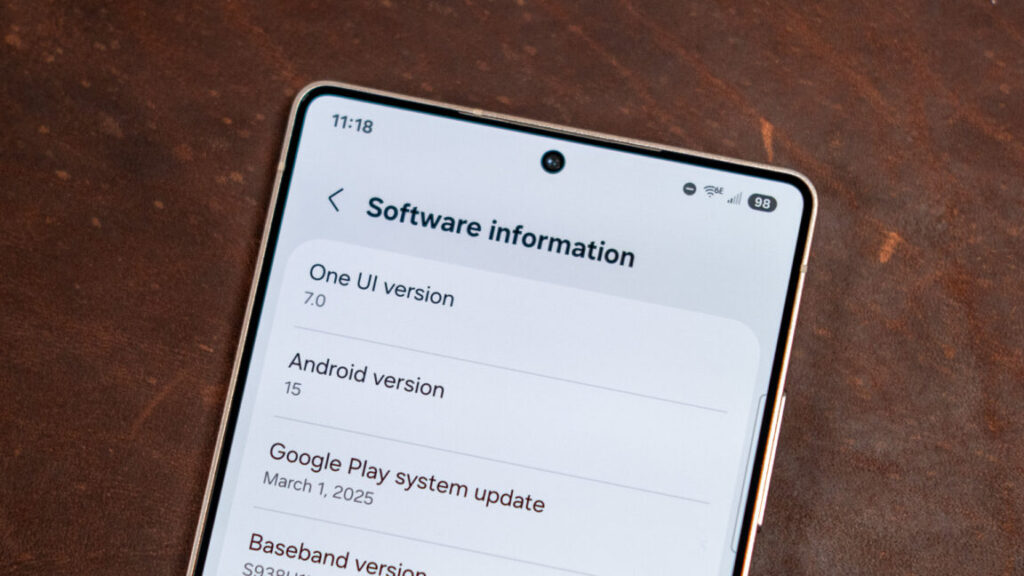
When asked about specifics, Samsung doesn’t have much to say. “The One UI 7 rollout schedule is being updated to ensure the best possible experience. The new timing and availability will be shared shortly,” the company said.

Samsung foldables

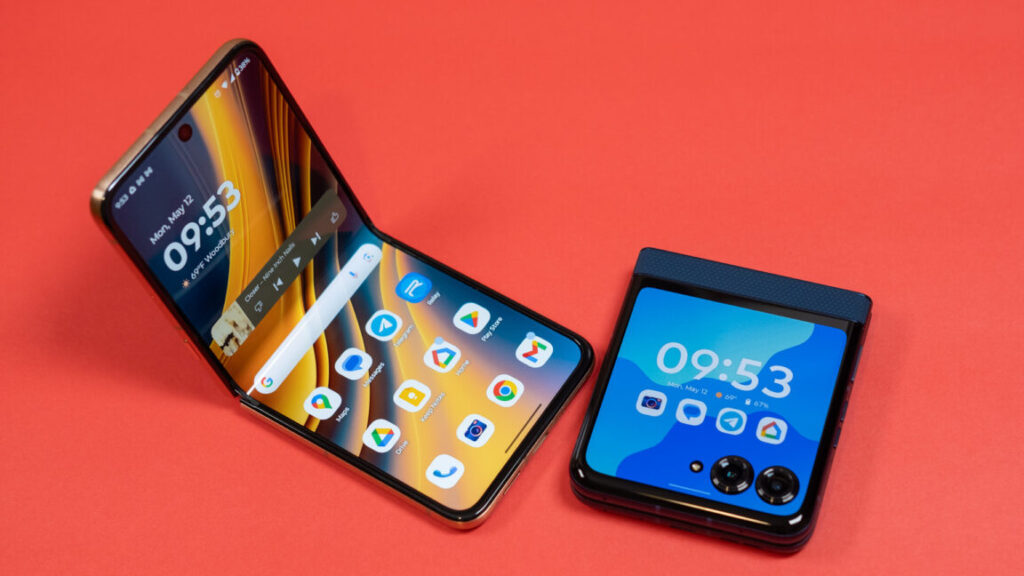
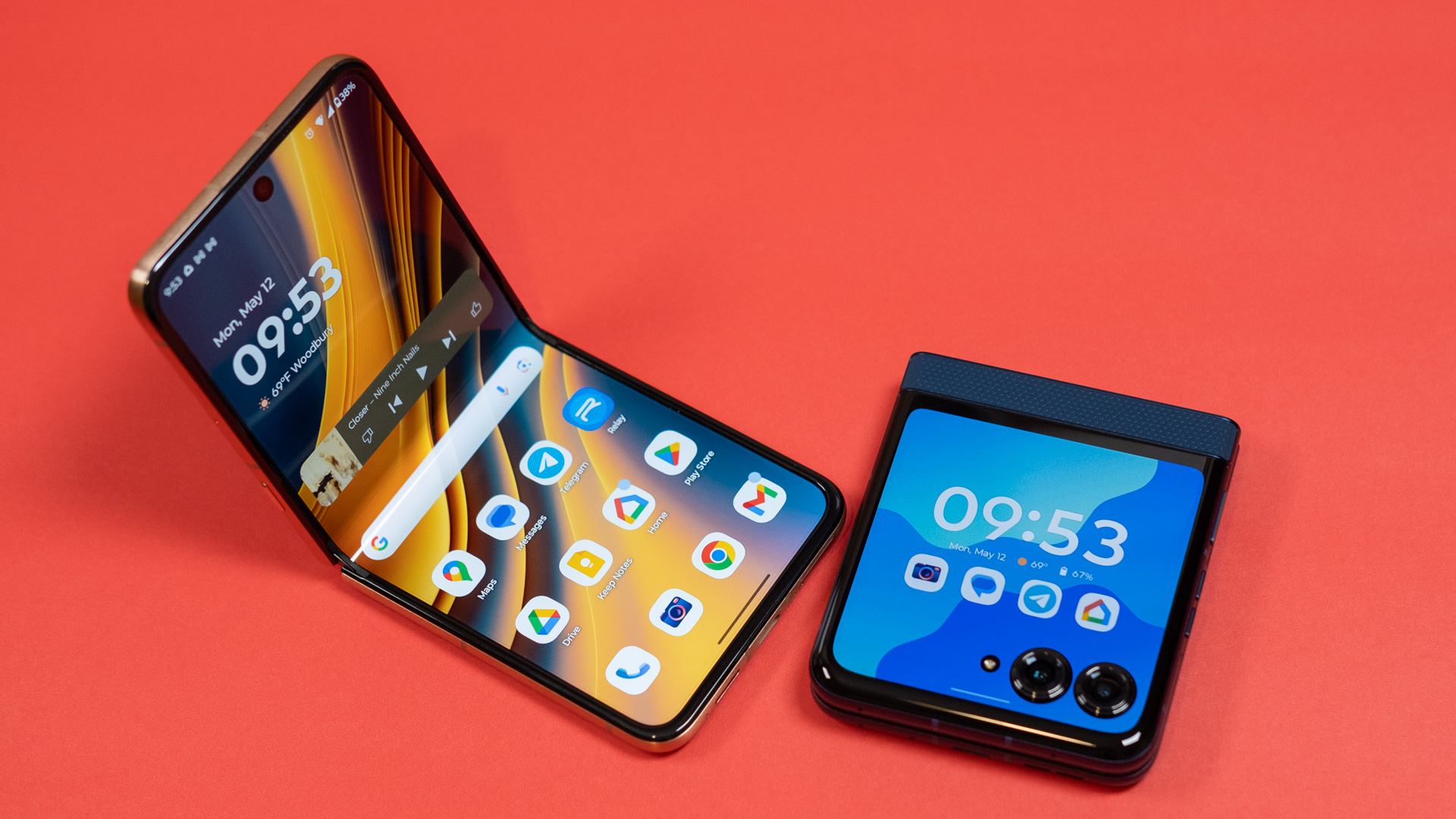
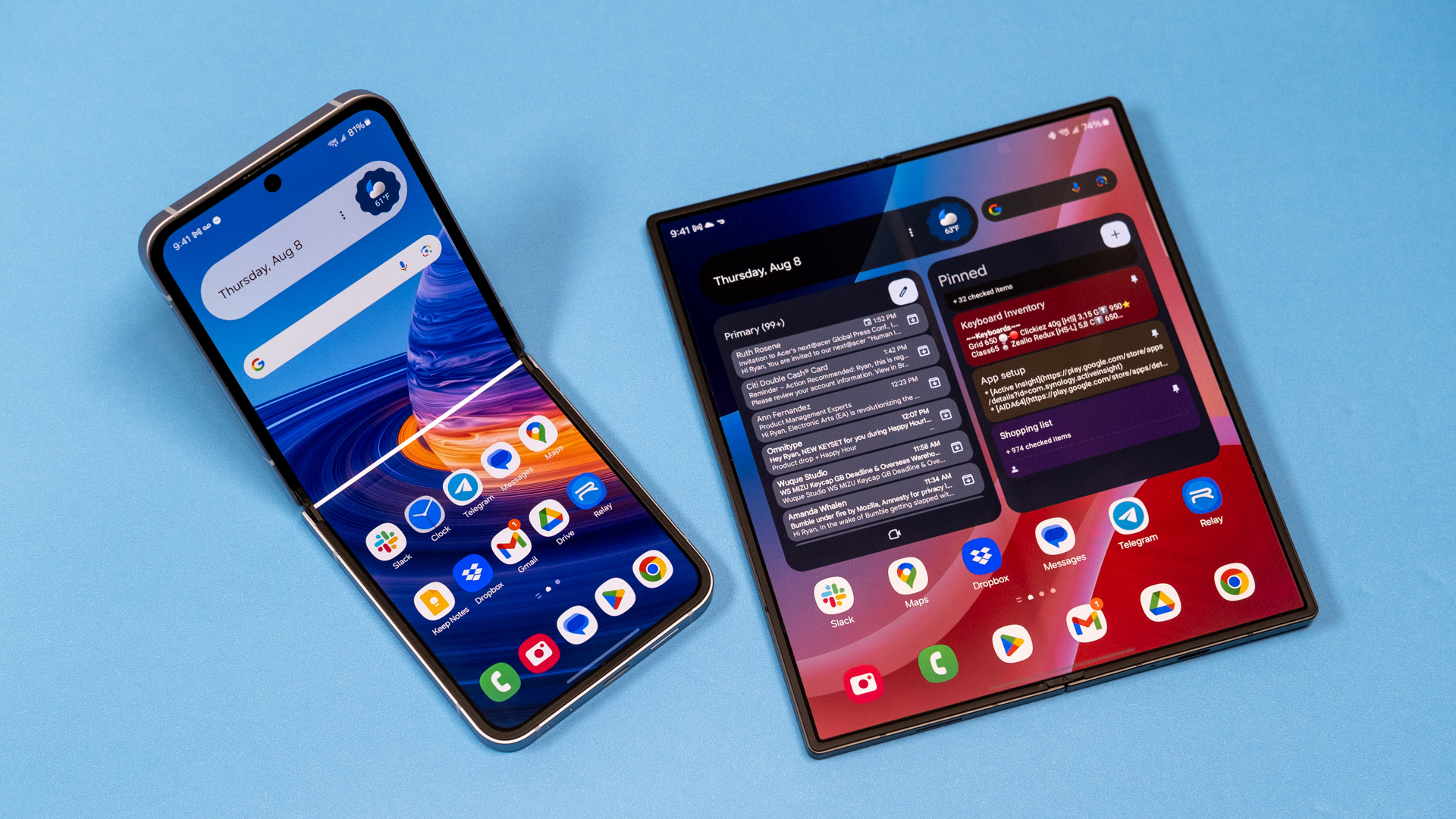
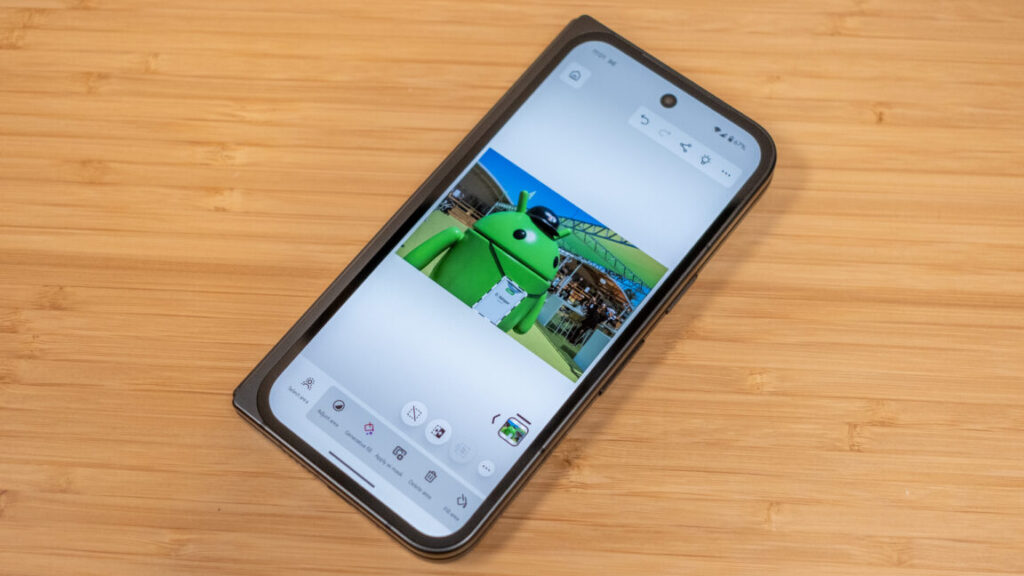
Samsung’s flagship foldables, the Z Flip 6 and Z Fold 6, are among the phones waiting on the One UI 7 update.

Credit: Ryan Whitwam

Samsung’s flagship foldables, the Z Flip 6 and Z Fold 6, are among the phones waiting on the One UI 7 update. Credit: Ryan Whitwam

One UI 7 is based on Android 15, which is the latest version of the OS for the moment. Google plans to release the first version of Android 16 in June, which is much earlier than in previous cycles. Samsung’s current-gen Galaxy S25 family launched with One UI 7, so owners of those devices don’t need to worry about the buggy update.

Samsung is no doubt working to fix the issues and restart the update rollout. Its statement is vague about timing—”shortly” can mean many things. We’ve reached out and will report if Samsung offers any more details on the pause or when it will be over.

When One UI 7 finally arrives on everyone’s phones, the experience will be similar to what you get on the Galaxy S25 lineup. There are a handful of base Android features in the update, but it’s mostly a Samsung affair. There’s the new AI-infused Now Bar, more expansive AI writing tools, camera UI customization, and plenty of interface tweaks.

Samsung’s Android 15 update has been halted Read More »

after-market-tumult,-trump-exempts-smartphones-from-massive-new-tariffs

After market tumult, Trump exempts smartphones from massive new tariffs

Shares in the US tech giant were one of Wall Street’s biggest casualties in the days immediately after Trump announced his reciprocal tariffs. About $700 billion was wiped off Apple’s market value in the space of a few days.

Earlier this week, Trump said he would consider excluding US companies from his tariffs, but added that such decisions would be made “instinctively.”

Chad Bown, a senior fellow at the Peterson Institute for International Economics, said the exemptions mirrored exceptions for smartphones and consumer electronics issued by Trump during his trade wars in 2018 and 2019.

“We’ll have to wait and see if the exemptions this time around also stick, or if the president once again reverses course sometime in the not-too-distant future,” said Bown.

US Customs and Border Protection referred inquiries about the order to the US International Trade Commission, which did not immediately reply to a request for comment.

The White House confirmed that the new exemptions would not apply to the 20 percent tariffs on all Chinese imports applied by Trump to respond to China’s role in fentanyl manufacturing.

White House spokesperson Karoline Leavitt said on Saturday that companies including Apple, TSMC, and Nvidia were “hustling to onshore their manufacturing in the United States as soon as possible” at “the direction of the President.”

“President Trump has made it clear America cannot rely on China to manufacture critical technologies such as semiconductors, chips, smartphones, and laptops,” said Leavitt.

Apple declined to comment.

Economists have warned that the sweeping nature of Trump’s tariffs—which apply to a broad range of common US consumer goods—threaten to fuel US inflation and hit economic growth.

New York Fed chief John Williams said US inflation could reach as high as 4 percent as a result of Trump’s tariffs.

Additional reporting by Michael Acton in San Francisco

© 2025 The Financial Times Ltd. All rights reserved. Not to be redistributed, copied, or modified in any way.

After market tumult, Trump exempts smartphones from massive new tariffs Read More »

nothing-on-phone-3a-pro-design:-“some-people-will-hate-it”

Nothing on Phone 3a Pro design: “Some people will hate it”

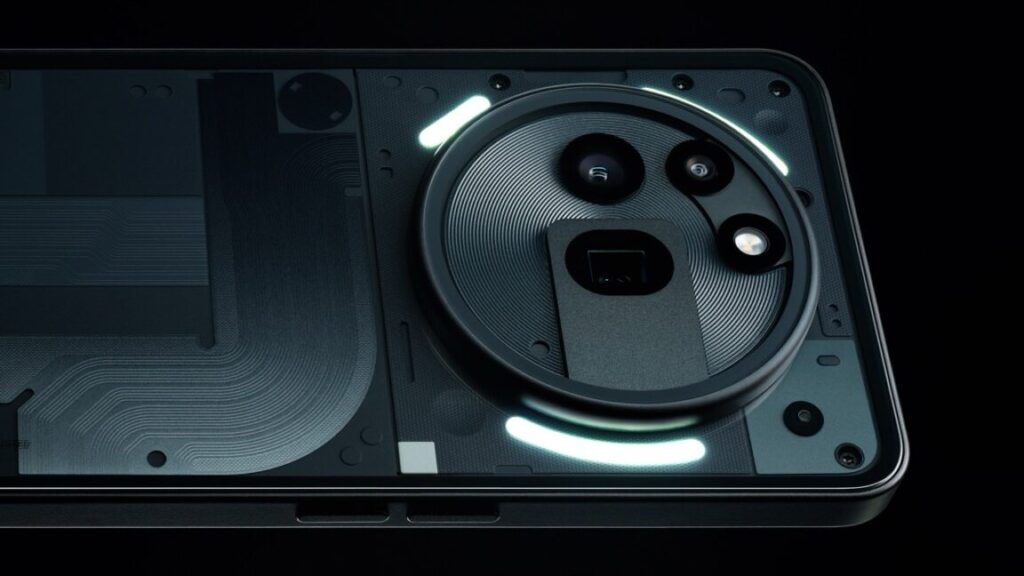
Nothing, the smartphone venture from OnePlus co-founder Carl Pei, is on its third generation of Android smartphones. The Nothing Phone 3a and 3a Pro will be officially announced on March 4, but there won’t be much left to reveal. Not only has Nothing teased the phones a few times, there’s also a new video highlighting the Nothing Phone 3a Pro’s design. In it, Nothing’s design team speaks at length about how they tried to incorporate the chunky camera module, but what they came up with is going to be divisive.

As we approach 20 years since the iPhone made touchscreen smartphones the default, the form factor is very fleshed out. Some of today’s most popular smartphones have almost reached the point of anti-design—flat, unremarkable bodies that are intended to be covered up with a case. There’s something to be said for that when most people slap a sheet of plastic on their phone and only remove it once in a blue moon. Nothing, however, designs phones with transparent panels and glowing “Glyphs” that are intended to be seen. In the case of the 3a Pro, there’s also a camera module so big it’s sure to stand out.

People generally want big screens and big batteries that don’t make phones too thick or heavy. Some components have shrunk or been dropped entirely to free up space (a moment of silence for the dearly departed headphone jack). Camera modules, however, can’t shrink infinitely. Smaller lenses and sensors have an impact on image quality, so expensive phones often have gargantuan camera arrays that can make phones top-heavy. For example, look at the Google Pixel 9 series, which features a camera bump that towers above the rest of the back.

The Nothing Phone 3a Pro isn’t a flagship device, but it’ll have more cameras than the Nothing Phone 3a that will release at the same time. The new design video shows off the phone’s three rear-facing sensors: a 50MP primary, an 8MP ultrawide, and a 50MP periscope telephoto (focal length unknown). The Nothing Phone 3a Pro has three of those glowing Glyphs on the back, framing the enormous camera module. The phone’s PCB also needed some tweaks to make room for the folded periscope assembly, which is much thicker than the other sensors.

Nothing on Phone 3a Pro design: “Some people will hate it” Read More »

niantic-uses-pokemon-go-player-data-to-build-ai-navigation-system

Niantic uses Pokémon Go player data to build AI navigation system

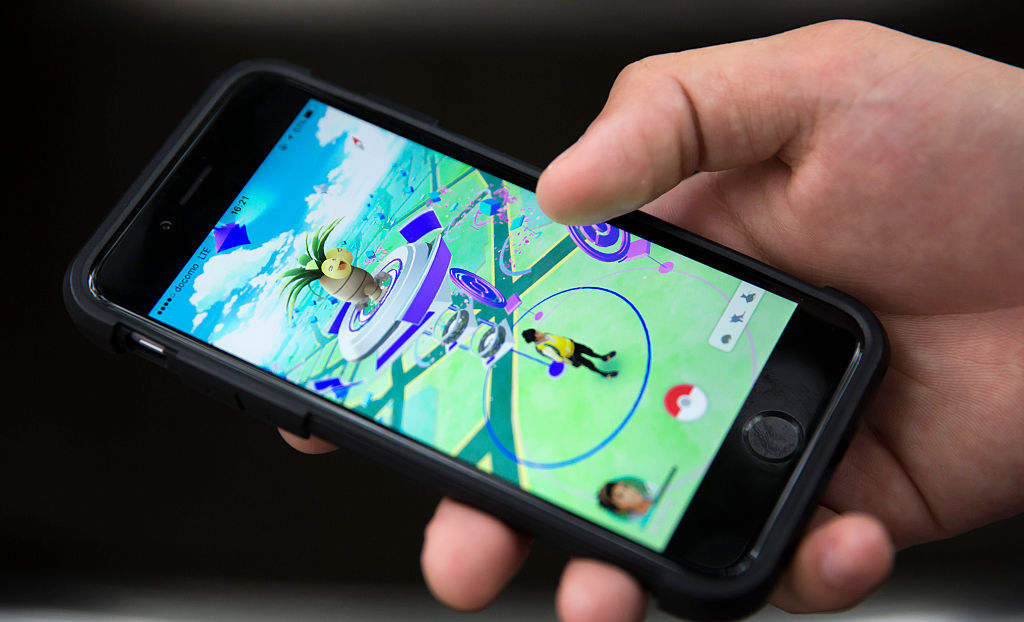
Last week, Niantic announced plans to create an AI model for navigating the physical world using scans collected from players of its mobile games, such as Pokémon Go, and from users of its Scaniverse app, reports 404 Media.

All AI models require training data. So far, companies have collected data from websites, YouTube videos, books, audio sources, and more, but this is perhaps the first we’ve heard of AI training data collected through a mobile gaming app.

“Over the past five years, Niantic has focused on building our Visual Positioning System (VPS), which uses a single image from a phone to determine its position and orientation using a 3D map built from people scanning interesting locations in our games and Scaniverse,” Niantic wrote in a company blog post.

The company calls its creation a “large geospatial model” (LGM), drawing parallels to large language models (LLMs) like the kind that power ChatGPT. Whereas language models process text, Niantic’s model will process physical spaces using geolocated images collected through its apps.

The scale of Niantic’s data collection reveals the company’s sizable presence in the AR space. The model draws from over 10 million scanned locations worldwide, with users capturing roughly 1 million new scans weekly through Pokémon Go and Scaniverse. These scans come from a pedestrian perspective, capturing areas inaccessible to cars and street-view cameras.

First-person scans

The company reports it has trained more than 50 million neural networks, each representing a specific location or viewing angle. These networks compress thousands of mapping images into digital representations of physical spaces. Together, they contain over 150 trillion parameters—adjustable values that help the networks recognize and understand locations. Multiple networks can contribute to mapping a single location, and Niantic plans to combine its knowledge into one comprehensive model that can understand any location, even from unfamiliar angles.

Niantic uses Pokémon Go player data to build AI navigation system Read More »

samsung-quits-updating-galaxy-z-fold-2-that-came-out-in-2020-for-$2,000

Samsung quits updating Galaxy Z Fold 2 that came out in 2020 for $2,000

In February 2022, Samsung started promising up to four generations of Android OS and One UI upgrades to “select” Galaxy devices, as well as “up to five years of security updates.” And in January, it announced moving to seven years of security and OS updates, matching a move from Google. However, the Fold 2 wasn’t included in Samsung’s list of “select” Galaxy devices.

Thus, one could have estimated that the Fold 2 might stop receiving OS and security updates by 2024, four years after its debut. But it’s still hard to reconcile with paying four figures for a phone that became a security risk after four years, despite functioning properly otherwise. Apple, by comparison, now promises at least five years of security updates. Apple only started making that promise in 2023 with the iPhone 15 series. However, the current-generation iOS 18 is supported by iPhones released in 2020, like the second-generation iPhone SE, and even older ones, like the iPhone XR that came out in 2018. Arguably short-lived expensive devices like the Fold 2 are part of the reason some activists are pushing for the FTC to require that smart devices state on their packaging how long they’ll receive updates.

However, unlike iPhones, Samsung phones aren’t all powered by a proprietary chip, making promises of upgrades require commitments from third-party vendors, like Qualcomm. With Qualcomm known for being resistant to longer chip life cycles in the past, seven years of updates is progress for Samsung users—just not those who invested in the Z Fold 2.

Samsung quits updating Galaxy Z Fold 2 that came out in 2020 for $2,000 Read More »

faulty-samsung-update-leaves-owners-of-bricked-galaxy-phones-with-few-options

Faulty Samsung update leaves owners of bricked Galaxy phones with few options

Samsung issued a software update on October 2 that bricked some older Galaxy smartphones. While Samsung has stopped the update from rolling out further, those with broken phones have received a harsh reminder of the importance of data backups.

On Wednesday, numerous people online started complaining about their Samsung phones being stuck in a bootloop (you can see examples here, here, and in newer comments here).

A Samsung spokesperson confirmed to Ars Technica that an update to Samsung’s SmartThings Framework app for managing smart devices caused the problems:

We are aware that a limited number of Galaxy smartphones running on Android 12 are rebooting continuously during an update to the latest version of the SmartThings app.

Samsung “immediately suspended the update” after learning of the problem and is “working to resolve the issues,” the company’s spokesperson said. According to user reports online, Samsung has issued a new update that people can download without their phones breaking.

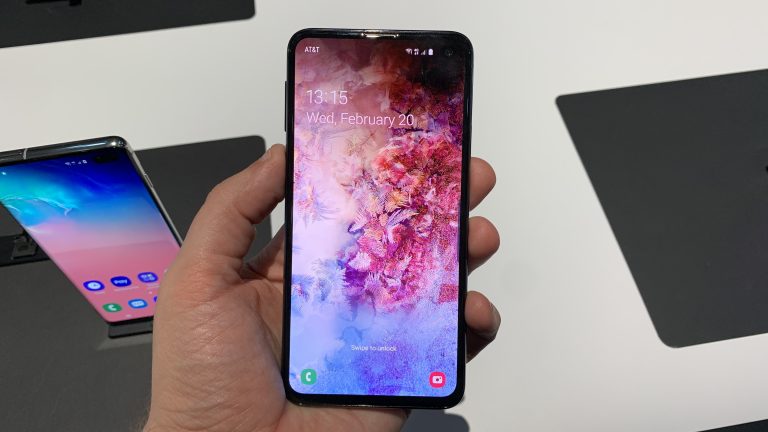
However, owners of older affected phones, namely the Galaxy S10 series, Galaxy Note 10 series, Galaxy M51, and Galaxy A90, have been unable to power their devices on to roll back the update. Many users who already manually or automatically installed the update are still dealing with bricked devices.

A harsh reminder

Users with bricked Galaxy phones were initially met with a difficult choice: Go without their phone or perform a data-erasing factory reset.

Samsung’s statement to Ars advised customers to “contact the Samsung Contact Center” for support, but it’s unclear if a fix can be employed that doesn’t wipe the phone.

Faulty Samsung update leaves owners of bricked Galaxy phones with few options Read More »