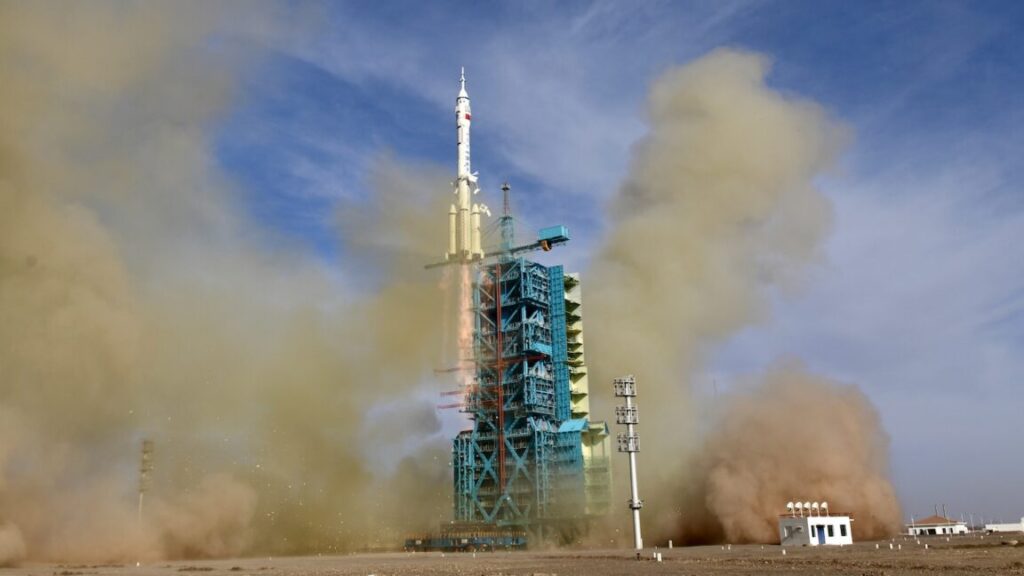
China launches an emergency lifeboat to bring three astronauts back to Earth
And then, last year, Boeing’s Starliner crew capsule suffered a series of helium leaks and propulsion problems that made NASA managers uncomfortable with its ability to safely return to Earth with astronauts Butch Wilmore and Suni Williams. The two astronauts remained on the ISS as Starliner made a successful uncrewed landing in September 2024, while SpaceX launched an already-scheduled Crew Dragon mission to the station with two of its four seats unoccupied. The Dragon spacecraft brought Wilmore and Williams home in March.
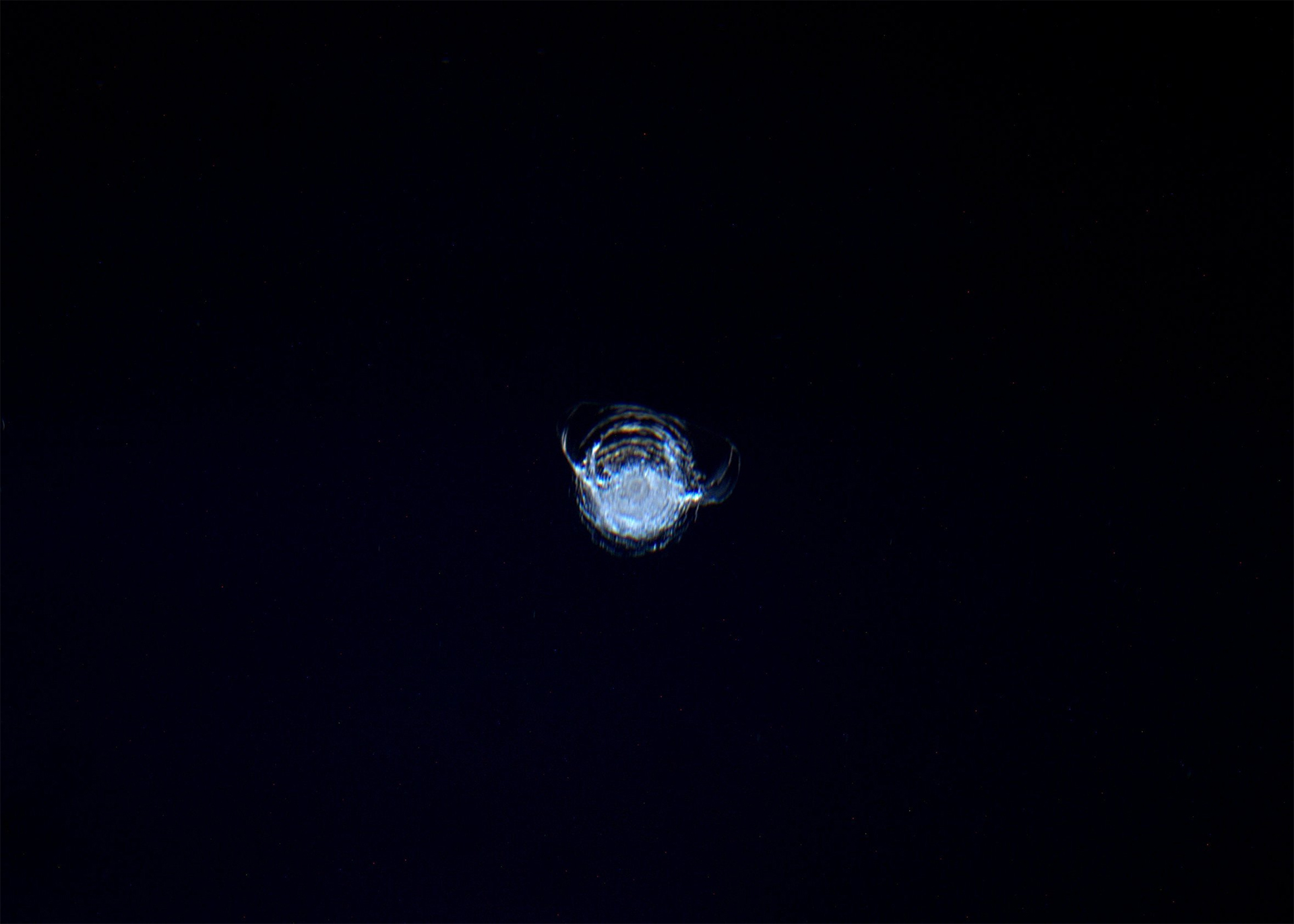
The incidents with Shenzhou 20 and Soyuz MS-22 highlight the risks of space junk in low-Earth orbit, especially tiny debris fragments that evade detection by tracking telescopes and radars. A minuscule piece of space debris traveling at several miles per second can pack a punch. Crews at the Tiangong outpost ventured outside the station multiple times in the last few years to install space debris shielding to protect the outpost from such impacts.
Luckily, the damage to Shenzhou 20’s window and Soyuz MS-22’s dramatic coolant leak were unmistakable. Tiny impacts on other unseen parts of a spacecraft would be more difficult to find.
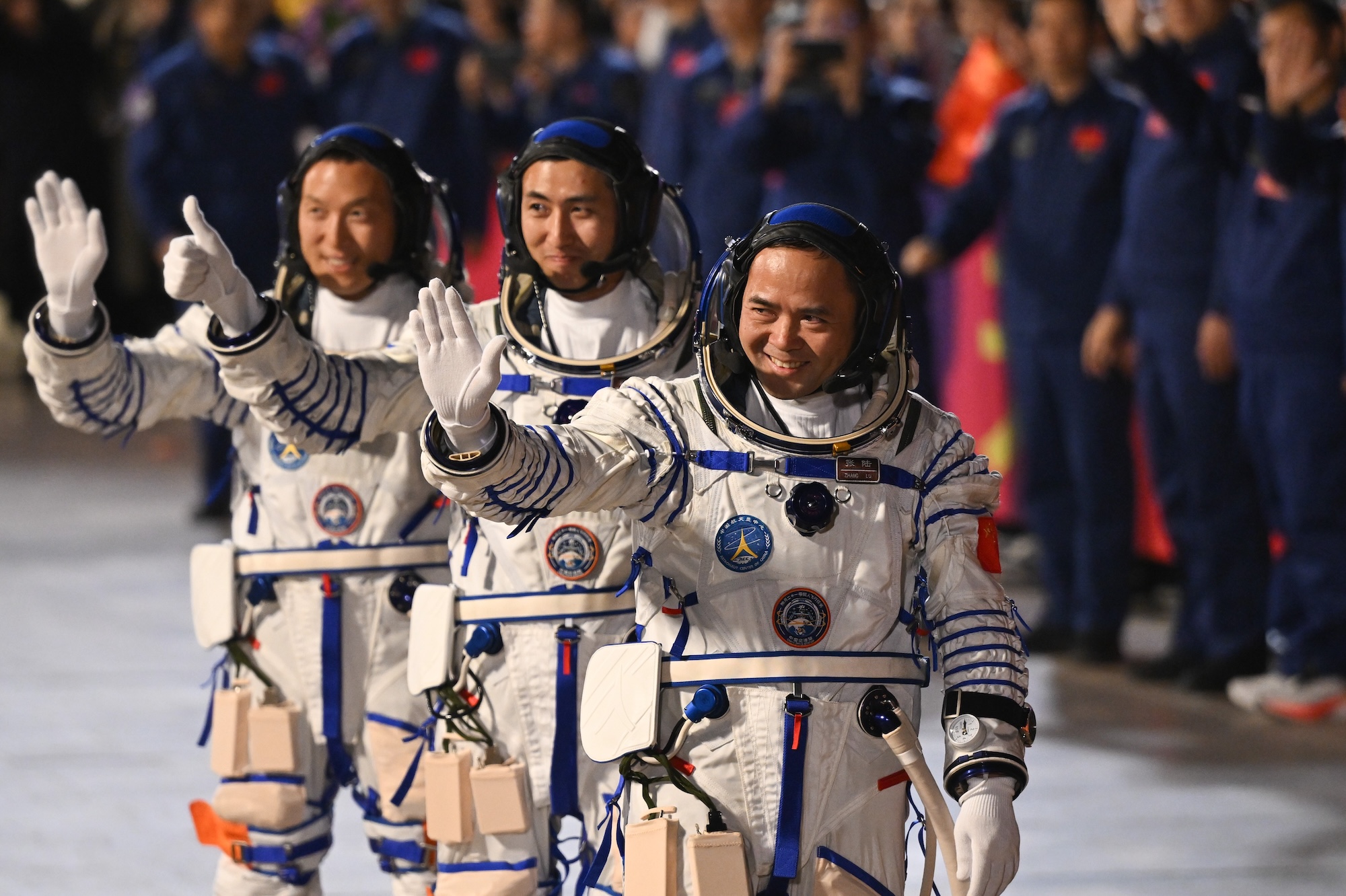
Chinese astronauts Zhang Hongzhang, Wu Fei, and Zhang Lu (left to right) attend a send-off ceremony at the Jiuquan Satellite Launch Center in northwest China before their launch on October 31, 2025. Credit: Lian Zhen/Xinhua via Getty Images
China’s first human spaceflight emergency
It has been 22 years since China sent Yang Liwei, its first astronaut, into orbit on the Shenzhou 5 mission. Since then, China’s human spaceflight program has seemingly executed its missions like clockwork. Chinese astronauts performed the program’s first spacewalk in 2008, then China launched a pair of mini-space labs in 2011 and 2016, each hosting Shenzhou crews for stays lasting several weeks.
China started launching modules for Tiangong, its first permanently occupied space station, in 2021 and completed the lab’s initial assembly in 2022. Since then, Chinese astronauts have maintained a permanent presence in low-Earth orbit.
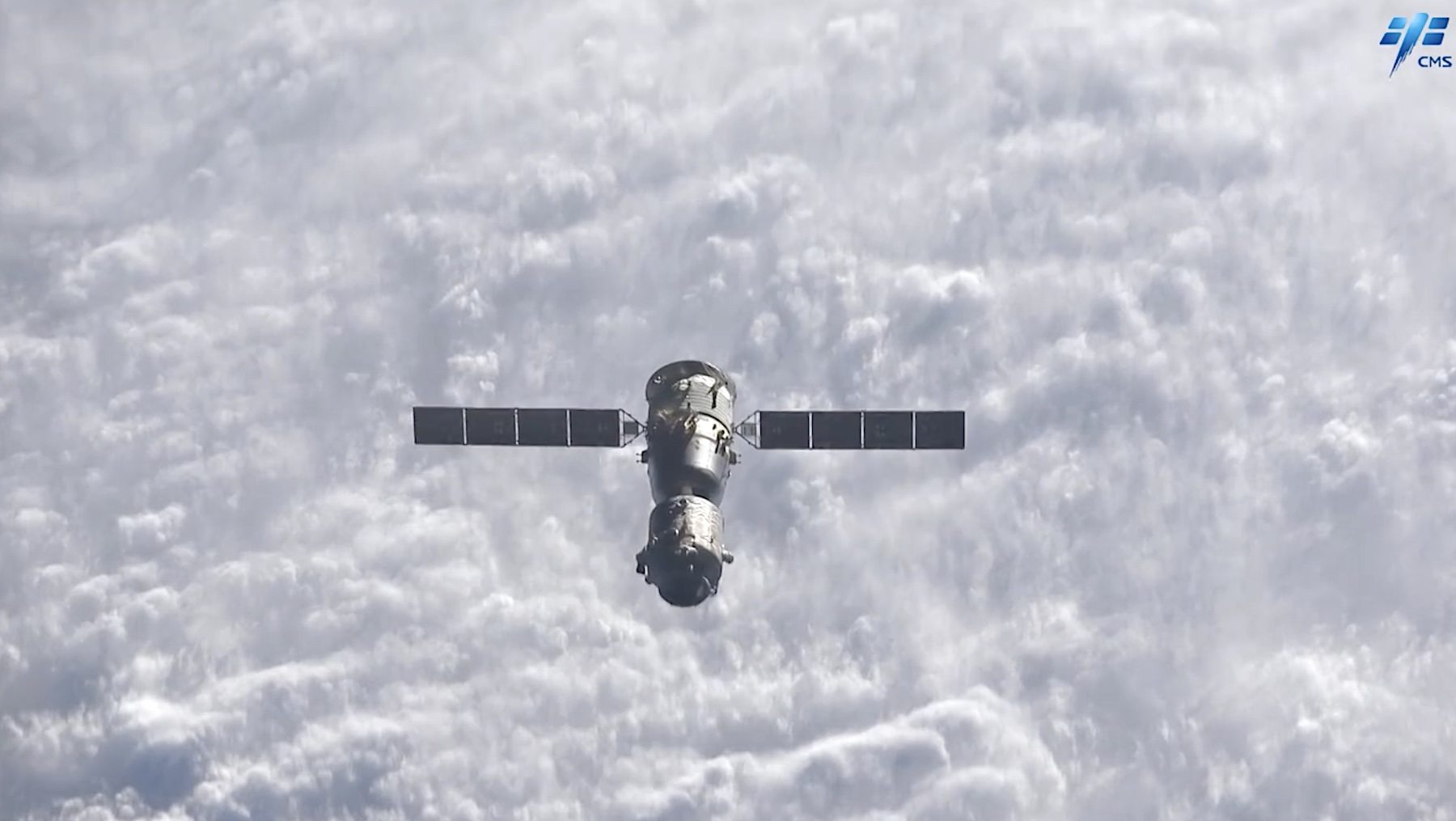
Chinese state media previously reported that the China Manned Space Agency, managed by the country’s military, kept a rocket and Shenzhou spacecraft on standby in the event of an emergency in space. Chinese officials tapped into this rescue capability with Shenzhou 22 this month.
China’s actions with the Shenzhou program this month are evidence of a mature human spaceflight program. In parallel with operations on the Tiangong space station, China is developing new rockets, a deep space capsule, and a human-rated lunar lander to carry astronauts to the Moon by 2030.
Updated at 4 pm EST (21: 00 UTC) with more details from the China Manned Space Agency.
China launches an emergency lifeboat to bring three astronauts back to Earth Read More »