Science

over-2-percent-of-the-us’s-electricity-generation-now-goes-to-bitcoin

Over 2 percent of the US’s electricity generation now goes to bitcoin

Mining stakes —

US government tracking the energy implications of booming bitcoin mining in US.

Digital generated image of golden helium balloon in shape of bitcoin sign inflated with air pump and moving up against purple background.

Enlarge / It takes a lot of energy to keep pumping out more bitcoins.

What exactly is bitcoin mining doing to the electric grid? In the last few years, the US has seen a boom in cryptocurrency mining, and the government is now trying to track exactly what that means for the consumption of electricity. While its analysis is preliminary, the Energy Information Agency (EIA) estimates that large-scale cryptocurrency operations are now consuming over 2 percent of the US’s electricity. That’s roughly the equivalent of having added an additional state to the grid over just the last three years.

Follow the megawatts

While there is some small-scale mining that goes on with personal computers and small rigs, most cryptocurrency mining has moved to large collections of specialized hardware. While this hardware can be pricy compared to personal computers, the main cost for these operations is electricity use, so the miners will tend to move to places with low electricity rates. The EIA report notes that, in the wake of a crackdown on cryptocurrency in China, a lot of that movement has involved relocation to the US, where keeping electricity prices low has generally been a policy priority.

One independent estimate made by the Cambridge Centre for Alternative Finance had the US as the home of just over 3 percent of the global bitcoin mining at the start of 2020. By the start of 2022, that figure was nearly 38 percent.

The Cambridge Center also estimates the global electricity use of all bitcoin mining, so it’s possible to multiply that by the US’s percentage and come up with an estimate for the amount of electricity that boom has consumed. Because of the uncertainties in these estimates, the number could be anywhere from 25 to 91 Terawatt-hours. Even the low end of that range would mean bitcoin mining is now using the equivalent of Utah’s electricity consumption (the high end is roughly Washington’s), which has significant implications for the electric grid as a whole.

So, the EIA decided it needed a better grip on what was going on. To get that, it went through trade publications, financial reports, news articles, and congressional investigation reports to identify as many bitcoin mining operations as it could. With 137 facilities identified, it then inquired about the power supply needed to operate them at full capacity, receiving answers for 101 of those facilities.

If running all-out, those 101 facilities would consume 2.3 percent of the US’s average power demand. That places them on the high side of the Cambridge Center estimates.

Finding power-ups

The mining operations fall in two major clusters: one in Texas, and one extending from western New York down the Appalachians to southern Georgia. While there are additional ones scattered throughout the US, these are the major sites.

The EIA has also found some instances where the operations moved in near underutilized power plants and sent generation soaring again. Tracking the history of five of these plants showed that generation had fallen steadily from 2015 to 2020, reaching a low where they collectively produced just half a Terawatt-hour. Miners moving in nearby tripled production in just a year and has seen it rise to over 2 Terawatt-hours in 2022.

Power plants near bitcoin mining operations have seen generation surge over the last two years.

Enlarge / Power plants near bitcoin mining operations have seen generation surge over the last two years.

These are almost certainly fossil fuel plants that might be reasonable candidates for retirement if it weren’t for their use to supply bitcoin miners. So, these miners are contributing to all of the health and climate problems associated with the continued use of fossil fuels.

The EIA also found a number of strategies that miners used to keep their power costs low. In one case, they moved into a former aluminum smelting facility in Texas to take advantage of its capacious connections to the grid. In another, they put a facility next to a nuclear plant in Pennsylvania and set up a direct connection to the plant. The EIA also found cases where miners moved near natural gas fields that produced waste methane that would otherwise have been burned off.

Since bitcoin mining is the antithesis of an essential activity, several mining operations have signed up for demand-response programs, where they agree to take their operations offline if electricity demand is likely to exceed generating capacity in return for compensation by the grid operator. It has been widely reported that one facility in Texas—the one at the former aluminum smelter site—earned over $30 million by shutting down during a heat wave in 2023.

To better understand the implications of this major new drain on the US electric grid, the EIA will be performing monthly analyses of bitcoin operations during the first half of 2024. But based on these initial numbers, it’s clear that the relocation of so many mining operations to the US will significantly hinder efforts to bring the US’s electric grid to carbon neutrality.

Over 2 percent of the US’s electricity generation now goes to bitcoin Read More »

mathematicians-finally-solved-feynman’s-“reverse-sprinkler”-problem

Mathematicians finally solved Feynman’s “reverse sprinkler” problem

A decades-old conundrum —

We might not need to “unwater” our lawns, but results could help control fluid flows.

Light-scattering microparticles reveal the flow pattern for the reverse (sucking) mode of a sprinkler, showing vortices and complex flow patterns forming inside the central chamber. Credit: K. Wang et al., 2024

A typical lawn sprinkler features various nozzles arranged at angles on a rotating wheel; when water is pumped in, they release jets that cause the wheel to rotate. But what would happen if the water were sucked into the sprinkler instead? In which direction would the wheel turn then, or would it even turn at all? That’s the essence of the “reverse sprinkler” problem that physicists like Richard Feynman, among others, have grappled with since the 1940s. Now, applied mathematicians at New York University think they’ve cracked the conundrum, per a recent paper published in the journal Physical Review Letters—and the answer challenges conventional wisdom on the matter.

“Our study solves the problem by combining precision lab experiments with mathematical modeling that explains how a reverse sprinkler operates,” said co-author Leif Ristroph of NYU’s Courant Institute. “We found that the reverse sprinkler spins in the ‘reverse’ or opposite direction when taking in water as it does when ejecting it, and the cause is subtle and surprising.”

Ristroph’s lab frequently addresses these kinds of colorful real-world puzzles. For instance, back in 2018, Ristroph and colleagues fine-tuned the recipe for the perfect bubble based on experiments with soapy thin films. (You want a circular wand with a 1.5-inch perimeter, and you should gently blow at a consistent 6.9 cm/s.) In 2021, the Ristroph lab looked into the formation processes underlying so-called “stone forests” common in certain regions of China and Madagascar. These pointed rock formations, like the famed Stone Forest in China’s Yunnan Province, are the result of solids dissolving into liquids in the presence of gravity, which produces natural convective flows.

In 2021, his lab built a working Tesla valve, in accordance with the inventor’s design, and measured the flow of water through the valve in both directions at various pressures. They found the water flowed about two times slower in the nonpreferred direction. And in 2022, Ristroph studied the surpassingly complex aerodynamics of what makes a good paper airplane—specifically what is needed for smooth gliding. They found that paper airplane aerodynamics differ substantially from conventional aircraft, which rely on airfoils to generate lift.

Mechanik (1883).” data-height=”1298″ data-width=”1200″ href=”https://cdn.arstechnica.net/wp-content/uploads/2024/02/feynman7.jpg”>Illustration of a Mechanik (1883).” height=”692″ src=”https://cdn.arstechnica.net/wp-content/uploads/2024/02/feynman7-640×692.jpg” width=”640″>

Enlarge / Illustration of a “reaction wheel” from Ernst Mach’s Mechanik (1883).

Public domain

The reverse sprinkler problem is associated with Feynman because he popularized the concept, but it actually dates back to a chapter in Ernst Mach’s 1883 textbook The Science of Mechanics (Die Mechanik in Ihrer Entwicklung Historisch-Kritisch Dargerstellt). Mach’s thought experiment languished in relative obscurity until a group of Princeton University physicists began debating the issue in the 1940s.

Feynman was a graduate student there at the time and threw himself into the debate with gusto, even devising an experiment in the cyclotron laboratory to test his hypothesis. (In true Feynman fashion, that experiment culminated with the explosion of a glass carboy used in the apparatus because of the high internal pressure.)

One might intuit that a reverse sprinkler would work just like a regular sprinkler, merely played backward, so to speak. But the physics turns out to be more complicated. “The answer is perfectly clear at first sight,” Feynman wrote in Surely You’re Joking, Mr. Feynman (1985). “The trouble was, some guy would think it was perfectly clear [that the rotation would be] one way, and another guy would think it was perfectly clear the other way.”

Mathematicians finally solved Feynman’s “reverse sprinkler” problem Read More »

starlab—with-half-the-volume-of-the-iss—will-fit-inside-starship’s-payload-bay

Starlab—with half the volume of the ISS—will fit inside Starship’s payload bay

It’s full of stars —

“Building and integrating in space is very expensive.”

An artist's concept of the Starlab space station.

Enlarge / An artist’s concept of the Starlab space station.

Starlab LLC

The Starlab commercial space station will launch on SpaceX’s Starship rocket, officials said this week.

Starlab is a joint venture between the US-based Voyager Space and the European-based multinational aerospace corporation Airbus. The venture is building a large station with a habitable volume equivalent to half the pressurized volume of the International Space Station and will launch the new station no earlier than 2028.

“SpaceX’s history of success and reliability led our team to select Starship to orbit Starlab,” Dylan Taylor, chairman and CEO of Voyager Space, said in a statement. “SpaceX is the unmatched leader for high-cadence launches and we are proud Starlab will be launched to orbit in a single flight by Starship.”

Fitting in a big fairing

Starlab will have a diameter of about 26 feet (8 meters). It is perhaps not a coincidence that Starship’s payload bay can accommodate vehicles up to 26 feet across in its capacious fairing. However, in an interview, Marshall Smith, the chief technology officer of Voyager Space, said the company looked at a couple of launch options.

“We looked at multiple launches to get Starlab into orbit, and eventually gravitated toward single launch options,” he said. “It saves a lot of the cost of development. It saves a lot of the cost of integration. We can get it all built and checked out on the ground, and tested and launch it with payloads and other systems. One of the many lessons we learned from the International Space Station is that building and integrating in space is very expensive.”

With a single launch on a Starship, the Starlab module should be ready for human habitation almost immediately, Smith said.

It's hard to believe the interior of Starlab will ever be this clean in space.

Enlarge / It’s hard to believe the interior of Starlab will ever be this clean in space.

Starlab LLC

Starlab is one of several privately developed space stations vying to become a commercial replacement for the International Space Station, which NASA is likely to retire in 2030. Among the other contenders are Axiom Space, Blue Origin, and Vast Space. SpaceX may also configure a human-rated version of Starship as a temporary space station.

NASA has provided seed funding to some of these companies, including Voyager Space, to begin designing and developing their stations. NASA is expected to hold a second round of competition next year, when it will select one or more companies to proceed with building and testing their stations.

Finding customers

Each company is developing a space station that will serve both government customers—NASA wants to continue flying at least a handful of astronauts in low-Earth orbit for research purposes—as well as private customers. The challenge for Starlab and other commercial stations is developing a customer base beyond NASA to support the expense of flying and operating stations.

The challenge is a huge one: NASA spent more than $100 billion constructing the International Space Station and has a $3 billion annual budget for operations and transportation of people and supplies to the station. The agency is likely to fund commercial space stations at a level of about $1 billion a year, so these companies must build their facilities relatively quickly at low cost and then find a diverse base of customers to offset expenses.

Starlab may have an advantage in this regard with its co-ownership by Airbus. One of the big questions surrounding the end of the International Space Station is what happens to the European astronauts who fly there now. The European Space Agency will likely be reticent about funding missions to private space stations owned and operated by US companies. The involvement by Airbus, therefore, makes Starlab attractive to European nations as a destination.

Starlab—with half the volume of the ISS—will fit inside Starship’s payload bay Read More »

clownfish-“count”-white-stripes-to-determine-if-an-invader-is-friend-or-foe

Clownfish “count” white stripes to determine if an invader is friend or foe

Counting Nemo —

They attacked similar fish with three stripes more often than those with one or two stripes.

Clown anemonefish (Amphiprion ocellaris) photographed in the wild.

Enlarge / Clown anemonefish (Amphiprion ocellaris) seem to recognize different species of clownfish by counting white stripes.

Kina Hayashi

Many people tend to think of clownfish, with their distinctive white bars against an orange, red, or black background, as a friendly sort of fish, perhaps influenced to some extent by the popular Pixar film Finding Nemo. But clownfish can be quite territorial when it comes to defending their host anemone from intrusion by others, particularly those from their own species. A new paper published in the Journal of Experimental Biology describes how clownfish determine if a fish approaching their home is friend or foe by “counting” the number of white bars or stripes on their bodies.

As previously reported, mathematical ability is often considered uniquely human, but in fact, scientists have found that many animal species—including lions, chimpanzees, birds, bees, ants, and fish—seem to possess at least a rudimentary counting ability or number sense. Crows can understand the concept of zero. So can bees, which can also add and subtract, as can both stingrays and cichlids—at least for a small number of objects (in the range of one to five). Some ants count their steps.

This so-called “numerosity” simply refers to the number of things in a set, according to cognitive psychologist Brian Butterworth, an emeritus professor at University College London and author of Can Fish Count? What Animals Reveal About Our Uniquely Mathematical Minds. It has nothing to do with reasoning or logical mathematical intelligence. This is information that will be in the environment, and counting animals must have some mechanism for extracting this numerical information from the environment. But it nonetheless makes for a fascinating field of study.

In 2022, Kina Hayashi of the Okinawa Institute of Science and Technology (OIST) and several colleagues found that clownfish display more aggressive behavior (e.g., chasing or biting) toward fish (or fish toys) with vertical bar patterns compared with fish with horizontal stripe patterns and that this aggressive behavior lasted longer when directed at fish with vertical bars versus horizontal bars. This behavior appears to influence the position of fish species between host anemones and coral reefs: No fish with vertical bars sought shelter in host anemones, while several species with vertical bars were found in the surrounding coral reefs. But it wasn’t clear how the fish recognized the color patterns or what basic rules controlled this signaling. The study results suggested that it wasn’t based on the mere presence of white bars or how much white color was present on a given fish’s body.

The plastic models used to measure the clown anemonefish’s aggressive behavior.

Enlarge / The plastic models used to measure the clown anemonefish’s aggressive behavior.

This new study builds on that earlier work. This time around, Kayashi and co-authors raised a school of young common clownfish (A. ocellaris) from eggs to ensure that the fish had never set eyes on other species of anemonefish. At six months old, the fish were introduced to several other clownfish species, including Clarke’s anemonefish (A. clarkii), orange skunk clownfish (A. sandaracinos), and saddleback clownfish (A. polymnus).

The researchers placed different species of clownfish, with different numbers of white bars, in small cases inside a tank with a clownfish colony and filmed their reaction. Because they were in a controlled tank environment, there was no chasing or biting. Rather, aggressive behavior was defined as staring aggressively at the other fish and circling the case in which the other fish were held.

They followed up with a second set of experiments in which they presented a colony of clownfish with different plastic models painted with accurate clownfish coloration, with differing numbers of white stripes. The researchers also filmed and measured the degree of aggressive behavior directed at the different plastic models.

Clownfish showing aggression toward another fish with similar stripes. Credit: Kina Hayashi

The results: “The frequency and duration of aggressive behaviors in clown anemonefish was highest toward fish with three bars like themselves,” said Hayashi, “while they were lower with fish with one or two bars, and lowest toward those without vertical bars, which suggests that they are able to count the number of bars in order to recognize the species of the intruder.”

Hayashi et al. cautioned that one limitation of their study is that all the fish used in the experiments were hatched and raised in an environment where they had only encountered other fish of their own species. So, they could not conclusively determine whether the observed behavior was innate or learned. Other species of clownfish also use the same anemone species as hosts, so aggressive behavior toward those species might be more frequent in the wild than observed in the laboratory tank environment.

Journal of Experimental Biology, 2024. DOI: 10.1242/jeb.246357  (About DOIs).

Clownfish “count” white stripes to determine if an invader is friend or foe Read More »

biogen-dumps-dubious-alzheimer’s-drug-after-profit-killing-fda-scandal

Biogen dumps dubious Alzheimer’s drug after profit-killing FDA scandal

Multistory glass office building.

Enlarge / The exterior of the headquarters of biotechnology company Biogen in Cambridge, Massachusetts.

Biotechnology company Biogen is abandoning Aduhelm, its questionable Alzheimer’s drug that has floundered on the market since its scandal-plagued regulatory approval in 2021 and brow-raising pricing.

On Wednesday, the company announced it had terminated its license for Aduhelm (aducanumab) and will stop all development and commercialization activities. The rights to Aduhelm will revert back to the Neurimmune, the Swiss biopharmaceutical company that discovered it.

Biogen will also end the Phase 4 clinical trial, ENVISION, that was required by the Food and Drug Administration to prove Biogen’s claims that Aduhelm is effective at slowing progression of Alzheimer’s in its early stages—something two Phase 3 trials failed to do with certainty.

In the announcement, Biogen noted it took a financial hit of $60 million in the fourth quarter of 2023 to close out its work on Aduhelm, which the company at one point reportedly estimated would bring in as much as $18 billion in revenue per year.

The saga

But the data never appeared to support such lofty aspirations. The drug is intended to work against the clumps of misfolded beta-amyloid protein that accumulate in the brains of people with Alzheimer’s. Though a small, early clinical trial showed the drug could reduce plaques in the brains of people with Alzheimer’s, it initially failed two identically designed Phase 3 trials. The trials, which collectively enrolled nearly 3,300 patients, intended to evaluate if the drug could slow the progression of Alzheimer’s in its early stages.

In March 2019, the company announced that it was ending both trials after a futility analysis indicated that the drug wasn’t working. But later that year, Biogen stunningly reversed course, saying that additional data had rolled in from the trials after the March announcement. A new analysis of the data from one of the two trials indicated that a subset of patients given the highest dose showed a small benefit on cognitive tests—though the patients in the other trial still saw no benefit. The data also found that 40 percent of patients given the high dose developed brain swelling.

Biogen boldly submitted its data to the FDA for approval. In November 2020, a panel of independent advisors for the FDA voted resoundingly against Aduhelm’s approval. Ten of 11 committee members voted against the drug while the remaining member voted “uncertain.” After voting no, one member commented on the “incongruity” of Biogen’s presentation of the drug and the actual data. “It just feels to me like the audio and the video on the TV are out of sync, and there are literally a dozen red threads that suggests concerns about the consistency of evidence—a dozen,” the member said. The FDA, too, in its own statistical analysis of the data, concluded that “there is no compelling substantial evidence of treatment effect or disease slowing.”

Biogen dumps dubious Alzheimer’s drug after profit-killing FDA scandal Read More »

should-you-flush-with-toilet-lid-up-or-down?-study-says-it-doesn’t-matter

Should you flush with toilet lid up or down? Study says it doesn’t matter

Whether the toilet lid is up or down doesn't make much difference in the spread of airborne bacterial and viral particles.

Enlarge / Whether the toilet lid is up or down doesn’t make much difference in the spread of airborne bacterial and viral particles.

File this one under “Studies We Wish Had Let Us Remain Ignorant.” Scientists at the University of Arizona decided to investigate whether closing the toilet lid before flushing reduces cross-contamination of bathroom surfaces by airborne bacterial and viral particles via “toilet plumes.” The bad news is that putting a lid on it doesn’t result in any substantial reduction in contamination, according to their recent paper published in the American Journal of Infection Control. The good news: Adding a disinfectant to the toilet bowl before flushing and using disinfectant dispensers in the tank significantly reduce cross-contamination.

Regarding toilet plumes, we’re not just talking about large water droplets that splatter when a toilet is flushed. Even smaller droplets can form and be spread into the surrounding air, potentially carrying bacteria like E. coli or a virus (e.g., norovirus) if an infected person has previously used said toilet. Pathogens can linger in the bowl even after repeated flushes, just waiting for their chance to launch into the air and spread disease. That’s because larger droplets, in particular, can settle on surfaces before they dry, while smaller ones travel further on natural air currents.

The first experiments examining whether toilet plumes contained contaminated particles were done in the 1950s, and the notion that disease could be spread this way was popularized in a 1975 study. In 2022, physicists and engineers at the University of Colorado, Boulder, managed to visualize toilet plumes of tiny airborne particles ejected from toilets during a flush using a combination of green lasers and cameras. It made for some pretty vivid video footage:

Colorado researchers managed to visualize toilet plumes in 2022 using green lasers and strategically placed cameras.

“If it’s something you can’t see, it’s easy to represent it doesn’t exist,” study co-author John Grimaldi said at the time. They found that the ejected airborne particles could travel up to 6.6 feet per second, reaching heights of 4.9 feet above the toilet within 8 seconds. And if those particles were smaller (less than 5 microns), they could hang around in that air for over a minute.

More relevant to this latest paper, it’s been suggested that closing the lid before flushing could substantially reduce the airborne spread of contaminants. For example, in 2019, researchers at University College Cork deployed bioaerosol sensors in a shared lavatory for a week to monitor the number and size of contaminant particles. They concluded that flushing with the toilet lid down reduced airborne droplets between 30 and 60 percent. But this scenario also increased the diameter of the droplets and bacteria concentration. Leaving the lid down also means the airborne microdroplets are still detectable 16 minutes after flushing, 11 minutes longer than if one flushed with the lid up.

Should you flush with toilet lid up or down? Study says it doesn’t matter Read More »
someone-finally-cracked-the-“silk-dress-cryptogram”-after-10-years

Someone finally cracked the “Silk Dress cryptogram” after 10 years

page of antique paper with coded text found in silk dress

Enlarge / “Paul Ramify loamy event false new event” was one of the lines written on two sheets of paper found in a hidden pocket.

Sara Rivers Cofield

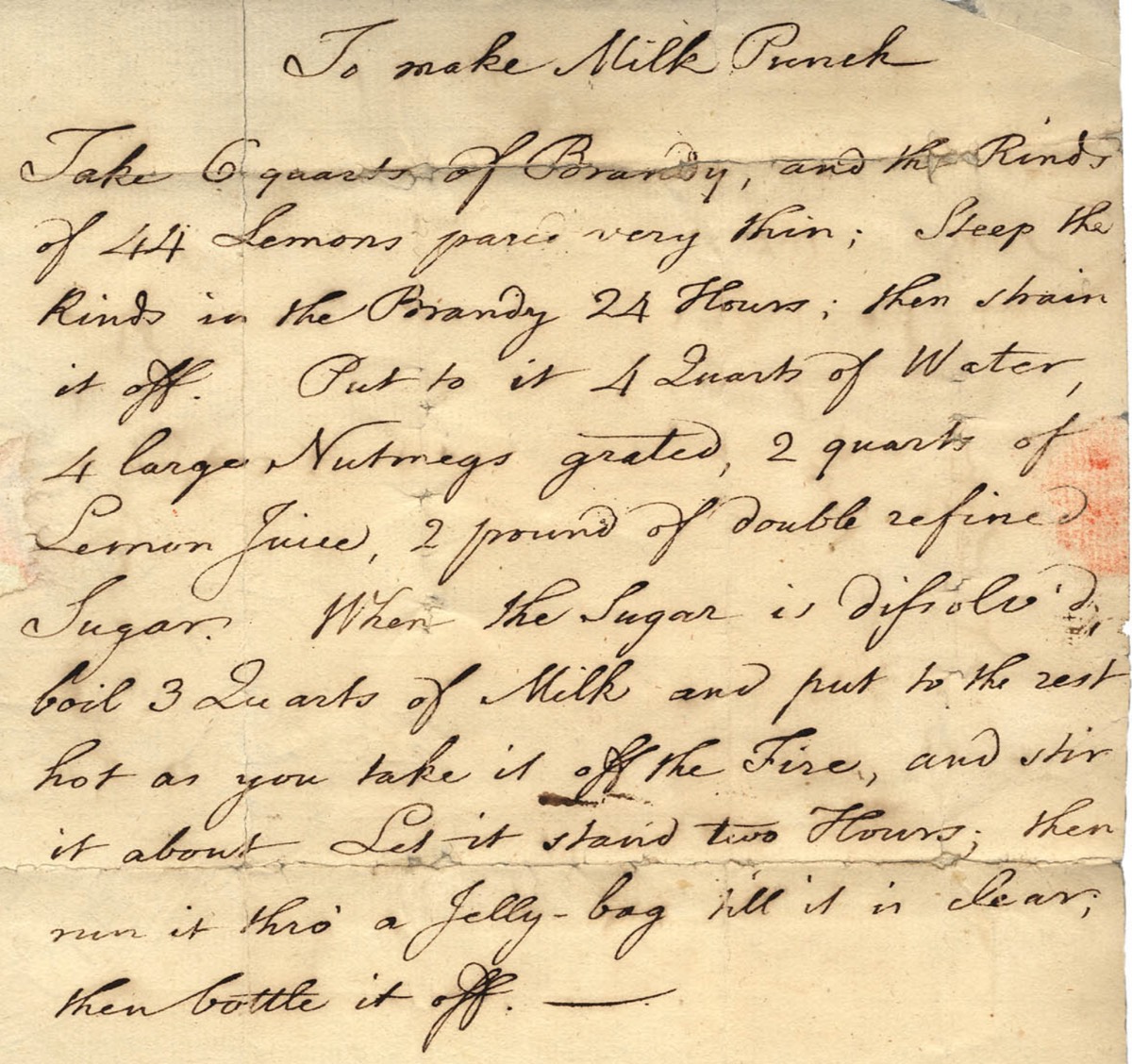
In December 2013, a curator and archaeologist purchased an antique silk dress with an unusual feature: a hidden pocket that held two sheets of paper with mysterious coded text written on them. People have been trying to crack the code ever since, and someone finally succeeded: University of Manitoba data analyst Wayne Chan. He discovered that the text is actually coded telegraph messages describing the weather used by the US Army and (later) the weather bureau. Chan outlined all the details of his decryption in a paper published in the journal Cryptologia.

“When I first thought I cracked it, I did feel really excited,” Chan told the New York Times. “It is probably one of the most complex telegraphic codes that I’ve ever seen.”

Sara Rivers-Cofield purchased the bronze-colored silk bustle dress with striped rust velvet accents for $100 at an antique shop in Maine, noting on her blog that it was in a style that was fashionable in the mid-1880s among middle-class or well-off women. There wasn’t any fitted boning in the bodice, so the dress was meant to be worn with a corset. It had a draped skirt and bustle with metal buttons decorated with an “Ophelia motif.” While the dress had been machine-stitched, the original buttons had been sewn by hand. A tag with the name “Bennett” was sewn into the bodice.

Sara Rivers-Cofield purchased the dress at an antique shop in Maine.

Enlarge / Sara Rivers-Cofield purchased the dress at an antique shop in Maine.

Sara Rivers Cofield

Rivers-Cofield also noted the ingenious structure of the bustle, which used built-in channels for flexible wires to achieve just the right amount of puff, combined with strategic tacking to keep “the bustle bunched in all the right places.” One bustle pin was still in place, and Rivers-Cofield thought it was used to pull up a layer of the overskirt to expose a bit of the hem ruffle “for a little peek-a-boo with onlookers.” Such pins often show up during excavations of 19th century sites, so she was delighted to find one in situ. “There is one Baltimore laundry site in particular where drainage pipes were found absolutely clogged with pins, buttons, and other clothing attachments—as if launderers put the clothes through a rough washing process … even if removable pins were still on them,” she wrote.

But an even more intriguing discovery awaited. When Rivers-Cofield turned the dress inside-out, she found a small hidden pocket. Many women’s dresses of the era had pockets, but this one would only be accessible by hiking up the overskirt. She puzzled over why anyone would make a pocket so inaccessible and thought it might have been used to smuggle messages. Hidden inside, she found two sheets of wadded-up translucent paper measuring about 7.5 inches by 11 inches. The text on each sheet consisted of 12 lines of recognizable common English words—except they made no sense. “Bismark omit leafage buck bank”? “Paul Ramify loamy event false new event”?

No wonder Rivers-Cofield’s blogged reaction was a simple “What the—?”  She thought it might be some kind of list or a writing exercise and posted all the details on her blog, hoping that “there’s some decoding prodigy out there looking for a project.” It became known as the “Silk Dress cryptogram.” German cryptoblogger Klaus Schmeh noted in 2017 that he considered it to be among the top 50 such coded messages yet unsolved.

Hidden pocket of dress.

Enlarge / Hidden pocket of dress.

Sarah Rovers-Cofield

Schmeh first wrote about the Silk Dress cryptogram in 2014 and invited readers to weigh in. By 2017, he had concluded that the text was probably a telegram—possibly several telegrams—and that the words were chosen from an 1880s code book. There was a numeral at the start of most lines that seemed to indicate the number of words, and each sheet had what appeared to be the time of day written at the top.

Chan started working on the code in the summer of 2018 but didn’t initially make much progress and abandoned the project a few months later. He picked up the challenge again toward the end of 2022 and thought it might be a telegraphic code. With the invention of the telegraph, “For the first time in history, observations from distant locations could be rapidly disseminated, collated, and analyzed to provide a synopsis of the state of weather across an entire nation,” Chan wrote in his paper. But it was expensive to send telegrams since companies charged by the word, so codes were developed to condense as much information into as few words as possible.

Someone finally cracked the “Silk Dress cryptogram” after 10 years Read More »

blockbuster-weight-loss-drugs-slashed-from-nc-state-plan-over-ballooning-costs

Blockbuster weight-loss drugs slashed from NC state plan over ballooning costs

Patients vs. profits —

The plan spent $102M on the weight-loss drugs last year, 10% of total drug costs.

Wegovy is an injectable prescription weight loss medicine that has helped people with obesity.

Enlarge / Wegovy is an injectable prescription weight loss medicine that has helped people with obesity.

The health plan for North Carolina state employees will stop covering blockbuster GLP-1 weight-loss drugs, including Wegovy and Zepbound, because—according to the plan’s board of trustees—the drugs are simply too expensive.

Last week, the board voted 4-3 to end all coverage of GLP-1 medications for weight loss on April 1. If the coverage is dropped, it is believed to be the first major state health plan to end coverage of the popular but pricey weight-loss drugs. The plan will continue to pay for GLP-1 medications prescribed to treat diabetes, including Ozempic.

The North Carolina State Health Plan covers nearly 740,000 people, including teachers, state employees, retirees, and their family members. In 2023, monthly premiums from the plan ranged from $25 for base coverage for an individual to up to $720 for premium family coverage. Members prescribed Wegovy paid a co-pay of between $30 and $50 per month for the drug, while the plan’s cost was around $800 a month.

In 2021, just under 2,800 members were taking the drugs for weight loss, but in 2023, the number soared to nearly 25,000 members, costing the plan $102 million. That’s about 10 percent of what the plan pays for all prescription drugs combined. If the current coverage continued, the plan’s pharmacy benefit manager, CVS Caremark, estimated that by 2025, the plan’s premiums would have to rise $48.50 across the board to offset the costs of the weight-loss drugs.

Without insurance, the list price of Wegovy is $1,349 per month, totaling $16,188 for a year of treatment. The average reported salary for members of North Carolina’s health plan is $56,431.

Last October, the board voted to grandfather the 25,000 or so current users, maintaining coverage for them moving forward, but then to stop offering new coverage to members. However, according to CVS Caremark, the move would mean losing a 40 percent rebate from Wegovy’s maker, Novo Nordisk. This would be a loss of $54 million, bringing projected 2024 costs to $139 million.

A spokesperson for Novo Nordisk called the vote to end coverage entirely “irresponsible,” according to a statement given to media. “We do not support insurers or bureaucrats inserting their judgment in these medically driven decisions,” the statement continued.

While the costs of weight-loss drugs are high everywhere, the pricing is particularly bitter for North Carolinians—Novo Nordisk manufactures Wegovy in Clayton, North Carolina, southeast of Raleigh.

“It certainly adds insult to injury,” Ardis Watkins, executive director of the State Employees Association of North Carolina, a group that lobbies on behalf of state health plan members, according to The New York Times. “Our economic climate that has been made so attractive to businesses to locate here is being used to manufacture a drug that is wildly marked up.”

While it appears to be the first time such a large state health plan has dropped coverage of the weight-loss drugs, North Carolina is not alone in wrestling with the costs. The University of Texas’ employee plan ceased coverage of Wegovy and Saxenda, another weight-loss drug, in September. Connecticut’s state health plan, meanwhile, added restrictions on how members could get a prescription covered. Some state health plans that cover GLP-1 medications for weight-loss have prior authorization procedures to try to limit use.

“Every state has been wrestling with it, every professional association that my staff is a part of has had some discussion about it,” Sam Watts, director of the North Carolina State Health Plan, told Bloomberg. “But to our knowledge, we’re the first major state health plan to act on it.”

Blockbuster weight-loss drugs slashed from NC state plan over ballooning costs Read More »

we-keep-making-the-same-mistakes-with-spreadsheets,-despite-bad-consequences

We keep making the same mistakes with spreadsheets, despite bad consequences

Not excelling at Excel —

Errors with spreadsheets are not only frustrating but can have serious consequences.

A dude being sad about his spreadhseet

Spreadsheet blunders aren’t just frustrating personal inconveniences. They can have serious consequences. And in the last few years alone, there have been a myriad of spreadsheet horror stories.

In August 2023, the Police Service of Northern Ireland apologized for a data leak of “monumental proportions” when a spreadsheet that contained statistics on the number of officers it had and their rank was shared online in response to a freedom of information request.

There was a second overlooked tab on the spreadsheet that contained the personal details of 10,000 serving police officers.

A series of spreadsheet errors disrupted the recruitment of trainee anesthetists in Wales in late 2021. The Anaesthetic National Recruitment Office (ANRO), the body responsible for their selection and recruitment, told all the candidates for positions in Wales they were “unappointable”, despite some of them achieving the highest interview scores.

The blame fell on the process of consolidating interview data. Spreadsheets from different areas lacked standardization in formatting, naming conventions, and overall structure. To make matters worse, data was manually copied and pasted between various spreadsheets, a time-consuming and error-prone process.

ANRO only discovered the blunder when rejected applicants questioned their dismissal letters. The fact that not a single candidate seemed acceptable for Welsh positions should have been a red flag. No testing or validation was apparently applied to the crucial spreadsheet, a simple step that could have prevented this critical error.

In 2021, Crypto.com, an online provider of cryptocurrency, accidentally transferred $10.5 million (£8.3 million) instead of $100 into the account of an Australian customer due to an incorrect number being entered on a spreadsheet.

The clerk who processed the refund for the Australian customer had wrongly entered her bank account number in the refund field in a spreadsheet. It was seven months before the mistake was spotted. The recipient attempted to flee to Malaysia but was stopped at an Australian airport carrying a large amount of cash.

In 2022, Íslandsbanki, a state-owned Icelandic bank, sold a portion of shares that were badly undervalued due to a spreadsheet error. When consolidating assets from different spreadsheets, the spreadsheet data was not “cleaned” and formatted properly. The bank’s shares were subsequently undervalued by as much as £16 million.

The dark matter of corporate IT

The above is just a fraction of the spreadsheet errors that are regularly made by various organizations.

Spreadsheets represent unknown risks in the form of errors, privacy violations, trade secrets, and compliance violations. Yet they are also critical for the way many organizations make their decisions. For this reason, they have been described by experts as the “dark matter” of corporate IT.

Industry studies show that 90 percent of spreadsheets containing more than 150 rows have at least one major mistake.

This is understandable because spreadsheet errors are easy to make but difficult to spot. My own research has shown that inspecting the spreadsheet’s code is the most effective way of debugging them, but this approach still only catches between 60 and 80 percent of all errors.

As many as 9 out of 10 spreadsheets are estimated to contain errors.

As many as 9 out of 10 spreadsheets are estimated to contain errors.

Spreadsheets’ appeal doesn’t just exist in the financial world. They are indispensable in engineering, data science, and even in sending robots to Mars. The key to their success is their flexibility.

Spreadsheet software is constantly evolving, with more features becoming available that increase their appeal. For instance, you can now automate many tasks in Excel (the most popular spreadsheet software) using Python scripting.

But given all of the aforementioned problems, isn’t it time for Excel and other spreadsheet software to be sidelined in favor of something more reliable?

Human error

The underlying cause of these spreadsheet problems is not the software but human error.

The issue is that most users don’t see the need to plan or test their work. Most users describe their first step in creating a new spreadsheet as merely jumping straight in and entering numbers or code directly.

Many of us don’t consider spreadsheets to warrant serious consideration. This means we become complacent and assume there is no need to test, validate, or verify our work.

Research on “cognitive load,” the amount of mental effort required for a task, shows that building complex spreadsheets demands as much concentration as a GP making a diagnosis. This intense mental strain makes mistakes more likely. But GPs study their profession for many years before becoming qualified, while most spreadsheet users are self-taught.

To break the cycle of repeated spreadsheet errors, there are several things organisations can do. First, introducing standardization would help to minimize confusion and mistakes. For example, this would mean consistent formatting, naming conventions, and data structures across spreadsheets.

Second, improving training is crucial. Equipping users with the knowledge and skills to build robust and accurate spreadsheets could help them identify and avoid pitfalls.

Finally, fostering a culture of critical thinking toward spreadsheets is vital. This would mean encouraging users to continually question calculations, validate their data sources, and double-check their work.

Simon Thorne is Senior Lecturer in Computing and ​Information Systems at Cardiff Metropolitan University

This article is republished from The Conversation under a Creative Commons license. Read the original article.

We keep making the same mistakes with spreadsheets, despite bad consequences Read More »
gotta-go?-we’ve-finally-found-out-what-makes-urine-yellow

Gotta go? We’ve finally found out what makes urine yellow

It isn’t from eating corn —

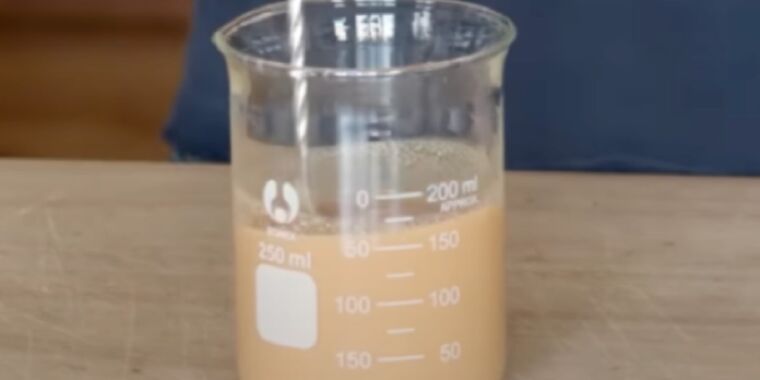
The yellow color comes from bacteria metabolizing waste from red blood cells.

Image of a series of scientific sample tubes filled with yellow liquids.

There are many mysteries in life that we end up shrugging off. Why is urine yellow? It just is, right? Rather than flush that 125-year-old question down the toilet, scientists sought out the answer, discovering a previously unknown microbial enzyme was to blame.

The enzyme that has eluded us for so long is now known as bilirubin reductase. It was identified by researcher and assistant professor Brantley Hall of the University of Maryland, who was part of a team based at the university and the National Institutes of Health.

Bilirubin is an orange pigment released by red blood cells after they die. Gut microbes then use bilirubin reductase to break down bilirubin into colorless urobilinogen, which degrades into yellowish urobilin, giving urine that infamous hue. While urobilin previously had an association with the color of urine, the enzyme that starts the process by producing urobilinogen was unknown until now.

“Though it was previously thought that multiple enzymes were involved in the reduction of bilirubin, our results support the finding that a single enzyme performs the reduction of bilirubin to urobilinogen,” the research team said in a study recently published in Nature Microbiology.

Gut feeling

Because some gut bacteria had been known to reduce bilirubin, Hall and his team knew where to start but wanted to fill in the unknowns by finding out which particular species actually do this—and how. This meant they had to find the gene responsible for encoding bilirubin reductase.

Previous studies had found that the species Clostridiodes difficile was capable of reducing bilirubin (though the mechanism it used was unknown). Using C. difficile as a basis for comparison, the team cultured different species of gut bacteria and exposed them to bilirubin to see whether that bacteria could produce urobilinogen, detecting its presence using a fluorescence assay.

The fluorescence assay told Hall and his colleagues that there were nine strains within the tested species that they thought were capable of reducing bilirubin, although how these bacteria were breaking it down was still unclear.  After the fluorescence assay, the genomes of the most closely related strains were analyzed,  and several turned out to share a gene that encoded an enzyme that could reduce bilirubin—bilirubin reductase.

Bacterial strains that metabolized bilirubin using bilirubin reductase all came from species that were found to belong to a single clade (the researchers informally referred to it as the bilirubin reductase clade). Within that clade, most of these species are from the class Clostridia in the phylum Firmicutes, a phylum of bacteria important to gut health.

More than … you know

The discovery of bilirubin reductase goes beyond the origin of urine color. After identifying the enzyme, the researchers found out that, while bilirubin reductase is present in healthy adults, there is a deficit in newborns and adults with inflammatory bowel disease, which could eventually influence future treatments

By sequencing infant gut genomes, Hall and his team saw that bilirubin reductase was often missing during the first few months of life. Too much bilirubin building up in the blood turns the skin and the whites of the eyes yellow, a symptom known as jaundice. Most infants have some level of jaundice, but it usually goes away on its own.

The absence of bilirubin reductase is also associated with pigmented gallstones in adults with inflammatory bowel disease (inflammatory bowel disease or IBD is a general term that can refer to several different diagnoses). Sequencing adult gut genomes showed that there was a deficit of this enzyme in most patients with Crohn’s disease or ulcerative colitis whose gut genomes were sequenced.

“With the knowledge of the species, genes, and enzymes involved in bilirubin reduction, future research can now focus on the extent to which gut microbial bilirubin metabolism affects…the role of bilirubin reduction in health and disease,” the researchers said in the same study.

There is still more research to be done on bilirubin reductase and the health implications it could have. The team thinks there may be a link between the amount of urobilin produced in the body and insulin resistance, obesity, heart disease, and even heart failure. Next to that, we finally know why urine is yellow.

Nature Microbiology, 2023. DOI: 10.1038/s41564-023-01549-x

Gotta go? We’ve finally found out what makes urine yellow Read More »
air-pollution-from-canada’s-tar-sands-is-much-worse-than-we-thought

Air pollution from Canada’s tar sands is much worse than we thought

Aerial Views Of Oil Sands Operations

Enlarge / Aerial view of the Athabasca oil sands near Fort McMurray, Alberta, Canada.

Canada’s tar sands have gained infamy for being one of the world’s most polluting sources of oil, thanks to the large amounts of energy and water use required for their extraction. A new study says the operations are also emitting far higher levels of a range of air pollutants than previously known, with implications for communities living nearby and far downwind.

The research, published Thursday in Science, took direct measurements of organic carbon emissions from aircraft flying above the tar sands, also called oil sands, and found levels that were 20 to 64 times higher than what companies were reporting. Total organic carbon includes a wide range of compounds, some of which can contribute directly to hazardous air pollution locally and others that can react in the atmosphere to form small particulate matter, or PM 2.5, a dangerous pollutant that can travel long distances and lodge deep in the lungs.

The study found that tar sands operations were releasing as much of these pollutants as all other human-made sources in Canada combined. For certain classes of heavy organic compounds, which are more likely to form particulates downwind, the concentrations were higher than what’s generally found in large metropolises like Los Angeles.

“The absolute magnitude of those emissions were a lot higher than what we expected,” said John Liggio, a research scientist at Environment and Climate Change Canada, the nation’s environmental regulatory agency, and a co-author on the study. Researchers at Yale University also contributed.

Seth Shonkoff, executive director of PSE Healthy Energy, an independent scientific research institute in California, who was not involved in the study, said the findings suggest air pollution from tar sands operations is more damaging to people’s health than previously known.

“I actually could hardly believe what I was reading,” Shonkoff said of the new study.

Over the last decade, a growing body of research has examined emissions of different air pollutants from oil and gas operations across the United States and Canada, and much of that has shown that industry estimates tend to undercount what’s being released, he said. “But the scale of this discrepancy is very surprising.”

Mark Cameron, vice president of external relations at the Pathways Alliance, an oil sands industry group, said in an email that the findings warrant further review and that “the oil sands industry measures emissions using standards set by Environment and Climate Change Canada and we look forward to working together to explore opportunities to further enhance our measurement practices.”

Air pollution from Canada’s tar sands is much worse than we thought Read More »

rocket-report:-iran-reaches-orbit;-chinese-firm-achieves-impressive-landing-test

Rocket Report: Iran reaches orbit; Chinese firm achieves impressive landing test

First and second stages of Blue Origin's

Enlarge / First and second stages of Blue Origin’s “New Glenn” test vehicle.

Blue Origin

Welcome to Edition 6.28 of the Rocket Report! There’s a lot going on in the world of launch as always, but this week I want to take this space for a personal message. I have just announced the forthcoming publication of my second book, REENTRY, on the Falcon 9 rocket, Dragon spacecraft, and development of reusable launch. Full details here. I worked very hard to get the inside story.

As always, we welcome reader submissions, and if you don’t want to miss an issue, please subscribe using the box below (the form will not appear on AMP-enabled versions of the site). Each report will include information on small-, medium-, and heavy-lift rockets as well as a quick look ahead at the next three launches on the calendar.

Europe seeks to support small launch companies. The European Space Agency and European Commission have selected five launch companies to participate in a new program to provide flight opportunities for new technologies, a sign of a greater role the European Union intends to play in launch, Space News reports. The effort seeks to stimulate demand for European launch services by allowing companies to compete for missions in the European Union’s In-Orbit Demonstration and Validation technology program. Proposals for the program’s first phase are due to ESA at the end of February.

Getting a golden ticket … The agency expects to select up to three companies for initial contracts with a combined value of 75 million euros ($82 million) to begin design work on those vehicles. Four of the companies selected for the “Flight Ticket Initiative” are startups working on small launch vehicles: Isar Aerospace, Orbex, PLD Space, and Rocket Factory Augsburg. None of them has yet conducted an orbital launch, but they expect to do so within the next two years. The fifth company was Arianespace, which will offer rideshare launches on its Vega C and Ariane 6 rockets. (submitted by Ken the Bin and EllPeaTea)

Iran successfully launches Qaem 100 rocket. Iran said Saturday it had conducted a successful satellite launch into its highest orbit yet, the latest for a program the West fears improves Tehran’s ballistic missiles, the Associated Press reports. The Iranian Soraya satellite was placed in an orbit at some 750 kilometers (460 miles) above the Earth’s surface with its three-stage Qaem 100 rocket, the state-run IRNA news agency said. It did not immediately acknowledge what the satellite did, though telecommunications minister Isa Zarepour described the launch as having a 50-kilogram (110-pound) payload.

Qaem’s first orbital flight … The United States has previously said Iran’s satellite launches defy a UN Security Council resolution and called on Tehran to undertake no activity involving ballistic missiles capable of delivering nuclear weapons. UN sanctions related to Iran’s ballistic missile program expired last October. Iran has always denied seeking nuclear weapons and says its space program, like its nuclear activities, is for purely civilian purposes. This was the third launch of the Qaem rocket, which can loft up to 80 kg to low-Earth orbit. A suborbital test flight in 2022 was successful, but the first orbital attempt last March failed. (submitted by Ken the Bin)

The easiest way to keep up with Eric Berger’s space reporting is to sign up for his newsletter, we’ll collect his stories in your inbox.

Chinese firm tests vertical landing. Chinese launch startup Landspace executed a first vertical takeoff and vertical landing with a test article Friday at a launch and recovery site at Jiuquan spaceport, Space News reports. The methane-liquid oxygen test article reached an altitude of around 350 meters during its roughly 60-second flight before setting down in a designated landing area. The landing had an accuracy of about 2.4 meters and a landing speed of less than 1 meter per second, the company said.

Part Starship, part Falcon 9 … The test is part of the development of the stainless-steel Zhuque-3 rocket first announced in November 2023. The company is aiming for the first flight of Zhuque-3 next year. It is an ambitious project: The rocket is intended to have a payload capacity of 21 tons to low-Earth orbit in expendable mode, and 18.3 tons when the rocket is recovered downrange. If Zhuque-3 comes to pass—and these are promising early results—this would be the closest thing to a Falcon 9 rocket anyone has yet developed. (submitted by Ken the Bin)

Rocket Report: Iran reaches orbit; Chinese firm achieves impressive landing test Read More »