Nintendo Switch

nintendo-sues-to-prevent-trump-from-dodging-full-tariff-refunds

Nintendo sues to prevent Trump from dodging full tariff refunds


Nintendo may face pressure to share refunds with gamers who helped pay tariffs.

Last Friday, Nintendo joined thousands of companies suing the Trump administration to secure full refunds, plus interest, for billions in unlawful tariffs collected under the International Emergency Economic Powers Act (IEEPA).

In its complaint, Nintendo insisted that the Trump administration has already conceded that more than $200 billion in refunds are owed to hundreds of thousands of importers who paid tariffs, regardless of liquidation status.

However, Nintendo fears that the Trump administration may try to avoid paying refunds to certain companies whose tariff payments have already been liquidated, which means that the duties owed were finalized. The government has continually argued that it will only follow through on refunding all importers if a court directly orders refunds to be repaid in a way that requires reliquidation. Such an order would force officials to void all finalized tariffs and come as a relief to many companies in Nintendo’s position that remain uncertain if all their tariff payments can be clawed back.

Ultimately, Nintendo argued, it increasingly seems like the government plans to delay refunds until the court steps in. That leaves it up to the Court of International Trade to order Trump officials to do the right thing, Nintendo said. And in the gaming giant’s view, that’s to proceed with prompt refunds to make all importers whole.

As Nintendo explained, the company regularly imports goods and paid unlawful tariffs throughout 2025. Notably absent in Nintendo’s complaint was the amount of tariffs the company wants refunded. However, Nintendo seemingly has a lot of liquidated duties at stake. The company argued that without a ruling barring the government “from arguing that liquidation prevents the Court from ordering refunds,” the company will “suffer imminent irreparable harm.”

“All liquidated entries including IEEPA Duties must be reliquidated,” Nintendo argued. “This Court has the authority to reliquidate entries subject to the IEEPA duties.”

According to Nintendo, the Trump administration has no plans to oppose such a court order, and all that’s needed is the rubber stamp.

The company asked the court to order prompt refunds for all companies that were harmed by Trump’s unlawful key trade policy. To ensure that tariff refund delay chaos doesn’t worsen as courts weigh the right path forward, Nintendo also wants the court to block officials from continuing to liquidate tariff payments and to order the reliquidation of any liquidated entries.

Gamers may want Nintendo to share refunds

Nintendo of America declined to comment on whether the company has estimated the total tariff refund owed or to share any public financial documents that estimate total tariffs paid, so it’s hard to know exactly how big the company’s refund could be.

“We can confirm that we filed a request,” Nintendo of America said, regarding the lawsuit. “We have nothing else to share on this topic.”

It’s possible that Nintendo is uncomfortable sharing an estimate for its tariff refunds publicly, because the company has gotten some backlash over both ordinary and tariff-related price increases in the past year. Sharing an estimate of tariff refunds owed could risk reviving the backlash from customers, who may push for Nintendo to find a way to pass partial refunds on to customers who helped pay the tariffs.

For Nintendo, Trump’s IEEPA tariffs had particularly terrible timing. They took effect last April, just as Nintendo was gearing up to release the Switch 2. The sudden tariffs caused delays for preorders, but the console launched as planned, as Nintendo refused to let tariffs disrupt the official rollout.

For gamers, the Switch 2 already had a higher price tag than expected, at $450. Lashing out over the sticker shock, a swarm of disgruntled online protesters urged Nintendo to “drop the price.”

There was speculation that the price hike was linked to tariffs. But Nintendo of America President Doug Bowser told The Verge that the jump from the Switch’s debut price of $300 was not directly due to tariffs. Instead, it seemed that Nintendo had joined other game companies in raising console prices to historic highs, an Ars review found. But Bowser acknowledged that Trump’s IEEPA tariffs were still “fresh” at that moment, telling The Verge that, “like many companies right now,” Nintendo was “actively assessing what the impact may be.” Understandably, gamers braced for more price increases.

It only took a month before Nintendo President Shuntaro Furukawa foreshadowed tariff-linked price increases, a game industry news site closely monitoring Nintendo’s tariff moves reported. In May, Furukawa conceded that software wasn’t as impacted, but “hardware involves special factors such as tariffs,” which Nintendo must take into account, “while conducting careful and repeated deliberations when determining price.”

However, Furukawa said that the overall calculus for Nintendo weighed against increasing the Switch 2 price even more to cover tariffs, because seemingly Nintendo feared a higher price point would rob Switch 2 of sales and its games of exposure. As he explained:

Our basic policy is that for any country or region, if tariffs are imposed, we recognize them as part of the cost and incorporate them into the price. However, this year marks our first new dedicated video game system launch in eight years, so given our unique situation, our priority is to maintain the momentum of our platforms, which is extremely important for our dedicated video game platform business. Consequently, if the assumptions on tariffs change, we will consider what kind of price adjustments would be appropriate, taking into account various factors such as the market conditions.

By August, the Switch 2 price remained stable, but Nintendo had increased prices on the original Switch, as well as Switch 2 accessories, citing “market conditions.”

And it wasn’t just Nintendo forced to make adjustments that riled its fans, suggesting that many major players in the gaming industry may face demands from frustrated consumers to share refunds.

Nintendo may get creative to avoid backlash

Early on during Trump’s IEEPA tariff regime—which randomly raised and decreased tariffs on products from all major US trading partners—the Entertainment Software Association warned that the entire game industry could be harmed by unchecked tariffs.

And the Consumer Technology Association (CTA), which has long opposed IEEPA tariffs, forecasted before Trump took office that his tariff threats risked harming consumers by immediately increasing game console prices by 25 percent.

That forecast only got darker as 2025 dragged on. In May, when China and Trump were still embroiled in tit-for-tat retaliations, and China appeared to have the upper hand, CTA warned that an estimate showed only 1 percent of game consoles are produced in the US. If IEEPA tariffs weren’t changed to exempt consoles from tariffs, consoles could soon cost more than $1,000 on average, up by about 69 percent, CTA estimated.

It remains unclear how much Nintendo and other gaming companies paid in tariffs or how much their customers paid in tariff-related price increases, and for the latter at least, it will likely stay that way. No courts are currently weighing whether customers who helped importers pay for tariffs should get refunds, too.

A technology, media, and telecommunications leader for PwC, which advises big firms on tax questions, Dallas Dolen, told Ars that most companies are laser-focused right now on securing refunds. However, once they have that money, some companies that are worried about reputational harm may come up with “creative” ways to reimburse customers, such as offering discounts.

Ed Brzytwa, CTA’s vice president of international trade, told Ars that it was obvious that consumer backlash to price increases was one of the biggest tariff burdens for consumer tech firms like gaming companies.

“The main point that we’ve made over and over and over again is that this impacts consumers in the form of potentially higher costs for products,” Brzytwa told Ars.

Last month, libertarian think tank the Cato Institute published calculations showing that “tariff costs have generally been borne by US-based companies and consumers.”

“Americans are bearing most of the tariffs’ economic burden, including through higher retail prices,” the Cato Institute reported. In a chart tracking analysis that included measuring costs passed on to consumers, they cited a Goldman Sachs study that predicted by the end of 2025 that the amount of the “tariff burden” borne by consumers “would shift to 55 percent.” The most recent analysis cited, a Yale Budget Lab study, found that costs of tariffs passed on to companies and consumers increased over time.

There’s no telling yet whether any companies that passed on tariff costs will pass on relief to consumers or if it will simply help them keep prices stable as new tariffs come.

For Nintendo and other consumer tech companies, refunds may provide a reprieve but don’t actually provide relief from tariff hell, experts agreed. As Trump looks to replace struck-down IEEPA tariffs with tariffs that could shake up supply chains further by targeting semiconductors or other currently exempt tech products or materials, Dolen told Ars that tech companies “don’t feel better that there might be some, quote, win here because the supply chain still feels overwhelming.” That could mean that the best Americans can hope for is that prices don’t increase more as Trump tries to keep his tariff regime alive.

One glimmer of hope for American consumers—who largely oppose Trump’s tariffs across the board and are already frustrated to be missing out on tariff refunds—is that Trump is likely very well aware that threats of additional tariff-related price increases will likely not be tolerated ahead of the midterm elections, experts suggested.

Photo of Ashley Belanger

Ashley is a senior policy reporter for Ars Technica, dedicated to tracking social impacts of emerging policies and new technologies. She is a Chicago-based journalist with 20 years of experience.

Nintendo sues to prevent Trump from dodging full tariff refunds Read More »
nintendo-brings-gba-era-pokemon-to-the-switch,-but-not-switch-online-subscribers

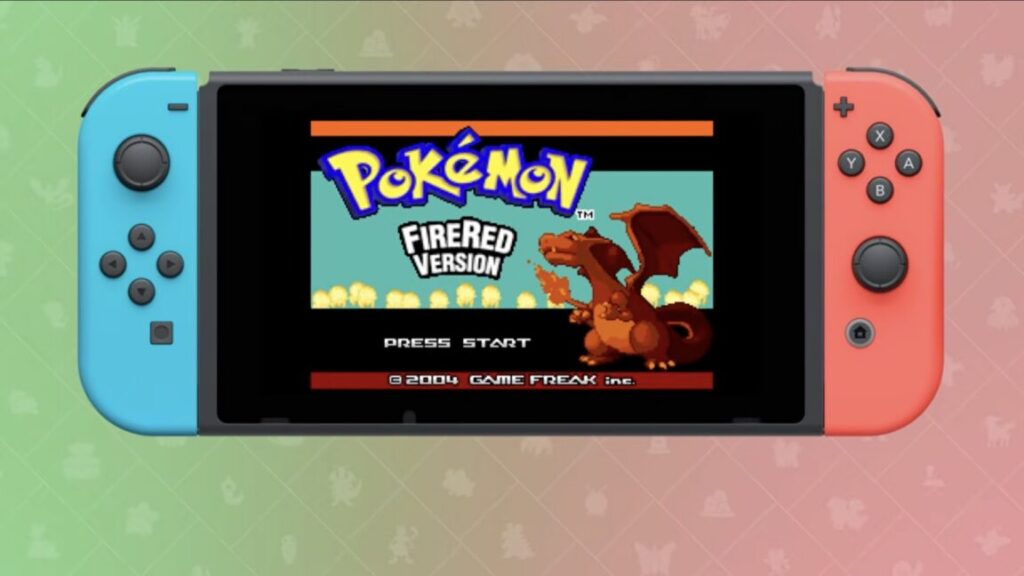
Nintendo brings GBA-era Pokémon to the Switch, but not Switch Online subscribers

While the multiplayer Switch Online Game Boy Advance games all support wireless multiplayer in place of physical Game Link Cables, it’s particularly important for these games because they were the first Pokémon titles to support any kind of wireless multiplayer, even before the Nintendo DS made built-in Wi-Fi connectivity a standard console feature.

FireRed and LeafGreen were two of just a few dozen GBA games to support the Game Boy Advance Wireless Adapter, a bulky, standalone accessory that latched to the top of the system and plugged in to its Link Cable port. The initial releases of the games actually included the wireless adapter as a pack-in accessory, which had to be supported by the game you were playing and couldn’t just work as a stand-in for a physical Link Cable in older games.

With the wireless adapter plugged in, up to 30 players could congregate in the game’s “Union Room” to do battles and trades—but given that Nintendo also recommended players stand within 10 feet of each other for the best experience, a 30-person Union Room would have gotten pretty crowded in real life.

FireRed and LeafGreen are adaptations of the original 1996 Pokémon games for the old black-and-white Game Boy. The names reference the original Japanese releases, Red and Green. A third version of the game with updated graphics and other changes, called Pokémon Blue, was released in Japan in late 1996, and this was the version that was localized and released in the US as Pokémon Red and Blue in 1998.

A final version of the base game, Pokémon Yellow, was released in Japan in 1998 and in the US in 1999, with some changes that tracked the plotline of the Pokémon anime (most prominently, mandating that players select an un-evolve-able Pikachu as their starter Pokémon). Most of the changes specific to this version of the game weren’t included in the FireRed and LeafGreen remakes.

Nintendo brings GBA-era Pokémon to the Switch, but not Switch Online subscribers Read More »

nintendo-switch-is-the-second-bestselling-game-console-ever,-behind-only-the-ps2

Nintendo Switch is the second-bestselling game console ever, behind only the PS2

Although it was finally replaced last year by the new Switch 2, the orginal switch isn’t done just yet. Many recent Switch games (and a handful of major updates, like the one for Animal Crossing) have been released in both Switch and Switch 2 editions, and Nintendo continues to sell all editions of the original console as entry-level systems for those who can’t pay $450 for a Switch 2.

The 9-year-old Switch’s continued availability has helped it clear a milestone, according to the company’s third-quarter financial results (PDF). As of December 31, 2025, Nintendo says the Switch “has reached the highest sales volume of any Nintendo hardware” with a total of 155.37 million units sold, surpassing the original DS’s lifetime total of 154.02 million units. The console has sold 3.25 million units in Nintendo’s fiscal 2026 so far, including 1.36 million units over the holidays. Those consoles have sold despite price hikes that Nintendo introduced in August of 2025, citing “market conditions.”

That makes the Switch the second-bestselling game console of all time, just three years after it became the third-bestselling game console of all time. The only frontier left for the Switch to conquer is Sony’s PlayStation 2, which Sony says sold “over 160 million units” over its long life. At its current sales rate (Nintendo predicts it will sell roughly 750,000 Switches in the next quarter), it would take the Switch another couple of years to cross that line, but those numbers are likely to taper off as we get deeper into the Switch 2 era.

Nintendo Switch is the second-bestselling game console ever, behind only the PS2 Read More »

citing-“market-conditions,”-nintendo-hikes-prices-of-original-switch-consoles

Citing “market conditions,” Nintendo hikes prices of original Switch consoles

Slowed tech progress, inflation, and global trade wars are doing a number on game console pricing this year, and the bad news keeps coming. Nintendo delayed preorders of the Switch 2 in the US and increased accessory prices, and Microsoft gave its Series S and X consoles across-the-board price hikesin May.

Today, Nintendo is back for more, increasing prices on the original Switch hardware, as well as some Amiibo, the Alarmo clock, and some Switch and Switch 2 accessories. The price increases will formally take effect on August 3.

The company says that there are currently no price increases coming for the Switch 2 console, Nintendo Online memberships, and physical and digital Switch 2 games. But it didn’t take future price increases off the table, noting that “price adjustments may be necessary in the future.”

Nintendo didn’t announce how large the price increases would be, but some retailers were already listing higher prices as of Friday. Target now lists the Switch Lite for $229.99, up from $199.99; the original Switch for $339.99, up from $299.99; and the OLED model of the Switch for a whopping $399.99, up from $349.99 and just $50 less than the price of the much more powerful Switch 2 console.

Citing “market conditions,” Nintendo hikes prices of original Switch consoles Read More »

nintendo-switch-2’s-faster-chip-can-dramatically-improve-original-switch-games

Nintendo Switch 2’s faster chip can dramatically improve original Switch games

Link’s Awakening, Switch 1, docked. Andrew Cunningham

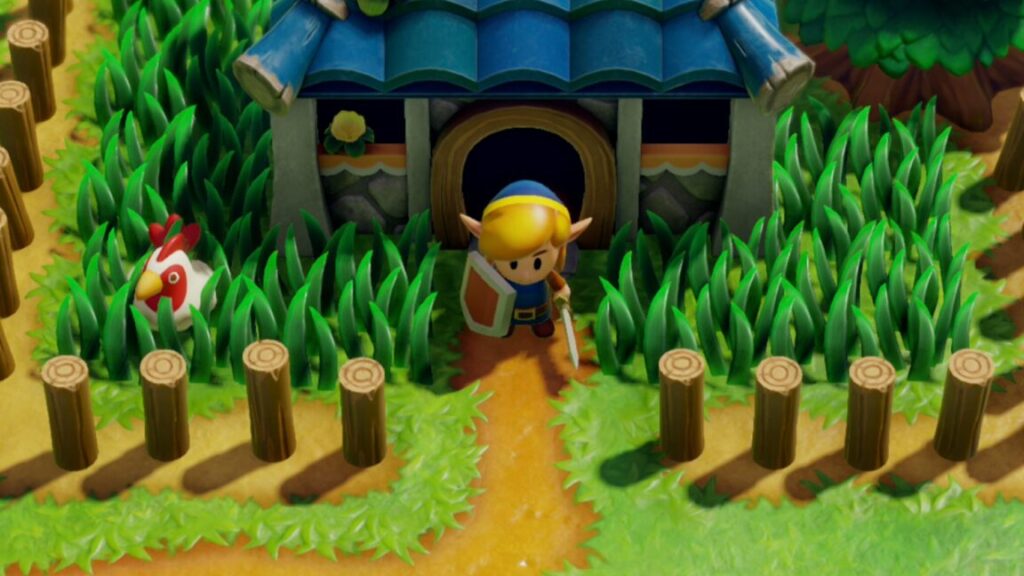
It’s pretty much the same story for Link’s Awakening. Fine detail is much more visible, and the 3D is less aliased-looking because the Switch 2 is running the game at a higher resolution. Even the fairly aggressive background blur the game uses looks toned down on the Switch 2.

Link’s Awakening on the Switch 1, docked.

Link’s Awakening on the Switch 2, docked.

The videos of these games aren’t quite as obviously impressive as the Pokémon ones, but they give you a sense of the higher resolution on the Switch 2 and the way that the Switch’s small endemic frame rate hiccups are no longer a problem.

Quiet updates

For the last two categories of games, we won’t be waxing as poetic about the graphical improvements because there aren’t many. In fact, some of these games we played looked ever-so-subtly worse on the Switch 2 in handheld mode, likely a side effect of a 720p handheld-mode image being upscaled to the Switch 2’s 1080p native resolution.

That said, we still noticed minor graphical improvements. In Kirby Star Allies, for example, the 3D elements in the picture looked mostly the same, with roughly the same resolution, same textures, and similar overall frame rates. But 2D elements of the UI did still seem to be aware that the console is outputting a 4K image and are visibly sharper as a result.

Games without updates

If you were hoping that all games would get some kind of “free” resolution or frame rate boost from the Switch 2, that mostly doesn’t happen. Games like Kirby’s Return to Dream Land Deluxe and Pokémon Legends Arceus, neither of which got any kind of Switch 2-specific update, look mostly identical on both consoles. If you get right up close and do some pixel peeping, you can occasionally see places where outputting a 4K image instead of a 1080p image will look better on a 4K TV, but it’s nothing like what we saw in the other games we tested.

Pokémon Legends Arceus, Switch 1, docked.

Pokémon Legends Arceus, Switch 2, docked.

However, it does seem that the Switch 2 may help out somewhat in terms of performance consistency. Observe the footage of a character running around town in Pokémon Legends—the resolution, draw distance, and overall frame rate all look pretty much the same. But the minor frame rate dips and hitches you see on the Switch 1 seem to have been at least partially addressed on the Switch 2. Your mileage will vary, of course. But you may encounter cases where a game targeting a stable 30 fps on the Switch 1 will hit that 30 fps with a bit more consistency on the Switch 2.

Nintendo Switch 2’s faster chip can dramatically improve original Switch games Read More »

nintendo-says-more-about-how-free-switch-2-updates-will-improve-switch-games

Nintendo says more about how free Switch 2 updates will improve Switch games

When Nintendo took the wraps off the Switch 2 in early April, it announced that around a dozen first-party Switch games would be getting free updates that would add some Switch 2-specific benefits to older games running on the new console. We could safely assume that these updates wouldn’t be as extensive as the $10 and $20 paid upgrade packs for games like Breath of the Wild or Kirby and the Forgotten Land, but Nintendo’s page didn’t initially provide any game-specific details.

Earlier this week, Nintendo updated its support page with more game-by-game details about what players of these older games can expect on the new hardware. The baseline improvement for most games is “improved image quality” and optimizations for the Switch 2’s built-in display, but others include support for GameShare multiplayer, support for the new Joy-Cons’ mouse controls, support for HDR TVs, and other tweaks.

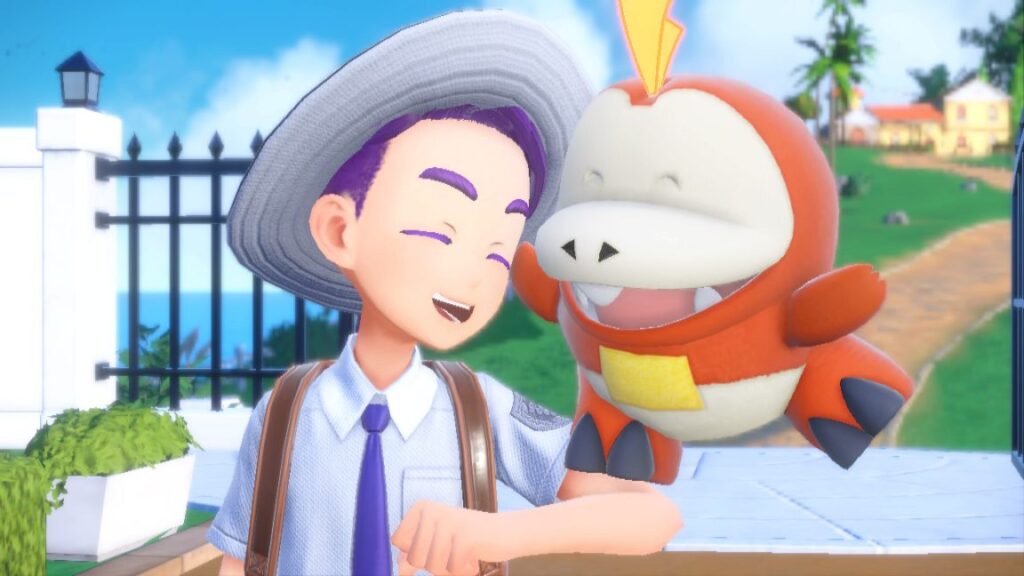
The most significant of the announced updates are frame rate improvements for Pokémon Scarlet and Violet, the main-series Pokémon games released in late 2022. Most latter-day Switch games suffered from frame rate dips here and there, as newer games outstripped the capabilities of a low-power tablet processor that had already been a couple of years old when the Switch launched in 2017. But the Pokémon performance problems were so pervasive and widely commented-upon that Nintendo released a rare apology promising to improve the game post-release. Subsequent patches helped somewhat but could never deliver a consistently smooth frame rate; perhaps new hardware will finally deliver what software patches couldn’t.

Nintendo says more about how free Switch 2 updates will improve Switch games Read More »

nvidia-confirms-the-switch-2-supports-dlss,-g-sync,-and-ray-tracing

Nvidia confirms the Switch 2 supports DLSS, G-Sync, and ray tracing

In the wake of the Switch 2 reveal, neither Nintendo nor Nvidia has gone into any detail at all about the exact chip inside the upcoming handheld—technically, we are still not sure what Arm CPU architecture or what GPU architecture it uses, how much RAM we can expect it to have, how fast that memory will be, or exactly how many graphics cores we’re looking at.

But interviews with Nintendo executives and a blog post from Nvidia did at least confirm several of the new chip’s capabilities. The “custom Nvidia processor” has a GPU “with dedicated [Ray-Tracing] Cores and Tensor Cores for stunning visuals and AI-driven enhancements,” writes Nvidia Software Engineering VP Muni Anda.

This means that, as rumored, the Switch 2 will support Nvidia’s Deep Learning Super Sampling (DLSS) upscaling technology, which helps to upscale a lower-resolution image into a higher-resolution image with less of a performance impact than native rendering and less loss of quality than traditional upscaling methods. For the Switch games that can render at 4K or at 120 FPS 1080p, DLSS will likely be responsible for making it possible.

The other major Nvidia technology supported by the new Switch is G-Sync, which prevents screen tearing when games are running at variable frame rates. Nvidia notes that G-Sync is only supported in handheld mode and not in docked mode, which could be a limitation of the Switch dock’s HDMI port.

Nvidia confirms the Switch 2 supports DLSS, G-Sync, and ray tracing Read More »

first-party-switch-2-games—including-re-releases—all-run-either-$70-or-$80

First-party Switch 2 games—including re-releases—all run either $70 or $80

Not all game releases will follow Nintendo’s pricing formula. The Switch 2 release of Street Fighter 6 Year 1-2 Fighters Edition retails for $60, and Square Enix’s remastered Bravely Default is going for $40, the exact same price the 3DS version launched for over a decade ago.

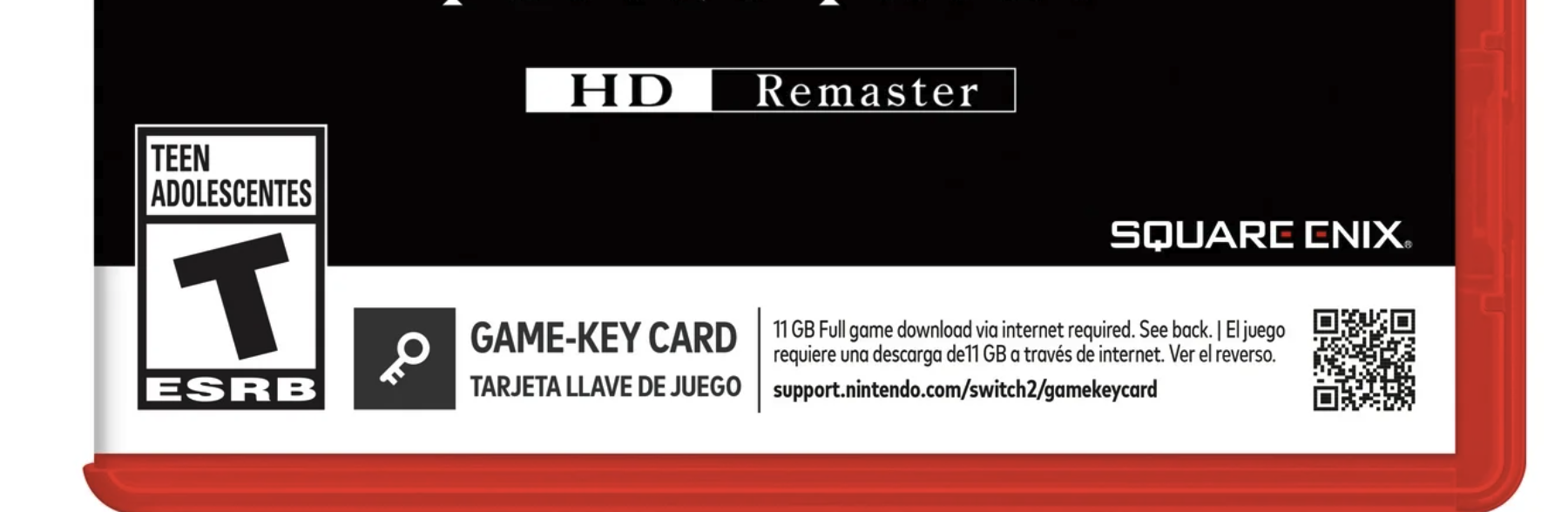
Game-Key cards have clearly labeled cases to tell you that the cards don’t actually hold game content. Credit: Nintendo/Square Enix

One possible complicating factor for those games? While they’re physical releases, they use Nintendo’s new Game-Key Card format, which attempts to split the difference between true physical copies of a game and download codes. Each cartridge includes a key for the game, but no actual game content—the game itself is downloaded to your system at first launch. But despite holding no game content, the key card must be inserted each time you launch the game, just like any other physical cartridge.

These cards will presumably be freely shareable and sellable just like regular physical Switch releases, but because they hold no actual game data, they’re cheaper to manufacture. It’s possible that some of these savings are being passed on to the consumer, though we’ll need to see more examples to know for sure.

What about Switch 2 Edition upgrades?

The big question mark is how expensive the Switch 2 Edition game upgrades will be for Switch games you already own, and what the price gap (if any) will be between games like Metroid Prime 4 or Pokémon Legends: Z-A that are going to launch on both the original Switch and the Switch 2.

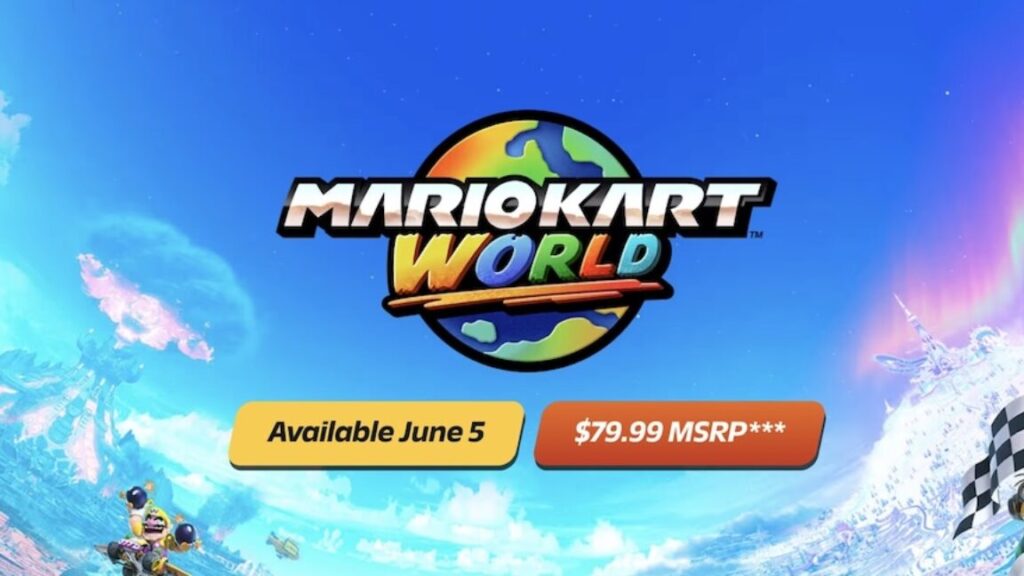
But we can infer from Mario Kart and Donkey Kong that the pricing for these Switch 2 upgrades will most likely be somewhere in the $10 to $20 range—the difference between the $60 price of most first-party Switch releases and the $70-to-$80 price for the Switch 2 Editions currently listed at Wal-Mart. Sony charges a similar $10 fee to upgrade from the PS4 to the PS5 editions of games that will run on both consoles. If you can find copies of the original Switch games for less than $60, that could mean saving a bit of money on the Switch 2 Edition, relative to Nintendo’s $70 and $80 retail prices.

Nintendo will also use some Switch 2 Edition upgrades as a carrot to entice people to the more expensive $50-per-year tier of the Nintendo Switch Online service. The company has already announced that the upgrade packs for Breath of the Wild and Tears of the Kingdom will be offered for free to Nintendo Switch Online + Expansion Pack subscribers. The list of extra benefits for that service now includes additional emulated consoles (Game Boy, Game Boy Advance, Nintendo 64, and now Gamecube) and paid DLC for both Animal Crossing: New Horizons and Mario Kart 8.

This story was updated at 7: 30pm on April 2nd to add more pricing information from US retailers about other early Switch 2 games.

First-party Switch 2 games—including re-releases—all run either $70 or $80 Read More »

a-look-at-the-switch-2’s-initial-games,-both-familiar-and-what-the-heck

A look at the Switch 2’s initial games, both familiar and what-the-heck

You can read a lot more about original Switch games’ compatibility on the Switch 2, “Editions,” and upgrade packs elsewhere in Ars’ Switch 2 launch coverage.

AAA games of recent vintage

Switch 2’s “Partner Spotlight,” Part 1

With the promise of new hardware capable of 1080p, 120 frames per second, HDR, and even mouse capabilities, the Switch 2 is getting attention from developers eager to make up for lost time—and stake out a place on a sequel to the system that sold more than 150 million hardware units.

Elden Ring Tarnished EditionYakuza 0Hitman: World of AssassinationCyberpunk 2077, Street Fighter 6, Hogwarts Legacy, and Final Fantasy 7 Remake Intergrade stood out as games from the near-to-middle past slated to arrive on the Switch 2.

Final Fantasy 7 Remake, Street Fighter 6, Civilization 7, and Cyberpunk 2077 are due to arrive at launch on June 5, with the rest arriving in 2025.

Notable independents (most notably Silksong)

Proof of life.

Credit: Nintendo/Team Cherry

Proof of life. Credit: Nintendo/Team Cherry

The cruel games industry joke, ever since Silksong’s announcement in 2019, is that the game, originally intended as DLC for acclaimed platformer/Metroidvania Hollow Knight, is always due to be announced, never gets announced, and resumes torturing its expectant fans.

But there it was, for a blip of a moment in the Nintendo Switch 2 reveal: Silksong, coming in “2025.” That’s all that is known: it will, purportedly, arrive on this console in 2025. It was initially due to arrive on PC, PlayStation, and Xbox when it was announced, but that remains to be seen.

Another delayed indie gem, Deltarune, a kinda-sequel to Undertale, purports to land all four chapters of its parallel story on Switch 2 at the console’s launch.

Other notable games from across the studio-size spectrum:

  • Hades 2 (2025)
  • Split Fiction (at launch)
  • Bravely Default: Flying Fairy HD Remaster (at launch)
  • Enter the Gungeon 2 (“Coming soon”)
  • Two Point Museum (2025)
  • Human Fall Flat 2 (“Coming soon”)

The legally distinct game that sure looks like Bloodborne 2

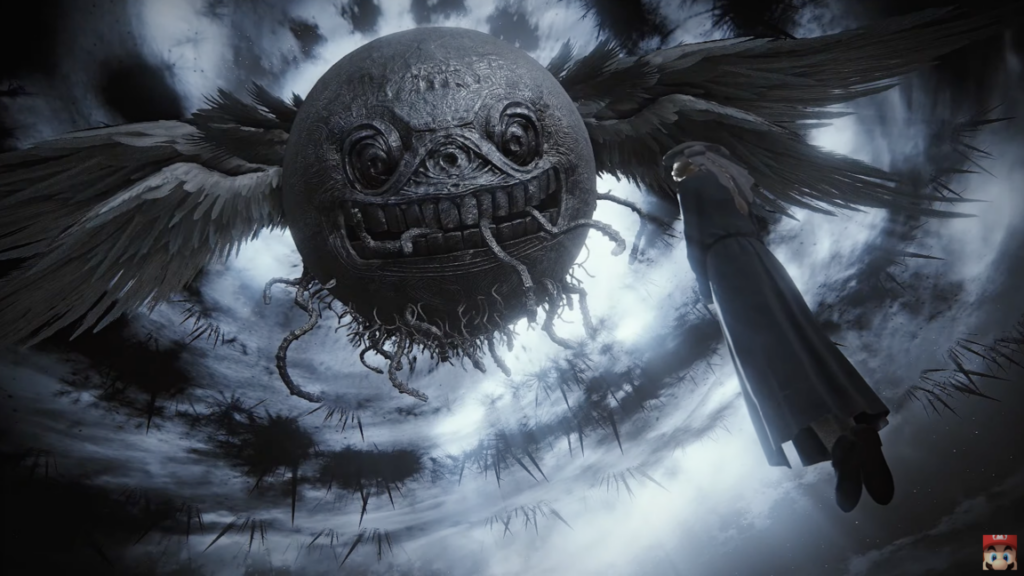
The hero of this sanguine tale. FromSoftware

The next original game from FromSoftware, maker of beautifully realized finger-torture titles like Elden Ring and the Dark Souls series, is a Nintendo Switch 2 exclusive, The Duskbloods. The trailer, with its gore-etched hands, gothic churches, and eldritch/Victorian machinery, certainly stood out from the Kirby and Donkey Kong games around it. The game arrives sometime in 2026.

A look at the Switch 2’s initial games, both familiar and what-the-heck Read More »

what-we’re-expecting-from-nintendo’s-switch-2-announcement-wednesday

What we’re expecting from Nintendo’s Switch 2 announcement Wednesday

Implausible: Long-suffering Earthbound fans have been hoping for a new game in the series (or even an official localization of the Japan-exclusive Mother 3) for literal decades now. Personally, though, I’m hoping for a surprise revisit to the Punch-Out series, following on its similar surprise return on the Wii in 2009.

Screen

This compressed screenshot of a compressed video is by no means the resolution of the Switch 2 screen, but it’s going to be higher than the original Switch.

Credit: Nintendo

This compressed screenshot of a compressed video is by no means the resolution of the Switch 2 screen, but it’s going to be higher than the original Switch. Credit: Nintendo

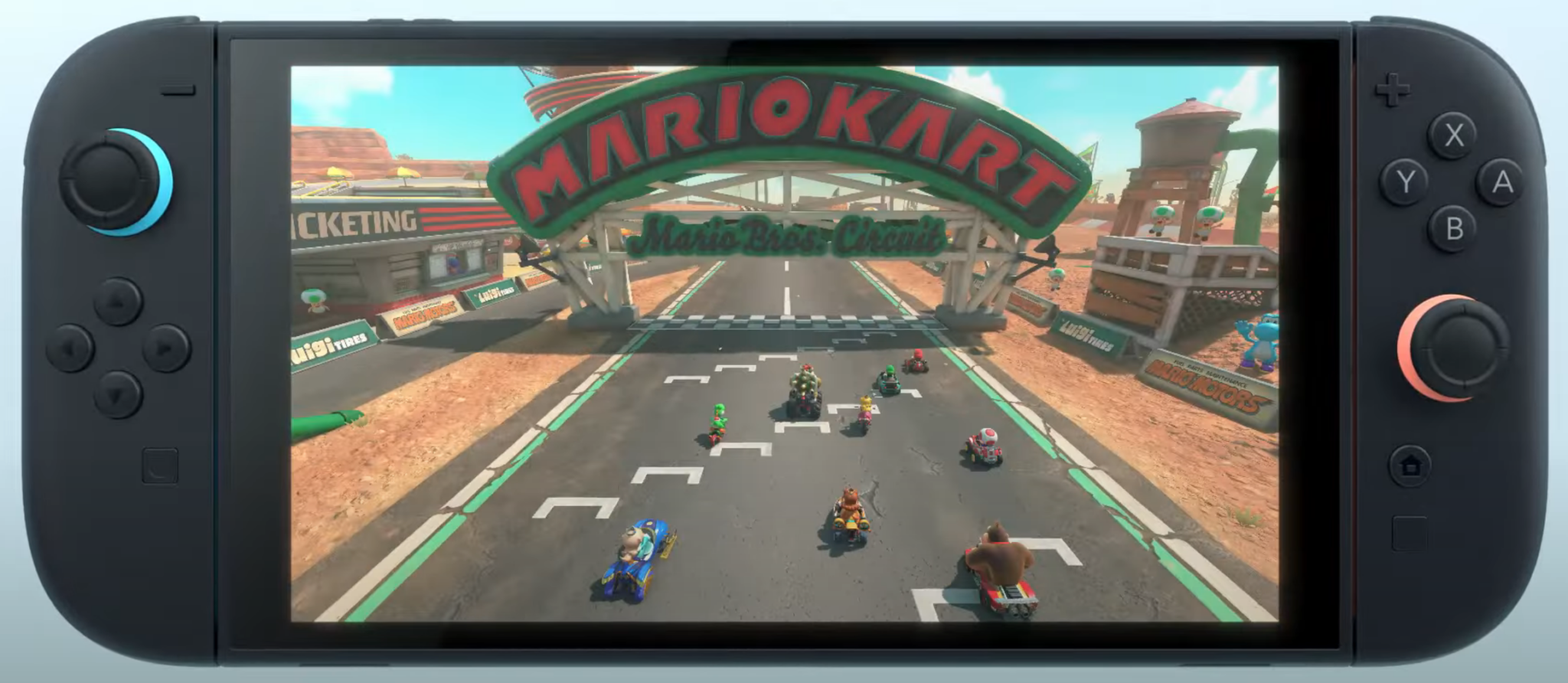
Likely: While a 720p screen was pretty nice in a 2017 gaming handheld, a full 1080p display is much more standard in today’s high-end gaming portables. We expect Nintendo will follow this trend for what looks to be a nearly 8-inch screen on the Switch 2.

Possible: While a brighter OLED screen would be nice as a standard feature on the Switch 2, we expect Nintendo will follow the precedent of the Switch generation and offer this as a pricier upgrade at some point in the future.

Implausible: The Switch 2 would be the perfect time for Nintendo to revisit the glasses-free stereoscopic 3D that we all thought was such a revelation on the 3DS all those years ago.

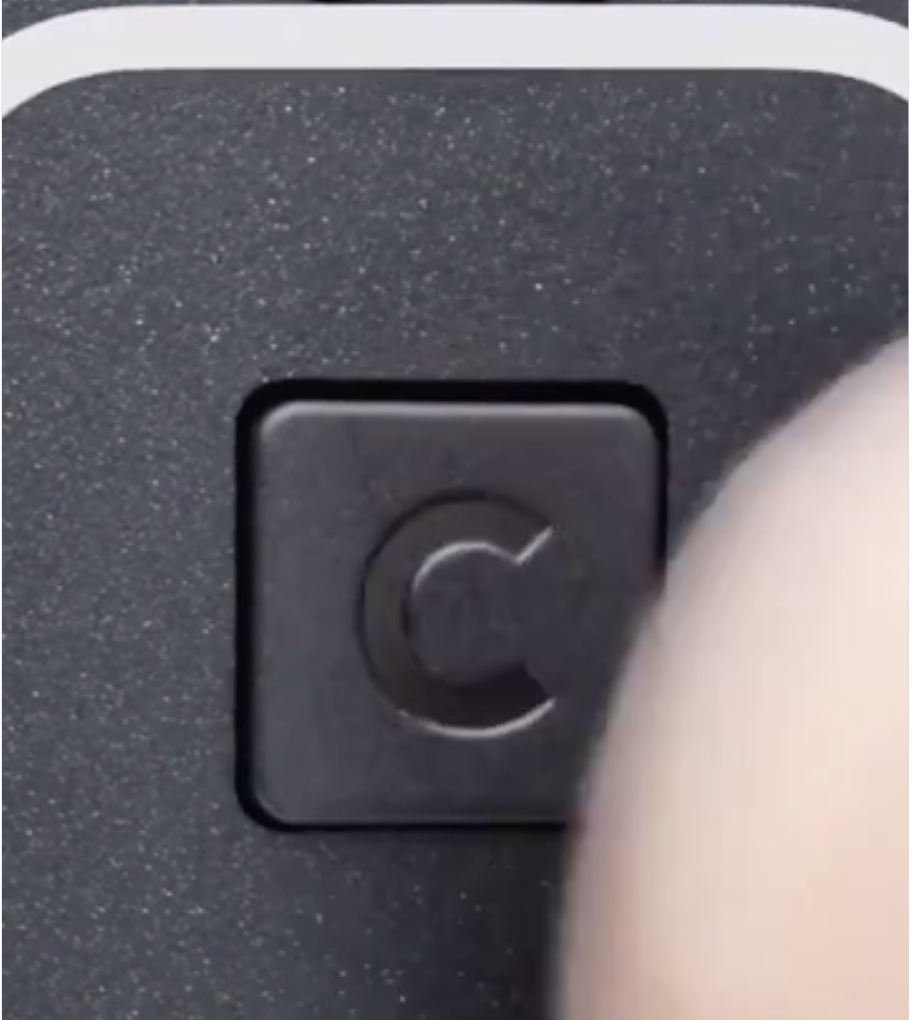
C Button

Close-up of the

C-ing is believing.

Credit: Nintendo

C-ing is believing. Credit: Nintendo

Likely: The mysterious new button labeled “C” on the Switch 2’s right Joy-Con could serve as a handy way to “connect” to other players, perhaps through a new Miiverse-style social network.

Possible: Recent rumors suggest the C button could be used to connect to a second Switch console (or the TV-connected dock) for a true dual-screen experience. That would be especially fun and useful for Wii U/DS emulation and remasters.

Implausible: The C stands for Chibi-Robo! and launches a system-level mini-game focused on the miniature robot.

New features

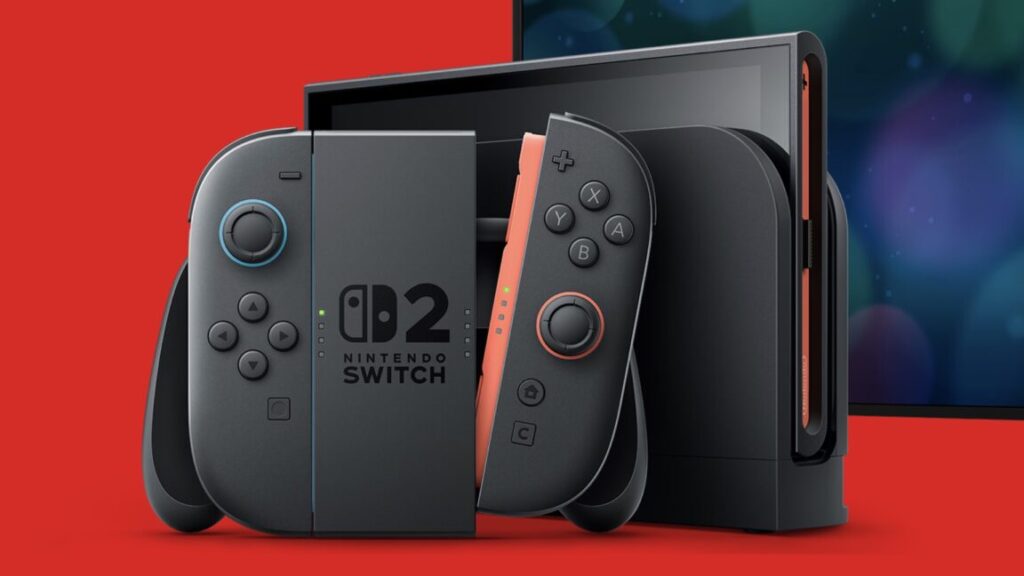
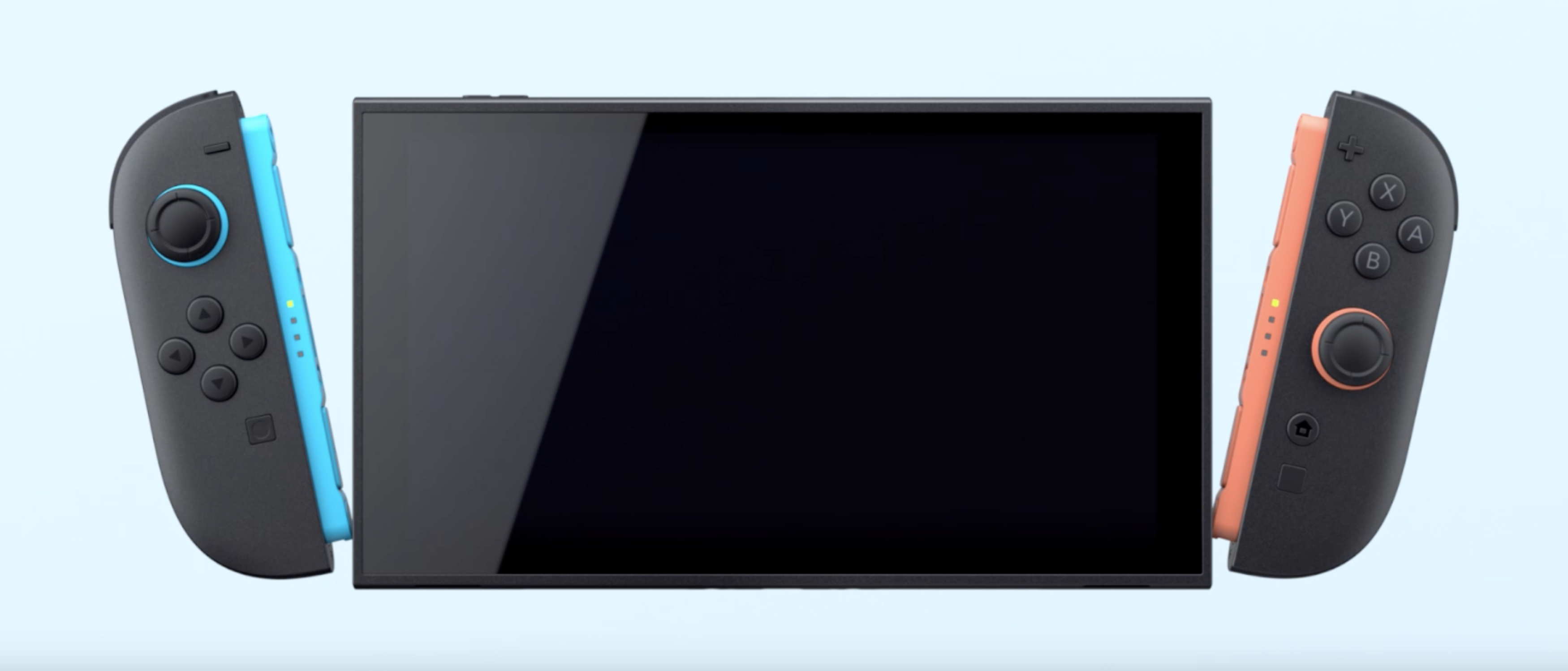
Switch 2, with joycons slightly off the central unit/screen.

Credit: Nintendo

Likely: After forcing players to use a wonky smartphone app for voice chat on the Switch, we wouldn’t be surprised if Nintendo finally implements full on-device voice chat for online games on the Switch 2—at least between confirmed “friends” on the system.

Possible: Some sort of system-level achievement tracking would bring Nintendo’s new console in line with a feature that the competition from Sony and Microsoft has had for decades now.

Implausible: After killing it off for the Switch generation, we’d love it if Nintendo brought back the Virtual Console as a way to buy permanent downloadable copies of emulated classics that will carry over across generations. Failing that, how about a revival of the 3DS’s StreetPass passive social network for Switch 2 gamers on the go?

What we’re expecting from Nintendo’s Switch 2 announcement Wednesday Read More »

nintendo’s-new-system-for-sharing-digital-switch-games,-explained

Nintendo’s new system for sharing digital Switch games, explained

Switch players who buy their games on physical cards are used to being able to share those games with other players simply by handing them the card. Now, Nintendo is planning a process to allow players to share their digital Switch purchases in a similar way.

The new “virtual game card” system—which Nintendo announced today ahead of a planned late April rollout—will allow players to “load” and “eject” digital games via a dedicated management screen. An ejected digital game can’t be played on the original console, but it can be digitally loaded onto a new console and played there without restriction by any user logged into that system.

While an Internet connection is required when loading and ejecting digital games in this way, the Internet will not be required to play the shared digital game after that initial process is complete. And while both Switch consoles will need to be synced up via a “local connection” the first time such sharing is done, subsequent shares won’t require the consoles to be in physical proximity.

Nintendo’s announcement says this virtual game card system allows players to “freely load and arrange which games you play on up to two systems [emphasis added],” suggesting you won’t be able to share different games across more than one secondary console. For households with more than two Switch units, though, Nintendo says virtual game card lending will also be available across your Nintendo Switch “family group” accounts. But these “family” loans are limited to one game at a time (per group member) and only last for two weeks (after which the loan can be manually renewed).

Nintendo’s new system for sharing digital Switch games, explained Read More »

report:-after-many-leaks,-switch-2-announcement-could-come-“this-week”

Report: After many leaks, Switch 2 announcement could come “this week”

Nintendo may be getting ready to make its Switch 2 console official. According to “industry whispers” collected by Eurogamer, as well as reporting from The Verge’s Tom Warren, the Switch 2 could be formally announced sometime this week. Eurogamer suggests the reveal is scheduled for this Thursday, January 16.

The reporting also suggests that the reveal will focus mostly on the console’s hardware design, with another game-centered announcement coming later. Eurogamer reports that the console won’t be ready to launch until April; this would be similar to Nintendo’s strategy for the original Switch, which was announced in mid-January 2017 but not launched until March.

Many things about the Switch 2’s physical hardware design have been thoroughly leaked at this point, thanks mostly to accessory makers who have been showing off their upcoming cases. Accessory maker Genki was at CES last week with a 3D-printed replica of the console based on the real thing, suggesting a much larger but still familiar-looking console with a design and button layout similar to the current Switch.

On the inside, the console is said to sport a new Nvidia-designed Arm processor with a much more powerful GPU and more RAM than the current Switch. Dubbed “T239,” Eurogamer reports that the chip includes 1,536 CUDA cores based on the Ampere architecture, the same used in 2020’s GeForce RTX 30-series graphics cards on the PC.

Report: After many leaks, Switch 2 announcement could come “this week” Read More »