music

vibe-to-hit-music-and-hit-fitness-goals-with-new-music-collections-in-fitxr

Vibe to Hit Music and Hit Fitness Goals With New Music Collections in FitXR


FitXR is capping the year off with new music collections of chart-topping hits. The latest collections feature over two dozen new workout classes in Box, HIIT, and Dance that’ll give users a head start in their fitness resolution goals next year.

Themed Collections of Music Hits From Then ‘Til Now

On November 25, FitXR launched its 80s and 90s Favorites Collection featuring iconic hits from Billy Idol, Chic, A-ha, Wham!, Chaka Khan, Survivor, Sister Sledge, the Weather Girls, and Backstreet Boys. Get your fit bod back and work out with throwback music in four Box, three HIIT, and three Dance studio classes.

Right on the heels of this launch is the release of two more collections on December 12. FitXR is bringing us Pop Hits Volume 1 and Holiday Jams for 15 more new classes.

Pop Hits Volume 1 Collection lets you groove to music from Miley Cyrus, Lady Gaga, Pink, Dua Lipa, Zara Larsson, Troye Sivan, Megan Thee Stallion, and the British girl group Little Mix. Enjoy these pop hits in three Box, two HIIT, and three Dance classes.

To feel the holiday cheer you can work out in two Box, two HIIT, and three Dance classes set to music from the Holiday Jams Collection— which will go live just in time to get you looking your best this season while spreading holiday cheer.

We’re in for more awesome music as FitXR prepares to launch Pop Hits Volume 2 in February 2023. Along with more hits from Lady Gaga, Pink, Dua Lipa, and Megan Thee Stallion, FitXR is adding smash hits from Green Day, Tegan & Sara, and Nicky Youre. Music from rappers DMX, Lil Nas X, and SAINt JHN will also pump up classes in this collection.

FitXR: Good Music for Great Workouts

FitXR brings more than good music. At the core of this virtual reality fitness club is a vast library of total body workouts designed by top fitness experts. All on-demand classes are choreographed by professionals and led by world-class trainers.

During the workouts, users are transported to a virtual workout environment as they don their VR headsets. The digital avatars of trainers direct their movements and provide motivation. Multiplayer mode allows users to interact with each other through voice.

An analysis of energy expenditure shows that one workout in FitXR burns approximately 8.34 to 8.84 calories per minute. That’s similar to the energy used in one game of tennis. This substantiates the effectiveness of the virtual workouts even when done in limited space inside homes.

FitXR is available on Meta Quest. A monthly subscription of $9.99 gives members access to on-demand classes within three distinct workout studios—Box, Dance, and HIIT. It also gives them access to a community of professional trainers and fitness enthusiasts where they can share stories, hear advice, and get inspiration.

An Exciting Future for the World of Fitness

Immersive fitness apps like FitXR usher us into a future where having fun and working out overlap. By holding fitness classes in virtual studios, users feel more like they are playing in an arcade rather than having a gym session. This gamification makes them forget they are working out, so they often end up spending more time exercising.

Moreover, virtual studios foster interaction with other people from all over the globe without users having to leave the comfort of their own homes. Indeed, combining music and fitness in a virtual environment is bound to be the norm for group fitness from hereon.

Vibe to Hit Music and Hit Fitness Goals With New Music Collections in FitXR Read More »

with-music-in-new-realities,-we-can-go-deeper-together

With Music In New Realities, We Can Go Deeper Together


A look around the media landscape will make it clear that virtual reality has become a major player in the music industry and virtual concerts are on the rise with performances by mainstream artists in popular games and other platforms.

Yet, with all the hope promised by the “metaverse,” not only do these events fail to optimally leverage the innovation of VR, but they also fall short in using music to help create immersive social spaces for people to gather virtually where they feel connected to each other and their humanity.

Today, music-related virtual reality and augmented reality content falls into 3 major categories:

  1. Virtual concerts and music videos by mainstream, popular artists represented by their avatar likeness;
  2. “Rhythm games” and music-making apps focused on popular music;
  3. Music visualizers.

Audiences and Artists Still Adjusting

In the wake of the COVID-19 pandemic and social distancing, many artists are including virtual and hybrid events as part of their tour schedules.

Last year, United Talent Agency (UTA) polls indicated that three out of four people attended online events during the pandemic and, of those, 88% planned to continue even when in-person events came back.

Given the investment in this virtual space by companies including Meta, HTC, ByteDance’s Pico, and soon… Apple with their anticipated headset likely to be announced in 2023, the AR/VR market is a major player in the music industry, even spawning the “Best Metaverse Performance” category in the 2022 MTV VMAs.

With virtual concerts on the rise, major artists like Eminem and Snoop Dogg, Travis Scott, Ariana Grande, and BTS are presenting in-game music events—albeit with mixed results.

Some of these events are being called nothing more than a “kiddie cash grab,” leaving audiences wanting more out of the virtual experience that will truly make use of VR as a medium and a new form of expression.

Possibility for a New Mode of Discovery

There are, however, burgeoning examples of innovative and thoughtful approaches to VR/AR music experiences. The 2018 Sigur Rós and Magic Leap collaboration, Tónandi, demonstrated what can be possible with an immersive and interactive AR music experience, though not currently available on all platforms. This ambitious project featured the Icelandic pop-rock band in a music experience for a high-end AR device that brought music, visuals, and interaction together equally to create a synesthetic experience.

Tónandi - an interactive audio-visual exploration
An interactive audio-visual exploration Tónandi

One of the promises of the metaverse is to bring people together virtually. Traditionally, live music events have been a place where people could gather for a communal experience. This is the missing piece to current VR music events, which have yet to find an organic way for audience members to interact both with the artist and with each other.

Then, there is the possibility of bringing composed scores into virtual spaces, to connect with people’s psyches and emotions as music has done in concert halls, films, and television shows for a long time.

Music and… Miniature Golf?

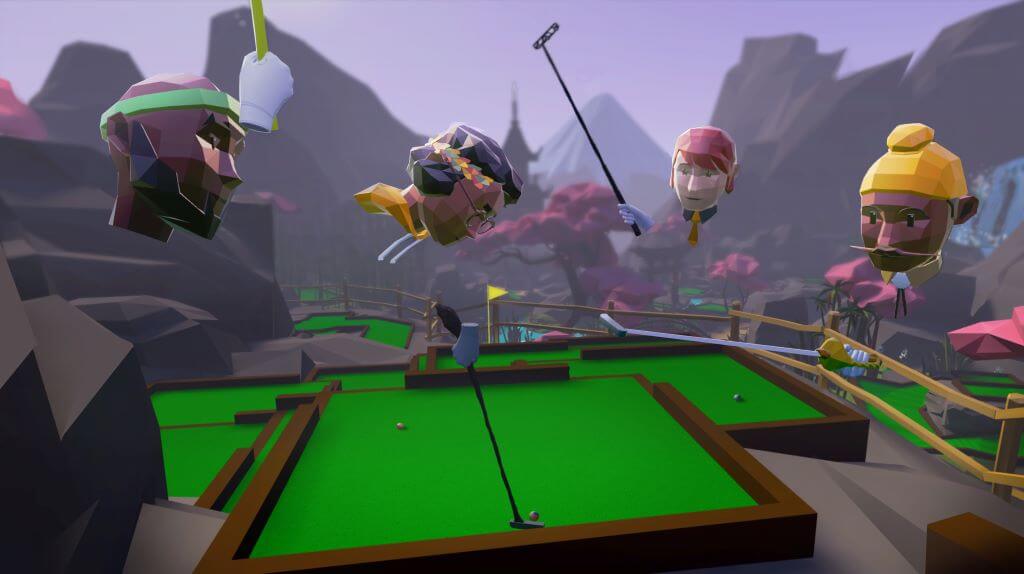
While not a music-centered app, Mighty Coconut’s Walkabout Mini Golf – a virtual reality game for which I compose the original scores – gives an example of how VR/AR can become a gathering space for people to experience visuals and music while exploring the virtual world or just hanging out together.

VR and music - game Walkabout Mini Golf
VR game Walkabout Mini Golf

Each course presents a captivating world with a distinct mood, created by the music, visuals, and course design that present an alternative to typical VR/AR games and music experiences. Players consider it a place as much as a game, and their connection to the soundtrack has led them to stream it on various services just to bring them back to that sense of place.

VR Music Experience Is Here to Stay

Virtual reality music experiences are here to stay. While VR/AR is currently most strongly associated with games and major companies, there is much to hope for with content put out by independent studios and artists, who are able to be more flexible in adapting to changes in technology and audience demographics. This virtual space will offer new and exciting possibilities for musicians and audiences.

Anyone invested in music going forward—artists, academia, fans, bookers, labels, music supervisors, and even advertisers—would be well advised to keep an eye on VR/AR and to start learning what’s happening in this space.

Like music albums and films, these tools are just another mode of expression for artists to connect to audiences and, hopefully, encourage people to connect with each other.

Guest Post


With Music In New Realities, We Can Go Deeper Together Read More »