Mac OS

the-mac-calculator’s-original-design-came-from-letting-steve-jobs-play-with-menus-for-ten-minutes

The Mac calculator’s original design came from letting Steve Jobs play with menus for ten minutes

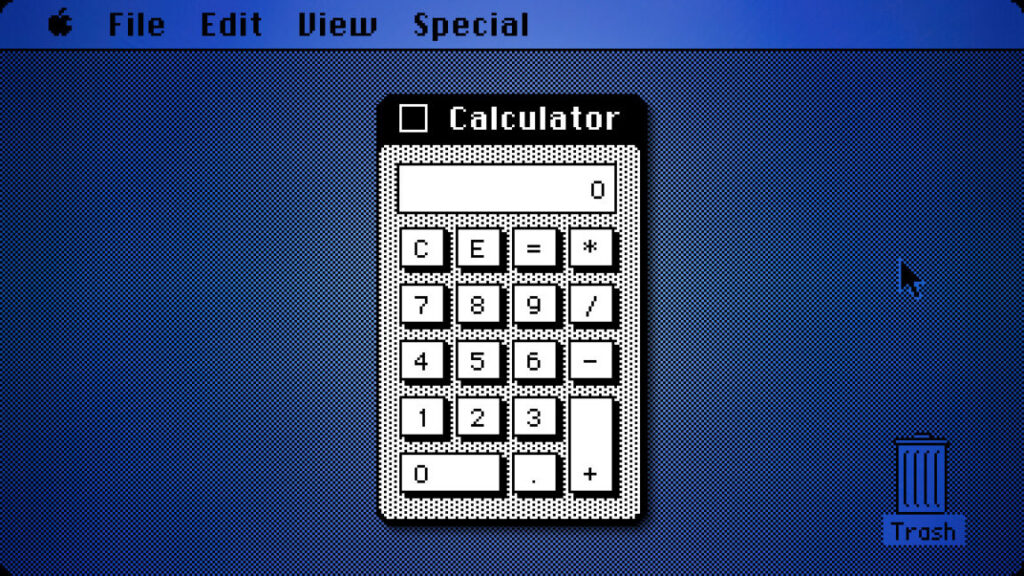
Rather than continue the endless revision cycle, Espinosa took a different approach. According to Hertzfeld, Espinosa created a program that exposed every visual parameter of the calculator through pull-down menus: line thickness, button sizes, background patterns, and more. When Jobs sat down with it, he spent about ten minutes adjusting settings until he found a combination he liked.

The approach worked. When given direct control over the parameters rather than having to articulate his preferences verbally, Jobs quickly arrived at a design he was satisfied with. Hertzfeld notes that he implemented the calculator’s UI a few months later using Jobs’s parameter choices from that ten-minute session, while Donn Denman, another member of the Macintosh team, handled the mathematical functions.

That ten-minute session produced the calculator design that shipped with the Mac in 1984 and remained virtually unchanged through Mac OS 9, when Apple discontinued that OS in 2001. Apple replaced it in Mac OS X with a new design, ending the calculator’s 17-year run as the primary calculator interface for the Mac.

Why it worked

Espinosa’s Construction Set was an early example of what would later become common in software development: visual and parameterized design tools. In 1982, when most computers displayed monochrome text, the idea of letting someone fine-tune visual parameters through interactive controls without programming was fairly forward-thinking. Later, tools like HyperCard would formalize this kind of idea into a complete visual application framework.

The primitive calculator design tool also revealed something about Jobs’s management process. He knew what he wanted when he saw it, but he perhaps struggled to articulate it at times. By giving him direct manipulation ability, Espinosa did an end-run around that communication problem entirely. Later on, when he returned to Apple in the late 1990s, Jobs would famously insist on judging products by using them directly rather than through canned PowerPoint demos or lists of specifications.

The longevity of Jobs’s ten-minute design session suggests the approach worked. The calculator survived nearly two decades of Mac OS updates, outlasting many more elaborate interface elements. What started as a workaround became one of the Mac’s most simple but enduring designs.

By the way, if you want to try the original Mac OS calculator yourself, you can run various antique versions of the operating system in your browser thanks to the Infinite Mac website.
The Mac calculator’s original design came from letting Steve Jobs play with menus for ten minutes Read More »

after-27-years,-engineer-discovers-how-to-display-secret-photo-in-power-mac-rom

After 27 years, engineer discovers how to display secret photo in Power Mac ROM

“If you double-click the file, SimpleText will open it,” Brown explains on his blog just before displaying the hidden team photo that emerges after following the steps.

The discovery represents one of the last undocumented Easter eggs from the pre-Steve Jobs return era at Apple. The Easter egg works through Mac OS 9.0.4 but appears to have been disabled by version 9.1, Brown notes. The timing aligns with Jobs’ reported ban on Easter eggs when he returned to Apple in 1997, though Brown wonders whether Jobs ever knew about this particular secret.

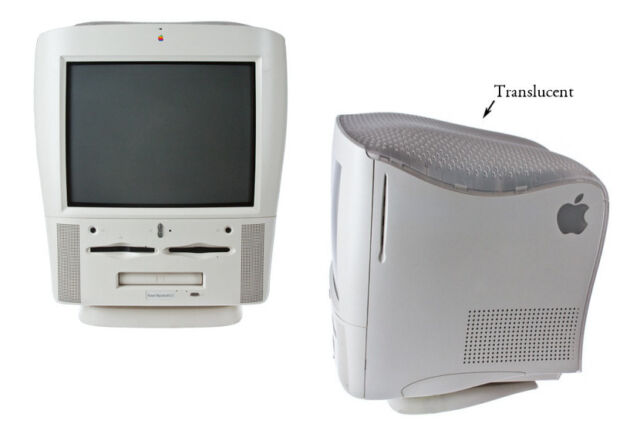
The G3 All-in-One is often nicknamed the

The ungainly G3 All-in-One set the stage for the smaller and much bluer iMac soon after. Credit: Jonathan Zufi

In his post, Brown expressed hope that he might connect with the Apple employees featured in the photo—a hope that was quickly fulfilled. In the comments, a man named Bill Saperstein identified himself as the leader of the G3 team (pictured fourth from left in the second row) in the hidden image.

“We all knew about the Easter egg, but as you mention; the technique to extract it changed from previous Macs (although the location was the same),” Saperstein wrote in the comment. “This resulted from an Easter egg in the original PowerMac that contained Paula Abdul (without permissions, of course). So the G3 team wanted to still have our pictures in the ROM, but we had to keep it very secret.”

He also shared behind-the-scenes details in another comment, noting that his “bunch of ragtag engineers” developed the successful G3 line as a skunk works project, with hardware that Jobs later turned into the groundbreaking iMac series of computers. “The team was really a group of talented people (both hw and sw) that were believers in the architecture I presented,” Saperstein wrote, “and executed the design behind the scenes for a year until Jon Rubenstein got wind of it and presented it to Steve and the rest is ‘history.'”

After 27 years, engineer discovers how to display secret photo in Power Mac ROM Read More »

my-favorite-macos-sequoia-feature-so-far-might-be-the-old-timey-mac-wallpaper

My favorite macOS Sequoia feature so far might be the old-timey Mac wallpaper

classic —

Combo wallpaper-screen saver is a walk down memory lane for classic Mac users.

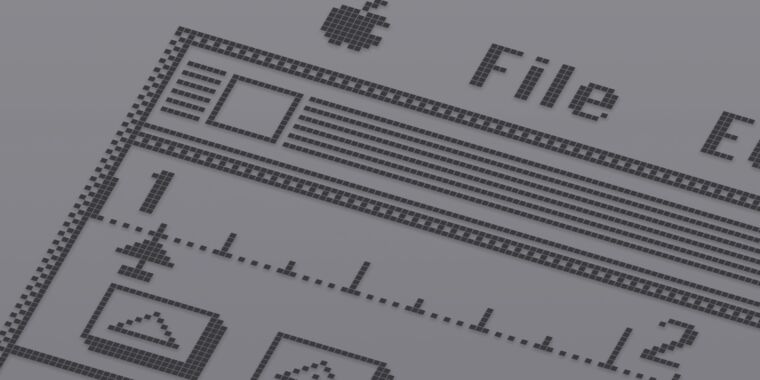
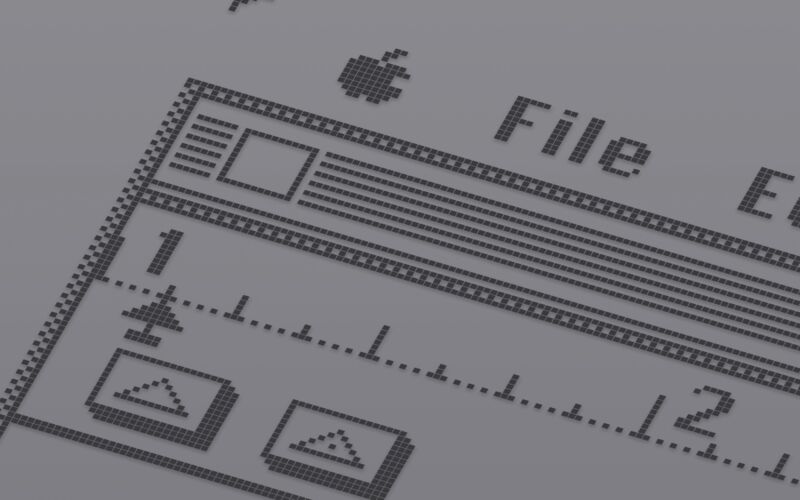
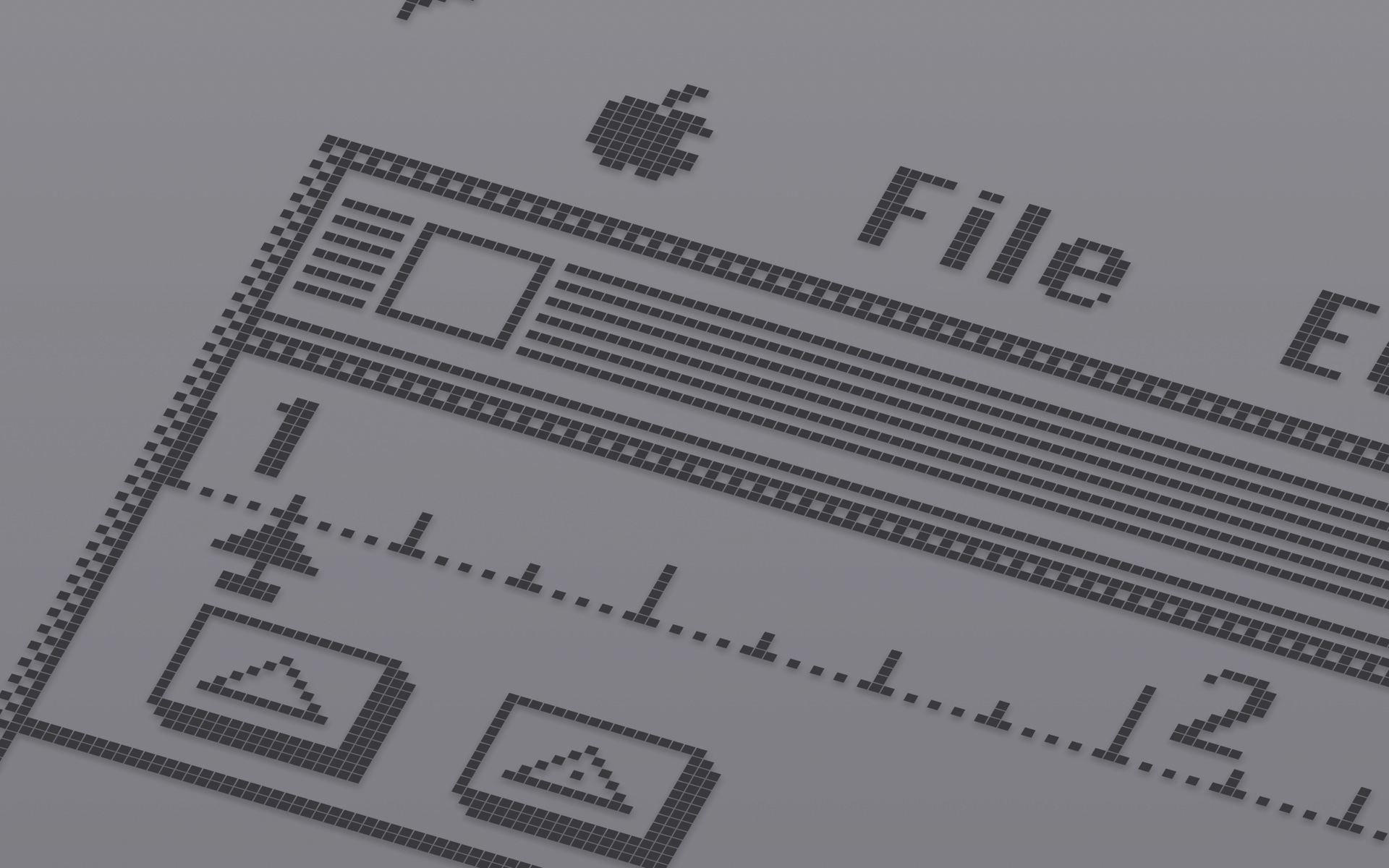
The classic Mac OS wallpaper in macOS 15 Sequoia mimics the monochrome user interfaces used in System 1 through 6.

Enlarge / The classic Mac OS wallpaper in macOS 15 Sequoia mimics the monochrome user interfaces used in System 1 through 6.

Apple

I’m still in the very early stages of poking at macOS 15 Sequoia ahead of our customary review later this fall, and there are quite a few things that aren’t working in this first developer beta. Some of those, like the AI features, aren’t working on purpose; I am sure some of the iCloud sync issues I’m having are broken by accident.

I’ve already encountered a few functional upgrades I like, like iCloud support inside of virtual machines, automated window snapping (at long last), and a redesigned AirDrop interface in the Finder. But so far the change that I like the most is actually a new combo wallpaper and screen saver that’s done in the style of Apple’s Mac operating system circa the original monochrome Mac from 1984. It’s probably the best retro Mac Easter egg since Clarus the Dogcow showed up in a print preview menu a couple of years ago.

The Macintosh wallpaper and screen saver—it uses the animated/dynamic wallpaper feature that Apple introduced in Sonoma last year—cycles through enlarged, pixelated versions of classic Mac apps, icons, and menus, a faithful replica of the first version of the Mac interface. Though they’re always monochrome, the default settings will cycle through multiple background colors that match the ones that Apple uses for accent colors.

If you’re too young to be familiar (or if you were using MS-DOS in the mid-’80s instead of a Mac), this Mac theme hearkens back to the days before Mac OS (then Mac OS X, then OS X, then macOS) was called Mac OS. The first seven versions of the software were simply called System or System Software, all the way up through 1991’s System 7. The Mac OS name didn’t appear until the System 7.5.1 update in 1995, and the name was formally changed in the 7.6 update in 1997 (OS updates were obviously released at a more leisurely pace back then).

If you want to poke at a live, interactive version of the monochrome System Software, developer Mihai Parparita’s Infinite Mac project hosts classic System, Mac OS, and NeXTStep versions that will all run in a browser window using ports of various emulators.

My only complaint is that now I want more of these screen savers. As a millennial, my exposure to Systems 1 through 6 was fairly minimal, but I’d definitely take a color version of the screen saver modeled on Mac OS 9, or an early Mac OS X version with shiny candy-colored Aqua-themed buttons and scroll bars.

My favorite macOS Sequoia feature so far might be the old-timey Mac wallpaper Read More »