laptops

the-dell-xps-laptop,-as-we-know-and-love-it,-is-no-more

The Dell XPS laptop, as we know and love it, is no more

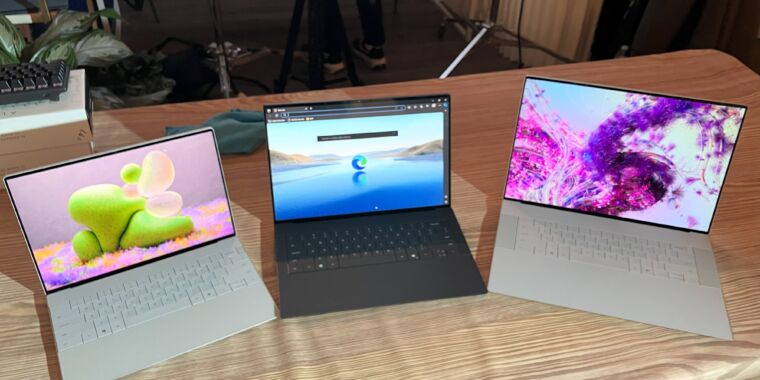
  • The 2024 XPS laptop lineup: 13-inch, 14-inch, and 16-inch.

    Scharon Harding

  • The laptops come in platinum…

    Dell

  • … or graphite.

    Dell

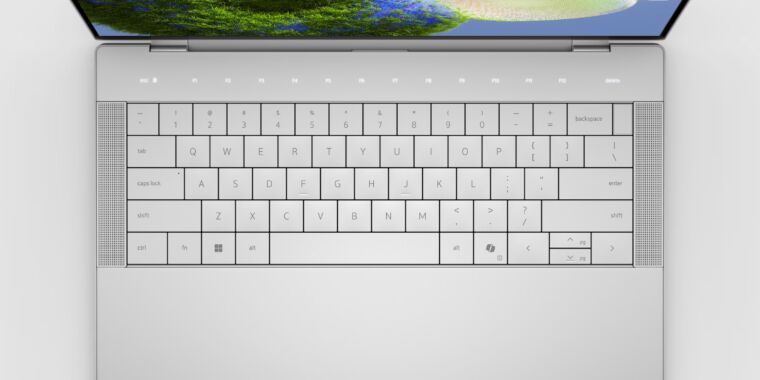
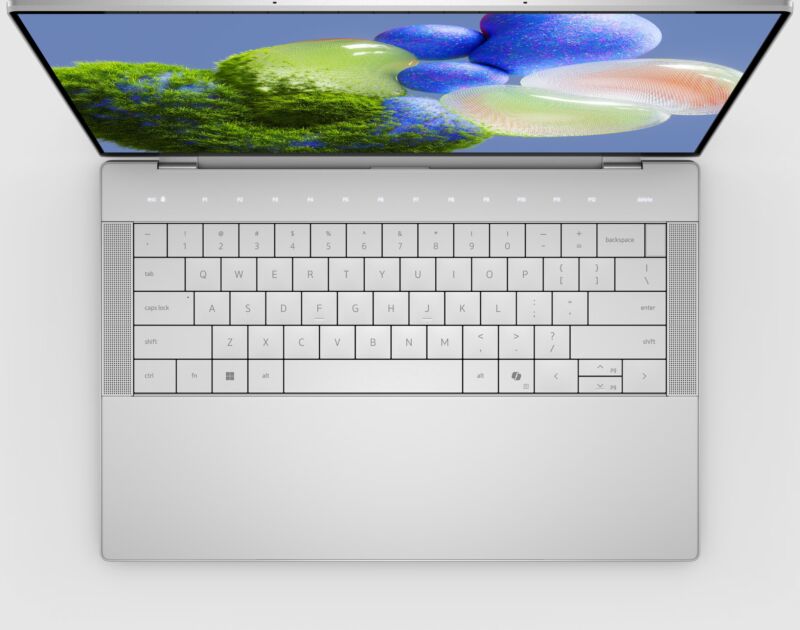
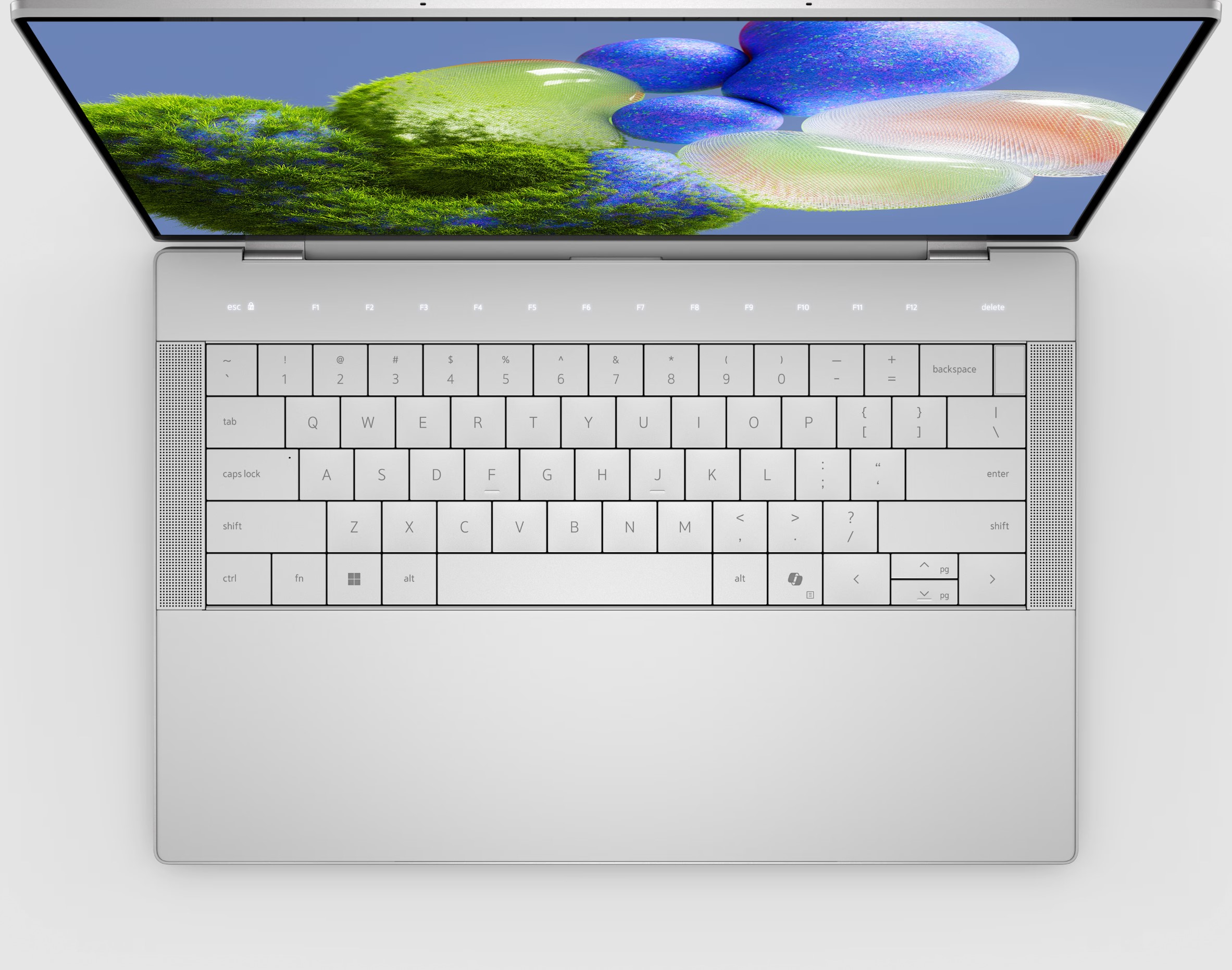
  • The keyboard on the XPS 13.

    Dell

  • The keyboard on the XPS 14 and XPS 16.

    Dell

  • The ports on the left side of the XPS 14 and 16.

    Dell

  • The ports on the right side of the XPS 14 and 16.

    Dell

  • The underside of the XPS 13.

    Scharon Harding

Dell’s XPS laptop lineup has long been my go-to for an easy laptop recommendation. With an accessible starting price, a good amount of display options, and an ultrathin build, it was often a fitting choice for the average consumer seeking something with a premium feel and some clout. With the 2024 laptop lineup announced today, the XPS no longer feels like an obvious recommendation.

Dell has reimagined the XPS laptop lineup in the image of what used to be called the Dell XPS 13 Plus. When it launched in 2022, the XPS 13 Plus was a 13.4-inch XPS laptop that was pricier than its non-Plus alternative. The XPS 13 Plus and its 2023 predecessor took extreme design measures, including a capacitive touch function row, unique keyboard, and borderless haptic touchpad to squeeze more power out of its processor.

Those polarizing features are now mandatory in an XPS laptop. The new XPS 13, 14, and 16 look like the XPS 13 Plus. But Dell is no longer calling that design the “Plus.” It’s now just the standard design of a standard XPS laptop.

Additionally, the XPS 17 is getting phased out, while the XPS 15 will be available for another six months with limited Nvidia GPU options until it is also phased out. The XPS 2-in-1 detachable is also being discontinued.

The new XPS laptop lineup

With the 2024 changes, the starting price for Dell’s popular laptop series is now higher than before. The new XPS 13 will start at $1,300. The last XPS 13, which came out in 2022 with a 13th Gen Intel chip, started at $849. By discontinuing the XPS detachable and committing all XPS laptops to the XPS 13 Plus look, Dell is going from having three 13-inch-class XPS options to one (with various specs configurations available).

Technically, the 2024 XPS lineup has better starting prices for those interested in larger screens. The XPS 14 will start at $1,700, and the XPS 16 will start at $1,900. The 2023 XPS 15 debuted with 13th-gen chips at $2,949, while the XPS 17 (9370) debuted with a $3,399 starting price. However, the new XPS 14 and XPS 16 will be released with Intel Arc-integrated graphics. The XPS 15 started with an Arc A370M discrete GPU, and the XPS 17’s starting price got you an RTX 4050 laptop GPU. (Dell hasn’t shared pricing for the new laptops beyond starting prices.)

The new laptops have smaller screens than the XPS 15 and XPS 17. For 2024, the biggest XPS laptop will have a 16.3-inch display instead of a 17-inch one, giving it slightly greater pixel density (277.8 pixels per inch versus 266.4 ppi).

But ultimately, the range of sizes remains mildly shrunken. Rather than ranging from 13.4 to 17 inches with a detachable option, the new lineup is set to 13.4 to 16.3 inches without detachables. And while a 14-inch XPS allows Dell to offer a more portable laptop that can still fit a dedicated graphics card (up to an RTX 4050 laptop GPU), moving from a 13-inch to a 15-inch laptop is more noticeable than moving from 13 to 14 inches.

The Dell XPS laptop, as we know and love it, is no more Read More »

laptops’-2023-quantum-leap:-5-computers-we’ll-still-be-talking-about-in-2024

Laptops’ 2023 quantum leap: 5 computers we’ll still be talking about in 2024

hand reaching for laptop, with blue swirls in the background

You’ll never uncover The Next Great Thing if you don’t deviate from the norm. When looking back at 2023’s laptops, we can see that many were merely refreshed designs—approaches that already work. But what happens when a company explores a design that, though not the most appealing today, might lead us to a new trend tomorrow?

You might end up with some computers that many, or even most, people aren’t currently interested in buying. But you could also end up glimpsing the designs that influence future laptops.

The laptops we’re about to look at all defied trends in some way, and we’re curious to see if they impact the laptop industry beyond 2023. We’ll also look at the challenges these ideas might face in the future—and some ways they could improve.

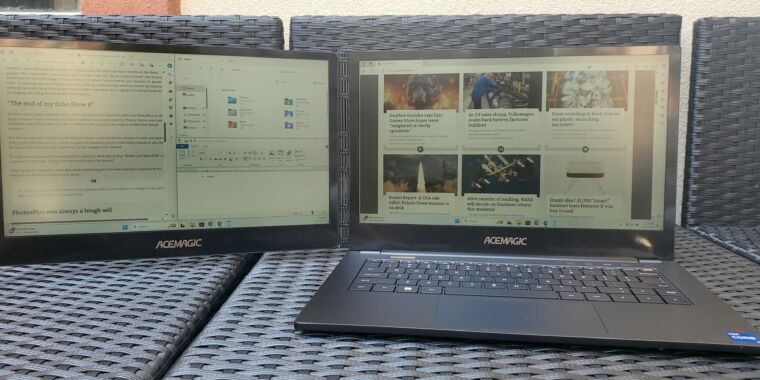
Lenovo’s laptop with dual 13.3-inch screens

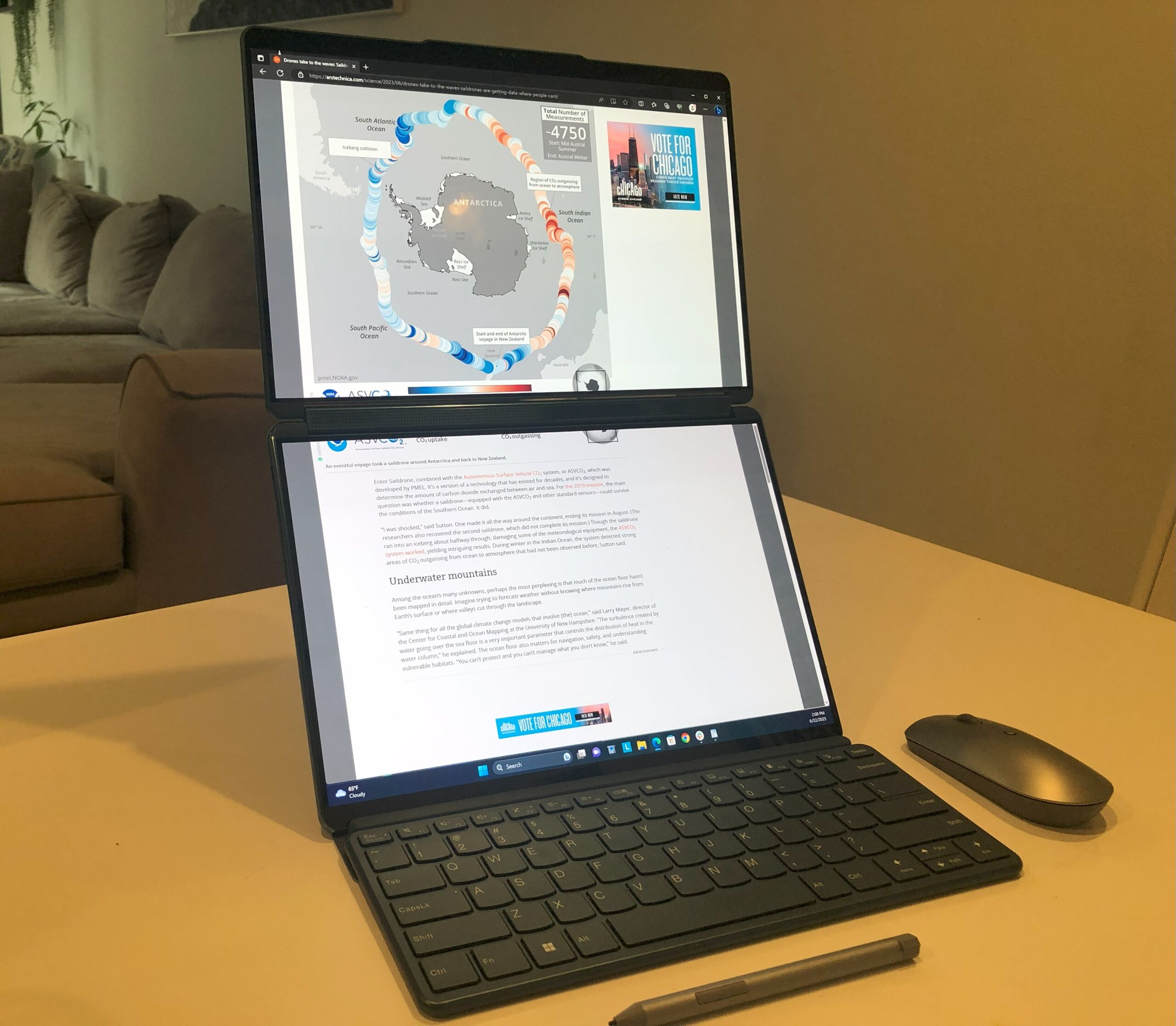
  • A company called SZBOX is already selling a similar design, and I don’t think it’ll be the last.

    Scharon Harding

  • I was able to multitask like never before on a 13-inch-size laptop.

    Scharon Harding

  • Lenovo’s depiction of the Yoga Book 9i’s various forms. There has to be a useful idea somewhere in there, right?

    Lenovo

With the number of secondary screens already being built into laptops, Lenovo’s Yoga Book 9i, as striking as it appears, was a somewhat expected progression. But Lenovo actually pulled it off with a legitimate PC featuring most of the bells and whistles found among traditional premium laptops. With the design serving practical use cases in an improved form factor, I expect it to not only be imitated (one small firm is already selling a laptop like this) but to also give the concept of foldable-screen laptops a good run for their money.

The Yoga Book 9i, with its pair of 13.3-inch OLED screens, isn’t kicking off this list solely because it’s creative, flashy, or unique. It’s because, as detailed in our Lenovo Yoga Book 9i review, it proved itself an effective way to boost the amount of multitasking one can reasonably do on a 13-inch-size laptop. Lenovo’s revision of how to use a 13-inch chassis could improve options down the line for the many people seeking that golden area between ultra-portability and productivity potential.

On the Lenovo laptop’s 26.6 inches of cumulative screen, I was able to do the types of things that would only bring me frustration, if not a headache, on a single 13.3-inch panel. Want to take notes on a video call while monitoring your news feeds, having a chat window open, and keeping an eye on your email? That’s all remarkably manageable on a laptop with two full-size screens. And that PC is easier to lug around than a laptop and portable monitor.

What’s next?

The dual-screen setup worked well for small-laptop multitasking. But the polarizing lack of an integrated physical keyboard and touchpad challenge this form factor’s longevity. Easily accessible touchscreen controls are handy, but you can’t really replicate the reliable tactility and comfort of a keyboard and touchpad with touchscreens. A super portable laptop suddenly feels less portable when you have to remember to bring its accessories.

Still, I think this design has a place in the increasingly mobile world of computing. Future designs could improve with less reflective screens, given that reflectivity is especially distracting on a dual-screen laptop where one screen can cast reflections on the other.

Moving from OLED could help improve battery life to some degree. But, as you might have guessed, a laptop with two 13.3-inch OLED displays won’t be winning any laptop battery-life contests. Further, I wonder what price improvements could be made by foregoing OLED.

But many of the creative laptop designs these days opt for OLED, due to its high image quality, flexibility, and broad market appeal from more mainstream tech implementations, like OLED smartphones and TVs. This presents an ongoing price obstacle for a laptop design that already leans niche.

Laptops’ 2023 quantum leap: 5 computers we’ll still be talking about in 2024 Read More »

camm-standard-published,-opening-door-for-thin,-speedy-ram-to-overtake-so-dimm

CAMM standard published, opening door for thin, speedy RAM to overtake SO-DIMM

compression attached —

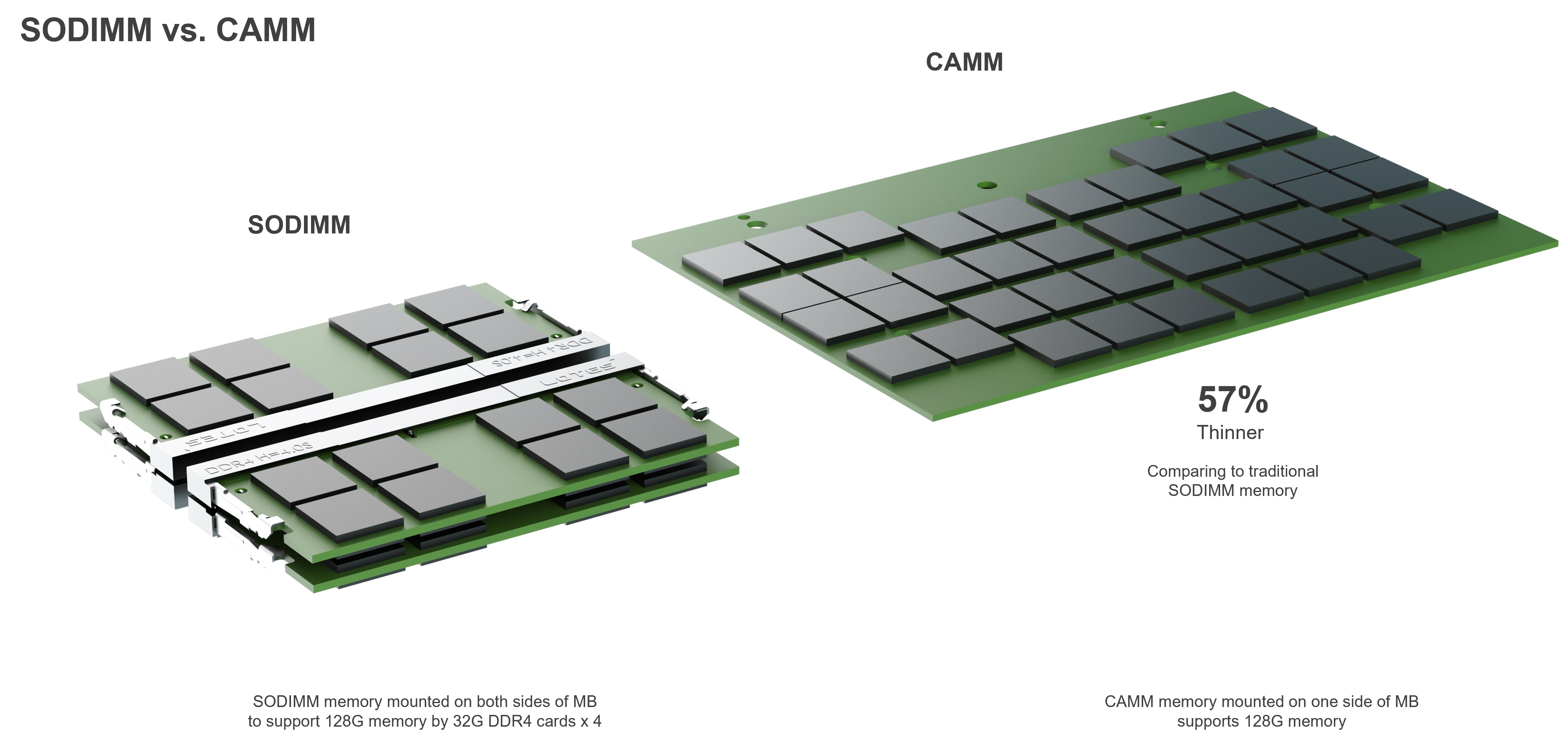
Dell introduced CAMM in 2022 with modules that were 57% thinner than SO-DIMM.

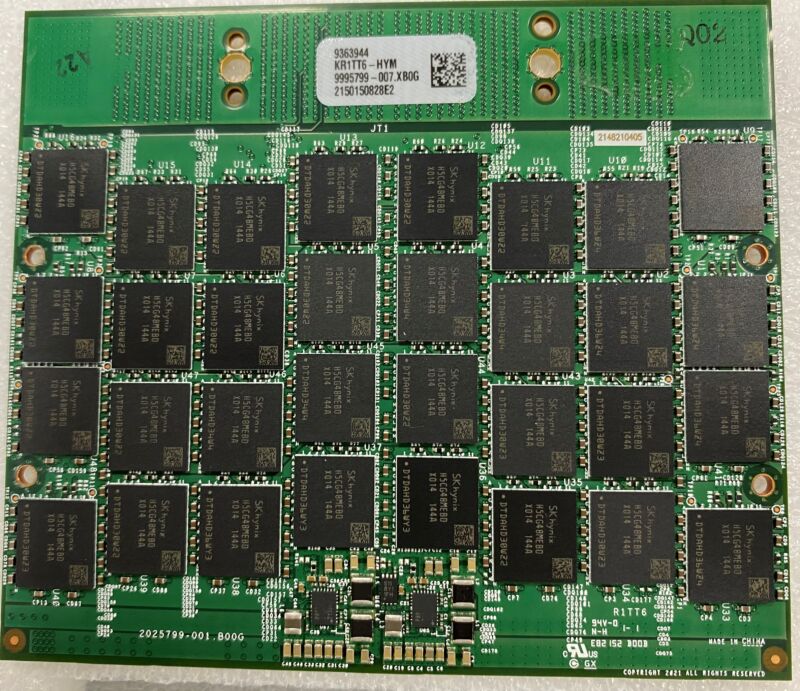
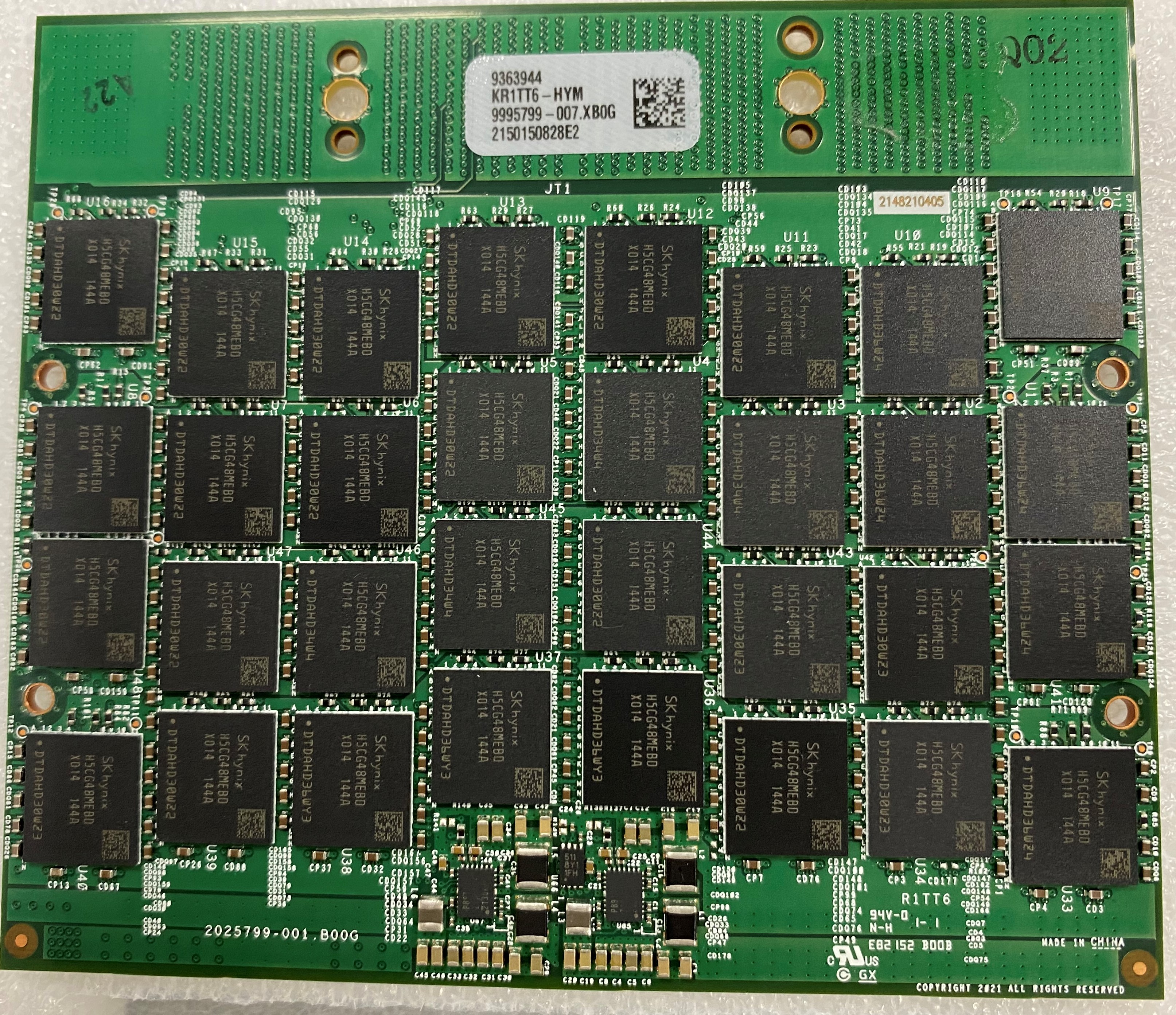
Front of a 128GB CAMM.

Enlarge / The front of a 128GB Dell CAMM.

Dell

Move over, SO-DIMM. A new type of memory module has been made official, and backers like Dell are hoping that it eventually replaces SO-DIMM (small outline dual in-line memory module) entirely.

This month, JEDEC, a semiconductor engineering trade organization, announced that it had published the JESD318: Compression Attached Memory Module (CAMM2) standard, as spotted by Tom’s Hardware.

CAMM2 was originally introduced as CAMM via Dell, which has been pushing for standardization since it announced the technology at CES 2022. Dell released the only laptops with CAMM in 2022, the Dell Precision 7670 and 7770 workstations.

The standard includes DDR5 and LPDDR5/5X designs. The former targets “performance notebooks and mainstream desktops,” and the latter is for “a broader range of notebooks and certain server market segment,” JEDEC’s announcement said.

They each have the same connector but differing pinouts, so a DDR5 CAMM2 can’t be wrongfully mounted onto an LPDDR5/5X connector. CAMM2 means that it will be possible to have non-soldered LPDD5X memory. Currently, you can only get LPDDR5X as soldered chips.

Another reason supporters are pushing CAMM2 is in consideration of speed, as SO-DIMM tops out at 6,400 MHz, with max supported speeds even lower in four-DIMM designs. Many mainstream designs aren’t yet at this threshold. But Dell originally proposed CAMM as a way to get ahead of this limitation (largely through closer contact between the module and motherboard). The published CAMM2 standard says LPDDR5 DRAM CAMM2 “is expected to start at 6,400 MTs and increment upward in cadence with the DRAM speed capabilities.”

Samsung in September announced plans to offer LPDDR CAMM at 7.5Gbps, noting that it expects commercialization in 2024. Micron also plans to offer CAMM at up to 9,600Mbps and 192GB-plus per module in late 2026, as per a company road map shared by AnandTech last month. Both announcements were made before the CAMM2 standard was published, and we wouldn’t be surprised to see timelines extended.

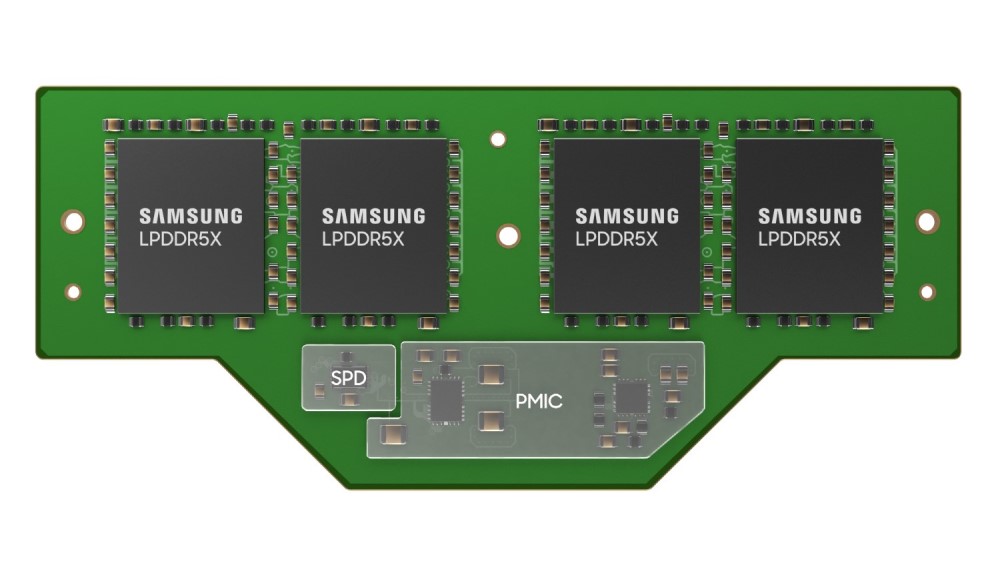
Samsung shared this rendering of a CAMM ahead of the publishing of the CAMM2 standard in September.

Enlarge / Samsung shared this rendering of a CAMM ahead of the publishing of the CAMM2 standard in September.

CAMM2 supports capacities of 8GB to 128GB on a single module. This opens the potential for thinner computer designs that don’t sacrifice memory or require RAM modules on both sides of the motherboard. Dell’s Precision laptops with Dell’s original CAMM design is 57 percent thinner than SO-DIMM, Dell said. The laptops released with up to 128GB of DDR5-3600 across one module and thinness as low as 0.98 inches, with a 16-inch display.

A Dell rendering depicting the size differences between SO-DIMM and CAMM.

Enlarge / A Dell rendering depicting the size differences between SO-DIMM and CAMM.

Dell

Nominal module dimensions listed in the standard point to “various” form factors for the modules, with the X-axis measuring 78 mm (3.07 inches) and the Y-axis 29.6–68 mm (1.17–2.68 inches).

Computers can also achieve dual-channel memory for more bandwidth with one CAMM compared to SO-DIMM’s single-channel design. Extra space could lead to better room for things like device heat management.

JEDEC’s announcement said:

By splitting the dual-channel CAMM2 connector lengthwise into two single-channel CAMM2 connectors, each connector half can elevate the CAMM2 to a different level. The first connector half supports one DDR5 memory channel at 2.85mm height while the second half supports a different DDR5 memory channel at 7.5mm height. Or, the entire CAMM2 connector can be used with a dual-channel CAMM2. This scalability from single-channel and dual-channel configurations to future multi-channel setups promises a significant boost in memory capacity.

Unlike their taller SO-DIMM counterparts, CAMM2 modules press against an interposer, which has pins on both sides to communicate with the motherboard. However, it’s also worth noting that compared to SO-DIMM modules, CAMM2 modules are screwed in. Upgrades may also be considered more complex since going from 8GB to 16GB, for example, would require buying a whole new CAMM and getting rid of the prior rather than only buying a second 8GB module.

JEDEC’s standardization should eventually make it cheaper for these parts to be created and sourced for different computers. It could also help adoption grow, but it will take years before we can expect this CAMM2 to overtake 26-year-old SO-DIMM, as Dell hopes. But with a few big names behind the standard and interest in thinner, more powerful computers, we should see a greater push for these modules in computers in the coming years.

You can download the CAMM2 standard from JEDEC’s website.

CAMM standard published, opening door for thin, speedy RAM to overtake SO-DIMM Read More »