IPO

after-years-of-resisting-it,-spacex-now-plans-to-go-public.-why?

After years of resisting it, SpaceX now plans to go public. Why?


“Much of the AI race comes down to amassing and deploying assets.”

Elon Musk gestures as he speaks during a press conference at SpaceX’s Starbase facility near Boca Chica Village in South Texas on February 10, 2022. Credit: JIM WATSON/AFP via Getty Images

SpaceX is planning to raise tens of billions of dollars through an initial public offering next year, multiple outlets have reported, and Ars can confirm. This represents a major change in thinking from the world’s leading space company and its founder, Elon Musk.

The Wall Street Journal and The Information first reported about a possible IPO last Friday, and Bloomberg followed that up on Tuesday evening with a report suggesting the company would target a $1.5 trillion valuation. This would allow SpaceX to raise in excess of $30 billion.

This is an enormous amount of funding. The largest IPO in history occurred in 2019, when the state-owned Saudi Arabian oil company began public trading as Aramco and raised $29 billion. In terms of revenue, Aramco is a top-five company in the world.

Now SpaceX is poised to potentially match or exceed this value. That SpaceX would be attractive to public investors is not a surprise—it’s the world’s dominant space company in launch, space-based communications, and much more. For investors seeking unlimited growth, space is the final frontier.

Buy why would Musk take SpaceX public now, at a time when the company’s revenues are surging thanks to the growth of the Starlink Internet constellation? The decision is surprising because Musk has, for so long, resisted going public with SpaceX. He has not enjoyed the public scrutiny of Tesla, and feared that shareholder desires for financial return were not consistent with his ultimate goal of settling Mars.

Data centers

Ars spoke with multiple people familiar with Musk and his thinking to understand why he would want to take SpaceX public.

A significant shift in recent years has been the rise of artificial intelligence, which Musk has been involved in since 2015, when he co-founded OpenAI. He later had a falling out with his cofounders and started his own company, xAI, in 2023. At Tesla, he has been pushing smart-driving technology forward and more recently focused on robotics. Musk sees a convergence of these technologies in the near future, which he believes will profoundly change civilization.

Raising large amounts of money in the next 18 months would allow Musk to have significant capital to deploy at SpaceX as he influences and partakes in this convergence of technology.

How can SpaceX play in this space? In the near term, the company plans to develop a modified version of the Starlink satellite to serve as a foundation for building data centers in space. Musk said as much on the social media network he owns, X, in late October: “SpaceX will be doing this.”

But using a next-generation Starlink satellite manufactured on Earth is just the beginning of his vision. “The level beyond that is constructing satellite factories on the Moon and using a mass driver (electromagnetic railgun) to accelerate AI satellites to lunar escape velocity without the need for rockets,” Musk said this weekend on X. “That scales to >100TW/year of AI and enables non-trivial progress towards becoming a Kardashev II civilization.”

Based on some projected analyses, SpaceX is expected to have in the neighborhood of $22 to $24 billion in revenue next year. That is a lot of money—it’s on par with NASA’s annual budget, for example, and SpaceX can deploy its capital far, far more efficiently than the government can. So the company will be able to accomplish a lot. But with a large infusion of cash, SpaceX will be able to go much faster. And it will take a lot of cash to design and build the satellites and launch the rockets to deploy data centers in space.

Abhi Tripathi, a long-time SpaceX employee who is now director of mission operations at the UC Berkeley Space Sciences Laboratory, believes that once Musk realized Starlink satellites could be architected into a distributed network of data centers, the writing was on the wall.

“That is the moment an IPO suddenly came into play after being unlikely for so long,” Tripathi told Ars. “If you have followed Elon’s tactics, you know that once he commits to something, he leans fully into it. Much of the AI race comes down to amassing and deploying assets that work quicker than your competition. A large war chest resulting from an IPO will greatly help his cause and disadvantage all others.”

Foremost among Musk’s goals right now is to “win” the battle for artificial intelligence. He is already attacking the problem at xAI and Tesla, and he now seeks to throw SpaceX into the fray as well. Taking SpaceX public and using it to marshal an incredible amount of resources shows he is playing to win.

What about Mars?

Musk founded SpaceX in 2002 with the goal of one day settling Mars. He has never wavered from that goal, and indeed, the company has made considerable progress in more than two decades. SpaceX now launches more than 90 percent of the world’s mass to orbit, has nearly 90 percent of the satellites in orbit, and backstops a large portion of the US government’s civil and military activities in space. Moreover, with Starship, SpaceX is building the first vehicle that could realistically send humans and a lot of the stuff humans need to survive to Mars one day.

But if Musk’s rationale for keeping SpaceX private was to protect the Mars dream, is he abandoning this long-standing aim?

Not necessarily. It’s likely that Musk sees artificial intelligence as a key part of the Mars vision. Whether one believes the Optimus robot will become a viable product or not, Musk does. And he’s spoken about sending the robots to Mars to make the way smoother for the first human settlers.

Musk also believes that a larger and more financially robust SpaceX is necessary to undertake the settling of Mars. He understands that NASA will not pay for this, as the civil space agency is in the business of exploration and not settlement. For several years now, he has expressed that it will require about 1 million tons of supplies to be shipped to Mars to make a self-sustaining settlement. This is roughly 1,000 ships, and including refueling, at least 10,000 Starship launches. At $100 million per launch, that’s $1 trillion in launch costs alone.

Musk has frequently expressed a concern that there may be a limited window for settling Mars. Perhaps financial markets collapse. Perhaps there’s a worse pandemic. Perhaps a large asteroid hits the planet. Taking SpaceX public now is a bet that he can marshal the resources now, during his lifetime, to make Mars City One a reality. He is 54 years old.

The plan is not without risks, of course. If AI is something of a bubble, ten years from now, SpaceX may be sitting on hundreds of billions of dollars worth of satellites in space for which there is limited use. Maybe shareholders would rather SpaceX make them multimillionaires than make humans multiplanetary.

But Musk has never shied away from risks. So doubling down on his most successful asset in this moment is precisely what one would expect him to do.
Photo of Eric Berger

Eric Berger is the senior space editor at Ars Technica, covering everything from astronomy to private space to NASA policy, and author of two books: Liftoff, about the rise of SpaceX; and Reentry, on the development of the Falcon 9 rocket and Dragon. A certified meteorologist, Eric lives in Houston.

After years of resisting it, SpaceX now plans to go public. Why? Read More »
chatgpt-maker-reportedly-eyes-$1-trillion-ipo-despite-major-quarterly-losses

ChatGPT maker reportedly eyes $1 trillion IPO despite major quarterly losses

An OpenAI spokesperson told Reuters that “an IPO is not our focus, so we could not possibly have set a date,” adding that the company is “building a durable business and advancing our mission so everyone benefits from AGI.”

Revenue grows as losses mount

The IPO preparations follow a restructuring of OpenAI completed on October 28 that reduced the company’s reliance on Microsoft, which has committed to investments of $13 billion and now owns about 27 percent of the company. OpenAI was most recently valued around $500 billion in private markets.

OpenAI started as a nonprofit in 2015, then added a for-profit arm a few years later with nonprofit oversight. Under the new structure, OpenAI is still controlled by a nonprofit, now called the OpenAI Foundation, but it gives the nonprofit a 26 percent stake in OpenAI Group and a warrant for additional shares if the company hits certain milestones.

A successful OpenAI IPO could represent a substantial gain for investors, including Microsoft, SoftBank, Thrive Capital, and Abu Dhabi’s MGX. But even so, OpenAI faces an uphill financial battle ahead. The ChatGPT maker expects to reach about $20 billion in revenue by year-end, according to people familiar with the company’s finances who spoke with Reuters, but its quarterly losses are significant.

Microsoft’s earnings filing on Wednesday offered a glimpse at the scale of those losses. The company reported that its share of OpenAI losses reduced Microsoft’s net income by $3.1 billion in the quarter that ended September 30. Since Microsoft owns 27 percent of OpenAI under the new structure, that suggests OpenAI lost about $11.5 billion during the quarter, as noted by The Register. That quarterly loss figure exceeds half of OpenAI’s expected revenue for the entire year.

ChatGPT maker reportedly eyes $1 trillion IPO despite major quarterly losses Read More »

discord-is-planning-an-ipo-this-year,-and-big-changes-could-be-on-the-horizon

Discord is planning an IPO this year, and big changes could be on the horizon

The product has evolved into something akin to Slack, but for personal use. It’s used by artist communities, game developers, open source projects, influencers, and more to manage communities and coordinate work. In some cases, people simply use it as an extremely robust group messaging tool for groups of friends without any games or projects involved.

Limited ads to tackle limited revenue

For years, Discord proudly touted a “no ads” policy, but that dam has broken in some small ways in recent months. Discord began offering game publishers opportunities to create special “quests” that appear in the Discord interface, wherein players can earn in-game rewards for doing specific tasks, like streaming a game to friends. A new format, called video quests, is planned for this summer, too.

The new ad products are meant to drum up Discord’s revenue potential in the lead-up to an IPO; the platform already offered premium subscriptions for access to more advanced features and a marketplace for cosmetics to jazz up profiles.

So far, the ad products are, by and large, much less intrusive than ads in many other social networks and seem to be oriented around providing some user value. However, an IPO could lead to shareholders demanding more from the company in pursuit of revenue.

Discord is planning an IPO this year, and big changes could be on the horizon Read More »

ceo-of-ai-ad-tech-firm-pledging-“world-free-of-fraud”-sentenced-for-fraud

CEO of AI ad-tech firm pledging “world free of fraud” sentenced for fraud

In May 2024, the website of ad-tech firm Kubient touted that the company was “a perfect blend” of ad veterans and developers, “committed to solving the growing problem of fraud” in digital ads. Like many corporate sites, it also linked old blog posts from its home page, including a May 2022 post on “How to create a world free of fraud: Kubient’s secret sauce.”

These days, Kubient’s website cannot be reached, the team is no more, and CEO Paul Roberts is due to serve one year and one day in prison, having pled guilty Thursday to creating his own small world of fraud. Roberts, according to federal prosecutors, schemed to create $1.3 million in fraudulent revenue statements to bolster Kubient’s initial public offering (IPO) and significantly oversold “KAI,” Kubient’s artificial intelligence tool.

The core of the case is an I-pay-you, you-pay-me gambit that Roberts initiated with an unnamed “Company-1,” according to prosecutors. Kubient and this firm would each bill the other for nearly identical amounts, with Kubient purportedly deploying KAI to find instances of ad fraud in the other company’s ad spend.

Roberts, prosecutors said, “directed Kubient employees to generate fake KAI reports based on made-up metrics and no underlying data at all.” These fake reports helped sell the story to independent auditors and book the synthetic revenue in financial statements, according to Roberts’ indictment.

CEO of AI ad-tech firm pledging “world free of fraud” sentenced for fraud Read More »

reddit-faces-new-reality-after-cashing-in-on-its-ipo

Reddit faces new reality after cashing in on its IPO

r/WallStreetBets —

Reddit must now answer to its shareholders as well as its vocal users.

Steve Huffman

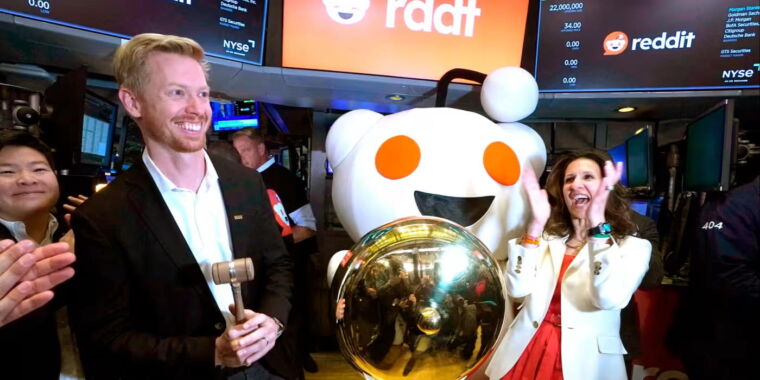
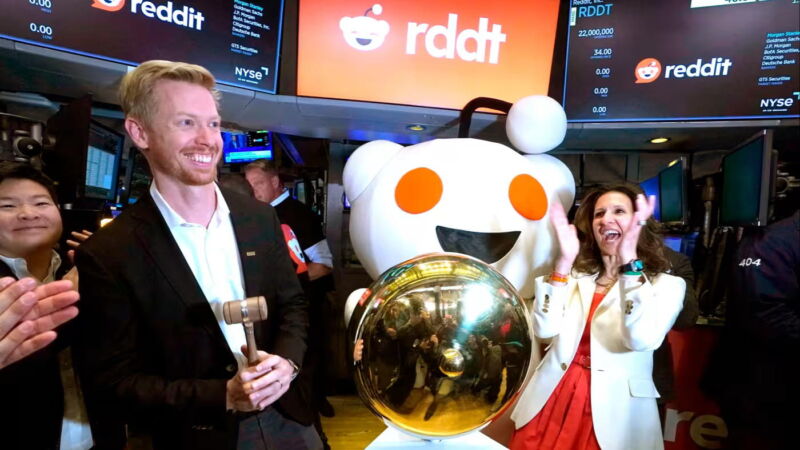
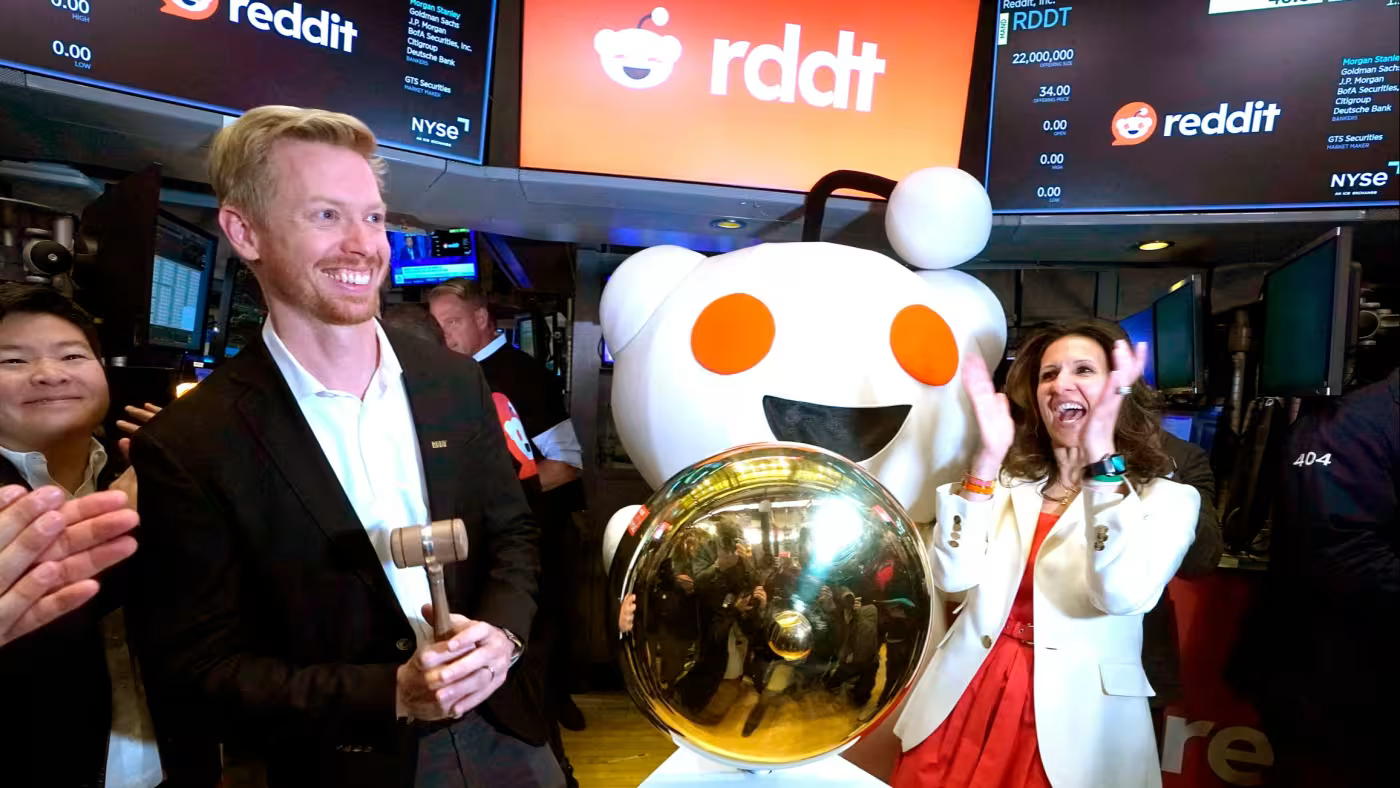
Enlarge / Steve Huffman, u/spez on Reddit, sold 500,000 of his shares in Reddit’s IPO on Thursday

AFP via Getty Images

In an interview on the New York Stock Exchange trading floor ahead of Reddit’s market debut on Thursday, chief executive Steve Huffman acknowledged that the mischievous retail investors that congregate on the social media platform might deliberately drive down its share price.

“It’s a free market!” he said.

For Reddit, as for Huffman, the bet on a public offering for a site he described as a “fun and special, but sometimes crazy place” has appeared to pay off.

Shares of the social media company soared on its Big Board debut under the ticker RDDT, closing at $50.44, or 48 percent above its IPO price. This brought its fully diluted market capitalization to $9.5 billion, close to where the company was last valued privately at $10 billion in 2021.

Reddit’s journey to public markets marks a turning point for a fringe, free speech-oriented platform dominated by esoteric memes, sardonic humor, and gamers, as it transforms itself into a more mainstream discussion hub that enforces stricter moderation rules in order to attract advertising dollars.

The picture for its earlier investors was mixed. One big winner was the Newhouse family, who through Advance Magazine Publishers Inc own Condé Nast, which bought Reddit in 2006 for $10 million before spinning it out in 2011. Its shares are now worth about $2.1 billion, a handsome windfall to their publishing empire, which also includes Vanity Fair, the New Yorker, and Vogue. Entities affiliated with OpenAI chief executive Sam Altman now hold a stake worth $613 million.

But investors who put money in at the last financing round in 2021 at $61.79 a share, such as Fidelity, were looking at slightly less on that particular investment.

Founded in 2005, the self-proclaimed “front page of the internet” has battled through management upheaval and moderation scandals to grow to 73 million daily users across its 100,000 communities, or “subreddits,” per Reddit parlance. It is a social media minnow, however, relative to Meta or X, which have more than 2.1 billion and 245 million daily active users, respectively.

Still, its IPO attracted institutional interest. Demand was strong, and the top two dozen investors in the deal, who received the majority of its shares, were typically large asset managers who intend on owning the stock for the long term, one person familiar with the matter said.

Reddit’s surge on its first day of trading, a day after AI infrastructure group Astera Labs jumped 72 percent in its Nasdaq debut, also signals a validation of public investor demand for listings—even a company that is unprofitable, such as Reddit.

“Overall, this is a very positive development for IPO markets [and] should bode well for many of the pre-IPO companies sitting in the queue,” said Christian Munafo, chief investment officer of Liberty Street Advisors.

But, Munafo said, “while [Reddit] performed well out of the gate, the stock may come under pressure unless they are able to demonstrate better growth and monetization.”

Either way, the deal is a boon for Huffman. The chief executive sold 500,000 of his shares in the IPO, cashing out a plump $17 million, and is due to receive additional equity awards as a result of listing the company above a $5 billion valuation. He also received an estimated $193 million pay package last year, mostly made up of equity awards, according to filings.

Historically, Huffman’s style as a leader has reflected that of Reddit’s unruly user base. The self-confessed “internet troll” initially squirmed at the idea of policing the more extreme communities hosted on the platform, relying on these groups to create their own rules and self-moderate. He has defended and cheered on Reddit’s WallStreetBets trading forum that shot to mainstream fame when members collectively bought so-called meme stocks in a bid to squeeze hedge funds*.

But Huffman has recently been forced to tidy up the darker underbelly of the platform for advertisers, present a more professional front to Wall Street and hunt harder for profitability. As a result, Reddit has shifted its ambitions slightly to pin its fortunes to wider tech trends. When Reddit first filed for an IPO in 2021, AI was mentioned once in its prospectus. In the 2024 version, AI appeared more than 60 times.

Nevertheless, the approach has left Huffman and the company at odds with some Reddit communities, who have been resistant to any changes to the platform. Facing new pressures as it enters public markets, some analysts warn that Reddit’s character could be destroyed and users may seek out alternatives, in a drag to the company.

“Reddit, more so than many social media platforms, has been a very community-based, non-commercial space and people know and love it for [this],” said Samuel Woolley, a propaganda expert and assistant professor at the University of Texas at Austin.

“I think the big question that should be on everyone’s mind for Reddit is to what extent the IPO will change the very nature and fabric of the platform.”

Additional reporting by Nicholas Megaw in New York.

© 2024 The Financial Times Ltd. All rights reserved. Not to be redistributed, copied, or modified in any way.

Reddit faces new reality after cashing in on its IPO Read More »

reddit-admits-more-moderator-protests-could-hurt-its-business

Reddit admits more moderator protests could hurt its business

SEC filing —

Losing third-party tools “could harm our moderators’ ability to review content…”

Reddit logo on website displayed on a laptop screen is seen in this illustration photo taken in Krakow, Poland on February 22, 2024.

Reddit filed to go public on Thursday (PDF), revealing various details of the social media company’s inner workings. Among the revelations, Reddit acknowledged the threat of future user protests and the value of third-party Reddit apps.

On July 1, Reddit enacted API rule changes—including new, expensive pricing —that resulted in many third-party Reddit apps closing. Disturbed by the changes, the timeline of the changes, and concerns that Reddit wasn’t properly appreciating third-party app developers and moderators, thousands of Reddit users protested by making the subreddits they moderate private, read-only, and/or engaging in other forms of protest, such as only discussing John Oliver or porn.

Protests went on for weeks and, at their onset, crashed Reddit for three hours. At the time, Reddit CEO Steve Huffman said the protests did not have “any significant revenue impact so far.”

In its filing with the Securities and Exchange Commission (SEC), though, Reddit acknowledged that another such protest could hurt its pockets:

While these activities have not historically had a material impact on our business or results of operations, similar actions by moderators and/or their communities in the future could adversely affect our business, results of operations, financial condition, and prospects.

The company also said that bad publicity and media coverage, such as the kind that stemmed from the API protests, could be a risk to Reddit’s success. The Form S-1 said bad PR around Reddit, including its practices, prices, and mods, “could adversely affect the size, demographics, engagement, and loyalty of our user base,” adding:

For instance, in May and June 2023, we experienced negative publicity as a result of our API policy changes.

Reddit’s filing also said that negative publicity and moderators disrupting the normal operation of subreddits could hurt user growth and engagement goals. The company highlighted financial incentives associated with having good relationships with volunteer moderators, noting that if enough mods decided to disrupt Reddit (like they did when they led protests last year), “results of operations, financial condition, and prospects could be adversely affected.” Reddit infamously forcibly removed moderators from their posts during the protests, saying they broke Reddit rules by refusing to reopen the subreddits they moderated.

“As communities grow, it can become more and more challenging for communities to find qualified people willing to act as moderators,” the filing says.

Losing third-party tools could hurt Reddit’s business

Much of the momentum for last year’s protests came from users, including long-time Redditors, mods, and people with accessibility needs, feeling that third-party apps were necessary to enjoyably and properly access and/or moderate Reddit. Reddit’s own technology has disappointed users in the past (leading some to cling to Old Reddit, which uses an older interface, for example). In its SEC filing, Reddit pointed to the value of third-party “tools” despite its API pricing killing off many of the most popular examples.

Reddit’s filing discusses losing moderators as a business risk and notes how important third-party tools are in maintaining mods:

While we provide tools to our communities to manage their subreddits, our moderators also rely on their own and third-party tools. Any disruption to, or lack of availability of, these third-party tools could harm our moderators’ ability to review content and enforce community rules. Further, if we are unable to provide effective support for third-party moderation tools, or develop our own such tools, our moderators could decide to leave our platform and may encourage their communities to follow them to a new platform, which would adversely affect our business, results of operations, financial condition, and prospects.

Since Reddit’s API policy changes, a small number of third-party Reddit apps remain available. But some of the remaining third-party Reddit app developers have previously told Ars Technica that they’re unsure of their app’s tenability under Reddit’s terms. Nondisclosure agreement requirements and the lack of a finalized developer platform also drive uncertainty around the longevity of the third-party Reddit app ecosystem, according to devs Ars spoke with this year.

Reddit admits more moderator protests could hurt its business Read More »

raspberry-pi-is-planning-a-london-ipo,-but-its-ceo-expects-“no-change”-in-focus

Raspberry Pi is planning a London IPO, but its CEO expects “no change” in focus

Just enough RAM to move markets —

Eben Upton says hobbyists remain “incredibly important” while he’s involved.

Updated

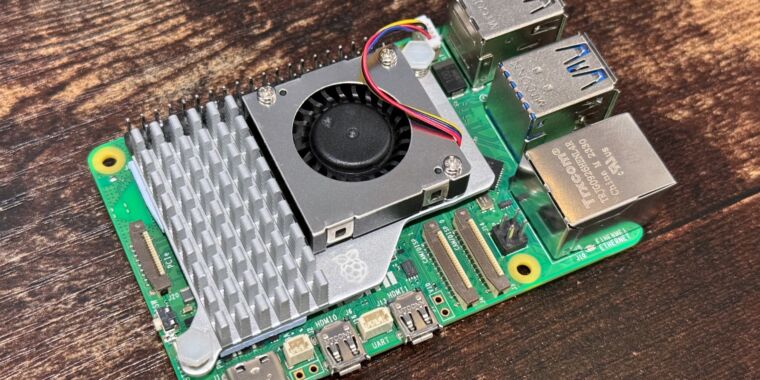
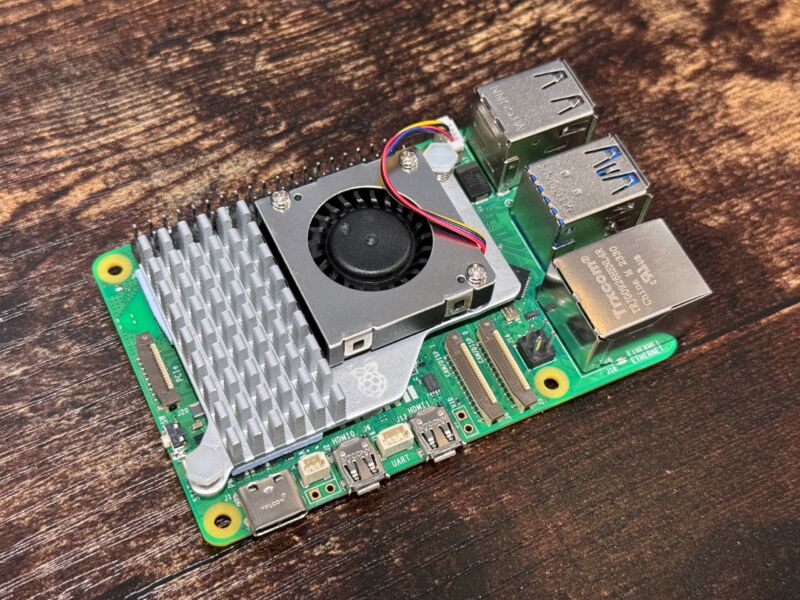
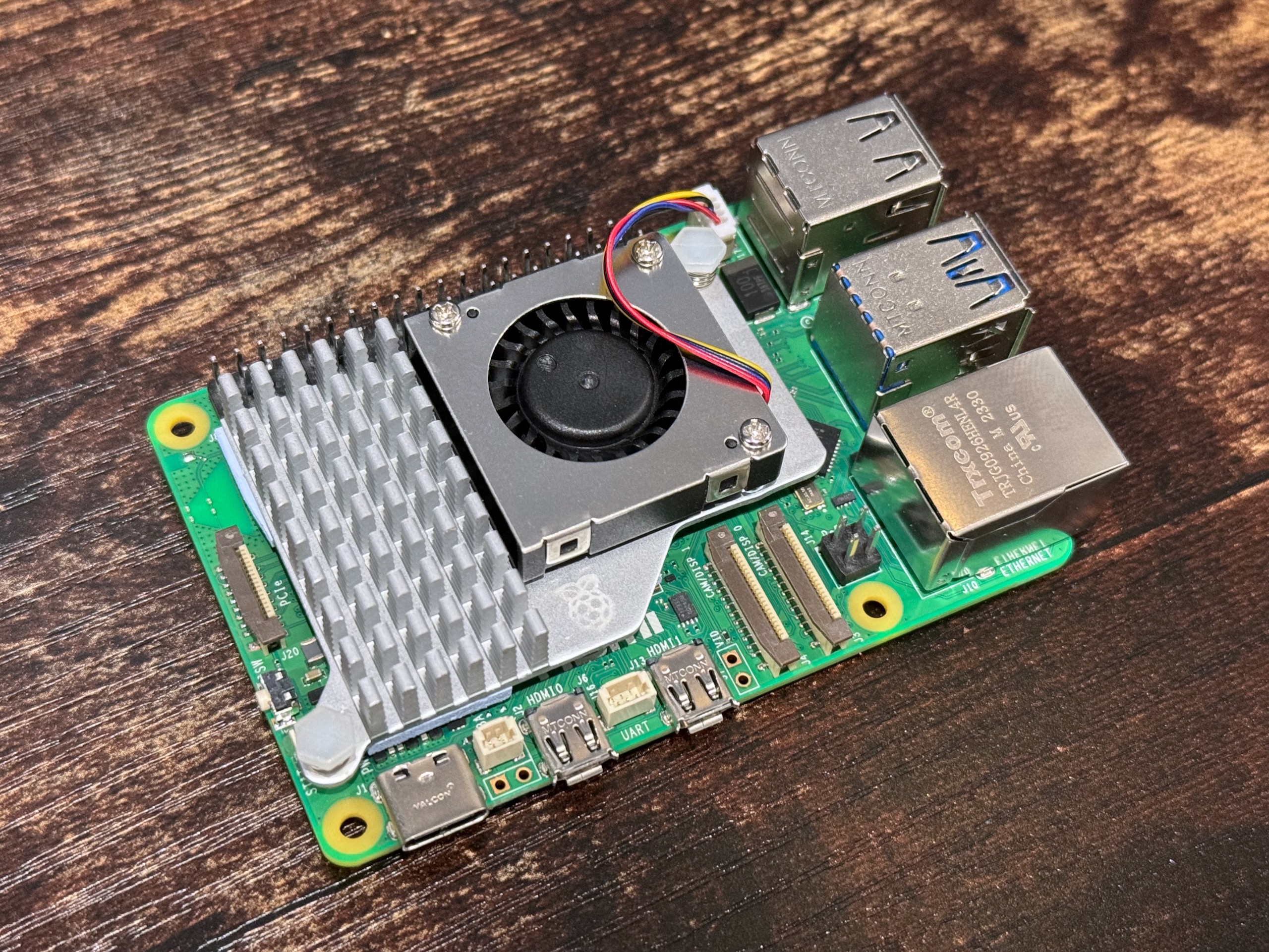
Raspberry Pi 5 with Active Cooler installed on a wood desktop

Enlarge / Is it not a strange fate that we should suffer so much fear and doubt for so small a thing? So small a thing!

Andrew Cunningham

The business arm of Raspberry Pi is preparing to make an initial public offering (IPO) in London. CEO Eben Upton tells Ars that should the IPO happen, it will let Raspberry Pi’s not-for-profit side expand by “at least a factor of 2X.” And while it’s “an understandable thing” that Raspberry Pi enthusiasts could be concerned, “while I’m involved in running the thing, I don’t expect people to see any change in how we do things.”

CEO Eben Upton confirmed in an interview with Bloomberg News that Raspberry Pi had appointed bankers at London firms Peel Hunt and Jefferies to prepare for “when the IPO market reopens.”

Raspberry previously raised money from Sony and semiconductor and software design firm ARM, and it sought public investment. Upton denied or didn’t quite deny IPO rumors in 2021, and Bloomberg reported Raspberry Pi was considering an IPO in early 2022. After ARM took a minority stake in the company in November 2023, Raspberry Pi was valued at roughly 400 million pounds, or just over $500 million.

Given the company’s gradual recovery from pandemic supply chain shortages, and the success of the Raspberry Pi 5 launch, the company’s IPO will likely jump above that level, even with a listing in the UK rather than the more typical US IPO. Upton told The Register that “the business is in a much better place than it was last time we looked at it [an IPO]. We partly stopped because the markets got bad. And we partly stopped because our business became unpredictable.”

News of the potential transformation of Raspberry Pi Ltd from the private arm of the education-minded Raspberry Pi Foundation into a publicly traded company, obligated to generate profits for shareholders, reverberated about the way you’d expect on Reddit, Hacker News, and elsewhere. Many pointed with concern to the company’s decision to prioritize small business customers requiring Pi boards for their businesses as a portent of what investors might prioritize. Many expressed confusion over the commercial entity’s relationship to the foundation and what an IPO meant for that arrangement.

Seeing comments after the Bloomberg story, Upton said he understood concerns about a potential shift in mission or a change in the pricing structure. “It’s a good thing, in that people care about us,” Upton said in a phone interview. But he noted that Raspberry Pi’s business arm has had both strategic and private investors in its history, along with a majority shareholder in its Foundation (which in 2016 owned 75 percent of shares), and that he doesn’t see changes to what Pi has built.

“What Raspberry Pi [builds] are the products we want to buy, and then we sell them to people like us,” Upton said. “Certainly, while I’m involved in it, I can’t imagine an environment in which the hobbyists are not going to be incredibly important.”

The IPO is “about the foundation,” Upton said, with that charitable arm selling some of its majority stake in the business entity to raise funds and expand. (“We’ve not cooked up some new way for a not-for-profit to do an IPO, no,” he noted.) The foundation was previously funded by dividends from the business side, Upton said. “We do this transaction, and the proceeds of that transaction allow the foundation to train teachers, run clubs, expand programs, and… do those things at, at least, a factor of 2X. That’s what I’m most excited about.”

Asked about concerns that Raspberry Pi could focus its attention on higher-volume customers after public investors are involved, Upton said there would be “no change” to the kinds of products Pi makes, and that makers are “culturally important to us.” Upton noted that Raspberry Pi, apart from a single retail store, doesn’t sell Pis directly but through resellers. Margin structures at Raspberry Pi have “stayed the same all the way through,” Upton said and should remain so after the IPO.

Raspberry Pi’s lower-cost products, like the Zero 2 W and Pico, are fulfilling the educational and tinkering missions of the project, now at far better capability and lower price points than the original Pi products, Upton said. “If people think that an IPO means we’re going to … push prices up, push the margins up, push down the feature sets, the only answer we can give is, watch us. Keep watching,” he said. “Let’s look at it in 15, 20 years’ time.”

This post was updated at 2: 30 pm ET on January 30 to include an Ars interview with Raspberry Pi CEO Eben Upton.

Raspberry Pi is planning a London IPO, but its CEO expects “no change” in focus Read More »