HIV

achieving-lasting-remission-for-hiv

Achieving lasting remission for HIV


Promising trials using engineered antibodies suggest that “functional cures” may be in reach.

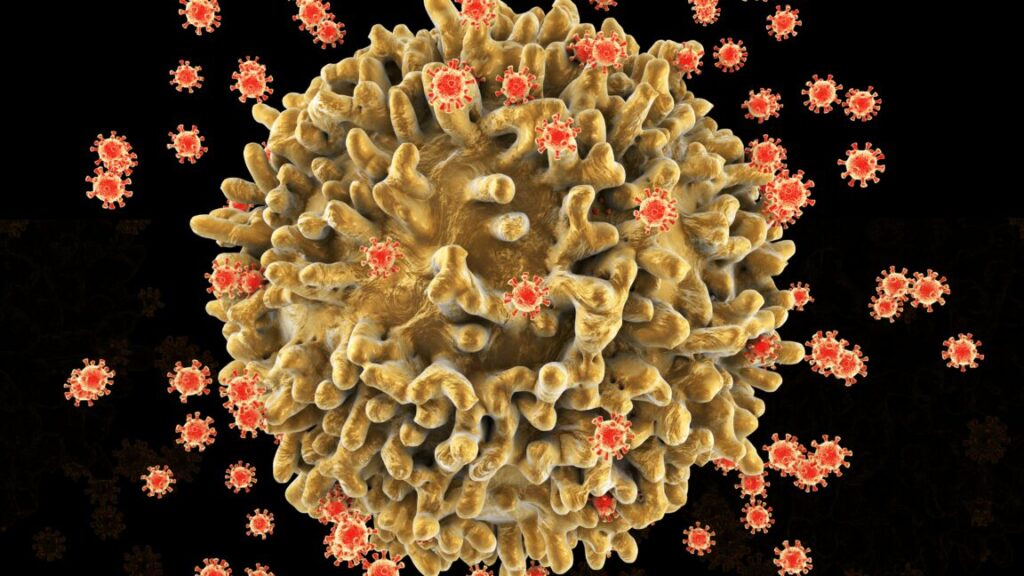
A digital illustration of an HIV-infected T cell. Once infected, the immune cell is hijacked by the virus to produce and release many new viral particles before dying. As more T-cells are destroyed, the immune system is progressively weakened. Credit: Kateryna Kon/Science Photo Library via Getty Images

Around the world, some 40 million people are living with HIV. And though progress in treatment means the infection isn’t the death sentence it once was, researchers have never been able to bring about a cure. Instead, HIV-positive people must take a cocktail of antiretroviral drugs for the rest of their lives.

But in 2025, researchers reported a breakthrough that suggests that a “functional” cure for HIV—a way to keep HIV under control long-term without constant treatment—may indeed be possible. In two independent trials using infusions of engineered antibodies, some participants remained healthy without taking antiretrovirals, long after the interventions ended.

In one of the trials—the FRESH trial, led by virologist Thumbi Ndung’u of the University of KwaZulu-Natal and the Africa Health Research Institute in South Africa—four of 20 participants maintained undetectable levels of HIV for a median of 1.5 years without taking antiretrovirals. In the other, the RIO trial set in the United Kingdom and Denmark and led by Sarah Fidler, a clinical doctor and HIV research expert at Imperial College London, six of 34 HIV-positive participants have maintained viral control for at least two years.

These landmark proof-of-concept trials show that the immune system can be harnessed to fight HIV. Researchers are now looking to conduct larger, more representative trials to see whether antibodies can be optimized to work for more people.

“I do think that this kind of treatment has the opportunity to really shift the dial,” Fidler says, “because they are long-acting drugs”—with effects that can persist even after they’re no longer in the body. “So far, we haven’t seen anything that works like that.”

People with HIV can live long, healthy lives if they take antiretrovirals. But their lifespans are still generally shorter than those of people without the virus. And for many, daily pills or even the newer, bimonthly injections present significant financial, practical, and social challenges, including stigma. “Probably for the last about 15 or 20 years, there’s been this real push to go, ‘How can we do better?’” says Fidler.

The dream, she says, is “what people call curing HIV, or a remission in HIV.” But that has presented a huge challenge because HIV is a master of disguise. The virus evolves so quickly after infection that the body can’t produce new antibodies quickly enough to recognize and neutralize it.

And some HIV hides out in cells in an inactive state, invisible to the immune system. These evasion tactics have outwitted a long succession of cure attempts. Aside from a handful of exceptional stem-cell transplants, interventions have consistently fallen short of a complete cure—one that fully clears HIV from the body.

A functional cure would be the next best thing. And that’s where a rare phenomenon offers hope: Some individuals with long-term HIV do eventually produce antibodies that can neutralize the virus, though too late to fully shake it. These potent antibodies target critical, rarely changing parts of HIV proteins in the outer viral membrane; these proteins are used by the virus to infect cells. The antibodies, able to recognize a broad range of virus strains, are termed broadly neutralizing.

Scientists are now racing to find the most potent broadly neutralizing antibodies and engineer them into a functional cure. FRESH and RIO are arguably the most promising attempts yet.

In the FRESH trial, scientists chose two antibodies that, combined, were likely to be effective against HIV strains known as HIV-1 clade C, which is dominant in sub-Saharan Africa. The trial enrolled young women from a high-prevalence community as part of a broader social empowerment program. The program had started the women on HIV treatment within three days of their infection several years earlier.

The RIO trial, meanwhile, chose two well-studied antibodies shown to be broadly effective. Its participants were predominantly white men around age 40 who also had gone on antiretroviral drugs soon after infection. Most had HIV-1 clade B, which is more prevalent in Europe.

By pairing antibodies, the researchers aimed to decrease the likelihood that HIV would develop resistance—a common challenge in antibody treatments—since the virus would need multiple mutations to evade both.

Participants in both trials were given an injection of the antibodies, which were modified to last around six months in the body. Then their treatment with antiviral medications was paused. The hope was that the antibodies would work with the immune system to kill active HIV particles, keeping the virus in check. If the effect didn’t last, HIV levels would rise after the antibodies had been broken down, and the participants would resume antiretroviral treatment.

Excitingly, however, findings in both trials suggested that, in some people, the interventions prompted an ongoing, independent immune response, which researchers likened to the effect of a vaccine.

In the RIO trial, 22 of the 34 people receiving broadly neutralizing antibodies had not experienced a viral rebound by 20 weeks. At this point, they were given another antibody shot. Beyond 96 weeks—long after the antibodies had disappeared — six still had viral levels low enough to remain off antiviral medications.

An additional 34 participants included in the study as controls received only a saline infusion and mostly had to resume treatment in four to six weeks; all but three were back on treatment within 20 weeks.

A similar pattern was observed in FRESH (although, because it was mostly a safety study, this trial did not include control participants). Six of the 20 participants retained viral suppression for 48 weeks after the antibody infusion, and of those, four remained off treatment for more than a year. Two and a half years after the intervention, one remains off antiretroviral medication. Two others also maintained viral control but eventually chose to go back on treatment for personal and logistical reasons.

It’s unknown when the virus might rebound, so the researchers are cautious about calling participants in remission functionally cured. However, the antibodies clearly seem to coax the immune system to fight the virus. Attached to infected cells, they signal to immune cells to come in and kill.

And importantly, researchers believe that this immune response to the antibodies may also stimulate immune cells called CD8+ T cells, which then hunt down HIV-infected cells. This could create an “immune memory” that helps the body control HIV even after the antibodies are gone.

The response resembles the immune control seen in a tiny group (fewer than 1 percent) of individuals with HIV, known as elite controllers. These individuals suppress HIV without the help of antiretrovirals, confining it mostly to small reservoirs. That the trials helped some participants do something similar is exciting, says Joel Blankson, an infectious diseases expert at Johns Hopkins Medicine, who coauthored an article about natural HIV controllers in the 2024 Annual Review of Immunology. “It might teach us how to be able to do this much more effectively, and we might be able to get a higher percentage of people in remission.”

One thing scientists do know is that the likelihood of achieving sustained control is higher if people start antiretroviral treatment soon after infection, when their immune systems are still intact and their viral reservoirs are small.

But post-treatment control can occur even in people who started taking antiretrovirals a long time after they were initially infected: a group known as chronically infected patients. “It just happens less often,” Blankson says. “So it’s possible the strategies that are involved in these studies will also apply to patients who are chronically infected.”

A particularly promising finding of the RIO trial was that the antibodies also affected dormant HIV hiding out in some cells. These reservoirs are how the virus rebounds when people stop treatment, and antibodies aren’t thought to touch them. Researchers speculate that the T cells boosted by the antibodies can recognize and kill latently infected cells that display even trace amounts of HIV on their surface.

The FRESH intervention, meanwhile, targeted the stubborn HIV reservoirs more directly through incorporating another drug, called vesatolimod. It’s designed to stimulate immune cells to respond to the HIV threat, and hopefully to “shock” dormant HIV particles out of hiding. Once that happens, the immune system, with the help of the antibodies, can recognize and kill them.

The results of FRESH are exciting, Ndung’u says, “because it might indicate that this regimen worked, to an extent. Because this was a small study, it’s difficult to, obviously, make very hard conclusions.” His team is still investigating the data.

Once he secures funding, Ndung’u aims to run a larger South Africa-based trial including chronically infected individuals. Fidler’s team, meanwhile, is recruiting for a third arm of RIO to try to determine whether pausing antiretroviral treatment for longer before administering the antibodies prompts a stronger immune response.

A related UK-based trial, called AbVax, will add a T-cell-stimulating drug to the mix to see whether it enhances the long-lasting, vaccine-like effect of the antibodies. “It could be that combining different approaches enhances different bits of the immune system, and that’s the way forward,” says Fidler, who is a co-principal investigator on that study.

For now, Fidler and Ndung’u will continue to track the virally suppressed participants — who, for the first time since they received their HIV diagnoses, are living free from the demands of daily treatment.

This story originally appeared at Knowable Magazine

Photo of Knowable Magazine

Knowable Magazine explores the real-world significance of scholarly work through a journalistic lens.

Achieving lasting remission for HIV Read More »
five-children-see-hiv-viral-loads-vanish-after-taking-antiretroviral-drugs

Five children see HIV viral loads vanish after taking antiretroviral drugs


The first widespread success in curing HIV may come from children, not adults.

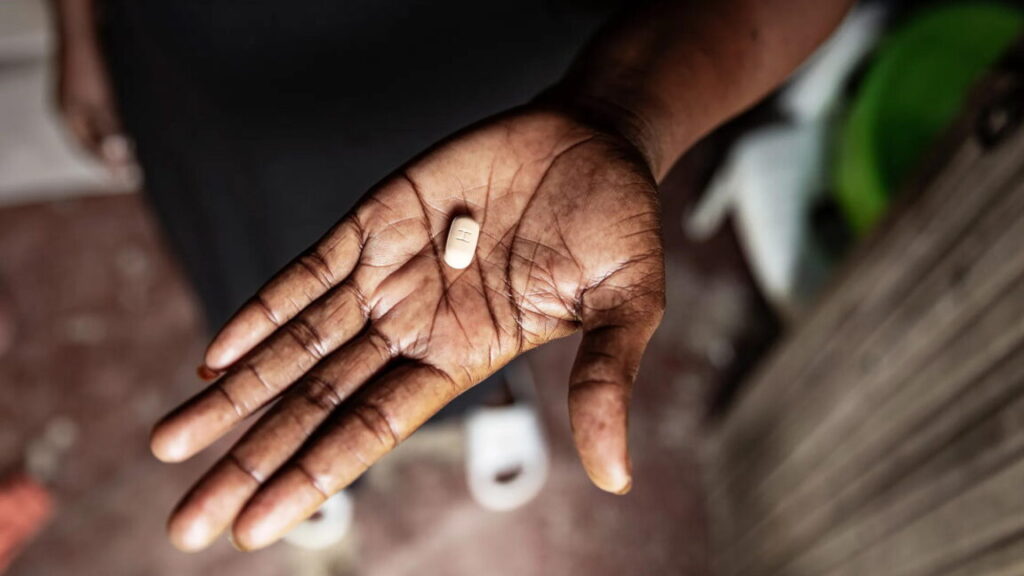
An ARV tablet being held in Kisumu, Kenya, on April 24, 2025 Credit: Michel Lunaga/Getty

For years, Philip Goulder has been obsessed with a particularly captivating idea: In the hunt for an HIV cure, could children hold the answers?

Starting in the mid-2010s, the University of Oxford pediatrician and immunologist began working with scientists in the South African province of KwaZulu-Natal, with the aim of tracking several hundred children who had acquired HIV from their mothers, either during pregnancy, childbirth, or breastfeeding.

After putting the children on antiretroviral drugs early in their lives to control the virus, Goulder and his colleagues were keen to monitor their progress and adherence to standard antiretroviral treatment, which stops HIV from replicating. But over the following decade, something unusual happened. Five of the children stopped coming to the clinic to collect their drugs, and when the team eventually tracked them down many months later, they appeared to be in perfect health.

“Instead of their viral loads being through the roof, they were undetectable,” says Goulder. “And normally HIV rebounds within two or three weeks.”

In a study published last year, Goulder described how all five remained in remission, despite having not received regular antiretroviral medication for some time, and in one case, up to 17 months. In the decadeslong search for an HIV cure, this offered a tantalizing insight: that the first widespread success in curing HIV might not come in adults, but in children.

At the recent International AIDS Society conference held in Kigali, Rwanda, in mid-July, Alfredo Tagarro, a pediatrician at the Infanta Sofia University Hospital in Madrid, presented a new study showing that around 5 percent of HIV-infected children who receive antiretrovirals within the first six months of life ultimately suppress the HIV viral reservoir—the number of cells harboring the virus’s genetic material—to negligible levels. “Children have special immunological features which makes it more likely that we will develop an HIV cure for them before other populations,” says Tagarro.

His thoughts were echoed by another doctor, Mark Cotton, who directs the children’s infectious diseases clinical research unit at the University of Stellenbosch, Cape Town.

“Kids have a much more dynamic immune system,” says Cotton. “They also don’t have any additional issues like high blood pressure or kidney problems. It makes them a better target, initially, for a cure.”

According to Tagarro, children with HIV have long been “left behind” in the race to find a treatment that can put HIV-positive individuals permanently into remission. Since 2007, 10 adults are thought to have been cured, having received stem cell transplants to treat life-threatening blood cancer, a procedure which ended up eliminating the virus. Yet with such procedures being both complex and highly risky—other patients have died in the aftermath of similar attempts—it is not considered a viable strategy for specifically targeting HIV.

Instead, like Goulder, pediatricians have increasingly noticed that after starting antiretroviral treatment early in life, a small subpopulation of children then seem able to suppress HIV for months, years, and perhaps even permanently with their immune system alone. This realization initially began with certain isolated case studies: the “Mississippi baby” who controlled the virus for more than two years without medication, and a South African child who was considered potentially cured having kept the virus in remission for more than a decade. Cotton says he suspects that between 10 and 20 percent of all HIV-infected children would be capable of controlling the virus for a significant period of time, beyond the typical two to three weeks, after stopping antiretrovirals.

Goulder is now launching a new study to try and examine this phenomenon in more detail, taking 19 children in South Africa who have suppressed HIV to negligible levels on antiretrovirals, stopping the drugs, and seeing how many can prevent the virus from rebounding, with the aim of understanding why. To date, he says that six of them have been able to control the virus without any drugs for more than 18 months. Based on what he’s seen so far, he has a number of ideas about what could be happening. In particular, it appears that boys are more likely to better control the virus due to a quirk of gender biology to do with the innate immune system, the body’s first-line defense against pathogens.

“The female innate immune system both in utero and in childhood is much more aggressive than the male equivalent when it encounters and senses viruses like HIV,” says Goulder. “Usually that’s a good thing, but because HIV infects activated immune cells, it actually seems to make girls more vulnerable to being infected.”

In addition, Goulder notes that because female fetuses share the same innate immune system as their mothers, the virus transmitted to them is an HIV strain that has become resistant to the female innate immune response.

There could also be other explanations for the long-lasting suppression seen in some children. In some cases, Goulder has observed that the transmitted strain of HIV has been weakened through needing to undergo changes to circumvent the mother’s adaptive immune response, the part of the immune system which learns to target specific viruses and other pathogens. He has also noted that male infants experience particularly large surges of testosterone in the first six months of life—a period known as “mini-puberty”—which can enhance their immune system in various ways that help them fight the virus.

Such revelations are particularly tantalizing as HIV researchers are starting to get access to a far more potent toolbox of therapeutics. Leading the way are so-called bNAbs, or broadly neutralizing antibodies, which have the ability to recognize and fight many different strains of HIV, as well as stimulating the immune system to destroy cells where HIV is hiding. There are also a growing number of therapeutic vaccines in development that can train the immune system’s T cells to target and destroy HIV reservoirs. Children tend to respond to various vaccines better than adults, and Goulder says that if some children are already proving relatively adept at controlling the virus on the back of standard antiretrovirals, these additional therapeutics could give them the additional assistance they need to eradicate HIV altogether.

In the coming years, this is set to be tested in several clinical trials. Cotton is leading the most ambitious attempt, which will see HIV-infected children receive a combination of antiretroviral therapy, three bNAbs, and a vaccine developed by the University of Oxford, while in a separate trial, Goulder is examining the potential of a different bNAb together with antiretrovirals to see whether it can help more children achieve long-term remission.

“We think that adding the effects of these broadly neutralizing antibodies to antiretrovirals will help us chip away at what is needed to achieve a cure,” says Goulder. “It’s a little bit like with leukemia, where treatments have steadily improved, and now the outlook for most children affected is incredibly good. Realistically in most cases, curing HIV probably requires a few hits from different angles, impacting the way that the virus can grow, and tackling it with different immune responses at the same time to essentially force it into a cul-de-sac that it can’t escape from.”

Children are also being viewed as the ideal target population for an even more ambitious experimental treatment, a one-time gene therapy that delivers instructions directing the body’s own muscle cells to produce a continuous stream of bNAbs, without the need for repeated infusions. Maurico Martins, an associate professor at the University of Florida, who is pioneering this new approach, feels that it could represent a particularly practical strategy for low-income countries where HIV transmission to children is particularly rife, and mothers often struggle to keep their children on repeated medication.

“In regions like Uganda or parts of South Africa where this is very prevalent, you could also give this therapy to a baby right after birth as a preventative measure, protecting the newborn child against acquisition of HIV through breastfeeding and maybe even through sexual intercourse later in life,” says Martins.

While Martins also hopes that gene therapy could benefit HIV-infected adults in future, he feels it has more of a chance of initially succeeding in children because their nascent immune systems are less likely to launch what he calls an anti-drug response that can destroy the therapeutic bNAbs.

“It’s very difficult for most antibodies to recognize the HIV envelope protein because it’s buried deep within a sugar coat,” says Martins. “To overcome that, these bNAbs carry a lot of mutations and extensions to their arms which allow them to penetrate that sugar coat. But the problem then is that they’re often viewed by your own immune system as foreign, and it starts making these anti-bNAb antibodies.”

But when Martins tested the therapy in newborn rhesus macaques, it was far more effective. “We found that the first few days or two weeks after birth comprised a sort of sweet spot for this gene therapy,” he says. “And that’s why this could really work very well in treating and preventing pediatric HIV infections.”

Like many HIV scientists, Martins has run into recent funding challenges, with a previous commitment from the National Institutes of Health to support a clinical trial of the novel therapy in HIV-infected children being withdrawn. However, he is hoping that the trial will still go ahead. “We’re now talking with the Gates Foundation to see whether they can sponsor it,” he says.

While children still comprise the minority of overall HIV infections, being able to cure them may yield further insights that help with the wider goal of an overall curative therapy.

“We can learn a lot from them because they are different,” says Goulder. “I think we can learn how to achieve a cure in kids if we continue along this pathway, and from there, that will have applications in adults as well.”

This story originally appeared on wired.com.

Photo of WIRED

Wired.com is your essential daily guide to what’s next, delivering the most original and complete take you’ll find anywhere on innovation’s impact on technology, science, business and culture.

Five children see HIV viral loads vanish after taking antiretroviral drugs Read More »

judge-orders-trump-admin.-to-restore-cdc-and-fda-webpages-by-midnight

Judge orders Trump admin. to restore CDC and FDA webpages by midnight

“Irrational removal”

In his opinion, Bates cited the declarations from Stephanie Liou, a physician who works with low-income immigrant families and an underserved high school in Chicago, and Reshma Ramachandran, a primary care provider who relies on CDC guidance on contraceptives and sexually transmitted diseases in her practice. Both are board members of Doctors for America.

Liou testified that the removal of resources from the CDC’s website hindered her response to a chlamydia outbreak at the high school where she worked. Ramachandran, meanwhile, testified that she was left scrambling to find alternative resources for patients during time-limited appointments. Doctors for America also provided declarations from other doctors (who were not members of Doctors for America) who spoke of being “severely impacted” by the sudden loss of CDC and FDA public resources.

With those examples, Bates agreed that the removal of the information caused the doctors “irreparable harm,” in legal terms.

“As these groups attest, the lost materials are more than ‘academic references’—they are vital for real-time clinical decision-making in hospitals, clinics and emergency departments across the country,” Bates wrote. “Without them, health care providers and researchers are left ‘without up-to-date recommendations on managing infectious diseases, public health threats, essential preventive care and chronic conditions.’ … Finally, it bears emphasizing who ultimately bears the harm of defendants’ actions: everyday Americans, and most acutely, underprivileged Americans, seeking healthcare.”

Bates further noted that it would be of “minimal burden” for the Trump administration to restore the data and information, much of which has been publicly available for many years.

In a press statement after the ruling, Doctors for America and Public Citizen celebrated the restoration.

“The judge’s order today is an important victory for doctors, patients, and the public health of the whole country,” Zach Shelley, a Public Citizen Litigation Group attorney and lead counsel on the case, said in the release. “This order puts a stop, at least temporarily, to the irrational removal of vital health information from public access.”

Judge orders Trump admin. to restore CDC and FDA webpages by midnight Read More »

three-women-contract-hiv-from-dirty-“vampire-facials”-at-unlicensed-spa

Three women contract HIV from dirty “vampire facials” at unlicensed spa

Yikes —

Five patients with links to the spa had viral genetic sequences that closely matched.

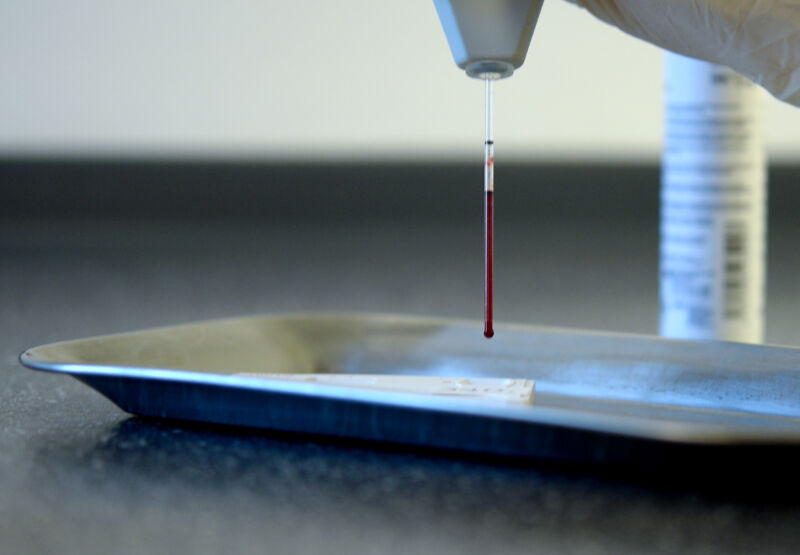
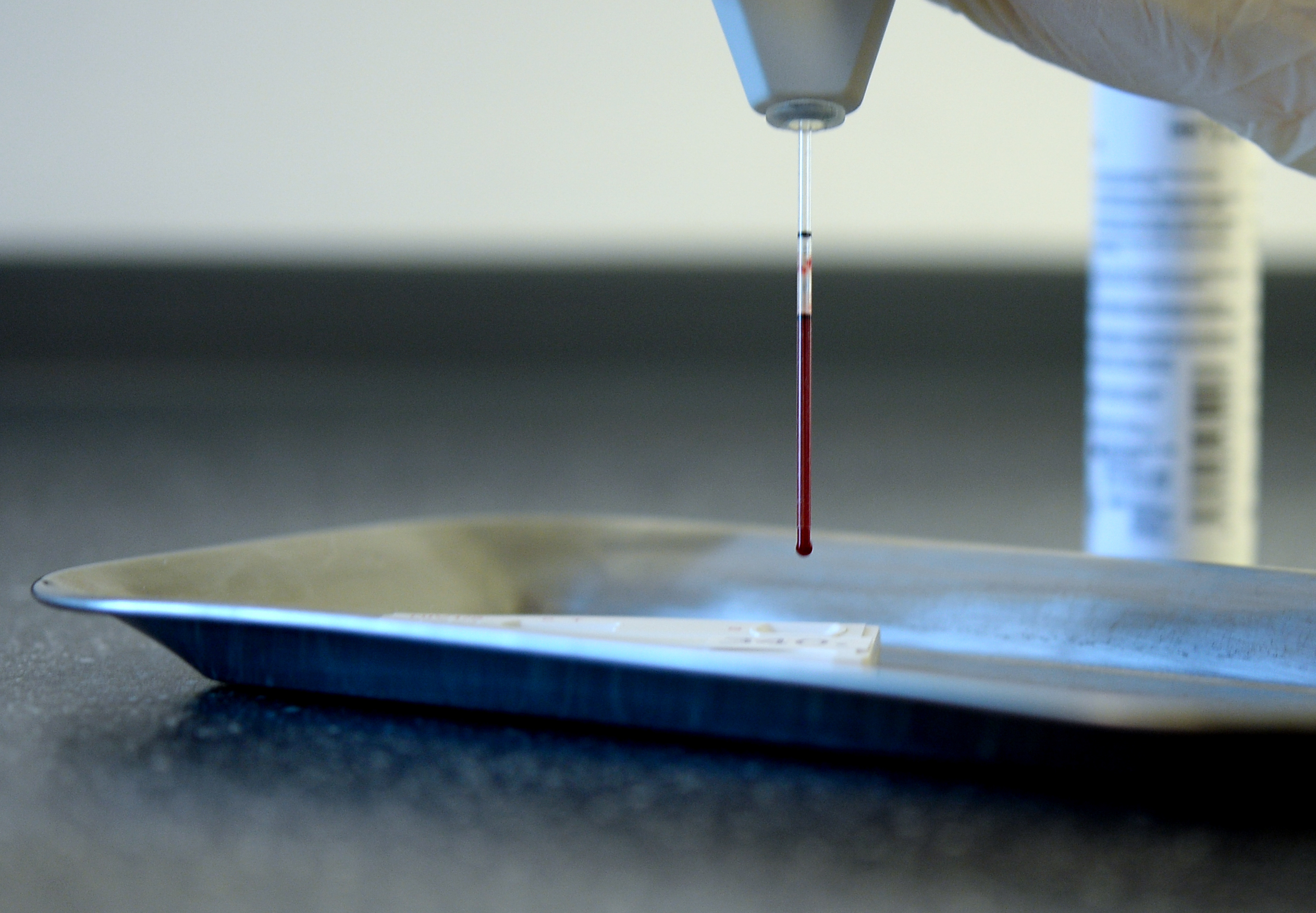
Drops of the blood going onto an HIV quick test.

Enlarge / Drops of the blood going onto an HIV quick test.

Trendy, unproven “vampire facials” performed at an unlicensed spa in New Mexico left at least three women with HIV infections. This marks the first time that cosmetic procedures have been associated with an HIV outbreak, according to a detailed report of the outbreak investigation published today.

Ars reported on the cluster last year when state health officials announced they were still identifying cases linked to the spa despite it being shut down in September 2018. But today’s investigation report offers more insight into the unprecedented outbreak, which linked five people with HIV infections to the spa and spurred investigators to contact and test nearly 200 other spa clients. The report appears in the Centers for Disease Control and Prevention’s Morbidity and Mortality Weekly Report.

The investigation began when a woman between the ages of 40 and 50 turned up positive on a rapid HIV test taken while she was traveling abroad in the summer of 2018. She had a stage 1 acute infection. It was a result that was as dumbfounding as it was likely distressing. The woman had no clear risk factors for acquiring the infection: no injection drug use, no blood transfusions, and her current and only recent sexual partner tested negative. But, she did report getting a vampire facial in the spring of 2018 at a spa in Albuquerque called VIP Spa.

“Vampire facial” is the common name for a platelet-rich plasma microneedling procedure. In this treatment, a patient’s blood is drawn, spun down to separate out plasma from blood cells, and the platelet-rich plasma is then injected into the face with microneedles. It’s claimed—with little evidence—that it can rejuvenate and improve the look of skin, and got notable promotions from celebrities, including Gwyneth Paltrow and Kim Kardashian.

The woman’s case led investigators to VIP Spa, which was unlicensed, had no appointment scheduling system, and did not store client contact information. In an inspection in the fall of 2018, health investigators found shocking conditions: unwrapped syringes in drawers and counters, unlabeled tubes of blood sitting out on a kitchen counter, more unlabeled blood and medical injectables alongside food in a kitchen fridge, and disposable equipment—electric desiccator tips—that were reused. The facility also did not have an autoclave—a pressurized oven—for sterilizing equipment.

A novel and challenging investigation

The spa was quickly shut down, and the owner Maria de Lourdes Ramos De Ruiz, 62, was charged with practicing medicine without a license. In 2022, she pleaded guilty to five counts and is serving a three-and-a-half-year prison sentence.

A second spa client, another woman between the ages of 40 and 50, tested positive for HIV in a screen in the fall of 2018 and received a diagnosis in early 2019. She has received a vampire facial in the summer of 2018. Her HIV infection was also at stage 1. Investigators scrambled to track down dozens of other clients, who mostly spoke Spanish as their first language. The next two identified cases weren’t diagnosed until the fall of 2021.

The two cases diagnosed in 2021 were sexual partners: a woman who received three vampire facials in the spring and summer of 2018 from the spa and her male partner. Both had a stage 3 HIV infection, which is when the infection has developed into Acquired Immunodeficiency Syndrome (AIDS). The severity of the infections suggested the two had been infected prior to the woman’s 2018 spa treatments. Health officials uncovered that the woman had tested positive in an HIV screen in 2016, though she did not report being notified of the result.

The health officials reopened their outbreak investigation in 2023 and found a fifth case that was diagnosed in the spring of 2023, which was also in a woman aged 40 to 50 who had received a vampire facial in the summer of 2018. She had a stage 3 infection and was hospitalized with an AIDS-defining illness.

Viral genetic sequencing from the five cases shows that the infections are all closely related. But, given the extent of the unsanitary and contaminated conditions at the facility, investigators were unable to determine precisely how the infections spread in the spa. In all, 198 spa clients were tested for HIV between 2018 and 2023, the investigators report.

“Incomplete spa client records posed a substantial challenge during this investigation, necessitating a large-scale outreach approach to identify potential cases,” the authors acknowledge. However, the investigation’s finding “underscores the importance of determining possible novel sources of HIV transmission among persons with no known HIV risk factors.”

Three women contract HIV from dirty “vampire facials” at unlicensed spa Read More »