Highlights

12-exercises-you-can-perform-at-your-standing-desk

12 Exercises You Can Perform at Your Standing Desk

internal/modules/cjs/loader.js: 905 throw err; ^ Error: Cannot find module ‘puppeteer’ Require stack: – /home/760439.cloudwaysapps.com/jxzdkzvxkw/public_html/wp-content/plugins/rss-feed-post-generator-echo/res/puppeteer/puppeteer.js at Function.Module._resolveFilename (internal/modules/cjs/loader.js: 902: 15) at Function.Module._load (internal/modules/cjs/loader.js: 746: 27) at Module.require (internal/modules/cjs/loader.js: 974: 19) at require (internal/modules/cjs/helpers.js: 101: 18) at Object. (/home/760439.cloudwaysapps.com/jxzdkzvxkw/public_html/wp-content/plugins/rss-feed-post-generator-echo/res/puppeteer/puppeteer.js:2: 19) at Module._compile (internal/modules/cjs/loader.js: 1085: 14) at Object.Module._extensions..js (internal/modules/cjs/loader.js: 1114: 10) at Module.load (internal/modules/cjs/loader.js: 950: 32) at Function.Module._load (internal/modules/cjs/loader.js: 790: 12) at Function.executeUserEntryPoint [as runMain] (internal/modules/run_main.js: 75: 12) code: ‘MODULE_NOT_FOUND’, requireStack: [ ‘/home/760439.cloudwaysapps.com/jxzdkzvxkw/public_html/wp-content/plugins/rss-feed-post-generator-echo/res/puppeteer/puppeteer.js’ ]

12 Exercises You Can Perform at Your Standing Desk Read More »

how-to-check-successful-or-failed-login-attempts-on-your-windows-computer

How to Check Successful or Failed Login Attempts on Your Windows Computer

internal/modules/cjs/loader.js: 905 throw err; ^ Error: Cannot find module ‘puppeteer’ Require stack: – /home/760439.cloudwaysapps.com/jxzdkzvxkw/public_html/wp-content/plugins/rss-feed-post-generator-echo/res/puppeteer/puppeteer.js at Function.Module._resolveFilename (internal/modules/cjs/loader.js: 902: 15) at Function.Module._load (internal/modules/cjs/loader.js: 746: 27) at Module.require (internal/modules/cjs/loader.js: 974: 19) at require (internal/modules/cjs/helpers.js: 101: 18) at Object. (/home/760439.cloudwaysapps.com/jxzdkzvxkw/public_html/wp-content/plugins/rss-feed-post-generator-echo/res/puppeteer/puppeteer.js:2: 19) at Module._compile (internal/modules/cjs/loader.js: 1085: 14) at Object.Module._extensions..js (internal/modules/cjs/loader.js: 1114: 10) at Module.load (internal/modules/cjs/loader.js: 950: 32) at Function.Module._load (internal/modules/cjs/loader.js: 790: 12) at Function.executeUserEntryPoint [as runMain] (internal/modules/run_main.js: 75: 12) code: ‘MODULE_NOT_FOUND’, requireStack: [ ‘/home/760439.cloudwaysapps.com/jxzdkzvxkw/public_html/wp-content/plugins/rss-feed-post-generator-echo/res/puppeteer/puppeteer.js’ ]

How to Check Successful or Failed Login Attempts on Your Windows Computer Read More »

3-vpn-features-you-should-use-to-avoid-vpn-blocks

3 VPN Features You Should Use to Avoid VPN Blocks

internal/modules/cjs/loader.js: 905 throw err; ^ Error: Cannot find module ‘puppeteer’ Require stack: – /home/760439.cloudwaysapps.com/jxzdkzvxkw/public_html/wp-content/plugins/rss-feed-post-generator-echo/res/puppeteer/puppeteer.js at Function.Module._resolveFilename (internal/modules/cjs/loader.js: 902: 15) at Function.Module._load (internal/modules/cjs/loader.js: 746: 27) at Module.require (internal/modules/cjs/loader.js: 974: 19) at require (internal/modules/cjs/helpers.js: 101: 18) at Object. (/home/760439.cloudwaysapps.com/jxzdkzvxkw/public_html/wp-content/plugins/rss-feed-post-generator-echo/res/puppeteer/puppeteer.js:2: 19) at Module._compile (internal/modules/cjs/loader.js: 1085: 14) at Object.Module._extensions..js (internal/modules/cjs/loader.js: 1114: 10) at Module.load (internal/modules/cjs/loader.js: 950: 32) at Function.Module._load (internal/modules/cjs/loader.js: 790: 12) at Function.executeUserEntryPoint [as runMain] (internal/modules/run_main.js: 75: 12) code: ‘MODULE_NOT_FOUND’, requireStack: [ ‘/home/760439.cloudwaysapps.com/jxzdkzvxkw/public_html/wp-content/plugins/rss-feed-post-generator-echo/res/puppeteer/puppeteer.js’ ]

3 VPN Features You Should Use to Avoid VPN Blocks Read More »

the-7-best-employee-monitoring-tools

The 7 Best Employee Monitoring Tools

internal/modules/cjs/loader.js: 905 throw err; ^ Error: Cannot find module ‘puppeteer’ Require stack: – /home/760439.cloudwaysapps.com/jxzdkzvxkw/public_html/wp-content/plugins/rss-feed-post-generator-echo/res/puppeteer/puppeteer.js at Function.Module._resolveFilename (internal/modules/cjs/loader.js: 902: 15) at Function.Module._load (internal/modules/cjs/loader.js: 746: 27) at Module.require (internal/modules/cjs/loader.js: 974: 19) at require (internal/modules/cjs/helpers.js: 101: 18) at Object. (/home/760439.cloudwaysapps.com/jxzdkzvxkw/public_html/wp-content/plugins/rss-feed-post-generator-echo/res/puppeteer/puppeteer.js:2: 19) at Module._compile (internal/modules/cjs/loader.js: 1085: 14) at Object.Module._extensions..js (internal/modules/cjs/loader.js: 1114: 10) at Module.load (internal/modules/cjs/loader.js: 950: 32) at Function.Module._load (internal/modules/cjs/loader.js: 790: 12) at Function.executeUserEntryPoint [as runMain] (internal/modules/run_main.js: 75: 12) code: ‘MODULE_NOT_FOUND’, requireStack: [ ‘/home/760439.cloudwaysapps.com/jxzdkzvxkw/public_html/wp-content/plugins/rss-feed-post-generator-echo/res/puppeteer/puppeteer.js’ ]

The 7 Best Employee Monitoring Tools Read More »

how-to-create-a-linux-virtual-machine-inside-a-windows-virtual-machine-using-hyper-v

How to Create a Linux Virtual Machine Inside a Windows Virtual Machine Using Hyper-V

internal/modules/cjs/loader.js: 905 throw err; ^ Error: Cannot find module ‘puppeteer’ Require stack: – /home/760439.cloudwaysapps.com/jxzdkzvxkw/public_html/wp-content/plugins/rss-feed-post-generator-echo/res/puppeteer/puppeteer.js at Function.Module._resolveFilename (internal/modules/cjs/loader.js: 902: 15) at Function.Module._load (internal/modules/cjs/loader.js: 746: 27) at Module.require (internal/modules/cjs/loader.js: 974: 19) at require (internal/modules/cjs/helpers.js: 101: 18) at Object. (/home/760439.cloudwaysapps.com/jxzdkzvxkw/public_html/wp-content/plugins/rss-feed-post-generator-echo/res/puppeteer/puppeteer.js:2: 19) at Module._compile (internal/modules/cjs/loader.js: 1085: 14) at Object.Module._extensions..js (internal/modules/cjs/loader.js: 1114: 10) at Module.load (internal/modules/cjs/loader.js: 950: 32) at Function.Module._load (internal/modules/cjs/loader.js: 790: 12) at Function.executeUserEntryPoint [as runMain] (internal/modules/run_main.js: 75: 12) code: ‘MODULE_NOT_FOUND’, requireStack: [ ‘/home/760439.cloudwaysapps.com/jxzdkzvxkw/public_html/wp-content/plugins/rss-feed-post-generator-echo/res/puppeteer/puppeteer.js’ ]

How to Create a Linux Virtual Machine Inside a Windows Virtual Machine Using Hyper-V Read More »

sunset-photography:-a-complete-guide-for-beginners

Sunset Photography: A Complete Guide for Beginners

internal/modules/cjs/loader.js: 905 throw err; ^ Error: Cannot find module ‘puppeteer’ Require stack: – /home/760439.cloudwaysapps.com/jxzdkzvxkw/public_html/wp-content/plugins/rss-feed-post-generator-echo/res/puppeteer/puppeteer.js at Function.Module._resolveFilename (internal/modules/cjs/loader.js: 902: 15) at Function.Module._load (internal/modules/cjs/loader.js: 746: 27) at Module.require (internal/modules/cjs/loader.js: 974: 19) at require (internal/modules/cjs/helpers.js: 101: 18) at Object. (/home/760439.cloudwaysapps.com/jxzdkzvxkw/public_html/wp-content/plugins/rss-feed-post-generator-echo/res/puppeteer/puppeteer.js:2: 19) at Module._compile (internal/modules/cjs/loader.js: 1085: 14) at Object.Module._extensions..js (internal/modules/cjs/loader.js: 1114: 10) at Module.load (internal/modules/cjs/loader.js: 950: 32) at Function.Module._load (internal/modules/cjs/loader.js: 790: 12) at Function.executeUserEntryPoint [as runMain] (internal/modules/run_main.js: 75: 12) code: ‘MODULE_NOT_FOUND’, requireStack: [ ‘/home/760439.cloudwaysapps.com/jxzdkzvxkw/public_html/wp-content/plugins/rss-feed-post-generator-echo/res/puppeteer/puppeteer.js’ ]

Sunset Photography: A Complete Guide for Beginners Read More »

varjo-releases-xr-3-retooled-for-training-and-simulation

Varjo Releases XR-3 Retooled for Training and Simulation


Passthrough is turning VR companies into AR companies. But, it isn’t perfect. Often, the AR view of the world offered via passthrough has less visual fidelity than the VR view. This poses a problem when an AR experience relies on fine details in the physical environment like in simulation and training. Varjo has a solution.

That solution is a modified version of the company’s already awe-inspiring mixed reality headset XR-3. By the way, if your company has any security concerns at all, this headset solves those too.

The XR-3 and the Passthrough Problem

Varjo offers some of the highest-quality VR headsets in the world for remote collaboration and immersion in virtual worlds. However, customers may need a fine blend of both virtual elements and real-world environment. For these users, Varjo released the XR-3 last spring.

The XR-3 mixed reality headset introduced us to “variable passthrough” allowing users to move back and forth from virtual reality to augmented reality and back again. It’s an amazing piece of kit but there’s a catch.

If you’ve ever used passthrough on a device like the Meta Quest 2, you know that the passthrough isn’t crystal clear. Even reviews of the newer Quest Pro, which is based almost entirely around its passthrough feature, say that users can’t do things like read while in passthrough mode.

At least part of the problem is that your eyes can’t focus in passthrough. Passthrough isn’t looking through a clear lens like using AR glasses. Passthrough is looking through a camera’s lens, which is fixed to whatever focal plane the cameras have. That’s the problem that Varjo’s new XR-3 Focal Edition solves.

The Varjo XR-3 Focal Edition

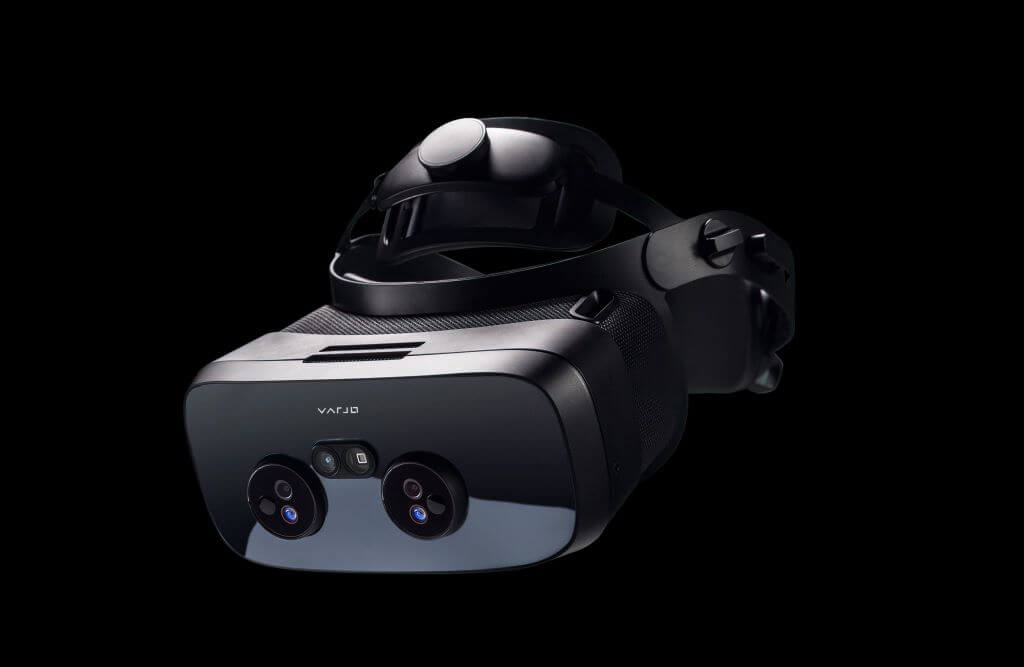
The new XR-3 Focal Edition offers its XR passthrough through two high-resolution 12-megapixel cameras – just like the original XR-3. However, the cameras on the XR-3 Focal Edition are specifically calibrated “to provide an improved image clarity” between about one and three feet away from the user.

Varjo MR headset - XR-3 Focal Edition

“The optimized components in the mixed reality camera system change the distance of the focus so the lens brings a sharper depth of field, closer to the user,” a release shared with ARPost explains.

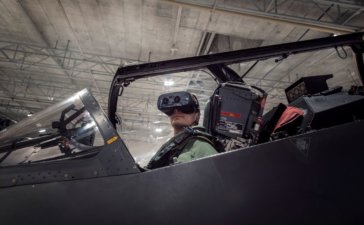
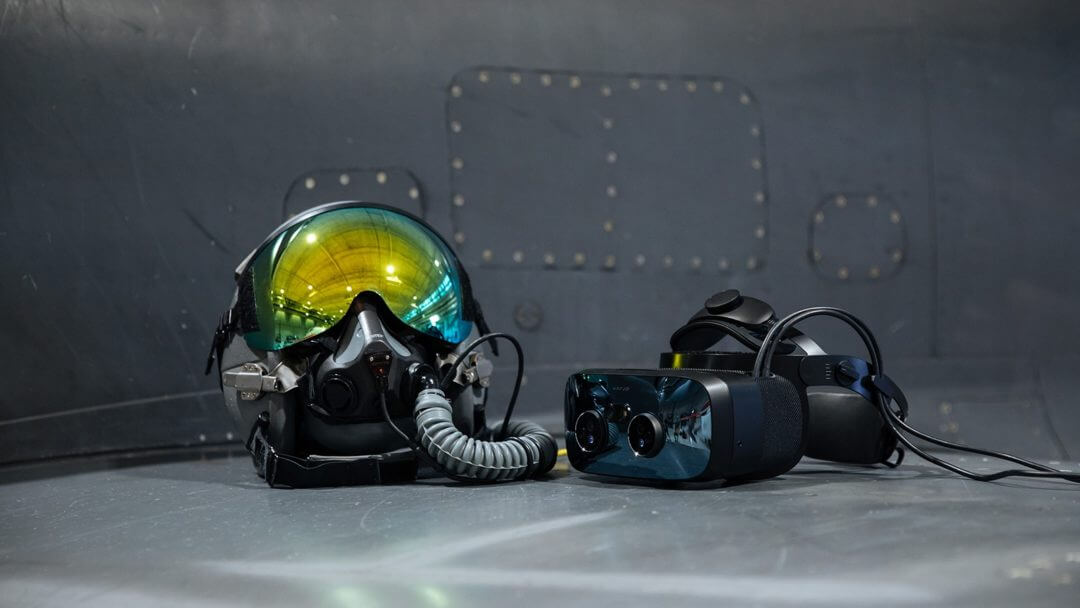
That makes a big difference for people using the headset to learn how to navigate highly complex environments reliant on extremely fine detail, for example, cockpits or car dashboards. Users can also interact with physical handheld devices like mobile phones or controllers.


“We heard from our customers the need for more precise visuals at a closer distance, specifically when looking at dashboards, cockpits, and cellphones,” Varjo Chief Commercial Officer, Seppo Aaltonen, said in the release. “We responded with the XR-3 Focal Edition to address this need.”

Added Security

Depending on the use case, focal planes might not be the only barrier to using XR – or, not using it as one might like. For many potential users, security concerns are also a problem because XR headsets have to access cameras and audio. Users also have to create accounts and access the internet on headsets – except for the XR-3 Focal Edition.

Varjo Mixed Reality HMD for Pilot Training

The Varjo XR-3 Focal Edition is TAA/BAA compliant, ships with a “perpetual offline license” that does not require an account, and can ship with the radio frequency capability removed. So, while the headset still uses a camera and audio, that info can be kept entirely on the device and any connected computer.

“The XR-3 Focal Edition can support the most demanding security needed for the United States Department of Defense, intelligence, and security-critical infrastructure customers,” reads the release.

Breaking Ground Again

The original Varjo XR-3 deserves to go down in spatial computing history. Despite the amazing features of the original headset, some special-case users couldn’t get the most out of it because of intensive optical needs or intensive security requirements. The Focal Edition optimizes the headset for even these most challenging customers.

Varjo Releases XR-3 Retooled for Training and Simulation Read More »

zero10-ar-fashion-platform:-a-digital-fashion-hub-where-virtual-clothing-becomes-wearable-in-real-life

ZERO10 AR Fashion Platform: A Digital Fashion Hub Where Virtual Clothing Becomes Wearable in Real Life


The increasing engagement in the metaverse is also spurring interest in digital fashion. We now see more collaborations between global fashion brands and tech companies grabbing opportunities in digital fashion in the virtual world.

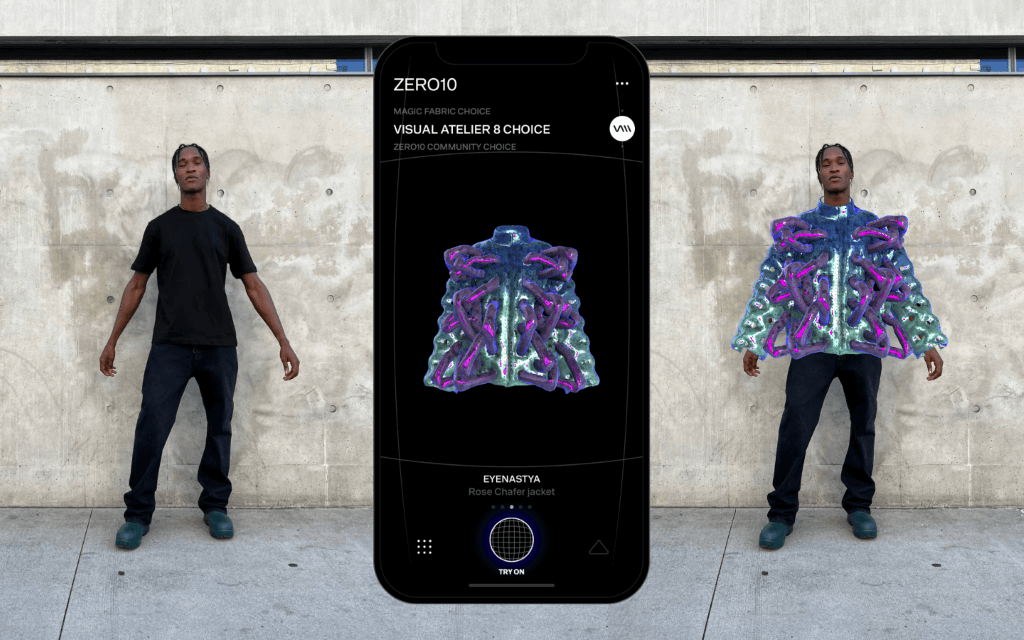
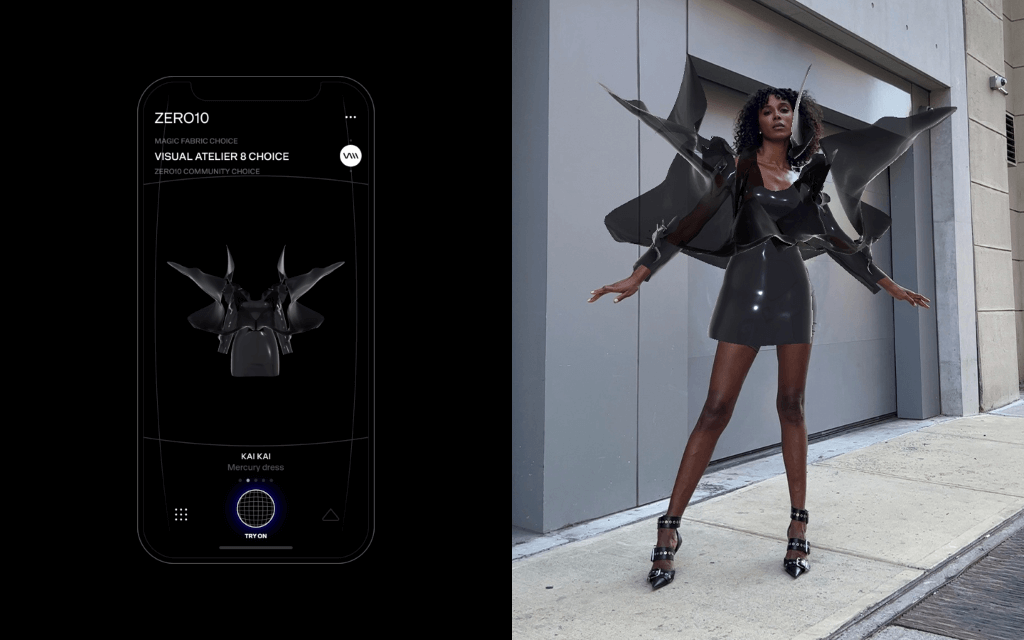
But one innovative company has done something more revolutionary for the fashion industry by giving digital fashion practical use in real life. ZERO10, a global fashion platform, recently launched an AR fashion platform that makes it possible for brands, designers, and users to create virtual clothes and wear them through augmented reality.

ZERO10 AR Fashion Platform Makes Virtual Clothing Wearable in Real Life

ZERO10, a team of tech and fashion pros that combines fashion design with cutting-edge technology, recently launched its AR fashion platform to serve as a touchpoint for inspiration, creation, and community among those in the fashion industry.

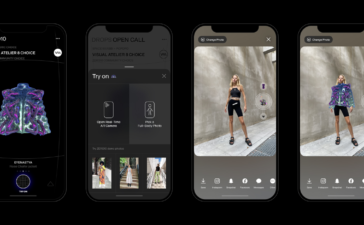
The ZERO10 AR Fashion Platform is a digital fashion hub where independent designers, fashion brands, and digital fashion enthusiasts can bring their ideas into the real world through augmented reality. The proprietary AR technology of ZERO10 empowers them to create digital apparel, showcase their collections to audiences worldwide, and have users try them on via AR. This powerful AR try-on technology gives digital fashion a more practical purpose beyond the virtual world.

AR Fashion Platform ZERO10 - digital fashion

With the platform’s user-friendly interface, anyone who wants to create and share their digital designs in AR can do so even without prior 3D fashion design experience. Armed with the tools and technology integrated into the platform, all they need is their imagination and creativity to bring their fashion ideas to life. The platform welcomes everyone from emerging fashion designers to global fashion brands into its growing community that fosters creative freedom.

“We want our platform to become the designated space for collaboration, community, and connection where anyone who is passionate about design, technology, content, and digital fashion has a chance to bring their ideas into the world via augmented reality,” said George Yashin, CEO of ZERO10, in a press release shared with ARPost.

Empowering Creators With Advanced AR Tools

To further empower users, ZERO10 will be integrating ZERO10 AR Studio into the platform which will enable creators to transform their designs into AR through user-friendly design tools. The platform will also open opportunities for them to sell their digital fashion designs and gain more value.

Aside from adding more features to the AR fashion platform, ZERO10 also plans on launching an educational program for digital fashion creators. The program will hone their 3D design skills and teach them how to transform 3D designs into high-quality AR assets.

ZERO10 AR Fashion Platform - digital fashion

By providing free design tools and educational content, ZERO10 is making the digital fashion space accessible to more people. It is breaking down barriers of entry to give emerging designers opportunities for growth and success in a highly competitive industry. By providing support for the creator community, it is helping push the boundaries in the development of digital fashion.

“Using our advanced technology and capabilities, we want to support the digital creators community to make this shift happen and create a future where fashion can truly be expressive and unique, limitless, and more sustainable,” said Yashin. 

The Narrowing Gap Between the Physical and Digital Worlds of Fashion

Indeed, ZERO10 is helping pave the future of the fashion industry as they work closely with fashion creatives, digital creators, and software developers in developing technological solutions that provide value for all users.

With innovative platforms such as ZERO10 AR Fashion Platform, the gap between the physical and digital worlds of fashion becomes increasingly narrower. Along with advancements in the metaverse and developments in immersive technologies, we’re bound to see the lines between them blurring and becoming virtually imperceptible.

ZERO10 AR Fashion Platform: A Digital Fashion Hub Where Virtual Clothing Becomes Wearable in Real Life Read More »

cooperation-of-deep-tech-smes-and-global-giants-drive-opportunities-in-the-metaverse

Cooperation of Deep Tech SMEs and Global Giants Drive Opportunities in the Metaverse


In 2021 Meta’s Mark Zuckerberg was quoted saying that AR glasses are “one of the hardest technical challenges of the decade.” That might really be the case, as several innovations for example in the fields of displays, processors, batteries, sensors, miniaturization, and manufacturing technology will still have to be mastered before metaverse becomes a seamless part of our everyday lives in a way similar to our use of mobile phones and Internet. This will require extensive cooperation by both deep tech SMEs and industry-leading global corporations.

In Finland, the opportunities for cooperation between deep tech SMEs and large corporations have been proactively created by both the XR companies themselves and by private and public accelerators.

Finland at the Forefront of the Metaverse

Finland has got a globally unique and versatile ecosystem of XR companies, which covers all stages of the value chain, ranging from XR headset and technology development to various XR development platforms, use case-specific solutions, and customer-specific XR content.

The thriving ecosystem of companies has been enabled by decades of research at several universities and research agencies in several supporting technologies such as machine vision, mobile phone technologies, and photonics/optics. Particularly the Finnish Photonics Cluster, consisting of several research agencies and growth companies is, from a global perspective, one of the “gems” of the Finnish XR ecosystem.

Internationally the most successful Finnish XR companies include Varjo Technologies, which is developing high-end XR headsets for enterprise use, OptoFidelity with its XR testing solutions, Dispelix with its augmented reality waveguide technologies, and VRKiwi with its Cave Digger VR games available on all VR platforms.

Nokia, the Finnish telecom giant, has been focusing on telecommunication infrastructure development after selling its mobile phone business to Microsoft in 2014. In an interview at the World Economic Forum in 2022, Nokia’s CEO Pekka Lundmark stated that mobile phones will be overtaken by smart glasses by the time 6G is introduced in 2030s. Nokia has also very openly talked about its commitment to metaverse development as part of its 2030 strategy.

In the transformation that metaverse will bring about, we can easily see parallels with the growth of mobile phone markets in the 90s. That’s why it’s great news for the Finnish XR ecosystem to have Nokia onboard this time as well.

Enormous Business Potential

In early 2022, the “Growth Opportunities in Extended Reality” report was released. There were four main categories of business opportunities identified in this report.

Firstly, Finnish companies should strengthen the XR ecosystem by partnering with industry-leading technology companies in technologies and businesses convergent with XR. The opportunities for partnering were identified in trending markets and technologies, for example in remote assistance, cloud software, and 5G.

Secondly, as XR enables tracking users’ actions on an unprecedented level of detail, a lot of attention will have to be paid to user privacy. This trend will open opportunities in e.g., edge computing, data encryption, and standardization work.

Thirdly, certain technologies are currently clearly underserved in XR, and they open market opportunities for significant improvements, for example in displays, edge computing, batteries, and high-speed connectivity.

Fourthly, there are certain key application areas or industry vertical-specific solutions that Finnish companies should pay more attention to. These include at least smart retail, tourism, and architecture.

In my opinion, one way to advance the industry and promote collaboration might also be a consortium of companies around Open-Source projects such OpenAR, which is an initiative by the University of Eastern Finland, the University of Oulu (Finland), and many prominent individuals from the academia such as professor Steven M. LaValle, who was also an early founder and head scientist of Oculus VR.

Indian System Integrators Supercharged With Finnish Technology

HCL Technologies (HCL), a leading global product and technology company recently launched HCLTech MetaLabs for exploring, building, and adopting the metaverse to strengthen its enterprise architecture along with that of its clients’. According to the Tech Trends 2022 by HCLTech, the metaverse holds the potential to change how we will live and interact – a place where reality meets imagination.

In recent years, innovative Finnish SMEs and research institutes have been actively creating contacts with large Indian system integrators such as HCL Technologies.

HCLTech MetaLabs is backed by an open innovation ecosystem with more than 40+ identified use cases, supported by 300+ startup creator partners, and 500+ identified HCLites interested in exploring this burgeoning and futuristic tech solution.

During 2022, HCL Technologies, together with SMEs and other interest groups, organized the HCL Metaverse Startup Exploration Series of events. During these events, several Finnish metaverse companies and Professor Jussi S. Jauhiainen, University of Turku (Finland), met with HCL to investigate concrete ways in which all parties could benefit from the fast-emerging metaverse.

The HCL Metaverse Startup Exploration Series is a perfect example of the advantages and necessity of cooperation between SMEs and corporations with global reach. The companies not prepared to collaborate will either be late for the metaverse or are in danger of not reaching it at all.

Guest Post


Cooperation of Deep Tech SMEs and Global Giants Drive Opportunities in the Metaverse Read More »

vuzix-m400c-smart-glasses-become-publicly-available,-consumer-model-at-ces

Vuzix M400C Smart Glasses Become Publicly Available, Consumer Model at CES


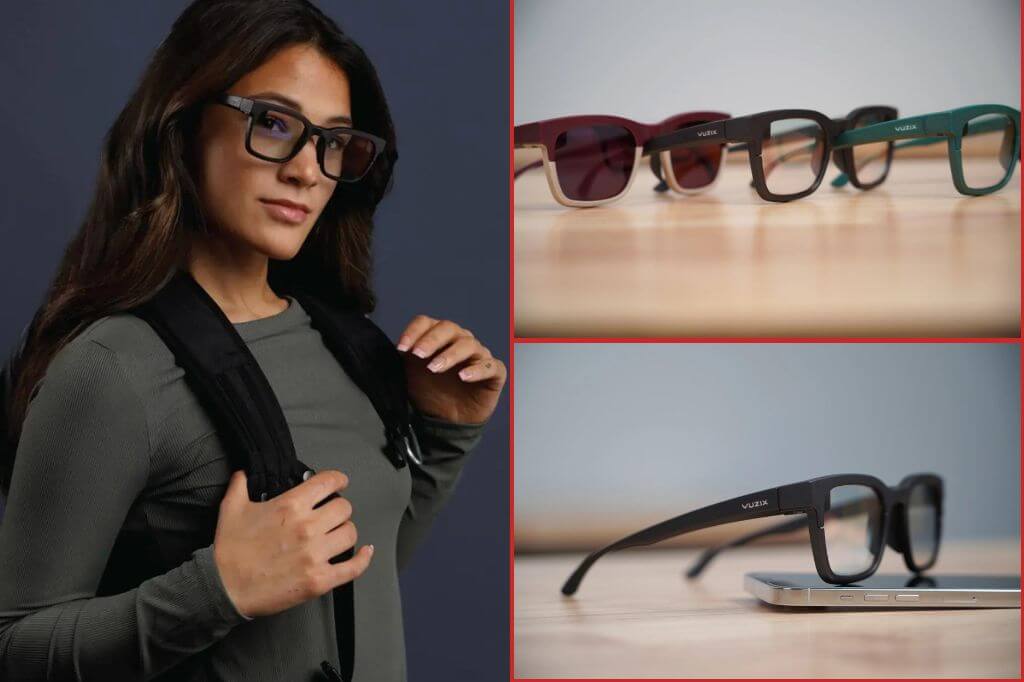
At the beginning of this year, Vuzix announced two new smart glasses, the monocular enterprise model M400C, and Shield. After months in manufacturing, the M400C is ready to ship. There are also some new technical details that we have access to – including the all-important price.

Vuzix also recently announced that they will be showcasing the platform for an upcoming potential consumer model.

A Closer Look at the M400C

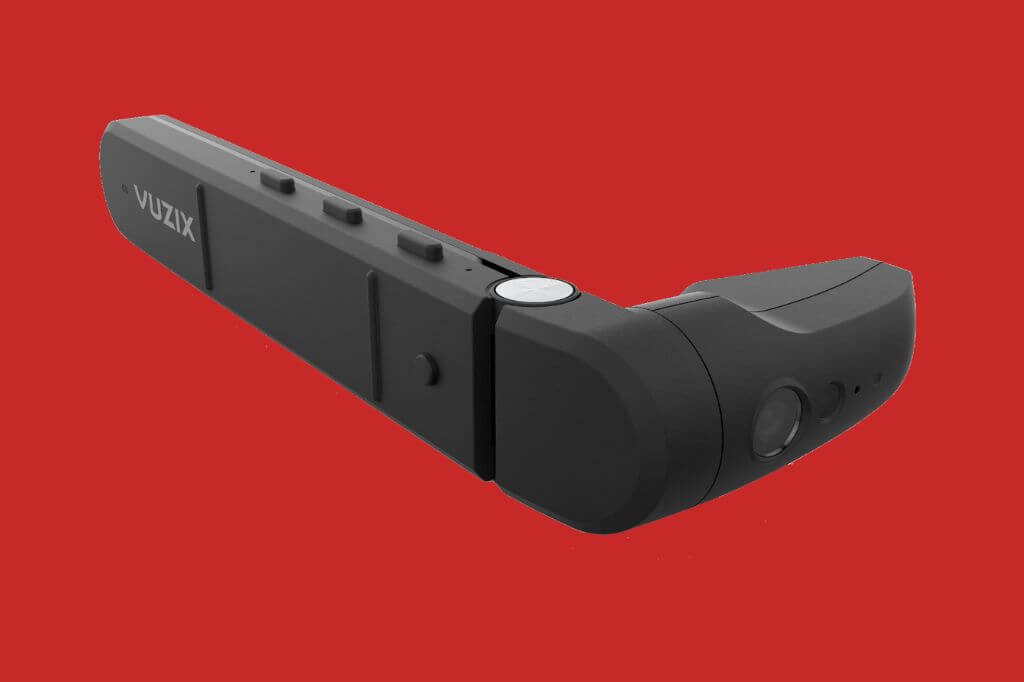
Vuzix announced the M400C in January. At under a fifth of a pound, the model is a lighter-weight version of the M400, with the M400 being wireless and the M400C connecting to an external computer. Being connected to an external device makes product management easier and means that the device has no onboard battery.

It’s not just lighter, it’s also potentially more durable. The M400C has been drop-tested to six feet, while its heavier-hitting and higher-priced older brother has only been drop-tested to three feet. While this might not matter much to casual XR users, it’s a big deal for the use cases and clients that Vuzix works with. (Casual XR users, don’t go anywhere just yet).

Vuzix M400C AR smart glasses

The monocular design clips to a glasses frame, or to the same accessories as the original M400, including hard hats and headbands. The device has control buttons and a touchpad onboard, but can also be controlled via voice commands, or software on the connected computer.

The glass offers a discrete but accessible display, while the exterior of the frame houses an auto-focus HD camera capable of target scanning, photography, and streaming video. The frame also houses a speaker and microphone for recording, listening to audio, or two-way communication between the wearer and a remote party.

“The M400C represents the ideal replacement for external or hand-held monitors, cameras or other recording devices, or 2-way audio devices. We are thrilled to add this product to our existing family of smart glasses solutions,” Vuzix CEO and President, Paul Travers, said in a press release.

This Model in the Vuzix Ecosystem

When we spoke with Travers in January, we didn’t yet know the price of the M400C. We now know that the smart glasses ship to customers in the US, Canada, UK, EU, and Japan for $1,300 – almost half the price of the original M400. That leaves more budget for attachments and accessories.

While Vuzix has discussed making their even lighter form factor AR glasses publicly available, the M400C still needs to be purchased through the company – you won’t find them on the shelves of any department stores.

The Vuzix Ultralite

As this article was being written, the company further announced that it will showcase the platform for its upcoming Ultralite glasses at CES this year. I’ve gotten mad at Vuzix in the past for sneaking announcements past me by showcasing them at the Consumer Electronics Show, but this time it’s fitting.

“Ultralite” is the name of a project that Vuzix has been showing tantalizing prototypes of for years. They’re the kind of AR glasses that we’ve always wanted. Well, they’re a monocular display. But, they look and feel like a standard pair of glasses.

Vuzix smart glasses Ultralite

“Vuzix is leading the charge to make the dream of sleek and fashionable smart glasses come true for the broader market, and it’s happening as we speak,” Travers said in a release.

Remember the fraction of a pound that the M400C wears? Ultralite weighs about half of that, and they’re wireless. They’re being called a “smartphone accessory” so, at least at first, they’ll probably offer things like heads-up screen mirroring and maybe a few basic spatial apps, but that’s still super cool.

Anyway, we still don’t have a roadmap (or a price tag) for the Ultralite. And, it looks like the glasses will be offered as an OEM. That means that you probably won’t buy it from them directly, but from another tech company – probably your mobile phone provider, similar to how Nreal rolled out Light. But it’s still thrilling.

Don’t Underestimate it

The M400C shipping is exciting for enterprise. Movement on the Ultralite is exciting for consumers. There aren’t a lot of companies playing both sides like that. Honestly, it’s super exciting that it’s Vuzix. If anyone is going to give us full-color, full-size display AR glasses in a comfortable and stylish form factor that can also stop a bullet, it’ll probably be them.

Vuzix M400C Smart Glasses Become Publicly Available, Consumer Model at CES Read More »

vr-app-“retreat”-to-revolutionize-approach-to-well-being-and-education

VR App “Retreat” to Revolutionize Approach to Well-Being and Education


Retreat is a VR app and social education platform that connects users with world-class experts and courses focusing on self-improvement and personal development. The app transports learners to immersive virtual worlds with the goal of helping users upgrade their “real-world avatars” by equipping them with “tangible real-world skills.”

Unlike conventional e-learning channels, which are often described as isolated, passive, and static, Retreat offers a communal and interactive approach to learning. It also allows users to explore interactive worlds and immersive environments.

A VR App for Transforming Lives

This unique VR app, that’s soon-to-be-released on the Meta Quest Store, connects learners with educators who specialize in teaching practical skills such as holistic wellness, art and creativity, career and entrepreneurship, and financial well-being. With Retreat, students are more likely to get better outcomes, such as having better focus, establishing deeper emotional connections to content, and being more confident in applying their skills after their lessons.

Retreat VR app - Holistic wellness course The Flow State by Jason Campbell
Holistic wellness course “The Flow State” by Jason Campbell

“This platform will change the face of well-being in VR and beyond,” said wellness, transformation, health, and fitness expert Nicholas Pratley, who is also one of the Retreat instructors. “This is what new education in a new world looks like.”

Developed by immersive tech company GeniusX, Retreat aims to usher in a new era of education that complements today’s more technologically-advanced world. It also gives experts a platform with which they can engage their audiences across different tech platforms, further enriching their educational experiences.

“Our goal is to revolutionize education through the use of virtual reality,” said Retreat CEO, Nick Janicki, in a press release shared with ARPost. “We are changing the way that personal growth and self-improvement can be experienced by students.”

The social education platform currently offers a handful of carefully curated content. Courses cover a range of subjects, from mindset and relationships to career and entrepreneurship. Some of the currently available courses include:

  • Holistic wellness course “True Well Being” by Nicholas Pratley;
  • Art and creativity course “Therapour Mannequins” by Leila Parnian;
  • Relationships course “5 Levels of Listening” by Gisele Wyne;
  • Holistic wellness course “The Flow State” by Jason Campbell;
  • Career and entrepreneurship course “Land Your Right Fit Job” by Chad Silverstein;
  • Holistic wellness course “Your Daily Reset” by Gisele Wyne.
Retreat VR app - Relationships course 5 Levels of Listening by Gisele Wyne
Relationships course “5 Levels of Listening” by Gisele Wyne

Aside from delivering valuable content and teaching practical real-world skills to learners, Retreat also gives users a glimpse into the stories behind the courses. It also provides outlines for each course’s learning process.

Many more courses are currently in development, with new courses added monthly.

How Retreat Works

To access Retreat’s immersive virtual worlds, users will need to download the VR app first. Until recently, the app was available only through Meta Quest App Lab, but beta testing is now over, and the full release of Retreat is planned for December 1, 2022.

Once the VR app is downloaded, users should launch the app to explore the app’s selection of courses and instructors.

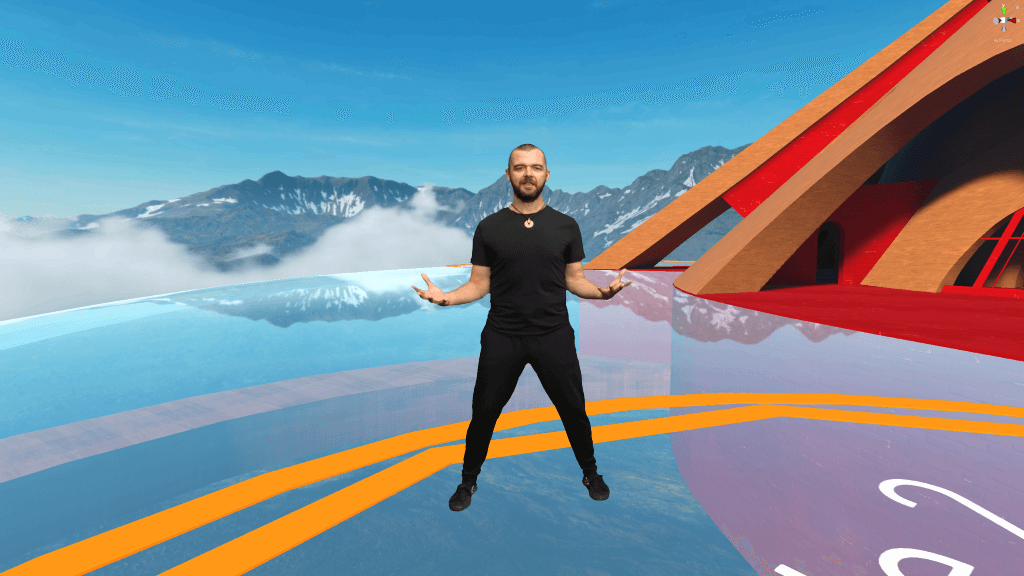
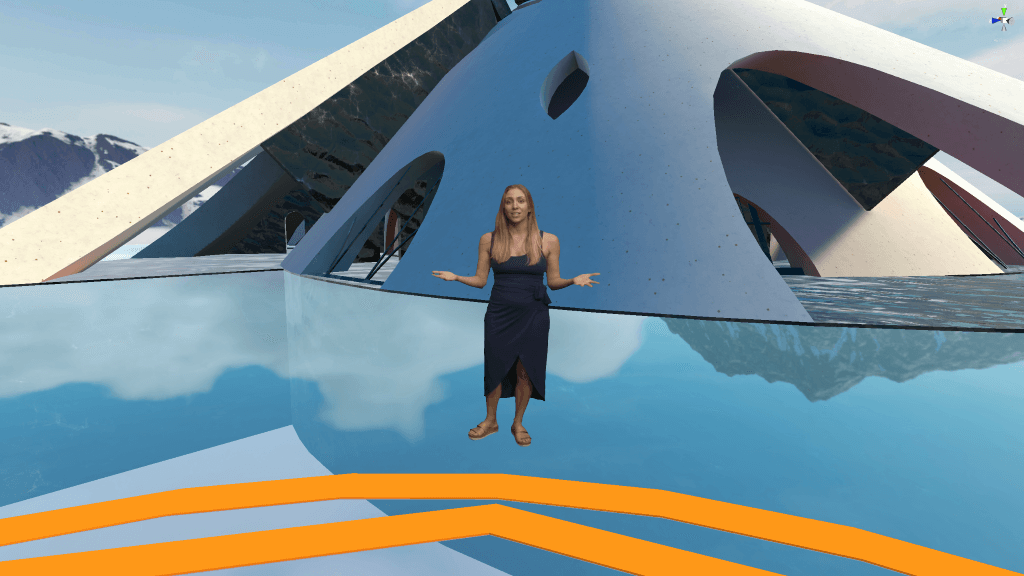
After selecting their preferred course, users will meet their instructor and interact with them as if they’re meeting in person. With their instructor, the user will go on an adventure and navigate the virtual space to participate in its various learning environments. To add another layer of fun to the whole experience, users can use magical portals, find interactive items, and answer quizzes.

Upon completing a module, the user’s progress will be saved. The modules, which are usually 8-15 minutes long, are designed to minimize fatigue, especially for newer VR users.


VR App “Retreat” to Revolutionize Approach to Well-Being and Education Read More »

redefining-the-future-of-location-based-entertainment-with-htc-vive-focus-3-and-the-park-playground

Redefining the Future of Location-Based Entertainment With HTC VIVE Focus 3 and The Park Playground


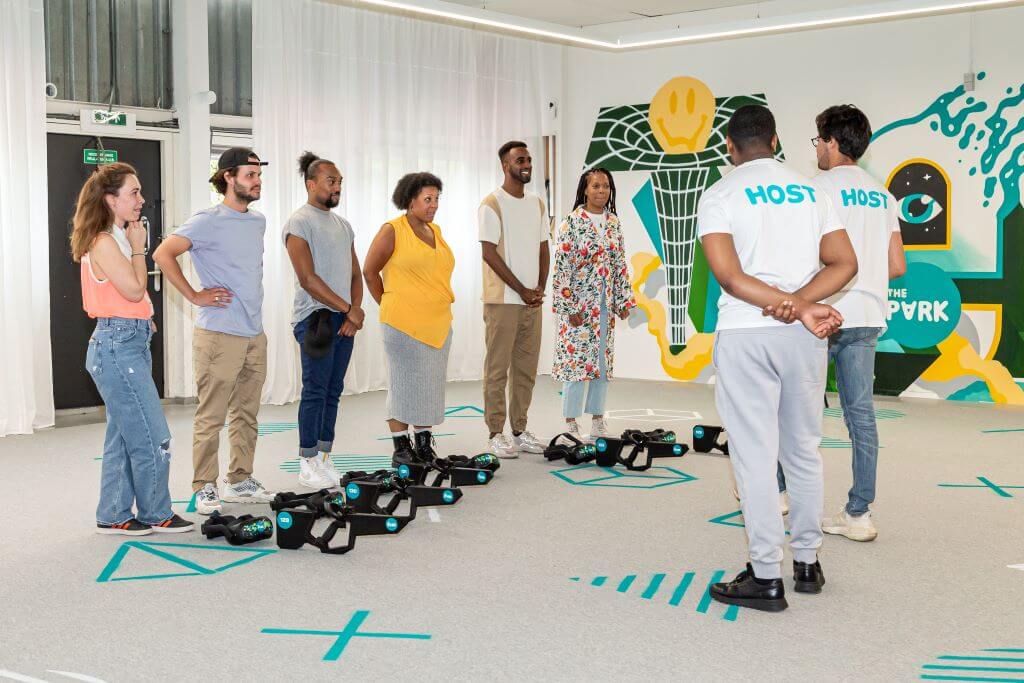
The development of mobile-based VR will usher in a new era for location-based entertainment (LBE). HTC VIVE and The Park Playground have partnered to bring mobile-led VR experiences to the public. So far, 75,000 users have been able to test out the capabilities of the HTC VIVE Focus 3 headset across various The Park Playground venues in Europe.

The Journey to Innovation for Location-Based Entertainment

After a nine-month testing phase that allowed both parties to fine-tune their product proposition, HTC VIVE and The Park Playground are now giving users the opportunity to enjoy a new level of freedom and immersion in VR environments.

The Park Playground and HTC VIVE - location-based entertainment - explanation VR experience

Unlike traditional VR gear, which makes use of cables and unwieldy equipment, the HTC VIVE Focus 3 is capable of delivering a fully wireless VR experience for players. Without having to wear the hardware as backpacks, users can now have more freedom to move. The VR content is streamed directly into the mobile device, further allowing users to enjoy fully immersive and unrestricted VR experiences.

“The Park Playground has been an interesting partner for us since we first collaborated in 2018, because it attracts people of all ages with its exclusive VR adventures, not just gamers and tech enthusiasts,” said Fabian Nappenbach, Director of Product Marketing at HTC VIVE EMEA, in a press release shared with ARPost. “The partnership has also had a positive impact on our VR product development. Our research and development teams have a close relationship . . .  Their input helps tremendously to drive the technology and also our LBE software.”

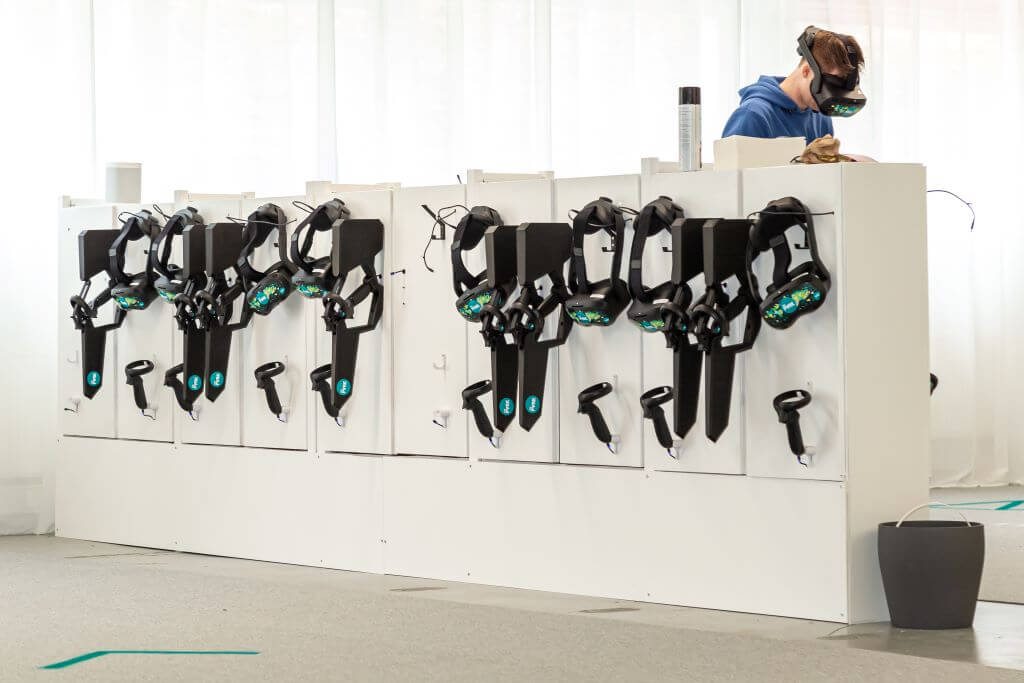
Aside from providing a hassle-free gaming experience, the HTC VIVE Focus 3 headset delivers stunning 5K visuals and an expansive 120-degree field of view. Furthermore, it boasts a 90Hz refresh rate. The headset is also designed to offer convenience to users. It has an ergonomic design, removable batteries, and an easy-to-clean magnetic face gasket.

The Park Playground - location-based entertainment - HTC VIVE VR headset close up

Through the HTC VIVE VR headset and The Park Playground, users can unlock unique yet accessible VR experiences that break down the boundaries of the digital and physical worlds. Furthermore, this lets players of all ages enjoy an array of co-op and competitive games in the same space.

Addressing the Needs of Today’s Location-Based Experiences

The location-based entertainment market is projected to have a compound annual growth rate of 34.4% from 2021 to 2028. This significant expansion is due in part to the growing demand for immersive content. Furthermore, XR technologies are viewed as key players in taking location-based experiences to the next level.

Location-based entertainment has the potential to change how users approach not only social but also emotional experiences. However, customer needs and expectations in this industry are ever-evolving. With the HTC VIVE Focus 3 headset and the company’s partnership with The Park Playground, more users can now access this technology. For instance, up to eight players per play area can access this new VR experience. Plus, the technology is being distributed to over 10 of The Park Playground’s locations.

Furthermore, it allows users to make their own choices while playing the game, giving them the opportunity to build one-of-a-kind and memorable experiences.


Redefining the Future of Location-Based Entertainment With HTC VIVE Focus 3 and The Park Playground Read More »