GLP-1

“outrageously”-priced-weight-loss-drugs-could-bankrupt-us-health-care

“Outrageously” priced weight-loss drugs could bankrupt US health care

Collision course —

Prices would need to be dramatically slashed to avoid increasing the national deficit.
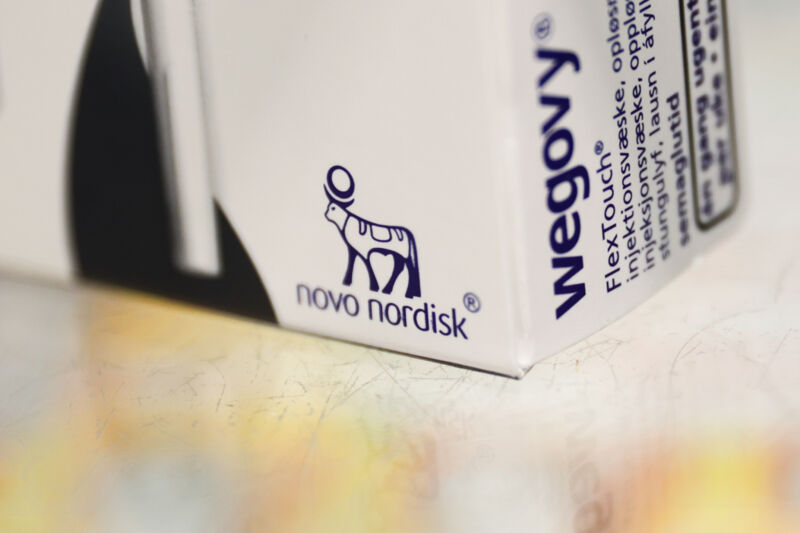
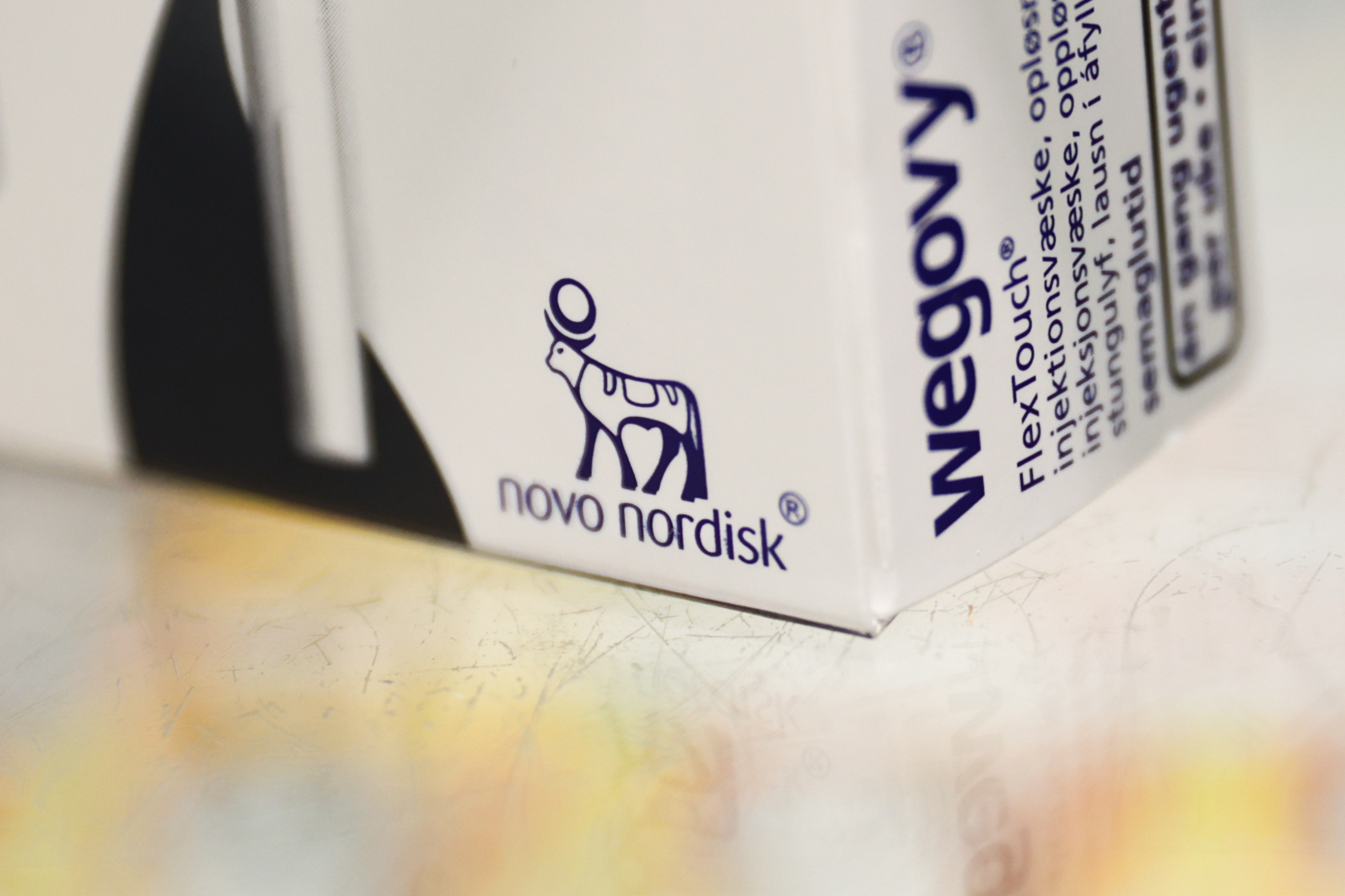
Packaging for Wegovy, manufactured by Novo Nordisk, is seen in this illustration photo.

Enlarge / Packaging for Wegovy, manufactured by Novo Nordisk, is seen in this illustration photo.

With the debut of remarkably effective weight-loss drugs, America’s high obesity rate and its uniquely astronomical prescription drug pricing appear to be set on a catastrophic collision course—one that threatens to “bankrupt our entire health care system,” according to a new Senate report that modeled the economic impact of the drugs in different uptake scenarios.

If just half of the adults in the US with obesity start taking a new weight-loss drug, such as Wegovy, the collective cost would total an estimated $411 billion per year, the analysis found. That’s more than the $406 billion Americans spent in 2022 on all prescription drugs combined.

While the bulk of the spending on weight-loss drugs will occur in the commercial market—which could easily lead to spikes in health insurance premiums—taxpayer-funded Medicare and Medicaid programs will also see an extraordinary financial burden. In the scenario that half of adults with obesity go on the drug, the cost to those federal programs would total $166 billion per year, rivaling the programs’ total 2022 drug costs of $175 billion.

In all, by 2031, total US spending on prescription drugs is poised to reach over $1 trillion per year due to weight-loss drugs. Without them, the baseline projected spending on all prescription drugs would be just under $600 billion.

The analysis was put together by the Senate’s Health, Education, Labor, and Pensions (HELP) committee, chaired by staunch drug-pricing critic Bernie Sanders (I-Vt). And it’s quick to knock down a common argument about the high prices for smash-hit weight-loss drugs. That is, with their high effectiveness, the drugs will improve people’s health in wide-ranging ways, including controlling diabetes, improving cardiovascular health, and potentially more. And, with those improvements, people won’t need as much health care, generally, lowering health care costs across the board.

But, while the drugs do appear to have wide-ranging, life-altering benefits for overall health, the prices of the drugs are still set too high to be entirely offset by any savings in health care use. The HELP committee analysis cited a March Congressional Budget Office (CBO) report that found: “at their current prices, [anti-obesity medicines] would cost the federal government more than it would save from reducing other health care spending—which would lead to an overall increase in the deficit over the next 10 years.” Moreover, in April, the head of the CBO said that the drugmakers would have to slash prices of their weight-loss drugs by 90 percent to “get in the ballpark” of not increasing the national deficit.

The HELP committee report offered a relatively simple solution to the problem: Drugmakers should set their US prices to match the relatively low prices they’ve set in other countries. The report focused on Wegovy because it currently accounts for the most US prescriptions in the new class of weight-loss drugs (GLP-1 drugs). Wegovy is made by Denmark-based Novo Nordisk.

In the US, the estimated net price (after rebates) of Wegovy is $809 per month. In Denmark, the price is $186 per month. A study by researchers at Yale estimated that drugs like Wegovy can be profitably manufactured for less than $5 per month.

If Novo Nordisk set its US prices for Wegovy to match the Danish price, spending to treat half of US adults with obesity would drop from $411 billion to $94.5 billion, a roughly $316.5 billion savings.

Without a dramatic price cut, Americans will likely face either losing access to the drugs or shouldering higher overall health care costs, or some of both. The HELP committee report highlighted how this recently played out in North Carolina. In January, the board of trustees for the state employee health plan voted to end all coverage of Wegovy and other GLP-1 drugs due to the cost. Estimates found that if the plan continued to cover the drugs, the state would need to nearly double health insurance premiums to offset the costs.

“Outrageously” priced weight-loss drugs could bankrupt US health care Read More »
blockbuster-weight-loss-drugs-slashed-from-nc-state-plan-over-ballooning-costs

Blockbuster weight-loss drugs slashed from NC state plan over ballooning costs

Patients vs. profits —

The plan spent $102M on the weight-loss drugs last year, 10% of total drug costs.

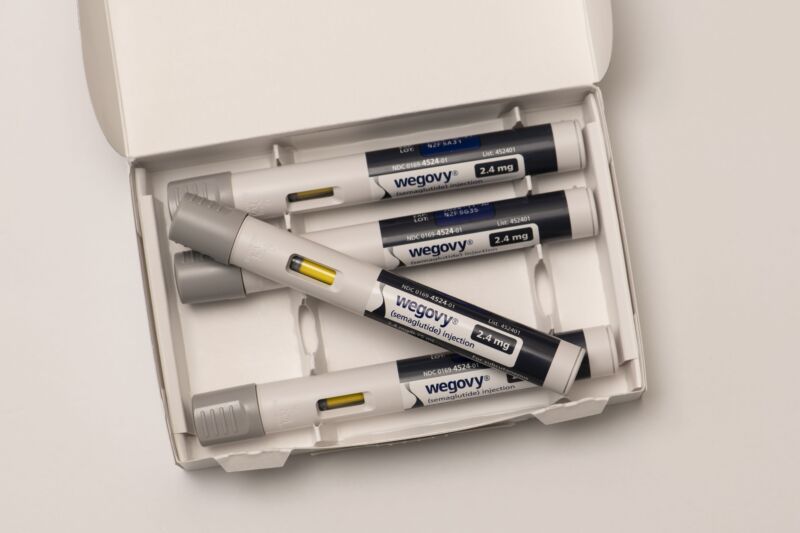
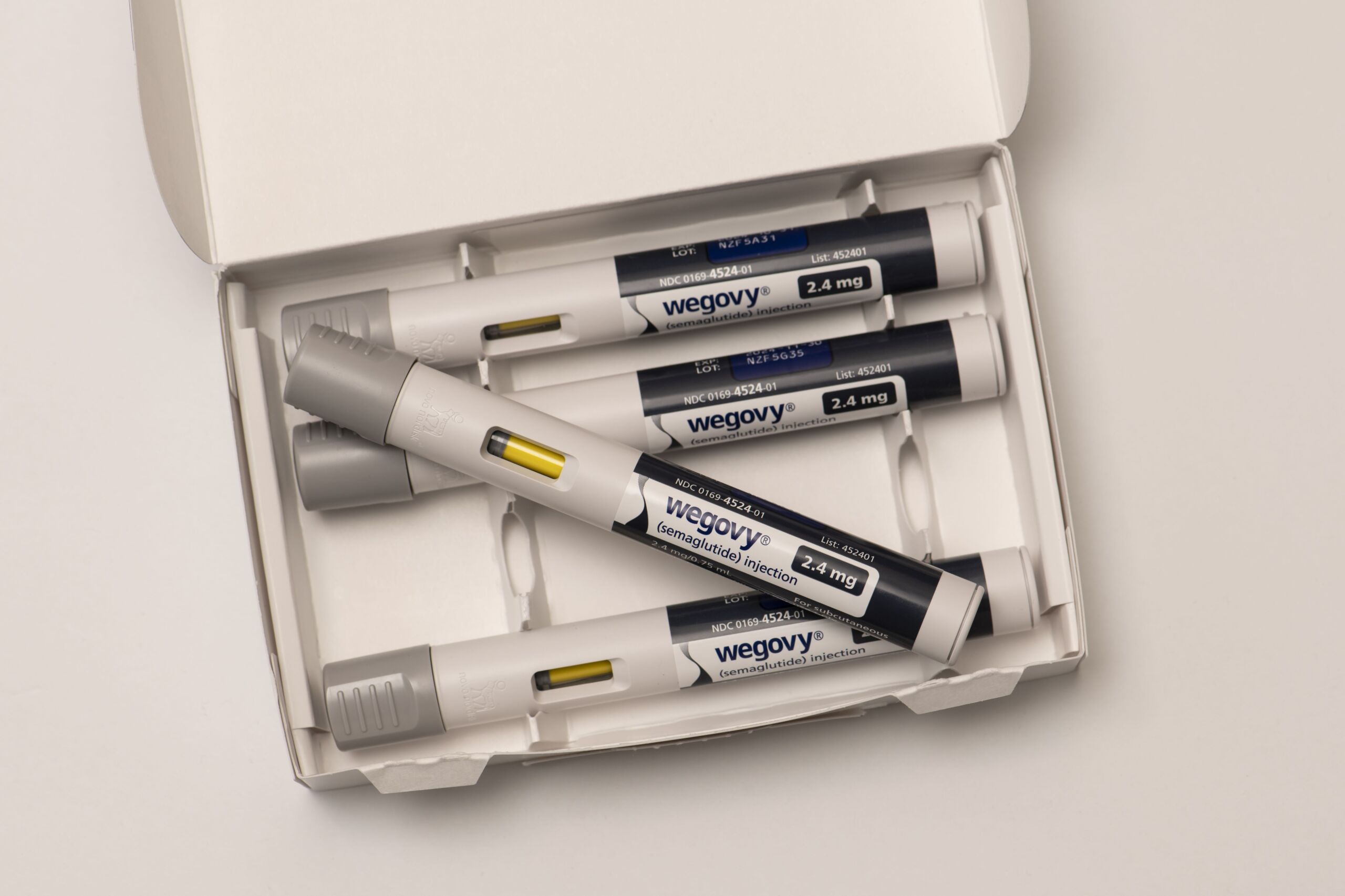
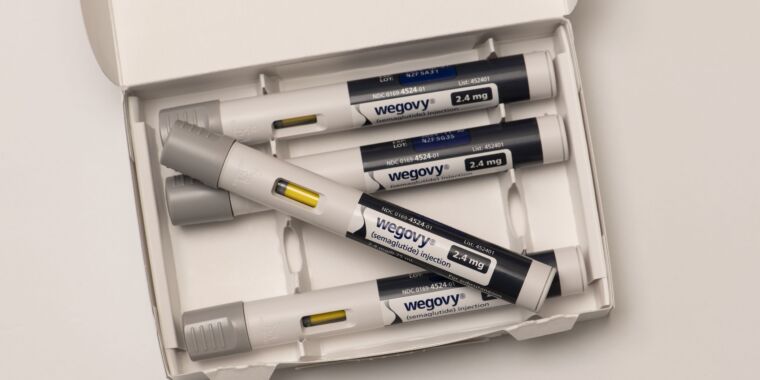
Wegovy is an injectable prescription weight loss medicine that has helped people with obesity.

Enlarge / Wegovy is an injectable prescription weight loss medicine that has helped people with obesity.

The health plan for North Carolina state employees will stop covering blockbuster GLP-1 weight-loss drugs, including Wegovy and Zepbound, because—according to the plan’s board of trustees—the drugs are simply too expensive.

Last week, the board voted 4-3 to end all coverage of GLP-1 medications for weight loss on April 1. If the coverage is dropped, it is believed to be the first major state health plan to end coverage of the popular but pricey weight-loss drugs. The plan will continue to pay for GLP-1 medications prescribed to treat diabetes, including Ozempic.

The North Carolina State Health Plan covers nearly 740,000 people, including teachers, state employees, retirees, and their family members. In 2023, monthly premiums from the plan ranged from $25 for base coverage for an individual to up to $720 for premium family coverage. Members prescribed Wegovy paid a co-pay of between $30 and $50 per month for the drug, while the plan’s cost was around $800 a month.

In 2021, just under 2,800 members were taking the drugs for weight loss, but in 2023, the number soared to nearly 25,000 members, costing the plan $102 million. That’s about 10 percent of what the plan pays for all prescription drugs combined. If the current coverage continued, the plan’s pharmacy benefit manager, CVS Caremark, estimated that by 2025, the plan’s premiums would have to rise $48.50 across the board to offset the costs of the weight-loss drugs.

Without insurance, the list price of Wegovy is $1,349 per month, totaling $16,188 for a year of treatment. The average reported salary for members of North Carolina’s health plan is $56,431.

Last October, the board voted to grandfather the 25,000 or so current users, maintaining coverage for them moving forward, but then to stop offering new coverage to members. However, according to CVS Caremark, the move would mean losing a 40 percent rebate from Wegovy’s maker, Novo Nordisk. This would be a loss of $54 million, bringing projected 2024 costs to $139 million.

A spokesperson for Novo Nordisk called the vote to end coverage entirely “irresponsible,” according to a statement given to media. “We do not support insurers or bureaucrats inserting their judgment in these medically driven decisions,” the statement continued.

While the costs of weight-loss drugs are high everywhere, the pricing is particularly bitter for North Carolinians—Novo Nordisk manufactures Wegovy in Clayton, North Carolina, southeast of Raleigh.

“It certainly adds insult to injury,” Ardis Watkins, executive director of the State Employees Association of North Carolina, a group that lobbies on behalf of state health plan members, according to The New York Times. “Our economic climate that has been made so attractive to businesses to locate here is being used to manufacture a drug that is wildly marked up.”

While it appears to be the first time such a large state health plan has dropped coverage of the weight-loss drugs, North Carolina is not alone in wrestling with the costs. The University of Texas’ employee plan ceased coverage of Wegovy and Saxenda, another weight-loss drug, in September. Connecticut’s state health plan, meanwhile, added restrictions on how members could get a prescription covered. Some state health plans that cover GLP-1 medications for weight-loss have prior authorization procedures to try to limit use.

“Every state has been wrestling with it, every professional association that my staff is a part of has had some discussion about it,” Sam Watts, director of the North Carolina State Health Plan, told Bloomberg. “But to our knowledge, we’re the first major state health plan to act on it.”

Blockbuster weight-loss drugs slashed from NC state plan over ballooning costs Read More »