easter eggs

the-twin-probes-just-launched-toward-mars-have-an-easter-egg-on-board

The twin probes just launched toward Mars have an Easter egg on board

The mission aims to aid our understanding of Mars’ climate history and what was behind the loss of its conditions that once supported liquid water, potential oceans, and possibly life on the surface.

Plaques and partner patches

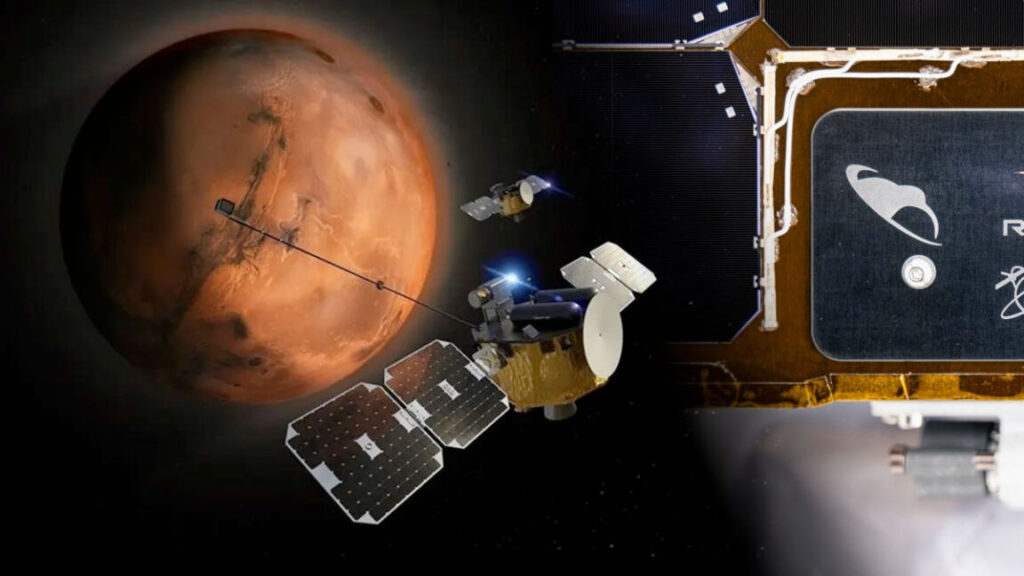
In addition to the kiwi-adorned plates, Rocket Lab also installed two more plaques on the twin ESCAPADE spacecraft.

“There are also two name plates (one in blue and one in gold) on each spacecraft listing Rocket Lab team members who’ve contributed to the mission, making it possible to get to Mars,” said McLaurin.

Mounted on the solar panels, the plaques use shading to also display the Latin initials (NSHO) of the Rocket Lab motto and form the company’s logo. Despite their diminutive size, each plate appears to include more than 200 names, including founder, president, and CEO Peter Beck.

Montage of photos and graphics illustrating the blue and gold metal plates attached a spacecraft

Additional plates in blue and gold display the names of the Rocket Lab team members behind the ESCAPADE spacecraft. Credit: UCB-SSL via collectSPACE.com

UC Berkeley adopted its colors in 1873. According to the school’s website, “blue for the California sky and ocean and for the Yale graduates who helped establish the university, gold for the ‘Golden State.’”

ESCAPADE also has its own set of colors, or rather, colorful patches.

The main mission logo depicts the twin spacecraft in orbit around Mars with the names of the primary partners listed along its border, including UCB-SSL (University of California, Berkeley-Space Science Laboratory); RL (Rocket Lab); ERAU (Embry-Riddle Aeronautical University, which designed and built the langmuir probe, one of the mission’s science instruments); AdvSp (Advanced Space, which oversaw mission design and trajectory optimization); and NASA-GSFC (NASA Goddard Space Flight Center).

Rocket Lab also designed an insignia, which renders the two spacecraft in blue and gold, as well as shows their trajectory in the same colors and includes the company’s motto.

Lastly, Blue Origin’s New Glenn-2 (NG-2) patch features the launch vehicle and the two ESCAPADE satellites, using hues of orange to represent Mars.

Graphic montage of mission patches

Three mission patches represent the Mars ESCAPADE mission and its partners. Credit: NASA/Rocket Lab/Blue Origin/collectSPACE.com

The twin probes just launched toward Mars have an Easter egg on board Read More »
after-27-years,-engineer-discovers-how-to-display-secret-photo-in-power-mac-rom

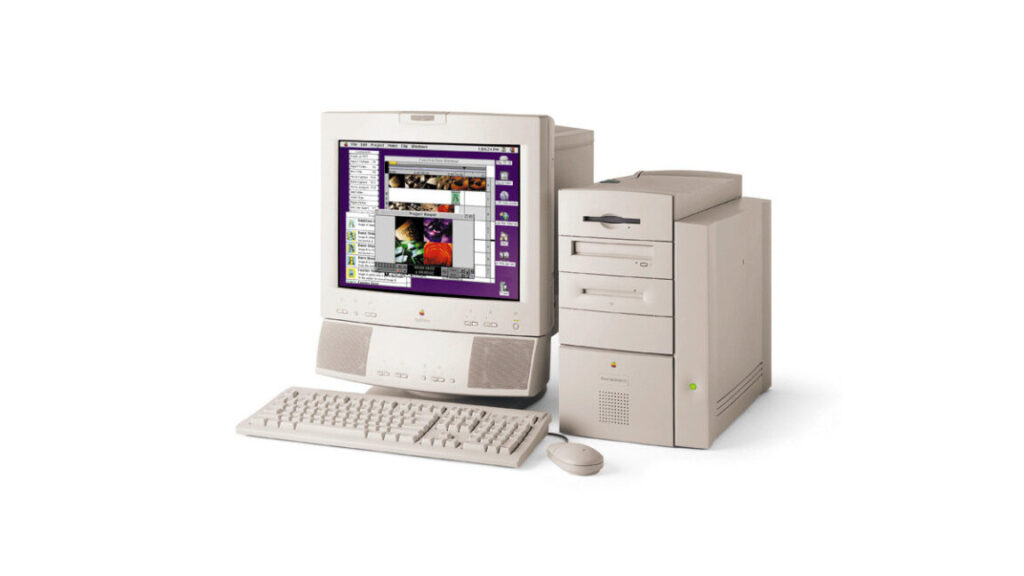
After 27 years, engineer discovers how to display secret photo in Power Mac ROM

“If you double-click the file, SimpleText will open it,” Brown explains on his blog just before displaying the hidden team photo that emerges after following the steps.

The discovery represents one of the last undocumented Easter eggs from the pre-Steve Jobs return era at Apple. The Easter egg works through Mac OS 9.0.4 but appears to have been disabled by version 9.1, Brown notes. The timing aligns with Jobs’ reported ban on Easter eggs when he returned to Apple in 1997, though Brown wonders whether Jobs ever knew about this particular secret.

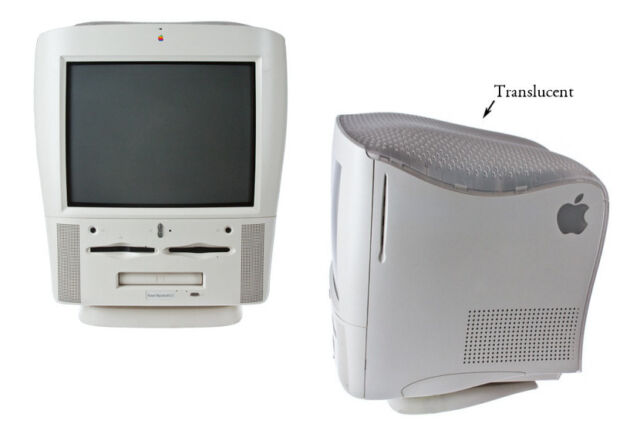
The G3 All-in-One is often nicknamed the

The ungainly G3 All-in-One set the stage for the smaller and much bluer iMac soon after. Credit: Jonathan Zufi

In his post, Brown expressed hope that he might connect with the Apple employees featured in the photo—a hope that was quickly fulfilled. In the comments, a man named Bill Saperstein identified himself as the leader of the G3 team (pictured fourth from left in the second row) in the hidden image.

“We all knew about the Easter egg, but as you mention; the technique to extract it changed from previous Macs (although the location was the same),” Saperstein wrote in the comment. “This resulted from an Easter egg in the original PowerMac that contained Paula Abdul (without permissions, of course). So the G3 team wanted to still have our pictures in the ROM, but we had to keep it very secret.”

He also shared behind-the-scenes details in another comment, noting that his “bunch of ragtag engineers” developed the successful G3 line as a skunk works project, with hardware that Jobs later turned into the groundbreaking iMac series of computers. “The team was really a group of talented people (both hw and sw) that were believers in the architecture I presented,” Saperstein wrote, “and executed the design behind the scenes for a year until Jon Rubenstein got wind of it and presented it to Steve and the rest is ‘history.'”

After 27 years, engineer discovers how to display secret photo in Power Mac ROM Read More »