crew-11

nasa’s-first-medical-evacuation-from-space-ends-with-on-target-splashdown

NASA’s first medical evacuation from space ends with on-target splashdown

“Because the astronaut is absolutely stable, this is not an emergent evacuation,” said James “JD” Polk, NASA’s chief medical officer, in a press conference last week. “We’re not immediately disembarking and getting the astronaut down.”

Amit Kshatriya, the agency’s associate administrator, called the situation a “controlled medical evacuation” in a briefing with reporters.

But without a confirmed diagnosis of the astronaut’s medical issue, there was some “lingering risk” for the astronaut’s health if they remained in orbit, Polk said. That’s why NASA Administrator Jared Isaacman and his deputies agreed to call an early end to the Crew-11 mission.

A first for NASA

The Crew-11 mission launched on August 1 and was supposed to stay on the space station until around February 20, a few days after the scheduled arrival of SpaceX’s Crew-12 mission with a team of replacement astronauts. But the early departure means the space station will operate with a crew of three until the launch of Crew-12 next month.

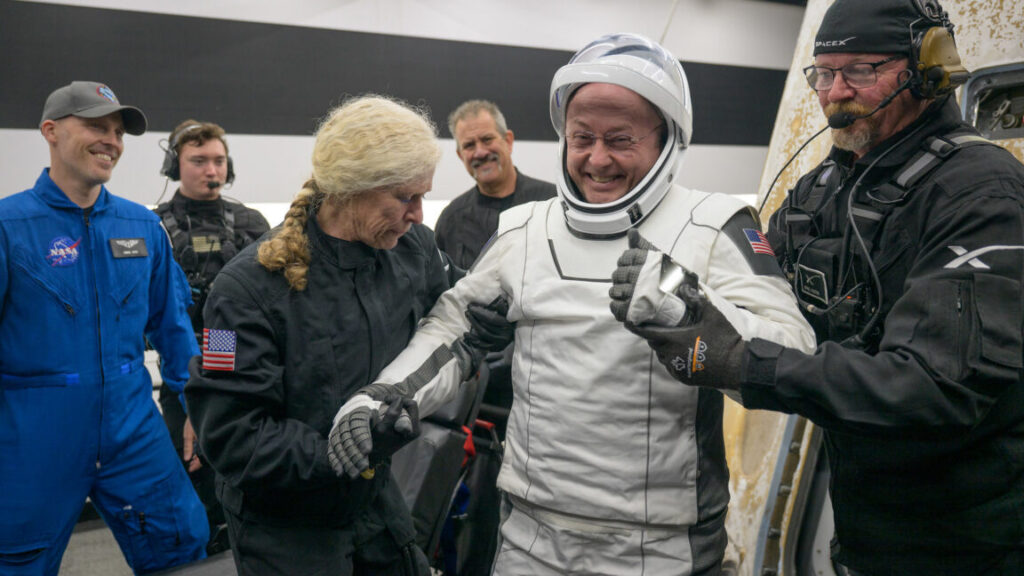
NASA astronaut Chris Williams will be the sole astronaut responsible for maintaining the US segment of the station. Russian cosmonauts Sergey Kud-Sverchkov and Sergey Mikayev launched with Williams in November on a Russian Soyuz vehicle. The Crew Dragon was the lifeboat for all four Crew-11 astronauts, so standard procedure called for the entire crew to return with the astronaut suffering the undisclosed medical issue.

The space station regularly operated with just three crew members for the first decade of its existence. The complex has been permanently staffed since 2000, sometimes with as few as two astronauts or cosmonauts. The standard crew size was raised to six in 2009, then to seven in 2020.
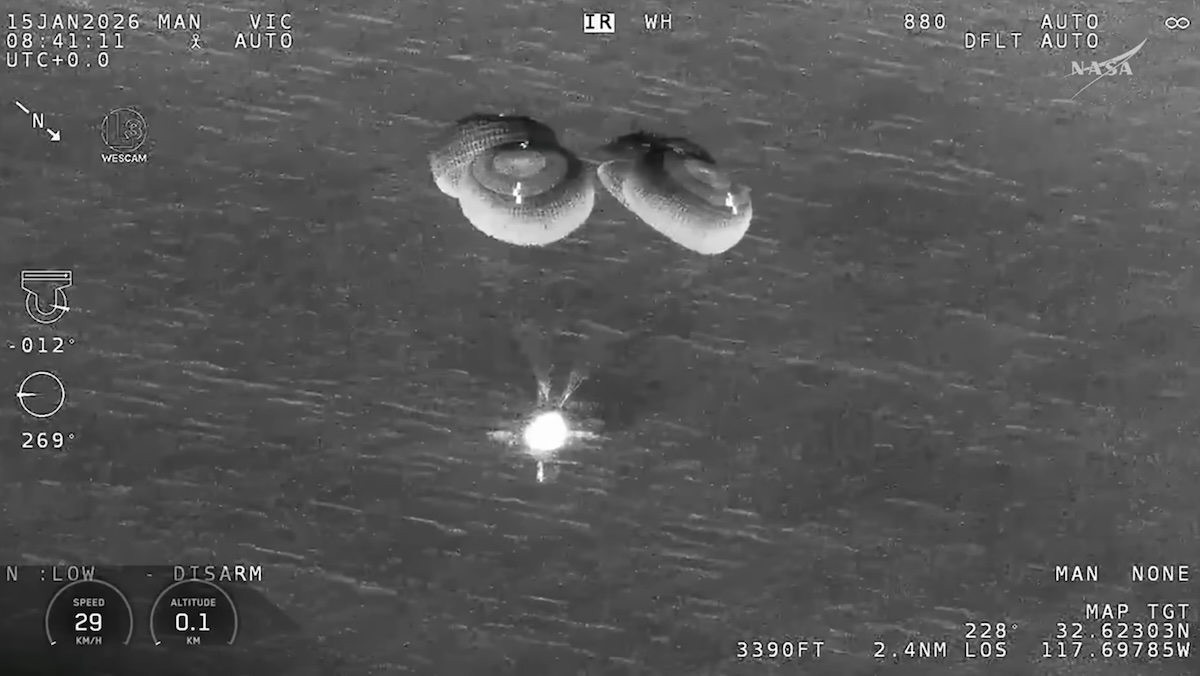
SpaceX’s Crew Dragon Endeavour spacecraft descends toward the Pacific Ocean under four main parachutes.

Credit: NASA

SpaceX’s Crew Dragon Endeavour spacecraft descends toward the Pacific Ocean under four main parachutes. Credit: NASA

Williams will have his hands full until reinforcements arrive. The scaled-down crew will not be able to undertake any spacewalks, and some of the lab’s science programs may have to be deferred to ensure the crew can keep up with maintenance tasks.

This is the first time NASA has called an early end to a space mission for medical reasons, but the Soviet Union faced similar circumstances several times during the Cold War. Russian officials cut short an expedition to the Salyut 7 space station in 1985 after the mission’s commander fell ill in orbit. A similar situation occurred in 1976 with the Soyuz 21 mission to the Salyut 5 space station.

NASA’s first medical evacuation from space ends with on-target splashdown Read More »
nasa-orders-“controlled-medical-evacuation”-from-the-international-space-station

NASA orders “controlled medical evacuation” from the International Space Station


“The crew is highly trained, and they came to the aid of their colleague right away.”

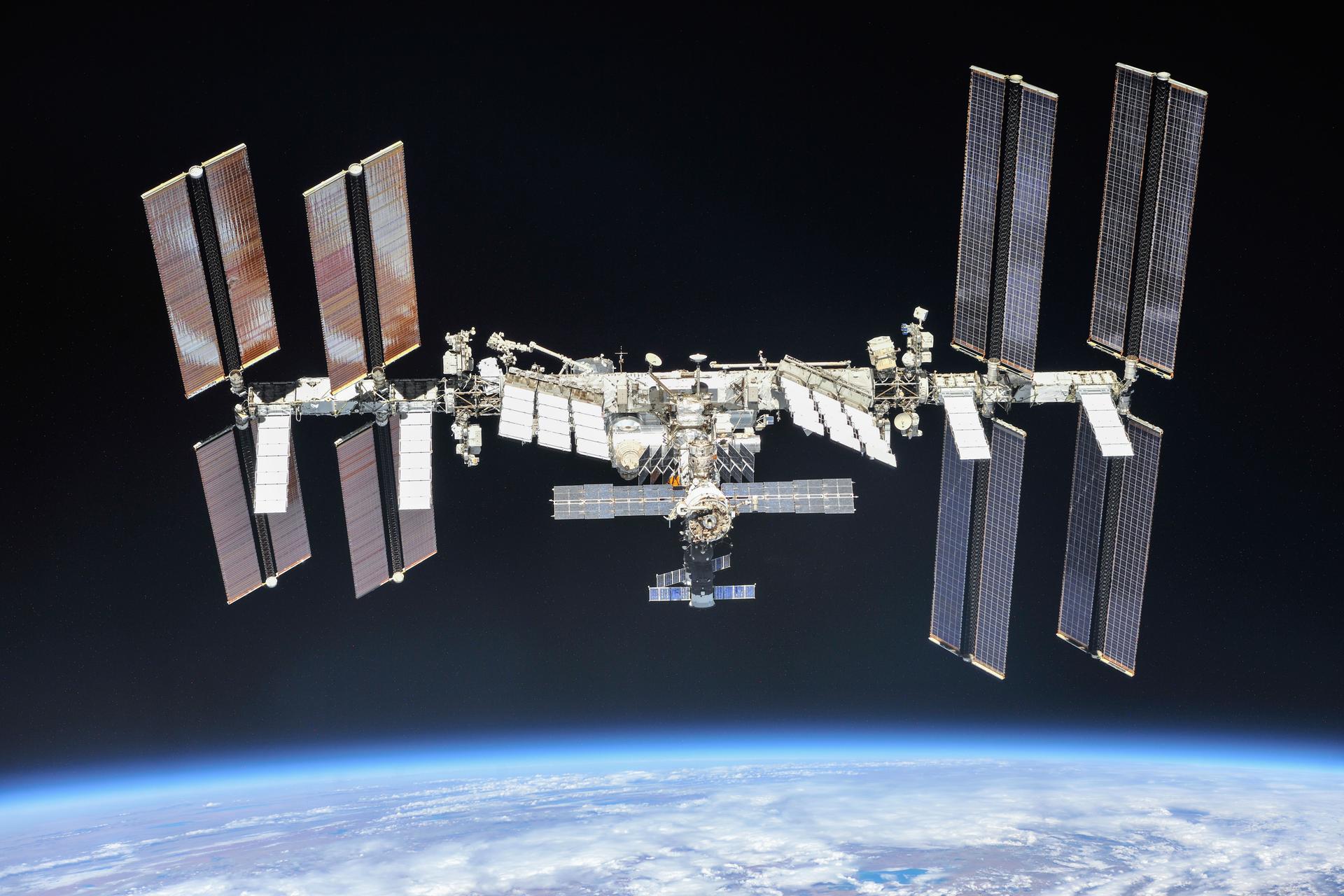
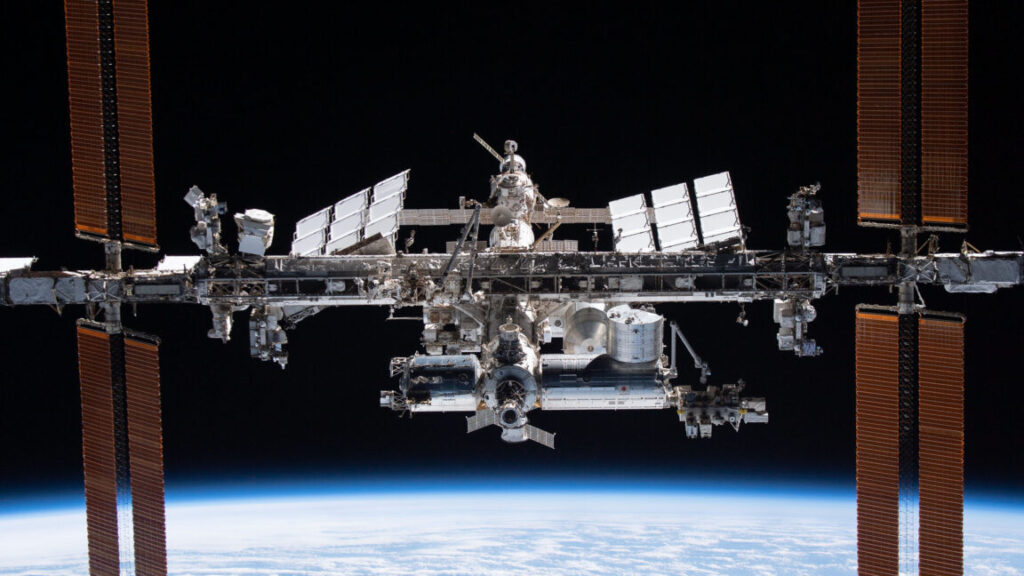
The International Space Station orbits 260 miles (420 kilometers) above the Earth. Credit: NASA

NASA officials said Thursday they have decided to bring home four of the seven crew members on the International Space Station after one of them experienced a “medical situation” earlier this week.

The space agency has said little about the incident, and officials have not identified which crew member suffered the medical issue. James “JD” Polk, NASA’s chief health and medical officer, told reporters Thursday the crew member is “absolutely stable” but that the agency is “erring on the side of caution” with the decision to return the astronaut to Earth.

The ailing astronaut is part of the Crew-11 mission, which launched to the station August 1 and was slated to come back to Earth around February 20. Instead, the Crew-11 astronauts will depart the International Space Station (ISS) in the coming days and head for reentry and a parachute-assisted splashdown in the Pacific Ocean off the coast of California.

After discussions with our chief health and medical officer, Dr. JD Polk, and leadership across the agency, I’ve come to the decision that it’s in the best interests of our astronauts to return Crew-11 ahead of their planned departure,” NASA Administrator Jared Isaacman said Thursday.

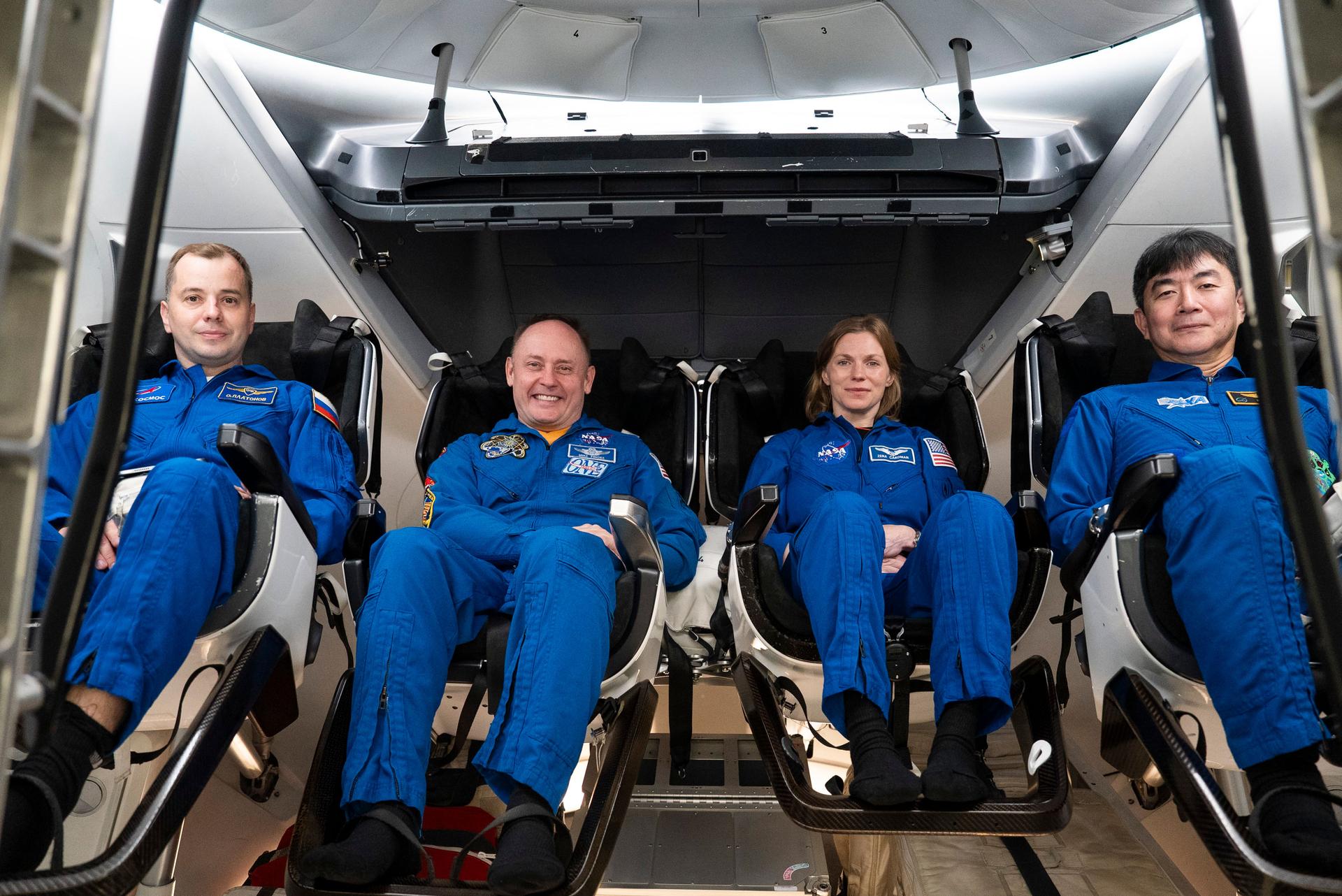
The Crew-11 mission is led by commander Zena Cardman, 38, who is wrapping up her first mission to space. Second in command is pilot Mike Fincke, a 58-year-old astronaut on his fourth spaceflight. Japanese astronaut Kimiya Yui, 55, and Russian cosmonaut Oleg Platonov, 39, round out the crew.

Isaacman said NASA will release more information about the schedule for Crew-11’s undocking and reentry within the next 48 hours. The crew will come home aboard the same SpaceX Crew Dragon spacecraft they launched in more than five months ago. The entire crew must return to Earth together because they rely on the same Dragon spacecraft as a lifeboat.

“For over 60 years, NASA has set the standard for safety and security in crewed spaceflight,” Isaacman said. “In these endeavors, including the 25 years of continuous human presence onboard the International Space Station, the health and well-being of our astronauts is always and will be our highest priority.”

From left to right: Crew-11 mission specialist Oleg Platonov, pilot Mike Fincke, commander Zena Cardman, and mission specialist Kimiya Yui. This photo was taken during training at SpaceX’s facility in Hawthorne, California.

Credit: SpaceX

From left to right: Crew-11 mission specialist Oleg Platonov, pilot Mike Fincke, commander Zena Cardman, and mission specialist Kimiya Yui. This photo was taken during training at SpaceX’s facility in Hawthorne, California. Credit: SpaceX

Lingering risk

Polk, a physician who has served as NASA’s chief medical officer since 2016, said the agency is not ready to release details about the medical issue, citing privacy concerns. “I’m not going to speak about any particular astronaut or any particular specific diagnosis,” Polk said. “I’d ask that we still respect the privacy of the astronaut.”

Two of the Crew-11 astronauts, Cardman and Fincke, were preparing to head outside the space station on a spacewalk early Thursday. Spacewalk preps at the space station include a period of time breathing high concentrations of oxygen to purge nitrogen from the astronauts’ bloodstreams, a mitigation to avoid decompression sickness when crew members are sealed inside their spacesuits’ pure oxygen atmosphere.

Polk said whatever happened Wednesday “had nothing to do” with preparing for the spacewalk. “This was totally unrelated to any operations onboard,” he said. “It’s mostly having a medical issue in the difficult areas of microgravity with the suite of hardware that we have at our avail to complete a diagnosis.”

Yui radioed mission controllers in Houston on Wednesday afternoon requesting a private medical conference with a flight surgeon, then asked ground teams to turn on camera views inside the station ahead of the session. Medical sessions are carried out on private radio channels and are not heard on the regular communication loops between the space station and mission control. Those open loops are streamed around the clock online, but NASA removed the audio feed from YouTube soon after the crew asked for the medical conference.

NASA publicly revealed a medical concern with one of the astronauts later Wednesday afternoon, then announced late Wednesday night that officials were considering bringing the crew home early.

“I won’t go into specific details about the medical incident itself,” Polk said. “But the crew is highly trained, and they came to the aid of their colleague right away, and that’s part of why we do that training.”

The space station is stocked with medical gear and medications to help astronauts respond to emergencies. Crew members are trained to perform ultrasounds, defibrillate patients, and start IVs, among other things. The medical treatment available on the ISS is akin to what an EMT might provide in transit to a hospital, former astronaut Tom Marshburn, himself a medical doctor, said in 2021.

“We have a very robust suite of medical hardware onboard the International Space Station, but we don’t have the complete amount of hardware that I would have in the emergency department, for example, to complete the workup of a patient,” Polk said.

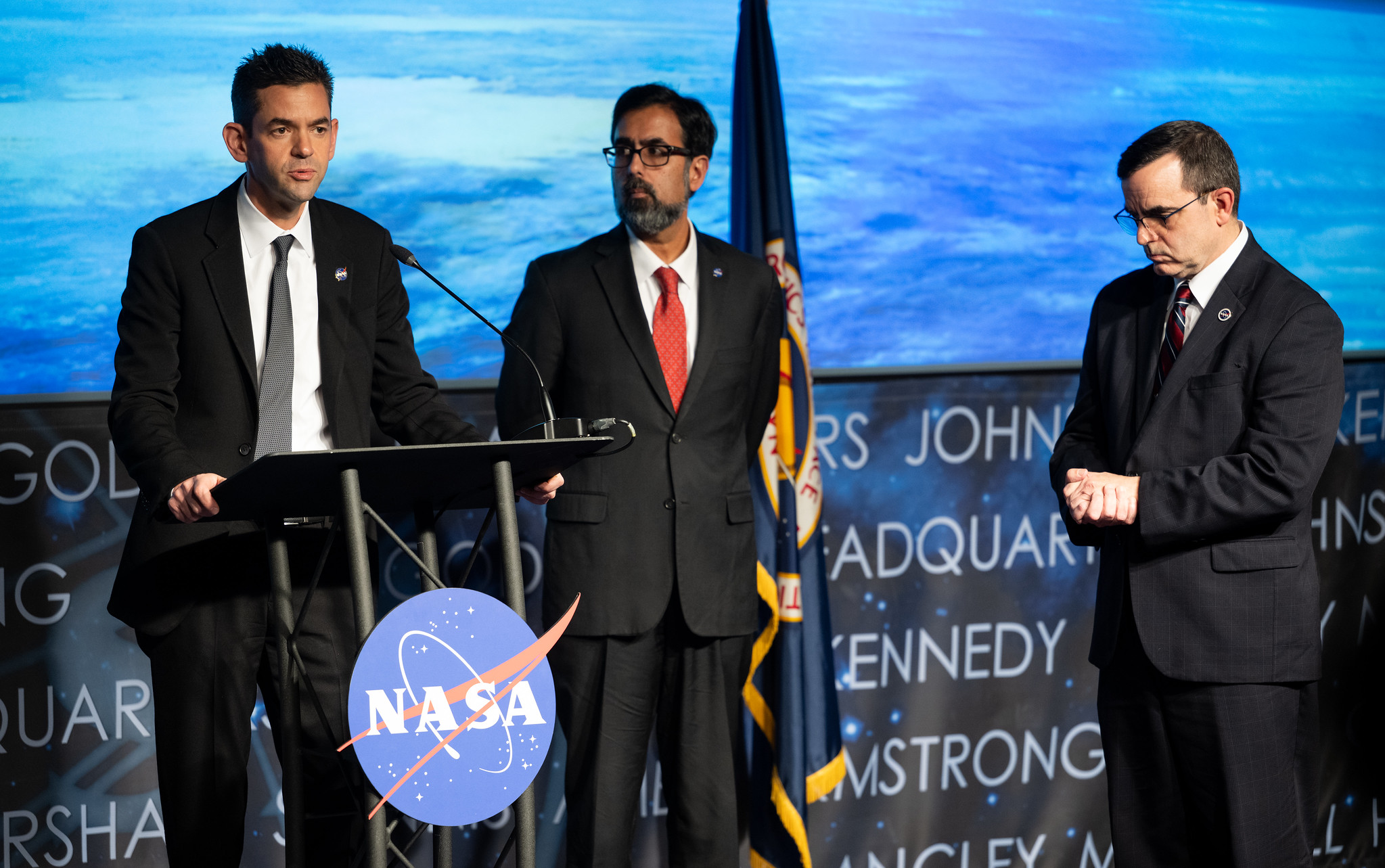
NASA Administrator Jared Isaacman, associate administrator Amit Kshatriya, and chief medical officer James “JD” Polk brief reporters on the status of the Crew-11 mission Thursday.

Credit: NASA/Joel Kowsky

NASA Administrator Jared Isaacman, associate administrator Amit Kshatriya, and chief medical officer James “JD” Polk brief reporters on the status of the Crew-11 mission Thursday. Credit: NASA/Joel Kowsky

Space station managers will take a few days to determine when the Dragon spacecraft will leave the station. SpaceX will dispatch a recovery ship from Southern California to sail for the splashdown zone in the Pacific, and officials will assess weather and sea conditions before selecting the best opportunity to depart the station. Like every crew return, the vessel will be staffed with medical personnel to examine the astronauts after exiting from the Dragon capsule.

“Because the astronaut is absolutely stable, this is not an emergent evacuation,” Polk said. “We’re not immediately disembarking and getting the astronaut down.”

But without a confirmed diagnosis of the astronaut’s medical issue, there’s some “lingering risk” for the astronaut’s health if they remained in orbit, Polk said. That’s why Isaacman and his deputies agreed to call an early end to the Crew-11 mission.

This was the most significant decision of Isaacman’s young tenure as NASA administrator. He was sworn in as NASA chief last month after clearing a confirmation vote in the Senate. Before taking the helm at NASA, Isaacman charted a career as an entrepreneur and private astronaut, flying to space twice on commercial missions with SpaceX.

An inevitability

After Crew-11’s departure, the space station will operate with a smaller crew of three until the arrival of SpaceX’s Crew-12 mission with a fresh team of astronauts next month. Isaacman said NASA and SpaceX are looking at options to move up the launch of Crew-12 from its current target date of February 15.

Until then, the station’s crew will consist of NASA astronaut Chris Williams and two Russian cosmonauts, who launched to the space station in November on a Russian Soyuz vehicle. Williams and his crewmates—Sergey Kud-Sverchkov and Sergey Mikayev—have their own lifeboat in the Soyuz spacecraft, so they will still have a ride home in the event of a future emergency.

The space station regularly operated with just three crew members for the first decade of its existence. The complex has been permanently staffed since 2000, sometimes with as few as two astronauts or cosmonauts. The standard crew size was raised to six in 2009, then to seven in 2020.

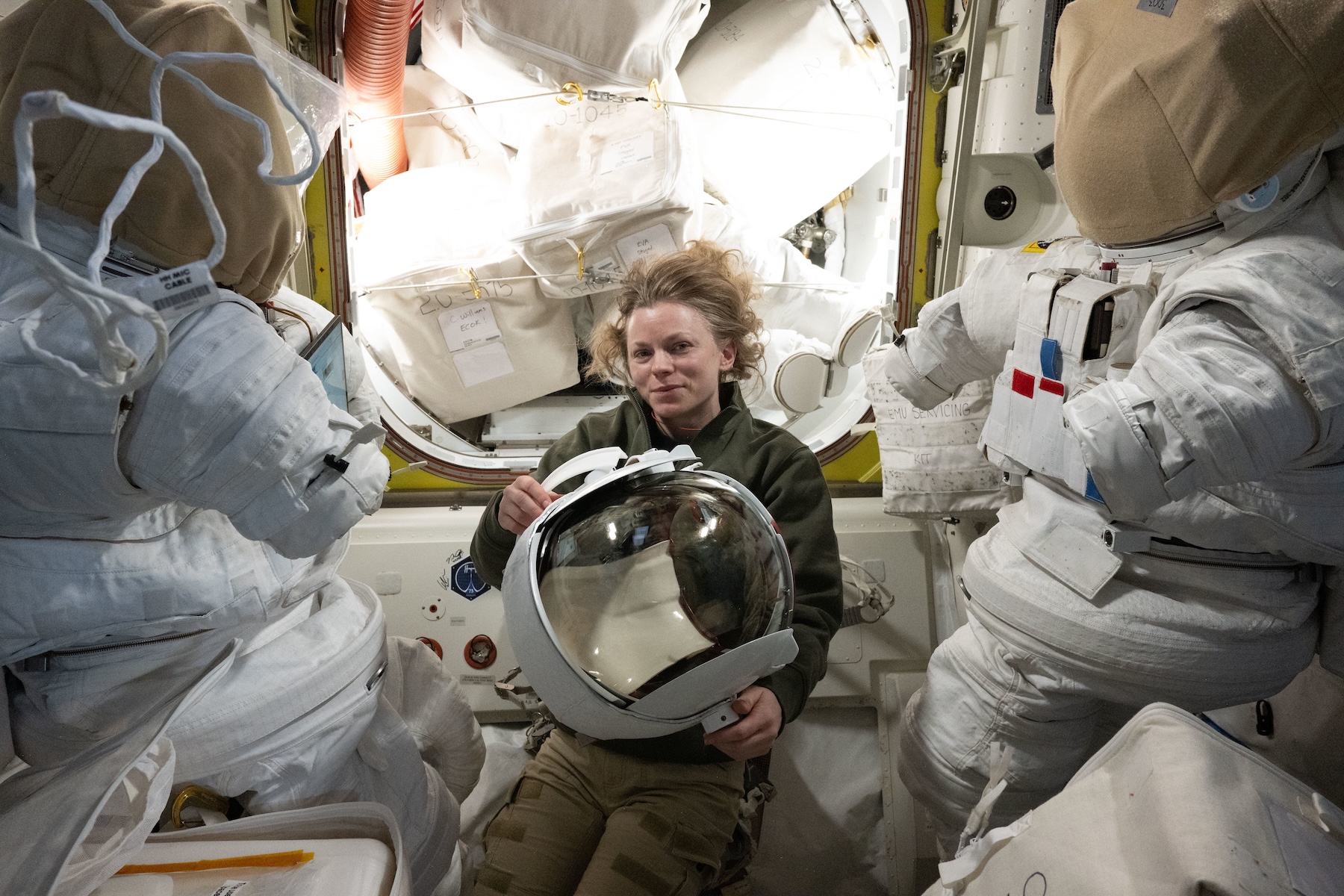
NASA astronaut Zena Cardman works with a spacesuit helmet inside the International Space Station’s airlock.

Credit: NASA

NASA astronaut Zena Cardman works with a spacesuit helmet inside the International Space Station’s airlock. Credit: NASA

Williams will be solely responsible for overseeing the lab’s US segment until Crew-12 arrives. He will be busy keeping up with maintenance tasks, so managers will likely defer some of the station’s scientific investigations until the complex is back to a full crew.

The early departure of Crew-11, leaving Williams as the only US astronaut aboard, also means NASA will be unable to perform spacewalks. This will mean a “slightly elevated risk” in NASA’s ability to respond to a major hardware failure that might require a spacewalk to fix, said Amit Kshatriya, the agency’s associate administrator.

NASA and the Russian space agency, Roscosmos, inked an agreement in 2022 to fly multinational crews on Dragon and Soyuz missions to ensure an American and a Russian are always at the space station. The so-called “seat swap” deal is proving worthwhile with this week’s events.

NASA has never before cut short a human spaceflight mission for medical reasons. “It’s the first time we’ve done a controlled medical evacuation from the vehicle, so that is unusual,” Kshatriya said.

The Soviet Union called an early end for an expedition to the Salyut 7 space station in 1985 after the mission’s commander fell ill in orbit.

In a sense, it is surprising that it took this long. Polk said predictive models suggested the ISS would have a medical evacuation about once every three years. It ended up taking 25 years. In that time, NASA has improved astronauts’ abilities to treat aches and pains, minor injuries, and routine illnesses.

Crews in orbit can now self-treat ailments that might have prompted a crew to return to Earth in the past. One astronaut was diagnosed with deep vein thrombosis, or a blood clot, in 2018 without requiring an early departure from the space station. Another astronaut suffered a pinched nerve in 2021 and remained in orbit for another seven months.

One of the more compelling reasons for the space station’s existence is its ability to act as a testbed for learning how to live and work off the planet. The station has served as a laboratory for studying how spaceflight affects the human body, and as a platform to test life support systems necessary for long-duration voyages to deep space.

“We are doing all this to continue to learn,” Isaacman said. “We will absolutely learn from this situation as well, to see if that informs our future on-orbit operations, whether that be on the space station or our future lunar base that we’re pursuing right now, and eventually for deep space missions to Mars.”

Photo of Stephen Clark

Stephen Clark is a space reporter at Ars Technica, covering private space companies and the world’s space agencies. Stephen writes about the nexus of technology, science, policy, and business on and off the planet.

NASA orders “controlled medical evacuation” from the International Space Station Read More »

with-trump’s-cutbacks,-crew-heads-for-iss-unsure-of-when-they’ll-come-back

With Trump’s cutbacks, crew heads for ISS unsure of when they’ll come back


“We are looking at the potential to extend this current flight, Crew-11.”

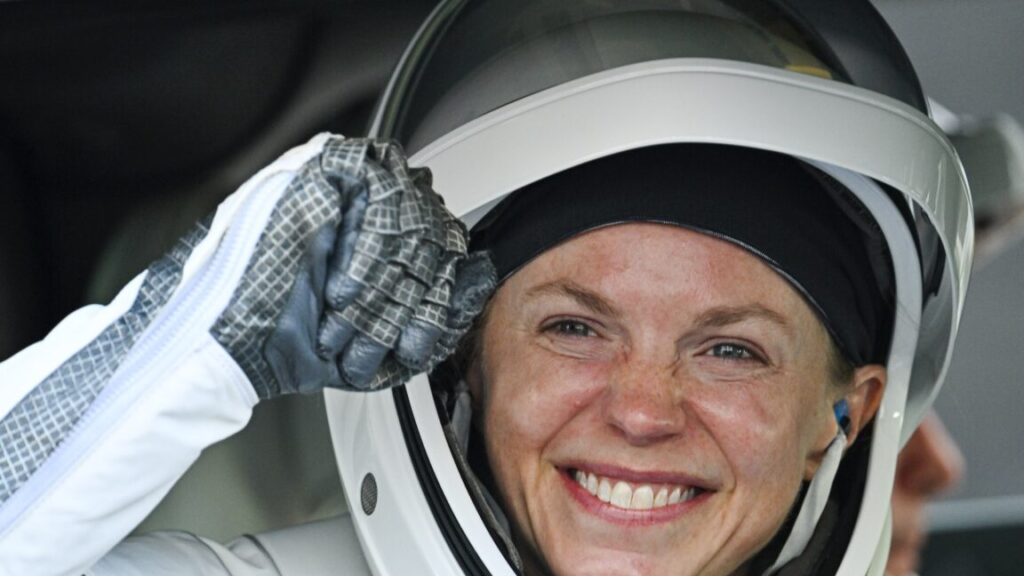
NASA astronaut Zena Cardman departs crew quarters at Kennedy Space Center, Florida, for the ride to SpaceX’s launch pad. Credit: Miguel J. Rodriguez Carrillo/Getty Images

The next four-person team to live and work aboard the International Space Station departed from NASA’s Kennedy Space Center in Florida on Friday, taking aim at the massive orbiting research complex for a planned stay of six to eight months.

Spacecraft commander Zena Cardman leads the mission, designated Crew-11, that lifted off from Florida’s Space Coast at 11: 43 am EDT (15: 43 UTC) on Friday. Sitting to her right inside SpaceX’s Crew Dragon Endeavour capsule was veteran NASA astronaut Mike Fincke, serving as the vehicle pilot. Flanking the commander and pilot were two mission specialists: Kimiya Yui of Japan and Oleg Platonov of Russia.

Cardman and her crewmates rode a Falcon 9 rocket off the launch pad and headed northeast over the Atlantic Ocean, lining up with the space station’s orbit to set the stage for an automated docking at the complex early Saturday.

Goodbye LZ-1

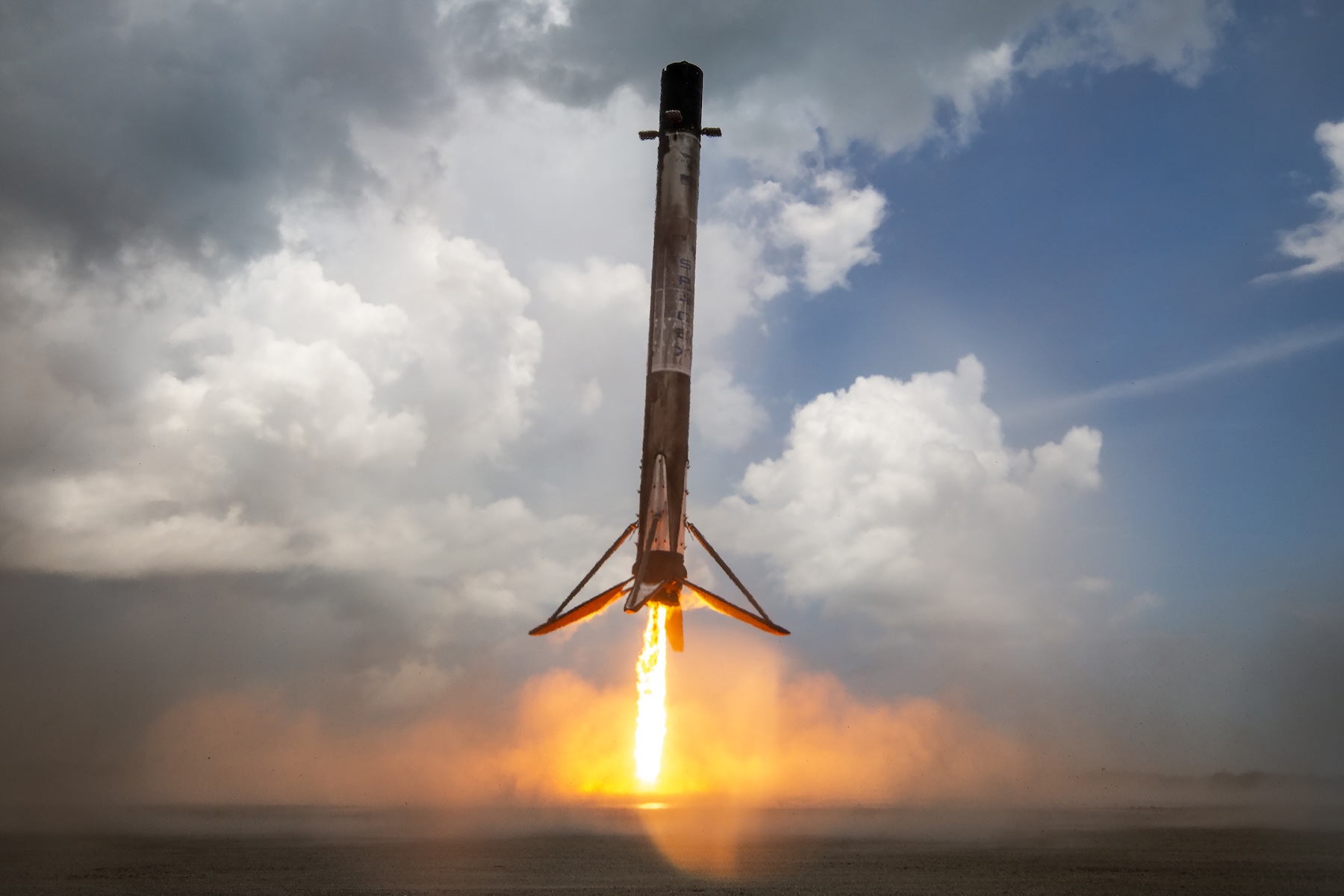
The Falcon 9’s reusable first stage booster detached and returned to a propulsive touchdown at Landing Zone 1 (LZ-1) at Cape Canaveral Space Force Station, a few miles south of the launch site. This was the 53rd and final rocket landing at LZ-1 since SpaceX aced the first intact recovery of a Falcon 9 booster there on December 21, 2015.

On most of SpaceX’s missions, Falcon 9 boosters land on the company’s offshore drone ships hundreds of miles downrange from the launch site. For launches with enough fuel margin, the first stage can return to an onshore landing. But the Space Force, which leases out the landing zones to SpaceX, wants to convert the site of LZ-1 into a launch site for another rocket company.

SpaceX will move onshore rocket landings to new landing zones to be constructed next to the two Falcon 9 launch pads at the Florida spaceport. Landing Zone 2, located adjacent to Landing Zone 1, will also be decommissioned and handed back over to the Space Force once SpaceX activates the new landing sites.

“We’re working with the Cape and with the Kennedy Space Center folks to figure out the right time to make that transition from Landing Zone 2 in the future,” said Bill Gerstenmaier, SpaceX’s vice president of build and flight reliability. “But I think we’ll stay with Landing Zone 2 at least near-term, for a little while, and then look at the right time to move to the other areas.”

The Falcon 9 booster returns to Landing Zone 1 after the launch of the Crew-11 mission on Friday, August 1, 2025. Credit: SpaceX

Meanwhile, the Falcon 9’s second stage fired its single engine to accelerate the Crew Dragon spacecraft into low-Earth orbit. Less than 10 minutes after liftoff, the capsule separated from the second stage to wrap up the 159th consecutive successful launch of a Falcon 9 rocket.

“I have no emotions but joy right now,” Cardman said moments after arriving in orbit. “That was absolutely transcendent, the ride of a lifetime.”

This is the first trip to space for Cardman, a 37-year-old geobiologist and Antarctic explorer selected as a NASA astronaut in 2017. She was assigned to command a Dragon flight to the ISS last year, but NASA bumped her and another astronaut from the mission to make room for the spacecraft to return the two astronauts left behind on the station by Boeing’s troubled Starliner capsule.

Mike Fincke, 58, is beginning his fourth spaceflight after previous launches on Russian Soyuz spacecraft and NASA’s space shuttle. He was previously training to fly on the Starliner spacecraft’s first long-duration mission, but NASA moved him to Dragon as the Boeing program faced more delays.

“Boy, it’s great to be back in orbit!” Fincke said. “Thank you to SpaceX and NASA for getting us here. What a ride!”

Yui is on his second flight to orbit. The 55-year-old former fighter pilot in the Japanese Air Self-Defense Force spent 141 days in space in 2015. Platonov, a 39-year-old spaceflight rookie, was a fighter pilot in the Russian Air Force before training to become a cosmonaut.

A matter of money

There’s some unexpected uncertainty going into this mission about how long the foursome will be in space. Missions sometimes get extended for technical reasons, or because of poor weather in recovery zones on Earth, but there’s something different in play with Crew-11. For the first time, there’s a decent chance that NASA will stretch out this expedition due to money issues.

The Trump administration has proposed across-the-board cuts to most NASA programs, including the International Space Station. The White House’s budget request for NASA in fiscal year 2026, which begins on October 1, calls for an overall cut in agency funding of nearly 25 percent.

The White House proposes a slightly higher reduction by percentage for the International Space Station and crew and cargo transportation to and from the research outpost. The cuts to the ISS would keep the station going through 2030, but with a smaller crew and a reduced capacity for research. Effectively, the ISS would limp toward retirement after more than 30 years in orbit.

Steve Stich, NASA’s commercial crew program manager, said the agency’s engineers are working with SpaceX to ensure the Dragon spacecraft can stay in orbit for at least eight months. The current certification limit is seven months, although officials waived the limit for one Dragon mission that lasted longer.

“When we launch, we have a mission duration that’s baseline,” Stich said in a July 10 press conference. “And then we can extend [the] mission in real-time, as needed, as we better understand… the reconciliation bill and the appropriations process and what that means relative to the overall station manifest.”

An update this week provided by Dana Weigel, NASA’s ISS program manager, indicated that officials are still planning for Crew-11 to stay in space a little longer than usual.

“We are looking at the potential to extend this current flight, Crew-11,” Weigel said Wednesday. “There are a few more months worth of work to do first.”

This photo of the International Space Station was captured by a crew member on a Soyuz spacecraft. Credit: NASA/Roscosmos

Budget bills advanced in the Senate and House of Representatives in July would maintain funding for most NASA programs, including the ISS and transportation, close to this year’s levels. But it’s no guarantee that Congress will pass an appropriations bill for NASA before the deadline of midnight on October 1. It’s also unknown whether President Donald Trump would sign a budget bill into law that rejects his administration’s cuts.

If Congress doesn’t act, lawmakers must pass a continuing resolution as a temporary stopgap measure or accept a government shutdown. Some members of Congress are also concerned that the Trump administration might simply refuse to spend money allotted to NASA and other federal agencies in any budget bill. This move, called impoundment, would be controversial, and its legality would likely have to be adjudicated in the courts.

A separate amendment added in Congress to a so-called reconciliation bill and signed into law by Trump on July 4 also adds $1.25 billion for ISS operations through 2029. “We’re still evaluating how that’s going to affect operations going forward, but it’s a positive step,” said Ken Bowersox, NASA’s associate administrator for space operations.

Suffice it to say that while Congress has signaled its intention to keep funding the ISS and many other NASA programs, the amount of money the space agency will actually receive remains uncertain. Trump appointees have directed NASA managers to prepare to operate as if the White House’s proposed cuts will become reality.

For officials in charge of the International Space Station, this means planning for fewer astronauts, reductions in research output, and longer-duration missions to minimize the number of crew rotation flights NASA must pay for. SpaceX is NASA’s primary contractor for crew rotation missions, using its Dragon spacecraft. NASA has a similar contract with Boeing, but that company’s Starliner spacecraft has not been certified for any operational flights to the station.

SpaceX’s next crew mission to the space station, Crew-12, is scheduled to launch early next year. Weigel said NASA is looking at the “entire spectrum” of options to cut back on the space station’s operations and transportation costs. One of those options would be to launch three crew members on Crew-12 instead of the regular four-person complement.

“We don’t have to answer that right now,” Weigel said. “We can actually wait pretty late to make the crew size smaller if we need to. In terms of cargo vehicles, we’re well-supplied through this fall, so in the short term, I’d say, through the end of this year and the beginning of ’26, things look pretty normal in terms of what we have planned for the program.

“But we’re evaluating things, and we’ll be ready to adjust when the budget is passed and when we figure out where we really land.”

Photo of Stephen Clark

Stephen Clark is a space reporter at Ars Technica, covering private space companies and the world’s space agencies. Stephen writes about the nexus of technology, science, policy, and business on and off the planet.

With Trump’s cutbacks, crew heads for ISS unsure of when they’ll come back Read More »