anti-vaccine

top-cdc-covid-vaccine-expert-resigns-after-rfk-jr.-unilaterally-restricts-access

Top CDC COVID vaccine expert resigns after RFK Jr. unilaterally restricts access

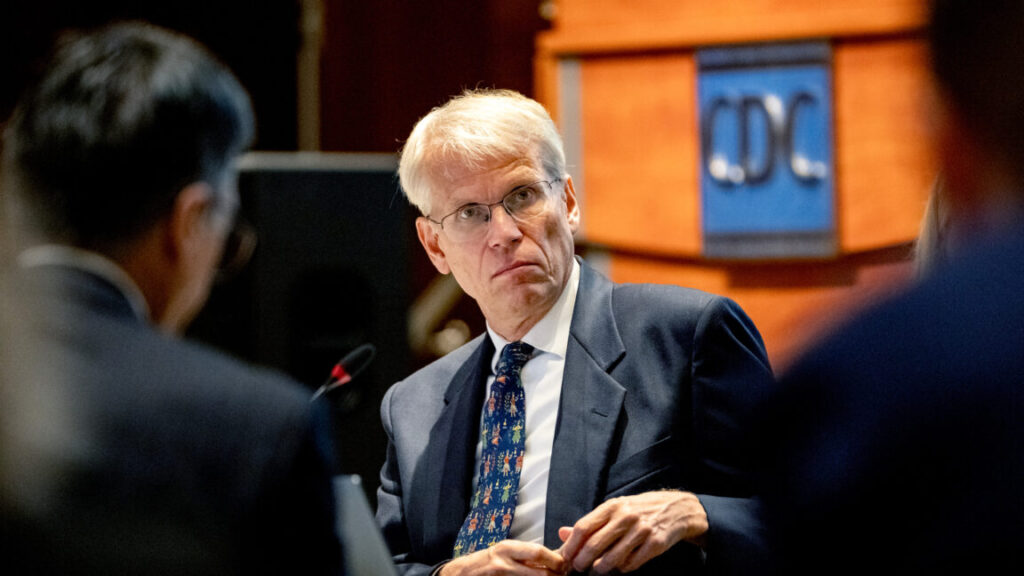
A top expert at the Centers for Disease Control and Prevention who was overseeing the process to update COVID-19 vaccine recommendations resigned on Tuesday.

The resignation, first reported by The Associated Press and confirmed by CBS News, comes just a week after health secretary and anti-vaccine advocate Robert F. Kennedy Jr. unilaterally revoked and altered some of the CDC’s recommendations for COVID-19 vaccines, restricting access to children and pregnant people. The resignation also comes three weeks before CDC’s experts and advisors are scheduled to meet to publicly evaluate data and discuss the recommendations for this season—a long-established process that was disrupted by Kennedy’s announcement.

The departing CDC official, Lakshmi Panagiotakopoulos, a pediatric infectious disease expert, was a co-leader of a working group on COVID-19 vaccines who advised experts on the CDC’s Advisory Committee on Immunization Practices (ACIP). She informed her ACIP colleagues of her resignation in an email on Tuesday.

“My career in public health and vaccinology started with a deep-seated desire to help the most vulnerable members of our population, and that is not something I am able to continue doing in this role,” Panagiotakopoulos wrote.

Unilateral changes

Previously, the CDC and ACIP recommended COVID-19 vaccines for everyone ages 6 months and up. Experts have emphasized that pregnant people in particular should get vaccinated, as pregnancy suppresses the immune system and puts pregnant people at high risk of severe COVID-19 and death. The American College of Obstetricians and Gynecologists states that “COVID-19 infection during pregnancy can be catastrophic.” Further, dozens of studies have found that the vaccines are safe and effective at protecting the pregnant person, the pregnancy, and newborns.

Top CDC COVID vaccine expert resigns after RFK Jr. unilaterally restricts access Read More »

under-rfk-jr.,-covid-shots-will-only-be-available-to-people-65+,-high-risk-groups

Under RFK Jr., COVID shots will only be available to people 65+, high-risk groups


FDA will require big, pricy trials for approvals for healthy kids and adults

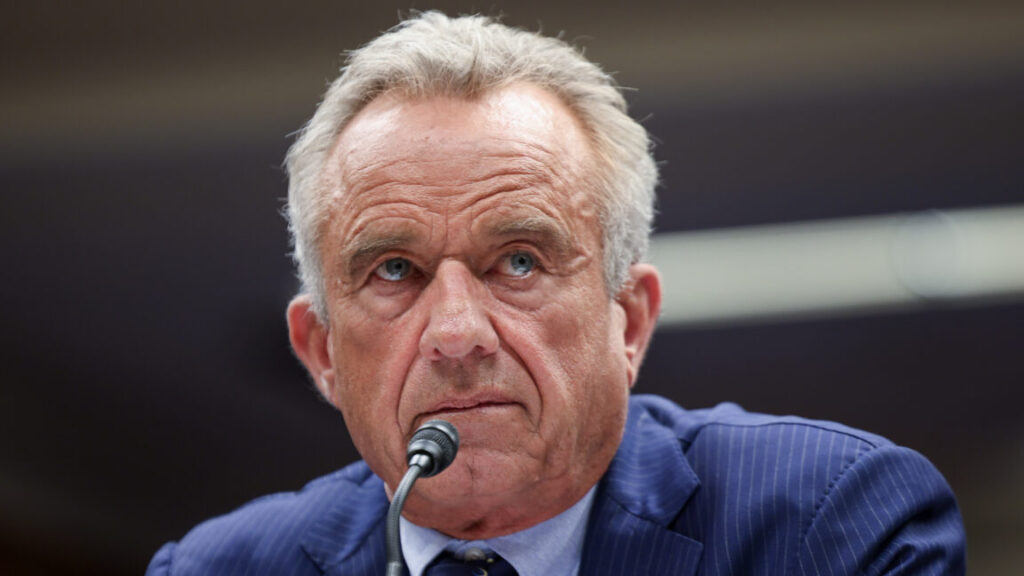
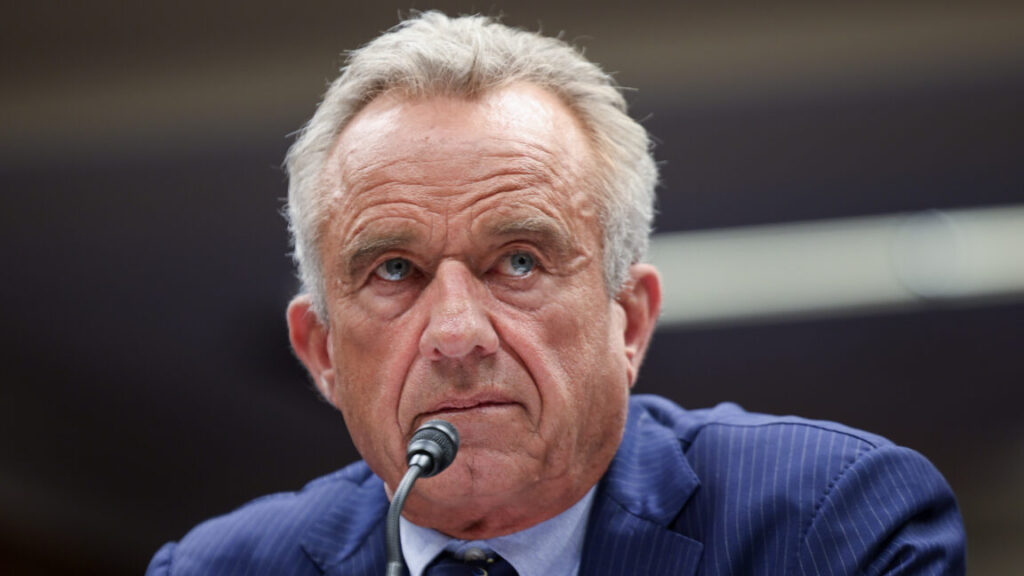
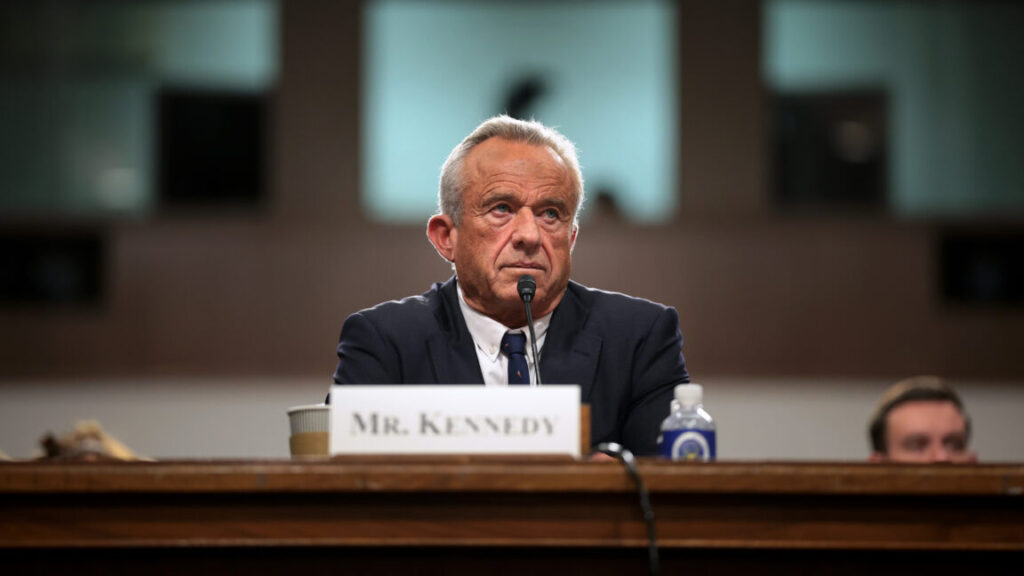
U.S. Secretary of Health and Human Services Robert F. Kennedy Jr. testifies before the Senate Committee on Health, Education, Labor, and Pensions on Capitol Hill on May 20, 2025 in Washington, DC. Credit: Getty | Tasos Katopodis

Under the control of anti-vaccine advocate Robert F. Kennedy Jr., the Food and Drug Administration is unilaterally terminating universal access to seasonal COVID-19 vaccines; instead, only people who are age 65 years and older and people with underlying conditions that put them at risk of severe COVID-19 will have access to seasonal boosters moving forward.

The move was laid out in a commentary article published today in the New England Journal of Medicine, written by Trump administration FDA Commissioner Martin Makary and the agency’s new top vaccine regulator, Vinay Prasad.

The article lays out a new framework for approving seasonal COVID-19 vaccines, as well as a rationale for the change—which was made without input from independent advisory committees for the Food and Drug Administration and the Centers for Disease Control and Prevention.

Normally, the FDA’s VRBPAC (Vaccines and Related Biological Products Advisory Committee) and the CDC’s ACIP (Advisory Committee on Immunization Practices) would publicly review, evaluate, and discuss vaccine approvals and recommendations. Typically, the FDA’s scope focuses on licensure decisions, made with strong influence from VRBPAC, while the CDC’s ACIP is principally responsible for influencing the CDC’s more nuanced recommendations on usage, such as for specific age or risk groups. These recommendations shape clinical practice and, importantly, health insurance coverage.

Makary and Prasad appear to have foregone those norms, even though VRBPAC is set to meet this Thursday to discuss COVID-19 vaccines for the upcoming season.

Restrictions

In the commentary, Markary and Prasad puzzlingly argue that the previous universal access to COVID-19 vaccines was patronizing to Americans. They describe the country’s approach to COVID boosters as a “one-size-fits-all” and write that “the US policy has sometimes been justified by arguing that the American people are not sophisticated enough to understand age- and risk-based recommendations. We reject this view.”

Previously, the seasonally updated vaccines were available to anyone age 6 months and up. Further, people age 65 and older and those at high risk were able to get two or more shots, based on their risk. So, while Makary and Prasad ostensibly reject the view of Americans as being too unsophisticated to understand risk-based usage, the pair are installing restrictions to force their own idea of risk-based usage.

Even more puzzlingly, in an April meeting of ACIP, the expert advisors expressed clear support for shifting from universal recommendations for COVID-19 boosters to recommendations based on risk. Specifically, advisors were supportive of urging boosters for people age 65 and older and people who are at risk of severe COVID-19—the same restrictions that Makary and Prasad are forcing. The two regulators do not mention this in their NEJM commentary. ACIP would also likely recommend a primary series of seasonally matched COVID-19 vaccines for very young children who have not been previously exposed to the virus or vaccinated.

ACIP will meet again in June, but without a permissive license from the FDA, ACIP’s recommendations for risk-based usage of this season’s COVID-19 shots are virtually irrelevant. And they cannot recommend usage in groups that the FDA licensure does not cover. It’s unclear if a primary series for young children will be available and, if so, how that will be handled moving forward.

New vaccine framework

Under Makary and Prasad’s new framework, seasonally updated COVID-19 vaccines can continue to be approved annually using only immunology studies—but the approvals will only be for people age 65 and over and people who are at high risk. These immunology studies look at antibody responses to boosters, which offer a shorthand for efficacy in updated vaccines that have already been through rigorous safety and efficacy trials. This is how seasonal flu shots are approved each year and how COVID boosters have been approved for all people age 6 months and up—until now.

Moving forward, if a vaccine maker wants to have their COVID-19 vaccine also approved for use in healthy children and healthy adults under age 65, they will have to conduct large, randomized, placebo-controlled studies. These may need to include tens of thousands of participants, especially with high levels of immunity in the population now. These trials can easily cost hundreds of millions of dollars, and they can take many months to complete. The requirement for such trials will make it difficult, if not impossible, for drug makers to conduct them each year and within a timeframe that will allow for seasonal shots to complete the trial, get regulatory approval, and be produced at scale in time for the start of the respiratory virus season.

Makary and Prasad did not provide any data analysis or evidence-based reasoning for why additional trials would be needed to continue seasonal approvals. In fact, the commentary had a total of only eight references, including an opinion piece Makary published in Newsweek and a New York Times article.

“We simply don’t know whether a healthy 52-year-old woman with a normal BMI who has had COVID-19 three times and has received six previous doses of a COVID-19 vaccine will benefit from the seventh dose,” they argue in their commentary.

Their new framework does not make any mention of what will happen if a more dangerous SARS-CoV-2 variant emerges. It also made no mention of vaccine usage in people who are in close contact with high-risk groups, such as ICU nurses or family members of immunocompromised people.

Context

Another lingering question from the framework is how easy it will be for people deemed at high risk to get access to seasonal shots. Makary and Prasad lay out a long list of conditions that would put people at risk of severe COVID-19 and therefore make them eligible for a seasonal booster. The list includes: obesity; asthma; lung diseases; HIV; diabetes; pregnancy; gestational diabetes; heart conditions; use of corticosteroids; dementia; physical inactivity; mental health conditions, including depression; and smoking, current or former. The FDA leaders estimate that between 100 million and 200 million Americans will fit into the category of being at high risk. It’s unclear what such a large group of Americans will need to do to establish eligibility every year.

In all, the FDA’s move to restrict and hinder access to seasonal COVID-19 vaccines is in line with Kennedy’s influential anti-vaccine advocacy work. In 2021, prior to taking the role of the country’s top health official, Kennedy and the anti-vaccine organization he founded, Children’s Health Defense, petitioned the FDA to revoke authorizations for COVID-19 vaccines and refrain from issuing any approvals.

Ironically, Makary and Prasad blame the country’s COVID-19 policies for helping to erode Americans’ trust in vaccines broadly.

“There may even be a ripple effect: public trust in vaccination in general has declined, resulting in a reluctance to vaccinate that is affecting even vital immunization programs such as that for measles–mumps–rubella (MMR) vaccination, which has been clearly established as safe and highly effective,” the two write, including the most full-throated endorsement of the MMR vaccine the Trump administration has issued yet. Kennedy continues to spread misinformation about the vaccine, including the false and debunked idea that it causes autism.

“Against this context, the Food and Drug Administration seeks to provide guidance and foster evidence generation,” Makary and Prasad write.

Photo of Beth Mole

Beth is Ars Technica’s Senior Health Reporter. Beth has a Ph.D. in microbiology from the University of North Carolina at Chapel Hill and attended the Science Communication program at the University of California, Santa Cruz. She specializes in covering infectious diseases, public health, and microbes.

Under RFK Jr., COVID shots will only be available to people 65+, high-risk groups Read More »

rfk-jr.-rejects-cornerstone-of-health-science:-germ-theory

RFK Jr. rejects cornerstone of health science: Germ theory


In his 2021 book vilifying Anthony Fauci, RFK Jr. lays out support for an alternate theory.

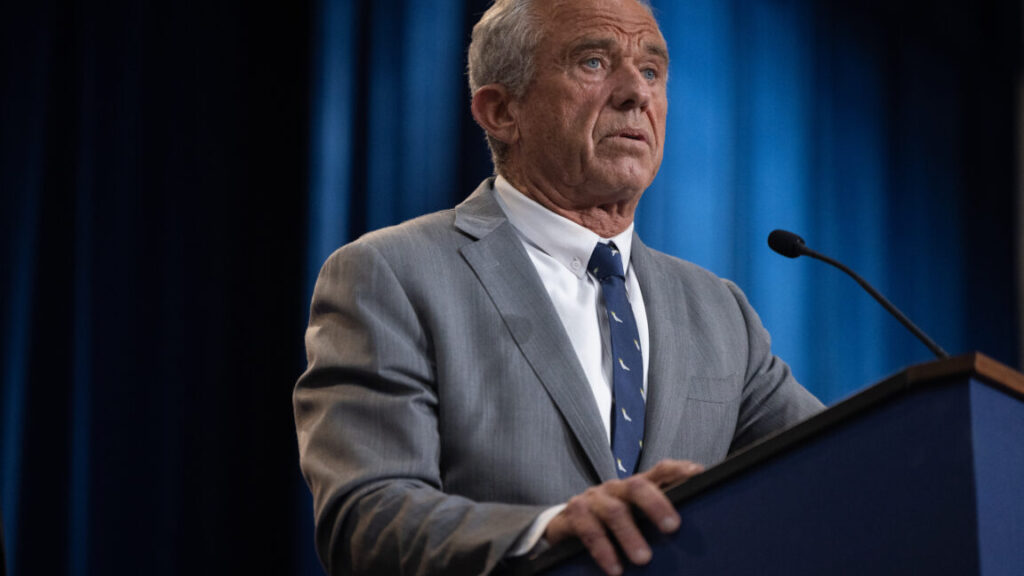
Health and Human Services Secretary Robert F. Kennedy Jr. speaks at a news conference on removing synthetic dyes from America’s food supply, at the Health and Human Services Headquarters in Washington, DC on April 22, 2025. Credit: Getty | Nathan Posner

With the rise of Robert F. Kennedy Jr., brain worms have gotten a bad rap.

A year ago, the long-time anti-vaccine advocate and current US health secretary famously told The New York Times that a parasitic worm “got into my brain and ate a portion of it and then died.” The startling revelation is now frequently referenced whenever Kennedy says something outlandish, false, or offensive—which is often. For those who have followed his anti-vaccine advocacy, it’s frightfully clear that, worm-infested or not, Kennedy’s brain is marinated in wild conspiracy theories and dangerous misinformation.

While it’s certainly possible that worm remnants could impair brain function, it remains unknown if the worm is to blame for Kennedy’s cognitive oddities. For one thing, he was also diagnosed with mercury poisoning, which can cause brain damage, too. As prominent infectious disease expert Anthony Fauci said last June in a conversation with political analyst David Axelrod: “I don’t know what’s going on in [Kennedy’s] head, but it’s not good.”

The trouble is that now that Kennedy is the country’s top health official, his warped ideas are contributing to the rise of a dystopian reality. Federal health agencies are spiraling into chaos, and critical public health services for Americans have been brutally slashed, dismantled, or knee-capped—from infectious disease responses, the lead poisoning team, and Meals on Wheels to maternal health programs and anti-smoking initiatives, just to name a few. The health of the nation is at stake; the struggle to understand what goes on in Kennedy’s head is vital.

While we may never have definitive answers on his cognitive situation, one thing is plain: Kennedy’s thoughts and actions make a lot more sense when you realize he doesn’t believe in a foundational scientific principle: germ theory.

Dueling theories

Germ theory is, of course, the 19th-century proven idea that microscopic germs—pathogenic viruses, bacteria, parasites, and fungi—cause disease. It supplanted the leading explanation of disease at the time, the miasma theory, which suggests that diseases are caused by miasma, that is, noxious mists and vapors, or simply bad air arising from decaying matter, such as corpses, sewage, or rotting vegetables. While the miasma theory was abandoned, it is credited with spurring improvements in sanitation and hygiene—which, of course, improve health because they halt the spread of germs, the cause of diseases.

Germ theory also knocks back a lesser-known idea called the terrain theory, which we’ve covered before. This is a somewhat ill-defined theory that generally suggests diseases stem from imbalances in the internal “terrain” of the body, such as malnutrition or the presence of toxic substances. The theory is linked to ideas by French scientist Antoine Béchamp and French physiologist Claude Bernard.

Béchamp, considered a bitter crank and rival to famed French microbiologist Louis Pasteur, is perhaps best known for wrongly suggesting the basic unit of organisms is not the cell, but nonexistent microanatomical elements he called “microzyma.” While the idea was largely ignored by the scientific community, Béchamp suggested that disruptions to microzyma are a predisposition to disease, as is the state of the body’s “terrain.” French physiologist Claude Bernard, meanwhile, came up with an idea of balance or stability of the body’s internal environment (milieu intérieur), which was a precursor to the concept of homeostasis. Ideas from the two figures came together to create an ideology that has been enthusiastically adopted by modern-day germ theory denialists, including Kennedy.

It’s important to note here that our understanding of Kennedy’s disbelief in germ theory isn’t based on speculation or deduction; it’s based on Kennedy’s own words. He wrote an entire section on it in his 2021 book vilifying Fauci, titled The Real Anthony Fauci. The section is titled “Miasma vs. Germ Theory,” in the chapter “The White Man’s Burden.”

But, we did reach out to Health and Human Services to ask how Kennedy’s disbelief in germ theory influences his policy decisions. HHS did not respond.

Kennedy’s beliefs

In the chapter, Kennedy promotes the “miasma theory” but gets the definition completely wrong. Instead of actual miasma theory, he describes something more like terrain theory. He writes: “‘Miasma theory’ emphasizes preventing disease by fortifying the immune system through nutrition and by reducing exposures to environmental toxins and stresses.”

Kennedy contrasts his erroneous take on miasma theory with germ theory, which he derides as a tool of the pharmaceutical industry and pushy scientists to justify selling modern medicines. The abandonment of miasma theory, Kennedy bemoans, realigned health and medical institutions to “the pharmaceutical paradigm that emphasized targeting particular germs with specific drugs rather than fortifying the immune system through healthy living, clean water, and good nutrition.”

According to Kennedy, germ theory gained popularity, not because of the undisputed evidence supporting it, but by “mimicking the traditional explanation for disease—demon possession—giving it a leg up over miasma.”

To this day, Kennedy writes, a “$1 trillion pharmaceutical industry pushing patented pills, powders, pricks, potions, and poisons, and the powerful professions of virology and vaccinology led by ‘Little Napoleon’ himself, Anthony Fauci, fortify the century-old predominance of germ theory.”

In all, the chapter provides a clear explanation of why Kennedy relentlessly attacks evidence-based medicines; vilifies the pharmaceutical industry; suggests HIV doesn’t cause AIDS and antidepressants are behind mass shootings; believes that vaccines are harmful, not protective; claims 5G wireless networks cause cancer; suggests chemicals in water are changing children’s gender identities; and is quick to promote supplements to prevent and treat diseases, such as recently recommending vitamin A for measles and falsely claiming children who die from the viral infection are malnourished.

A religious conviction

For some experts, the chapter was like a light bulb going on. “I thought ‘it now all makes sense’… I mean, it all adds up,” Paul Offit, pediatrician and infectious disease expert at Children’s Hospital of Philadelphia, told Ars Technica. It’s still astonishing, though, he added. “It’s so unbelievable, because you can’t imagine that someone who’s the head of Health and Human Services doesn’t believe that specific viruses or bacteria cause specific diseases, and that the prevention or treatment of them is lifesaving.”

Offit has a dark history with Kennedy. Around 20 years ago, Kennedy called Offit out of the blue to talk with him about vaccine safety. Offit knows a lot about it—he’s not only an expert on vaccines, he’s the co-inventor of one. The vaccine he co-developed, RotaTeq, protects against rotaviruses, which cause deadly diarrheal disease in young children and killed an estimated 500,000 people worldwide each year before vaccines were available. RotaTeq has been proven safe and effective and is credited with saving tens of thousands of lives around the world each year.

Kennedy and Offit spent about an hour talking, mostly about thimerosal, an ethylmercury-containing preservative that was once used in childhood vaccines but was mostly abandoned by 2001 as a precautionary measure. RotaTeq doesn’t and never did contain thimerosal—because it’s a live, attenuated viral vaccine, it doesn’t contain any preservatives. But Kennedy has frequently used thimerosal as a vaccine bogeyman over the years, claiming it causes harms (there is no evidence for this).

After their conversation, Kennedy published a story in Rolling Stone and Salon.com titled “Deadly Immunity,” which erroneously argued that thimerosal-containing vaccines cause autism. The article was riddled with falsehoods and misleading statements. It described Offit as “in the pocket” of the pharmaceutical industry and claimed RotaTeq was “laced” with thimerosal. Rolling Stone and Salon amended some of the article’s problems, but eventually Salon retracted it and Rolling Stone deleted it.

Looking back, Offit said he was sandbagged. “He’s a liar. He lied about who he was; he lied about what he was doing. He was just wanting to set me up,” Offit said.

Although that was the only time they had ever spoken, Kennedy has continued to disparage and malign Offit over the years. In his book dedicated to denigrating Fauci, Kennedy spends plenty of time spitting insults at Offit, calling him a “font of wild industry ballyhoo, prevarication, and outright fraud.” He also makes the wildly false claim that RotaTeq “almost certainly kills and injures more children in the United States than the rotavirus disease.”

Inconvincible

Understanding that Kennedy is a germ theory denialist and terrain theory embracer makes these attacks easier to understand—though no less abhorrent or dangerous.

“He holds these beliefs like a religious conviction,” Offit said. “There is no shaking him from that,” regardless of how much evidence there is to prove him wrong. “If you’re trying to talk him out of something that he holds with a religious conviction—that’s never going to happen. And so any time anybody disagrees with him, he goes, ‘Well, of course, they’re just in the pocket of industry; that’s why they say that.'”

There are some aspects of terrain theory that do have a basis in reality. Certainly, underlying medical conditions—which could be considered a disturbed bodily “terrain”—can make people more vulnerable to disease. And, with recent advances in understanding the microbiome, it has become clear that imbalances in the microbial communities in our gastrointestinal tracts can also predispose people to infections.

But, on the whole, the evidence against terrain theory is obvious and all around us. Terrain theorists consider disease a symptom of an unhealthy internal state, suggesting that anyone who gets sick is unhealthy and that all disease-causing germs are purely opportunistic. This is nonsense: Plenty of people fall ill while being otherwise healthy. And many germs are dedicated pathogens, with evolved, specialized virulence strategies such as toxins, and advanced defense mechanisms such as antibacterial resistance. They are not opportunists.

(There are some terrain theory devotees who do not believe in the existence of microbes at all—but Kennedy seems to accept that bacteria and viruses are real.)

Terrain theory applied

Terrain theory’s clash with reality has become painfully apparent amid Kennedy’s handling—or more accurately, mishandling—of the current measles situation in the US.

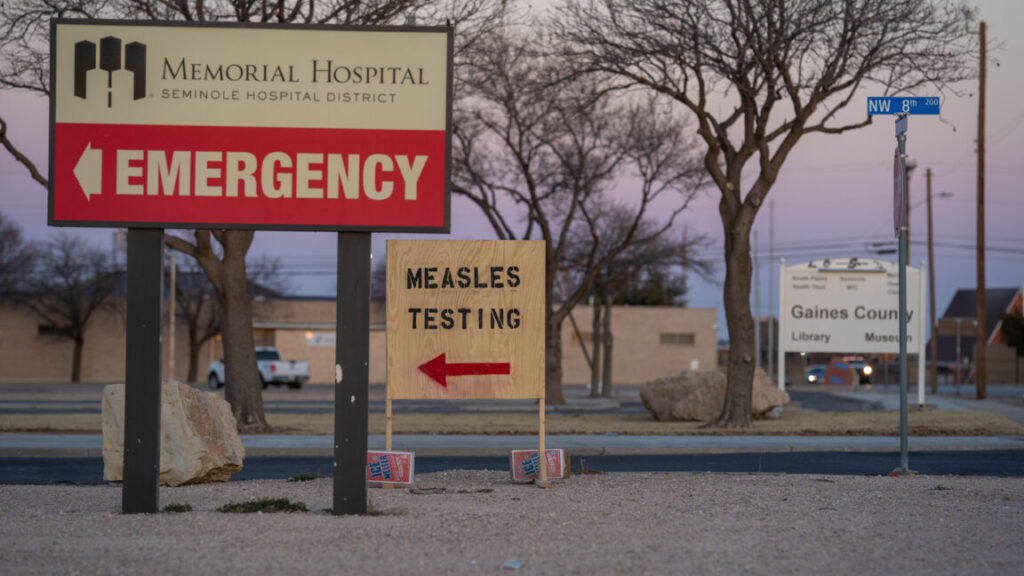
Most health experts would consider the current measles situation in the US akin to a five-alarm fire. An outbreak that began at the end of January in West Texas is now the largest and deadliest the country has seen in a quarter-century. Three people have died, including two unvaccinated young children who were otherwise healthy. The outbreak has spread to at least three other states, which also have undervaccinated communities where the virus can thrive. There’s no sign of the outbreak slowing, and the nation’s overall case count is on track to be the highest since the mid-1990s, before measles was declared eliminated in 2000. Modeling indicates the country will lose its elimination status and that measles will once again become endemic in the US.

Given the situation, one might expect a vigorous federal response—one dominated by strong and clear promotion of the highly effective, safe measles vaccine. But of course, that’s not the case.

“When those first two little girls died of measles in West Texas, he said immediately—RFK Jr.—that they were malnourished. It was the doctors that stood up and said ‘No, they had no risk factors. They were perfectly well-nourished,'” Offit points out.

Kennedy has also heavily pushed the use of vitamin A, a fat-soluble vitamin that accumulates in the body and can become toxic with large or prolonged doses. It does not prevent measles and is mainly used as supportive care for measles in low-income countries where vitamin A deficiency is common. Nevertheless, vaccine-hesitant communities in Texas have embraced it, leading to reports from doctors that they have had to treat children for vitamin A toxicity.

Poisons

Despite the raging outbreak, Kennedy spent part of last week drumming up fanfare for a rickety plan to rid American foods of artificial food dyes, which are accused of making sugary processed foods more appealing to kids, in addition to posing their own health risks. It’s part of his larger effort to improve Americans’ nutrition, a tenet of terrain theory. Though Kennedy has organized zero news briefings on the measles outbreak, he appeared at a jubilant press conference on removing the dyes.

The conference was complete with remarks from people who seem to share similar beliefs as Kennedy, including famed pseudoscience-peddler Vani Hari, aka “Food Babe,” and alternative-medicine guru and fad diet promoter Mark Hyman. Wellness mogul and special government employee Cally Meads also took to the podium to give a fury-filled speech in which he claimed that 90 percent of FDA’s spending is because we are “poisoning our children,” echoing a claim Kennedy has also made.

Kennedy, for his part, declared that “sugar is poison,” though he acknowledged that the FDA can’t ban it. While the conference was intended to celebrate the removal of artificial food dyes, he also acknowledged that there is no ban, nor forthcoming regulations, or even an agreement with food companies to remove the dyes. Kennedy instead said he simply had “an understanding” with food companies. FDA Commissioner Marty Makary explained the plan by saying: “I believe in love, and let’s start in a friendly way and see if we can do this without any statutory or regulatory changes.” Bloomberg reported the next day that food industry lobbyists said there is no agreement to remove the dyes.

However feeble the move, a focus on banning colorful cereal during a grave infectious disease outbreak makes a lot of sense if you know that Kennedy is a germ theory denialist.

But then again, there’s also the brain worm.

Photo of Beth Mole

Beth is Ars Technica’s Senior Health Reporter. Beth has a Ph.D. in microbiology from the University of North Carolina at Chapel Hill and attended the Science Communication program at the University of California, Santa Cruz. She specializes in covering infectious diseases, public health, and microbes.

RFK Jr. rejects cornerstone of health science: Germ theory Read More »

controversial-doc-gets-measles-while-treating-unvaccinated-kids—keeps-working

Controversial doc gets measles while treating unvaccinated kids—keeps working

In the video with Edwards that has just come to light, CHD once again uses the situation to disparage MMR vaccines. Someone off camera asks Edwards if he had never had measles before, to which he replies that he had gotten an MMR vaccine as a kid, though he didn’t know if he had gotten one or the recommended two doses.

“That doesn’t work then, does it?” the off-camera person asks, referring to the MMR vaccine. “No, apparently not, ” Edwards replies. “Just wear[s] off.”

It appears Edwards had a breakthrough infection, which is rare, but it does occur. They’re more common in people who have only gotten one dose, which is possibly the case for Edwards.

A single dose of MMR is 93 percent effective against measles, and two doses are 97 percent effective. In either case, the protection is considered lifelong.

While up to 97 percent effectiveness is extremely protective, some people do not mount protective responses and are still vulnerable to an infection upon exposure. However, their illnesses will likely be milder than if they had not been vaccinated. In the video, Edwards described his illness as a “mild case.”

The data on the outbreak demonstrates the effectiveness of vaccination. As of April 18, Texas health officials have identified 597 measles cases, leading to 62 hospitalizations and two deaths in school-aged, unvaccinated children with no underlying medical conditions. Most of the cases have been in unvaccinated children. Of the 597 cases, 12 (2 percent) had received two MMR doses previously, and 10 (1.6 percent) had received one dose. The remaining 96 percent of cases are either unvaccinated or have no record of vaccination.

Toward the end of the video, Edwards tells CHD he’s “doing what any doctor should be doing.”

Controversial doc gets measles while treating unvaccinated kids—keeps working Read More »

mom-of-child-dead-from-measles:-“don’t-do-the-shots,”-my-other-4-kids-were-fine

Mom of child dead from measles: “Don’t do the shots,” my other 4 kids were fine

Cod liver oil contains high levels of vitamin A, which is sometimes administered to measles patients under a physician’s supervision. But the supplement is mostly a supportive treatment in children with vitamin deficiencies, and taking too much can cause toxicity. Nevertheless, Kennedy has touted the vitamin and falsely claimed that good nutrition protects against the virus, much to the dismay of pediatricians.

“They had a really good, quick recovery,” the mother said of her other four children, attributing their recovery to the unproven treatments.

Tragic misinformation

Most children do recover from measles, regardless of whether they’re given cod liver oil. The fatality rate of measles is nearly 1 to 3 in 1,000 children, who die with respiratory (e.g., pneumonia) or neurological complications from the virus, according to the Centers for Disease Control and Prevention.

Tommey noted that the sibling who died didn’t get the alternative treatments, leading the audience to believe that this could have contributed to her death. She also questioned what was written on the death certificate, noting that the girl’s pneumonia was from a secondary bacterial infection, not the virus directly, a clear effort to falsely suggest measles was not the cause of death and downplay the dangers of the disease. The parents said they hadn’t received the death certificate yet.

Tommey then turned to the MMR vaccine, asking if the mother still felt that it was a dangerous vaccine after her daughter’s death from the disease, prefacing the question by claiming to have seen a lot of “injury” from the vaccine. “Do you still feel the same way about the MMR vaccine versus measles?” she asked.

“Yes, absolutely; we would absolutely not take the MMR. The measles wasn’t that bad, and they got over it pretty quickly,” the mother replied, speaking again of her four living children.

“So,” Tommey continued, “when you see the fearmongering in the press, which is what we want to stop, that is why we want to get the truth out, what do you say to the parents who are rushing out, panicking, to get the MMR for their 6-month-old baby because they think that that child is going to die of measles because of what happened to your daughter?”

Mom of child dead from measles: “Don’t do the shots,” my other 4 kids were fine Read More »

rfk-jr.-promptly-cancels-vaccine-advisory-meeting,-pulls-flu-shot-campaign

RFK Jr. promptly cancels vaccine advisory meeting, pulls flu shot campaign

Indefinite changes

Stat asked the HHS specifically about the Wild to Mild campaign as well as promotional campaigns for other vaccines, but an HHS spokesperson puzzlingly responded with a statement saying: “No, the CDC was not told to take down the flu vaccination campaign webpage,” which wasn’t what the outlet had asked about.

The statement went on to say: “Unfortunately, officials inside the CDC who are averse to Secretary Kennedy and President Trump’s agenda seem to be intentionally falsifying and misrepresenting guidance they receive.” NPR received the same statement.

Meanwhile on Thursday, The Washington Post reported that the HHS told the CDC to indefinitely postpone a meeting of its vaccine advisory committee (the Advisory Committee on Immunization Practices, or ACIP), which Kennedy has criticized. ACIP, comprised of independent experts, meets regularly to review and discuss vaccine safety and efficacy data and vote on recommendations.

ACIP was previously scheduled to meet February 26 to 28 to discuss a large number of vaccines, including those against meningitis, influenza, RSV, chikungunya, HPV, mpox, pneumococcal infections, Lyme disease, COVID-19, and CMV. An HHS spokesperson told the Post that the meeting was “postponed to accommodate public comment in advance of the meeting,” but there is no rescheduled date.

Leading medical experts and organizations, such as the American Medical Association, quickly sent a joint letter urging Kennedy to preserve the meeting. “Each ACIP meeting holds tremendous weight and relevance,” the letter states. ‘Infectious diseases are constantly evolving opponents; vaccines are among the best tools for constantly adapting and responding to the latest public health threats. … Making America healthy requires healthy discussion and timely, evidence-based decisions. This meeting should be no different.”

But, also on Thursday, Politico reported that Kennedy is preparing to remove ACIP members. And, the AP noted earlier that during a speech to HHS employees on Tuesday, Kennedy vowed to investigate the CDC’s childhood vaccine schedule, despite assuring senators prior to his confirmation that he would not make changes to it.

RFK Jr. promptly cancels vaccine advisory meeting, pulls flu shot campaign Read More »

“a-sicker-america”:-senate-confirms-robert-f-kennedy-jr.-as-health-secretary

“A sicker America”: Senate confirms Robert F. Kennedy Jr. as health secretary

The US Senate on Thursday confirmed the long-time anti-vaccine advocate Robert F. Kennedy Jr. as Secretary of Health and Human Services.

The vote was largely along party lines, with a tally of 52 to 48. Sen. Mitch McConnell (R–Ky.), a polio survivor and steadfast supporter of vaccines, voted against the confirmation, the only Republican to do so.

Before the vote, Minority Leader Charles Schumer (D–N.Y.) claimed that if there had been a secret ballot today, most Republicans would have voted against Kennedy. “But sadly, and unfortunately for America, Republicans are being strong-armed by Donald Trump and will end up holding their nose and voting to confirm Mr. Kennedy… What a travesty,” Schumer said.

Senator Mike Crapo (R–Idaho) shot back, supporting Kennedy’s nomination and chastising his colleagues for their continued “attacks” on Kennedy. “He has made it very clear that he will support safe vaccinations and just wants to see that the research on them is done and done well,” Crapo said, seemingly not acknowledging the vast wealth of high-quality research that has already been done on vaccine safety and efficacy.

As the top health official for the Trump administration, Kennedy says he will focus on improving nutrition and reducing chronic diseases, in part by cracking down on food additives, processed foods, and the influence of food and drug makers on federal agencies. Prior to his confirmation, he campaigned on the slogan “Make America Healthy Again,” aka MAHA, which he has moved to trademark.

Anti-vaccine advocacy

While his stated goals have drawn support and praise from some lawmakers and health advocates, his confirmation has been highly controversial because he is one of the most prominent and influential anti-vaccine advocates in the country. He has worked for decades to erode trust in safe, life-saving vaccinations as the head of the anti-vaccine organization he founded, Children’s Health Defense, and spread misinformation and conspiracy theories. Upon seeking the confirmation, he transferred his trademark application to an LLC managed by Del Bigtree, another prominent anti-vaccine advocate who has spread conspiracy theories.

“A sicker America”: Senate confirms Robert F. Kennedy Jr. as health secretary Read More »

louisiana-bars-health-dept.-from-promoting-flu,-covid,-mpox-vaccines:-report

Louisiana bars health dept. from promoting flu, COVID, mpox vaccines: Report

Louisiana’s health department has been barred from advertising or promoting vaccines for flu, COVID-19, and mpox, according to reporting by NPR, KFF Health News, and New Orleans Public Radio WWNO.

Their investigative report—based on interviews with multiple health department employees who spoke on the condition of anonymity for fear of retaliation—revealed that employees were told of the startling policy change in meetings in October and November and that the policy would be implemented quietly and not put into writing.

Ars Technica has contacted the health department for comment and will update this post with any new information.

The health department provided a statement to NPR saying that it has been “reevaluating both the state’s public health priorities as well as our messaging around vaccine promotion, especially for COVID-19 and influenza.” The statement described the change as a move “away from one-size-fits-all paternalistic guidance” to a stance in which “immunization for any vaccine, along with practices like mask wearing and social distancing, are an individual’s personal choice.”

According to employees, the new policy cancelled standard fall flu vaccination events this year and affects every other aspect of the health department’s work, as NPR explained:

“Employees could not send out press releases, give interviews, hold vaccine events, give presentations or create social media posts encouraging the public to get the vaccines. They also could not put up signs at the department’s clinics that COVID, flu or mpox vaccines were available on site.”

“We’re really talking about deaths”

The change comes amid a dangerous swell of anti-vaccine sentiment and misinformation in Louisiana and across the country. President-elect Trump has picked Robert F. Kennedy Jr.—a high-profile anti-vaccine advocate and one of the most prolific spreaders of vaccine misinformation—to head the US Department of Health and Human Services.

Louisiana bars health dept. from promoting flu, COVID, mpox vaccines: Report Read More »

rfk-jr’s-anti-vaccine-group-can’t-sue-meta-for-agreeing-with-cdc,-judge-rules

RFK Jr’s anti-vaccine group can’t sue Meta for agreeing with CDC, judge rules

Independent presidential candidate Robert F. Kennedy Jr.

Enlarge / Independent presidential candidate Robert F. Kennedy Jr.

The Children’s Health Defense (CHD), an anti-vaccine group founded by Robert F. Kennedy Jr, has once again failed to convince a court that Meta acted as a state agent when censoring the group’s posts and ads on Facebook and Instagram.

In his opinion affirming a lower court’s dismissal, US Ninth Circuit Court of Appeals Judge Eric Miller wrote that CHD failed to prove that Meta acted as an arm of the government in censoring posts. Concluding that Meta’s right to censor views that the platforms find “distasteful” is protected by the First Amendment, Miller denied CHD’s requested relief, which had included an injunction and civil monetary damages.

“Meta evidently believes that vaccines are safe and effective and that their use should be encouraged,” Miller wrote. “It does not lose the right to promote those views simply because they happen to be shared by the government.”

CHD told Reuters that the group “was disappointed with the decision and considering its legal options.”

The group first filed the complaint in 2020, arguing that Meta colluded with government officials to censor protected speech by labeling anti-vaccine posts as misleading or removing and shadowbanning CHD posts. This caused CHD’s traffic on the platforms to plummet, CHD claimed, and ultimately, its pages were removed from both platforms.

However, critically, Miller wrote, CHD did not allege that “the government was actually involved in the decisions to label CHD’s posts as ‘false’ or ‘misleading,’ the decision to put the warning label on CHD’s Facebook page, or the decisions to ‘demonetize’ or ‘shadow-ban.'”

“CHD has not alleged facts that allow us to infer that the government coerced Meta into implementing a specific policy,” Miller wrote.

Instead, Meta “was entitled to encourage” various “input from the government,” justifiably seeking vaccine-related information provided by the World Health Organization (WHO) and the US Centers for Disease Control and Prevention (CDC) as it navigated complex content moderation decisions throughout the pandemic, Miller wrote.

Therefore, Meta’s actions against CHD were due to “Meta’s own ‘policy of censoring,’ not any provision of federal law,” Miller concluded. “The evidence suggested that Meta had independent incentives to moderate content and exercised its own judgment in so doing.”

None of CHD’s theories that Meta coordinated with officials to deprive “CHD of its constitutional rights” were plausible, Miller wrote, whereas the “innocent alternative”—”that Meta adopted the policy it did simply because” CEO Mark Zuckerberg and Meta “share the government’s view that vaccines are safe and effective”—appeared “more plausible.”

Meta “does not become an agent of the government just because it decides that the CDC sometimes has a point,” Miller wrote.

Equally not persuasive were CHD’s notions that Section 230 immunity—which shields platforms from liability for third-party content—”‘removed all legal barriers’ to the censorship of vaccine-related speech,” such that “Meta’s restriction of that content should be considered state action.”

“That Section 230 operates in the background to immunize Meta if it chooses to suppress vaccine misinformation—whether because it shares the government’s health concerns or for independent commercial reasons—does not transform Meta’s choice into state action,” Miller wrote.

One judge dissented over Section 230 concerns

In his dissenting opinion, Judge Daniel Collins defended CHD’s Section 230 claim, however, suggesting that the appeals court erred and should have granted CHD injunctive and declaratory relief from alleged censorship. CHD CEO Mary Holland told The Defender that the group was pleased the decision was not unanimous.

According to Collins, who like Miller is a Trump appointee, Meta could never have built its massive social platforms without Section 230 immunity, which grants platforms the ability to broadly censor viewpoints they disfavor.

It was “important to keep in mind” that “the vast practical power that Meta exercises over the speech of millions of others ultimately rests on a government-granted privilege to which Meta is not constitutionally entitled,” Collins wrote. And this power “makes a crucial difference in the state-action analysis.”

As Collins sees it, CHD could plausibly allege that Meta’s communications with government officials about vaccine-related misinformation targeted specific users, like the “disinformation dozen” that includes both CHD and Kennedy. In that case, it appears possible to Collins that Section 230 provides a potential opportunity for government to target speech that it disfavors through mechanisms provided by the platforms.

“Having specifically and purposefully created an immunized power for mega-platform operators to freely censor the speech of millions of persons on those platforms, the Government is perhaps unsurprisingly tempted to then try to influence particular uses of such dangerous levers against protected speech expressing viewpoints the Government does not like,” Collins warned.

He further argued that “Meta’s relevant First Amendment rights” do not “give Meta an unbounded freedom to work with the Government in suppressing speech on its platforms.” Disagreeing with the majority, he wrote that “in this distinctive scenario, applying the state-action doctrine promotes individual liberty by keeping the Government’s hands away from the tempting levers of censorship on these vast platforms.”

The majority agreed, however, that while Section 230 immunity “is undoubtedly a significant benefit to companies like Meta,” lawmakers’ threats to weaken Section 230 did not suggest that Meta’s anti-vaccine policy was coerced state action.

“Many companies rely, in one way or another, on a favorable regulatory environment or the goodwill of the government,” Miller wrote. “If that were enough for state action, every large government contractor would be a state actor. But that is not the law.”

RFK Jr’s anti-vaccine group can’t sue Meta for agreeing with CDC, judge rules Read More »

unvaccinated-florida-kids-exposed-to-measles-can-skip-quarantine,-officials-say

Unvaccinated Florida kids exposed to measles can skip quarantine, officials say

Bad idea —

On Tuesday, nearly 20 percent of the school’s 1,067 students were reportedly absent.

Florida Surgeon General Dr. Joseph Ladapo speaks during a press conference at Neo City Academy in Kissimmee, Florida.

Enlarge / Florida Surgeon General Dr. Joseph Ladapo speaks during a press conference at Neo City Academy in Kissimmee, Florida.

Paul Hennessy/SOPA Images/LightRocket via Getty Images

A sixth student at Florida’s Manatee Bay Elementary School outside of Fort Lauderdale has a confirmed case of measles, health officials announced late Tuesday. However, health officials are not telling unvaccinated students who were potentially exposed to quarantine.

The school has a low vaccination rate, suggesting that the extremely contagious virus could spark a yet larger outbreak. But in a letter sent to parents late Tuesday, Florida Surgeon General Joseph Ladapo—known for spreading anti-vaccine rhetoric and vaccine misinformation—indicated that unvaccinated students can skip the normally recommended quarantine period.

The letter, signed by Ladapo, noted that people with measles can be contagious from four days before the rash develops through four days after the rash appears. And while symptoms often develop between 8 to 14 days after exposure, the disease can take 21 days to appear. As such, the normal quarantine period for exposed and unvaccinated people, who are highly susceptible to measles, is 21 days.

“Because of the high likelihood of infection, it is normally recommended that children stay home until the end of the infectious period, which is currently March 7, 2024,” Ladapo’s letter states, adding that the date could change as the situation develops. “However, due to the high immunity rate in the community, as well as the burden on families and educational costs of healthy children missing school, [the health department] is deferring to parents or guardians to make decisions about school attendance.”

Local media outlets reported that, on Tuesday, more than 200 of the school’s 1,067 students were absent.

The measles cluster began Friday when a third grader, who had not recently traveled, was diagnosed with the vaccine-preventable illness. Over the weekend, three additional cases were identified, leading the local health department to release a health advisory. Two additional cases were identified this week. It’s unclear if all six children are unvaccinated.

According to a county vaccine study, only 89.31 percent of the school’s students were vaccinated in the 2023/2024 school year, suggesting that around 114 students are susceptible due to their vaccination status.

The measles virus spreads easily through respiratory transmission and can linger in air space for up to two hours after an infected person has been in an area. Among people susceptible to the virus—those who are unvaccinated or have compromised immune systems—up to 90 percent will become infected upon exposure. People who are fully vaccinated, meanwhile, are considered protected. Two doses of the Measles, Mumps, and Rubella (MMR) vaccine are 97 percent effective at preventing the disease.

Measles symptoms include high fever, runny nose, red and watery eyes, and a cough, as well as a telltale rash that develops after initial symptoms. About 1 in 5 unvaccinated people with measles are hospitalized, according to the Centers for Disease Control and Prevention, while 1 in 20 infected children develop pneumonia and up to 3 in 1,000 children die of the infection.

Unvaccinated Florida kids exposed to measles can skip quarantine, officials say Read More »