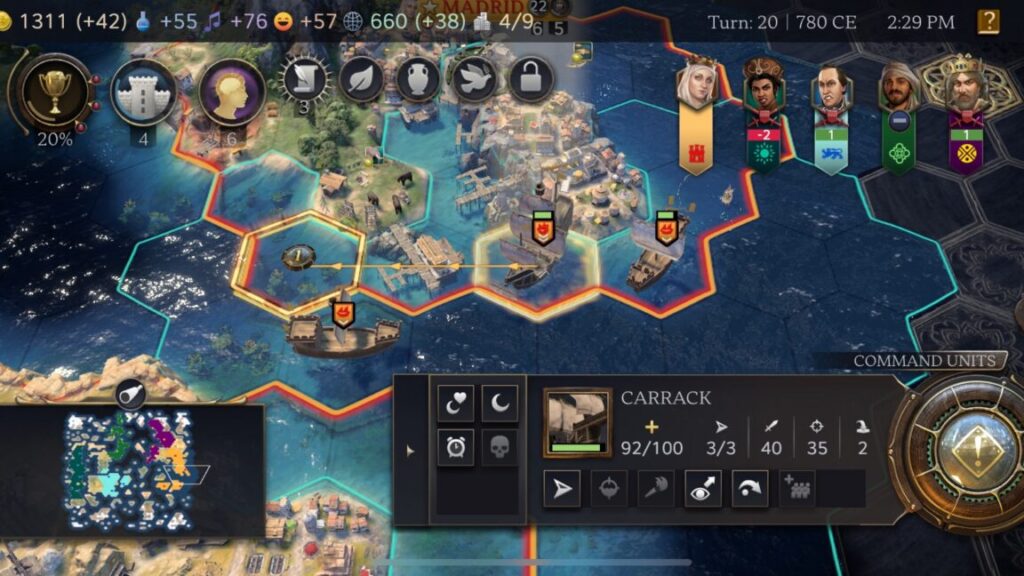
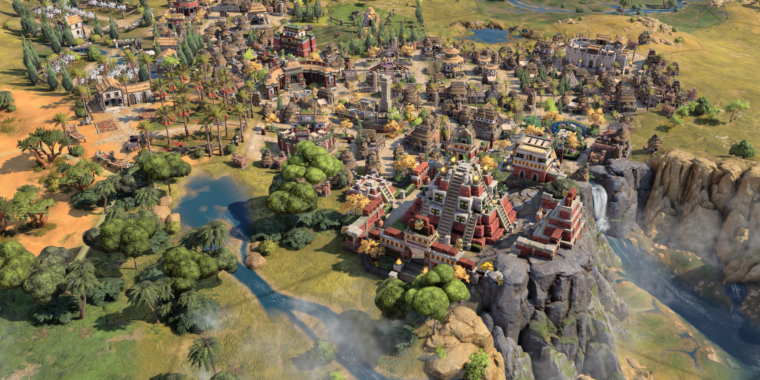
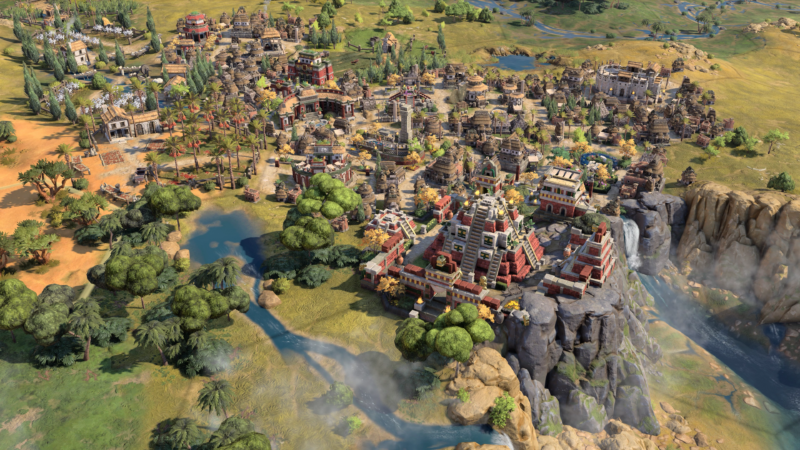
Civilization VII is coming to the iPhone and iPad, Apple and publisher 2K announced today.
Formally titled Sid Meier’s Civilization VII Arcade Edition, it is developed by Behaviour Interactive with input from original developer Firaxis Games.
The game will be available as part of the Apple Arcade service, which offers ad-free games for Apple platforms for $7 per month. Neither announcement makes any mention of a non-Arcade version, so this appears to be exclusively part of the subscription.
That shouldn’t be too much of a surprise; full-priced premium games have struggled on the platform when not bundled in a subscription. For example, Rockstar Games’ Red Dead Redemption came out both as a standalone title on the App Store and as part of Netflix’s subscription. The Netflix version surpassed a staggering 3.3 million downloads, while the $40 direct purchase managed just over 10,000.
The announcement calls this release “the authentic Civilization experience,” which you can probably take to mean that it doesn’t simplify the gameplay in any way. That said, there is some fine print you shouldn’t miss.
The App Store listing for the game says this release will not receive any of the DLC planned for other platforms. It also notes that “post-launch updates that apply to other platforms may be excluded or delayed.” Also, the supported players listed is “1,” suggesting it may not have multiplayer. (The desktop and console versions already lack hotseat multiplayer, but they support online play.)
I love 4X games. I’ve tried other strategy game genres, but frankly, they don’t stick if they’re not first and foremost 4X games—at the heart of it, it must be about exploring, expanding, exploiting, and yes, exterminating.
I suspect that the first 4X game most people played was some entry in the Civilization franchise—though certainly, a select few played precursors dating back to text-based games in the 1970s.
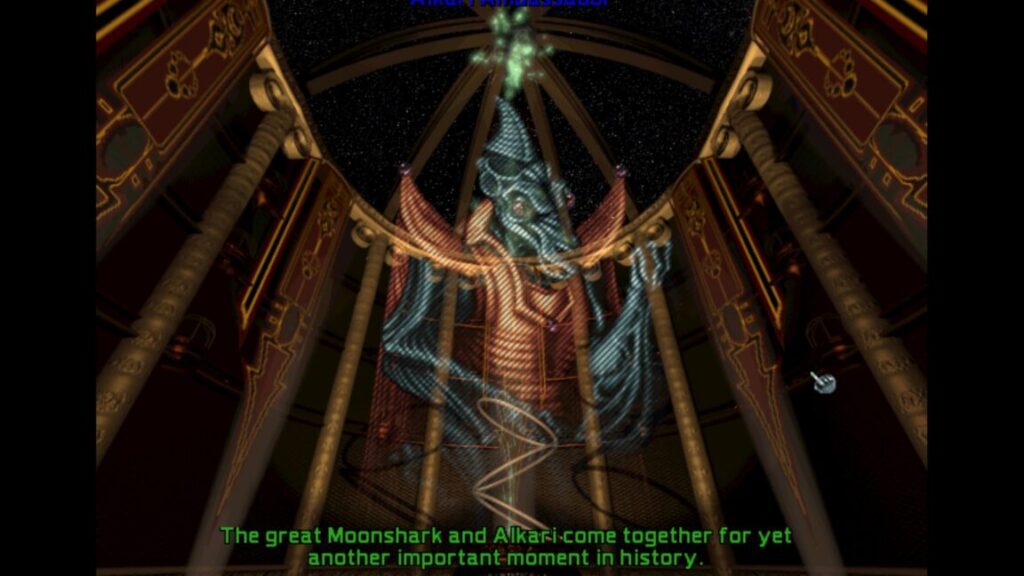
But for me, the title that kicked off my obsession was Master of Orion II (MOO2)—a game that has you develop and build up planets across a simple galaxy map, researching speculative future technologies, and ultimately wiping out your opponents and claiming dominion over the known universe. (There are other victory conditions too, but that one is the most fun.)
There is something satisfying about making a couple thousand small choices that all add up to that galaxy map gradually changing color in your favor until the final cut scene plays, declaring you the true Master of Orion.
The games I love the most are the ones where you make decisions that compound over many, many hours to a long-term payoff. I’ll take that over games with bite-sized, contained challenges and short play times any day. The deeper and longer the experience, the better the payoff can be. To me, that’s ultimately what makes 4X games great. MOO2 is no exception.
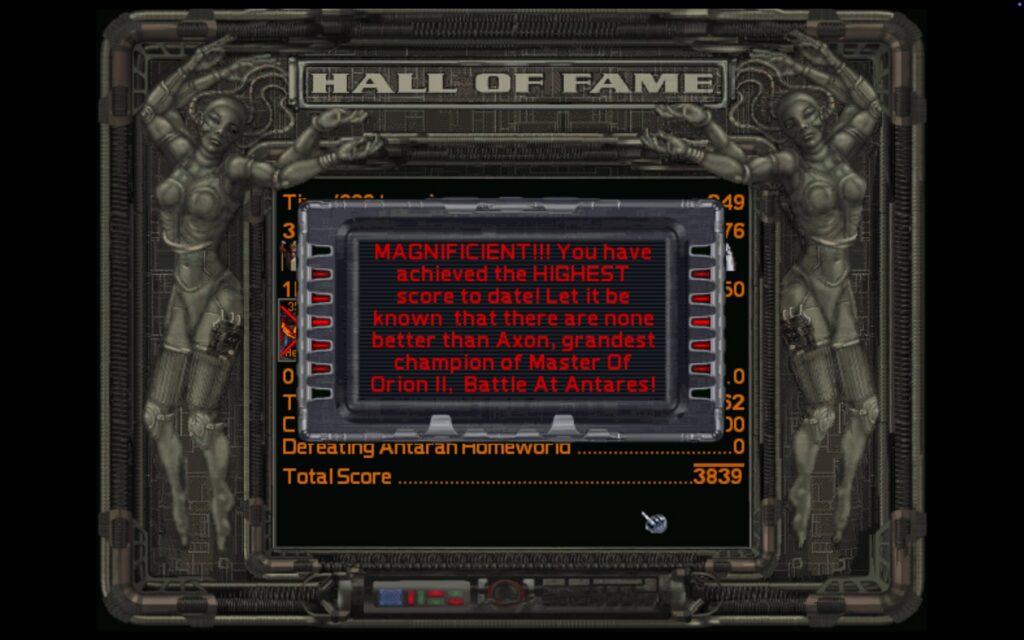
I needed this validation. Credit: Samuel Axon
Nostalgic but flawed
That said, it’s not a perfect game. It benefited from the lessons it could learn from more than a decade of 4X games before it, and its designers were clearly thinking about how to make it balanced and fun.
They just missed the mark sometimes. For example, a big part of the game is choosing perks that customize your empire from before the first turn. One of those perks is called “Creative,” which allows you to learn multiple technologies at once rather than one at a time. It’s pretty hard to imagine anyone consciously declining to choose that perk unless they’re looking to make things a lot harder for themselves.
There’s also a new loading screen with more detailed information and more interactive elements, which Firaxis says is a hint at other major UI overhauls to come. That said, players have already complained that it doesn’t look very nice because the 2D leader assets that appear on it have been scaled awkwardly and look fuzzy.
The remaining changes are largely balance and systems-related. Trade convoys can now travel over land, which means treasure ships will no longer get stuck in lakes, and there are broader strategic options for tackling the economic path in the Exploration Age. There has been a significant effort to overhaul town focuses, including the addition of a couple new ones, and the much-anticipated nerf of the Hub Town focus; it now provides +1 influence per connected town instead of two, though that may still not be quite enough to make the Hub Town, well, not overpowered.
You can find a bunch of other small balance tweaks in the patch notes, including new city-state bonuses, pantheons, and religious beliefs, among other things.
Lastly, and perhaps most importantly to some, you can now issue a command to pet the scout unit’s dog.
Next steps
As far as I can tell, there are still two major traditional features fans are waiting on: autoexplore for scout units and hotseat multiplayer support. Firaxis says it’s working on both, but neither made it into 1.2.2. Players have also been asking for further UI overhauls. Firaxis says those are coming, too.
When Civilization VII launched, I wrote that I quite liked it, but I also pointed out bugs and balance changes and noted that it won’t please traditionalists. For some players, the review said it might be better to wait. We did a follow-up article about a month in, interviewing the developers. But that was still during the “fix things that are on fire stage.”
More than any previous update, today’s 1.2.2 is the first one that seems like a natural jumping-on point for people who have been taking a wait-and-see approach.
It’s quite common for strategy games like this to not really fully hit their stride until weeks or even months of updates. Civilization VII‘s UI problems made it a particularly notable example of that trend, but the good news is that it’s also following the same path as the games before it that got good post-launch support: slowly, it’s becoming a game a broader range of Civ fans can enjoy.
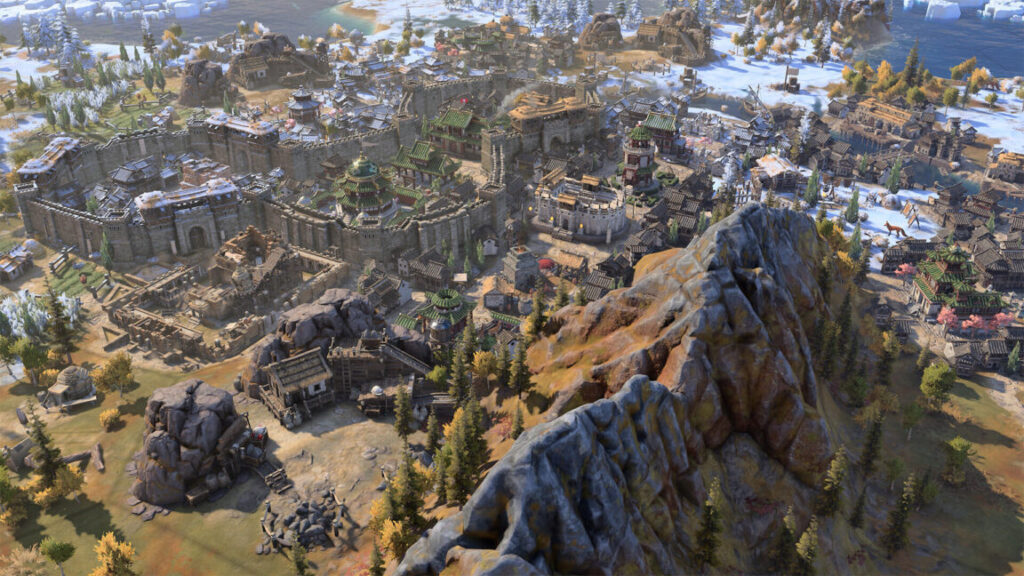
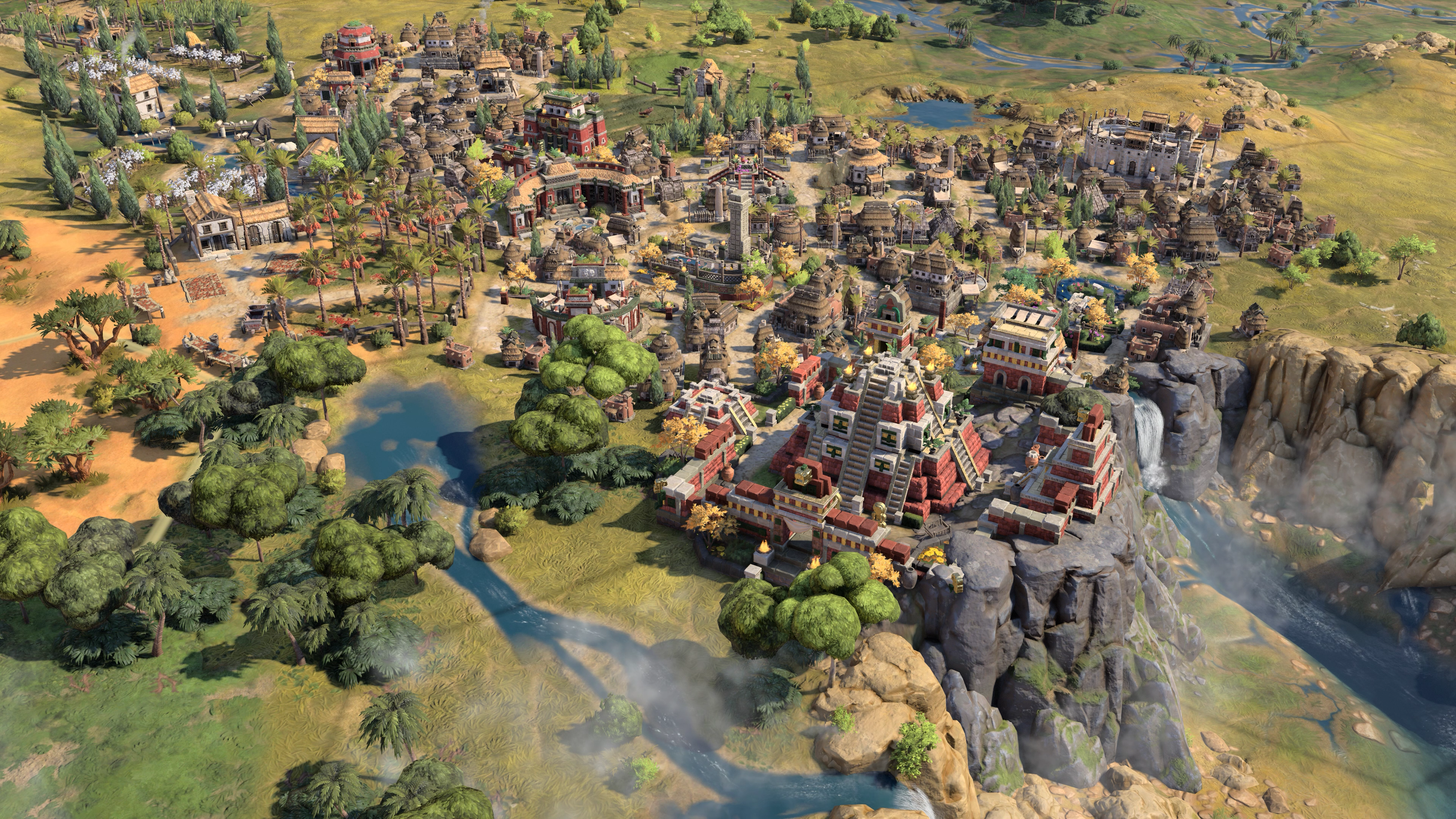
Enlarge/ Firaxis has upped the ante on presentation for the cities. It’s still a bit abstract and removed, but they have more vibrancy, detail, and movement than before.
2K Games
2K Games provided a flight from Chicago to Baltimore and accommodation for two nights so that Ars could participate in the preview opportunity for Civilization VII. Ars does not accept paid editorial content.
From squares to hexes, from tech trees to civic trees, over its more than 30 years across seven mainline entries, the Civilization franchise continues to evolve.
Firaxis, the studio that has developed the Civilization games for many years, has a mantra when making a sequel: 33 percent of the game stays the same, 33 percent gets updated, and 33 percent is brand new.
Recently, I had the opportunity to play Civilization VII, the next entry, which is due to launch in February 2025. The build I played was an early alpha build, but the bones of the game it will become were there, and it’s interesting to see which third Firaxis kept the same and which third it has reimagined.
It turns out that the core of the game that its developers won’t much want to change is the turn-to-turn experience. But in the case of Civilization VII, all bets are off when it comes to the overall arc of a long journey, from sticks and stones to space travel.
Rethinking the structure of a Civilization game
Most of the time, playing Civilization VII feels a lot like playing Civilization VI—but there’s one big change that spans the whole game that seems to be this sequel’s tentpole feature.
That’s the new Ages system. The long game is now broken into three segments: Antiquity, Exploration, and Modern. Each Age has some unique systems and gameplay, though most systems span all three.
Within each age, you’re given a handful of “Legacy Paths” to choose from. These map closely to the franchise’s long-standing victory conditions: Science, Economic, Cultural, and Military. The idea is that you pick the Legacy Path you want to pursue, and each Legacy Path has different success conditions that change across each of the three Ages.
These conditions are big and broad, and Firaxis thankfully hasn’t gotten too jazzy with them. For example, I played in the Age of Antiquity and pursued the Cultural path, so my goal was to build a certain number of Wonders before the end of the Age.
In some ways, this is similar to the boom-and-bust cycle of Dark and Golden Ages in Civilization VI, but I found it much more natural in VII. In VI, I often found myself making arbitrary-seeming choices I didn’t think made sense for my long-term strategy just to game the system and get the Age transition I wanted. In this new game, the Legacy Path objectives are likely to always be completely in line with the overall victory strategy you’re pursuing.
One of the advantages of this new structure is support for shorter games that aren’t just hyper-compressed versions of a larger game. Previously, the only way to play a game of Civilization that wasn’t a dozen or more hours long was to pick one of the faster game speeds, but that fundamentally changed how the game felt to play.
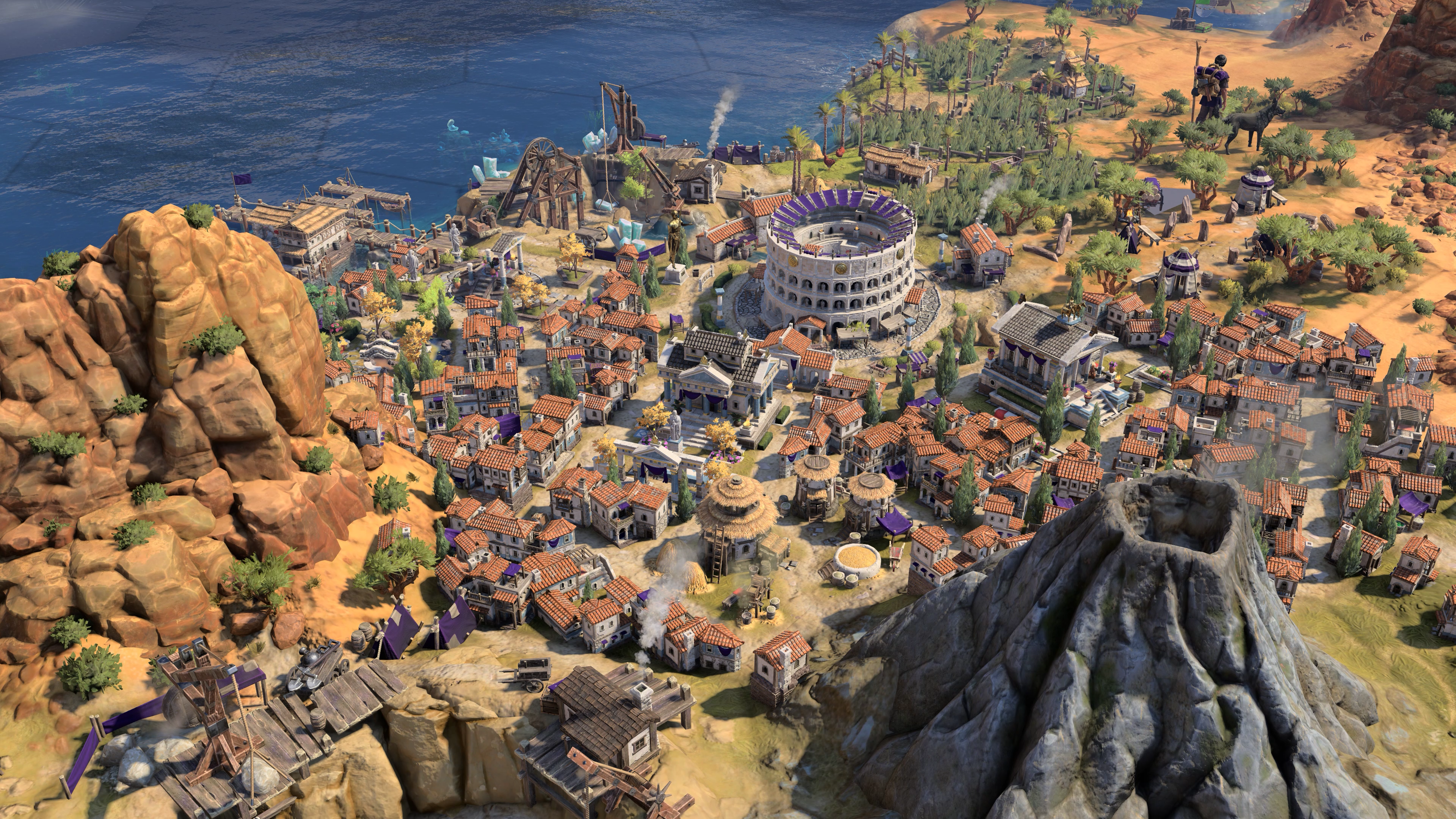
Enlarge/ This is a Roman city, but you could have a non-Roman historical leader, like Egypt’s Hatshepsut, at the helm.
2K Games
Now, Civilization VII gives you the ability to play a match that’s just one Age, if you choose to.
The new Ages system is integrated with another big change: your choice of leader and civilization are no longer tied together when you start a new game, and they’re not set in stone, either.
Now you pick both a civilization and a leader separately at the start—and you can do some weird, ahistorical combinations, like Greece’s Alexander as the leader of China. Each leader and civilization offers specific bonuses, so this gives more customization of your playstyle at the start.
It doesn’t end there, though. At the end of each Age, you can essentially change civilizations (though as far as I could tell, you stick with the leader). Firaxis says it took inspiration for this feature from history—like the fact that London was a Roman city before it became an English one in the Medieval era.
Which civilization you can transition to is dictated by what you did within the Legacy Path system, among other things.
The amount of time I had to play the game was just enough to almost finish the Antiquity Age, so I didn’t get to see this in action, but it sounds like an interesting new system.