Author name: Paul Patrick

sweden-discovers-rare-earth-metals-—-and-that-could-redefine-europe’s-relationship-with-china

Sweden discovers rare earth metals — and that could redefine Europe’s relationship with China

Swedish company LKAB has discovered what’s claimed to be Europe’s biggest deposit of rare earth metals, promising a critical boost in the continent’s trade security and green transition.

“Rare earths” are a group of 17 chemical elements composed of scandium, yttrium, and lanthanides. Contrary to their name, rare earths are actually abundant; their rarity stems from the complexity of their extraction, separation, and refining, which can generate toxic and radioactive waste, negatively impacting the environment.

But despite their environmental hazards, they are crucial for the manufacture of numerous high-tech products. This ranges from household goods (TVs, computers, and smartphones) to medical equipment (X-Ray and MRI scanning) and defense systems (jets and night vision tech, among others).

Most notably, they’re also key for the clean energy transition, as they are components of the magnets used in EVs and wind turbines.

With no mining of its own, the EU imports 98% of its rare earth metals supply from China, which houses the majority of the world’s reserve and is the biggest global supplier.

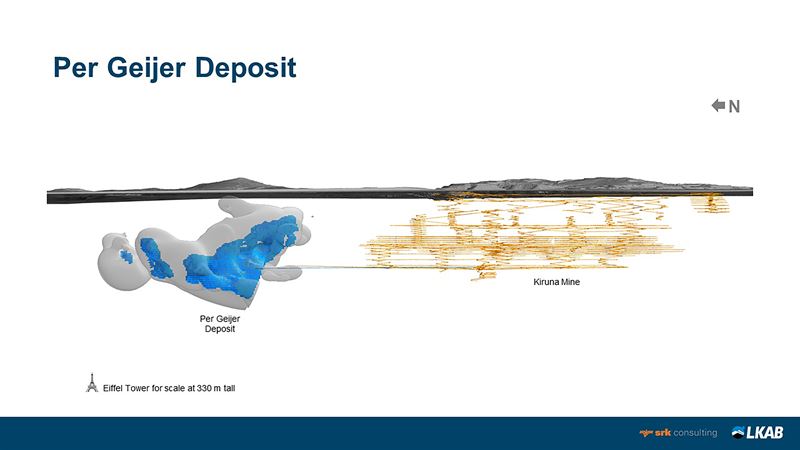
LKAB’s discovery, however, could be a game changer. The state-owned company said that it has found a deposit — named Per Geijer — of over one million tons in the Kiruna area, located in Lapland within the Arctic Circle.

Sweden's LKAB finds the biggest rare earth metals deposit in Europe
The Per Geijer deposit is in close proximity to existing mining operations in Kiruna. Credit: LKAB

“Electrification, the EU’s self-suffiency and independence from Russia and China will begin in the mine,” Sweden’s Minister for Energy, Business, and Industry, Ebba Busch, said in a statement.

“We need to strengthen industrial value chains in Europe and create real opportunities for the electrification of our societies. Politics must give the industry the conditions to switch to green and fossil-free production,” she noted.

Reducing reliance on foreign supply chains and ensuring access to critical raw materials is an integral focus of the EU agenda as well as Europe’s aim to become the first climate-neutral continent by 2050.

“Lithium and rare earths will soon be more important than oil and gas,” EU Commission President Ursula von der Leyen stressed during a speech in September. “Our demand for rare earths alone will increase fivefold by 2030,” she added, highlighting the imperative to avoid becoming dependent as on oil and gas.

In the same line of thought, EU Commissioner Thierry Breton underlined the need for action. “Take China, with its quasi-monopoly on rare earths and permanent magnets and prices rising by 50-90% in the past year alone,” he wrote. “Supply of raw materials has become a real geopolitical tool.”

While LKAB is already investing heavily in the project to move forward, President and Group CEO Jan Moström emphasized that there’s a long road ahead. He expects that it’ll take several years to investigate the deposit, assess its profitability, and evaluate the sustainability and environmental impact of the mining process. Following that, LKAB can proceed with an environmental review application and a permit application.

“If we look at how other permit processes have worked within our industry, it will take at least 10 to 15 years before we can actually begin mining and deliver raw materials to the market,” Moström explained.

Providing that LKAB finds a way to mitigate the environmental cost entailed in mining, the Per Geijer deposit could provide Europe with the impetus in needs to ensure domestic supply of critical raw materials and facilitate its green transition.

Sweden discovers rare earth metals — and that could redefine Europe’s relationship with China Read More »

viture:-ushering-in-a-new-era-of-xr-and-interactive-experiences-with-innovative-wearable-tech

VITURE: Ushering in a New Era of XR and Interactive Experiences With Innovative Wearable Tech

A new XR startup is set to change the way we approach interactive experiences, combining portability, functionality, and style in its line of wearable tech. In just its first year of business, VITURE already received a number of significant recognitions for its flagship product, the VITURE One XR glasses. These accolades include being named a CES® 2023 Innovation Awards Honoree, one of TIME’s Best Innovations of 2022, and winning the Fast Company 2022 Innovation by Design Award.

The company has also made a significant impact on Kickstarter, raising more than $3 million for the VITURE One XR glasses.

VITURE One XR glasses wearable tech

Let’s take a look at how VITURE is breaking barriers in the wearable tech industry and how it plans to change the way we experience XR.

The VITURE One XR Glasses

The startup is known for its flagship product: the VITURE One XR glasses.

Combining functionality and style, their XR glasses are set to change the way we engage with content. Designed to deliver unique audiovisual experiences, the glasses utilize HARMAN AudioEFX technology, which delivers immersive audio experiences via a near-ear surround system and electrochromic film, which enables users to switch between Immersive and Ambient modes.

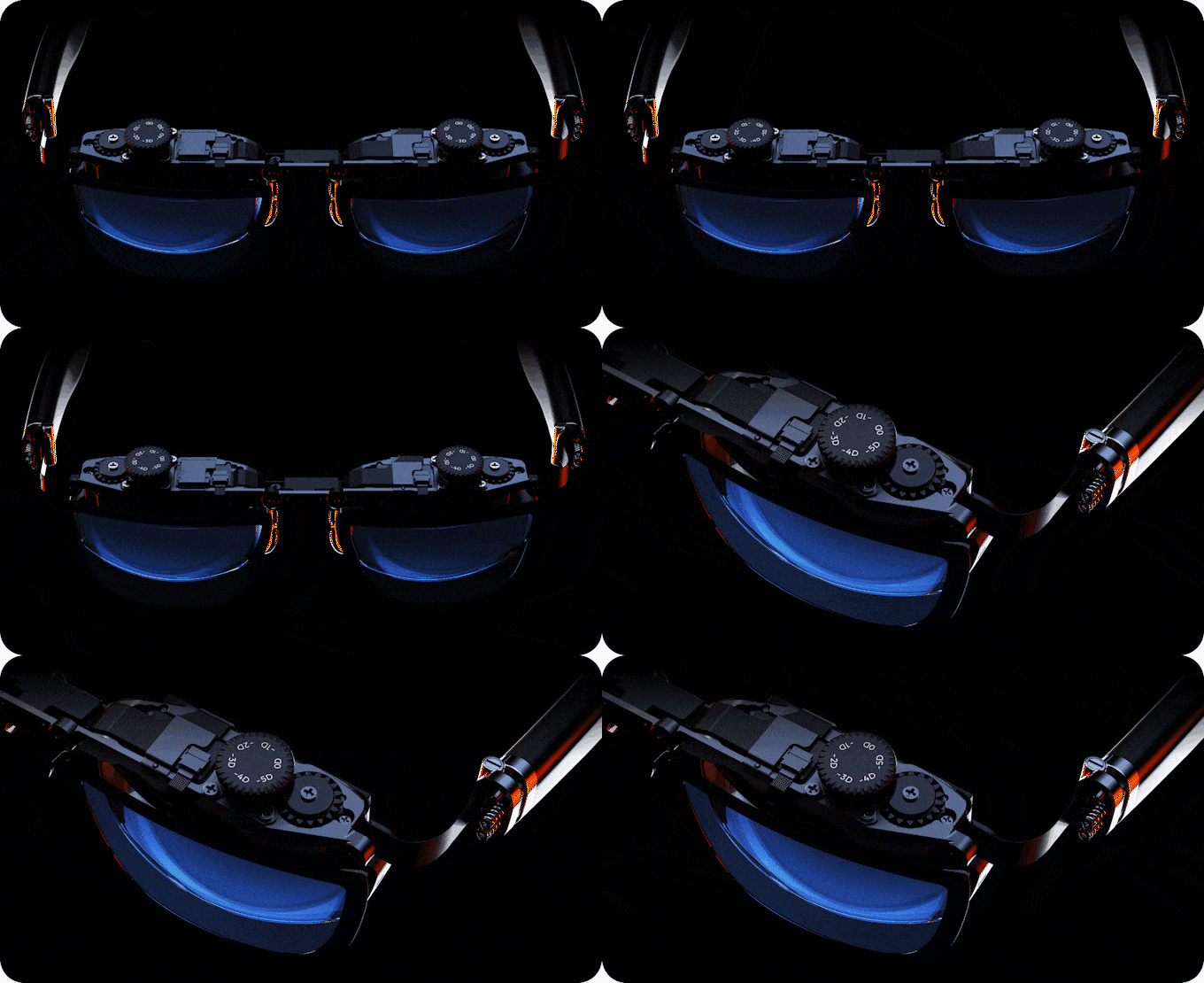
Aside from incorporating impactful technology into the VITURE One, other patented features enable the glasses to deliver next-level immersive experiences. These include accessibility features, such as the swappable nose bridge pads, the option to adjust the XR glasses to your eye prescription, a magnetic connector for easier linking to other devices, and head-tilt navigation for fully hands-free navigation.

VITURE One XR glasses - myopia

The VITURE Story

As an avid gamer himself, VITURE co-founder and CEO David Jiang saw an opportunity for on-the-go entertainment. According to Jiang, he noticed that in-person experiences, such as sports games, are vastly different when viewed on TV. He wants to continue developing AR/XR technology that will allow users to access such immersive experiences, as well as super interactive sports experiences, in a virtual setting.

“With portable gaming and entertainment becoming more prevalent than ever, we’re pleased to bring the first stylish XR solution to the market that can handle streaming and AAA gaming on the go,” said Jiang in a press release shared with ARPost.

VITURE One XR glasses and neckband wearable tech

After working on other major projects, such as Google Glass, and noticing the growing need for on-the-go mobile gaming experiences, he connected with progressive inventors in 2021 to start working on the VITURE One XR glasses.

Through Jiang’s experiences, studying at the Harvard School of Design, working as a Microsoft intern, and working at Google, he discovered how users interact with personal technology. This discovery was a major influence on how the VITURE One XR glasses are designed, putting an emphasis on providing users with an optimal experience.

As an expert in spatial tech, as well as in AR tech and design, Jiang was able to design innovative wearable tech that’s both functional and fashionable.

Redefining the Future of Wearable Tech

What’s next for VITURE?

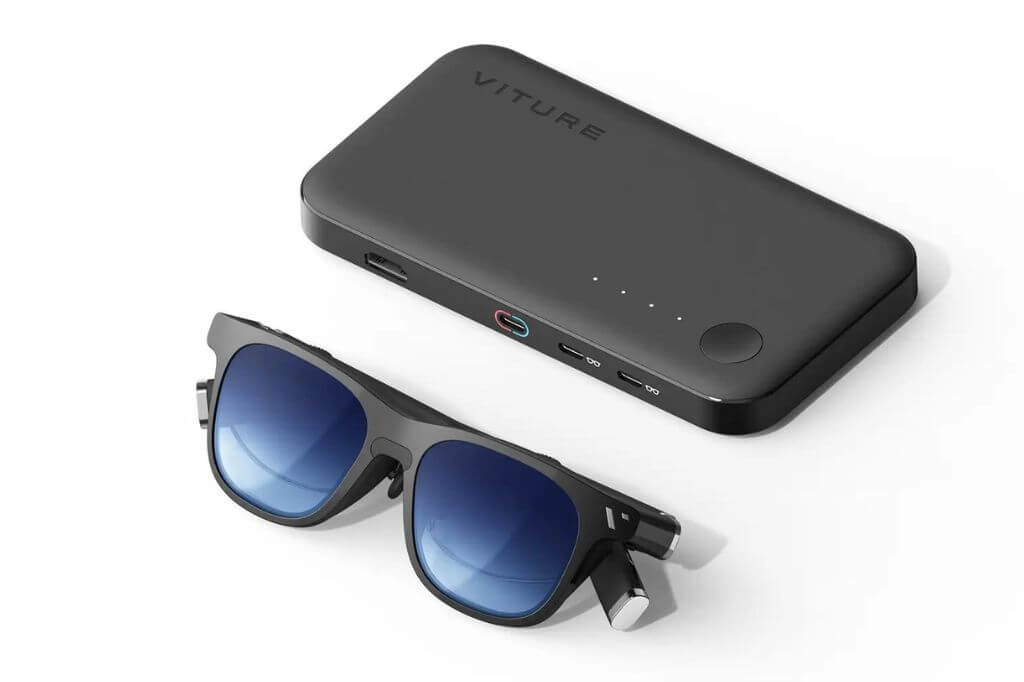
The VITURE One, together with its Mobile Dock, was available for demos at CES 2023. Aside from being able to try out the XR glasses, attendees had the opportunity to be among the first to see the Mobile Dock in action.

VITURE One XR glasses and Mobile Dock

This new addition to the VITURE lineup will allow users to access new features, such as multiplayer mode, and compatibility with other viewing and gaming devices, such as the Nintendo Switch, Steam Deck, and TV sticks.

Aside from the Mobile Dock, there are also plans to create additional apps and features for the VITURE One neckband, shortly after the XR glasses are released with full availability in March.

Far from being just a wearable tech for gaming, the VITURE One XR glasses are also designed to elevate the way we stream our favorite content. Whether it’s using the apps through the neckband or using connections to other devices, users will be able to stream their favorite content anytime, anywhere.

VITURE’s awards continue to fuel VITURE’s drive for innovation. Aside from the accolades, the team greatly values the feedback received from early testers and users.

VITURE: Ushering in a New Era of XR and Interactive Experiences With Innovative Wearable Tech Read More »

failure-of-historic-satellite-launch-‘a-minor-dent’-to-uk-space-ambitions

Failure of historic satellite launch ‘a minor dent’ to UK space ambitions

The UK’s space sector is searching for positives after the first orbital launch from western Europe ended in failure.

The mission appeared to have started smoothly. At around 10PM GMT on Monday, the Boeing 747 carrying Virgin Orbit’s LauncherOne rocket successfully took-off in southwest England.

The jet then climbed around 35,000ft before releasing the rocket over the Atlantic Ocean. But then, disaster struck.

“We appear to have an anomaly that has prevented us from reaching orbit. We are evaluating the information,” Virgin Orbit announced on Twitter.

We appear to have an anomaly that has prevented us from reaching orbit. We are evaluating the information.

— Virgin Orbit (@VirginOrbit) January 9, 2023

The US company soon provided further details. The problem had emerged during the firing of LauncherOne’s second-stage engine, while the rocket was traveling at more than 11,000 mph.

All nine satellites onboard were lost. Among them was Amber-1, which was developed by the UK’s Satellite Applications Catapult and Horizon Technologies for maritime tracking.

“We will come back stronger.

Paul Febrve, CTO at Satellite Applications Catapult, said the failure was a big setback for everyone involved, but a “minor dent” to the UK’s space strategy.

“It’s a blow, but it’s not a crippling blow,” Febrve told TNW. “We will learn from it, come back stronger, and improve the capability that we’ve got in the UK.”

That capability has firm foundations. As an island with a northern latitude, Britain has auspicious geography for launching satellites into polar and sun-synchronous orbits, which go over the north and south poles. 

There are several compelling reasons to harness these strengths. One is the growing demand for digital connectivity across the globe, which can’t be met by using terrestrial infrastructure alone.

Amber-1
Satellite Applications Catapult was set to operate two satellites on the British mission. Credit: Horizon Technologies

Another motive has been brutally highlighted by Russia’s war in Ukraine. The February invasion exposed the need to quickly deploy small satellites for military intelligence, which has increased demand for launches in Europe.

The UK has pitched itself as the ideal provider of these spaceports. In addition to its favorable geography, the country is a leading satellite producer, home to many private space companies, and the first nation in Europe to implement new spaceflight laws.

Seven spaceports across Britain are now under development. They’re unlikely to provide launchpads for missions to the moon, but they could offer promising locations for smaller satellites.

“This particular vehicle was carrying satellites from seven different providers, all doing different things. They were really handcrafted in terms of their purpose,” said Febvre.

“We’re really focused on responsive launch and innovation — not the scale-up aspect.”

“We remain committed to becoming Europe’s leading provider.

Febvre found further cause for hope is what’s already been achieved. While Monday’s mission didn’t achieve its ultimate goal, it did prove that space launches are achievable from British soil.

The attempt will also  enhance domestic expertise, regulation, and capabilities.

The project has succeeded in creating a horizontal launch capability at Spaceport Cornwall, and we remain committed to becoming the leading provider of commercial small satellite launch in Europe by 2030, with vertical launches planned from Scotland,” Matt Archer, director of commercial spaceflight at the UK Space Agency, said in a statement.

As the satellites were insured, their manufacturers and operators will be compensated for their loss. A bigger issue will be the reputational damage.

Setbacks in space are not unusual, but they still spook investors. Virgin Orbit now has to convince the critics that the failure won’t be repeated. The UK, meanwhile, is already planning another launch within the next 12 months.

Failure of historic satellite launch ‘a minor dent’ to UK space ambitions Read More »

6-ways-eu-startups-can-cut-spending-during-the-recession

6 ways EU startups can cut spending during the recession

With a global recession impending, Europe’s startups are feeling the pressure. Investment opportunities are dwindling and customer acquisition is getting harder. So what can startups do to survive during this time?

From hiring freezes to spending cuts, founders are making preparations to get through the recession unscathed. There are many ways to cut spending during this time that don’t involve layoffs, it’s just about being a little savvy and thrifty, and looking out for programs that are designed to give startups a boost.

Here’s your go-to checklist for smart ways startups can cut spending and save during the recession:

1. Scrap the office and go fully remote

The new TNW Newsletter

Getting to the heart of the European tech and startup scene

Thanks to the pandemic, most people are now accustomed to working remotely and interacting with their teams virtually. Although many businesses have been navigating back towards being in-office at least a few days a week, it costs a lot to hold a space that’s not being used all the time.

Either ditching the office altogether or moving to a co-working space can save a lot of money. Kate Lister, President of Global Workplace Analytics estimates, “a typical employer can save about $11,000/year for every person who works remotely half of the time.” For those that go fully remote, asynchronous working will help employees maintain flexibility during the day, and create a work-life balance that suits them and allows them to be most productive.

If you’re worried about maintaining your company culture, gaining some tips and inspiration from businesses who were operating remote models before the pandemic can be useful. Buffer and Zapier, for example, are both remote-first businesses, with global teams collaborating together from all over the world. Both businesses find that maintaining frequent, open communication is essential for the success of their remote teams.

One important thing to remember is that fully remote companies should always factor in some budget for in person team-building events throughout the year to foster team spirit and connection.

2. Choose your cloud provider wisely

Cloud services are used by many startups for everything from basic tasks like data storage, to the more advanced functions like AI and machine learning. But many also end up in a situation where they accept free cloud credits and end up taking on products and services they don’t necessarily need.

Choosing the right cloud provider can be tricky, especially as the business develops and your needs change. Ideally, you’d want the flexibility to be able to reconfigure your cloud architecture or even switch providers as these needs change, however, many startups get locked into contracts with high egress fees.

Adopting a multi-cloud strategy could be a good solution allowing you to select the services most suited to each of your team’s needs and take advantage of reserved instances and other discounts. There are also some new cost-saving cloud technologies on the market now, such as Serverless technology and Kubernetes autoscaling.

Also be sure to check out Scaleway’s Next 100 Startups Shaping Europe’s Future Program designed to support up and coming startups during the recession. If selected, Scaleway will cover up to 80% of your cloud infrastructure costs over a period of 24 months.

3. Optimize organic reach, rather than paying for a boost

Did you know, around $70 billion was spent on paid search ads in the US in 2021?

Instead of throwing money at ads, focus on organic marketing strategies that will reap the same benefits at no cost.

Best SEO practices to help with organic traffic include staying on top of keyword targeting: monitoring analytics of keyword performance will help you to continuously have oversight of what’s working and what can be improved, so you can keep optimizing your approach and improving your reach.

Another strategy is to optimize the landing page itself: making sure it has a load-friendly design and user experience (UX), that the content provides value to the audience, and that you have backlinks to help the user move across different pages of your site.

All of these factors will improve your search engine ranking. In addition to being a cheaper option, organic marketing has a lot of business benefits over paid ads too. When your content is optimized more strategically, it’s likely to last longer and see a prolonged flow of traffic, unlike paid ads that are only profitable when they’re live. It also helps to build a more loyal following as you’re engaging the audience at every step of the funnel.

4. Cast your net in the freelance talent pool

Most companies are introducing hiring freezes, but what if you have some talent gaps in your team that need to be filled for the business to continue developing?

Instead of hiring full-time, consider contracting freelancers or agencies to take on jobs on a project basis. Consider which positions you need on an ongoing basis and which you only need on an occasional or seasonal basis. Hiring freelancers instead of full-timers can save employers around $11.6 an hour per employee.

In addition to monetary benefits, outsourcing is a great way to access different skill sets, expertise, and strengths tailored to specific projects in a way that’s not possible otherwise.

There’s a wide pool of options to choose from all over the world and, of course, when you find a good and reliable freelancer, there’s no reason why you can’t hire them for additional projects and build up a good relationship as you would with a full-time worker.

5. Declutter your box of tools and subscriptions

In the digital age, companies are using multiple tools and apps for their business operations. Sometimes we have so many tools and subscriptions that we don’t even remember what they all are or what they’re for. Having a good clear out and canceling subscriptions for anything that’s not being used will reduce unnecessary spending.

There are a lot of tools that have similar functions, so having a browse to compare the offerings might mean that you’re able to find a better deal that suits you and saves a bit of money. Some multi-use platforms and tools additionally consolidate and integrate functions, so you get more bang for your buck rather than having a separate tool for every task/team.

6. Take advantage of funding opportunities

You might be taking all the measures you can to save money, but sometimes an extra helping hand can provide a bit more security. There are several open programs, both EU-funded and privately sponsored, to support startups during the recession and enable them to continue growing and scaling:

  • The European Innovation Council (EIC) for example, has a range of funding opportunities to back everything from research and mentoring to building business plans to scale and develop for market.
  • As mentioned earlier, Scaleway’s 100 Startups program is providing cloud funding support for 24 months.
  • Climate-KIC has a number of grants available specifically for startups that are accelerating the transition to zero-carbon and climate resiliency.
  • For low-tech SMEs wanting to develop AI techniques, StairwAI is a good option.
  • Eurosearch is a great place to find a range of funding opportunities, specifically tailored to different types of startups.

There’s no need to panic as the recession approaches. Instead, it’s time to get smart about spending, find the best options and discounts available, and always be on the lookout for the many funding programs and opportunities out there!

6 ways EU startups can cut spending during the recession Read More »

razer-announces-quest-2-adjustable-head-strap-&-facial-interface

Razer Announces Quest 2 Adjustable Head Strap & Facial Interface

Razer is getting into the VR accessory game soon, as the company announced at CES 2023 that it’s selling a head strap system and facial interface built specifically for Meta Quest 2.

The accessories were built by Razer in collaboration with ResMed, a San Diego, California-based medical equipment company that knows its way around all-day comfort.

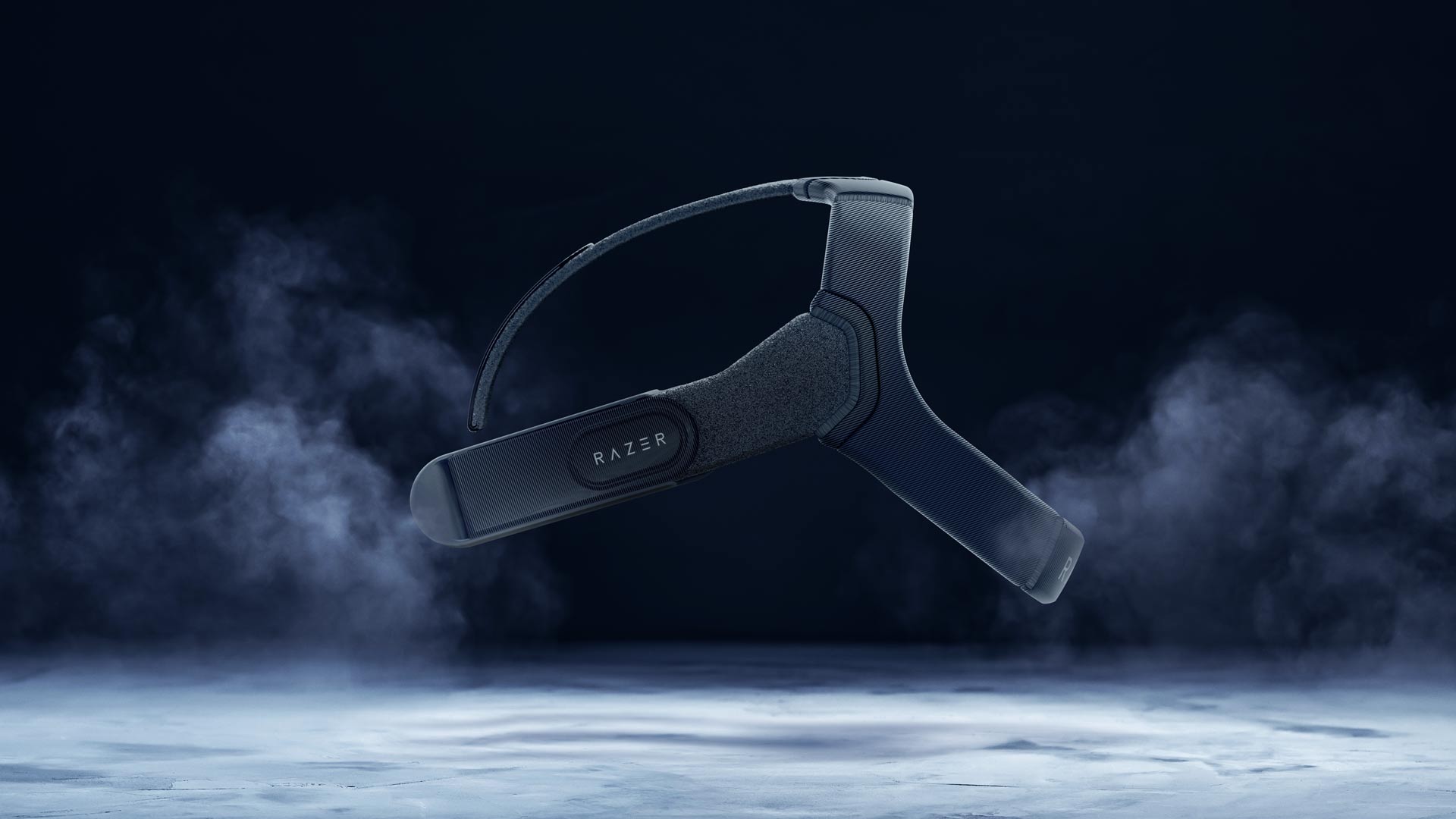
“Designed for long-lasting comfort and weight-balanced support, the Razer Adjustable Head Strap System was created with all head shapes in mind. The high-performance nylon material provides reliability, comfort, and durability while the optimized weight distribution allows for more balance during active gameplay. The soft adjustable straps will help gamers find their perfect fit and quick slip-on design ensures little interruption in resuming gameplay,” Razer says in a press statement.

Image courtesy Razer

Razer’s headstrap is said to be made from a high-performance nylon material that ensures optimized weight distribution, a slip-on design, and soft adjustable straps.

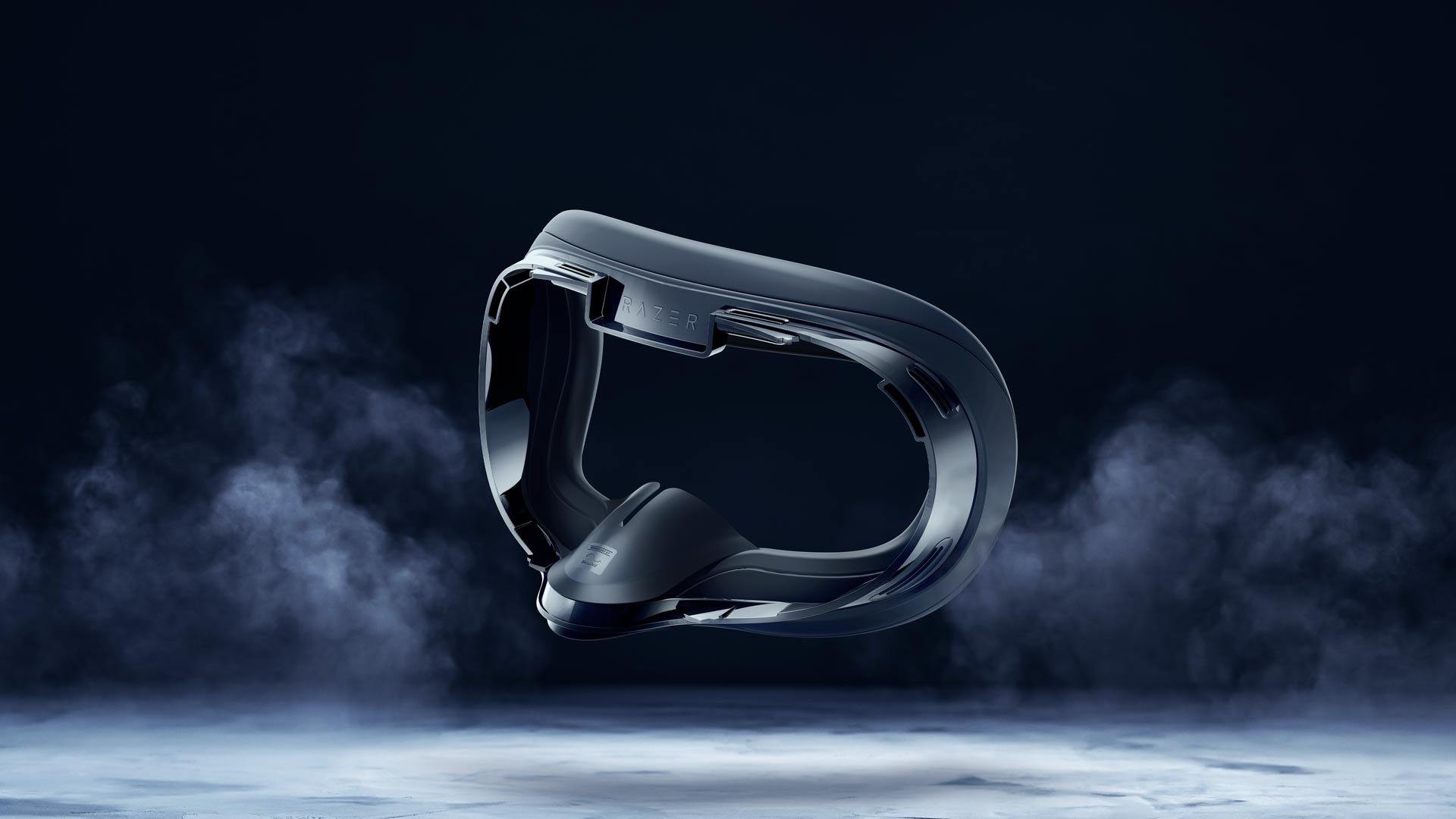
The Razer Facial Interface is said to offer extended comfort and optimized support, owing to its “ultra-thin textured and profiled membranes,” the Razer Facial Interface is said to eliminate facial pressure. Made from medical grade, hypoallergenic materials, the interface blocks light while still providing ventilation.

Image courtesy Razer

Both of Razer’s VR peripherals for Quest 2 are slated to launch in the US sometime in Q1 2023, with plans to expand into other regions in the future, the company says. There’s no word on pricing, but knowing Razer, it’s definitely going to beat the third-party white label products awash on Amazon and eBay.

Razer Announces Quest 2 Adjustable Head Strap & Facial Interface Read More »

meta-is-bringing-one-of-its-most-popular-vr-games-to-psvr-2

Meta is Bringing One of Its Most Popular VR Games to PSVR 2

Who would have thought one VR’s most popular games was coming to Sony’s next-gen VR headset? Probably everyone, but now the company has confirmed it is indeed bringing Beat Saber to PSVR 2.

Announced during Sony’s CES 2023 keynote, Beat Saber is said to be “in development” for PSVR 2, a game created by the Meta-owned studio Beat Games.

There’s a few more questions still in need of answering between now and PSVR 2’s February 22nd launch though—one in particular: is Meta going to offer PSVR 2 support as a free upgrade to owners of the game on PSVR? Sony is mum on the subject for now, with more information promised sometime in “the near future.”

There’s a growing list of games getting free PSVR 2 upgrades, and we’d love to see the block-slashing rhythm game among them. After all, backwards compatibility isn’t a thing with PSVR 2…

Launched in 2018 on Rift, SteamVR, and PSVR, Beat Saber almost immediately became the medium’s most recognizable title, and it’s still chugging years later. It regularly tops PSVR’s most downloaded charts, and was even in the most recent list of top-selling VR games on Steam—a testament to its continued strength across all VR platforms.

It would make a good deal of sense that it will indeed come as a free upgrade, as Beat Saber’s revenue model is very much tied to its continuous paid DLC releases, which regularly offer up music packs from some of the world’s leading pop artists. Asking a PSVR owner to buy a base game and hundreds of dollars of DLC they already own would be a pretty dicey maneuver to say the least.

In any case, it appears Meta is sticking with its promise to make sure Beat Saber persists as VR’s premier cross-platform title, though there’s no telling whether they charged Sony a pretty penny to make it happen.

Meta is Bringing One of Its Most Popular VR Games to PSVR 2 Read More »

the-thrill-of-the-fight-quest-2-review

The Thrill of the Fight Quest 2 Review

The Thrill of the Fight is a VR boxing simulator that is exhausting in all the right ways. Warm up in the gym, enter the ring, or box ghosts and zombies to get your heart rate up – and let the lead out on the canvas.

Experience The Thrill of the Fight

The Thrill of the Fight by Sealost Interactive is a multi-tiered $10 VR boxing game available on PCVR and as a Quest app. I played it for this review in the app format on my Quest 2.

The game material says that you need a 6.5 ft by 5 ft play area. This is optimum, certainly – particularly if you really want to work on your footwork and experience a sense of immersion unhindered by the grid of your play area. However, the app still runs if your play area is smaller than this. I typically play in a play area more to the tune of five or six square feet without issue.

The Thrill of the Fight requires two controllers, which is kind of a shame. No buttons are required either for gameplay or to navigate menus, as we’ll see – it just doesn’t support hand tracking. The controllers don’t get in the way or break immersion or anything like that, it would just be nice to not need to worry about them – or wear the controller batteries down.

Speaking of immersion, The Thrill of the Fight supports haptic accessories. I wish that I could tell you that I had access to some to try with this review, but alas.

Now that the housekeeping (and my only real piece of criticism) is out of the way, let’s get into the ring to experience the thrill of the fight.

Welcome to Hazegood’s Gym

When entering The Thrill of the Fight, the first thing that you do is stand on a scale and look into a camera. This is a clever way of setting your height. If you want to use this game to demo VR to your friends (or even let the kids have a go at the virtual heavy bag) this is a super handy set-up. Even if you’re the only one that ever uses your headset, it only takes a few seconds.

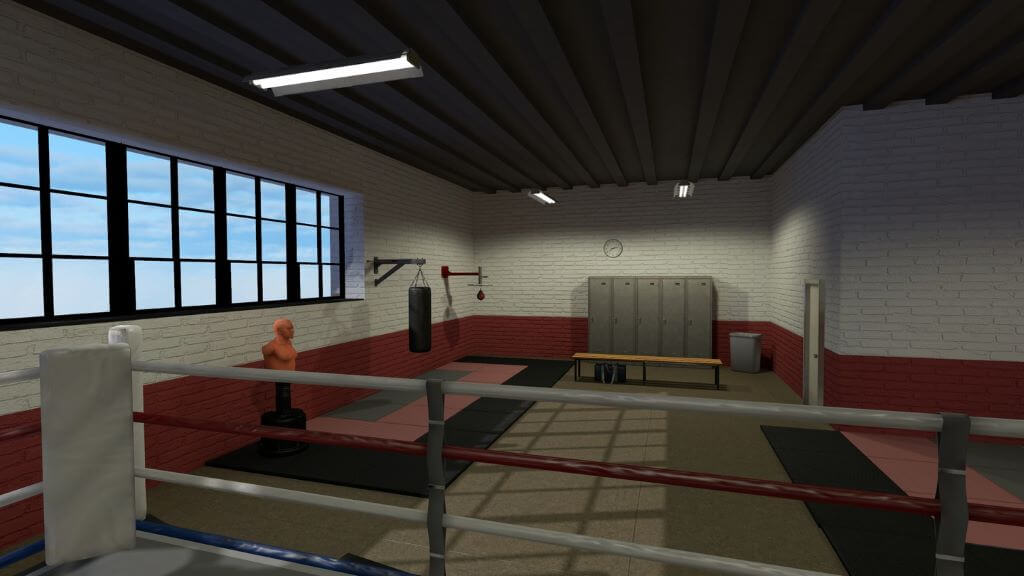
The Thrill of the Fight gym and boxing ring

From there, you find the main menu. Navigate the main menu by holding either one of your gloved hands over the button for the activity that you want to enter. From this menu, you can reset height without leaving and re-entering the app, which is handy. This is just under the general settings menu.

The giant “Fight” button is tempting, but let’s explore some of the other game modes first. There are a lot of options for warm-ups and practices before you step into the ring. I always like to warm up with a circuit of these to mentally and physically prepare me for the thrill of the fight.

Four Practice Modes

“Speed Bag” is your classic gym “peanut bag.” Practice your rhythm while an on-screen tracker shows your current rate and best rate in five-second and thirty-second hits-per-minute streaks.

“Dummy” is a human-shaped target with lit-up strike zones. The on-screen tracker shows the force of your hits, the damage it would deal in a match, the kind of strike that landed, and whether it hit a high-damage area. You can also see your best-ever hit to develop your signature move.

“Heavy Bag” is, well, a heavy bag. It works pretty much the same as the dummy. It’s easier to see targets on the heavy bag, but harder to visualize them as they would be on an opponent in the ring.

“Focus Ball” is… I don’t know what a focus ball is. It’s been a few twenty-four hours since I stepped my bare foot in a physical dojo, but I’ve never seen one of these before and I don’t know how they work. When you hit the ball it comes back at you. The on-screen tracker logs hits and “dodges” but I don’t know how to register a “dodge.”

“Extras” are seasonal opponents that develop specific skills in the ring. A pumpkin-headed opponent only takes damage from body shots. A ghost opponent tests your reflexes with superhuman speed. A zombie that doesn’t get tired takes your endurance to the task. I’m not in the shape I once was, but I have yet to complete one of these challenges.

Except for the extras, all of these take place in a virtual gym. If I could change one thing about this game (other than hand tracking) the gym would be its own location with each practice mode being spatially navigable instead of needing to exit each to access the next through the main menu.

Fight Modes

Now, for the thrill of the fight. Practice up on a sort of generic AI opponent as much as you want. From there, move on to a series of more colorful, storied, and challenging opponents. Start on Easy or Medium difficulty with each opponent. Beating an opponent unlocks that same opponent on more advanced difficulty levels, but it also unlocks the next opponent.

The Easy difficulty outright tells you that you have a clear advantage. The Medium difficulty is supposed to be the most realistic fight experience. After that, you might start finding yourself on the back foot more and more as your opponents become increasingly overpowered.

Gloves on in the Ring

The basic format is your classic three-round refereed match. When you hear the bell, go toe-to-toe with your opponent. Your opponent can realistically block your punches – and you can block theirs. Hits from either boxer are accompanied by a nice “thunk” sound. Your opponent also recoils from a hit. A body hit often sees them double up so you can go in for the headshot.

The Thrill of the Fight - boxing match

As you hit your opponent, they visibly bruise. I swear I’ve even seen some blood fly off of my right cross, but I don’t have the screenshots to prove it. You can tell by the look on your opponent’s face when they’re getting tired. Ease back for a breather or go in hot and try for the early KO.

When you sustain a body hit, that side of your view lights up to let you know. When you sustain a solid headshot, you see a flash and your view goes gray for a moment, accompanied by audio distortion (that’s when the thrill of the fight kicks in). Make some space and block some hits, and this goes away after a moment. Otherwise, you could find yourself on the mat yourself.

The Thrill of the Fight VR game

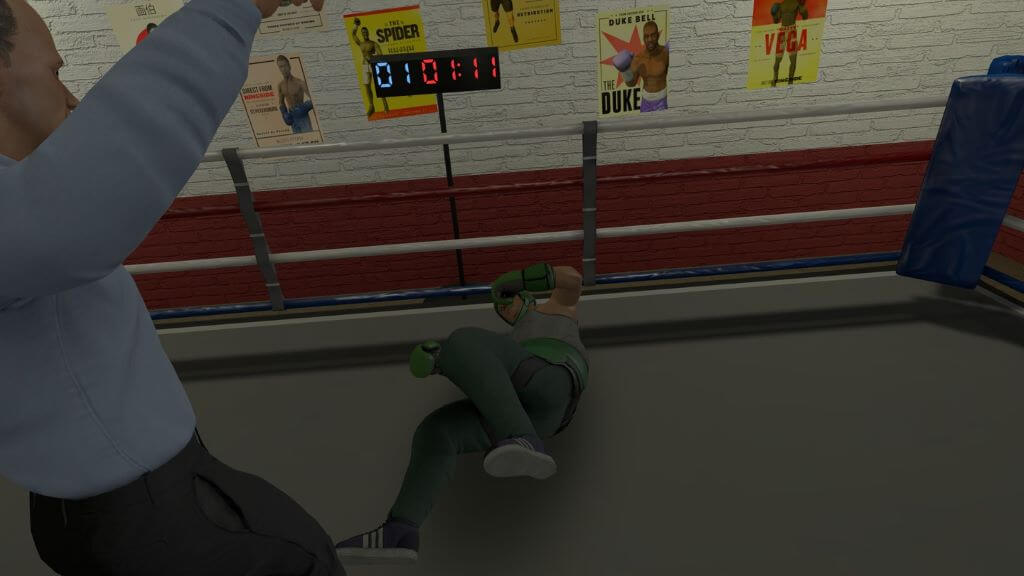
When someone hits the mat, the referee starts counting. Usually, they get back up and the bell rings again. But, the ref might get to ten, and then the match is over. If no one is laid out cold by the time the third round ends, it goes to technicality and unseen judges start counting points.

You can also quit a match between rounds by grabbing the towel instead of the mouthguard as the ring clock ticks down. I’ve never felt the need to quit a proper ring match between rounds, but I’ve literally sat down on the floor to catch my breath as that minute runs down.

Hungry for More?

The Thrill of the Fight came out a few years ago now. Sealost Interactive has been promising a sequel for a while. They promise that a follow-up is in development but we don’t have any release dates.

I’ve already pointed out some of the things that I would like to see from “The Thrill of the Fight 2”. While we’re making a wishlist, a multi-player version or even social leaderboards would be nice. That said, I’ve been playing this game for over a month now and I don’t see myself growing tired of it any time soon.

Hit the Showers

The Thrill of the Fight is intense and insanely good fun. It’s also definitely the most cardio that I’ve gotten since that week I tried to get into running in the summer of ‘20. When I look really hard for things about the game that I don’t like, I really just find things that I would like slightly more. All said, this game is definitely worth the $10.

The Thrill of the Fight Quest 2 Review Read More »

arpost’s-22-most-read-xr-and-metaverse-articles-of-2022

ARPost’s 22 Most-Read XR and Metaverse Articles of 2022

From top XR trends and must-have skills for an AR/VR career, to XR hardware reviews, to the potential of the metaverse in various industries, to discussing why we’re not all wearing AR/VR headsets, these are the 22 stories ARPost readers clicked on the most this year.

Hands-On Review of Cupixel22

Hands-On Review: AI and AR Art Instruction App Cupixel

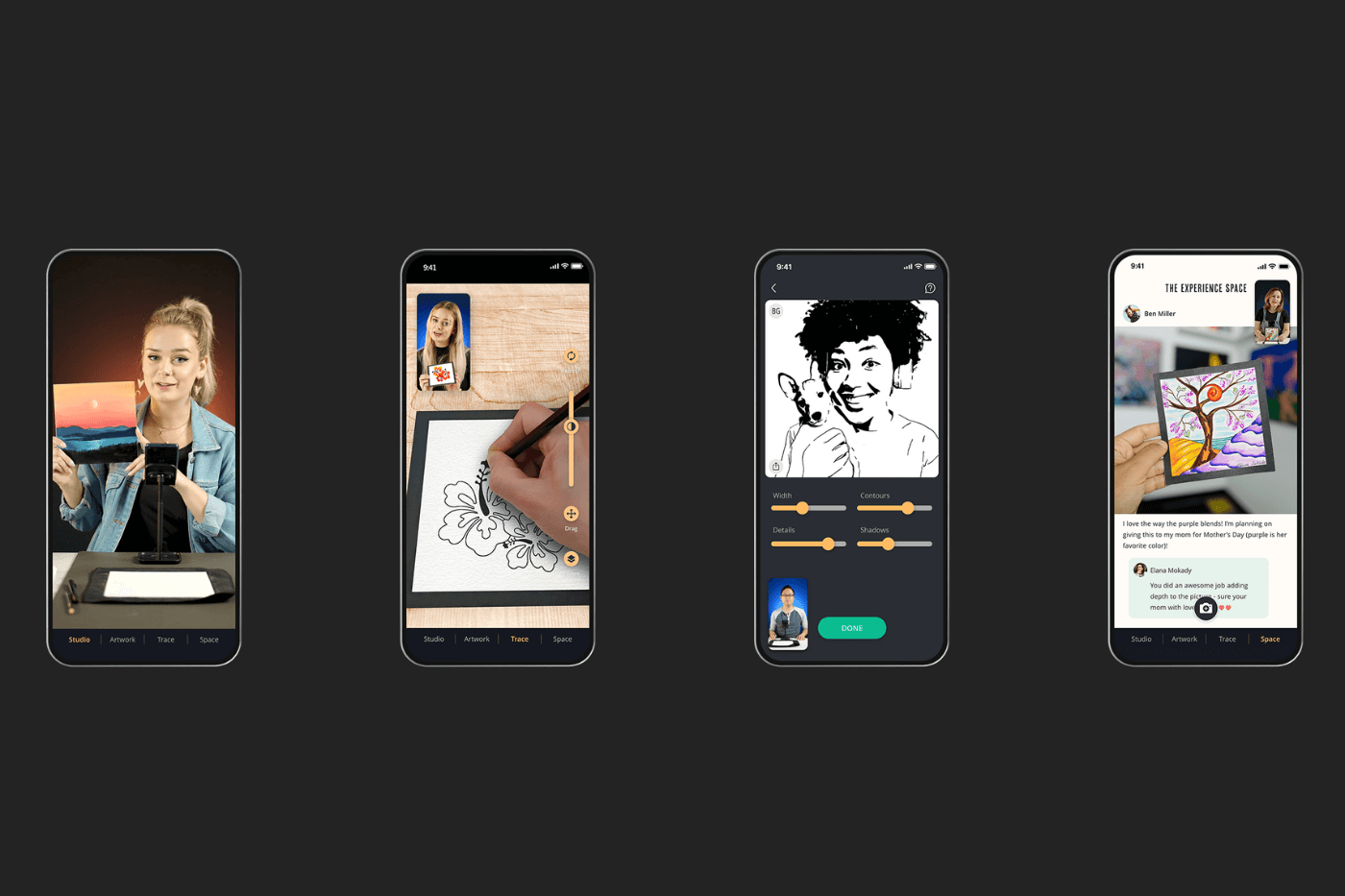
ARPost demoed Cupixel, a new app that uses AR and AI to help anyone realize their artistic potential. In this article, we introduce you to Cupixel, show you how it works, and share what we think about it.

VR Wave21

Hands-On Review of VR Wave Prescription Lenses for Quest 2

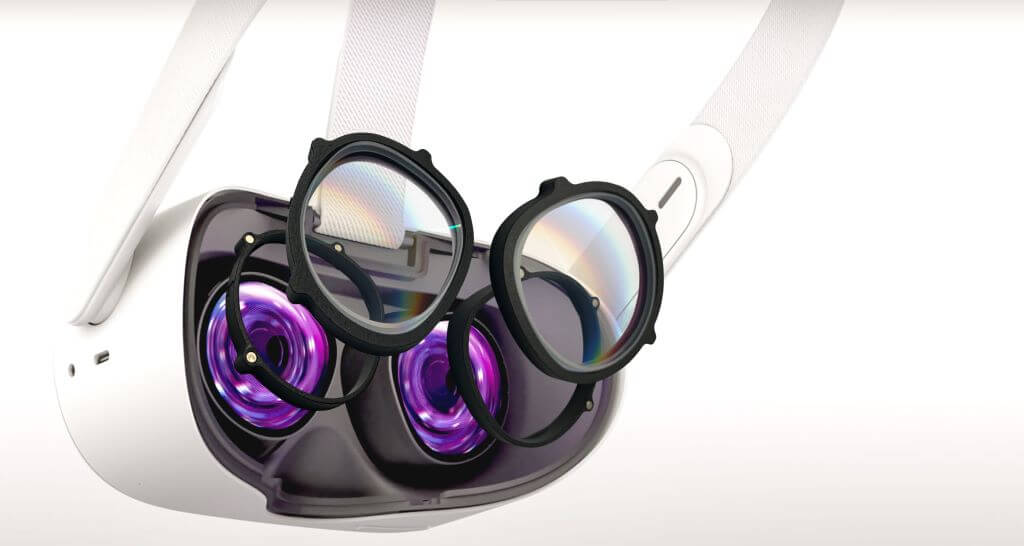
A hands-on review and a cost analysis of the VR Wave prescription lens inserts with optional blue light and glare protection for Meta Quest 2.

KKCOBVR Quest 2 Strap and Battery Pack20

KKCOBVR Quest 2 Strap and Battery Pack: Hands-On Hardware Review

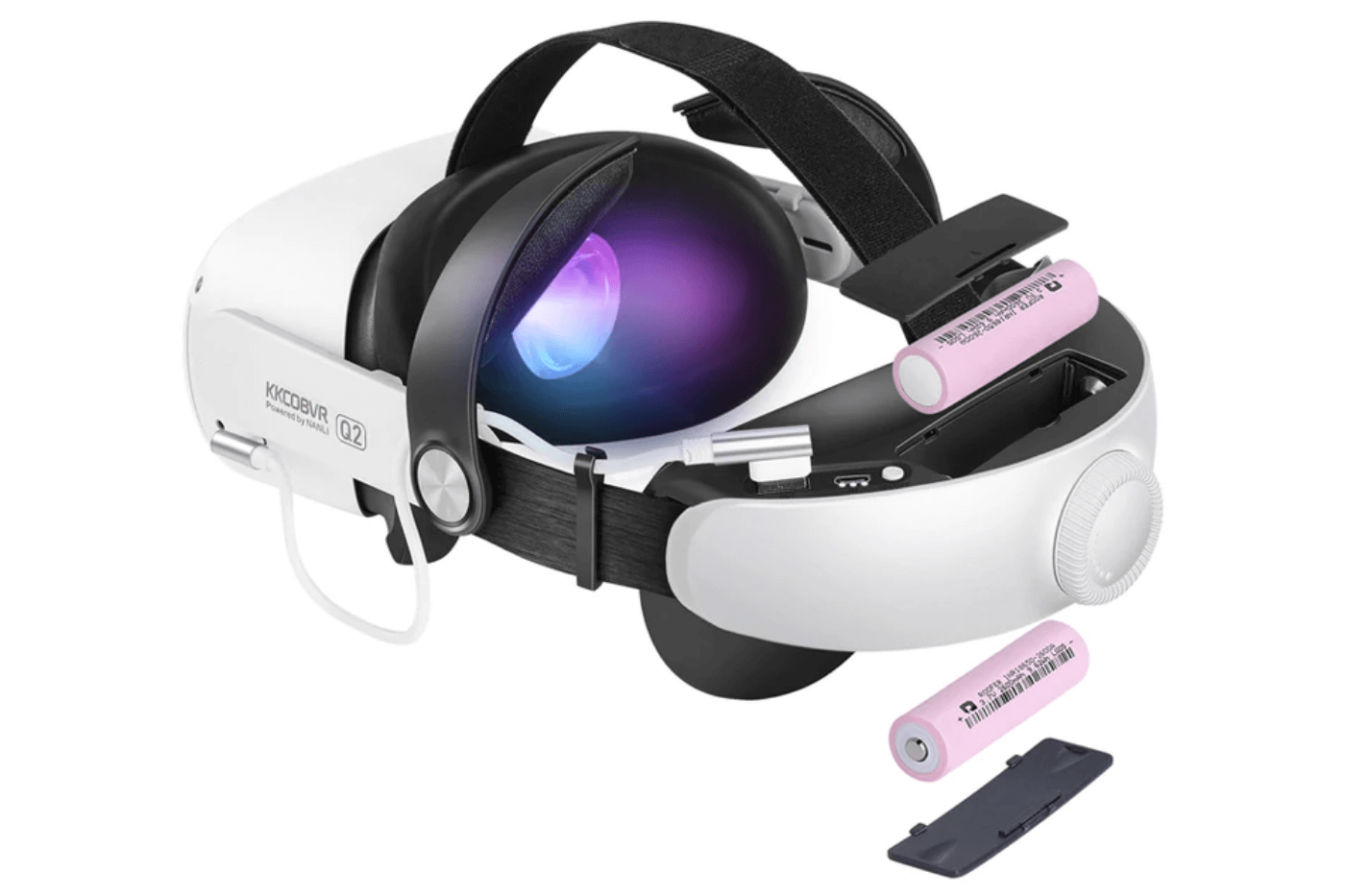
Our honest opinion about KKCOBVR Quest 2 strap and battery Pack. Spoiler alert – it’s way better than the native Quest strap.

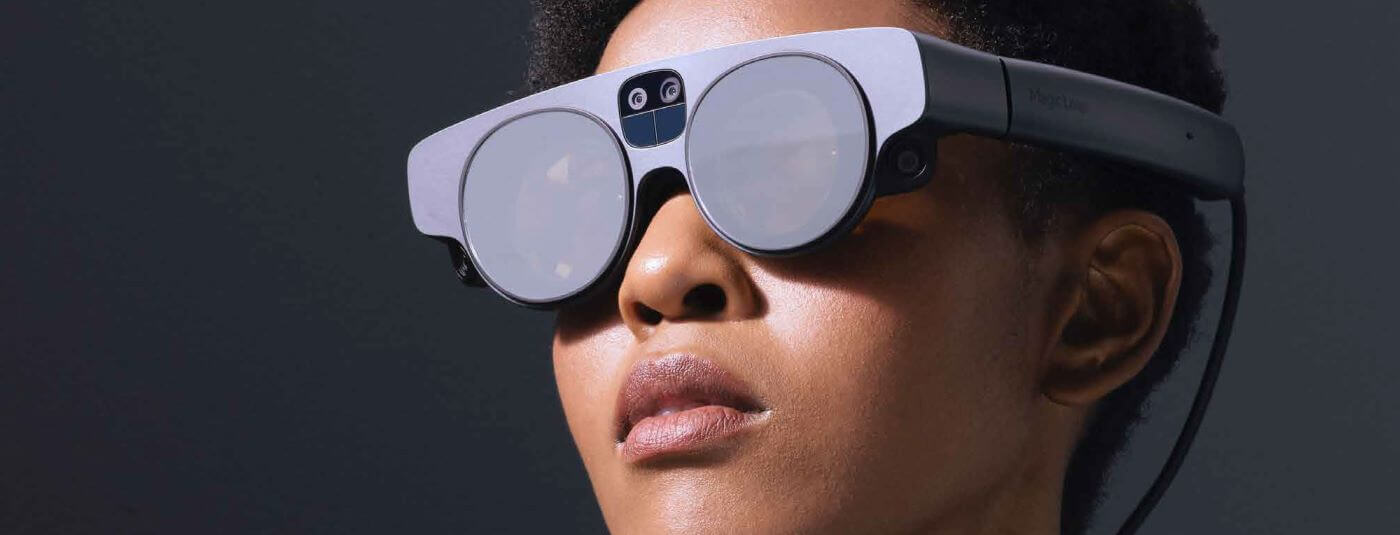
Magic Leap 2 AR Glasses

19

Will Magic Leap 2 AR Glasses Lead the Way to the Metaverse?

When Magic Leap released a preview of its new AR glasses, Magic Leap 2, we discussed whether the hardware will attract consumers to the metaverse.

AR SDKs for Building Augmented Reality Mobile Apps18

Top 5 AR SDKs for Building Augmented Reality Mobile Apps

An AR SDK is a key to AR app development. In this guest post, Gourav Sharma from Arka Softwares lists some popular software development tools used for AR app development.

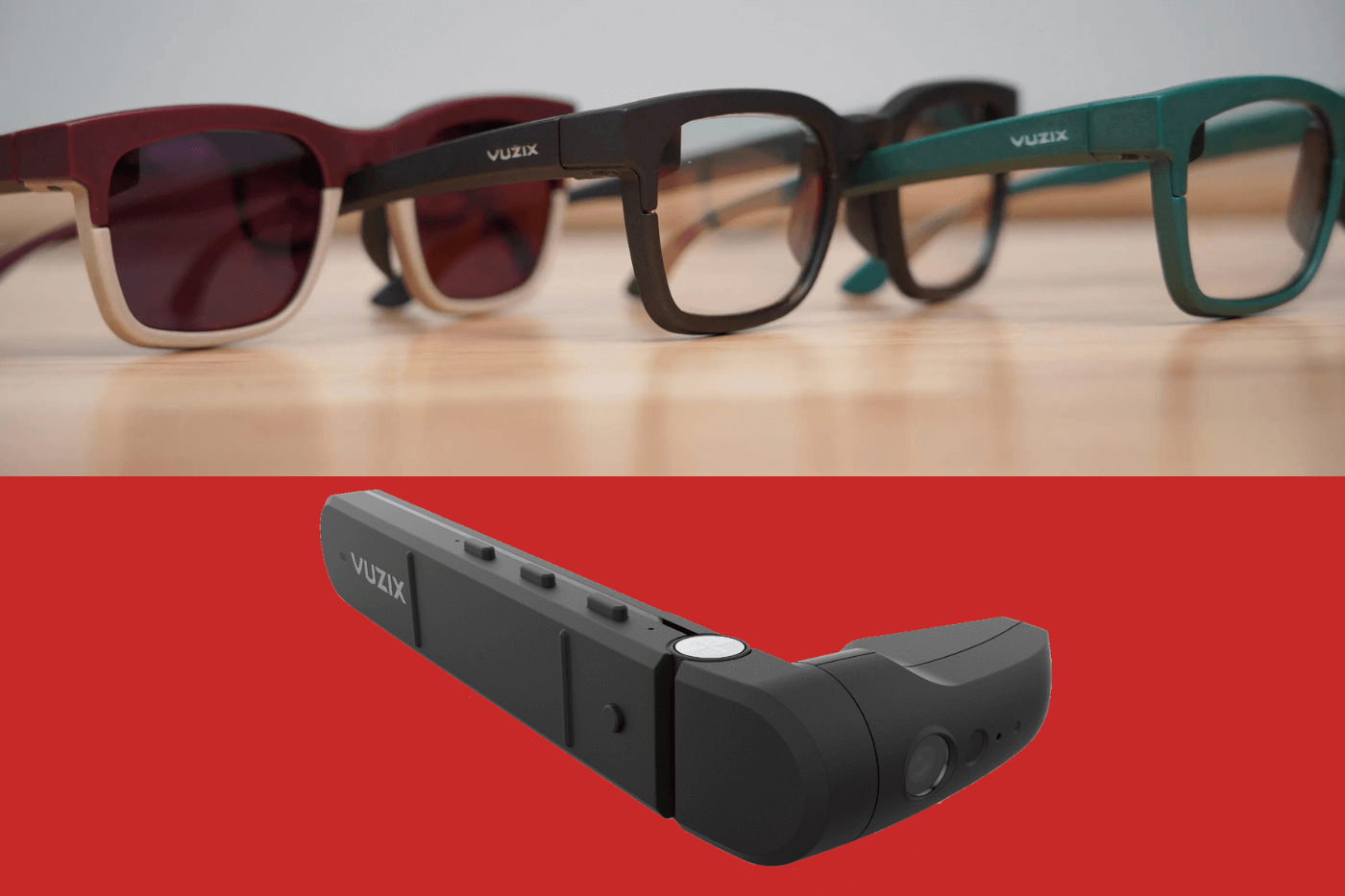
Vuzix M400C Smart Glasses and Vuzix Ultralite17

Vuzix M400C Smart Glasses Become Publicly Available, Consumer Model at CES

We share more information about the Vuzix enterprise headset,  Vuzix M400C, and the coming consumer model, Ultralite.

VR apps for socializing with friends16

The Best VR Apps for Socializing With Friends

VR apps for socializing allow friends and families to stay in touch even in the most challenging situations and feel close to each other. We give you a list of 8 VR apps you can check out.

customer experience (CX) in virtual reality, augmented reality concept15

CX and the Metaverse: The Changing Face of Customer Service in a Virtual World

Customer experience is a crucial factor that determines a brand’s success. As we begin to shift to the metaverse, more companies are working on bringing a new dimension to CX.

3D illustration abstract blue landscape bacgkround - concept of AR cloud14

Real-World Applications and Benefits of AR Cloud

AR cloud is an emerging trend in the field of AR technology that can change the way we interact with both the digital and physical world.

industrial metaverse concept13

Industrial Metaverse: The Factory of the Future

The advent of the metaverse is transforming the manufacturing industry significantly, making it immersive, more agile, and safe. Here are some of the applications of industrial metaverse.

Hyper-Realistic Metaverse Victoria VR12

Dive Into a Hyper-Realistic Metaverse Built on Unreal Engine

In this article, we introduce you to Victoria VR, a hyper-realistic metaverse created and owned by users, and powered by Unreal Engine.

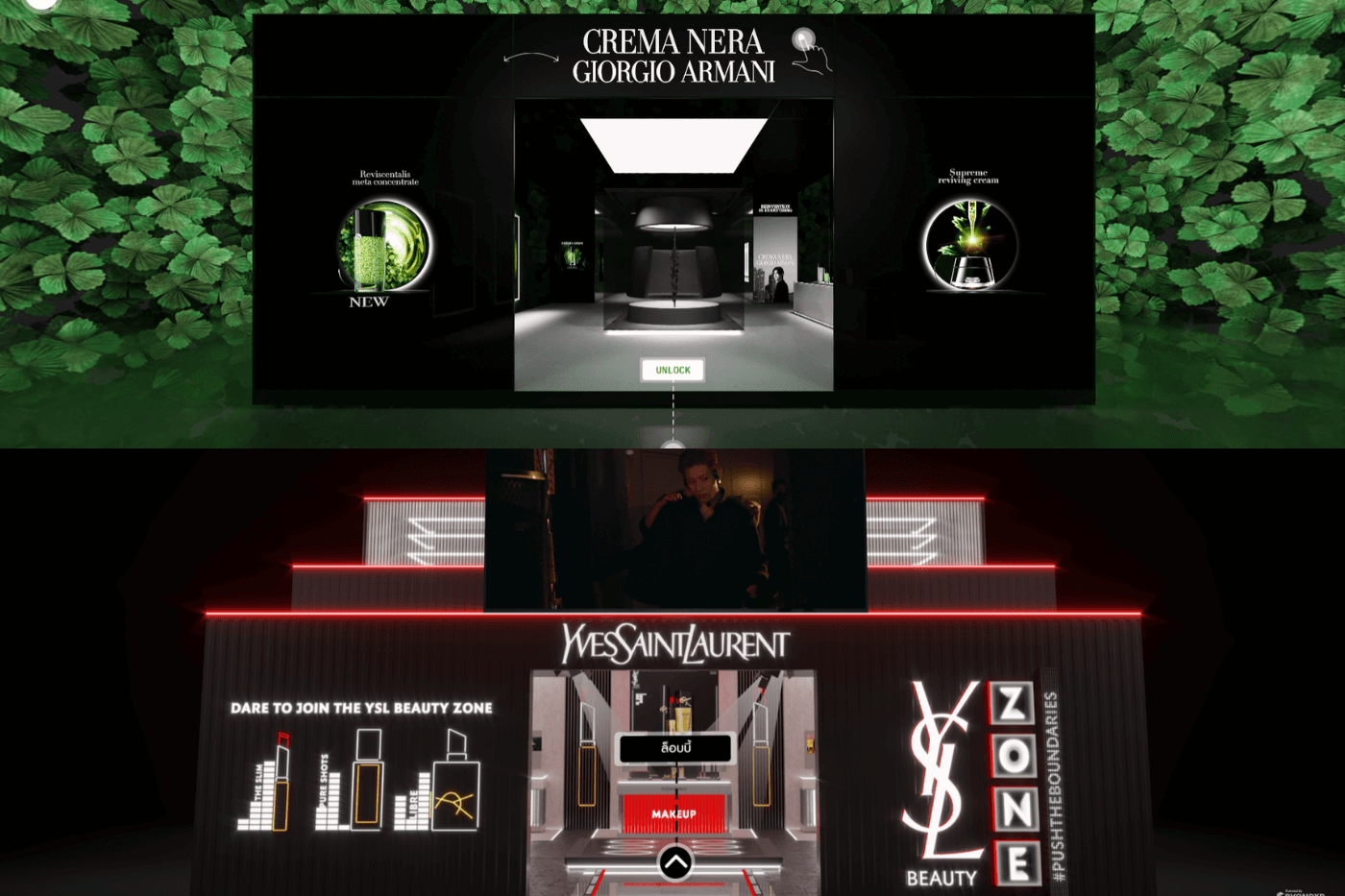
YSL and Armani virtual stores in the metaverse by ByondXR11

Luxury Brands Embrace the E-Commerce Metaverse With Virtual Stores

“Shopify of the Metaverse,” ByondXR, has teamed up with luxury brands L’Oreal Luxe for Armani Beauty and YSL Beauty Thailand to enhance the e-commerce experience with virtual stores.

Lowe’s Opens 3D Product Library to Metaverse Developers10

Lowe’s Opens 3D Product Library to Metaverse Developers

Metaverse developers now have free access to Lowe’s Open Builder. This grants them permission to use 3D digital assets from the product library for free in their metaverse projects.

VR in education concept09

The Future of VR in Education: Full Immersion in Learning

VR in education provides the optimal compromise between students and educators, making learning relevant, interesting, and interactive. In this article, we take a look at the future of this technology in the educational field.

louvre museum - VR museum tours08

The Best Examples of VR Museum Tours From Across the World

The COVID-19 pandemic has changed the way we experience art and culture and introduced VR museum tours as part of people’s daily lives.

Waves organic forms VR and AR headset07

The Most Innovative AR and VR Companies in 2021

This article presents some of the most innovative AR and VR companies in 2021 and the impact they had on the way the average person experiences immersive games and apps.

AR/VR trends06

Top AR/VR Trends for 2022

We cover some of the most important AR/VR trends for 2022 and their impact on the way we live, work, shop, and discover entertainment opportunities.

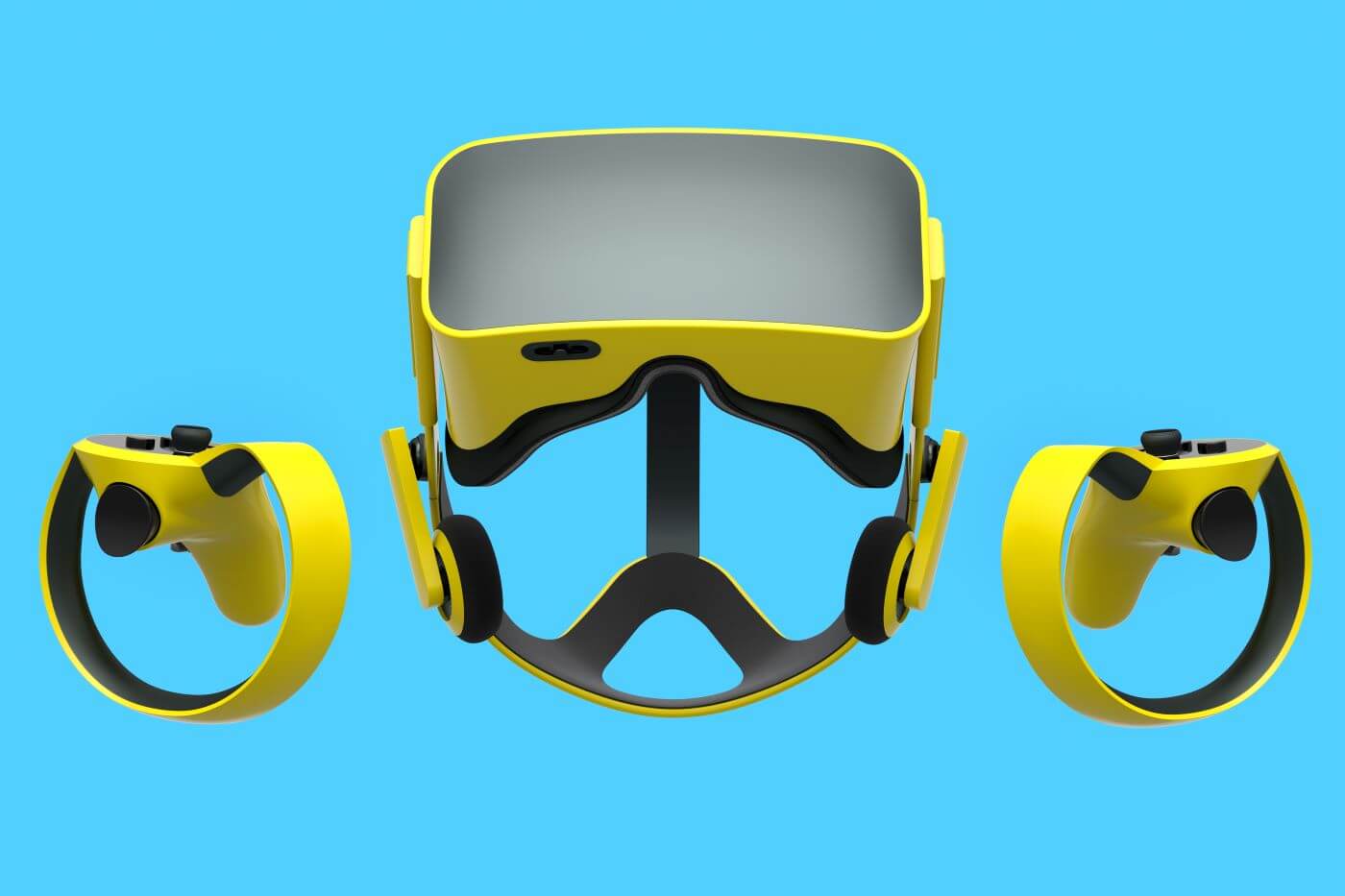
AR/VR Headsets05

Why We’re Not All Wearing AR/VR Headsets

Spatial computing enthusiasts said we’d all be in the metaverse by now. Why is it not so? Why aren’t we all equipped with a headset?

Artificial Intelligence and AR, VR, and MR04

How Artificial Intelligence Can Reshape AR, VR, and MR Technologies

Artificial intelligence and other emerging technologies are widely used to deliver unparalleled experiences and interactions. Find out how AI can be applied to elevate AR, MR, and VR technologies.

AWE USA 2022 Day One03

AWE 2022 Day One: An AR-Heavy Day Focusing on Presence

ARPost covered the AWE USA 2022 event, which took place in June. Day one saw major announcements from Qualcomm, ThinkReality, and the CyberXR Coalition, Ori Inbar’s AWE opener, and insights from Unity, Blippar, XRA, and others.

Benefits of AR and VR for People With Disability

02

7 Benefits of AR and VR for People With Disability

Immersive technology can be a game-changer for people with health conditions or impairments. Here are some of the many benefits that augmented and virtual reality provide to people with disability.

AR/VR development concept

01

7 Must-Have Skills in an AR/VR Career

This article summarizes the skills needed in the AR/VR industry, as well as tips to guide you through your skill-building.

ARPost’s 22 Most-Read XR and Metaverse Articles of 2022 Read More »

these-vr-gloves-track-your-fingers-&-electrically-stimulate-for-haptic-feedback

These VR Gloves Track Your Fingers & Electrically Stimulate for Haptic Feedback

AI SILK is a Japanese wearable-tech startup that’s set to unveil a new haptic glove at CES 2023 next month which approaches both haptic feedback and finger-tracking in a different way altogether.

AI SILK is a Tohoku University spinoff that develops wearable products using their patented technology to produce smooth conductive fiber, turning them into electrodes that can be used for a number of things.

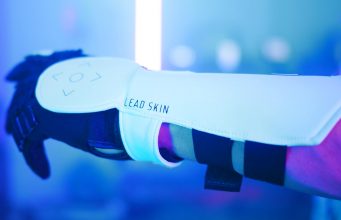
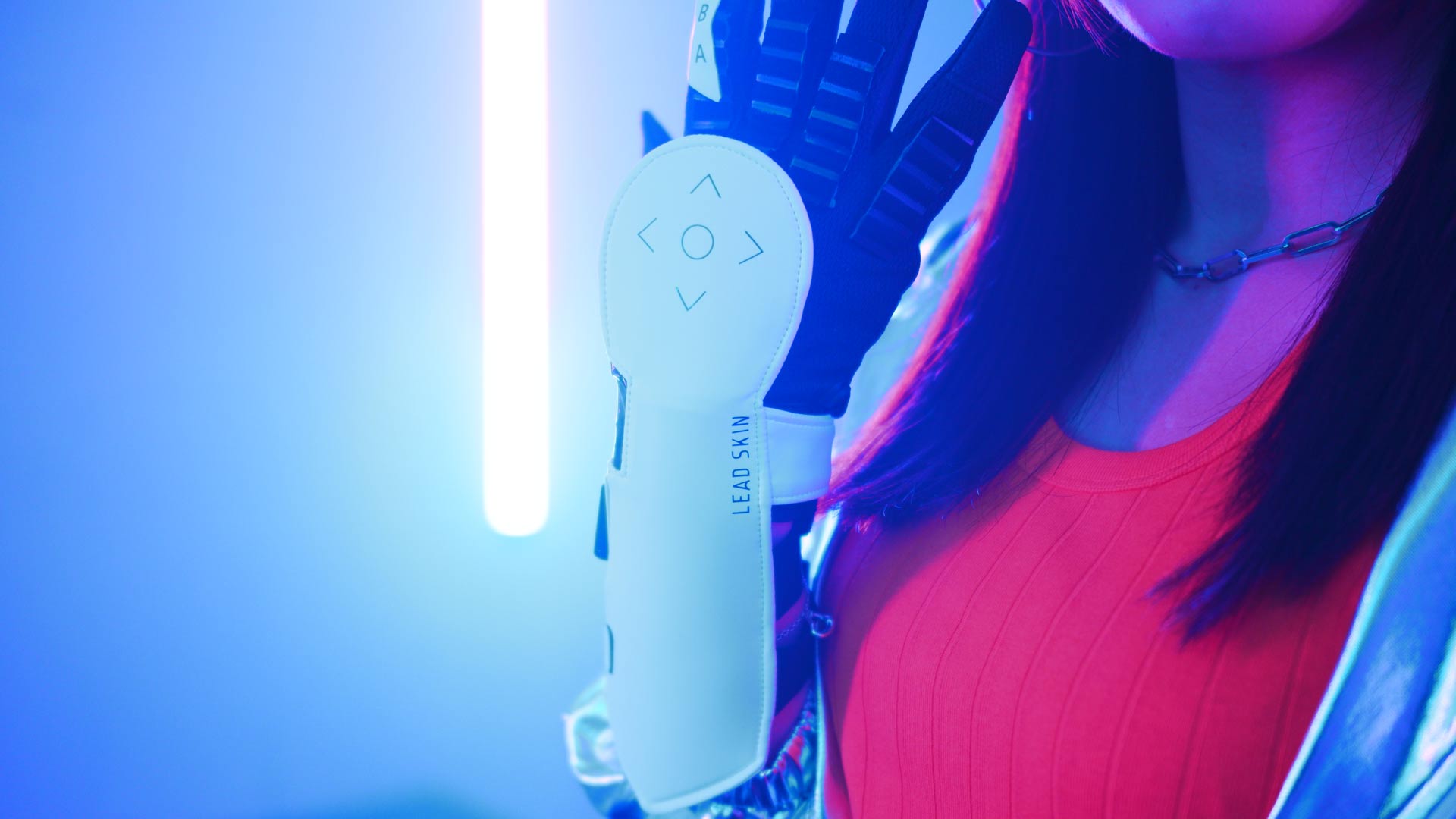
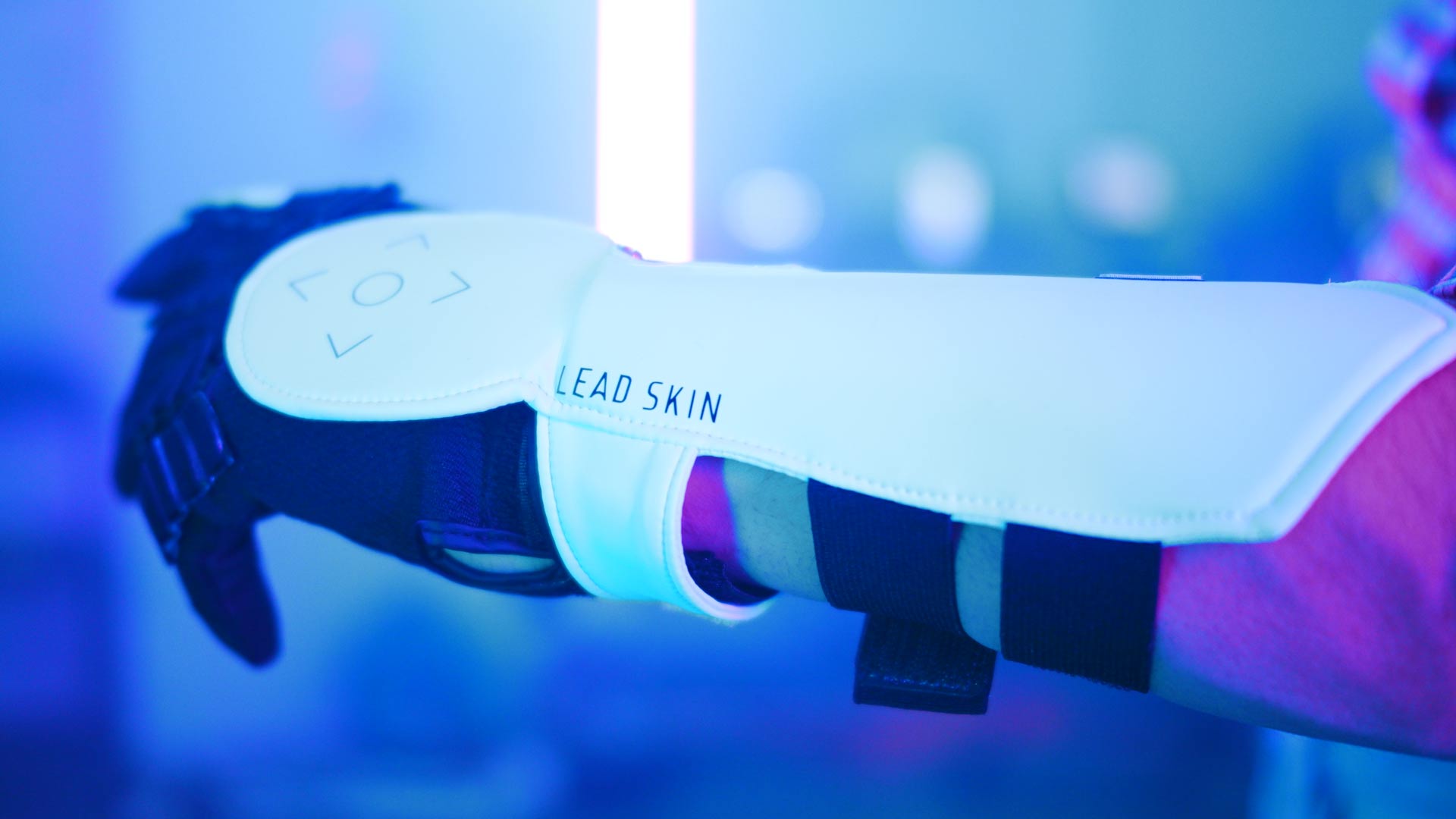
Called Lead Skin, the controller houses these conductive fibers, which not only provides finger-tracking and control buttons on the back of the gauntlet-style controller, but also an electrical haptic pulse that aims to simulate manipulating virtual objects.

Image courtesy AI SILK

Weighing in at 380g (~13.5oz), or about the weight of two Quest 2 controllers with batteries included, Lead Skin is said to measure the current impedance from the expansion and contraction of the fabric within, and then through deep machine learning-developed algorithms “understand the intended actions from glove wearers’ physical finger movements,” AI Silk says in a press statement.

Image courtesy AI SILK

Electrical pulses are sent to both the palm and fingers, which is a decidedly shocking departure from the standard haptic motor buzzes that we’ve seen in other VR gloves.

While specs are still thin on the ground, the flashy promo video is certainly something to behold, if not only for its peek inside the Japanese idol industry, which regularly host handshake events. It’s not clear how resistance training and face-punching fit into Lead Skin’s actual feature set, but the spot certainly looks electrifying, as our protagonist is recognized as the idol’s online training partner.


AI Silk’s Lead Skin haptic gloves will debut at CES 2023 between January 5-8, where we’ll have feet on the ground. Check back soon for more info on Lead Skin and all of the latest AR/VR tech out there at the biggest trade shows of the year.

These VR Gloves Track Your Fingers & Electrically Stimulate for Haptic Feedback Read More »

quest-new-year’s-game-sale-keeps-the-discounts-rolling-on-top-vr-titles

Quest New Year’s Game Sale Keeps the Discounts Rolling on Top VR Titles

Missed the Quest Winter Sale? Meta is offering up another opportunity to nab more paid Quest games on the cheap, including game bundles and a ton of top VR games.

The Quest ‘Celebrate 2023 Sale’ is going from now until January 2nd at 11: 59 PM PT (local time here), offering up to 40% off individual games.

Don’t forget to check out all of the best free games and apps on Quest too, many of which we would have gladly paid for.

Quest Game Packs*

*Note: Meta does dynamic bundle pricing, so if you already own a game in a pack above, the overall price will automatically adjust.

Top Quest Games


This is just a big slice of the games currently on offer for the Celebrate 2023 Quest Sale, but you can find the full list over at the Meta Quest Store, available from now until January 2nd, 2023.

Quest New Year’s Game Sale Keeps the Discounts Rolling on Top VR Titles Read More »

redefining-immersive-virtual-experiences-with-embodied-audio

Redefining Immersive Virtual Experiences With Embodied Audio

EDGE Sound Research is pioneering “embodied audio,” a new technology that changes the way we experience virtual reality. When we think of “virtual reality,” the focus only seems to be on engaging our sense of sight. EDGE Sound Research’s embodied audio will revolutionize how we experience audio in VR worlds through its use of audible and tactile frequencies.

One of the things that sets this technology apart is that it stems from co-founder Ethan Castro’s experience. Castro had issues with hearing and, as a result, he had to resort to sound. Moreover, Castro loved music and even became a professional audio engineer and composer. He researched how sound can be perceived by combining hearing and feeling. Eventually, he teamed up with co-founder Val Salomaki to start EDGE Sound Research.

Bringing Embodied Audio to Life

Embodied audio adds realism to sound. This groundbreaking technology combines the auditory and physical sensations of sound in an “optimized and singular embodiment.”

“This means a user can enjoy every frequency range they can hear (acoustic audio) and feel (haptic and tactile audio, also known as physical audio),” said Castro and Salomaki.

Castro and Salomaki go on to explain that they invented a new patent-pending technology for embodied audio, which they dubbed ResonX™. This new technology, which has been nominated for the CES Innovation Award, has the capability to transform any physical space or environment into an embodied audio experience that has the ability to reproduce an expansive range of physical (7-5,000+ Hz) and acoustic audio frequencies (80-17,000 Hz).

Crafting New Experiences With the ResonX™ System

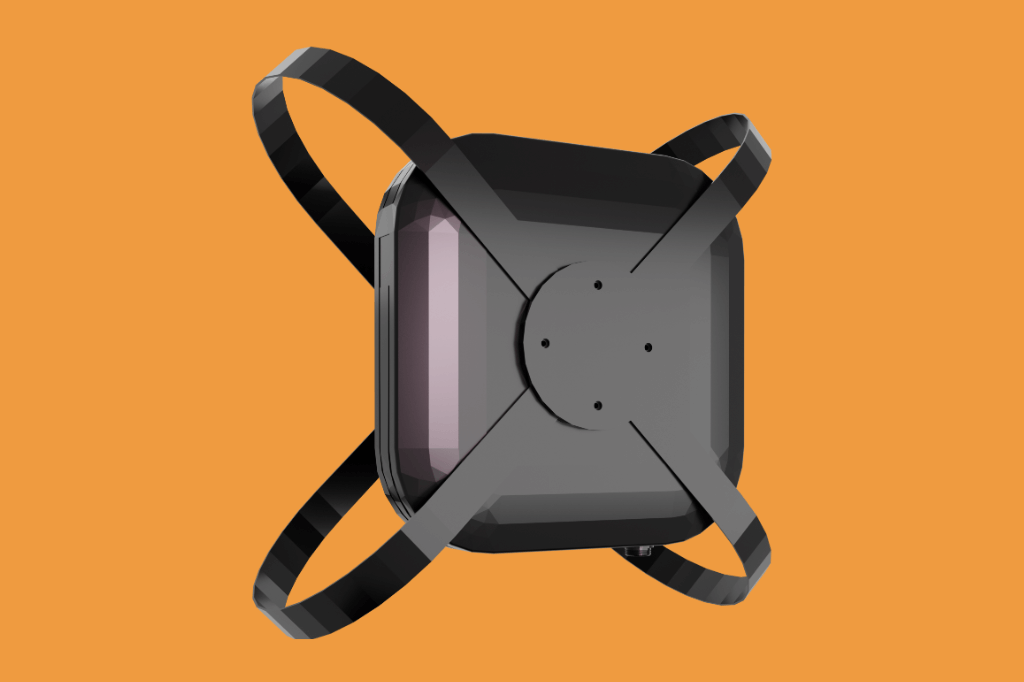
“The ResonX™ system is a combination of hardware and software. A user places the ResonX™ Core (hardware component) on the surface of a material and the ResonX™ software calibrates the surface of the material to resonate reliable hi-fidelity sound that the user can hear and feel,” said Castro and Salomaki.

ResonX Core - Embodied audio by Edge Sound Research

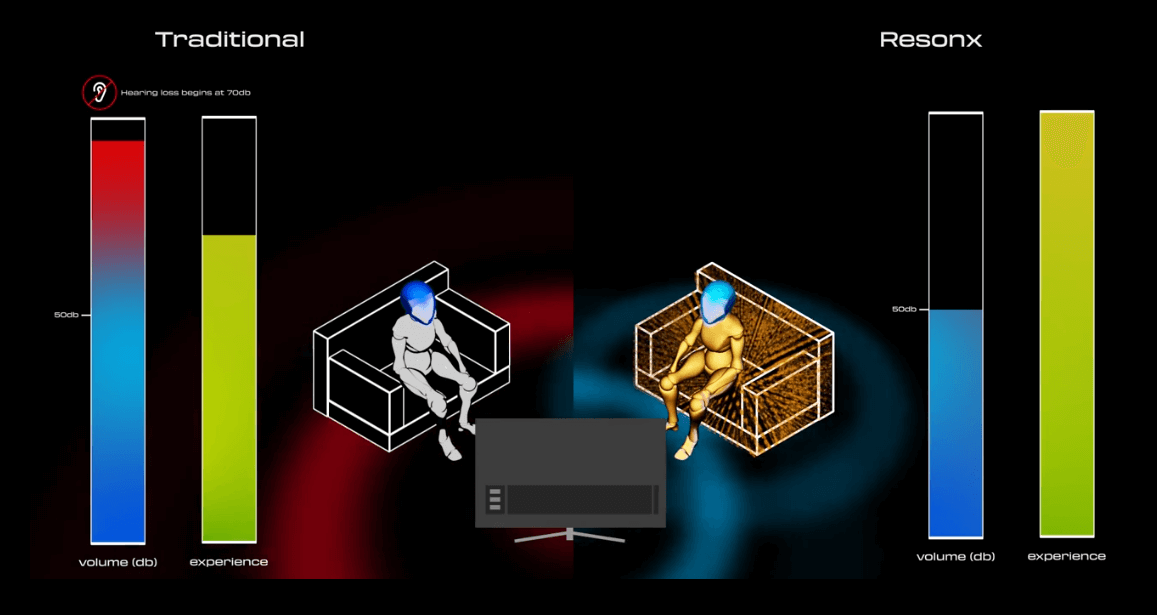
For example, when someone uses the ResonX™ system at home, they can attach the ResonX™ Core to their couch, effectively turning it into an embodied audio experience. So, when they sit on the couch while watching their favorite show, say a basketball game, they will feel as if they’re there in person. Users can hear every single sound, including the ball being dribbled and even the more subtle sounds like the squeaking sounds made by sneakers.

According to Castro and Salomaki, if a user wants to take their movie-viewing experience to the next level, here’s what they can do:

“An individual can attach the ResonX™ to flooring and then be fully immersed in walking around a new planet by hearing and feeling every moment to make the experience feel life-like.”

Aside from enriching users’ experiences in the metaverse, this new technology finally enables us to engage our other senses, thus adding a new dimension to how we experience music, games, live entertainment, and more.

Embodied audio - traditional sound vs ReasonX

“This opens the door to new possibilities in storytelling and connectivity around the world as an experience can now begin to blur what is real because of three senses simultaneously informing a user that a moment is happening. Not as an effect, but as an embodied reality,” shared the EDGE Sound Research co-founders.

Embracing Innovation in the VR Space

With ResonX™ and its ability to bring embodied audio to life, users can now have richer experiences in virtual worlds. Not only will they be engaging their sense of sight, but they’ll also get the opportunity to experience these virtual worlds using their sense of hearing and touch. Now, users have the chance to transform their physical environment into a cohesive sound system.

The good news is, users can enjoy the embodied audio experience in many public venues. According to Castro and Salomaki, they’ve already deployed the ResonX™ in various sports stadiums, bars, and art installations. Furthermore, if you want to bring home the ResonX™ experience, you can get in touch with EDGE Sound Research for a custom installation.

What will embodied audio look like in the future?

It’s likely going to become more widely accessible. “Over time, we will release a more widely available consumer version of the ResonX™ system that will make this ResonX™ technology more accessible to all,” said Castro and Salomaki.

Redefining Immersive Virtual Experiences With Embodied Audio Read More »

surprise:-business-leaders-should-be-compassionate-–-here’s-the-evidence-to-prove it

Surprise: business leaders should be compassionate – here’s the evidence to prove it

In the month after Elon Musk triumphantly announced his takeover of Twitter with his now famous “the bird is freed” tweet, he implemented a large-scale cull of the social media platform’s global workforce. While Musk’s rationale for this move was to make Twitter more efficient, how he carried out the cuts was widely criticised as showing a lack of compassion for employees.

Luckily, the public have spoken and Musk has promised to step down after embarrassingly being voted out in his own poll. But what can we learn from this and what kind of leader does Twitter need moving forward?

Twitter might instead benefit from a more thoughtful and caring approach to leadership. Research shows compassionate leaders boost staff morale and productivity, not to mention projecting a more positive image of an organisation and its brand to the world.

Compassion in this context can be taken to mean a leader who is understanding, empathetic, and that strives to help their employees. This kind of leadership is needed now more than ever. Businesses are facing difficult times because of the lasting effects of the pandemic and the rising cost of living. The UK was already experiencing a slump in productivity growth since the 2008 financial crisis and a decline in the standard of living, which is set to continue over the next two years. Brexit hasn’t helped this situation.

Such testing times warrant organizational leadership by compassionate and competent people with sound judgment and effective coordination skills. This also applies to political leadership. The UK has seen a lack of this in recent months while dealing with “partygate”, reported bullying, and harassment in government offices, and the dire effect of recent leadership decisions around the economy.

International leaders aren’t doing much better. The US appears to have become far more polarised, leading to the Capitol riots and suffered accusations of a “leadership vaccum” during the pandemic. In the EU, compassionate leadership appears to have been in short supply based on slow responses to COVID and the energy crisis. All of these examples suggest a need for more compassionate leadership.

What is a good leader?

Research shows that good leadership helps companies to be more competitive and boost performance, particularly concerning innovation and flexibility. One study argues that good leaders win followers because of three main attributes: sound judgment, expertise, and coordination skills. These qualities allow leaders to lead by example.

Unfortunately, however, not all leaders fit this bill. A recent Europe-wide study found 13% of workers have “bad” bosses, although participants tended to score their bosses worse on competence than consideration. Still, poor leadership can negatively affect workers’ morale, wellbeing, and productivity. A review of studies in this area reported that worker wellbeing tends to be better served when companies — and their leaders — allow workers to have some control and provide more opportunities for their voices to be heard and for greater participation in making decisions.

In addition to the competence and coordination skills highlighted in a lot of research to date, my research shows that “soft leadership skills” are also important. This is about being compassionate and making others — employees in particular, but also suppliers and customers — feel important. Leaders with such “people skills” are not just technically competent, they can also look at an issue from a human perspective, thinking about how it might affect people.

My recently published research used nationally representative data from the 2004 and 2011 workplace employment relations survey, which polls more than 3,000 organizations and over 35,000 workers. They were asked to score their managers on a five-point scale in terms of certain soft leadership skills, chosen to measure the impartiality, trustworthiness and empathy of leaders.

These employees were asked whether their managers:

  • could be relied on to keep their promises
  • were sincere in attempting to understand employees’ views
  • dealt with employees honestly
  • understood that employees had responsibilities outside work
  • encouraged people to develop their skills
  • treated employees fairly
  • and maintained good relations with employees.

The results suggest that workers’ perception of good quality leadership is also positively affected by managers being upbeat when discussing organisational performance. This kind of leadership boosts workers’ wellbeing, helping employees experience greater job satisfaction and lower levels of job anxiety.

This research suggests that compassionate leaders help to both enhance company performance and boost worker wellbeing. It shows that improving the quality of leadership is worthwhile. This can be achieved with recruitment, appraisal, and training of leaders that elevate soft leadership skills.

Good leaders matter. As organizations and society in general face particularly difficult times, compassionate leadership could make a real difference to future business success.The Conversation

Getinet Astatike Haile, Associate Professor in Industrial Economics, University of Nottingham

This article is republished from The Conversation under a Creative Commons license. Read the original article.

Surprise: business leaders should be compassionate – here’s the evidence to prove it Read More »