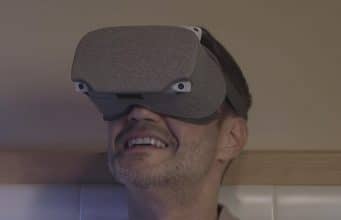
Pimax announced that Portal, its hybrid VR headset based on a Nintendo Switch-style console, is almost ready for launch, as the company prepares to ship to all Kickstarter backers in April 2023.
Over the years, the Shanghai-based company has been known for its wide field-of-view (FOV) PC VR headsets which include large, high-resolution displays and wide FOV optics, making Pimax one of the few to offer such devices directly to consumers. With the announcement of Portal and standalone headset Pimax Crystal, the company seems to be striking out in a new direction from its PC VR roots though.
As a hybrid device, Portal works as both a Nintendo Switch-style handheld (running Android), and a Samsung Gear VR-style headset which uses a dedicated VR shell housing and Switch-style controllers, which snap into their own bespoke housing.
While strapping an Android device into a headset shell is decidedly a throwback concept, Portal managed to attract over $350,000 from backers in the device’s 2022 Kickstarter campaign. Putting Gear VR comparisons aside, the device is being couched as a jack of all trades, as it’s set to offer both 6DOF head and controller tracking for VR gameplay on top of acting as both a handheld console and living room entertainment hub.
In a fresh status update, Pimax says it’s now finalized Portal’s hardware, with mass production set to start. Admittedly, Pimax says it’s currently optimizing the software for Portal, with heat dissipation, power consumption, and controller connection marked as areas in need of improvement. This also includes what it calls “rare” tracking issues and SDK-related game porting issues.
By the end of May, Pimax says it will have “more than 20 VR games” available for the Portal VR mode. Furthermore, Pimax says the QLED version of Portal will support native PC VR via HDMI, while other versions will support streaming PC VR content via WiFi e6 and USB-C.
This comes on the heels of the news last month that Pimax had secured a $30 million series C1 financing round, something the company says will aid in the rollout of both Portal and Crystal headsets.
A Wall Street Journal report maintains Meta’s Quest platform had 6.37 million monthly active users as of October 2022.
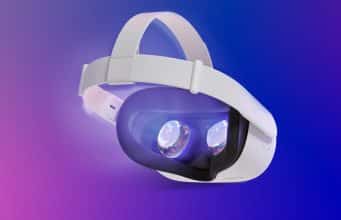
The report doesn’t include a breakdown of which headset is seeing the most engagement, however it’s likely a majority of those users come from Quest 2. The original Quest, which was released in 2019, is currently on its way out. The company’s enthusiast-grade headset Quest Pro costs $1,000, a $500 drop from its original $1,500 launch price.
Meta hasn’t officially detailed just how many Quest headsets it’s sold since the company released the standalone in 2019, or its Quest 2 follow-up a year later for that matter, however a report by The Verge last month alleged the company has sold nearly 20 million Quest headsets. Although not confirmed, this figure likely includes all Quest headsets.
It’s nowhere near what traditional game consoles have achieved, however for VR it’s fairly impressive. For scale, Sony has shipped over 32 million PlayStation 5 units and over 117 million PS4 units to date; the PlayStation platform as a whole garnered 112 million monthly active users in Q3 2022.
For the still-nascent industry, Meta is far and ahead the leader of the space. Of its 500+ titles on the Meta Quest Store, 40 have grossed over $10 million in revenue. According to the Wall Street Journal, the Quest platform has now seen more than 200 apps make over $1 million as of February 2023, an increase of 44% from the previous year.
This comes alongside the news that Meta’s best-performing app, the block-slashing rhythm game Beat Saber, has generated over a quarter billion dollars in sales since launch in 2018.
Felix & Paul, the studio known for its pioneering work in creating cinematic immersive films, is set to release the first installment in a new VR trilogy shot from the International Space Station (ISS), which is slated to offer stunning views of Earth from low orbit.
Called Space Explorers – Blue Marble, the first in the series is set to launch on Earth Day, April 22nd. The trilogy will be available for free on Meta Quest and Quest 2 headsets.
The immersive film series aims to provide a deeper understanding of our planet’s place in the universe and the importance of protecting it for future generations.
The first episode offers up an unobstructed, 360-degree view, filmed at the nadir of the ISS, which points directly at the Earth below.
The studio’s goal is to offer the viewer a sort of virtual ‘Overview Effect’, or a phenomenon that occurs when astronauts view the Earth from space and experience a profound shift in their perspective and understanding of the planet.
Founded by Félix Lajeunesse and Paul Raphaël in 2013, the studio has created a number of original immersive film productions, including The Space Explorers series, Traveling While Black, and Strangers with Patrick Watson. The studio has also created productions with existing franchises, including Jurassic World, Cirque du Soleil and Fox Searchlight’s Wild and Isle of Dogs.
Felix & Paul has won a host of awards over the years, including five Canadian Screen Awards, two Primetime Emmy Awards, and a Daytime Emmy, along with numerous other awards and nominations.
You can catch Space Explorers – Blue Marble for free exclusively on Quest devices, with the first episode launching Saturday, April 22nd.
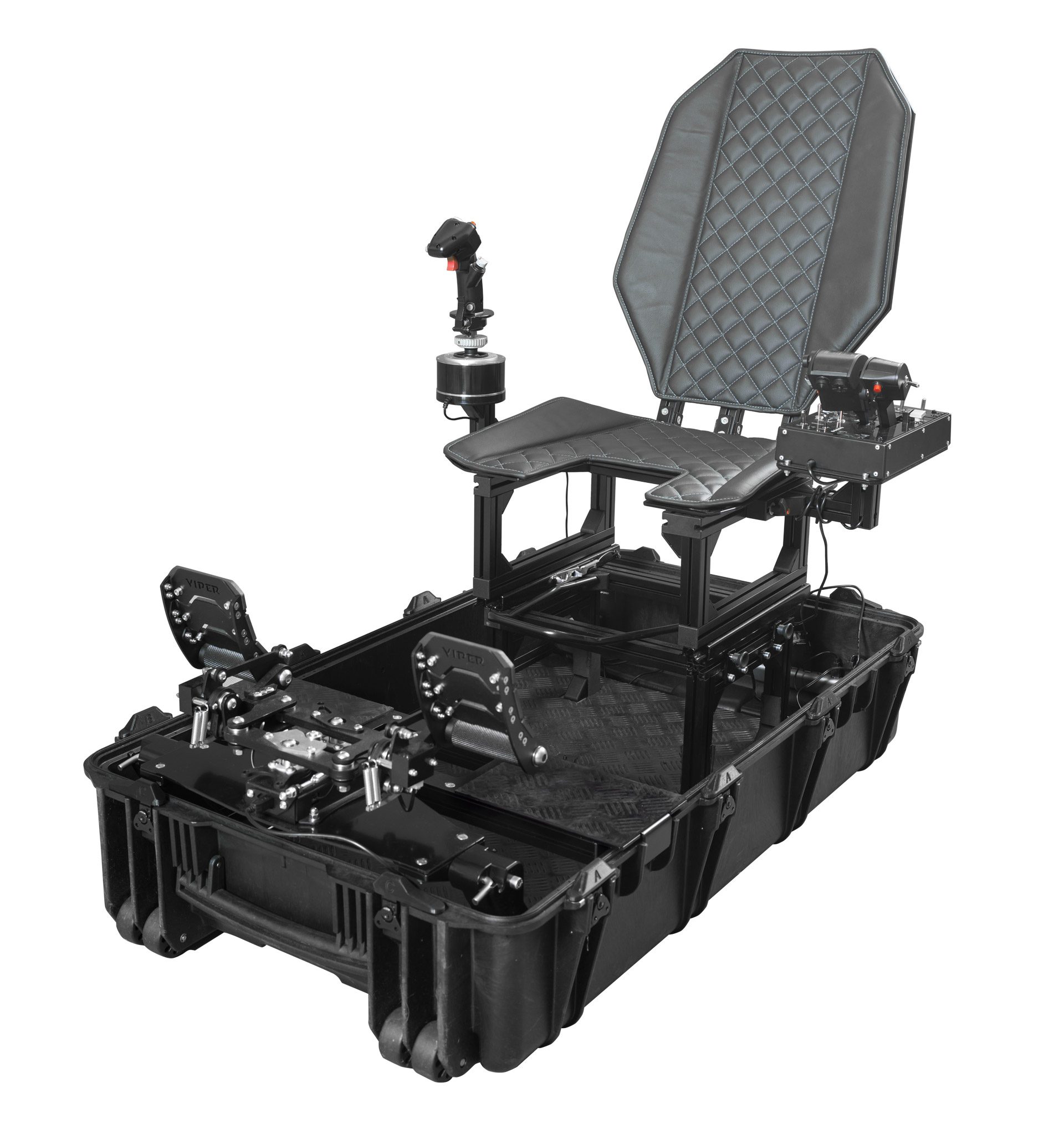
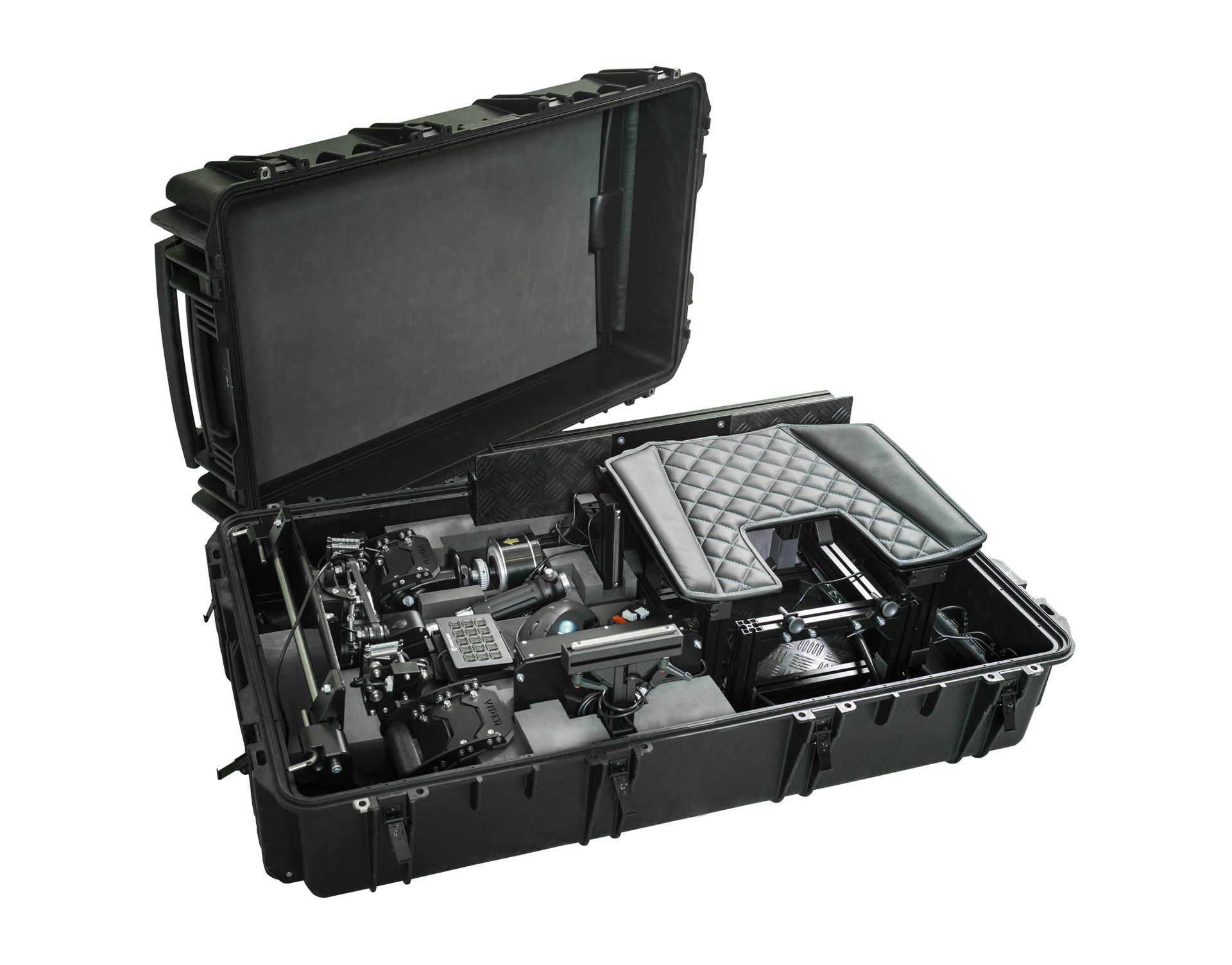
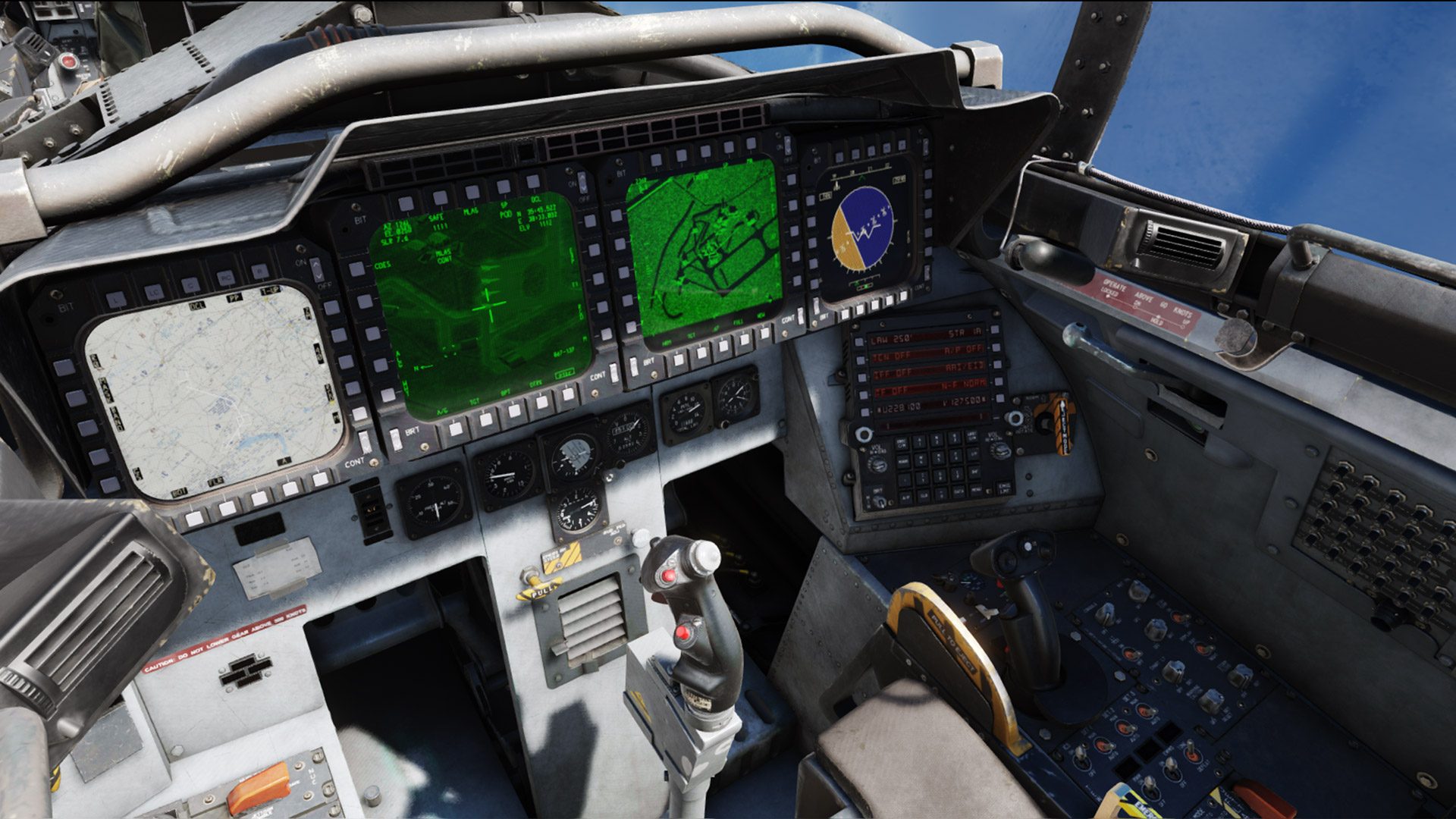
Enterprise headset maker Vrgineers has developed a portable VR combat flight sim system for training pilots on a wide range of combat aircraft, including planes and helicopters. The entire system fits into a single large case and can be deployed wherever it’s needed.
Image courtesy Vrgineers
Made from entirely commercially available off-the-shelf components, the system unpacks from a single large case with everything necessary get trainees into a simulated flight, including the company’s wide-FoV XTAL 3 headset, a computer that can power it, and a stick and throttle setup that mimics common combat aircraft. The company says that one person can get the system up and running within 30 minutes (you can see the whole process here).
Image courtesy Vrgineers
While Vrgineers is packaging all of the hardware together, partner Razbam Simulations is responsible for the simulated aircraft—including the F-15E Strike Eagle and its bevy of systems—which plugs into Digital Combat Simulator, a popular flight sim among enthusiasts and professionals.
Image courtesy Vrgineers
While the company says the system is designed for affordability, at the time of writing they have not released a specific price, though we’re guessing it will run in the tens of thousands of dollars—which seems like a lot but pales in comparison to many professional VR flight sim systems for pilot training.
Meta is the midst of a second large round of layoffs, and this time a number of employees in its internal VR studios have been affected.
Business Insider reported earlier this week that Meta was increasing its focus on gaming-related projects within its Reality Labs division. As other teams were expected to be dissolved in layoffs, the report held that gaming-focused teams would be safe.
However that report is now being rebuffed by a number of self-reported layoffs which have affecting Meta’s VR teams, including Ready at Dawn, known for the Lone Echo series, and Onward studio Downpour Interactive.
Meta CEO Mark Zuckerberg announced in March that 10,000 employees would be laid off. At the time, Zuckerberg said that, in addition to a hiring freeze, the April round of layoffs would affect tech roles, while a third in late May will affect business roles—all of it in service of what Zuckerberg dubbed the company’s “year of efficiency.”
As mentioned by MIXED, Ready at Dawn Senior Engine Programmer Thomas Griebel tweeted that around 40 people, or around a third of the studio, were laid off. This also included studio head Mark Almeida, who has been with Ready at Dawn since August 2016.
Acquired by Meta in 2020, Ready at Dawn announced in January it planned to shut down its popular free-to-play multiplayer game Echo VR, with plans to turn off severs come August 1st. At the time, the studio said the decision to shut down the game was “made for many good reasons and chief among them is the studio coming together to focus on our next project.”
Downpour Interactive, the studio behind VR mil-sim shooter Onward, is also seeing wide-ranging layoffs. We haven’t found a precise count of Downpour employees affected by the layoff round, however Producer Kaspar Nahuijsen called losing his colleagues to the purge “the toughest day” of his career.
Founded by Dante Buckley in 2015, and then acquired by Meta in 2021, Downpour Interactive’s latest claim to fame was porting the previously PC VR-only title to Quest and Quest 2. As a part of a wider transition by Meta to sunset the original 2019 Quest, Downpour announced Onward would no longer be playable on Quest 1 in any capacity after the July 31st, 2023.
As noted by UploadVR, founder and CEO Dante Buckely left Downpour/Meta last month.
The Guardian reports the latest round of Meta layoffs are affecting 4,000 employees immediately, which is a part of the 10,000 previously announced in March.
Red Matter 2, the sci-fi VR puzzle adventure for Quest 2 and PC VR, is bringing its best-in-class graphics and interactions to PSVR 2.
Vertical Robot says the sequel is slated to arrive on PSVR 2 “very soon,” noting in a tweet it will feature a smooth 120fps with no reprojection, foveated Rendering, 4K re-mastered textures, and enhanced lighting.
And while some may rightly bemoan it as another Quest 2 port, it’s really much more than that.
Launched in mid-2022 on Quest 2 and PC VR, Red Matter 2 features some of the most impressive graphics and immersive gameplay to date—of any VR platform—easily drawing comparisons to some of VR’s most visually intense games, such as Lone Echo and Half-Life: Alyx. It’s really that good.
Here’s the setup: in Red Matter 2, you take on the role of Sasha, an agent awakened in a lunar base by an undercover operative and tasked with uncovering the secrets of ‘Red Matter’, a mysterious substance introduced in Red Matter (2018).
The sequel introduces combat for the first time, which although not a high point, definitely makes for an interesting break from the game’s wide variety of puzzles. Enough said. Check out our spoiler-free review to find out why we gave it [8/10].
There’s no word on when we can expect the original Red Matter on PSVR 2. We’ll also be keeping our eyes peeled for a more precise launch date for the sequel, so check back soon.
Horizon Worlds, Meta’s social VR platform for Quest, is only open to 18+ users for now, however the company says it’s expanding to include teens aged 13 to 17 in the US and Canada.
Meta says the new policy will go into effect in “the coming weeks,” effectively opening the company’s first-party social platform to its entire user base in those countries; Meta only allows users 13+ to actually use Quest devices.
To prepare for the wave of younger users, the company is also releasing some age-appropriate protections and safety defaults.
Safety features will include the ability for teens to control who they follow and who can follow them back. Profiles are also set to private by default, which obscures active status and location. Worlds and events will have content ratings, so younger teens can’t get in.
A new voice mode feature is also rolling out to everyone, which garbles voices of both unknown people and teen’s voices by default. Raising your hand to your ear temporarily lets you hear other users when voice mode is switched on, Meta says.
“We’re rolling out to teens slowly, so that we can carefully examine usage and are taking a phased approach before expanding more broadly,” the company says in a blogpost. “We can’t wait to see everything these new members of the community bring to Worlds.”
Parents and guardians can use the parental supervision tools to manage their teen’s experience and “support healthy conversations about safety in VR,” Meta says. To learn more, check out the new Family Center.
The company also released a safety tutorial to see the new features in action:
While Meta only just released official word of those changes to Horizon Worlds, the news was actually first reported by The Wall Street Journalin February, which was based on an internal memo that alleged the social VR platform was under performing and needed to increase user retention to keep up with the competition. According to the memo seen by WSJ,Horizon Worlds’ weekly retention rate was 11% in January 2023, which the company aimed to increase to 20%.
A goal outlined in the memo maintained Worlds needed to reach 500,000 monthly active users (MAU) in the first half of 2023, ultimately reaching the one million mark by year’s end. At the time, it was reported the platform was hovering around 200,000 MAUs, or just below the December peak.
There’s no telling when the flatscreen version of Horizon Worlds is due to arrive, however Meta maintained it would be opening the Quest-only social platform to Web and mobile devices “soon.”
Vinci Games, the studio behind popular VR basketball game Blacktop Hoops, has raised $5.1 million in a seed funding round.
The round was led by Makers Fund, with participation from Y Combinator, Soma Capital, Pioneer Fund, Anorak Ventures, BonAngels, and Twitch co-founder Kevin Lin. Vinci Games was previously supported by Y Combinator, and also successfully completed a Kickstarter campaign in September 2022 to the tune of $60,000.
The studio says the new funds will be used to develop Blacktop Hoops, which is currently available through Quest’s App Lab distribution channel for Quest 2, and on Steam for PC VR headsets.
First released in April 2022 in alpha, Blacktop Hoops now includes a number of online multiplayer modes, including 1v1, 2v2, 3v3, and 4v4 matches.
The streetball-inspired game, which has kicked off its open beta today, currently has a [4.9/5] star rating from around 9,000 users on App Lab, and a ‘Very Positive’ overall user rating from around 500 on Steam.
The open beta introduces to the game its first set of DLC, called the ‘Rising Legends Pack’, bringing five new AI bosses inspired by real-world streetball legends.
Founded by Oculus veteran Nathaniel Ventura and Maciej Szcześnik, former lead game designer of The Witcher series at CD Projekt Red, Blacktop Hoops is said to feature intuitive dribbling, dunking, and shooting basketball mechanics designed for VR.
“We’re excited to build the next generation of competitive sports in virtual reality,” said Ventura, Vinci Games CEO. “This round of funding helps us grow our team and build new groundbreaking features and content pushing the boundaries of VR. Blacktop Hoops has been designed from the ground up to be easily accessible for casual players with a high skill cap for competitive players; it’s extremely easy to pick up but difficult to master.”
During its time in Y Combinator, Vinci Games says it hope to build “Electronic Arts for VR sports games,” and that starting with Blacktop Hoops, it’s focusing on the “next-generation of arcade sports games for all platforms.”
SpaceX’s giant Starship rocket may have exploded during launch this week. However, that does not mean that Elon, or humanity for that matter, is not determined to enter a new era of space exploration.
To reach further out into the universe, we will need to not only figure out how to send people to Mars, but also how to upgrade our life-support systems and accommodations.
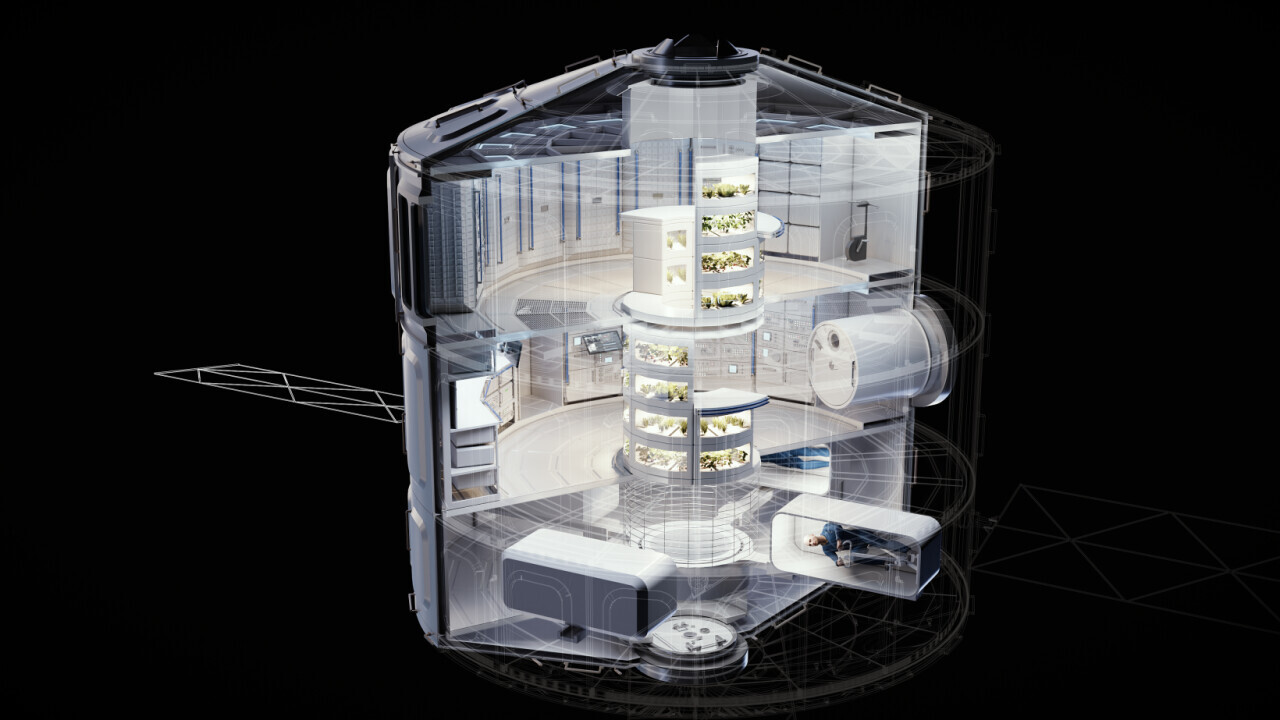
To that end, European aerospace manufacturer Airbus has dreamt up LOOP, a “multi-purpose orbital module” meant to replace the ageing International Space Station (ISS). According to Airbus, it has designed LOOP to “make long-term stays in space comfortable and enjoyable for its inhabitants.”
Sleek space accommodations
Compared to the iconic images of astronauts floating about in the tiny communal spaces on the ISS, the three-level deck of LOOP does indeed look a tad more agreeable. Looking at the images, it could almost be enough to make all your USS Enterprise fantasies come true. Although, as you would remain in orbit, you would not really get to “boldly go,” etc.
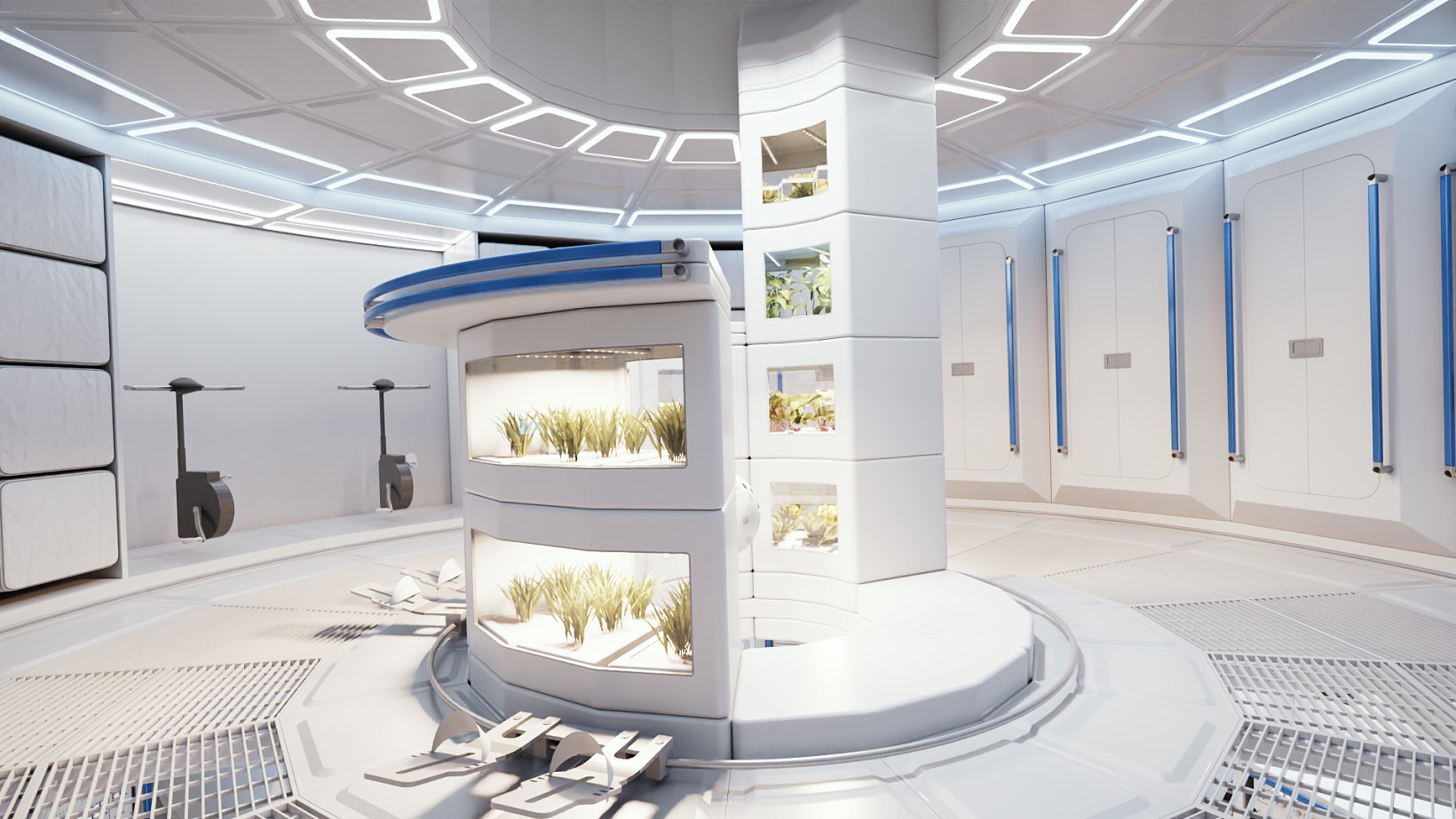
Living quarters complete with exercise bikes against the wall. Credit: Airbus
But don’t imagine swarms of futuristic uniformed space travellers beaming onto the platform. Airbus has designed the 8-metre diameter LOOP to comfortably house a four-person crew. Although, it could be adjusted to host eight astronauts at the same time.
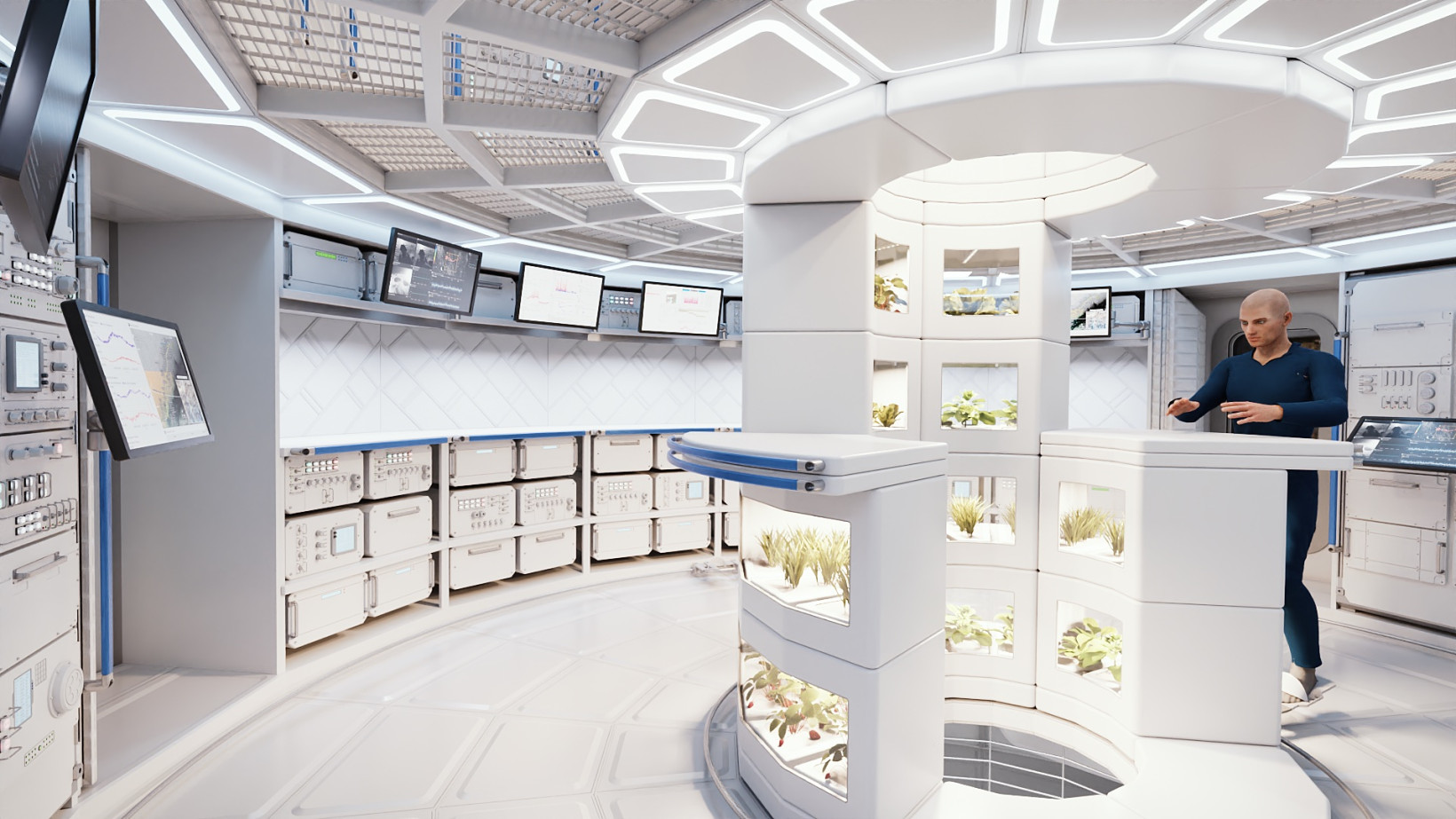
The LOOP consists of three decks: Habitation, the Science Deck, and a Centrifuge that can create gravity conditions for the station’s inhabitants. The three-level structure also allows for “safe harbour” separation if necessary. Joining the decks together is the so-called Tunnel at the centre, surrounded by a greenhouse structure.
One of the intended modules is the Science Deck. Credit: Airbus
Meanwhile, the modular approach is intended to be precisely that – modular. This means that customers could choose to replace any of the decks to adapt the station to individual mission profiles and objectives. An option could also be, according to the developer, to connect several LOOP modules into a larger station. With all the space tourism hype, could we see a boutique space station hotel? Never say never.
No assembly required
LOOP is designed to fit with an upcoming generation of superheavy launchers, such as the aforementioned Starship, that will be able to launch the entire module in one piece (once their own launches are successful). This means that it will be fully operational almost immediately when reaching orbit.
Under the LOOP concept umbrella, Airbus is also offering a whole range of space exploration supporting technologies, such as thermal control solutions, power generation and management, environmental control and life support systems, etc.
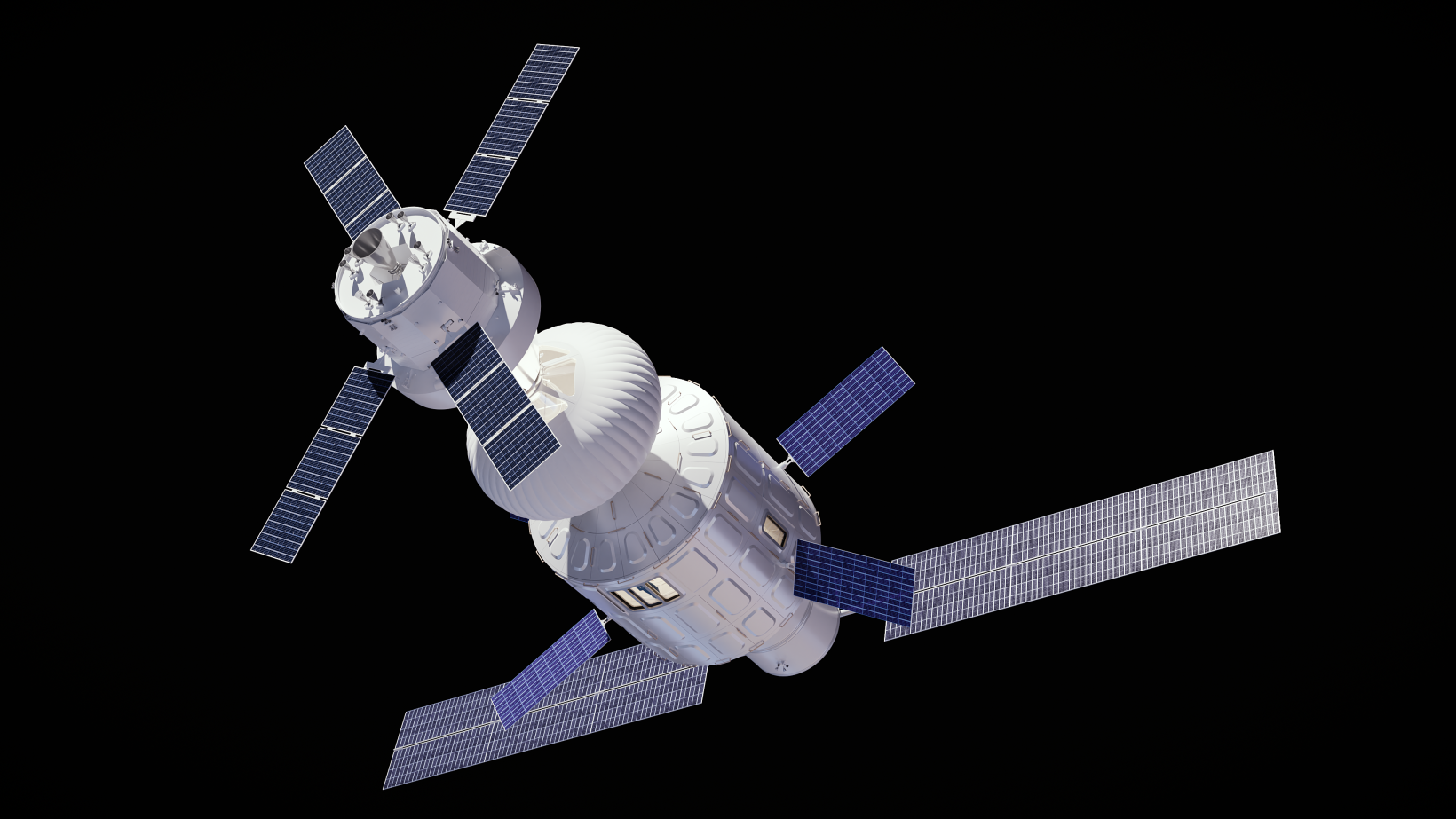
Airbus LOOP coupled with Spartan Space’s Inflatable Module and a visiting spacecraft. Credit: Airbus
While Airbus has presented several concepts over the years that haven’t gotten anywhere close to reality, the company does have a rich heritage when it comes to contributing to international space missions. Most recently, it became the first ever non-US company to build a mission-critical element for an American Human Spaceflight Mission.
The Kevlar-covered European Service Module and its 15,000 solar cells propels and manoeuvres NASA’s new Orion spacecraft. Furthermore, it supplies the crew with water and oxygen, as well as regulates thermal controls.
Will customers go for it?
As with many aerospace concepts, for LOOP to truly make it from the design stage and into development, Airbus will need signals from customers who are willing to purchase the product. In this case, there needs to be someone willing to part with sums of near-astronomical (pun intended) proportions. Especially considering that the cost of the International Space Station, including development, assembly and running costs over a decade, lands at around €100 billion.
Get the TNW newsletter
Get the most important tech news in your inbox each week.
Thomas is a senior reporter at TNW. He covers European tech, with a focus on deeptech, startups, and government policy. Thomas is a senior reporter at TNW. He covers European tech, with a focus on deeptech, startups, and government policy.
Alphabet has merged the UK-based DeepMind and US-headquartered Google Brain into a single AI research unit. Imaginatively named “Google DeepMind,” the new group unites two camps that had developed an internal rivalry.
“Combining all this talent into one focused team, backed by the computational resources of Google, will significantly accelerate our progress in AI,” said Google CEO Sundar Pichai in a Thursday blog post.
The new unit will be led by Demis Hassabis, the co-founder of DeepMind and aUK government AI advisor. Born in London, Hassabis is a former child chess prodigy who finished high school two years early and co-created the Theme Park video game when he was 17.
After earning degrees in computer science and cognitive neuroscience, Hassabis co-founded DeepMind in 2010. Four years later, the company was bought by Google for a reported £400m (€452m) — the Big G’s biggest European acquisition yet.
In his new role as CEO of Google DeepMind, Hassabis will lead the “development of our most capable and responsible general AI systems,” said Pichai.
Joining Hassabis at the new unit is Jeff Dean, who co-founded Google Brain. Dean will serve as Chief Scientist at both Google Research and Google DeepMind, and report directly to Pichai.
“Working alongside Demis, Jeff will help set the future direction of our AI research and head up our most critical and strategic technical projects related to AI, the first of which will be a series of powerful, multimodal AI models,” said Pichai.
The AI competition
The merger comes at a turbulent time for Google’s AI efforts. Despite rearing a raft of research breakthroughs, the company has been shaken by the explosive emergence of OpenAI. The November release of ChatGPT reportedly led Google management to issue a “code red” about the tech giant search engine business.
To add insult to injury, ChatGPT is based on an architecture developed by Google Brain — the transformer. OpenAI acknowledges this influence in the name of its vaunted family of large language models: generative pre-trained transformers (GPT).
By combining the two research units, Google hopes to convert the science into products and services.
The move has already received support in DeepMind’s home country. In the UK, government officials were quick to welcome the merger.
“This is a big development,” tweeted Chancellor Jeremy Hunt. “It sounds very techy, but Google has just merged its two artificial intelligence research units into one… based in the UK. There is going to be lots of competition and a long way to go, but this is a significant step.”
Get the TNW newsletter
Get the most important tech news in your inbox each week.
It turns out you don’t need a rocket to explore the edge of space.
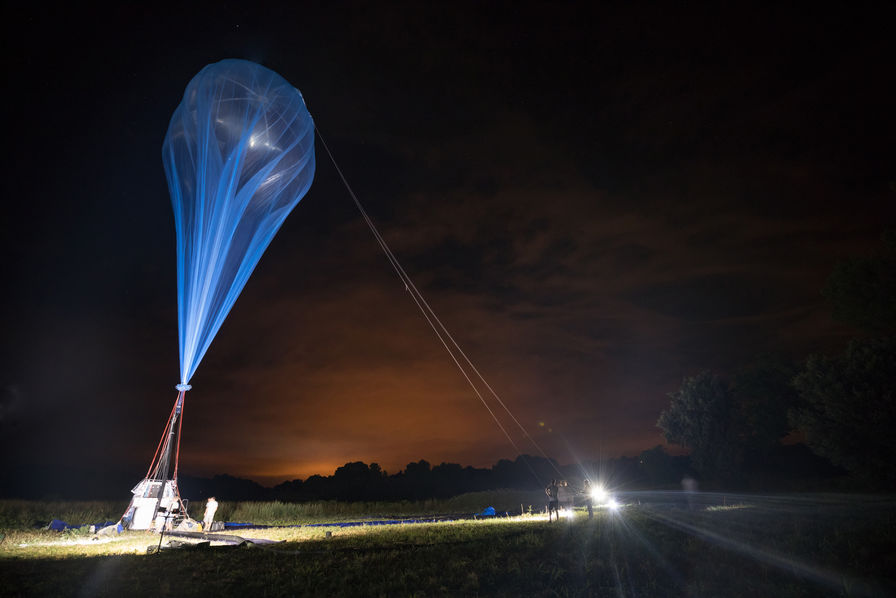
French startup Zephalto has just announced plans to send eager tourists to the stratosphere in a space balloon by 2025. Starting at €120,000 per person, the six-hour round trip would offer “unparalleled views” of Earth and a fine dining experience from the comfort of a luxurious pressurised capsule named Celeste.
“We choose 25 km high because it’s the altitude where you are in the darkness of space, with 98% of the atmosphere below you so that you can enjoy the curvature of the Earth in the blue line. You’re in the darkness of space, but without the zero gravity experience,” Vincent Farret d’Astiès, Zephalto founder and aerospace engineer, toldBloomberg.
The trip would include gourmet meals both before and during the flight, aperitifs, winetasting, stratographic photography, and the possibility to share the experience instantly with the people back on Earth via Wi-Fi. The capsule, currently being designed by French architect Joseph Dirand, would have 20 square metres of interior room, accommodating six passengers and two pilots.
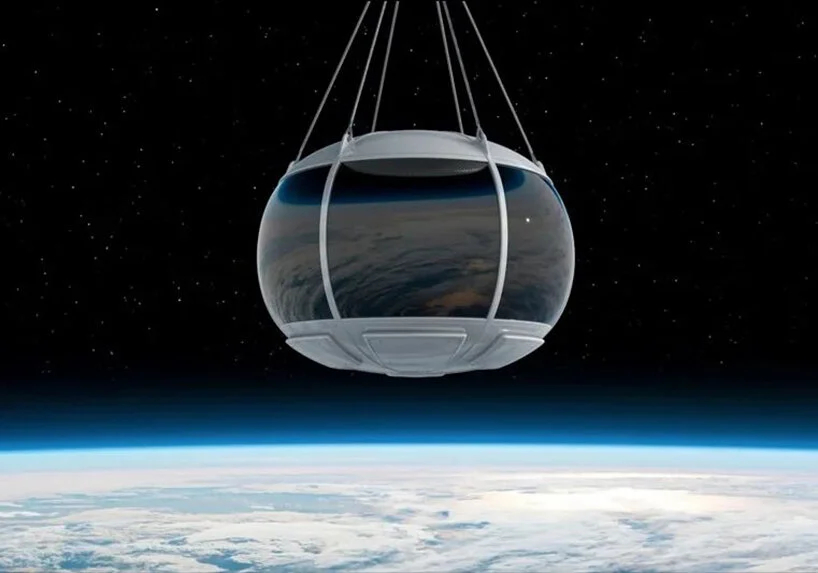
Zephalto’s capsule, which hasn’t yet been built, would transport six passengers and two pilots, and intends to be a lap of luxury. Credit: Zephalto.
The balloon, filled with helium or hydrogen, would depart from France and rise to 25 km over the course of about one and a half hours. This is about twice as high as commercial jets operate but well below the boundary of space (which lies 80-100 km above sea level). Once at peak altitude, the balloon will hover for three hours to ensure you have enough time to soak up the views, before descending back to the ground.
While this might seem like a load of hot air, the startup, founded in 2016, has already secured backing from some high-profile players, including Airbus, Dassault, National Center for Space Studies (CNES), and European Space Agency (ESA).
Zephalto aims for 60 flights per year once it begins commercial operations. It has already conducted three test flights with pilots on board, though none have reached the full altitude. However, the company expects to hit the target height in a test flight later this year.
A prototype of Zephalto’s space balloon, carrying two passengers, took off successfully for the first time during a test flight on August 21, 2020. Credit: Zephalto.
Crewed high-altitude balloons are not a novel idea. In 1931, Swiss physicist Auguste Piccard ascended 16km in a pressurised capsule attached to a helium balloon, becoming the first person to ever reach the stratosphere. Since then, crewed high-altitude balloons have risen to over 34km, although the technology has never gone commercial — yet.
Space Perspective and Worldview, both US-based, are also developing their own versions of the technology. They both plan to launch even earlier than Zephalto, in 2024. Spanish startup Zero2Infinity is also developing a space balloon although it has yet to announce a launch date. Furthermore, Japanese startup Iwaya Giken has built a much smaller capsule that it hopes will cost just tens of thousands of dollars once the company achieves economies of scale.
While perhaps not quite as alluring as blasting off into real space aboard a rocket, as promised by billionaire-owned firms like SpaceX, Blue Origin, and Virgin Galactic, proponents say balloon trips offer a number of distinct advantages.
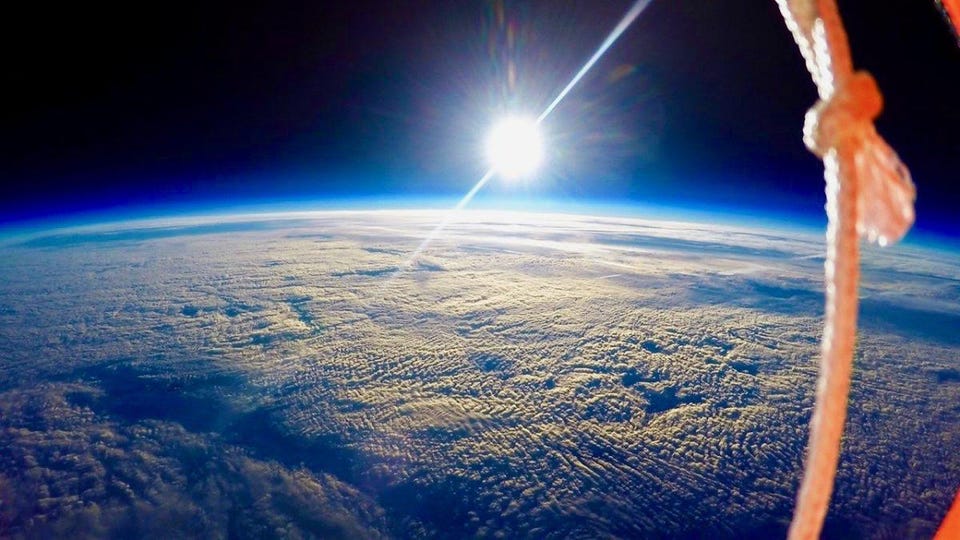
Firstly, they’re a lot cheaper. A Virgin Galactic flight startsat $450,000, while a trip aboard one of SpaceX’s rockets could set you back tens of millions of dollars. Even though the balloons don’t travel as high as these rockets, which average altitudes between 50-120km, operators say they still fly high enough for viewers to experience the overview effect — an intense perspective shift that many astronauts say kicks in when you view Earth from above.
An image of Earth taken from an unmanned weather balloon at an altitude of 23km, similar to the heights that Zephalto’s space balloon will ascend to. Credit: Forbes/University of Leicester
What’s more, despite numerous advances in recent years, rockets remain complex, expensive, and unpredictable (SpaceX’s launch failure this week is a prime example). Passengers must undergo significant training and medical checks before even thinking of boarding one. However, Zephalto says that anyone healthy enough to fly on an airliner can board a space balloon.
The startup also claims that the first Celeste flight will mark the lowest amount of CO2 generated by a space flight: 26.6 kg for the entire 6-hour journey, equivalent to the carbon footprint of a “pair of denim trousers.” By contrast, at a launch in 2016, the Space X Falcon 9 rocketemitteda whopping 116 tons of CO2 in just 165 seconds.
All this equates to what could become a more sustainable and accessible alternative to rocket-based space tourism.
However, Zephalto hasn’t even completed its first commercial test flight or arrived at the final design for the capsule, and keeps pushing back the launch date. The startup is also vague on a number of details, including where exactly the balloons will launch from, or whether it has secured permission to fly from the European Union Aviation Safety Agency (EASA). Other startups like Worldview follow a similar trend — it announced in 2013 that its space balloons would enter commercial operations in 2016.
But despite the fact that the space balloon startup scene seems better at making promises than delivering them, Zephalto, like most of the other startups mentioned, is already taking pre-reservations. Lift-off could take place in two years’ time — if all goes to plan.
Get the TNW newsletter
Get the most important tech news in your inbox each week.
The popularity of motorsports shows no sign of waning. With its reach amplified by the Netflix hit show Drive to Survive, Formula One in particular has gained an entirely new audience platform. What its electric car Formula E sister league may lack in characteristic sound profile (and on-screen drama), it makes up for in environmentally friendlier engineering.
With new battery technology, Formula E cars might soon beat those of F1 for speed. Furthermore, the experience gleaned from the tracks could also be applied to enhance commercial EV batterylife and performance.
Ultra-high performance platform on display in Bologna
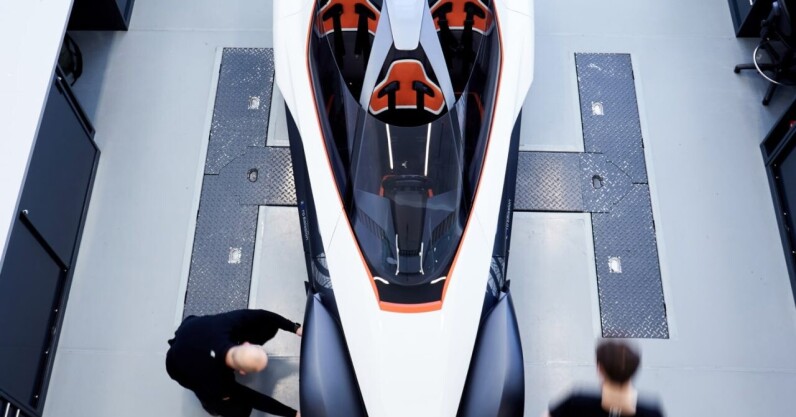
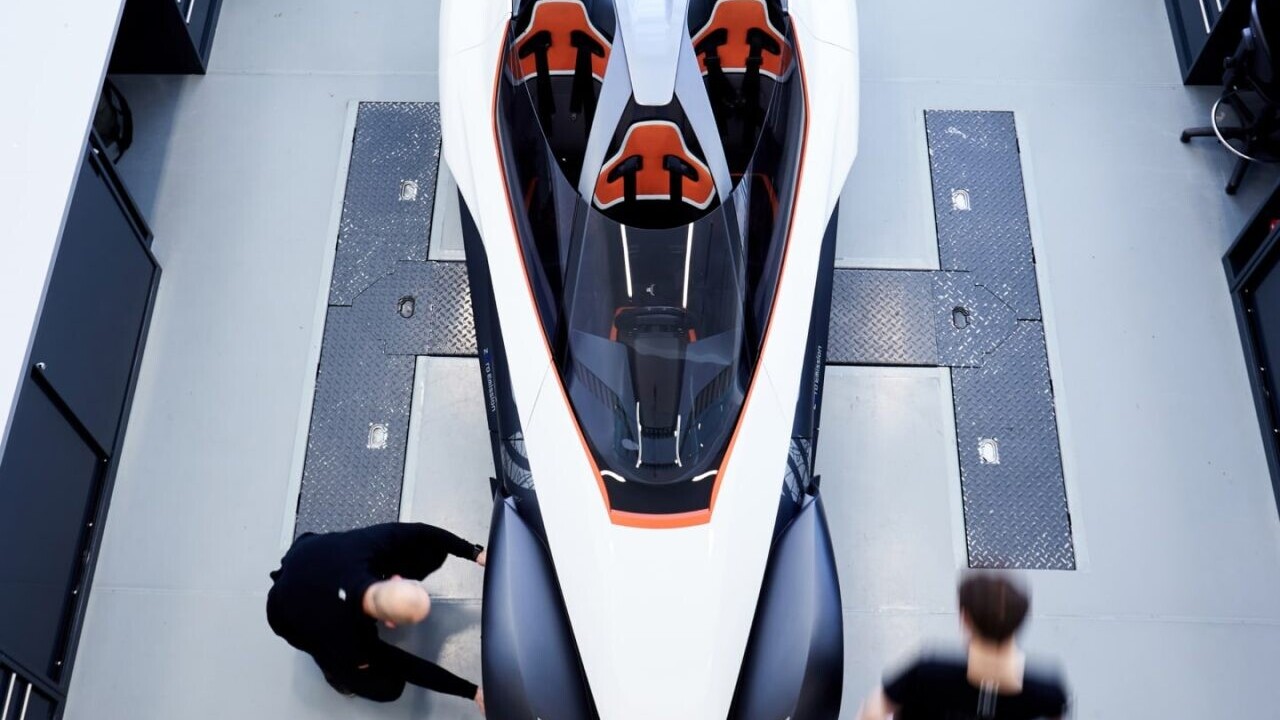
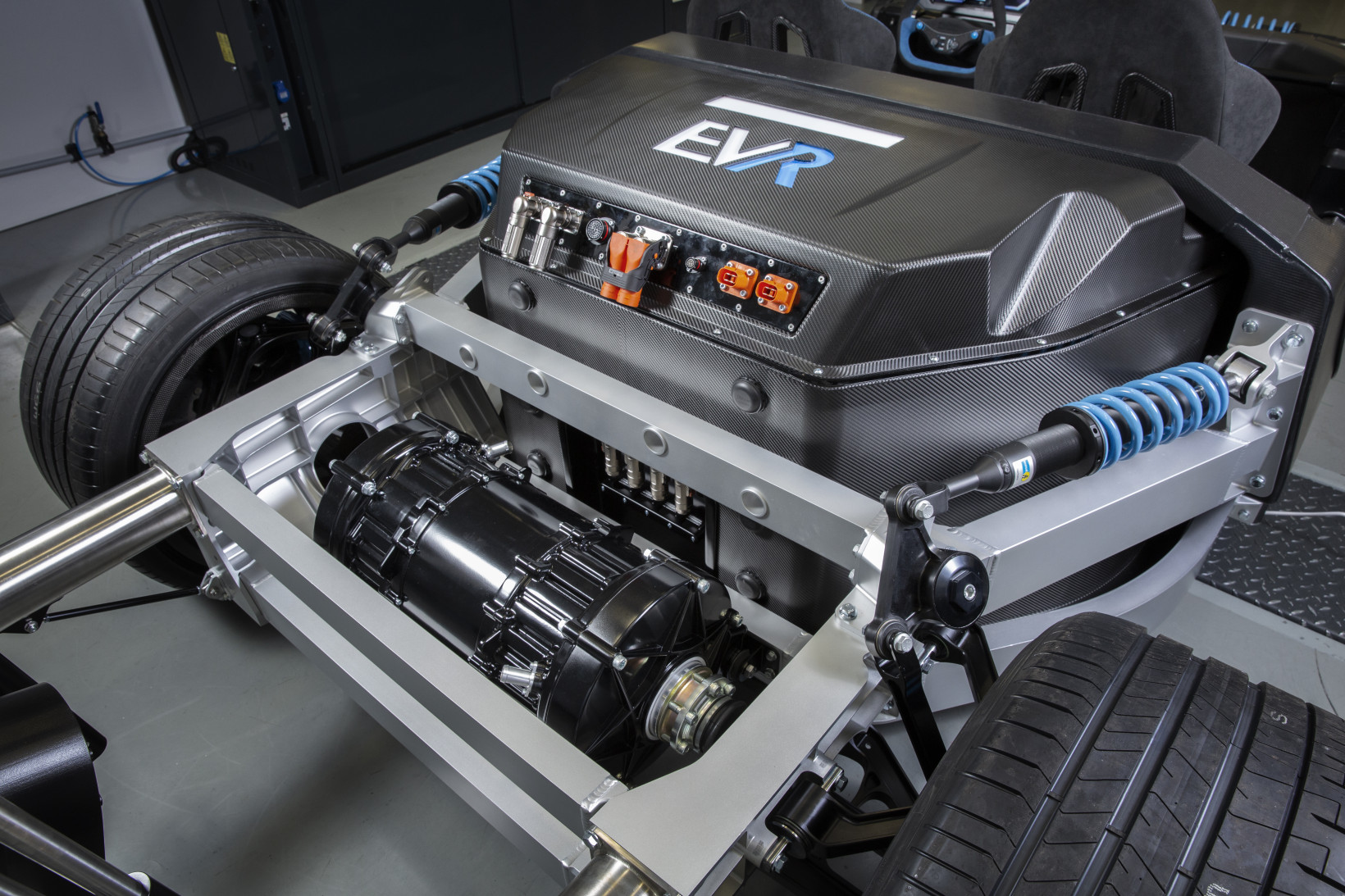
This week, WAE (formerly known as Williams Advanced Engineering, a branch of Williams Grand Prix Engineering, the company behind the Williams F1 racing team), displayed its latest ultra-high performance electric vehicle platform EVR at the E-TECH Europe conference in Bologna.
The EVR is currently being displayed outside of the UK for the first time. Credit: WAE
With its state-of-the-art 85kWh battery and peak power of 1650kW, EVR enables sub-2.0-sec 0–100km/h acceleration and a top speed of more than 400km/h. For reference, the top speed ever registered by an F1 car was just over 397km/h, when the Honda F1 team drove a modified version of their Formula One car across the Bonneville Salt Flats in Utah.
The third generation Formula E cars currently racing reach speeds of around 320 km/h. Meanwhile, Croatia’s Rimac Nivera set the top speed for an electric hypercar last year when it it hit 415 km/hat the Automotive Testing Papenburn track in Germany.
Offering EV developers a modular approach
The company says that EVR has an inherent flexibility and modularity which allows it to offer startups a complete turnkey solution with the entire vehicle, as well as exterior design support.
“We wanted to put something out there on our own platform because, whether it’s a new starter, a brand re-entrance, or even an established OEM looking for a halo car, it’s a step up on the development of vehicles that might take three to four years. We can give them something which is already 12 months into that process,” Chris McCaw, lead engineer at WAE, stated.
In addition to the EVR platform, WAE’s stand at E-TECH also featured its Scalable Battery Module (SBM) system and the prototype TE-1 e-motorbike, Triumph’s first zero-emission prototype demonstrator.
The TE-1 is part of Triumph’s electric motorcycle strategy. Credit: WAE
WAE provides the electrical systems for almost all the electric race series including Gen 3 Formula E, Extreme E, ETCR and electric Skootr racing. Since 2013, clients of the company’s products have won nine driver’s championships and eight constructor’s championships, putting it on a far better footing recently than its petrol-powered cousin.
Today, WAE also launched Elysia – its new battery intelligence branch sprung from over a decade of experience in the electric high-performance car business. The company says it brings together electrochemistry, modelling, AI and data science to increase the performance of any battery system.
Battery intelligence software to increase battery health and lifespan
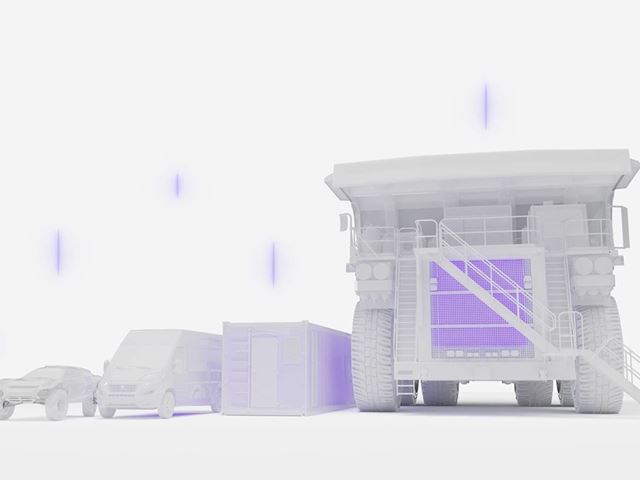
Elysia’s software package is divided into two branches. The first consists of embedded algorithms designed to run on standard automotive-grade hardware platforms. The second is a cloud platform that features prognostics designed to detect real-world failure mechanisms. According to the company, this will benefit everything from e-scooters to road cars and electrified mining trucks.
Tim Engström, technology lead at Elysia by WAE, says that the modern lithium-ion battery is currently going through a “second advent,” much due to the utilisation of data availability.
“The arrival of mainstream, low-cost telematics has afforded manufacturers and fleet owners the ability to understand more about their vehicles than ever before,” Engström states.
Elysia’s battery management algorithms can be applied to a range of use cases. Credit: Elysia by WAE
However, he believes that the transformative opportunities of this data has been, up until now, underutilised. Following a major push on connectivity, now the time has come to harness the battery data and “transform electric mobility on a larger scale.”
“Battery intelligence is a new discipline that connects battery data seamlessly with electrochemists, battery systems engineers, and data scientists with the sole goal of delivering actionable insights to enhance and protect value across the battery lifecycle,” Engström continued.
The presentation of EVR and the launch of Elysia took place during the second edition of the E-TECH Europe conference in Bologna. The city sits at the centre of Italy’s “motor valley,” which has given birth to iconic brands such as Ferrari, Lamborghini, Maserati, Ducati and Bugatti.
Hundreds of companies exhibited their products in areas such as EV technology, fuel cell solutions, polymers, satnavs, driver identification systems, autonomous driving and connectivity.
Get the TNW newsletter
Get the most important tech news in your inbox each week.