Author name: Rejus Almole

recent-valve-hiring-hints-at-next-gen-index-headset-in-development

Recent Valve Hiring Hints at Next-gen Index Headset in Development

Since the release of its first (and so far, only) VR headset in 2019 and its flagship VR game in 2020, Valve has been worryingly quiet about its future plans for VR. But recent hiring and job listings suggest the company is still working toward next-gen VR hardware.

It’s been nearly four years since the release of Valve Index, a leading PC VR headset which has held its ground as the second most-popular headset on the platform for longer than most might have expected. But the aging headset mirrors the aging PC VR landscape in general which has taken a back seat to Meta’s Quest platform after it captured the attention of a bulk of VR developers.

But Valve may not be done with VR yet. As YouTuber Brad Lynch pointed out last month, the company recently brought in two new people with experience in VR displays and optics, one of which claims to be advising the company on “next-gen Valve Index and Steam Deck products.”

Valve has made a couple VERY notable hires recently for their hardware teams

One being what seems to be their first full-time Display architect that has a fluent history in OLED/HDR

And a consultant focused on bringing “Next Gen Valve Index” products for commercial launch pic.twitter.com/nGpo859ore

— Brad Lynch (@SadlyItsBradley) April 23, 2023

Additionally we’ve spotted some interesting updates to Valve job listings showing the company is still very interested in hiring people with VR expertise.

As of late 2022, the company’s listing for a Visual & User Experience Designer didn’t include any mention of VR, but sometime between then and March 2023, the company updated the description to indicate that the hire would “create UI for use across desktop, mobile, handheld & VR.”

Similarly, the Software Engineer for Hardware listing was updated sometime between mid-2022 and March 2023 with new language specifically relating to “the next generation of VR and hand-held gaming products,” and “core VR Technologies (tracking, optical calibration, display customization).”

Add that to a handful of teases from the company in the last few years, and it surely seems like VR remains on the radar internally at Valve, despite little external communication to that end. Granted, Valve is pretty unique as a company, often working at its own pace on projects that may or may not ever launch. While there’s no telling if the company’s internal VR effort is on the backburner or actively moving forward, it’s clear the company still wants to hire and retain employees with VR expertise.

Recent Valve Hiring Hints at Next-gen Index Headset in Development Read More »

bigscreen-beyond-teardown-overviews-design-decisions-behind-compact-headset

Bigscreen Beyond Teardown Overviews Design Decisions Behind Compact Headset

CEO Darshan Shankar sits down with the upcoming Bigscreen Beyond VR headset for a teardown and explanation of the company’s design decisions.

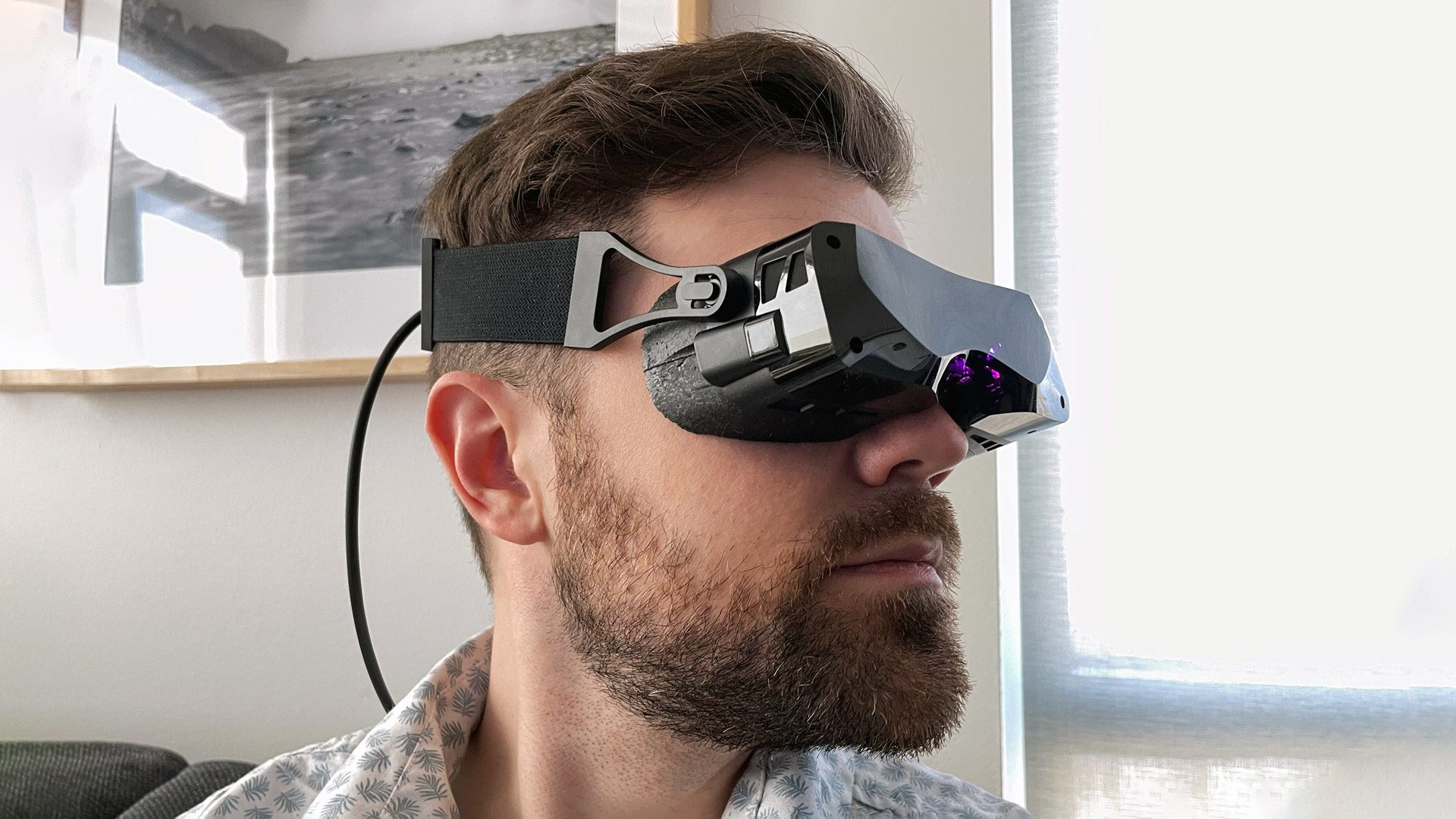
Bigscreen Beyond is a made-for-enthusiasts VR headsets coming from the makers of the social VR theater application Bigscreen. In our recent hands-on with the headset we found an impressively well-built device that’s taking a different approach than other PC VR headsets on the market.

Photo by Road to VR

Bigscreen Beyond is due to start shipping in Q3, and ahead of its release Bigscreen CEO Darshan Shankar has sat down to tear the tiny headset open and talk about the decisions the company made and why.

Bigscreen Beyond is impressive in many ways, but it’s priced for serious VR enthusiasts. The headset starts at $1,000, which doesn’t include controllers or tracking beacons (which would add another $580).

Bigscreen Beyond Teardown Overviews Design Decisions Behind Compact Headset Read More »

tech’s-role-in-the-quest-for-climate-justice:-what-not-to-miss-at-tnw-conference

Tech’s role in the quest for climate justice: What not to miss at TNW Conference

Tech’s role in the quest for climate justice: What not to miss at TNW Conference

Linnea Ahlgren

Story by

Linnea Ahlgren

Award-winning innovators Caroline Lair and Lucia Gallardo will be speaking at TNW Conference, which takes place on June 15 & 16 in Amsterdam. If you want to experience the event (and say hi to our editorial team!), we’ve got something special for our loyal readers. Use the promo code READ-TNW-25 and get a 25% discount on your business pass for TNW Conference. See you in Amsterdam!

Social inequality and climate risk have become central to understanding what will drive innovation – and investment – for the future. On day two of TNW Conference, Caroline Lair, founder of startup and scaleup communities The Good AI and Women in AI, and Lucia Gallardo, founder and CEO of impact innovation “socio-technological experimentation lab” Emerge, will be on the Growth Quarters stage for a session titled Technology-Driven Climate Justice.” 

The climate crisis is itself the result of a deeply embedded and systemic exploitation of nature and people in the name of profit. Its impact is already being felt disproportionately over the world, with severe heat waves, droughts, and entire nations disappearing below sea level. What’s more, the people worst affected are those who have contributed little to the greenhouse gas emissions driving global warming.

Climate justice is the idea that climate change is not just an environmental but also a social justice issue, and aims to ensure that the transition to a low-carbon economy is equitable and benefits everyone. Lair and Gallardo will specifically speak about how technologies such as AI, blockchain, and Web3 can play a crucial role in addressing these issues. 

AI for good

Artificial intelligence can be applied in the quest for climate justice in several ways, given that it is implemented in a way that ensures transparency, accountability, and fairness. These include data analysis and prediction, discovering patterns and informing policies, as well as evaluating their effectiveness. 

It can also enhance climate modelling capabilities, crucial for developing adaptation strategies. Furthermore, AI-powered technologies can monitor, for instance, weather systems with real-time data and also optimise resource allocation and energy distribution.

Reimagining value

Emerge’s objective is to “reimagine impact innovation with regenerative monetisation models.” Regenerative finance goes beyond traditional models that focus on profit, taking into account broader social, environmental, and economic impacts. 

Blockchain technology can, for instance, offer transparency for transactions, ensuring that funds are indeed directed to regenerative investments. It can also tokenise regenerative assets such as renewable energy installations, sustainable agriculture initiatives, or ecosystem restoration projects, representing them as digital tokens and making them more accessible to a broader range of investors. 

Meanwhile, in the words of Gallardo, “Integrating crypto into existing ecological initiatives doesn’t automatically mean it is applied regenerative finance. We must be intentional about how we’re reimagining value.”

Reclaiming an equitable future

Why am I looking forward to this session? The theme of this year’s TNW Conference is “Reclaim The Future”. In all honesty, I belong to a generation that, while I hopefully have several decades more of on-earth experience ahead of me, will most likely not have to deal with full-on dystopian scenarios, battling to survive climate catastrophe.

I am also privileged in terms of geographical location and socioeconomic status not to have to worry about immediate drought and famine. (Flooding may be another matter, but as someone said when convincing me to move to Amsterdam – “wouldn’t you prefer to live in a place that is already used to keeping water out?”) 

However, this does not mean that we who enjoy such privileges get to simply shrug our shoulders and carry on indulging in business as usual. TNW has always been about the good technology can do in the world. And what is better than employing it in service of one of the greatest challenges of our time?

The update introduces the latest prototype which shrinks the system somewhat from a large booth to a more streamlined setup that appears to use commodity depth cameras and fewer of them. Google says that makes the latest prototype “more practical,” and says that select companies are trialing the new version.

“Our earlier Project Starline prototypes took up an entire room, requiring complex hardware such as infrared light emitters and special cameras to create a live 3D model of the person you were talking to. While the results were impressive, the size and complexity of the system made it challenging to bring to many of today’s offices,” the company writes in an update on the project. “So for our latest prototype, we developed new AI techniques that only require a few standard cameras to produce higher quality, lifelike 3D images. Thanks to these advancements, our prototype now resembles a more traditional video conferencing system—going from the size of a restaurant booth to a flat-screen TV—that’s more deployable and accessible.”

Despite shrinking things down, Google confirms the system still uses a light-field display which creates a true 3D image without the need for glasses. However we still don’t know much about the specific display being used.

The entire premise behind Project Starline is that representing remote participants more realistically leads to better conversations. To that end the company recently pointed out several studies providing evidence that the system can bring “improved conversation dynamics, reduced video meeting fatigue, and increased attentiveness.”

Google Reveals Latest Project Starline Prototype, Its Light-field Telepresence Platform Read More »

funding-down,-exits-muted,-and-valuations-flat-in-rough-quarter-for-european-startups

Funding down, exits muted, and valuations flat in rough quarter for European startups

Thomas Macaulay

Story by

Thomas Macaulay

Senior reporter

Thomas is a senior reporter at TNW. He covers European tech, with a focus on deeptech, startups, and government policy. Thomas is a senior reporter at TNW. He covers European tech, with a focus on deeptech, startups, and government policy.

It’s been a rough start to 2023 for European startups. In the first quarter of the year, dealmaking decelerated, valuations flattened, and exits remained subdued, according to new research.

Analysts from PitchBook, a financial data firm, found that investor priorities have shifted from growth at all costs to profitability.

After a boom in VC activity that trickled into early 2022, reports of lower growth rates, workforce reductions, and tougher funding conditions have emerged. As a result, due diligence processes have lengthened, with revenues, valuations, and runways under heightened scrutiny.

Nalin Patel, the report’s author, noted that investors across the board have become more selective.

“We are seeing declines across financing stages, sectors, and geographies,” Patel told TNW.

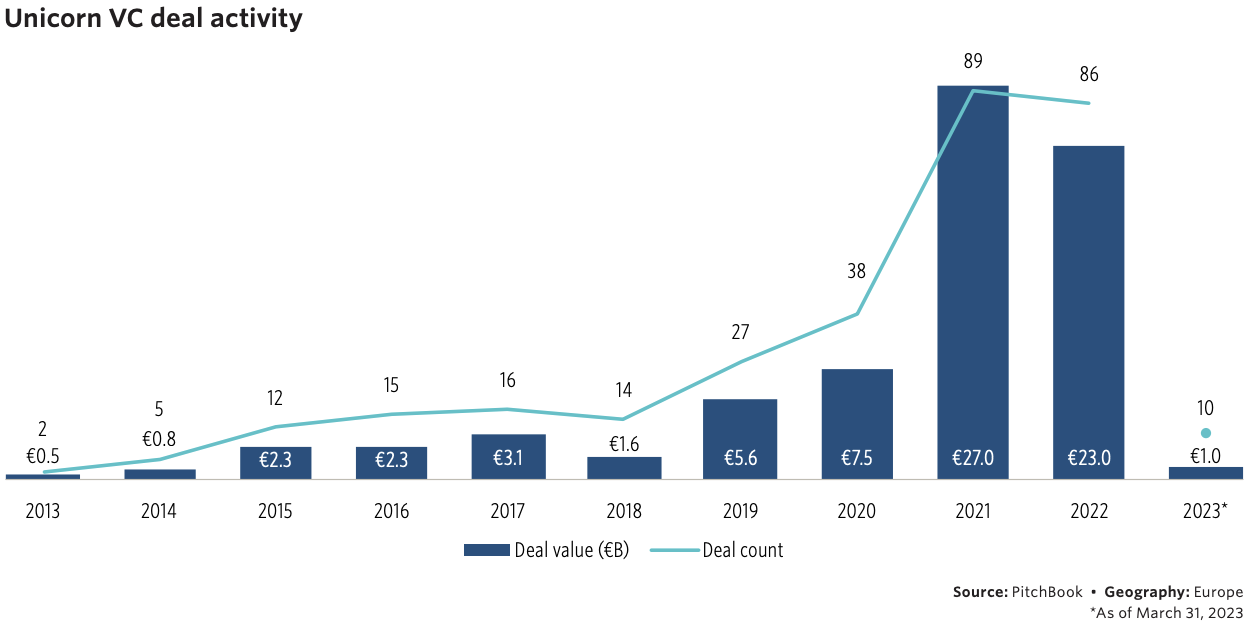
Deal value and count for unicorns fell 87.5% and 65.5% from Q1 2022, respectively
Deal value and count for unicorns fell, respectively, 87.5% and 65.5% from Q1 2022.

Rays of hope were hard to find in the report, but a few shone through the gloom. Angel valuations were robust, with the median pacing at €3.7 million—above the €3m figure registered in 2022.

Early adoption may be tougher for startups in the current climate, but Pitchbook expects less mature companies to be protected from the turbulence affecting companies with high costs.

Indeed, current market conditions could force investors to focus on ideas with the potential for long-term success.

Consequently, Patel believes that seed and early-stage companies in long-term industries such as clean energy could remain appealing investments. Overall, however, the financial landscape remains treacherous.

“Companies are not growing at the same rate during the past few years, and valuations are cooling across the market,” said Patel. “We expect more colour on valuations to emerge as funding needs persist this year.”

Get the TNW newsletter

Get the most important tech news in your inbox each week.

Also tagged with


Funding down, exits muted, and valuations flat in rough quarter for European startups Read More »

sustainable-farming-on-earth-and-in-space:-a-must-see-at-tnw-conference

Sustainable farming on Earth and in space: A must-see at TNW Conference

Sustainable farming on Earth and in space: A must-see at TNW Conference

Ioanna Lykiardopoulou

Story by

Ioanna Lykiardopoulou

Ioanna is a writer at TNW. She covers the full spectrum of the European tech ecosystem, with a particular interest in startups, sustainabili Ioanna is a writer at TNW. She covers the full spectrum of the European tech ecosystem, with a particular interest in startups, sustainability, green tech, AI, and EU policy. With a background in the humanities, she has a soft spot for social impact-enabling technologies.

Barbara Belvisi, award-winning innovator and entrepreneur, will be speaking at TNW Conference, which takes place on June 15 & 16 in Amsterdam. If you want to experience the event (and say hi to our editorial team!), we’ve got something special for our loyal readers. Use the promo code READ-TNW-25 and get a 25% discount on your business pass for TNW Conference. See you in Amsterdam!

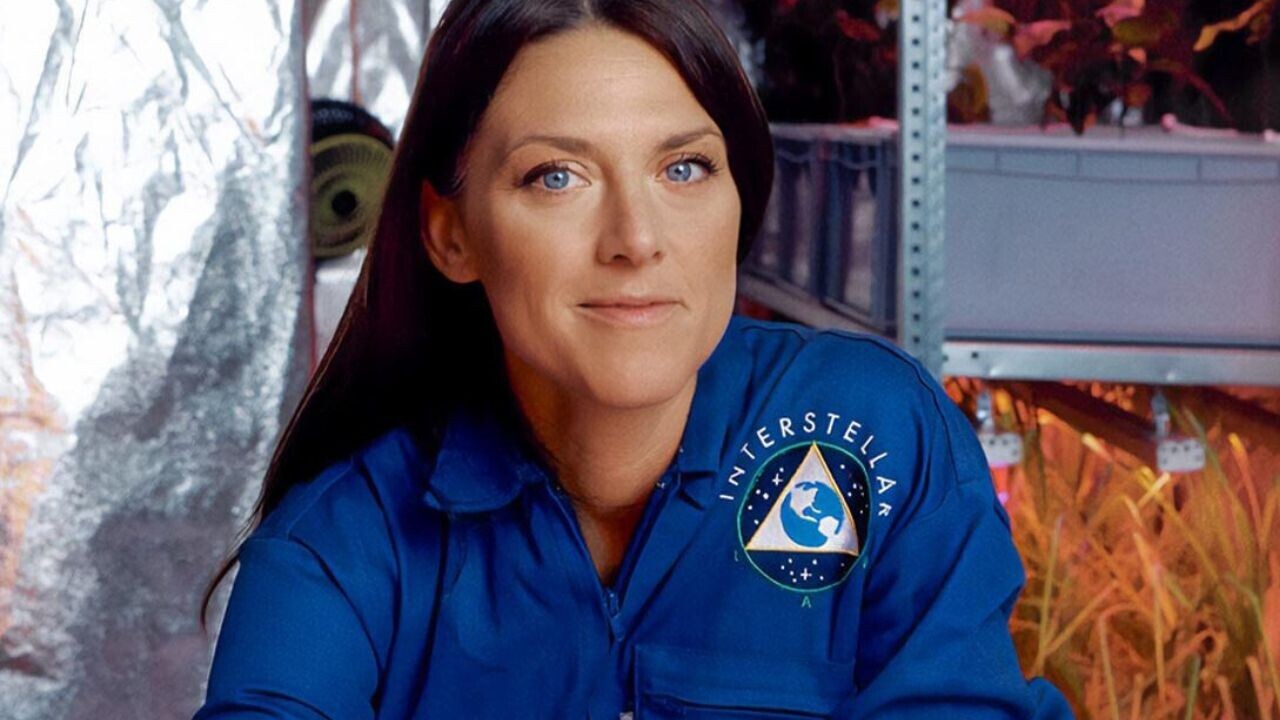
Picture a future where technology enables sustainable living on Earth, while preparing for life in space. That’s the exact mission of Interstellar Lab — and this future is happening now! So if you share my excitement about humankind’s prospect to become a multiplanetary species, then at TNW Conference, you’re in for a treat.

On day one of the event, Barbara Belvisi, founder and CEO of the company, will tell the audience about how the startup’s BioPod is the next-generation greenhouse for the Earth and beyond.

It all started in 2018, when Belvisi founded Interstellar Lab, driven by her childhood passion for nature and space.

The French-American startup entered the industry with a visionary project: the development of mini extraterrestrial cities, called Experimental Bio-regenerative Stations (Ebios). The concept encompasses an array of modules, which, independently or combined, house all the infrastructure and resources needed to support and sustain human life on Mars and the Moon.

The first module developed is a sustainable farming system called BioPod. But its purpose isn’t only to prepare for life in space; it can also alleviate the climate crisis we’re currently facing.

We did it! First full-scale BioPod is out and operational. 🌱🚀

Our first BioPod is inspired by space and designed for earth. BioPod provides sustainable farming solutions for agriculture, natural ingredient sourcing and bioconservation.

Space for earth 🚀🌎 pic.twitter.com/tZ70mvvekn

— Interstellar Lab (@InterstellarLA) September 29, 2022


According to Belvisi, the team first came up with the idea of a dome structure that could fulfill the nutritional needs of four astronauts on the Moon. They then turned this design into a product for the Earth.

Built to withstand extreme climates, BioPod is a 55m2 bubble-shaped greenhouse made of an inflatable membrane and composite base. It’s a fully autonomous, controlled-environment module that, thanks to AI and its aeroponics system, can create any type of climate, securing the ideal conditions for plants to grow.

🏆We have won the #BOLDAward in the #SpaceFrontier category 🚀! Congratulations to all the nominees and winners of the @Bold_Awards and hope to continue boldly innovating the way we grow food and protect life on Earth and beyond! 🌏🌿

➡ Read more : https://t.co/lhl7zxRFBg pic.twitter.com/lkir8XIJfm

— Interstellar Lab (@InterstellarLA) April 4, 2023


The benefits of this technology are large and far-reaching. BioPod’s ability to cultivate virtually any plant and examine their hidden potential — such as producing fruits with higher nutrition concentration or cosmetic plants with specific oil concentration — render it a groundbreaking solution for a variety of purposes: from agriculture, research, and cosmetics, to medicine and bioconservation.

Notably, Interstellar Lab claims that each BioPod can increase yield by approximately 300 times, reduce water consumption by 98%, lower energy consumption by about 20 times, and capture 1 tonne of CO2 annually.

At the TNW Conference on June 15, Barbara Belvisi will share how Interstellar Lab is disrupting sustainable agriculture on Earth, while providing a test-bed for future life support in space.

I, for one, can’t wait to hear how merging space and Earth tech can help us live a better life on this planet and beyond.

Barbara Belvisi’s insights on multiplanetary life are merely one attraction of TNW Conference. You can find more on the event agenda — and remember: for a 25% discount on business passes, use the promo code READ-TNW-25.

Get the TNW newsletter

Get the most important tech news in your inbox each week.

Also tagged with


Sustainable farming on Earth and in space: A must-see at TNW Conference Read More »

eu-approves-microsoft-bid-for-activision-blizzard-—-but-the-saga-is-‘unlikely-to-end-soon’

EU approves Microsoft bid for Activision Blizzard — but the saga is ‘unlikely to end soon’

EU approves Microsoft bid for Activision Blizzard — but the saga is ‘unlikely to end soon’

Thomas Macaulay

Story by

Thomas Macaulay

Senior reporter

Thomas is a senior reporter at TNW. He covers European tech, with a focus on deeptech, startups, and government policy. Thomas is a senior reporter at TNW. He covers European tech, with a focus on deeptech, startups, and government policy.

Eu regulators have greenlit Microsoft’sacquisition of gaming giant Activision Blizzard, but analysts warn that the deal remains a long way from completion.

The EU approved the $69 billion (€63bn) takeover after Microsoft agreed to several pro-competition remedies. Most notably, the company pledged to automatically license popular Activision Blizzard games, such as Call of Duty, to rival cloud gaming services.

“The commitments offered by Microsoft will enable for the first time the streaming of such games in any cloud game streaming services, enhancing competition and opportunities for growth,” said Margrethe Vestager, the EU’s antitrust czar.

With our 🇪🇺 clearance #Activition Blizzard’s games will also be available on cloud. This is good for competition and innovation and brings games to many more devices and consumers. #Microsoft‘s commitments will enable the streaming of games in any cloud game streaming service. https://t.co/DpcaRpiV7X

— Margrethe Vestager (@vestager) May 15, 2023

The decision comes just weeks after British regulators vetoed what would be the gaming industry’s biggest-ever deal. The shock move by the Competition and Markets Authority (CMA) sparked fears that the takeover would collapse.

The EU’s approval has revived optimism at Microsoft, but the merger still faces significant hurdles.

The ruling from the CMA  could still be applied globally — and the regulator is sticking to its guns. Following the EU’s ruling, the authority doubled down on its position.

Sarah Cardell, chief executive of the CMA, warned that Microsoft’s proposals would define the market’s conditions for a decade.

“They would replace a free, open and competitive market with one subject to ongoing regulation of the games Microsoft sells, the platforms to which it sells them, and the conditions of sale,” she said.

“This is one of the reasons the CMA’s independent panel group rejected Microsoft’s proposals and prevented this deal. While we recognise and respect that the European Commission is entitled to take a different view, the CMA stands by its decision.”

This is one of the reasons the CMA’s independent panel group rejected Microsoft’s proposals and prevented this deal.

While we recognise and respect that the European Commission is entitled to take a different view, the CMA stands by its decision.

[5/5]

— Competition & Markets Authority (@CMAgovUK) May 15, 2023

The UK, however, is part of a shrinking minority. Following the EU’s decision, the deal has gained approval in an estimated 37 countries with well over 900 million inhabitants collectively.

Many analysts now doubt that the UK will prevent the deal from closing. Microsoft is appealing the CMA’s decision, and the British government appears to oppose the regulator’s stance.

Critics have also questioned the CMA’s antitrust argument. Mark Long, former Microsoft Xcloud program manager and CEO of AAA shooter Shrapnel, is confident about the prospects for his former employers.

“Ultimately, I think they win on appeal… because [Xbox head] Phil Spencer wants Xcloud on every platform he can cut a deal for, including Playstation and Switch,” Long told TNW. “Hard to argue that’s bad for consumers.”

Yet Microsoft also faces scrutiny closer to home. In the US, the Federal Trade Commission has sued to block the acquisition. The impending trial is unlikely to reach a decision before the year’s end.

Gareth Mills, partner at law firm Charles Russell Speechlys, warns that Microsof’s path to approval remains treacherous. He notes that the EU’s approval is merely conditional — and that further challenges remain.

“The picture is, therefore, more complex than a binary “approval/ rejection” of the respective regulators that supporters of the deal may seek to imply,” Mills told TNW.

“The saga is unlikely to come to an end anytime soon, with a legal complaint refiled last week in the Californian courts by gamers seeking an injunction, as well as Microsoft’s heralded appeal of the CMA’s decision and the US Federal Trade Commission’s case against the acquisition also still pending.”

Get the TNW newsletter

Get the most important tech news in your inbox each week.

Also tagged with


EU approves Microsoft bid for Activision Blizzard — but the saga is ‘unlikely to end soon’ Read More »

openai-is-offering-a-free-class-in-prompt-engineering-for-devs

OpenAI is offering a free class in prompt engineering for devs

OpenAI is offering a free class in prompt engineering for devs

Elaine Burke

Story by

Elaine Burke

Elaine Burke is an award-winning journalist, editor and broadcaster covering science, technology and media. She previously served as editor Elaine Burke is an award-winning journalist, editor and broadcaster covering science, technology and media. She previously served as editor of Silicon Republic and is currently the host of For Tech’s Sake, a co-production of The HeadStuff Podcast Network and Silicon Republic.

Whether or not AI lives up to the hype surrounding it will largely depend on good prompt engineering.

Prompt engineering is the key to unlocking useful — and usable — outputs from generative AI, such as ChatGPT or its image-making counterpart DALL-E.

These AI tools use natural language processing so they can take a user’s typed inputs and turn them into their desired outputs. However, as many who have tried and tested can confirm, crafting inputs that are comprehensive and detailed enough to instruct the AI to nail the brief is a process that takes time to master.

Think of it as asking a coworker to write you a biography of themselves. If you don’t give them a word count, style guide, or suggested tone of voice, you can’t expect their work to meet those requirements. It’s the same with assistive AI. If the prompt — the text you input into the interface — is unclear and leaves too much room for interpretation, you will need to iterate until you get the exact recipe that delivers the goods.

As with all skills, prompt engineering takes practice. And, seeing how quickly this technology has come into mainstream use, experts are few and far between. But one AI company is offering free training right now.

A short course in prompt engineering has been developed in partnership with OpenAI and is available via the DeepLearning.AI website. It’s delivered by OpenAI’s Isa Fulford alongside none other than Andrew Ng, a noted computer scientist who worked on AI at Google and Baidu before he founded DeepLearning.AI.

In just one hour, Ng and Fulford outline best practices in prompt engineering and give participants hands-on practice with the OpenAI API. The introductory course is aimed at developers but no previous experience with AI is required, just a basic understanding of Python. And for developers who have already started tinkering with large language models, the course will leave you with the instructions you need to build a chatbot of your own.

The course is currently free, but this will be for a limited period only. So now is a good time to grasp this opportunity and learn what makes this tech tool tick.

Some developers may be reluctant to engage with generative AI systems and see them as a threat to their employment. But what’s evident from the outputs so far is that AI needs diligent human oversight to be trusted, and those who can work alongside this technology will be our best guides for its responsible use.

As with any digital transformation, upskilling will be key to the effective roll-out of assistive AI technologies, and those already trained in their use will be in high demand.

These tools are still being refined for use across many sectors and workplaces, and it’s not yet known how widespread the applications will be.

AI is still an emerging technology in many respects, so you’re not likely to see a job specification that demands years of prompt engineering experience. But those keeping their skills up to date show a commitment to professional development that is appealing to potential employers. And if a company’s broader strategy has AI in its sights, they’ll want to bring those with the know-how on that journey.

Check out these roles available now at companies with AI on their roadmap.

Microsoft

Microsoft has been one of OpenAI’s biggest backers since its early days, investing billions in its AI development.

In Dublin, Microsoft is looking for a full stack software engineer for its Word and Editor team, which is using techniques such as machine learning (ML) and artificial intelligence to support content generation within its 365 software suite, including Word, Outlook, and Teams.

Accenture

International consultancy Accenture is setting its stall out to be the go-to agency other businesses can turn to to find out how to best apply advanced technologies like AI. It’s currently seeking technology strategy consultants who can help develop applications that take into account disruptive trends and put them to work “competently and carefully” in Munich and Dusseldorf.

In Dublin, Accenture is seeking a research engineer for its BioInnovation team, which is exploring applications of AI in healthcare and life sciences. This hands-on role will involve designing and implementing AI research prototypes and requires someone with the skills and capacity to take responsibility for the entire technology stack.

Apple

Apple is an early pioneer in assistive AI through its personal assistant in our pockets, Siri. It’s currently seeking a fluent Danish speaker to join its AI and ML team.

The job involves listening to and transcribing audio files to evaluate Siri’s response and language usage, demonstrating the value of human oversight in improving assistive technologies. The role can be based in either Barcelona or Cork, and comes with a full relocation package for the right candidate.

For more career opportunities, check out the House of Talent job board

Get the TNW newsletter

Get the most important tech news in your inbox each week.

Also tagged with


OpenAI is offering a free class in prompt engineering for devs Read More »

first-contact:-finland’s-framery-reveals-new-office-pod-with-in-person-effect

First Contact: Finland’s Framery reveals new office pod with in-person effect

First Contact: Finland’s Framery reveals new office pod with in-person effect

Andrii Degeler

Story by

Andrii Degeler

Andrii is the Head of Media at TNW, with over a decade of experience in covering the European tech ecosystem. Talk to him about new and exci Andrii is the Head of Media at TNW, with over a decade of experience in covering the European tech ecosystem. Talk to him about new and exciting developments in tech, especially those involving vastly underreported industry niches and geographies.

If you’re working with other people — which most of us are — it’s quite likely that you’re spending a sizeable chunk of your time in meetings. Before COVID-19, you’d expect most meetings to be conducted in-person, and business travel was much more prolific than it is these days.

The pandemic changed that dynamic beyond recognition, as startups and corporates alike suddenly discovered that a lot of things can actually be discussed and solved in a video call. Combined with people being generally reluctant to return to the office, this has ushered in an era of telepresence, where at least 84% of meetings (or even 98% depending on whom you’re listening to) have at least one remote participant.

But spending a bulk of your meeting time looking at the screen is tiring, and the rapport established over a Zoom meeting is nothing like what you can expect in-person. In an attempt to address this issue, Finland-based office pod pioneer Framery has just unveiled Framery Contact, an indoor call booth aimed at emulating an IRL meeting as closely as possible.

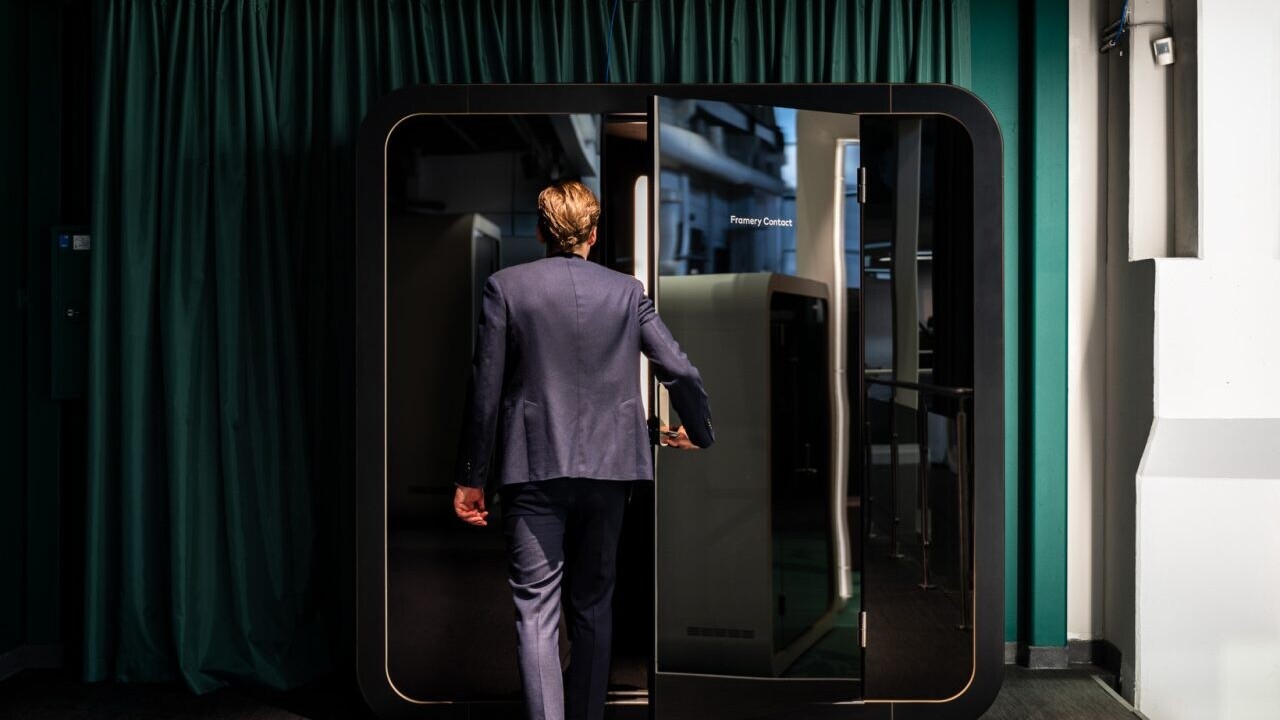
Most suitable for one-on-one meetings, the Contact is essentially a blacked out office pod with a large high-quality 4K screen, strategically positioned lighting, and a camera with a mirror system that gives the feeling of proper eye contact.

A couple of weeks before the official unveiling, TNW (represented by yours truly) went to Tampere, Finland to experience the pod and learn more about Framery’s journey that led to its creation. (Disclosure: travel and accommodation for the trip were covered by Framery. The company had no editorial influence on this story and didn’t see it before publication.)

Silence is golden

Founded in 2010 in Tampere, about a two-hour drive north from Helsinki, Framery started as a passion project of two young guys whose manager had insisted on making loud sales calls in their open-plan office. One of the guys, the company’s CEO Samu Hällfors, says that the company became the world’s first and biggest producer of truly soundproof office pods. From the first one-person enclosure, Framery O, the startup has extended its offering over the years with the four-person Q and six-person 2Q models.

In 2021, the company also presented Framery One, a version of the one-person pod with advanced connectivity options, built-in occupancy sensors, and calendar integration capabilities, which allowed booking it the same way you would a meeting room. Since then, the Finns have been hard at work on the software part of the product, aimed at providing insight into the pods’ usage for the HR or building managers.

Framery office builiding in Tampere
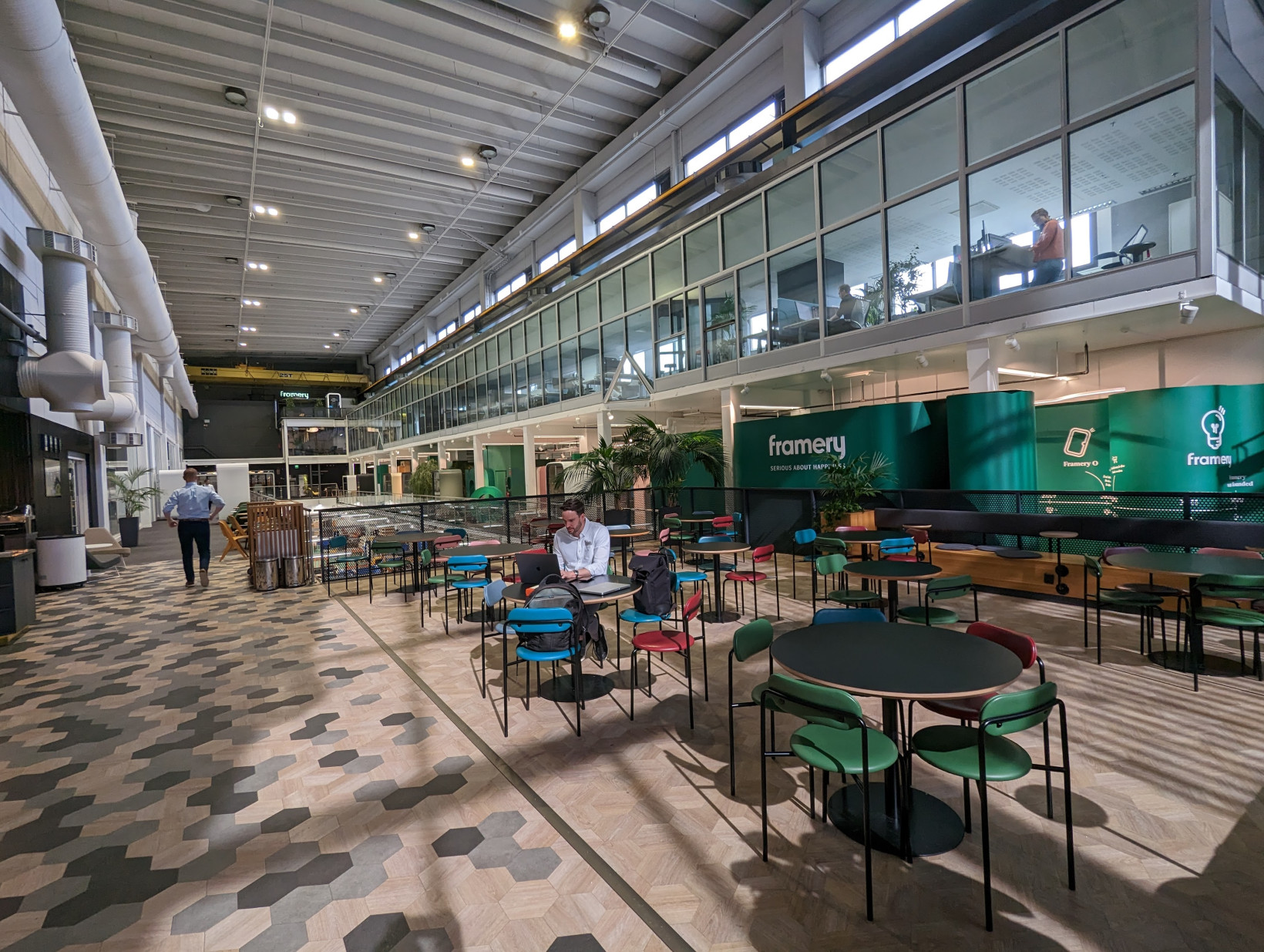
Framery’s office and production facility in Tampere, Finland

Going even further, the team is currently working on a project that would see a heart rate sensor integrated into the seat in the pod, which could potentially provide anonymised and aggregated data on the users’ health and mental well-being.

The company, which currently employs some 400 people, saw €154 million in revenue in 2022. Back in 2018, Finnish private equity firm Vaaka Partners acquired 60% of Framery for an undisclosed amount.

Hello darkness

With the new office pod, Framery is definitely making a big bet on the importance its customers attach to the presence effect. Hällfors assumes that the first users of the product will be “international companies with offices on different continents;” having a Contact in each of them would supposedly make one-on-one meetings more engaging.

Achieving the desired effect, however, is likely to take some time, as the tech may require some getting used to. Unlike Framery’s other pods, Contact has blackout glass walls, so entering it for the first time feels very unusual; it certainly did for me.

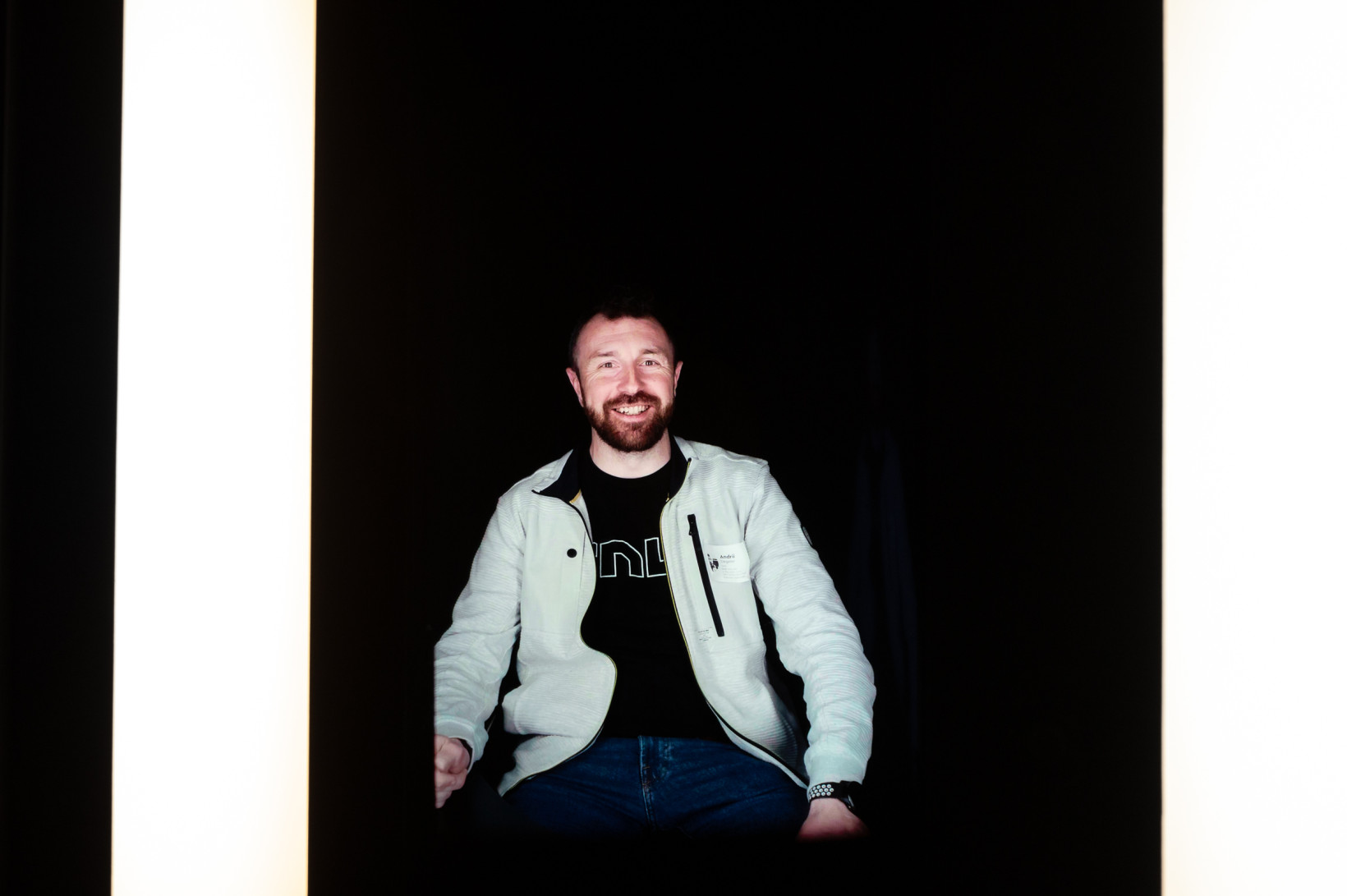
Andrii Degeler sitting inside the Framery Contact pod

Inside the pod, I found a seat and a side table, as well as a small screen on the left-hand side where you can control the calling system. The pod’s software suite runs on Windows 10 IoT with the UI written using the Qt framework. Its custom architecture is based on Scalable Video Coding (SVC) and uses the H.265 compression standard.

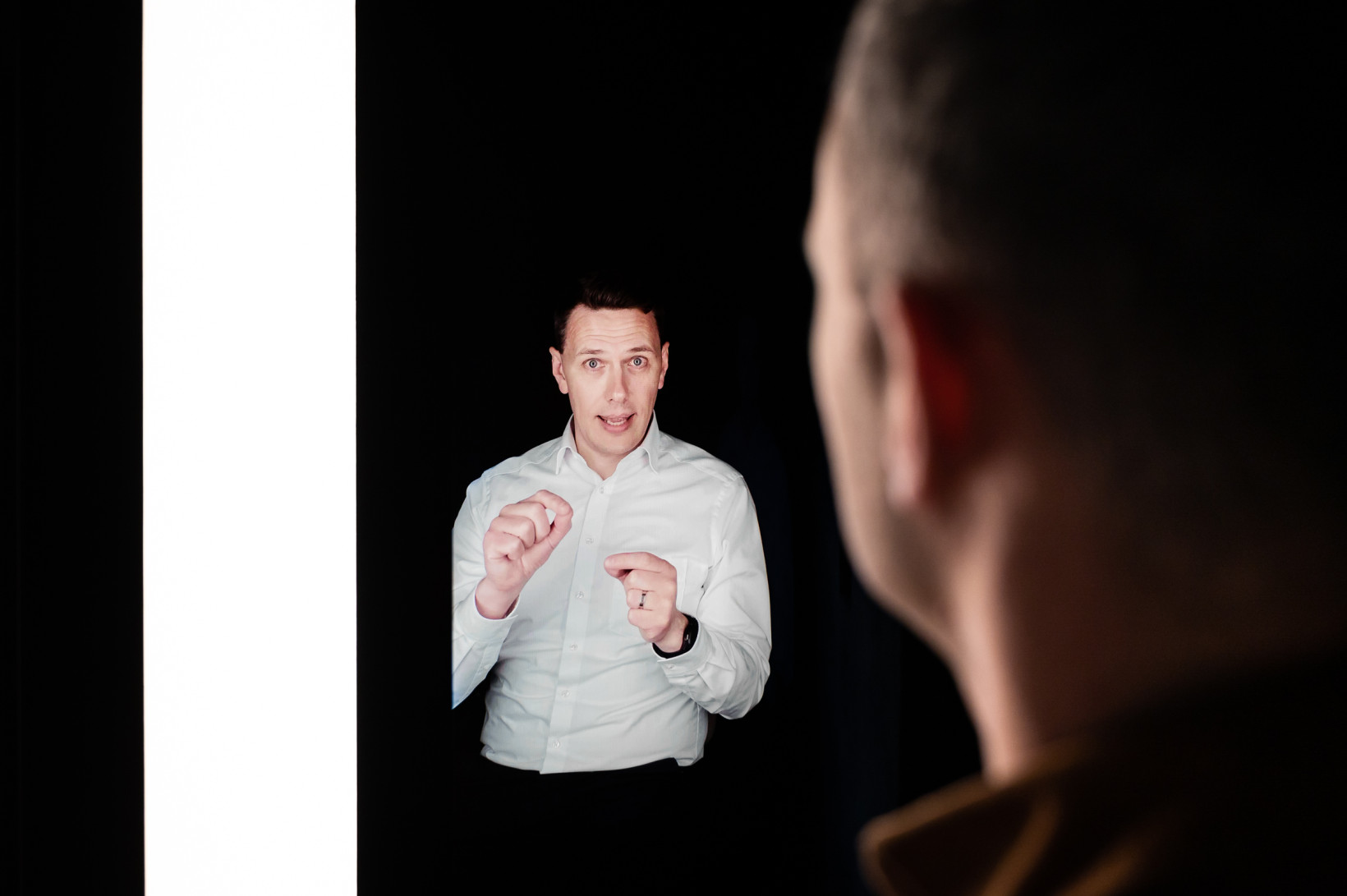
A portrait-oriented 4K screen occupies most of the pod’s wall in front of the user, with two bright lights to its sides. When Hällfors, who was in the US at the time of the test, called from another pod, I saw his image with proper depth right away, although some other people reported that it took them a couple of minutes to adjust.

The reason is that Framery Contact isn’t using any sophisticated technologies like volumetric or light-field displays, opting for a normal 2D screen together with our own mental capabilities.

“Removing the surroundings with black [backdrop] helps your brain to actually fill in the gaps and build this kind of 3D representation,” Hällfors explained.

Framery Contact uses only one camera; Karvinen didn’t name the brand or model, but mentioned that it’s an off-the-shelf component rather than a custom-built device. The camera is clearly optimised to deliver the most crisp image when the person in the pod is sitting upright; if they lean forward or backward, however, their image on the screen quickly becomes a bit blurred.

Person on screen in Framery's Contact pod
The pod system uses only one camera. Credit: Framery

Combined with a mirror-based system that gives the illusion of eye contact and a seemingly decent audio setup in the soundproof booth, Framery Contact does feel much closer to an in-person experience. Although it supposedly only requires a bandwidth of 10Mbit/s to work, I was able to see a few stutters and jitters during the five-minute call, although the experience was hardly affected by them.

Done is better than perfect

At the moment, there are under a dozen Framery Contact booths in existence. Most of them are installed at the offices of the company’s unnamed pilot customers — and Framery is looking for more of those.

As for commercial availability, Hällfors doesn’t expect it to happen before some time next year. The planned price for the new pod is around €24,000; for comparison, a Framery Q pod that the Contact is based on costs around €16,000.

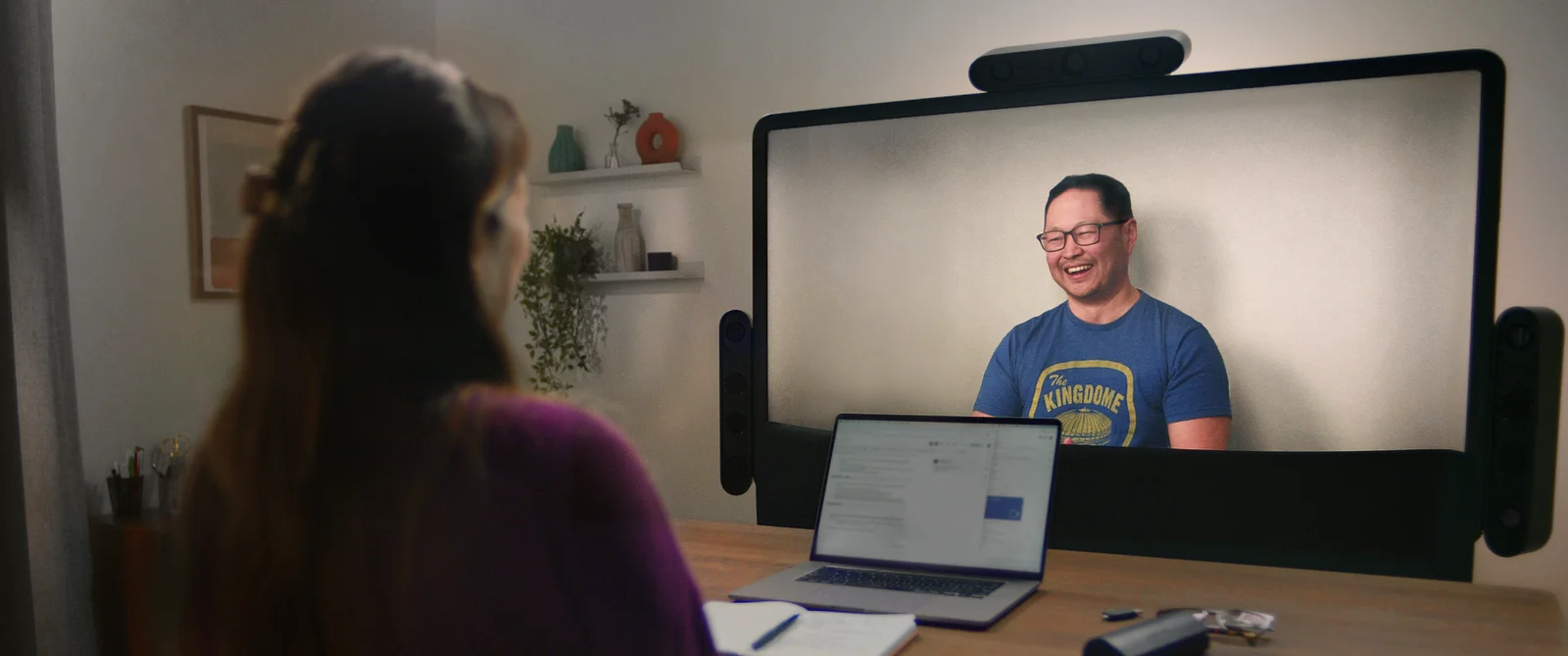
Framery’s unveiling comes just a few days after Google presented the latest update on its Project Starline, which uses several cameras and heavily relies on AI to create a 3D representation of the person you’re talking to on the screen. The obvious advantage of Google’s approach is that it doesn’t require a blacked out pod; the obvious issue, however, is that there’s no timeline on when it’d become commercially available. In addition, Google has continuously deflected questions about Skyline’s possible pricing, which suggests that it’s going to be sky-high indeed.

Two people interacting via screen using Google proejct Starlight
Google’s Project Starline comprises multiple cameras and an expensive light-field display. Credit: Google

In addition to corporate offices, Hällfors sees the Contact being used in industries like telehealth and recruitment among others. He also mentioned that the next step for the company will be to scale the technology to allow meetings with up to two people on each side.

“I don’t think the Contact will replace all of our products, I don’t think the technology will be useful for all the use cases,” he said. “[Framery pods] are also used for in-person meetings, hybrid meetings, concentrated work, and so on.”

Another feature to be added in the future is interoperability with traditional video conferencing services like Google Meet, Zoom, or Microsoft Teams to allow a one-to-many usage scenario. According to Hällfors, it’s not a particularly difficult task from a technological standpoint; the biggest obstacle at this point is that none of those apps support 4K video, which is paramount for the product.

All in all, Framery Contact is an impressive feat of engineering that could signify a new technological trend and bring our expectations for online meetings to a new level. It’s not quite clear, however, how much is too much when it comes to creating a real-life feeling. In the meantime, look out for those black-glass booths in a corporate office near you to answer this question for yourself.

Get the TNW newsletter

Get the most important tech news in your inbox each week.

Also tagged with


First Contact: Finland’s Framery reveals new office pod with in-person effect Read More »

xrhealth-merges-with-amelia-virtual-care

XRHealth Merges With Amelia Virtual Care

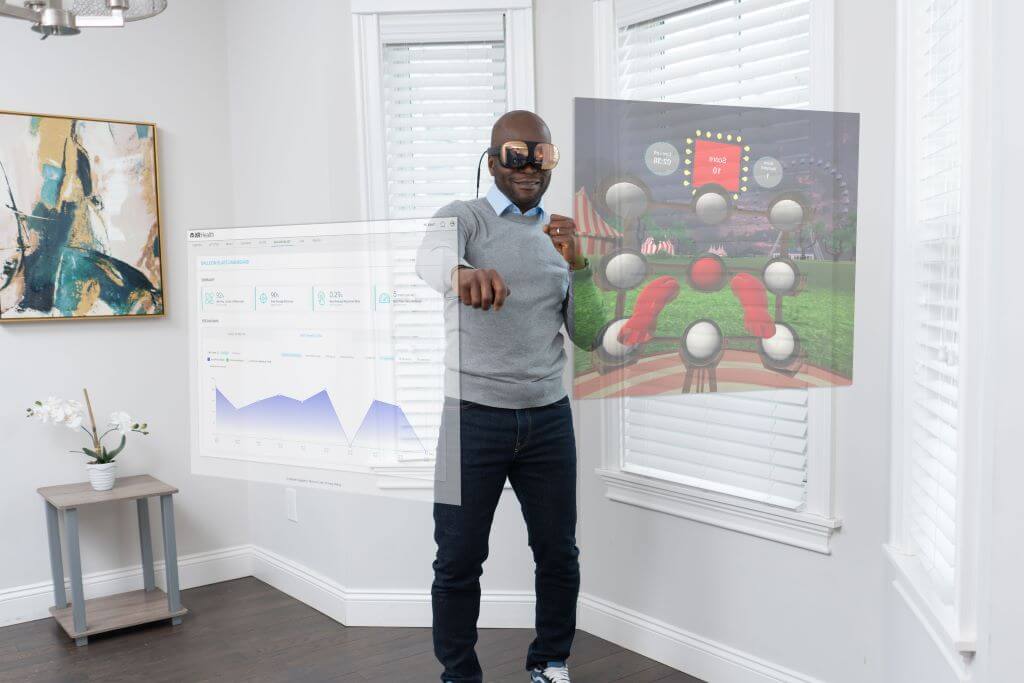
XRHealth is an enterprising company that combines telehealth with VR gaming for remote physical and occupational therapy solutions. Amelia Virtual Care also pioneers VR telehealth, but prioritizes a different kind of therapy by focusing on mental wellness.

The two companies recently announced a merger. The resulting company will offer both physical and mental therapy through the combined teams, skills, and software of both companies. Eran Orr, current CEO of XRHealth (which will be the name of the new combined company) will remain CEO.

What Amelia Virtual Care Brings to the Table

“We’re thrilled to join forces with XRHealth at a time when clinicians are adopting virtual reality as a mainstream tool for delivering high-quality care and engaging patient experiences,” Xavier Palomer said in a release shared with ARPost.

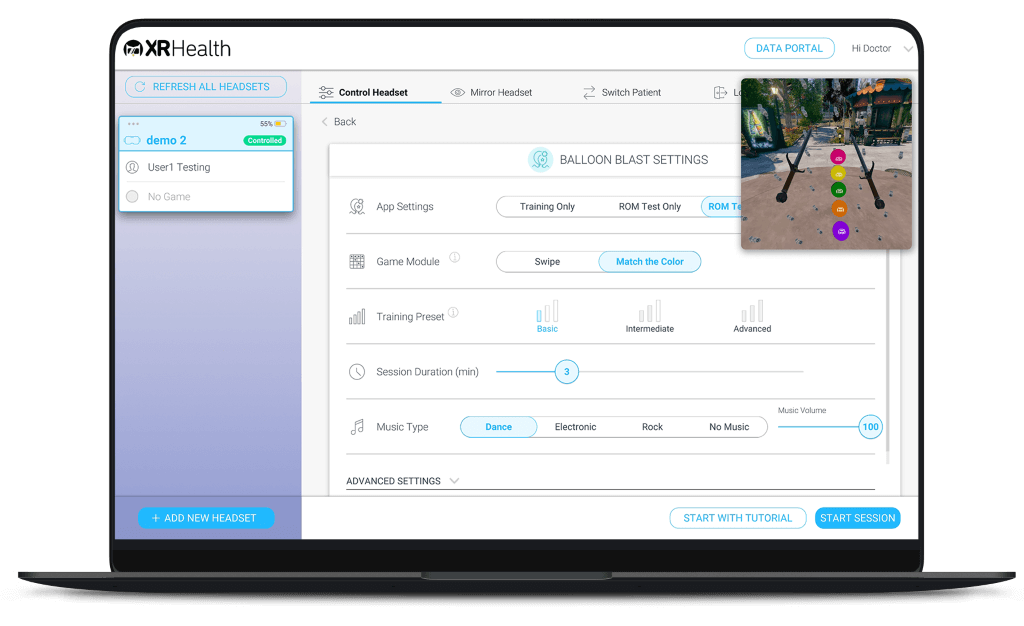
XRHealth Laptop and external control

Palomer is the founder and current Executive Chairman of Amelia Virtual Care but will pivot to Chief Growth Officer of the new combined company. “While VR is still novel to many patients, it’s a well-proven solution grounded in more than 30 years of research and experience,” said Palomer.

ARPost hadn’t crossed paths with Amelia Virtual Care prior to the merger, but we’re looking forward to seeing all that they bring to the new combined company. Of particular interest, Amelia’s solution incorporated a finger-worn electrodermal response sensor for recording the participant’s galvanic skin response.

Joining Forces With XRHealth

“We’re ready to introduce the XR platform that any hospital and clinic can use,” Orr said in the release. “The merger enables us to offer a one-stop shop to diverse players and streamline the technology in a way that will see XR devices adopted for a variety of treatments, with XRHealth leading the way for the entire industry.”

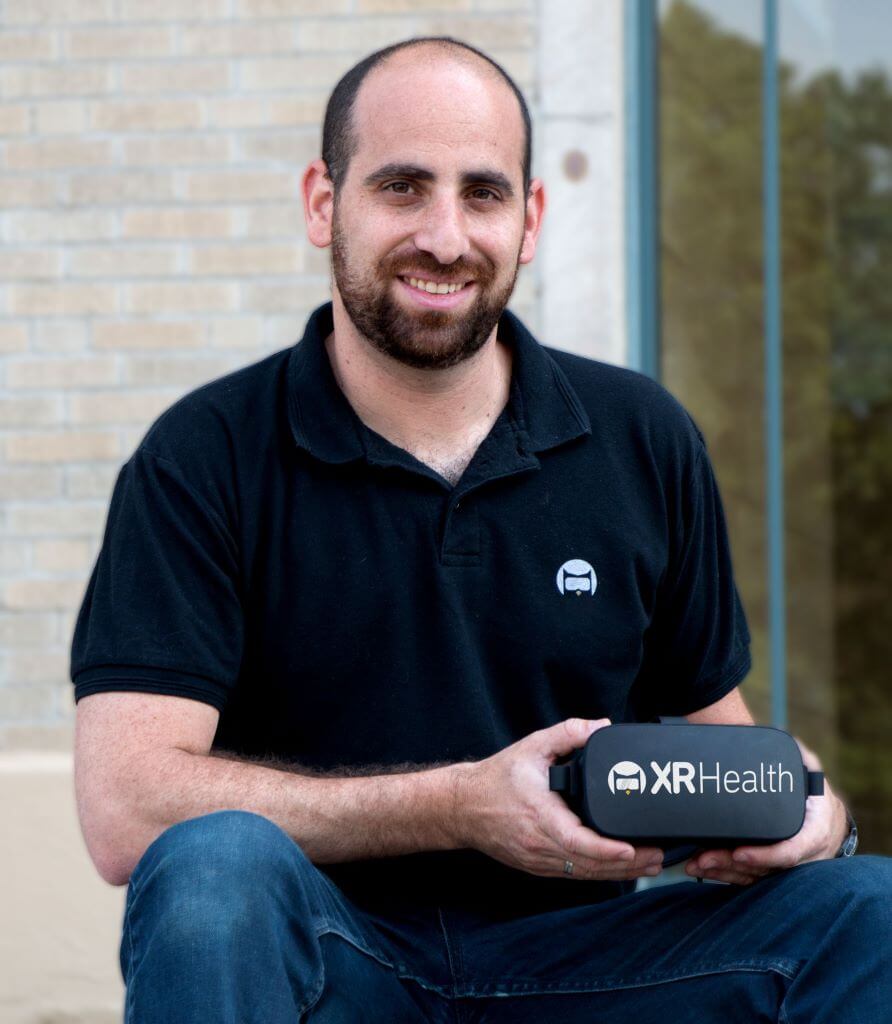
Eran Orr XRHealth with VR headset
Eran Orr

Orr’s company has already achieved a number of significant accomplishments in both the technology and adoption and infrastructure. The Medicare-covered platform runs on a number of devices including Pico headsets and the VIVE Flow. Both headsets offer adoption venues for users as well as different hardware and software capabilities.

XRHealth with HTC Flow headset

“With our merger, we now have an end-to-end product that addresses privacy and security, multiple use cases with a variety of content, compliance and regulation, and operational tools to support scale,” XRHealth co-founder and CTO Miki Levy said in the release. “We have a growing number of content partners today and expect this to increase dramatically after this merger.”

Miki Levy XRHealth
Miki Levy

Better Together

Amelia Virtual Care brings its own experts, a different branch of medicine, and some hardware innovations. XRHealth brings greater hardware accessibility, greater patient accessibility, and its own branch of medicine. Between the two, this merger seems like a win for the growing number of individuals pursuing healthcare through VR appointments and practices.

XRHealth Merges With Amelia Virtual Care Read More »