Author name: Rejus Almole

‘horizon-call-of-the-mountain’-behind-the-scenes-–-insights-&-artwork-from-guerrilla-&-firesprite

‘Horizon Call of the Mountain’ Behind-the-scenes – Insights & Artwork from Guerrilla & Firesprite

It’s a rare treat when we get a VR game with the scope and scale of Horizon Call of the Mountain, let alone to see a much-loved IP reimagined specifically for the medium. Made exclusively for PSVR 2, the game was built collaboratively between studios Guerrilla Games and Firesprite, both part of PlayStation Studios. We sat down to speak with Alex Barnes, Game Director at Firesprite, to learn more about how Horizon Call of the Mountain came to be and how it turned out to be one of our best-rated VR games in recent memory.

Editor’s Note:  The exclusive artwork peppered throughout this article is best viewed on a desktop browser with a large screen or in landscape orientation on your phone. All images courtesy Guerrilla Games & Firesprite.

Gameplay clips may not appear with cookies disabled, click ‘View clip’ to see them in a separate window.

Moving a Mountain

Horizon Call of the Mountain is, of course, a Horizon game. With that, comes the expectation that it will look, feel, and sound like the other two titles in Guerrilla’s lauded franchise. That meant the two studios had to work in close collaboration to deliver on the vision.

Call of the Mountain was an incredibly collaborative project, with both Firesprite and Guerrilla working really closely to develop the game, Barnes explains. “The bulk of the content creation and gameplay teams were over with Firesprite, with Guerrilla holding the original vision for the game and helping direct elements, such as the narrative and art, to create a game that was genuinely grounded in the world of Horizon. We had folks from both teams hands-on at different times and were in constant communication with each other throughout development.”

Even though the game would need to be built as a VR native title, the studios wanted to ensure that it represented elements of a Horizon game, without being too attached to every Horizon gameplay trope regardless of whether or not they fit within VR.

“The core of the gameplay was pretty set from the initial idea for the game. We wanted climbing, crafting, exploration, interaction and combat to be the mainstay of everything that we built. That meant freedom of movement and ‘real-feel’ physical interactions like climbing and bow combat were so crucial that we got feeling great for all types of players,” Barnes say. “Early on, we did look into doing some more wide-ranging gameplay elements to descend from the mountaintops, but ultimately these elements really ended up distracting from the overall gameplay experience, so they didn’t make their way into the released game.”

The bow is central to the game’s combat, so the teams gave it tons of interesting detail. | View clip

Come One, Come All

Another important goal was building a game that anyone could play—whether experienced with VR or not—and to leave a real impression.

“We knew this could be players’ first experience with PSVR 2 and, in some cases, even with VR. That meant building gameplay systems that people could just pick up, play and quickly understand so that we could fully immerse the player in the world,” Barnes says. “We are also big lovers of VR ourselves, and so it became a goal of everyone to blow new players away to show them how amazing a truly VR experience is, especially on this incredible new hardware.”

Building for experiences and new VR players alike also meant rethinking the options for how people would move in the game. This was also driven by the developers themselves, some of which couldn’t tolerate much traditional stick movement in VR. This pushed the studio to come up with an ‘arm-swinger’ locomotion scheme which I personally felt was both more comfortable and more immersive than pure stick-motion.

“Comfort in VR is an incredibly personal thing, and locomotion is such a big part of that. For some of the team, the stick-based movement was difficult to get comfortable with. So the motion mimetic system of moving the player’s arms was conceptualised as a way to help add a layer of comfort that allowed people who were less familiar with VR to play for longer and stay comfortable whilst they did,” says Barnes.
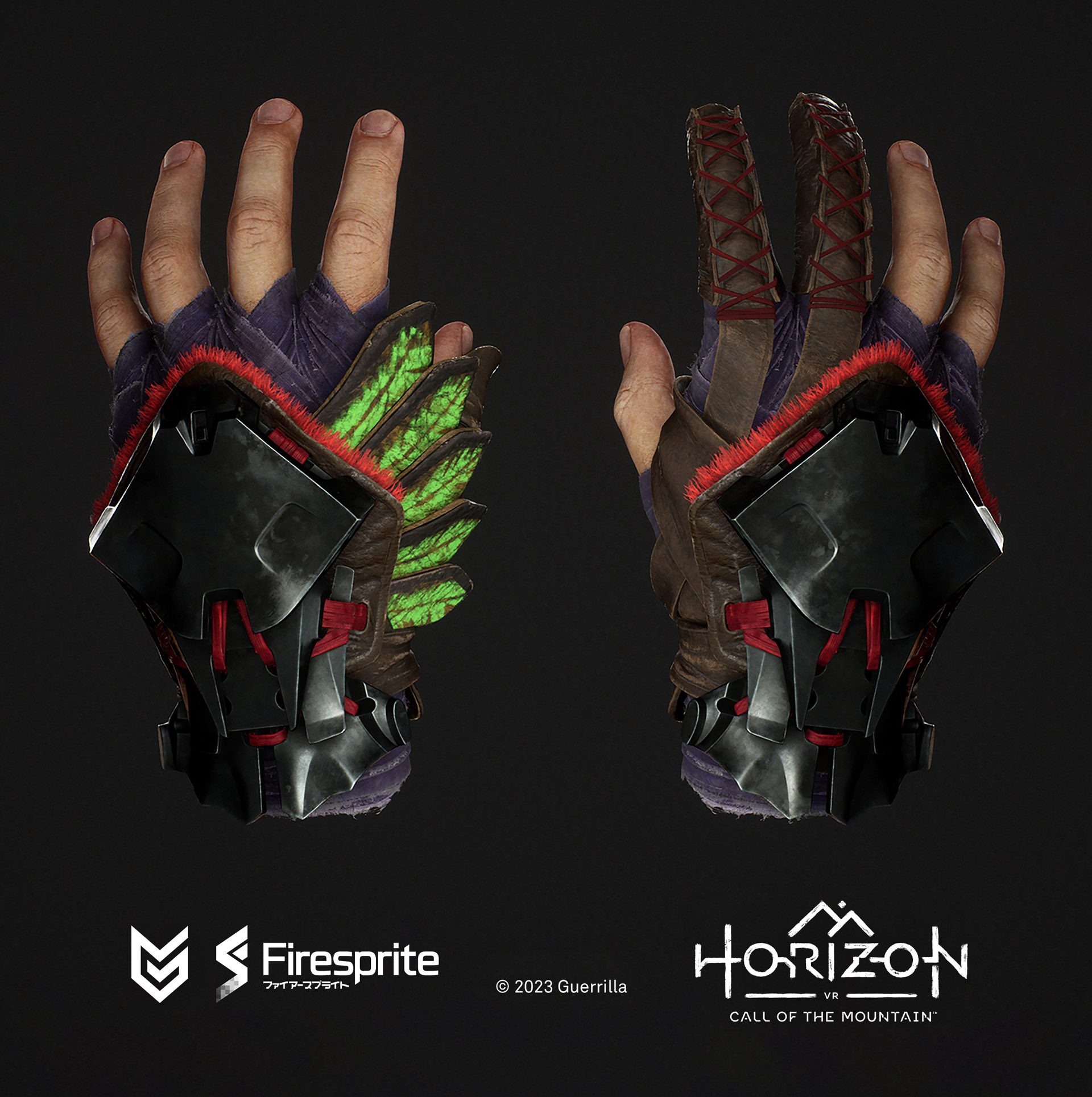

The players gloves also act as a diegetic health bar thanks to the green leaf-like segments

Continue on Page 2: For Fun’s Sake »

‘Horizon Call of the Mountain’ Behind-the-scenes – Insights & Artwork from Guerrilla & Firesprite Read More »

oculus-founder-explains-what-apple-got-right-&-wrong-on-vision-pro

Oculus Founder Explains What Apple Got Right & Wrong on Vision Pro

Apple Vision Pro is about to set a lot of expectations in the industry of what’s ‘right’ and ‘wrong’ about mixed reality, something the fruit company prefers to call spatial computing. Oculus founder Palmer Luckey weighed in on his thoughts, and coming from one of the main figures who kicked off the VR revolution of today, it means something.

Speaking to Peter Diamandis in a nearly two hour-long podcast, Luckey delved into many areas of his work over the years, touching on the role at his defense company Anduril, his role in kickstarting the modern era of VR, and basically everything under the Sun that the tech entrepreneur is doing, or thinks about when it comes to augmented and virtual reality.

Undoubtedly the hottest of hot button issues is whether Apple is doing mixed reality ‘right’ as a newcomer to the space. Luckey is mostly positive about Vision Pro, saying it’s patently Apple.

“I think there were things that I would do differently if I were Apple,” Luckey tells Diamandis. “They did basically everything right—they didn’t do anything terrible. I mean, I think Apple is going after the exact right segment of the market that Apple should be going after.”

Luckey maintains that if Apple went after the low end of the market, it would be “a mistake,” saying the Cupertino tech giant is taking “the exact approach that I had always wanted Apple to take, and really the approach that Oculus had been taking in the early years.”

Apple is admittedly going at XR with little regard for affordability, but that’s not the sticking point you might think it would be. To him, the $3,500 headset packs the best components for the premium segment, including “the highest possible resolution, the highest quality possible displays, the best possible ergonomics.”

In fact, Apple’s first-gen device shouldn’t be about affordability at this point, Luckey says. It’s about “inspiring lust in a much larger group of people, who, as I dreamed all those years ago, see VR as something they desperately want before it becomes something they can afford.”

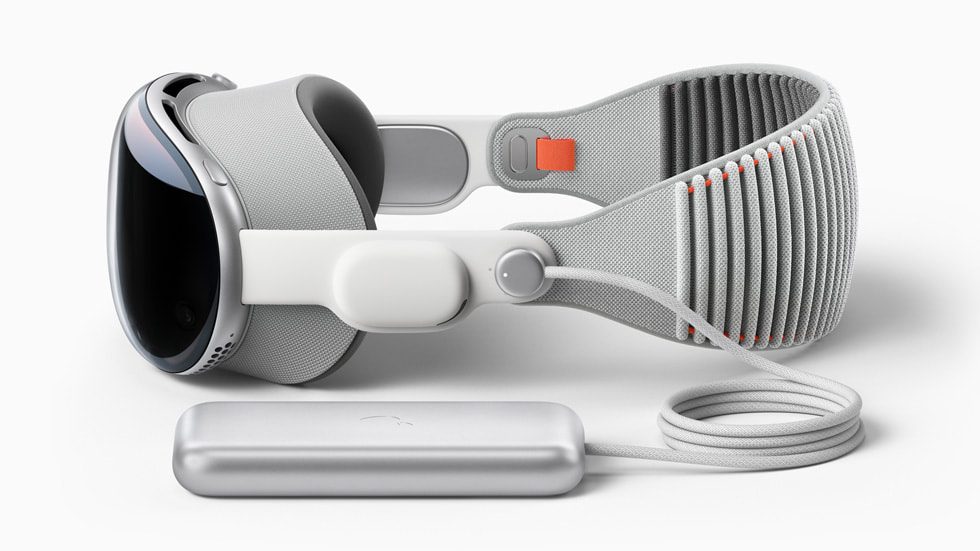
Image courtesy Apple

In the world of component configurations, there’s very little that catches Luckey off guard, although Vision Pro’s tethered battery ‘puck’ was choice that surprised the Oculus founder a little bit. When it comes to offloading weight from the user’s head, Luckey says shipping a battery puck was the “right way to do things.”

“I was a big advocate of [external pucks] in Oculus, but unfortunately it was a battle that I lost in my waning years, and [Oculus] went all in on putting all batteries, all the processing in actual headset itself. And not just in the headset, but in the front of the headset itself, which hugely increases the weight of the front of the device, the asymmetric torque load… it’s not a good decision.”

One direction Apple has going that Luckey isn’t a fan of: controllers, or rather, the lack thereof. Vision Pro is set to ship without any sort of VR motion controller, which means developers will need to target hand and eye-tracking as the primary input methods.

“It’s no secret that I’m a big fan of VR input, and I think that’s probably one of the things I would have done differently than Apple. On the other hand, they have a plan for VR input that goes beyond just the finger [click] inputs. They’re taking a focused marketing approach, but I think they have a broader vision for the future than everything just being eyes and fingers.”

Luckey supports the company’s decision to split the headset into a puck and head-worn device not only for Vision Pro in the near term, but also for future iterations of the device, which will likely need more batteries, processing, and antennas. Setting those expectations now of a split configuration could help Apple move lighter and thinner on head-worn components, and never even deal with the problems of balancing the girth and weight seen in the all-in-one, standalone headsets of today.

In the end, whether the average person will wear such things in the future will ultimately come down to clever marketing, Luckey maintains, as it’s entirely possible to slim down to thinner form factors, but devices may not be nearly as functional at sizes smaller than “chunky sunglasses”. To Luckey, companies like Apple have their work cut out for them when it comes to normalizing these AR/VR headsets of the near future, and Apple will most definitely be seeding their devices on the heads of “the right celebrities, the right influencers” in the meantime.

You can check out the full 15-minute clip where Luckey talks about his thoughts on Apple Vision Pro below:

Oculus Founder Explains What Apple Got Right & Wrong on Vision Pro Read More »

‘iron-man-vr’-gets-25%-permanent-price-reduction-on-quest

‘Iron Man VR’ Gets 25% Permanent Price Reduction on Quest

Meta announced the high-flying superhero game Marvel’s Iron Man VR (2020) has a new permanent price, bringing it to $30.

Once a PSVR exclusive, Iron Man VR on Quest 2 and Quest Pro lets you suit up as Tony Stark and take to the sky to fight evil. The action-adventure game is now available at a new price of $30, or 25% off the original $40 purchase price.

When it launched on PSVR in July 2020, we gave it a rating of ‘Great’ in our full review, calling it VR’s “first great superhero game.” We liked it so much at the time, we later awarded it with the PSVR Game of the Year in 2020.

What makes Iron Man VR so great? It’s packed with unique mechanics and a full course of fun and engaging content—not to mention an actually worthwhile story.

Here’s how developers Camoflaj describe it:

Tap into your inner Super Hero as you step into Iron Man’s armor and blast into the skies. Explore Tony’s garage to customize and upgrade an arsenal of gear, gadgets, and weapons. Hit the afterburners and feel the rush of flying hundreds of miles an hour. Use all of Tony Stark’s resources to find the mysterious villain Ghost and her army of hacked Stark drones. Experience this action-packed immersive Iron Man adventure now.

You can get it today at the new low price of $30 on the Quest Store.

‘Iron Man VR’ Gets 25% Permanent Price Reduction on Quest Read More »

ar-startup-brilliant-labs-secures-$3m-seed-funding-from-oculus-&-siri-co-founders

AR Startup Brilliant Labs Secures $3M Seed Funding from Oculus & Siri Co-founders

Brilliant Labs, an AR startup working to integrate AI into daily life, announced that it has raised $3 million in seed funding which it will use to expand its team and invest in R&D for its open-source, AI-powered smartglasses.

The funding round was led by Brendan Iribe, co-founder of Oculus, Adam Cheyer, co-founder of Siri, Eric Migicovsky, founder of Pebble, and Plug & Play Ventures, among others.

Founded in 2019, Brilliant Labs describes its design approach as “embodied intelligence.” Its one-eyed ‘Monocle’ smartglasses dev kit is an open-source device which began shipping in February 2023, offering up a single-lens design that’s supposed to clip onto existing eyewear. For now, Monocle boasts a six-hour battery life with a charging case, which includes fast charging technology.

Monocle | Image courtesy Brilliant Labs

Similar to Google Glass, Brilliant Labs’ Monocle serves up text via a single waveguide, doing things like letting you see important information while remaining present in the moment. Monocle also includes an embedded microphone, computer vision-ready camera, and hackable FPGA accelerator chip.

In addition to the latest funding round, Brilliant Labs also announced the launch of arGPT, the company’s first ChatGPT integration for Monocle, letting developers directly use the generative AI as well as build apps on top of arGPT.

“We believe that Generative AI is the key enabler for AR, so at Brilliant Labs, we’re building an open-source ecosystem to support developers and creatives reimagining the future, and Monocle is just the beginning. We’re excited to see what developers create with it,” said Bobak Tavangar, Founder and CEO of Brilliant Labs. “We’re thrilled to have the support of our investors as we usher in a new era of embodied intelligence – the intersection of AI and AR.”

Other investors in its seed funding round include Steve Sarowitz, founder of Paylocity and Chairman of Wayfarer Studios, Nirav Patel, former core team member at Oculus and founder of Framework, Francisco Tolmasky, member of the original iPhone team, and Moveon Technologies.


Want to know the difference between smartglasses and AR glasses? Check out our primer on what’s what (and why everyone is confused).

AR Startup Brilliant Labs Secures $3M Seed Funding from Oculus & Siri Co-founders Read More »

after-reports-of-canned-ar-glasses,-google’s-xr-ambitions-may-be-just-a-daydream-without-samsung

After Reports of Canned AR Glasses, Google’s XR Ambitions May Be Just a Daydream Without Samsung

Google has reportedly shelved a multi-year project that sought to commercialize an AR headset, known as Project Iris. Provided the report is true, it appears Google will now need to rely on Samsung to compete with Meta and Apple in XR.

According to Business Insider, Google shut down Project Iris earlier this year following mass restructuring, which included layoffs, reshuffles, and the departure of Clay Bavor, Google’s head of AR and VR. The report, which hasn’t been substantiated by Google, cites “three people familiar with the matter.”

According to a report from The Verge earlier this year that first mentioned Project Iris, around 300 people were purportedly working on the headset, which was said to expand by “hundreds more” as production ramped up.

At the time, the prototype was said to be a standalone, ski goggle-like headset providing onboard power, computing, and outward-facing cameras for world sensing capabilities—similar in description and function to headsets like HoloLens or Magic Leap. Project Iris was said to ship as early as 2024.

Two unnamed Google employees told Business Insider the company could actually resurrect Project Iris at some point, as teams experimenting with AR tech haven’t been completely disbanded. Still, it seems its Samsung XR headset partnership and AR software development has become the main focus.

Samsung Future, Daydream Past

With its own in-house hardware allegedly no longer in the picture, moving forward Google is set to focus on the software side of AR, which also includes an Android XR platform it could license to OEM partners. Google is now developing such a platform for Samsung’s upcoming XR headset announced in February, as well as an alleged “micro XR” platform for XR glasses, which is said to use a prototyping platform known internally as “Betty.”

Google is pretty well known for shelving projects all the time for a variety of reasons, so it’s not a big surprise that an expensive hardware project is getting iced during an economic downturn. It’s also possible the company saw the writing on the wall from its earlier VR hardware projects, which were early to the competition, but not persistent enough to stick around.

In 2016, the company’s Daydream VR platform was positioned to compete with Meta’s (then Facebook’s) own mobile VR offering, Samsung Gear VR. Headed by Bavor, the company looked to replicate Samsung/Meta’s strategy of certifying smartphones to work with a dedicated Daydream View headset shell and controller. Google certified a wide swath of smartphones to work on Daydream, including Pixel, LG, Asus, Huawei, and even a number of Gear VR-compatible Samsung phones.

And Google’s ambitions were, let’s say, very big. At its I/O 2016 unveiling, senior product manager Brahim Elbouchikhi said on stage that Google intended to capture “hundreds of millions of users using Daydream devices.” No modern VR headset platform has reached that number of users even today, with Meta likely leading with the sale of nearly 20 million Quest headsets between 2019 and early 2023.

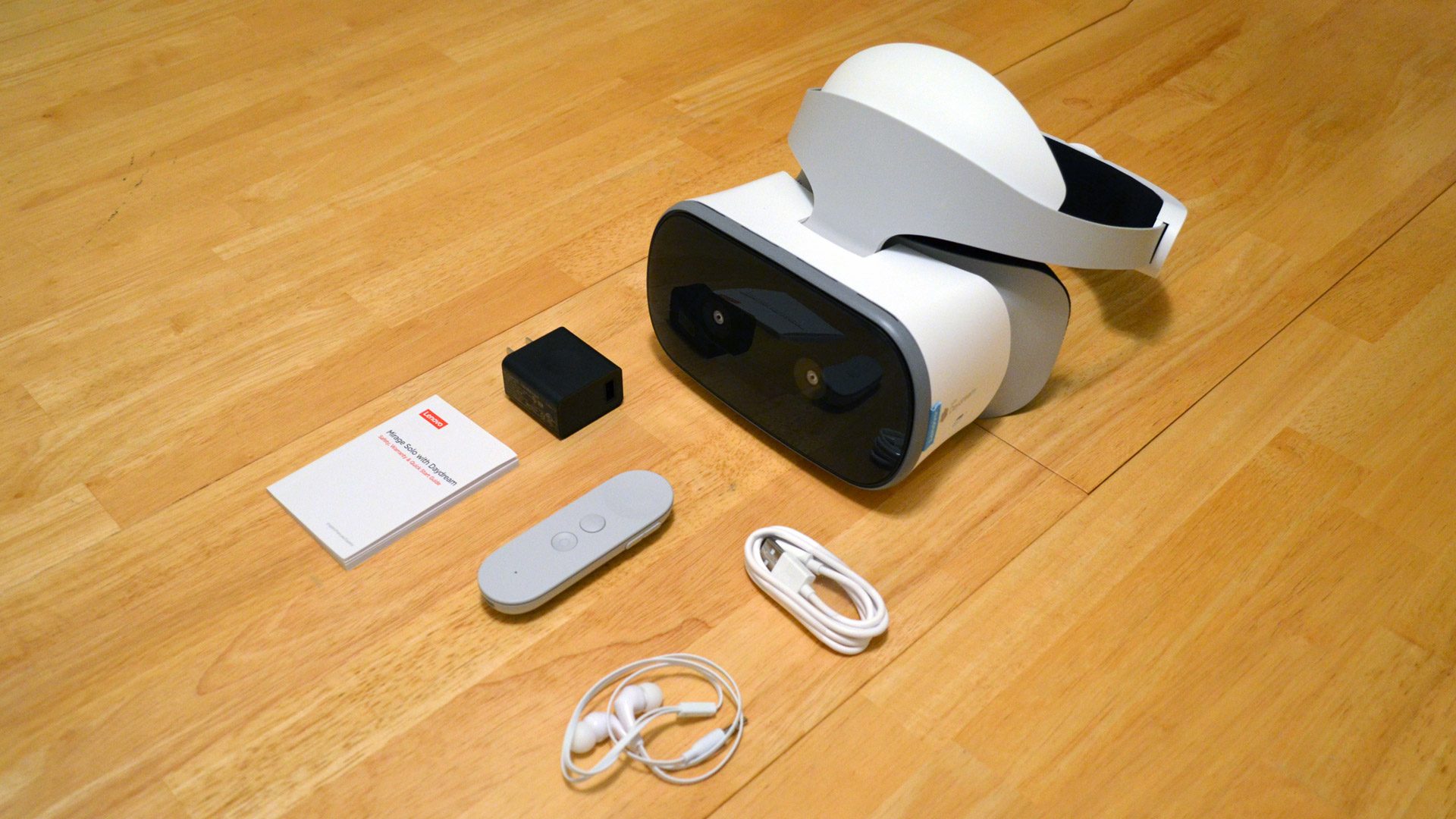
Lenovo Mirage Solo | Photo by Road to VR

Despite big ambitions to own the space early on, Gear VR became the clear winner in the nascent mobile VR market. Undeterred, Google broadened its horizons in 2017 to open its Daydream platform to one of the first truly standalone VR headsets—or rather a single standalone headset—the Lenovo Mirage Solo standalone, which awkwardly mashed up 6DOF positional tracking with a single 3DOF controller. Lenovo Mirage Solo was a real head-scratcher, as its room-scale content was hobbled by a single remote-style controller, which critically wasn’t tracked in 3D space.

In the end, Google shuttered the entire Daydream platform in 2019 because it couldn’t attract enough developer support. On the outside, that makes it seem like Google lost the VR race entirely, but a majority of standalone headsets on the market today run on top of a modified version of Android. Granted, that standalone VR content revenue isn’t flowing into Google’s coffers since it doesn’t control the individual storefronts like it might with a VR version of Google Play.

But that could change with its new Samsung/Qualcomm partnership, representing a fresh opportunity for Google to finally stake a claim in the mounting mixed reality (MR) race.

MR Headsets Walk, AR Headsets Run

MR headsets are virtual reality headsets that use color passthrough cameras to offer up an augmented reality view, letting you do VR things like play games in a fully immersive environment in addition to using passthrough to shoot zombies in your living room, or watch a giant virtual TV in your real-life bathroom (for optimal user comfort).

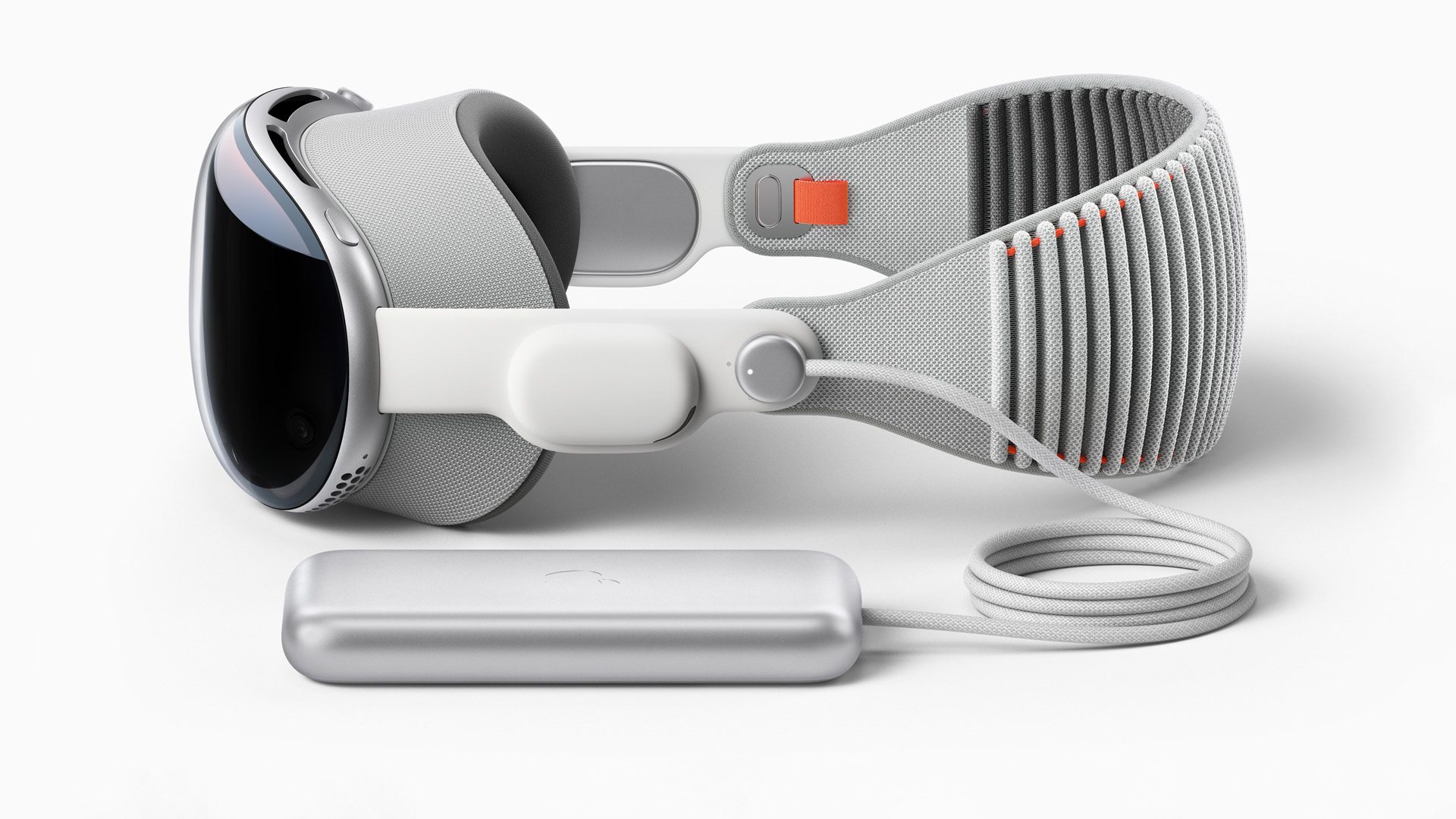
It’s still early days for MR headsets. While devices like Meta Quest Pro ($1,000) and Apple’s recently unveiled Vision Pro ($3,500) are likely to appeal to prosumers and enterprise due to their high price points, there’s a mounting battle for consumer eyeballs too. Provided that still-under-wraps Samsung XR headset can land at a digestible price for consumers, its brand name cache and patented global reach may serve up strong competition to Meta’s upcoming Quest 3 MR headset, due in September at $500.

Apple Vision Pro | Image courtesy Apple

Price speculation aside, the companies that launch MR headsets today will be better positioned to launch all-day AR headsets in the future. Platform holders like Meta are using their MR headsets today as test beds to see what AR content consumers find most compelling. Apple will be doing just that when it launches Vision Pro in 2024 at arguably an even deeper level, as the Cupertino tech giant seems to be deemphasizing VR stuff entirely.

Whatever the case, Google’s decision to reportedly shelve Project Iris means it’ll be more reliant on OEMs in the near term, and its first volley with that Android-supported Samsung XR headset will reveal the size of its ambitions. It’s a strategy that could work out in its favor as it critically gauges when, if ever to resurrect its own Google-built AR glasses. With Apple and Meta both staking serious claims though, it needs to solidify that strategy sooner rather than later.

After Reports of Canned AR Glasses, Google’s XR Ambitions May Be Just a Daydream Without Samsung Read More »

digital-euro-framework-seeks-to-quell-privacy-concerns

Digital euro framework seeks to quell privacy concerns

The digital euro is edging closer to reality, despite concerns over the project’s privacy risks and functionality.

The European Commission on Wednesday proposed a legal framework for the electronic currency. Under the draft legislation, digital euros would be accepted for transactions anywhere in the eurozone, but cash would remain safeguarded as a form of payment. It would then be up to the European Central Bank (ECB) to decide if, and when, to issue the digital currency.

“In the euro area, the digital euro would offer a digital payment solution that is available to everyone, everywhere, for free,” said Valdis Dombrovskis, the European Commission’s executive vice president.

According to Dombrovskis, the project will modernise payments, enhance financial inclusion, and support innovation. He also emphasised the need to protect the eurozone from rival digital payment systems.

If other central bank digital currencies were allowed to be used more widely for cross-border payments, we would risk diminishing the attractiveness of the euro… and the euro could become more exposed to competition from alternatives such as global stablecoins,” he said.

The <3 of EU tech

The latest rumblings from the EU tech scene, a story from our wise ol’ founder Boris, and some questionable AI art. It’s free, every week, in your inbox. Sign up now!

Unlike cryptocurrencies, the digital euro would be backed by a central bank. That could reduce volatility, but it’s triggered anxieties about government control.

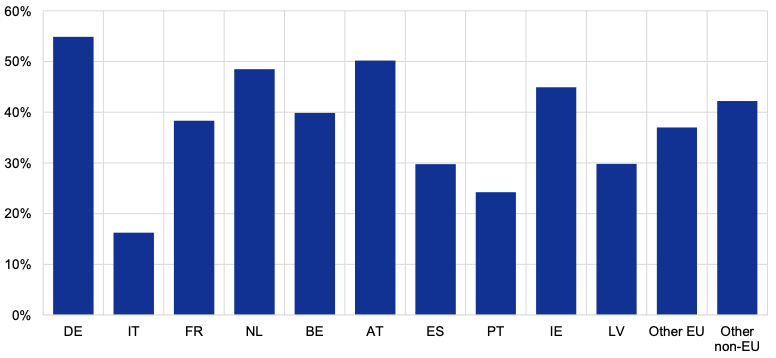
These concerns are prevalent across the bloc. In a consultation last year, 43% of respondents said privacy was what they wanted most from the digital euro. The next most desired features were security (18%), usability across the euro area (11%), absence of additional costs (9%), and offline use (8%).

Share of citizens per country who ranked privacy as most important feature
The share of citizens per country who ranked privacy as the most important feature of a digital euro.

Privacy advocates have raised fears about monitoring transactions and government control of personal finances. Other critics question whether the bloc needs its own digital currency. They argue that existing digital payments already provide sufficient functionality. 

In response, the EU has added various safeguards and features.

To allay the privacy concerns, lawmakers have promised that ECB would not see users’ personal details or their payment patterns.

Users will also be able to pay offline. Officials say this will provide greater privacy than any current digital payment methods. They also argue that the digital euro will reduce payment-related fees for consumers by spurring competition for the likes of Visa, Mastercard, and PayPal.

Mairead McGuinness, the EU’s financial regulation chief, describes the digital euro as “a project of choice” rather than “a project of control. “

“By complementing cash, I have no doubt that a digital euro will bring advantages to citizens and businesses across the EU,” she said. “But I am aware that it requires peoples’ trust and confidence.”

That process remains a long way from completion. The proposal will now go to the European Parliament and EU member states for amendments, which provides another opportunity to address concerns.

Digital euro framework seeks to quell privacy concerns Read More »

opinion:-european-startups-should-welcome-global-tech-layoffs-with-open-arms

Opinion: European startups should welcome global tech layoffs with open arms

Like a runaway train, the tech sector’s layoff spree shows no sign of hitting the brakes in 2023. Layoffs.fyi found that between January and May this year, more than 200,000 people around the world found themselves on the wrong end of the pink slip.

Echoing through the industry like a gong are the layoffs from big tech. Silicon Valley giants collectively slashed over 104,000 roles last year, and these cutbacks are far from over. Meta, for instance, began a round of layoffs last month targeting up to 6,000 people, as part of plans to eliminate 21,000 total roles across a so-called year of efficiency. 

To some degree, this was expected — publicly-listed tech titans sway to the tune of the stock market, and it’s been a bear market since January 2022. And it’s not just the giants in the forest facing this storm. The saplings are bending, too. 

Startups in Europe collectively cut over 40,000 jobs between March 2022 and March 2023. For example, the Netherlands-based MessageBird laid off 31% of its staff (approximately 250 people) in November 2022, while Spain’s Glovo cut loose 250 people in January this year.

The <3 of EU tech

The latest rumblings from the EU tech scene, a story from our wise ol’ founder Boris, and some questionable AI art. It’s free, every week, in your inbox. Sign up now!

It’s high time for Europeans to sound the alarm — just not the kind you might think.

The European layoff landscape – not quite the apocalypse

First off, most job cuts are happening outside of Europe. 

According to Atomico’s State of European Tech report for 2022, only 7% of the global workforce cutbacks have been in Europe. Similarly, Layoffs.fyi data for the past two years show that only roughly 12% of all laid-off workers were based in Europe.

Even global tech giants with offices in Europe are letting go of fewer employees here than anywhere else — and there are two main reasons for that.

First of all, companies like Amazon and Google are finding it hard to copy and paste their mass layoff tactics in Europe, thanks to the continent’s labour protections. 

For example, Google’s branches in France and Germany haven’t had any staff reductions in 2023, and the company has announced that no layoffs are planned in Romania, Greece, or Austria. In the UK, on the other hand, the labour protection regulations aren’t as robust since Brexit, thus Google plans to bid adieu to around 500 of its 8,000 employees there.

Secondly, in Europe, tech talents such as sales reps, software engineers, and systems analysts are still in very high demand. In Q4 last year when the global mass layoffs took up the speed, there were still close to a million open vacancies in tech across 11 EU countries analysed by trade association CompTIA

In addition, a DESI report showed that European companies had a hard time filling these roles. Around 55% of enterprises that recruited or tried to recruit ICT specialists said they found it difficult. 

In other words, the EU’s tech layoffs are a drop in the ocean compared to the tech talent shortage in the bloc, which is predicted to reach 3.9 million people by 2027. This explains why, amid the talent crunch in Europe, tech companies, both big and small, are cautious when it comes to workforce reductions. If hiring is already painful, firing is even more so. 

The global talent bazaar: Can Europe fill its talent gap?

American companies are letting people go, while Europe desperately lacks talent. Doesn’t that sound like a perfect match? This is Europe’s chance to attract the talent American companies have hired, trained for the tech industry, and then dropped like a hot potato.

And it gets better. Global tech talents are showing interest in joining European companies, either by relocating or working remotely. According to the Landing.jobs report, 34.1% of respondents listed Europe as their preferred continent to work, while North America ranked second with 24.9%.

Europe’s allure is a rich tapestry of factors, from its employee-friendly labour laws to its emphasis on work-life balance. And in these tough economic times, European startups have become attractive to the global talent pool for another reason — higher job security.

For decades, European startups have had comparatively limited access to later-stage capital. While American founders developed and adopted the hyper-growth mindset, European companies learned to survive by prioritising profit. Compared to their American counterparts, European founders are more cautious. While this often holds them back, this time it has paid off – we’re seeing fewer layoffs and employees, as a result, can be more confident about holding onto their jobs.

With global talent eyeing Europe, and European companies growing increasingly open to hiring remotely to fill the talent gap, it looks like a win-win. Besides, the fact that mass layoffs have affected even major tech companies has shattered people’s illusions of “job security” in big tech. This, ironically, makes the prospect of joining a smaller startup seem less of a gamble. Thus, it’s the chance of a lifetime for early-stage startups to hire talent they otherwise might not be able to attract.

Opinion: European startups should welcome global tech layoffs with open arms Read More »

unleash-your-creativity-with-subway-studio:-subway-surfers-introduces-in-game-ar-feature

Unleash Your Creativity With Subway Studio: Subway Surfers Introduces In-Game AR Feature

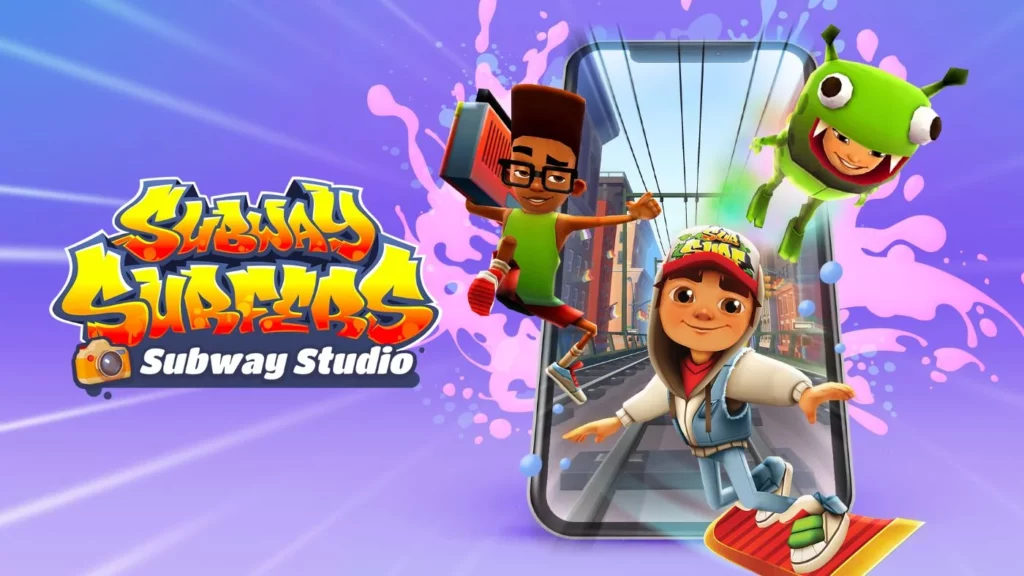
SYBO, the game studio responsible for the popular mobile game Subway Surfers, has pushed the boundaries of gaming with its first in-game augmented reality feature known as Subway Studio.

The landmark expansion contributes to the growing appeal of AR gaming. Subway’s AR feature lets players bring the exciting Subway Surfers world into their own lives, giving them a way to use their imagination and creativity.

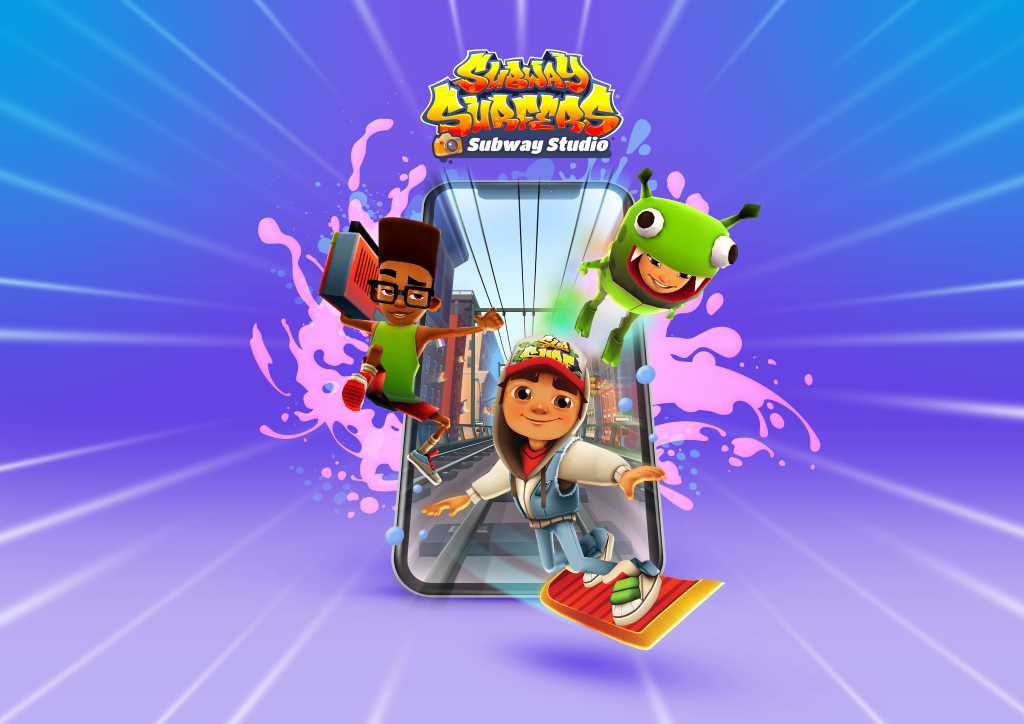
Subway Studio Subway Surfers AR feature

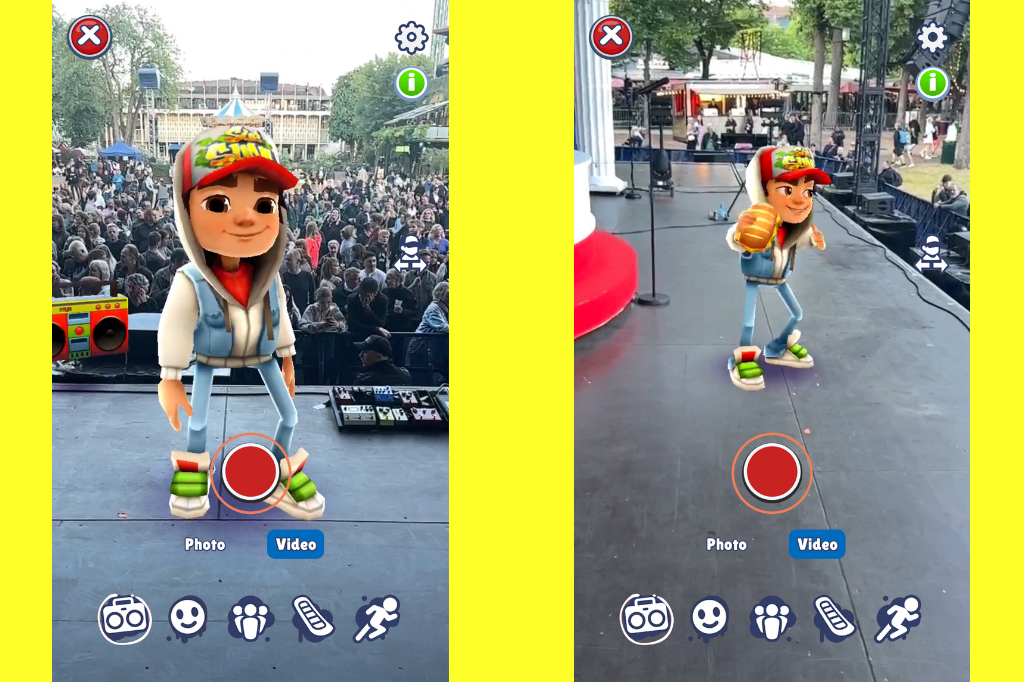
Subway Studio gives players the ability to connect, share stories, and make their creations using their beloved Subway Surfers characters in their real-life surroundings. “Subway Studio puts the power of creativity and virality in our players’ hands, allowing them to interact, tell stories, and create content with their favorite characters in their homes, backyards, workplaces, you name it,” said Mathias Gredal Nørvig, CEO of SYBO, in a press release shared with ARPost.

Unveiling the Augmented Reality Marvel of Subway Studio

Subway Studio represents a technical marvel, incorporating cutting-edge mobile augmented reality and camera tracking technologies to create a realistic and immersive experience. This advanced feature enables players to interact with Subway Surfers characters in real life, regardless of their device’s AR capabilities.

SYBO’s Technical Director Murari Vasudevan praised the team for their remarkable accomplishment in creating a highly advanced feature that offers endless creative and artistic opportunities. Through the use of innovative technologies, Subway Studio guarantees that players experience an authentic connection with their favorite characters as if they were right there with them in the real world.

“We’re constantly looking to give our players new ways to engage with the game, and this new technology does just that,” Murari said.

Subway Studio launches as part of the Subway Surfers Fantasy Fest update, available until July 16. Players have a selection of 40 existing Subway Surfers characters to interact with. They can create viral content that seamlessly merges with their in-game experiences, amplifying their impact within the gaming community. Additionally, SYBO plans to introduce more characters through future updates, ensuring a continuous stream of fresh content and experiences for players.

Where Buzz and Creativity Converge

Recognizing the incredible creative potential within their community, SYBO took notice of the hashtag #SubwaySurfers on TikTok, which has garnered an astonishing 34 billion views, mainly from user-generated videos.

Subway Surfers AR feature Subway Studio

Motivated by this, SYBO has launched a special TikTok filter that enables players to further engage with the game by interacting with one of the iconic characters, Jake, within the TikTok platform, thus expanding the reach of Subway Surfers AR experience.

Prepare to unlock your creative potential and embark on an exceptional augmented reality journey as Subway Surfers marks its 11th anniversary this year. With this milestone, it is evident that SYBO is committed to upholding its reputation as an innovative force within the gaming industry. Subway Studio exemplifies its commitment to ingenuity and providing creative ways for players to engage with the game.

Dive into a realm where imagination and reality merge, bringing your beloved characters to life in your chosen settings. Subway Surfers has taken the gaming experience to unprecedented levels, and as SYBO continues to push boundaries, the future of mobile gaming holds immense promise.

The Team Behind Subway Surfers and Subway Studio

Based in Copenhagen, SYBO is a prominent game development company renowned for its remarkable accomplishments in bringing Subway Surfers to life. This widely celebrated and immensely popular running game, recognized as the top downloaded game in 2022, has garnered an impressive four billion downloads thus far.

Unleash Your Creativity With Subway Studio: Subway Surfers Introduces In-Game AR Feature Read More »

uk-taps-digital-twin-in-bid-for-world’s-first-fusion-power-plant

UK taps digital twin in bid for world’s first fusion power plant

The UK’s dream of having the world’s first commercial nuclear fusion power plant has taken a digital turn.

As part of plans to put fusion energy on the grid by 2040, a digital twin of the reactor is now being built.

The virtual model will be used to design the power plant, which aims to unleash the immense promise of fusion energy.

With the potential to provide abundant clean energy, fusion is frequently called the “holy grail” of power sources. Unfortunately, it’s also immensely complex. Across decades of experiments, only tiny quantities of fusion power have ever been generated.

Illustration of spherical tokamak power plant concept.
An illustration of the Spherical Tokamak for Energy Production (STEP) prototype.

Despite several recent breakthroughs, a fusion power plant that delivers energy to the grid remains fiendishly challenging to build.

To accelerate the process, the UK’s Atomic Energy Authority (UKAEA) is working with Intel, Dell, and Cambridge University to create the digital twin.

Scientists will use the virtual model to develop the reactor. To fuel their efforts, AI and supercomputing will be tapped to run extensive modelling and simulations in the system.

Working inside the digital environment — dubbed the industrial metaverse — the UKAEA team will adapt their designs as new data and tech emerge.

STEP, the UK's first prototype fusion energy powerplant, will be built at the West Burton power station site in Nottinghamshire.
The reactor will be built at the West Burton power station site in Nottinghamshire.

The digital twin is the latest part of plans to make the UK a global hub for fusion energy. The country’s energy security secretary, Grant Shapps, hailed the project’s role in the mission.

“This new collaboration with our world-renowned universities and tech companies ensures the UK solidifies its reputation as a science superpower, turning science fiction to science fact, with the potential for cheaper, cleaner and, crucially, more secure energy,” he said.

Published

Back to top

UK taps digital twin in bid for world’s first fusion power plant Read More »

flying-car-startup-eyes-2025-takeoff-following-us,-eu-certification

Flying car startup eyes 2025 takeoff following US, EU certification

Flying car startup eyes 2025 takeoff following US, EU certification

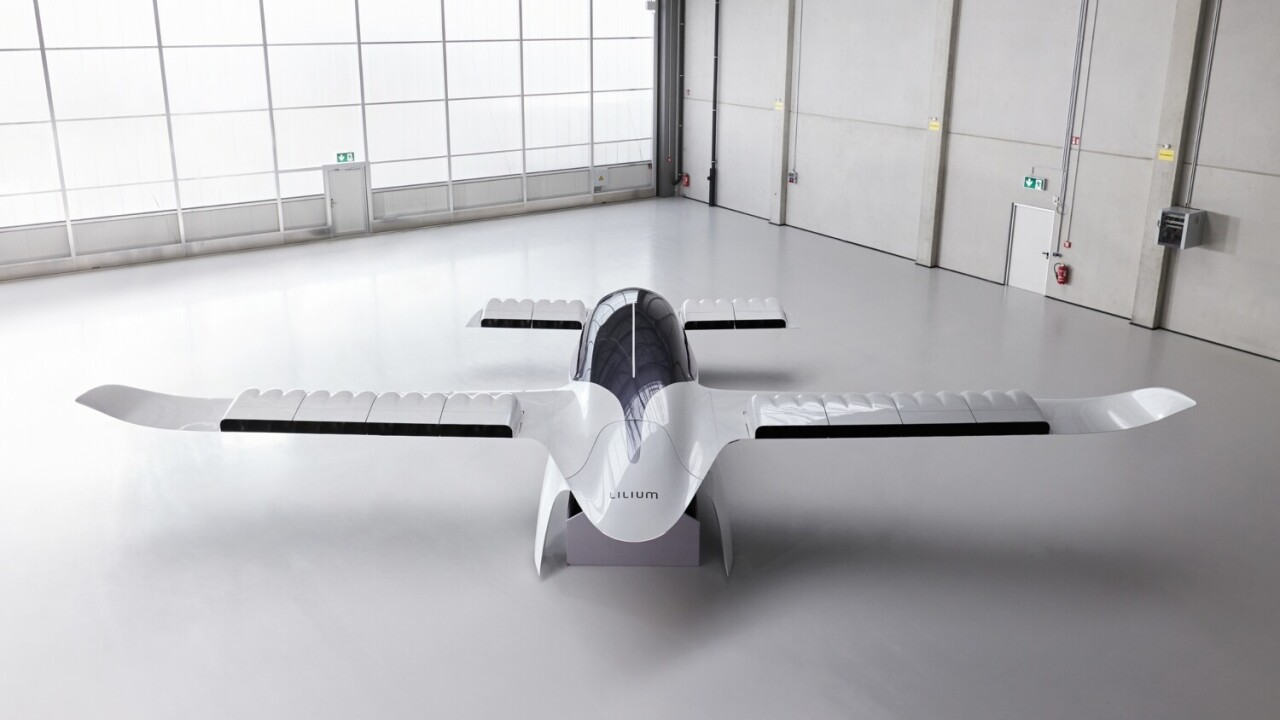
Flying cars have captured the public imagination for decades, but have yet to enter the mainstream. However, with investors pouring cash into the sector, could the 2020s be the decade when sci-fi vision becomes reality? German startup Lilium certainly hopes so. 

The startup announced this week that the design of its all-electric vertical take-off and landing (eVTOL) jet has been approved by the US Federal Aviation Administration (FAA). Lilium’s primary airworthiness authority, the European Union Aviation Safety Agency (EASA), issued its approval — known as a ‘certification basis’ — for the jet in 2020.   

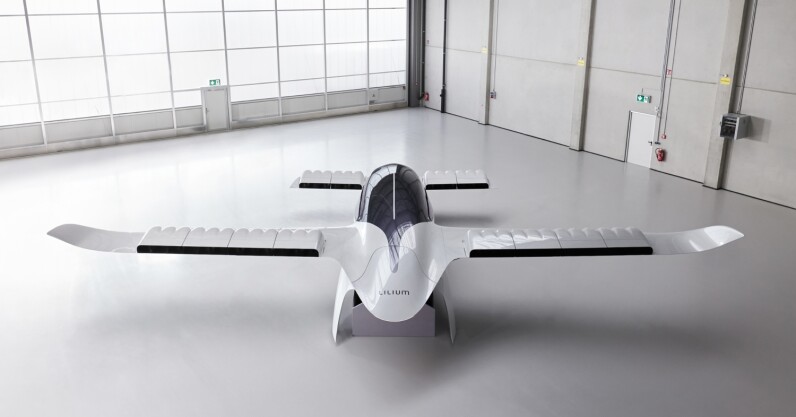
Lilium, which has raised a whopping $1bn to date since its founding in 2015, has developed an eVTOL jet — which differs from the helicopter-style craft developed by most eVTOL startups —  that it hopes will take passengers faster and further than the competition. It aims to begin commercial flights from late 2025. 

A prototype of the Lilium jet during a test flight in Spain last year. Credit: Lilium

But the startup has little control over this timeline, regulators do. Regulators oversee every component of these machines, from the engines to software, and make the final call of whether an aircraft meets all the stringent requirements for commercial flight.  

Achieving certification basis is the first step on this complicated, and expensive, journey. Essentially it means that both the FAA and the EASA have approved Lilium’s jet design as commercially viable. However, there are still three more steps to go before the authorities issue a type certificate — the golden ticket to the skies. The certification process can cost hundreds of millions of dollars. 

Despite the hurdles ahead, Lilium CEO Klaus Roewe is confident. “Receiving the FAA G-1 demonstrates the Lilium Jet’s path to global acceptance by aerospace regulators and the expected start of global operations in late 2025 for the revolutionary Lilium Jet,” he said. 

Whether the startup can secure enough of a runway to pay for certification, while growing its team and developing its product, is anyone’s guess. But if the track record of other eVTOL ventures is anything to go by, I would take Lilium’s 2025 target with a pinch of salt.

Get the TNW newsletter

Get the most important tech news in your inbox each week.

Flying car startup eyes 2025 takeoff following US, EU certification Read More »

meet-the-robots-attending-the-un’s-‘ai-for-good-global’-summit

Meet the robots attending the UN’s ‘AI for Good Global’ summit

Some of the world’s leading human and robot minds are heading to the United Nations.

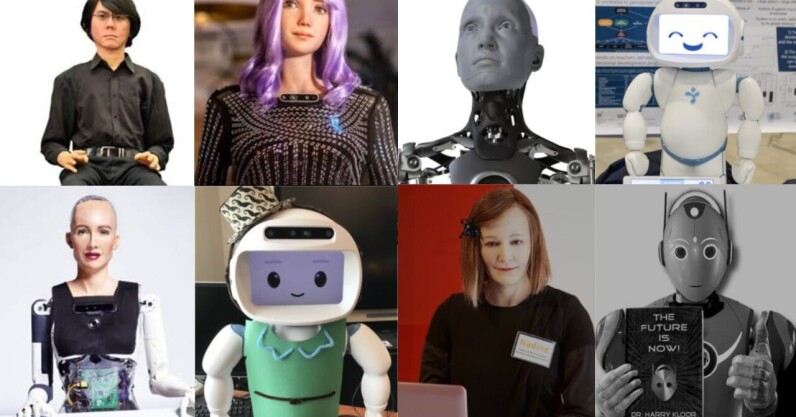
At a UN summit in Geneva next week, tech luminaries ranging from futurist Ray Kurzweil to DeepMind COO Lila Ibrahim will discuss AI for good. It’s a stellar lineup of speakers, but the real stars in our eyes are the robots.

Over 50 of the beasts — the majority from Europe — will be in attendance. All of them merit places in your dreams and nightmares, but we’ve narrowed the roster down to a list of our 10 favourites.

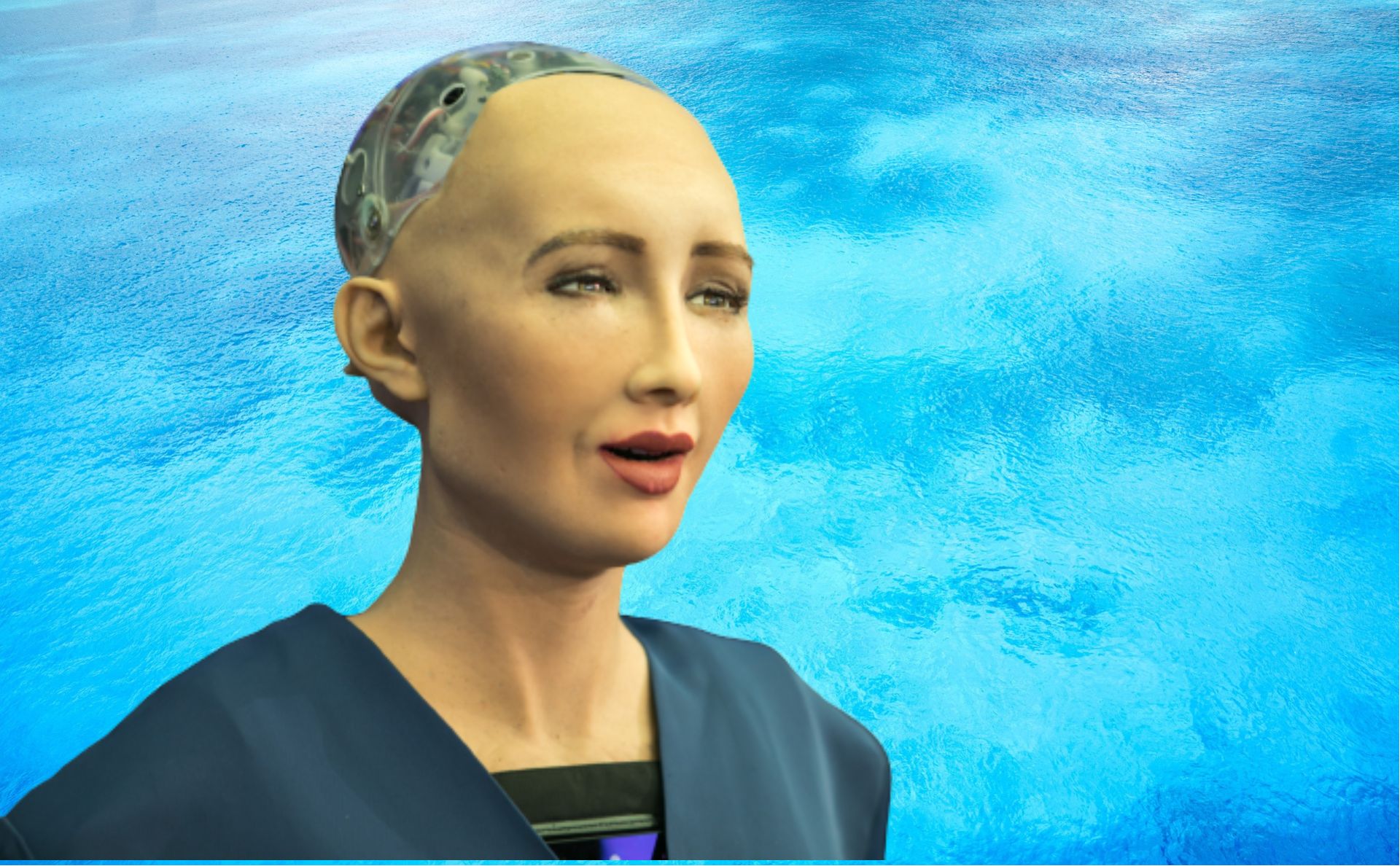
1. Sophia

Sophia the robot

The <3 of EU tech

The latest rumblings from the EU tech scene, a story from our wise ol’ founder Boris, and some questionable AI art. It’s free, every week, in your inbox. Sign up now!

Sophia is arguably the planet’s most famous real-world robot — but it’s attracted controversy. Saudia Arabia notoriously granted citizenship to the android in 2017, giving it more rights than millions of humans in the country.

Meta’s chief AI scientist, Yann LeCun, has described Sophia as “complete bullshit” and slated the media for promoting the “Potemkin AI.” Nonetheless, the humanoid’s influence and fame earn it a place on our list. Sorry, Yann.

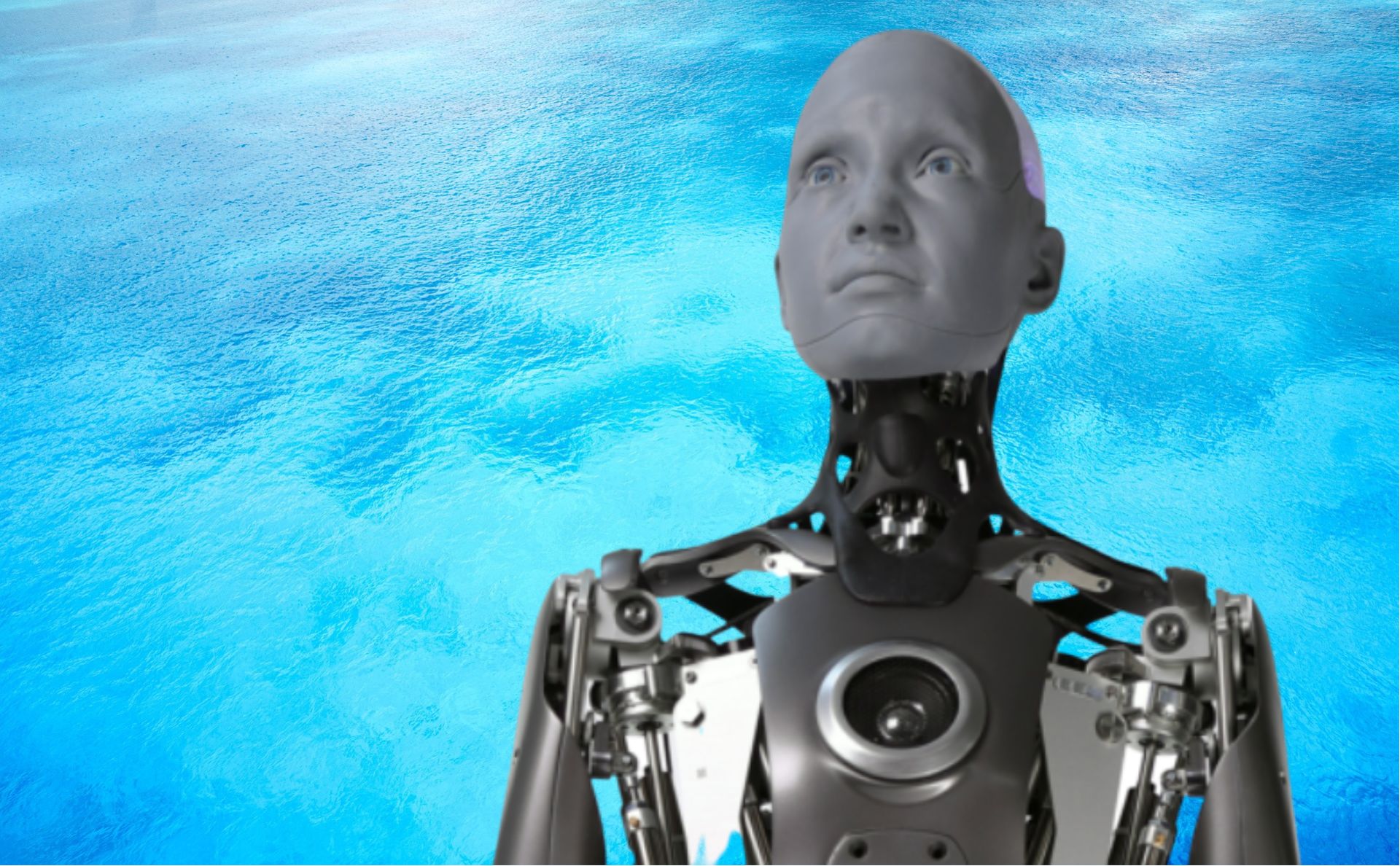
2. Ameca

Ameca

Ameca’s eerily realistic facial expressions went viral back in 2021. Built in the UK by Engineered Arts, the bot was designed as a platform for developing robotics.

The system integrates both AI and AB (artificial body) within a human form and robotic visage. Ameca’s creators claim it’s the world’s most advanced human-shaped robot.

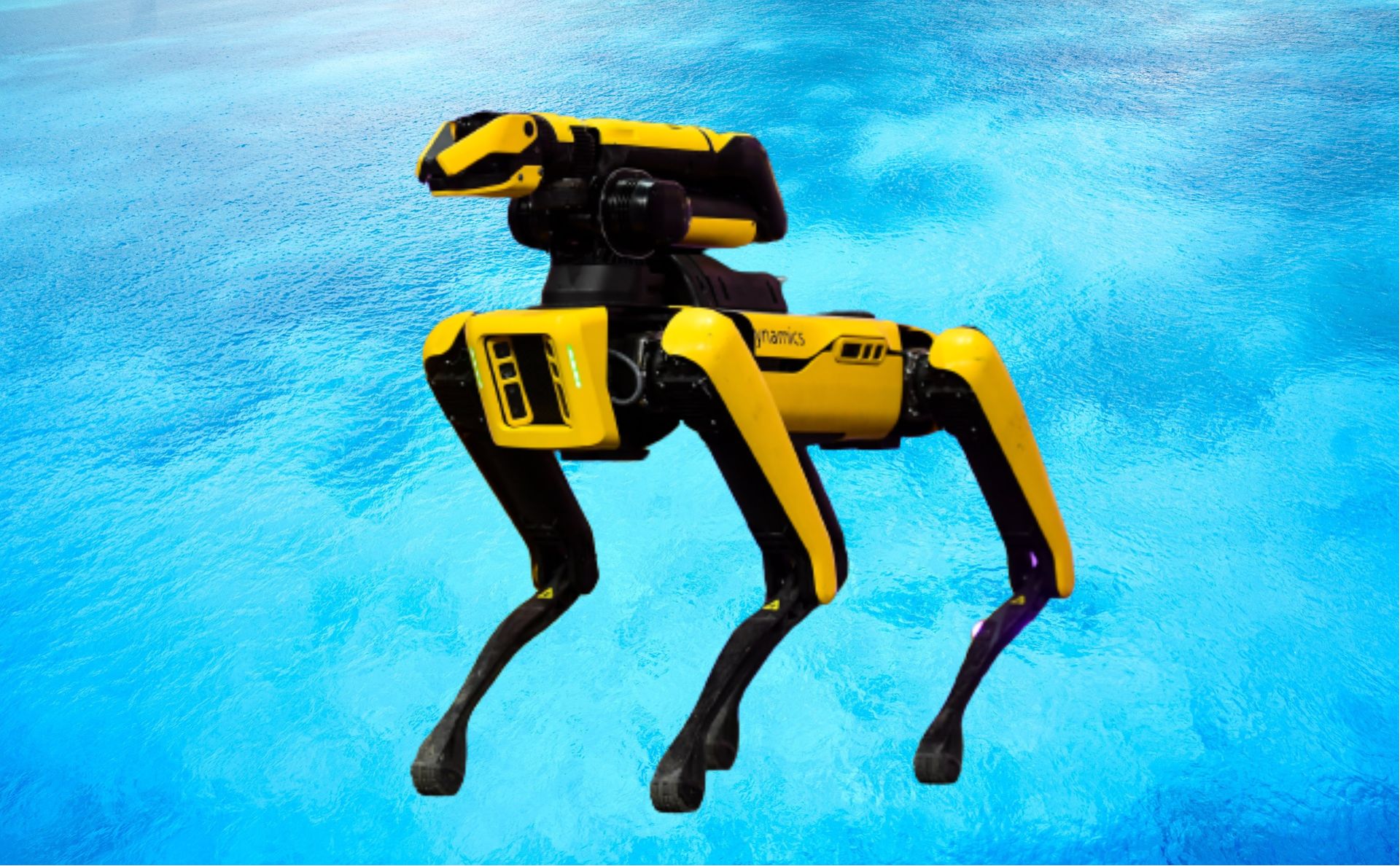
3. Spot

Spot

Unless you’ve been hiding from the AI apocalypse under a rock, you’ll recognise Spot. The star attraction of the esteemed Boston Dynamics brand, the quadruped is primarily used for dangerous inspection jobs.

Despite the cute name and resemblance to a dog, Spot’s a menacing creature. Campaigners have warned that the bot could be weaponised — particularly after it was tested by the French Army.

4. Geminoid

Geminoid

Perhaps the creepiest member of our list, Geminoid is a robotic copy of its creator, Hiroshi Ishiguro.

Geminoid reproduces the voice and head movements of Ishiguro, who added hair from his own scalp to his android twin. According to Ishiguro, the robot was designed to study what it means to be human.

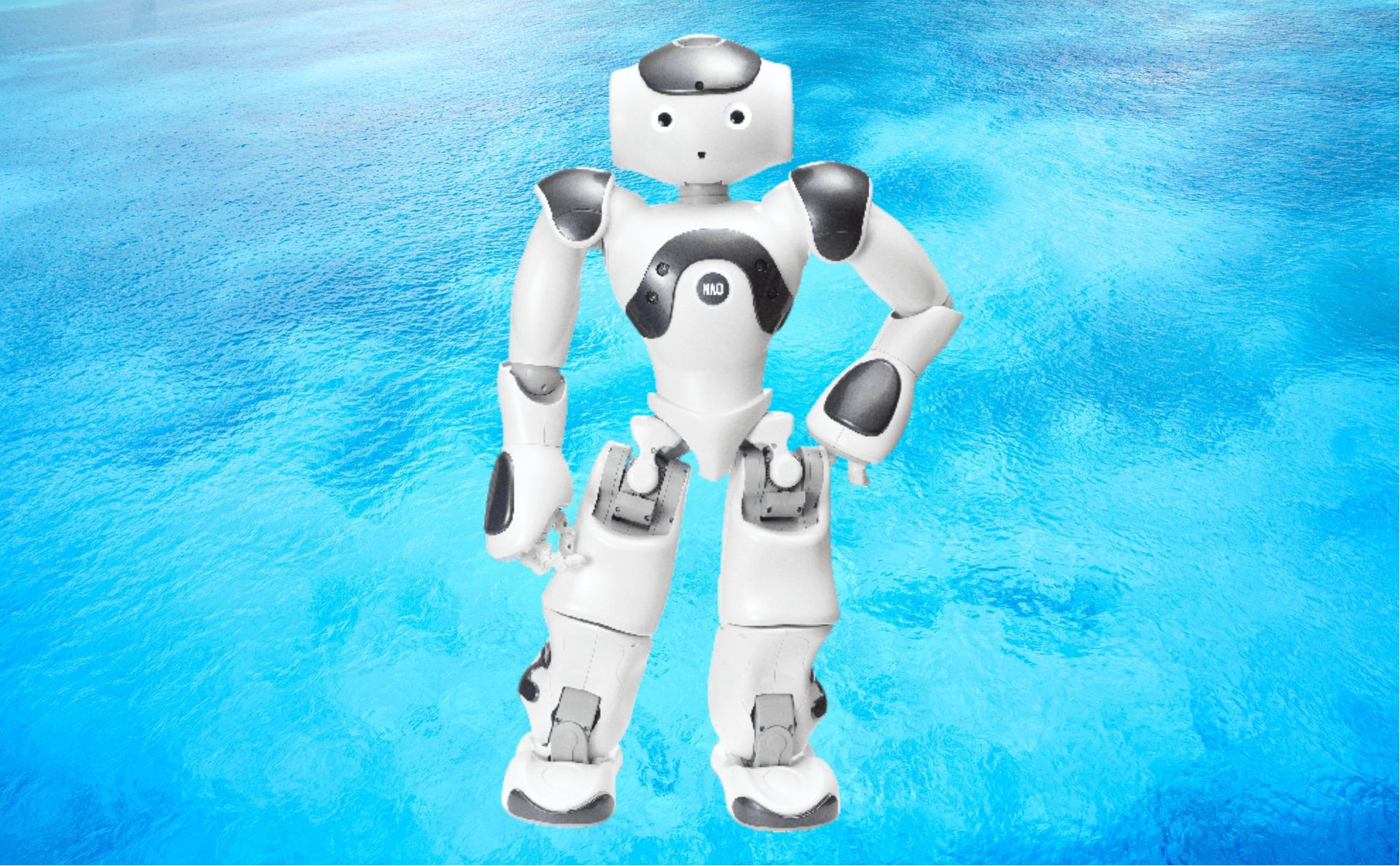
5. Nao

Nao the robot

A legend in its field, Nao has been wowing observers for almost 20 years. The bipedal has attracted headlines for its synchronised dances, stand-up comedy, and soccer skills,  but  biggest impact is in education and research.

The device was developed by Aldebaran Robotics in France, which was acquired by SoftBank in 2015 and rebranded as SoftBank Robotics.

6. Ai-Da

Ai-Da

Touted as the “world’s first robot artist,” Ai-Da draws and paints using robotic arms, cameras in its eyes, and algorithms guiding its movements.

The android is something of a celebrity in its home country of the UK, becoming the first robot to speak in the House of Lords. Unfortunately, the publicity stunt feat lost some lustre when Ai-Da appeared to fall asleep and had to be rebooted.

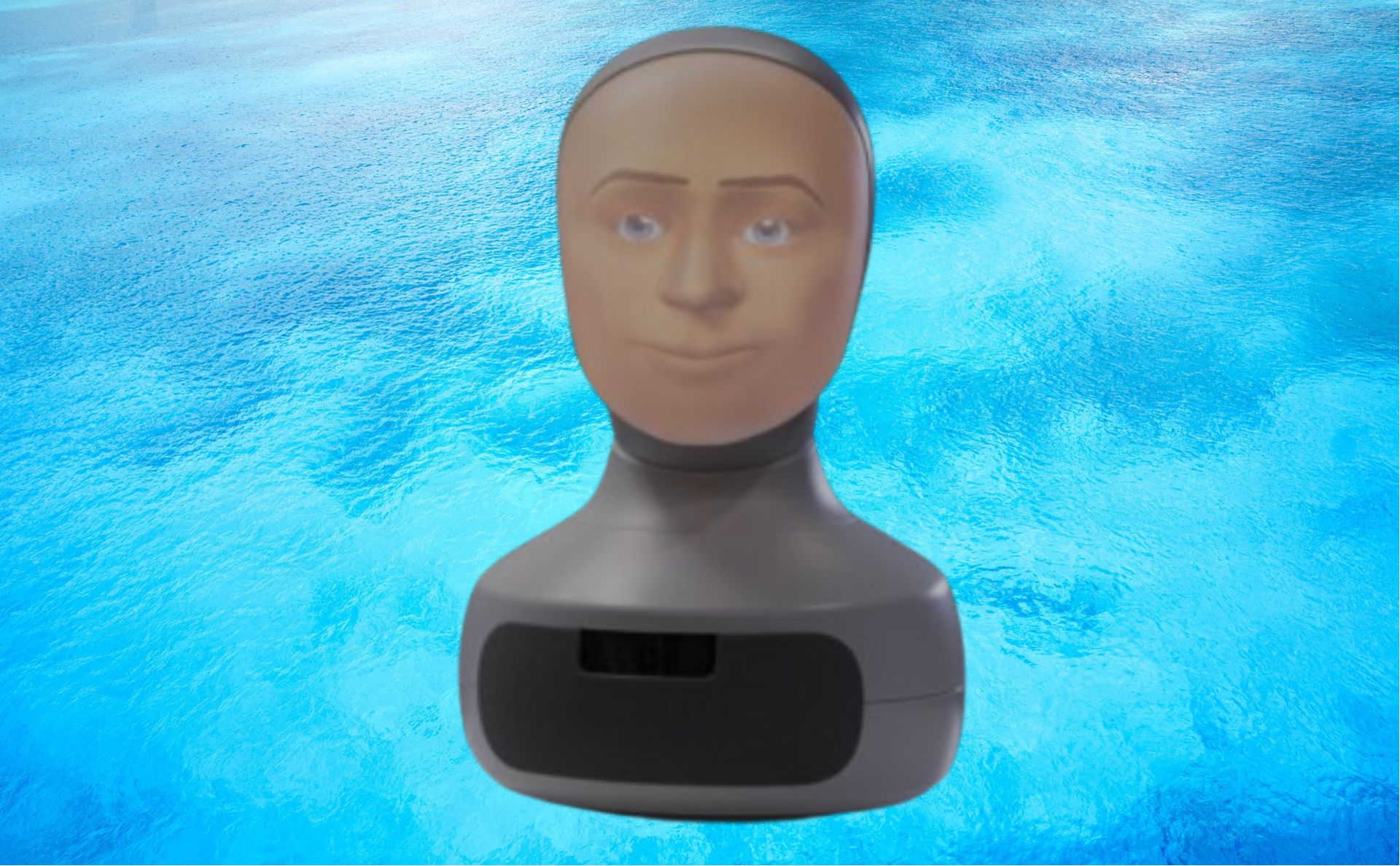
7. Furhat

Furhat

A social robot, Furhat communicates with us humans as we do with each other: by speaking, listening, showing emotions, and maintaining eye contact.

We’re particularly impressed by the system’s adaptability. Furhat’s ethnicity, gender, and language can all be modified to create lifelike, expressive characters for numerous purposes. In the image above, for instance, the droid appears to be a resurrected Silvio Berlusconi.

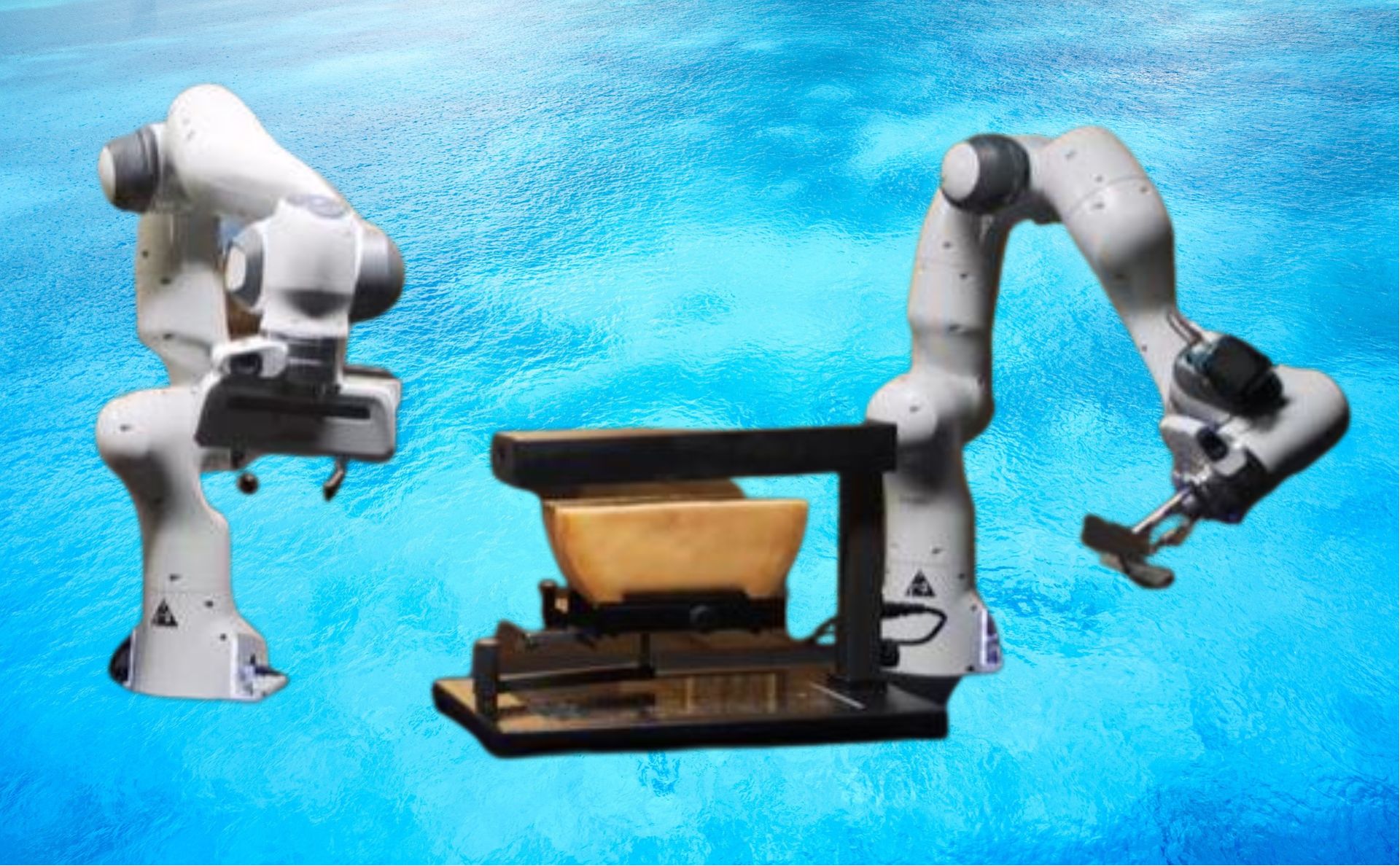
8. Roboclette

Roboclette

Everyone loves a world-first, especially when it’s vital to humanity. That’s why we’re bewitched by Roboclette — the first machine capable of scraping melted cheese.

The system blends the expertise of cheesemaker Eddy Baillifard with robotic wizardry from the Idiap Research Institute to carve Swiss raclettes.

9. Pepper

Pepper the robot

Another graduate of Aldebaran, Pepper is a semi-humanoid that’s designed to read emotions.

The droid’s remarkable life spanned work in a grocery store, a stint as a Buddhist priest, and a speech in the British Parliament. Sadly, the good times couldn’t last forever. In 2021, production of Pepper was halted due to weak demand.

10. Paro Seal

Paro

The brainchild of engineer Takanori Shibata, Paro is a therapeutic robot seal. The device has proven popular with patients, but raised concerns about using machines for emotional support.

Paro won a spot in our top 10 after pipping the Therabot puppy to the title of cutest automaton at the UN.

If you want to meet Paro or any other robots attending the summit, you can register for a ticket here.

Meet the robots attending the UN’s ‘AI for Good Global’ summit Read More »

eu-launches-four-new-testing-facilities-to-develop-responsible-ai

EU launches four new testing facilities to develop responsible AI

EU launches four new testing facilities to develop responsible AI

Aiming to ensure the development of trustworthy AI, EU member states, the Commission, and 128 partners have committed €220mn to establish four new testing and experimentation facilities (TEFs) within the bloc.

These TEFs are large-scale physical and virtual facilities, where AI-based software and hardware technologies can be tested in real-world environments.

They will also act as a “safety filter” between emerging digital technologies and European citizens, in turn securing a responsible and society-ready approach to building trustworthy artificial intelligence.

The four TEFs focus on distinct high-impact sectors. These are:

  • Manufacturing: The AI-Matters TEF will aim to improve the resilience and flexibility of the European manufacturing sector by employing AI, robotics, and autonomous systems.
  • Healthcare: The TEF-Health will involve applications from machine learning in medical imaging, to brain simulations and robotic rehabilitation. It will also target the protection of sensitive data.
  • Agriculture and food: The agrifoodTEF will develop AI tools for use across the entire sector, including arable and livestock farming, tree crops, horticulture, and food processing.
  • Cities and communities: The Citcom.ai testing facility will focus on power, connectivity, and mobility. Its task is to test AI and robotics before they integrate the spaces where people live and move. This covers everything from self-driving cars to telecoms data retrieval software.

Apart from advancing Europe’s strategic leadership in AI, these TEFs are expected to inform policymakers and contribute to the implementation of the AI Act by supporting regulatory sandboxes and enabling cooperation with national authorities.

All four testing facilities are scheduled to begin operating by January 2024, with the first services running as soon as July 2023.

Get the TNW newsletter

Get the most important tech news in your inbox each week.

Also tagged with


EU launches four new testing facilities to develop responsible AI Read More »