Author name: Rejus Almole

europe-needs-more-skilled-workers-to-build-the-green-economy

Europe needs more skilled workers to build the green economy

Last month was the hottest June on record globally and if the EU is to meet its ambitious climate targets to tackle climate change, it’s going to need more skilled workers.

In fact, according to the World Economic Forum, the continent needs nothing short of a green skills revolution if it is to fully harness the potential of solar and wind energies alone.

It’s not just the EU. The US has committed to developing the sector too, yet the supply of skilled talent there is also low.

All in all, it means those with the skills to work in the green economy are facing a bonanza.

New opportunities

The <3 of EU tech

The latest rumblings from the EU tech scene, a story from our wise ol’ founder Boris, and some questionable AI art. It’s free, every week, in your inbox. Sign up now!

The European Green Deal commits the EU to hitting net zero carbon emissions by 2050. In order to do that, the WEF estimates some 18 million people will need to be reskilled, with particular demand for skills in solar and wind energy.

More than one million solar workers alone will be needed by 2030. Last year solar employment in the EU rose by around 30%.

The future looks equally bright in relation to wind. Just over half a million wind technicians will be needed by 2026 to install, operate, and maintain on and offshore wind turbines globally. “In the US alone, by 2031 the employment rate of wind technicians is projected to grow by 44%,” it says.

It isn’t just technicians. The market for data analysts and coding skills within the sector will grow too, adding to the already tight market for digital skills.

As the EU transitions to net zero, demand for new skills will rise across a wide range of industries, including construction.

Even prior to the pandemic, consulting firm McKinsey had predicted that the EU’s transition to net zero would result in an estimated 11 million jobs. Even though the transition would eliminate six million jobs, that’s a net gain of five million.

It predicts that many of the new jobs aren’t limited to renewable energy, but will be in agriculture and construction. The report also estimates that around 1.1 million skilled workers will be needed to retrofit existing homes with higher insulation, green heating and energy systems, on top of what new builds require.

Areas of investment

Certain sectors have been designated as strategically important to the EU, which therefore plans to invest in them. Consulting firm EY identified these as agriculture, hydrogen, building renovations, offshore wind energy, and the circular economy among others.

Indeed, the EU is investing in green careers on a historic scale, with one-third of the €1.8 trillion investments under its NextGenerationEU Recovery Plan and the EU’s seven year-budget going towards financing the European Green Deal.

The US is following suit, with last year’s Inflation Reduction Act being the most significant climate legislation in US history, offering funding, programmes, and incentives to accelerate the transition to a clean energy economy.

According to the Paris-based International Energy Agency, global investment in clean energy is on course to rise to $1.7 trillion this year, with solar set to eclipse oil production for the first time.

In its reckoning, the IEA includes investment in renewables, electric vehicles, grids, storage, low-emissions fuels, efficiency improvements and heat pumps, as well as nuclear power.

Led by solar, it estimates that low-emissions electricity technologies will account for almost 90% of investment in power generation.

Consumers are also stumping up. Global heat pump sales have seen double-digit annual growth since 2021. Electric vehicle sales are expected to leap by a third in 2023, having already surged last year, the IEA adds.

This tallies with a new survey, which highlights a growing shortage of green-skilled workers across a range of sectors, from transport and car manufacturing to renewable power generation and even finance.

This makes perfect sense given not just the rise in (environmental, social, governance) ESG-related lending in the private sector but also the fact that at EU level, 30% of the bloc’s multiannual budget to 2028 has been allocated for green investments.

If you’ve decided to explore green sector opportunities across a range of industries there are loads of great open roles on the House of Talent Job Board.

Senior Manager – ESG Reporting & Management, Zalando, Germany

Zalando is seeking a Senior Manager, ESG Reporting & Management, based in Berlin, to support its corporate reporting and management of priority ESG topics. You will shape its future ESG reporting approach in line with new regulatory requirements under the Corporate Sustainability Reporting Directive.

Sales Trader (Junior Level) Caely Renewables, Poland

Caely Renewables is looking for a sales trader to develop mid and senior-level relationships with top-class companies including utilities, generators, and industrials trading products such as renewable power and gas certificates and carbon offsets.

Business Development Manager Renewable Chemistries, Avantium Technologies, the Netherlands

Avantium is a pioneer in the emerging area of renewable and sustainable chemistry. It is looking for a talented Business Development Manager, based in Amsterdam, who can make a real and lasting impact on the commercial scale-up of a new renewable chemical technology.

To explore even more green sector opportunities check out the House of Talent Job Board

Europe needs more skilled workers to build the green economy Read More »

vcs-assemble!-nato-picks-investment-team-for-e1b-deep-tech-fund

VCs assemble! NATO picks investment team for €1B deep tech fund

VCs assemble! NATO picks investment team for €1B deep tech fund

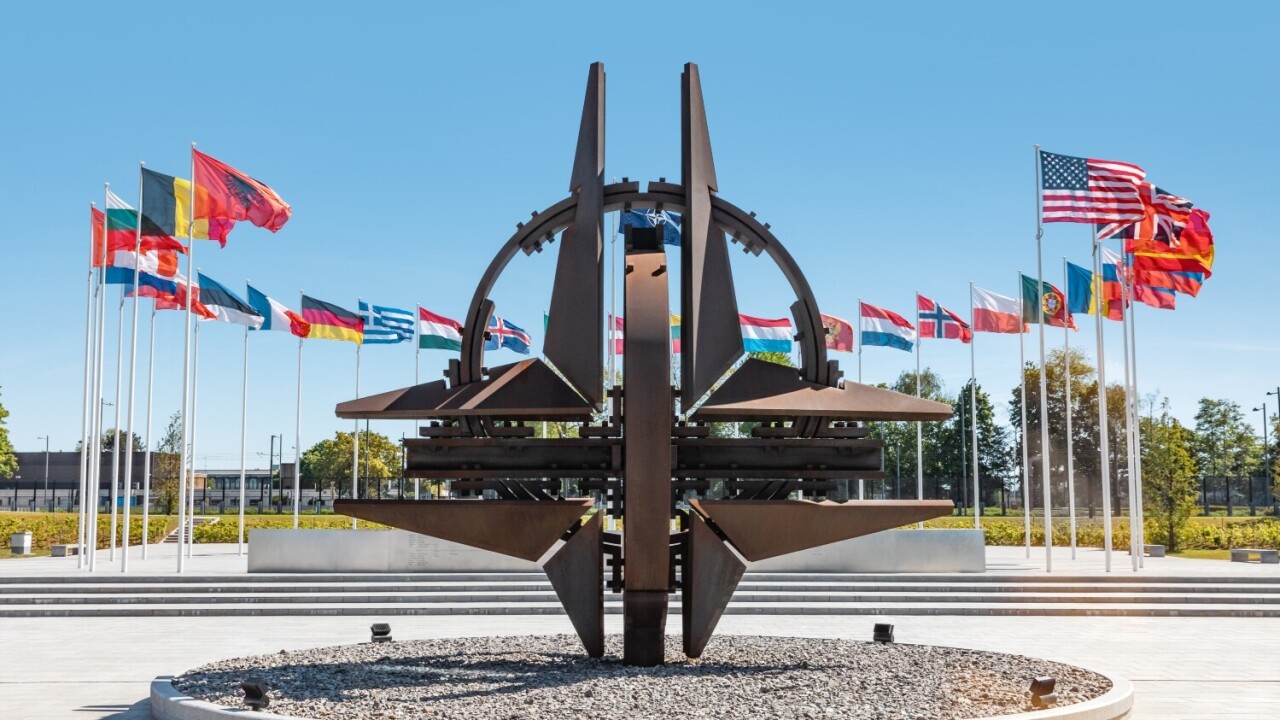
NATO has picked the investment team that will oversee the management of its €1 billion deep tech venture fund, set for launch this week in Vilnius at the alliance’s annual summit.

The NATO Innovation Fund (NIF) is slated to be the world’s first multi-sovereign venture capital fund and will back startups developing deep tech for defence and security applications.  

The fund will invest €1 billion euros over a 15-year period into early-stage companies and other VC funds developing emerging and disruptive technologies — to be used in military and defence applications. These include artificial intelligence; big-data processing; quantum technologies; autonomy; biotechnology and human enhancement; novel materials; energy; propulsion and space. 

The senior management team will be led by Andrea Traversone, former managing partner at UK-based Amadeus Capital. Working alongside Traversome are prominent US and UK-based VCs Kelly Chen, Thorsten Claus, Patrick Schneider-Sikorsky, and Chris O’Connor. 

The <3 of EU tech

The latest rumblings from the EU tech scene, a story from our wise ol’ founder Boris, and some questionable AI art. It’s free, every week, in your inbox. Sign up now!

The investment committee will be overseen by a board of directors led by Klaus Hommels, a chairman at Swiss VC Lakestar. 

The fund will be based in the Netherlands. Amsterdam seems to be the preferred location for NIF’s headquarters, although no final decision has been made.  

The Dutch government welcomed the establishment of the fund in the Netherlands, which is expected to “increase the possibility for innovative Dutch startups to gain access to capital.”

“In this way, we are strengthening what our country is good at, namely working on solutions for the future,” Micky Adriaansens, Minister of Economic Affairs and Climate Policy, said.

NATO also plans to set up regional offices for the fund also plans to set up regional offices in London and Warsaw. Participating NATO member states in the fund are all from Europe (counting Türkiye).

Get the TNW newsletter

Get the most important tech news in your inbox each week.

Also tagged with


VCs assemble! NATO picks investment team for €1B deep tech fund Read More »

art-meets-solar:-these-dutch-startups-are-making-photovoltaics-sexy

Art meets solar: These Dutch startups are making photovoltaics sexy

One of the best ways to make buildings greener is to cover them with solar panels — turning homes, offices, and factories into clean energy generators. 

Rooftop solar is particularly popular in the Netherlands because, well, it’s a tiny country with lots of people, where every square inch counts. Adding solar panels to the empty exterior of a building, rather than occupying swathes of countryside, simply makes sense.  

Rooftop makes up the largest number of solar installations in the EU, and demand is skyrocketing. But, while solar panels will be an increasingly common feature of architecture going forward, for some they are an eyesore.

However, as the market booms, an emerging cohort of Dutch startups is specialising in solar roofs and facades that not only look awesome, but do the energy-generating bit too. 

“The sun sees solar modules, we see art,” says Jeroen Boumans, architect at Eindhoven University spin-off ZigZagSolar. The startup has designed a corrugated facade for buildings that it claims harnesses twice as much energy as a standard flat solar wall, and 25% more than a solar roof. Its installations look more like a mural than anything else.

solar-panels-energy-facade-netherlands-startups-europe
ZigZagSolar uses a corrugated design to maximise sun exposure. It allows allows the incorporation of some impressive murals. Credit: ZigZagSolar

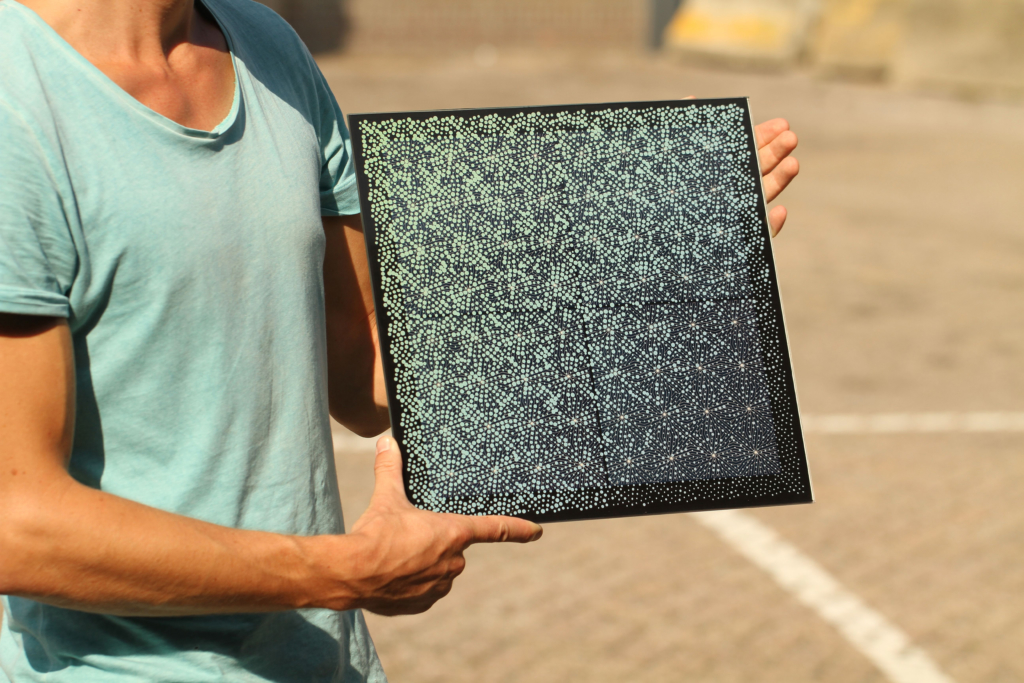
“Regular blue and black PV cells are not that attractive,” says architect Ajax Abreu Garcia of UNStudio. In 2017, the architectural practice founded Solar Visuals, to bring full colour, durable print panels to the market. “These facades generate electricity, but they are also beautiful,” says Garcia.

The Solar Visuals product consists of four layers: a constructive back, a layer with PV cells, then a print, and finally a glass plate. 

solar-panels-energy-facade-netherlands-startups-europe
Solar Visuals creates colourful solar panels for building facades. Credit: Solar Visuals
solar-panels-energy-facade-netherlands-startups-europe
The panels work the same way as conventional ones, but look way cooler. Credit: Solar Visuals

Kameloen Solar, based in the small city of Roosendaal, adds colour to solar panels using its patented ColourBlast technology.  

“We now have a colour library with about four thousand possibilities,” says Guust Verpaalen, the owner of Kameleon Solar. “If people say to us: we want terracotta, then we ask: what colour?”

solar-panels-energy-facade-netherlands-startups-europe
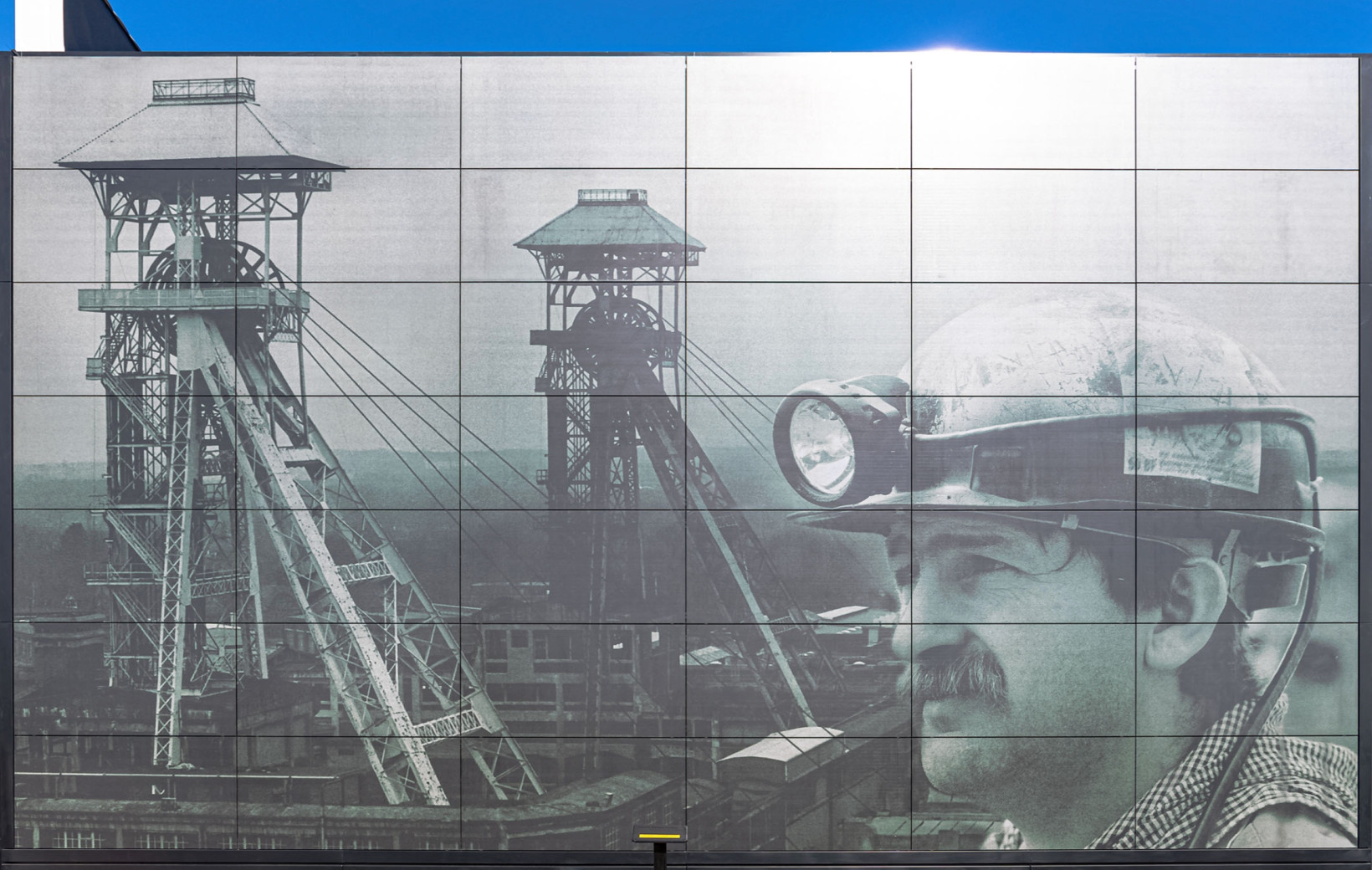
Kameleon’s ColourBlast tech was used to create this solar facade on Soltech’s new factory in Genk, Belgium, which illustrates the hsitory of the site. Credit: Kameleon

Many of these artistic twists on solar tech fall under what’s known as building-integrated photovoltaics (BIPV). In simple terms, this is when solar panels are integrated into the building itself, not mounted on it. 

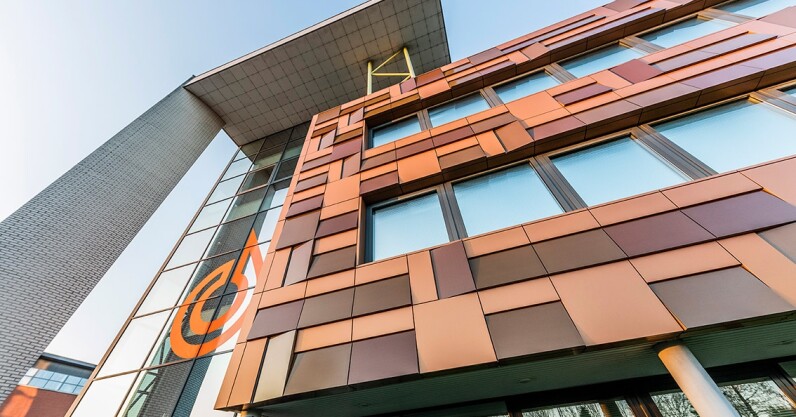
A pioneer in this regard is Solarix, whose panels were used to create what is slated to be the first building in the world to be equipped with a solar facade — the headquarters of engineering firm Kuijpers in Helmond, completed in 2018 (check the featured image). 

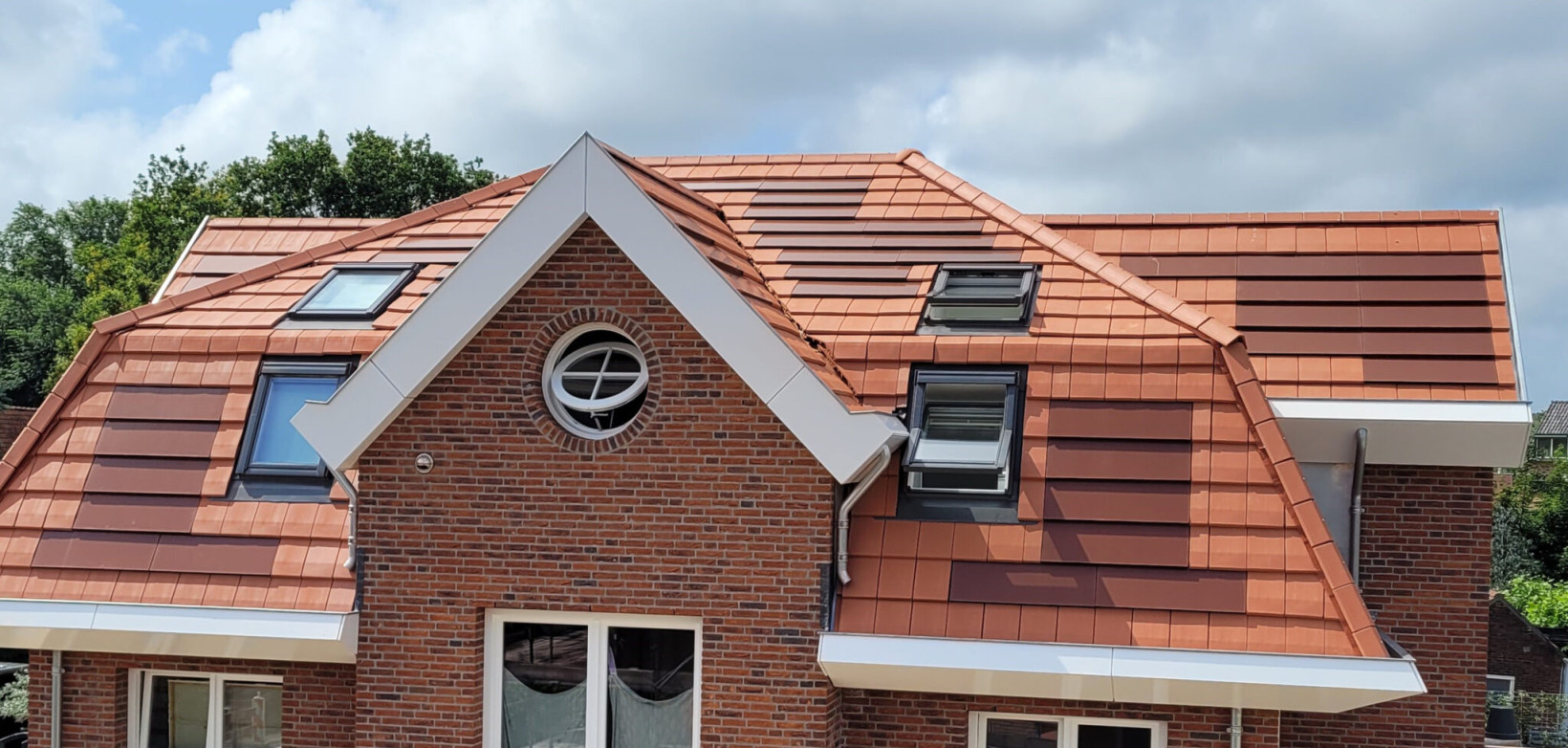
While Solarix is focusing on facades, Dutch scale-up Exasun is one of many companies now providing built-in rooftop solar panels that are almost invisible to the naked eye. Its X-Roof system is used as a replacement for or in combination with ceramic roof tiles. 

solar-panels-energy-facade-netherlands-startups-europe
Exasun’s solar panels are almost indistinguishable from the surrounding roof. Credit: Exasun

In a way, integrating solar panels into the built environment is symbolic of how embedded this technology is becoming in modern architecture and design. 

The future is bright

The Dutch government recently announced it is ringfencing up to 412mn in funding for next-generation solar technologies, including solar facades, solar glass, and BIPV. 

The capital will be directed to SolarNL, a consortium that looks to nurture the growth of solar PV manufacturing in the Netherlands and Europe. Many of the startups we’ve just mentioned are part of this consortium. 

Those who aren’t ought not to worry though. The outlook for solar startups is looking bright regardless. Total investment in European solar startups is up 398% on last year, with firms receiving $6bn in backing by the end of May 2023. This compares to $1.2bn raised by the same point in 2022, says research by distributor Avnet Abacus.

As cash pours into solar tech, there’s never been a better time for startups to explore ways to harness the power of the sun in style.

Art meets solar: These Dutch startups are making photovoltaics sexy Read More »

meta’s-threads-reaches-100m-users,-despite-delayed-eu-launch

Meta’s Threads reaches 100M users, despite delayed EU launch

Early this morning, Meta’s new Twitter rival, Threads, hit 100 million sign-ups, less than a week after launch. This makes Threads the fastest growing online platform in history, dethroning ChatGPT, which took two months to reach the same number of users. 

When Mark Zuckerberg commented (posting on Threads, naturally) on hitting 70 million users on Friday last week, he stated this was already “way beyond our expectations.” However, it is still a long way to go to the two-billion user base accessible through Instagram. 

It is worth noting that the record-breaking growth is despite Threads currently being unavailable on EU app stores due to privacy concerns. Meanwhile, even within the bloc, non-Apple addicts can download the app using an Android package kit, or APK. (UK iPhone users, download at will.)

Some major organisations such as French media outlets Le Monde and Agence France-Presse have reportedly found ways to circumvent geographical challenges to signing up, as have, ahem, we

The rivalry thus far: cage fights and trade secrets

Naturally, the launch of the new microblogging app from the people who brought us Facebook did not go by without protests from camp Elon. Apart from the cage match challenge (which we are all not-so-secretly hoping might still take place), Musk has threatened to sue Threads over “stealing trade secrets.” 

The <3 of EU tech

The latest rumblings from the EU tech scene, a story from our wise ol’ founder Boris, and some questionable AI art. It’s free, every week, in your inbox. Sign up now!

Meta issued a response (again, posting on Threads) saying that: “No one on the Threads engineering team is a former Twitter employee — that’s just not a thing.” However, the launch of Threads could not have been more optimally timed, coinciding with a bunch of missteps form Musk including limiting the number of tweets users could view in a day. 

When Twitter (founded in 2006, for those of you who may have been too young to remember) went public in 2013, it had 200 million users. The takeover by Musk went through in October 2022, sparking some controversy, and causing the app to lose about 32 million users. 

However, the latest statistics show that Twitter still has 368 million monthly active users worldwide. Furthermore, it counts 206 million monetisable daily users, with about 90% of Twitter’s revenue coming from advertising in 2022. 

Of course, if Threads continues to increase user numbers at this rate, it could indeed become a serious contender for the text-based throne. Initially, there will be no ads on Threads while the company “fine-tunes” the app. However, Zuckerberg has said that once Threads is on its way to one billion users, Meta will start thinking about monetising the newest addition to its portfolio.

Meta’s Threads reaches 100M users, despite delayed EU launch Read More »

transforming-the-e-commerce-industry-with-ar

Transforming the E-Commerce Industry With AR

Over the years, the e-commerce sector has experienced enormous expansion, allowing customers to buy from the comfort of their homes. However, the option for shoppers to physically engage with things before purchasing is one feature that Internet shopping needs to include. This is where augmented reality enters the picture and completely changes online shopping.

AR provides an immersive and engaging purchasing experience connecting both the online and offline worlds by superimposing virtual features onto the real world. According to Threekit, there will be 1.4 billion AR device users by the end of 2023.

Due to its potential to increase customer engagement and satisfaction, augmented reality has experienced substantial growth in the online retail sector. Online merchants may give customers a more realistic and engaging buying experience using AR technology, empowering them to make more educated purchasing decisions.

Benefits of AR in E-Commerce

For e-commerce, augmented reality has several important advantages, such as improved brand experiences, higher conversion rates, higher user engagement, and improved customer happiness. Let’s dive in to understand the benefits of AR in e-commerce:

1. Increased Customer Engagement

Customers are more engaged with products thanks to augmented reality than they would be with regular online purchasing. Customers may rotate, examine, and perceive objects in 3D, enhancing the purchasing experience’s immersiveness and enjoyment.

2. Improved Customer Satisfaction

By enabling virtual try-ons for clothing and cosmetics, AR lets consumers get around the drawbacks of online purchasing. Customers can buy more confidently by observing how things seem on them or in their surroundings, which lowers the possibility of returns and raises general satisfaction.

3. Increased Conversion Rates

It has been demonstrated that augmented reality increases conversion rates. AR lowers ambiguity and increases trust in purchase decisions by giving buyers a more accurate picture of products. Customers are more likely to convert when they have a clear idea of how things will look or fit into their life.

benefits of AR in e-commerce

4. Reduced Product Returns

Product returns are a major worry for brands participating in the e-commerce revolution. By enabling customers to picture things in their homes before purchasing, augmented reality can help to solve this problem. Customers can, for instance, use an AR app to preview how furniture or other design items will look in their locations, which lowers the possibility of expectations being off.

5. Enhanced Brand Experience

Augmented reality allows e-commerce companies to stand out and develop a distinctive brand experience. Brands can make a lasting impact on customers by providing interactive product demonstrations or gamifying the shopping experience, encouraging advocacy and loyalty.

Examples of AR in E-commerce

Numerous e-commerce platforms have successfully incorporated augmented reality technology to give clients engaging and distinctive buying experiences. Here are five examples of augmented reality for e-commerce:

1. IKEA Place

Customers may visually place IKEA furniture in their houses using the augmented reality app IKEA Place. Customers can preview how various furniture items will appear and fit in their living environments using their smartphones or tablets, which enables them to make better-educated purchasing decisions.

2. L’Oréal Paris Makeup Genius

The AR app L’Oréal Paris Makeup Genius is revolutionizing the cosmetics sector. Customers can use the app to experiment with several L’Oréal Paris products virtually. The virtual try-on tool precisely applies cosmetics to the user’s face using facial recognition technology, enabling them to try out several looks before purchasing.

3. Amazon View

The Amazon app includes an augmented reality feature called Amazon AR View. Before purchasing, buyers can use their smartphones or tablets to picture how things would look in their homes. Customers may virtually place furniture, home décor, or appliances in their chosen space, ensuring they make the best option.

4. Walmart’s AR Shopping

With Walmart’s AR Shopping, customers may view products in 3D and get additional information about them, both at home and in stores. This feature gives customers thorough information, such as product details and user reviews, which helps them comprehend and feel more confident about their purchasing choices.

examples of AR in e-commerce

5. Sephora Virtual Artist

Sephora, a multinational retailer of personal care and beauty products, provides the augmented reality tool Sephora Virtual Artist. Customers can virtually try on various cosmetics, including lipsticks, eyeshadows, and other items. Customers can find the ideal products more easily by experimenting with different colors and styles on smartphones or tablets.

Future Trends and Possibilities

1. Potential Advancements in AR Technology

We may anticipate major advancements in AR capabilities as technology develops. The precision and realism of virtual objects in AR experiences will be improved through developments in computer vision, object recognition, and rendering techniques. This might entail greater tracking of actual places, enhanced tracking of virtual things in the real world, and improved interactivity with virtual aspects.

2. Exploring the Intersection of AR and Other Emerging Technologies

Experiences that are even more transformative and immersive could be produced by combining AR with other cutting-edge technologies. By examining user preferences and behavior, AI and machine learning algorithms can provide tailored recommendations and targeted advertising, improving AR experiences.

3. Opportunities for Small and Medium-Sized E-commerce Businesses

Due to the technology’s increased availability and affordability, small and medium-sized e-commerce businesses now have the opportunity to include AR technology in their platforms.

Smaller businesses have two options for utilizing augmented reality: they can use pre-existing AR solutions or collaborate with augmented reality development platforms to create specialized AR experiences targeted to their products and target market.

Conclusion

By offering a more engaging and immersive purchasing experience, augmented reality has the potential to alter the e-commerce sector completely. By implementing AR technology, retailers may improve consumer engagement, contentment, and conversion rates.

AR and other cutting-edge technologies are anticipated to advance and produce fascinating discoveries. Online retailers can now connect the virtual and real worlds thanks to augmented reality, giving customers a more seamless and engaging buying experience.

Guest Post


About the Guest Author(s)

Pratik Rupareliya

Pratik Rupareliya

Pratik is a techno-commercial leader heading Intuz as Director of Growth with over 14+ years of experience in the field of information technology. His experience and expertise will entice developers and business entrepreneurs with rich content on the latest technology stack.

Transforming the E-Commerce Industry With AR Read More »

steamvr-now-supports-automatic-controller-binding,-making-weird-vr-controllers-a-little-less-weird

SteamVR Now Supports Automatic Controller Binding, Making Weird VR Controllers a Little Less Weird

Valve released its 1.26 update to SteamVR, which ought to make it easier to play any VR game using any type of motion controller thanks to automatic controller binding.

The company initially released a Compatibility Mode in its 1.24 update back in August 2022 which let games initially targeted towards specific controller types essentially be accessible to all controllers.

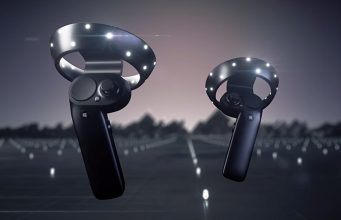
In the new SteamVR 1.26 update, Valve is going one step further with the new automatic binding feature, which automatically generates a new button binding profile, configures it based on a more common controller (like Index or Touch), and sets it to simulate that controller type. The idea is you won’t need to faff about in menus if something like your Windows Mixed Reality controller isn’t officially supported.

That’s the immediate stopgap for players at least, although if a developer decides to create a native binding for any specific controller down the road, SteamVR will automatically switch to that as soon as its available. Notably, this puts the onus on Valve to continuously update its compatibility layer to include new controller types down the road.

“While native support and explicit bindings will always give the greatest control, having this compatibility layer will smooth releases and lighten the load on game developers and controller manufacturers alike,” the company says in the update log. “Controller driver developers can get more information on creating a rebinding file at this documentation page.”

You can see the full update notes on Steam.

SteamVR Now Supports Automatic Controller Binding, Making Weird VR Controllers a Little Less Weird Read More »

meta-reportedly-in-talks-with-tencent-to-bring-quest-to-china

Meta Reportedly in Talks With Tencent to Bring Quest to China

Facebook and Twitter have been blocked in China since 2009, but Meta CEO Mark Zuckerberg is hoping to get back in that country with Quest, according to a Wall Street Journal report.

Citing people familiar with the matter, the report maintains that Meta has held discussions with several Chinese tech companies, making the most progress with massive entertainment conglomerate Tencent.

The Meta-Tencent talks reportedly came to a head late last year, with Tencent Chairman Pony Ma deciding to proceed with the negotiation first and “see what deals they could reach,” WSJ reports.

Undoubtedly the most complicated bit of the talks would revolve around VR content distribution, and how it’s moderated for Chinese markets. It’s said a portion of Meta’s global offerings could be on offer alongside Tencent’s own apps and services.

In 2009, Facebook and Twitter were banned in China after breaching Beijing’s notoriously strict censorship laws; the ban is thought to have been a direct effort to quel the July 2009 Ürümqi riots that took place in the country’s Xinjiang Uyghur Autonomous Region.

More recently, Chinese executives were allegedly worried that Zuckerberg isn’t seen as “friendly to China” due to lingering tentions over prior accusations of technology theft by companies such as ByteDance, maker of TikTok.

A Meta spokesman declined to comment on WSJ’s report. Tencent didn’t respond to a request for comment.

This isn’t the first time Meta VR hardware has made a splash on the Chinese mainland. In 2018, Meta (then Facebook) penned a deal with Xiaomi to release a Chinese variant of Oculus Go, sold by Xiaomi as the ‘Mi VR Standalone’. At the time, this was something of a quid pro quo, as Xiaomi was tasked with manufacturing Oculus Go, giving it exclusive rights to the mainland Chinese market as a result.

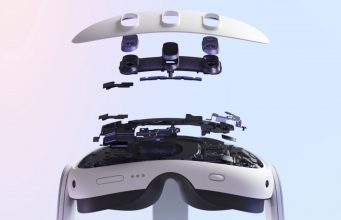
No such manufacturing deal is in place with Meta Quest 3, which is coming this Fall for $500. In the end, Meta’s current strategy seems less about getting its subsidized hardware into the country, and more about driving a wedge into the Great Chinese Firewall so it can once again tap into the world’s fastest-growing economy.

Meta Reportedly in Talks With Tencent to Bring Quest to China Read More »

final-mission-photos:-esa’s-ariane-5-rocket-lifts-off-for-the-last-time

Final mission photos: ESA’s Ariane 5 rocket lifts off for the last time

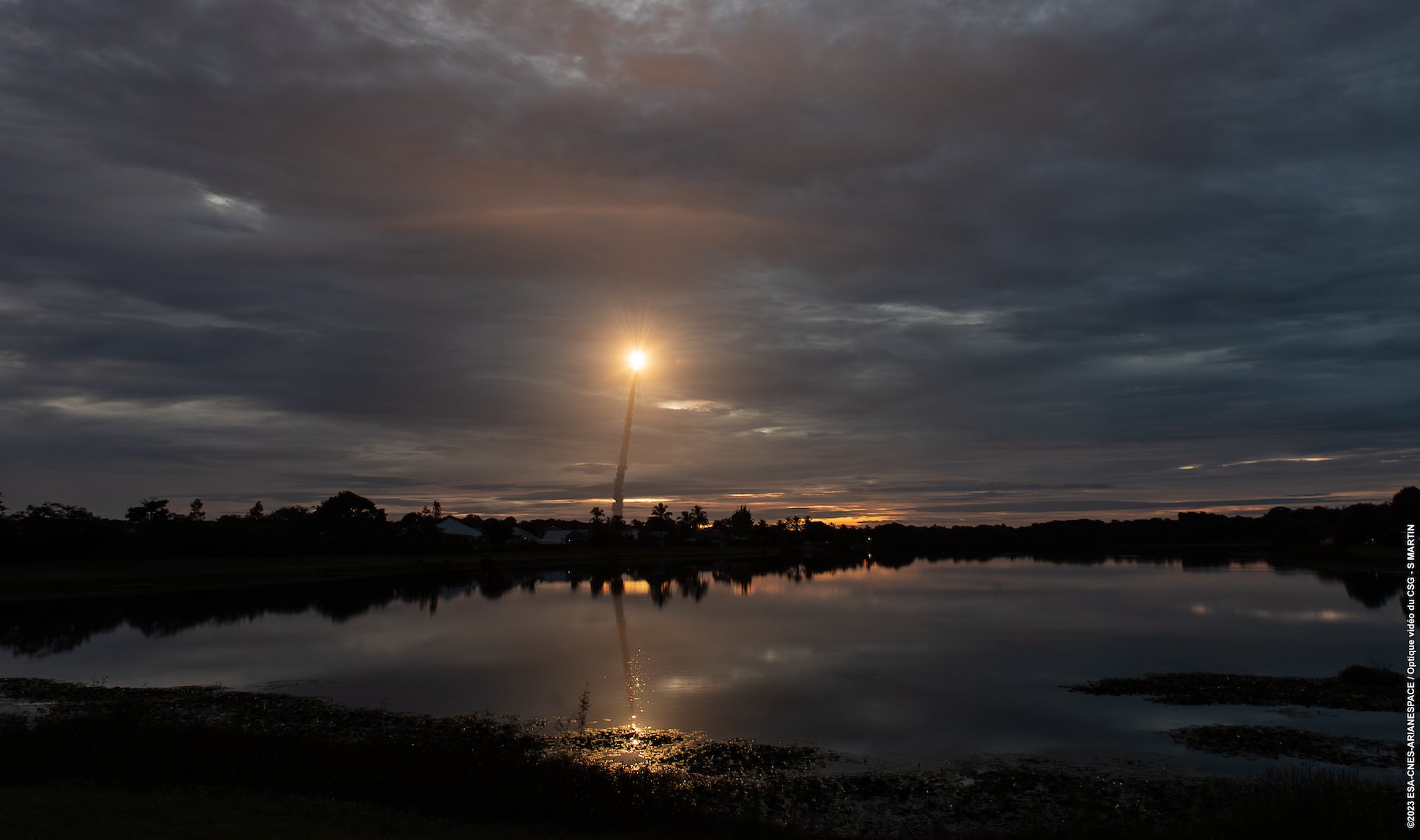
This week, after nearly three decades of providing Europe access to space, the Ariane 5 heavy-lift rocket completed its final mission. On Wednesday, July 5, at 22: 00 GMT, the rocket took off from the European Space Agency’s (ESA’s) Spaceport in Kourou, French Guiana.

Its final flight launched two payloads into geostationary orbit. The first was the 3,400kg Heinrich-Hertz-Satellit that will test advanced communication technologies on behalf of the German government. The second was the 3,750kg Syracuse 4B satellite belonging to the French military. 

Bowing out in style, Europe’s #Ariane 5 rocket has completed its final flight, placing @DLR_de‘s Heinrich Hertz and the French Syracuse 4B satellites into their planned geostationary transfer orbits 👉 https://t.co/XYYDp86r8Y pic.twitter.com/xzwLva90mu

— ESA (@esa) July 5, 2023

Ariane 5’s storied career began back in 1996. Since Wednesday evening, it includes 117 orbital liftoffs. Both satellites were successfully deployed about 30 minutes after launch. Shortly thereafter, Stéphane Israël, CEO of France’s Arianespace which operates the rocket, said, “Ariane 5 is now over. Ariane 5 has perfectly finished its work. It’s really now a legendary launcher. But Ariane 6 is coming.”

Take off arch of Ariane 5
The saga of the Ariane 5 has come to a close. Credit: ESA

Delay for ESA’s SpaceX competitor

The <3 of EU tech

The latest rumblings from the EU tech scene, a story from our wise ol’ founder Boris, and some questionable AI art. It’s free, every week, in your inbox. Sign up now!

Indeed, the era of the Ariane 5 is over, which leaves Europe in want of a launch vehicle. The construction of its successor, the Ariane 6, has been hit by delays. The more affordable (as far as heavy-launch rockets go) upgraded version, intended to better compete with SpaceX’s Falcon 9, is currently scheduled for its first test launch by the end of the year. If all goes well, it will enter commercial operations in 2024. 

Ariane 5 rolled out to launch pad
The rocket was rolled out to the launch pad in Kourou. Credit: ESA

The rocket Europe has relied on for smaller payloads (Ariane 5 could carry over 11 tonnes), Italy’s Vega, has also hit technical bumps in the road during its upgrade process. The Vega C had a second failed launch attempt late last year, and remains grounded. 

Meanwhile, access to the medium-payload Russian Soyuz has been suspended because, well, Russia went and started a war of aggression against Ukraine at the tail-end of a global health crisis.