Ioanna is a writer at SHIFT. She likes the transition from old to modern, and she’s all about shifting perspectives. Ioanna is a writer at SHIFT. She likes the transition from old to modern, and she’s all about shifting perspectives.
How do you set your company apart from other brands? How do you sell people a product they’re not used to? And how is all that possible without a marketing department?
John Schoolcraft, Chief Creative Officer at Oatly, has an answer to all these questions. In 2012, together with CEO Toni Petersson, Schoolcraft began to transform a 30-year-old maker of oat drinks into a worldwide movement devoted to promoting a more sustainable lifestyle.
We caught up with Schoolcraft atTNW 2022and learned howOatly created a thriving marketing strategy… without a marketing department. If you’d like to get his insights in full, check out the video embedded at the top of this article. Alternatively, you can watch it here.
Throughout the talk, Schoolcraft explains how marketing is different at Oatly compared to other companies. And it all started with his idea to kill the marketing department and replace it with a team of creatives.
“It’s a completely different system,” he told us. Although a creative still focuses on advertising, content creation, and communication, their approach is unlike a marketer’s. In Schoolcraft’s words, marketers are “approvers” and creatives “makers.”
When we moved on to discussing the problems with marketing, he pointed out the marketing department’s focus on data. “What they don’t realise is that all brands are pulling from the same data, which means that they’re doing the same thing,” he explained. “In contrast,” he continued, “creatives are by nature embedded in culture and they find inspiration somewhere else.”
This doesn’t mean that Schoolcraft advises every company to destroy its marketing department. But he does believe that smaller firms should prioritise finding people who can actually create the brand, instead of merely interpret data.
Ioanna is a writer at SHIFT. She likes the transition from old to modern, and she’s all about shifting perspectives. Ioanna is a writer at SHIFT. She likes the transition from old to modern, and she’s all about shifting perspectives.
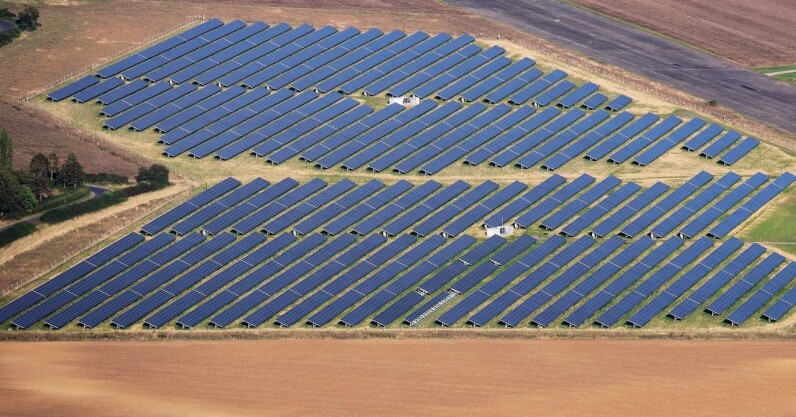
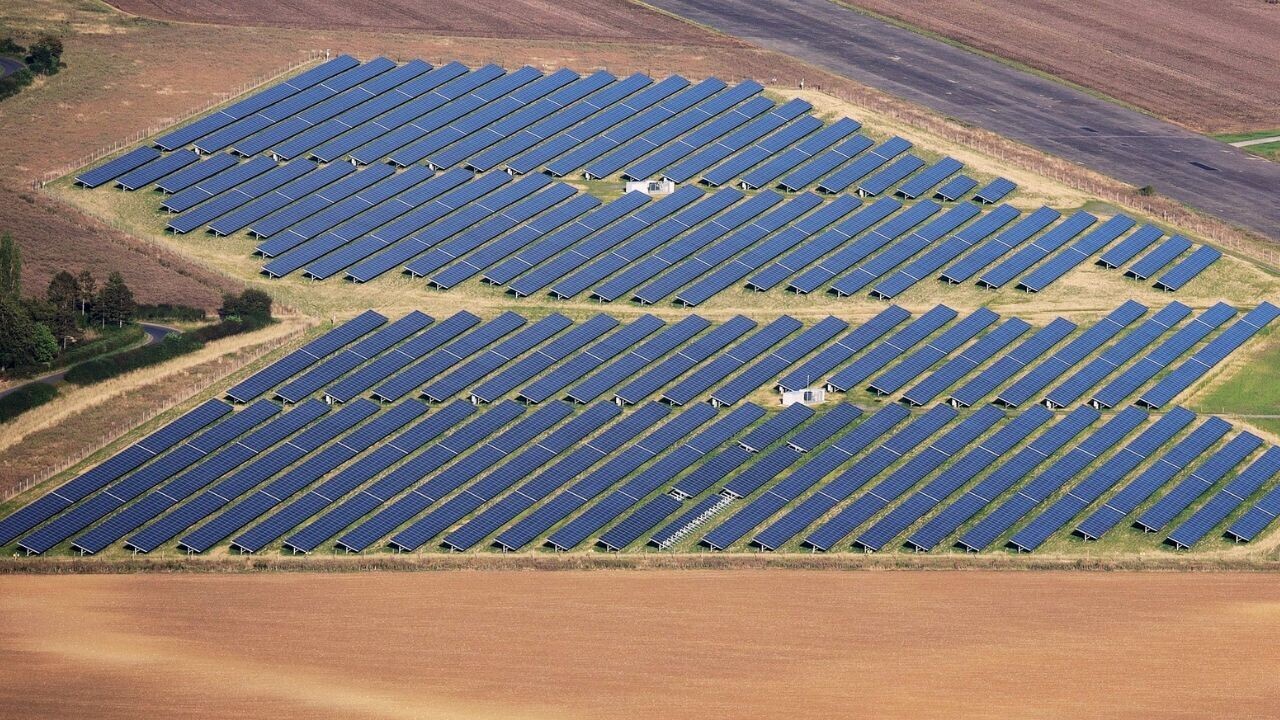
Spain-based Iberdola has secured an environmental license from the Portuguese Environment Agency (APA) to build a photovoltaic plant in Santiago do Cacém in Portugal. The company claims that it’s set to be Europe’s biggest solar farm and the fifth largest in the world.
The solar farm, named after the poet Fernando Pessoa, will start operation in 2025 and will have an installed capacity of 1,200MW. According to Iberdola, it’ll be able to generate enough green energy to cover the needs of around 430,000 homes — equivalent to a population twice the size of the city of Porto. The facility is also estimated to save 370 million cubic metres of gas consumption each year.
To realise this ambitious project, Iberdola is working together with Prosolia Energy, while Portuguese operator REN will be responsible for grid connection.
Notably, the solar plant aims to boost the sustainability of the local ecosystem as well. Apart from the creation of approximately 2,500 jobs, it seeks to provide occupational skills training, improve tourism in the area, and supply solar energy to nearby communities.
The land where the facility will be built will also work as a space for sheep grazing and beehive introduction, while indigenous tree species will be planted in the surrounding area.
Image of Iberdola’s Núñez de Balboa solar plant in Portugal. Credit: Iberdola
“This solar farm sets a new benchmark in combining Europe’s clean energy ambitions with the delivery of tangible environmental and social benefits. We need to reduce our exposure to fossil fuels,” Iberdrola’s Executive Chairman, Ignacio Galán, said in a statement. “We are proud to continue and strengthen our commitment to Portugal with new clean infrastructure across the country […]. The collaboration of the Portuguese authorities has also been essential in getting this project to this stage in record time.”
Iberdola plans to invest an additional €3 billion in wind and solar power in Portugal over the coming years, facilitated by the country’s favorable regulations on the deployment of green energy.
The company has already completed three solar farms in Portugal and will start construction of three more in 2023, while an additional one will come on stream in 2024.
If initiatives like these continue across Europe, the EU may just get closer to its aim of producing 320GW of solar power by 2025 and almost 600GW by 2030.
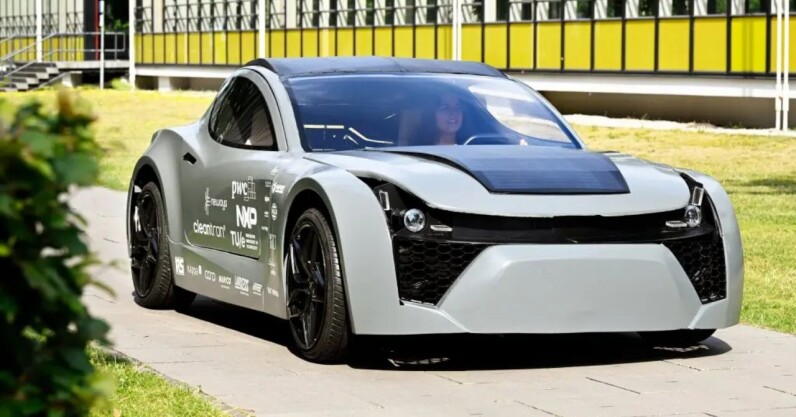
An EV that cleans the air while driving might seem like a pipe dream , but a student team based at the Eindhoven University of Technology has made it reality. TU/ecomotive — as the team is called — has been creating inspiring, environmentally conscious concept cars for over a decade now.
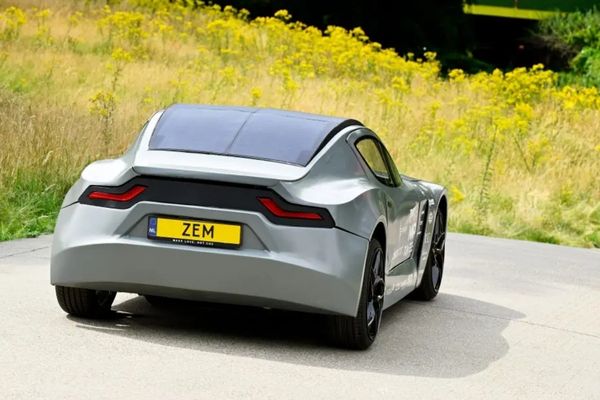
Among the concept vehicles presented by the students, last year’s Zem — which stands for “zero emission mobility” — is the most outstanding. It’s a passenger EV that not only paves the way towards vehicle carbon neutrality, but also cleans the air while driving, something that, in turn, reduces CO2 emissions.
Credit: TU/ecomotive
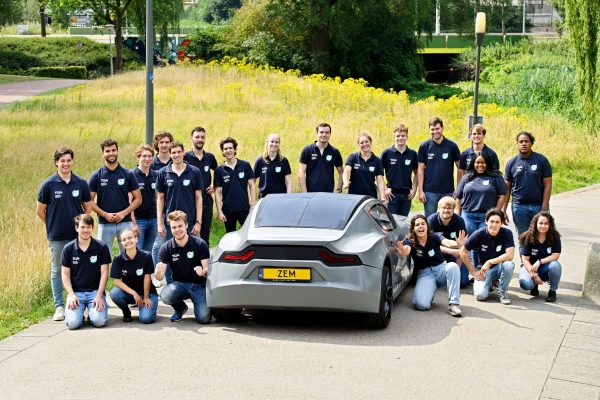
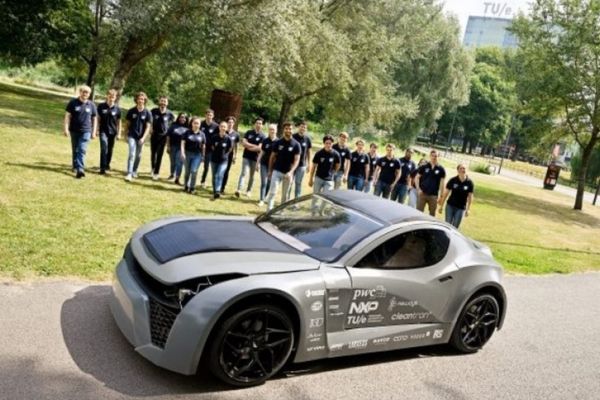
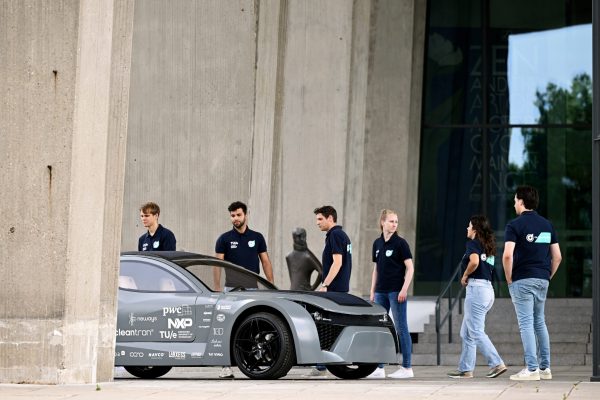
Zem was unveiled in July 2022 at the Louwman Museum in the Hague. Its message is clear: if a team of 32 students can create a car like this in under 12 months, then what’s stopping the automotive industry from doing more?
“We were inspired by the EU’s Green Deal,” Louise de Laat, Industrial Design student and team manager of the Zem project, told TNW. “Reducing our CO2 emissions is something very important for us, and we would really like to make a carbon neutral car. And that’s the reason for the recent project’s focus on zero emission mobility,” she explained.
CO2 neutral mobility requires a vehicle to have zero carbon emissions across its entire lifecycle, and Zem is an apt example of how close to this goal an EV like this can get.
In this piece, we’ll look at how Zem achieves this through its use, production, and afterlife — as well as what the car industry can learn from these sorts of schemes.
The air-cleaning technology
As we mentioned at the start, instead of emitting CO2, Zem captures it. Effectively, it cleans the air while driving. That’s thanks to an innovative technology called direct air capture (CAP), which “traps” carbon dioxide into a filter. Companies such as Climeworks and Carbyon have been applying this air-cleaning method via large installations. But the Zem team decided to implement it on the car.
It works like this: while driving, air moves through the car into a self-designed filter, which captures and stores CO2, allowing clear air to flow out of the vehicle. This compensates for the total emissions of all life phases.
Credit: TU/ecomotive
But what happens when the filter is saturated?
“We have designed a special charging pole for this,” Louise explained. “While Zem is charging you can remove the filter and place it in a special tank inside the pole. Cleaning the filter takes about the same time as charging. At the same time, the CO2 absorbed and saved in the tank can be repurposed and used by industries that need it, to make carbon fibers, for instance,” she added.
And to increase the vehicle’s sustainability even when not in use, TU/ecomotive has equipped it bi-directional charging technology to provide electricity to homes, as well as solar panels to store energy.
Maximising sustainable production and afterlife
To achieve a high level of sustainability, the TU/ecomotive opted for a novel production method: additive manufacturing — or simply, 3D printing. The team collaborated with partners — such as CEAD and Royal3D — to develop the car’s fundamental structure. Specifically, the monocoque and the body panels.
As Louise explained, they also 3D-printed parts of the interior, including the car seat shell, the dashboards, the middle console, the steering wheel, and the roof beams.
According to the team, this manufacturing process results in nearly zero waste materials, as the various car parts were printed in the exact shape needed. At the same time, they did the printing using circular plastics. These are granulates that had already been used and can be shredded and reused afresh in other projects.
“You can use that same material again to make the same event over three times before it loses its specifications,” Louise noted.
The vision of circularity has been applied throughout Zem’s design as well.
For example, the seat upholstery is made from the residue released during pineapple production. The roof upholstery and the floor mats consist of ocean plastics. And, through the collaboration with Black Bear Carbon, recycled black carbon from worn tires has been used for the EV’s coating and tires.
As a result, the concept car boasts “as little CO2 emissions as possible” during the production phase. At the same time, the types of materials, their ease of separation, and their circularity, all contribute to keeping CO2 emissions during the end-of-use phase at a lower level — especially when compared to conventional cars.
Credit: TU/ecomotive
But, according to Louise, it proved extremely challenging to give a specific number to Zem’s overall emissions via the Life Cycle Assessment (LCA) method, revealing a gap in the industry.
“We need a lot of data from the partners where we get the parts from and some of them don’t know the exact LCA of their product,” she said. On the upside, she considers it beneficial that this project meant their partners acknowledged the vehicle’s environmental footprint.She also remains hopeful that respective legislation from national governments and the EU in general will standardise the use of LCA.
As per Louise, Zem has succeeded in reaching its goal to drastically lower CO2 emissions to the maximum extent possible. Yet, the EV does come with disadvantages that would require further work to enable its scaleup into a marketable product.
“If you build a car in less than one year, there will be some flaws that you still need to work on,” she noted. “Zem drove smoothly on the DRC track during the US tour, but the closer you get to the vehicle, the easier it is to see its flaws.” And that’s to be expected when you work with new materials and new technologies within a short period of time, Louise added.
A win-win for students and commercial partners
Now that the Zem project has been concluded, a renewed team has started working on the next concept vehicle. Stijn Plekkenpol — a sustainable innovation student — will lead the next project.
“What we really want to do now is build a climate positive car by 2030. This means, a vehicle which is marketable, which could be produced, and actually have a positive impact on the environment instead of any negative ones,” Stijn told TNW.
In the meantime, Louise aims to keep working on the filter technology and would be excited to see Zem turn into a mass-produced car. After all, it’s not uncommon for a student concept to grow into a startup and a real-life product. Think of Lightyear, the now famous solar EV Dutch startup, which was also started by students of the Eindhoven University of Technology.
Credit: Bart van Overbeeke/ TU/ecomotive
While both Louise and Stijn attribute Zem’s success to the students’ team “long working hours and [their] dedication”, they explained the vital role commercial patterns played as well.
“The majority of our partners are from Eindhoven’s Brainport region, which is known for its high density of R&D, and is called the Silicon Valley of the Netherlands,” Louise said.
These partners supported the project by providing parts, materials, knowledge, and financial support. And as for what they gained in return, Louise summarised three main advantages: employee recruitment, exposure, and the enjoyment and inspiration stemming from the collaboration with young people bringing bold ideas to the table.
Both Louise and Stjn have optimistic views on the future of mobility. They believe that cars will remain an integral part of transportation, but that they have the potential to be climate-positive instead of adding to carbon emissions.
And, as Zem showcases, we should trust in the innovative ideas of the younger generations, further seeking the collaboration between daring university projects and commercial partnerships.
The new concept vehicle will be revealed on July 27 — and I, for one, can’t wait to see what the students have in store for us.
Ioanna is a writer at SHIFT. She likes the transition from old to modern, and she’s all about shifting perspectives. Ioanna is a writer at SHIFT. She likes the transition from old to modern, and she’s all about shifting perspectives.
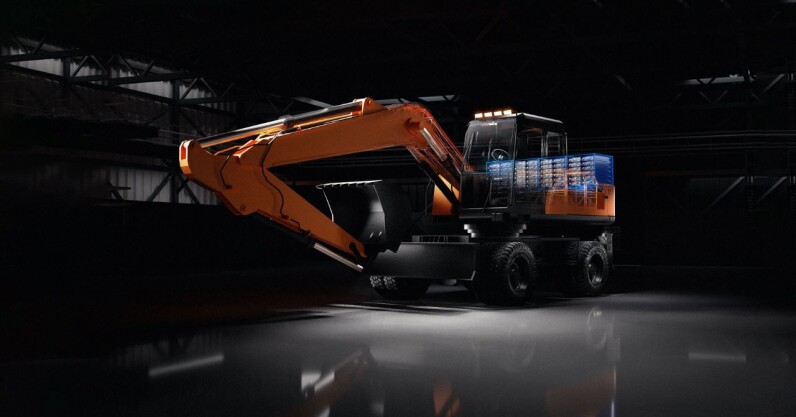
The Netherlands-based Eleo is on a mission to accelerate the transition to a fossil-free future. How? Well, by providing high-tech batteries to the machines and vehicles most difficult to electrify.
These mainly include industrial, off-highway machines in the construction, agricultural, and forestry sectors — but also cover electric mobility, ranging from cargo and last-mile delivery vehicles to vessels.
Eleo started out as a student team at the Eindhoven University of Technology, and was founded in 2017. Since then it’s been designing and manufacturing in-house battery systems that boost a high level of performance and flexibility.
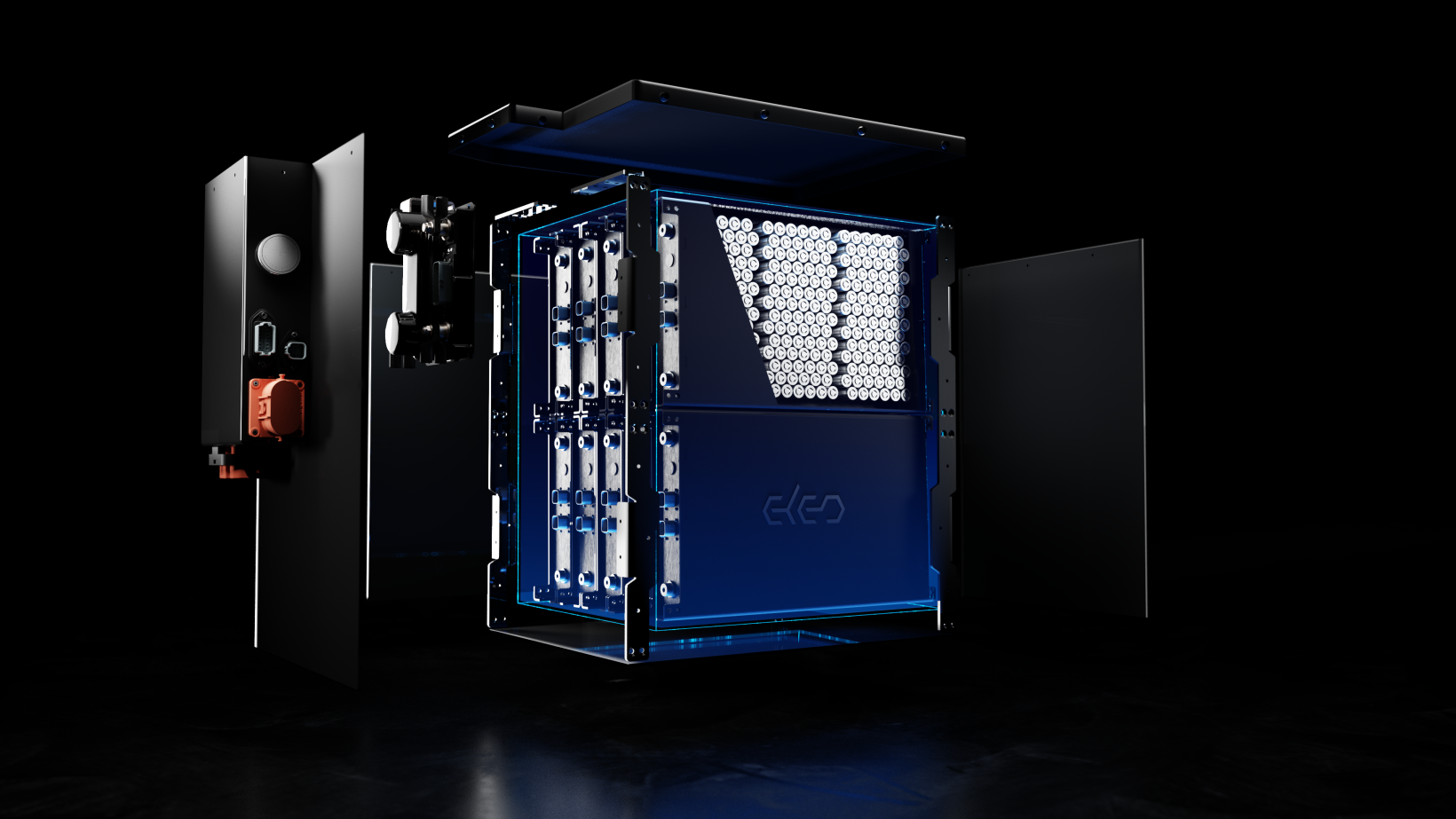
Specifically, the startup offers modular batteries that are scalable in size, voltage, and capacity, in order to meet custom-specific requirements. Users can also ensure that the battery packs are achieving optimal performance through Eleo’s proprietary battery management system (BMS), which provides estimations on the state-of-charge (SOC), state-of-health (SOH), and state-of-power (SOP).
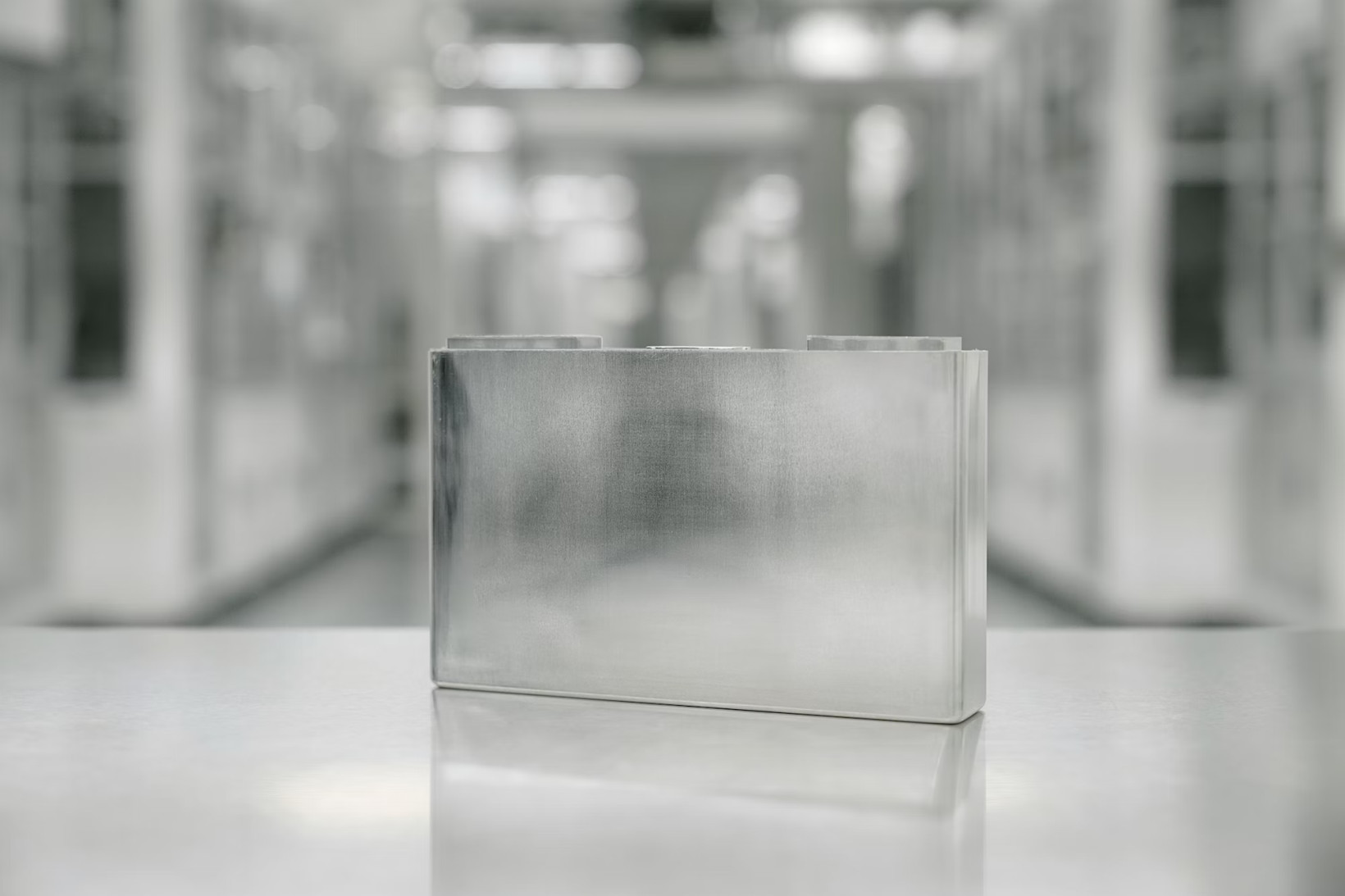
Eleo’s battery pack. Credit: Eleo
Another product advantage the company offers is its “plug & play” nature, meaning that the batteries are delivered fully certified, tested, and ready for direct installation.
The new 3,000m² building will be responsible for the fully-automated assembly of battery modules. It’ll also incorporate a research center and development labs to advance current battery technology.
Overall, the plant will increase annual production capacity tenfold, reaching approximately 10,000 battery packs — which can collectively store around 500MWh of power. Eleo also expects to grow its personnel from 60 to 200 employees over the course of two years.
“The trend toward zero-emission is already in full swing in the automotive industry,” Bas Verkaik, co-founder of Eleo said in a statement. “Electric cars are already quite well-known, but that’s not yet the case for construction machinery running on electricity. In construction, electrification is not too far along yet. With our batteries, we want to initiate and facilitate this development.”
A “metal sock” in the ground stuffed full of hydrogen. Vats of scorching sand. Huge weights moving very, very slowly up and down old mineshafts. Is this the future of energy?
This menagerie of strange machines and heat-retaining vessels is poised to emerge across Europe as the continent seeks ways of storing the surplus energy produced by renewables. The UK, for example,wasted half a billion pounds’ worth of wind energy in 2021 because it had nowhere to store it. Without such storage, electricity must be used at the very moment it is generated.
“We’re at an inflexion point,” says Dominic Walters, chief corporate affairs officer at Highview Power, a UK-based firm that is working on a means of storing energy as liquid air. “There is a need to accelerate everything everywhere,” he adds, referring to the colourful array of energy storage projects currently at early stages of development in Europe.
Proponents of alternative energy storage technologies argue that lithium-ion batteries will only get us so far. Their production relies on mining, they don’t have very long lifespans, and are arguablynot ideal for storing energy longer than several hours.
“If we don’t work out how to stabilise Europe’s electricity grids soon, we’ll come to regret it,” says Jacopo Tosoni, head of policy at the European Association for Storage and Energy (EASE): “You generally have a risk of blackouts in 2030.”
A scramble is now on to put the necessary storage media in place so that energy can be kept ready and waiting until those moments when it is required.
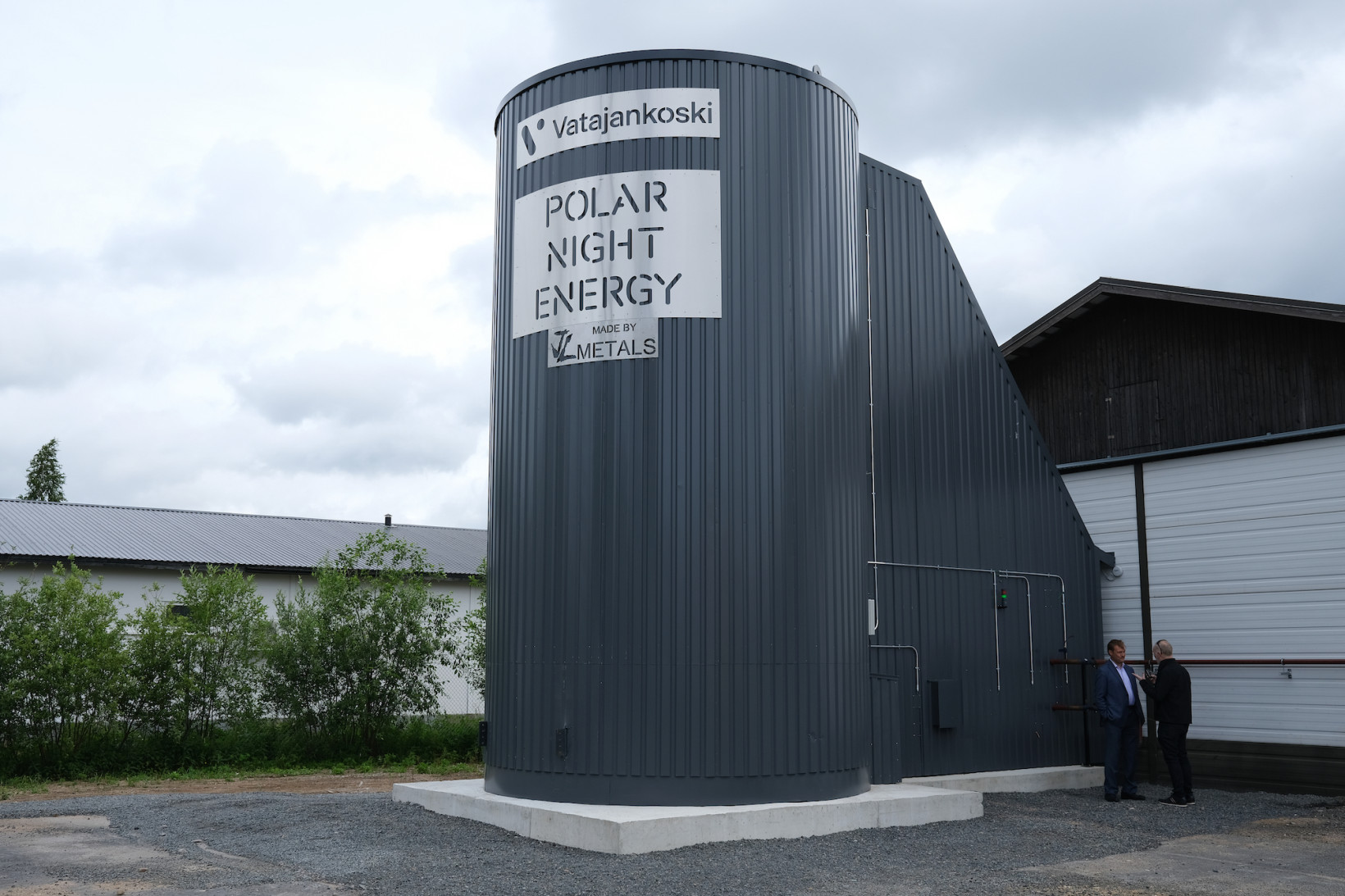
“Our year-round efficiency is about 90% for the system, so 10% losses, which is obviously quite good,” says Tommi Eronen, chief executive and co-founder of Polar Night Energy, an eight-people-strong startup that’s raised €1.25 million to date. Eronen described how the sand, heated to 600˚C using surplus electricity, will stay hot for months on end thanks to insulation lining the walls of the steel container. Pipes filled with hot air run through the sand in order to transfer heat in or out.
This sand battery is connected to a heat exchanger, says Eronen, so that operators can transfer thermal energy to district heating systems or, in possible future versions of the technology, turbines for electricity generation.
Eronen explains that early versions of the firm’s sand battery are relatively small in scale. The Kankaanpää unit offers 100kW of heating power, or a capacity of 8MWh, but Polar Night Energy is planning 100MW units and above, which could one day yield several GWh of juice. Such units would be around eight metres tall and 44 metres in diameter, a spokesman for Polar Night Energy says.
Expect news regarding the delivery of a 2MW version as early as this spring, adds Eronen.
Polar Night Energy heat storage unit. Image: Polar Night Energy
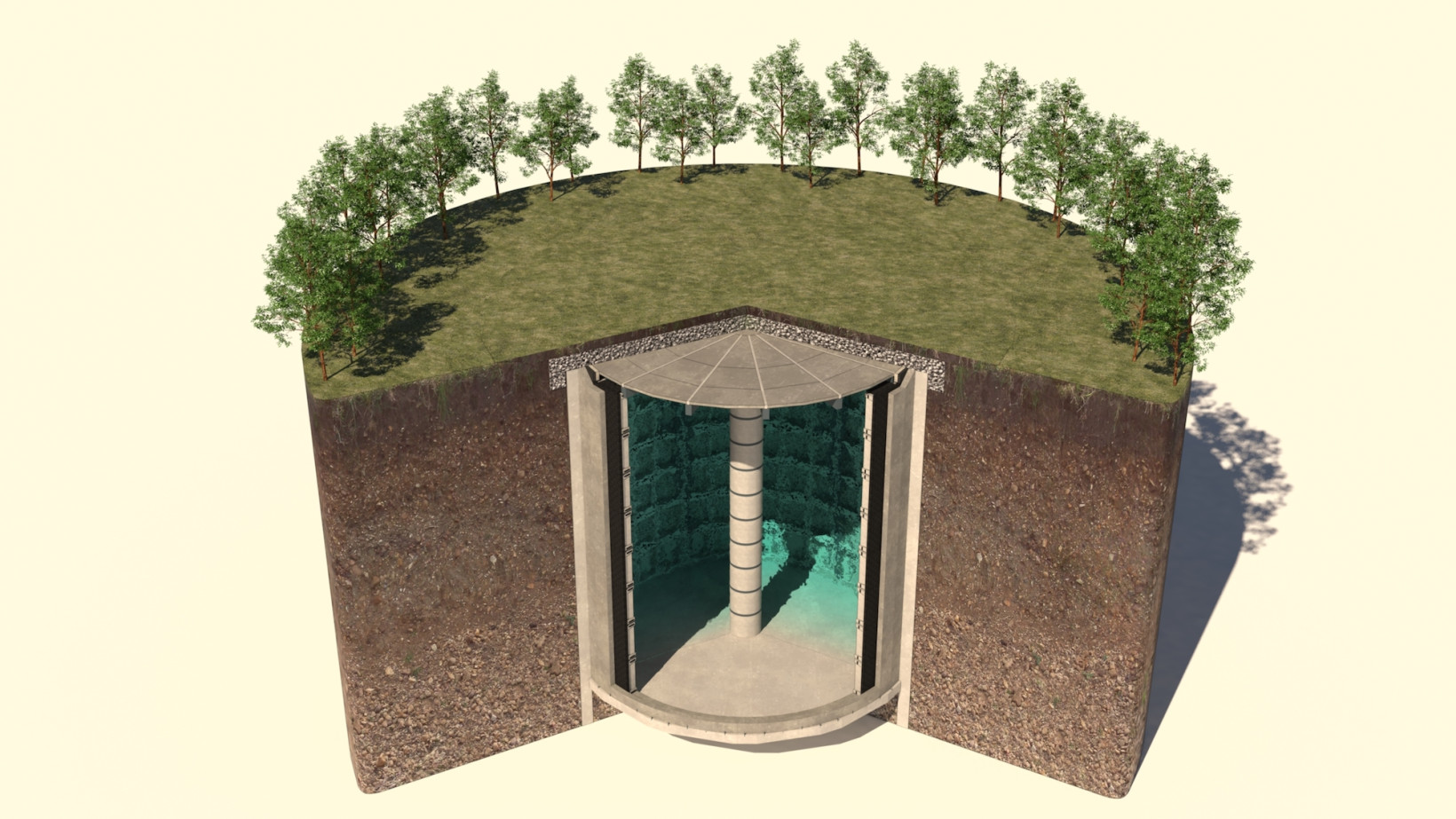
In the Netherlands, GroeneWarmte is working on a different kind of thermal energy store called Ecovat, which uses water heated to temperatures up to 95˚C instead of the much hotter sand chosen by Polar Night Energy. “It basically just stores water in a big underground tank,” says project engineer Marijn van den Heuvel. “It’s a very large thermos.”
There’s a bit more construction required in setting this system up, though. The concrete “thermos”must be carefully installed in a huge, cylindrical hole in the ground. But after that, it can be covered over and the storage works in a similar way to Polar Night Energy’s design. The warmth the vessel cradles, for several months if necessary, would be transferred via heat exchangers to district heating systems. Van den Heuvel says GroeneWarmte with its team of eight people is engaging with a Danish company on a possible first deployment of this technology.
These approaches are fairly new, but Highview Power is already building a 50MW facility in Carrington, England, where energy is to bestored in the form of liquid air. The site will form a mind-boggling array of silos, pipework and platforms bunched together. It will comprise thermal and cold storage units and containers for the liquid air itself.
“We filter it so effectively it is clean air, that air is liquefied, and then we cryogenically freeze it,” explains Walters, referring to the process in which air is chilled to nearly -200˚C. By heating this very cold, liquid air later, it turns back into a gas and expands, and can be used to power a turbine, throwing electricity back to the grid. The system achieves an efficiency of 55-65%, which Highview says is comparable to other storage technologies. One of the benefits of this approach is that the technology should have a multi-decadal lifespan, much longer than lithium ion batteries, so governments might be able to plan around such infrastructure more easily.
Walters says the Carrington site should go live by the end of 2024. At the moment, the 55-people company is raising a £400-million funding round, and is planning a further 19 installations around the UK. It ultimately aims to supply 4GW, or 20%, of the UK’s expected energy storage needs by 2035.
This is the Ecovat. Image: GroeneWarmte
Another storage method drops
Perhaps the simplest concept of all currently vying for its place in the energy storage landscape of the future is the gravity battery. Most of us learned about “potential energy” at school. Arguably, there is no better illustration of that than a big weight, held aloft, just itching to give in to gravity and fall to the floor. By attaching cables to such a weight – literally harnessing it – it is possible to slow its descent right down to about one metre per second and use the pulling force it exerts to generate electricity via a turbine.
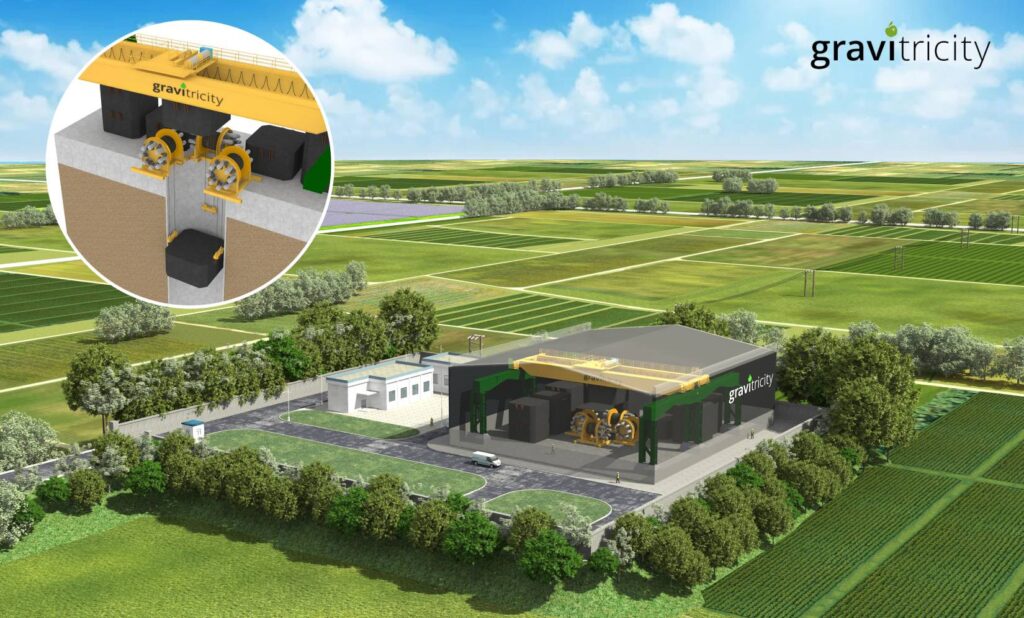
Gravitricity’s approach in this vein, to begin with at least, is to lower its weights hundreds of metres down disused mine shafts with the help of a guiding mechanism. The company, which employs 17 people, has so far raised £7.5 million to make its vision a reality.
“If it were swinging around the place, very soon you’d get the shaft caving in on itself, which is obviously not what we’d want,” explains commercial director Robin Lane. A single weight might provide 4-8MW of power, he estimates, and could be calibrated to provide energy for a particular time period, say 15 minutes or an hour. Imagine a system where multiple weights are ready to descend, one after the other, in a carefully synchronised sequence so that electricity can be generated at a steady rate. Early commercial systems will use a combination of large weights totalling 1,000 tonnes.
Lane admits that this approach can’t yet compete with lithium ion batteries on a cost per MW basis but he argues gravity batteries will be commercially competitive eventually. Plus, it ought to be possible to hoist and lower weights again and again for many years with little impact on the integrity of the system. Lithium ion batteries, on the other hand, havestricter limitations in terms of cycling.
Another firm, Energy Vault, which employs 150 people, is also pursuing gravity battery technology. It has raised approximately $410m in funding to date.
This is an image of Gravitricity’s “multi-weight” gravity based energy storage system. Image: Gravitricity
Gravitricity is also exploring completely different ways of secreting energy in old mine shafts, such as lining them with metal and turning them into hydrogen storage units.
“It’s a metal sock, which you would lower into the shaft, and then you would entomb that metal sock with a mixture of ballast, concrete and steel,” says Lane. It potentially makes it easier and cheaper to store hydrogen at high pressures than above ground, since the container can rely on the existing geology of the shaft for structural support. The hydrogen could come from electrolysers linked to wind farms and use surplus energy to produce the gas from water.
For Tosoni, the diversity of the storage projects emerging in Europe is heartening, given the expected energy requirements that countries will face in the coming years. But less important than choosing one technology over another is the financing and political strategies needed to scale any of them up.
“The big issue is funding,” he says, noting the wariness of some investors. Governments could help, he suggests, by setting more ambitious targets for the establishment of energy storage facilities.
Eronen, in general, is optimistic about the future and notes that Polar Night Energy is embarking on a new 5-10m euro funding round. But it remains frustrating to witness the present energy crisis in Europe today, knowing that, even with the best will in the world, these systems aren’t quite ready for primetime just yet.
“It feels so bad,” he says. “We see the crisis now and there’s like no way that we can help.”
According to EASE, the current rate of storage added every year in Europe, 1GW, must boom to 14GW per year if the continent is to reach the 200GW total grid-scale storage capacity it’s expected to require by 2030. So the push is certainly on.
Ioanna is a writer at SHIFT. She likes the transition from old to modern, and she’s all about shifting perspectives. Ioanna is a writer at SHIFT. She likes the transition from old to modern, and she’s all about shifting perspectives.
Tyre wear is a major contributor to polluting microplastics — small particles which don’t biodegrade and tend to accumulate in the environment, leaking harmful toxins into the air and our waterways. And although there’s no respective EU regulation yet, a London-based startup has developed a device that can capture these particles.
The Tyre Collective started out as a master’s project by three former students of the Imperial College London and the Royal College of Art, who founded the startup in 2020. It claims to have developed the first-ever device that captures tyre pollution.
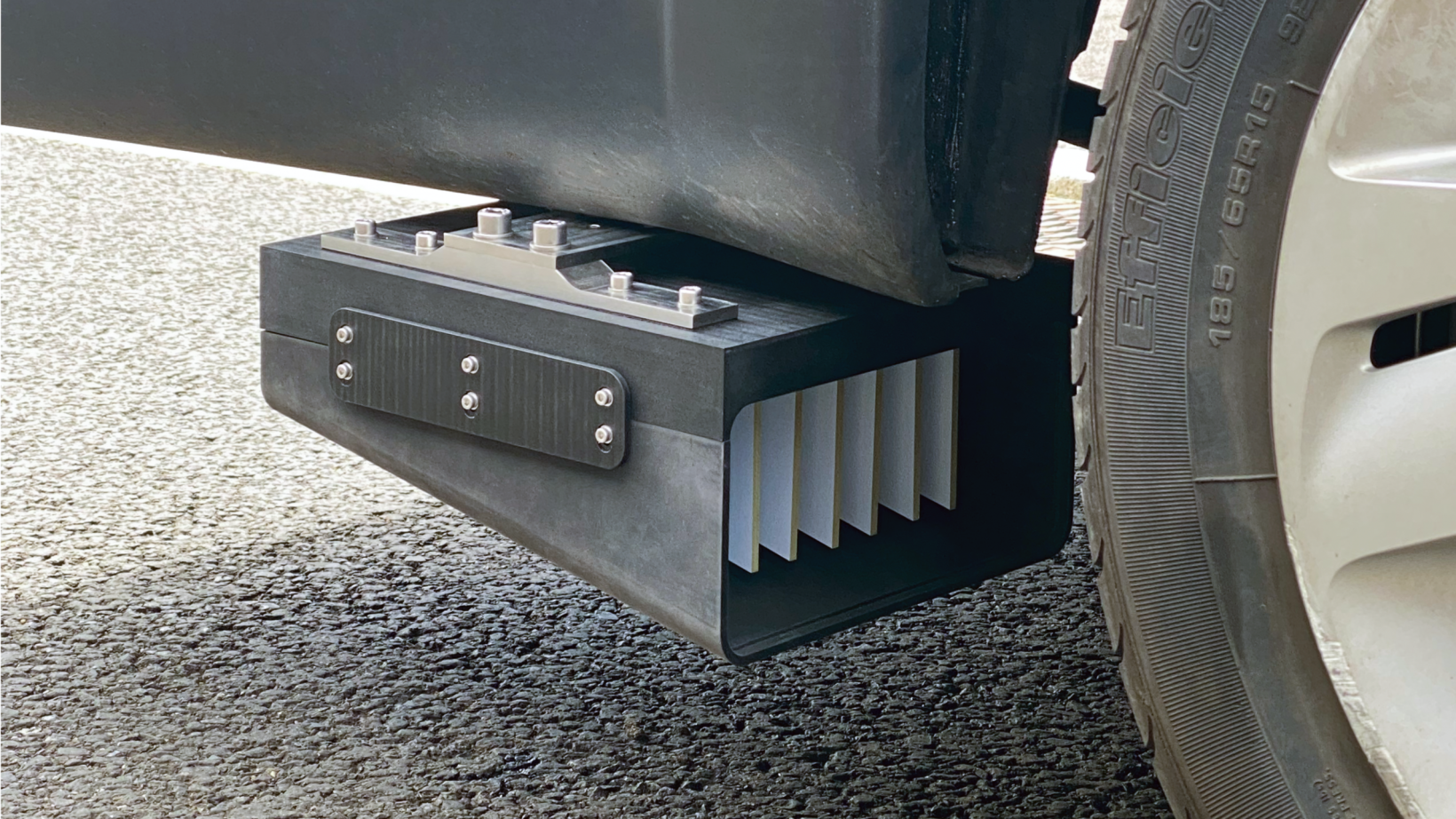
The team discovered that tyre particles are charged from friction with the road. Based on that, it developed its patent-pending technology which uses electrostatics and airflow to attract up to 60% of these particles. Once captured, they can be upcycled as a micronised rubber into a variety of applications such as 3D printing, shoe soles, and soundproofing — creating, thus, a closed-loop system.
What the device looks like. Credit: The Tyre Collective
In collaboration with London-based logistics company Zhero, the cleantech startup concluded its first pilot in November 2022. The TC02 prototype was able to capture tyre wear of particles sized between 0.3 and 100 microns. Over half were below 10 microns, which are considered to be the most dangerous for human health and the environment.
At the first stage, the Tyre Collective is targeting logistic fleets, aiming to start with delivery and maintenance vans before moving onto buses and HGVs. In the future, it envisions scaling the device across all vehicle segments, with a special focus on EVs. It’s also looking for partners to run larger pilots and OEMs interested in integrating the technology.
Although reducing tyre wear pollution is an integral step towards reaching zero-emissionmobility, it hasn’t received the required attention so far. This means that it’s an opportune space for clean tech startups seeking to improve the sustainability of a vehicles’ life cycle.
This story is syndicated from the premium edition of PreSeed Now, a newsletter that digs into the product, market, and founder story of UK-founded startups so you can understand how they fit into what’s happening in the wider world and startup ecosystem.
The reignited excitement around the potential of AI as we hurtle into 2023 brings with it concerns about how best to process all the data needed to make it work. This is far from a new challenge though, and next-generation AI chips are being developed in labs around the world to address the challenge in different ways.
One of the first startups we ever covered at PreSeed Nowtakes a ‘neuromorphic’ approach, influenced by the human brain. Coming from a different direction is a brand new spinout from Newcastle University called Mignon (so new, in fact, that there’s no website yet).
Mignon has developed an artificial intelligence chipset that, according to CEOXavier Parkhouse-Parker, has “in the order of 10,000x performance improvements against alternative neural-network based chips for classification tasks”
Classification is, essentially, the process of figuring out what the AI is looking at, hearing, reading, etc — the first step in understanding the world around it, whatever use case it’s put to. Mignon’s chipset is designed to be used in edge computing as a “classification coprocessor” on devices, rather than in the cloud.
What’s more, Parkhouse-Parker says Mignon’s chipset can also train AI models on the edge, meaning the models can be optimised for the specific, individual environments in which they’re used.
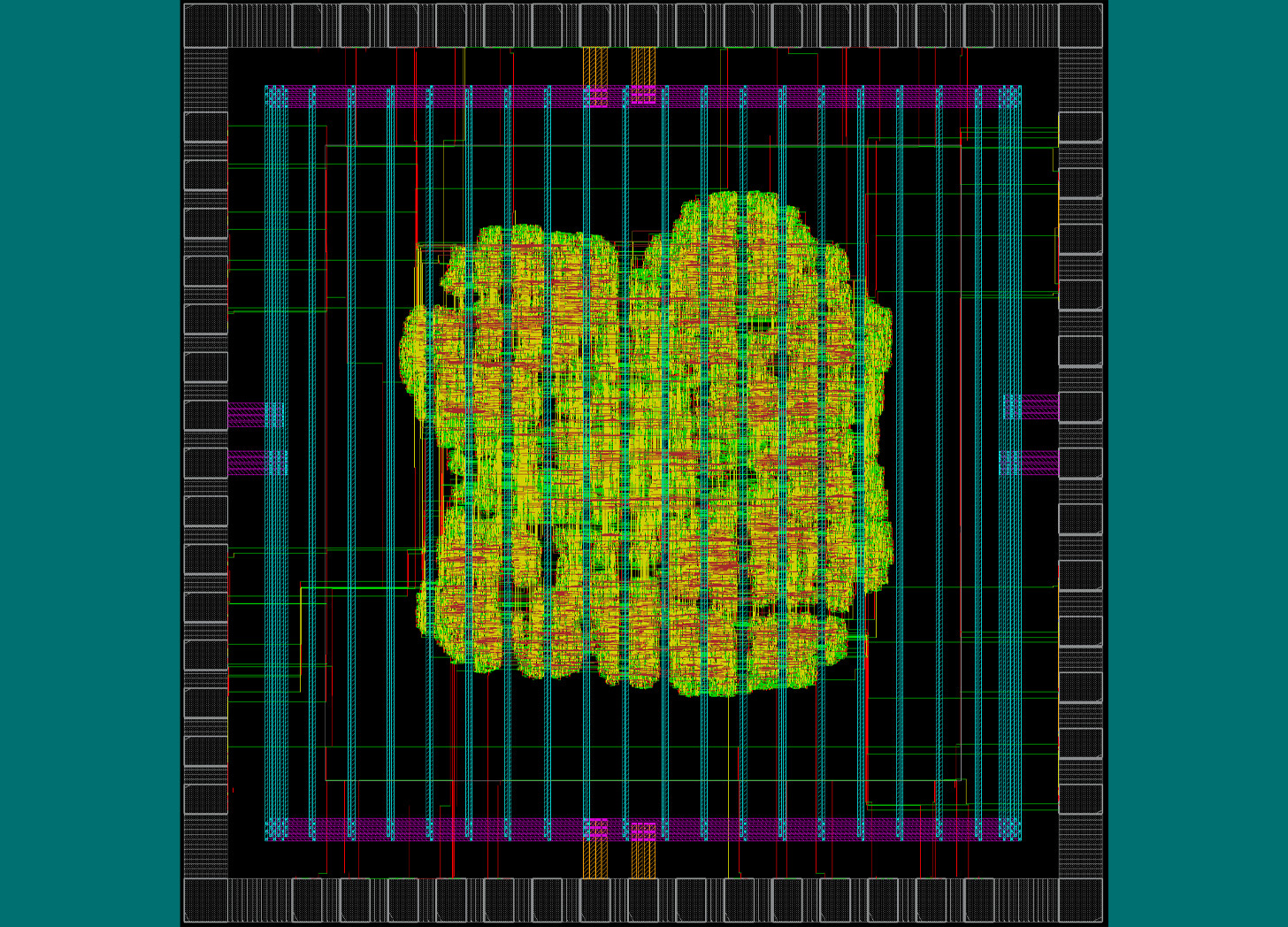
A prototype design of Mignon’s gen-1 chipset
A propositional proposition
What Mignon says gives its tech an advantage over the competition is a less resource-intensive approach based onpropositional logic.
“Neural networks, the dominant algorithm in AI and machine learning today, typically require running many layers of increasingly resource-intensive calculations. They can take a very long time and a huge amount of energy to train and deploy, and they also exist as a black box; you cannot explain why the algorithms have come to a particular conclusion,” Parkhouse-Parker says.
“Mignon is based on an algorithm that can be done in a single layer, using propositional logic, maintaining accuracy but enabling calculations to be run much more quickly, using far less energy.”
And when it comes to launching into the market, Mignon could have a strong advantage, too.
“The investment and commercial scale required for success in the semiconductor industry is significant. Some of the biggest challenges for many other competitors in this sector is that they rely on non-standard, or ‘exotic’, features which are not easily scalable within the current semiconductor manufacturing ecosystem,” says Parkhouse-Parker.
Instead, Mignon’s chipset uses a standardCMOS fabrication approach, meaning mass-production is much more straightforward.
How can it be used?
Edge AI has already made a notable difference to consumers’ lives. Just look at how the likes of Apple and Google have put AI chips into their smartphones to run tasks like face and object recognition in photos or audio transcription locally, increasing privacy and speed, and reducing data transfer costs.
Parkhouse-Parker says Mignon could eventually make a difference here, along with in the next generation of ‘6G’ telecoms networks, where signal processing could be optimised by AI
But the first market they’re looking at is industrial spaces where connectivity and energy resources are low, but there’s a need for high-performance AI classification.
And while the tech isn’t ready for it yet, Parkhouse-Parker says Mignon is working towards another selling point that its offering enables — “explainable AI.” That is, transparency around how and why AI made a particular decision.
To give a timely example, if you ask OpenAI’sChatGPT to explain a concept to you, you can’t see why it comes up with the specific answer it gives. You just get answer based on the pathway it took through its sea of data in response to your prompt.
In an industrial setting, where AI might be making business-critical decisions, or decisions with safety implications, it would be very useful to be able to look back and see how the AI came to the conclusion that it did.
“With neural networks, all of the inferences are done within a black box, and you cannot see how or why this node connects to this node, or how things have been calculated. With Mignon, because it’s based on propositional logic, it allows for a researcher to be able to look in and see exactly where a decision had been made, and why, and what led it to that point,” explains Parkhouse-Parker.
Mignon wants to make it possible for this kind of accountability to be available via software, which could be appealing in fields such as medicine, defence, and the automotive industry.
The brains behind the Mignon product. L-R: Professor Alex Yakovlev and Dr Rishad Shafik
Their research into taking theTsetlin machine and putting it into computational hardware caught the attention of deep tech venture builderCambridge Future Tech, which–among others–also works withGitLife Biotech andMimicrete, who have previously featured in this newsletter.
Since spring last year, Parkhouse-Parker (Cambridge Future Tech’s COO) has been working on developing a commercial proposition for Yakovlev and Shafik’s research. He has taken the CEO role at Mignon as it spins out of the university.
Getting to market
First on the to-do list for the new startup is further refining its technology with the development of a ‘generation-2’ chipset before they bring it to market.
“Even though we’ve got fantastic performance improvements, and it’s actually quite remarkable, this has all been done on the 65-nanometer node, which is an old technology and should mean worse performance improvements, because effectively the transistors are bigger, and that’s what makes us really remarkable,” says Parkhouse-Parker.
“We think that when we move to a 28-nanometer node, that all of the numbers we have the benchmarks are going to be significantly greater at this scale.”
Commercial validation is obviously another important step after that. The eventual goal is to partner with fabless chip companies to build the Mignon technology into a commercially available system-on-a-chip. Mignon has a number of hires planned for the near future to help it get there.
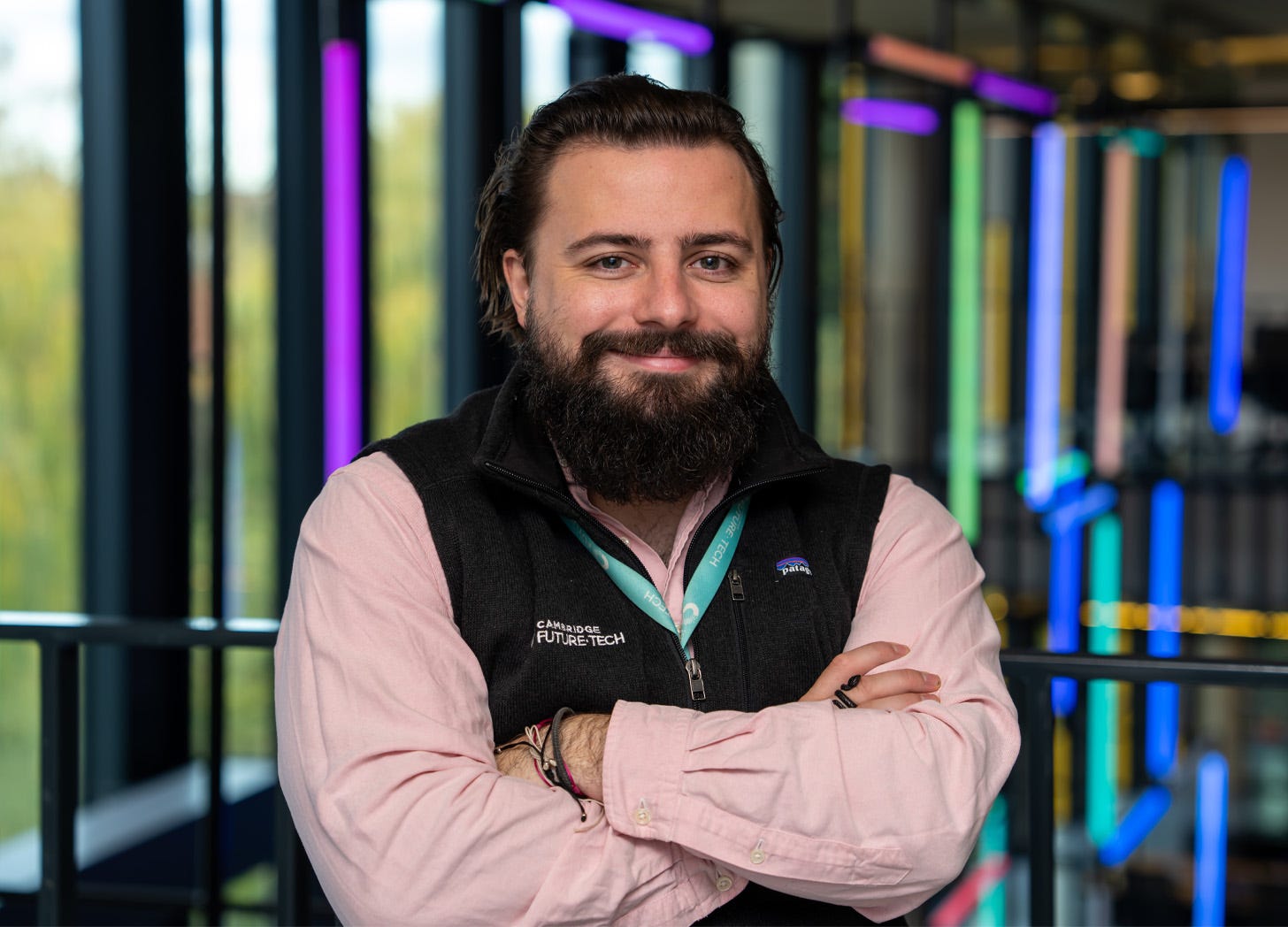
Mignon CEO, Xavier Parkhouse-Parker
Investment plans and future potential
Parkhouse-Parker expects the spin-out process to be complete in March this year, after which they will formally open a £2.55 million funding round.
This will be used to expand the team, develop, test, and fabricate the next generation of chipset, and to get commercial validation in a number of verticals. Software to allow AI development on the chipset is also a key part of the roadmap.
Eventually, Parkhouse-Parker wants Mignon’s combination of low-power performance and widespread compatibility to usher in whole new opportunities for AI
“What Mignon does is open up a possibility for what is genuinely a completely new world of devices that people haven’t even thought about yet. Think about the opportunities that would be there with product people like a Steve Jobs or a Jony Ive that could use this and run wild with the potential. I think there really is a completely new world of possibilities.”
The big “hump”
There’s no clear road from where Mignon is now to that future. Aside from the additional development work to refine the chipset, there’s a shift in mindset required from the people who build AI applications.
“The big ‘hump’, as one of our advisors calls it, is that it’s a new way of doing artificial intelligence,” says Parkhouse-Parker. “The transition between neural networks and Tsetlin is not incredibly significant, but it will require a little bit of a mindset difference. It may require new ways of thinking around how artificial intelligence problems can be designed and how these things can be brought into market.
“There’s a great community already being built around this, but that’s one of the biggest challenges — building a Tsetlin ecosystem and transitioning things that are neural networks into Tsetlin.”
But despite these challenges, Parkhouse-Parker believes Mignon’s vision is very much achievable.
“Several orders of magnitude improvement warrant a look at something that’s new, novel, and exciting.”
The article you just read is from the premium edition of PreSeed Now. This is a newsletter that digs into the product, market, and story of startups that were founded in the UK. The goal is to help you understand how these businesses fit into what’s happening in the wider world and startup ecosystem.
We might think that the conception of robots, AI, and automated machines is a modern phenomenon, but, in fact, the idea had already appeared in Western literature nearly 3,000 years ago. Long before Isaac Asimov conceived the Laws of Robotics (1942) and John McCarthy coined the term “Artificial Intelligence” (1995), Ancient Greeks myths were full of stories about intelligent humanoids.
The fact that these mythical humanoids meet the criteria of modern definitions on robotics and AI is impressive in itself. But what’s even more astonishing is that these old tales can provide us with valuable teachings and insights into our modern discourse on artificial intelligence.
Such stories “perpetuated over millennia, are a testament to the persistence of thinking and talking about what it is to be human and what it means to simulate life,” historian Adrienne Mayor, writes in her book Gods and Robots: Myths, Machines, and Ancient Dreams of Technology.
In other words, the desire to reach beyond humans and create non-biological life by endowing intelligence into machines seems an innate part of our nature. And this is why we can find wisdom to inform contemporary discourse in age-old myths.
Through the dread, hope, and moral dilemmas they express, these stories can provide us with an alternative way to process some of the most pressing questions regarding intelligent machines: how far should we go with AI? And what are the looming moral and practical implications of this technology?
To revisit these questions, we’ll look into three intelligent humanoids in Greek myth: the Golden Maidens, Talos, and Pandora.
The Golden Maidens: the inherent need for labor-saving technology
The Golden Maidens were built by Hephaestus, the god of fire. They’re described as female assistants made of gold who look like living young women, and can anticipate and respond to their maker’s needs.
But most importantly, “they’re endowed with the hallmarks of human beings: consciousness, intelligence, learning, reason, and speech,” Mayor remarks in her book.
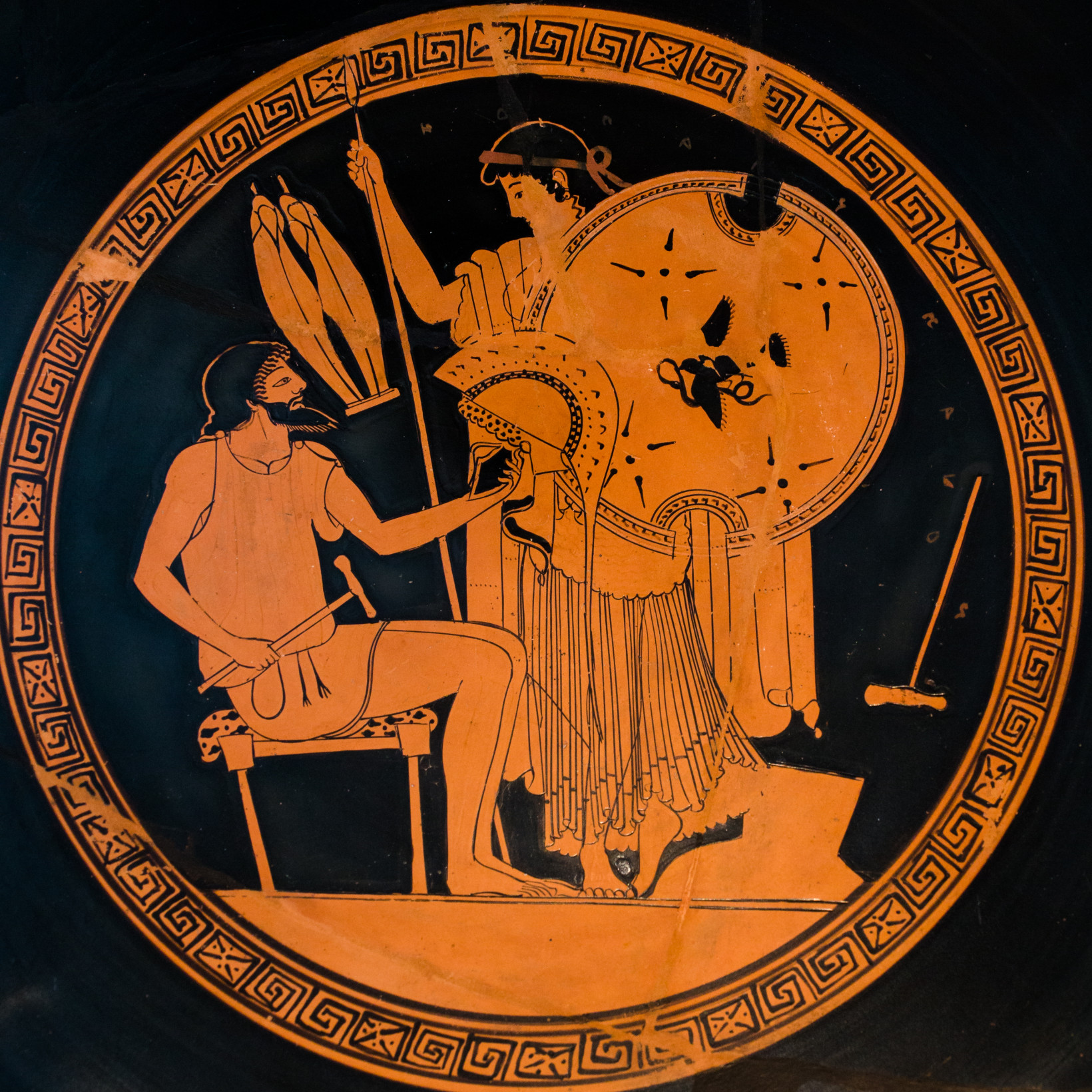
Kylix depicting Hephaestus presenting Thetis with armor for her son Achilles. The divine smith holds a hammer in one hand and a helm in the other. The painting illustrates a scene from Homer’s Iliad. Credit: ArchaiOptix via Wikimedia
There’s an immediate parallel we can draw between ancient myth and modern society: one of the main reasons for the creation of intelligent, automated machines is economic, or rather, labor-saving.
The idea that robots and self-acting devices could act as servants (or slaves) was a point also stressed by the famous Greek philosopher, Aristotle. In the first book of his Politics, he contemplates:
If every tool could perform its own work obeying or anticipating the needs of others, […] and if […] shuttles could weave and picks could play the lyre by themselves, then craftsmen wouldn’t need servants and masters wouldn’t need slaves.
The idea, though well ahead of its time, is actually very simple: a society in which people don’t have to do the drudge work, and instead, delegate it to machines. And as much as Greek society depended on the institution of slavery to function, we are now creating a new class of mechanical servants.
Think of the vacuum bot cleaners that may stroll across your floors, the surgical robots that perform complex surgical procedures, or the military bots designed to disarm bombs.
This does raise an interesting question though. While we have personal robots that can help us with small tasks, the real wealth of automation will come when entire industries are destroyed and replaced by free workers. Think of self-driving cars removing truckers from work for instance. But unless the money generated from such moves go to the dispossessed, the privileged and wealthy (i.e. those similar to Hephaestus) will benefit most.
This idea is explored further in the continuing myths.
Talos: intelligent machines in the hands of tyrants
Unlike the Golden Maiden, Talos was created to cause harm (as was Pandora, but more on that later).
Talos was a bronze giant robot, again made by Hephaestus. He was gifted by Zeus to his son Minos, the mythical king of Crete, to guard and protect the island.
The guardian robot would throw huge rocks at foreign ships approaching the island, and enemies managed to get on land, he would hug them and burn them alive thanks to his ability to heat up his bronze body.
Silver stater depicting Talos with wings and rocks on each hand. 5th century B.C. Credit: Museum of Fine Arts Boston
Talos doesn’t seem to possess a human level of intelligence, but he’s able to interact with his environment and perform various tasks.
In fact, some mythological variations of his demise hint significantly at the possibility that he’s conscious of his existence and that he has a kind of agency.
As Mayor notes, ”In these versions, Talos is portrayed as susceptible to human fears and hopes, with a kind of volition and intelligence.”
If one looks at the relevant mythological corpus, they will notice that all such machines used to cause harm belonged to tyrannical rulers; in our example, King Minos of Crete, and Zeus, the father of gods and men, in the case of Pandora.
And there’s a notable moral in these stories: superior technology can help exercise control.
And it’s not just war that AI can serve those in power.
It can also be used by authoritarian regimes to track citizens, influence the flow of information, and marginalize dissident voices, as the example of China shows.
Domination of AI by powerful nations is expected to deepen structural inequalities and contribute to new forms of social and economic imbalance. Similarly, as AI is mostly centralized (meaning that it’s limited to the ownership of a single entity), it will further empower the leading Big Tech companies creating it, enabling them to pursue their own agendas.
But have these consequences been debated enough by the nations’ regulatory bodies or the companies that are currently developing AI?
“I think the Silicon Valley and Big Tech companies and billionaires control the narrative over AI so much that it creates little space for that kind of debate that’s necessary for a technology that grows so massively,” George Zarkadakis, AI engineer, futurist, and writer, told TNW.
Unless controlled, legally regulated, and removed from the individual, AI tools won’t benefit society in the way we envision. And the danger of them falling into the hands of nefarious actors who could use them to assert dominance is highlighted by the following myth where Zeus’ fear of losing his ruling power led to the creation of a perilous weapon: Pandora.
Pandora: surpassing the limits
Pandora was created as an instrument of punishment. After the Titan Prometheus (his name means “foresight”) stole fire from the gods and gave it to mankind to help it create technology, Zeus commanded Hephaestus to fabricate Pandora.
The mythical humanoid was designed to be an evil disguised as a gift, something that would make humankind pay for reaching closer to the divine level, as up until then, fire and technology were unique privileges of the gods.
Hephaestus fabricated Pandora, molding earth and water into the shape of a beautiful woman. She was also endowed with treachery, deceit, and seduction. At the end, Zeus gave her a mysterious jar.
After her completion, Pandora was sent to Prometheus’ brother, Epimetheus (his name meaning “hindsight”), who forgot the warning never to accept a gift from Zeus. Once on Earth, Pandora opened the jar unleashing all kinds of evil that would plague humankind forever. Following Zeus’ instructions, she sealed the jar right before hope could escape, trapping it inside.
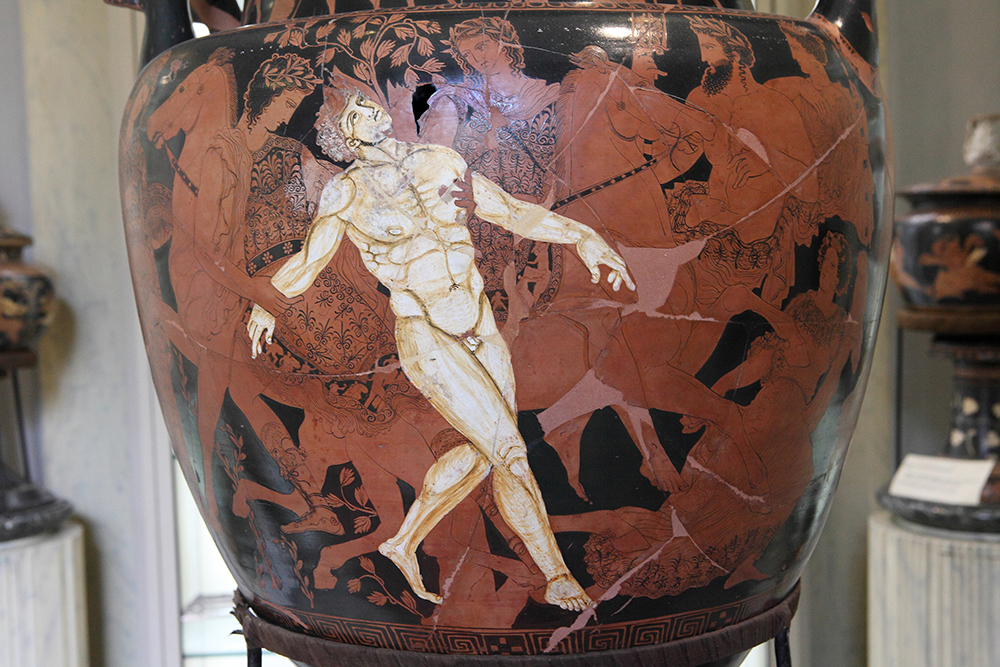
Calyx-krater depicting Pandora’s making. On the top row, Pandora stands in the middle facing forward, a stance typically used for non-living creatures. On her left stand Athena and Poseidon, and on her right stands Ares who’s looking back to Hermes. On the bottom row, there is a chorus of Pans. 5th century BC. Credit: The Trustees of the British Museum
“It’s unclear whether Pandora has the ability to learn, choose, or act autonomously,” Mayor notes. “Her only mission is to open the jar of all human misfortune.” In modern terms, “she does what she’s programmed to do.”
There is a pressing question we can explore using this mythological context: are we suffering from a god complex? And, with AI, dealing with elements we simply don’t understand?
An integral element of Greek mythology, which is fully expressed in Pandora’s myth, is the notion of hubris. This refers to an act that violates the natural order by disregarding the divinely fixed limits on human action in the cosmos. Such an act is always followed by god-sent punishment to restore balance, as in the case of Pandora’s jar.
According to Zarkadakis, there’s a lot of hubris in AI as well.
“I think the purpose of God is to remind people that they’re not gods themselves. And you know, in the absence of gods, we have this problem, right? We think we are gods because we don’t need God anymore. So we’re building our own gods that will be our gods in the future,” he explained. And machines that would be almost impossible to discern from a human being could also be infinitely smarter, “they would be like a god,” he added.
Zarkadakis believes that the ancient myths were trying to prevent us from going down that slippery path; but we’re heading there anyway.
This recalls Steven Hawking’s warning over the potential danger of AI. “The development of full artificial intelligence could spell the end of the human race,” he said during an interview with BBC. “It would take off on its own, and re-design itself at an ever increasing rate. Humans, who are limited by slow biological evolution, couldn’t compete, and would be superseded.”
Aryballos (perfume jar) depicting Hope trapped in a jar. 7th century BC. Credit: Museum of Fine Arts Boston
So should we open Pandora’s jar?
Our choice doesn’t differ too much from the one Epimetheus had to make. Much like the ancient humanoid, AI comes with a black box, the Deep Neural Networks (DNN) systems machine learning is based on. This means that while scientists have access to the inputs and outputs AI uses, they don’t know how its decision-making process works.
We don’t know what’s inside the black box, the same way Epimetheus didn’t know what was inside the jar. The moral of the myth is clear: think before you act, or act before you think — and suffer the consequences. And to relate this to our modern debate, unless we seriously consider the possible negative outcomes, it’s dangerous to rush into creating something we don’t fully understand just because we can.
To avoid opening the jar recklessly, Zarkadakis suggests posing a vital question supported by ethical and philosophical considerations: “What’s the end game?” And based on that, “what might be the cost and consequences of the technology?”
“A machine that has full autonomy and is conscious means it’s completely free, it can think in any way, and, thus, that it can be potentially dangerous,” he explained. “The number one risk is extinction, and it’s bad enough in theory to try to build such AI and see what happens.”
Cup depicting Pandora’s making. In the center, Pandora stands en face with Hephaestus on her right holding a hammer. 5th century BC. Credit: The Trustees of the British Museum
Zarkadakis remarked that the reason why we’re fully autonomous is because as biological social beings we are equipped with ethics and morality.
Zarkadakis believes that we don’t actually need conscious AI. “I think what we need as human society is to live a better life and having more free time is a big goal to that,” he added.
“There’s a massive usefulness for artificial intelligence to help us reach that point. What we need for AI is social integration and we should absolutely rethink the autonomy of machines and revise their manifesto.”
With this approach, AI could, in fact, be the inverse of Pandora — a democratic tool that could help make ourselves and the world better. And shouldn’t this be technology’s mission?
From myth to reality
Thousands of years ago, these three myths illuminated the potential of intelligent machines to serve a good purpose (as in the case of the Golden Maidens) or cause harm (as in the case of Talos and Pandora) — a potential we’re already seeing materializing today.
Most notably, though, they bring forth a set of questions that are vital for our pursuit of AI: whose aspirations will it serve, from whom will it learn, what do we want it to be, and how far should we go with it before surpassing the limits?
Ultimately, AI is much like Pandora’s mysterious jar. We don’t know what’s inside and we can assume it contains both good and evil. In the end, it’s all about the role we’ll play: will we be like Prometheus and demonstrate the required foresight, or will we be like Epimetheus and act before examining the consequences?
Ancient Greek myth has told us the dangers of AI, it’s now up to us to listen.
Ioanna is a writer at SHIFT. She likes the transition from old to modern, and she’s all about shifting perspectives. Ioanna is a writer at SHIFT. She likes the transition from old to modern, and she’s all about shifting perspectives.
Researchers from the University of Birmingham have developed an innovative method for existing furnaces that could reduce steelmaking’s CO2 emission by nearly 90%.
The iron and steel industry is a major cause of greenhouse gasses, accounting for 9% of global emissions. That’s because of the inherent carbon-intensive nature of steel production in blast furnaces, which currently represent the most-widely used practice.
In blast furnace steel manufacturing, coke (a type of coal) is used to produce metallic iron from ore obtained from mining — which releases large quantities of carbon dioxide in the process. According to Dr Harriet Kildahl, who co-devised the method with Professor Yulong Ding, their technology aims to convert this carbon dioxide into carbon monoxide that can be reused in the iron ore reaction.
This is realised using a thermochemical cycle which performs chemical reactions through changes in temperature. That way, the typically damaging CO2 is turned into a useful part of the reaction, forming “an almost perfect closed carbon loop.” This drastically reduces emission by the amount of coke needed and, subsequently, lowers steelmaking’s emissions by up to 88%.
As per the researchers, if this method was implemented in the remaining two blast furnaces in the UK, it could save £1.28 billion in 5 years, all while reducing the country’s overall emissions by 2.9%.
“Current proposals for decarbonising the steel sector rely on phasing out existing plants and introducing electric arc furnaces powered by renewable electricity. However, an electric arc furnace plant can cost over £1 billion to build, which makes this switch economically unfeasible in the time remaining to meet the Paris Climate Agreement,” Professor Ding said. “The system we are proposing can be retrofitted to existing plants, which reduces the risk of stranded assets, and both the reduction in CO2, and the cost savings, are seen immediately.”
University of Birmingham Enterprise has filed a patent application covering the system and its use in metal production. It’s currently looking for partners to take part in pilot studies and deliver this technology to existing infrastructure, or collaborate on further research to develop the process.
Ioanna is a writer at SHIFT. She likes the transition from old to modern, and she’s all about shifting perspectives. Ioanna is a writer at SHIFT. She likes the transition from old to modern, and she’s all about shifting perspectives.
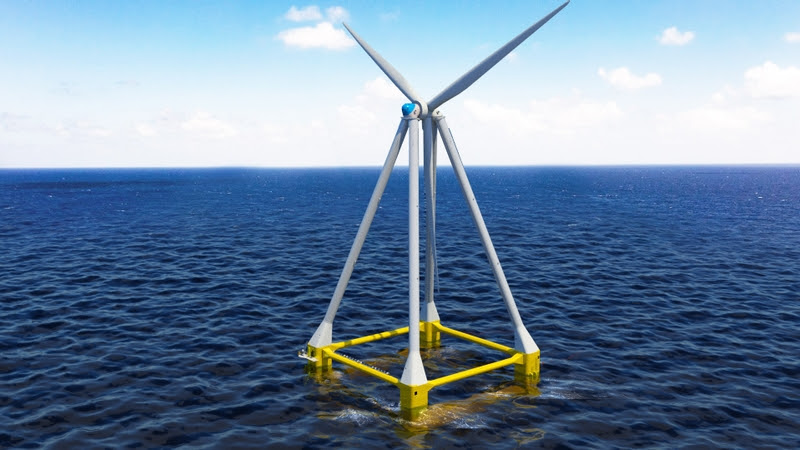
French startup Eolink — in collaboration with 15 European energy partners — will install a 5MW floating offshore wind turbine in Bulgaria by 2025. This is part of the EU-backed Black Sea Floating Offshore Wind (BLOW) project, which aims to advance sustainable energy solutions.
BLOW will use Eolink’s patented floating offshore wind turbine design, which the company claims solves existing industry issues by using four steel masts instead of one to spread the turbine’s stresses. This is said to make the overall structure more than 30% lighter. As per the startup, its turbines can produce 10% more energy by reducing aerodynamic interactions thanks to a greater distance between the blades and masts.
The unit will be designed to operate with maximum efficiency in the Black Sea, and this includes fitting it with a larger rotor so it can generate more energy in low-wind areas.
Eolink’s wind turbine. Credit: Eolink
“The World Bank 2021 report indicates there is vast technical potential in South East Europe, with a staggering 166 GW of floating offshore energy in the Black Sea alone, which is the equivalent of five times the electricity consumption of Bulgaria and Romania,” Eolink’s CCO Alain Morry said in the press release. “Through this project we hope to catalyze offshore development across the region, which already has ongoing /fixed-bottom offshore wind projects in Romania”
But although every sustainable energy development sounds like a positive step for the EU, there is a catch: the wind turbine will be used to power an existing gas platform operated by Petroceltic, a Bulgarian oil and gas company. Unfortunately, this isn’t an uncommon practice. Think of Norway’s Hywind Tampen, the world’s largest floating offshore wind farm, which also powers the country’s gas and oil production.
On the one hand, powering fossil fuel production with renewable energy is the lesser evil compared to conventional drilling or burning practices. And developing a new industrial case for offshore wind that other traditional industries is a positive development. One could also argue that the lessons learnt in the process of manufacturing, installing, and operating the wind turbine can benefit larger wind farms in the future.
But on the other hand, it seems like a step backwards for the EU that’s funding a project on green energy in order to harvest the gas and oil that are endangering the planet. And while this might simply represent a transitional stage before we fully depend on renewable energy sources, the bloc should step up its game if it’s to meet its climate targets for carbon neutrality by 2050.
Ioanna is a writer at SHIFT. She likes the transition from old to modern, and she’s all about shifting perspectives. Ioanna is a writer at SHIFT. She likes the transition from old to modern, and she’s all about shifting perspectives.
By 2027, Europe has the potential to fully rely on domestic production of battery cells, meeting its EV and energy storage demands without any Chinese imports. That’s according to the latest forecast by Transport & Environment (T&E), a campaign group, which analyzed a range of manufacturer reports and press releases.
The European NGO further estimates that, in 2030, the companies with the largest battery cell production in the continent will be CATL, Northvolt, ACC, Freyr, and the Volkswagen Group.
About two-thirds of Europe’s needs for cathodes — an integral battery part — could also be produced in-house, the report finds. So far, 12 companies plan to become active in this part of the battery supply chain, with 17 plants announced in the region. Existing and scheduled projects include Umicore in Poland, Northvolt in Sweden, and BASF in Germany.
Northvolt’s first battery cell produced at the company’s Ett gigafactory in Sweden. Credit: Northvolt
Projections about the refining and processing of lithium are optimistic as well. While 100% of the refined lithium required for European batteries is imported from China and other countries, the bloc is expected to meet 50% of its demand by 2030. T&E has identified 24 projects so far, including Vulcan Energy Resources in Germany and Eramet in France.
The NGO warns, however, that these scenarios will not be realized unless backed by sufficient and timely funding, highlighting that the US’ Inflation Reduction Act (IRA) could attract European talent and factories to America.
“Europe needs the financial firepower to support its green industries in the global race with America and China,” Julia Poliscanova, senior director for vehicles and e-mobility at T&E, said. “A European Sovereignty Fund would support a truly European industrial strategy and not just countries with deep pockets. But spending rules need to be streamlined so that building a battery plant does not take the same amount of time as a coal plant.”
Ioanna is a writer at SHIFT. She likes the transition from old to modern, and she’s all about shifting perspectives. Ioanna is a writer at SHIFT. She likes the transition from old to modern, and she’s all about shifting perspectives.
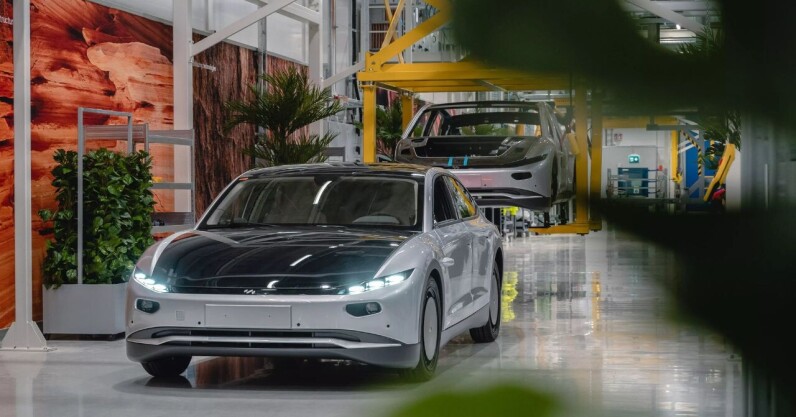
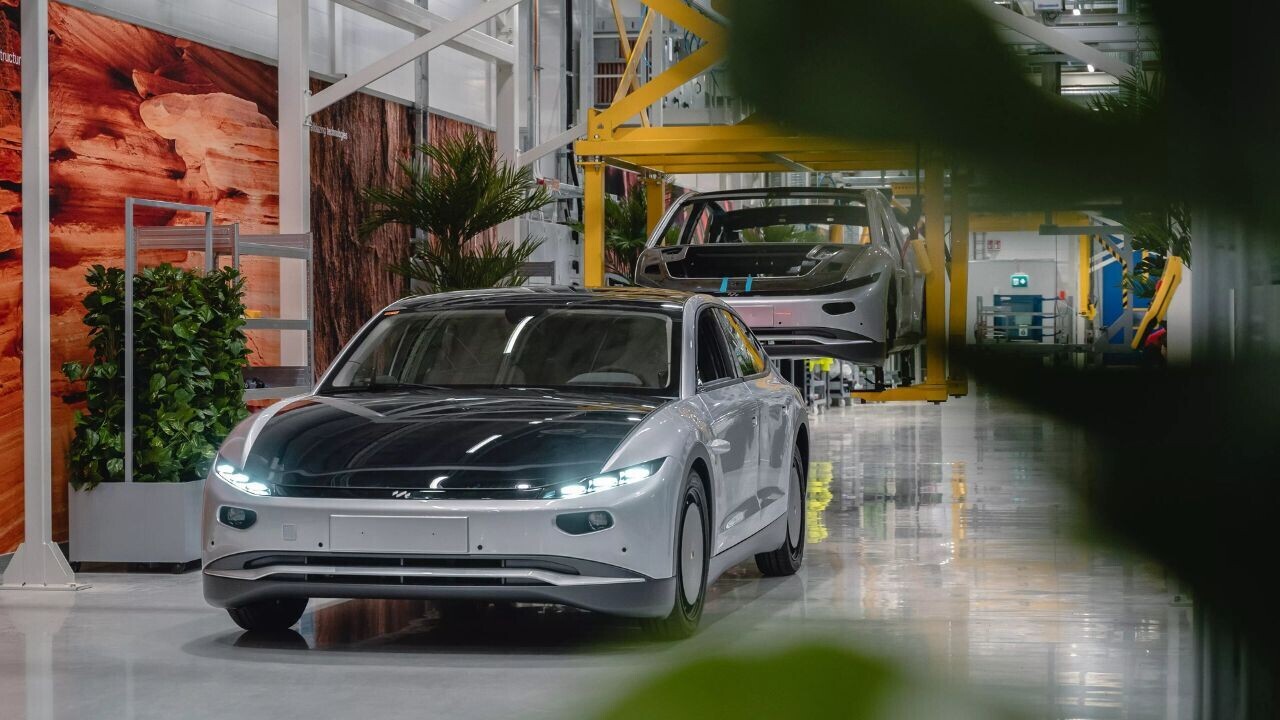
Netherlands-based solar EV maker Lightyear has announced that it’s freezing production of its flagship model, the Lightyear 0 — less than three months after going into production. As part of a “strategic restructuring,” the company will now focus on making the Lightyear 2, priced at around €40,000. This is expected to go into production in late 2025.
The company’s journey has been a long and impressive one. From a student team at a solar vehicle competition, Lightyear transformed into a startup in 2016, and quickly mapped itself on the automotive map with the Lightyear 0. The solar EV featured some stirring in-house tech, promising to be a game changer in a niche market. It also came with a prohibitive price tag: €250,000.
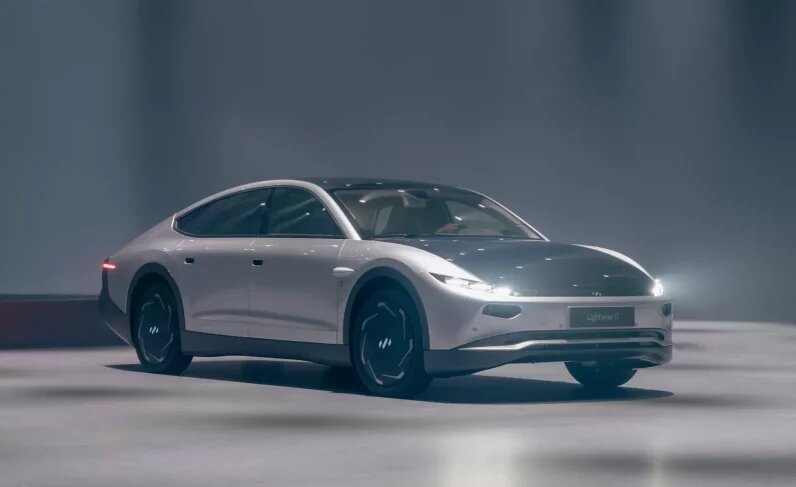
The Lightyear 0. Credit: Lightyear
Lightyear says that it hasn’t taken this decision to pivot lightly, as it impacts its “employees,” “investors,” “clients,” “suppliers,” and “the government.” The reason behind the move remains vague, with the announcement citing “challenges” over the past months, which made the action a necessary step to “safeguard” the startup’s vision.
It’s not unreasonable to assume that battery supply bottlenecks, semiconductor shortages, and rising costs of materials due to inflation might have impacted Lightyear. And beyond that, with recession concerns increasing, switching from a limited luxury product to a more affordable one seems like a timely strategic move.
With the Lightyear 2, the company is targeting an entirely different (and wider) market, compared to the first model that was mainly intended as a technology demonstrator to be produced in limited quantities.
Sneak peek of the Lightyear 2. Credit: Lightyear
The new five-seater hatchback, with a promised range of 800km and 50% lower emissions compared to conventional EVs, was announced at this year’s CES. While the company hasn’t disclosed many details yet, it said that the vehicle will “inherit all of [the 0’s] innovations at a fraction of the market price.”
According to the CEO and co-founder Lex Hoefsloot’s statement, the new model already counts 40,000 waitlist subscriptions from individual customers, and 20,000 pre-orders from fleet owners.
“We hope to conclude some key investments in the coming weeks in order to scale up to Lightyear 2, an affordable solar electric vehicle available for a wider audience,” he added.