Five EU member states and the European Investment Bank (EIB) Group have launched a new fund to support the late-stage growth of promising European tech startups and increase the continent’s competitiveness in innovation.
The so-called European Tech Champions Initiative (ETCI) aims to address the issue with inadequate late-stage funding, especially for companies seeking more than €50 million in capital.
Boosting European investment
“Europe’s tech startups often do not have sufficient capital to compete on a global scale and are pushed to relocate overseas. Closing this scale-up gap could create a large number of highly skilled jobs and boost growth,” the ECTI’s founders said in a statement.
“The European Investment Bank estimates that approximately 75% of European high-tech companies are acquired by non-European investors — predominantly American and Chinese — in late-stage development,” Nick Swan, serial entrepreneur and founder of SEOTesting, told TNW. “For the fund to be successful long-term, it will need to curb the trend of EU tech startups pushing to relocate overseas. It will also be telling if UK businesses begin to consider relocating to the EU to be able to get access to this big pot of funding.”
The ETCI has secured so far a total budget of €3.75 billion. Spain, Germany, and France have committed €1 billion each, Italy €150 million, and Belgium €100 million. The EIB Group has provided an additional €500 million. The funding capacity is expected to increase further in the future.
“This initiative is a striking example of what we can achieve collectively to strengthen the EU’s economic and industrial sovereignty,” Bruno Le Maire, French Minister of the Economy, Finance, and Industrial and Digital Sovereignty, noted.
The ETCI won’t subsidise startups directly, but will instead work as a fund of funds. In other words, it will deepen Europe’s scaleup venture capital (VC) funds “by bridging gaps in financing availability.” This way, it will help European institutional investors diversify their portfolio, while ensuring a continuous flow of capital to the continent-based scaleups.
“Much of this has to do with European strategic autonomy, which is something that leaders on the continent have to think about. By boosting the financial capacity of existing venture capital funds (and therefore financing scale-ups indirectly), they can make sure that European companies don’t get acquired by non-European investors, generally from the US and China,” Michaela Jeffery-Morisson, CEO and founder of Ascend Global Media (the company behind Women in Tech World Series), told TNW.
“There’s real value in supporting home-grown talent,” Jeffery-Morisson added. “Doing so will give European tech companies the freedom to concentrate on what they do and not get distracted wondering where money will come from. And this will also allow a distinctly European tech ecosystem with its own unique culture to develop.”
The way forward
While the ETCI is an exciting and promising opportunity for innovative entrepreneurs across the continent, financial support alone might not be enough.
Reduced bureaucracy and easier access to funds are critical, Oana Jinga, co-founder and CMO at previously EIC-funded Dexory, told TNW. “Startups need to operate at speed — the main advantage of being in innovation is to be first! So lengthy and time-consuming processes will quickly be dismissed for other options as they hold these high-growth companies back,” she explained.
Speaking to TNW, Lena Hackelöer, CEO of Swedish-based Brite Payments, identified two more requirements for home-grown innovation: cultivating a “startup-friendly environment” and implementing regulation that “supports” and “sets clear boundaries” for tech companies.
With the approval of the first investment applications under the ETCI potentially starting as early as next week, it will become clearer how the process will work out in action.
Ioanna is a writer at SHIFT. She likes the transition from old to modern, and she’s all about shifting perspectives. Ioanna is a writer at SHIFT. She likes the transition from old to modern, and she’s all about shifting perspectives.
In a world first, scientists from the University of Sussex and Universal Quantum, a spin-off of the university, have demonstrated that quantum bits (qubits) can directly transfer between quantum computer microchips.
This breakthrough is expected to overcome a major obstacle in building quantum computers that are large and powerful enough to address the crucial societal challenges they’re envisioned to: from medicine development, to the creation of new materials and climate change solutions.
To address these issues, experts estimate that millions of qubits are required — a number currently out of reach, with existing quantum computers operating on the 100-qubit scale.
“As quantum computers grow, we will eventually be constrained by the size of the microchip, which limits the number of quantum bits such a chip can accommodate,” Winfried Hensinger, Professor of Quantum Technologies at the University of Sussex and Chief Scientist and co-founder at Universal Quantum explained.
As a solution, the research team developed a novel technique, named “UQ Connect.” This method enabled the researchers to use electric field links that allow qubits to move from one quantum computing microchip module to another with record-breaking speed and accuracy. Specifically, the researchers were successful in transporting 2,424 ion qubits per second with a 99.999993% success rate.
“We knew a modular approach was key to make quantum computers powerful enough to solve step-changing industry problems. In demonstrating that we can connect two quantum computing chips — a bit like a jigsaw puzzle — and, crucially, that it works so well, we unlock the potential to scale up by connecting hundreds, or even thousands of quantum computing microchips,” Hensinger added.
Universal Quantum, which was recently named one of the 2022 Institute of Physics winners in the Business Startup category, has now been awarded €67 million from the German Aerospace Center (DLR) to build two quantum computers that will deploy the new technology.
“The DLR contract was likely one of the largest government quantum computing contracts ever handed out to a single company. This is a huge validation of our technology. Universal Quantum is now working hard to deploy this technology in our upcoming commercial machines,” Dr Sebastian Weidt, CEO and co-founder of Universal Quantum, and Senior Lecturer in Quantum Technologies at the University of Sussex, said.
València regularly tops rankingsof the best cities in the world, due to its stellar combo of 300-plus annual days of sun, the Med on your doorstep, and a lifestyle that values free time, exercise, and good food. But it’s not all paella and chill.
The Valèncian region’s startup scene — based mainly in its capital plus the smaller cities of Alicante and Castellón — has been revving up in recent years, and is now making its mark in everything from AI, fintech, and cybersecurity, to cleantech, healthtech, and industrial IoT.
With TNW’s first conference in València just around the corner, we rounded up a bunch of leading lights on the local tech scene who have helped to grow the ecosystem over the past decade. Our aim was to get their take on where València’s tech scene is at today, what it’s got going for it, and the challenges ahead.
“I always say that we are in adolescence,” Javier Megias, managing partner of the EMEA VC fund of Plug and Play Tech Center in València, told TNW. “This is a really important moment, where you create your beliefs and the foundations of your life.
“In the next few years everything is going to speed up quite a bit. We are at the tipping point of the change in the ecosystem, going from a regional, quite local ecosystem to something much more ambitious — and much faster.”
València by the numbers
Data shows a tech hub on the up-and-up. According to the Bankinter Foundation’s Startups Observatory, investment in València-based startups grew from €58.5m in 2021 to €73m in 2022. Ecosystem tracking platform Dealroom reports that the Valèncian region has the highest number of startups per capita in Spain.
Research by Startup Valencia found the number of registered startups in the region rose from 1,012 in 2021 to 1,212 in 2022; Dealroom, meanwhile, has an even higher estimate of over 1,500 startups.
València’s Fever recently bagged $227m (€212.6m) in a funding round — the largest amount of capital raised by a live-entertainment startup. Credit: Fever
València is still light on unicorns but can point to Flywire, the global payments enabler (now headquartered in Boston), as the first Spanish startup to go public on the Nasdaq in 2021, and live-entertainment platform Fever, which became a unicorn last year. Other noteworthy success stories include Jeff, Climate Trade, Voicemod, Sesame HR, and Sales Layer.
The investor scene skews towards local offices, with notable names including Draper B1, Angels Capital, private angel investor network BiGBAN, Demium, and GoHub Ventures, as well as Global Omnium, the world’s fourth-largest water utility. US-based Plug and Play also invests in Valèncian startups, including Climate Trade and Zeleros.
For Plug and Play’s Megias, the biggest difference between València and other startup scenes is the former’s bottom-up ecosystem.
“It was really built and connected by the founders,” he said. “We are really good at creating efficient companies from the ground up and scaling them to, let’s say, Series A — but we have a challenge to really scale that to the next level and build really big companies, like Flywire, for example.”
Megais cofounded two startups before joining Plug and Play.
More than 30% of all startups in València are two-years old or younger. Almost 30% of all the startups there are pre-seed, and another 30% are seed stage. Just under 10% of them have received Series A funding. Fewer than 1% have secured Series B financing, and the same goes for Series C.
“València’s international community is growing.
Megias says València is becoming a magnet for expats. The reasonable cost of living and the pleasant, manageable city are big attractions, but there are also more international jobs becoming available. Megias’ team, which looks after the EMEA region from central València, is made up of 30 different nationalities, all of whom speak English at work.
“There’s an international community that’s growing because of big companies, like Plug and Play, coming here and attracting them,” said Megias, a cofounder of Startup Valencia, a non-profit that promotes local startups.
One of the key areas for startups in the region is La Marina, which also happens to be the venue for TNW València. The accelerator Lanzadera, TNW’s strategic partner, pioneered the development of a tech strip on the seafront.
Founded in 2013 by Joan Roig, the billionaire owner of the Mercadona supermarket chain, the complex is now home to the EMEA business school, Lanzadera itself and its scaleup space Angels, the Insomnia accelerator, Biohub, and Sesame. Lanzadera, which works under the umbrella of the Marina de Empresas entrepreneurial hub, has accelerated over 1,000 startups so far, and recently took in its first batch of over 100 from Portugal.
This year, another building on the tech strip will open its doors: La Terminal startup hub. The site will provide startups and scaleups with a physical space to interact with each other, corporates, and investors.
La Terminal will become a new international tech hub for the Valèncian entrepreneurial ecosystem.
Connected for good
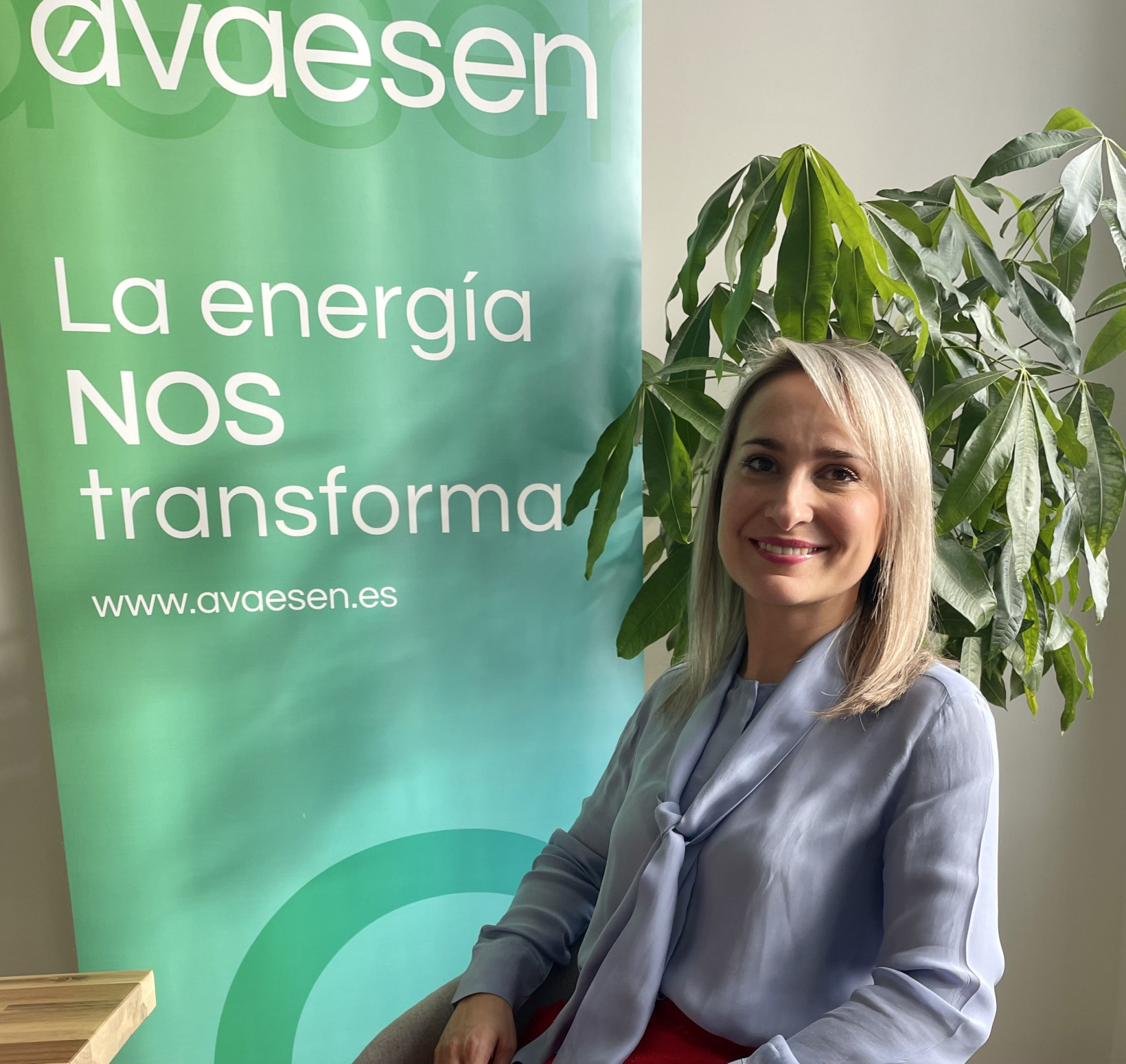
The speed of change in València is something that Bianca Dragomir, TNW València advisor and CEO of Avaesen, has witnessed first hand. Her pioneering cleantech cluster in the region is made up of 300 public and private stakeholders, 160 of which are companies in renewable energy, water cycle-and-waste management, and smart cities. Since Dragomir took over what was the first cleantech cluster in Spain in 2013, the organisation has accelerated more than 400 startups.
“When you come here, you get connected immediately.
“València is a very dynamic ecosystem, very diverse, and there are many different industrial sectors that are emerging, and traditional sectors that are shifting towards a new paradigm of sustainability,” Dragomir, a native of Romania, told TNW. “And the beauty of it — every single stakeholder that comes from beyond València says this — is that when you come here, you get connected immediately.”
Dragomir is the first woman that the European Commission appointed “Cluster Manager of the Year.”
According to Dragomir, the interconnected nature of the city really boosted the cleantech sector, as startups, corporates, the local government, and eight universities drove intense collaboration and innovation.
“‘Tech for good’ is very appropriate to describe what’s happening, and what has been happening for years already here… it’s a very good differentiation point,” she added.
Attracting the big bucks
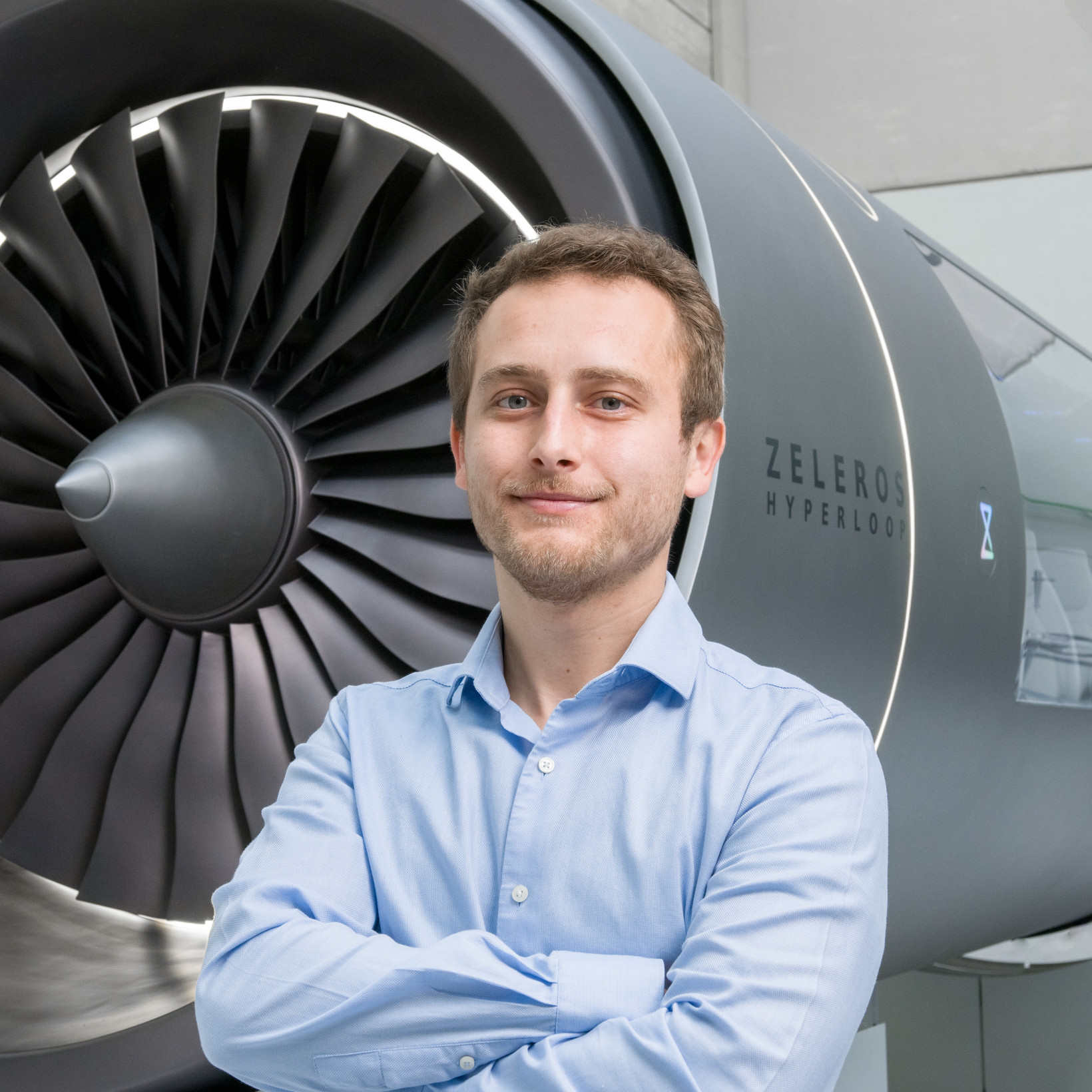
Juan Vicén Balaguer, the co-founder and CMO of Zeleros Hyperloop and an advisor to TNW València, feels that the region’s youth brings advantages.
The Zeleros hyperloop is based on all-electric pods that power themselves. Credit: Zeleros
Vicén notes that while the Valèncian ecosystem is young compared to the likes of Paris and Berlin, it has a “freshness” that encourages an open exchange of knowledge and experience between startups.
“Something I think the entrepreneurship ecosystem in València has done well is basically taking advantage of the space [in the whole tech marina area],” he said. When investors come, they often get a tour of all the accelerators and incubators along the Marina.
Attracting large-scale investment, however, remains a challenge. “As of today, if you are thinking of València, you are not coming here to get investment, you are coming here because you find it a good place to start with low rates [for renting office space],” said Vicén.
“We are very good at entrepreneurs bringing new ideas to life but when it comes to investment, there is a gap. That is different in big financial hubs, like London or Paris, where you are in the capital city in the country, and it makes it much easier to do business.”
Vicén led Zeleros to the “Top Startup” prize at València Startup Awards.
Investment is also, of course, essential to attract the best talent — and Spain is not known for high salaries. According to Statista’s 2021 data on average full-time salaries in Europe, Spain is in 18th place in the continent. The Zeleros founders, says Vicén, have been “really transparent” with investors about the need to offer salaries that are compeitive with those in Northern European countries.
“Once we have those second-time founders, everything is going to be much faster.
Plug and Play’s Megias agrees, noting that companies in València need to “step up their game” on the salary front, but to do so they must connect with top investors in Europe. As is the case in many European ecosystems, the second generation of founders and employees, who stay and either invest or found new startups, will be essential to the maturation of València’s tech sector.
“Once we have those second-time founders that already have the connections, everything is going to be much, much faster,” said Megias.
From an outside observer’s view, one thing that needs to change is establishing English as a company language in scaleups, which would open up opportunities for international talent and investors. Zeleros, the Plug and Play Tech Center, and a few other organisations already do this. But in general, there is not a huge amount of English spoken here as a matter of course, and not all startups have an English version of their websites.
Nonetheless, the ecosystem has a bright future ahead.
Accelerating growth
Nacho Mas, the CEO of Startup València, predicts that the Valèncian community will become one of the top 10 tech hubs worldwide.
“Despite being smaller than Madrid, we are experiencing faster growth… and we still have room for more,” Mas told TNW.
“All members of our community are working towards a common goal, which gives us a significant advantage,” he added.
Mas says La Terminal will house more than 500 highly qualified jobs.
Mas noted that the La Terminal project in the Marina, where TNW València will take place, is expected to help attract further investment, talent, and projects into the ecosystem.
“We are ambitious because we have the potential and resources to achieve success,” he said.
Whether or not it end ups as a top 10 global tech hub remains to be seen, but València is definitely powering through its adolescence. If it can attract big investment going forward, the region’s startup sector looks set to explode.
If you want to experience València’s ecosystem for yourself, we’ve got something special for our loyal readers. Use the promo code TNWVAL30 and get a 30% discount on your conference business pass for TNW València.
The EU has announced the three winners of the European Social Innovation Competition (EUSIC), which seeks to find pioneering solutions to societal challenges.
The 2022 challenge, named “the future of living,” was designed to attract participants who can advance the affordability, sustainability, and re-invention of European housing districts.
“Social innovation is crucial to increase resilience and support the transformation of our economies, while putting people first,” Hubert Gambs, the Commission’s Deputy Director General for Internal Market, Industry, Entrepreneurship, and SMEs, said.
“With this competition, which celebrates its tenth edition this year, we support social innovations that will bring social, environmental, and economic value at once. The three winners of the 2022 edition are social innovators greatly contributing through their innovative projects to the future of our living,” Gambs added.
The three winners, who will receive a prize of €50,000, are the following:
ReLearn (Italy)
The Torino-based startup has developed smart sensors that can be installed on existing bins. The sensors monitor daily waste production and sorting in designated bins using AI. They then provide reports and suggest the best waste management practices through a gamification approach that facilitates community engagement.
That way, ReLearn can help companies and municipalities reduce their environmental impact. The company says that its product can achieve a 60% increase in recycling rates. So far, it’s active in three countries and eight different cities.
Sostre Cívic (Spain)
Sostre Cívic is implementing an alternative housing model to address the accessibility and affordability issues of private ownership. It promotes cooperative housing, where collective ownership prevents speculation, as it renders individual profit-making from selling or renting a property impossible.
Members of the collective, who are also the property owners, can reside in the houses either for a very long time, or indefinitely. They are required to make an initial contribution and pay monthly installments that derive from the costs of acquisition, maintenance, and operation of the housing project — but not from the trends of the real estate market.
Sostre Cívic, which originally started as an association, is the first housing cooperative in Catalonia, and so far counts 17 projects and 86 homes in use.
Efficient Energy Technology (Austria)
To help residents use solar energy without the need to install solar panels, Efficient Energy Technology has developed a small solar power plant, designed for installation on balconies.
The so-called SolMate can be plugged into a socket and supply the apartment with renewable energy. Thanks to its proprietary measuring technology, SolMate supplies electricity when needed and stores the rest. This way it can also work as a back-up electricity generator in the event of power failures. The product comes together with an app, and, according to the startup, can cover about 60% of a home’s electricity needs, while saving around 16,000kg of CO2.
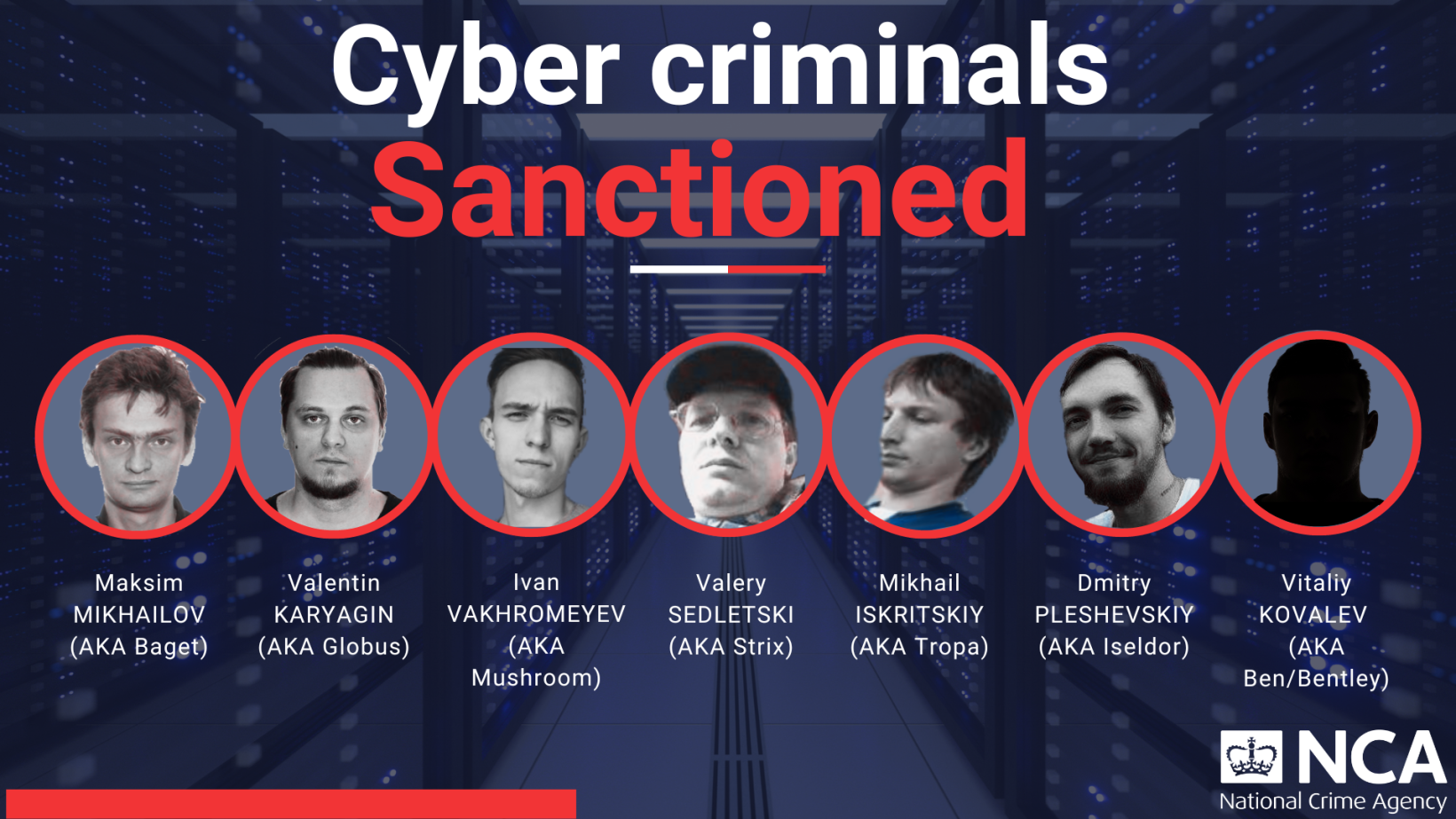
In a coordinated action with US authorities, the UK has imposed sanctions on seven Russian cyber criminals associated with the deployment of the Conti and Ryuk ransomware as well as the Trickbot banking trojan. This follows a thorough investigation led by the National Crime Agency (NCA) and marks the UK’s first-ever joint cyber crime sanctions.
According to the British government, ransomware is a “tier one national security threat” that’s increasingly used to attack businesses and public sector organisations.
Ransomware groups known as Conti, Wizard Spider, UNC1878, Gold Blackburn, Trickman, and Trickbot have been responsible for the deployment of ransomware strains including Conti, Ryuk, and Trickbot.
The groups target organisations they expect would pay the most and time their attacks to cause the maximum damage. Conti and Ryuk alone have affected 149 UK individuals and businesses, extracting at least an estimated £27 million.
Conti’s recent victims in the UK include the Scottish Environment Protection Agency, food distribution firm Reed Boardall, Cleveland Council, and forensic laboratory Eurofins.
“These criminals and those that support them are not immune to UK action.
Conti was also one of the first cyber crime groups to declare support to Russia’s war in Ukraine, while the National Cyber Security Centre (NCSC) has assessed that key members of the group are “highly likely” to “maintain links” with the Russian Intelligence services.
And although the group was disbanded in May 2022, government reporting suggests that members continue to be involved in threatening UK security with new ransomware strains.
“The sanctions are the first of their kind for the UK and signal the continuing campaign targeting those responsible for some of the most sophisticated and damaging ransomware that has impacted the UK and our allies,” Graeme Biggar, NCA’s General Director, said in a statement.
“The United States and the United Kingdom are taking coordinated action targeting cyber criminals who launched assaults against our critical infrastructure,” Antony J. Blinker, US Secretary of State, highlighted in an associated press release. “We will continue to work with the United Kingdom and with other international partners to expose and disrupt cyber crime emanating from Russia.”
The people sanctioned include the following individuals:
The seven individuals are now subject to travel bans and asset freezes. In addition, making funds available to them, such as paying ransomware — including crypto assets — has been strictly prohibited.
The US Treasury Department warned that “any foreign financial institution that knowingly facilitates a significant transaction, or provides significant financial services for any of the individuals or entities designated today could be subject to US correspondent or payable-through account sanctions.”
Through their collaboration, the UK and US authorities said they will continue to expose cyber criminals associated with the ransomware groups and crack down on their activities, aiming to reinforce their cyber security.
Ioanna is a writer at SHIFT. She likes the transition from old to modern, and she’s all about shifting perspectives. Ioanna is a writer at SHIFT. She likes the transition from old to modern, and she’s all about shifting perspectives.
Magnetic floating pods traveling through a series of tubes sounds like a scene from sci-fi movies, right? But what if they could become a new mode of mass transport? Yes, we’re talking about the hyperloop.
The company is developing hyperloop tech for passengers and cargo, enabling travel through a network of low-pressure tubes using magnetic levitation. The pods are expected to reach a 700km/h cruising speed and a 1,000km/h top speed, drastically reducing travel time. And sustainability-wise, the system doesn’t produce direct emissions and can be powered by green electricity.
We caught up with Mars Geuze — Hardt Hyperloops’ Chief Commercial Officer — at TNW 2022 and asked him what’s hyperloop’s advantage and which modes of transport are over- or underrated. The result was a fast-paced, fun video, which you can find embedded at the top of this article, or watch right here.
Geuze argues that hyperloop is still underrated, even though it can travel with 10 times less energy than aviation, or road transport. But optimistically, “in the latest survey, there was about 35% acceptance rating, scoring higher than autonomous cars,” he told us.
Trains and buses are underrated for Geuze as well. Trains, in particular, can aptly connect cities and provide high capacity with a lower carbon footprint compared to cars, he explained.
In contrast, Geuze finds passenger cars an overrated means of transport. “They’re the biggest contributor to your energy footprint and we need to shift away from them,” he noted.
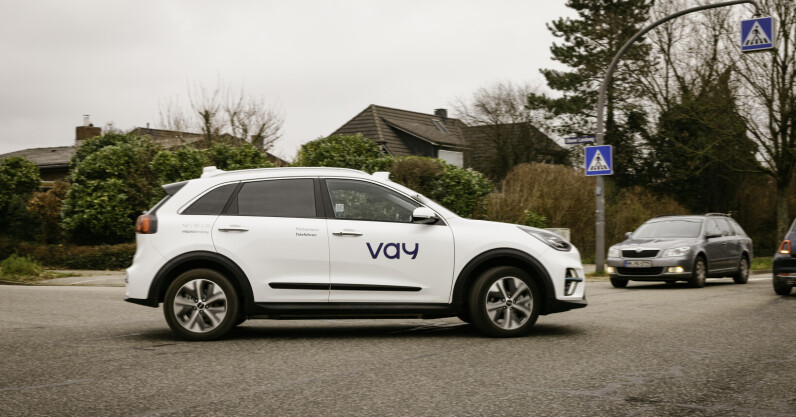
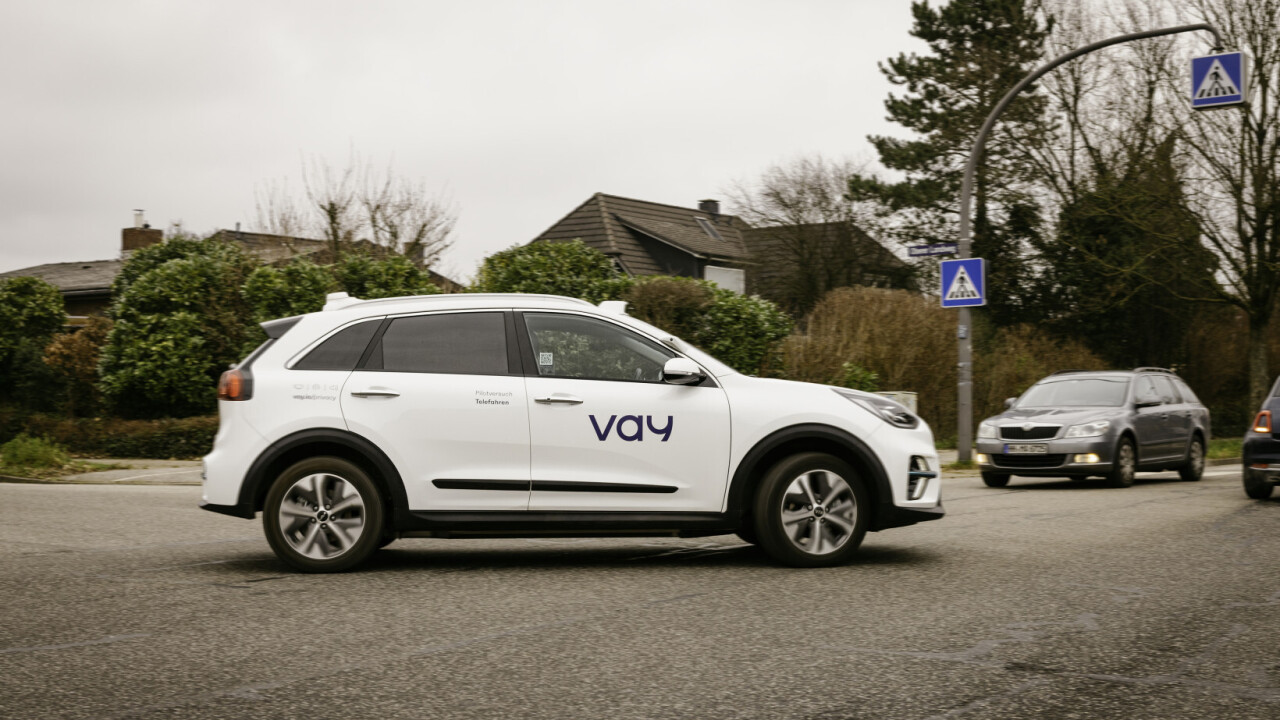
For the first time, a car with no human inside has driven on a public road in Europe.
The feat was accomplished by Vay, a German startup. The company uses an approach called “teledriving” to remote-control cars from sites located miles away.
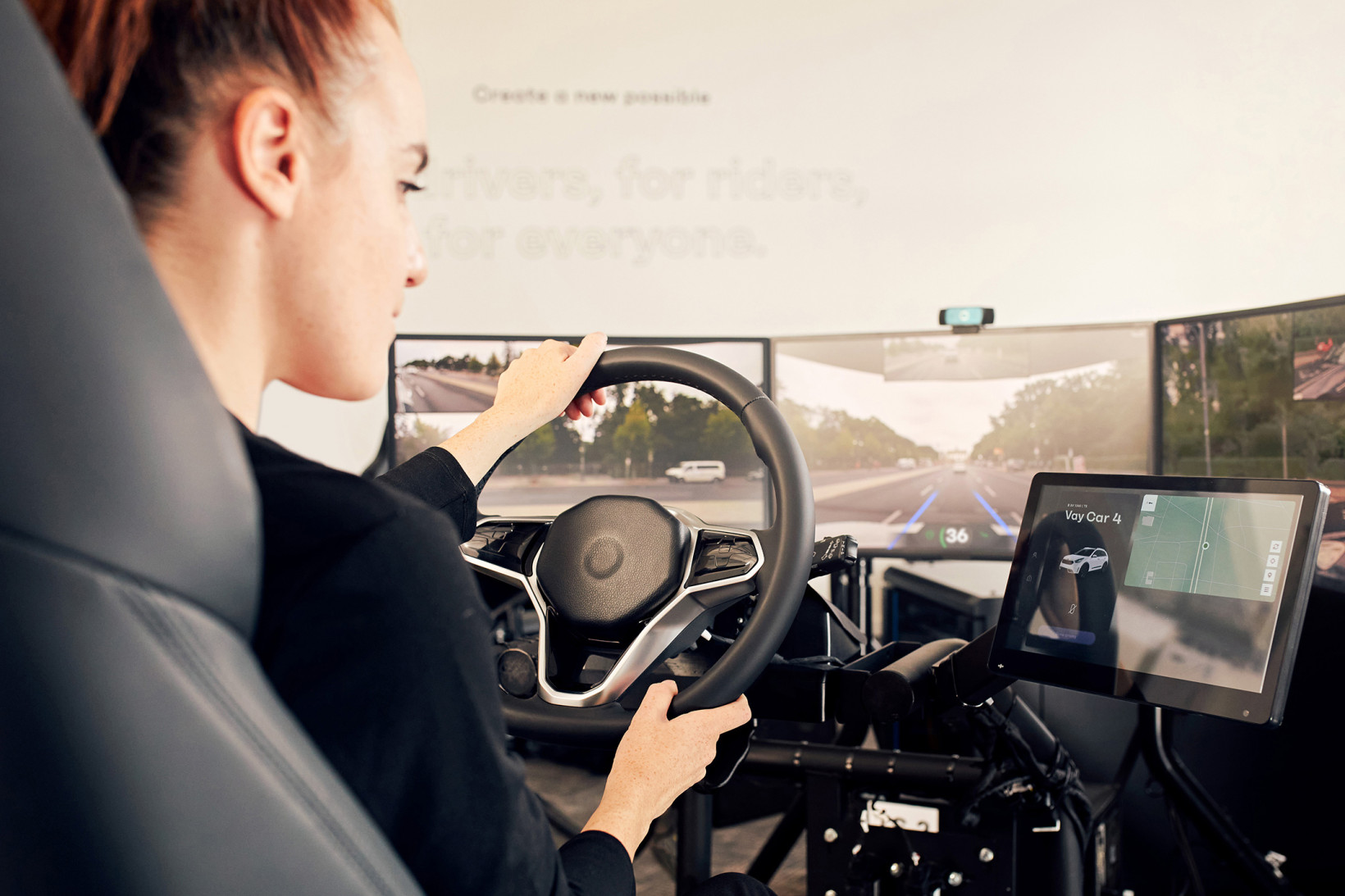
Operators pilot the vehicles with steering wheels, petals, and monitors. They also recieve road traffic sounds via microphones and headphones.
The system resembles racing simulators for video games — only the action on the screens is happening for real.
Redundant mobile networks provide the data transmission. In the event of a network failures or emergency, the vehicle automatically come to a safe stop.
Vay’s teledrive stations display a field of vision across monitors. Credit: Vay
Vay trialled the tech without safety drivers after receiving an exemption permit from Harmburg. The company announced on Tuesday that it’s now completed its first test-drives on predefined routes in the city.
“As a leading teledriving company, we have been driving remotely-controlled electric cars on public roads in Berlin and Hamburg for more than three years,” Vay CEO and co-founder Thomas von der Ohe said in a statement.
“With the exemption permit received in December 2022, we were now able to successfully drive the first car without a safety driver on a public road.”
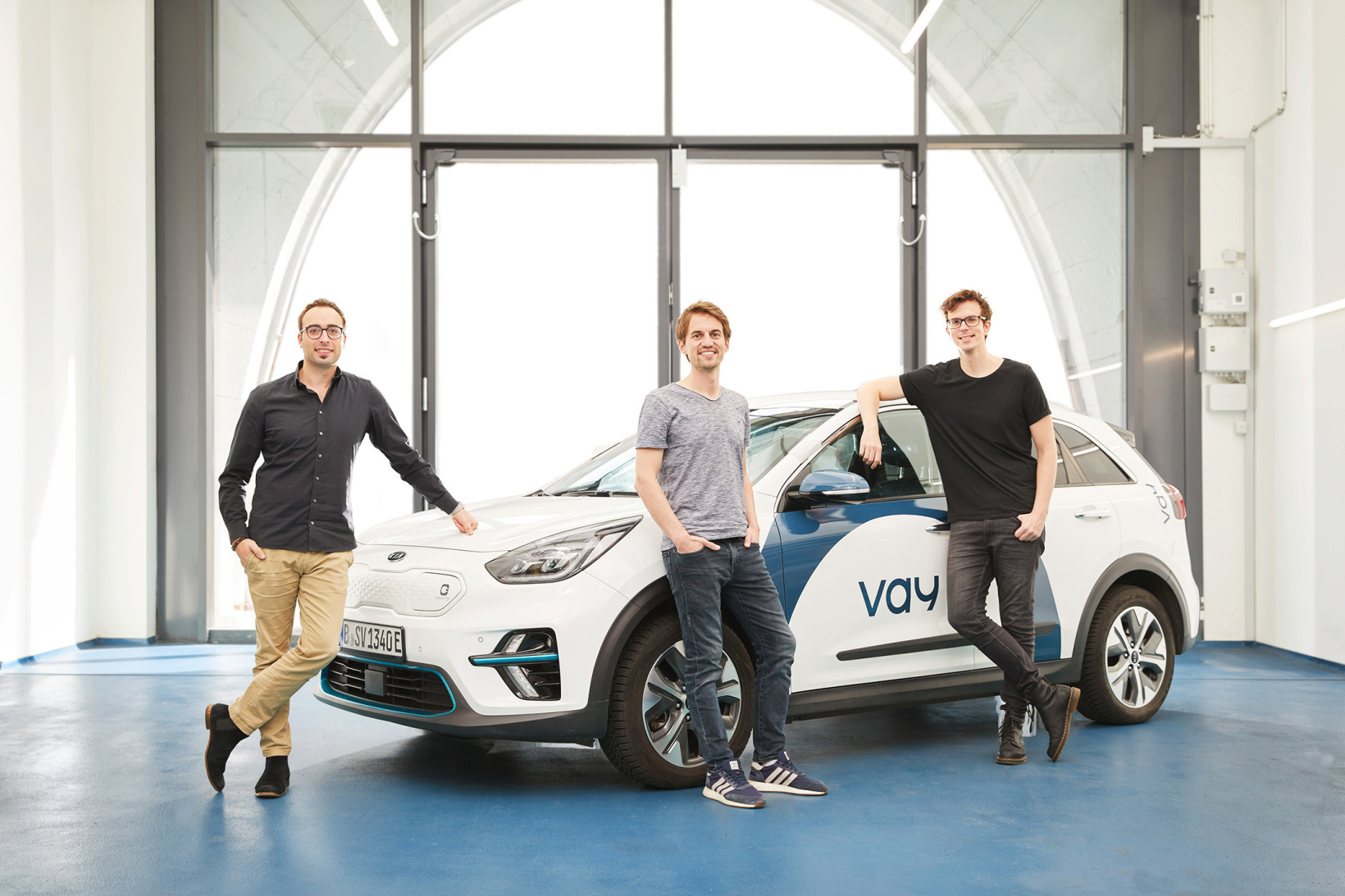
Vay was cofounded by (left to right) Fabrizio Scelsi, Thomas von der Ohe, and Bogdan Djukic. Credit: Vay
Vay was founded in Berlin in 2018. The startup has gone on to build a team of over 150 people, which combines software and product experience from Silicon Valley with automotive hardware and safety engineering from Europe.
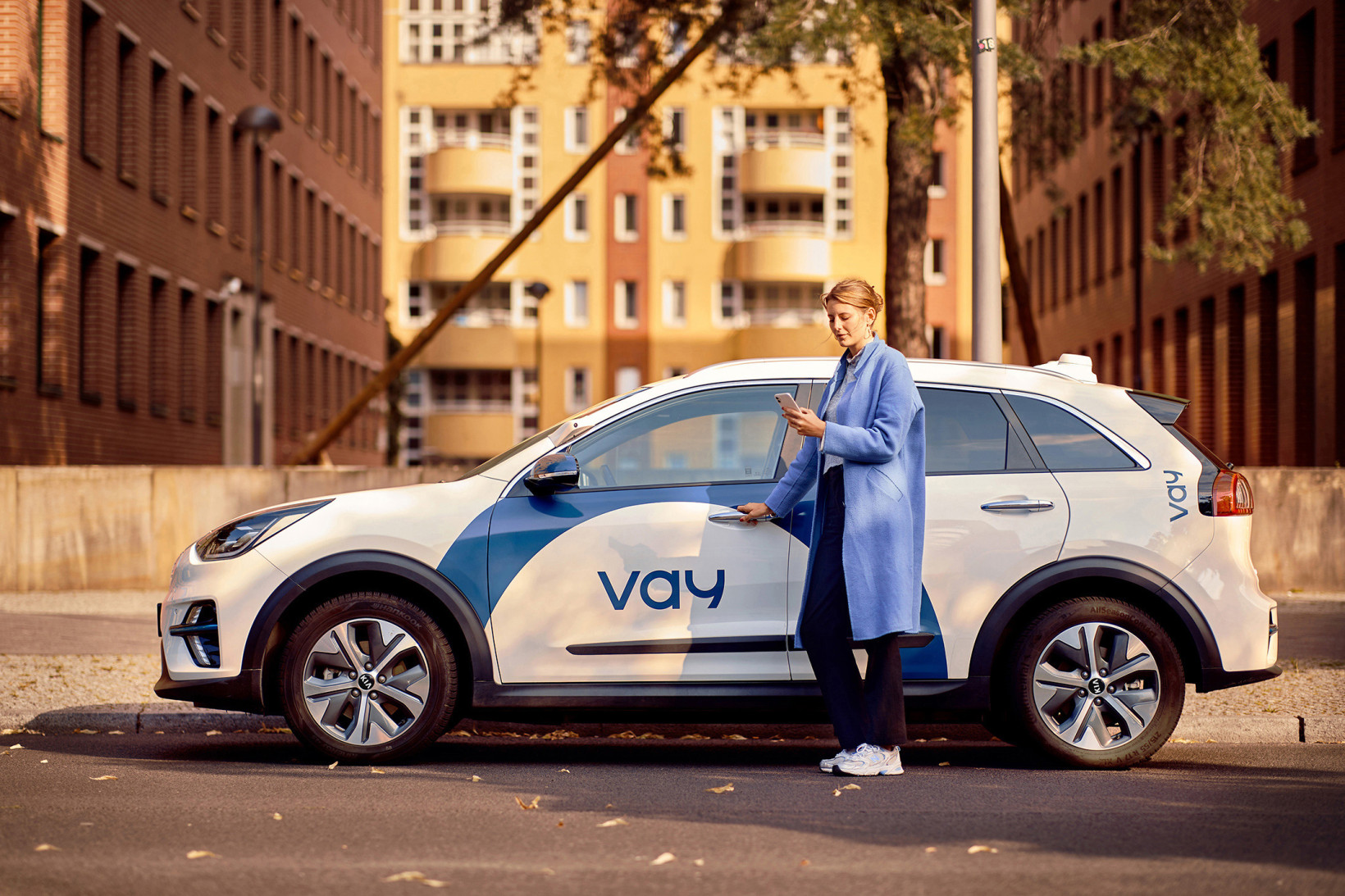
The company eventually plans to sell their tech in two ways. The first is a door-to-door mobility service. A car will be teledriven to a user’s location, where the customer will take the wheel and drive to their destination, at which point the remote operator takes over again. The second service is teledriving a car while the user sits in the back.
Vay’s tech has been installed in Kia electric vehicles. Credit: Vay
Vay argues that teledriving will be safer for passengers and more convenient for drivers, while reducing inner and private vehicle ownership. The services aim to compete with existing car-sharing and ride-hailing providers.
Anjes Tjarks, Hamburg’s Senator for Transport and Mobility Transition, envisions further benefits.
“Vay creates such added value with its teledrive service: no need to search for a parking space, emission-free, digitally bookable and as a convenient service, for example for the ‘last mile’ from the bus or train station to your own front door,” he said.
Vay will also use its test data to develop self-driving features. Perhaps teledriving can give a jumpstart to the stalling autonomous vehicle sector.
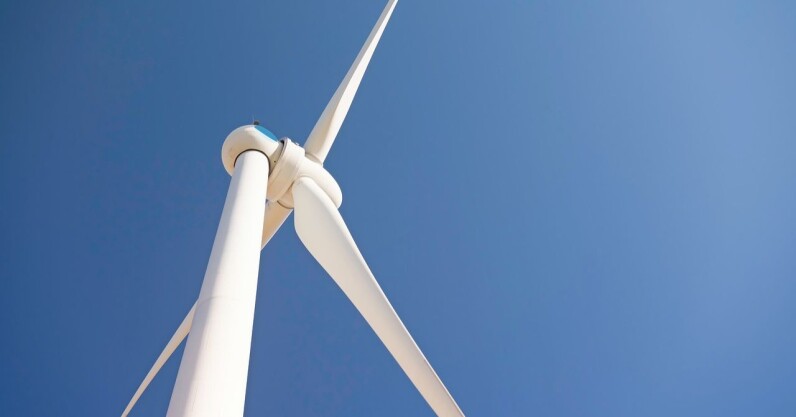
No matter how beneficial increasing wind energy generation is, at the end of their lives, wind turbine blades end up in landfills. But now a major European wind turbine manufacturer — Denmark-based Vestas — has found a way to make the blades recyclable and circular.
Unlike the vast majority of a turbine’s components that have established recycling circles, blade recycling has posed a serious challenge. That’s because of the presence of epoxy resin, a resilient substance that has so far proved problematic to break down into reusable components.
“Until now, the wind industry has believed that turbine blade material calls for a new approach to design and manufacture to be either recyclable, or beyond this, circular, at end of life,” Lisa Elkstrand, VP and Head of Sustainability at Vestas, said.
The company’s solution is a novel chemical process that can break down epoxy resin into virgin-grade materials. Vestas claims that the process doesn’t require any changes in design or material composition. It, moreover, relies on widely available chemicals and boasts its compatibility for industrialisation and, in turn, its potential to easily scale up.
To develop this technology the Danish manufacturer worked together with Aarhus University, the Danish Technological Institute, and epoxy producer Olin — all partners of the CETEC initiative, which is exploring the recyclability of wind blades. Vestas will also use a newly-established value chain with Olin and Stena Recycling to commercialise the chemical process.
The aim is the production of new turbine blades made from reused material from existing blades at the end of operation. In the future, the company envisions using epoxy-based composite materials for industries beyond wind energy.
“Once this new technology is implemented at scale, legacy blade material currently sitting in landfills, as well as a blade material in active wind farms, can be disassembled and reused. This signals a new era for the wind industry and accelerates our journey towards achieving circularity,” Elkstrand added.
If Vestas’ technology accomplishes its mission, the potential benefits would be tremendous. According to estimates, around 25,000 tonnes of blades will reach the end of their operational life annually by 2025 in Europe.
The focus on wind blade recycling has been gaining momentum the past couple of years with wind energy manufacturers such as Siemens Gamesa and Iberdola intensifying efforts. However, further initiatives are needed to boost this niche industry and for this reason WindEurope, the continent’s association of wind power, has called for regulation banning the disposal of wind blades altogether.
The EU’s landmark AI Act is moving closer to reality, as a rival rulebook forms across the English Channel.
The union aims to agree on draft rules for the world-first AI statute next month, Reuters reported on Monday.
“We are still in good time to fulfil the overall target and calendar that we assumed in the very beginning, which is to wrap it up during this mandate,” Dragos Tudorache, an MEP and co-rapporteur of the EU AI Act, told the news agency.
As the EU legislation nears enactment, lawmakers in the UK are shaping a very different approach. Their priorities are stimulating business, providing a competitive advantage, and supporting responsible innovation.
The vision was first laid out in a policy paper last July. In the document, the government said it plans to build the “most pro-innovation regulatory environment in the world.”
“Regulation that’s proportionate, light-touch and forward-looking is essential.
Ministers noted that the UK ranks third in the world for number of academic journal citations, and received more investment in AI companies than France and Germany combined in 2021. The new regulatory environment, they hope, will further boost business use of AI, attract international investment, and nurture talent.
“A regulatory framework that is proportionate, light-touch and forward-looking is essential to keep pace with the speed of developments in these technologies,” said then-digital secretary Nadine Dorries.
Notably, the British government has publicy criticised the EU’s AI regulation. In a December press release celebrating the UK tech sector’s position as the most valuable in Europe, the country’s “less centralised approach” was spotlighted for praise.
This approach will leave regulation up to existing organisations — such as Ofcom, which regulates broadcasting — rather than a single overarching body. As a result, rules can be tailored to different sectors and amended over time. But this flexibility entails certain risks.
Critics fear the sectoral focus will lead some areas to fall through the gaps. There are also concerns about potentially conflicting rules, and existing regulators monitoring AI without sufficient expertise.
There are currently no plans to back the plan with new laws. Instead, regulators will be guided by core principles, such as safety, transparency, and fairness. This could reduce arduous obligations, but detractors warn it will increase AI risks.
“It’s clear they’re looking for comparative strength.
The proposals for “lighter touch” options, meanwhile, include guidance, voluntary measures, and creating sandboxes. The government hopes this lures businesses to the UK.
“It’s clear from the tone and what the government’s saying that they’re looking for comparative strength on AI — and the EU is the most proximate comparator, by geography and by market,” Joe Jones, Director of Research and Insights at the International Association of Privacy Professionals, told TNW.
The EU’s legislation takes a broader approach. A new body, the European AI Board, will oversee the framework, with member states able to create their own enforcement bodies.
Uses of AI will be categorised into different risk levels. Systems with the highest risks could be prohibited, while less risky ones would have minimal requirements.
As is the case with the GDPR, rule-breakers could face heavy penalties. Violations would be punishable by fines of up to €30 million or 6% of global turnover.
Further amendments are expected to come. The EU’s AI Act still has to work its way through a lengthy legislative process, while the UK’s white paper on the rules has been delayed.
Ultimately, both regulators are searching for the elusive balance sought from all tech legislation: reducing risks without stifling innovation. Their priorities, however, have diverged.
The EU has placed heavy weight on safety, while the UK has emphasised the business case. Their choices could shape the continent’s AI landscape for years to come.
Ioanna is a writer at SHIFT. She likes the transition from old to modern, and she’s all about shifting perspectives. Ioanna is a writer at SHIFT. She likes the transition from old to modern, and she’s all about shifting perspectives.
The decline of pollinators, particularly bees, is having a grave impact on agriculture and human health. Scientists estimatethat 4.7% of the world’s total production of fruit, 3.2% of vegetables, and 4.7% nuts is now lost because of inadequate pollination. But there’s hope. Researchers at Tampere University in Finland have developed a robot that could serve as an artificial pollinator.
The team was inspired by dandelion seeds and tapped into the technological advances in stimuli-responsive polymers used in small, wirelessly-controlled soft-bodied robots, which can walk, swim, jump, or even hover. The result was a polymer-assembly robot that uses wind and light to fly — a world first, according to the researchers.
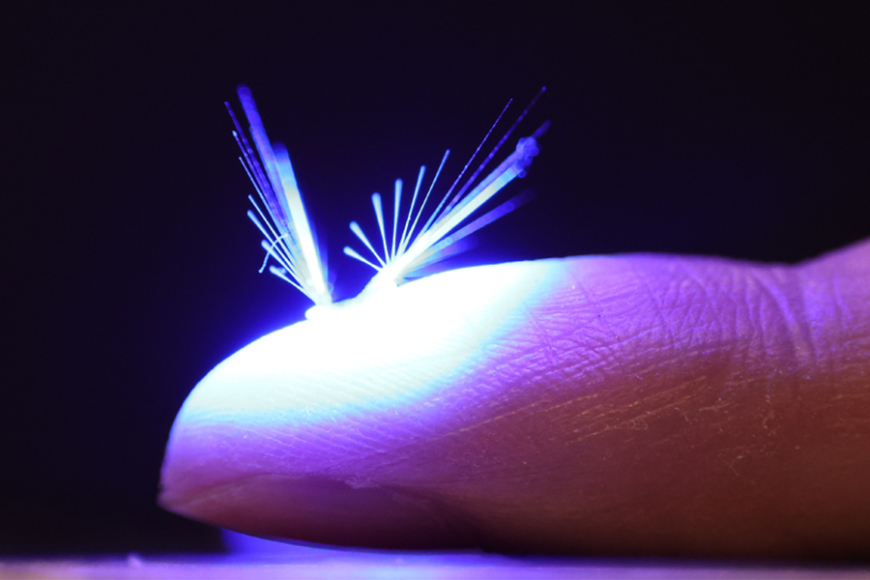
The robot resembles a dandelion seed and has several biomimetic features. Its porous structure and light weight (1.2mg) enable it to float in the air, directed by the wind. Notably, the robot can also adapt manually to wind direction and force by changing its shape. And thanks to a stable separated vortex ring generation it’s suitable for long-distance wind-assisted travelling.
Here’s what the robot looks like. Credit: Jianfeng Yang / Tampere University
“[It] can be powered and controlled by a light source, such as a laser beam or LED,” Hao Zeng, the research group’s leader, said. Essentially, light can be used to control the structure’s takeoff, landing, and shape.
According to Zeng, the proof-of-concept experiments demonstrate a significant potential for “realistic applications” suitable for agricultural pollination. In the future, these artificial dandelion seeds — dispersed freely by natural winds and steered by light — could carry pollen towards designated areas requiring plant pollination.
With this goal in mind, the team’s planning to improve the material sensitivity that would allow the robot to operate in sunlight, and is looking to upscale the structure so it could be equipped with micro-electronic devices, including GPS, sensors, and biochemical compounds.
Nevertheless, the technology requires further research and collaboration with material scientists and microrobotics experts to address two main challenges: the precise control of the landing spot and reusing the device to make it biodegradable.
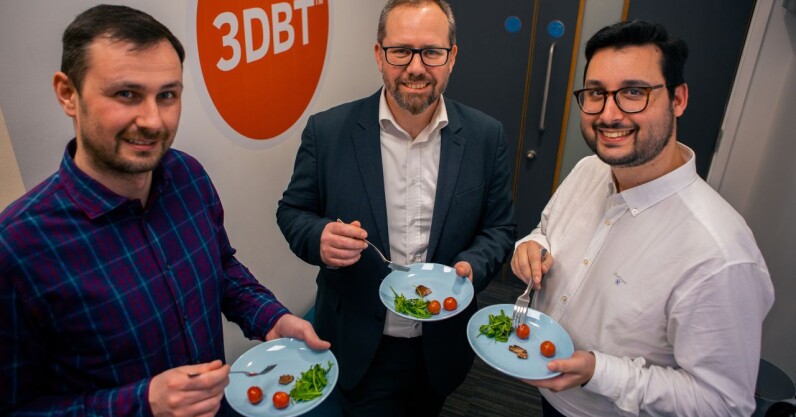
A UK startup has produced another milestone in the strange science of lab-grown meat: the first-ever cultivated steak fillet.
The landmark was laid by 3D Bio-Tissues (3DBT), a bio-tech firm based in Newcastle. Founded in 2019, the company cultivated human corneas for vision-impaired people before applying its techniques to meat.
3DBT has good reasons for the move. CE Delft, an independent research firm, estimates that cultivated meat could cause 92% less global warming and 93% less air pollution, while using 95% less land and 78% less water.
There is also a strong business case for the produce. Consulting firm McKinsey predicts the market for cultivated meat could reach $25 billion (€26 billion) by 2030.
Made entirely made from pork cells, the fillet measured 9cm in width, 4cm in length, and 1 cm in height. Credit: 3DBT
3DBT’s landmark fillet began life as cells extracted from pigs. The cells were then grown, divided, and turned into structured meat.
One ingredient the company didn’t use is fetal bovine serum (FBS), a common cell growth component. The liquid’s popularity has plummeted amid an outcry over its production from cattle foetuses.
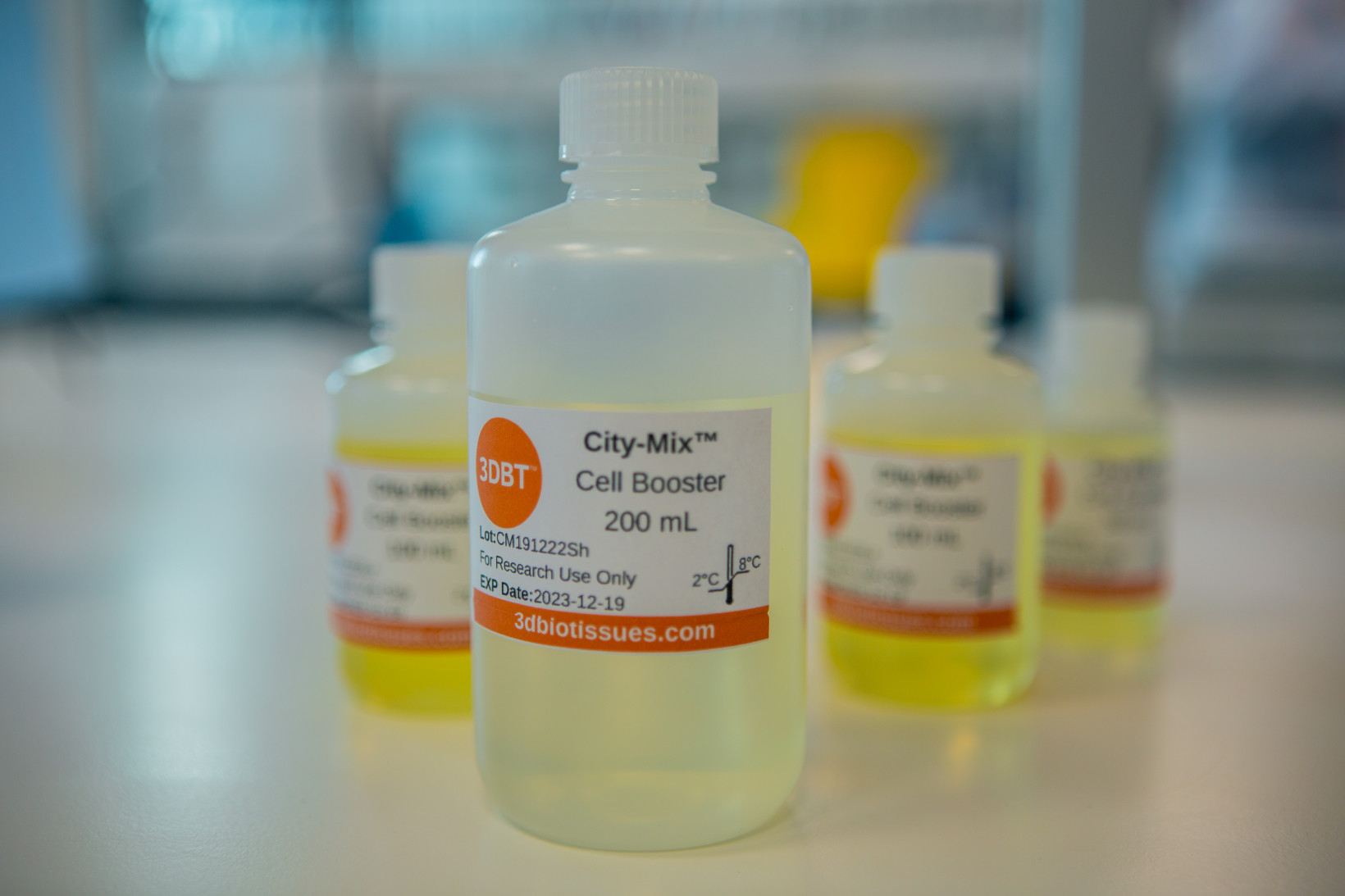
Instead of FBS, 3DBT uses a patented cell booster called City-mix, which provides structural integrity to the meat.
City-mixTM is a standalone commercially available product. Credit: 3DBT
That’s all well-and-good, but the real test is in the taste. According to 3DBT, the product passed with flying colours.
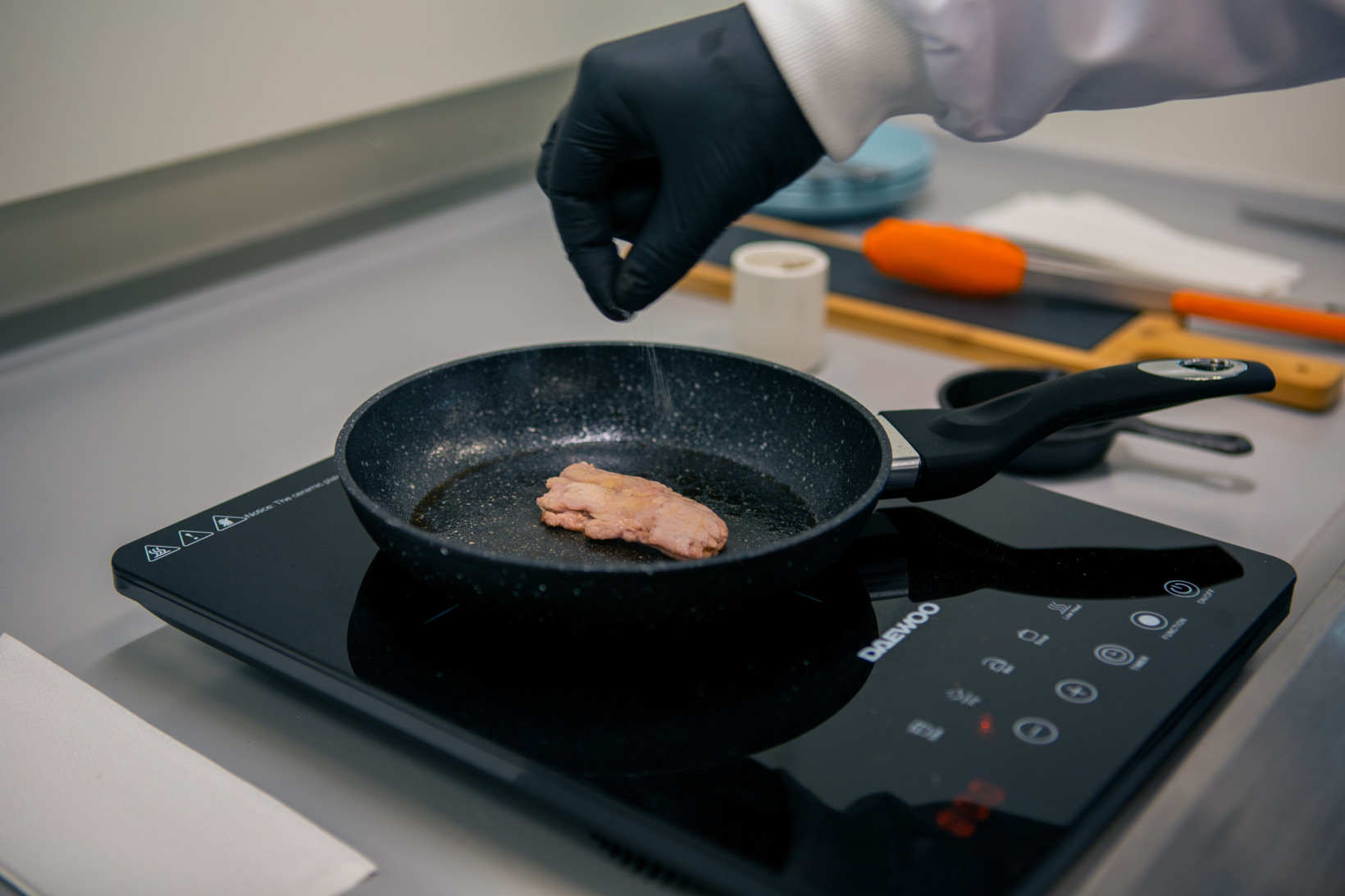
The steak, the company said, replicated the flavour, texture, and appearance of a regular pork meat fillet.
“We are absolutely delighted with the appearance, taste, aroma, and texture of our cultivated pork, which is the first time we have fully sampled our product,” Che Connon, CEO of 3DBT, said in a statement.
“Our cruelty-free fillet has exceeded our expectations in all respects, and we are extremely excited about the technological progress we are making and the impact this could have on our industry.”
The company now plans to soon showcase at a public event in London.
When fried, the fillet had the familiar charring, crisping, and aromas of traditional pork. Credit: 3DBT
As a vegetarian whose childhood favourite food was steak, the fillet is another challenge to my (extremely loose) morals. Naturally, I’ve asked for a taste of the lab-grown delicacy.
We’ll let you know if my request is approved. In the meantime, we’d love to hear your thoughts on the latest cellular flesh. Whether you’re a sinless vegetarian or a good old fashioned murderer, let us know whether you’d try it via the usual channels.
Ioanna is a writer at SHIFT. She likes the transition from old to modern, and she’s all about shifting perspectives. Ioanna is a writer at SHIFT. She likes the transition from old to modern, and she’s all about shifting perspectives.
Europe has a long tradition in geothermal energy, with Iceland, France, and Hungary historically dominating the industry. In recent years, however, a range of other countries have entered the sector.
Currently, Germany is leading the transition. At the end of 2022, the country’s government published a plan targeting a tenfold increase in geothermal output: 10TWh by 2030.
“We’re sitting on a gold mine,” Christian Peltl, director of geothermal energy at SWR, the operator of a geothermal plant in Munich, told AFP. “There was really a boom in orders since the beginning of the [energy] crisis,” he added.
Meanwhile, the French government recently announced an action plan for the development of surface and deep geothermal energy. The goal is to produce enough geothermal heat in 15 to 20 years to save annually 100TWh of gas and achieve carbon neutrality by 2050. In 2021, geothermal energy accounted for only 1% of the country’s final heat consumption, which translates to approximately 6TWh.
Similarly, the Italian government is discussing how to support the expansion of geothermal energy, while Hungary aims to upscale production of geothermal energy and subsequently replace about 1-1.5 billion cubic metres of natural gas per year. And Europe’s largest geothermal heating plant, in the city of Aarhus in Denmark, is expected to be completed by 2030, with the capacity to cover 30% of the district’s energy needs.
According to EU data, replacing fossil fuels with geothermal energy could decarbonise up to 25% of the bloc’s population energy needs, while also reducing bills. Geothermal plants could also supply up to 10% of Europe’s power demand. And it seems that the renewable resource is finally getting the necessary traction to boost the continent’s energy independence and help meet its climate targets.
Germany’s target of 10 TWh of geothermal output from medium-depth and deep resources is an ambitious one. To realise the goal, the country aims to add at least 100 additional geothermal projects by 2030. These would connect to the heating grid and supply energy to residential buildings and industrial companies.