steam machine

why-won’t-steam-machine-support-hdmi-21?-digging-in-on-the-display-standard-drama.

Why won’t Steam Machine support HDMI 2.1? Digging in on the display standard drama.

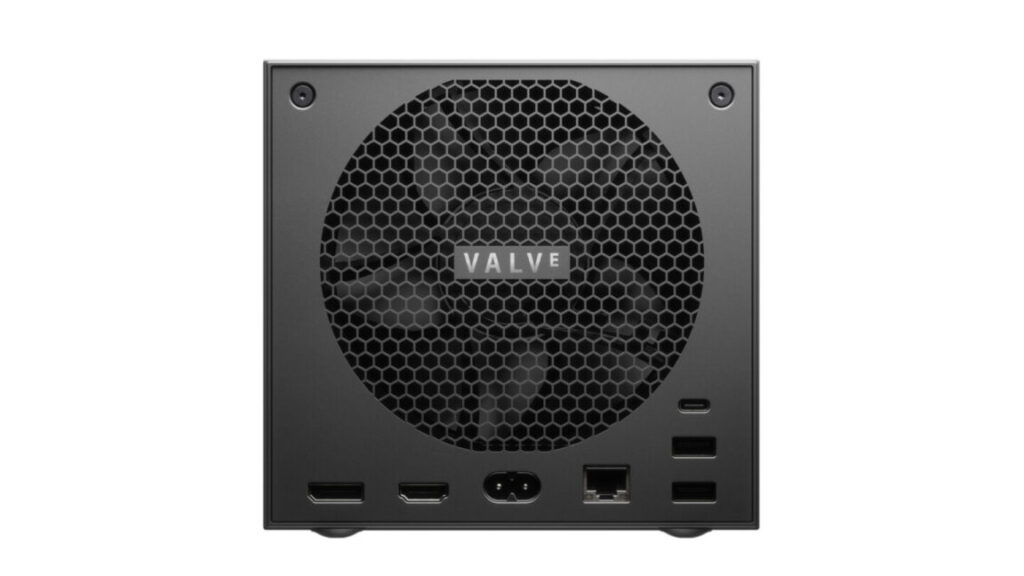
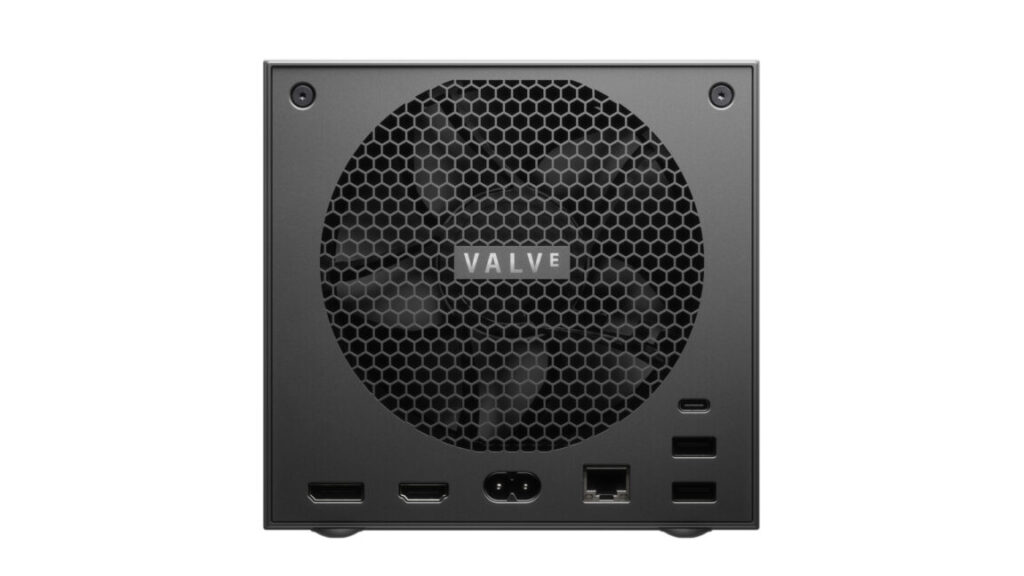
When Valve announced its upcoming Steam Machine hardware last month, some eagle-eyed gamers may have been surprised to see that the official spec sheet lists support for HDMI 2.0 output, rather than the updated, higher-bandwidth HDMI 2.1 standard introduced in 2017. Now, Valve tells Ars that, while the hardware itself actually supports HDMI 2.1, the company is struggling to offer full support for that standard due to Linux drivers that are “still a work-in-progress on the software side.”

As we noted last year, the HDMI Forum (which manages the official specifications for HDMI standards) has officially blocked any open source implementation of HDMI 2.1. That means the open source AMD drivers used by SteamOS can’t fully implement certain features that are specific to the updated output standard.

“At this time an open source HDMI 2.1 implementation is not possible without running afoul of the HDMI Forum requirements,” AMD engineer Alex Deucher said at the time.

Doing what they can

This situation has caused significant headaches for Valve, which tells Ars it has had to validate the Steam Machine’s HDMI 2.1 hardware via Windows during testing. And when it comes to HDMI performance via SteamOS, a Valve representative tells Ars that “we’ve been working on trying to unblock things there.”

That includes unblocking HDMI 2.0’s resolution and frame-rate limits, which max out at 60 Hz for a 4K output, according to the official standard. Valve tells Ars it has been able to increase that limit to the “4K @ 120Hz” listed on the Steam Machine spec sheet, though, thanks to a technique called chroma sub-sampling.

Why won’t Steam Machine support HDMI 2.1? Digging in on the display standard drama. Read More »

testing-shows-why-the-steam-machine’s-8gb-of-graphics-ram-could-be-a-problem

Testing shows why the Steam Machine’s 8GB of graphics RAM could be a problem

By Valve’s admission, its upcoming Steam Machine desktop isn’t swinging for the fences with its graphical performance. The specs promise decent 1080p-to-1440p performance in most games, with 4K occasionally reachable with assistance from FSR upscaling—about what you’d expect from a box with a modern midrange graphics card in it.

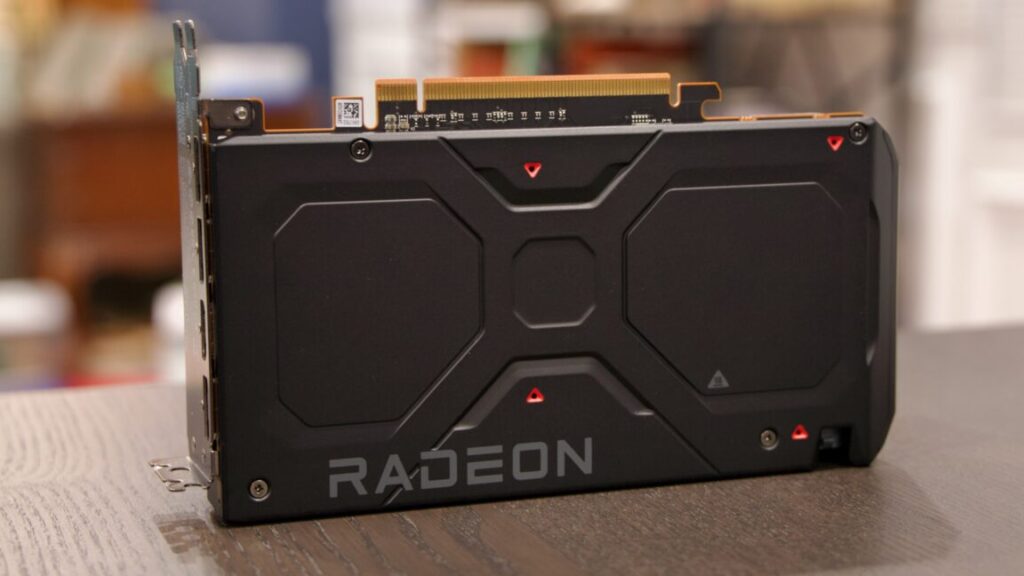
But there’s one spec that has caused some concern among Ars staffers and others with their eyes on the Steam Machine: The GPU comes with just 8GB of dedicated graphics RAM, an amount that is steadily becoming more of a bottleneck for midrange GPUs like AMD’s Radeon RX 7060 and 9060, or Nvidia’s GeForce RTX 4060 or 5060.

In our reviews of these GPUs, we’ve already run into some games where the RAM ceiling limits performance in Windows, especially at 1440p. But we’ve been doing more extensive testing of various GPUs with SteamOS, and we can confirm that in current betas, 8GB GPUs struggle even more on SteamOS than they do running the same games at the same settings in Windows 11.

The good news is that Valve is working on solutions, and having a stable platform like the Steam Machine to aim for should help improve things for other hardware with similar configurations. The bad news is there’s plenty of work left to do.

The numbers

We’ve tested an array of dedicated and integrated Radeon GPUs under SteamOS and Windows, and we’ll share more extensive results in another article soon (along with broader SteamOS-vs-Windows observations). But for our purposes here, the two GPUs that highlight the issues most effectively are the 8GB Radeon RX 7600 and the 16GB Radeon RX 7600 XT.

These dedicated GPUs have the benefit of being nearly identical to what Valve plans to ship in the Steam Machine—32 compute units (CUs) instead of Valve’s 28, but the same RDNA3 architecture. They’re also, most importantly for our purposes, pretty similar to each other—the same physical GPU die, just with slightly higher clock speeds and more RAM for the 7600 XT than for the regular 7600.

Testing shows why the Steam Machine’s 8GB of graphics RAM could be a problem Read More »

valve’s-steam-machine-looks-like-a-console,-but-don’t-expect-it-to-be-priced-like-one

Valve’s Steam Machine looks like a console, but don’t expect it to be priced like one

After Valve announced its upcoming Steam Machine living room box earlier this month, some analysts suggested to Ars that Valve could and should aggressively subsidize that hardware with “loss leader” pricing that leads to more revenue from improved Steam software sales. In a new interview with YouTube channel Skill Up, though, Valve’s Pierre-Loup Griffais ruled out that kind of console-style pricing model, saying that the Steam Machine will be “more in line with what you might expect from the current PC market.”

Griffais said the AMD Zen 4 CPU and RDNA3 GPU in the Steam Machine were designed to outperform the bottom 70 percent of machines that opt-in to Valve’s regular hardware survey. And Steam Machine owners should expect to pay roughly what they would for desktop hardware with similar specs, he added.

“If you build a PC from parts and get to basically the same level of performance, that’s the general price window that we aim to be at,” Griffais said.

The new comments follow similar sentiments relayed by Linus Sebastian on a recent episode of his WAN Show podcast. Sebastian said that, when talking to Valve representatives at a preview event, he suggested that a heavily subsidized price point would make the Steam Machine hardware into “a more meaningful product.” But when he suggested that he was imagining a console-style price in the range of $500, “nobody said anything, but the energy of the room wasn’t great.”

Forget about $500

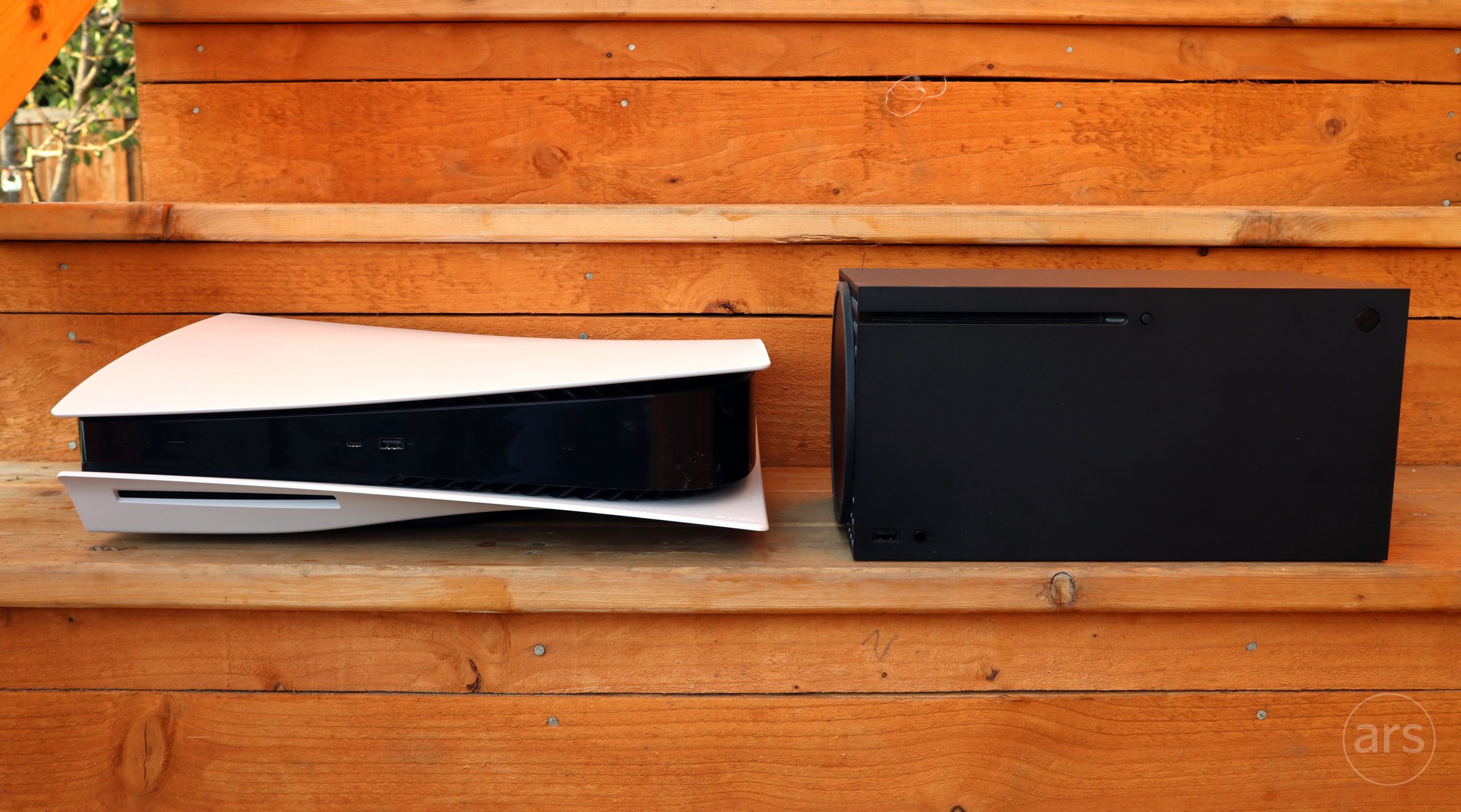
Based on these comments, we could start estimating a potential Steam Machine price range by speccing out a comparable desktop machine. That would likely require building around a Ryzen 5 7600X CPU and Radeon RX 7600 GPU, which would probably push the overall build into the $700-plus range. That would make the Steam Machine competitive with the pricey PS5 Pro, even though some estimates price out the actual internal Steam Machine components in the $400 to $500 range.

Valve’s Steam Machine looks like a console, but don’t expect it to be priced like one Read More »

are-you-ready-for-a-$1,000-steam-machine?-some-analysts-think-you-should-be.

Are you ready for a $1,000 Steam Machine? Some analysts think you should be.

If you ask random gamers what price they think Valve will charge for its newly announced Steam Machine hardware, you’ll get a wide range of guesses. But if you ask the analysts who follow the game industry for a living the same question… well, you’ll actually get the same wide range of (somewhat better-informed) guesses.

At the high end of those guesses are analysts like F-Squared‘s Michael Futter, who expects a starting price of $799 to $899 for the entry-level 512GB Steam Machine and a whopping $1,000 to $1,100 for the 2TB version. With internal specs that Futter says “will rival a PS5 and maybe even hit PS5 Pro performance,” we can expect a “hefty price tag” from Valve’s new console-like effort. At the same time, since Valve is “positioning this as a dedicated, powerful gaming PC… I suspect that the price will be below a similarly capable traditional desktop,” Futter said.

DFC Intelligence analyst David Cole similarly expects the Steam Machine to start at a price “around $800” and go up to “around $1,000” for the 2TB model. Cole said he expects Valve will seek “very low margins” or even break-even pricing on the hardware itself, which he said would probably lead to pricing “below a gaming PC but slightly above a high-end console.”

A loss leader?

At the other end of the spectrum, Superdata Research founder and SuperJoost newsletter author Joost Van Dreunen predicted the entry-level Steam Machine could come in as low as $549, rising to $749 for the 2TB version (plus an additional $50 for bundles including a Steam Controller).

To Van Dreunen, Valve’s unique position as a private company with a loyal fan base means it can “price its hardware to hit its own strategic sweet spot rather than mirror the competition.” And in this case, he said, that could mean taking a “modest” loss on the hardware as a way to get more gamers invested in SteamOS.

Getting people to buy more games on SteamOS could be worth a lot more to Valve than any Steam Machine hardware profits.

Credit: Valve

Getting people to buy more games on SteamOS could be worth a lot more to Valve than any Steam Machine hardware profits. Credit: Valve

“Just like Sony and Microsoft, the real money isn’t in the box, it’s in the ecosystem you enter once you buy it,” Van Dreunen said. “To me the question isn’t whether Valve can afford to eat margin. It’s whether they want the SteamOS footprint to grow fast enough to justify it. … Strategically, this is about expanding the platform, not squeezing the hardware.”

Are you ready for a $1,000 Steam Machine? Some analysts think you should be. Read More »

half-life-3-is-just-the-hot-exclusive-valve-needs-to-propel-steamos-past-windows

Half-Life 3 is just the hot exclusive Valve needs to propel SteamOS past Windows


The ultimate system seller

Opinion: Just as Half-Life 2 helped launch Steam, a sequel could help establish non-Windows PC gaming.

We found this logo hidden deep in an abandoned steel forge, Credit: Aurich Lawson | Steam

A little over 20 years ago, Valve was getting ready to release a new Half-Life game. At the same time, the company was trying to push Steam as a new option for players to download and update games over the Internet.

Requiring Steam in order to play Half-Life 2 led to plenty of grumbling from players in 2004. But the high-profile Steam exclusive helped build an instant user base for Valve’s fresh distribution system, setting it on a path to eventually become the unquestioned leader in the space. The link between the new game and the new platform helped promote a bold alternative to the retail game sales and distribution systems that had dominated PC gaming for decades.

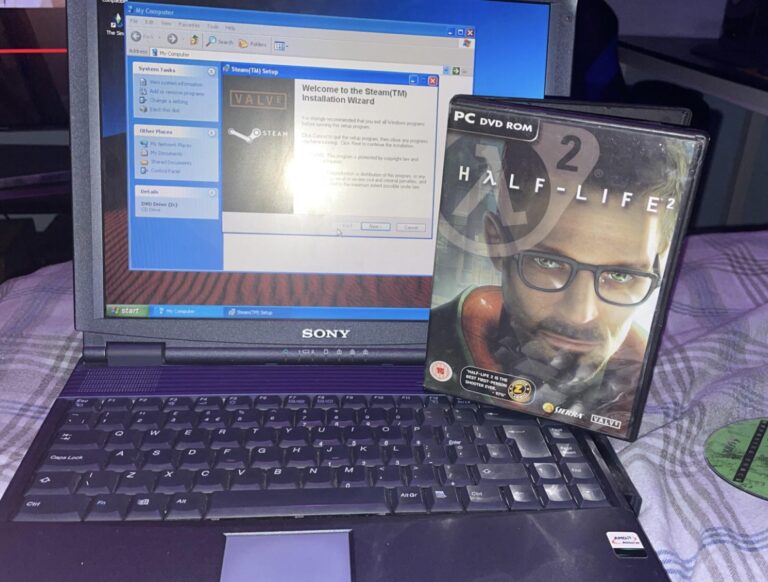
Remember DVD-ROMs?

Remember DVD-ROMs? Credit: Reddit

Today, all indications suggest that Valve is getting ready to release a new Half-Life game. At the same time, the company is getting ready to push SteamOS as a new option for third-party hardware makers and individual users to “download and test themselves.”

Requiring SteamOS to play Half-Life 3 would definitely lead to a lot of grumbling from players. But the high-profile exclusive could help build an instant user base for Valve’s fresh operating system, perhaps setting it on the path to become the unquestioned leader in the space. A link between the new game and the new platform could help promote a bold alternative to the Windows-based systems that have dominated PC gaming for decades.

Not another Steam Machine

Getting players to change the established platform they use to buy and play games (either in terms of hardware or software) usually requires some sort of instantly apparent benefit for the player. Those benefits can range from the tangible (e.g., an improved controller, better graphics performance) to the ancillary (e.g., social features, achievements) to the downright weird (e.g., a second screen on a portable). Often, though, a core reason why players switch platforms is for access to exclusive “system seller” games that aren’t available any other way.

Half-Life 2‘s role in popularizing early Steam shows just how much a highly anticipated exclusive can convince otherwise reluctant players to invest time and effort in a new platform. To see what can happen without such an exclusive, we only need to look to Valve’s 2015 launch of the Steam Machine hardware line, powered by the first version of the Linux-based SteamOS.

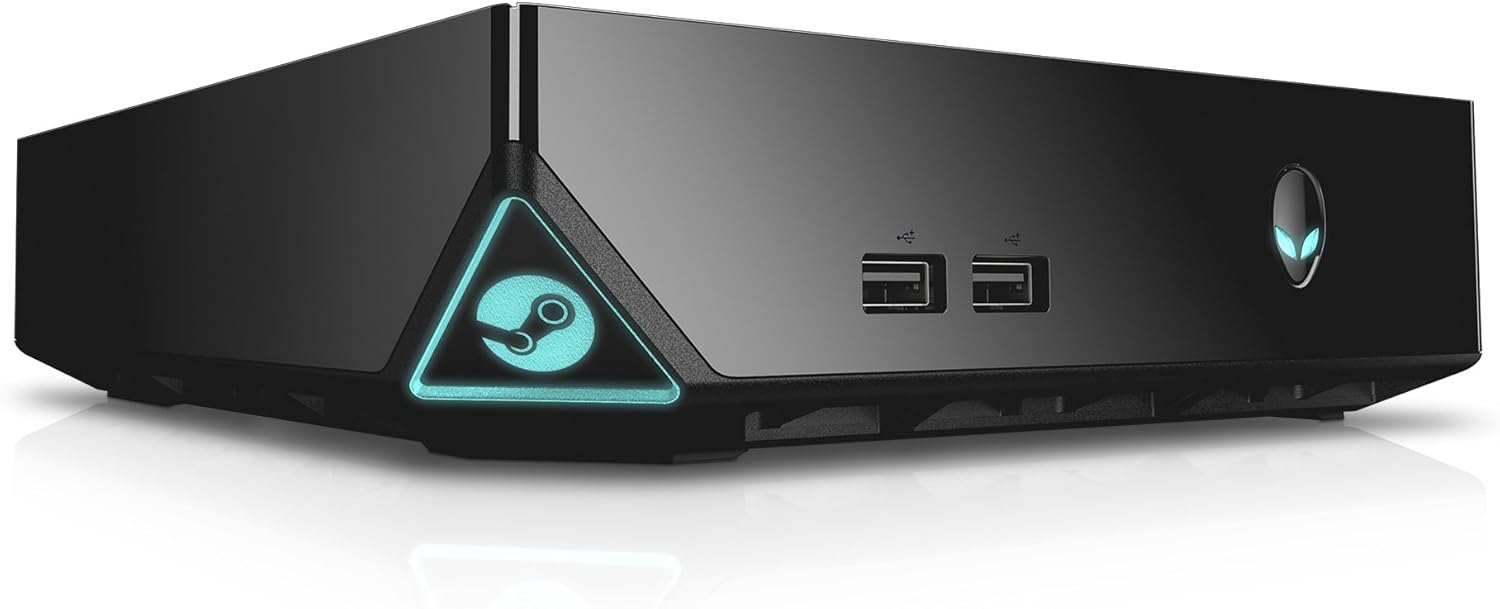
Valve offered players very little in the way of affirmative reasons to switch to a SteamOS-powered Steam Machine in 2015.

Credit: Alienware

Valve offered players very little in the way of affirmative reasons to switch to a SteamOS-powered Steam Machine in 2015. Credit: Alienware

At the time, Valve was selling SteamOS mainly as an alternative to a new Windows 8 environment that Valve co-founder Gabe Newell saw as a “catastrophe” in the making for the PC gaming world. Newell described SteamOS as a “hedging strategy” against Microsoft’s potential ability to force all Windows 8 app distribution through the Windows Store, a la Apple’s total control of iPhone app distribution.

When Microsoft failed to impose that kind of hegemonic control over Windows apps and games, Valve was left with little else to convince players that it was worth buying a Windows-free Steam Machine (or going through the onerous process of installing the original SteamOS on their gaming rigs). Sure, using SteamOS meant saving a few bucks on a Windows license. But it also meant being stuck with an extremely limited library of Linux ports (especially when it came to releases from major publishers) and poor technical performance compared to Windows even when those ports were available.

Given those obvious downsides—and the lack of any obvious upsides—it’s no wonder that users overwhelmingly ignored SteamOS and Steam Machines at the time. But as we argued way back in 2013, a major exclusive on the scale of Half-Life 3 could have convinced a lot of gamers to overlook at least some of those downsides and give the new platform a chance.

A little push

Fast forward to today, and the modern version of SteamOS is in a much better place than the Steam Machine-era version ever was. That’s thanks in large part to Valve’s consistent work on the Proton compatibility layer, which lets the Linux-based SteamOS run almost any game that’s designed for Windows (with only a few major exceptions). That wide compatibility has been a huge boon for the Steam Deck, which offered many players easy handheld access to vast swathes of PC gaming for the first time. The Steam Deck also showed off SteamOS’s major user interface and user experience benefits over clunkier Windows-based gaming portables.

The Steam Deck served as an excellent proof of concept for the viability of SteamOS hardware with the gaming masses.

Credit: Kyle Orland

The Steam Deck served as an excellent proof of concept for the viability of SteamOS hardware with the gaming masses. Credit: Kyle Orland

Still, the benefits of switching from Windows to SteamOS might seem a bit amorphous to many players today. If Valve is really interested in pushing its OS as an alternative to Windows gaming, a big exclusive game is just the thing to convince a critical mass of players to make the leap. And when it comes to massive PC gaming exclusives, it doesn’t get much bigger than the long, long-awaited Half-Life 3.

We know it might sound ludicrous to suggest that Valve’s biggest game in years should ignore the Windows platform that’s been used by practically every PC gamer for decades. Keep in mind, though, that there would be nothing stopping existing Windows gamers from downloading and installing a free copy of the Linux-based SteamOS (likely on a separate drive or partition) to get access to Half-Life 3.

Yes, installing a new operating system (especially one based on Linux) is not exactly a plug-and-play process. But Valve has a long history of streamlining game downloads, updates, and driver installations through Steam itself. If anyone can make the process of setting up a new OS relatively seamless, it’s Valve.

And let’s not forget that millions of gamers already have easy access to SteamOS through Steam Deck hardware. Those aging Steam Decks might not be powerful enough to run a game like Half-Life 3 at maximum graphics settings, but Valve games have a history of scaling down well on low-end systems.

Valve’s leaked “Powered by SteamOS” initiative also seems poised to let third-party hardware makers jump in with more powerful (and more Half-Life 3-capable) desktops, laptops, and handhelds with SteamOS pre-installed. And that’s before we even consider the potential impact of a more powerful “Steam Deck 2,” which Valve’s Pierre-Loup  Griffais said in 2023 could potentially come in “the next couple of years.”

Time for a bold move

Tying a major game like Half-Life 3 to a completely new and largely untested operating system would surely lead to some deafening pushback from gamers happy with the Windows-based status quo. An exclusive release could also be risky if SteamOS ends up showing some technical problems as it tries to grow past its Steam Deck roots (Linux doesn’t exactly have the best track record when it comes to things like game driver compatibility across different hardware).

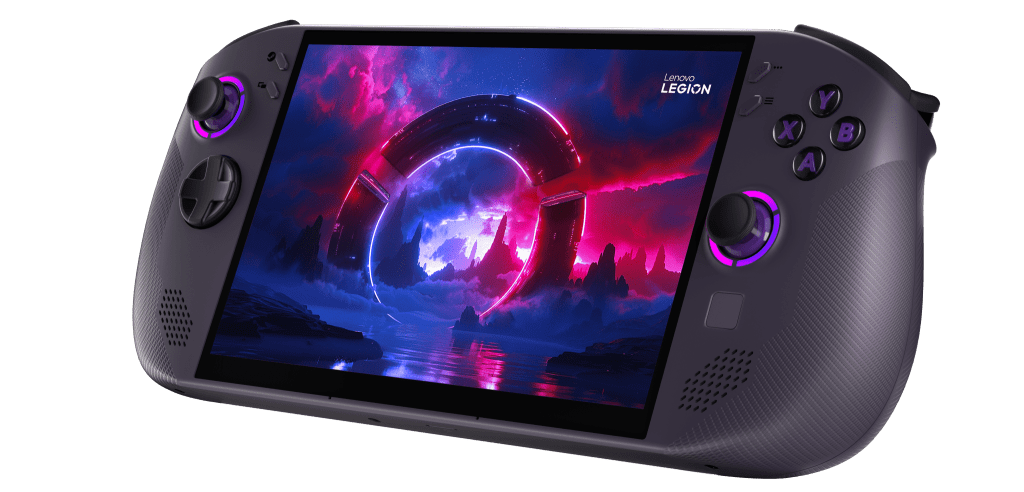
The Lenovo Legion Go S will be the first non-Valve hardware to be officially “Powered by SteamOS.” A Windows-sporting version will be more expensive

The Lenovo Legion Go S will be the first non-Valve hardware to be officially “Powered by SteamOS.” A Windows-sporting version will be more expensive Credit: Lenovo

Despite all that, we’re pretty confident that the vast majority of players interested in Half-Life 3 would jump through a few OS-related hoops to get access to the game. And many of those players would likely stick with Valve’s gaming-optimized OS going forward rather than spending money on another Windows license.

Even a timed exclusivity window for Half-Life 3 on SteamOS could push a lot of early adopters to see what all the fuss is about without excluding those who refuse to switch away from Windows. Failing even that, maybe a non-exclusive Half-Life 3 could be included as a pre-installed freebie with future versions of SteamOS, as an incentive for the curious to try out a new operating system.

With the coming wide release of SteamOS, Valve has a rare opportunity to upend the PC gaming OS dominance that Microsoft more or less stumbled into decades ago. A game like Half-Life 3 could be just the carrot needed to get PC gaming as a whole over its longstanding Windows dependence.

Photo of Kyle Orland

Kyle Orland has been the Senior Gaming Editor at Ars Technica since 2012, writing primarily about the business, tech, and culture behind video games. He has journalism and computer science degrees from University of Maryland. He once wrote a whole book about Minesweeper.

Half-Life 3 is just the hot exclusive Valve needs to propel SteamOS past Windows Read More »