
Speakers

bose-open-sources-its-soundtouch-home-theater-smart-speakers-ahead-of-end-of-life

Bose open-sources its SoundTouch home theater smart speakers ahead of end-of-life

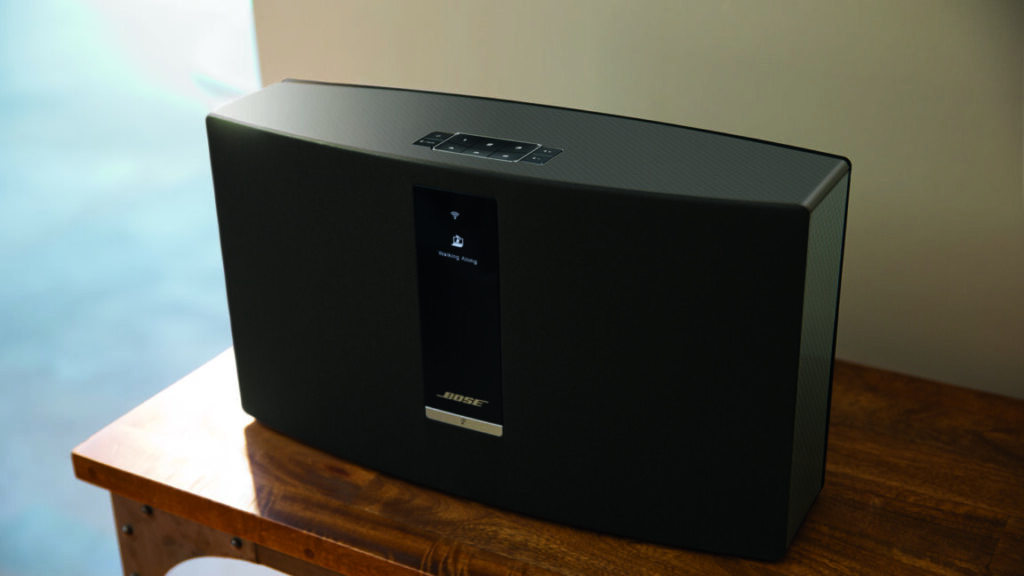
Bose released the Application Programming Interface (API) documentation for its SoundTouch speakers today, putting a silver lining around the impending end-of-life (EoL) of the expensive home theater devices.

In October, Bose announced that its SoundTouch Wi-Fi speakers and soundbars would become dumb speakers on February 18. At the time, Bose said that the speakers would only work if a device was connected via AUX, HDMI, or Bluetooth (which has higher latency than Wi-Fi).

After that date, the speakers would stop receiving security and software updates and lose cloud connectivity and their companion app, the Framingham, Massachusetts-based company said. Without the app, users would no longer be able to integrate the device with music services, such as Spotify, have multiple SoundTouch devices play the same audio simultaneously, or use or edit saved presets.

The announcement frustrated some of Bose’s long-time customers, some of whom own multiple SoundTouch devices that still function properly. Many questioned companies’ increasingly common practice of bricking expensive products to focus on new devices or to minimize costs, or because they’ve gone through acquisitions or bankruptcy. SoundTouch speakers released in 2013 and 2015 with prices ranging from $399 to $1,500.

Today, Bose had better news. In an email to customers, Bose announced that AirPlay and Spotify Connect will still work with SoundTouch speakers after EoL, expanding the wireless capabilities that people will still be able to access.

Additionally, SoundTouch devices that support AirPlay 2 can play the same audio simultaneously.

The SoundTouch app will also live on, albeit stripped of some functionality.

“On May 6, 2026, the app will update to a version that supports the functions that can operate locally without the cloud. No action will be required on your part. Opening the app will apply the update automatically,” Bose said.

Bose open-sources its SoundTouch home theater smart speakers ahead of end-of-life Read More »
bose-soundtouch-home-theater-systems-regress-into-dumb-speakers-feb.-18

Bose SoundTouch home theater systems regress into dumb speakers Feb. 18

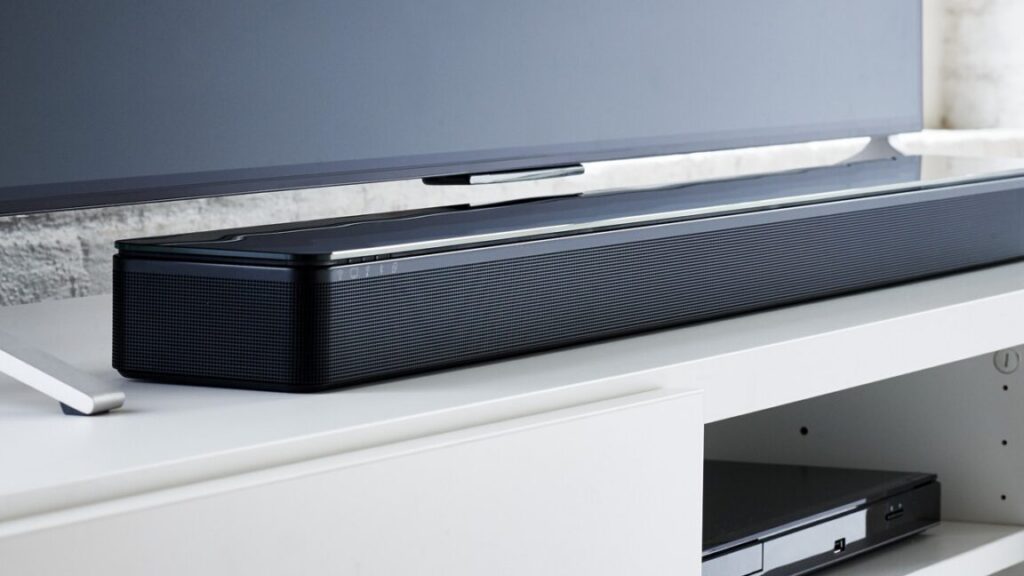
Bose will brick key features of its SoundTouch Wi-Fi speakers and soundbars soon. On Thursday, Bose informed customers that as of February 18, 2026, it will stop supporting the devices, and the devices’ cloud-based features, including the companion app, will stop working.

The SoundTouch app enabled numerous capabilities, including integrating music services, like Spotify and TuneIn, and the ability to program multiple speakers in different rooms to play the same audio simultaneously.

Bose has also said that some saved presets won’t work and that users won’t be able to change saved presets once the app is gone.

Additionally, Bose will stop providing security updates for SoundTouch devices.

The Framingham, Massachusetts-headquartered company noted to customers that the speakers will continue being able to play audio from a device connected via AUX or HDMI. Wireless playback will still work over Bluetooth; however, Bluetooth is known to introduce more latency than Wi-Fi connections.

Affected customers can trade in their SoundTouch product for a credit worth up to $200.

In its notice sent to customers this week, Bose provided minimal explanation for end-of-life-ing its pricey SoundTouch speakers, saying:

Bose SoundTouch systems were introduced into the market in 2013. Technology has evolved since then, and we’re no longer able to sustain the development and support of the cloud infrastructure that powers this older generation of products. We remain committed to creating new listening experiences for our customers built on modern technologies.

Ars Technica has reached out to Bose for comment.

“Really disgusted”

Bose launched SoundTouch with three speakers ranging from $399 to $699. The company marketed the wireless home audio system as a way to extend high-quality sound throughout the home using Wi-Fi-connected speakers.

In 2015, Bose expanded the lineup with speakers ranging from $200 to $400 and soundbars and home theater systems ranging from $1,100 to $1,500.

By 2020, however, Bose was distancing itself from SoundTouch. It informed customers that it was “discontinuing sales of some SoundTouch products” but said it was “committed” to supporting the “SoundTouch app and product software for the foreseeable future.” Apparently, Bose couldn’t see beyond the next five years.

Bose SoundTouch home theater systems regress into dumb speakers Feb. 18 Read More »