Enlarge / Space Perspective’s first test capsule, Excelsior, has a diameter of approximately 16 feet (4.9 meters).
Space Perspective could begin test flights of its privately owned capsule suspended under a high-altitude balloon within the next couple of months, the company’s co-founder told Ars this week.
Florida-based Space Perspective released photos of its first completed test capsule Tuesday. The company will use this pressurized capsule, called Excelsior, for a series of test flights this year over the Atlantic Ocean just off the coast of Cape Canaveral. Taber MacCallum, Space Perspective’s co-founder and chief technology officer, said employees have also finished fabricating the giant balloon that will lift the test capsule into the upper atmosphere for the first test flight.
The final piece of the puzzle is a ship, named Marine Spaceport Voyager, that Space Perspective will use to launch the balloon and capsule. This vessel is due to depart an outfitting facility in Louisiana in the next few weeks for a trip to Port Canaveral, Florida, where Space Perspective will load aboard the capsule and balloon. Then, perhaps in four to six weeks, ground teams will be ready for the system’s first test flight, according to MacCallum.
But this is a test program, and there could be delays, MacCallum said. In the meantime, Space Perspective will start building a second capsule for human test flights.
“We’ll do a series of unmanned tests with this capsule,” he said. “In theory, we could fly people in this capsule. It’s designed that way, and it has all of the systems set up for human flight. But our planning assumes that trailing on what we learn from this capsule, we build another capsule that will be our first human flight capsule. And this will remain an unmanned test capsule.”
Soaring to the edge of “space”
These tests are a prelude to Space Perspective’s plans for regular commercial flights carrying paying customers to 100,000 feet (about 30 kilometers), roughly three times higher than the cruising altitude of a typical commercial airliner. From 100,000 feet, Space Perspective’s clients will see panoramic views of the ground and ocean far below, and the sky will be black, with the capsule flying above 99 percent of Earth’s atmosphere.
Founded in 2019, Space Perspective says on its website it is “driven by a desire to share the transformative power of space travel with as many people as possible.” In reality, the company will give customers an experience similar to spaceflight, with a few significant differences.
Essentially, passengers on Space Perspective’s high-altitude balloon will get a view the company says is similar to what a passenger might see on a suborbital spacecraft from Blue Origin or Virgin Galactic. But Space Perspective’s vehicle won’t subject customers to any high G-forces or the risks of rocket flight. The balloon passengers also won’t float in microgravity. And it will max out at 30 kilometers, well short of the 80-kilometer boundary of space recognized by the US government or the 100-kilometer Kármán line.
Still, the view from 30 kilometers must be tremendous. “You’ll see essentially all of Florida,” MacCallum said. “We’re also looking at flying sort of across the southern tip of Florida, so you’d see Cuba, the Bahamas, essentially all of Florida. So amazing views.”
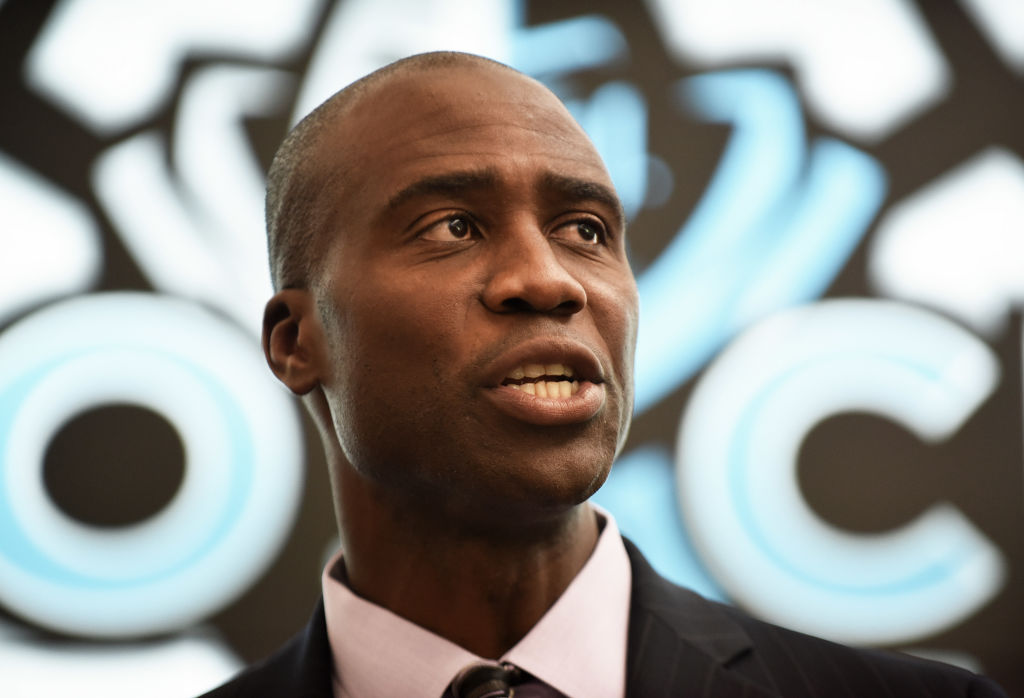
Enlarge/ Florida Surgeon General Dr. Joseph Ladapo speaks during a press conference at Neo City Academy in Kissimmee, Florida.
Paul Hennessy/SOPA Images/LightRocket via Getty Images
A sixth student at Florida’s Manatee Bay Elementary School outside of Fort Lauderdale has a confirmed case of measles, health officials announced late Tuesday. However, health officials are not telling unvaccinated students who were potentially exposed to quarantine.
The letter, signed by Ladapo, noted that people with measles can be contagious from four days before the rash develops through four days after the rash appears. And while symptoms often develop between 8 to 14 days after exposure, the disease can take 21 days to appear. As such, the normal quarantine period for exposed and unvaccinated people, who are highly susceptible to measles, is 21 days.
“Because of the high likelihood of infection, it is normally recommended that children stay home until the end of the infectious period, which is currently March 7, 2024,” Ladapo’s letter states, adding that the date could change as the situation develops. “However, due to the high immunity rate in the community, as well as the burden on families and educational costs of healthy children missing school, [the health department] is deferring to parents or guardians to make decisions about school attendance.”
Local media outlets reported that, on Tuesday, more than 200 of the school’s 1,067 students were absent.
The measles cluster began Friday when a third grader, who had not recently traveled, was diagnosed with the vaccine-preventable illness. Over the weekend, three additional cases were identified, leading the local health department to release a health advisory. Two additional cases were identified this week. It’s unclear if all six children are unvaccinated.
According to a county vaccine study, only 89.31 percent of the school’s students were vaccinated in the 2023/2024 school year, suggesting that around 114 students are susceptible due to their vaccination status.
The measles virus spreads easily through respiratory transmission and can linger in air space for up to two hours after an infected person has been in an area. Among people susceptible to the virus—those who are unvaccinated or have compromised immune systems—up to 90 percent will become infected upon exposure. People who are fully vaccinated, meanwhile, are considered protected. Two doses of the Measles, Mumps, and Rubella (MMR) vaccine are 97 percent effective at preventing the disease.
Measles symptoms include high fever, runny nose, red and watery eyes, and a cough, as well as a telltale rash that develops after initial symptoms. About 1 in 5 unvaccinated people with measles are hospitalized, according to the Centers for Disease Control and Prevention, while 1 in 20 infected children develop pneumonia and up to 3 in 1,000 children die of the infection.
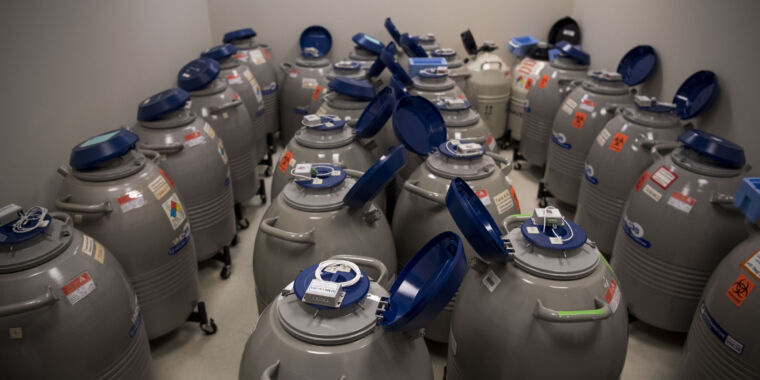
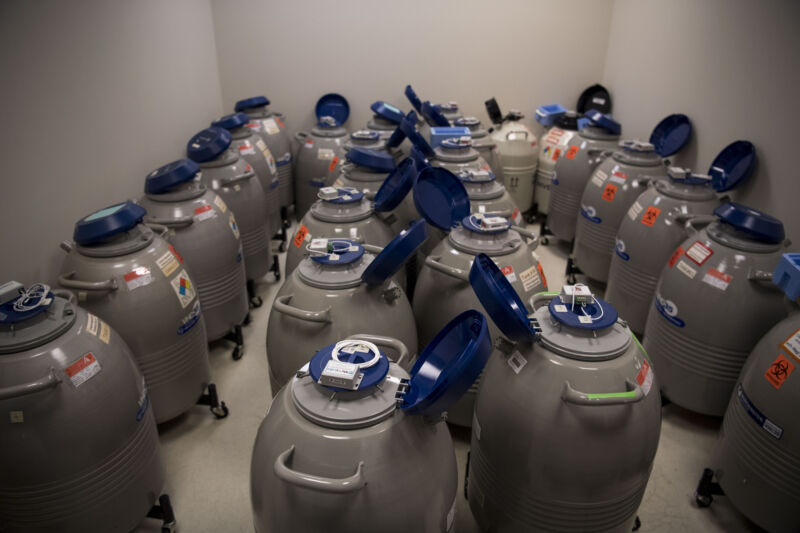
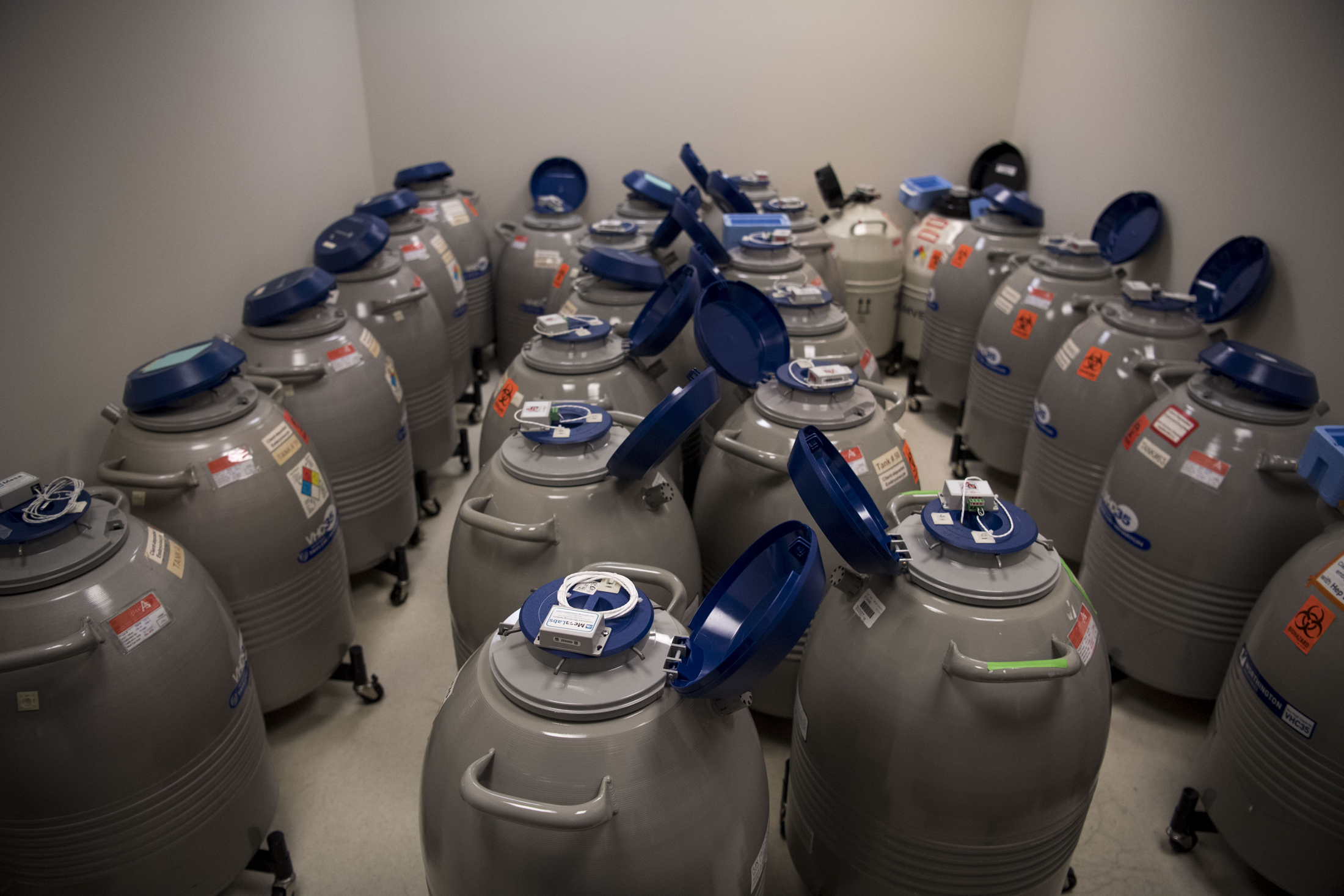
Enlarge/ Nitrogen tanks holding tens of thousands of frozen embryos and eggs sit in the embryology lab at New Hope Fertility Center in New York City on December 20, 2017.
The announcement—the first facility to report halting IVF services—is the much-feared outcome of Friday’s ruling, which was widely decried by reproductive health advocates.
“We are saddened that this will impact our patients’ attempt to have a baby through IVF, but we must evaluate the potential that our patients and our physicians could be prosecuted criminally or face punitive damages for following the standard of care for IVF treatments,” UAB said a statement to media. The statement noted that egg retrieval would continue but that egg fertilization and embryo development are now paused.
Ars has reached out to UAB for further comment and will update this story with any additional information.
Production of extra embryos is a normal part of IVF treatment for several reasons. Most notably, not all embryos will be viable, implant in a uterus, and lead to a live birth. So, creating as many embryos as possible is a common strategy to ensure that people who wish to conceive have the best chance of doing so. Embryos can also be screened for genetic conditions, allowing only the healthiest to be implanted, while those with debilitating or fatal abnormalities can be discarded.
But, the standard practices of IVF used for hundreds of thousands of patients each year were thrown into question and upheaval Friday when the Alabama Supreme Court ruled that all embryos, even those outside of a uterus or frozen in storage, are “children” under state law. Anyone who destroys them is liable under the state’s Wrongful Death of a Minor Act, the court concluded. Chief Justice Tom Parker cited his religious beliefs and quoted the Bible to support the stance.
Reproductive health experts quickly speculated that the ruling would roll back IVF treatment in the state. Some facilities, such as the case of UAB, may halt treatment entirely. While others may choose to fertilize eggs conservatively, adding cost and time to the already arduous process of IVF. Genetic screening of embryos from couples who carry debilitating or fatal mutations may no longer be possible. Doctors could be sued if an embryonic ball of a few cells does not survive the treatment. Insurance rates for fertility clinics could skyrocket. Patients, meanwhile, may have to keep unneeded embryos frozen indefinitely.
On Tuesday, The Washington Post reported that the ruling had created a wave of anger, shock, and confusion across the state. Patients are considering moving frozen embryos—some leftover from IVF rounds, some purposely banked for future use—to storage facilities out of the state. Lawyers cautioned that divorce settlements that stipulate frozen embryos must be destroyed may now be void.
But the fear and confusion don’t end there. Health advocates worry more states will follow Alabama’s lead. And, if small clumps of cells gain personhood rights in more states, liability could spread to contraceptive use and people who suffer a miscarriage.
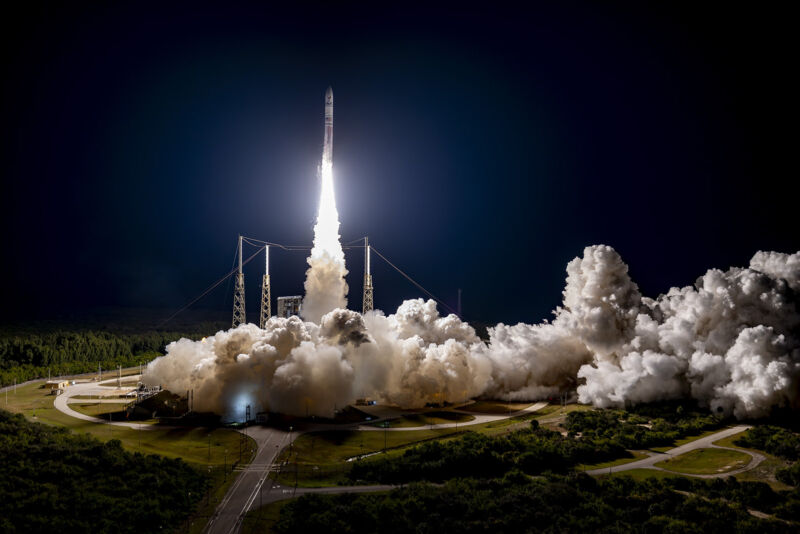
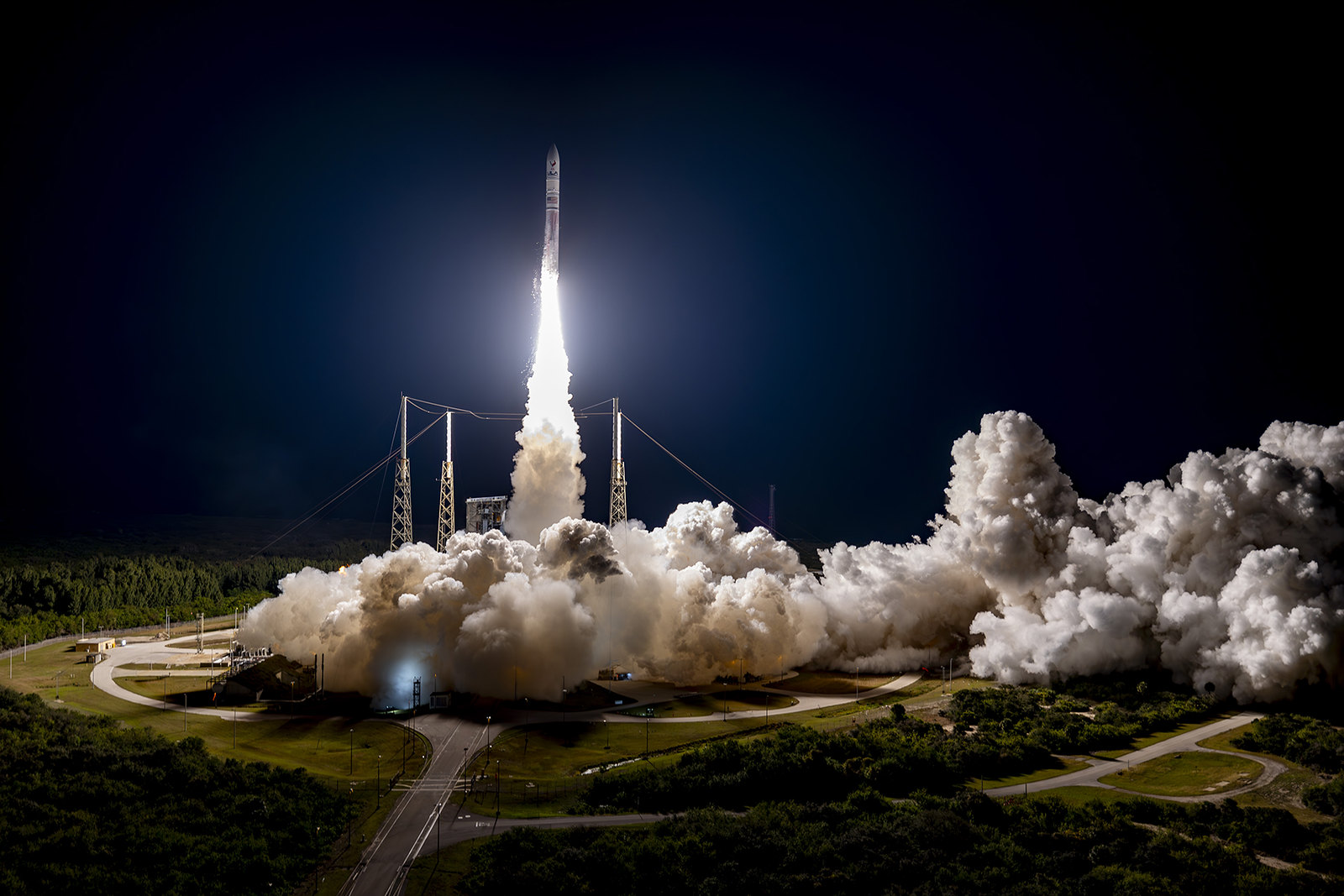
Enlarge/ The first Vulcan rocket fires off its launch pad in Florida in January 2024.
United Launch Alliance
The rocket company owned by Amazon founder Jeff Bezos, Blue Origin, has emerged as the sole finalist to buy United Launch Alliance.
The sale is not official, and nothing has been formally announced. The co-owners of United Launch Alliance (ULA), Lockheed Martin and Boeing, have yet to comment publicly on the sale of the company, which, until the rise of SpaceX, was the sole major launch provider in the United States. They declined again on Wednesday.
“Consistent with our corporate practice, Boeing doesn’t comment on potential market rumors or speculation,” a Boeing spokesperson said.
Blue Origin did not return a request for comment.
However, two sources told Ars that Blue Origin is nearing the purchase of ULA. The sources said they have not personally seen any signed agreements, but they expect the sale to be announced within a month or two.
In the 11 months since Ars first reported that ULA was up for sale, the company’s potential buyer has become a topic of widespread speculation and interest. In November, Ars reported that Blue Origin was one of three potential buyers. In December, the Wall Street Journal confirmed that the competition was narrowing and said Blue Origin and a large private equity firm, Cerberus, were the two most likely bidders.
Bezos stock sales
Some recent related activity suggests the sale is imminent. A handful of senior officials at ULA are seeking new jobs. Additionally, Bezos recently sold $2.4 billion in Amazon stock and, in securities filings, disclosed that he could sell an additional $8 billion to $9 billion in stock over the next 12 months. Although there are no confirmed values, there has been speculation in the launch industry that ULA may be sold for $2 billion to $3 billion.
ULA was created in 2006 through a merger of Boeing’s Delta rocket program and Lockheed Martin’s Atlas launcher family. Since then, ULA has been a profitable enterprise for both aerospace giants, thanks to military launch contracts and (until recently) large annual subsidies from the US Department of Defense to maintain “launch readiness” for national security missions.
During the last decade, however, ULA’s launch dominance has first been challenged and then supplanted by the rise of SpaceX and its less expensive and highly reliable Falcon 9 rocket. Tory Bruno, who became ULA’s chief executive in 2014, has slashed employee headcount and taken other steps to control costs, such as closing infrequently used launch pads.
One of the key questions about the acquisition is what will happen to Bruno, who has demonstrated the ability to run a launch company with an excellent record of success, manage the development of a large new launch vehicle—the Vulcan rocket—and is willing to compete with SpaceX. It is unclear what role he would have in an acquisition by Blue Origin. Sources indicate that Bruno has a good relationship with Bezos.
Will the merger work?
There is considerable overlap in the launch businesses of ULA and Blue Origin. Vulcan and Blue Origin’s own large rocket, New Glenn, will both compete for government launch contracts, and both use the BE-4 rocket engines developed by Blue Origin. However, some synergies could make a combined Blue Origin-ULA a more formidable launch competitor to SpaceX.
ULA has operational launch pads at Cape Canaveral Space Force Station in Florida and Vandenberg Space Force Base in California. It has large integration facilities at both locations. Additionally, it has an experienced launch team with a long track record of success, which could be useful to Blue Origin as it seeks to launch the New Glenn rocket later this year.
Finally, ULA has some expertise in the storage of cryogenic fuels in space. For a time, before its co-owners shut down the program, ULA was developing an innovative upper stage known as ACES (Advanced Cryogenic Evolved Stage). This upper stage was intended to be reusable and powered by liquid oxygen and liquid hydrogen. These are the kinds of technologies that Blue Origin will need as it develops a lunar lander and tug spacecraft that uses these same propellants and requires them to be stored in space for long periods of time.
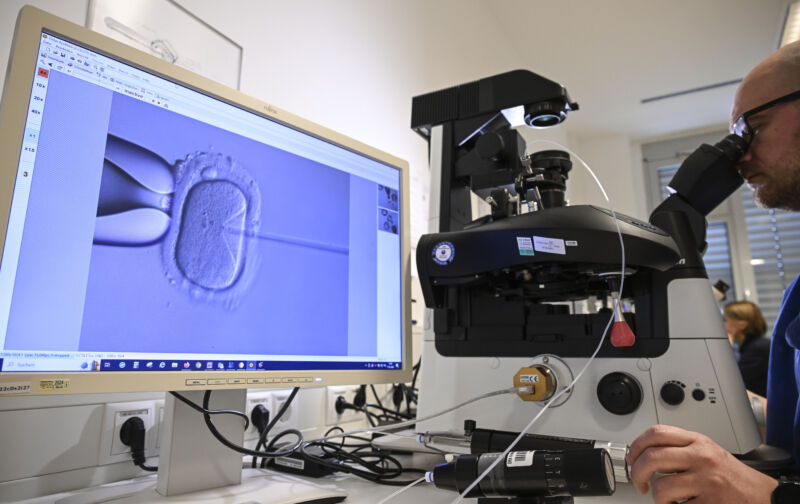
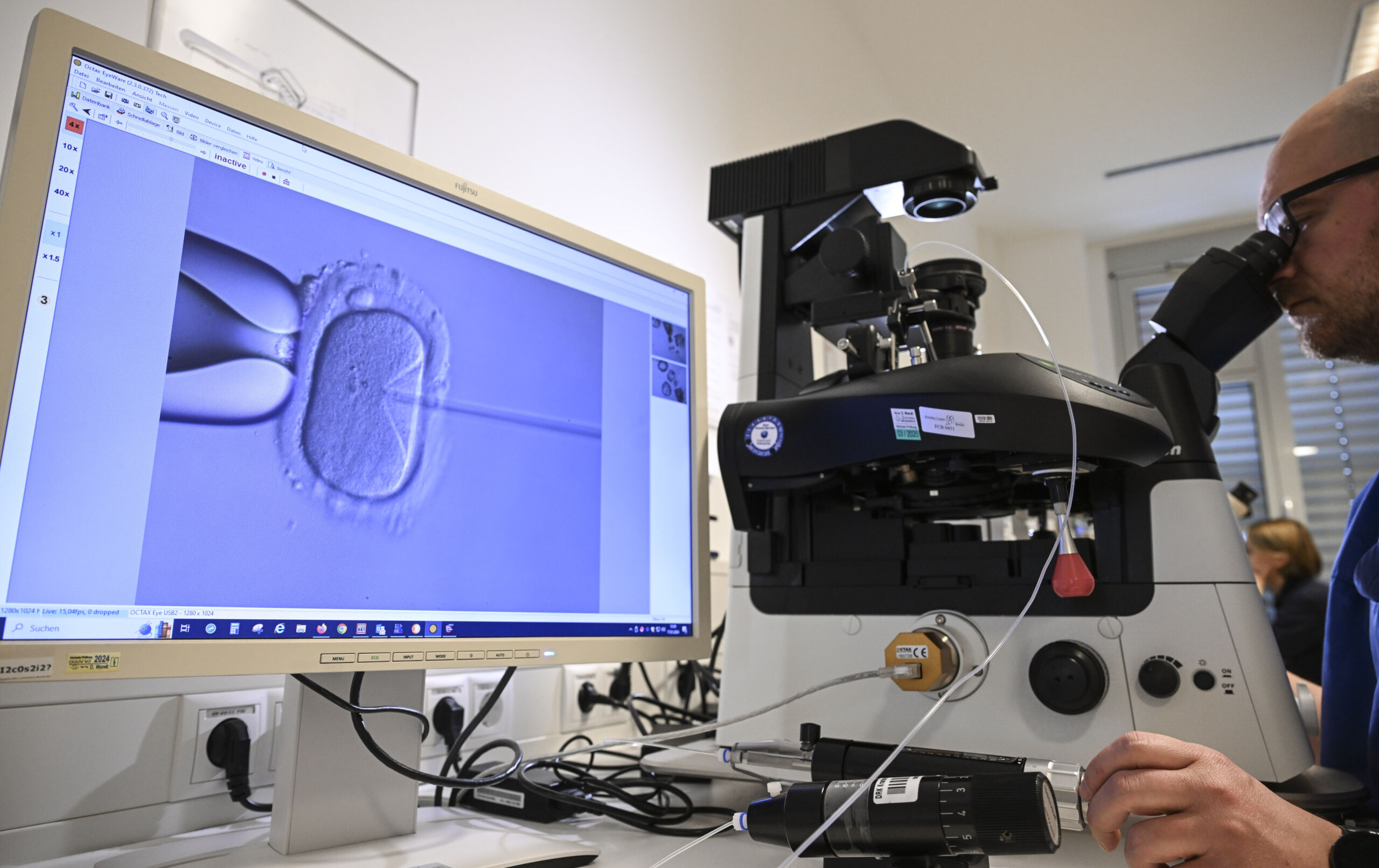
Enlarge/ January 17, 2024, Berlin: In the cell laboratory at the Fertility Center Berlin, an electron microscope is used to fertilize an egg cell.
The Alabama Supreme Court on Friday ruled that frozen embryos are “children,” entitled to full personhood rights, and anyone who destroys them could be liable in a wrongful death case.
The first-of-its-kind ruling throws into question the future use of assisted reproductive technology (ART) involving in vitro fertilization for patients in Alabama—and beyond. For this technology, people who want children but face challenges to conceiving can create embryos in clinical settings, which may or may not go on to be implanted in a uterus.
In the Alabama case, a hospital patient wandered through an unlocked door, removed frozen, preserved embryos from subzero storage and, suffering an ice burn, dropped the embryos, destroying them. Affected IVF patients filed wrongful-death lawsuits against the IVF clinic under the state’s Wrongful Death of a Minor Act. The case was initially dismissed in a lower court, which ruled the embryos did not meet the definition of a child. But the Alabama Supreme Court ruled that “it applies to all children, born and unborn, without limitation.” In a concurring opinion, Chief Justice Tom Parker cited his religious beliefs and quoted the Bible to support the stance.
“Human life cannot be wrongfully destroyed without incurring the wrath of a holy God, who views the destruction of His image as an affront to Himself,” Parker wrote. “Even before birth, all human beings bear the image of God, and their lives cannot be destroyed without effacing his glory.”
In 2020, the US Department of Health and Human Services estimated that there were over 600,000 embryos frozen in storage around the country, a significant percentage of which will likely never result in a live birth.
The process of IVF generally goes like this: First, egg production is overstimulated with hormone treatments. Then, doctors harvest the eggs as well as sperm. The number of eggs harvested can vary, but doctors sometimes try to retrieve as many as possible, ranging from a handful to several dozen, depending on fertility factors. The harvested eggs are fertilized in a clinic, sometimes by combining them with sperm in an incubator or by the more delicate process of directly injecting sperm into a mature egg (intracytoplasmic sperm injection). Any resulting fertilized eggs may then go through additional preparations, including “assisted hatching,” which prepares the embryo’s membrane for attaching to the lining of the uterus, or genetic screening to ensure the embryo is healthy and viable.
Feared reality
This process sometimes yields several embryos, which is typically considered good because each round of IVF can have significant failure rates. According to national ART data collected by the Centers for Disease Control and Prevention, the percentage of egg retrievals that fail to result in a live birth ranges from 46 percent to 91 percent, depending on the patient’s age. The percentage of fertilized egg or embryo transfers that fail to result in a live birth ranges from 51 percent to 76 percent, depending on age. Many patients go through multiple rounds of egg retrievals and embryo transfers.
The whole IVF process often creates numerous embryos but leads to far fewer live births. In 2021, nearly 240,000 patients in the US had over 400,000 ART cycles, resulting in 97,000 live-born infants, according to the CDC.
People who have extra embryos from IVF can currently choose what to do with them, including freezing them for more cycles or future conception attempts, donating them to others wanting to conceive, donating them to research, or having them discarded.
But, if, as Alabama’s Supreme Court ruled, embryos are considered “children,” this could mean that any embryos that are destroyed or discarded in the process of IVF or afterward could be the subject of wrongful death lawsuits. The ruling creates potentially paralyzing liability for ART clinics and patients who use them. Doctors may choose to only attempt creating embryos one at a time to avoid liability attached to creating extras, or they may decline to provide IVF altogether to avoid liability when embryos do not survive the process. This could exacerbate the already financially draining and emotionally exhausting process of IVF, potentially putting it entirely out of reach for those who want to use the technology and putting clinics out of business.
Barbara Collura, CEO of RESOLVE: The National Infertility Association, told USA Today that the ruling would likely halt most IVF work in Alabama. “This is exactly what we have been fearful of and worried about where it was heading,” Collura said. “We are extremely concerned that this is now going to happen in other states.”
But the hypothetical risks don’t end there. Health advocates worry that the idea of personhood for an embryonic ball of a few cells could extend to pregnancy outcomes, such as miscarriages or the use of contraceptives.
Quasars initially confused astronomers when they were discovered. First identified as sources of radio-frequency radiation, later observations showed that the objects had optical counterparts that looked like stars. But the spectrum of these ostensible stars showed lots of emissions at wavelengths that didn’t seem to correspond to any atoms we knew about.
Eventually, we figured out these were spectral lines of normal atoms but heavily redshifted by immense distances. This means that to appear like stars at these distances, these objects had to be brighter than an entire galaxy. Eventually, we discovered that quasars are the light produced by an actively feeding supermassive black hole at the center of a galaxy.
But finding new examples has remained difficult because, in most images, they continue to look just like stars—you still need to obtain a spectrum and figure out their distance to know you’re looking at a quasar. Because of that, there might be some unusual quasars we’ve ignored because we didn’t realize they were quasars. That’s the case with an object named J0529−4351, which turned out to be the brightest quasar we’ve ever observed.
That’s no star!
J0529−4351 had been observed a number of times, but its nature wasn’t recognized until a survey went hunting for quasars and recognized it was one. At the time of the 2023 paper that described the survey, the researchers behind it suggested that it had either been magnified through gravitational lensing, or it was the brightest quasar we’ve ever identified.
In this week’s Nature Astronomy, they confirmed: It’s not lensed, it really is that bright. Gravitational lensing tends to distort objects or create multiple images of them. But J0529−4351 is undistorted, and nothing nearby looks like it. And there’s nothing in the foreground that has enough mass to create a lens.
So, how do you take an instance of an incredibly bright object and make it even brighter? The light from a quasar is produced by an accretion disk. While accretion disks can form around black holes with masses similar to stars, quasars require a supermassive black hole like the ones found at the center of galaxies. These disks are formed of material that has been captured by the gravity of the black hole and is in orbit before falling inward and crossing the event horizon. Light is created as the material is heated by collisions of its constituent particles and gives up gravitational energy as it falls inward.
Getting more light out of an accretion disk is pretty simple: You either put more material in it or make it bigger. But there’s a limit to how much material you can cram into one. At some point, the accretion disk will produce so much radiation that it drives off any additional material that’s falling inward, essentially choking off its own food supply. Called the Eddington limit, this sets ceilings on how bright an accretion disk can be and how quickly a black hole can grow.
Factors like the mass of the black hole and its spin help set the Eddington limit. Plus, the amount of material falling inward can drop below the Eddington limit, leading to a bit less light being produced. Trying various combinations of these factors and checking them against observational data, the researchers came up with several estimates for the properties of the supermassive black hole and its accretion disk.
Extremely bright
For the supermassive black hole’s size, the researchers propose two possible estimates: one at 17 billion solar masses, and the other at 19 billion solar masses. That’s not the most massive one known, but there are only about a dozen thought to be larger. (For comparison, the one at the center of the Milky Way is “only” about 4 million solar masses.) The data is best fit by a moderate spin, with us viewing it from about 45 degrees off the pole of the black hole. The accretion disk would be roughly seven light-years across. Meaning, if the system were centered on our Sun, several nearby stars would be within the disk.
The accretion rate needed to power the brightness is just below the Eddington limit and works out to roughly 370 solar masses of material per year. Or, about a Sun a day. At that rate, it would take about 30 million years to double in size.
But it’s rare to have that much material around for one to feed that long. And a look through archival images shows that the brightness of J0529−4351 can vary by as much as 15 percent, so it’s not likely to be pushing the Eddington limit the entire time.
Even so, it’s difficult to understand how that much material can be driven into the center of a galaxy for any considerable length of time. The researchers suggest that the ALMA telescope array might be able to pick up anything unusual there. “If extreme quasars were caused by unusual host galaxy gas flows, ALMA should see this,” they write. “If nothing unusual was found in the host gas, then this would sharpen the well-known puzzle of how to sustain high accretion rates for long enough to form such extreme supermassive black holes.”
The whole accretion disk is also large enough that it should be possible to image it with the Very Large Telescope, which would allow us to track the disk’s rotation and estimate the black hole’s mass.
The system’s extreme nature, then, may actually help us figure out its details despite its immense distance. Meanwhile, the researchers wonder whether other unusual systems might remain undiscovered simply because we haven’t considered that an object might be a quasar instead of a star.
Enlarge/ Oil painting by Victor Eustaphieff of Charles Darwin in his study at Down House. One of the many bookcases that made up his extensive personal library is reflected in the mirror.
State Darwin Museum, Moscow
Famed naturalist Charles Darwin amassed an impressive personal library over the course of his life, much of which was preserved and cataloged upon his death in 1882. But many other items were lost, including more ephemeral items like unbound volumes, pamphlets, journals, clippings, and so forth, often only vaguely referenced in Darwin’s own records.
For the last 18 years, the Darwin Online project has painstakingly scoured all manner of archival records to reassemble a complete catalog of Darwin’s personal library virtually. The project released its complete 300-page online catalog—consisting of 7,400 titles across 13,000 volumes, with links to electronic copies of the works—to mark Darwin’s 215th birthday on February 12.
“This unprecedentedly detailed view of Darwin’s complete library allows one to appreciate more than ever that he was not an isolated figure working alone but an expert of his time building on the sophisticated science and studies and other knowledge of thousands of people,” project leader John van Wyhe of the National University of Singapore said. “Indeed, the size and range of works in the library makes manifest the extraordinary extent of Darwin’s research into the work of others.”
Darwin was a notoriously voracious reader, and Down House was packed with books, scientific journals pamphlets, and magazine clippings that caught his interest. He primarily kept his personal library in his study: an “Old Study” and, after an 1877 addition to the west end of the house, a “New Study.” A former governess named Louise Buob described how Darwin’s books and papers inevitably spilled “into the hall and corridors, whose walls are covered with books.”
The French literary critic Francisque Sarcey remarked in 1880 that the walls of the New Study were concealed “top to bottom” with books, as well as two bookcases in the middle of the study—one filled with books, the other with scientific instruments. This was very much a working library, with well-worn and often tattered books, as opposed to fine leather-bound volumes designed for display. After Darwin died, an appraiser valued the scientific library at just 30 pounds (about 2,000 pounds today) and the entire collection of books at a mere 66 pounds (about 4,400 pounds today). Collectors now pay a good deal more for a single book that once belonged to Darwin.
Enlarge/ An issue of a German scientific periodical sent to Darwin in 1877; it contained the first published photographs of bacteria.
Public domain
The two main collections of Darwin’s books—amounting to some 1,480 titles—are housed at the University of Cambridge and Down House, respectively, but that number does not include the more ephemeral items referred to in Darwin’s own records. According to the folks at Darwin Online, tracking down every single obscure reference to a publication was a case study in diligent detective work since Darwin often only hurriedly jotted down a few notes, with crucial information like author, date, or even the source of a clipping often missing.
Many of these have now been identified for the first time. One of the project’s major sources was a handwritten 426-page compilation from 1875, whose abbreviated entries eventually yielded 440 previously unknown titles originally in Darwin’s library. They also scoured Darwin’s reading notebooks, Emma Darwin’s diaries, a 1908 catalog of books donated to Cambridge, and the Darwin Correspondence (30 volumes in all), as well as historic auction and rare book catalogs.
The newly discovered items in Darwin’s library include works by philosophers John Stuart Mill and Auguste Comte, as well as Charles Babbage and what was at the time a controversial book on gorillas: Paul du Chaillu’s Explorations and Adventures in Equatorial Africa. The naturalist also owned a copy of an 1826 article on the habits of the turkey buzzard by ornithologist John James Audubon. His personal library also included less heady fare, like a coffee table book of heliotrope illustrations, an 1832 road atlas of England and Wales, an 1852 treatise on investments, a book about chess, an illustrated 1821 book on the Nomenclature of Colours, and a book on the “water cure” for chronic disease. (Darwin was a devotee of the water cure—not to be confused with the method of torture—for his many ailments.)
As impressive as the Darwin Online catalog currently is, the project is still ongoing. “There can be no doubt that further works that belonged to Darwin and his family remain to be recorded here,” the folks at Darwin Online wrote, and the project welcomes any information that leads to those missing works.
Enlarge/ The frontispiece of the Principles of Geology, volume 1 by Charles Lyell, a book from which Darwin drew inspiration to explain how species change over time.
Enlarge/ This artist’s illustration released by Astroscale shows the ADRAS-J spacecraft (left) approaching the defunct upper stage from a Japanese H-IIA rocket.
Astroscale, a well-capitalized Japanese startup, is preparing a small satellite to do something that has never been done in space.
This new spacecraft, delivered into orbit Sunday by Rocket Lab, will approach a defunct upper stage from a Japanese H-IIA rocket that has been circling Earth for more than 15 years. Over the next few months, the satellite will try to move within arm’s reach of the rocket, taking pictures and performing complicated maneuvers to move around the bus-size H-IIA upper stage as it moves around the planet at nearly 5 miles per second (7.6 km/s).
These maneuvers are complex, but they’re nothing new for spacecraft visiting the International Space Station. Military satellites from the United States, Russia, and China also have capabilities for rendezvous and proximity operations (RPO), but as far as we know, these spacecraft have only maneuvered in ultra-close range around so-called “cooperative” objects designed to receive them.
The difference here is the H-IIA rocket is uncontrolled, likely spinning and in a slow tumble, and was never designed to accommodate any visitors. Japan left it in orbit in January 2009 following the launch of a climate monitoring satellite and didn’t look back.
That was the case, at least, until a few years ago, when the Japan Aerospace Exploration Agency (JAXA) partnered with Astroscale in a public-private partnership to demonstrate capabilities the private sector could use to eventually remove large pieces of space debris littering low-Earth orbit. The same robotic technologies could also apply to satellite servicing or refueling missions.
“We are putting this debris removal by robotic technology as one of our main technology development areas because safely approaching an object, and also observing the object and capturing the object, is basically a common technology for any on-orbit servicing,” said Eddie Kato, president and managing director of Astroscale Japan.
In hot pursuit
This mission is called ADRAS-J, short for Active Debris Removal by Astroscale-Japan. “This mission entails the first ever approach of actual space debris and will be a monumental step toward a more sustainable future in space,” Mike Lindsay, Astroscale’s chief technology officer, posted on X.
The ADRAS-J spacecraft, built in-house at Astroscale’s Tokyo headquarters, is about the size of a kitchen oven and weighs roughly 330 pounds (150 kilograms) fully fueled. The satellite launched from New Zealand at 9: 52 am EST (1452 UTC) Sunday aboard an Electron rocket provided by Rocket Lab. About an hour after liftoff, ADRAS-J deployed from the Electron’s kick stage into an on-target polar orbit reaching an altitude of 370 miles (600 kilometers) at its highest point.
The liftoff from Rocket Lab’s spaceport in New Zealand was timed to allow ADRAS-J to launch into the same orbital plane as its objective—the H-IIA upper stage. Astroscale reported the spacecraft was healthy after Sunday’s launch. In a pre-launch interview, Kato said ADRAS-J will begin its pursuit of the spent H-IIA rocket in a couple of weeks, once ground teams complete initial checkouts of the spacecraft.
ADRAS-J will fire thrusters to match orbits with the H-IIA rocket, and as soon as next month, it could be flying within about 300 feet (100 meters) of the abandoned upper stage. Astroscale engineers will initially rely on ground-based tracking data to pinpoint the H-IIA’s location in space. Once in closer range, ADRAS-J will use visible and infrared cameras, along with laser ranging sensors, to transition to relative navigation mode. These sensors will measure the distance, closing rate, and orientation of the upper stage.
Astroscale officials view the switch from relying on ground tracking data to onboard relative navigation sensors as a crucial moment for the ADRAS-J mission. ADRAS-J will circle the rocket to assess its spin rate, spin axis, and the condition of its structure. This is the crux of the challenge for ADRAS-J because the rocket is unpowered and therefore unable to hold position. The upper stage also lacks laser reflectors and targets that would aid an approaching spacecraft.
This will mark the conclusion of the JAXA-supported portion of the ADRAS-J mission. If everything is working as planned, the spacecraft could move closer to the rocket to further validate Astroscale’s sensor suite and automated navigation and guidance algorithms. This will allow the company’s engineers to gather data for a proposed follow-on mission to actually go up and grab onto the same H-IIA upper stage and remove it from orbit.
“We are targeting to go closer, maybe 1 to 2 meters away from the object. Why? Because the next mission will be to really capture the H-IIA launch vehicle,” Kato told Ars last week. “In order to safely approach to a range where a robotic arm is able to be extended, it’s probably like 1.5 to 2 meters away from the object. We want to demonstrate up to that point through this ADRAS-J mission. Then on the next mission, called ADRAS-J2, we are actually equipping the robotic arm and capturing the H-IIA launch vehicle.”
Florida health officials on Sunday announced an investigation into a cluster of measles cases at an elementary school in the Fort Lauderdale area with a low vaccination rate, a scenario health experts fear will become more and more common amid slipping vaccination rates nationwide.
On Friday, Broward County Public School reported a confirmed case of measles in a student at Manatee Bay Elementary School in the city of Weston. A local CBS affiliate reported that the case was in a third-grade student who had not recently traveled. On Saturday, the school system announced that three additional cases at the same school had been reported, bringing the current reported total to four cases.
On Sunday, the Florida Department of Health in Broward County (DOH-Broward) released a health advisory about the cases and announced it was opening an investigation to track contacts at risk of infection.
At Manatee Bay Elementary School, the number of children at risk could be over 100 students. According to a Broward County vaccine study reported by the local CBS outlet, only 89.31 percent of students at Manatee Bay Elementary School were fully immunized in the 2023/2024 school year, which is significantly lower than the target vaccination coverage of 95 percent. The school currently has 1,067 students enrolled, suggesting that up to 114 students are vulnerable to the infection based on their vaccination status.
Measles is one of the most contagious viruses known. It spreads via respiratory and airborne transmission. The virus can linger in air space for up to two hours after an infected person has been in an area. People who are not vaccinated or have compromised immune systems are susceptible, and up to 90 percent of susceptible people exposed to the virus will become infected. Measles symptoms typically begin around eight to 14 days after exposure, but the disease can incubate for up to 21 days. The symptoms begin as a high fever, runny nose, red and watery eyes, and a cough before the telltale rash develops. Infected people can be contagious from four days before the rash develops through four days after the rash appears, according to the Centers for Disease Control and Prevention. About 1 in 5 unvaccinated people with measles is hospitalized, the CDC adds, while 1 in 20 infected children develop pneumonia and up to 3 in 1,000 children die of the infection.
Those who are not immunocompromised and are fully vaccinated against measles (who have received two doses of the Measles, Mumps, and Rubella (MMR) vaccine) are generally not considered at risk. The two doses are about 97 percent effective at preventing measles and protection is considered to be life-long.
The DOH-Broward said it is now “identifying susceptible contacts that may be candidates for post-exposure prophylaxis through MMR or immunoglobulin.”
While the risk of measles is generally low in the US—the country declared it eliminated in 2000—the threat of large outbreaks is growing as vaccination rates slip. Many cases in the US are linked to travel from countries where the virus still circulates. But, if a travel-related case lands in a pocket with low vaccination coverage, the virus can take off. Such was the case in 2019, when the country tallied 1,274 measles cases and nearly lost its elimination status.
Health officials typically consider vaccination coverage of 95 percent or greater to protect from ongoing transmission. In the years since the COVID-19 pandemic began, vaccination rates among US kindergartners have slipped to 93 percent, and vaccination exemptions reached an all-time high in the latest data from the 2022-2023 school year. There are now at least 10 states that have vaccination exemption rates above 5 percent, meaning that even if every non-exempt child is vaccinated, those states will not have enough coverage to reach the 95 percent target.
The CDC has tallied 20 measles cases in the US so far this year. But that is the tally as of February 15; it does not include any of the Florida cases reported since Friday. In 2023, there were 58 measles cases reported to the CDC.
This story was updated to include additional information about measles infection outcomes.
Enlarge/ A new lens-free and compact system for facial recognition scans a bust of Michelangelo’s David and reconstructs the image using less power than existing 3D-surface imaging systems.
W-C Hsu et al., Nano Letters, 2024
Facial recognition is a common feature for unlocking smartphones and gaming systems, among other uses. But the technology currently relies upon bulky projectors and lenses, hindering its broader application. Scientists have now developed a new facial recognition system that employs flatter, simpler optics that also requires less energy, according to a recent paper published in the journal Nano Letters. The team tested their prototype system with a 3D replica of Michelangelo’s famous David sculpture, and found it recognized the face as well as existing smartphone facial recognition.
The current commercial 3D imaging systems in smartphones (like Apple’s iPhone) extract depth information via structured light. A dot projector uses a laser to project a pseudorandom beam pattern onto the face of the person looking at a locked screen. It does so thanks to several other built-in components: a collimator, light guide, and special lenses (known as diffractive optical elements, or DOEs) that break the laser beam apart into an array of some 32,000 infrared dots. The camera can then interpret that projected beam pattern to confirm the person’s identity.
Packing in all those optical components like lasers makes commercial dot projectors rather bulky, so it can be harder to integrate for some applications such as robotics and augmented reality, as well as the next generation of facial recognition technology. They also consume significant power. So Wen-Chen Hsu, of National Yang Ming Chiao Tung University and the Hon Hai Research Institute in Taiwan, and colleagues turned to ultrathin optical components known as metasurfaces for a potential solution. These metasurfaces can replace bulkier components for modulating light and have proven popular for depth sensors, endoscopes, tomography. and augmented reality systems, among other emerging applications.
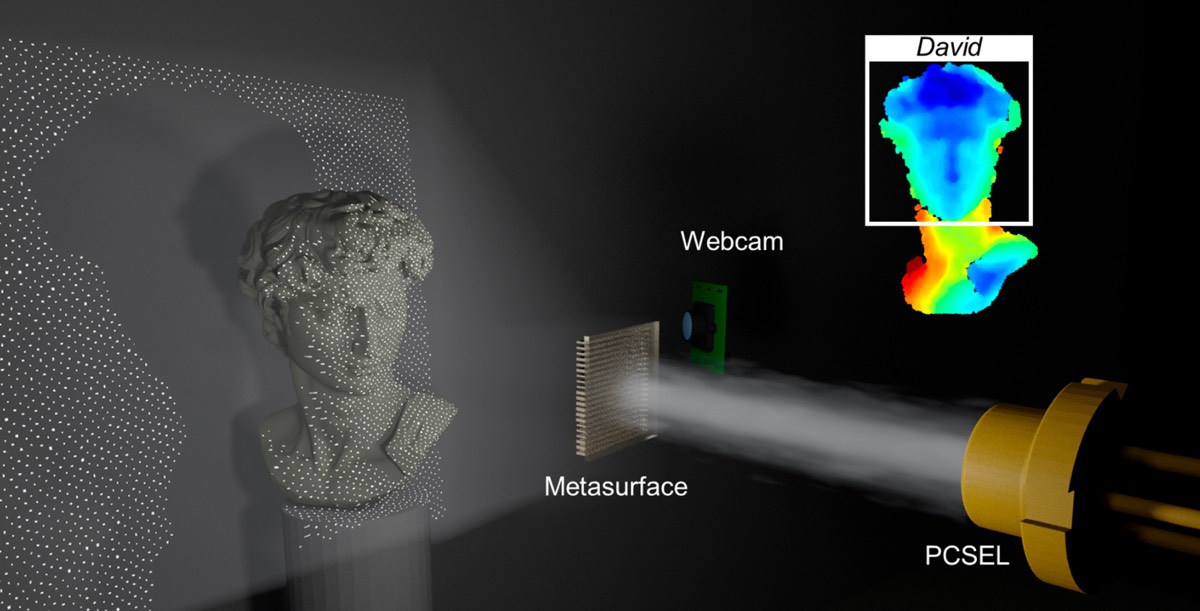
Enlarge/ Schematic of a new facial recognition system using a camera and meta surface-enhanced dot projector.
W-C Hsu et al., Nanoletters, 2024
Hsu et al. built their own depth-sensing facial recognition system incorporating a metasurface hologram in place of the diffractive optical element. They replaced the standard vertical-cavity surface-emitting laser (VCSEL) with a photonic crystal surface-emitting laser (PCSEL). (The structure of photonic crystals is the mechanism behind the bright iridescent colors in butterfly wings or beetle shells.) The PCSEL can generate its own highly collimated light beam, so there was no need for the bulky light guide or collimation lenses needed in VCSEL-based dot projector systems.
The team tested their new system on a replica bust of David, and it worked as well as existing smartphone facial recognition, based on comparing the infrared dot patterns to online photos of the statue. They found that their system generated nearly one and a half times more infrared dots (some 45,700) than the standard commercial technology from a device that is 233 times smaller in terms of surface area than the standard dot projector. “It is a compact and cost-effective system, that can be integrated into a single chip using the flip-chip process of PCSEL,” the authors wrote. Additionally, “The metasurface enables the generation of customizable and versatile light patterns, expanding the system’s applicability.” It’s more energy-efficient to boot.
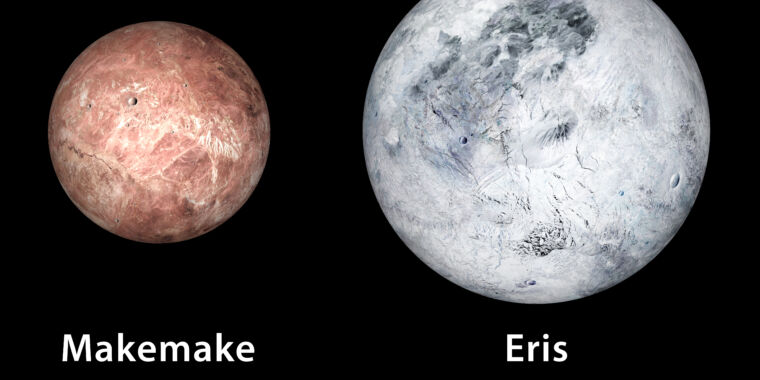
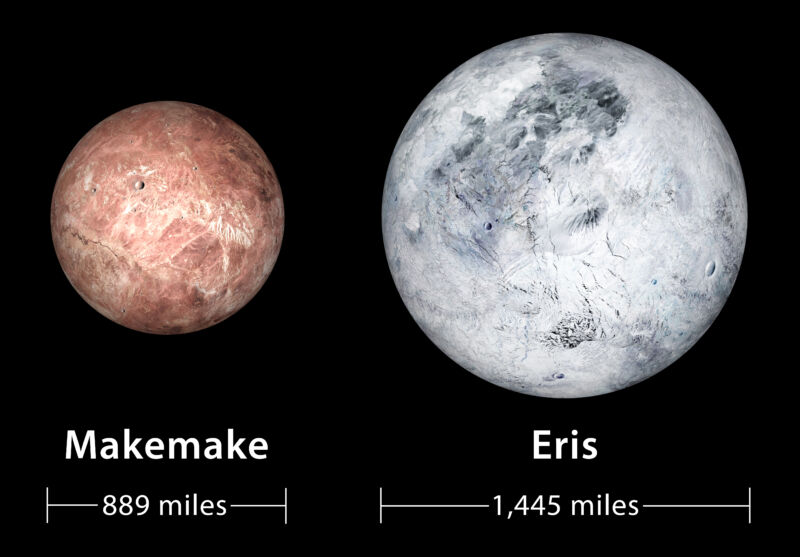
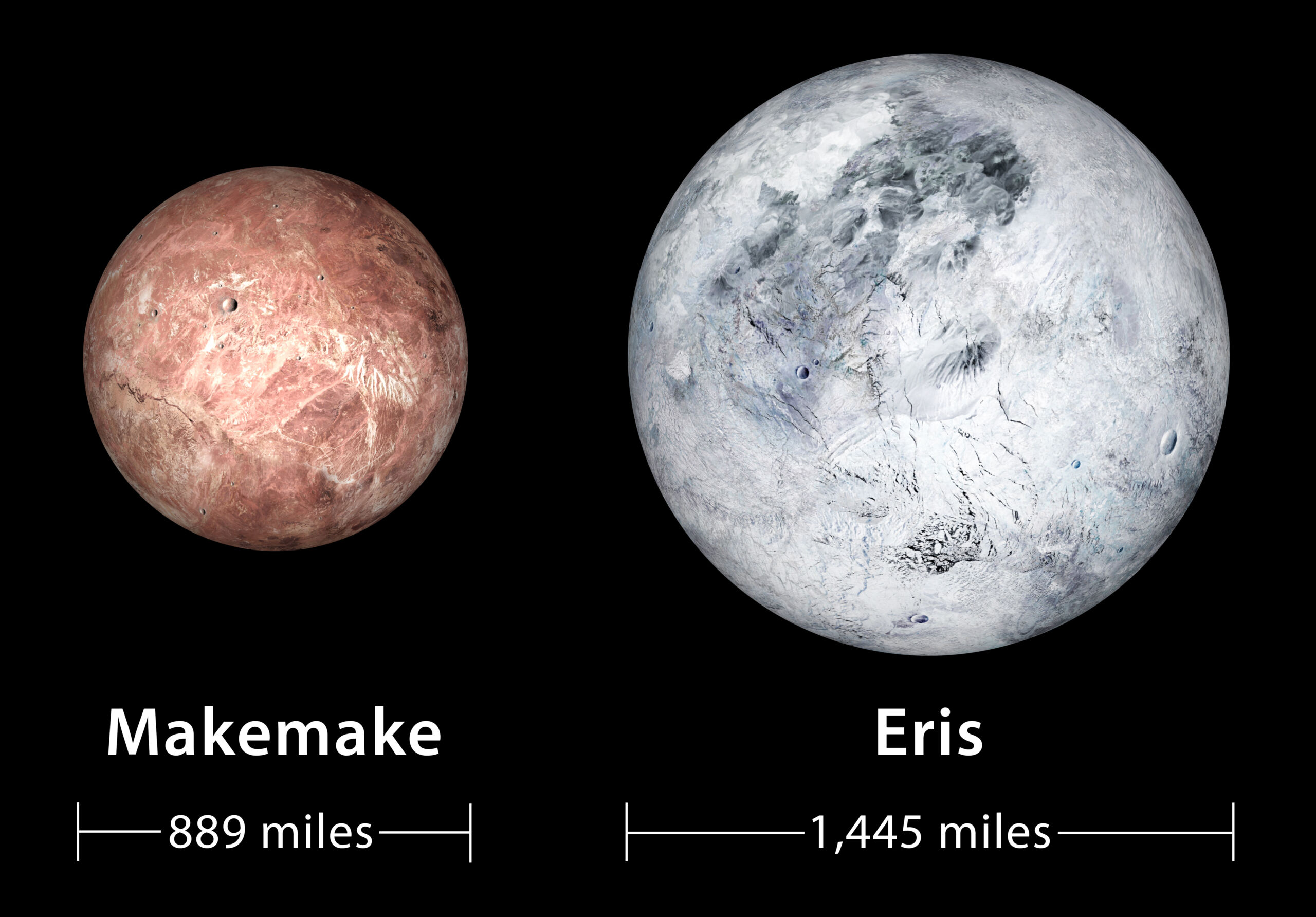
Enlarge/ Artist’s conceptions of what the surfaces of two dwarf planets might look like.
Active geology—and the large-scale chemistry it can drive—requires significant amounts of heat. Dwarf planets near the far edges of the Solar System, like Pluto and other Kuiper Belt objects, formed from frigid, icy materials and have generally never transited close enough to the Sun to warm up considerably. Any heat left over from their formation was likely long since lost to space.
Yet Pluto turned out to be a world rich in geological features, some of which implied ongoing resurfacing of the dwarf planet’s surface. Last week, researchers reported that the same might be true for other dwarf planets in the Kuiper Belt. Indications come thanks to the capabilities of the Webb telescope, which was able to resolve differences in the hydrogen isotopes found on the chemicals that populate the surface of Eris and Makemake.
Cold and distant
Kuiper Belt objects are natives of the distant Solar System, forming far enough from the warmth of the Sun that many materials that are gasses in the inner planets—things like nitrogen, methane, and carbon dioxide—are solid ices. Many of these bodies formed far enough from the gravitational influence of the eight major planets that they have never made a trip into the warmer inner Solar System. In addition, because there was much less material that far from the Sun, most of the bodies are quite small.
While they would have started off hot due to the process by which they formed, their small size means a large surface-to-volume ratio, allowing internal heat to radiate out to space relatively quickly. Since then, any heat has come from rare collision events or the decay of radioactive isotopes.
Yet New Horizons’ visit to Pluto made it clear that it doesn’t take much heat to drive active geology, although seasonal changes in sunlight are likely to account for some of its features. Sunlight is less likely to be an influence for worlds like Makemake, which orbits at a distance one and a half times Pluto’s closest approach to the Sun. Eris, which is nearly as large as Pluto, orbits at over twice Pluto’s closest approach.
Sending a mission to either of these planets would take decades, and none are in development at the moment, so we can’t know what their surfaces look like. But that doesn’t mean we know nothing about them. And the James Webb Space Telescope has added to what we know considerably.
The Webb was used to image sunlight reflected off these objects, obtaining its infrared spectrum—the amount of light reflected at different wavelengths. The spectrum is influenced by the chemical composition of the dwarf planets’ surfaces. Certain chemicals can absorb specific wavelengths of infrared light, ensuring they don’t get reflected. By noting where the spectrum dips, it’s possible to figure out which chemicals are present.
Some of that work has already been done. But Webb is able to image parts of the spectrum that were inaccessible earlier, and its instruments are even able to identify different isotopes of the atoms composing each chemical. For example, some molecules of methane (CH4) will, at random, have one of their hydrogen atoms swapped out for its heavier isotope, deuterium, forming CH3D. These isotopes can potentially act as tracers, telling us things about where the chemicals originally came from.
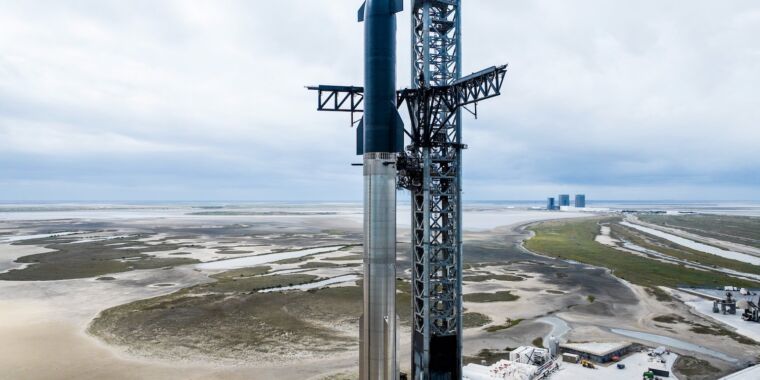
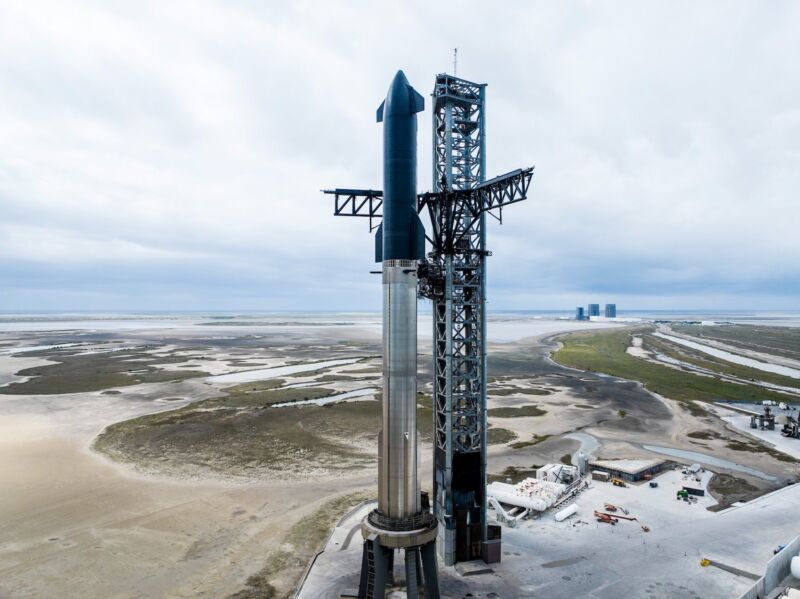
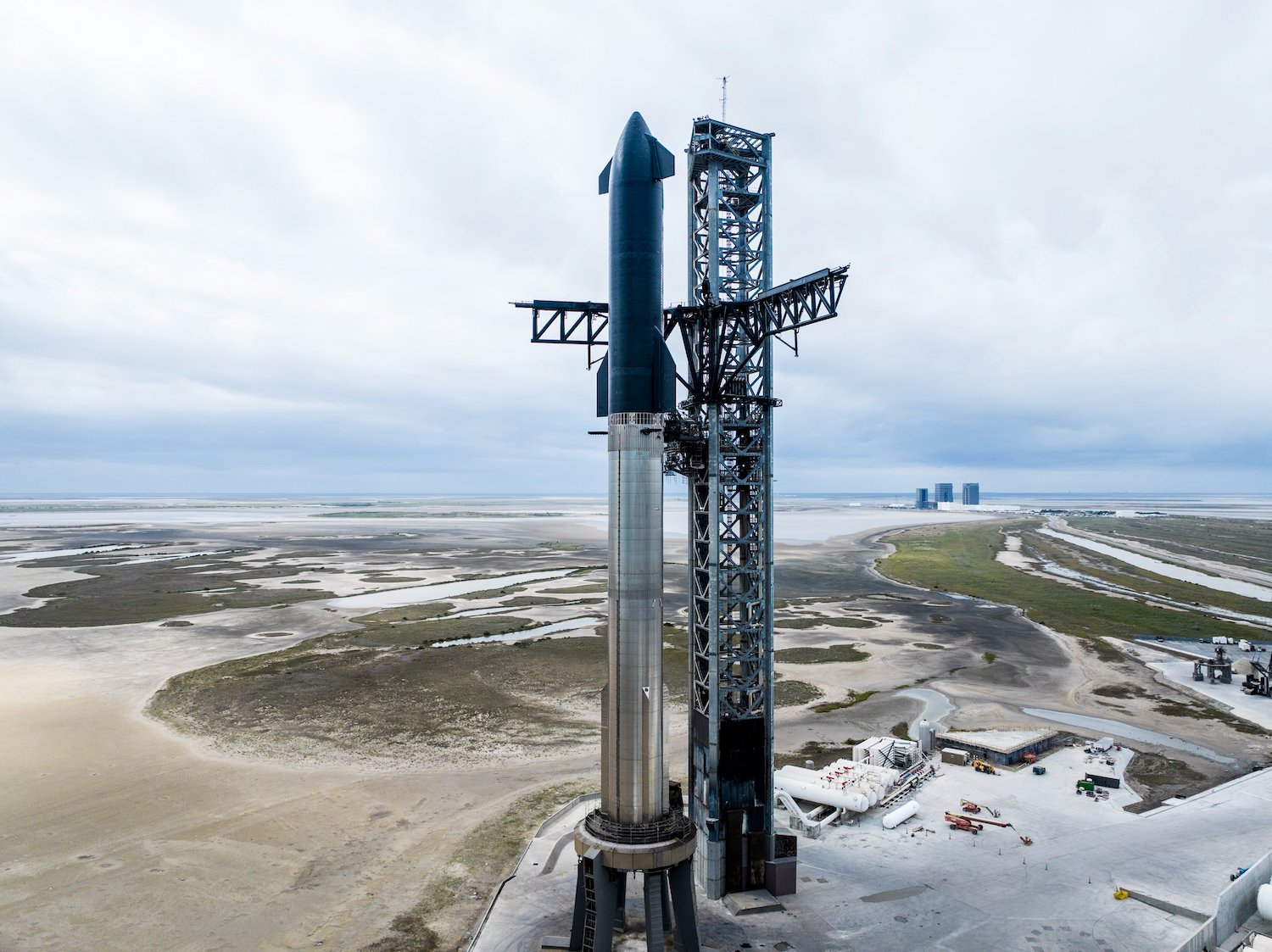
Enlarge/ SpaceX’s fully-stacked Starship rocket and Super Heavy booster on a launch pad in South Texas.
One of the largest launch pads at Cape Canaveral Space Force Station will become vacant later this year after the final flight of United Launch Alliance’s Delta IV Heavy rocket. SpaceX is looking to make the sprawling facility a new home for the Starship launch vehicle.
The environmental review for SpaceX’s proposal to take over Space Launch Complex 37 (SLC-37) at Cape Canaveral is getting underway now, with three in-person public meetings and one virtual meeting scheduled for March to collect comments from local residents, according to a new website describing the plan.
Then federal agencies, led by the Department of the Air Force, will develop an environmental impact statement to evaluate how Starship launch and landing operations will affect the land, air, and water around SLC-37, which sits on Space Force property on the Atlantic coastline.
Environmental studies for rocket launch facilities typically take more than a year, so it will be a while before any major construction begins to convert SLC-37 for Starship launches. In this case, federal officials anticipate publishing a draft environmental impact statement by December, then a final report by October 2025.
More immediately, ULA still has one more Delta IV Heavy rocket to launch from SLC-37 in March with a classified spy satellite for the National Reconnaissance Office. Once that launch is complete, ULA will wind down operations at SLC-37, and eventually turn over the facility back to the Space Force, which will look for a new tenant. For several months, industry sources have pointed to SpaceX as the leading contender to take over SLC-37 after ULA is finished with the launch pad.
But that’s not quite a done deal yet. Last year, a senior official at ULA told Ars on background that the company was also interested in maintaining a presence at SLC-37.
ULA’s new Vulcan rocket, which debuted last month and will replace the Delta IV and Atlas V launch vehicles, uses a different launch pad a few miles up the coast from SLC-37. ULA is upgrading and expanding its ground facilities at Cape Canaveral to ramp up the Vulcan launch cadence, and the ULA official told Ars the company may want to continue using a rocket processing hangar just south of the Delta IV launch pad for storage and horizontal processing of Vulcan rockets.
Details are scarce about everything SpaceX wants to do with SLC-37, but officials wrote on the environmental review website that SpaceX would “modify, reuse, or demolish the existing SLC-37 infrastructure to support Starship-Super Heavy launch and landing operations.”
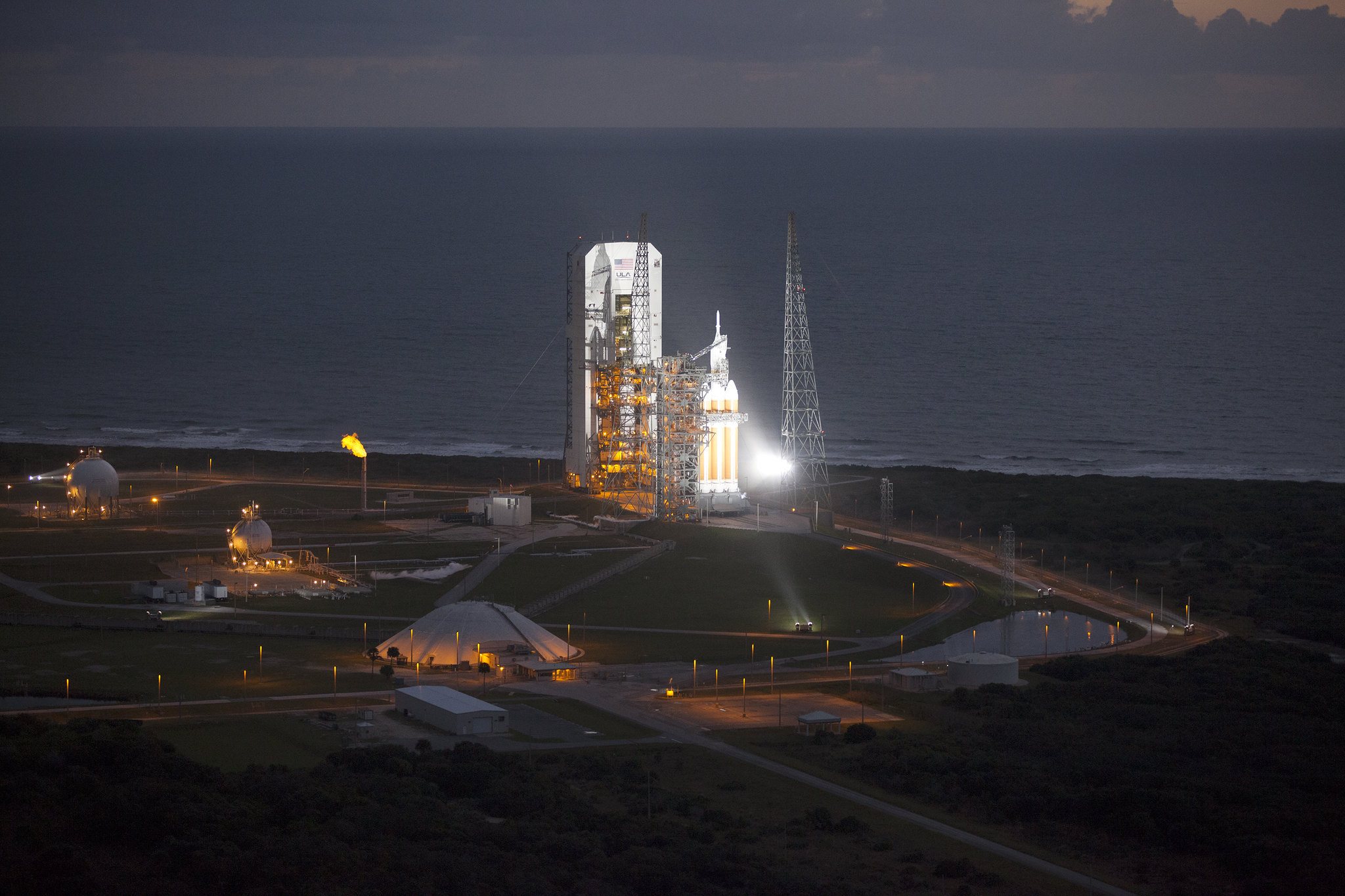
Enlarge/ This aerial view shows a United Launch Alliance Delta IV Heavy rocket awaiting liftoff from Space Launch Complex 37 at Cape Canaveral Space Force Station, Florida.
The history of SLC-37 dates back to the 1960s, when NASA used the site for eight flights of the Saturn I and Saturn IB rockets to prepare for the Apollo program. The facility sat dormant for 30 years until Boeing moved in to ready SLC-37 for the Delta IV rocket, which has now flown 34 times from SLC-37. The launch pad currently includes a 330-foot-tall (100-meter) mobile gantry, a fixed erector, a fixed umbilical tower, and a flame trench for Delta IV missions.
Starship, the world’s largest rocket, would not need any of that that infrastructure, so if SpaceX takes over the pad, the facility will likely undergo extensive demolition and construction.
If SpaceX isn’t cleared to use SLC-37, the company could build a brand new launch pad designated Space Launch Complex 50. If this is the path SpaceX takes, SLC-50 would be built on undeveloped land north of SLC-37 and south of SpaceX’s primary launch pad for the Falcon 9 rocket at Space Launch Complex 40.
Goodbye to LC-49, hello to SLC-37
SpaceX’s interest in setting up shop at SLC-37 shows the company is getting serious about developing a second base for Starship on Florida’s Space Coast. In 2022, SpaceX constructed a launch tower and launch mount for Starship at Launch Complex 39A (LC-39A), located at NASA’s Kennedy Space Center. But the company made little progress there last year as teams focused on Starship test flights from South Texas.
Elon Musk, SpaceX’s founder and CEO, says Starship is the rocket that will make possible his dream of building a settlement on Mars. He has also touted Starship as a vehicle for point-to-point travel on Earth. Both stages of Starship are designed to be fully and rapidly reusable, with the Super Heavy booster and Starship upper stage returning to Earth for propulsive landings. Starship launch pads will double as landing pads.
Before any of those dreams are realized, Starship needs to get into orbit. The first two full-scale Starship test flights last year didn’t make it that far, but SpaceX got close on the second launch in November. SpaceX hopes to achieve a near-orbital mission with the third Starship test launch, perhaps as soon as early March.
Eventually, Musk envisions Starship launching multiple times per day on a variety of missions, carrying people, satellites, cargo, or refueling tankers into orbit. In order to do this, SpaceX will need a lot of launch and landing pads. SpaceX has toyed with the idea of floating offshore launch and landing platforms, but those plans are on hold.
In the near-term, SpaceX plans to build a second Starship launch tower at the company’s Starbase test site in Cameron County, Texas. There’s also the partially-built launch tower at LC-39A, and now SpaceX has set its sights on SLC-37.
SpaceX was previously looking at building another Starship launch pad from scratch on NASA property at the Kennedy Space Center. NASA environmental studies for this location, known as Launch Complex 49, kicked off in 2021. Patti Bielling, a NASA spokesperson, told Ars on Friday the agency is no longer working on Launch Complex 49.
“At this time, there are no activities involving LC-49 on Kennedy,” Bielling said. “Any previous activities regarding LC-49 were suspended, and no actions were taken.”
One of the first operational applications for Starship will be to serve as a human-rated lunar lander for NASA’s Artemis program. SpaceX is developing a version of Starship to ferry astronauts to and from the Moon’s surface, but in order for Starship to reach the Moon, it has to be refueled in low-Earth orbit. This will require perhaps 10 or more refueling flights using a version of Starship called a tanker, all launching in a matter of weeks. Those tanker flights will launch on Super Heavy boosters from pads in Texas and Florida.
In parallel with continued Starship test flights and demonstrating in-space refueling technology, SpaceX needs to build more launch pads to make all this possible. Although SpaceX has backpedaled on several of its Starship launch pad ideas, the company’s interest in SLC-37 suggests it still has big plans for Starship in Florida.