power grid

spain-is-about-to-face-the-challenge-of-a-“black-start”

Spain is about to face the challenge of a “black start”

Local conditions

While the grids in Spain and Portugal are connected to each other, they have limited connections to elsewhere. The only sources of external power to the grid come from France and Morocco, which are small connections, but they could be used to help black start some plants. Both blacked-out countries have significant hydropower, with Spain seeing it cover 10 percent of its demand and Portugal 25 percent. That’s useful because hydro plants need very little in the way of an external power supply to start operating.

Beyond that, both countries have invested heavily in renewables, with Portugal supplying about half of its power from wind and hydro, having closed its last coal plant in 2021. Spain receives about 40 percent of its power from renewables at present.

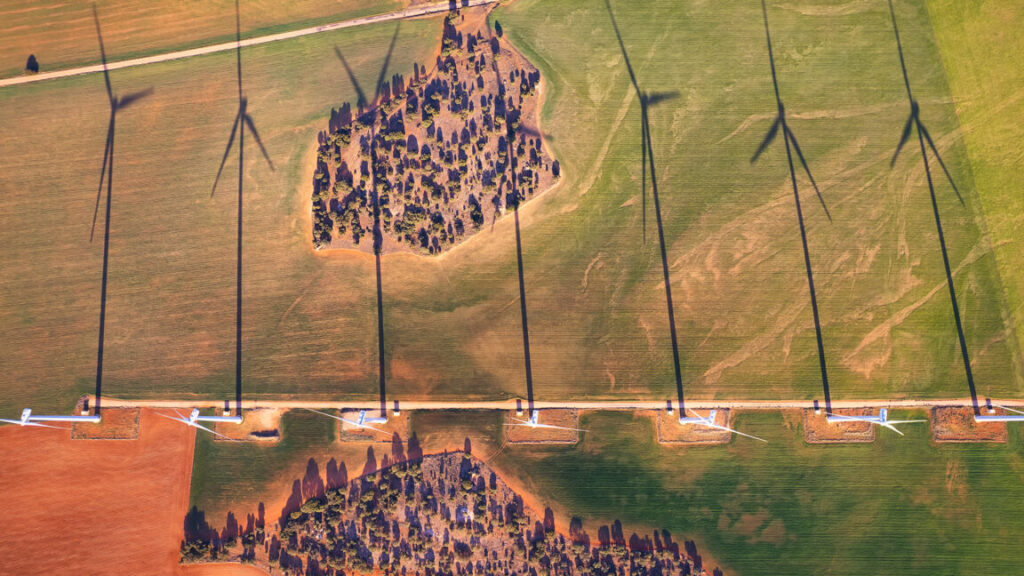
Solar is not an ideal power source for black-starting the grid, given that it’s unavailable for a significant chunk of the day. But solar panels produce direct current, with electronic systems matching it to the alternating current of the grid. With the right electronics, it can play a key role in keeping frequencies stable as grid segments are repowered. In productive areas, wind can provide black start power to other plants, and doesn’t need much external power to begin operations. It’s unclear, however, whether the local wind hardware is equipped for black starts, or if the local weather will cooperate (a quick check of the weather in various cities suggests it’s relatively calm there).

Batteries have the potential to be incredibly helpful, since they also provide direct current that can be converted to any frequency needed, and so used for both starting up power plants or for frequency stabilization as segments of the grid are brought back online. Unfortunately, neither country has installed much grid-scale battery hardware yet. That’s expected to change over the next few years in parallel with dramatically expanded solar power. But, at the moment, batteries will not be a huge help.

Regardless of how precisely the grid operators manage to handle this task in Spain and Portugal, they face a monumental challenge at the moment. If you’re seeing estimates of several days for the restoration of power, it’s because failing to meet this challenge will leave things back in the state they’re in now.

Spain is about to face the challenge of a “black start” Read More »

18-years-for-woman-who-hoped-to-destroy-baltimore-power-grid-and-spark-a-race-war

18 years for woman who hoped to destroy Baltimore power grid and spark a race war

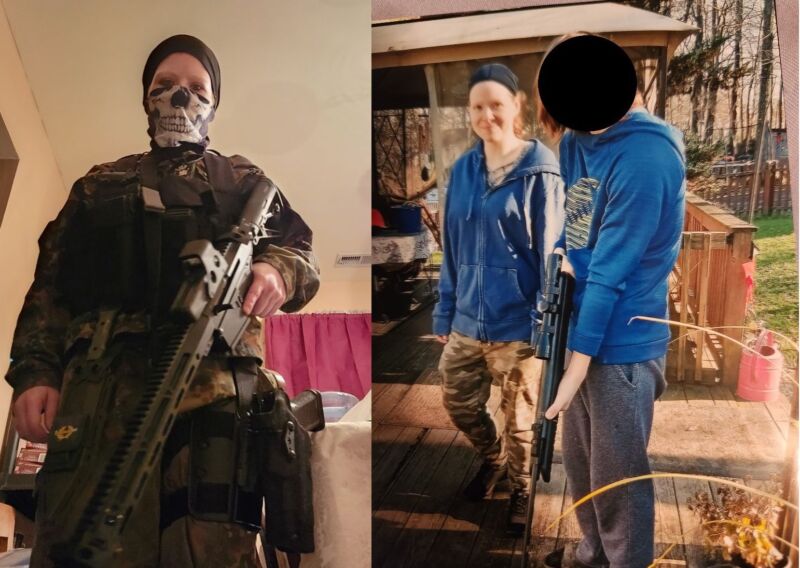
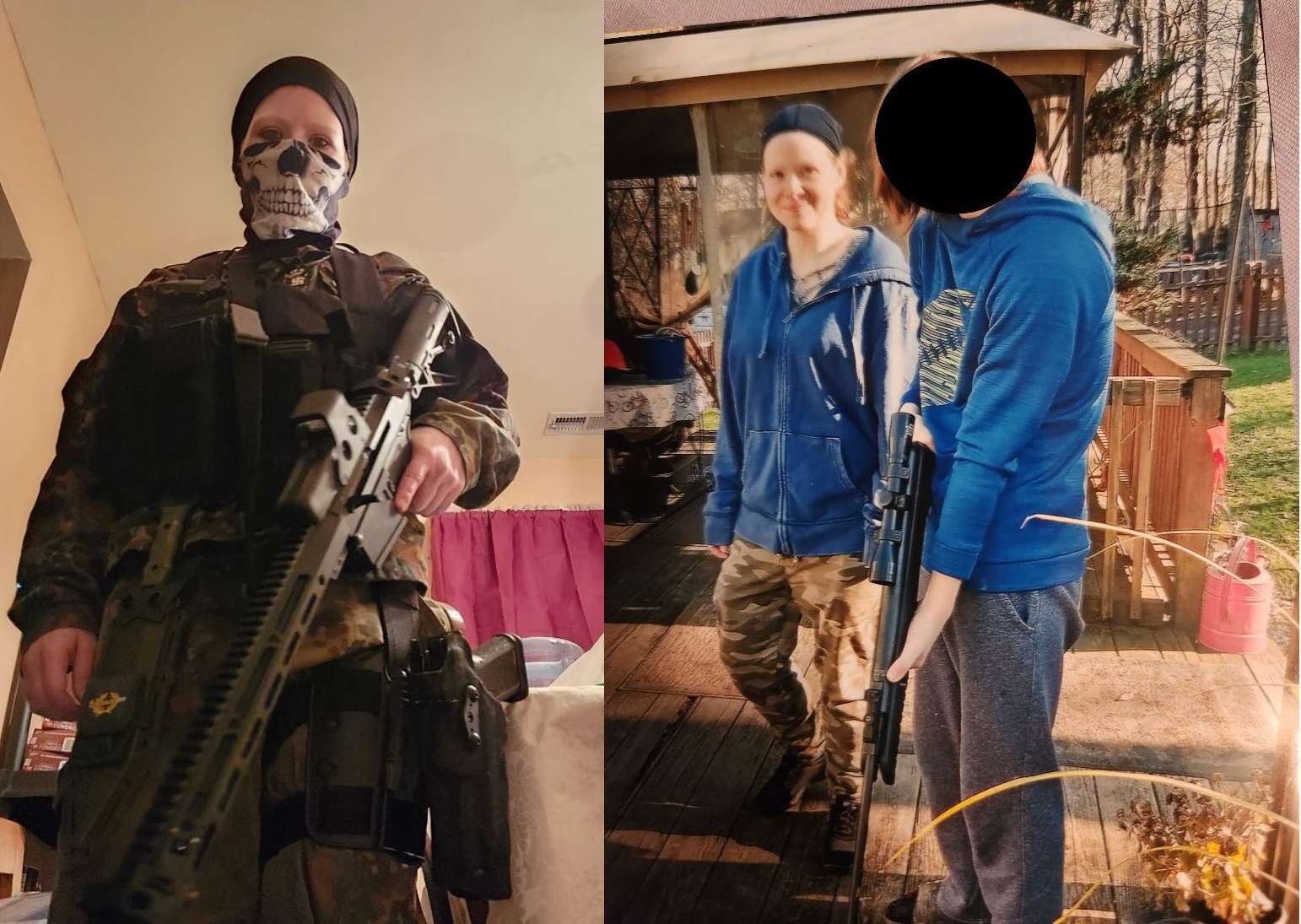
Two photos of a woman. In one, she is wearing tactical gear containing a swastika and holding a rifle. In the other, she stands next to what appears to be a minor holding a firearm.

Enlarge / Photographs included in an FBI affidavit show a woman believed to be Sarah Beth Clendaniel.

FBI

A Maryland woman was sentenced to 18 years in prison and a lifetime of supervised release “for conspiring to destroy the Baltimore region power grid,” the US Justice Department announced yesterday. Sarah Beth Clendaniel, 36, admitted as part of a plea agreement in May to conspiracy to damage energy facilities.

“Sarah Beth Clendaniel sought to ‘completely destroy’ the city of Baltimore by targeting five power substations as a means of furthering her violent white supremacist ideology,” US Attorney General Merrick Garland said. The planned shooting attacks were prevented by law enforcement.

Family members of Clendaniel spoke to the media last year about her beliefs. “She would have no problem saying she’s racist,” her nephew Daniel Clites told the Associated Press. “She wanted to bring attention to her cause.”

Clendaniel and her alleged co-conspirator, Florida resident Brandon Russell, “became acquainted by writing letters to each other beginning in about 2018, when both were serving prison sentences in different institutions,” the plea agreement said. “At some point, they developed a romantic relationship that continued after their respective releases from incarceration.”

The plea agreement’s stipulation of facts that Clendaniel admitted to said she “and Russell espoused a white supremacist ideology and were advocates of a concept known as ‘accelerationism.’ To ‘accelerate’ or to support ‘accelerationism’ is based on a white supremacist belief that the current system is irreparable and without an apparent political solution, and therefore violent action is necessary to precipitate societal and government collapse.”

Defendant is “unrepentant, violent white supremacist”

In a sentencing memorandum, US attorneys said that Clendaniel “engaged in the conspiracy to attack critical infrastructure in Maryland in furtherance of that accelerationist goal. If not thwarted by law enforcement, Clendaniel and her co-conspirator would have permanently destroyed a significant portion of the electrical infrastructure around Baltimore.”

Clendaniel was sentenced in US District Court for the District of Maryland by Judge James Bredar, who accepted the United States government’s recommendation of 18 years. She was also sentenced to 15 years for being a felon in possession of a firearm; the sentences will run concurrently. Clendaniel received credit for time served since entering federal custody in February 2023. She was previously convicted of robberies in 2006 and 2016.

“Quite simply, the defendant is an unrepentant, violent white supremacist and recidivist who is a true danger to the community,” US attorneys wrote of Clendaniel. “In light of her extensive criminal history, there is no reason to expect that a lighter sentence would have any deterrent or rehabilitative effect upon this defendant.”

Russell was “an active and founding member of a neo-Nazi group,” the Justice Department said in January 2018 when he was sentenced to five years in prison for possessing an unregistered destructive device and for unlawful storage of explosive material. Russell is now awaiting trial on the charge of conspiracy to damage or destroy electrical facilities in Maryland.

The Justice Department said that Clendaniel and Russell used encrypted messaging applications but were caught because, over several weeks in January 2023, they communicated their plans to commit an attack to an informant, referred to as CHS-1 (Confidential Human Source). On February 3, 2023, law enforcement agents executed a search warrant at Clendaniel’s home in Catonsville, Maryland, and found “various firearms and hundreds of rounds of ammunition.”

18 years for woman who hoped to destroy Baltimore power grid and spark a race war Read More »