platformer

why-adding-modern-controls-to-1996’s-tomb-raider-simply-doesn’t-work

Why adding modern controls to 1996’s Tomb Raider simply doesn’t work


For our C:ArsGames series, we look at the controls conundrum of early 3D.

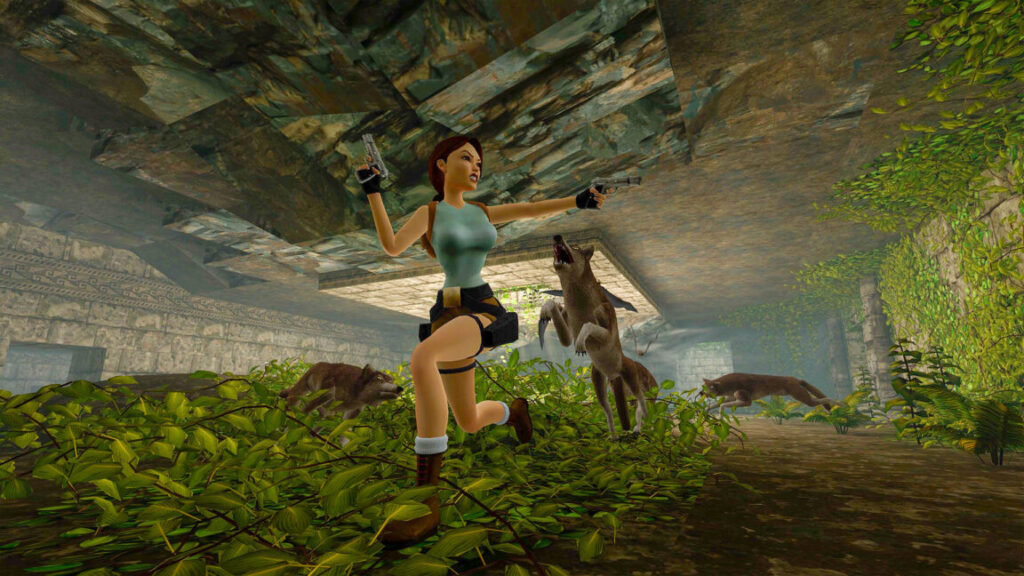
The graphical updates to Tomb Raider are modest but effective. Credit: Aspyr

For a lot of the games I’ve written about in the C:ArsGames series, I’ve come to the conclusion that the games hold up pretty well, despite their age—Master of Orion II, Jill of the Jungle, and Wing Commander Privateer, for example. Each of those have flaws that show now more than ever, but I still had a blast revisiting each of them.

This time I’d like to write about one that I think doesn’t hold up quite as well for me: For the first time in almost 30 years, I revisited the original Tomb Raider via 2024’s Tomb Raider I-III Remastered collection.

You might be thinking this is going to be a dunk on the work done on the remaster, but that’s not the case, because the core issue with playing 1996’s Tomb Raider in 2026 is actually unsolvable, no matter how much care is put into a remaster.

The age of tank controls

Tomb Raider was part of the first wave of multiplatform games with fully 3D gameplay, releasing the same year as similarly groundbreaking 3D titles Super Mario 64 and Quake. I think you could make a pretty compelling case that most of the modern AAA games industry can trace its lineage in some way back to those three titles.

Because it was the beginning of mass-market 3D games (yes, I know other, more niche 3D games existed before), there were no established best practices for things like the controls or the camera.

Tomb Raider opted for a modality that was common for a few years before it was replaced by clearly better solutions: what we now call “tank controls,” where forward or back moves the character forward or back, but hitting left or right turns the character on its axis in place without moving.

The way it works is naturally intuitive enough, which is part of why it was so popular early on. But the industry has moved on because it’s frustratingly sluggish and clunky. I loved Tomb Raider‘s level design and atmosphere, and the designers did about as good a job as they could designing around the limitations of the controls for most of the combat sequences. But ultimately, there was enough combat that the sluggishness of this input method significantly detracted from my enjoyment.

In 1996, I had little to compare it to, and the novelty of these vertically stacked 3D levels played from a third-person perspective was powerful enough that I had no complaints. But after 30 years of new ideas and iteration, the industry’s designers have solved all the problems this game has with controls.

That’s why the studio behind the remaster tried including an alternative modern control scheme. Unfortunately, that doesn’t work for Tomb Raider at all.

Prince of Persia and grids

When work started on the original Tomb Raider, its developers are said to have had a specific cocktail of influences in mind: They wanted to combine the truly 3D navigable environments they had seen in the groundbreaking Ultima Underworld and the polygonal characters from Virtua Fighter, with gameplay inspired by the 1989 Jordan Mechner classic Prince of Persia.

If you’ve played Prince of Persia, you know the platforming in that game is both precise and challenging. To make jumps, you had to carefully position yourself before launching—one step forward, one step back, until you reached the perfect starting point.

The same goes for Tomb Raider. In fact, the entire game—all the puzzles, layouts, and platforming challenges—adheres to a strict grid system. Players can predict exactly how far protagonist Lara Croft will jump based on where they are on that grid. They can count steps to position themselves, and it’s basically required if you want to consistently navigate the game’s complex and precise jumping sequences without frustration.

Using the game’s original tank controls, you could step forward or backward in predictable ways, or side step, jump to the side, jump forward, jump backward, and so on, with specific numbers of presses on the arrow keys. The entire game was built around this principle.

As frustrating as tank controls are to a modern player, there was an exquisite elegance to this.

The remaster’s modern controls option works more like Tomb Raider Legends from the 2000s, and it’s that general approach that has become standard in almost all modern third-person 3D games.

They feel so much nicer and more responsive to a modern player who has been trained on that for the past two decades, even if that player is someone like me who did play the original games with tank controls back in the day. That short window of three to five years of muscle memory and comfort based on tank controls has been completely overwritten by more than 20 years with what the modern control scheme offers.

Unfortunately, the flexible modern controls lose almost all connection to that elegant grid system. What used to be a precise process—for example, “X steps forward, X steps to the left, then a backflip from exactly this spot”—is now a guessing game of feeling things out. And the platforming sequences aren’t designed with that in mind. As a result, the combat feels a lot better with modern controls, but just about everything else is much more frustrating than before.

Embracing Tomb Raider

I’m not the first to observe this about the remaster; reviewers and Reddit dwellers debated this at length when this release happened two years ago. But I hadn’t gotten to playing the remasters—or revisiting Tomb Raider at all since the ’90s—until I decided to try it out for C:ArsGames.

Tomb Raider is still worth revisiting, but it is frustrating to leave behind 20 years of muscle memory to return to a previous paradigm that ended up being an evolutionary dead end.

The more time you put into it, the more natural the tank controls feel, but without the wow factor of groundbreaking new 3D gameplay, it’s harder to put up with.

Tellingly, Tomb Raider has already gotten a complete remake (distinct from this remaster) once, and another one is coming. Both radically reinvent the gameplay and seem to turn away from the grid system that made the original what it was. Many modern players won’t put up with the tank controls, but not being willing to embrace those means you simply can’t experience Tomb Raider as it was originally intended.

And again, I’m not knocking the work done on this remaster. Fittingly, it was made by Aspyr, the same studio that ported the original games to the Mac in the ’90s. (For a few years, they absolutely dominated the Mac game market with their Windows-to-Mac ports.) They’re still porting games to Mac, Linux, iOS, and Android today—notably, they did all the Civilization VI ports—as well as remasters of classics for modern platforms.

There’s no version of the modern controls that would truly work from this game, so it’s not an execution issue, and I actually think that Tomb Raider I-III Remastered is possibly Aspyr’s most well-crafted work.

The remaster includes the ability to flip between classic graphics and a more contemporary look that I think does a great job of walking the line between honoring the ’90s original and looking nice to 2020s eyes. They even hired Timur “XProger” Gagiev, a developer known for work on Tomb Raider open source engine OpenLara, to be the remaster’s technical director.

The Tomb Raider franchise is about to enter a new era (controversially) under Embracer Group and Amazon Games; it remains to be seen whether it will be a good one. But if you want to go back to where it all started, I recommend grabbing this remaster (available on GOG and other storefronts, as well as on consoles) instead of playing the original release. Just stick with the tank controls, and I hope you adapt back to them more easily than I did!

Ars Technica may earn compensation for sales from links on this post through affiliate programs.

Photo of Samuel Axon

Samuel Axon is the editorial lead for tech and gaming coverage at Ars Technica. He covers AI, software development, gaming, entertainment, and mixed reality. He has been writing about gaming and technology for nearly two decades at Engadget, PC World, Mashable, Vice, Polygon, Wired, and others. He previously ran a marketing and PR agency in the gaming industry, led editorial for the TV network CBS, and worked on social media marketing strategy for Samsung Mobile at the creative agency SPCSHP. He also is an independent software and game developer for iOS, Windows, and other platforms, and he is a graduate of DePaul University, where he studied interactive media and software development.

Why adding modern controls to 1996’s Tomb Raider simply doesn’t work Read More »
donkey-kong-bananza-is-a-worthy-successor-to-super-mario-odyssey’s-legacy

Donkey Kong Bananza is a worthy successor to Super Mario Odyssey’s legacy


D-K… donkey kong is here!

Cathartic, punch-fueled land destruction is a great showcase for Switch 2 hardware.

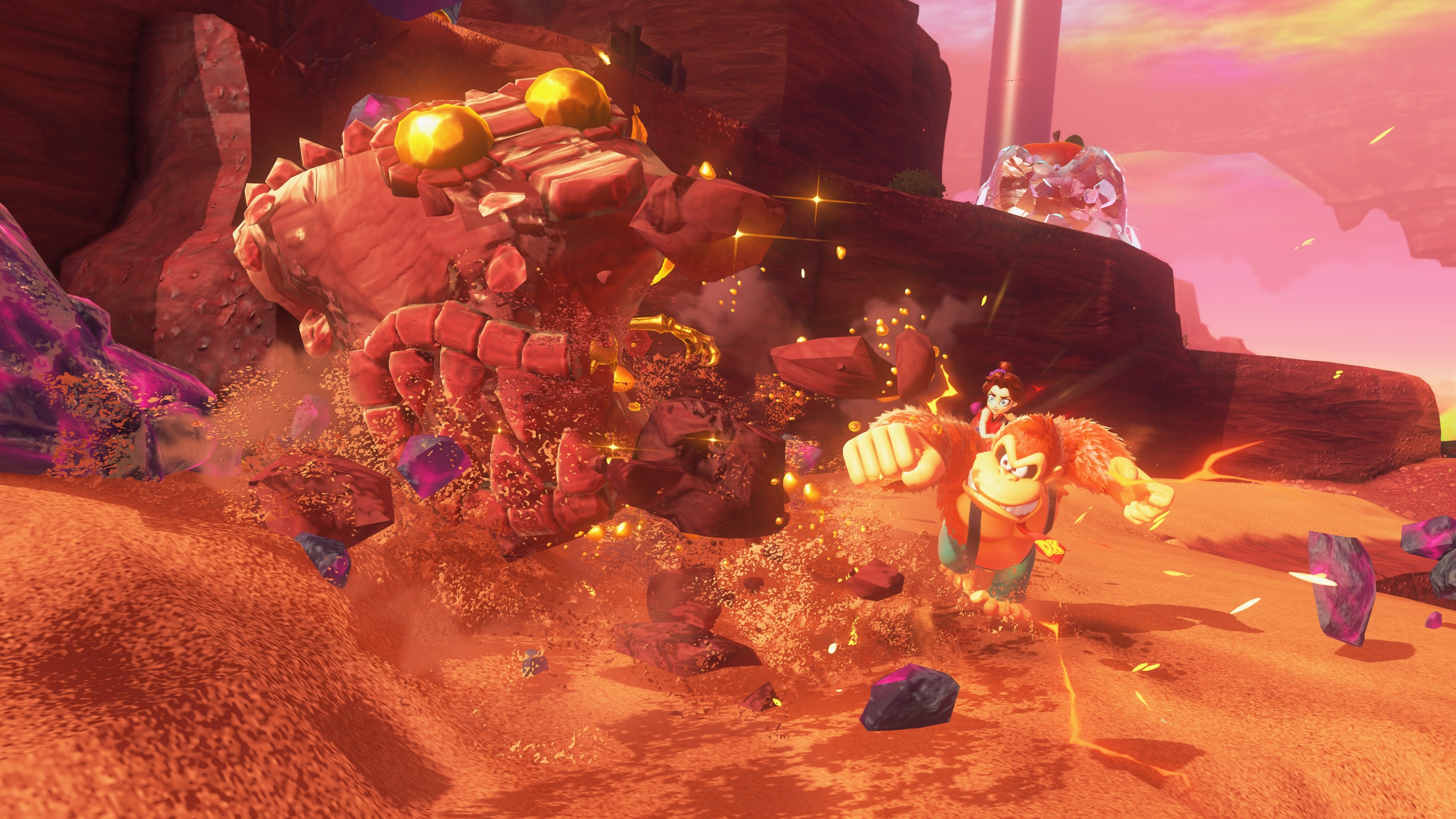
Screenshots you can feel. Credit: Nintendo

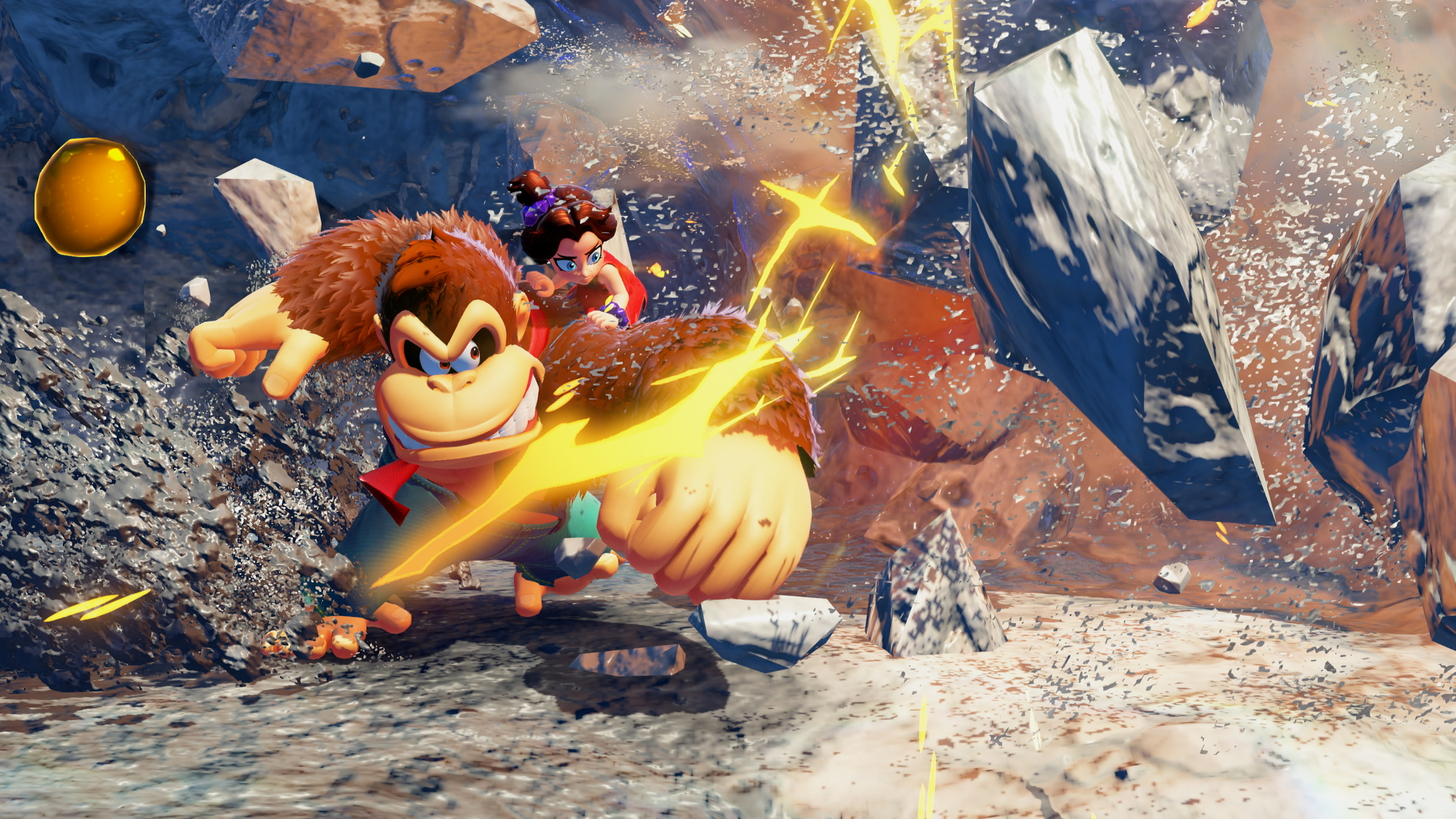
Screenshots you can feel. Credit: Nintendo

When the Switch 2 was fully unveiled back in April, we weren’t alone in expecting the announcement of a true follow-up to Super Mario Odyssey—one of the original Switch’s best-selling games and our pick for the best game of 2017. Instead, we got our first look at Donkey Kong Bananza, the big ape’s first fully 3D adventure since the Rare-developed Donkey Kong 64 in 1999.

The fact that Nintendo wasn’t willing to commit its longstanding plumber mascot to its first first-party platformer on the Switch 2 could have been seen as a sign of a rushed, second-tier spin-off effort. After playing through Donkey Kong Bananza, though, I’m happy to report that nothing could be further from the truth for this deep and worthy spiritual successor to Super Mario Odyssey (from many of the same development staff). Donkey Kong Bananza captures the same sense of joyful movement and exploration as the best Mario games while adding an extremely satisfying terrain-destruction system that shows off the capabilities of the Switch 2 hardware.

Beat up the earth

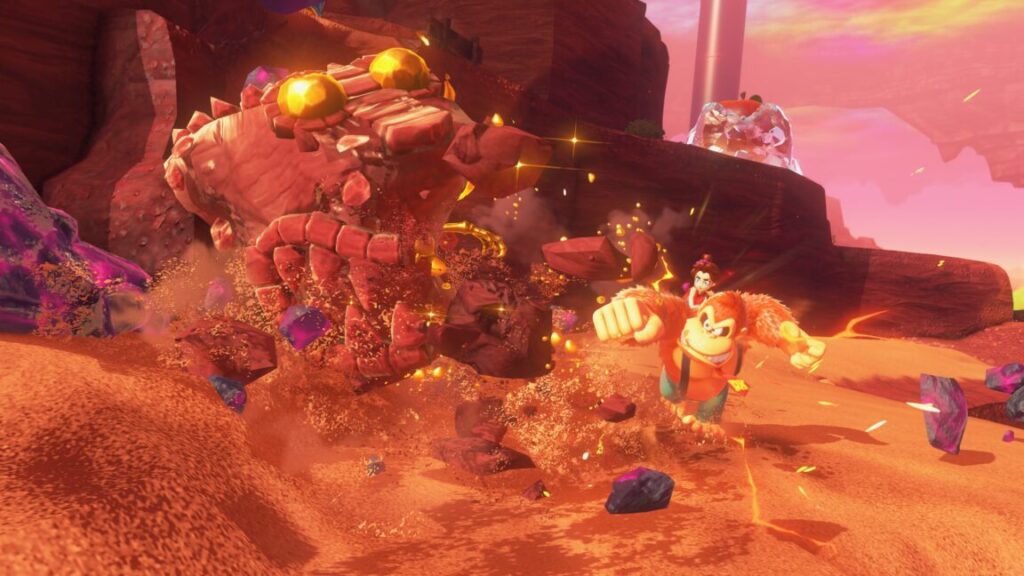
It’s that terrain-destruction system that sets Donkey Kong Bananza apart from previous 3D platformers from Nintendo and others. Three of the four face buttons on the Switch 2 controllers are devoted to letting Donkey Kong punch either horizontally, upward, or downward, often taking out large chunks of the nearby scenery as he does.

Take that, rock!

Credit: Nintendo

Take that, rock! Credit: Nintendo

Punching through the terrain in this manner forms the fast, crunchy, and powerfully kinetic core of the game. It’s hard to overstate how incredibly cathartic it can be to quickly reduce a well-ordered chunk of dirt and rock into a mountain of valuable, collectible golden rubble (then gathering up all the nearby rubble with a quick tap of a shoulder button). Imagine a 3D Mario game by way of Traveller’s Tales Lego games, and you’ll have some idea of the extremely satisfying combination on offer here.

The semi-persistent changes in scenery also do a good job of highlighting the Switch 2’s hardware, which doesn’t seem to drop a single frame, even as the rubble flies and the ground’s shape morphs under Donkey Kong’s persistent punching. That extra hardware power also lends itself to some nice graphical touches, from the mirror-like shine on a pile of golden rubble to the gentle movement of fur that rustles in the breeze.

I get around

Donkey Kong can also pick up chunks of terrain, using them as impromptu melee weapons or hurling them to destroy far-off enemies, obstacles, or key switches. The aiming-and-throwing controls for this terrain-throwing system are just clunky enough to be annoying—this is a far cry from Gears of Donkey Kong or something. Still, the interactions between different types of hurled terrain end up forming the root of many interesting situational puzzles—throwing some snow to harden sections of a harmful lava lake into a solid platform, for instance, or using a chunk of explosive rock to destroy an otherwise impervious spiky enemy.

When you’re not tearing up the scenery to your benefit, simply getting around in Donkey Kong Bananza is a joy. Donkey Kong Country fans will be happy to know the classic roll is back and can be used to help extend jumps or quickly change mid-air direction (a la Cappy from Mario Odyssey). Donkey Kong can also slide along on chunks of terrain in a zippy, madcap land-surfing mode that’s wonderfully difficult to control effectively. The ability to climb along the edge of most surfaces adds a layer to the vertical gameplay dimension that doesn’t rely on precision jumping and which is utilized well to hide some of the game’s more out-of-the-way secrets.

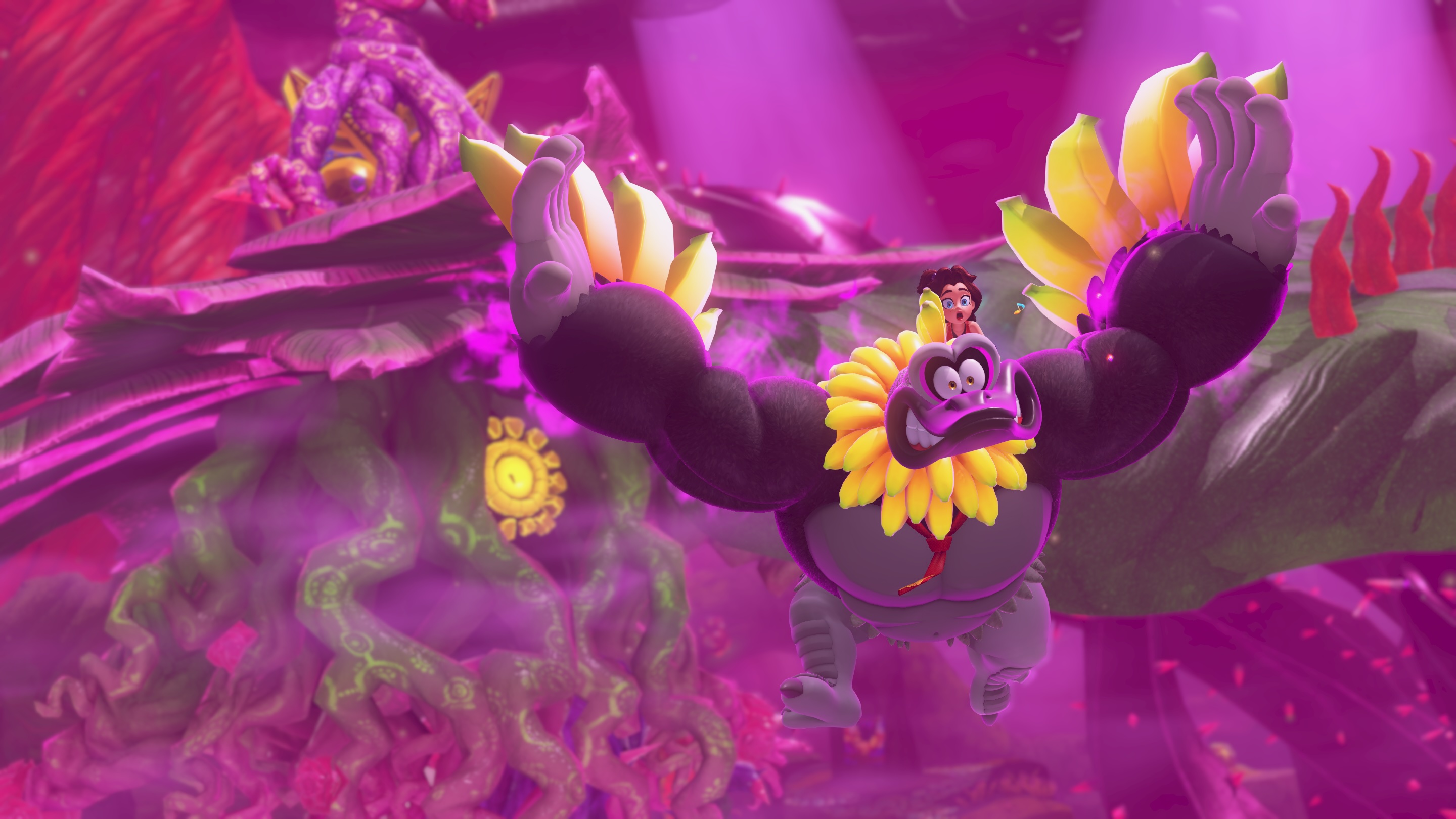
This Kong’s got a funny face…

Credit: Nintendo

This Kong’s got a funny face… Credit: Nintendo

As the game progresses, you’ll also unlock a handful of animalistic “Bananza” transformations from a menagerie of gigantic animal DJs (don’t ask). These temporarily grant DK new powers—a quick-dashing Zebra or a fluttering, hovering ostrich, for instance. The game builds some specific gatekeeping challenges around each transformation, of course, but the extra locomotion options become a welcome part of your locomotion toolbelt when simply exploring generic areas.

Running around and smashing up the world isn’t all joy, though. Problems arise when you dig into thick patches of dirt, crafting a narrow, Kong-sized tunnel surrounded by opaque earth. The camera system does its best to deal with these tricky scenarios, making the ground opaque and highlighting only the notable features around you. Still, it’s easy to lose track of where your digging has taken you and how to get back to the surface, especially when the best way out of a jam is to “dig up, stupid.”

Oooh, Banana!

All this terrain destruction and digging is in service of the game’s primary goal: collecting a bunch of giant bananas. These are roughly as plentiful as the Power Moons scattered across Super Mario Odyssey and roughly as varied in their availability. Some sit out in the open, waiting to be stumbled on. Others are hidden in some of the game’s most out-of-the-way underground crevices and practically require the use of collectible in-game treasure maps to find. Many are hidden in elaborate challenge rooms that test your precision platforming, terrain destruction, or combat skills.

Unlike the Power Moons in Mario Odyssey, though, hunting down bananas is largely optional to progress down the succession of elaborate, wide-open, high-ceilinged layers (read: “levels”) on a quest toward the planet’s core. Instead, bananas are primarily used to unlock upgrades in a surprisingly deep skill tree or grant DK more health, more punching power, or longer Bananza transformations. Other collectibles can be used to buy stylish and protective outfits to further increase DK’s endurance.

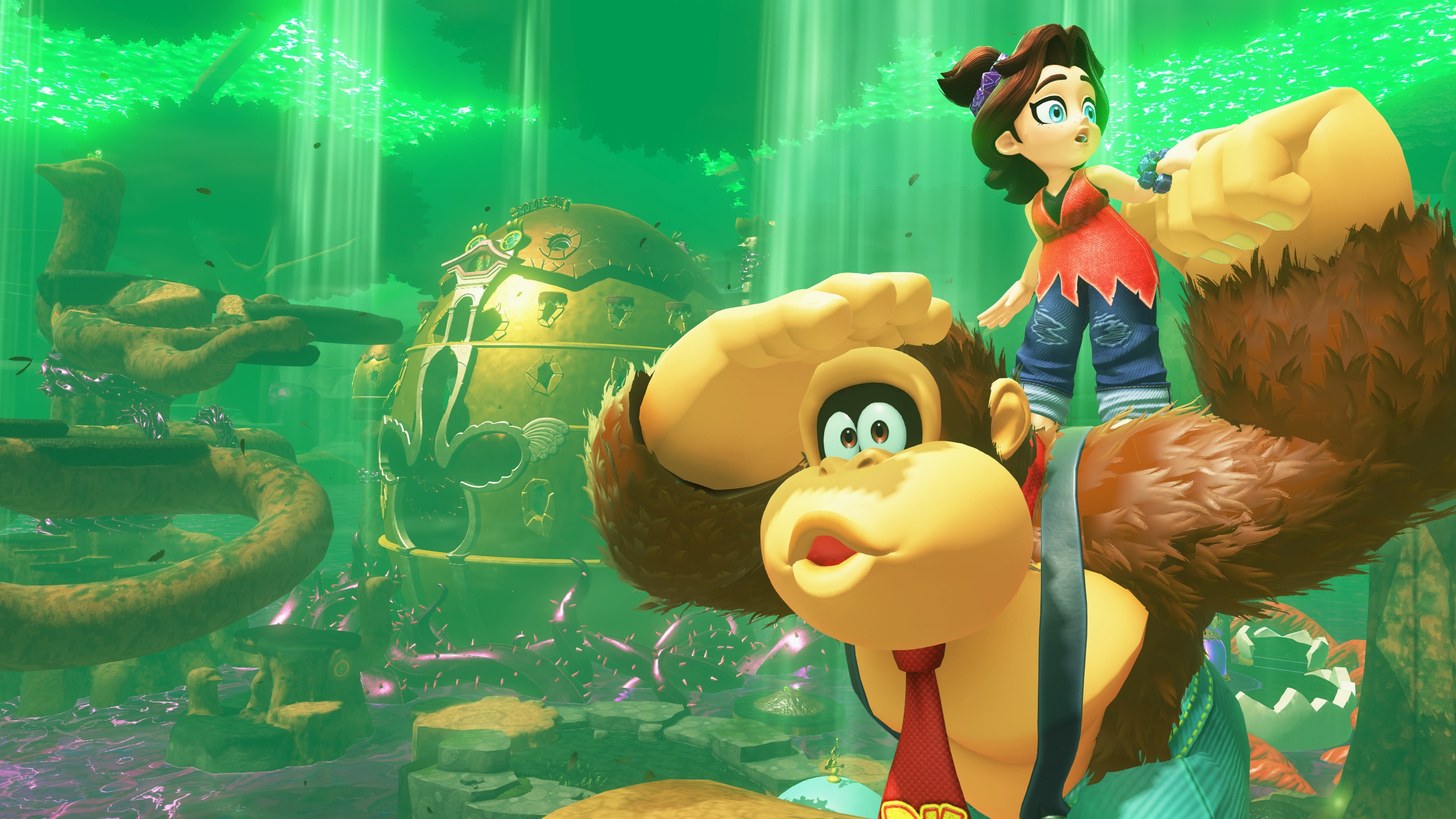
You’d be forgiven for not believing that these large explorable “layers” are supposed to be underground.

Credit: Nintendo

You’d be forgiven for not believing that these large explorable “layers” are supposed to be underground. Credit: Nintendo

These upgrades provide ample incentive to go off the beaten path for those who like exploring and dozens of hours of enjoyable challenges for completionists to delve into after the credits roll. But the game’s structure also allows skillful and/or impatient players to zip to the game’s conclusion quite quickly, rushing through the visually inventive bosses that guard the game’s major chokepoints.

Those who rush, though, may end up struggling with the game’s final gauntlet of challenges, which quickly ramp up the difficulty while re-introducing some classic DK enemies (that we aren’t allowed to say more about at the moment).

Wait, that kid is Pauline?

Thus far, we’ve avoided talking about the ridiculously convoluted plot the game builds around Donkey Kong’s quest for bananas and the evil corporate forces that want to stop his journey deep into the planet’s core. The game’s underground world is populated with all sorts of talking animals, sentient rocks, and familiar Kong faces to assist DK or ask him for help with various ridiculous errands. They’re cute, but their chatter is more or less ignorable.

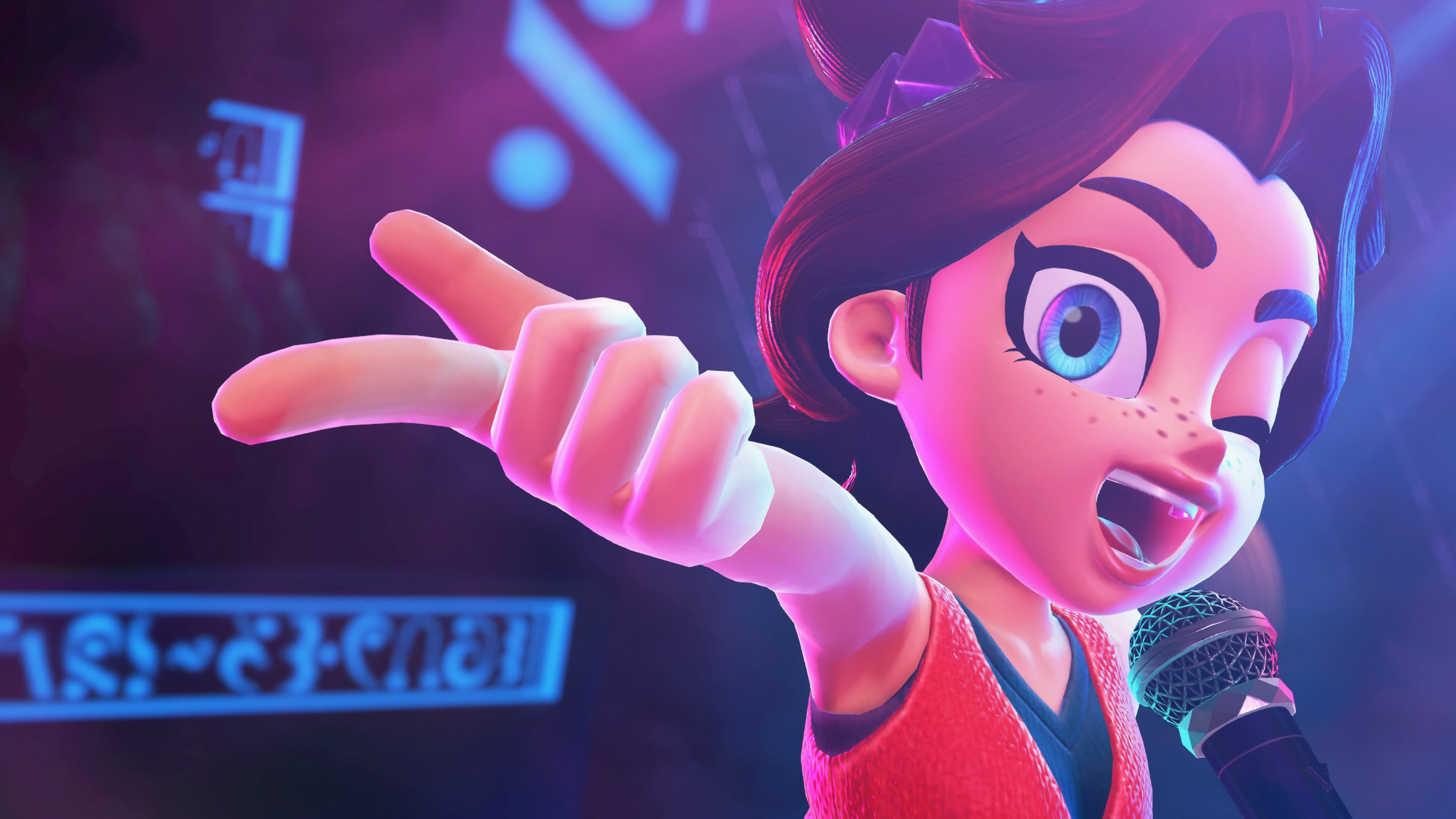
The reimagined Pauline is an adorable addition to the lineup.

Credit: Nintendo

The reimagined Pauline is an adorable addition to the lineup. Credit: Nintendo

The main exception is Pauline, the damsel-in-distress from the original Donkey Kong, recast here as a precocious child working with DK to find a way back to her home on the surface. Pauline’s effort to overcome inherent stage fright and embrace the magical power of her singing voice was surprisingly touching. That’s largely thanks to a winning voice-acting performance that forms the basis for some toe-tapping gibberish playing behind DK’s Bananza transformations.

The adorable relationship between young Pauline and the silent Donkey Kong is the icing on a very satisfying cake. Even though Mario is nowhere to be seen, Donkey Kong Bananza seems destined to be thought of in the same category as the Mario games that defined earlier Nintendo hardware launches.

Photo of Kyle Orland

Kyle Orland has been the Senior Gaming Editor at Ars Technica since 2012, writing primarily about the business, tech, and culture behind video games. He has journalism and computer science degrees from University of Maryland. He once wrote a whole book about Minesweeper.

Donkey Kong Bananza is a worthy successor to Super Mario Odyssey’s legacy Read More »

‘toss!’-to-bring-monkey-swinging-platforming-to-quest,-psvr-2-&-pc-vr-this-september

‘TOSS!’ to Bring Monkey-swinging Platforming to Quest, PSVR 2 & PC VR This September

Vertigo Games and VR indie Agera Games announced a new platformer that looks to test your agility, timing, and ability to grab bananas as you swing atop a maze of monkey bars high above the clouds.

Called TOSS!, you propel yourself through a cloudscape jungle-gym playground as you strive to repair your damaged spaceship and make your way back home.

In addition to searching out replacement parts for your ship, you’ll also be able to play with a number of modes, such as racing against the clock in Time Attack mode, collecting every last banana in sight, and honing your swinging expertise by minimizing grabs. The game is said to include 75+ levels spread across nine cloudscape biomes.

While TOSS! is set to be single-player, you’ll be able to challenge friends to asynchronous races, represented with a ghostly trail to follow (or beat).

Developed by Agera Games, TOSS! is being published by VR veteran studio Vertigo Games, which is known for a host of VR games such as After the Fall and the Arizona Sunshine series.

The high-flying platformer is set to launch on Meta Quest, SteamVR, and PSVR 2 on September 7th, 2023.

‘TOSS!’ to Bring Monkey-swinging Platforming to Quest, PSVR 2 & PC VR This September Read More »

first-person-vr-platformer-‘no-more-rainbows’-coming-soon-to-quest-2-&-pc-vr

First-person VR Platformer ‘No More Rainbows’ Coming Soon to Quest 2 & PC VR

Squido Studio announced its first-person platformer No More Rainbows is coming to Quest 2 and SteamVR headsets soon, offering up a VR take on classic platforming action.

No More Rainbows has been available in open beta on Quest’s App Lab for a year now, and it’s almost time for it to graduate to the main Quest Store and Steam too. Exactly when, we don’t know, but Squido and its partner Robot Teddy say it’s coming “very soon.”

Here’s the studio’s description of the first-person VR platformer:

In No More Rainbows, you are The Beast, who must spring forth into a fantastical virtual reality world to reclaim your home from the beings of infinite happiness that have infested the Underworld! Bizou and their merry band of minions plan to take over your sanctuary of screams and turn it into a bountiful paradise where cries of pain and torment are replaced by kisses and rainbows… what a nightmare! Use arm-based locomotion mechanics to run, jump, claw, and climb using only your hands and arms to engage with tight platformer mechanics.

In the full release, the game is set to include four unique campaign worlds, environmental storytelling, multiplayer modes, beast personalization, leaderboards, and boss encounters. Squido says the full game has around five hours of gameplay.

The open beta on Quest will be removed from App Lab on May 2nd, which follows a Dev Day on May 1st where players can hang out with the game’s developers. In the meantime, you can also wishlist it on Steam here.

First-person VR Platformer ‘No More Rainbows’ Coming Soon to Quest 2 & PC VR Read More »