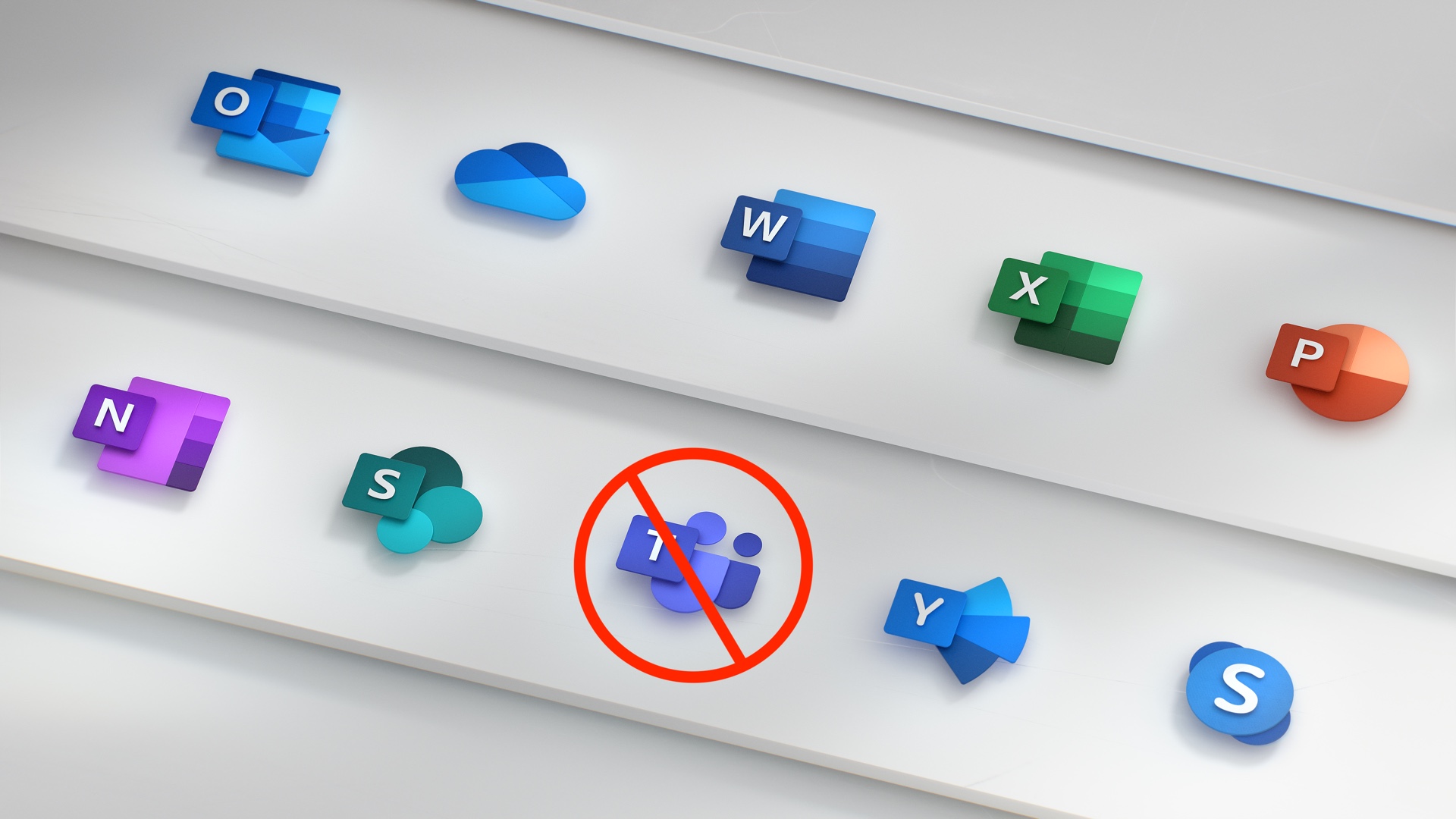
Microsoft has avoided an EU fine after the US tech group offered concessions on how it packages together its Teams and Office products, ending a long-running antitrust investigation by the bloc’s regulators.
The probe, which began after a 2020 complaint from Slack, now part of Salesforce, accused Microsoft of abusing its market dominance by tying its video conferencing tool to its widely used suite of productivity applications.
Since the initial complaint, Microsoft has unbundled Teams from Office 365 in the EU, but critics said the changes were too narrow.
In May, the $3.7 trillion software giant promised concessions, such as continuing the Teams and Office separation for seven years.
After a market test, Microsoft has since made additional commitments, such as publishing more information on so-called “interoperability” or the ability to use its products with others made by rivals.
These new pledges have satisfied the EU’s regulator, which said on Friday that it helped to restore fair competition and open the market to other providers.
Though not the first software to allow video communication over the Internet, Skype was one of the first recognizably modern peer-to-peer video chatting apps. Created by some of the same developers behind the Kazaa peer-to-peer file-sharing software, Skype was originally released in 2003, at around the same time when increasing broadband Internet availability and better video compression codecs were solving the bandwidth problem.
But as detailed by Wired, Skype lost momentum after the Microsoft purchase, partly due to a redesign that people didn’t like and partly because upstarts like Zoom were offering new features and better call quality. When the COVID-19 pandemic hit in 2020 and all kinds of office jobs shifted to remote work, it was Zoom and not Skype that was in a better position to become the video-chatting app everyone was trapped in.
After more than 21 years, Skype will soon be no more. Last night, some users (including Ars readers) poked around in the latest Skype preview update and noticed as-yet-unsurfaced text that read “Starting in May, Skype will no longer be available. Continue your calls and chats in Teams.”
This morning, Microsoft has confirmed to Ars that it’s true. May 5, 2025, will mark the end of Skype’s long run.
Alongside the verification that the end is nigh, Microsoft shared a bunch of details about how it plans to migrate Skype users over. Starting right away, some Skype users (those in Teams and Skype Insider) will be able to log in to Teams using their Skype credentials. More people will gain that ability over the next few days.
Microsoft claims that users who do this will see their existing contacts and chats from Skype in Teams from the start. Alternatively, users who don’t want to do this can export their Skype data—specifically contacts, call history, and chats.
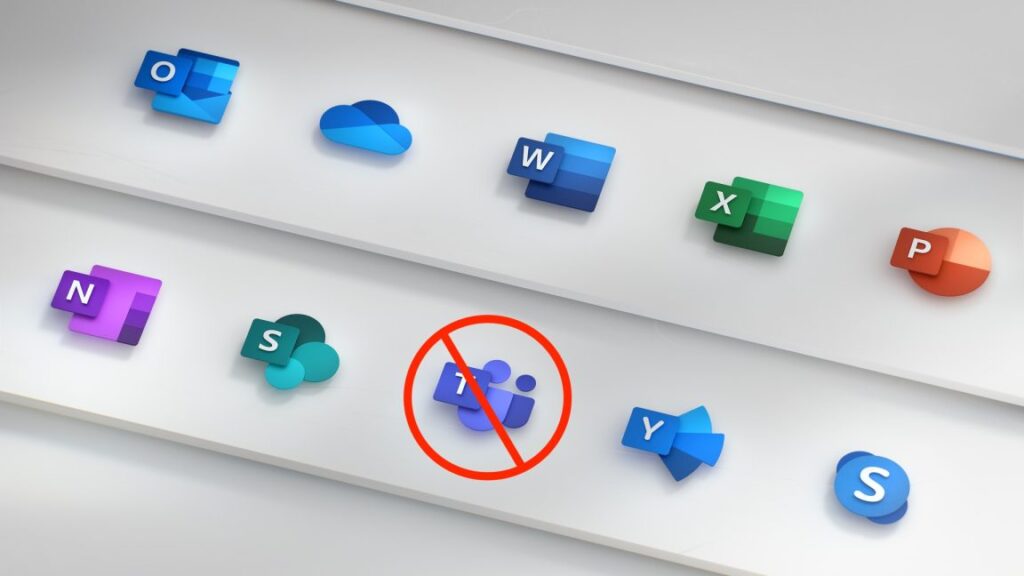
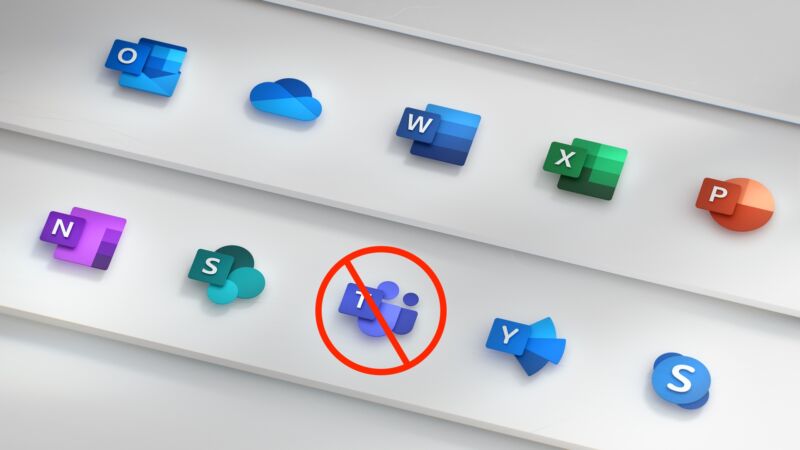
Enlarge/ Teams is being decoupled from the other Office apps worldwide, six months after Microsoft did the same thing for the EU.
Microsoft/Andrew Cunningham
Months after unbundling the apps in the European Union, Microsoft is taking the Office and Teams breakup worldwide. Reuters reports that Microsoft will begin selling Teams and the other Microsoft 365 apps to new commercial customers as separate products with separate price tags beginning today.
“To ensure clarity for our customers, we are extending the steps we took last year to unbundle Teams from M365 and O365 in the European Economic Area and Switzerland to customers globally,” a Microsoft spokesperson told Ars. “Doing so also addresses feedback from the European Commission by providing multinational companies more flexibility when they want to standardize their purchasing across geographies.”
The unbundling is a win for other team communication apps like Slack and videoconferencing apps like Zoom, both of which predate Teams but haven’t had the benefits of the Office apps’ huge established user base.
The separation follows an EU regulatory investigation that started in July of 2023, almost exactly three years after Slack initially filed a complaint alleging that Microsoft was “abusing its market dominance to extinguish competition in breach of European Union competition law.”
In August of 2023, Microsoft announced that it would be unbundling the apps in the EU and Switzerland in October. Bloomberg reported in September that Zoom had met with EU and US Federal Trade Commission regulators about Microsoft, further ratcheting up regulatory pressure on Microsoft.
In October, Microsoft European Government Affairs VP Nanna-Louise Linde described the unbundling and other moves as “proactive changes that we hope will start to address these concerns in a meaningful way,” though the EU investigation is ongoing, and the company may yet be fined. Linde also wrote that Microsoft would allow third-party apps like Zoom and Slack to integrate more deeply with the Office apps and that it would “enable third-party solutions to host Office web applications.”
Microsoft has put up a blog post detailing its new pricing structure here—for now, the changes only affect the Microsoft 365 plans for the Business, Enterprise, and Frontline versions of Microsoft 365. Consumer, Academic, US Government, and Nonprofit editions of Microsoft 365 aren’t changing today and will still bundle Teams as they did before.
Current Office/Microsoft 365 Enterprise customers who want to keep using the Office apps and Teams together can continue to subscribe to both at their current prices. New subscribers to the Enterprise versions of Microsoft 365/Office 365 can pay $5.25 per user per month for Teams, whether they’re buying Teams as standalone software or adding it on top of a Teams-free Office/Microsoft 365 subscription.
For the Business and Frontline Microsoft 365 versions, you can either buy the version with Teams included for the same price as before, or choose a new Teams-less option that will save you a couple of dollars per user per month. For example, the Teams-less version of Microsoft 365 Business Standard costs $10.25 per user per month, compared to $12.50 for the version that includes Teams.
Updated April 1, 2024, at 4: 12 pm to add more details about pricing and a link to Microsoft’s official blog post about the announcement; also added a statement from a Microsoft spokesperson.