forensic science

how-moss-helped-convict-grave-robbers-of-a-chicago-cemetery

How moss helped convict grave robbers of a Chicago cemetery

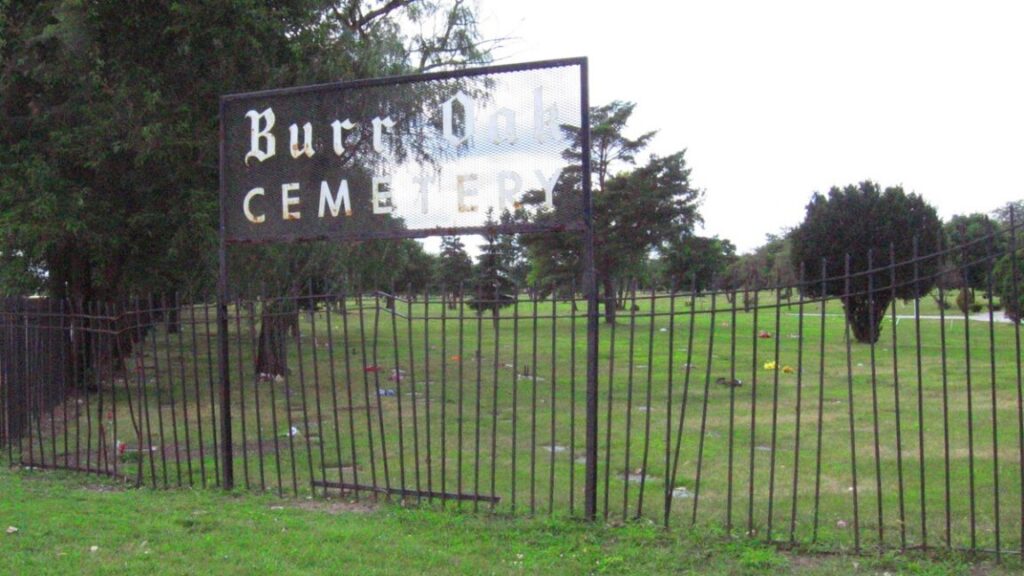
The official records were a bit of a mess, to say the least, but the ensuing investigation revealed that while the cemetery had space for 130,000 graves, between 140,000 and 147,500 people were listed as buried there. And some areas had apparently never been used for burials. The cemetery’s then-director, Carolyn Towns, grounds foreman Keith Nicks, Nicks’ brother Terrence, and another employee, Maurice Dailey, were charged.

The only reason they were caught is because they became increasingly reckless about their grave-robbing, even using a backhoe to dig up old graves, smashing skeletons to bits as they did so. Some 1,500 bones were recovered and identified as belonging to at least 38 individuals, but between 200 and 400 graves had been desecrated, per official estimates. Emmett Till’s decaying casket was found covered by a tarp and surrounded by debris in a garage behind the cemetery. (The restored casket is now housed at the Smithsonian’s Museum of African American History.)

The evidence of the moss
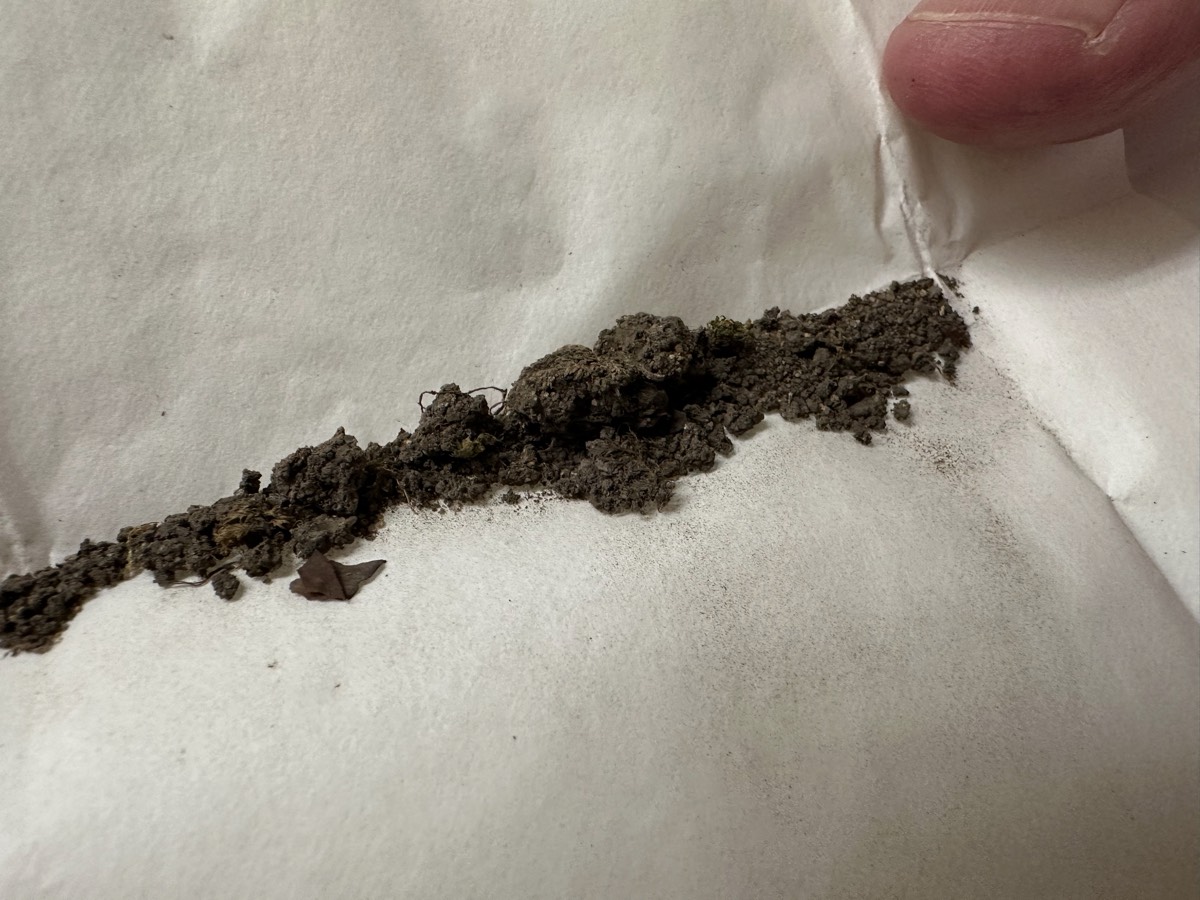
The tiny bits of dirt and moss collected in Burr Oak Cemetery in 2009, which were a key piece of evidence in the criminal case.

The tiny bits of dirt and moss collected in Burr Oak Cemetery in 2009, which were a key piece of evidence in the criminal case.

Credit: Field Museum

The tiny bits of dirt and moss collected in Burr Oak Cemetery in 2009, which were a key piece of evidence in the criminal case. Credit: Field Museum

Prosecutors still had to prove their case. In addition to the skeletal remains, the FBI had collected broken mulberry branches and buried grass fragments for expert analysis. Von Konrat was just going about his museum business in 2009 when the FBI called, seeking expert advice on pieces of moss their team had found, inexplicably buried eight inches below the topsoil with the reburied remains. They needed his help identifying the species as well as determining how long it had been buried. This would provide the FBI with a crucial timeline of when the remains had been reburied.

“Moss is a little bit freaky,” said von Konrat. “Mosses have an interesting physiology, where even if they’re dry and dead and preserved, they can still have an active metabolism, a few cells that are still active. The amount of metabolic activity deteriorates over time, and that can tell us how long ago a moss sample was collected.” The key was chlorophyll, a green pigment central to photosynthesis. Chlorophyll degrades as a decaying plant’s cells stop functioning, so the museum team could measure how much light was being absorbed by the chlorophyll in control specimens whose age was known (both fresh and dried). Then they could compare those measurements to the forensic sample.

How moss helped convict grave robbers of a Chicago cemetery Read More »
meet-the-woman-whose-research-helped-the-fbi-catch-notorious-serial-killers

Meet the woman whose research helped the FBI catch notorious serial killers

Dr. Ann Burgess helps the FBI catch serial killers in Hulu's <em>Mastermind: To Think Like a Killer.</em>” src=”https://cdn.arstechnica.net/wp-content/uploads/2024/07/mastermind5-800×535.jpg”></img><figcaption>
<p><a data-height=Enlarge / Dr. Ann Burgess helps the FBI catch serial killers in Hulu’s Mastermind: To Think Like a Killer.

YouTube/Hulu

Fans of the Netflix series Mindhunter might recall the character of Dr. Wendy Carr (Anna Torv), a psychologist who joins forces with FBI criminal profilers to study the unique psychology of serial killers in hopes of more effectively catching them. But they might not know about the inspiration for the character: Dr. Ann Wolbert Burgess, whose long distinguished career finally gets the attention it deserves in a new documentary from Hulu, Mastermind: To Think Like a Killer.

Burgess herself thought it was “fun” to see a fictional character based on her but noted that Hollywood did take some liberties. “They got it wrong,” she told Ars. “They made me a psychologist. I’m a nurse”—specifically, a forensic and psychiatric nurse who pioneered research on sex crimes, victimology, and criminal psychology.

Mastermind should go a long way toward setting things right. Hulu brought on Abby Fuller to direct, best known for her work on the Chef’s Table series for Netflix. Fuller might seem like a surprising choice for making a true crime documentary, but the streamer thought she would bring a fresh take to a well-worn genre. “I love the true crime aspects, but I thought we could do something more elevated and cinematic and really make this a character-driven piece about [Ann], with true crime elements,” Fuller told Ars.

There’s no doubt that the public has a rather morbid fascination with serial killers, and Burgess certainly has had concerns about the way media coverage and Hollywood films have turned murderers into celebrities. “Despite how obviously horrible these killers were, despite their utter brutality and the pain they inflicted upon their victims, they’d somehow become romanticized,” Burgess wrote in her memoir, A Killer by Design: Murderers, Mindhunters, and My Quest to Decipher the Criminal Mind. “All the inconvenient details that interfered with this narrative—the loss of life, issues of mental health, and the victims themselves—were simply ignored.”

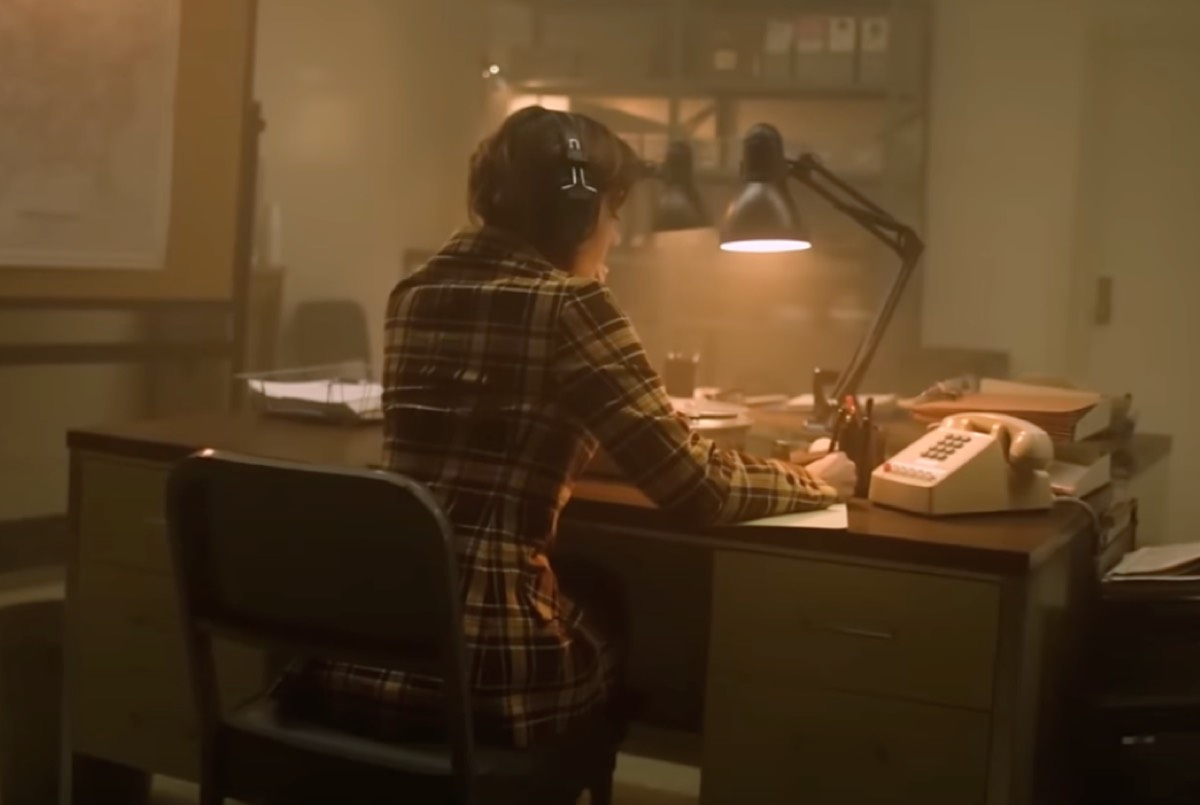
Mastermind.” height=”429″ src=”https://cdn.arstechnica.net/wp-content/uploads/2024/07/mastermind6-640×429.jpg” width=”640″>

Enlarge / A re-creation of Dr. Ann Burgess listening to taped interviews of serial killers in Mastermind.

YouTube/Hulu

That said, it’s not like anyone who finds the twisted psychology of serial killers, or true crime in general, fascinating is a sociopath or murderer in the making. “I think we all grapple with light and dark and how we see it in the world,” said Fuller. “There’s an inherent fascination with what makes someone who they are, with human behavior. And if you’re interested in human behavior, a serial killer exhibits some of the more fascinating behavior that exists. Trying to grasp the darkest of the dark and understand it is a way to ensure we never become it.”

“I think it’s a human factor,” Burgess said. “I don’t see anything wrong with it. There is a fascination to try to understand why people commit these horrifying crimes. How can people do these things? But I also think people like to play detective a little bit. I think that’s normal. You don’t want to be fooled; you don’t want to become a victim. So what can you learn to avoid it?”

For Burgess, it has always been about the victims. She co-founded one of the first crisis counseling programs at Boston City Hospital in the 1970s with Boston College sociologist Lynda Lytle Holmstrom. The duo conducted research on the emotional and traumatic effects of sexual violence, interviewing nearly 150 rape victims in the process. They were the first to realize that rape was about power and control rather than sex, and coined the term “rape trauma syndrome” to describe the psychological after-effects.

(WARNING: Some graphic details about violent crimes below.)

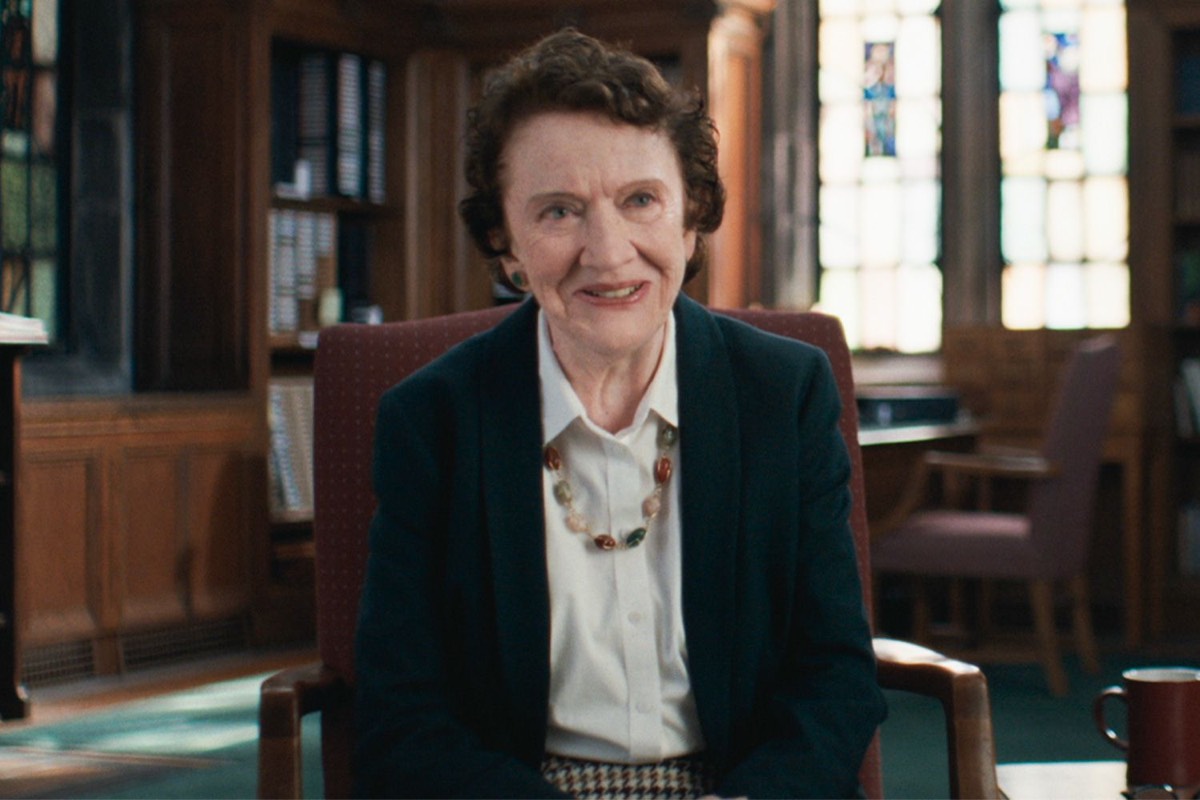
Dr. Ann Burgess research helped legitimize the FBI's Behavioral Sciences Unit.

Enlarge / Dr. Ann Burgess research helped legitimize the FBI’s Behavioral Sciences Unit.

Hulu

Their work caught the attention of Roy Hazelwood of the FBI, who invited Burgess to the FBI Academy in Quantico, Virginia, to give lectures to agents in the fledgling Behavioral Sciences Unit (BSU) on victimology and violent sex crimes. Thus began a decades-long collaboration that established criminal profiling as a legitimate practice in law enforcement.

Meet the woman whose research helped the FBI catch notorious serial killers Read More »