It’s time for game developers to bring back the cheat code
Arcane hidden options can offer accessibility without confusing the “core” game experience.
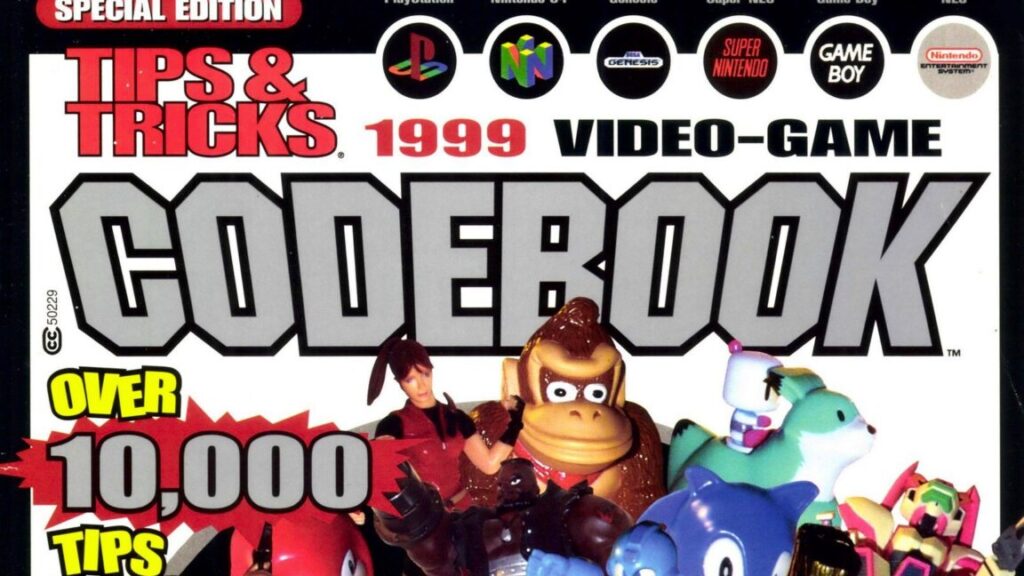
For gamers of a certain age, gibberish character sequences like idkfa, torg, ABACABB, and UUDDLRLRBA are akin to long-lost magical incantations. They evoke an era where game developers frequently and routinely let players use cheat codes to customize their gameplay experience with everything from infinite health and instant level selection to full debug menus or gigantic anime-style giant-headed avatars. There were even external cheat devices that let players hack console games with cheat codes the developers never intended.
While the cheat code’s heyday is long in the past, the idea of letting players manipulate their gameplay experiences in similar ways is coming back into fashion for some developers. Last month, Square Enix announced that upcoming Switch 2 and Xbox ports of Final Fantasy VII Remake Intergrade would include new “streamlined progression” features. As the name implies, the new options menu will give players the opportunity to blaze through the game with infinite health, magic, and money, quicker leveling, maximum damage attacks, and more.
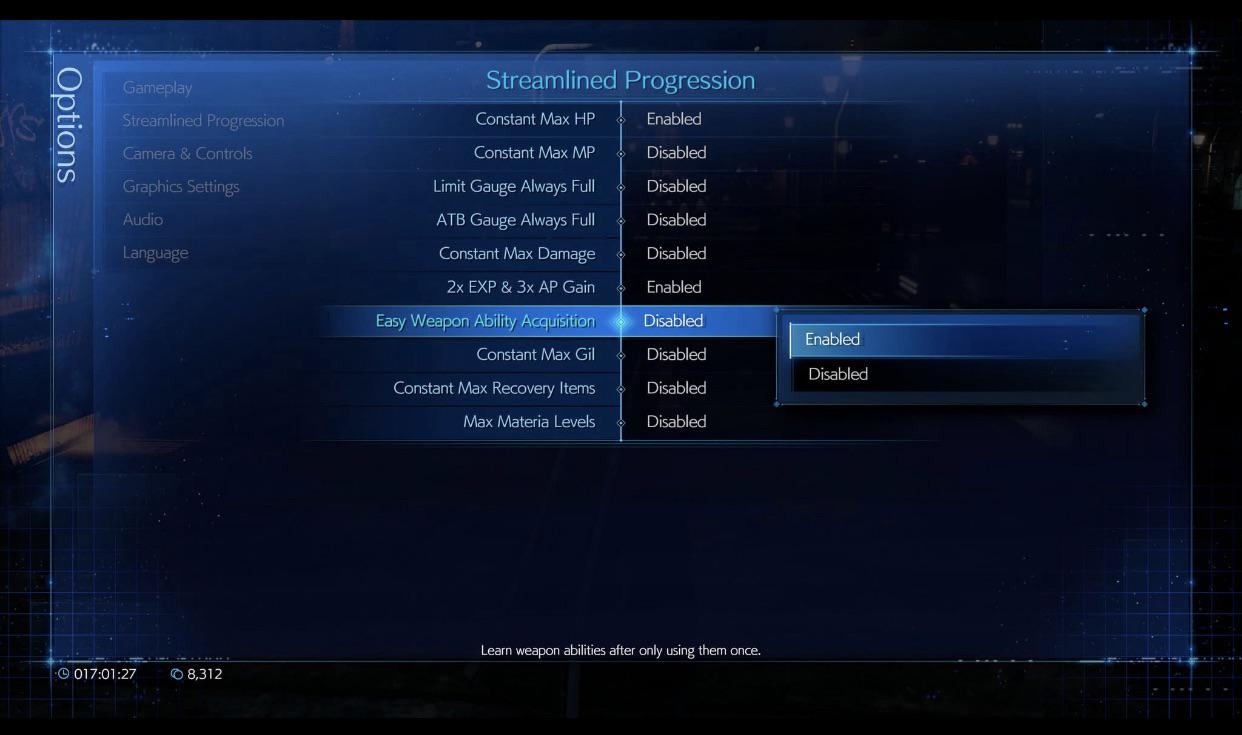
“Constant Max HP” is a funny way to spell and pronounce “god mode.”
“Constant Max HP” is a funny way to spell and pronounce “god mode.” Credit: Reddit / Square Enix
While some responded negatively to what they derisively called a “cheat mode,” director Naoki Hamaguchi defended the new options in a recent interview with Automaton. “Personally, I like to try many different games just to keep myself up to date, but I don’t really have the time, so I only get so far,” he said. “I personally believe that, with digital entertainment today, the player should have the choice in how they interact with content. That’s why I pushed for it.”
He’s right. Players are responsible enough to know if, when, and how to use these kinds of options to help streamline their progress through a game. At the same time, I think many games would benefit from hiding these kinds of gameplay-altering options behind the obscurity of old-fashioned cheat codes, rather than tempting built-in menus.
Developer intent
Final Fantasy VII Remake is far from the first modern game to offer players a simple option for friction-free progress. In Mass Effect 3 it’s Narrative Mode. In Nier Automata it’s Auto Mode. In Assassin’s Creed Origins it’s Discovery Mode. In Death Stranding it’s just Very Easy Mode. In a game like Celeste it’s a whole menu of accessibility options that allow for fine-tuning of the game’s precision platforming rules.
In each case, there’s a recognition that some players might want to explore a game’s world—to experience the characters, art, and dialogue that the developers worked so hard to craft—without struggling through mechanical reflex tests or grindy, repetitive challenges. Even players who enjoy the “intended” difficulty most of the time might want to treat the game like a giant sandbox on subsequent playthroughs, or quickly skip to their favorite part when revisiting years later.
As Penny Arcade memorably put it back in 2005: “I play games to enter a trance state and experience other lives, [others] play them to defeat the designer of the game by proxy. That’s a significant distinction.”
But there are some games where this kind of built-in difficulty manipulation would be antithetical to a game’s very nature. In Baby Steps for example, struggling with the game’s controls and suffering when you lose significant progress to an errant step is very much the point.

A “perfect balance” toggle would completely ruin the impact of this Baby Steps moment.
A “perfect balance” toggle would completely ruin the impact of this Baby Steps moment.
A version of Baby Steps where you could plow through to the end with perfect balance or frequent save points would ruin the experience in some crucial ways. Just offering this kind of “Exploration Mode” in the options menu would undercut the message the developers are trying to impart, giving players an easy out in a game where those don’t and shouldn’t exist.
FF7 Remake‘s Hamaguchi acknowledged a similar issue in discussing why he wouldn’t initially offer “streamlined progression” options for the upcoming third game in the remake series. “If we were to add it to the third installment at launch, it would probably spark controversy,” Hamaguchi said. “We’d risk disrupting the experience for fans who have been waiting the longest and deserve to enjoy it the most (through spoilers coming out early and similar).”
This is where I think the added friction of the old-fashioned cheat code can come in handy. While a tempting “easy mode” menu option can weaken the impact of a game’s “intended” design, a hidden cheat code is much more clearly set apart as an unrelated option intended for tinkerers and fun-seekers.
Making “easy mode” harder to find
The difference comes down to context. Back in the day, players usually found cheat codes from a source outside of the game itself, passing around the arcane knowledge through online forums, printed magazines, or schoolyard rumors. That outside sourcing made it clear that, while these codes were obviously part of the game in a sense, they were also somehow separate from the core gameplay experience. Even the term “cheat code” connotes the idea that you’re getting away with something by evading the game’s built-in rules.
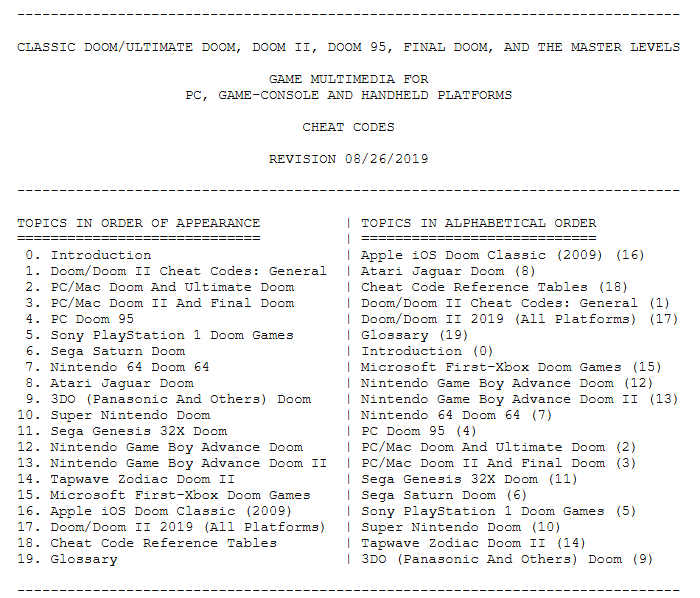
If you want to cheat, you should have to look at an eye-searing wall of monospaced text first.
If you want to cheat, you should have to look at an eye-searing wall of monospaced text first. Credit: GameFAQs
An ever-present “god mode” toggle or “accessibility” menu, on the other hand, presents those options as contextually valid and at least somewhat intended ways for different players to experience the same base game. And that’s perfectly fine in many cases; as Hamaguchi pointed out, sometimes players will just want to experience the story as quickly as possible. But in games where the difficulty is integral to the developer’s intent, putting that kind of option upfront can confuse the message and confuse the player as to which is the most “correct” way to play.
Toggling an “easy mode” through a menu is like flipping a light switch that the developers left invitingly available in a little-used corner of the house. Tracking down a cheat code, on the other hand, feels more like going to the hardware store and asking for help to install your own light switch. The effect is the same, but the path to get there makes all the difference.
In modern PC gaming, mods often offer that same kind of context change. This fanmade Baby Steps mod offers the ability to fly to any location and save at any time, completely ruining the game as it was designed. But players that go to the trouble of seeking out, downloading, and installing that mod obviously have no one to blame for that bastardization but themselves.
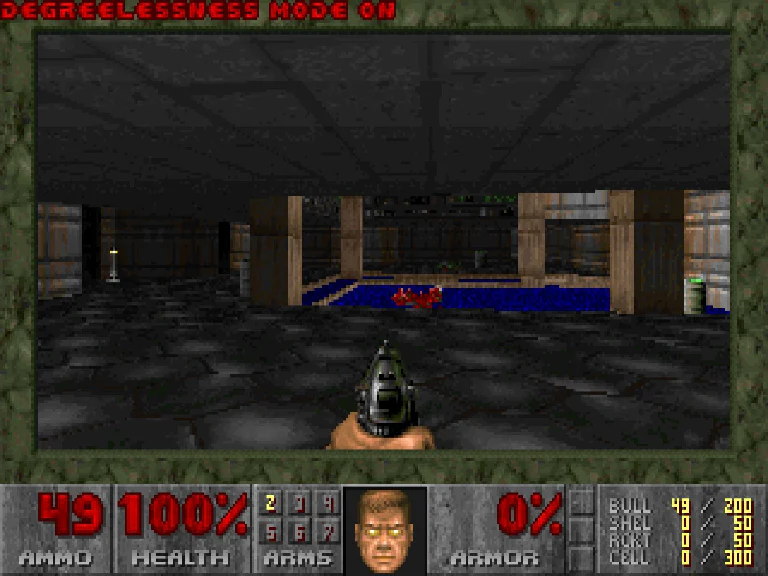
Look into my eyes.
Credit: id Software
Look into my eyes. Credit: id Software
Cheat codes also offer developers additional options for how and when they present new options to players. In UFO 50, for instance, players can discover many of the game’s gameplay-altering Terminal Codes by beating a subgame and watching the credits. Even outside the game, a developer can keep a cheat code’s very existence hidden for months or even years after a game’s launch, ensuring that early adopters experience the game as designed (this happened all the time in the pre-Internet era of game magazines).
Trying to bring back that era of hidden knowledge might seem silly in an age where Internet sleuths are data-mining games before they even come out. But I still think that a revival of the humble video game cheat code can help offer fun and helpful gameplay options for those who want them while protecting the intent of today’s video game designers.

Kyle Orland has been the Senior Gaming Editor at Ars Technica since 2012, writing primarily about the business, tech, and culture behind video games. He has journalism and computer science degrees from University of Maryland. He once wrote a whole book about Minesweeper.
It’s time for game developers to bring back the cheat code Read More »