
department of the interior

court-orders-restart-of-all-us-offshore-wind-construction

Court orders restart of all US offshore wind construction

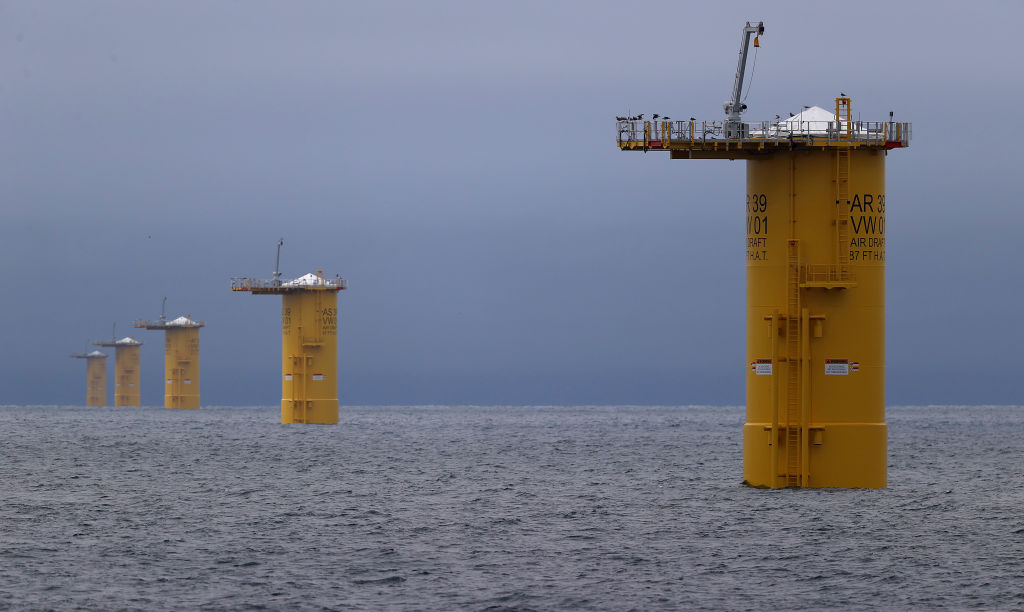
Based on reporting elsewhere, some of the judges viewed the classified report that was used to justify the order to halt construction, but they didn’t find it persuasive. In one case, the judge noted that the government wasn’t acting as if the security risks were real. The threat supposedly comes from the operation of the wind turbines, but the Department of the Interior’s order blocked construction while allowing any completed hardware to operate.

“If the government’s concern is the operation of these facilities, allowing the ongoing operation of the 44 turbines while prohibiting the repair of the existing turbines and the completion of the 18 additional turbines is irrational,” Judge Brian E. Murphy said. That once again raises the possibility that the order halting construction will ultimately be held to be arbitrary and capricious.

For now, however, the courts are largely offering the wind projects relief because the ruling was issued without any warning or communication from the government and would clearly inflict substantial harm on the companies building them. The injunction blocks the government’s hold on construction until a final ruling is issued. The government can still appeal the decision before that point, but the consistency among these rulings suggests it will likely fail.

Several of these projects are near completion and are likely to be done before any government appeal can be heard.

Court orders restart of all US offshore wind construction Read More »
us-interior-secretary-orders-offshore-wind-project-shut-down

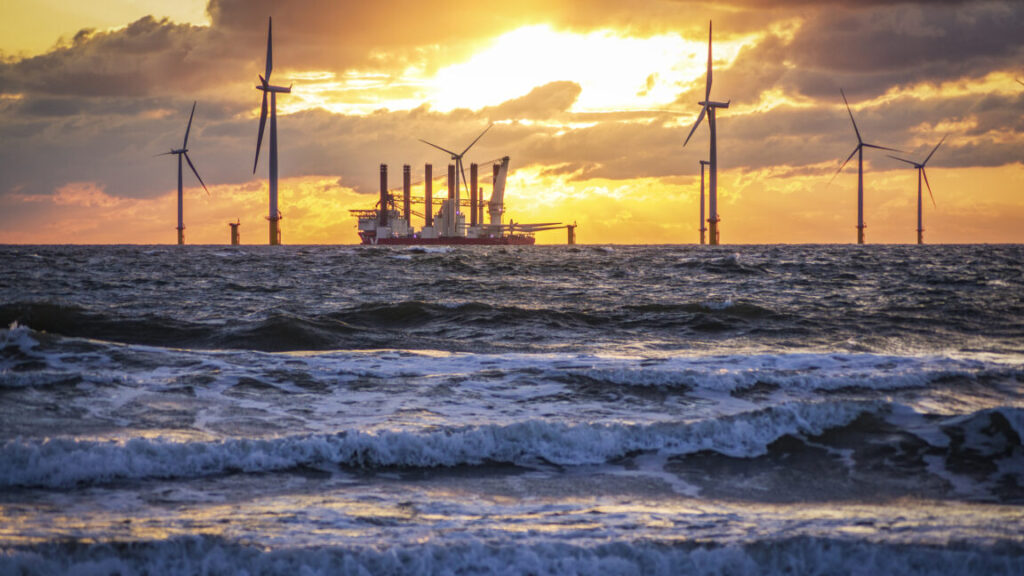
US Interior secretary orders offshore wind project shut down

It’s notable that this hold comes despite Trump’s executive order explicitly stating, “Nothing in this withdrawal [of future leasing] affects rights under existing leases in the withdrawn areas.”

GAO undercuts the message

The order alleged there were “various alleged legal deficiencies underlying the Federal Government’s leasing and permitting of onshore and offshore wind projects, the consequences of which may lead to grave harm.” In response to those allegations, the Government Accountability Office began an evaluation of the Department of the Interior’s activities in overseeing offshore wind development. The results of that were made public on Monday.

And the report only found minor issues. Its primary recommendations are that Interior improve its consultations with leaders of tribal communities that may be impacted by wind development and boost “incorporation of Indigenous knowledge.” The GAO also thinks that Interior should improve its methods of getting input from the fishing industry. The report also acknowledges that there are uncertainties about everything from invasive species to the turbines’ effect on navigational radar but says these will vary based on a wind farm’s site, size, and other features, and we’ll only have a clearer picture once we have built more of them.

Notably, it says that wind farm development has had no effect on the local whale population, a popular Republican criticism of offshore wind.

Trump’s animosity toward wind power has a long history, so it’s unlikely that this largely positive report will do much to get the hold on leasing lifted. In reality, however, the long-term uncertainty about offshore wind in the US will probably block new developments until the end of Trump’s time in office. Offshore wind companies have budgeted based on tax incentives in the Inflation Reduction Act, and the administration has suggested they may revoke those in future budgets. And the move by Burgum means that, even if a company clears all the leasing and improvement hurdles, the government may shut down a project for seemingly arbitrary reasons.

US Interior secretary orders offshore wind project shut down Read More »