anti-vaccine

plastic-surgeon-off-the-hook-for-alleged-covid-fraud,-injecting-kids-with-saline

Plastic surgeon off the hook for alleged COVID fraud, injecting kids with saline

A Utah-based plastic surgeon appears to be off the hook for federal charges over an alleged COVID-19 vaccine fraud scheme, in which he and three of his associates were accused of providing fraudulent COVID-19 vaccination cards at $50 a pop while squirting the corresponding vaccines down the drain—wasting roughly $28,000 worth of federally provided, lifesaving vaccines. In cases where parents brought in children for fake immunizations, the group would allegedly inject saline solutions at the parents’ request to make the children believe they had received vaccinations.

In total, the group was accused of wasting 1,937 COVID-19 vaccine doses between October 2021 and September 2022, including 391 pediatric doses, and creating fraudulent immunization records for them. The alleged scheme netted them nearly $97,000.

The charges were filed in January 2023 under the Biden administration after two separate undercover agents went through the scheme to get a fake vaccination card. The plastic surgeon, Michael Kirk Moore Jr., who owns and operates Plastic Surgery Institute of Utah in Midvale, south of Salt Lake City, as well as the business’ office manager, Kari Dee Burgoyne, its receptionist, Sandra Flores, and Moore’s neighbor, Kristin Jackson Andersen, were charged in the case. All four people faced charges of conspiracy to defraud the federal government, along with two counts related to improper disposal of government property.

In a statement at the time of the charges, Curt Muller, special agent in charge with the Department of Health and Human Services for the Office of the Inspector General, said that by allegedly giving sham shots to children, “not only did [Moore] endanger the health and well-being of a vulnerable population, but also undermined public trust and the integrity of federal health care programs.”

Plastic surgeon off the hook for alleged COVID fraud, injecting kids with saline Read More »

rfk-jr.-barred-registered-democrats-from-being-vaccine-advisors,-lawsuit-says

RFK Jr. barred registered Democrats from being vaccine advisors, lawsuit says

The lawsuit was filed by the American Academy of Pediatrics (AAP), the American College of Physicians (ACP), the Infectious Diseases Society of America (IDSA), the Massachusetts Public Health Alliance, the Society for Maternal-Fetal Medicine, and a Jane Doe, who is a pregnant physician.

The group’s lawsuit aims to overturn Kennedy’s unilateral decision to drop the CDC’s recommendations that healthy children and pregnant people get COVID-19 vaccines. The medical groups argue that Kennedy’s decision—announced in a video on social media on May 27—violates the Administrative Procedure Act for being arbitrary and capricious.

Specifically, Kennedy made the decision unilaterally, without consulting the CDC or anyone on ACIP, entirely bypassing the decadeslong evidence-based process ACIP uses for developing vaccine recommendations that set standards and legal requirements around the country. Further, the changes are not supported by scientific evidence; in fact, the data is quite clear that pregnancy puts people at high risk of severe COVID-19, and vaccination protects against dire outcomes for pregnant people and newborns. Kennedy has not explained what prompted the decision and has not pointed to any new information or recommendations to support the move.

“Existential threat”

The medical groups say the decision has caused harms. Pregnant patients are being denied COVID-19 vaccines. Patients are confused about the changes, requiring clinicians to spend more time explaining the prior evidence-based recommendation. The conflict between Kennedy’s decision and the scientific evidence is damaging trust between some patients and doctors. It’s also making it difficult for doctors to stock and administer the vaccines and creating uncertainty among patients about how much they may have to pay for them.

In making the claims, the medical groups offer a sweeping review of all of the damaging decisions Kennedy has made since taking office—from canceling a flu shot awareness campaign, spreading misinformation about measles vaccines amid a record-breaking outbreak, and clawing back $11 billion in critical public health funds to wreaking havoc on ACIP.

The lead lawyer representing the groups, Richard Hughes IV, a partner at Epstein Becker Green, did not immediately respond to Ars’ request for comment.

But in a statement Monday, Hughes said that “this administration is an existential threat to vaccination in America, and those in charge are only just getting started. If left unchecked, Secretary Kennedy will accomplish his goal of ridding the United States of vaccines, which would unleash a wave of preventable harm on our nation’s children.”

RFK Jr. barred registered Democrats from being vaccine advisors, lawsuit says Read More »

moderna-says-mrna-flu-vaccine-sailed-through-trial,-beating-standard-shot

Moderna says mRNA flu vaccine sailed through trial, beating standard shot

An mRNA-based seasonal flu vaccine from Moderna was 27 percent more effective at preventing influenza infections than a standard flu shot, the company announced this week.

Moderna noted that the new shot, dubbed mRNA-1010, hit the highest efficacy target that it set for the trial, which included nearly 41,000 people aged 50 and above. Participants were randomly assigned to receive either mRNA-1010 or a standard shot and were then followed for about six months during a flu season.

Compared to the standard shot, the mRNA vaccine had an overall vaccine efficacy that was 26.6 percent higher, and 27.4 percent higher in participants who were aged 65 years or older. Previous trial data showed that mRNA-1010 generated higher immune responses in participants than both regular standard flu shots and high-dose flu shots.

The company noted that the positive results for the new trial come in the wake of one of the worst flu seasons in years. During the 2024–2025 flu season, the Centers for Disease Control and Prevention estimates that 770,000 people in the US were hospitalized for the flu.

“Today’s strong Phase 3 efficacy results are a significant milestone in our effort to reduce the burden of influenza in older adults,” Moderna CEO Stéphane Bancel said in a statement. “The severity of this past flu season underscores the need for more effective vaccines. An mRNA-based flu vaccine has the potential advantage to more precisely match circulating strains, support rapid response in a future influenza pandemic, and pave the way for COVID-19 combination vaccines.”

Moderna says mRNA flu vaccine sailed through trial, beating standard shot Read More »

rfk-jr.’s-cdc-panel-ditches-some-flu-shots-based-on-anti-vaccine-junk-data

RFK Jr.’s CDC panel ditches some flu shots based on anti-vaccine junk data


Flu shots with thimerosal abandoned, despite decades of data showing they’re safe.

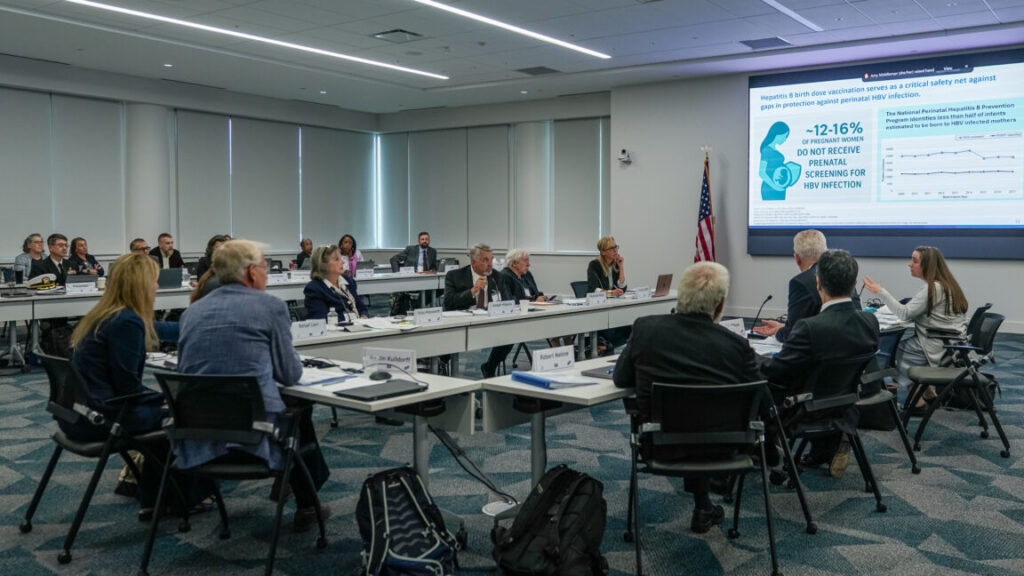
Dr. Martin Kulldorff, chair of the Advisory Committee on Immunization Practices, during the first meeting of the CDC’s Advisory Committee On Immunization Practices on June 25, 2025. Credit: Getty | Bloomberg

The vaccine panel hand-selected by health secretary and anti-vaccine advocate Robert F. Kennedy Jr. on Thursday voted overwhelmingly to drop federal recommendations for seasonal flu shots that contain the ethyl-mercury containing preservative thimerosal. The panel did so after hearing a misleading and cherry-picked presentation from an anti-vaccine activist.

There is extensive data from the last quarter century proving that the antiseptic preservative is safe, with no harms identified beyond slight soreness at the injection site, but none of that data was presented during today’s meeting.

The significance of the vote is unclear for now. The vast majority of seasonal influenza vaccines currently used in the US—about 96 percent of flu shots in 2024–2025—do not contain thimerosal. The preservative is only included in multi-dose vials of seasonal flu vaccines, where it prevents the growth of bacteria and fungi potentially introduced as doses are withdrawn.

However, thimerosal is more common elsewhere in the world for various multi-dose vaccine vials, which are cheaper than the single-dose vials more commonly used in the US. If other countries follow the US’s lead and abandon thimerosal, it could increase the cost of vaccines in other countries and, in turn, lead to fewer vaccinations.

Broken process

However, it remains unclear what impact today’s vote will have—both in the US and abroad. Normally, before voting on any significant changes to vaccine recommendations from the Centers for Disease Control and Prevention, the committee that met today—the CDC’s Advisory Committee on Immunization Practices (ACIP)— would go through an exhaustive process. That includes thoroughly reviewing and discussing the extensive safety and efficacy data of the vaccines, the balance of their benefits and harms, equity considerations, and the feasibility and resource implications of their removal.

But, instead, the committee heard a single presentation given by anti-vaccine activist, Lyn Redwood, who was once the president of the anti-vaccine organization founded by Kennedy, Children’s Health Defense.

Thimerosal has long been a target of anti-vaccine activists like Redwood, who hold fast to the false and thoroughly debunked claim that vaccines—particularly thimerosal-containing vaccines—cause autism and neurological disorders. Her presentation today was a smorgasbord of anti-vaccine talking points against thimerosal, drawing on old and fringe studies she claimed prove that thimerosal is an ineffective preservative, kills cells in petri dishes, and can be found in the brains of baby monkeys after it has been injected into them. The presentation did not appear to have gone through any vetting by the CDC, and an earlier version contained a reference to a study that does not exist.

Yesterday, CBS News reported that the Centers for Disease Control and Prevention is hiring Redwood to oversee vaccine safety. In response, Sen. Patty Murray (D-Wash.) called Redwood an “extremist,” and urged the White House to immediately reverse the decision. “We cannot allow a few truly deranged individuals to distort the plain truth and facts around vaccines so badly,” Murray said in a statement.

CDC scientists censored

Prior to the meeting, CDC scientists posted a background briefing document on thimerosal. It contained summaries of around two dozen studies that all support the safety of thimerosal and/or find no association with autism or neurological disorders. It also explained how in 1999, health experts and agencies made plans to remove thimerosal from childhood vaccines out of an abundance of caution for concern that it was adding to cumulative exposures that could hypothetically become toxic—at high doses, thimerosal can be dangerous. By 2001, it was removed from every childhood vaccine in the US and remains so to this day. But, since then, studies have found thimerosal to be perfectly safe in vaccines. All the studies listed by the CDC in support of thimerosal were published after 2001.

The document also contained a list of nearly two dozen studies claiming to find a link to autism, but where described by the CDC as having “significant methodological limitations.” The Institute of Medicine also called them “uninterpretable, and therefore, noncontributory with respect to causality.” Every single one of the studies was authored by the anti-vaccine father and son duo Mark and David Geier.

In March, it came to light that Kennedy had hired David Geier to the US health department to continue trying to prove a link between autism and vaccines. He is now working on the issue.

The CDC’s thimerosal document was removed from the ACIP’s meeting documents prior to the meeting. Robert Malone, one of the new ACIP members who holds anti-vaccine views, said during the meeting that it was taken down because it “was not authorized by the Office of the Secretary [Kennedy].” You can read it here.

Lone voice

In the meeting today, Kennedy’s hand-selected ACIP members did not ask Redwood any questions about the data or arguments she made against thimerosal. Nearly all of them readily accepted that thimerosal should be removed entirely. The only person to push back was Cody Meissner, a pediatric professor at Dartmouth’s Geisel School of Medicine who has served on ACIP in the past—arguably the most qualified and reasonable member of the new lineup.

“I’m not quite sure how to respond to this presentation,” he said after Redwood finished her slides. “This is an old issue that has been addressed in the past. … I guess one of the most important [things] to remember is that thimerosal is metabolized into ethylmercury and thiosalicylate. It’s not metabolized into methylmercury, which is in fish and shellfish. Ethylmercury is excreted much more quickly from the body. It is not associated with the high neurotoxicity that methylmercury is,” he explained.

Meissner scoffed at the committee even spending time on it. “So, of all the issues that I think we, ACIP, needs to focus on, this is not a big issue. … no study has ever indicated any harm from thimerosal. It’s been used in vaccines … since before World War II.

But he did express concern that it could be removed from the vaccine used globally.

“The recommendations the ACIP makes are followed among many countries around the world,” he said. “And removing thimerosal from all vaccines that are used in other countries, for example, is going to reduce access to these vaccines.”

Anti-vaccine agenda

In the end, the seven-member panel voted in favor of recommending only those seasonal flu vaccines that did not contain thimerosal. There were three separate votes for this, making this recommendation for children, pregnant women, and all adults each, but all with the same outcome: five ‘yes’ votes, one ‘no’ vote (Meissner), and one abstention from anti-vaccine activist and nurse Vicky Pebsworth. After the vote, Pebsworth clarified that she did not support the use of thimerosal in vaccines, but had a quibble with how the voting questions were written.

Prior to the vote, ACIP Chair Martin Kulldorff gave a brief presentation on the MMRV vaccine (measles, mumps, rubella, and varicella/chickenpox). He previewed a proposed recommendation to vote on in a future meeting that would remove the CDC’s recommendation for that vaccine as well.

Photo of Beth Mole

Beth is Ars Technica’s Senior Health Reporter. Beth has a Ph.D. in microbiology from the University of North Carolina at Chapel Hill and attended the Science Communication program at the University of California, Santa Cruz. She specializes in covering infectious diseases, public health, and microbes.

RFK Jr.’s CDC panel ditches some flu shots based on anti-vaccine junk data Read More »

all-childhood-vaccines-in-question-after-first-meeting-of-rfk-jr.’s-vaccine-panel

All childhood vaccines in question after first meeting of RFK Jr.’s vaccine panel

A federal vaccine panel entirely hand-selected by health secretary and anti-vaccine activist Robert F. Kennedy Jr. gathered for its first meeting Wednesday—and immediately announced that it would re-evaluate the entire childhood vaccination schedule, as well as the one for adults.

The meeting overall was packed with anti-vaccine talking points and arguments from the new panel members, confirming public health experts’ fears that the once-revered panel is now critically corrupted and that Kennedy’s controversial picks will only work to fulfill his long-standing anti-vaccine agenda.

Controversial committee

An hour before the meeting began, the American Academy of Pediatrics came out swinging against the new panel, saying that the panel’s work is “no longer a credible process.” The organization shunned the meeting, refusing to send a liaison to the panel’s meeting, which it has done for decades.

“We won’t lend our name or our expertise to a system that is being politicized at the expense of children’s health,” AAP President Susan Kressly said in a video posted on social media.

The panel in question, the Advisory Committee on Immunization Practices (ACIP), has for more than 60 years provided rigorous public scientific review, discussion, and trusted recommendations to the Centers for Disease Control and Prevention on how vaccines should be used in the US after they’ve earned approval from the Food and Drug Administration. The CDC typically adopts ACIP’s recommendations, and once that happens, insurance providers are required to cover the cost of the recommended shots.

The system is highly regarded globally. But, on June 9, Kennedy unilaterally and summarily fired all 17 esteemed ACIP members and, two days later, replaced them with eight new people. Some have clear anti-vaccine views, others have controversial and contrarian public health views, and several have little to no expertise in the fields relevant to vaccines.

Last night, it came to light that one of the eight new appointees—Michael Ross, an obstetrics and gynecology physician—had withdrawn from the committee during a financial holdings review that ACIP members are required to complete before beginning work on the panel.

All childhood vaccines in question after first meeting of RFK Jr.’s vaccine panel Read More »

all-17-fired-vaccine-advisors-unite-to-blast-rfk-jr.’s-“destabilizing-decisions”

All 17 fired vaccine advisors unite to blast RFK Jr.’s “destabilizing decisions”

The members highlighted their medical and scientific expertise, lengthy vetting, transparent processes, and evidence-based approach to helping set federal immunization programs, which affect insurance coverage. They also lamented the institutional knowledge lost by the removal of the entire committee and its executive secretary, as well as cuts to the CDC broadly. Together they “have left the US vaccine program critically weakened,” the experts write.

“In this age of government efficiency, the US public needs to know that the routine vaccination of approximately 117 million children from 1994–2023 likely prevented around 508 million lifetime cases of illness, 32 million hospitalizations, and 1,129,000 deaths, at a net savings of $540 billion in direct costs and $2.7 trillion in societal costs,” they write.

They also took direct aim at Kennedy, who unilaterally changed the COVID-19 vaccination policy, announcing the changes on social media. This “bypassed the standard, transparent, and evidence-based review process,” they write. “Such actions reflect a troubling disregard for the scientific integrity that has historically guided US immunization strategy.”

Since Kennedy has taken over the US health department, many other vaccine experts have been pushed out or left voluntarily. Peter Marks, the former top vaccine regulator at the Food and Drug Administration, was reportedly given the choice to resign or be fired. In his resignation letter, he wrote: “it has become clear that truth and transparency are not desired by the Secretary [Kennedy], but rather he wishes subservient confirmation of his misinformation and lies.”

All 17 fired vaccine advisors unite to blast RFK Jr.’s “destabilizing decisions” Read More »

anti-vaccine-quack-hired-by-rfk-jr.-has-started-work-at-the-health-department

Anti-vaccine quack hired by RFK Jr. has started work at the health department

Outside researchers can request access to VSD data by submitting study proposals to the CDC. The Geiers have, in the past, gained access. But, they lost that access at least twice, the Journal reported. In 2004, the CDC kicked the Geiers out after officials determined that they had misrepresented their plans for the data when they initially submitted their proposal to the CDC. They were barred again in 2006.

Now an HHS employee, Geier is seeking access to the data once again. The Journal reports that Kennedy has assigned researchers at the National Institutes of Health to assist Geier and that those NIH employees have sent a request to the CDC to hand over all of VSD’s data. This request reportedly caused alarm at the CDC and the project’s health care sites around the country, which are concerned about protecting the security of private patient data.

It’s unclear whether Geier has regained access to the data. But people familiar with the matter told the Journal that Geier aims to reanalyze the CDC’s data on thimerosal to try to prove a link to autism. The sources also said that Geier is interested in proving that the CDC is corrupt.

In the May hearing, Kennedy, who also supports the debunked claim that vaccines cause autism, defended Geier. Kennedy said that “there has been a lot of monkey business with the VSD” and that Geier is “the only living independent scientist” who has seen the data and can determine if it has been altered. (Hassan interjected that Geier is not a scientist.) Kennedy also falsely claimed that a court overturned the medical board’s finding that he had practiced medicine without a license and awarded Geier $5 million.

That did not happen. But Kennedy may have been referring to the fact that Mark Geier filed a lawsuit against the medical board over a 2012 cease-and-desist order that alleged he improperly prescribed medication for himself, his wife, and his son while his medical license was suspended. Mark Geier sued the board, saying the order was malicious because it contained personal information, including the medications Geier had prescribed. A Circuit Court sided with the Geiers, awarding them nearly $5 million in total. But the win and the award were overturned on appeal in 2019.

Anti-vaccine quack hired by RFK Jr. has started work at the health department Read More »

top-cdc-covid-vaccine-expert-resigns-after-rfk-jr.-unilaterally-restricts-access

Top CDC COVID vaccine expert resigns after RFK Jr. unilaterally restricts access

A top expert at the Centers for Disease Control and Prevention who was overseeing the process to update COVID-19 vaccine recommendations resigned on Tuesday.

The resignation, first reported by The Associated Press and confirmed by CBS News, comes just a week after health secretary and anti-vaccine advocate Robert F. Kennedy Jr. unilaterally revoked and altered some of the CDC’s recommendations for COVID-19 vaccines, restricting access to children and pregnant people. The resignation also comes three weeks before CDC’s experts and advisors are scheduled to meet to publicly evaluate data and discuss the recommendations for this season—a long-established process that was disrupted by Kennedy’s announcement.

The departing CDC official, Lakshmi Panagiotakopoulos, a pediatric infectious disease expert, was a co-leader of a working group on COVID-19 vaccines who advised experts on the CDC’s Advisory Committee on Immunization Practices (ACIP). She informed her ACIP colleagues of her resignation in an email on Tuesday.

“My career in public health and vaccinology started with a deep-seated desire to help the most vulnerable members of our population, and that is not something I am able to continue doing in this role,” Panagiotakopoulos wrote.

Unilateral changes

Previously, the CDC and ACIP recommended COVID-19 vaccines for everyone ages 6 months and up. Experts have emphasized that pregnant people in particular should get vaccinated, as pregnancy suppresses the immune system and puts pregnant people at high risk of severe COVID-19 and death. The American College of Obstetricians and Gynecologists states that “COVID-19 infection during pregnancy can be catastrophic.” Further, dozens of studies have found that the vaccines are safe and effective at protecting the pregnant person, the pregnancy, and newborns.

Top CDC COVID vaccine expert resigns after RFK Jr. unilaterally restricts access Read More »

under-rfk-jr.,-covid-shots-will-only-be-available-to-people-65+,-high-risk-groups

Under RFK Jr., COVID shots will only be available to people 65+, high-risk groups


FDA will require big, pricy trials for approvals for healthy kids and adults

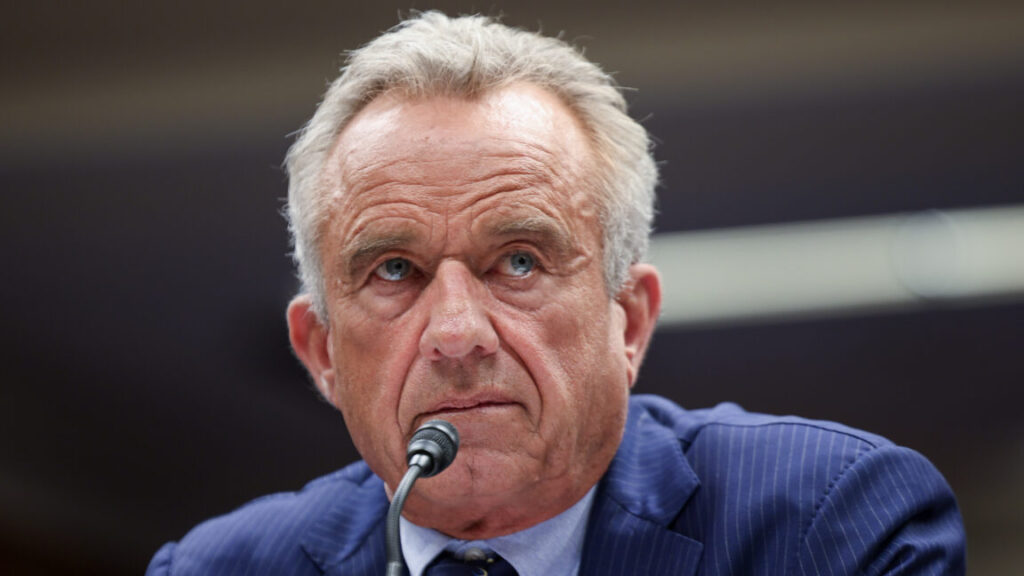
U.S. Secretary of Health and Human Services Robert F. Kennedy Jr. testifies before the Senate Committee on Health, Education, Labor, and Pensions on Capitol Hill on May 20, 2025 in Washington, DC. Credit: Getty | Tasos Katopodis

Under the control of anti-vaccine advocate Robert F. Kennedy Jr., the Food and Drug Administration is unilaterally terminating universal access to seasonal COVID-19 vaccines; instead, only people who are age 65 years and older and people with underlying conditions that put them at risk of severe COVID-19 will have access to seasonal boosters moving forward.

The move was laid out in a commentary article published today in the New England Journal of Medicine, written by Trump administration FDA Commissioner Martin Makary and the agency’s new top vaccine regulator, Vinay Prasad.

The article lays out a new framework for approving seasonal COVID-19 vaccines, as well as a rationale for the change—which was made without input from independent advisory committees for the Food and Drug Administration and the Centers for Disease Control and Prevention.

Normally, the FDA’s VRBPAC (Vaccines and Related Biological Products Advisory Committee) and the CDC’s ACIP (Advisory Committee on Immunization Practices) would publicly review, evaluate, and discuss vaccine approvals and recommendations. Typically, the FDA’s scope focuses on licensure decisions, made with strong influence from VRBPAC, while the CDC’s ACIP is principally responsible for influencing the CDC’s more nuanced recommendations on usage, such as for specific age or risk groups. These recommendations shape clinical practice and, importantly, health insurance coverage.

Makary and Prasad appear to have foregone those norms, even though VRBPAC is set to meet this Thursday to discuss COVID-19 vaccines for the upcoming season.

Restrictions

In the commentary, Markary and Prasad puzzlingly argue that the previous universal access to COVID-19 vaccines was patronizing to Americans. They describe the country’s approach to COVID boosters as a “one-size-fits-all” and write that “the US policy has sometimes been justified by arguing that the American people are not sophisticated enough to understand age- and risk-based recommendations. We reject this view.”

Previously, the seasonally updated vaccines were available to anyone age 6 months and up. Further, people age 65 and older and those at high risk were able to get two or more shots, based on their risk. So, while Makary and Prasad ostensibly reject the view of Americans as being too unsophisticated to understand risk-based usage, the pair are installing restrictions to force their own idea of risk-based usage.

Even more puzzlingly, in an April meeting of ACIP, the expert advisors expressed clear support for shifting from universal recommendations for COVID-19 boosters to recommendations based on risk. Specifically, advisors were supportive of urging boosters for people age 65 and older and people who are at risk of severe COVID-19—the same restrictions that Makary and Prasad are forcing. The two regulators do not mention this in their NEJM commentary. ACIP would also likely recommend a primary series of seasonally matched COVID-19 vaccines for very young children who have not been previously exposed to the virus or vaccinated.

ACIP will meet again in June, but without a permissive license from the FDA, ACIP’s recommendations for risk-based usage of this season’s COVID-19 shots are virtually irrelevant. And they cannot recommend usage in groups that the FDA licensure does not cover. It’s unclear if a primary series for young children will be available and, if so, how that will be handled moving forward.

New vaccine framework

Under Makary and Prasad’s new framework, seasonally updated COVID-19 vaccines can continue to be approved annually using only immunology studies—but the approvals will only be for people age 65 and over and people who are at high risk. These immunology studies look at antibody responses to boosters, which offer a shorthand for efficacy in updated vaccines that have already been through rigorous safety and efficacy trials. This is how seasonal flu shots are approved each year and how COVID boosters have been approved for all people age 6 months and up—until now.

Moving forward, if a vaccine maker wants to have their COVID-19 vaccine also approved for use in healthy children and healthy adults under age 65, they will have to conduct large, randomized, placebo-controlled studies. These may need to include tens of thousands of participants, especially with high levels of immunity in the population now. These trials can easily cost hundreds of millions of dollars, and they can take many months to complete. The requirement for such trials will make it difficult, if not impossible, for drug makers to conduct them each year and within a timeframe that will allow for seasonal shots to complete the trial, get regulatory approval, and be produced at scale in time for the start of the respiratory virus season.

Makary and Prasad did not provide any data analysis or evidence-based reasoning for why additional trials would be needed to continue seasonal approvals. In fact, the commentary had a total of only eight references, including an opinion piece Makary published in Newsweek and a New York Times article.

“We simply don’t know whether a healthy 52-year-old woman with a normal BMI who has had COVID-19 three times and has received six previous doses of a COVID-19 vaccine will benefit from the seventh dose,” they argue in their commentary.

Their new framework does not make any mention of what will happen if a more dangerous SARS-CoV-2 variant emerges. It also made no mention of vaccine usage in people who are in close contact with high-risk groups, such as ICU nurses or family members of immunocompromised people.

Context

Another lingering question from the framework is how easy it will be for people deemed at high risk to get access to seasonal shots. Makary and Prasad lay out a long list of conditions that would put people at risk of severe COVID-19 and therefore make them eligible for a seasonal booster. The list includes: obesity; asthma; lung diseases; HIV; diabetes; pregnancy; gestational diabetes; heart conditions; use of corticosteroids; dementia; physical inactivity; mental health conditions, including depression; and smoking, current or former. The FDA leaders estimate that between 100 million and 200 million Americans will fit into the category of being at high risk. It’s unclear what such a large group of Americans will need to do to establish eligibility every year.

In all, the FDA’s move to restrict and hinder access to seasonal COVID-19 vaccines is in line with Kennedy’s influential anti-vaccine advocacy work. In 2021, prior to taking the role of the country’s top health official, Kennedy and the anti-vaccine organization he founded, Children’s Health Defense, petitioned the FDA to revoke authorizations for COVID-19 vaccines and refrain from issuing any approvals.

Ironically, Makary and Prasad blame the country’s COVID-19 policies for helping to erode Americans’ trust in vaccines broadly.

“There may even be a ripple effect: public trust in vaccination in general has declined, resulting in a reluctance to vaccinate that is affecting even vital immunization programs such as that for measles–mumps–rubella (MMR) vaccination, which has been clearly established as safe and highly effective,” the two write, including the most full-throated endorsement of the MMR vaccine the Trump administration has issued yet. Kennedy continues to spread misinformation about the vaccine, including the false and debunked idea that it causes autism.

“Against this context, the Food and Drug Administration seeks to provide guidance and foster evidence generation,” Makary and Prasad write.

Photo of Beth Mole

Beth is Ars Technica’s Senior Health Reporter. Beth has a Ph.D. in microbiology from the University of North Carolina at Chapel Hill and attended the Science Communication program at the University of California, Santa Cruz. She specializes in covering infectious diseases, public health, and microbes.

Under RFK Jr., COVID shots will only be available to people 65+, high-risk groups Read More »

rfk-jr.-rejects-cornerstone-of-health-science:-germ-theory

RFK Jr. rejects cornerstone of health science: Germ theory


In his 2021 book vilifying Anthony Fauci, RFK Jr. lays out support for an alternate theory.

Health and Human Services Secretary Robert F. Kennedy Jr. speaks at a news conference on removing synthetic dyes from America’s food supply, at the Health and Human Services Headquarters in Washington, DC on April 22, 2025. Credit: Getty | Nathan Posner

With the rise of Robert F. Kennedy Jr., brain worms have gotten a bad rap.

A year ago, the long-time anti-vaccine advocate and current US health secretary famously told The New York Times that a parasitic worm “got into my brain and ate a portion of it and then died.” The startling revelation is now frequently referenced whenever Kennedy says something outlandish, false, or offensive—which is often. For those who have followed his anti-vaccine advocacy, it’s frightfully clear that, worm-infested or not, Kennedy’s brain is marinated in wild conspiracy theories and dangerous misinformation.

While it’s certainly possible that worm remnants could impair brain function, it remains unknown if the worm is to blame for Kennedy’s cognitive oddities. For one thing, he was also diagnosed with mercury poisoning, which can cause brain damage, too. As prominent infectious disease expert Anthony Fauci said last June in a conversation with political analyst David Axelrod: “I don’t know what’s going on in [Kennedy’s] head, but it’s not good.”

The trouble is that now that Kennedy is the country’s top health official, his warped ideas are contributing to the rise of a dystopian reality. Federal health agencies are spiraling into chaos, and critical public health services for Americans have been brutally slashed, dismantled, or knee-capped—from infectious disease responses, the lead poisoning team, and Meals on Wheels to maternal health programs and anti-smoking initiatives, just to name a few. The health of the nation is at stake; the struggle to understand what goes on in Kennedy’s head is vital.

While we may never have definitive answers on his cognitive situation, one thing is plain: Kennedy’s thoughts and actions make a lot more sense when you realize he doesn’t believe in a foundational scientific principle: germ theory.

Dueling theories

Germ theory is, of course, the 19th-century proven idea that microscopic germs—pathogenic viruses, bacteria, parasites, and fungi—cause disease. It supplanted the leading explanation of disease at the time, the miasma theory, which suggests that diseases are caused by miasma, that is, noxious mists and vapors, or simply bad air arising from decaying matter, such as corpses, sewage, or rotting vegetables. While the miasma theory was abandoned, it is credited with spurring improvements in sanitation and hygiene—which, of course, improve health because they halt the spread of germs, the cause of diseases.

Germ theory also knocks back a lesser-known idea called the terrain theory, which we’ve covered before. This is a somewhat ill-defined theory that generally suggests diseases stem from imbalances in the internal “terrain” of the body, such as malnutrition or the presence of toxic substances. The theory is linked to ideas by French scientist Antoine Béchamp and French physiologist Claude Bernard.

Béchamp, considered a bitter crank and rival to famed French microbiologist Louis Pasteur, is perhaps best known for wrongly suggesting the basic unit of organisms is not the cell, but nonexistent microanatomical elements he called “microzyma.” While the idea was largely ignored by the scientific community, Béchamp suggested that disruptions to microzyma are a predisposition to disease, as is the state of the body’s “terrain.” French physiologist Claude Bernard, meanwhile, came up with an idea of balance or stability of the body’s internal environment (milieu intérieur), which was a precursor to the concept of homeostasis. Ideas from the two figures came together to create an ideology that has been enthusiastically adopted by modern-day germ theory denialists, including Kennedy.

It’s important to note here that our understanding of Kennedy’s disbelief in germ theory isn’t based on speculation or deduction; it’s based on Kennedy’s own words. He wrote an entire section on it in his 2021 book vilifying Fauci, titled The Real Anthony Fauci. The section is titled “Miasma vs. Germ Theory,” in the chapter “The White Man’s Burden.”

But, we did reach out to Health and Human Services to ask how Kennedy’s disbelief in germ theory influences his policy decisions. HHS did not respond.

Kennedy’s beliefs

In the chapter, Kennedy promotes the “miasma theory” but gets the definition completely wrong. Instead of actual miasma theory, he describes something more like terrain theory. He writes: “‘Miasma theory’ emphasizes preventing disease by fortifying the immune system through nutrition and by reducing exposures to environmental toxins and stresses.”

Kennedy contrasts his erroneous take on miasma theory with germ theory, which he derides as a tool of the pharmaceutical industry and pushy scientists to justify selling modern medicines. The abandonment of miasma theory, Kennedy bemoans, realigned health and medical institutions to “the pharmaceutical paradigm that emphasized targeting particular germs with specific drugs rather than fortifying the immune system through healthy living, clean water, and good nutrition.”

According to Kennedy, germ theory gained popularity, not because of the undisputed evidence supporting it, but by “mimicking the traditional explanation for disease—demon possession—giving it a leg up over miasma.”

To this day, Kennedy writes, a “$1 trillion pharmaceutical industry pushing patented pills, powders, pricks, potions, and poisons, and the powerful professions of virology and vaccinology led by ‘Little Napoleon’ himself, Anthony Fauci, fortify the century-old predominance of germ theory.”

In all, the chapter provides a clear explanation of why Kennedy relentlessly attacks evidence-based medicines; vilifies the pharmaceutical industry; suggests HIV doesn’t cause AIDS and antidepressants are behind mass shootings; believes that vaccines are harmful, not protective; claims 5G wireless networks cause cancer; suggests chemicals in water are changing children’s gender identities; and is quick to promote supplements to prevent and treat diseases, such as recently recommending vitamin A for measles and falsely claiming children who die from the viral infection are malnourished.

A religious conviction

For some experts, the chapter was like a light bulb going on. “I thought ‘it now all makes sense’… I mean, it all adds up,” Paul Offit, pediatrician and infectious disease expert at Children’s Hospital of Philadelphia, told Ars Technica. It’s still astonishing, though, he added. “It’s so unbelievable, because you can’t imagine that someone who’s the head of Health and Human Services doesn’t believe that specific viruses or bacteria cause specific diseases, and that the prevention or treatment of them is lifesaving.”

Offit has a dark history with Kennedy. Around 20 years ago, Kennedy called Offit out of the blue to talk with him about vaccine safety. Offit knows a lot about it—he’s not only an expert on vaccines, he’s the co-inventor of one. The vaccine he co-developed, RotaTeq, protects against rotaviruses, which cause deadly diarrheal disease in young children and killed an estimated 500,000 people worldwide each year before vaccines were available. RotaTeq has been proven safe and effective and is credited with saving tens of thousands of lives around the world each year.

Kennedy and Offit spent about an hour talking, mostly about thimerosal, an ethylmercury-containing preservative that was once used in childhood vaccines but was mostly abandoned by 2001 as a precautionary measure. RotaTeq doesn’t and never did contain thimerosal—because it’s a live, attenuated viral vaccine, it doesn’t contain any preservatives. But Kennedy has frequently used thimerosal as a vaccine bogeyman over the years, claiming it causes harms (there is no evidence for this).

After their conversation, Kennedy published a story in Rolling Stone and Salon.com titled “Deadly Immunity,” which erroneously argued that thimerosal-containing vaccines cause autism. The article was riddled with falsehoods and misleading statements. It described Offit as “in the pocket” of the pharmaceutical industry and claimed RotaTeq was “laced” with thimerosal. Rolling Stone and Salon amended some of the article’s problems, but eventually Salon retracted it and Rolling Stone deleted it.

Looking back, Offit said he was sandbagged. “He’s a liar. He lied about who he was; he lied about what he was doing. He was just wanting to set me up,” Offit said.

Although that was the only time they had ever spoken, Kennedy has continued to disparage and malign Offit over the years. In his book dedicated to denigrating Fauci, Kennedy spends plenty of time spitting insults at Offit, calling him a “font of wild industry ballyhoo, prevarication, and outright fraud.” He also makes the wildly false claim that RotaTeq “almost certainly kills and injures more children in the United States than the rotavirus disease.”

Inconvincible

Understanding that Kennedy is a germ theory denialist and terrain theory embracer makes these attacks easier to understand—though no less abhorrent or dangerous.

“He holds these beliefs like a religious conviction,” Offit said. “There is no shaking him from that,” regardless of how much evidence there is to prove him wrong. “If you’re trying to talk him out of something that he holds with a religious conviction—that’s never going to happen. And so any time anybody disagrees with him, he goes, ‘Well, of course, they’re just in the pocket of industry; that’s why they say that.'”

There are some aspects of terrain theory that do have a basis in reality. Certainly, underlying medical conditions—which could be considered a disturbed bodily “terrain”—can make people more vulnerable to disease. And, with recent advances in understanding the microbiome, it has become clear that imbalances in the microbial communities in our gastrointestinal tracts can also predispose people to infections.

But, on the whole, the evidence against terrain theory is obvious and all around us. Terrain theorists consider disease a symptom of an unhealthy internal state, suggesting that anyone who gets sick is unhealthy and that all disease-causing germs are purely opportunistic. This is nonsense: Plenty of people fall ill while being otherwise healthy. And many germs are dedicated pathogens, with evolved, specialized virulence strategies such as toxins, and advanced defense mechanisms such as antibacterial resistance. They are not opportunists.

(There are some terrain theory devotees who do not believe in the existence of microbes at all—but Kennedy seems to accept that bacteria and viruses are real.)

Terrain theory applied

Terrain theory’s clash with reality has become painfully apparent amid Kennedy’s handling—or more accurately, mishandling—of the current measles situation in the US.

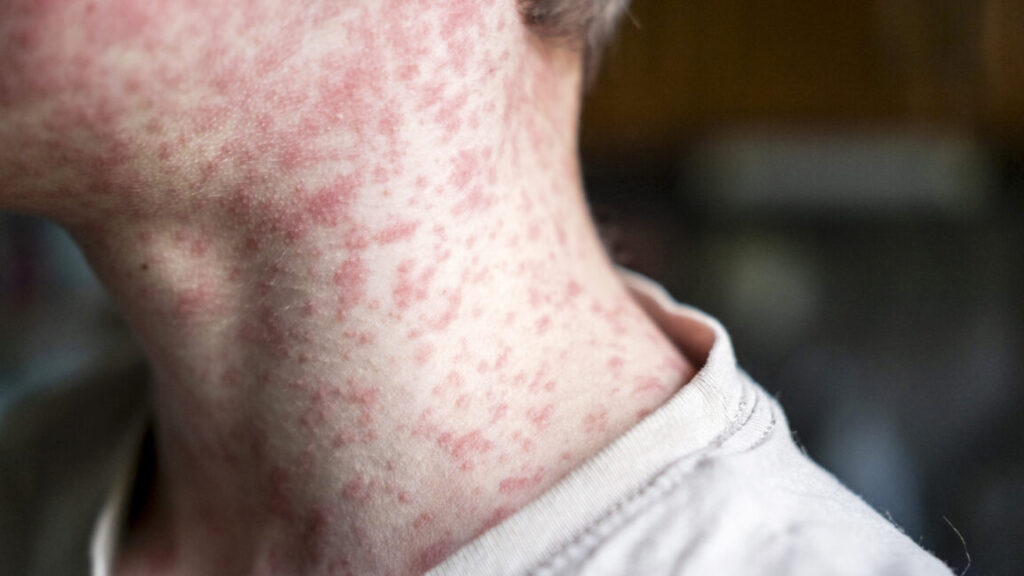
Most health experts would consider the current measles situation in the US akin to a five-alarm fire. An outbreak that began at the end of January in West Texas is now the largest and deadliest the country has seen in a quarter-century. Three people have died, including two unvaccinated young children who were otherwise healthy. The outbreak has spread to at least three other states, which also have undervaccinated communities where the virus can thrive. There’s no sign of the outbreak slowing, and the nation’s overall case count is on track to be the highest since the mid-1990s, before measles was declared eliminated in 2000. Modeling indicates the country will lose its elimination status and that measles will once again become endemic in the US.

Given the situation, one might expect a vigorous federal response—one dominated by strong and clear promotion of the highly effective, safe measles vaccine. But of course, that’s not the case.

“When those first two little girls died of measles in West Texas, he said immediately—RFK Jr.—that they were malnourished. It was the doctors that stood up and said ‘No, they had no risk factors. They were perfectly well-nourished,'” Offit points out.

Kennedy has also heavily pushed the use of vitamin A, a fat-soluble vitamin that accumulates in the body and can become toxic with large or prolonged doses. It does not prevent measles and is mainly used as supportive care for measles in low-income countries where vitamin A deficiency is common. Nevertheless, vaccine-hesitant communities in Texas have embraced it, leading to reports from doctors that they have had to treat children for vitamin A toxicity.

Poisons

Despite the raging outbreak, Kennedy spent part of last week drumming up fanfare for a rickety plan to rid American foods of artificial food dyes, which are accused of making sugary processed foods more appealing to kids, in addition to posing their own health risks. It’s part of his larger effort to improve Americans’ nutrition, a tenet of terrain theory. Though Kennedy has organized zero news briefings on the measles outbreak, he appeared at a jubilant press conference on removing the dyes.

The conference was complete with remarks from people who seem to share similar beliefs as Kennedy, including famed pseudoscience-peddler Vani Hari, aka “Food Babe,” and alternative-medicine guru and fad diet promoter Mark Hyman. Wellness mogul and special government employee Cally Meads also took to the podium to give a fury-filled speech in which he claimed that 90 percent of FDA’s spending is because we are “poisoning our children,” echoing a claim Kennedy has also made.

Kennedy, for his part, declared that “sugar is poison,” though he acknowledged that the FDA can’t ban it. While the conference was intended to celebrate the removal of artificial food dyes, he also acknowledged that there is no ban, nor forthcoming regulations, or even an agreement with food companies to remove the dyes. Kennedy instead said he simply had “an understanding” with food companies. FDA Commissioner Marty Makary explained the plan by saying: “I believe in love, and let’s start in a friendly way and see if we can do this without any statutory or regulatory changes.” Bloomberg reported the next day that food industry lobbyists said there is no agreement to remove the dyes.

However feeble the move, a focus on banning colorful cereal during a grave infectious disease outbreak makes a lot of sense if you know that Kennedy is a germ theory denialist.

But then again, there’s also the brain worm.

Photo of Beth Mole

Beth is Ars Technica’s Senior Health Reporter. Beth has a Ph.D. in microbiology from the University of North Carolina at Chapel Hill and attended the Science Communication program at the University of California, Santa Cruz. She specializes in covering infectious diseases, public health, and microbes.

RFK Jr. rejects cornerstone of health science: Germ theory Read More »

controversial-doc-gets-measles-while-treating-unvaccinated-kids—keeps-working

Controversial doc gets measles while treating unvaccinated kids—keeps working

In the video with Edwards that has just come to light, CHD once again uses the situation to disparage MMR vaccines. Someone off camera asks Edwards if he had never had measles before, to which he replies that he had gotten an MMR vaccine as a kid, though he didn’t know if he had gotten one or the recommended two doses.

“That doesn’t work then, does it?” the off-camera person asks, referring to the MMR vaccine. “No, apparently not, ” Edwards replies. “Just wear[s] off.”

It appears Edwards had a breakthrough infection, which is rare, but it does occur. They’re more common in people who have only gotten one dose, which is possibly the case for Edwards.

A single dose of MMR is 93 percent effective against measles, and two doses are 97 percent effective. In either case, the protection is considered lifelong.

While up to 97 percent effectiveness is extremely protective, some people do not mount protective responses and are still vulnerable to an infection upon exposure. However, their illnesses will likely be milder than if they had not been vaccinated. In the video, Edwards described his illness as a “mild case.”

The data on the outbreak demonstrates the effectiveness of vaccination. As of April 18, Texas health officials have identified 597 measles cases, leading to 62 hospitalizations and two deaths in school-aged, unvaccinated children with no underlying medical conditions. Most of the cases have been in unvaccinated children. Of the 597 cases, 12 (2 percent) had received two MMR doses previously, and 10 (1.6 percent) had received one dose. The remaining 96 percent of cases are either unvaccinated or have no record of vaccination.

Toward the end of the video, Edwards tells CHD he’s “doing what any doctor should be doing.”

Controversial doc gets measles while treating unvaccinated kids—keeps working Read More »

mom-of-child-dead-from-measles:-“don’t-do-the-shots,”-my-other-4-kids-were-fine

Mom of child dead from measles: “Don’t do the shots,” my other 4 kids were fine

Cod liver oil contains high levels of vitamin A, which is sometimes administered to measles patients under a physician’s supervision. But the supplement is mostly a supportive treatment in children with vitamin deficiencies, and taking too much can cause toxicity. Nevertheless, Kennedy has touted the vitamin and falsely claimed that good nutrition protects against the virus, much to the dismay of pediatricians.

“They had a really good, quick recovery,” the mother said of her other four children, attributing their recovery to the unproven treatments.

Tragic misinformation

Most children do recover from measles, regardless of whether they’re given cod liver oil. The fatality rate of measles is nearly 1 to 3 in 1,000 children, who die with respiratory (e.g., pneumonia) or neurological complications from the virus, according to the Centers for Disease Control and Prevention.

Tommey noted that the sibling who died didn’t get the alternative treatments, leading the audience to believe that this could have contributed to her death. She also questioned what was written on the death certificate, noting that the girl’s pneumonia was from a secondary bacterial infection, not the virus directly, a clear effort to falsely suggest measles was not the cause of death and downplay the dangers of the disease. The parents said they hadn’t received the death certificate yet.

Tommey then turned to the MMR vaccine, asking if the mother still felt that it was a dangerous vaccine after her daughter’s death from the disease, prefacing the question by claiming to have seen a lot of “injury” from the vaccine. “Do you still feel the same way about the MMR vaccine versus measles?” she asked.

“Yes, absolutely; we would absolutely not take the MMR. The measles wasn’t that bad, and they got over it pretty quickly,” the mother replied, speaking again of her four living children.

“So,” Tommey continued, “when you see the fearmongering in the press, which is what we want to stop, that is why we want to get the truth out, what do you say to the parents who are rushing out, panicking, to get the MMR for their 6-month-old baby because they think that that child is going to die of measles because of what happened to your daughter?”

Mom of child dead from measles: “Don’t do the shots,” my other 4 kids were fine Read More »