ACIP

doctors-face-palm-as-rfk-jr.’s-top-vaccine-advisor-questions-need-for-polio-shot

Doctors face-palm as RFK Jr.’s top vaccine advisor questions need for polio shot

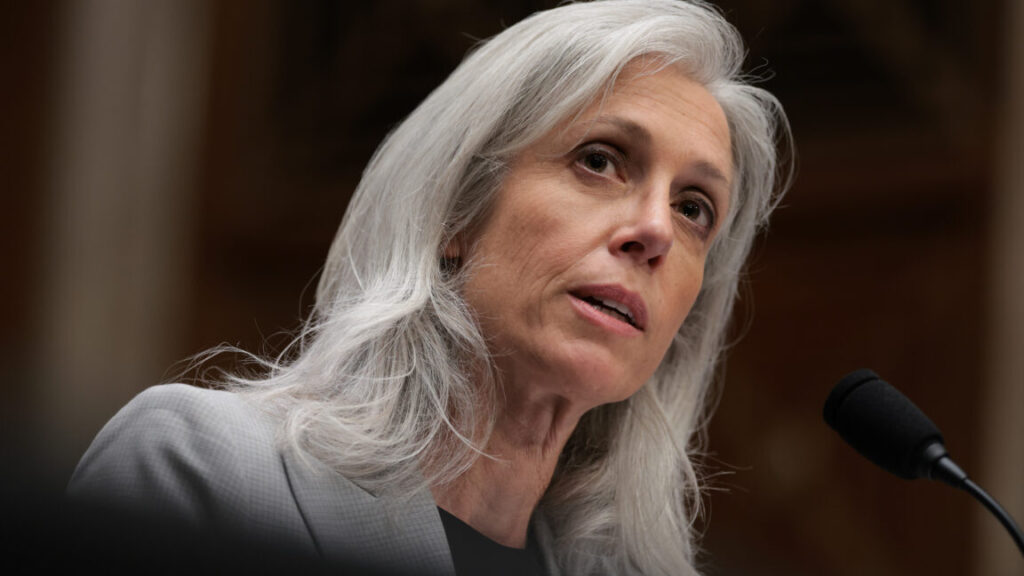
He then pondered out loud what would happen if people stopped getting vaccinated. “If we take away all of the herd immunity, then does that switch, does that teeter-totter switch in a different direction?” he asked.

Backlash

In a statement, AMA Trustee Sandra Adamson Fryhofer blasted the question. “This is not a theoretical debate—it is a dangerous step backward,” she said. “Vaccines have saved millions of lives and virtually eliminated devastating diseases like polio in the United States. There is no cure for polio. When vaccination rates fall, paralysis, lifelong disability, and death return. The science on this is settled.”

Fryhofer also took aim at Milhoan’s repeated argument that the focus of vaccination policy should move from population-level health to individual autonomy. Moving away from routine immunizations, which include discussions between clinicians and patients, “does not increase freedom—it increases suffering,” she said, adding that the weakening of recommendations “will cost lives.”

Overall, Milhoan’s comments only further erode the relevance of ACIP and federal vaccine policy among the medical community and states. According to a KFF policy brief, 27 states and Washington, DC, have already announced they will not follow current CDC vaccine recommendations, which Kennedy dramatically overhauled earlier this month without even consulting the ACIP. Instead, the majority of states are relying on previous recommendations or recommendations made within states or by medical organizations.

On Monday, the American Academy of Pediatrics announced the 2026 update to its childhood and adolescent vaccine schedule, which it has held up as an alternative to the CDC’s schedule and has been widely embraced by pediatricians. In the announcement, AAP noted that 12 other medical organizations have endorsed the schedule, including the AMA, the American Academy of Family Physicians, the American College of Obstetricians and Gynecologists, the Infectious Diseases Society of America, and the Pediatric Infectious Diseases Society.

The AAP’s updated recommendations are largely the same as the schedule from last year, but it is significantly different from the CDC’s recommendations, which “depart from longstanding medical evidence and no longer offer the optimal way to prevent illnesses in children,” the AAP said.

“The AAP will continue to provide recommendations for immunizations that are rooted in science and are in the best interest of the health of infants, children and adolescents of this country,” AAP President Andrew Racine said in the announcement.

Doctors face-palm as RFK Jr.’s top vaccine advisor questions need for polio shot Read More »

without-evidence,-rfk-jr.’s-vaccine-panel-tosses-hep-b-vaccine-recommendation

Without evidence, RFK Jr.’s vaccine panel tosses hep B vaccine recommendation

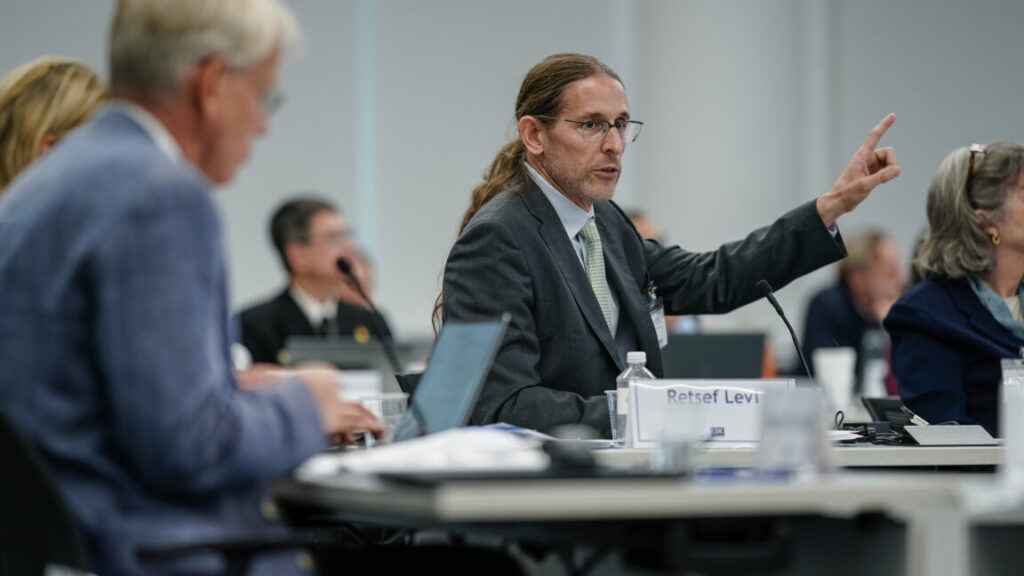
Retsef Levi, an operations management expert and ACIP member who expressed strong anti-vaccine views, said, “I think that the intention behind this [recommendation change is] that parents should carefully think about whether they want to take the risk of giving another vaccine to their child, and many of them might decide that they want to wait far more than two months, maybe years and maybe up to adulthood.”

In the discussion before the vote, Meissner described the motivation as “baseless skepticism.”

With a second vote, the panel created a new recommendation that parents and health care providers should consider testing a child’s antibody levels after each dose of the three-dose hepatitis B series. The recommendation suggests that if a baby’s antibody levels reach a certain threshold, they can forgo completing the series.

CDC subject matter experts, medical organizations, and members of the committee pointed out that there is no data to support this recommendation. Vaccine efficacy data is based on the entire three-dose series, and antibody levels are not sufficient to presume the same level of lifelong protection.

This vote “is kind of making things up,” Meissner said in frustration. “I mean, it’s like Never Never Land.”

There was no data or discussion on the administrative burden or clinical feasibility of testing the antibody levels of a baby after each dose.

The panel approved the recommendation on antibody testing in a vote of 6–4, with one abstention.

Medical experts were quick to condemn today’s votes. Sandra Adamson Fryhofer, a board member of the American Medical Association, said the vote is “reckless and undermines decades of public confidence in a proven, lifesaving vaccine.”

“Today’s action is not based on scientific evidence, disregards data supporting the effectiveness of the Hepatitis B vaccine, and creates confusion for parents about how best to protect their newborns,” Fryhofer said in a statement.

Without evidence, RFK Jr.’s vaccine panel tosses hep B vaccine recommendation Read More »

meet-cdc’s-new-lead-vaccine-advisor-who-thinks-shots-cause-heart-disease

Meet CDC’s new lead vaccine advisor who thinks shots cause heart disease


Milhoan has a history of touting unproven COVID cures while disparaging vaccines.

Kirk Milhoan, James Pagano, and Robert Malone are seen during a meeting of the CDC’s Advisory Committee on Immunization Practices on September 18, 2025 in Chamblee, Georgia. Credit: Getty | Elijah Nouvelage

When the federal vaccine committee hand-picked by anti-vaccine Health Secretary Robert F. Kennedy Jr. meets again this week, it will have yet another new chairperson to lead its ongoing work of dismantling the evidence-based vaccine recommendations set by the Centers for Disease Control and Prevention.

On Monday, the Department of Health and Human Services announced that the chairperson who has been in place since June—when Kennedy fired all 17 expert advisors on the committee and replaced them with questionably qualified allies—is moving to a senior role in the department. Biostatistician Martin Kulldorff will now be the chief science officer for the Office of the Assistant Secretary for Planning and Evaluation (ASPE), HHS said. As such, he’s stepping down from the vaccine committee, the Advisory Committee on Immunization Practices (ACIP).

Kulldorff gained prominence amid the COVID-19 pandemic, criticizing public health responses to the crisis, particularly lockdowns and COVID-19 vaccines. He was a co-author of the Great Barrington Declaration that advocated for letting the deadly virus spread unchecked through the population, which was called unethical by health experts.

As ACIP chair, Kulldorff frequently made false and misleading statements about vaccine safety and efficacy that were in line with Kennedy’s views and statements. While Kulldorff presided over the committee, it made a series of decisions that were sharply denounced by scientific and medical groups as being based on ideology rather than evidence. Those include voting for the removal of the vaccine preservative thimerosal from some flu vaccines, despite well-established data indicating it is safe, with no evidence of harms. The committee also added restrictions to a combination measles, mumps, rubella, and varicella (chickenpox) MMRV vaccine and made an unprecedented effort to prevent Americans from getting COVID-19 vaccines, though the moves were largely ineffective.

In his new role, Kulldorff will be working with ASPE to provide analyses on health policy options, coordinate research efforts, and provide policy advice.

“It’s an honor to join the team of distinguished scientists that Secretary Kennedy has assembled,” Kulldorff said in a press release announcing his new role. “I look forward to contributing to the science-based public health policies that will Make America Healthy Again.”

The new chair, Kirk Milhoan

With Kulldorff moving on, ACIP will now be chaired by Kirk Milhoan, a pediatric oncologist with a track record for spreading COVID-19 misinformation and anti-vaccine views. In August 2021, the Hawaii Medical Board filed a complaint against Milhoan after he appeared on a panel promoting ineffective COVID-19 treatments, downplaying the severity of the disease, and spreading misinformation about COVID-19 vaccines, according to the Maui News. The complaint was dropped in April 2022 after state regulators said they had insufficient evidence to prove a violation of statutes regarding the practice of medicine.

While Milhoan claimed at the time that he is “pro-vaccine,” his statement, affiliations, and prescribing practices suggest otherwise. Milhoan is a member of the Independent Medical Alliance (formerly the Front Line COVID-19 Critical Care Alliance), a group of dubious health care providers set up amid the pandemic to promote the use of the anti-malaria drug hydroxychloroquine and the de-worming drug ivermectin to treat COVID-19. Both drugs have shown to be ineffective and potentially harmful when used to treat or prevent COVID-19.  The IMA also emphasizes vaccine injuries while pushing vitamins and other unproven treatments.

In 2024, Milhoan appeared on a panel set up by Rep. Marjorie Taylor Greene (R-Ga.) to discuss alleged injuries from COVID-19 vaccines alongside other prominent anti-vaccine and COVID-19 misinformation voices. In his opening statement, Milhoan suggested that COVID-19 vaccines were causing severe cardiovascular disease and death in people aged 15 to 44—an unsubstantiated claim he frequently echoes. In his bio for the IMA, he touts that he offers treatment for “vaccine-related cardiovascular toxicity due to the spike protein.”

CDC data has found that boys and young men, aged 12 to 24, have a heightened risk of myocarditis (inflammation of the heart) after COVID-19 vaccination. However, the cases are rare, relatively mild, and almost always resolve, according to CDC data. In a COVID-19 safety data presentation in June, CDC staff scientists reported that its vast vaccine safety monitoring systems indicated that in males 12–24, there are 27 myocarditis cases per million doses of COVID-19 vaccine administered (roughly one case in 37,000 doses). In cases identified during 2021, 83 percent recovered within three months, with more than 90 percent recovering within the year. The monitoring data found no instances of cardiac transplant or death from COVID-19 vaccination.

While anti-vaccine activists have seized on this minor risk from vaccination, health experts note that the risk of myocarditis and other inflammatory conditions from a COVID-19 infection is significantly greater than the risk from vaccination. Exact estimates vary, but one CDC study in 2021 found that people with COVID-19 infections had a 16-fold higher risk of myocarditis than people without the infection. Specifically, the study estimated that there were 150 myocarditis cases among 100,000 COVID-19-infected patients versus just nine myocarditis cases among 100,000 people without COVID-19 infections and who were also unvaccinated. Similar to what’s seen with vaccination, the study found that young males were most at risk of myocarditis.

Kennedy’s allies attack on COVID-19 shots

Kennedy and his allies, like Milhoan, have consistently inflated the risk of myocarditis from COVID-19 vaccination, with some claiming without evidence that they have caused sudden cardiac arrest and deaths in young males, though studies have found no such link. In 2022, Milhoan and fellow ACIP member and conspiracy theorist Robert Malone were featured in a viral social media post suggesting that 50 percent of college athletes in the Big Ten athletic conference had myocarditis linked to COVID-19 vaccines, which could lead to deaths if they played. But the two were referencing a JAMA Cardiology study that examined subclinical myocarditis in Big Ten athletes after COVID-19 infection—not vaccination. In fact, researchers confirmed for an AFP fact check that none of the athletes in the study were vaccinated. And the rate of subclinical myocarditis in the group was 2.3 percent, not 50 percent.

Milhoan’s misinformation about the cardiovascular harms from COVID-19 vaccines seems particularly pertinent to the direction of Kennedy’s anti-vaccine allies. On Friday, Vinay Prasad, the Food and Drug Administration’s top vaccine regulator, sent a memo to staff claiming without evidence that COVID-19 vaccines have killed 10 children. The memo provides little information about the extraordinary claim, but it hints that the deaths were linked to myocarditis and found among reports submitted between 2021 and 2024 to the CDC’s Vaccine Adverse Event Reporting System (VAERS).

VAERS is a system by which anyone, including members of the public, can report anything they think could be linked to vaccines. The reports are considered a type of early warning system, but the vast majority of the reports submitted are not actually related to vaccines. Further, CDC scientists have thoroughly evaluated VAERS reports and ruled out deaths attributed to COVID-19 vaccines. Prasad’s memo—which experts have speculated was designed to be leaked to produce alarming headlines about child deaths—claimed that before Trump administration officials with anti-vaccine views began sifting through the data, these deaths were “ignored” by FDA and CDC scientists. Prasad also claimed that there could be many more deaths that have gone unreported, despite the fact that healthcare providers have been legally required to report any deaths that occurred after COVID-19 vaccination, regardless of cause.

This week’s ACIP meeting

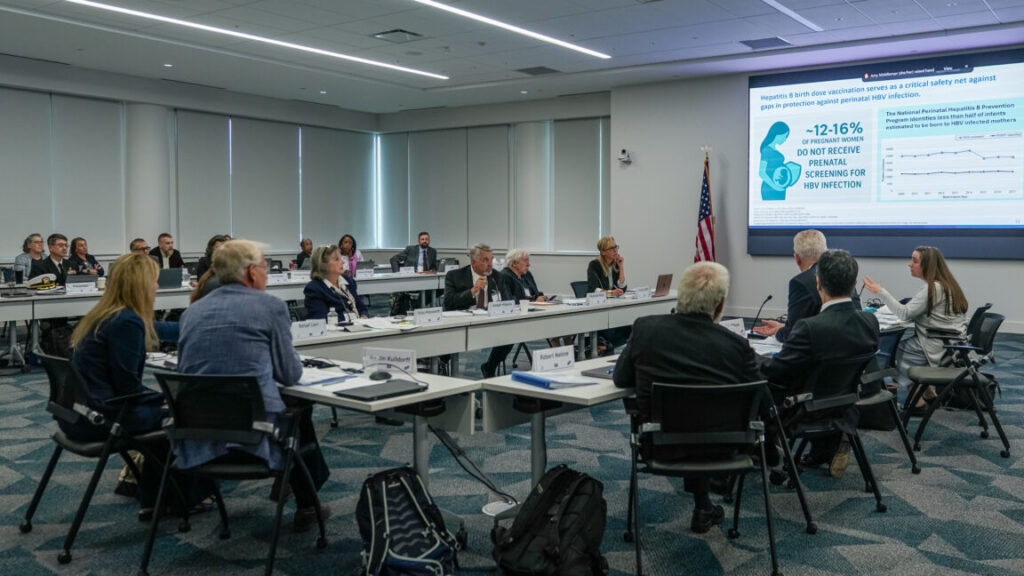
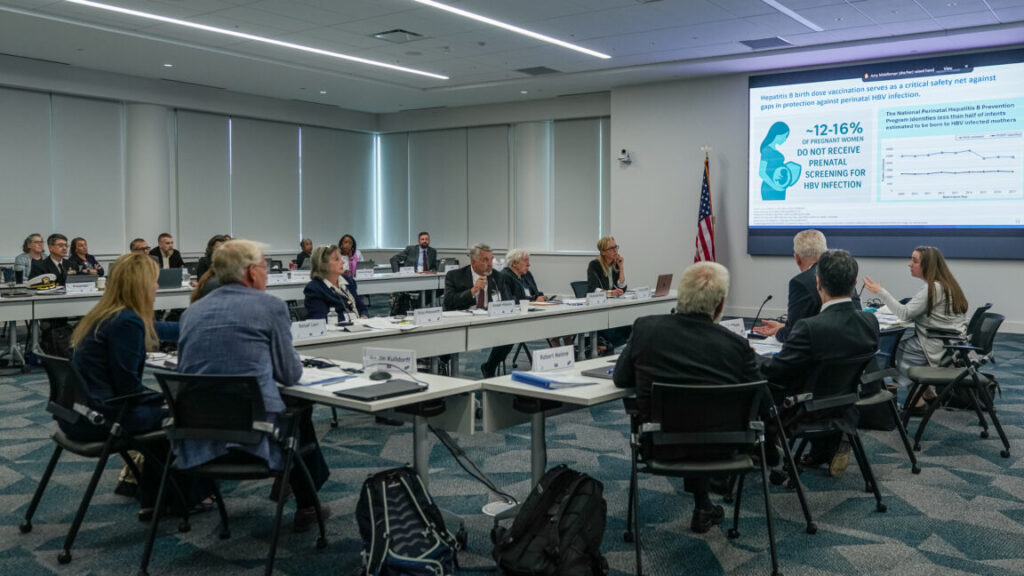
In this week’s scheduled ACIP meeting on Thursday and Friday, COVID-19 vaccines don’t appear on the draft agenda. Instead, ACIP is expected to vote to remove a recommendation for a birth dose of the hepatitis B vaccine. That dose protects newborns from contracting the highly infectious virus from their mothers during birth or from other family or acquaintances shortly after birth. About half of the people infected with hepatitis B are not aware of their infections, and testing of mothers before birth is imperfect. That can leave newborns particularly vulnerable, as infections that start at or shortly after birth almost always develop into chronic infections that can lead to liver disease, liver transplant, and cancer. In a previous ACIP meeting, CDC staff scientists presented data showing that there are no significant harms of birth doses and there is no evidence that delaying the immunization offers any benefit.

The committee is also taking on the childhood vaccine schedule as a whole, though the agenda on this topic is not yet clear. In his memo, Prasad attacked the common practice of providing multiple vaccinations at once, hinting that it could be a way in which the committee will try to dismantle current childhood vaccination recommendations. On Tuesday, The Washington Post reported that the committee will examine whether the childhood vaccine schedule as a whole is causing allergies and autoimmune diseases, something Kennedy and his anti-vaccine organization have long floated despite evidence refuting a link.

Under clear attack are aluminum salt adjuvants, which are used in many vaccines to help spur protective immune responses. Aluminum salts have been used safely in vaccines for more than 70 years. The FDA notes that the most common source of aluminum exposure is from food and water, not vaccines.

Photo of Beth Mole

Beth is Ars Technica’s Senior Health Reporter. Beth has a Ph.D. in microbiology from the University of North Carolina at Chapel Hill and attended the Science Communication program at the University of California, Santa Cruz. She specializes in covering infectious diseases, public health, and microbes.

Meet CDC’s new lead vaccine advisor who thinks shots cause heart disease Read More »

as-shutdown-ends,-dubious-cdc-panel-gets-back-to-dismantling-vaccine-schedule

As shutdown ends, dubious CDC panel gets back to dismantling vaccine schedule

Nevertheless, Kennedy’s ACIP members planned to push the first dose back a month. A vote was prepared to recommend not giving a birth dose unless there was “individual based decision-making.” While at first the panel seemed poised to vote in favor of the change, the plan collapsed with basic questioning.

Voting ACIP member Joseph Hibbeln, a psychiatrist, noted: “I’m unclear if we’ve been presented with any safety or data comparing before one month to after one month,” he said. They had not.

“And,” Hibbeln continued, “I’m wondering why one month was selected as our time point and if there are data to help to inform us if there’s greater risk of adverse effects before one month or after one month at all.”

There is no data suggesting that such a move would be more or less safe.

The discussion quickly spiraled from there with an eventual vote of 11-1 to table voting on the vaccine recommendation. According to the Federal Register notice, ACIP will try to take up the topic again. They could revive the vote or attack some other aspect of vaccine recommendations.

Pediatricians fight back

Health experts have blasted Kennedy’s lineup and their attacks on childhood vaccines, including the hepatitis B vaccination schedule. The current schedule “remains the best protection against serious health problems like liver disease and cancer,” the American Academy of Pediatrics emphasized to Ars.

With ACIP’s standing tarnished under Kennedy, AAP has put forth its own evidence-based vaccine schedule for pediatricians to trust. They’ve also been a prominent opponent among medical organizations to Kennedy’s efforts. For instance, in a revised federal lawsuit, the AAP along with other medical organizations is seeking to overturn all decisions made by Kennedy’s ACIP and replace the entire panel with actual experts.

Kennedy’s appointees “lack the credentials and experience required of their role,” and all their votes should be declared “null and void,” the organization said.

AAP President Susan Kressly said that pediatricians are already seeing the effects of having an anti-vaccine activist as the US health secretary, namely “fear, decreased vaccine confidence, and barriers for families to access vaccines.”

“The nation’s children are already paying the price in avoidable illnesses and hospitalizations,” Kressly said. “We urge federal leaders to restore the science-based deliberative process that has made the United States a global leader in public health. Urgent action is needed.”

As shutdown ends, dubious CDC panel gets back to dismantling vaccine schedule Read More »

childhood-vaccines-safe-for-a-little-longer-as-cdc-cancels-advisory-meeting

Childhood vaccines safe for a little longer as CDC cancels advisory meeting

An October meeting of a key federal vaccine advisory committee has been canceled without explanation, sparing the evidence-based childhood vaccination schedule from more erosion—at least for now.

The Advisory Committee on Immunization Practices (ACIP) for the Centers for Disease Control and Prevention was planning to meet on October 22 and 23, which would have been the committee’s fourth meeting this year. But the meeting schedule was updated in the past week to remove those dates and replace them with “2025 meeting, TBD.”

Ars Technica contacted the Department of Health and Human Services to ask why the meeting was canceled. HHS press secretary Emily Hilliard offered no explanation, only saying that the “official meeting dates and agenda items will be posted on the website once finalized.”

ACIP is tasked with publicly reviewing and evaluating the wealth of safety and efficacy data on vaccines and then offering evidence-based recommendations for their use. Once the committee’s recommendations are adopted by the CDC, they set national vaccination standards for children and establish which shots federal programs and private insurance companies are required to fully cover.

In the past, the committee has been stacked with highly esteemed, thoroughly vetted medical experts, who diligently conducted their somewhat esoteric work on immunization policy with little fanfare. That changed when ardent anti-vaccine activist Robert F. Kennedy Jr. became health secretary. In June, Kennedy abruptly and unilaterally fired all 17 ACIP members, falsely accusing them of being riddled with conflicts of interest. He then installed his own hand-selected members. With the exception of one advisor—pediatrician and veteran ACIP member Cody Meissner—the members are poorly qualified, have gone through little vetting, and embrace the same anti-vaccine and dangerous fringe ideas as Kennedy.

Corrupted committee

So far this year, Kennedy’s advisors have met twice, producing chaotic meetings during which members revealed a clear lack of understanding of the data at hand and the process of setting vaccine recommendations, all while setting policy decisions long sought by anti-vaccine activists. The first meeting, in June, included seven members selected by Kennedy. In that meeting, the committee rescinded the recommendation for flu vaccines containing a preservative called thimerosal based on false claims from anti-vaccine groups that it causes autism. The panel also ominously said it would re-evaluate the entire childhood vaccination schedule, putting life-saving shots at risk.

Childhood vaccines safe for a little longer as CDC cancels advisory meeting Read More »

after-rfk-jr.’s-shenanigans,-covid-shot-access-will-be-a-lot-like-last-year

After RFK Jr.’s shenanigans, COVID shot access will be a lot like last year

In an interview with Ars Technica in August, Brigid Groves, vice president of professional affairs for the American Pharmacists Association (APhA) signaled that efforts to limit access to COVID-19 vaccines is concerning to APhA, which is the leading organization representing pharmacists.

“We are concerned about that because the data and evidence point to the fact that this vaccine is safe and effective for [young, otherwise healthy] patients,” Groves said. “So, to suddenly arbitrarily limit that is very concerning to us.”

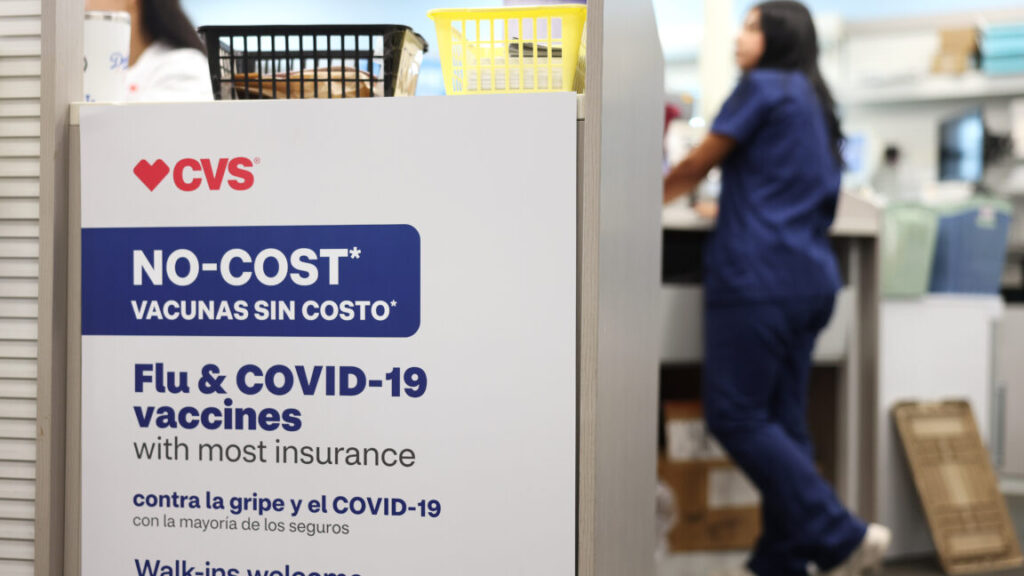
And, with the CDC’s permissive recommendations, pharmacies are not limiting them. Representatives for both CVS and Walgreens told The Washington Post that they would not require patients under 65 to prove they have an underlying condition to get a COVID-19 vaccine. CVS won’t ask you to self-attest to having a condition, and Walgreens also said that it won’t require any proof.

“In simplest terms, if a patient wants to get the vaccine, they’ll get it,” Amy Thibault, a CVS spokesperson, told the Post.

With the shared decision-making, there may be extra forms about risks and benefits that might take an extra few minutes, but it should otherwise be just like past years.

On Tuesday, this reporter was able to easily book same-day appointments for an updated COVID-19 vaccine at local CVS and Walgreens pharmacies in North Carolina, without attesting to any medical conditions.

Children

Shots for younger children could be trickier: While adults and older children can visit their pharmacy and get vaccinated relatively easily, younger children (particularly those under age 5) may have a harder time. Pharmacists typically do not vaccinate those younger children—which has always been the case—and parents will have to visit the pediatrician.

Pediatricians, like pharmacists, are likely to be supportive of broad access to the shots. The American Academy of Pediatrics has said that all children should have access. The AAP also specifically encourages children under age 2 and children with underlying conditions to get vaccinated, because those children are at higher risk of severe disease.

After RFK Jr.’s shenanigans, COVID shot access will be a lot like last year Read More »

rfk-jr.-drags-feet-on-covid-19-vaccine-recommendations,-delaying-shots-for-kids

RFK Jr. drags feet on COVID-19 vaccine recommendations, delaying shots for kids

Previously, the FDA narrowed the shots’ labels to include only people age 65 and older, and those 6 months and older at higher risk. But the ACIP recommended that all people age 6 months and older could get the shot based on shared decision-making with a health care provider. Although the shared decision-making adds a new requirement for getting the vaccine, that decision-making does not require a prescription and can be done not only with doctors, but also with nurses and pharmacists. Most people in the US get their seasonal COVID-19 vaccines at their local pharmacy.

Ars Technica reached out to the HHS on Thursday about whether there was a determination on the COVID-19 vaccine recommendations and, if not, when that is expected to happen and why there is a delay. The HHS responded, confirming that no determination had been made yet, but did not answer any of the other questions and did not provide a comment for the record.

In past years, ACIP recommendations and CDC sign-offs have happened earlier in the year to provide adequate time for a rollout. In 2024, ACIP voted on COVID-19 vaccinations in June, for instance, and then-CDC Director Mandy Cohen signed off that day. Now that we’re into October, it remains unclear when or even if the CDC will sign off on the recommendation and then, if the recommendation is adopted by the CDC, how much longer after that it would take for states to roll out the vaccines to children in the VFC program.

“Children who depend on this program, including children with chronic conditions, are still waiting unprotected. The delay in adopting COVID-19 vaccine recommendations puts their health at risk, reduces access and choice for families, and puts a strain on providers who want to deliver the best care for their youngest patients,” Susan Kansagra, the chief medical officer of the Association of State and Territorial Health Officials, said in a statement to Stat.

For now, children and adults with private insurance have access to the shots without the final sign-off, and health insurance companies have said that they will continue to maintain coverage for the vaccines without the final federal approval.

RFK Jr. drags feet on COVID-19 vaccine recommendations, delaying shots for kids Read More »

bonkers-cdc-vaccine-meeting-ends-with-vote-to-keep-covid-shot-access

Bonkers CDC vaccine meeting ends with vote to keep COVID shot access

At one point, Hillary Blackburn, a pharmacist and daughter-in-law of Sen. Marsha Blackburn (R-Tenn.), noted that her mother developed lung cancer two years after getting a COVID-19 vaccine, suggesting, without any evidence, that there could be a link. Evelyn Griffin, an obstetrician and gynecologist in Louisiana who reportedly lost her job for refusing to get a COVID-19 vaccine, meanwhile, did her own research and tried to suggest that the mRNA in mRNA vaccines could be turned into DNA inside human cells and integrate into our genetic material. She made this assertion to a scientist at Pfizer (a maker of an mRNA COVID-19 vaccine), asking him to respond.

With admirable composure, the Pfizer scientist explained that it was not biologically plausible: “RNA cannot reverse transcribe to DNA and transport from the cytoplasm to the nucleus and then integrate. That requires a set of molecules and enzymes that don’t exist in humans and are largely reserved for retroviruses.”

At the very start of the meeting, liaisons from mainstream medical organizations pressed that the ACIP committee needs to ditch such anecdotal nonsense and unvetted data, and return to the high-quality framework for evidence-based decision-making that ACIP has used in the past, which involves comprehensive, methodical evaluations.

Retsef Levi, who works on operations management and has publicly said that COVID-19 vaccines should be removed from the market, responded by falsely claiming that there are no high-quality clinical trials to show vaccine safety, so calls to return to methodological rigor for policy making are hypocritical. “With all due respect, I just encourage all of us to be a little bit more humble,” Levi, who was the head of the ACIP’s COVID-19 working group, said.

During his response, a hot mic picked up someone saying, “You’re an idiot.” It’s unclear who the speaker was—or how many other people they were speaking for.

This post was updated to include the adoption of the recommendation by the CDC.

Bonkers CDC vaccine meeting ends with vote to keep COVID shot access Read More »

rfk-jr.’s-anti-vaccine-panel-realizes-it-has-no-idea-what-it’s-doing,-skips-vote

RFK Jr.’s anti-vaccine panel realizes it has no idea what it’s doing, skips vote


With a lack of data and confusing language, the panel tabled the vote indefinitely.

Catherine Stein, far right, speaks during a meeting of the CDC’s Advisory Committee on Immunization Practices on September 18, 2025 in Chamblee, Georgia. Credit: Getty | Elijah Nouvelage

The second day of a two-day meeting of the Advisory Committee on Immunization Practices—a panel currently made up of federal vaccine advisors hand-selected by anti-vaccine activist Robert F. Kennedy, Jr.—is off to a dramatic start, with the advisors seemingly realizing they have no idea what they’re doing.

The inexperienced, questionably qualified group that has espoused anti-vaccine rhetoric started its second day of deliberations by reversing a vote taken the previous day on federal coverage for the measles, mumps, rubella, and varicella (MMRV) vaccine. Yesterday, the group voted to restrict access to MMRV, stripping recommendations for its use in children under age 4. While that decision was based on no new data, it passed with majority support of 8–3 (with one abstention). (For an explanation of that, see our coverage of yesterday’s part of the meeting here.)

But puzzlingly, they then voted to uphold access and coverage of MMRV vaccines for children under age 4 if they receive free vaccines through the federal Vaccines for Children program, which covers about half of American children, mostly low-income. The discrepancy projected the idea that the alleged safety concerns that led the panel to rescind the recommendation for MMRV generally, somehow did not apply to low-income, vulnerable children. The vote also created significant confusion for VFC coverage, which typically aligns with recommendations made by the panel.

Today, Kennedy’s ACIP retook the vote, deciding 9-0 (with three abstentions) to align VFC coverage with their vote yesterday to strip the recommendation for MMRV in young children.

Hepatitis B vaccine newborn dose

Next, they moved to a vote they failed to take yesterday as scheduled—a vote to strip a recommendation for a dose of hepatitis B vaccine that is currently recommended to be given universally on the first day of a baby’s life. Instead, the proposed recommendation would be to wait at least a month before the first dose—opening a window for a highly infectious disease that leads to chronic liver disease and cancer—unless the baby’s mother tested positive for the virus.

While it initially seemed that the panel was poised to approve the change, cracks in the plan began to appear quickly this morning, as some members of the panel noted that the proposed recommendation made no sense and was based on zero data.

Joseph Hibbeln, a psychiatrist on the panel, raised the obvious concern yesterday, saying: “I’m unclear if we’ve been presented with any safety or data comparing before one month to after one month, and I’m wondering why one month was selected as our time point and if there are data to help to inform us if there’s greater risk of adverse effects before one month or after one month at all, let alone in negative mothers.”

There was no data comparing the risks and benefits of moving the first dose from the day of birth to any other time point. And there is no data suggesting that such a move would be more or less safe.

Adam Langer, Acting Principal Deputy Director of the CDC’s National Center for HIV, Viral Hepatitis, STD, and Tuberculosis Prevention, stressed in his presentation on the safety data yesterday, that the vaccine is safe—there are no safety concerns for giving a dose at birth. Adverse side effects are rare, he said, and when they do occur, they’re mild. “The worst adverse event you could imagine, anaphylaxis, has been very rarely reported at only 1.1 cases per 1 million vaccine doses administered.”

Langer gave a clear explanation for why newborns are vaccinated at day one. Hepatitis B, which primarily affects the liver, spreads via bodily fluids and can live on surfaces for up to seven days. It can spread easily; only a tiny microscopic amount of blood or fluid is enough for a child to be infected. For some, an infection can be short-lived, but for others it can become chronic, which leads to liver disease, cirrhosis, liver transplant, and liver cancer. The risk of the infection becoming chronic increases with the younger someone is when they’re infected.

Benefits and harms

Newborns who get hepatitis B from their mothers at birth have a 90 percent chance of developing a chronic infection, and 25 percent of those children will die prematurely from the disease. Up to 16 percent of pregnant women in the US are not tested for hepatitis B during pregnancy. Newborns and babies can also get infected from other people in their family or household, given hepatitis B’s infectiousness. Prior to the universal birth dose recommendation, a study of US-born children born to immigrant mothers found that 7 percent to 11 percent of them had hepatitis B while their mothers were negative. This highlights that unvaccinated babies and children can pick up the infection from family or the community.

Part of the reason for this is the elusiveness of the disease. While about 2.4 million people in the US are infected with hepatitis B, about 50 percent of those infected do not know that they’re infected.

In 1991, ACIP began recommending universal hepatitis B vaccination at birth; acute hepatitis B cases then fell from around 18,000 to about 5,500 in 2005 to about 2,200 in 2023. Since 2018, ACIP has recommended universal Hep B vaccination for all newborns within 24 hours of birth.

In the discussion, panel members pushed back on the universal birth dose, arguing that if mothers tested negative, there was little to no risk—downplaying the risk of other family or community exposure and assuming that test coverage could increase to 100 percent. There was a lot of discussion of why some women aren’t tested and if doctors can just try to assess whether there’s a risk that a family member might have the infection—even if those family members don’t know themselves that they’re infected.

Data and trust

Langer acknowledged there might be ways to assess risk from at least the mother in the 24-hour window after birth—”or,” he suggested, “you cannot have to worry about all of those different things that could go wrong, and you could simply give the vaccine because there is no data available that says that there is any harm that would come to a newborn compared to a one-month-old infant [getting the vaccine.]”

He summed up the discussion succinctly: “The only thing that we’re discussing here is if there’s some benefit or removal of harm that comes from waiting a month. And I have not seen any data that says that there is any benefit to the infant of waiting a month, but there are a number of potential harms to the infant of waiting a month.”

Panel member Robert Malone, who has falsely claimed that COVID-19 vaccines cause a form of AIDS, explained that the proposed change for the hep B vaccination was not due to any safety concern or evidence-based reason, but about trust among parents who have been exposed to vaccine misinformation.

“The signal that is prompting this is not one of safety, it is one of trust,” Malone said yesterday. “It is one of parents uncomfortable with this medical procedure being performed at birth in a rather unilateral fashion without significant informed consent at a time in particular when there has been a loss of trust in the public health enterprise and vaccines in general.”

Dashed decisions

But the questions and uncertainties of the proposed recommendation and the data behind it dogged the committee again this morning.

This morning, the voting language was put on a slide and immediately drew criticism. The language was:

If a mother tests [hepatitis B]-negative:

  • The first dose of the Hepatitis B vaccine is not given until the child is at least one month old.
  • Infants may receive a dose of Hepatitis B vaccine before one month according to individual based decision-making. *

*Also referred to as shared clinical decision-making.

Hibbeln, the psychiatrist, again pushed back, this time noting that the language of the change is confusing. “You can’t say don’t give it and then give an opportunity to give it,” he said, arguing that shared clinical decision-making is, essentially, all or nothing.

Discussion quickly spiraled, with another member questioning whether there was any data presented at all on the proposed recommendation. There was a fast motion to table the vote indefinitely, and the motion to table passed in a speedy vote of 11–1, with the ACIP chair, Martin Kulldorff, being the only holdout.

For the rest of the day, the panel is discussing COVID-19 vaccines. Stay tuned.

Photo of Beth Mole

Beth is Ars Technica’s Senior Health Reporter. Beth has a Ph.D. in microbiology from the University of North Carolina at Chapel Hill and attended the Science Communication program at the University of California, Santa Cruz. She specializes in covering infectious diseases, public health, and microbes.

RFK Jr.’s anti-vaccine panel realizes it has no idea what it’s doing, skips vote Read More »

in-new-level-of-stupid,-rfk-jr.’s-anti-vaccine-advisors-axe-mmrv-recommendation

In new level of stupid, RFK Jr.’s anti-vaccine advisors axe MMRV recommendation


The vote to strip the recommendation came after a day of inept discussion.

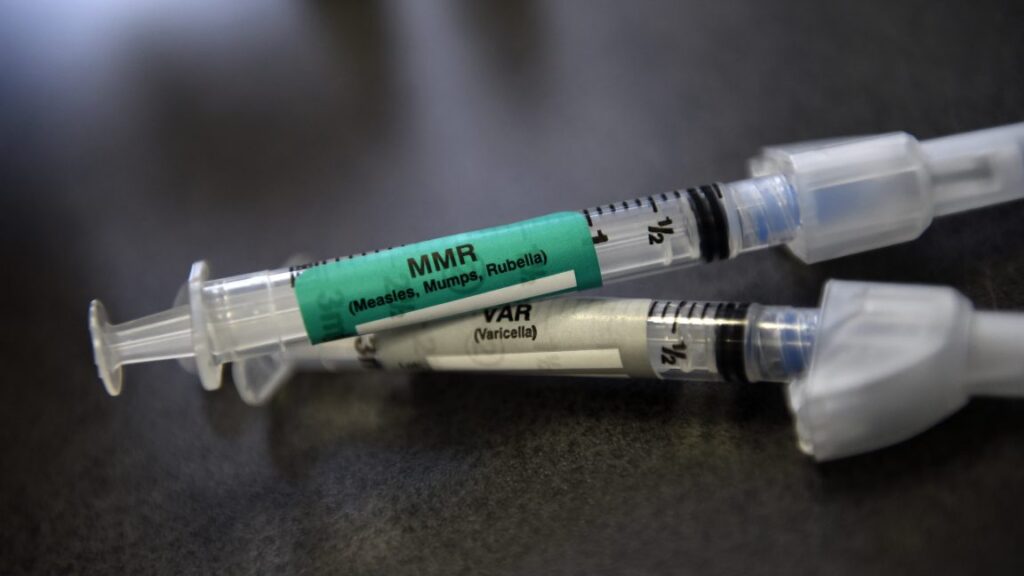
An MMR and VAR vaccine ready for a pediatric vaccination at Kaiser Permanente East Medical offices in Denver in 2015. Credit: Getty | Joe Amon

The panel of vaccine advisors hand-selected by anti-vaccine activist Robert F. Kennedy Jr. voted on Thursday to change the federal vaccine recommendations for children, removing safe, well-established vaccine doses from current schedules and realizing Kennedy’s anti-vaccine agenda to erode federal vaccine policy and sow distrust.

Specifically, the panel—the Advisory Committee on Immunization Practices (ACIP)—voted to remove the Centers for Disease Control and Prevention’s previous recommendation for use of a measles, mumps, rubella, varicella (chickenpox) MMRV combination vaccine for children under 4 years old.

The context

In June, Kennedy fired all 17 highly qualified, highly vetted members of ACIP and quickly replaced them with seven questionable members, who largely did not have subject matter expertise. Moreover, many of them have clearly expressed anti-vaccine rhetoric and skepticism about pandemic responses and COVID-19 vaccines. At least two new members have been paid witnesses in trials against vaccine makers, a clear conflict of interest. Earlier this week, Kennedy added five additional members, who raise the same anti-vaccine concerns as the first group.

In the meeting today—the first of two all-day meetings—members made clear their inexperience and lack of expertise in evaluating vaccine policy. They asked basic questions about study data and analysis—such as asking what a “low confidence” designation means—and claimed CDC presentations lacked critical data when, in fact, a CDC scientist had just presented the exact data in question.

The first half of the day focused on the MMRV vaccine, while the second half focused on a newborn dose of the hepatitis B (hep B) vaccine. A vote was initially scheduled for that vaccine today, too, but was postponed after the panel decided to change the wording of the voting question. They meet again tomorrow to vote on the hep B recommendation as well as recommendations for this year’s COVID-19 vaccine. Ars Technica will have coverage of the second half of the meeting tomorrow, along with a report on the hepatitis B discussion today.

MMRV vaccine change

For the MMRV vaccine, the panel rehashed an issue that vaccine experts had thoroughly examined years ago. Currently, the CDC recommends children get vaccinated against measles, mumps, rubella, and varicella (chickenpox) twice—one dose at 12 to 15 months, and a second dose between the ages of 4 and 6 years.

In 2005, the Food and Drug Administration approved a combo shot for all four—the MMRV vaccine—which provided an alternative to the previous method of giving an MMR vaccine dose (against measles, mumps, and rubella) plus a separate varicella vaccine dose at the same time. (This vaccination strategy is shorthanded as MMR + V.) Thus, the MMRV combo shot meant one fewer shot for children. But, in 2008, post-market data suggested that the MMRV shot might have a slightly higher risk of causing febrile seizures (seizures associated with fevers), which is a very low risk with the MMR + V separate shots.

Febrile seizures are a somewhat common reaction in young children; this type of seizure almost entirely occurs in children under age 5 years, most often striking between 14 and 18 months. The seizures are short, usually less than a minute or two, and they can be caused by essentially anything that can cause a fever—ear infections, vaccines, the flu, etc. For parents, a febrile seizure can be very scary and lead them to bring their child to a doctor or hospital. However, febrile seizures are almost always harmless—the prognosis is “excellent,” as CDC staff experts noted. Nearly all children fully recover with no long-term problems. By age 5, up to 5 percent of all children have had a febrile seizure at some point, for some reason.

Low risks

In post-market studies of the MMRV vaccine, it was very clear that a slightly increased risk of febrile seizures was only linked to the first dose (given at 12 to 15 months, not the second, given at 4 to 6 years). In studies of over 400,000 children, data found that the risk of a febrile seizure after a first-dose MMRV vaccine was 7 to 8.5 seizure cases for every 10,000 vaccinations. That’s compared to 3.2 to 4.2 seizure cases in 10,000 vaccinations with MMR + V. In all, a first-dose MMRV vaccine had about one additional febrile seizure per 2,300 to 2,600 children vaccinated compared with MMR + V.

In 2009, CDC vaccine experts reviewed all the data and updated the vaccine recommendation. They maintained that MMRV and the MMR+V vaccinations are still both safe, effective, and recommended at both vaccination time points. But, they added the nuance that there is a preference (or a default, basically) for using the MMR + V shots for the first dose, unless a parent expressly wanted the MMRV vaccine for that first dose. This skirted the slightly increased risk of febrile seizure in young children, without entirely taking away the option if a parent prioritized fewer jabs and wanted the MMRV. For the second dose, again, both MMRV and MMR + V are options, but the CDC stated a preference for the one-shot MMRV.

Since then, about 85 percent of vaccinated children have gotten MMR + V for their first dose shots, with the other 15 percent getting the MMRV vaccine.

Inept discussion

In the discussion today, Kennedy’s members seemed to have little grasp of the issue at hand and the clinical significance of febrile seizures generally. They continued to circle back to unfounded concerns about febrile seizures and fringe theories about potential long-term effects.

Cody Meissner, a pediatric professor at Dartmouth’s Geisel School of Medicine who has served on ACIP in the past—arguably the most qualified of Kennedy’s new lineup—was bewildered at why the committee was rehashing the issue addressed years ago. “This discussion is really a déjà vu for me,” he said.  Yet, while Meisner felt the issue was settled and pediatricians were well-equipped to calm parents’ fears about febrile seizures, the other members could not be swayed. They claimed, without evidence, that parents of children who have febrile seizures after a vaccine would be less likely to get future vaccines.

As the committee seemed to be leaning toward removing the recommendation for MMRV for the first dose, Jason Goldman, president of the American College of Physicians, who attended the meeting as a liaison, pushed back strongly. He pointed out that—as with the last time Kennedy’s ACIP met—they were not following the standard framework for making and changing recommendations.

“Are we going to have a thoroughly vetted evidence-to-recommend framework presentation that looks at all the harms benefits, acceptability, feasibility—with input from practicing clinicians and liaisons in order to make an informed decision?” Goldman asked. “I would argue that this recommendation is going to create more confusion among the public.”

Goldman noted that if the committee rescinds the recommendation for MMRV for children under 4, the shot would no longer be covered by the Vaccines for Children (VFC) Program, a federal program for Medicaid-eligible and under- or uninsured kids, which covers about half of American children.

“And finally, you are taking away the choice of parents to have informed consent and discussion with their physician on what they want to do for the health and benefit of their children,” Goldman said. “So, I urge this committee not to change the recommendations if they truly want to give the power to the parents to decide what is best for their child and allow them to make the choice in consultation with their physicians.”

Voting confusion

In the end, Kennedy’s panel voted 8–3 (with one abstention) to not recommend MMRV for children under age 4, meaning the MMRV vaccine could potentially no longer be available for some children under age 4. Private insurance companies are required to cover ACIP-recommended vaccines, so this move strips the recommendation and that coverage requirement.

But, anticipating such a change, AHIP, a trade organization representing insurance companies, put out a statement earlier this week suggesting that they would still cover the MMRV vaccine for children under 4, even if it’s not required.

“Health plans will continue to cover all ACIP-recommended immunizations that were recommended as of September 1, 2025, including updated formulations of the COVID-19 and influenza vaccines, with no cost-sharing for patients through the end of 2026,” the statement reads.

But, there’s more: In a second vote today, ACIP voted 8–1 (with three abstentions) against changing VFC coverage for MMRV. Therefore, the VFC program will continue to cover MMRV vaccines for children under age 4. This is a split from standard policy that is likely to spur confusion, because VFC typically goes with ACIP recommendations. Also, Medicaid’s Children’s Health Insurance Program (CHIP) has to follow the ACIP vaccine recommendation and thus will no longer cover MMRV for children under age 4 covered by CHIP.

One of the abstentions on the VFC coverage vote was Meissner, who didn’t want to strip the recommendation or the VFC coverage but was entirely confused by how this would work in practice.

Photo of Beth Mole

Beth is Ars Technica’s Senior Health Reporter. Beth has a Ph.D. in microbiology from the University of North Carolina at Chapel Hill and attended the Science Communication program at the University of California, Santa Cruz. She specializes in covering infectious diseases, public health, and microbes.

In new level of stupid, RFK Jr.’s anti-vaccine advisors axe MMRV recommendation Read More »

rfk-jr.-adds-more-anti-vaccine-members-to-cdc-vaccine-advisory-panel

RFK Jr. adds more anti-vaccine members to CDC vaccine advisory panel

Kirk Milhoan, a pediatric cardiologist who is a senior fellow at the Independent Medical Alliance (formerly Front Line COVID-19 Critical Care Alliance), which promotes misinformation about COVID-19 vaccines and touts unproven and dubious COVID-19 treatments. Those include the malaria drug hydroxychloroquine, the de-worming drug ivermectin, and various concoctions of vitamins and other drugs. Milhoan has stated that mRNA COVID-19 vaccines should be removed from the market, telling KFF in March: “We should stop it and test it more before we move forward.”

Evelyn Griffin, an obstetrician and gynecologist in Louisiana who reportedly lost her job for refusing to get a COVID-19 vaccine. In a speech at a Louisiana Health Freedom Day in May 2024, Griffin claimed that doctors “blindly believed” that mRNA COVID-19 vaccines were safe. She has also claimed that the vaccines cause “bizarre and rare conditions,” according to the Post.

Hillary Blackburn, a pharmacist in St. Louis. Reuters reports that she is the daughter-in-law of Sen. Marsha Blackburn (R-Tenn.), who has opposed vaccine mandates.

Raymond Pollak, a semi-retired transplant surgeon who filed a whistleblower lawsuit against the University of Illinois Hospital in 1999, alleging the hospital manipulated patient data to increase their chances of receiving livers. The hospital settled the suit, paying $2.5 million, while denying wrongdoing.

ACIP is scheduled to meet at the end of this week, on September 18 and September 19. According to an agenda recently posted online, the committee will vote on recommendations for a measles, mumps, rubella, and varicella (MMRV) combination vaccine, the Hepatitis B vaccine, and this year’s updated COVID-19 vaccines. Vaccine experts widely fear that the committee will rescind recommendations and restrict access to those vaccines. Such moves will likely create new, potentially insurmountable barriers for people, including children, to get vaccines.

ACIP-recommended vaccines are required to be covered by private health insurance plans and the Vaccines for Children program for Medicaid-eligible and under- or uninsured kids, which covers about half of American children. Without ACIP recommendations for a vaccine, insurance coverage would be an open question, and vulnerable children would simply lose access entirely.

RFK Jr. adds more anti-vaccine members to CDC vaccine advisory panel Read More »

ousted-cdc-director-to-testify-before-senate-after-rfk-jr.-called-her-a-liar

Ousted CDC director to testify before Senate after RFK Jr. called her a liar

Kennedy is reportedly vetting seven additional members for ACIP, who may be added before the next meeting. They include additional anti-vaccine voices and fringe members of the medical community, such as Kirk Milhoan, who promoted the de-worming drug ivermectin to treat COVID-19, despite several clinical trials finding it is not effective. There is also Joseph Fraiman, who has repeatedly called for COVID-19 vaccines to be pulled from the market.

Also on the list is Catherine Stein, who, The Washington Post noted, has advocated against vaccine mandates and wrote a 2021 article arguing that people should not be afraid of contracting COVID-19 because: “Our Lord has given us a mission to share the gospel. If we live in fear of death, that weakens our testimony. Remember, the Lord Jesus did not fear lepers, and leprosy was (and continues to be) a highly contagious infectious disease.”

Leprosy, or Hansen’s disease, is, in fact, not a highly contagious disease. It does not spread easily from person to person, is not spread through casual contact, and about 95 percent of people are immune to it naturally. COVID-19, meanwhile, is estimated to have caused more than 7 million deaths worldwide since the start of the pandemic.

Regardless of whether these candidates are added to the roster, Cassidy has called for the ACIP meeting scheduled for September 18 and 19 to be postponed.

“Serious allegations have been made about the meeting agenda, membership, and lack of scientific process being followed for the now announced September ACIP meeting,” Cassidy said. “These decisions directly impact children’s health and the meeting should not occur until significant oversight has been conducted. If the meeting proceeds, any recommendations made should be rejected as lacking legitimacy given the seriousness of the allegations and the current turmoil in CDC leadership.”

After Monarez and Houry testify before the HELP committee, Cassidy said that Senators are planning to invite current health officials to respond in a subsequent hearing.

Ousted CDC director to testify before Senate after RFK Jr. called her a liar Read More »